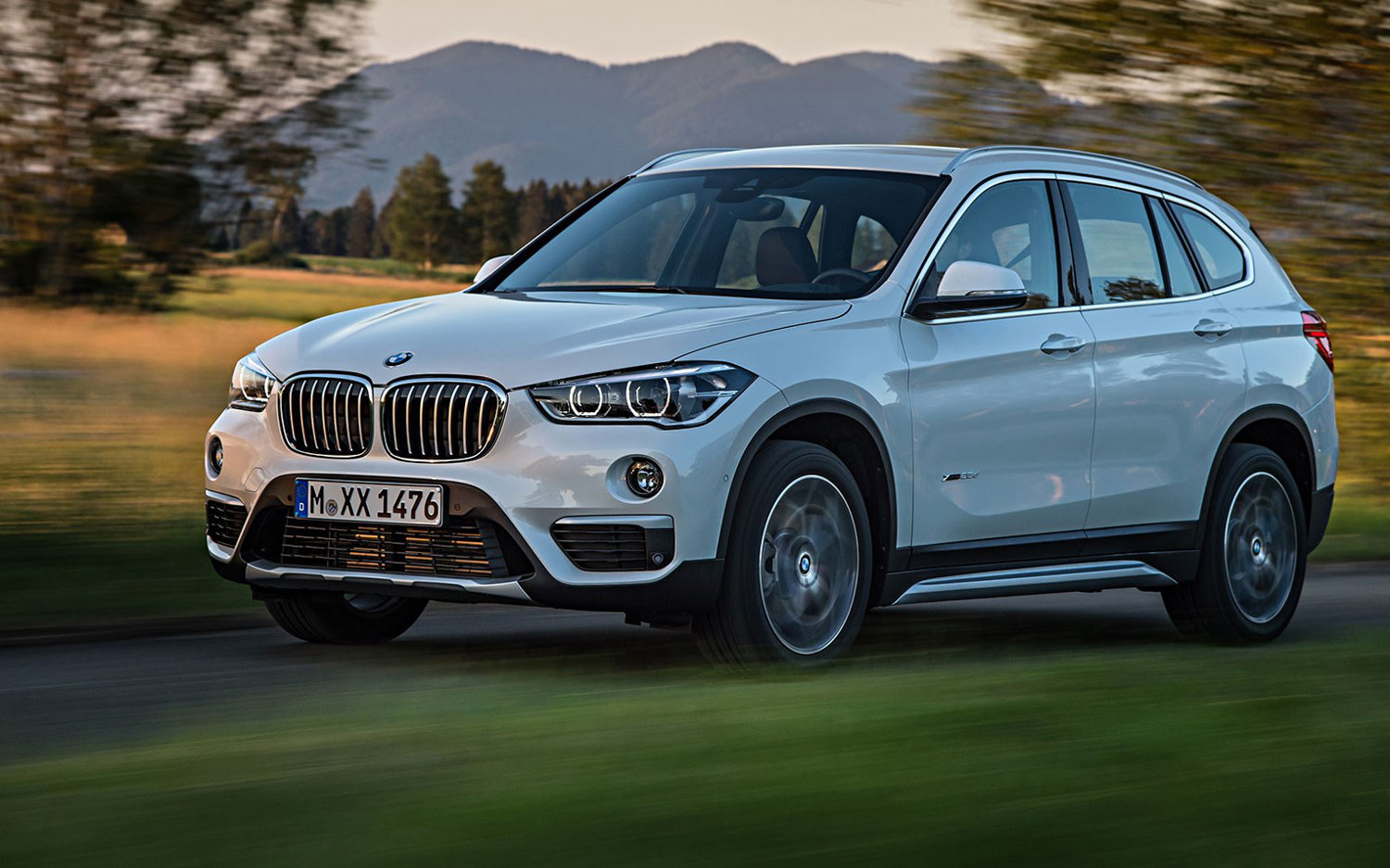
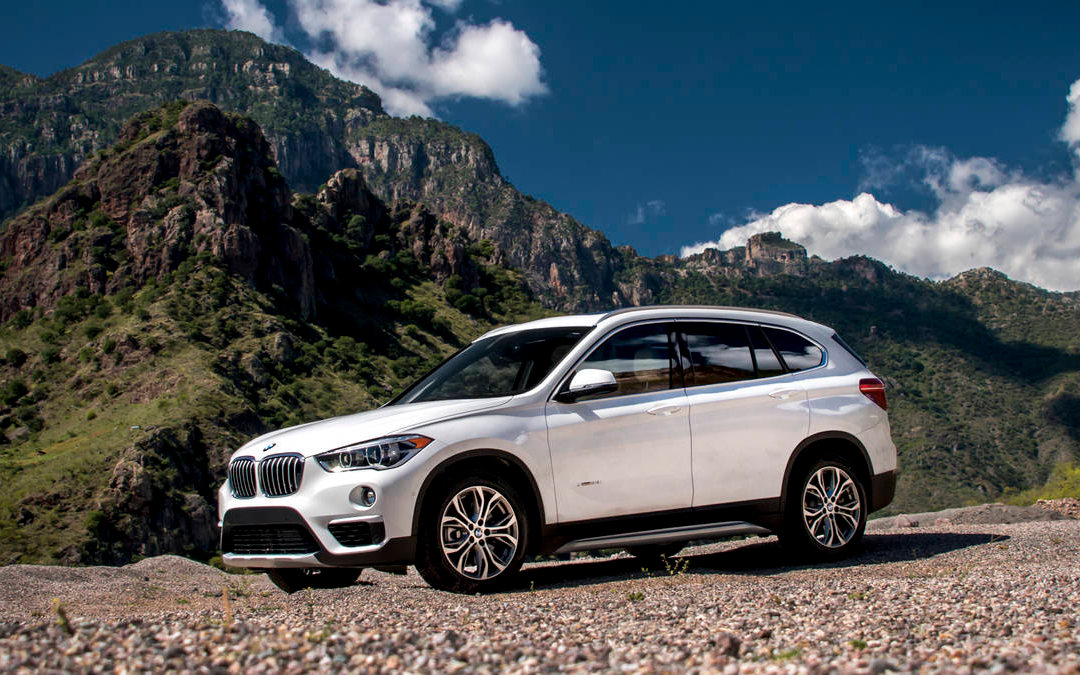
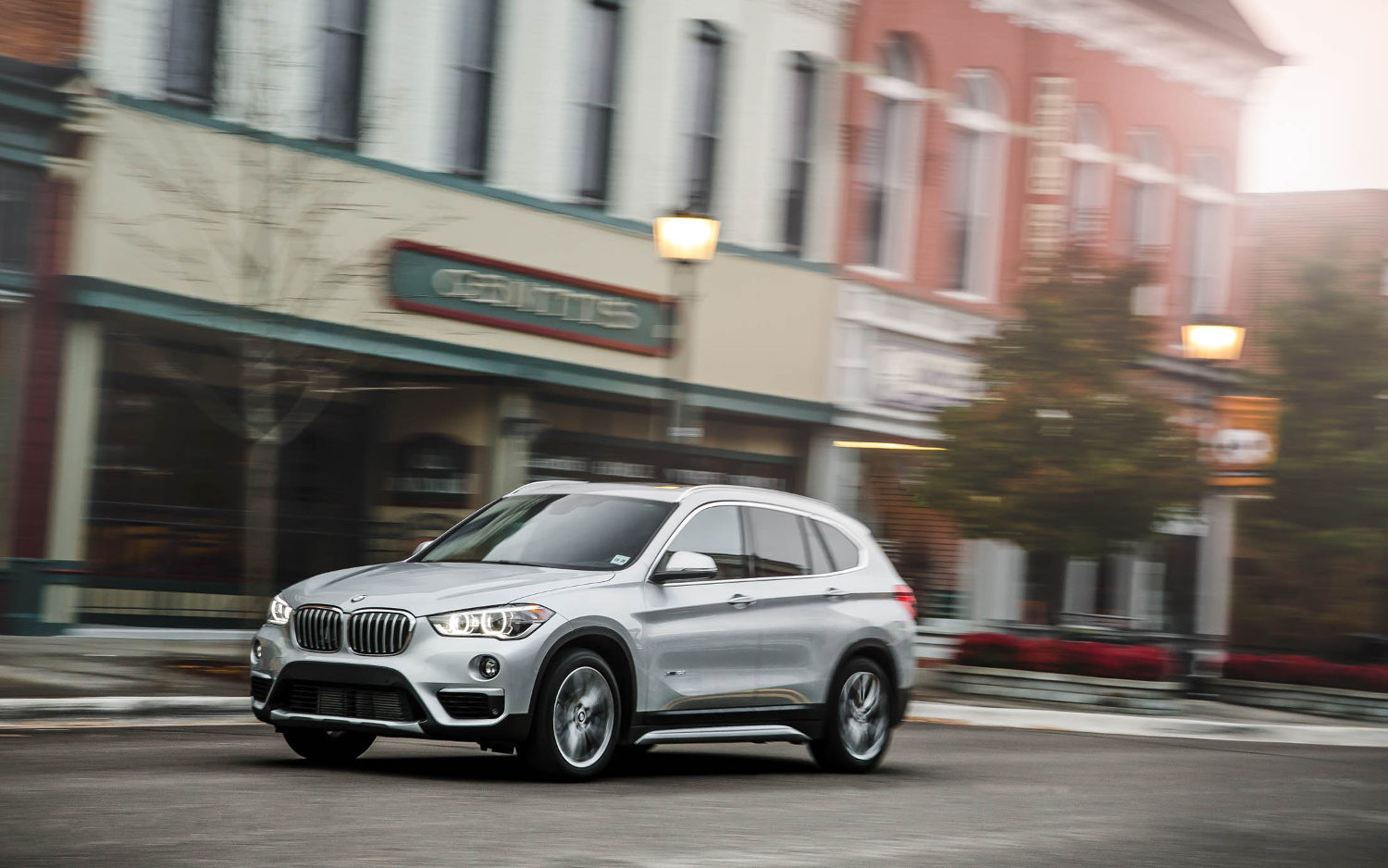
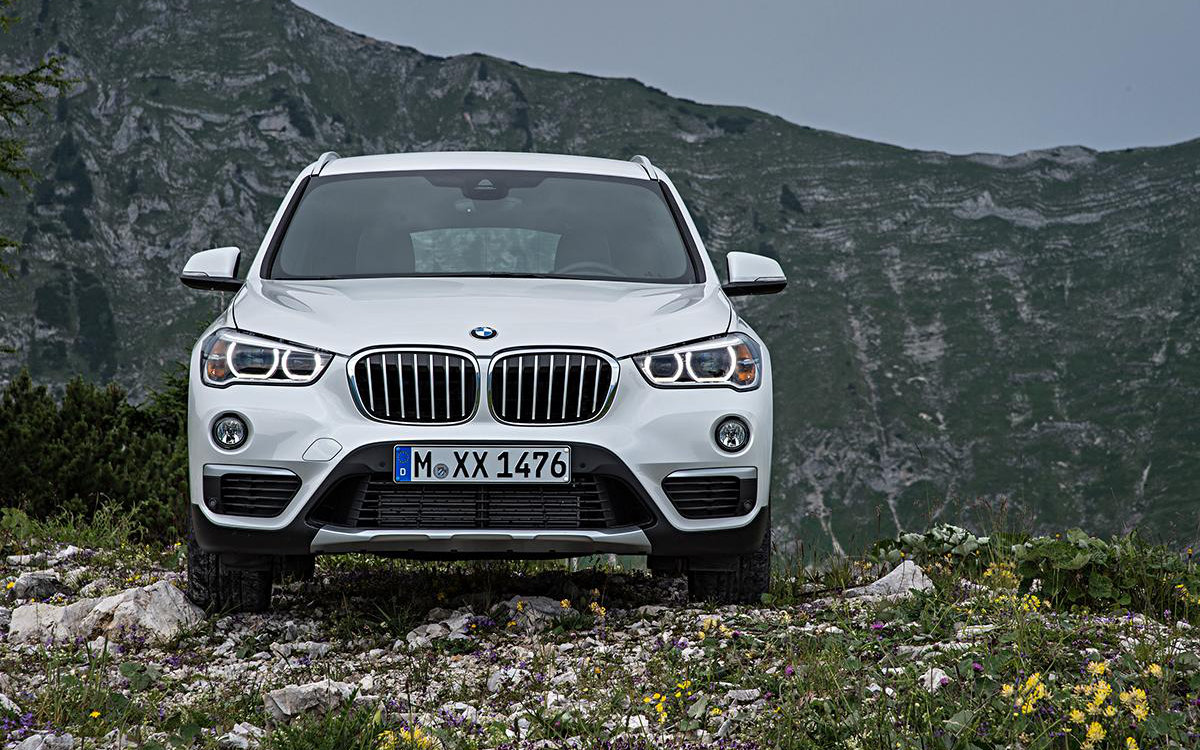
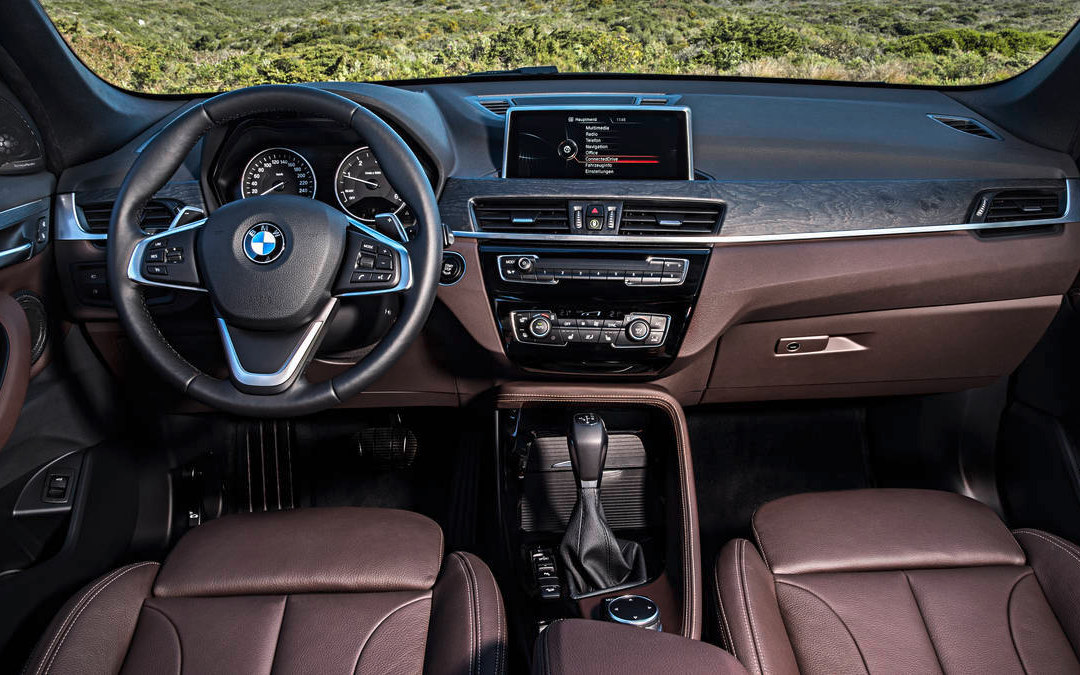
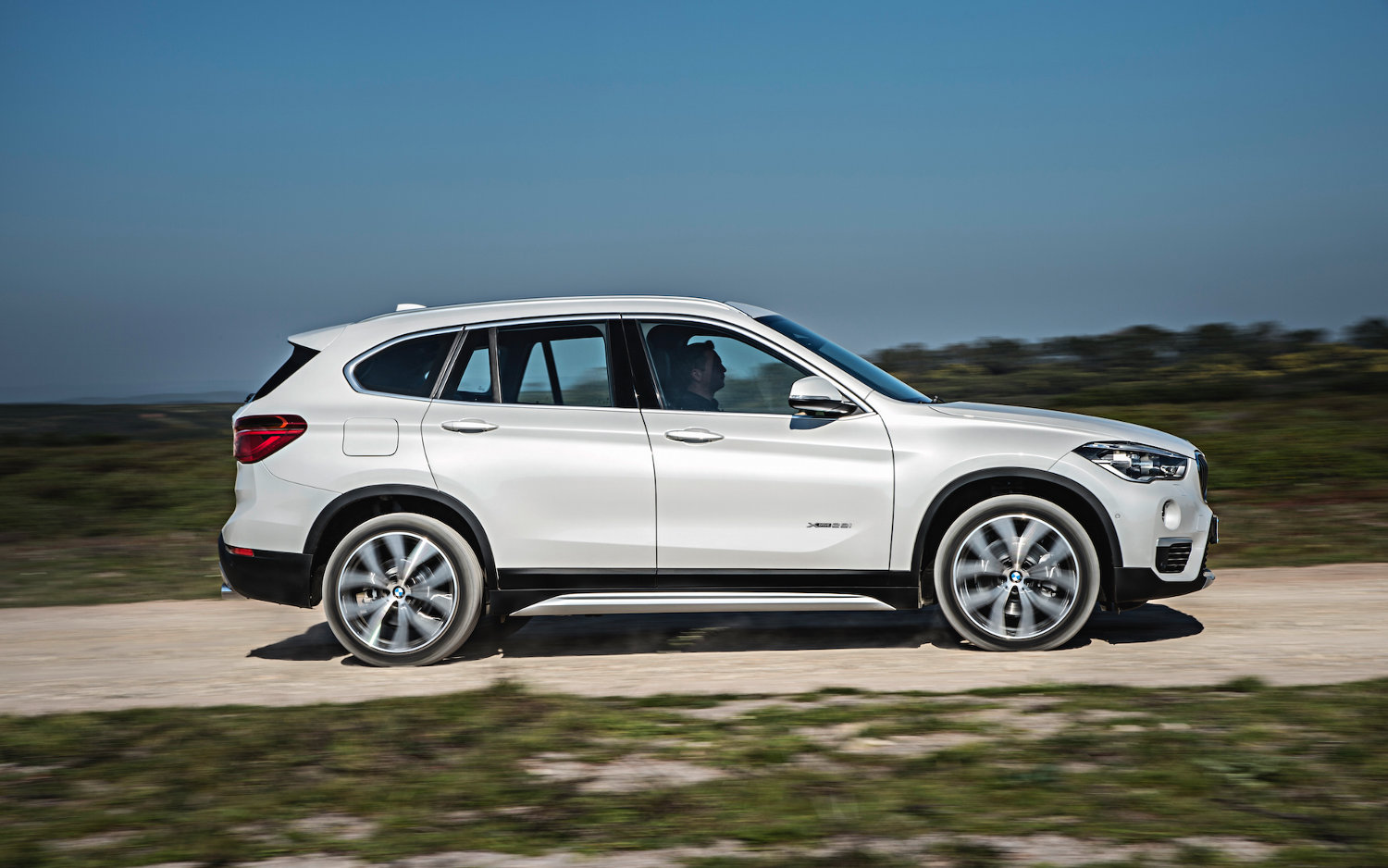
Pleasant to drive and built to a price, the 2017 BMW X1 is a mainstream subcompact crossover that is pleasant to drive but lacks the brand's "ultimate driving machine" performance. The 2017 BMW X1 sits apart from other BMWs. With its front-wheel-drive, Mini-sourced platform, is the brand's entry-level subcompact crossover and a more mainstream, less passionate vehicle than you would expect from BMW. It is offered as the front-drive sDrive28i and the all-wheel-drive xDrive28i, the former added for 2017.
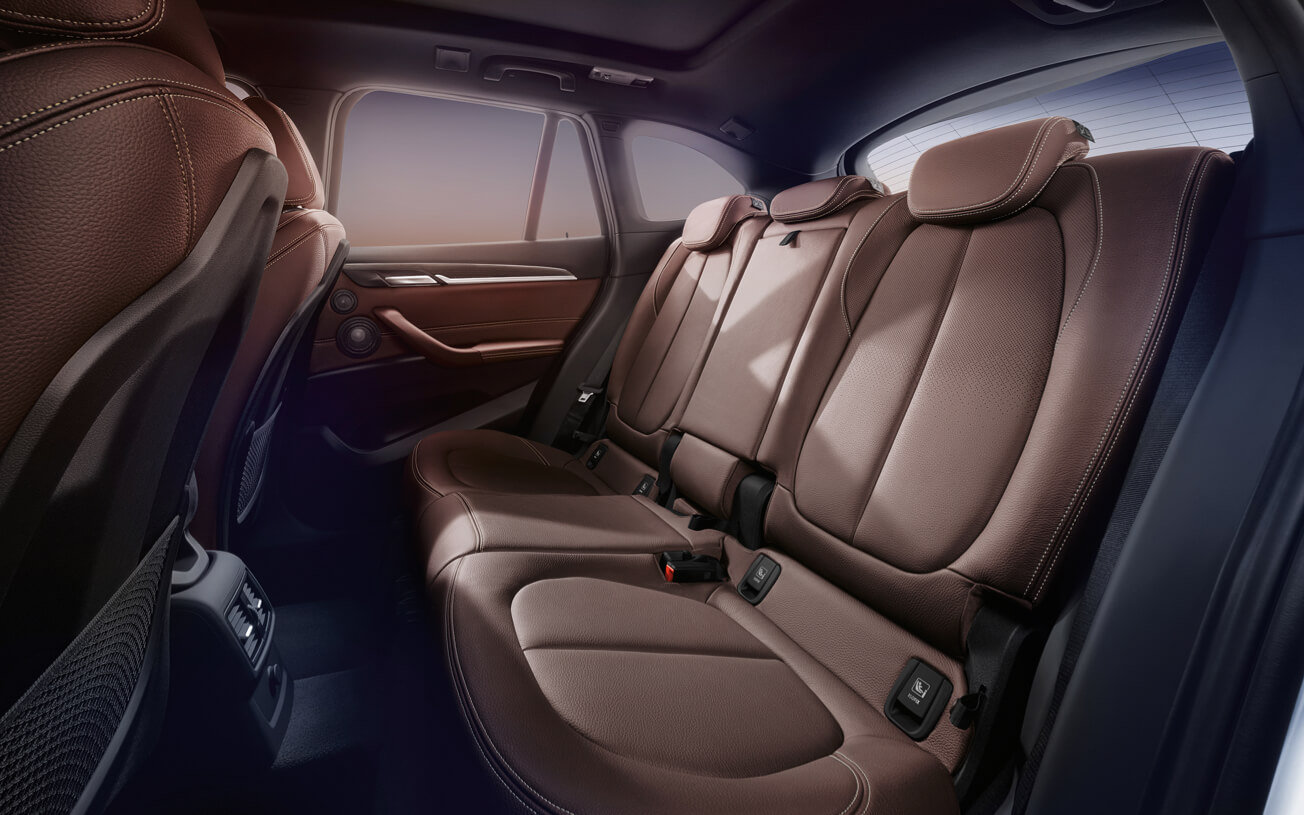
Pros Crossover utility Gutsy turbo 4-cylinder Good rear-seat space Fairly thrifty fuel economy Competitive price of entry
Cons Prices climb quickly with options Some cost-cutting in interior trim Driver assists cost extra Poor front seats
The BMW X1 offers shoppers in the compact luxury crossover category an intriguing blend of performance, comfort and utility. If you're looking for something that cleverly blurs the line between a low-slung sedan and a high-riding SUV, the X1 is worth a test drive. The 2017 X1 is BMW's smallest and most affordable utility vehicle, yet it offers a surprising amount of passenger and cargo space. It delivers trademark BMW quality inside and out, and despite having less power than earlier versions, the X1 still accelerates and handles better than most in its class.
Pros Strong performance from its turbocharged engine One of the best-handling compact luxury crossovers you're going to find More rear passenger and cargo room than most other competitors High-level interior fit, finish and materials
Cons Standard sport suspension can be jarring on rough roads Steering feels less precise than some of BMW's sport sedans.
The 2017 BMW X1 ranks 1 out of 5 Luxury Subcompact SUVs. The 2017 BMW X1 finishes near the top of our luxury subcompact rankings because of its good performance, upscale and spacious interior, and outstanding cargo space for the class.
Pros Quick acceleration Athletic handling Roomy back seat Outstanding cargo capacity
Cons No standard driver assistance features
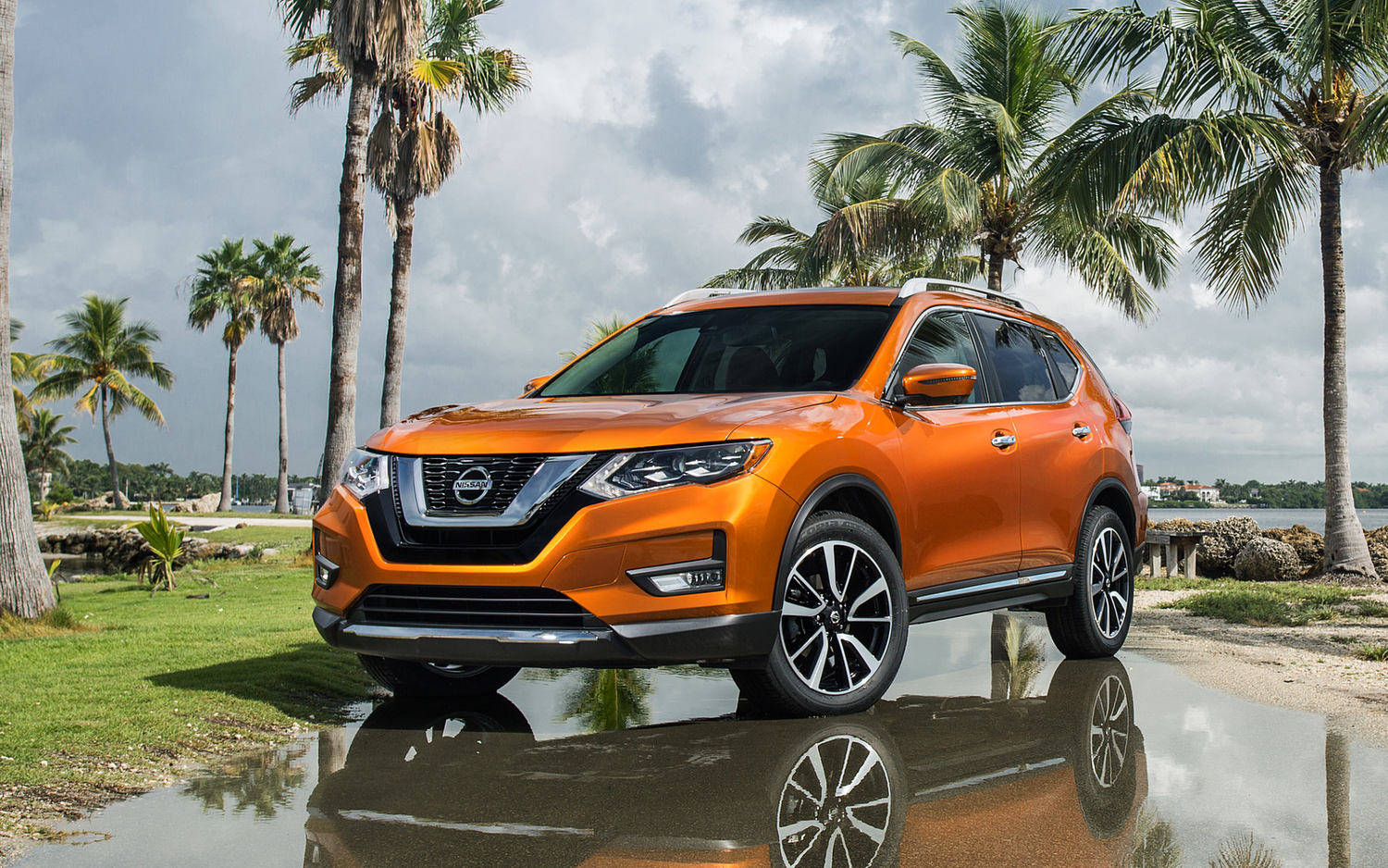
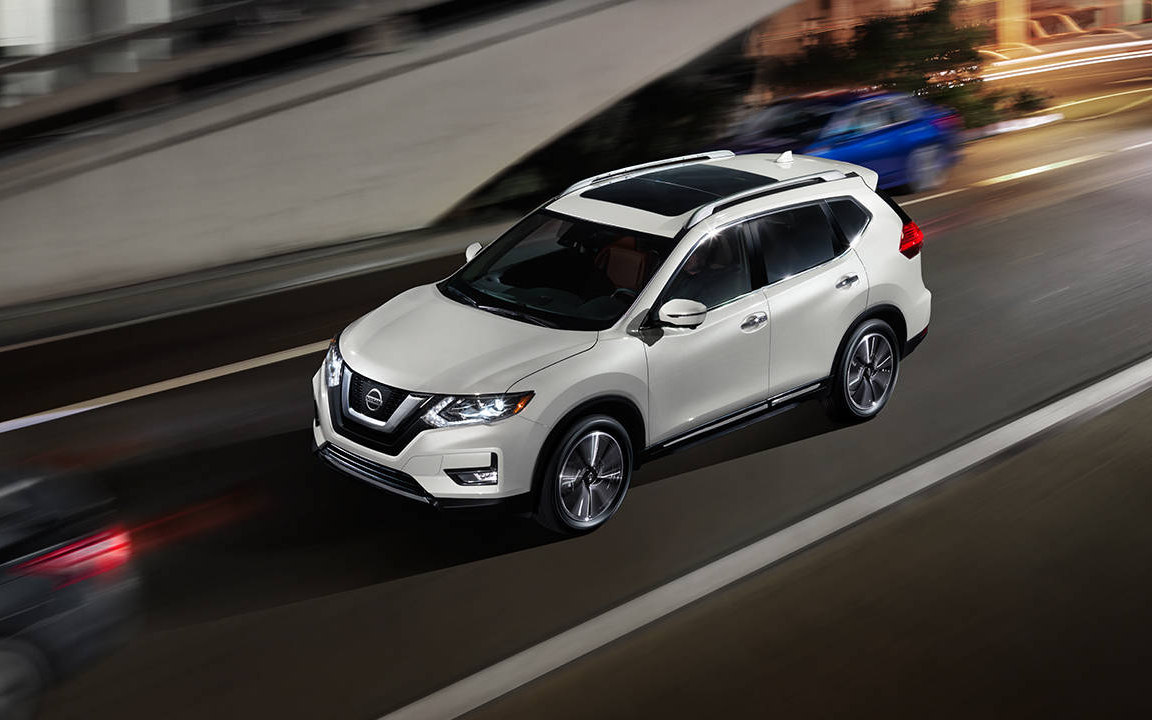
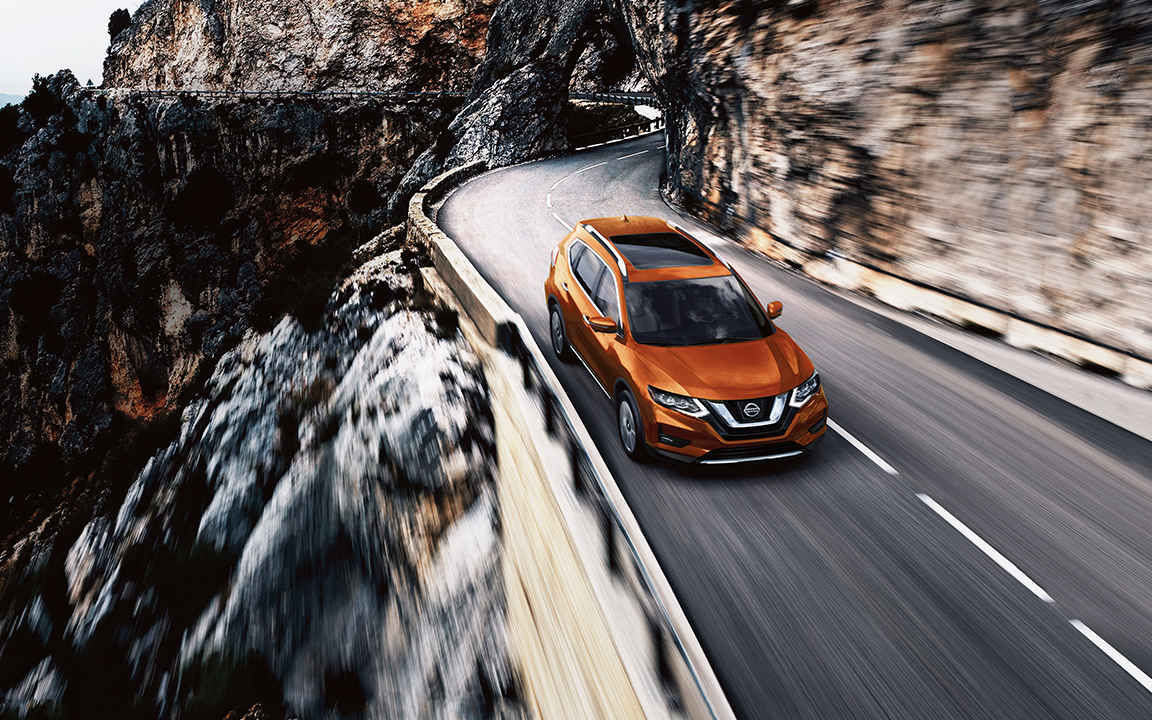
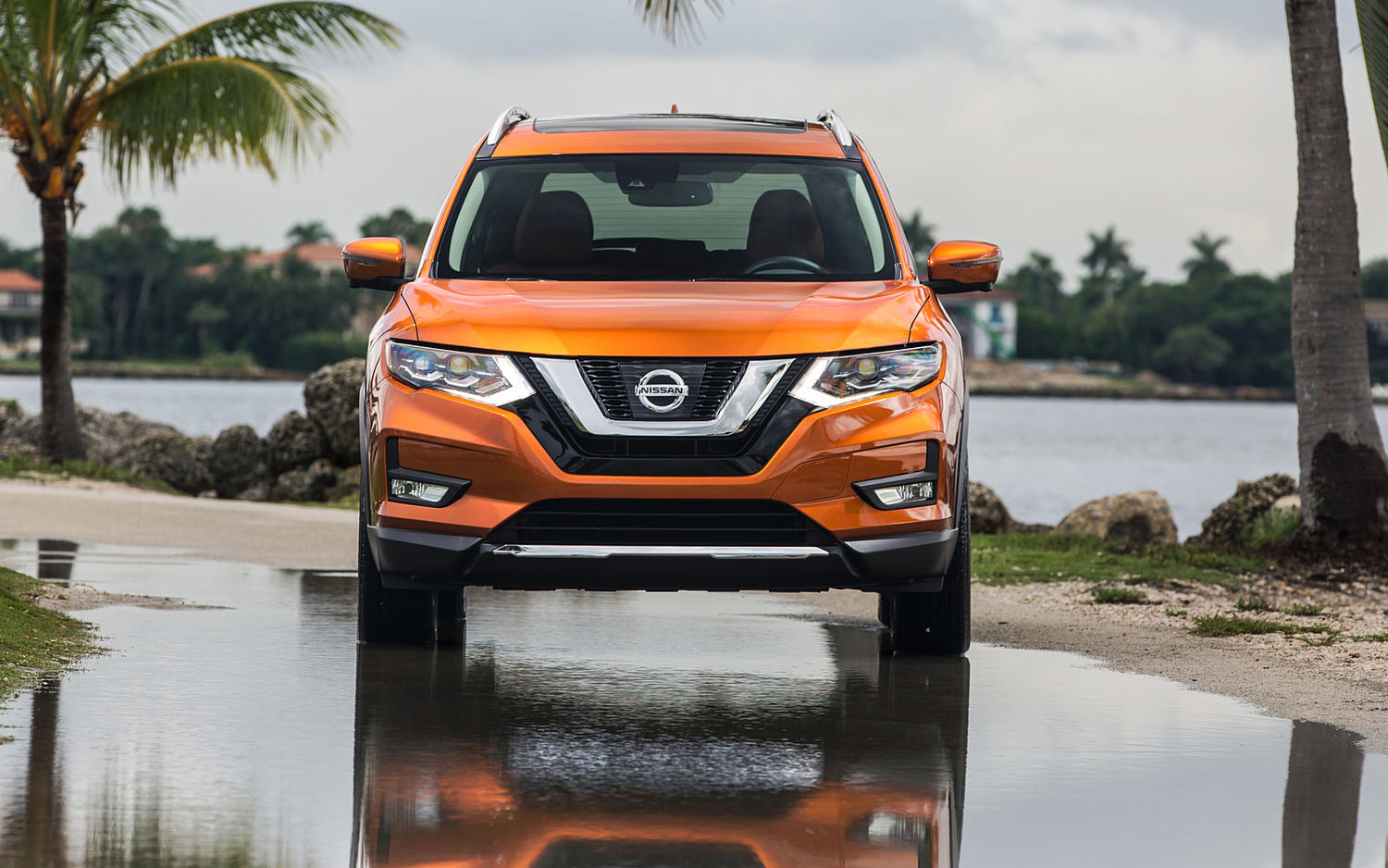
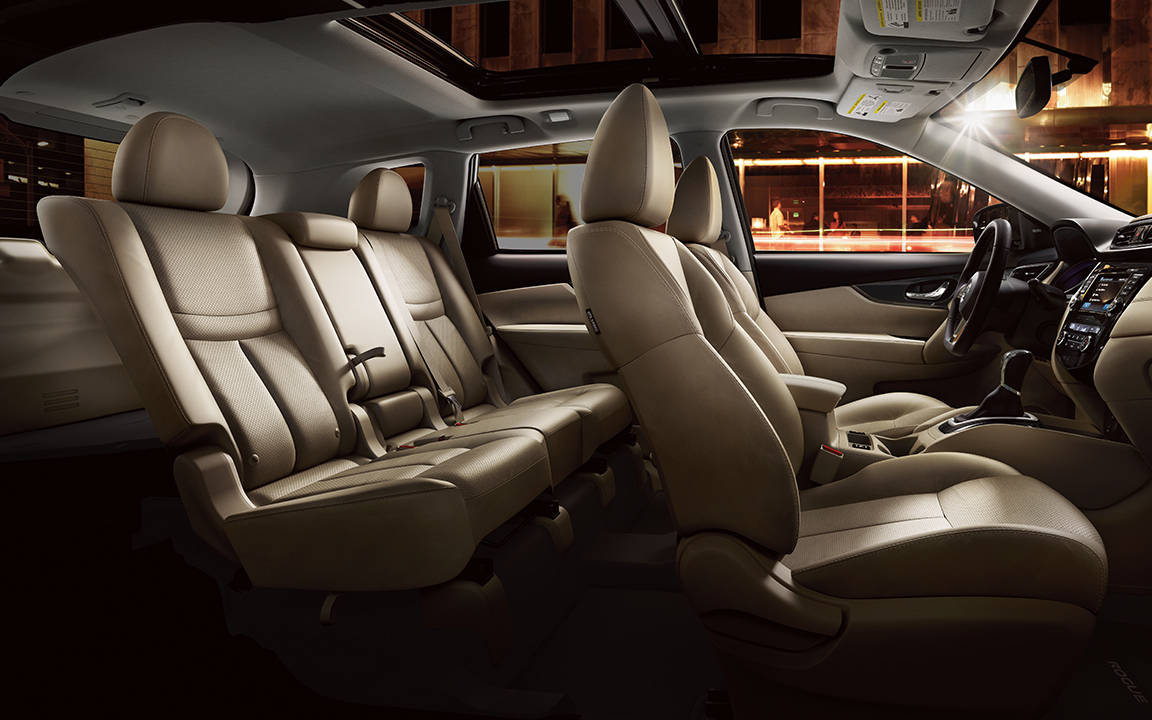
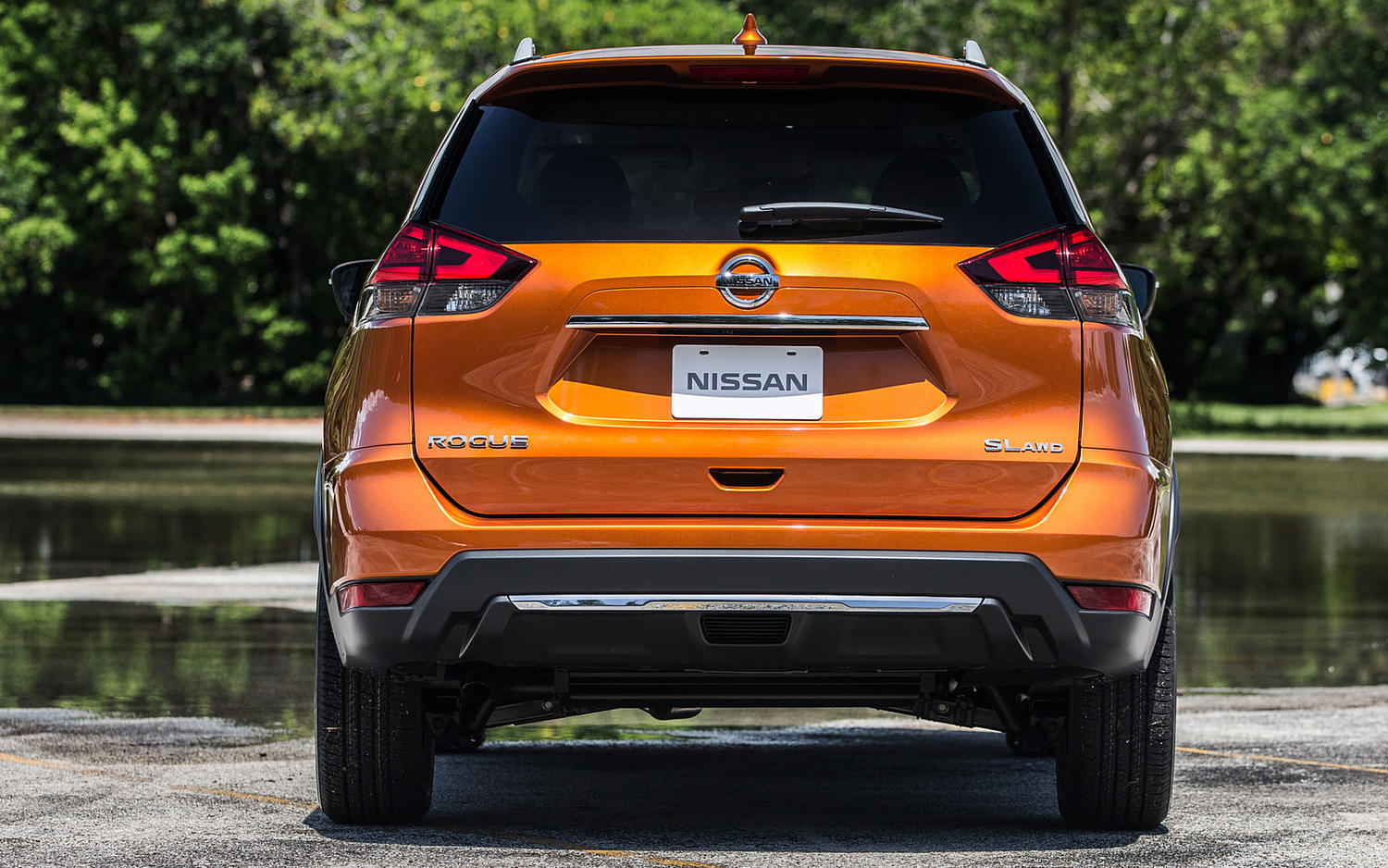
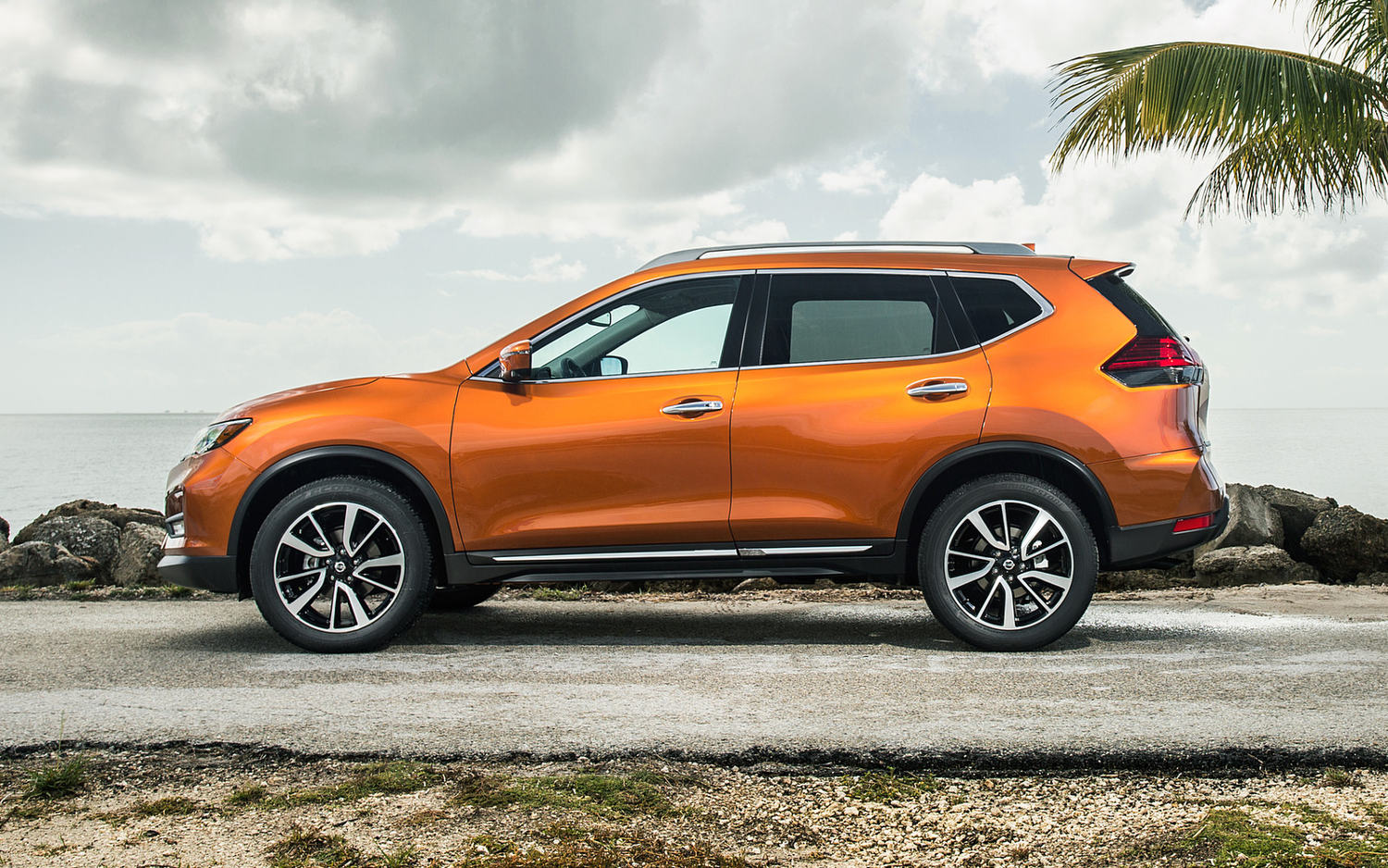
The 2017 Nissan Rogue could beat the world of compact crossover SUVs, were it not for mediocre performance and safety ratings. The Nissan Rogue covers the middle of the automaker's crossover SUV lineup. Tucked in between the teensy, utterly impractical Juke and the big three-row Pathfinder, the Rogue relies on good seats and interior space to move its metal.
Pros Surround-view cameras are a must-have feature USB and Bluetooth streaming, standard Lots of safety features Good looks
Cons Carryover powertrain Noisy under hard acceleration Still a crossover... ...with a third-row seat?
The 2017 Nissan Rogue ranks 9 out of 18 Compact SUVs. The 2017 Nissan Rogue is a solid, middle-of the-road vehicle. Nothing about the Rogue elevates it to the top of this fiercely competitive compact SUV class, but nothing about it is so terrible as to banish it to the bottom either.
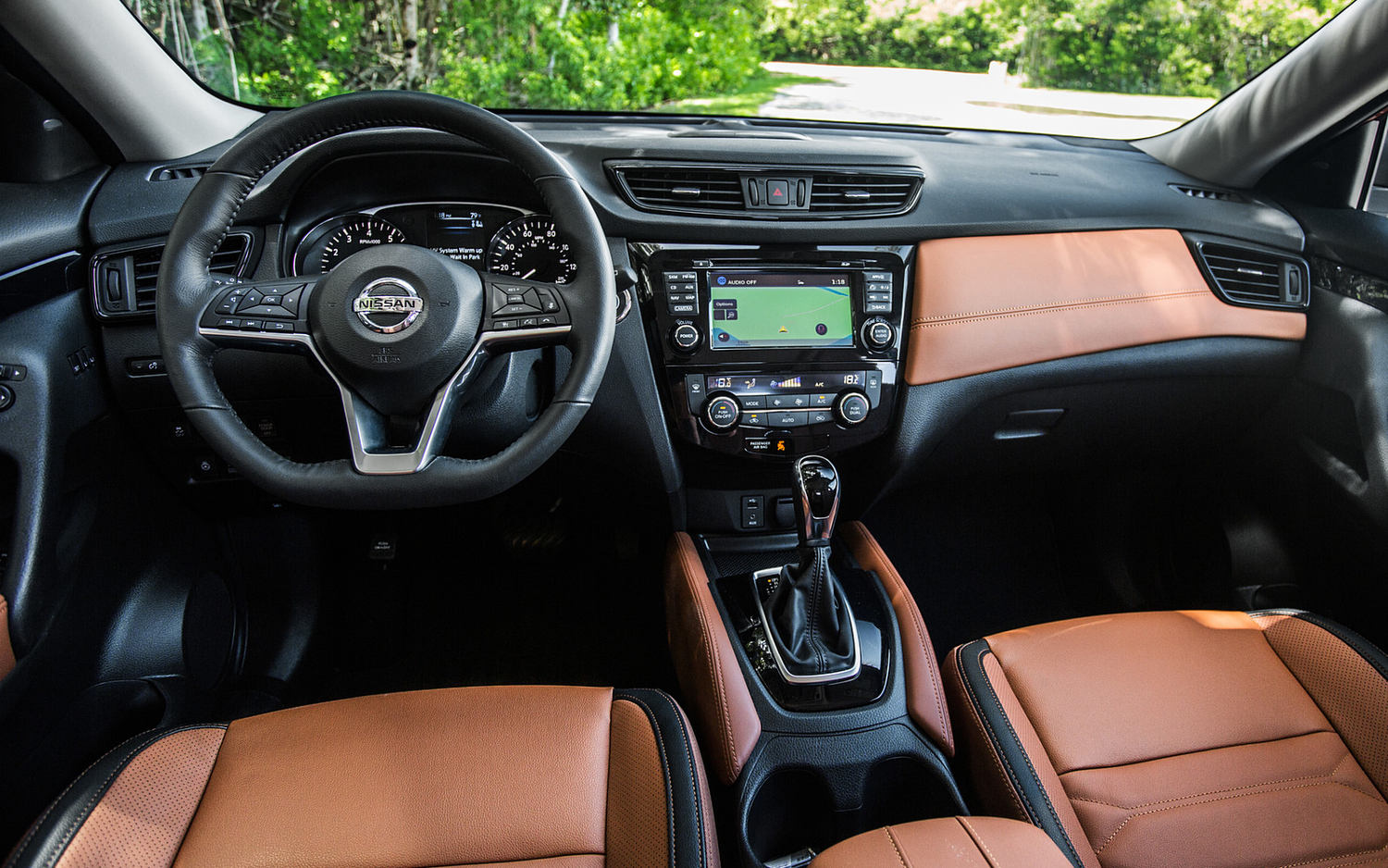
Pros Classy interior with upscale finishes Large cargo area with innovative storage system Excellent fuel economy
Cons Transmission can be loud under heavy acceleration Engine could use more power Majority of driver assistance features are exclusive to top trim leve
For 2017, the Nissan Rogue gains a new hybrid option, a slight styling refresh and additional sound insulation. Other available enhancements include a hands-free liftgate, adaptive cruise control with forward collision mitigation, remote ignition, a heated steering wheel, driver-seat memory functions and a premium Platinum Reserve interior package.
Pros Best-in-class front seat comfort Ride quality remains comfortable over varying terrain User-friendly tech options Versatile cargo storage
Cons Weak acceleration Poor visibility Transmission is slow to respond Advanced safety features are only available on top trim level