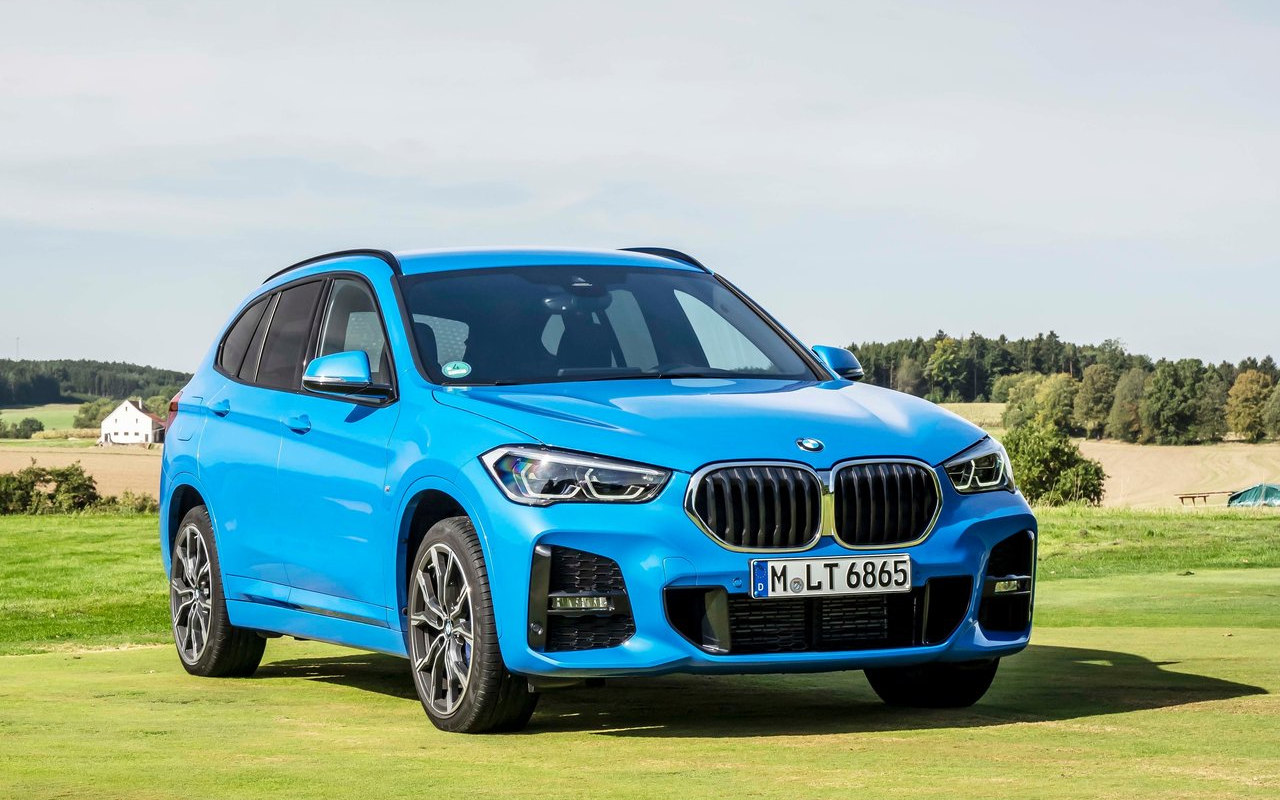
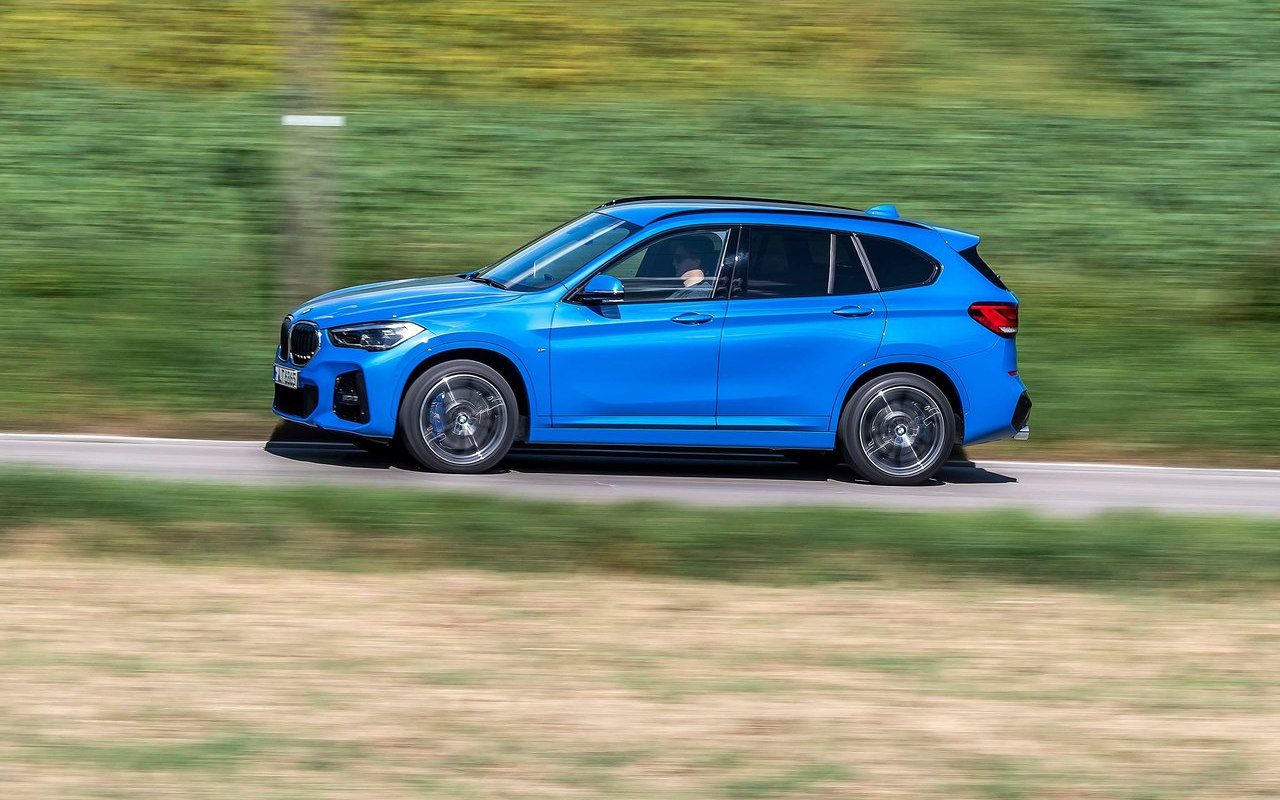
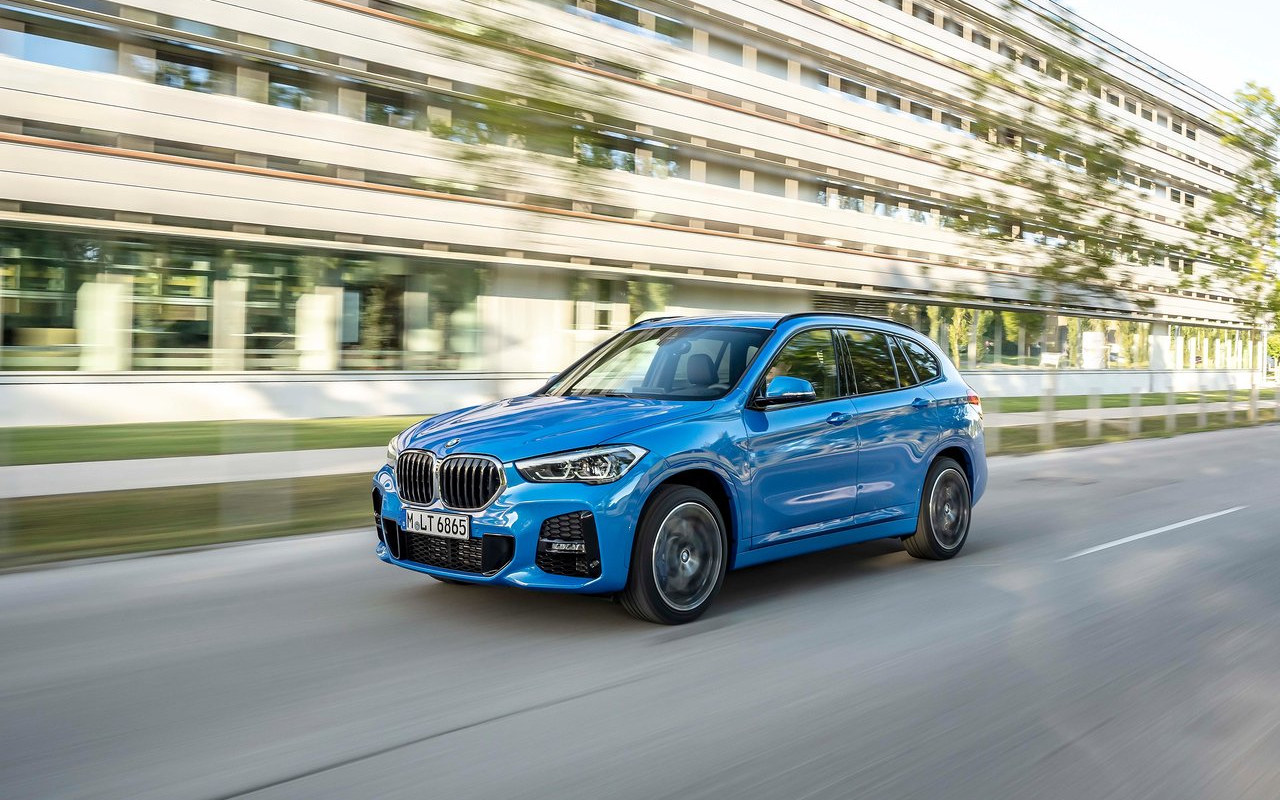
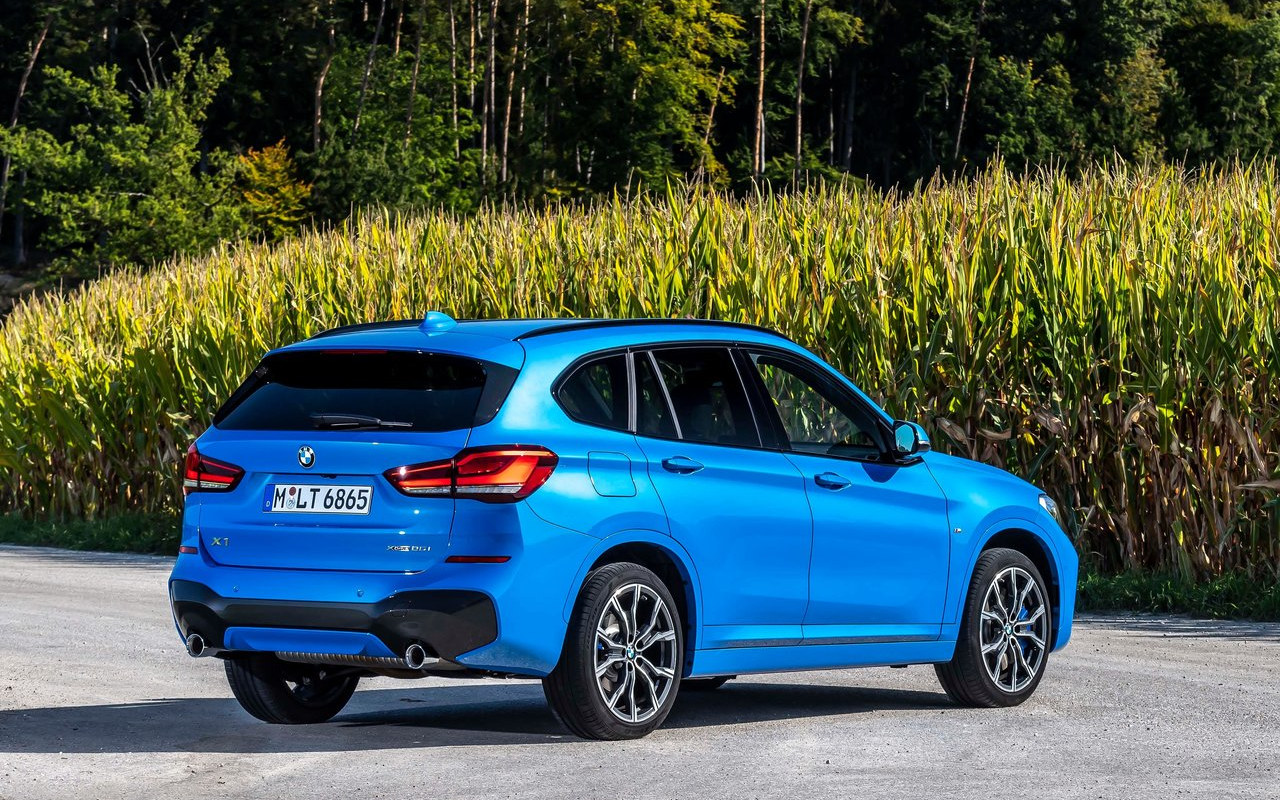
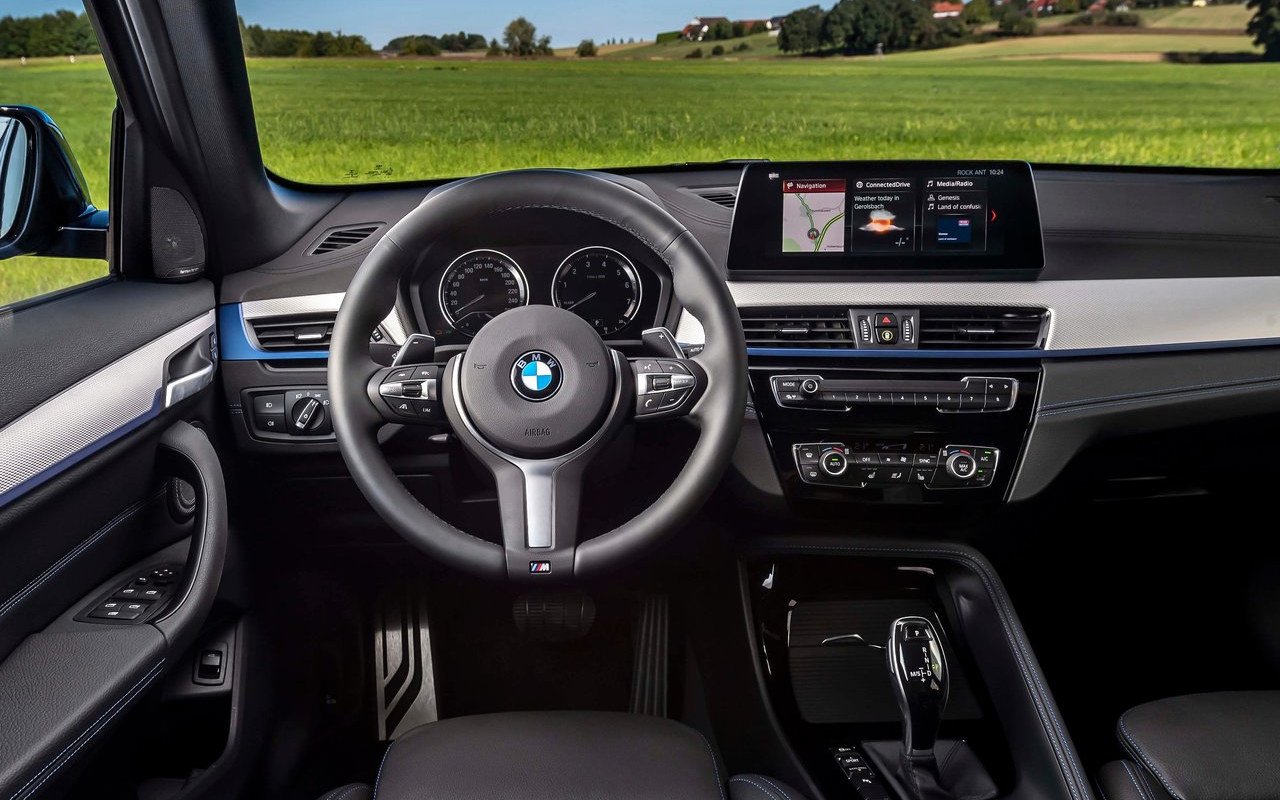
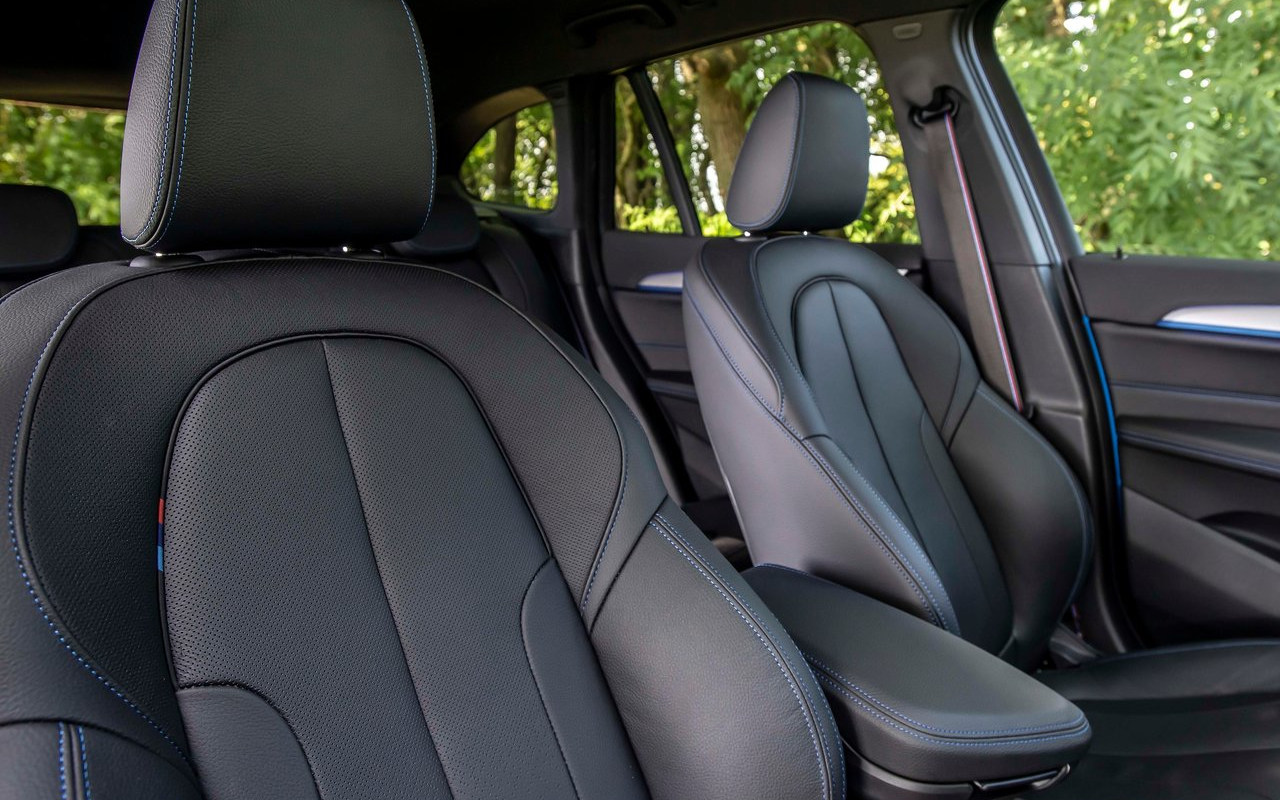
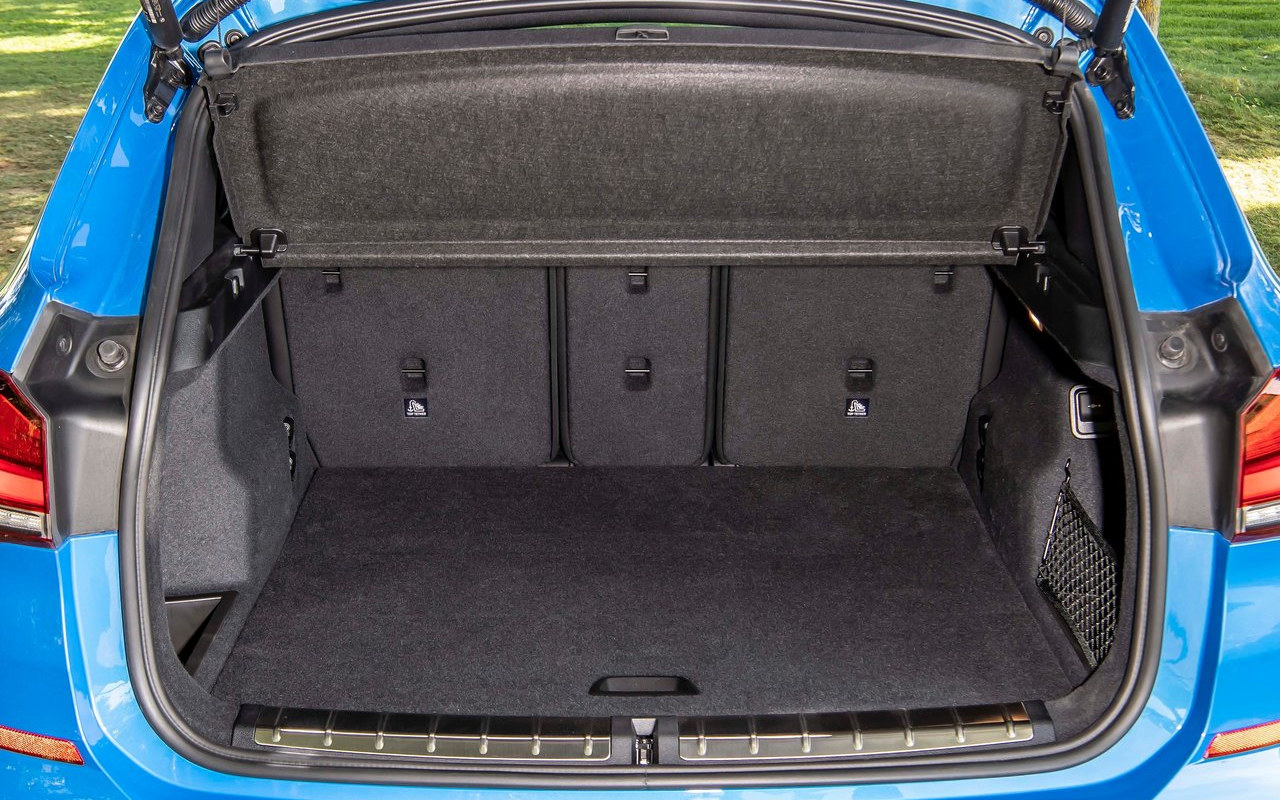
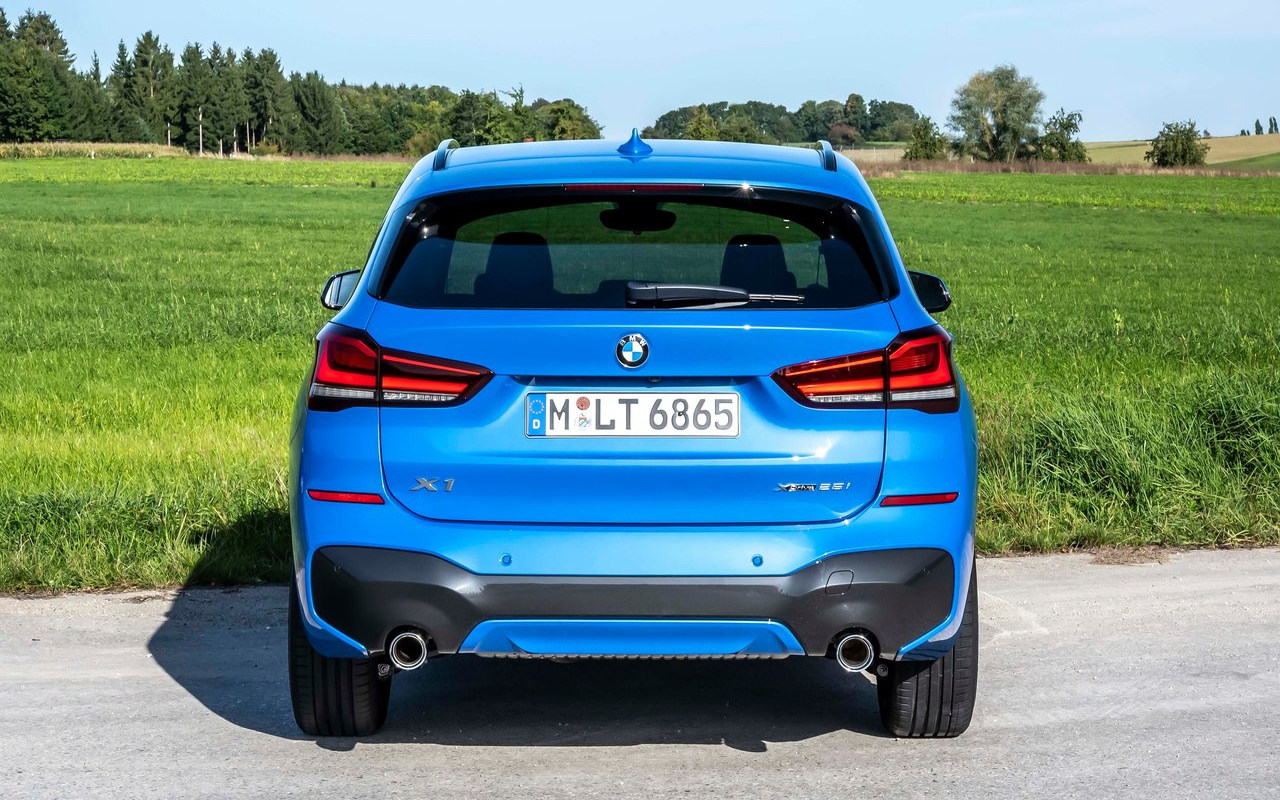
By going transverse-engined the X1 has become technically less distinctive, but more useful in the real world.This is the second-generation BMW X1. The smallest BMW SUV. And this time around there’s been a big change. It’s based not on the natively rear-drive platform of the last one, but on the same front-drive/4WD setup as the 2 Series Active Tourer MPV, Mini Countryman and so-on.
Pros Performance, chassis and space, much-improved style
Cons Not cheap, interior a bit old-feeling, slightly brittle ride
"The BMW X1 is an economical, practical and good-to-drive compact SUV that’s better-looking than the model it replaced"There are two petrol engines to choose from, a 138bhp three-cylinder, 1.5-litre petrol engine is offered in the front-wheel drive X1 sDrive18i, while the sDrive20i sits on the next rung of the ladder with a 2.0-litre, 189bhp engine, and the four-wheel drive xDrive20i sits above that. The latter is a quick car, reaching 62mph from rest in just over seven seconds, although its fuel economy can't match the less expensive model.
PROS Very good to drive Cheap to run Practical
CONS Expensive to buy Baffling list of optional extras Basic model is two-wheel-drive only
The BMW X1 is a fun-to-drive and well-built alternative to the likes of the Volvo XC40 and Audi Q3.
Pros Enjoyable to drive High-quality interior Decent cabin space
Cons A little noisy at speed Limited smartphone mirroring Alternatives have bigger boots
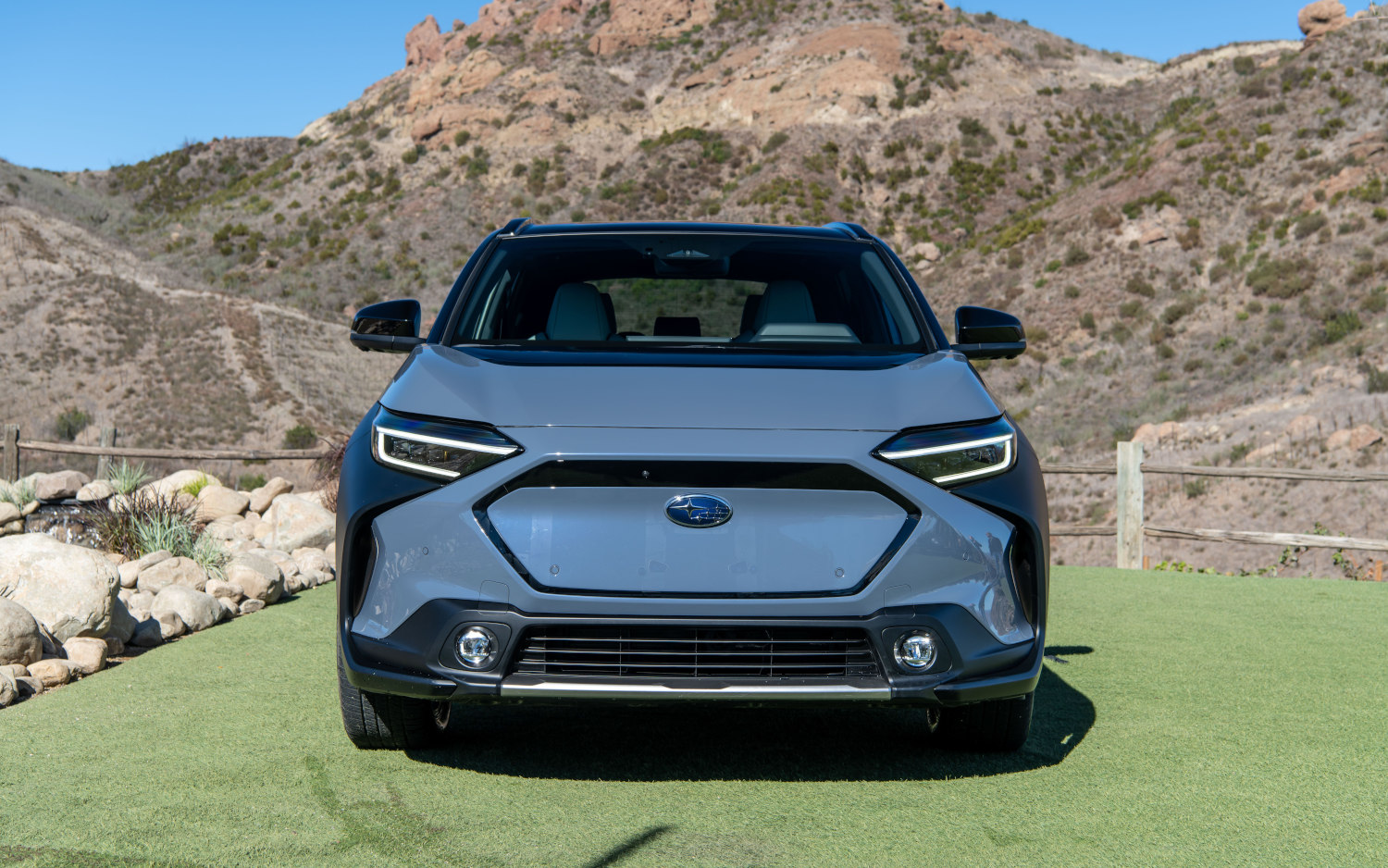
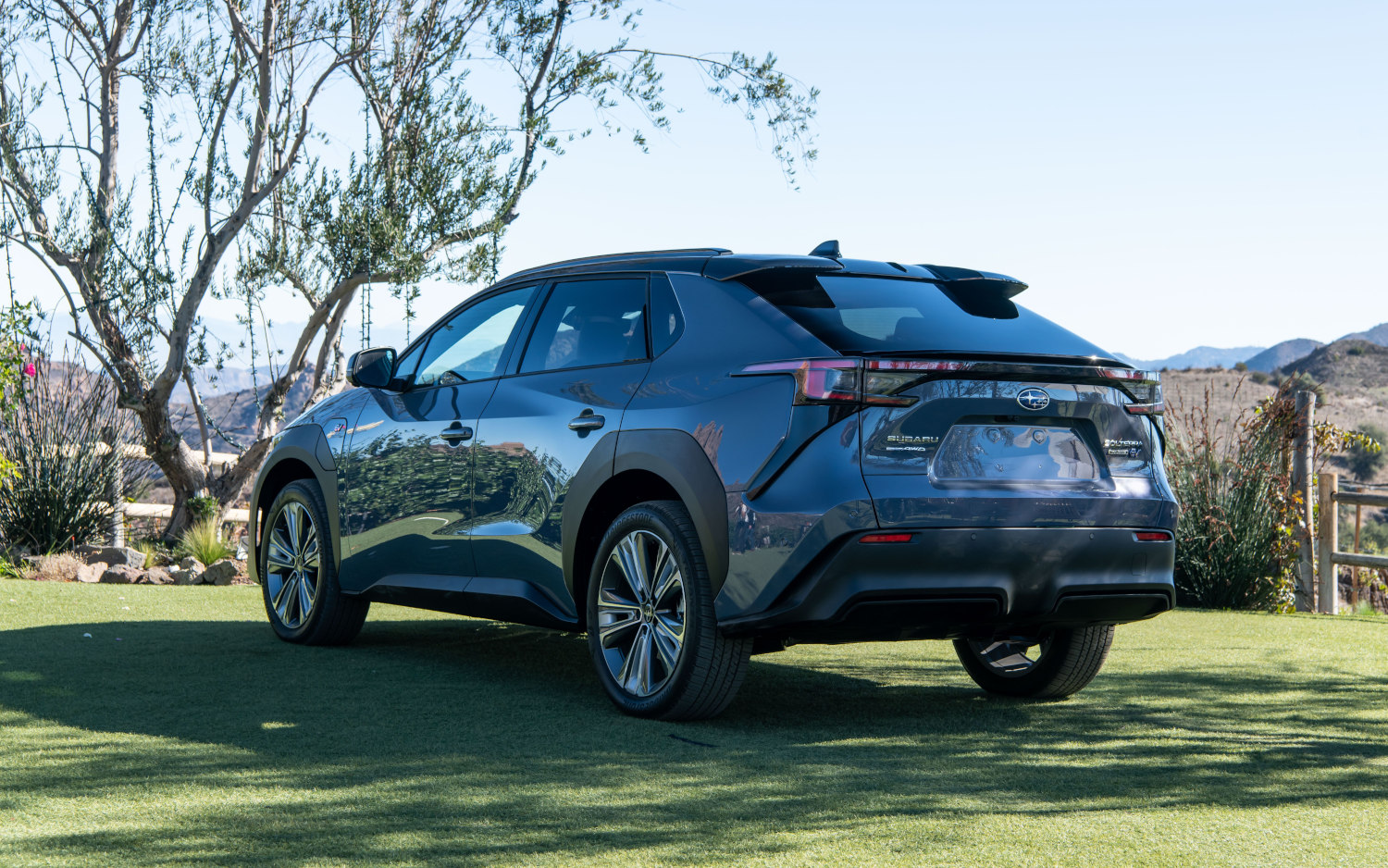
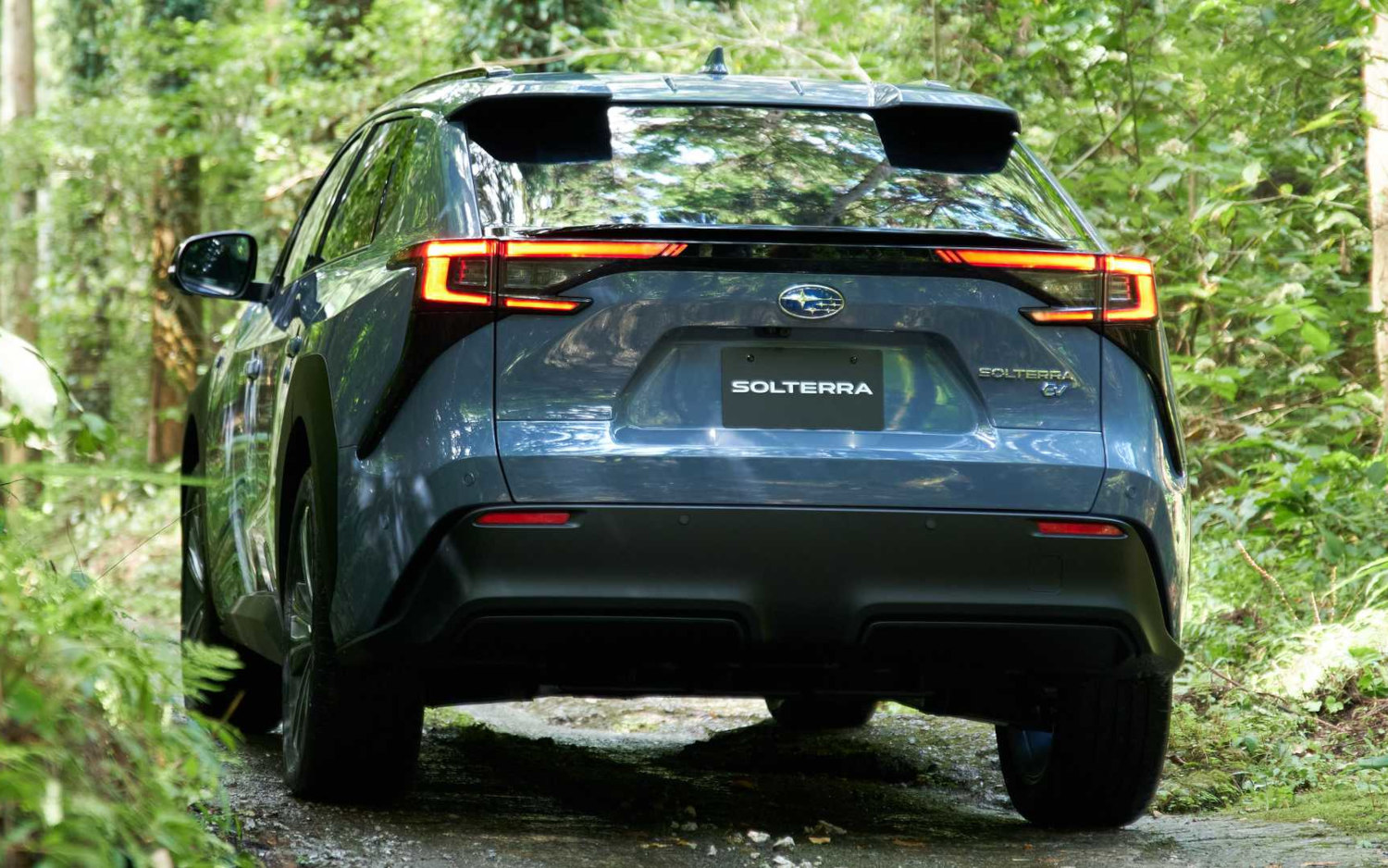
Pros All-wheel drive is standard, actually capable when the blacktop ends, finally an EV option for Subie fans.
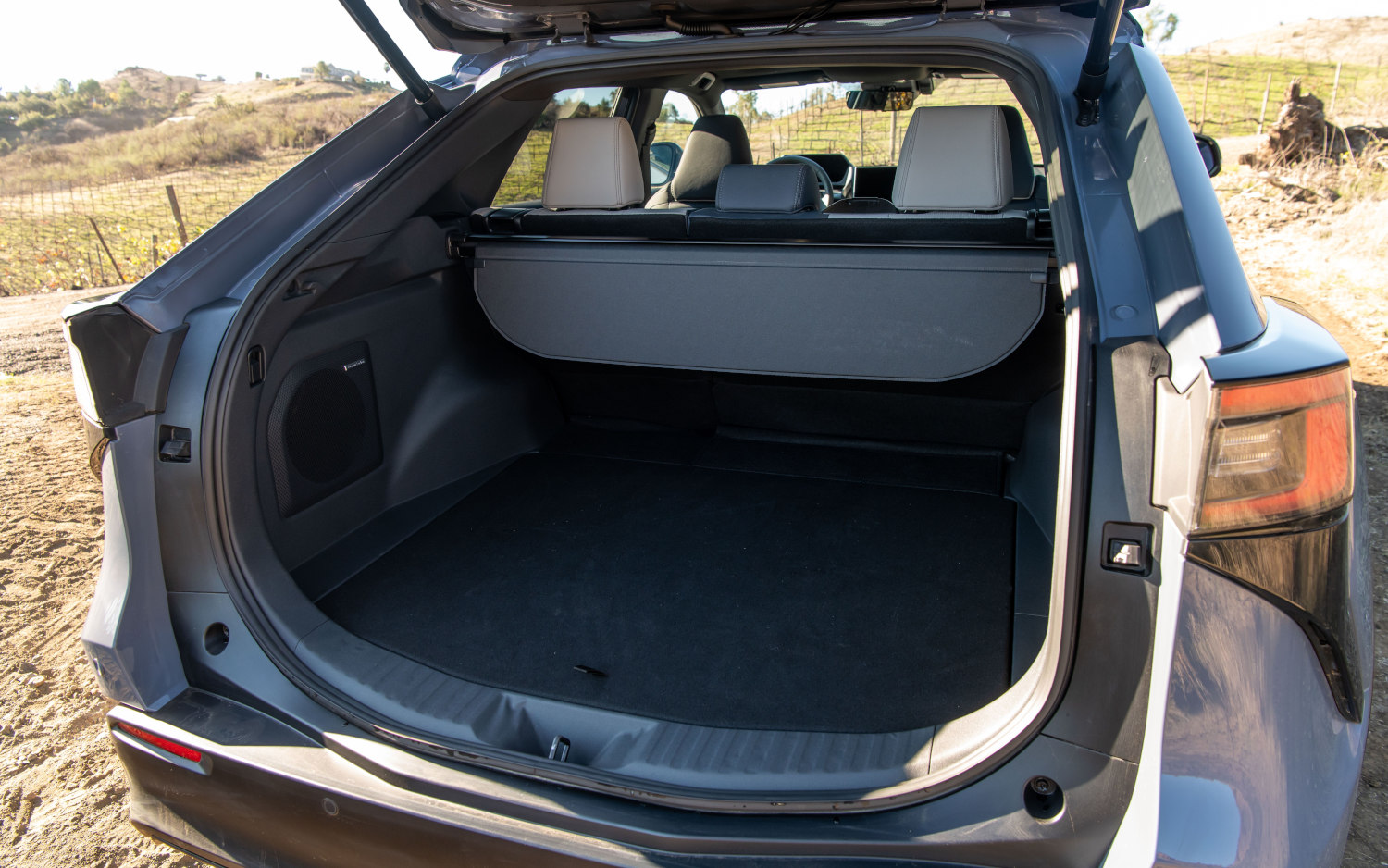
Cons Not a lot of cargo space, charging capability isn't particularly quick, rivals offer more driving range.
Pros Solid off-road capabilities Comfortable, quiet ride
Cons Shorter driving range than many rivals Bland interior
Pros More ground clearance than most EVs Quiet and comfortable Good feature content even on base models
Cons Higher MSRP than base Forester or Ascent No frunk Elevated floor can be uncomfortable in the rear seat