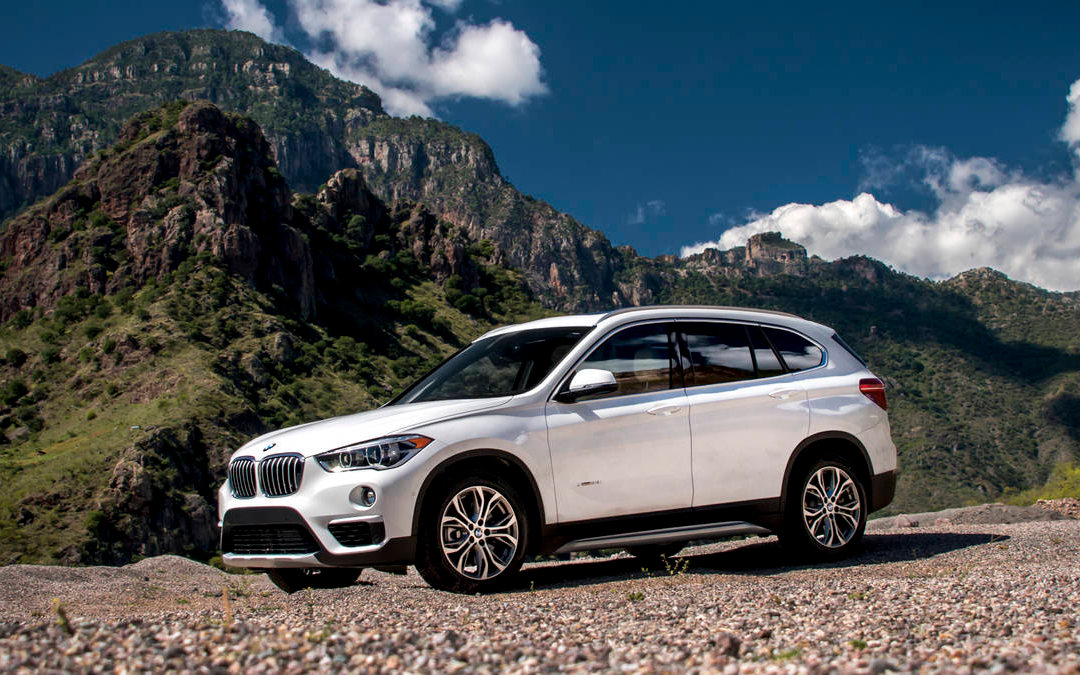
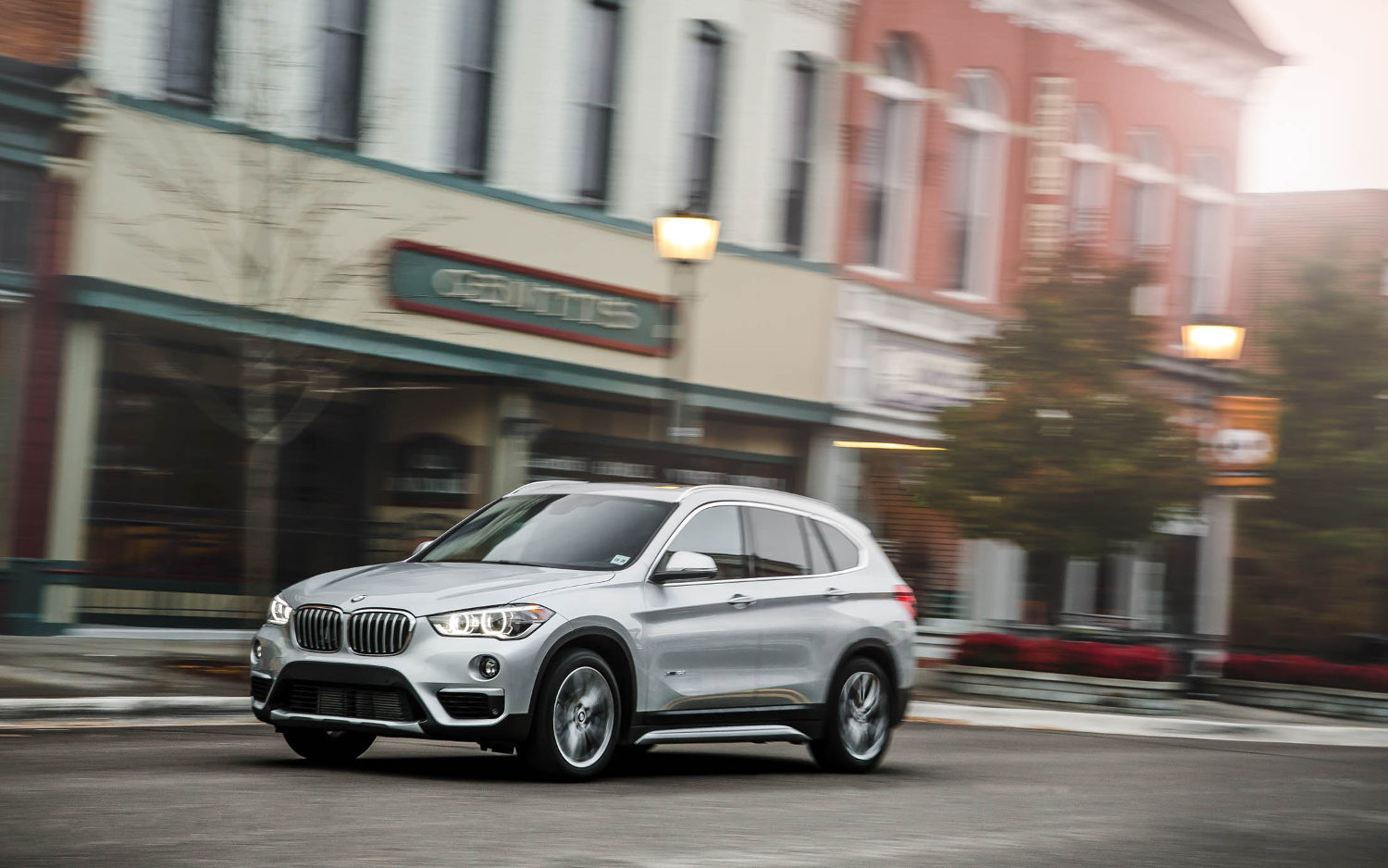
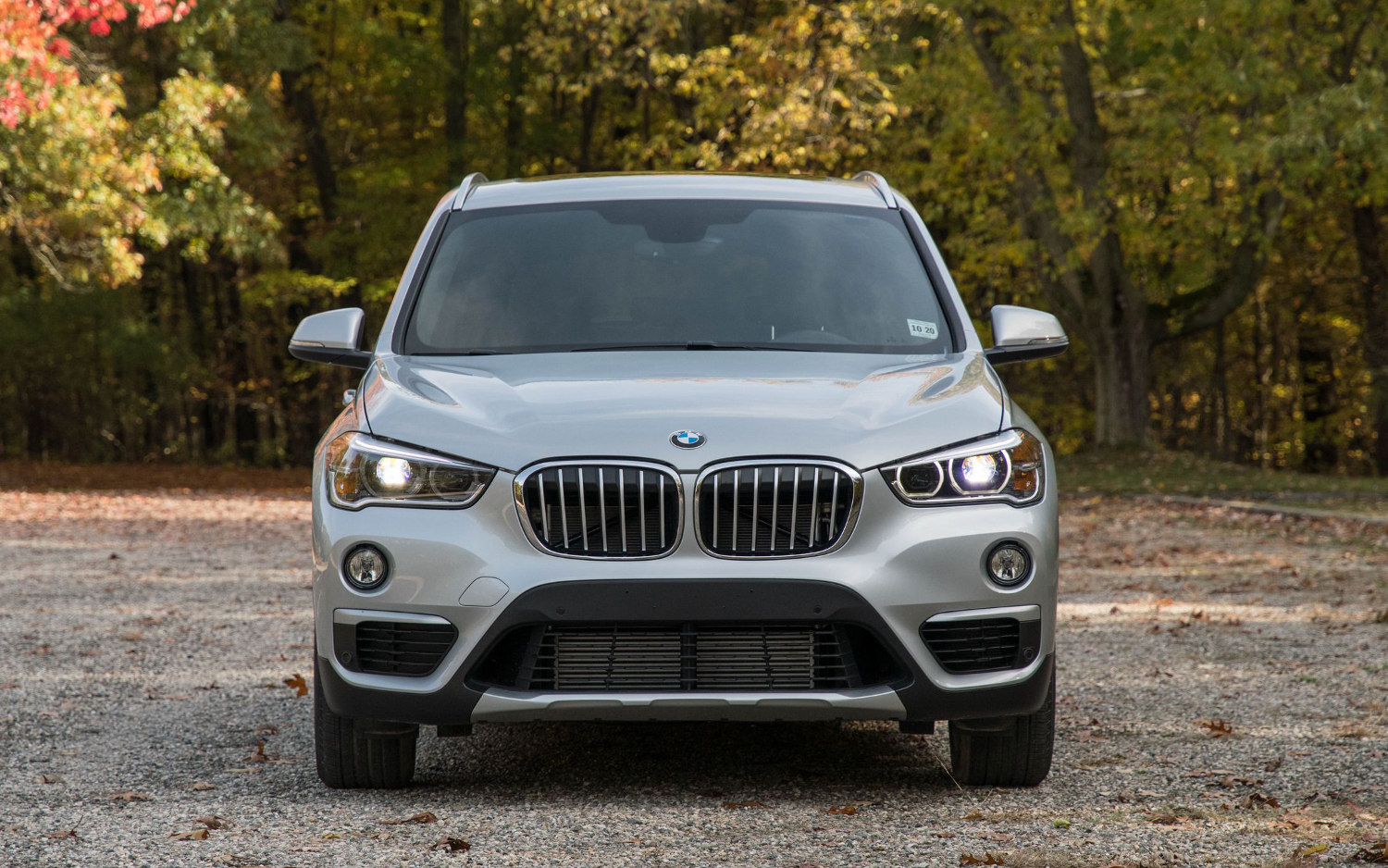
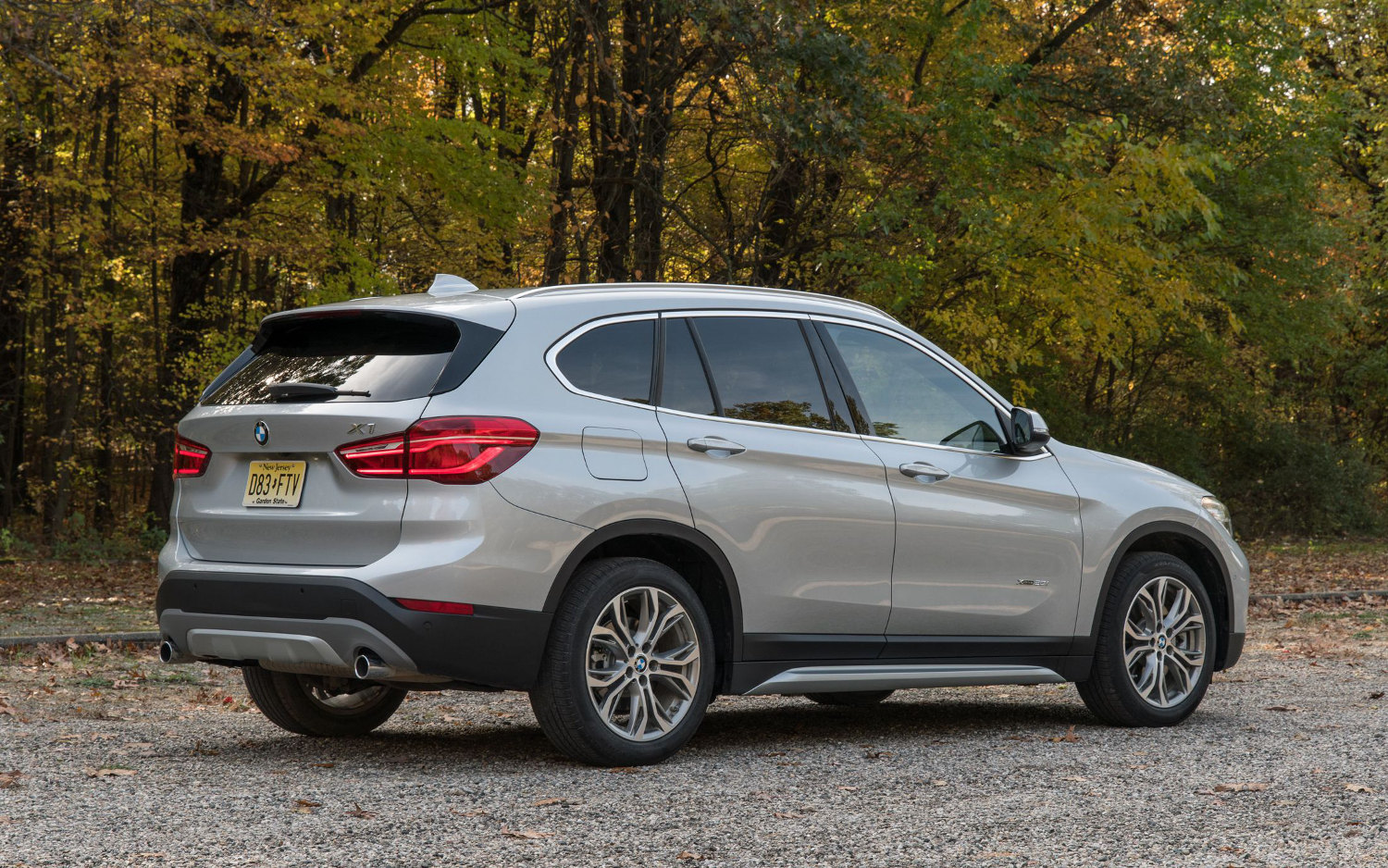
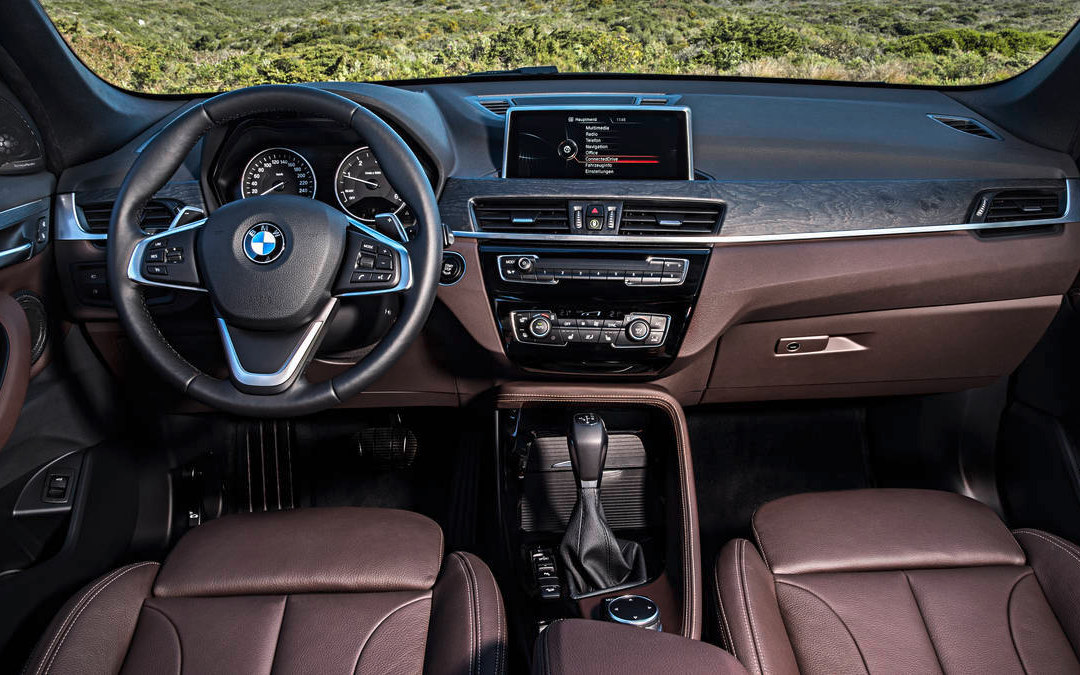
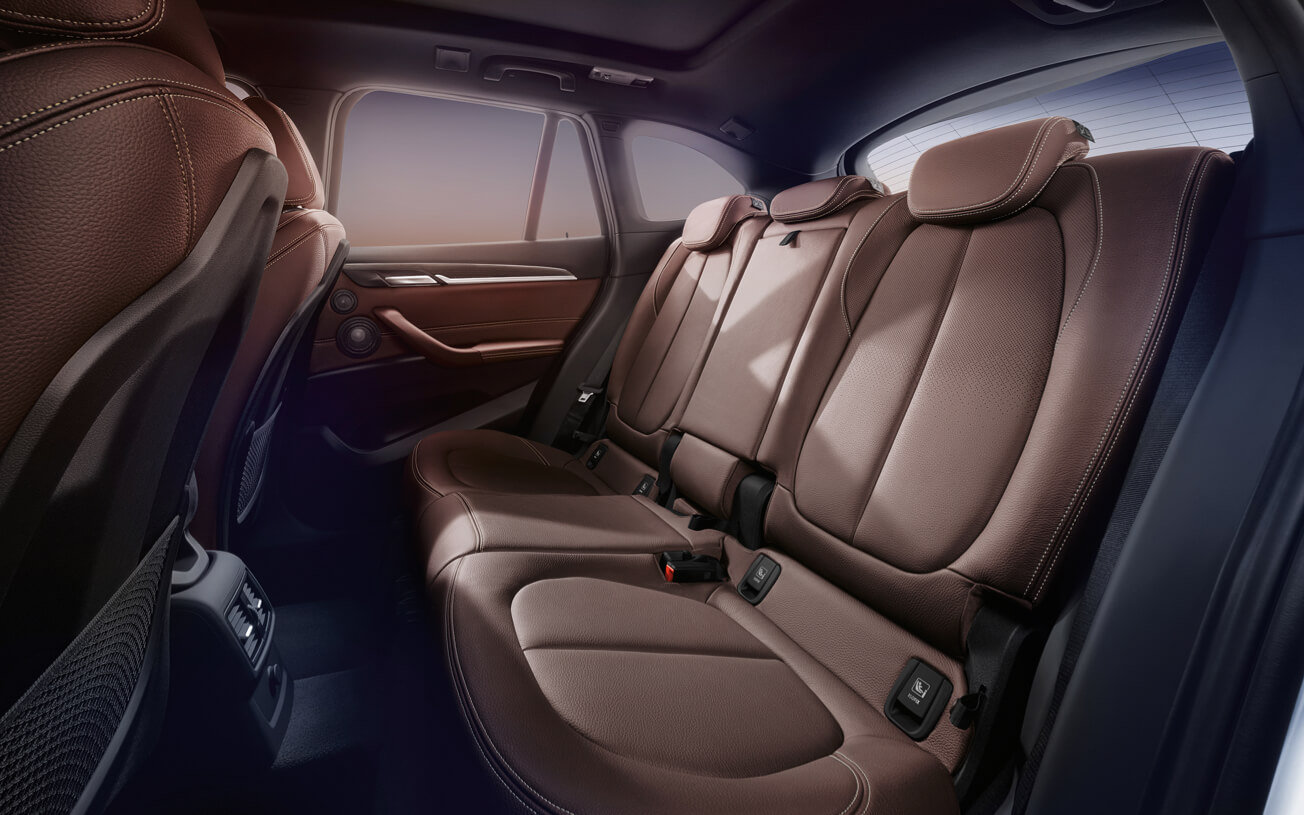
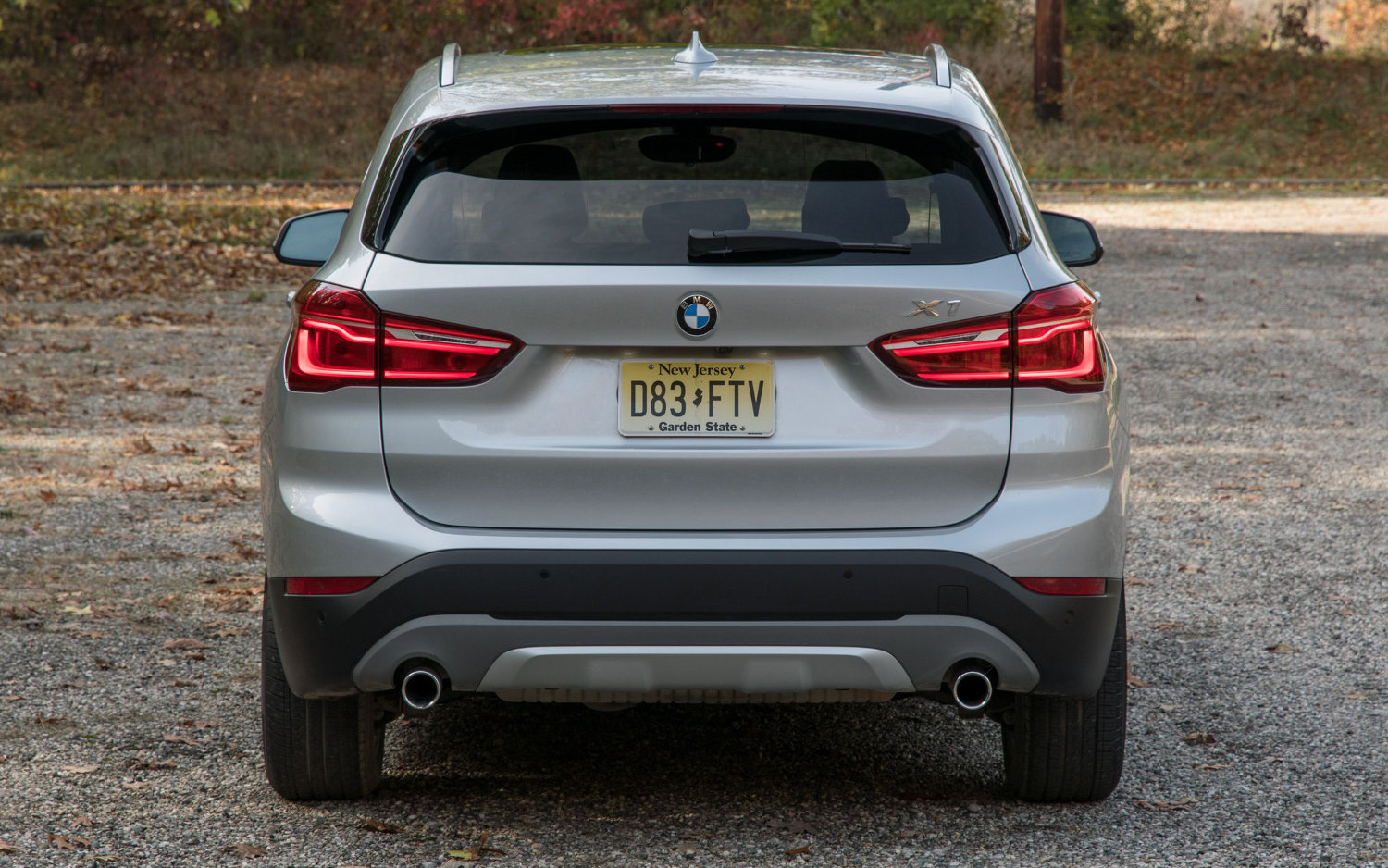
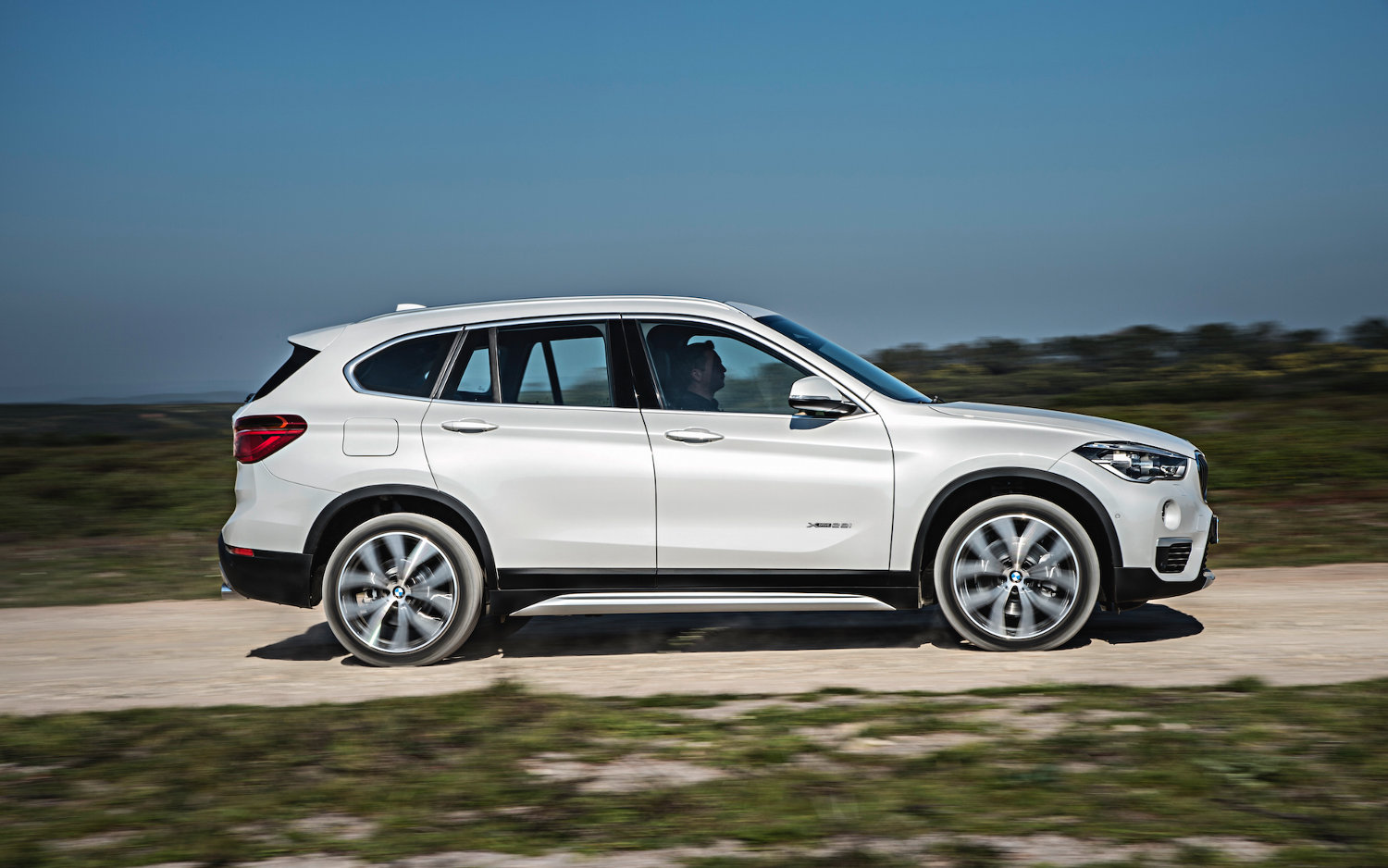
BMW has rearranged the X1’s lineup for 2018 and now offers five distinct trims—base, Convenience, M Sport, Premium, and M Sport Premium—each with more features than the last. Only a few features are still offered as standalone options on non-Premium trims, including front and rear parking sensors ($800), LED headlamps ($950), Navigation ($950), and heated seats and steering wheel ($550). Some new features join the party for 2018; a backup camera is now standard, as is BMW’s ConnectedDrive in-car concierge service. Apple CarPlay is now optional ($300) as is onboard Wi-Fi with wireless device charging ($500). A new color—Sunset Orange Metallic—replaces Chestnut Bronze.
Pros Sweetheart engine and transmission, athletic chassis, capacious cargo hold.
Cons Unsupportive standard seats, slow infotainment system, subtle exterior styling.
The 2018 BMW X1 is a compelling crossover pick for a budget BMW buyer who can’t do without a roundel.
pros Subtle but good looks Responsive turbo-4 Good 8-speed automatic Relatively good value in base guise Spacious cargo area
Cons Options add up quickly Front seats aren’t the best seats Pricey advanced safety package No manual transmission?
The 2018 BMW X1 is a five-seat compact SUV in the luxury segment. It comes in two versions: the front-wheel-drive X1 sDrive28i and the all-wheel-drive X1 xDrive28i. From there, you have two directions to go: xLine Design or the sportier M Sport Design. After that, you can add various option groups that BMW calls tiers. The M Sport Design already comes with the Convenience group, which is optional on the xLine Design. Afterward, packages and stand-alone options are available based on which initial design and group you select.
PROS Strong and responsive turbo engine Sharp handling makes it fun to drive Plenty of rear passenger and cargo room High-quality materials and fit-and-finish
CONS Not particularly quiet on the highway Standard sport suspension may be jarring on rough roads
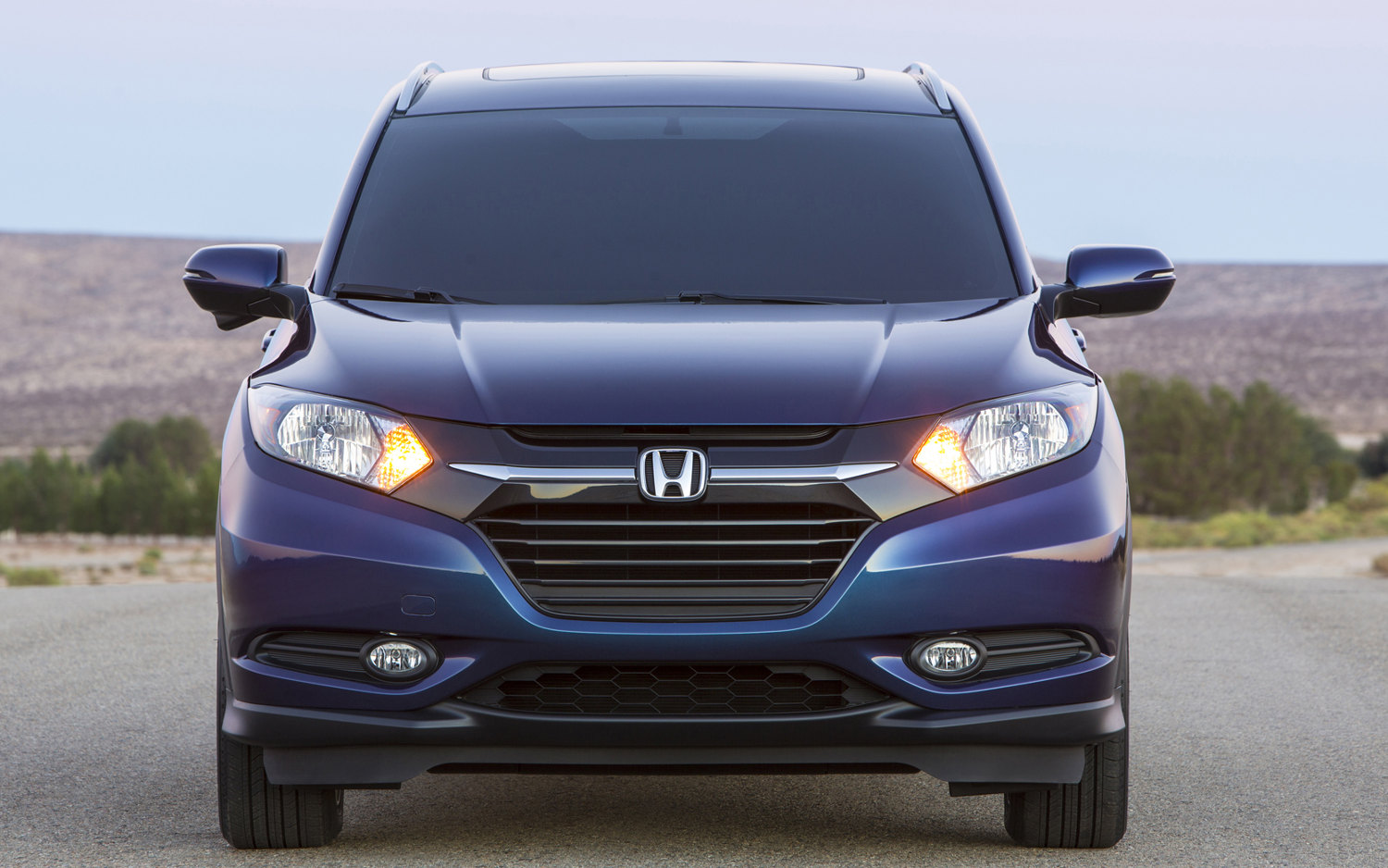
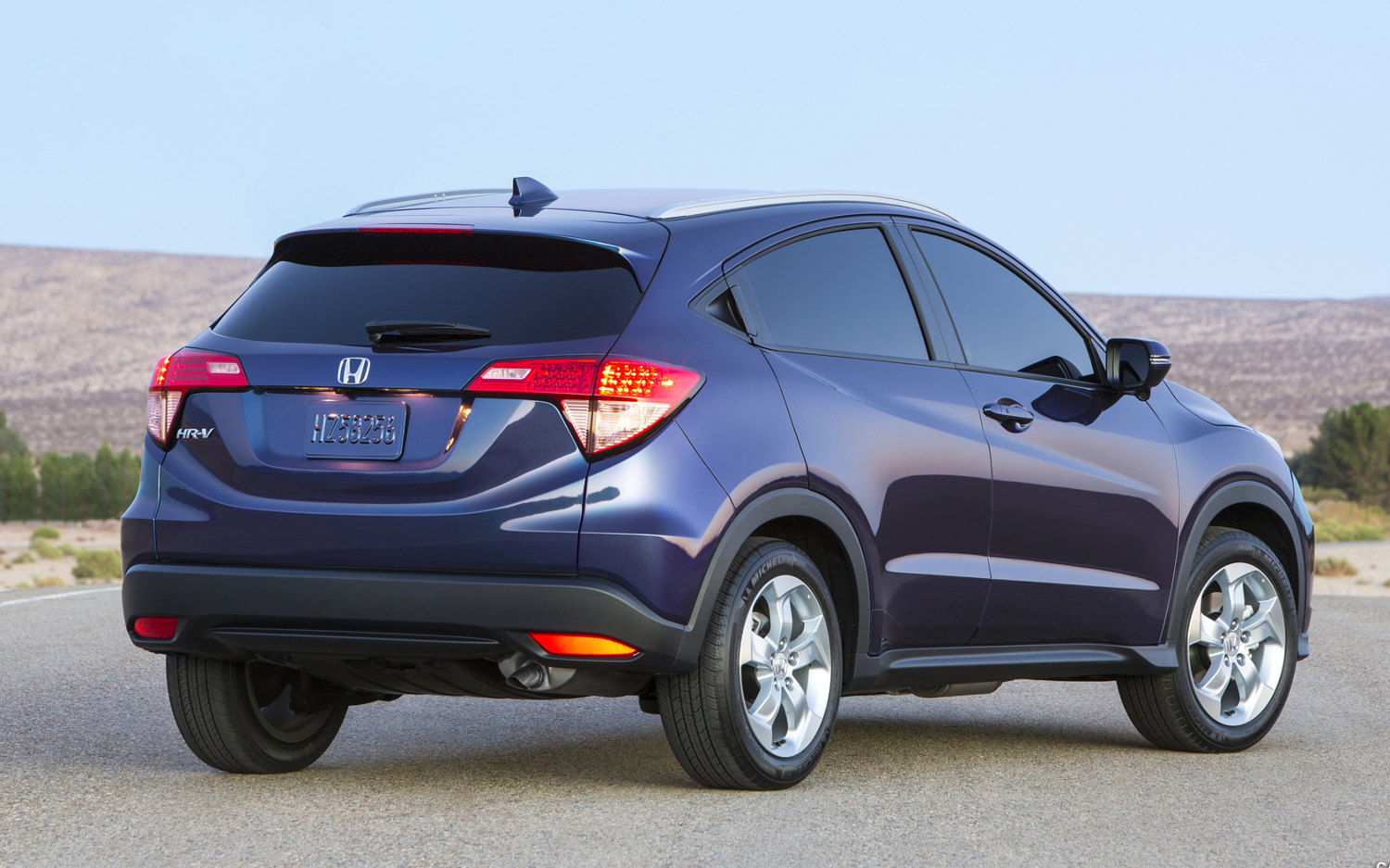
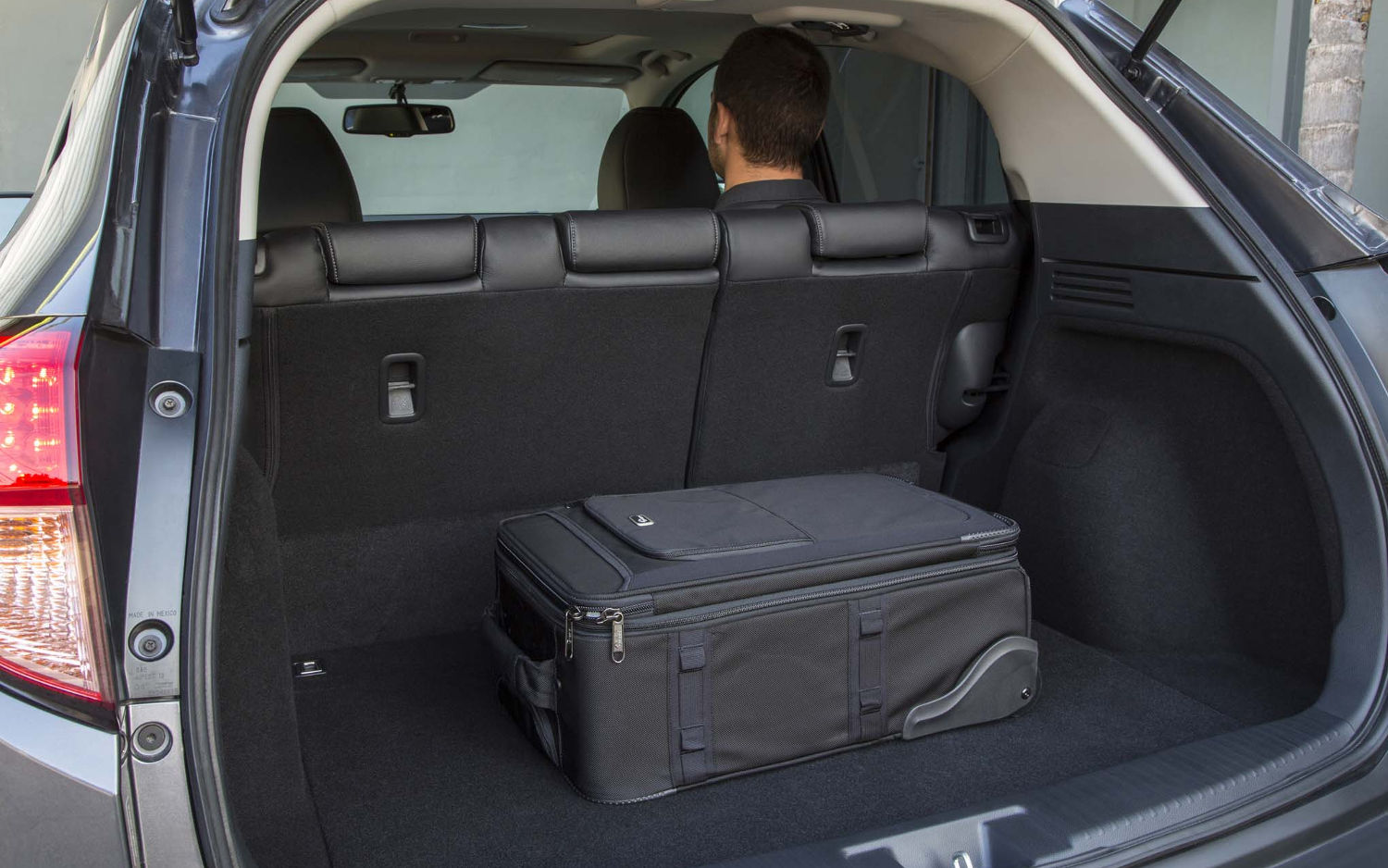
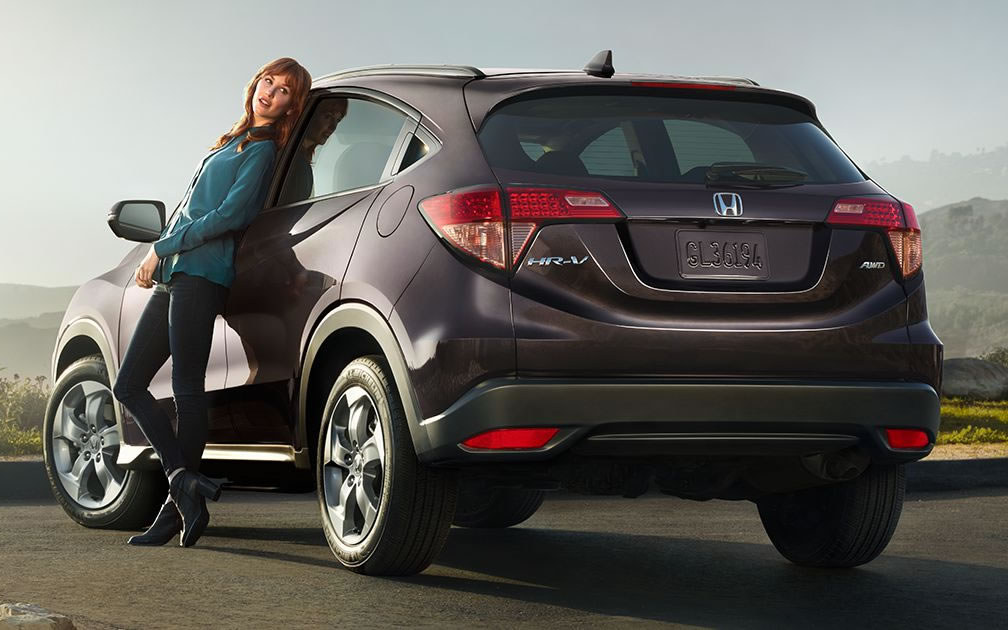
The Honda HR-V, all-new last year, is unchanged for 2017.The HR-V uses one of Honda's clever innovations, the so-called Magic Seat that the company also features in the related Fit hatchback. The seat has flip-up rear seat cushions that, when raised, create a tall and narrow cargo area between the front and rear seats that's great for things such as a bicycle or a flat-screen TV. With all the seats in place, there's suitable space for average-size adults, too. Besides the HR-V's flexibility, it also benefits from high fuel economy and an unobstructed outward view.
Pros Easily fits average-sized adults in front and back Clever cargo solutions make it more versatile than rivals Fuel economy figures are better than most competitors Outward visibility is excellent
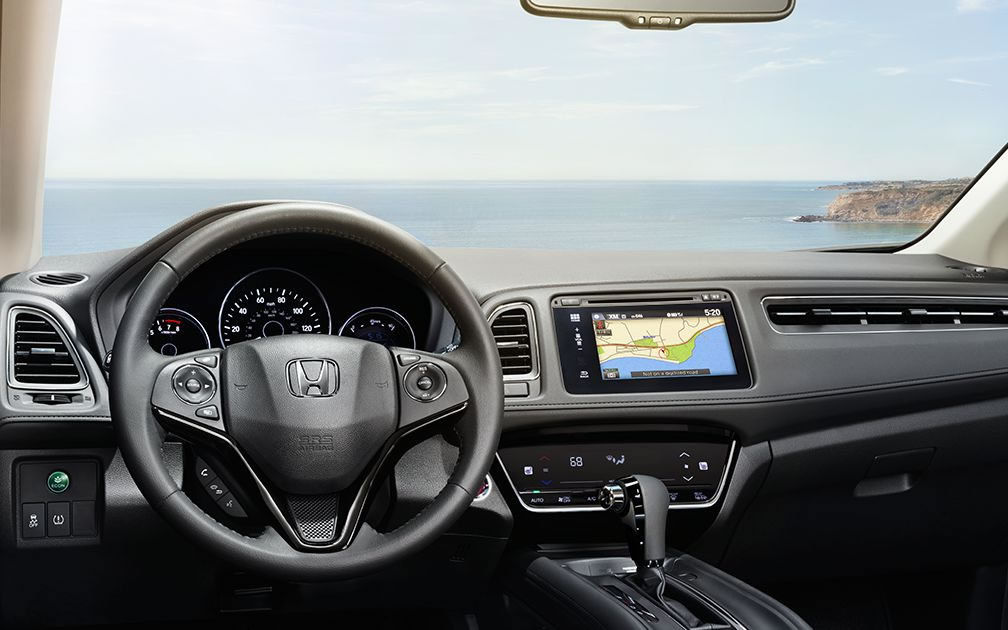
Cons Unimpressive power output results in lackluster acceleration Infotainment system is not user-friendly There's an abundance of engine noise and vibration
Think of the 2017 Honda HR-V as a Fit with all-wheel drive and a little more headroom. It's not as fun as it could be, but it makes a lot of sense. The 2017 Honda HR-V is a relatively new entry into the small SUV category, but it cemented its standing as the segment's practicality-oriented choice early on thanks to Honda's almost religious devotion to interior packaging.
Pros Perky body Clever Magic Seat offers great flexibility High level of standard features Manual transmission offered Absorbent, composed ride
Cons Won't win a drag race So-so safety scores Lacks some safety tech Not as fun to drive as Hondas used to be
The 2017 Honda HR-V ranks 1 out of 12 Subcompact SUVs. The 2017 Honda HR-V ranks near the top of our subcompact SUV list thanks to its spacious cabin, quality interior, smooth ride, and excellent cargo space. This cargo space is highlighted by Honda's rear Magic Seat, which allows for multiple configurations. The HR-V also garners ample overall praise from professional auto reviewers.
Pros Flexible cargo space Spacious rear seats Quiet cabin
Cons Cumbersome available touch screen Lackluster engine