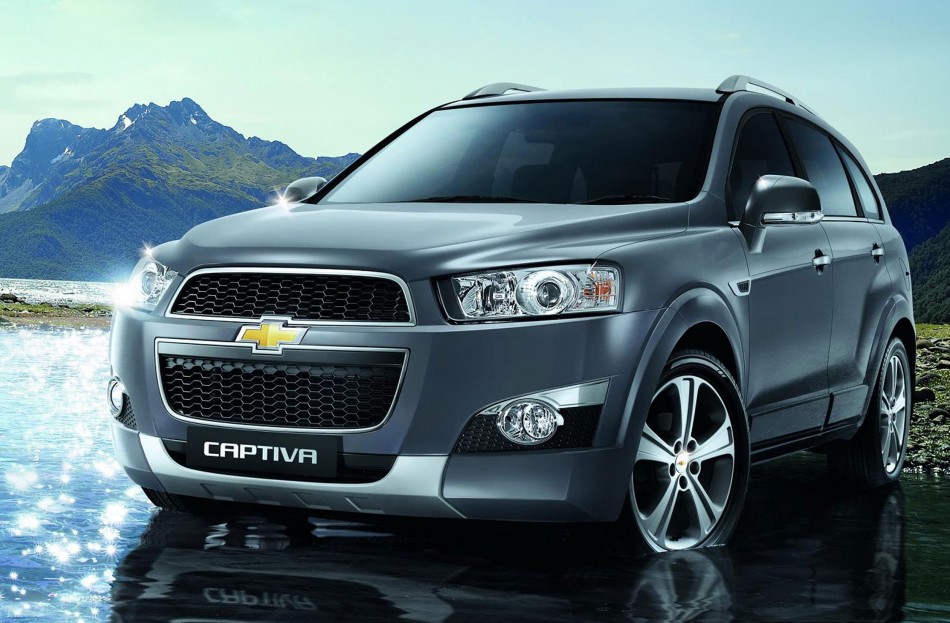
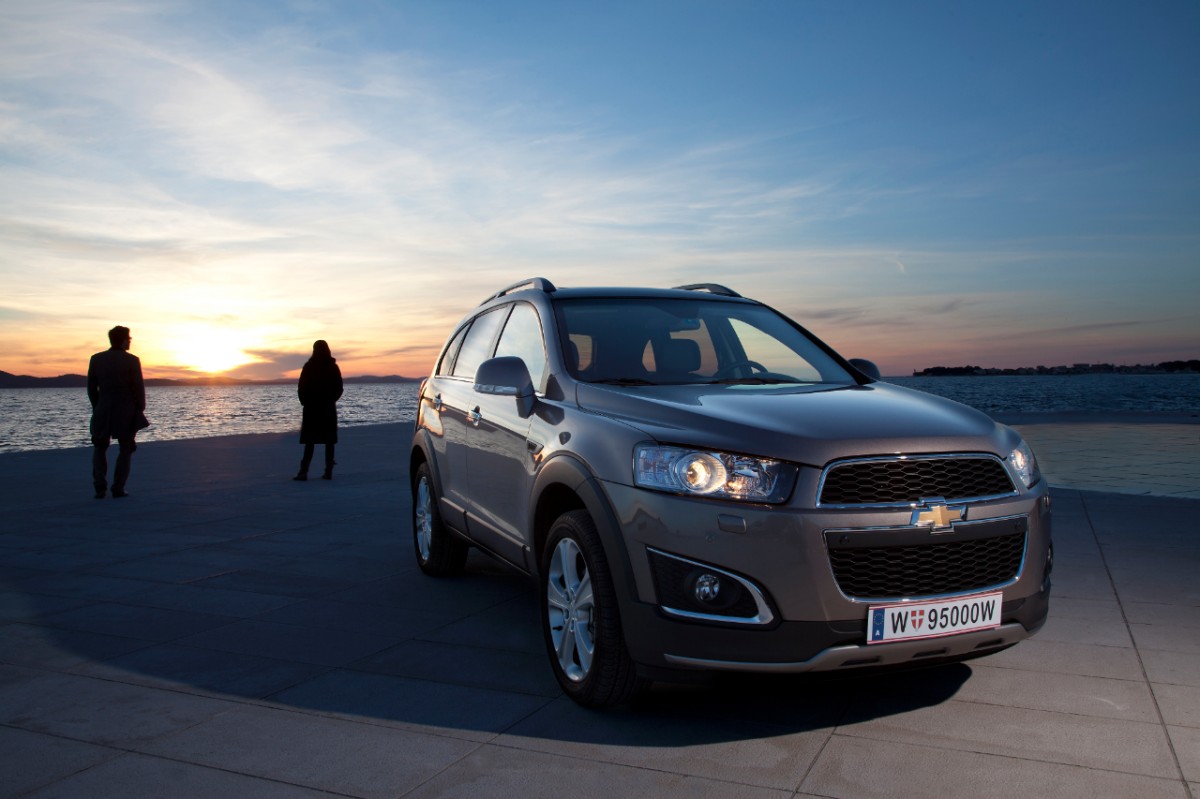
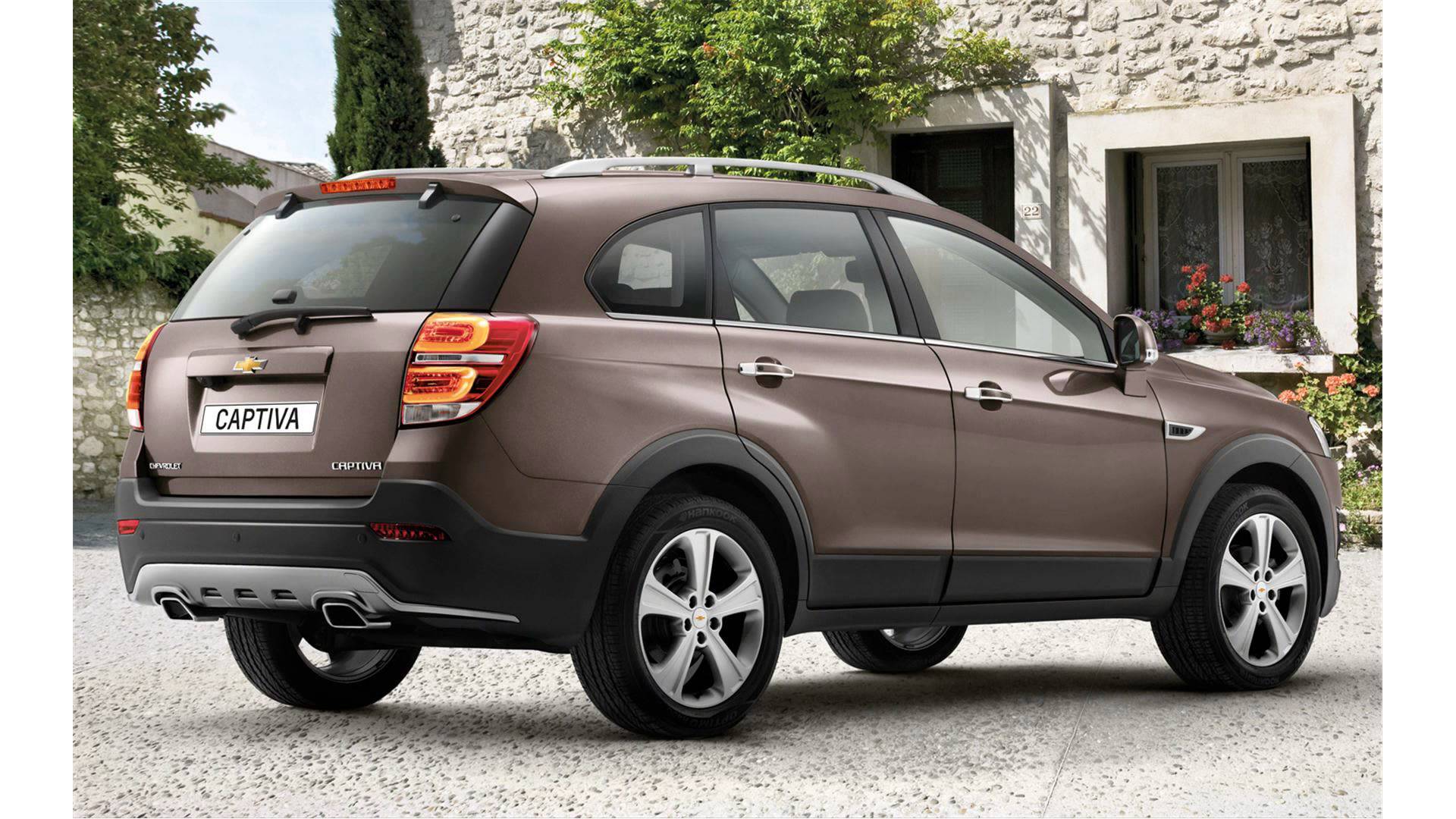
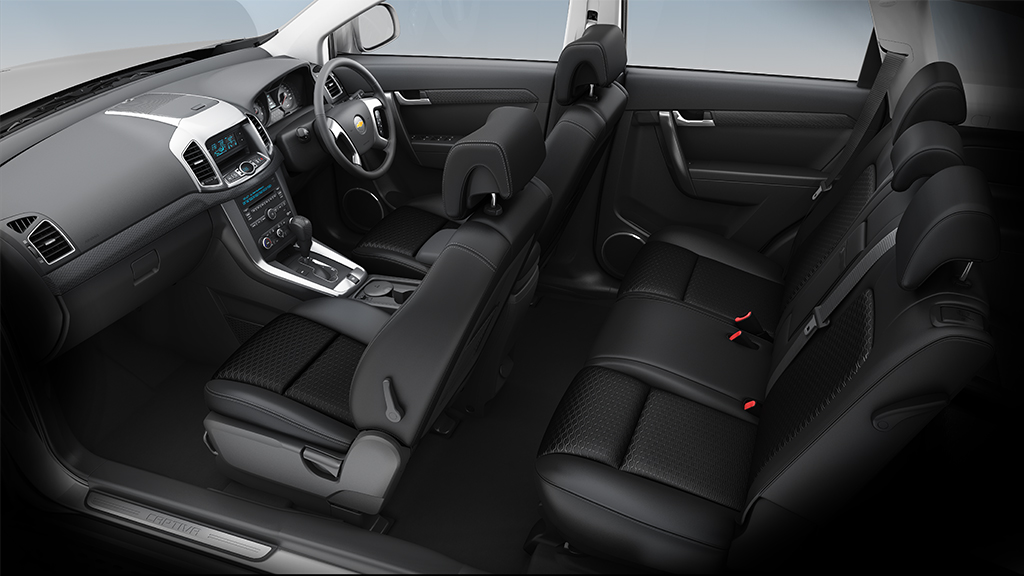
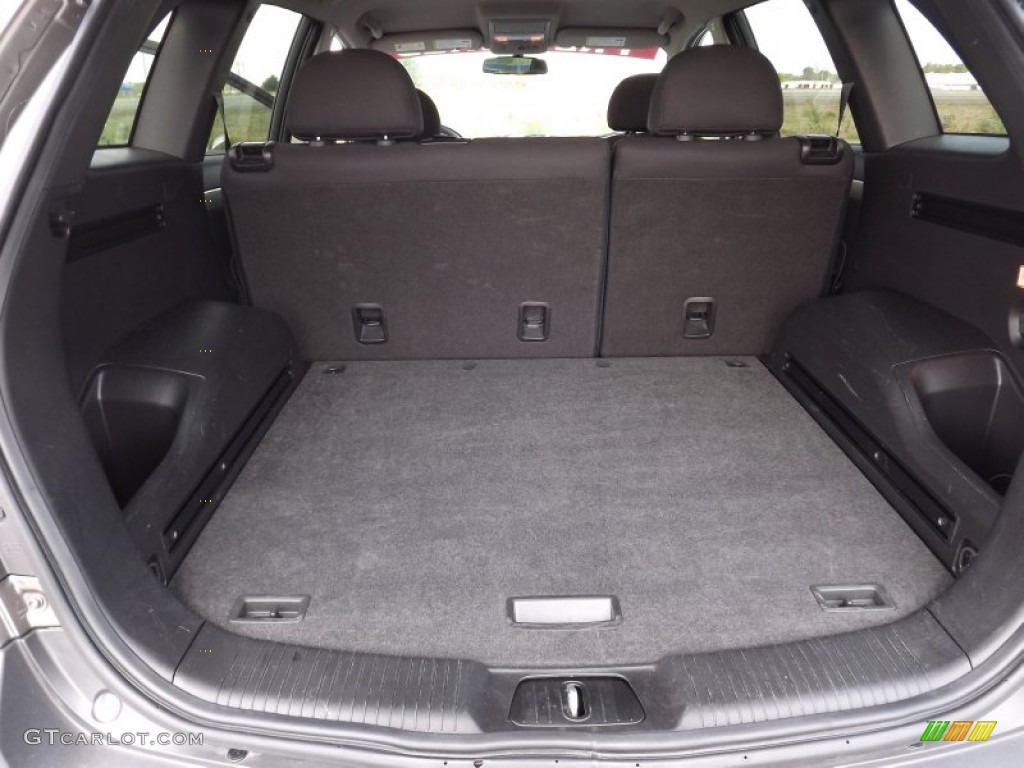
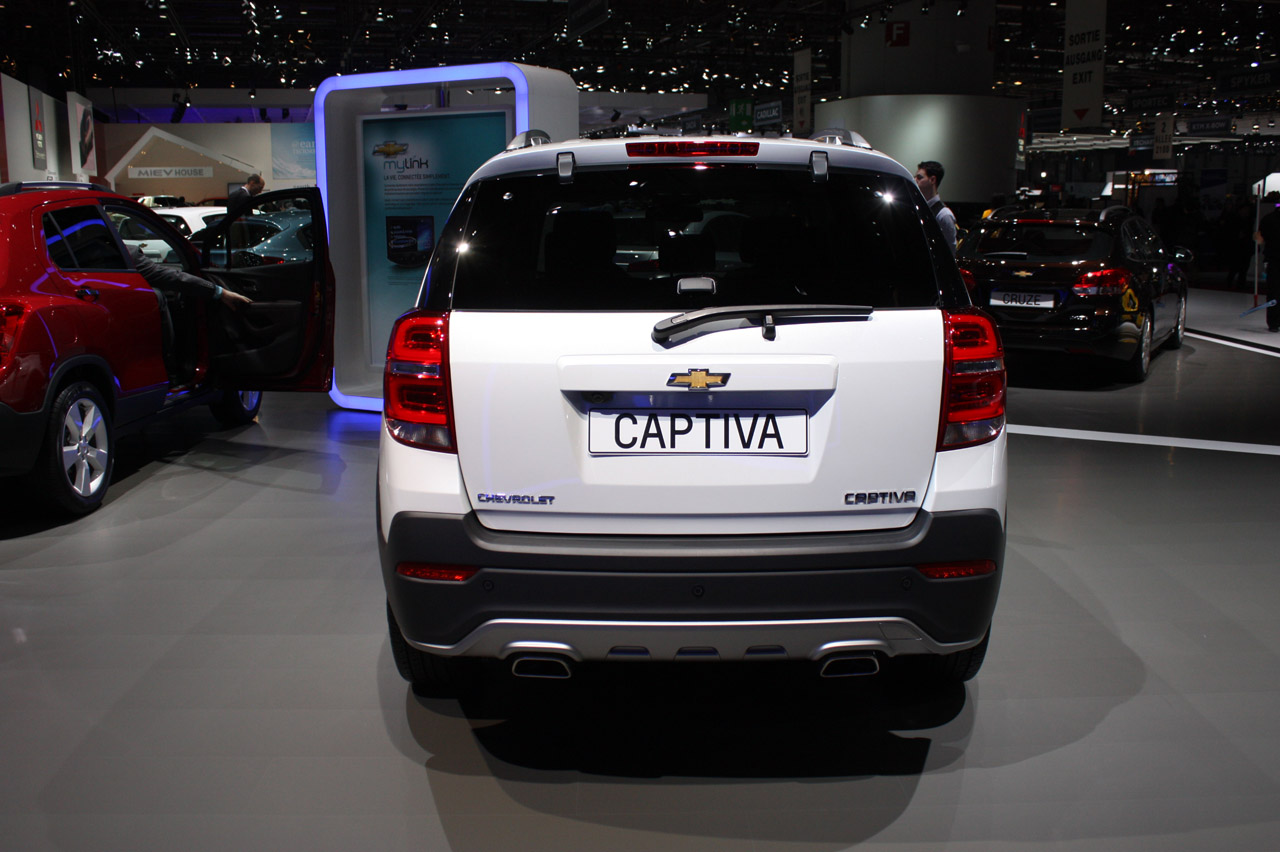
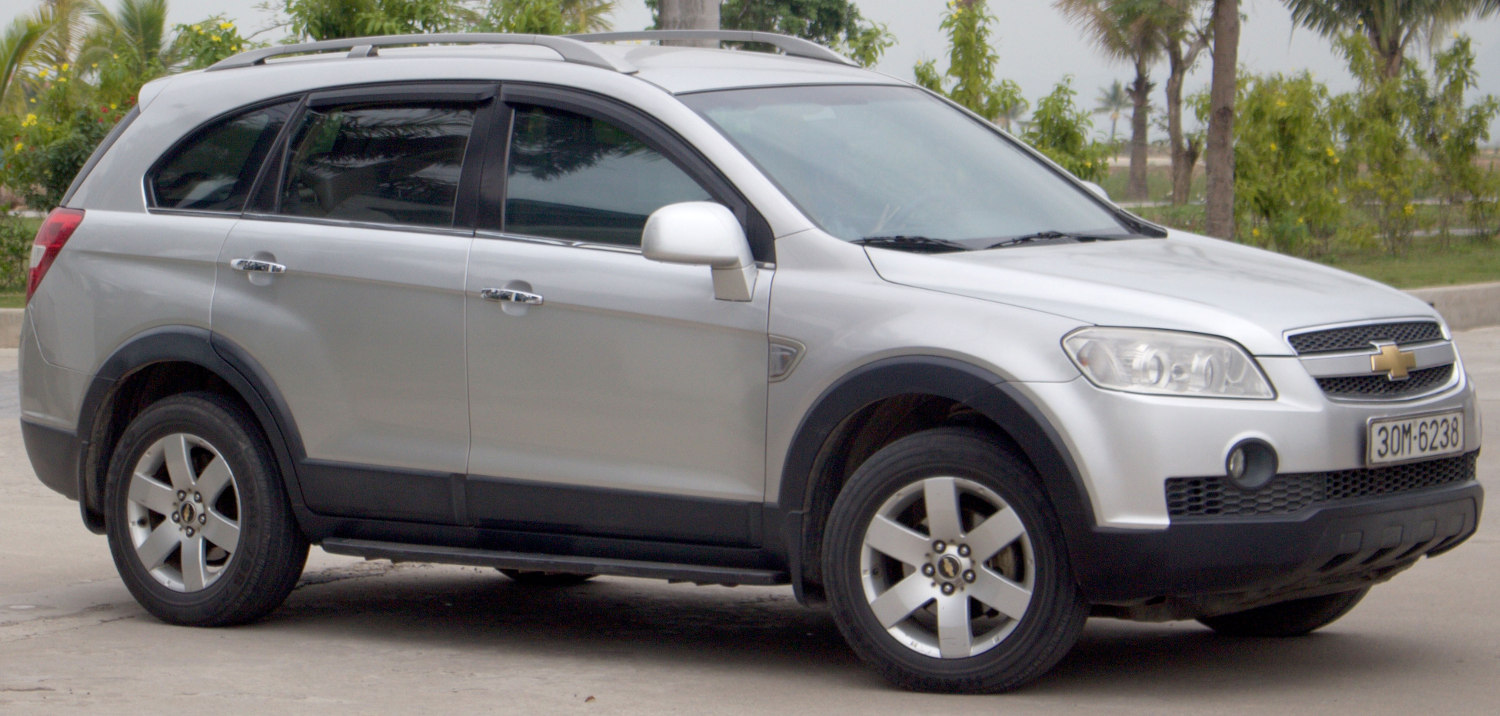
The first-generation Chevrolet Captiva offered buyers a lot of car for their money. It was a large, seven-seater SUV with powerful diesel engines and decent off-road capability thanks to its four-wheel-drive system. A facelift in 2011 brought revised looks and simplified the engine line-up down to just a single diesel. Two models are available: an entry-level, five-seat, two-wheel-drive version and a high-spec, seven-seat, four-wheel-drive one. Although all Captivas are comfortable and well equipped, they don't lead the class when it comes to efficiency and the range-topping LTZ specification can be quite expensive.
Despite its name, it seemed like the Chevrolet Captiva was merely content as the wallflower of the compact crossover segment. While everyone else boasted head-turning good looks or formidable performance (or both), the Captiva had an available diesel variant and seven seats. Sure, it was enough for a select few to part money for one, but the vast majority of Filipinos passed on it. Well, Chevrolet has finally understood that having a diesel and seven seats maybe good for few, but an updated styling and some spec tweaks are much more important. Enter the 2015 Captiva, a compact crossover that’s now slicker than your average. While it’s not a real fuel miser, at least it handles tidily. Along with the new engine, the 2015 Captiva receives a re-tweaked suspension. Chevy calls it a soft ride suspension, but it feels firmer than the pre-facelifted version. It sharpens the road manners, but the flip side is the ride isn’t as relaxed as it should be for this class. Bumps get easily transmitted into the cabin which isn’t helped by the less than solid feeling body structure. It doesn’t flop or flip through corners, but the overall experience is still very pedestrian. The steering isn’t as quick and feels rather numb, mainly because it still relies on a non-variable ratio hydraulic assist steering, but at least there’s still good grip. Unlike more modern offerings, it doesn’t have stability control to speak of and this causes the front tires to chirp at full throttle. But at least the torque steer is largely controlled.
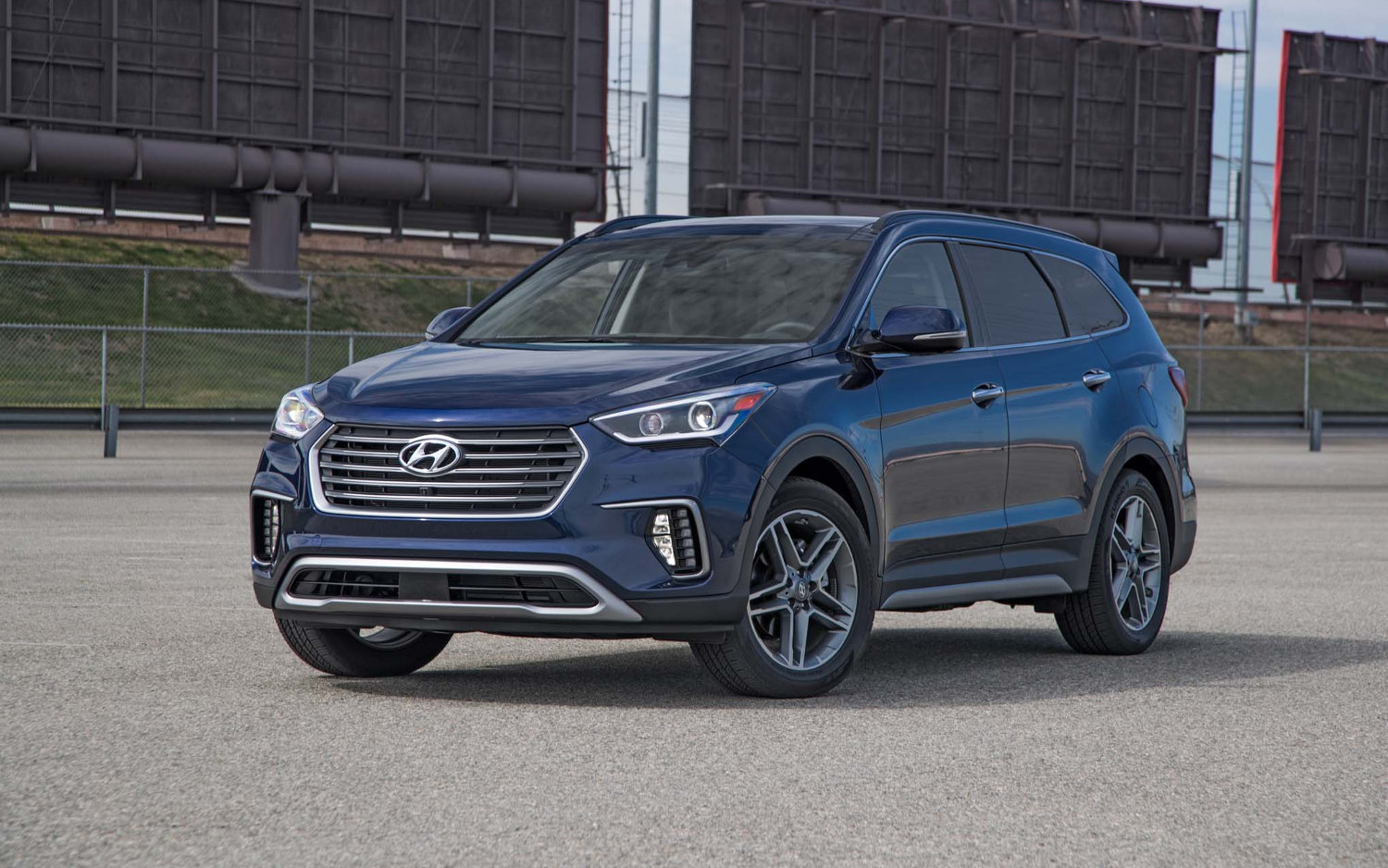
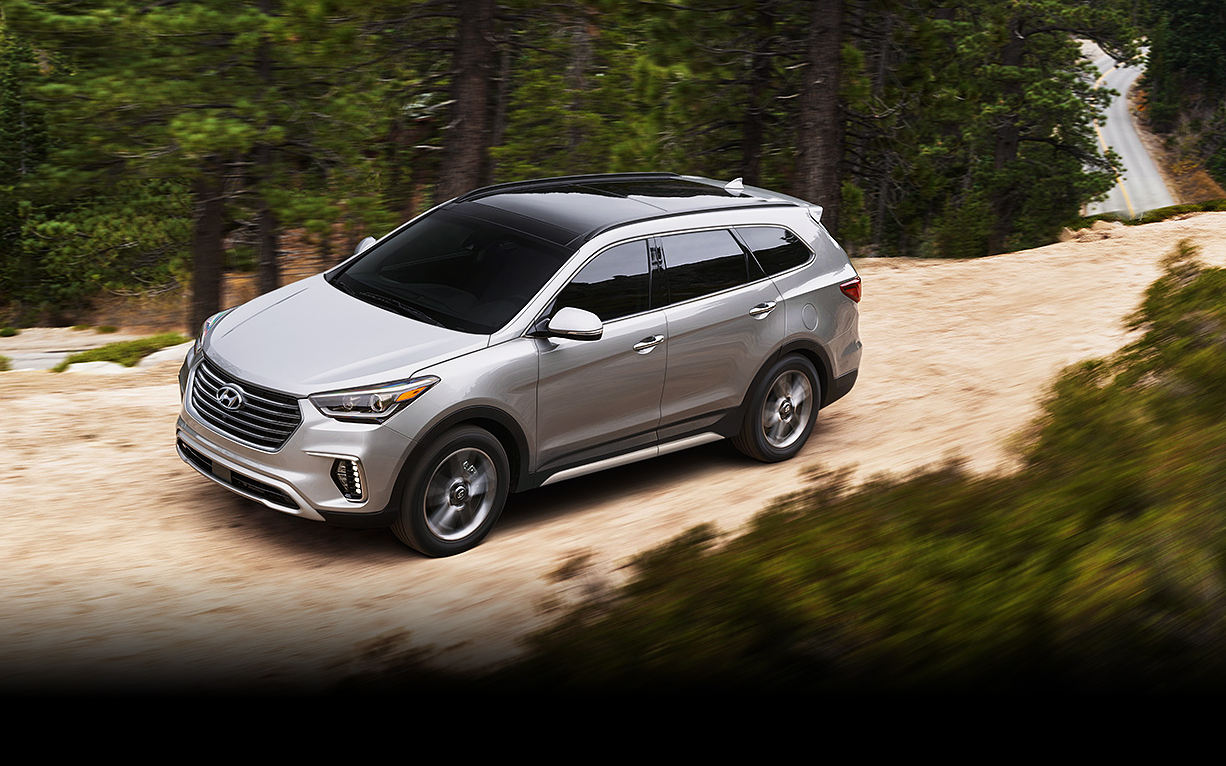
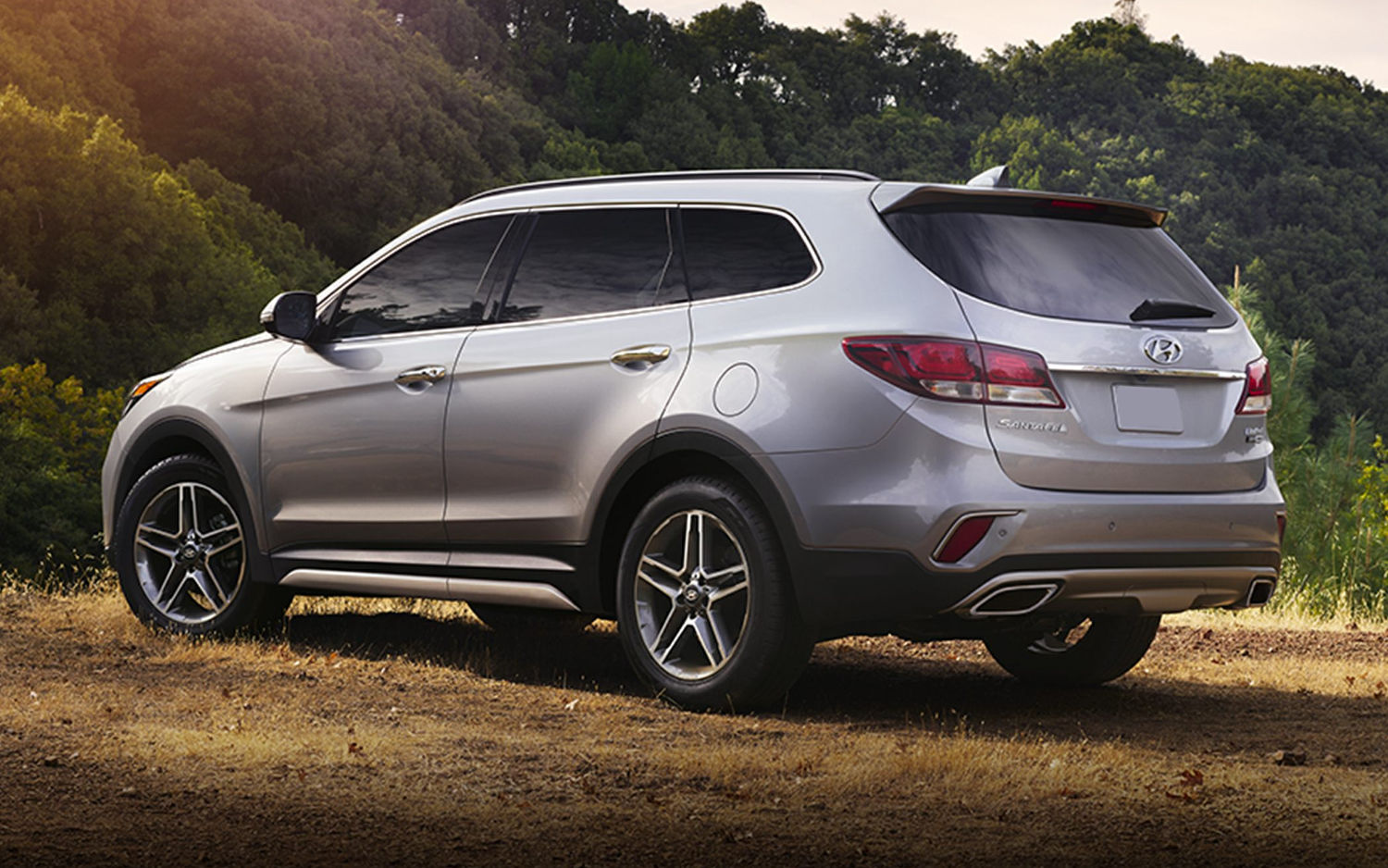
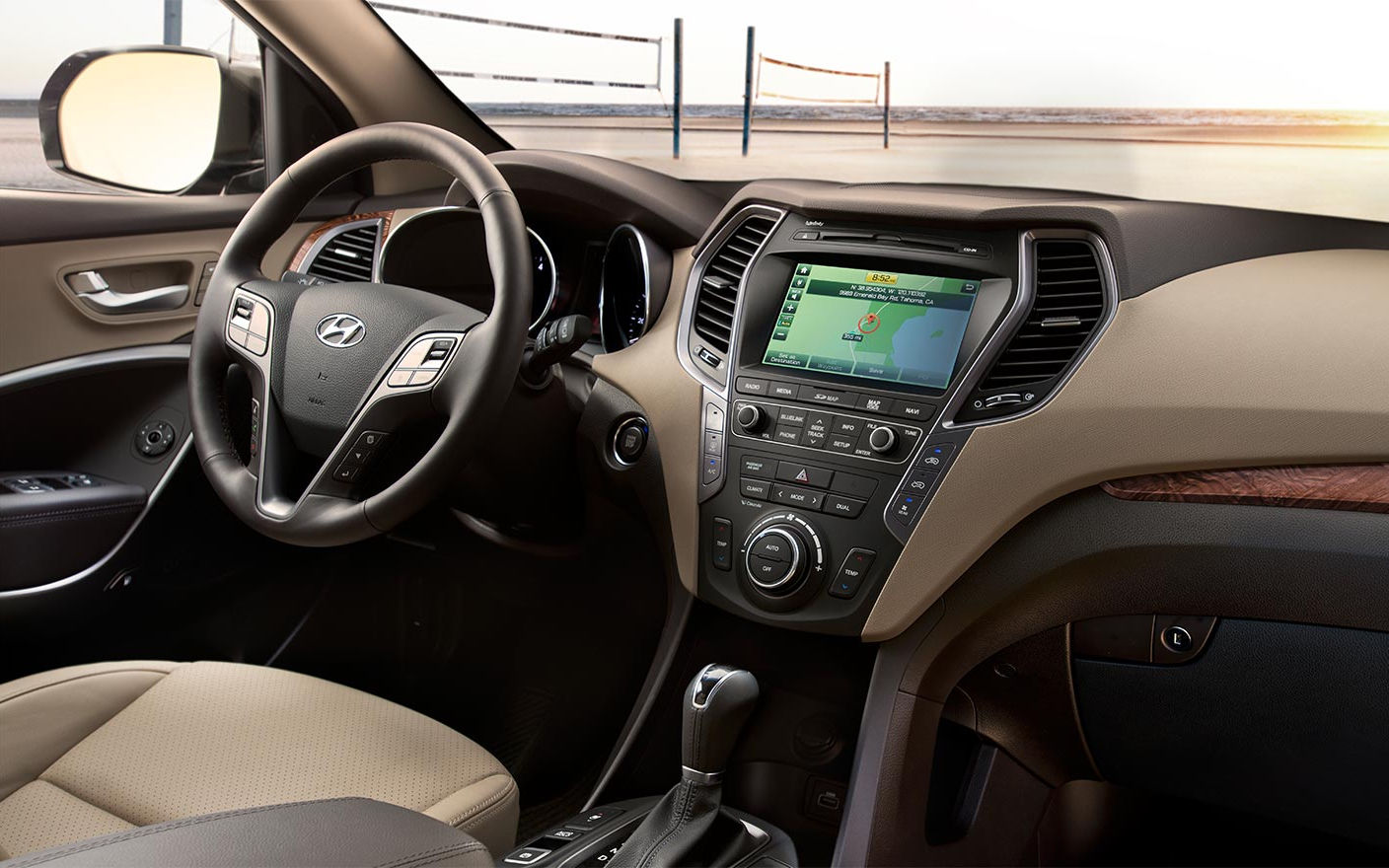
For 2017, the Hyundai Santa Fe returns with refreshed front and rear styling that's highlighted by new LED daytime running lights. Inside, there's a 7-inch touchscreen that's standard for even the base SE trim level and an available USB charging port for the third row. On the safety front, a 360-degree parking camera system, adaptive cruise control, lane departure warning and automatic emergency braking for forward collision mitigation are newly available this year.
Pros Strong V6 engine provides quick acceleration Plenty of standard features for the money Interior features classy design and easy-to-use technology interfaces Warranty coverage is generous.
Cons Cargo capacity isn't as large as some competitors.
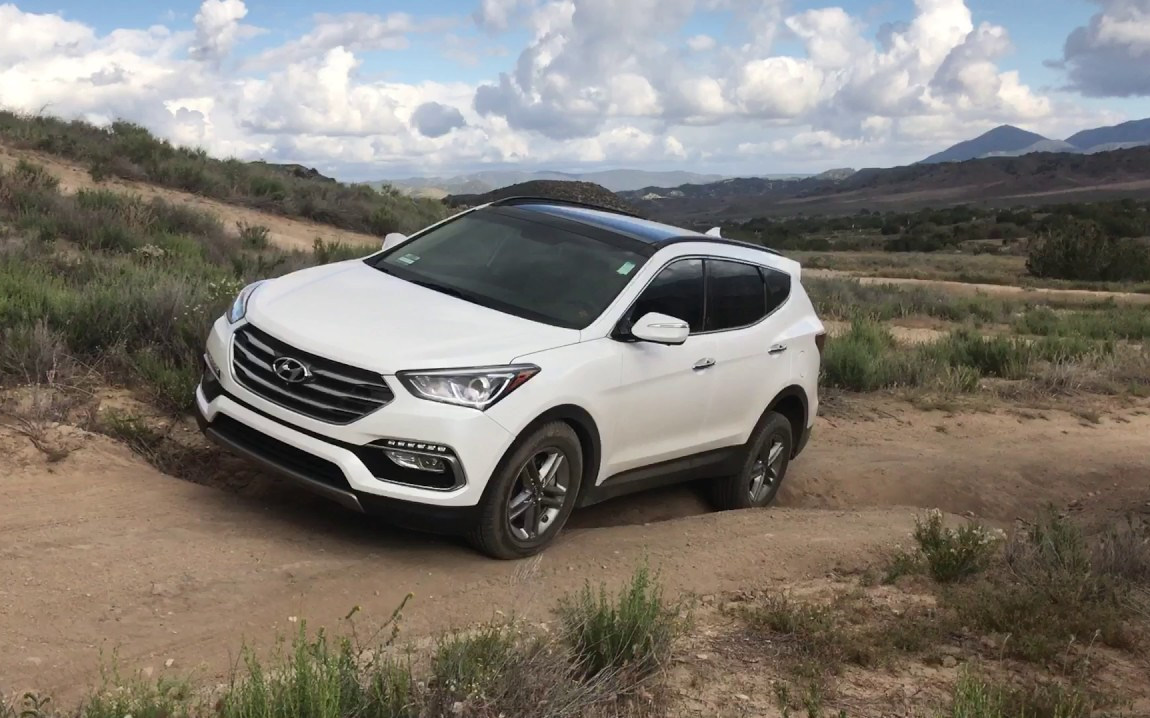
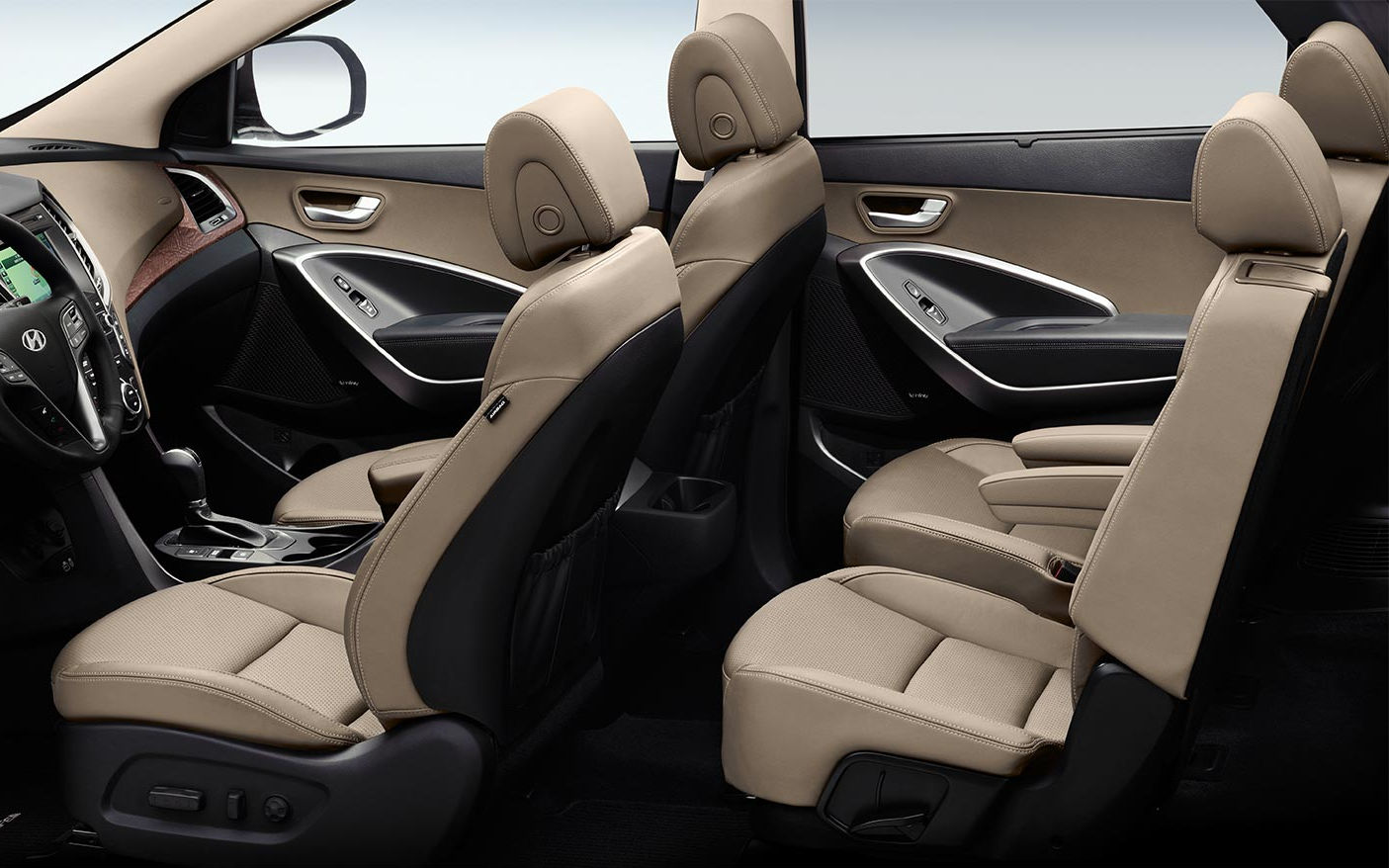
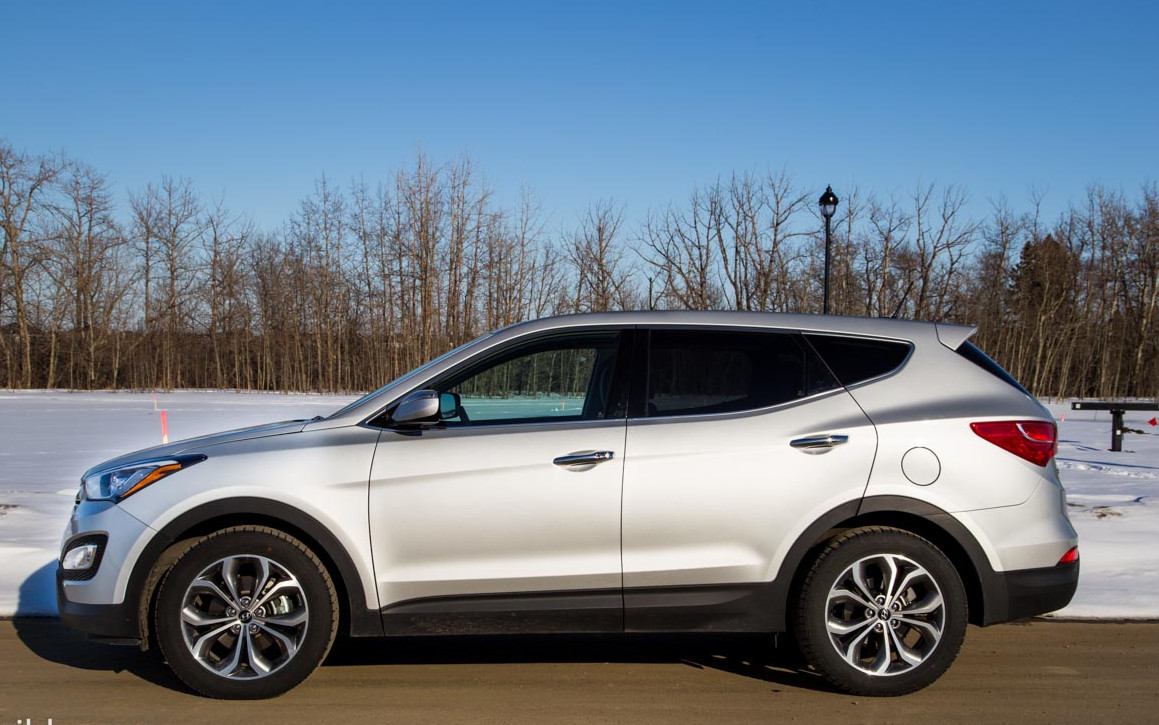
The sharper-looking 2017 Hyundai Santa Fe is still a good value for families looking for a three-row hauler—but its powertrain is starting to show its age. For 2017, the Hyundai Santa Fe has received a significant overhaul. The Santa Fe is the larger, three-row crossover SUV that's related to the smaller two-row Santa Fe Sport.
Pros Better look for 2017 Still good value for money Excellent cargo space Standard models still well-equipped Strong V-6
Cons All-wheel-drive penalty is sharp Could use newer transmission Third-row seat space is slight, compared to rivals
The 2017 Hyundai Santa Fe ranks 3 out of 18 Midsize SUVs. The Hyundai Santa Fe has impressive safety, comfort, and infotainment features, and it delivers solid performance, though the Sport model's base engine is average at best. The Santa Fe's cabin is full of technology that will keep drivers and passengers safe, comfortable, and entertained.
Pros Strong V6 engine in Santa Fe Generous list of standard features
Cons Weak base engine in Sport models Underwhelming acceleration