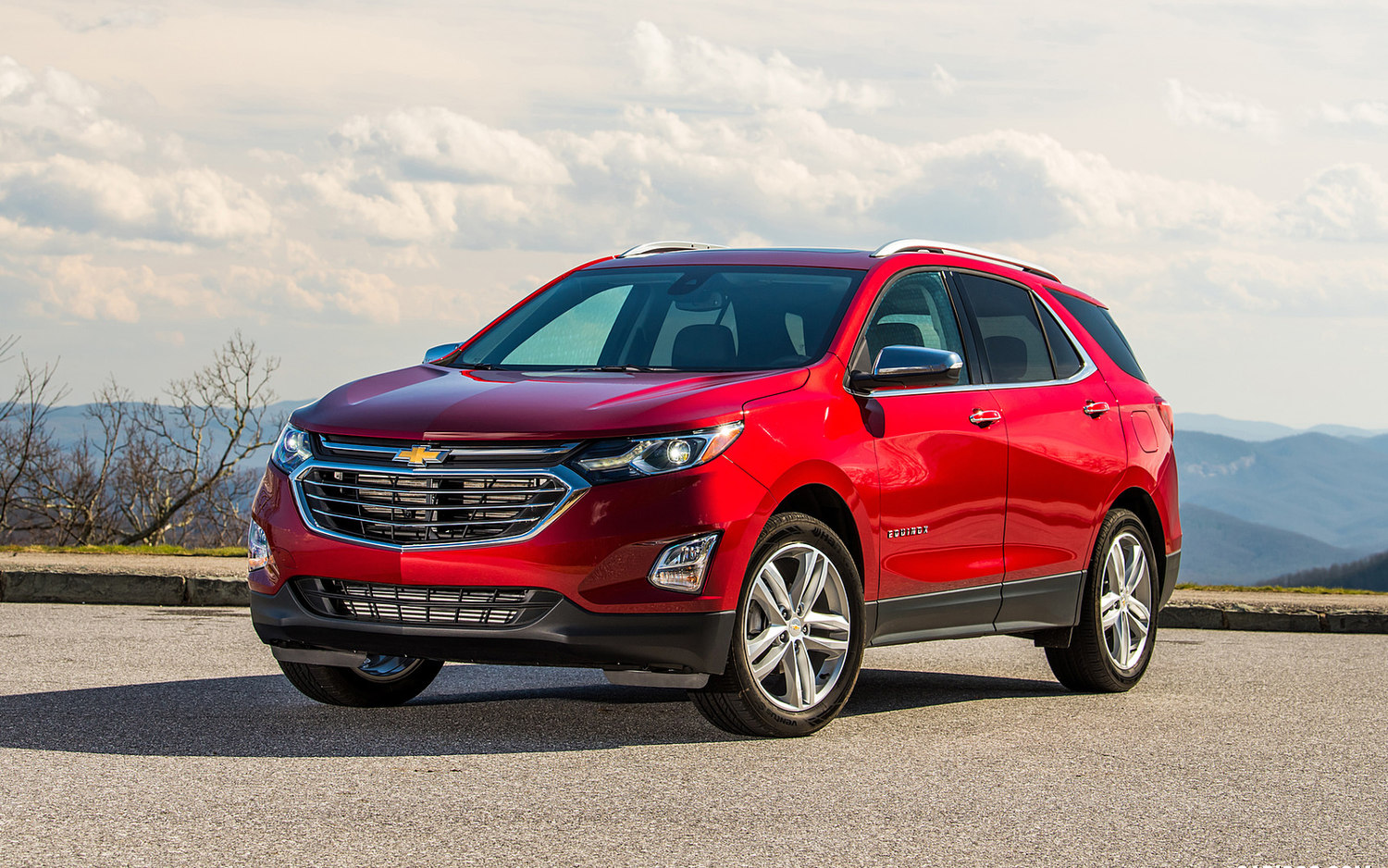
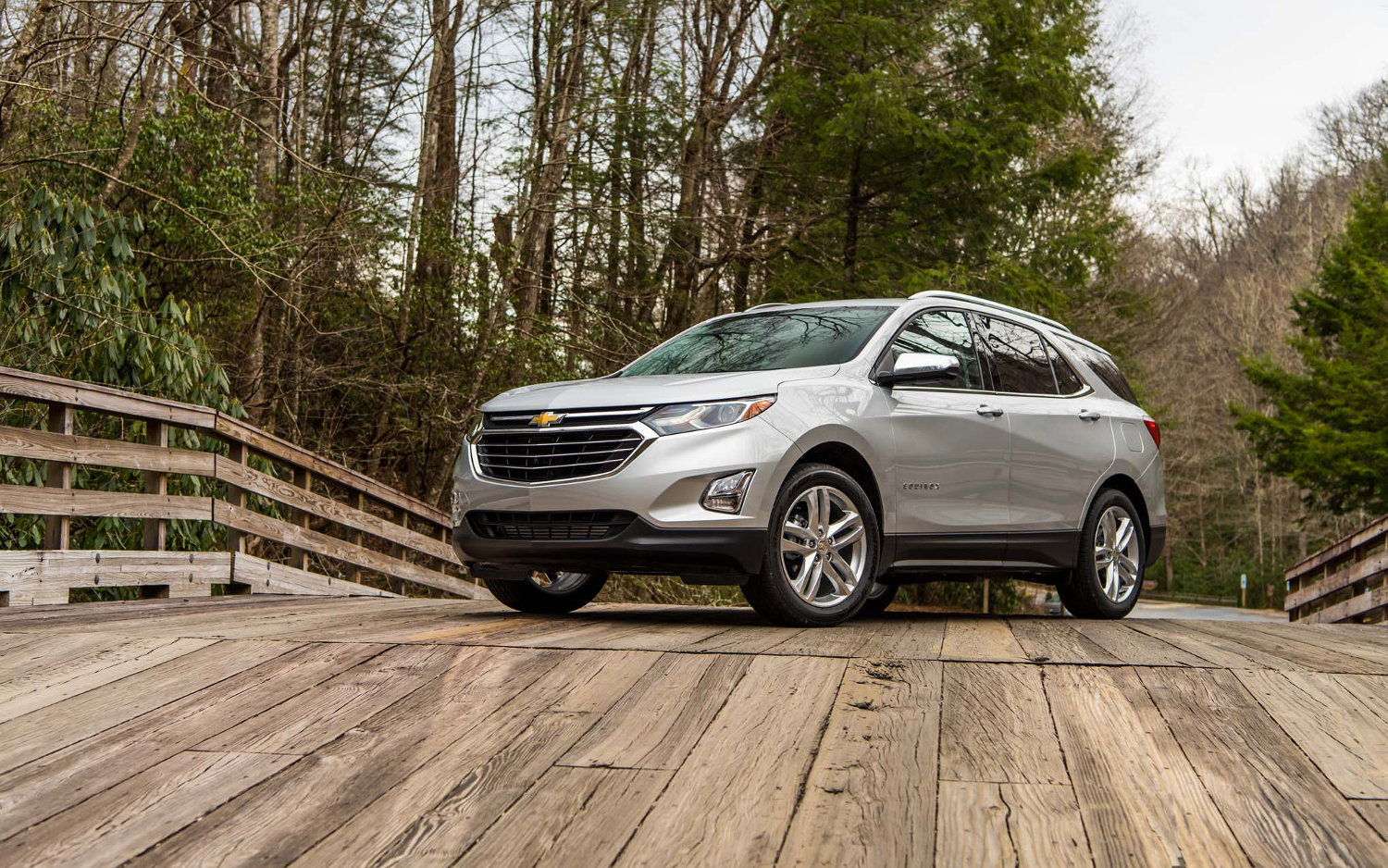
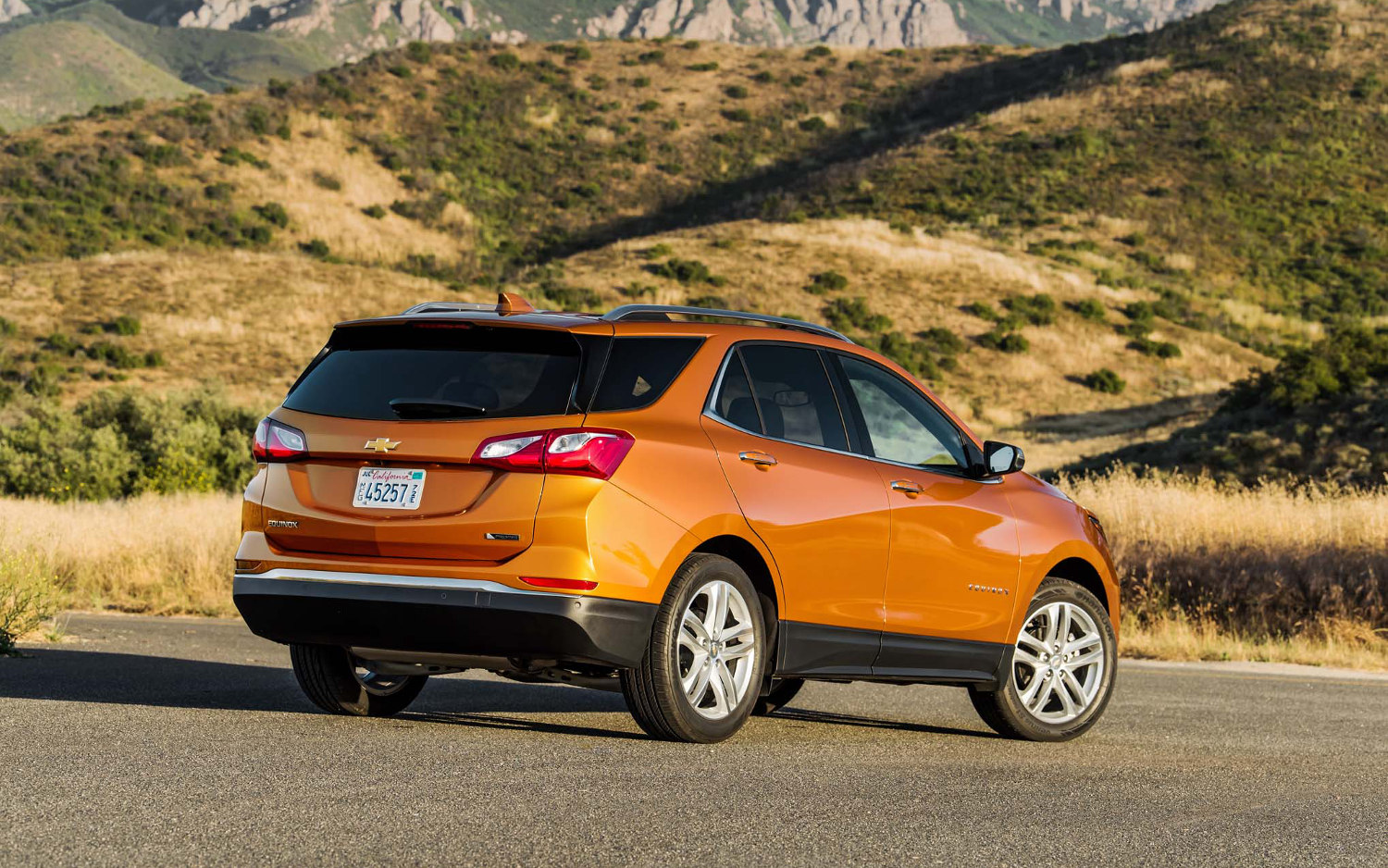
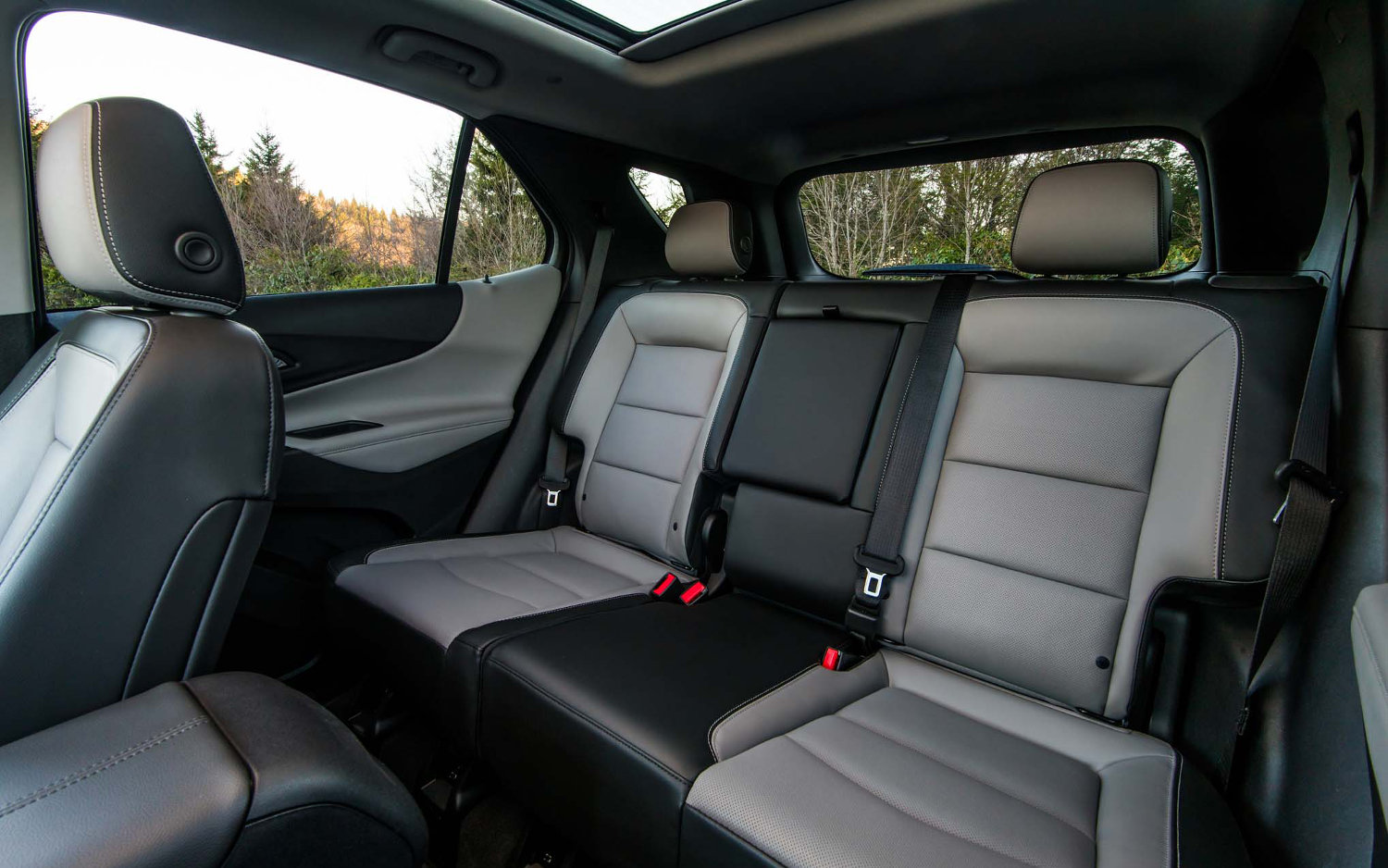
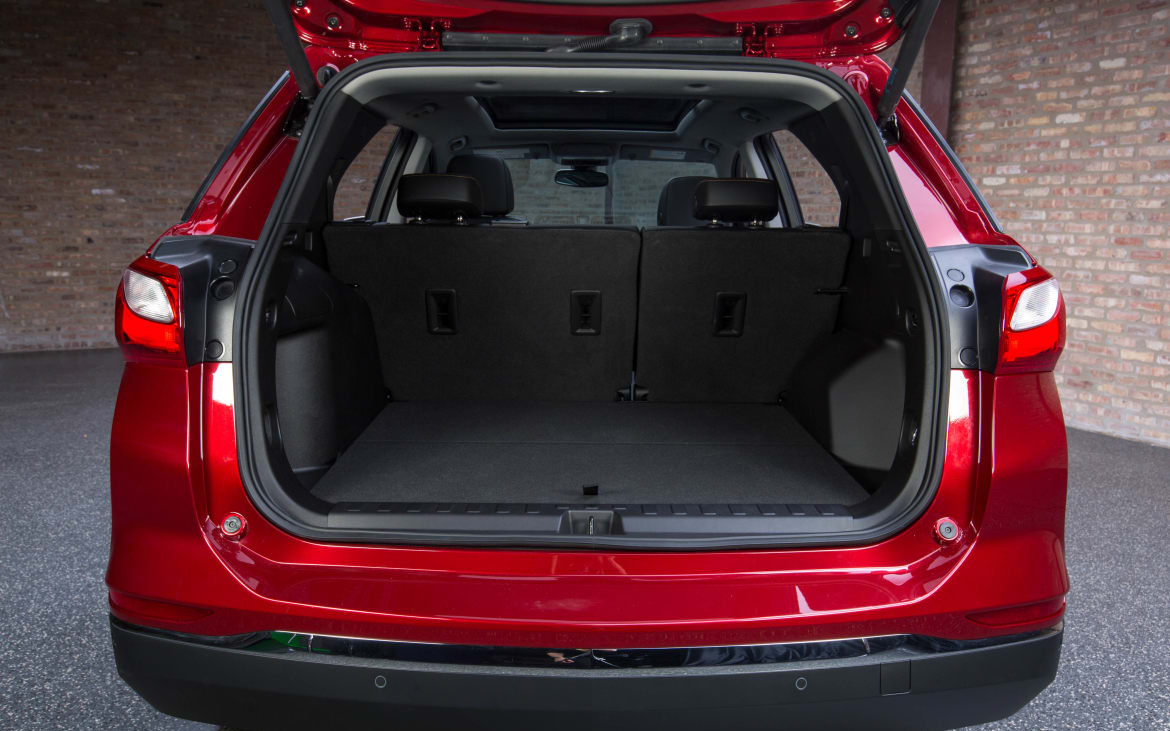
The new Equinox is based on an all-new architecture that weighs about 400 pounds less than its predecessor. Chevrolet credits the weight saving to high-strength steel and other grams-add-up type measures, but the reality is that there's quite a bit less Equinox this time around. The 2018 Equinox shrinks, losing its "tweener" status, and is now much closer to the Honda CR-V in all four main dimensions. To Chevy's credit the interior dimensions are pretty much the same, with the small hit in cargo space mitigated by the large hidden storage area under the cargo floor. The pricing disparity against its competition is a shame, because the Equinox is a compelling compact crossover SUV in virtually every other way. It looks great inside and out, offers good high-tech features, drives exceptionally well, will offer a diesel engine, and the promise of a high-horsepower version sounds fun. We just wish Chevy would take the cue from its competitors and broaden the availability of its advanced safety tech and add in active cruise as well.
The 2018 Chevrolet Equinox is a needed step forward for the brand and a solid compact crossover.
Pros Solid base engine Denim-like fabric is surprisingly comfortable Lighter, brighter, and smarter A fuel-efficient turbodiesel coming
Cons Still hard plastics abound Not as fuel-efficient as some Safety features reserved for top trims Smaller rear cargo area
The 2018 Chevrolet Equinox is fully redesigned for 2018. It's slightly smaller overall compared to its predecessor, but the reduced weight combined with more efficient engines pay off at the pump.
Pros Three engines to choose from, including a fuel-efficient diesel Smooth ride over most road surfaces Expansive list of optional safety features MyLink user interface is intuitive and easy to use
Cons Smaller cargo area compared to most of its competitors Base L trim is special order only The 1.5-liter engine and its slow-shifting transmission don't feel very lively
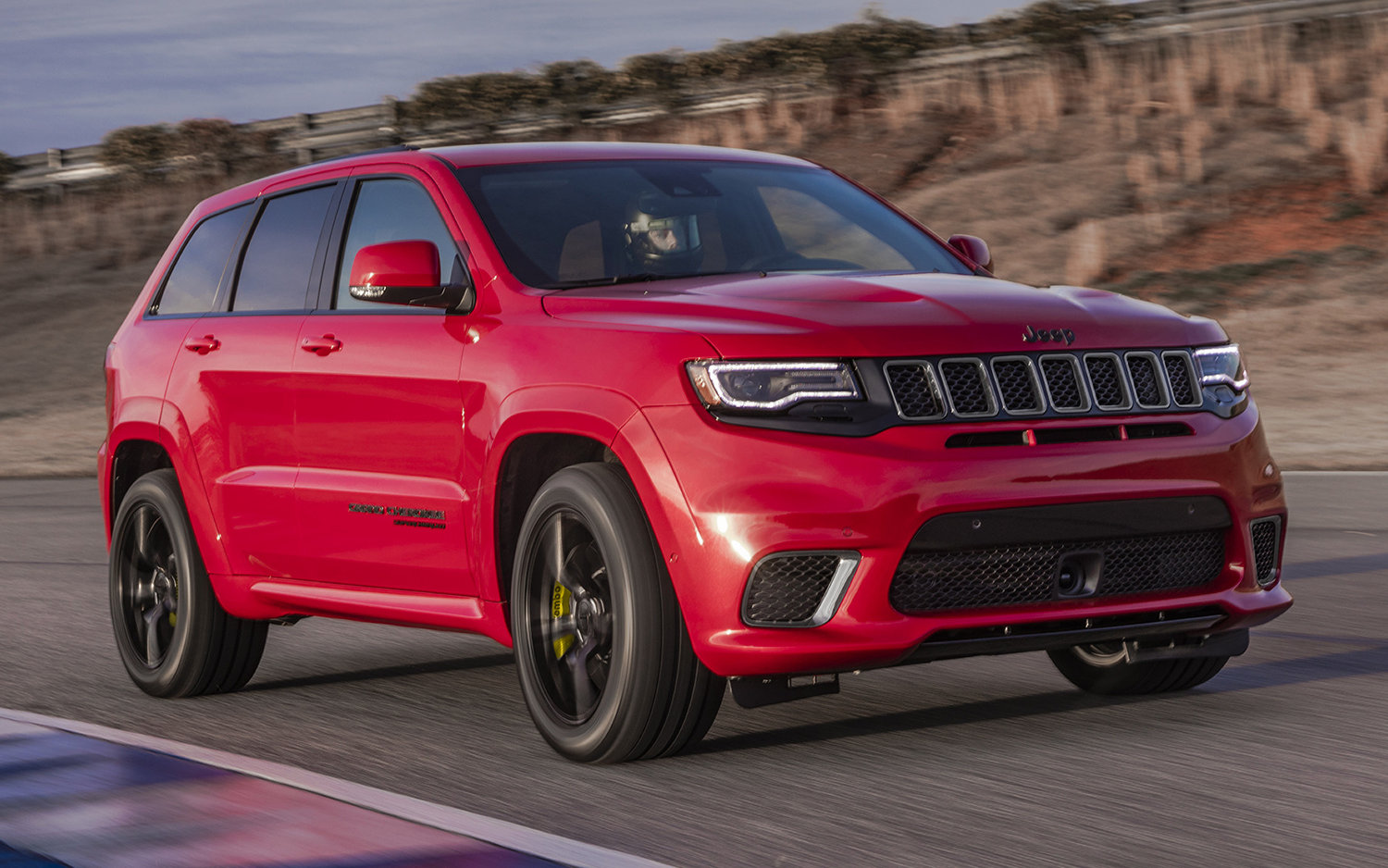
The Jeep Grand Cherokee Trackhawk is the third Fiat Chrysler vehicle to have the unhinged supercharged V-8 stuffed under its hood, and it’s the quiet Hellcat next door. Not literally, of course—have you heard a blown Hemi V-8 at full whack?—but with standard all-wheel drive mitigating the engine’s tire-spinning proclivities, plus its under-the-radar looks, the Trackhawk can at least pass for an upstanding citizen. With more traction than any Hellcat yet, the Trackhawk has quite a lot of poke despite its pork—the engine adds 259 pounds over the already heavy 475-hp Grand Cherokee SRT. Nonetheless, Jeep claims it can reach 60 mph in 3.5 seconds. That time is on par with the nearly 1000-pounds-lighter, automatic-equipped Dodge Hellcats we’ve tested. (The quickest was the Charger, which reached 60 mph in 3.4 seconds.) Per Jeep, the quarter-mile is expected to fly by in 11.6 seconds (at 116 mph!), and, with no electronic governor, the Trackhawk is said to surrender to atmospheric resistance at 180 mph.