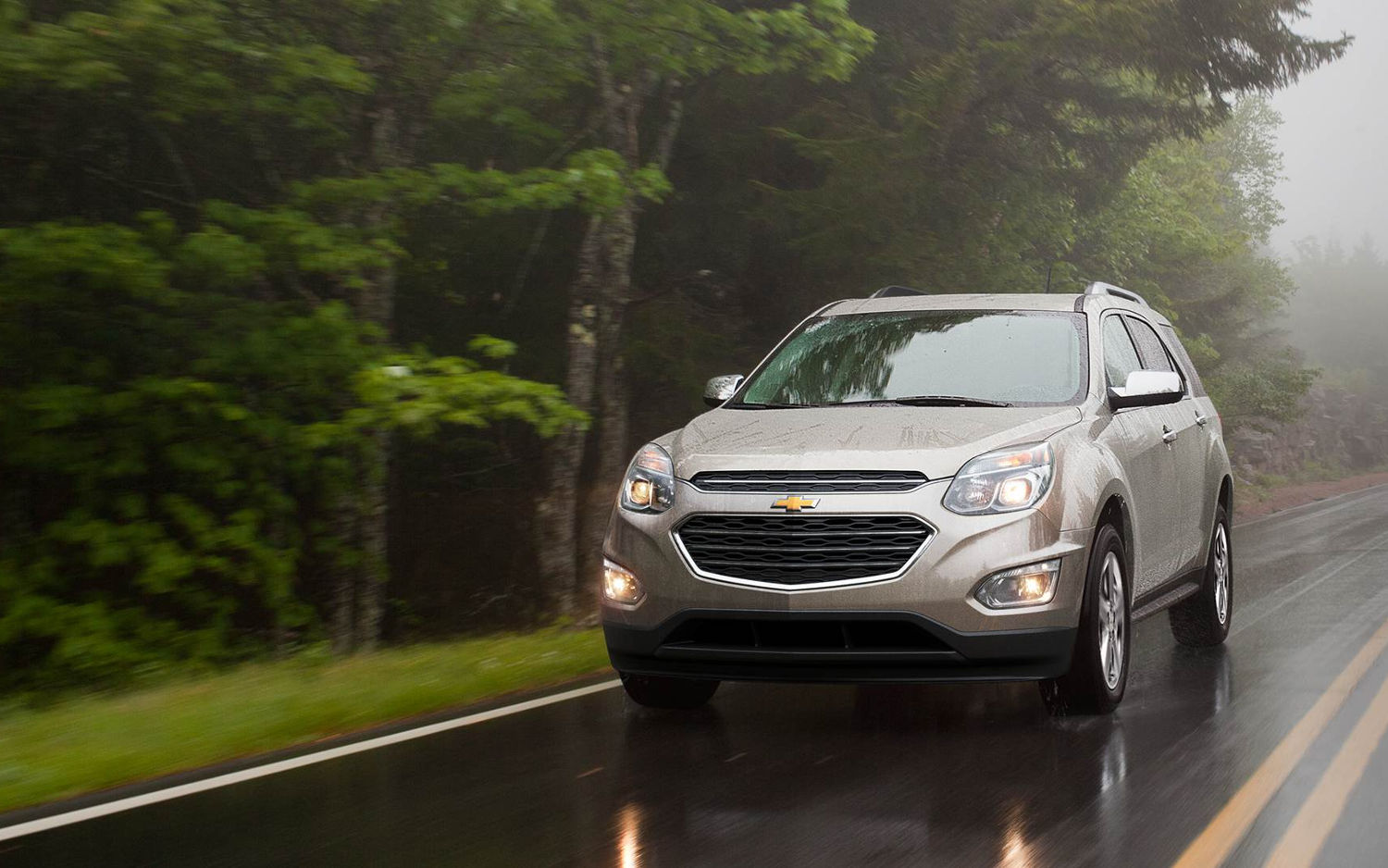
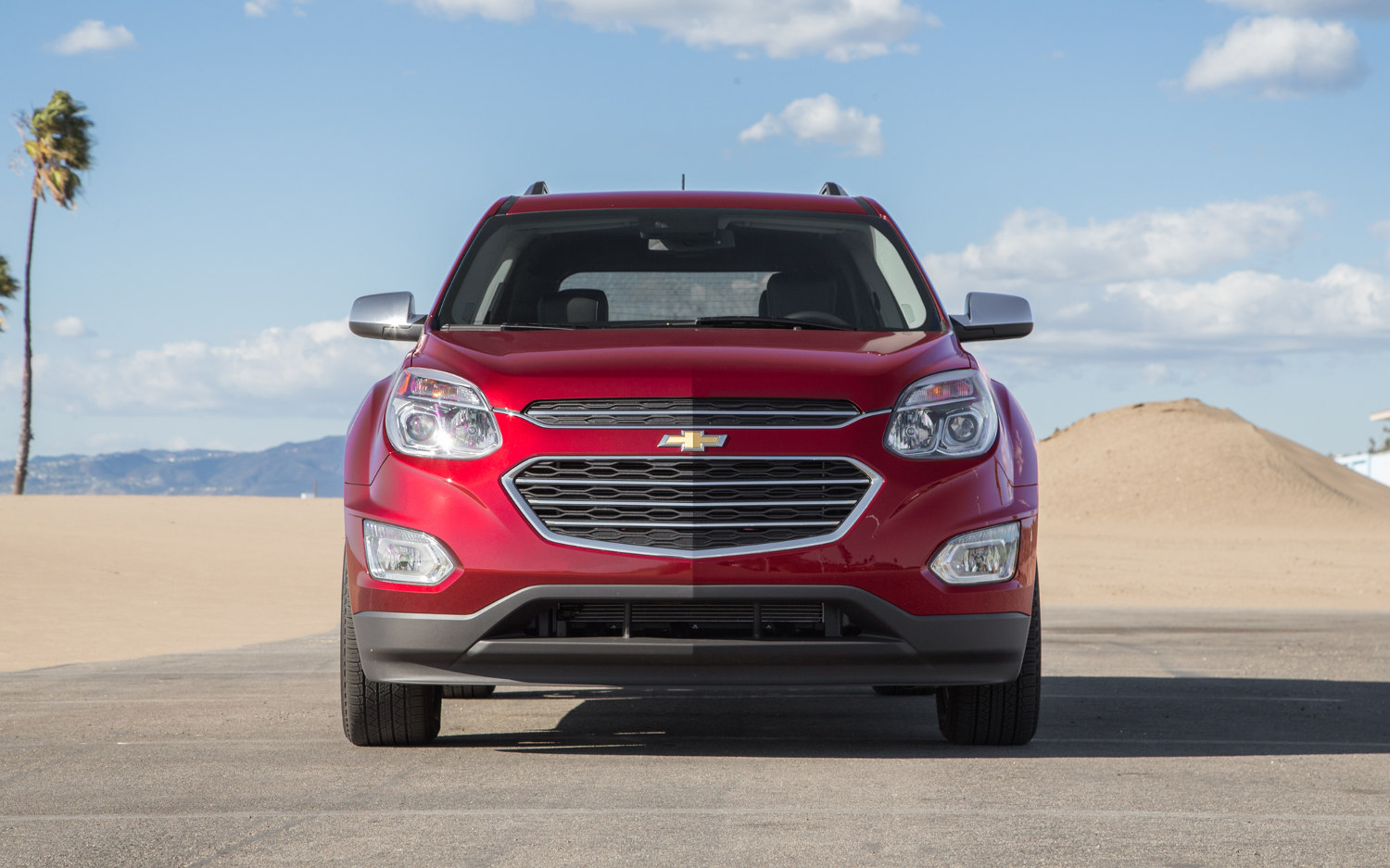
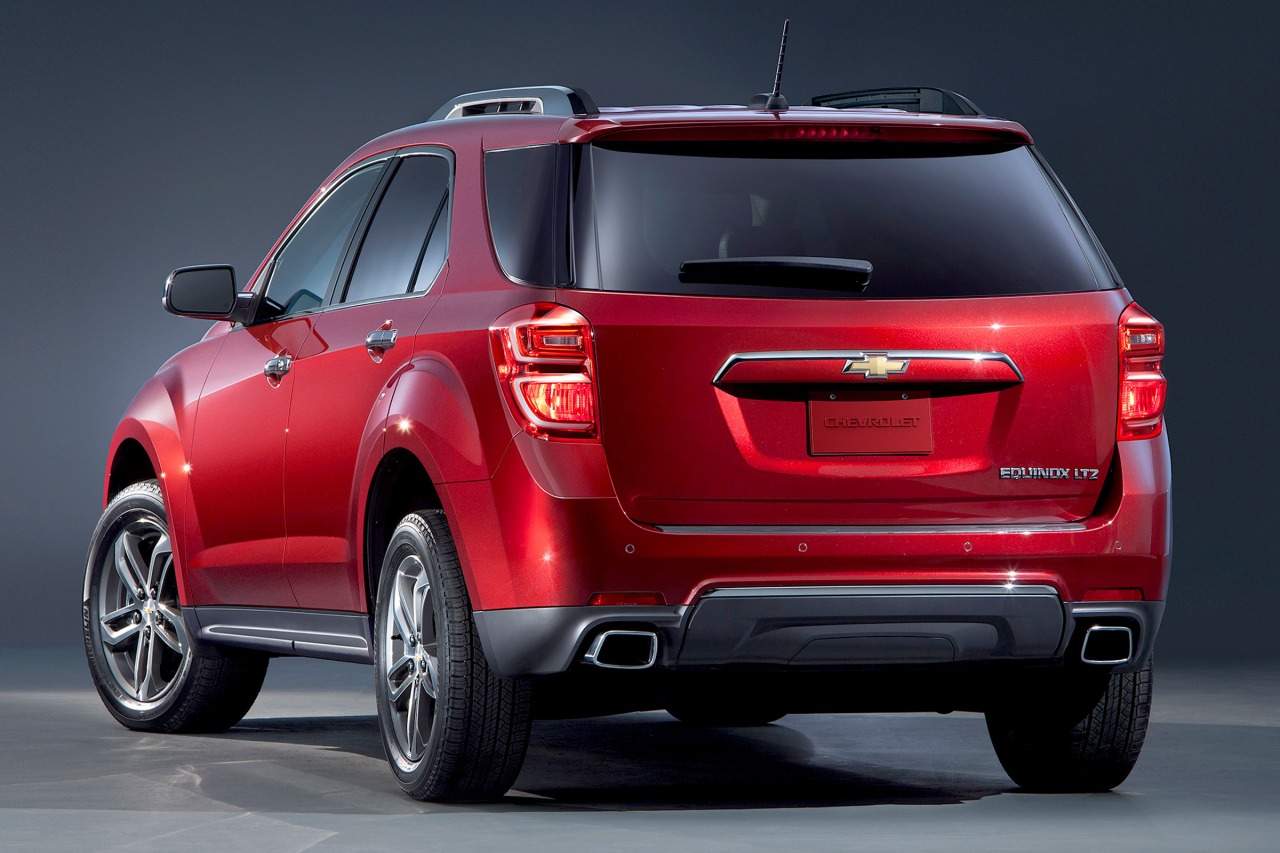
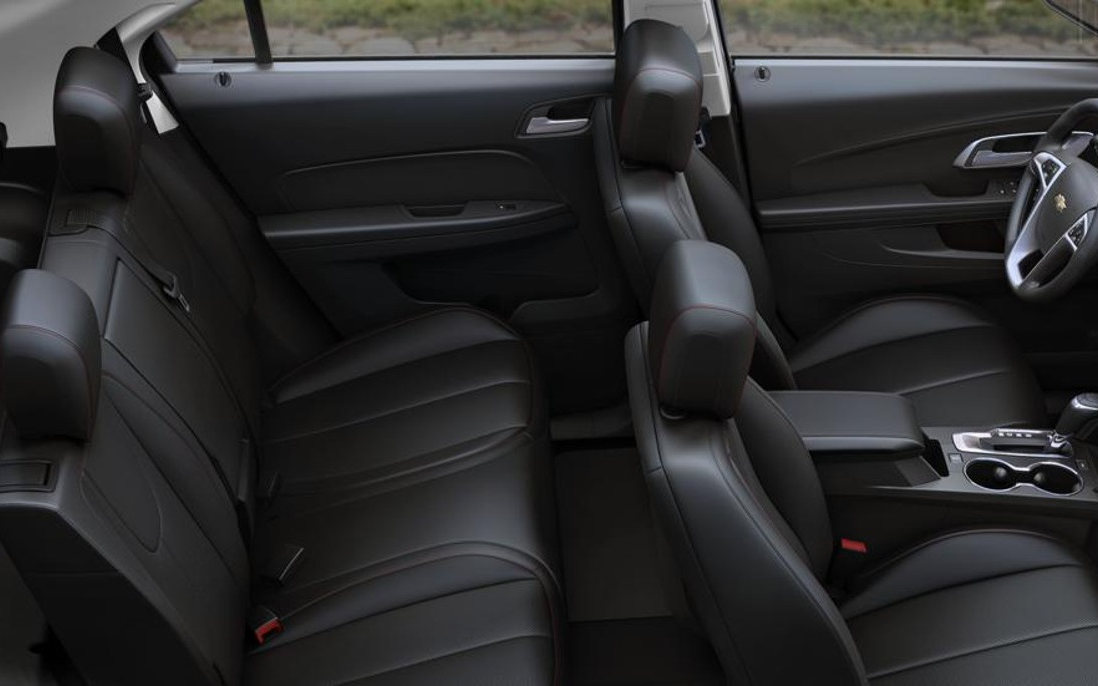
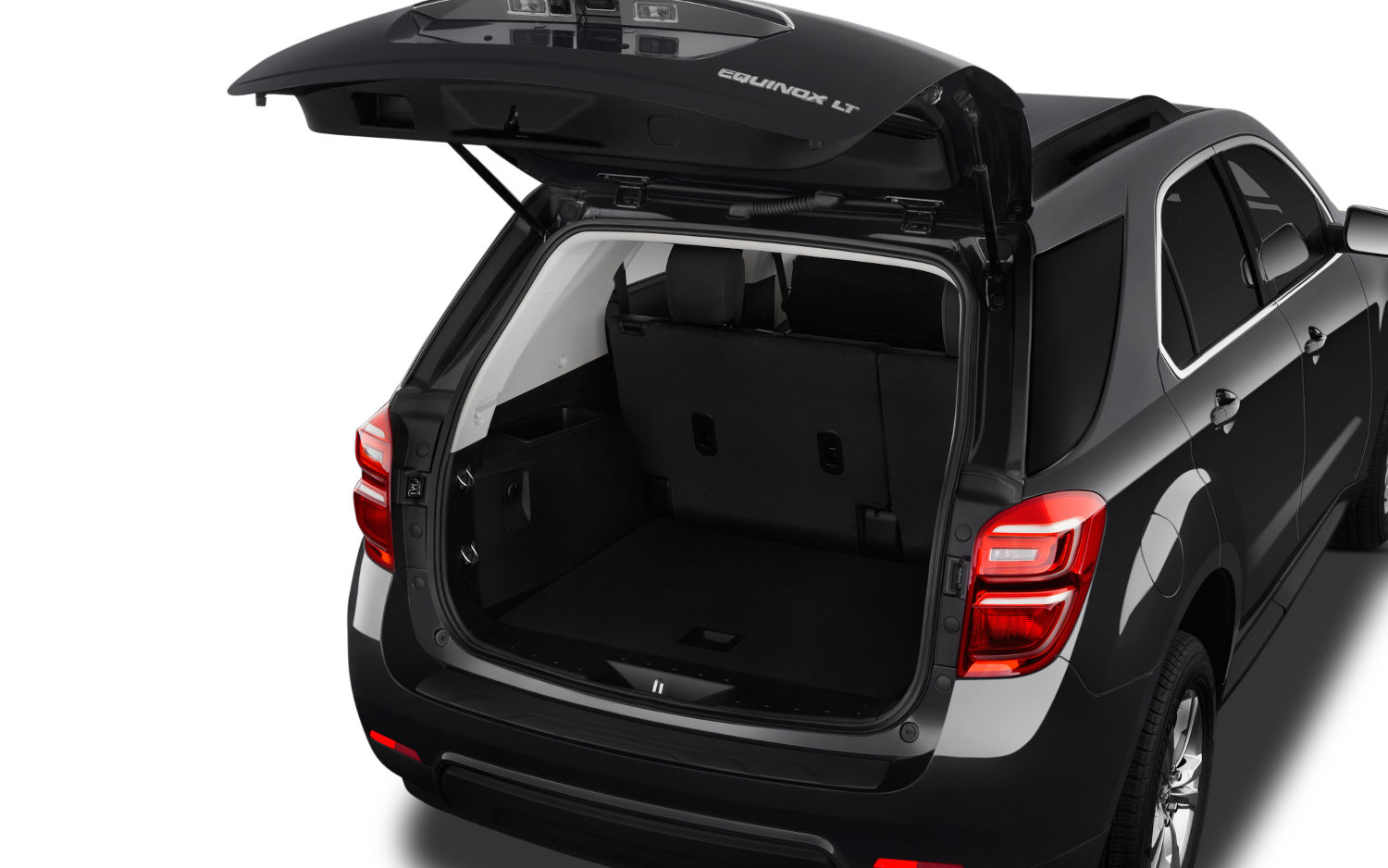
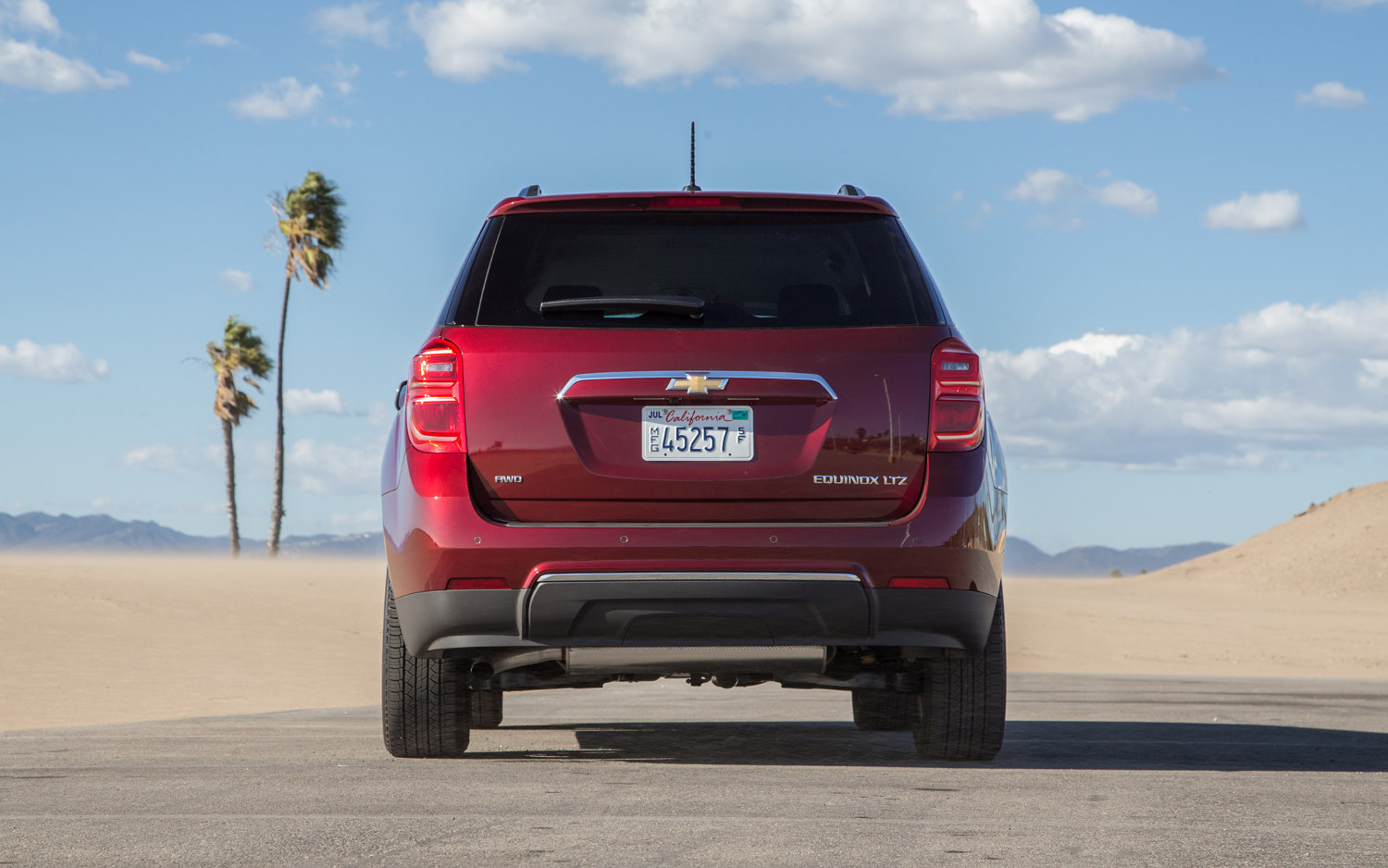
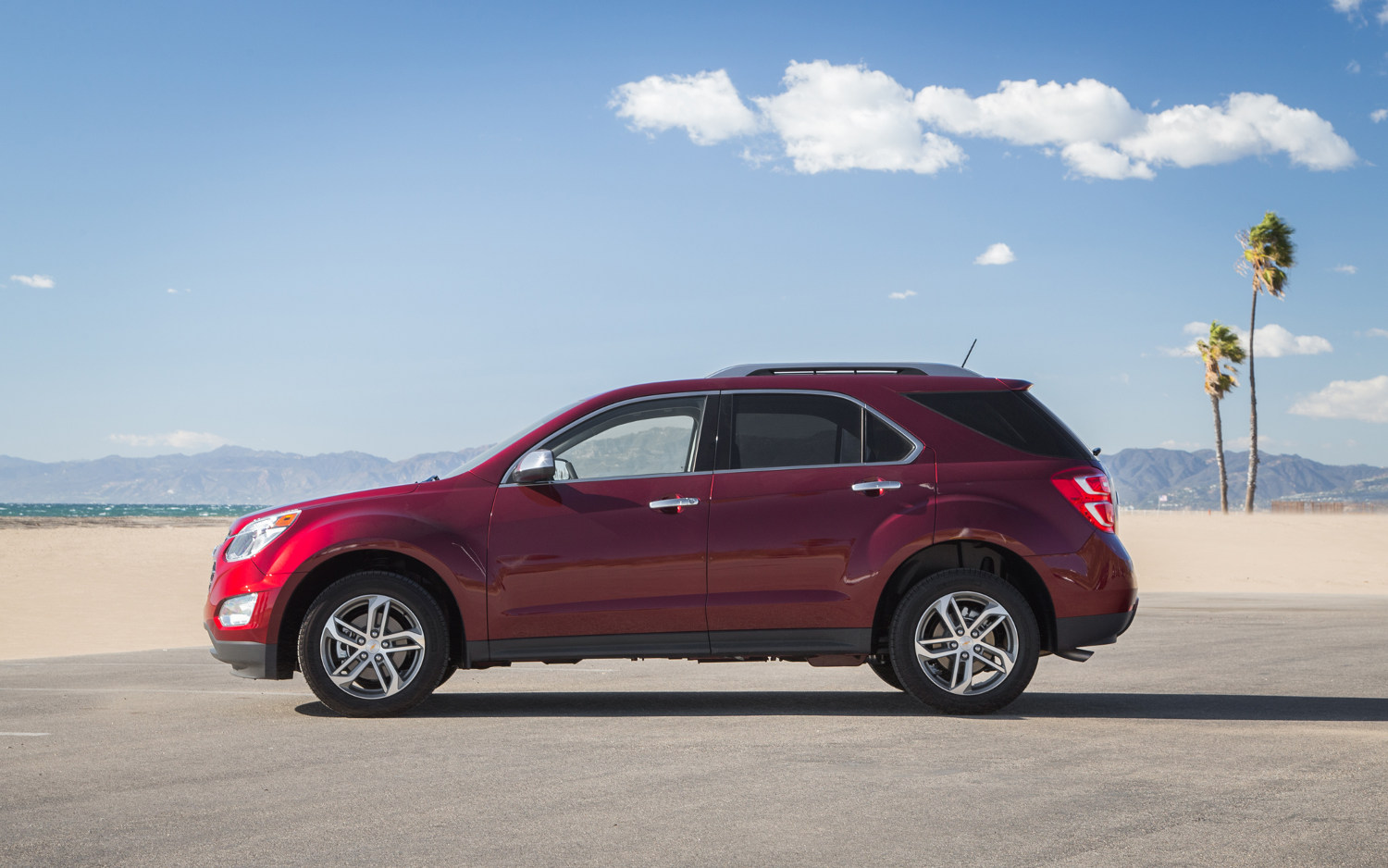
The 2017 Chevrolet Equinox is a solid bet if you want a reasonably sized crossover SUV with plenty of backseat space. You can also upgrade to a powerful V6 engine, which is an unusual treat in this class. Let's see if this veteran player still has what it takes.
Pros Backseat has plenty of space and slides/reclines for added comfort Optional V6 engine provides quick acceleration Interior stays quiet at speed Rides smoothly on rough roads.
Cons Four-cylinder version feels sluggish and real-world mpg falls short of EPA ratings Less cargo space than some rivals Quality of interior materials leaves something to be desired Bluetooth audio isn't offered on L or LS.
The 2017 Chevrolet Equinox is a solid compact crossover SUV. What it lacks in advanced powertrains, it makes up for in available tech. The Chevrolet Equinox has struck the right chord for many compact crossover buyers. It offers a range of powertrains, including front- or all-wheel drive; it can be fuel efficient; and it's relatively large.
Pros Inline-4 is frugal Space is configurable for cargo or people Plenty of power in V-6 Exterior style has been improved Relatively good tech
Cons No premium audio to speak of Rear visibility is a challenge Safety marks not quite top tier
The 2018 Chevrolet Equinox ranks 5 out of 18 Compact SUVs. The Chevrolet Equinox was redesigned for the 2018 model year and sees some admirable improvements over the outgoing generation. It has a quality interior, plenty of standard features, and a good amount of cargo and passenger space. It rides and drives confidently but can be slow to get up to speed.
Pros Plenty of standard features Quality interior Stable handling
Cons Sluggish transmission
Pros • Cabin, load space • Fuel economy • Dash presentation
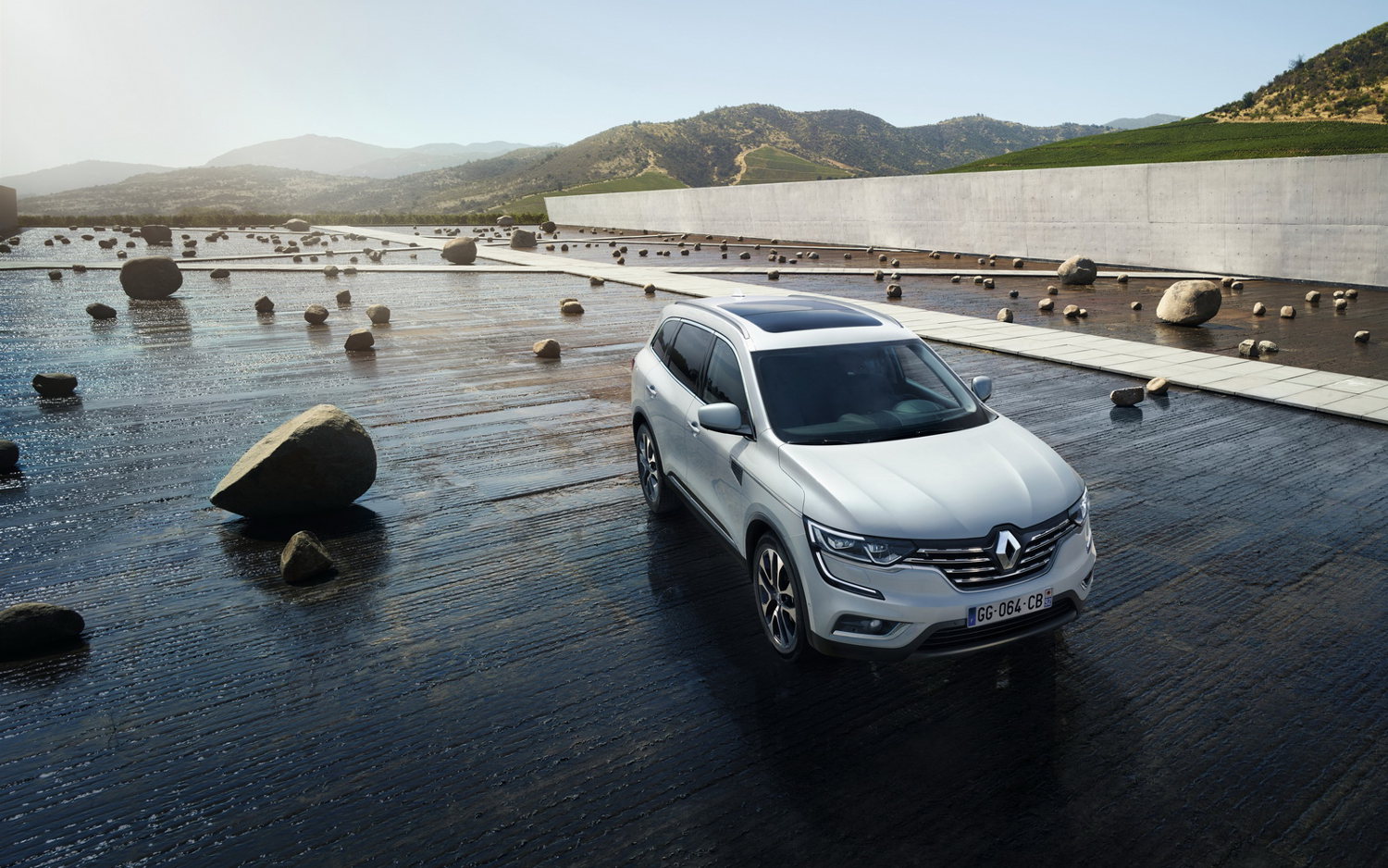
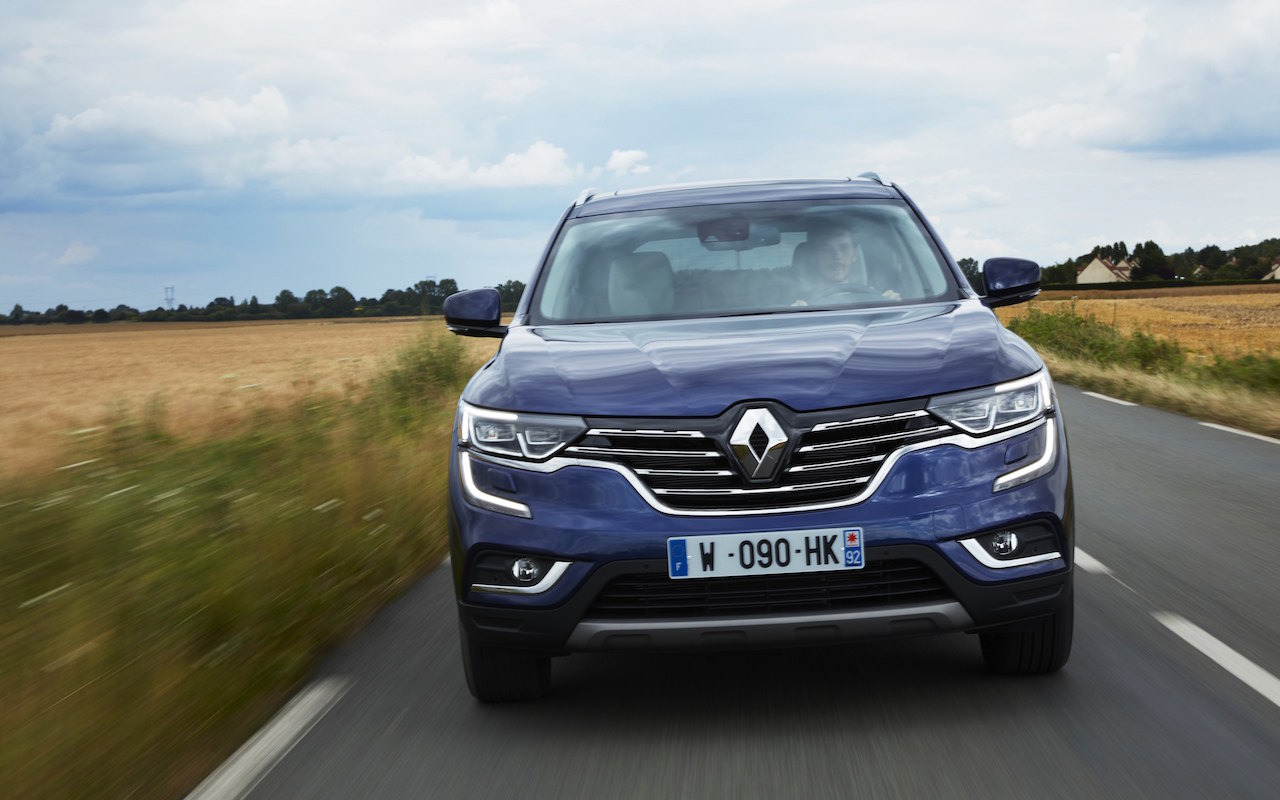
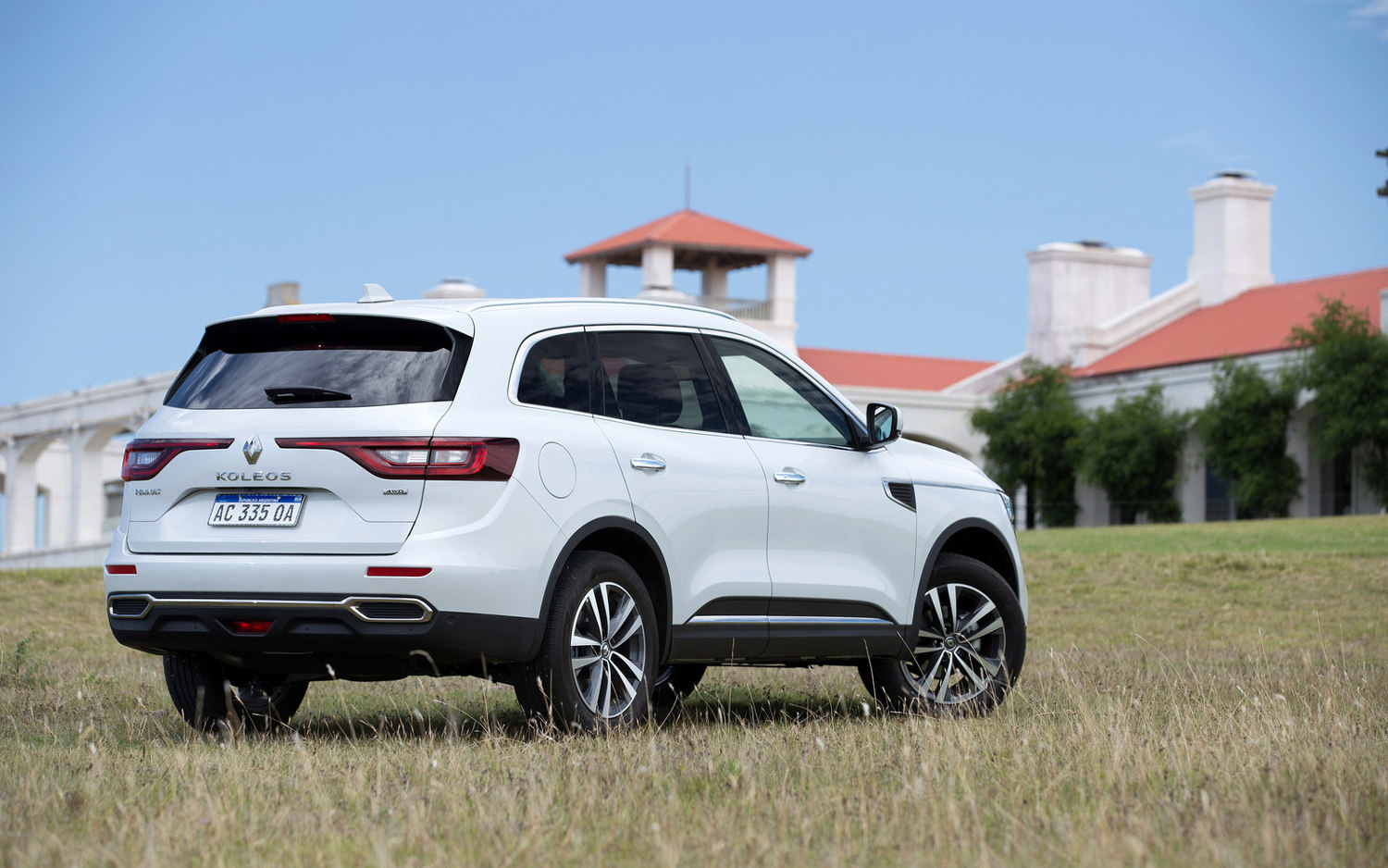
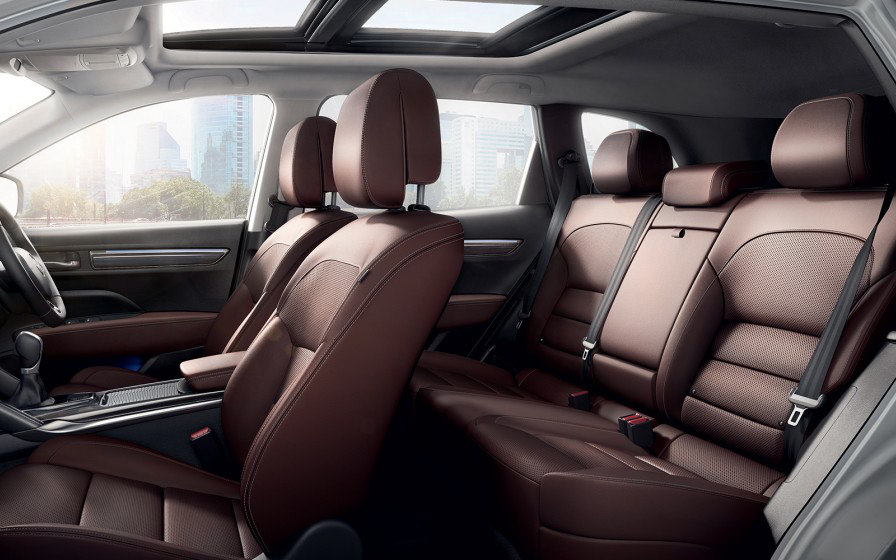
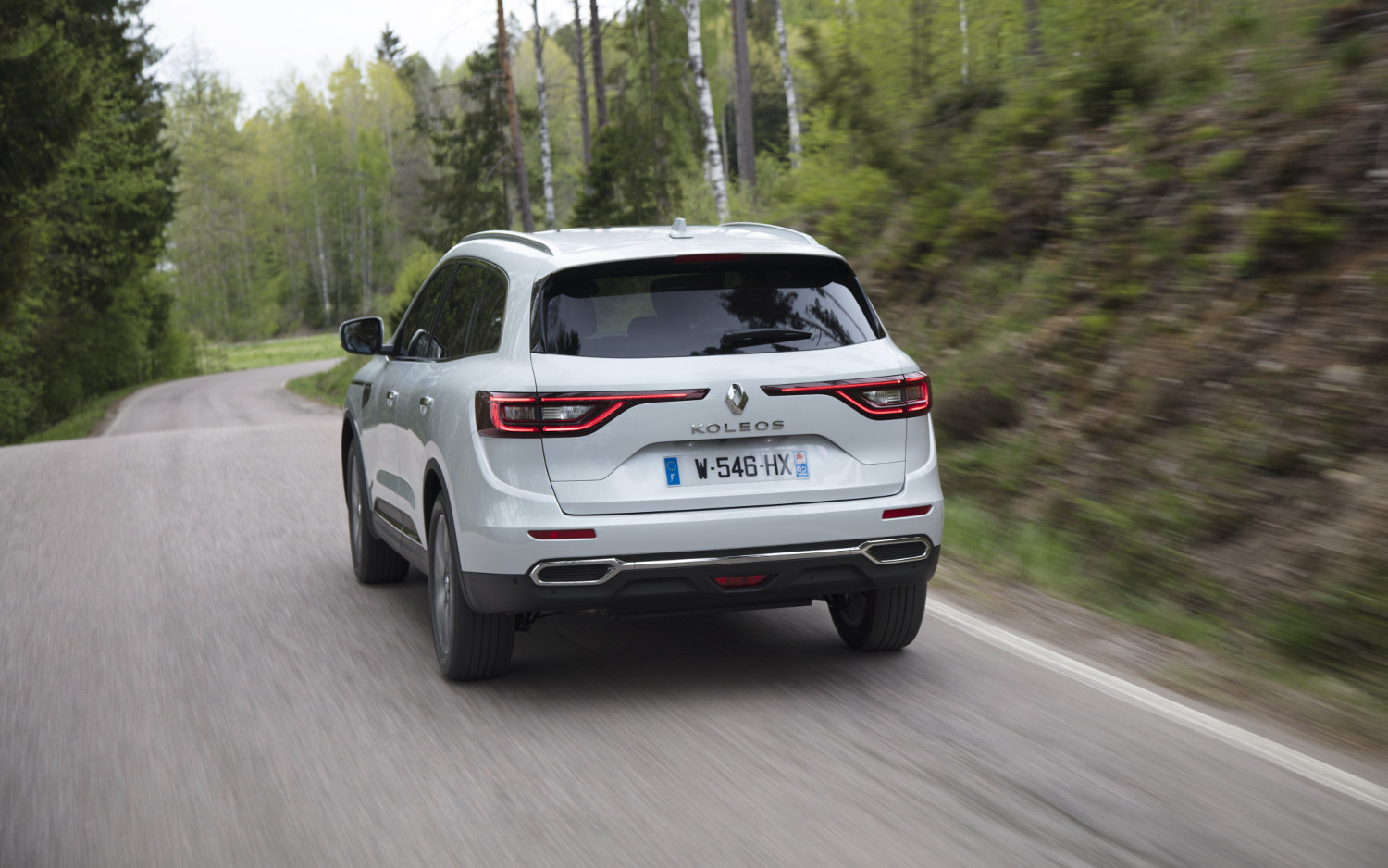
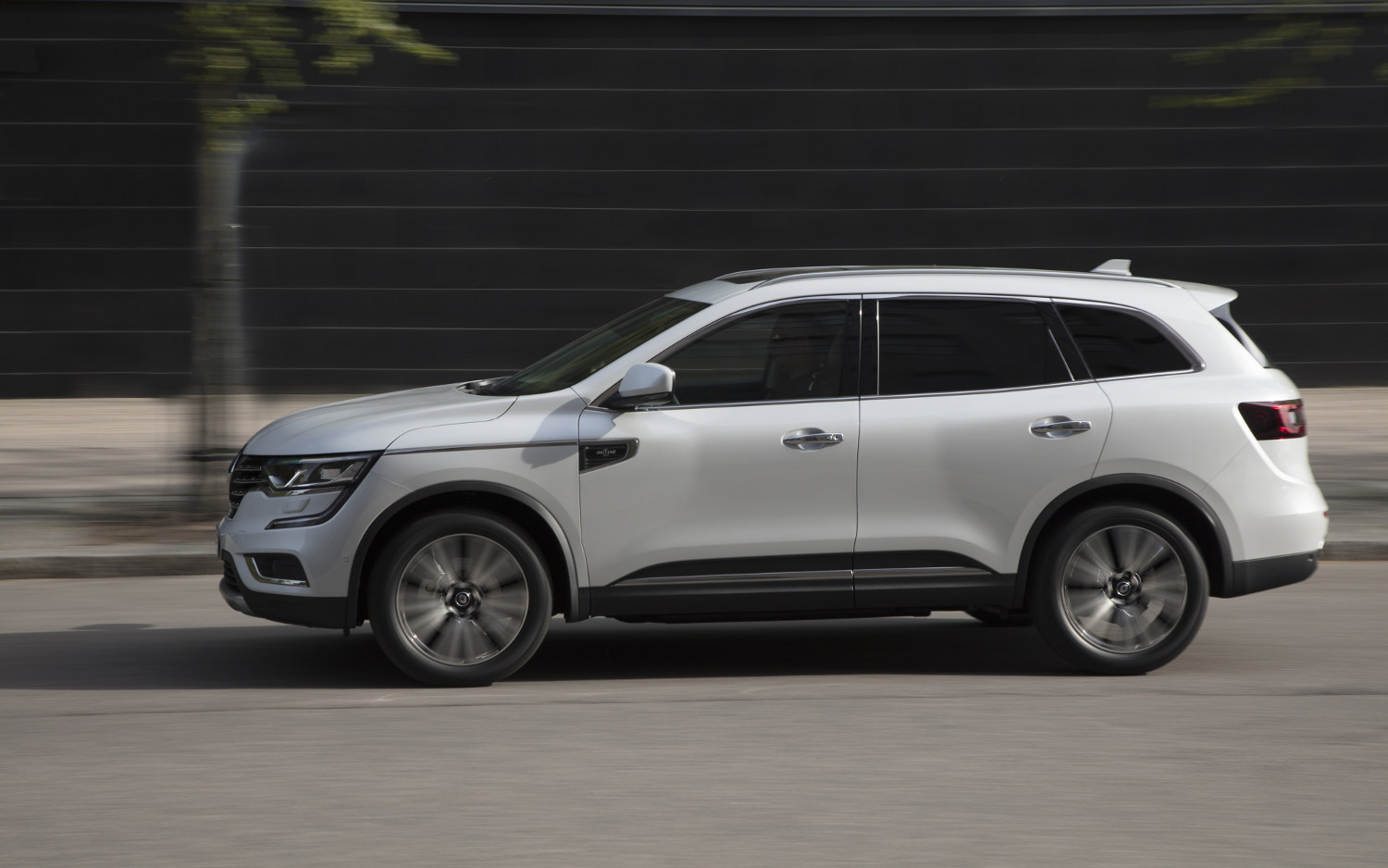
Cons • Noisy suspension • Flat seats • CVT characteristics The Koleos did what it was intended to do. It gave Renault a foothold in a hitherto unrepresented segment and, more importantly in Australia, it quickly became Renault’s biggest-selling model.If there was a major shortcoming with the second generation Koleos it was the lack of a diesel engine. The newcomer was exclusively powered by a hard-working 2.5-litre naturally-aspirated four-cylinder petrol engine producing a reasonable 126kW/226Nm and returning, in AWD form, a combined fuel consumption average of 8.3L/100km.But that’s all changed now. The long-awaited turbo-diesel option arrived in August 2017 to immediately bring more power and (a lot more) torque. At 130kW/380Nm it’s a true grunter which, at 6.1L/100km, also offers better fuel consumption, plus lower exhaust emissions (150g/km against the petrol version’s 192g/km).
Pros Noticeably more torque and better fuel economy from the diesel engine Big size equals excellent second-row space inside Competitively priced Good ownership credentials
Cons Powertrain not as seamless and effortless as the numbers suggest No quicker than cheaper front-drive petrol Koleos variants Wieldy SUV to manoeuvre and park Ho-hum infotainment system Lower braked towing rating than petrol versions The diesel clatter is also quite noticeable, though nothing like a deal-breaker, but it does harness the on-demand all-wheel-drive system's tractive talents better and more noticeably than the petrol engine does. And by maintaining fuel economy within a ballpark of its maker’s 6.1 combined cycle claim, it’s markedly more efficient by a couple of litres per hundred, particularly around town.
Pros Great exterior looks Nice enough to drive Good level of equipment
Cons Doesn't come with a seven-seat option Prices are a bit high Manual gearbox isn't the smoothest