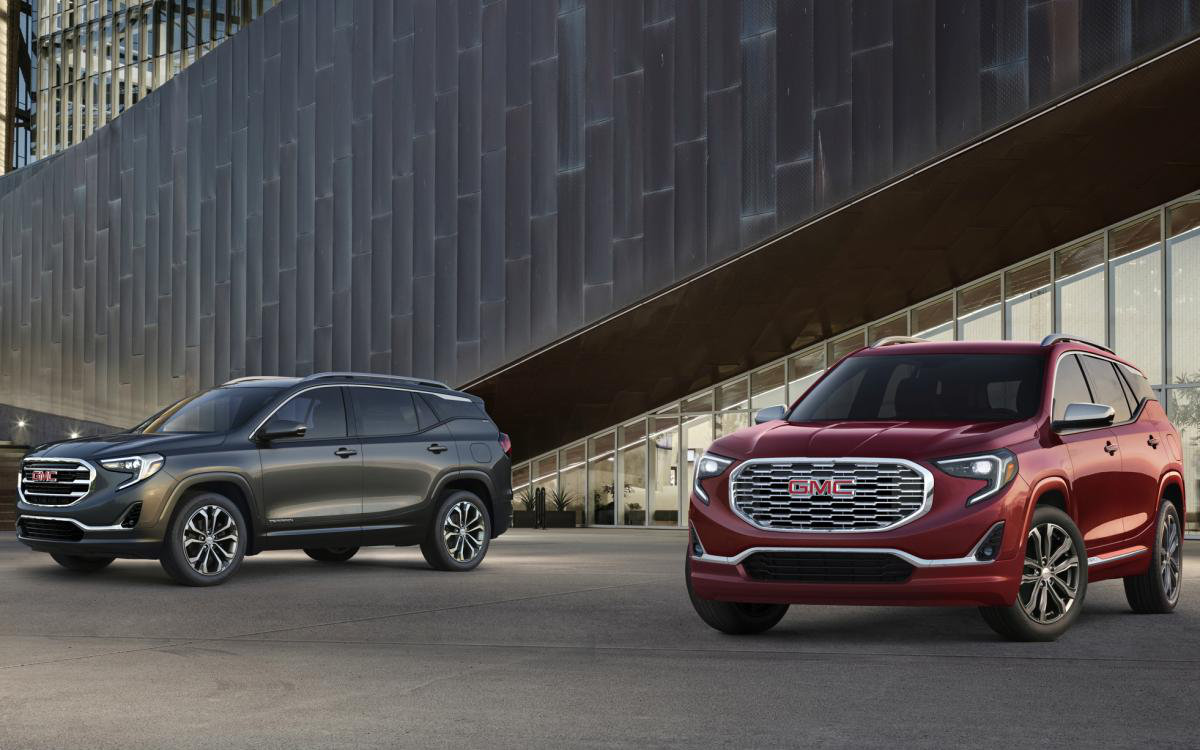
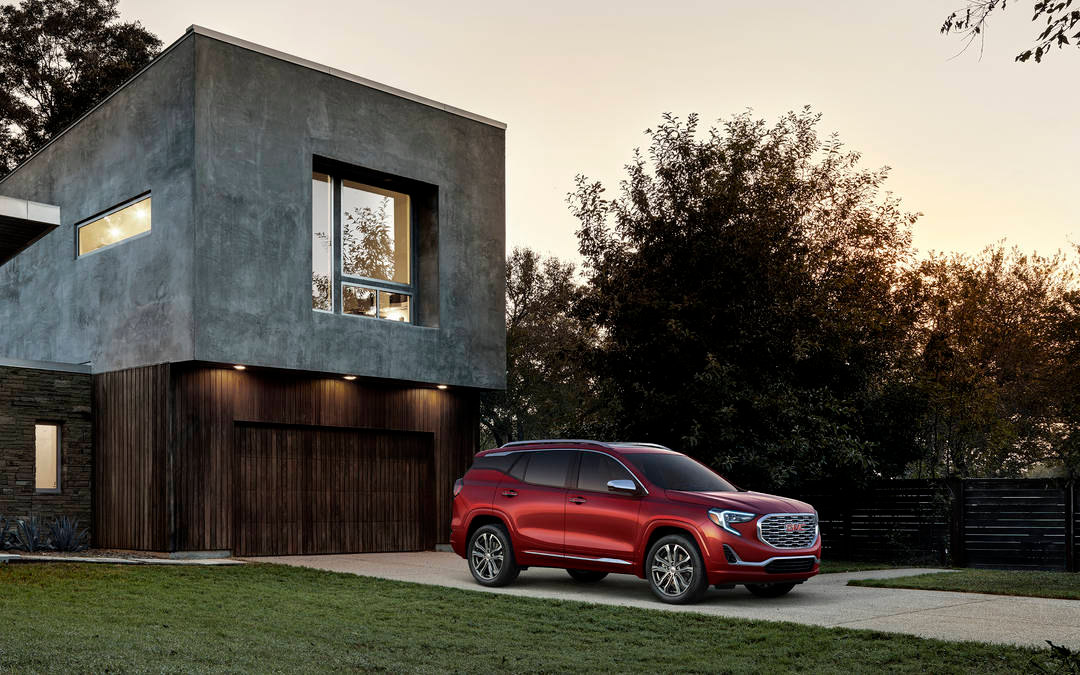
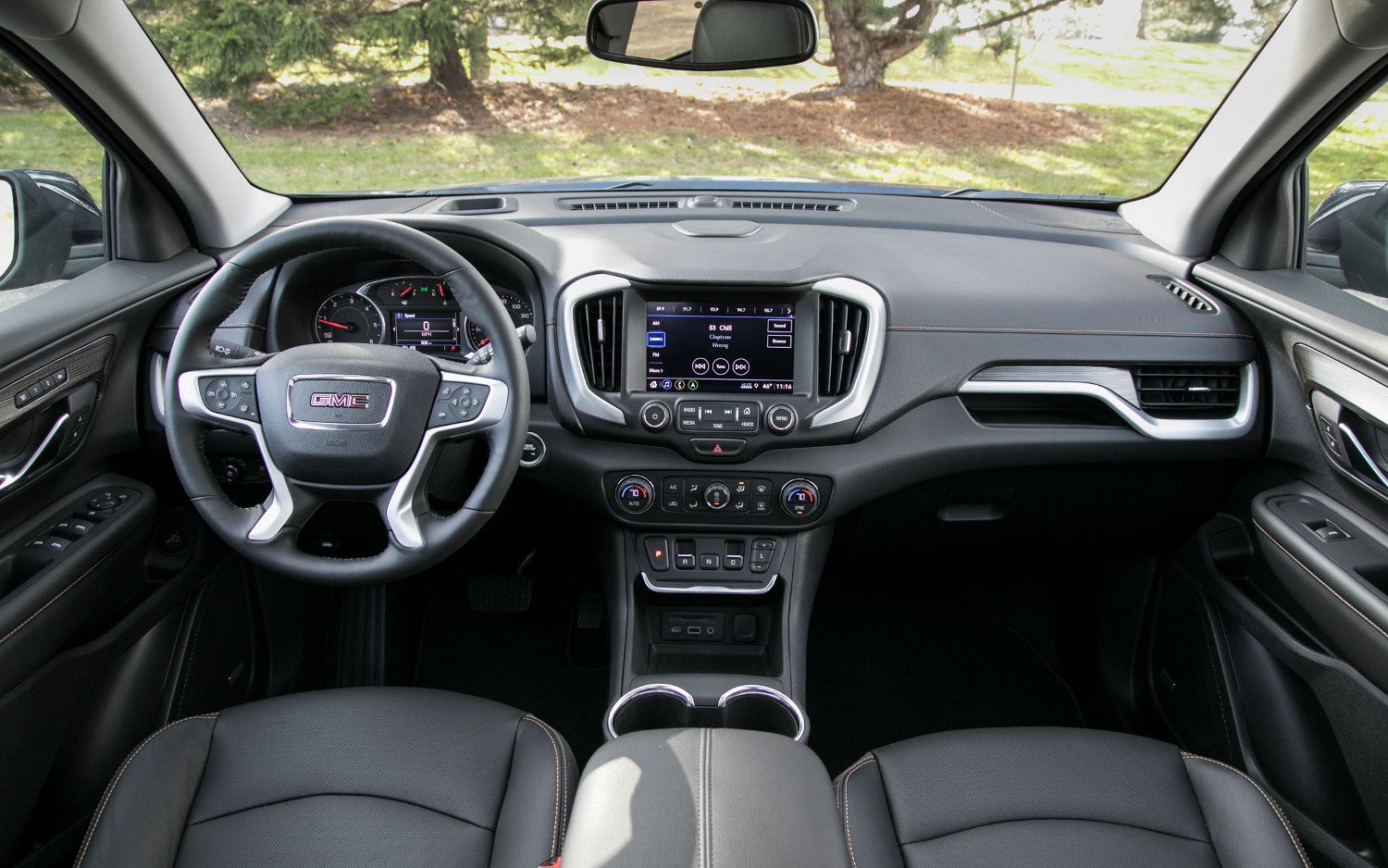
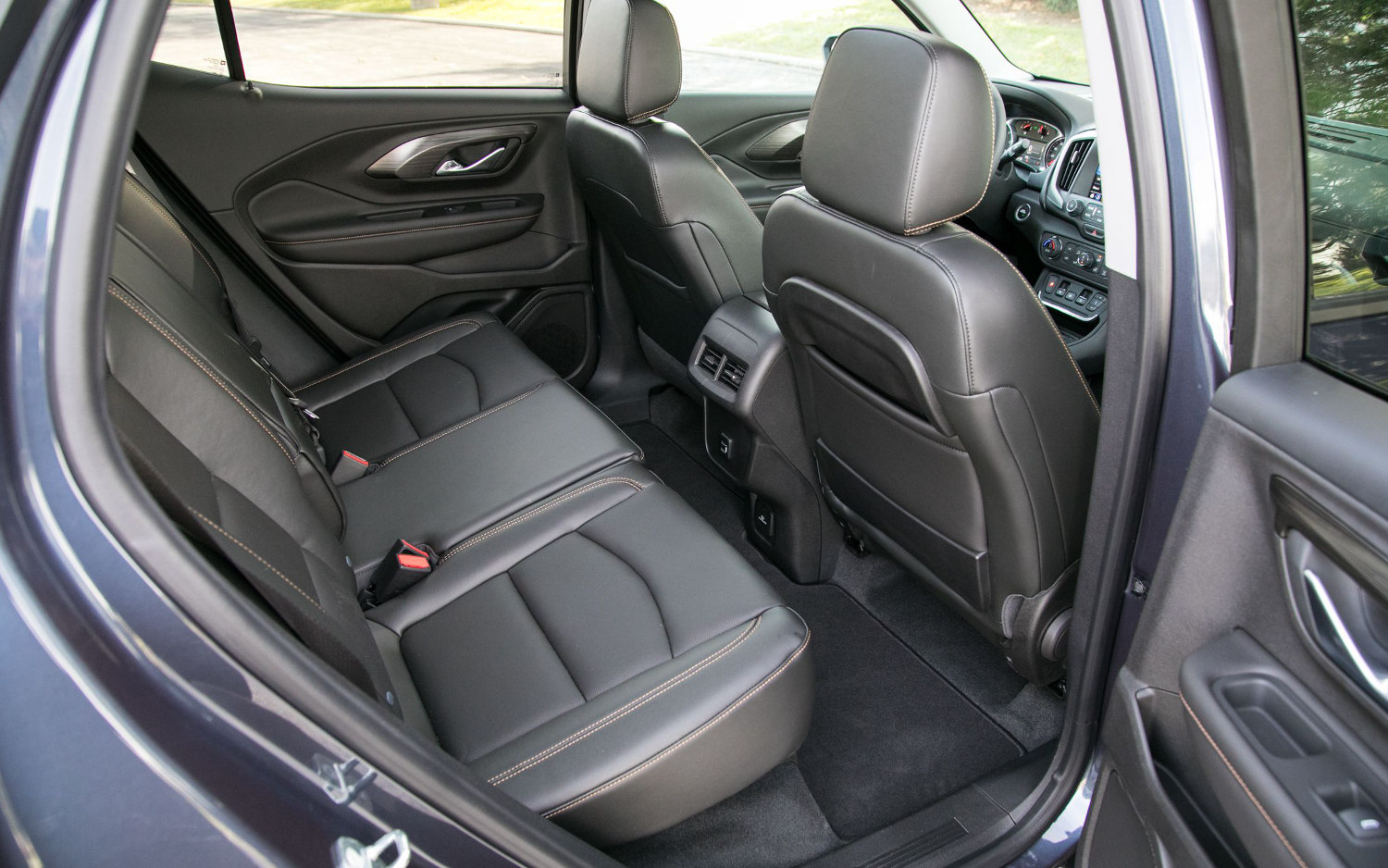
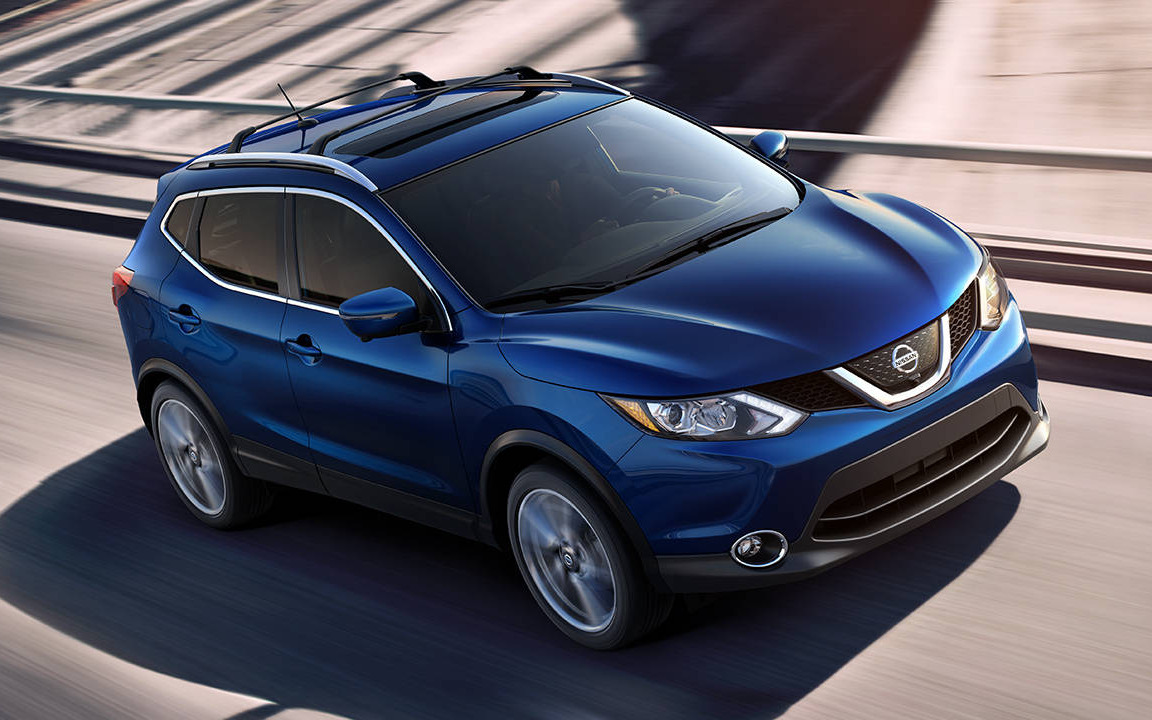
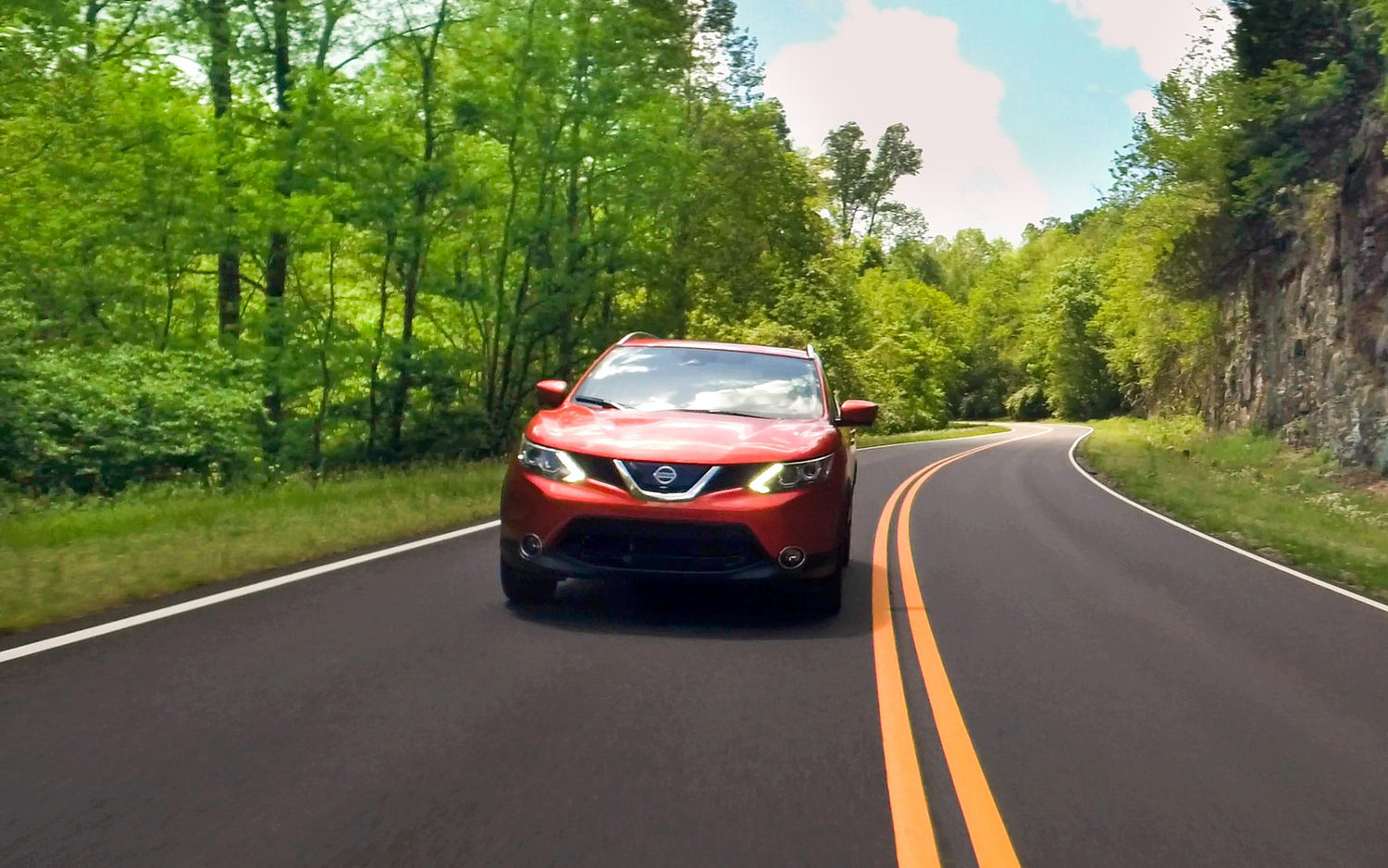
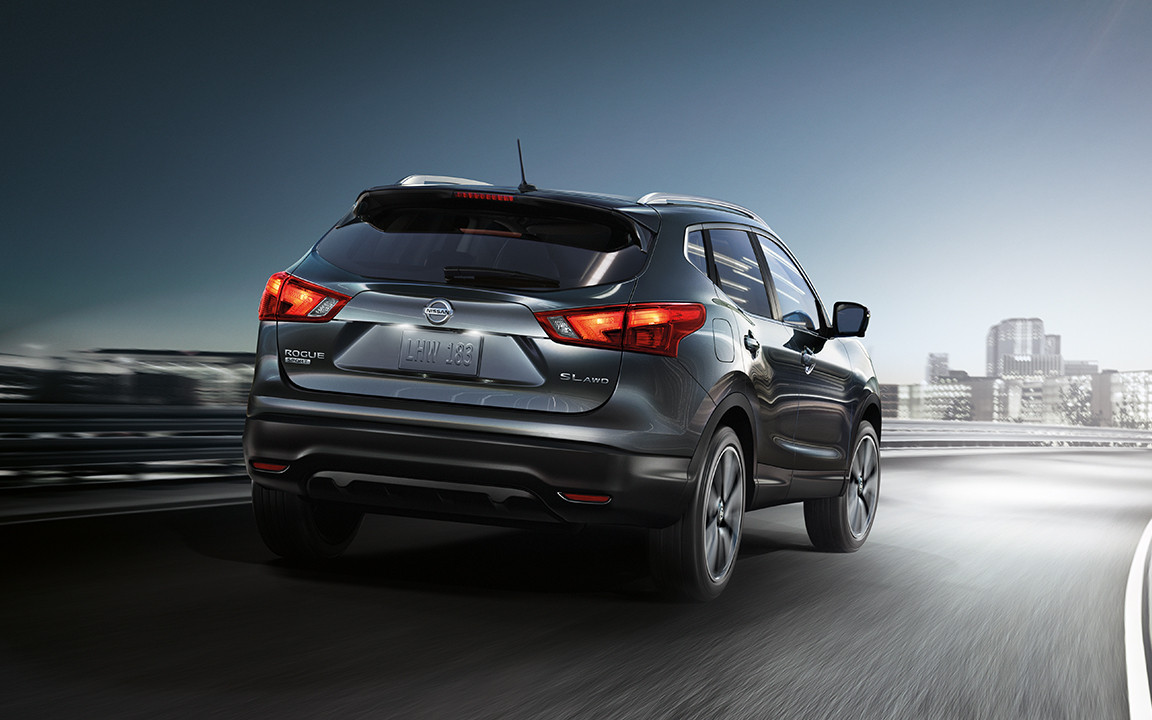
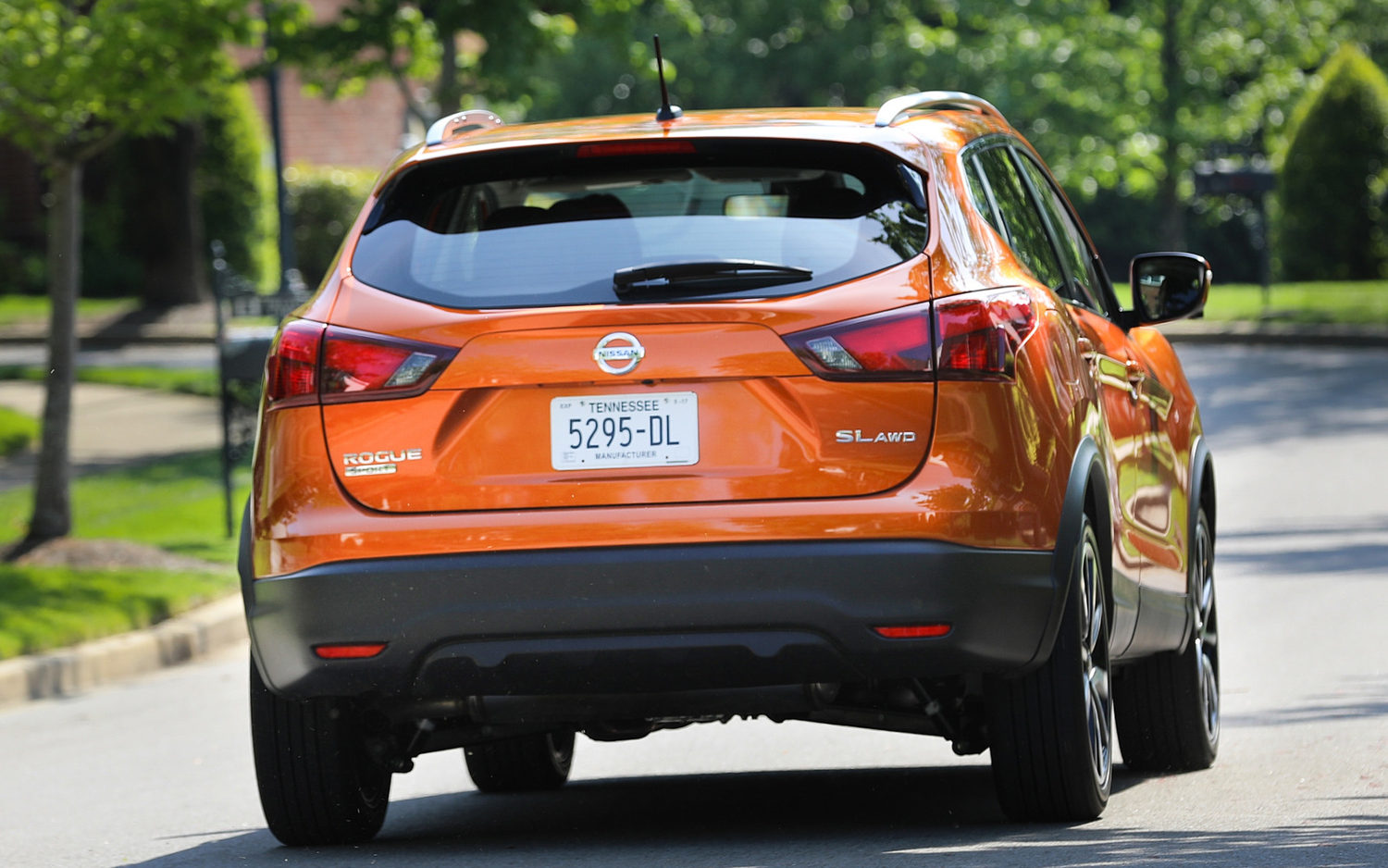
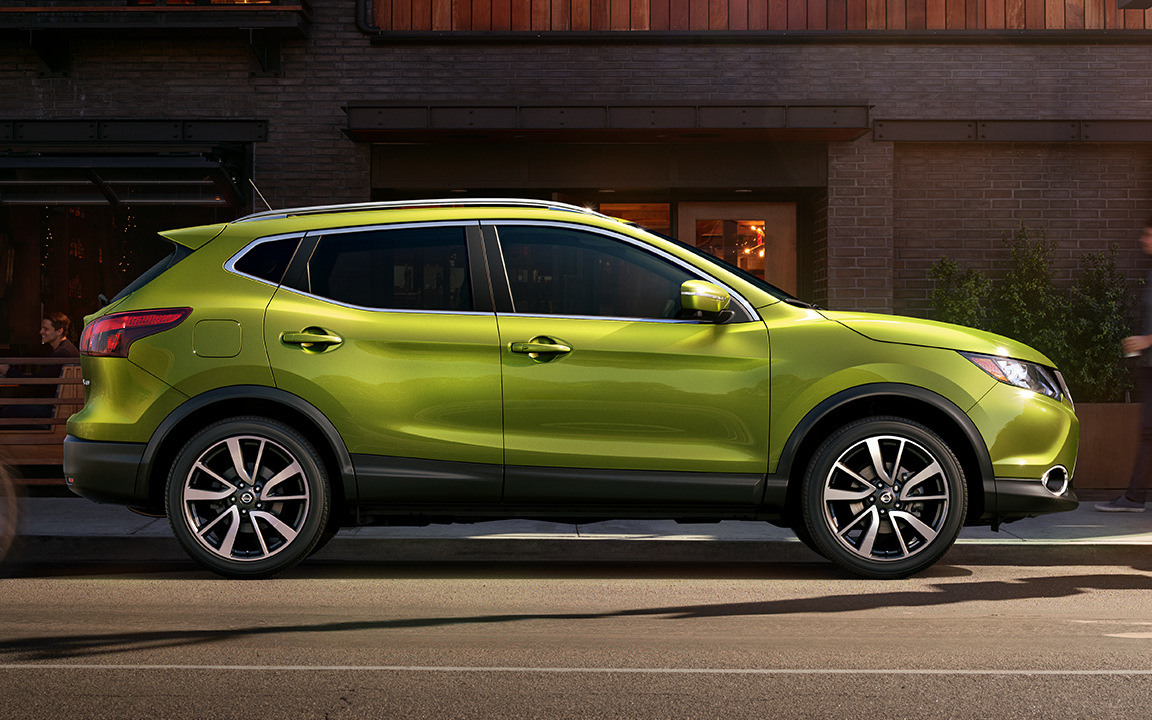
The 2017 Nissan Rogue Sport is a new mini crossover vehicle that slots between the Nissan Rogue and funky subcompact Nissan Juke in terms of size. Powered by a 2.0-liter four-cylinder engine and a choice of front- or all-wheel drive, we expect the 2017 Rogue Sport to be a popular pick for its pocket-size versatility.
The 2017 Rogue Sport will join Nissan's crossover lineup this year, slotting in between the subcompact Nissan Juke and the larger Nissan Rogue. The Rogue Sport is designed for those who find the Juke's interior accommodations too cramped, or are perhaps put off by its polarizing design, but also don't quite want or need something as big as the larger Rogue.
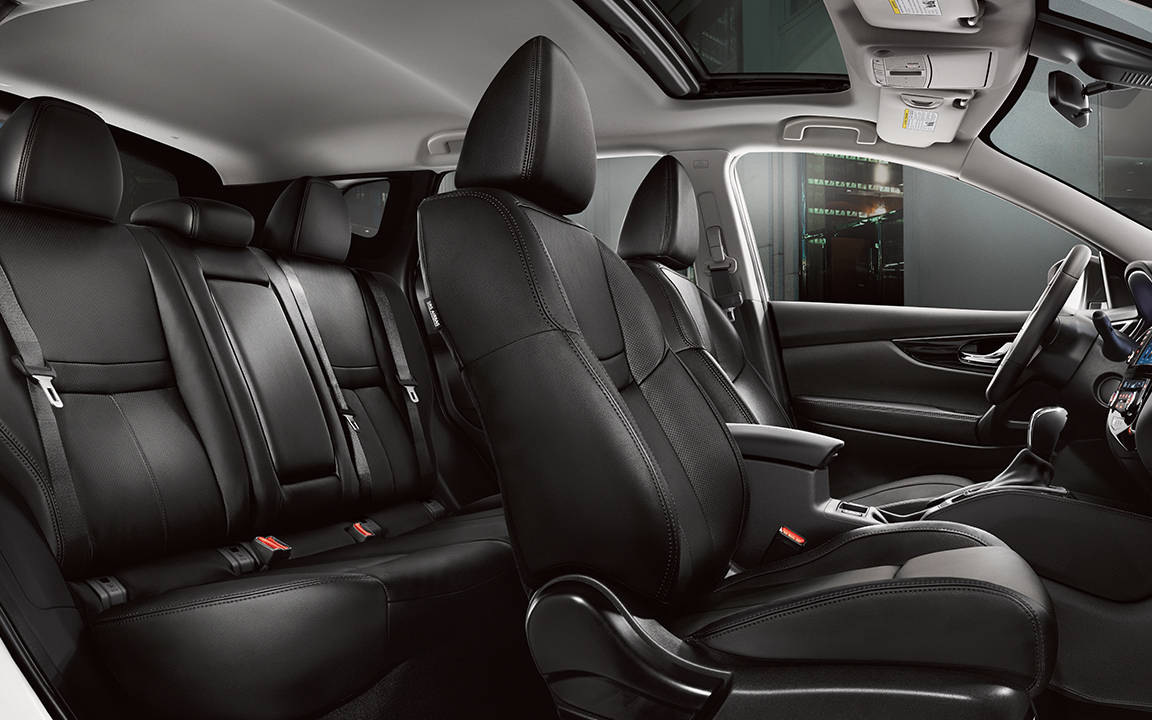
Even though they are based on the same fundamental chassis, the Rogue Sport is a foot shorter in length and 5.6 inches shorter in height than the Rogue. This makes the Rogue Sport more adept at navigating tight urban spaces, though it concedes a fair amount of rear passenger legroom and about 9 cubic feet of cargo space (22.9 cubic feet versus the Rogue's 32 cubes). Compared to the rest of subcompact crossover faction, the Rogue Sport is generous on cargo space but short on rear legroom.
The Rogue Sport comes powered by a 2.0-liter inline-four making 141 horsepower and 147 pound-feet of torque. The engine drives the front wheels through a continuously variable automatic transmission (CVT) and is capable of distributing power to all four wheels if equipped with all-wheel drive. It rides on an independent suspension, front and rear, which helps the wheels maintain better contact with the ground and, according to Nissan, provides a sportier drive experience, according to Nissan.