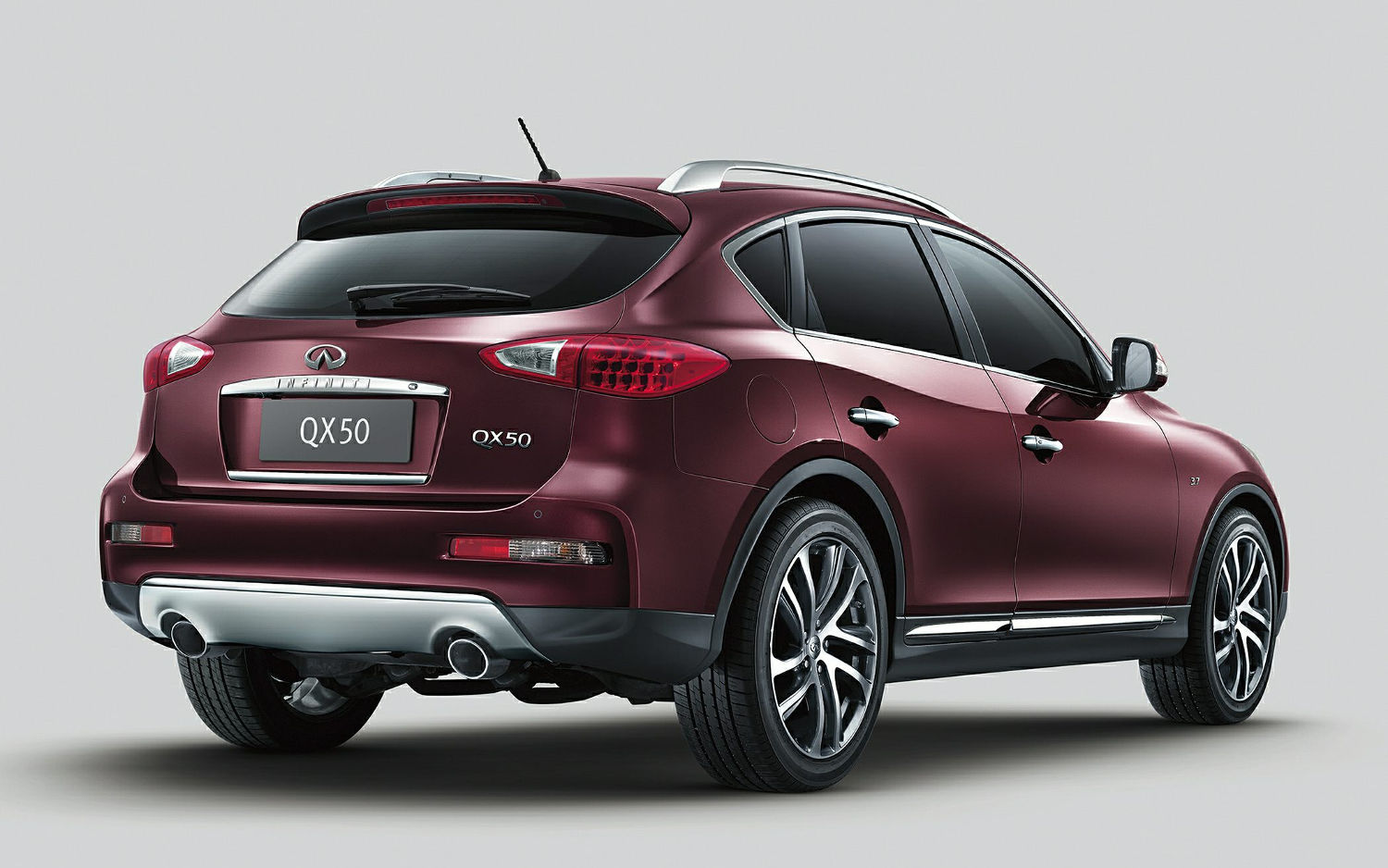
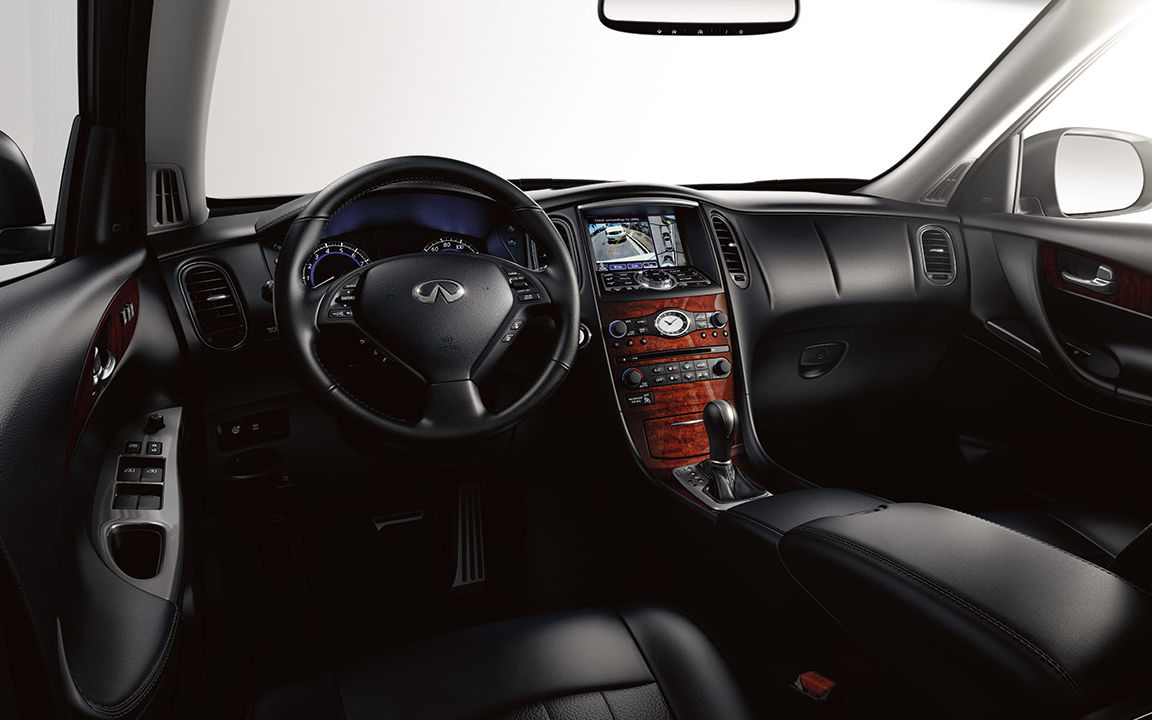
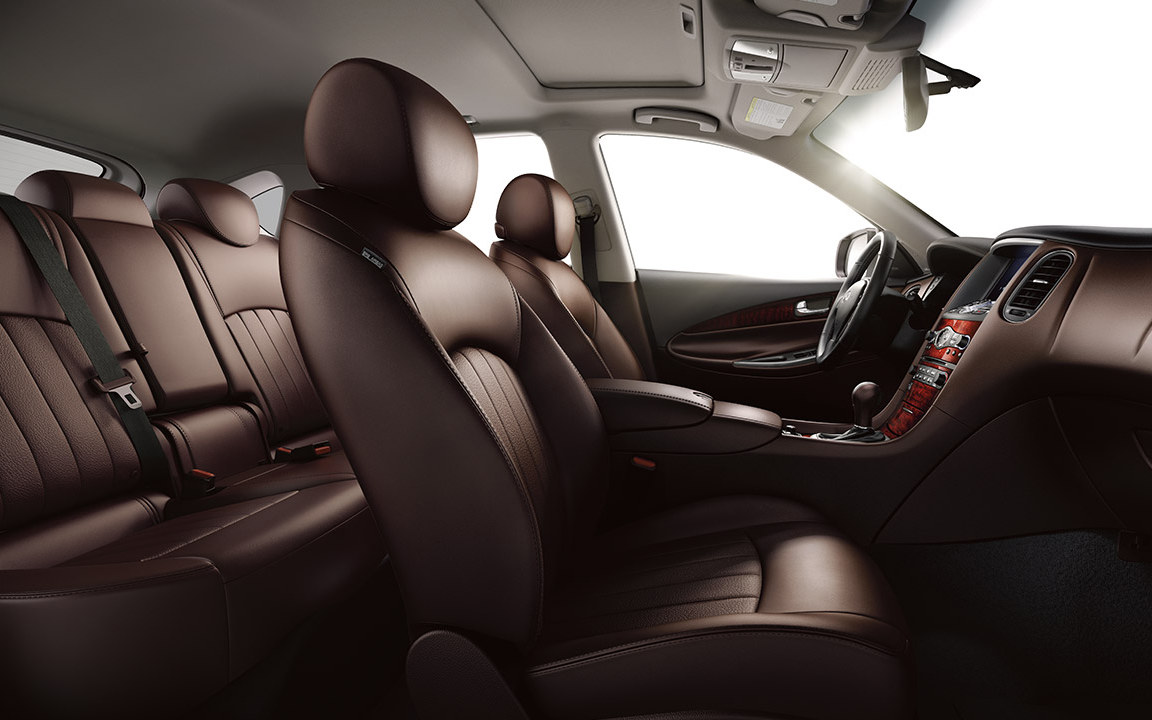
The 2017 Infiniti QX50 puts handling atop the SUV priority list, but that's not as wrong as it sounds.The Infiniti QX50 has been around, in one form or the other, for a decade. It's still here thanks to strong fundamentals: there are bits and pieces of Q50s and 370Zs under its skin, and that gives it an engaging feel that's still head and shoulders above some its its key rivals. It returns for its 10th model year in just two forms, as the rear-drive QX50 or as the all-wheel-drive QX50 AWD.
Pros Sport-sedan handling Shape's still sleek A richly appointed cabin Supportive front seats Finally, a more usable back seat
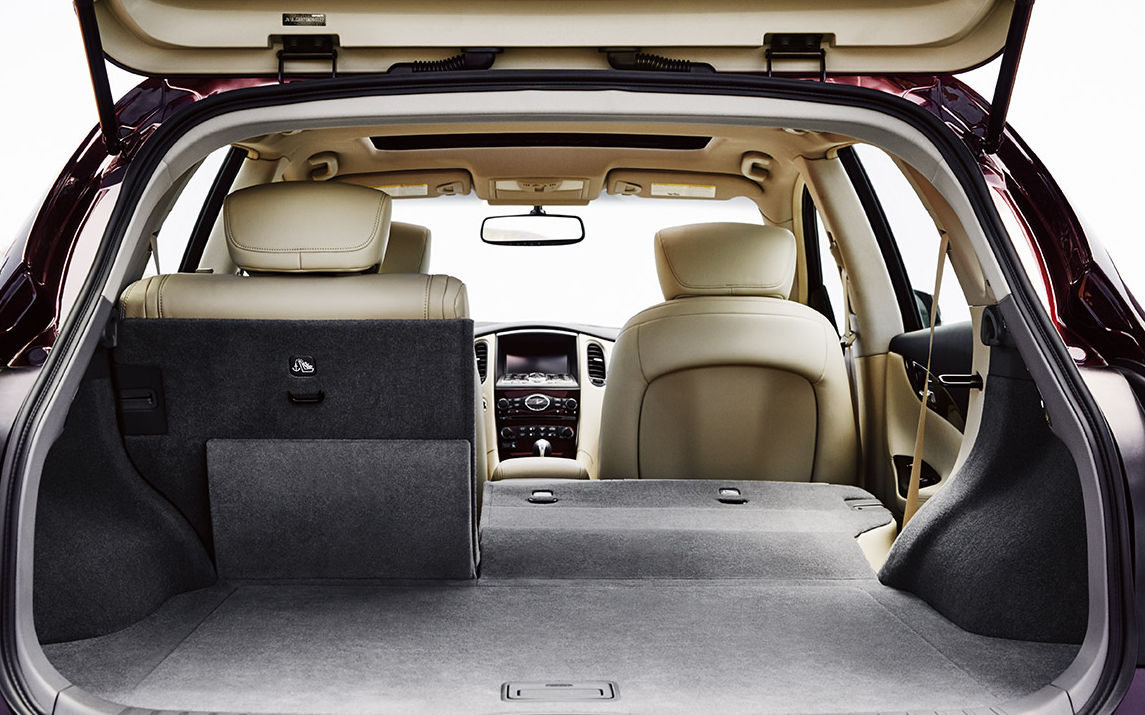
Cons Cargo space behind the second row is small Engine noise No paddle shift controls Even with surround-view cameras, visibility isn't great
The 2017 Infiniti QX50 ranks 10 out of 14 Luxury Compact SUVs. The 2017 Infiniti QX50 has a powerful V6 engine, handles more like an agile car than an SUV, and has one of the lowest base prices in the class. Many class rivals have better mpg ratings and more cargo space, however, and the QX50's design is getting a little stale, both inside and out.
Pros Powerful engine Low starting price Agile handling
Cons Poor fuel economy Subpar cargo space Aging design
With the 2017 Infiniti QX50, you get a driving experience that's more sport sedan than sport-utility. But the QX50 falls behind in other areas that are likely more important for a luxury crossover SUV. The QX50's optional 19-inch wheels are now available separately for 2017.
Pros Powerful standard V6 engine Responsive handling more akin to a sport sedan than a sport-utility.
Cons Limited cargo space That standard V6 engine is pretty thirsty All-or-nothing option packages mean you'll probably pay for things you don't want Dated interior controls.
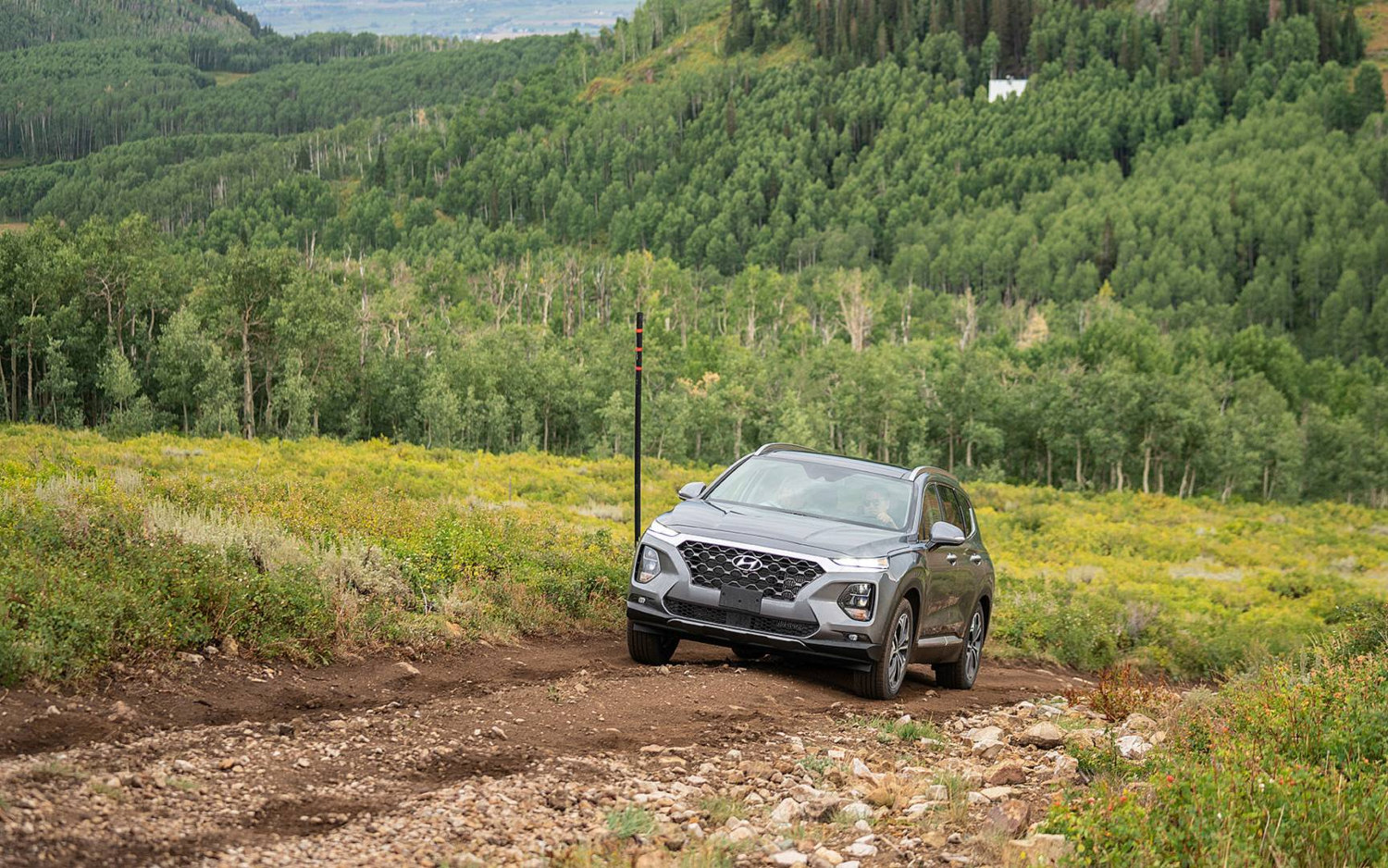
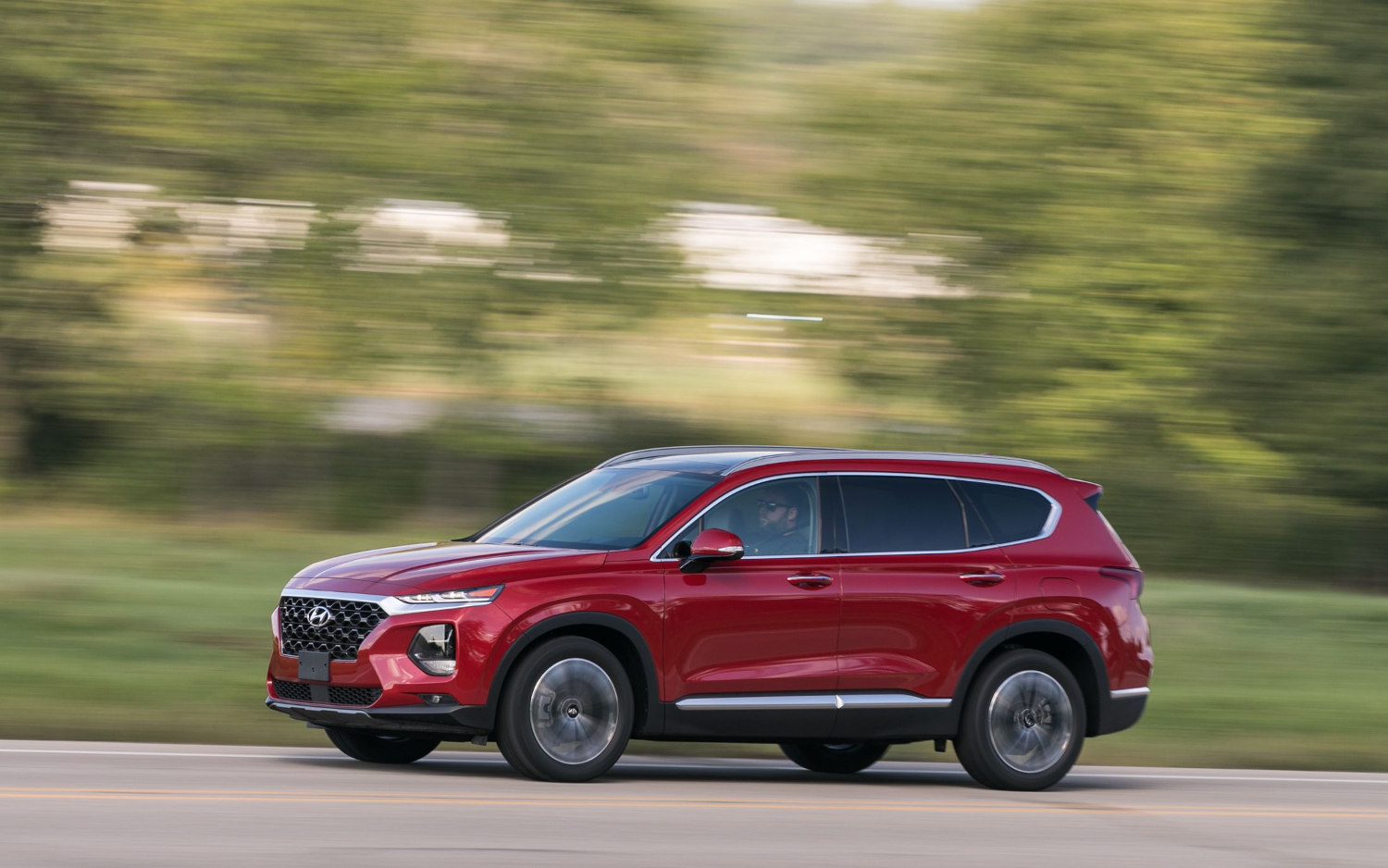
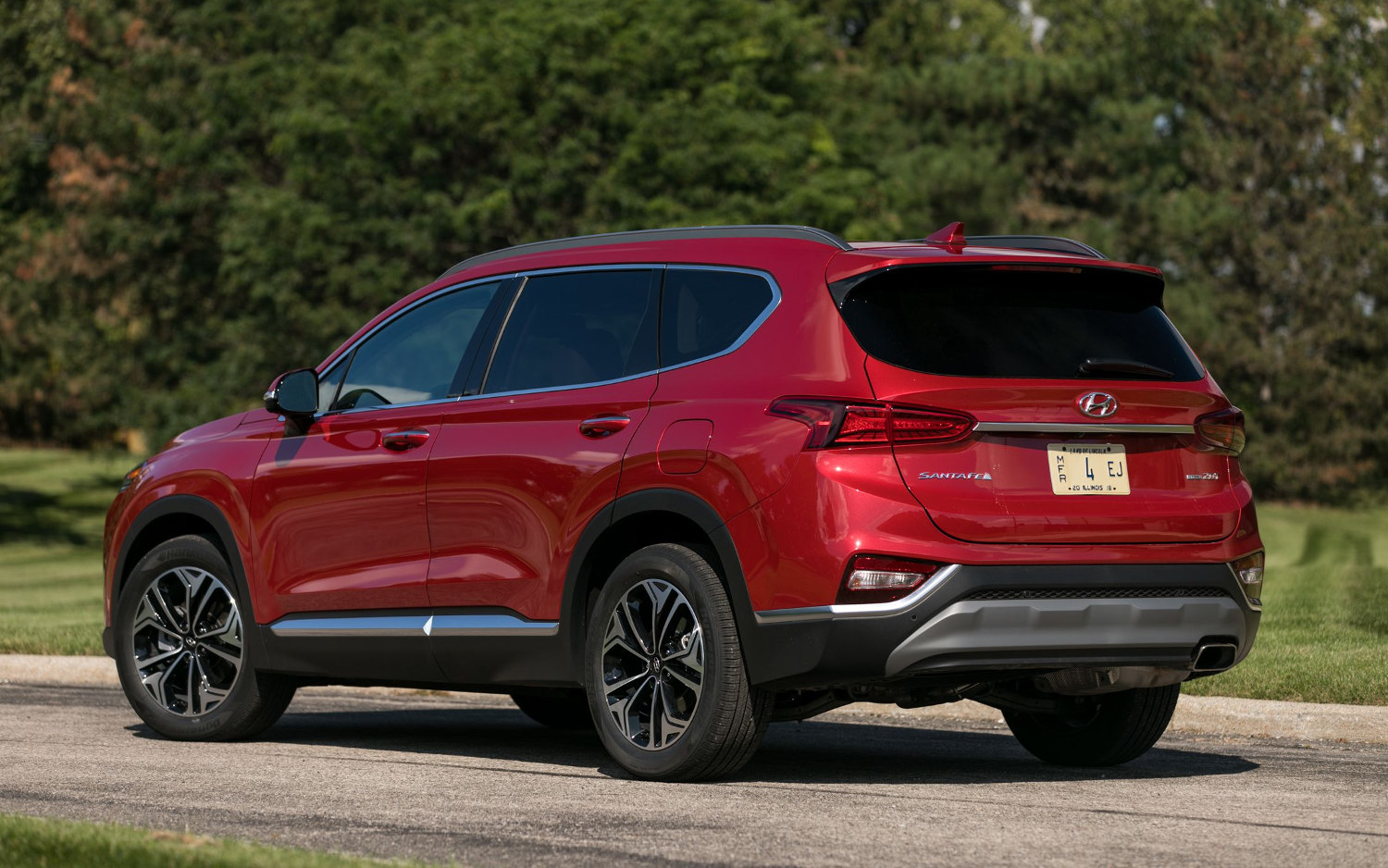
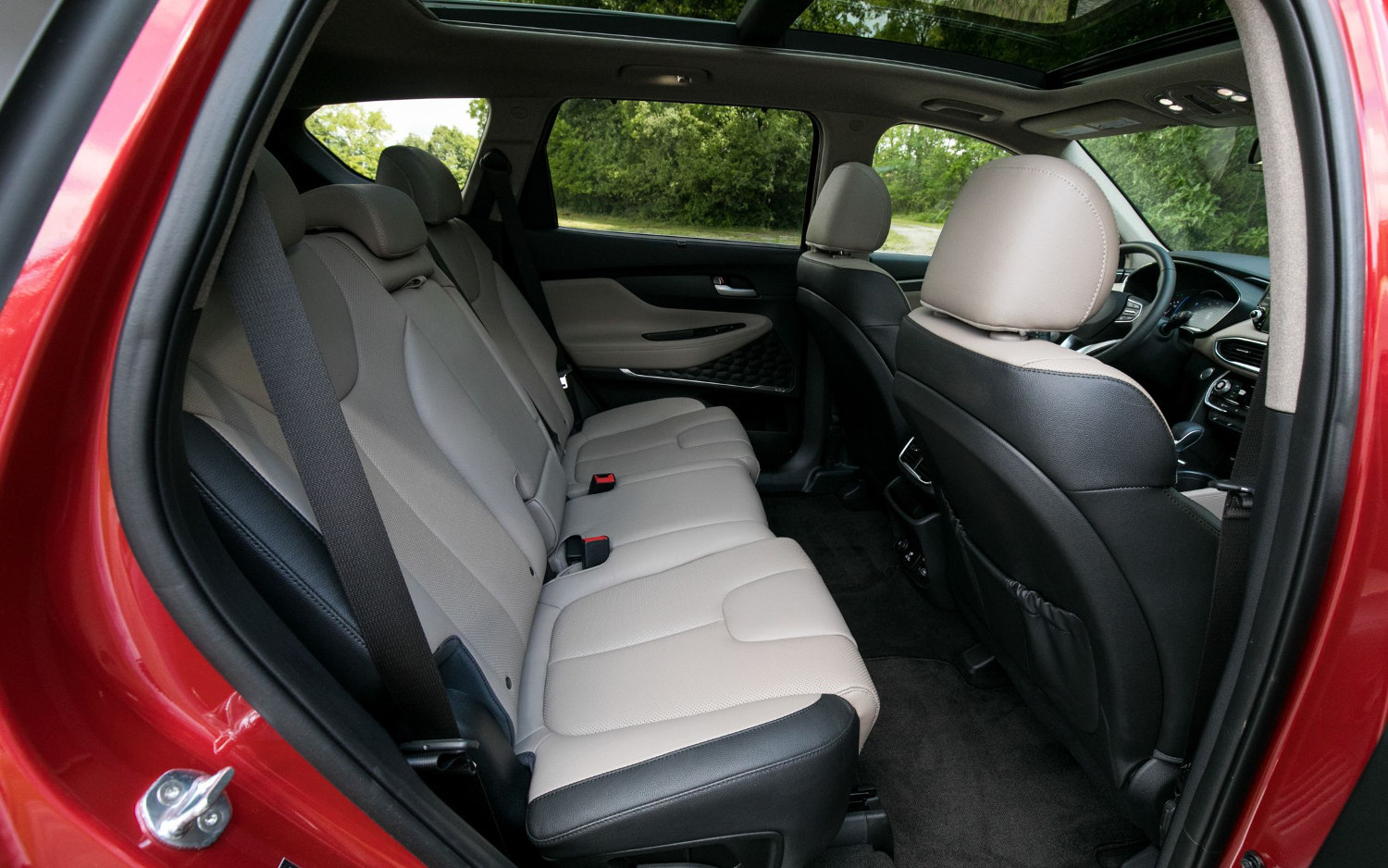
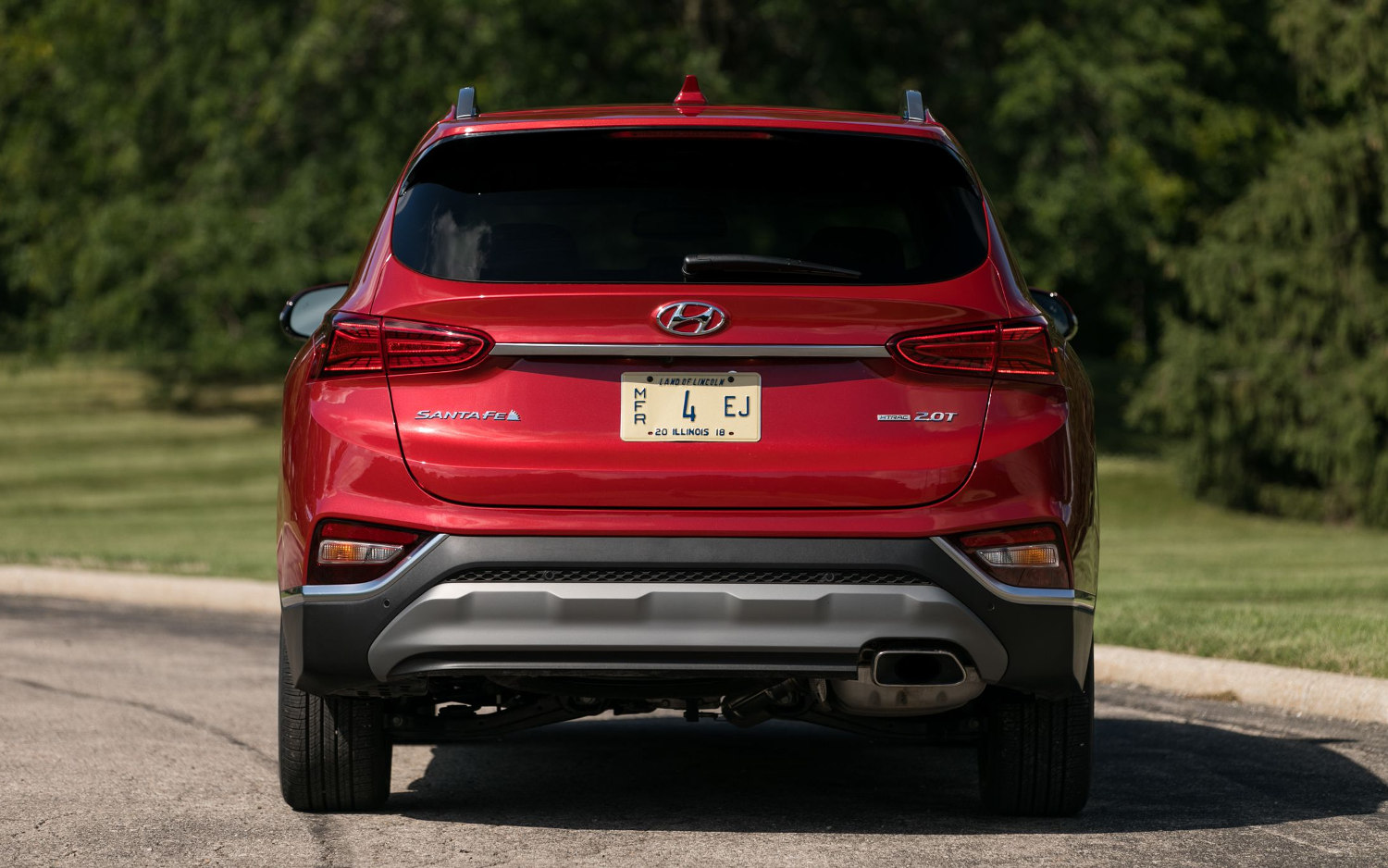
Hyundai is on a good track. For starters, the new ute looks more grown-up and handsome. The rear glass is more vertical, a boon to headroom for the sort-of-optional third-row seats (more on that later) and cargo space. With shorter overhangs, a longer wheelbase, greater length, and slightly more girth than the ’18 Santa Fe Sport, interior space is up, too. Hyundai increased visibility by employing what it claims is 41 percent more glass area than in the outgoing Santa Fe Sport to nurture the target markets of empty nesters and families moving up from a sedan.
Pros Sharp looks, bigger inside and out than the Sport it replaces, packed with features.
Cons Some low-rent plastics inside; small fuel-economy bump; so which one is this, again?
The 2019 Hyundai Santa Fe is a convincing crossover SUV with room for families and cargo.
Pros Smooth ride Compelling value trims with plenty of features Standard active safety features Spacious interior Sharp style
Cons No available options from the factory 8-speed automatic could use a finishing touch Average fuel economy Thin-feeling cloth and leather
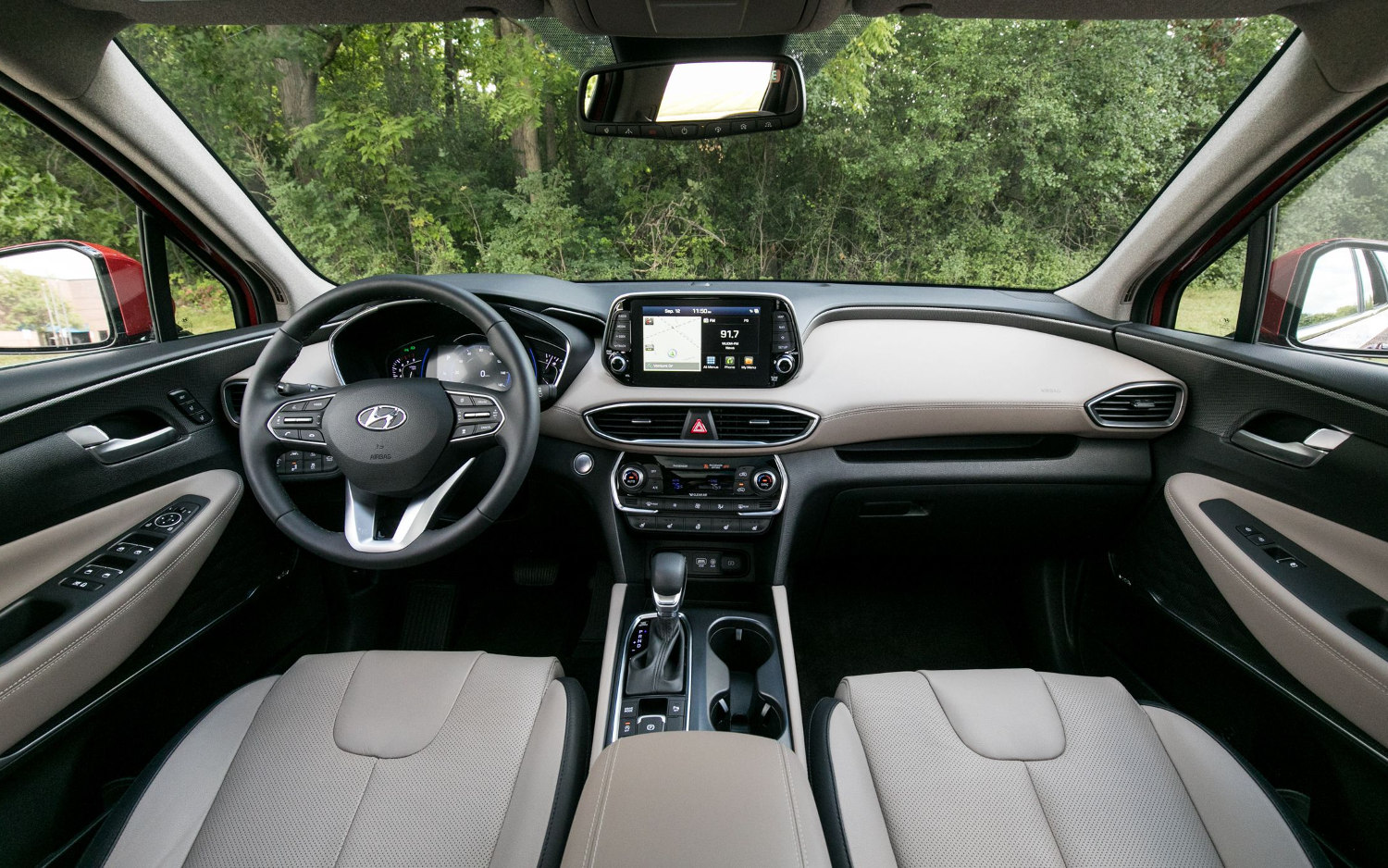
The 2019 Hyundai Santa Fe is redesigned New interior and exterior look New two-row design Part of the fourth Hyundai Santa Fe generation introduced for 2019
Pros Abundant standard features for the money High-quality interior materials Generous warranty coverage Several standard and optional active safety features
Cons High-quality interior materials Base 2.4-liter engine's power and mpg are subpar