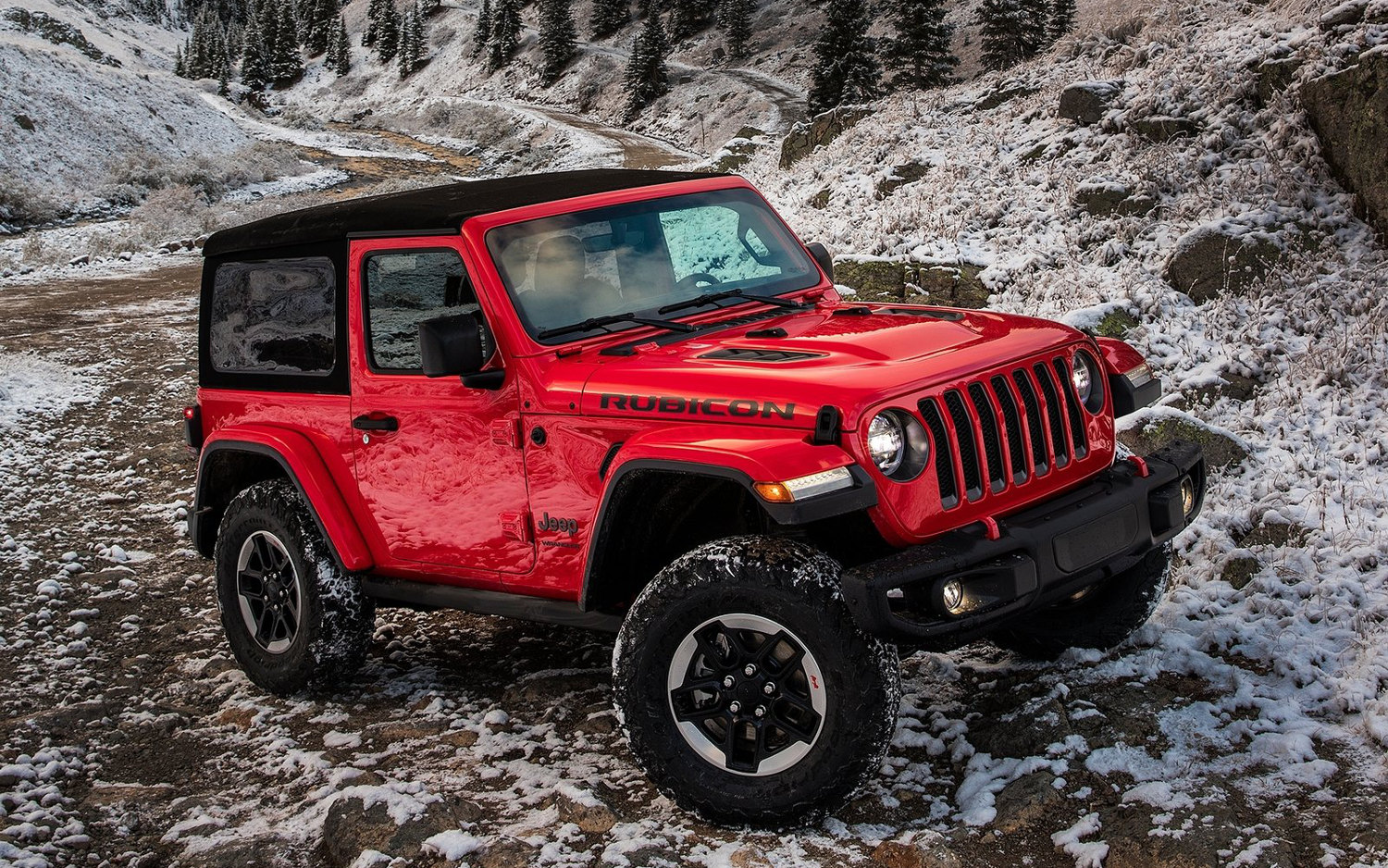
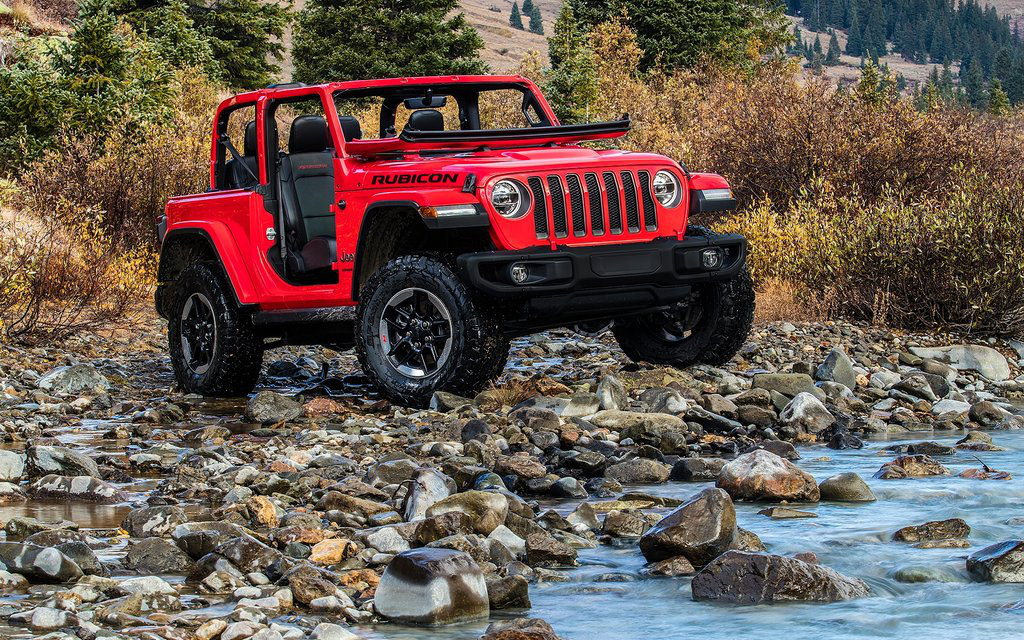
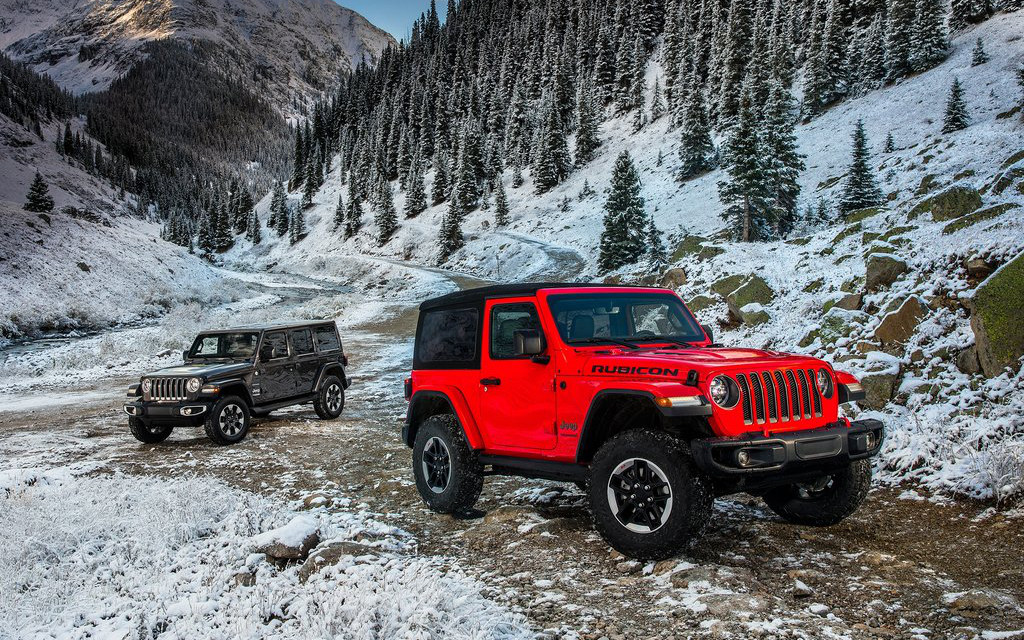
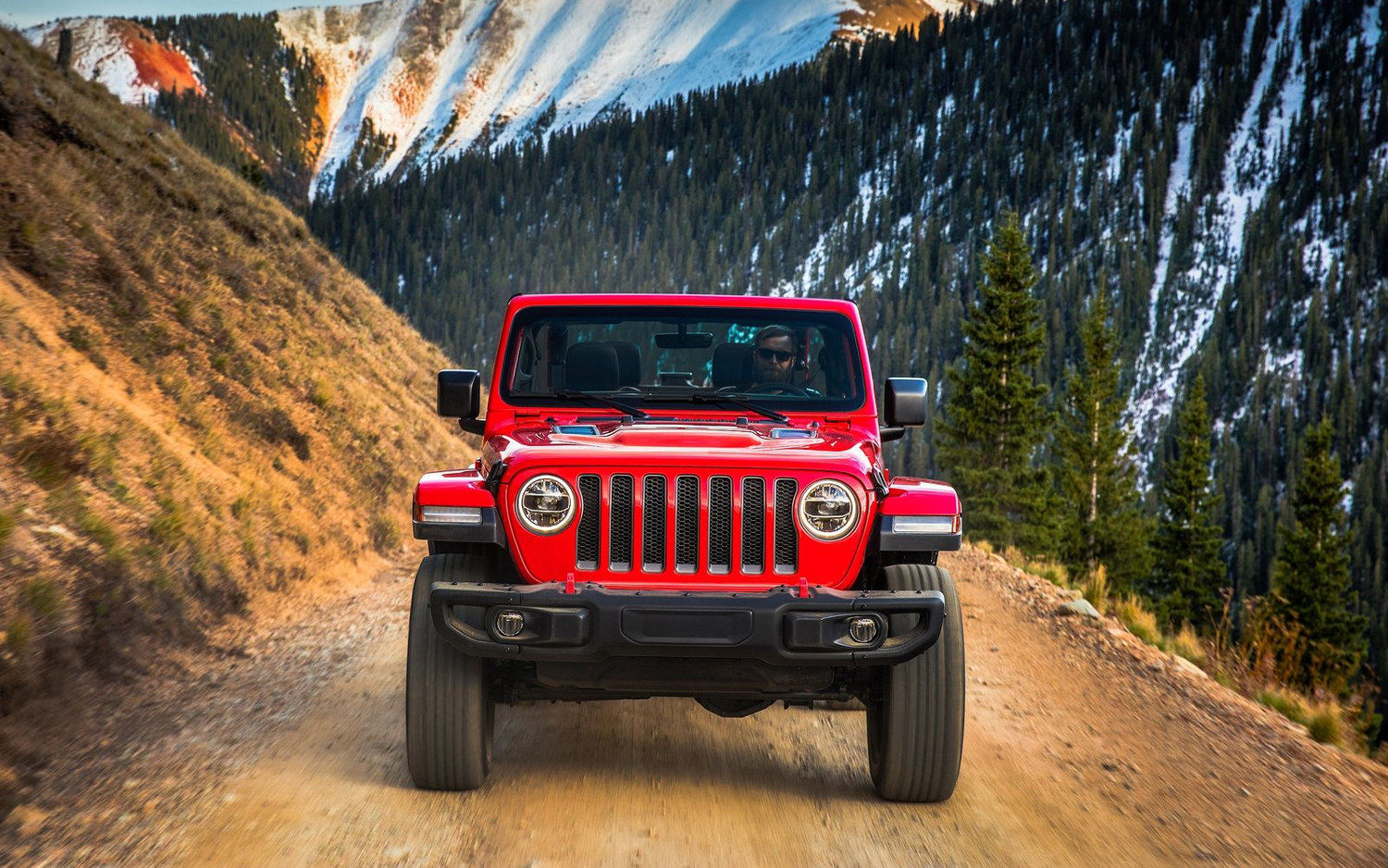
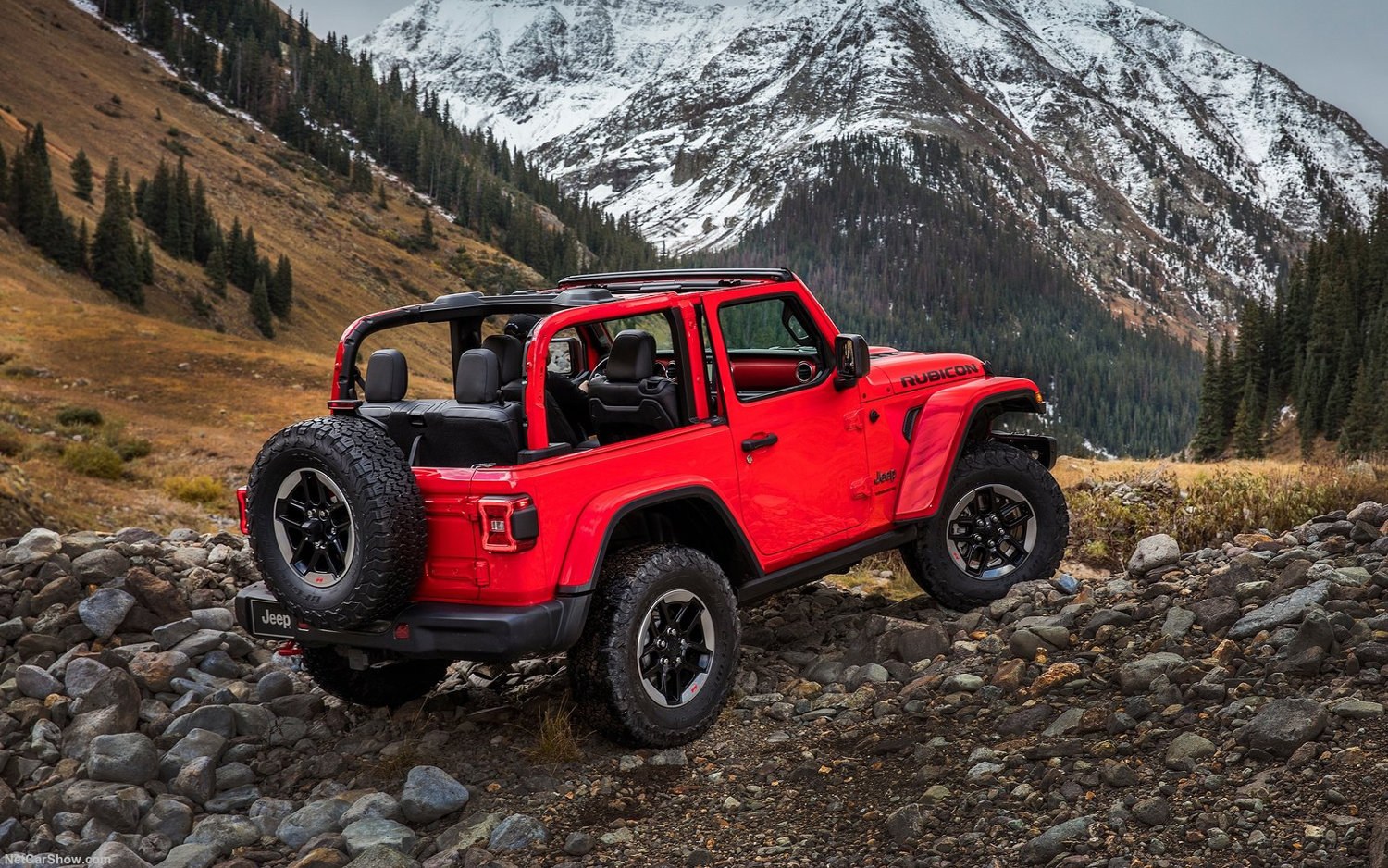
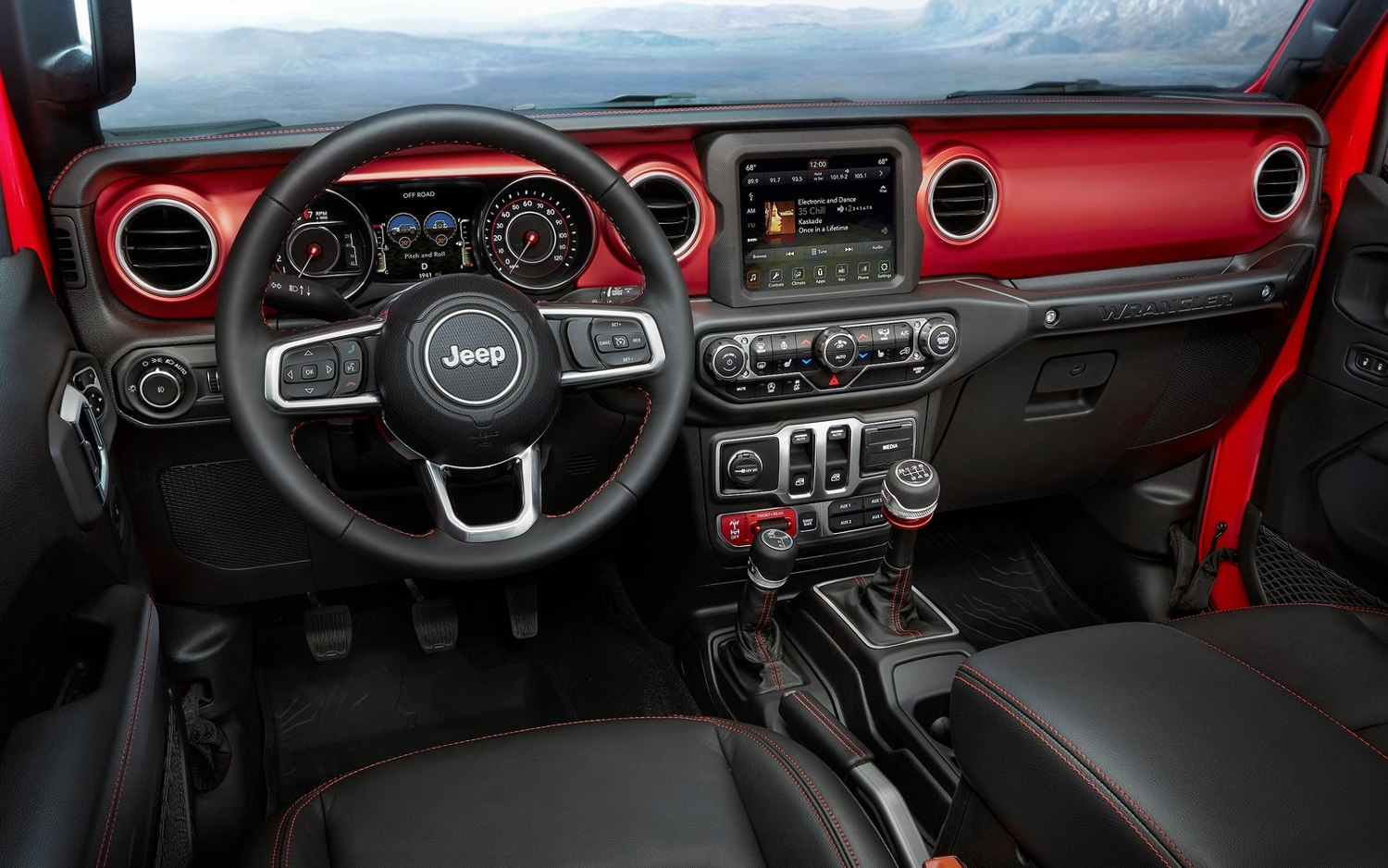
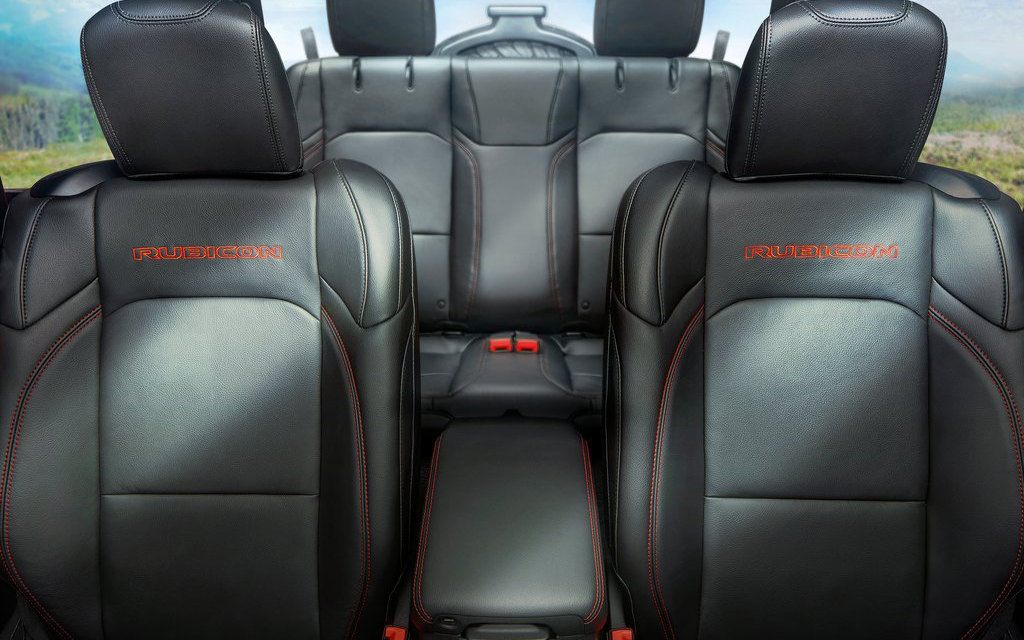
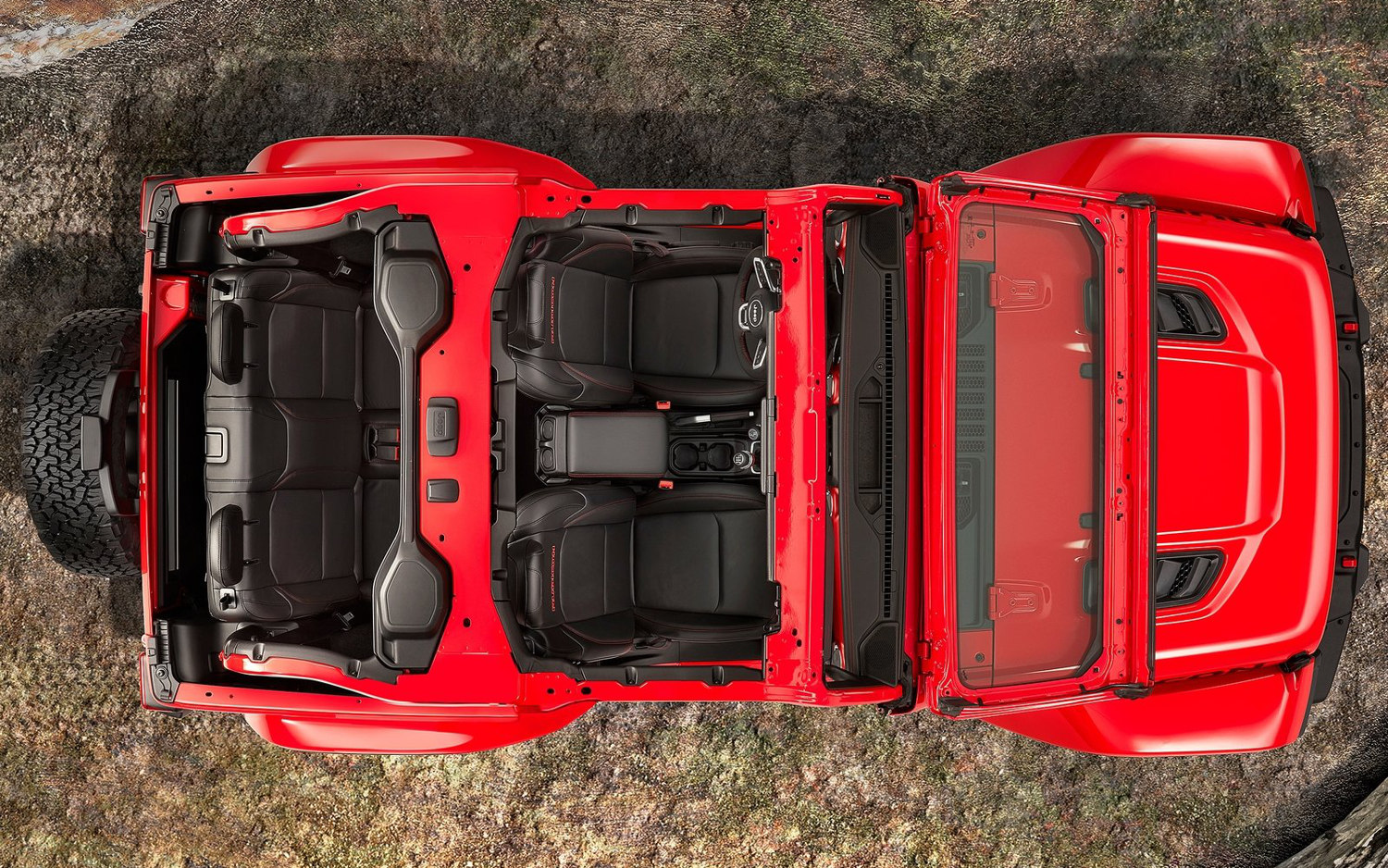
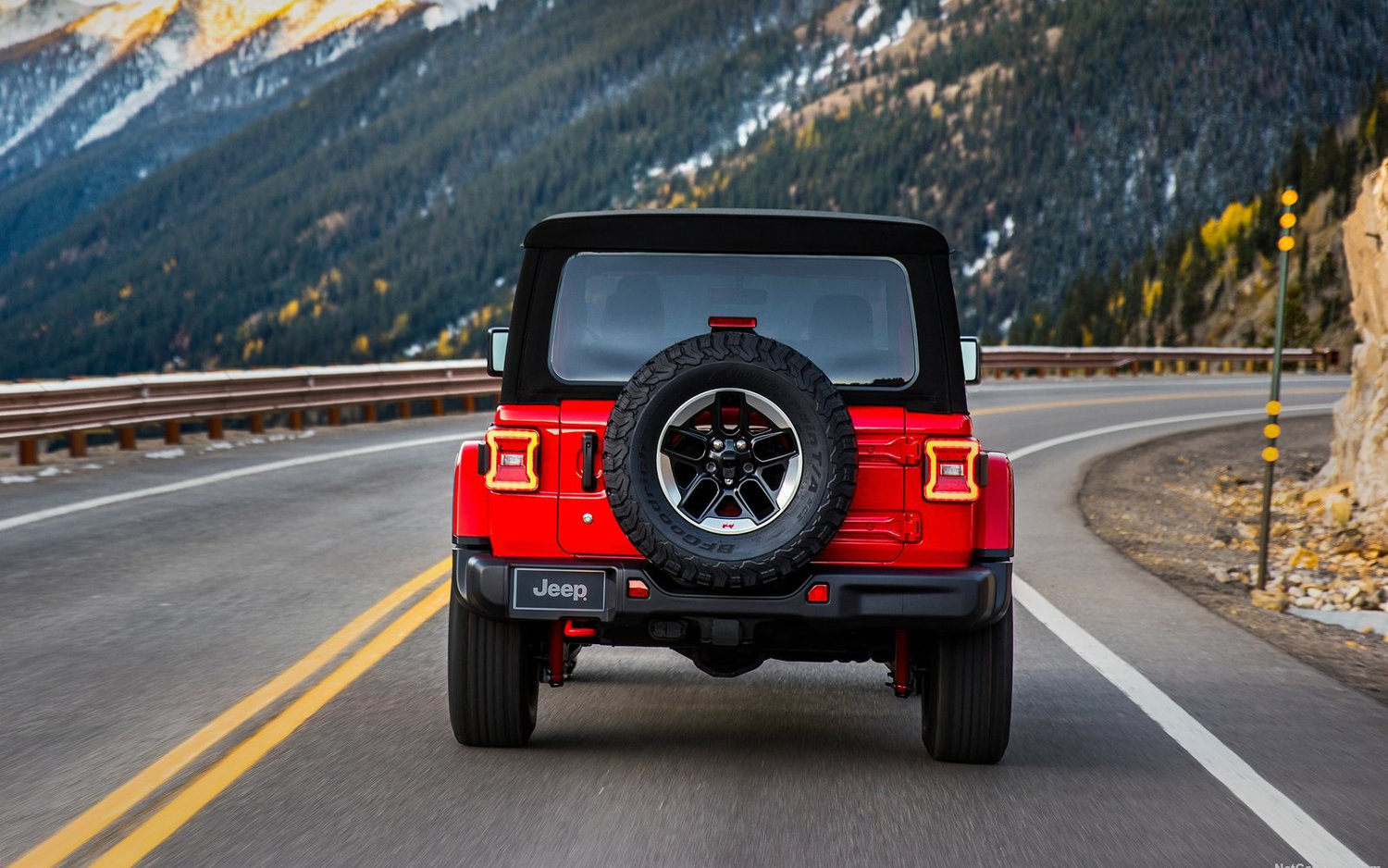
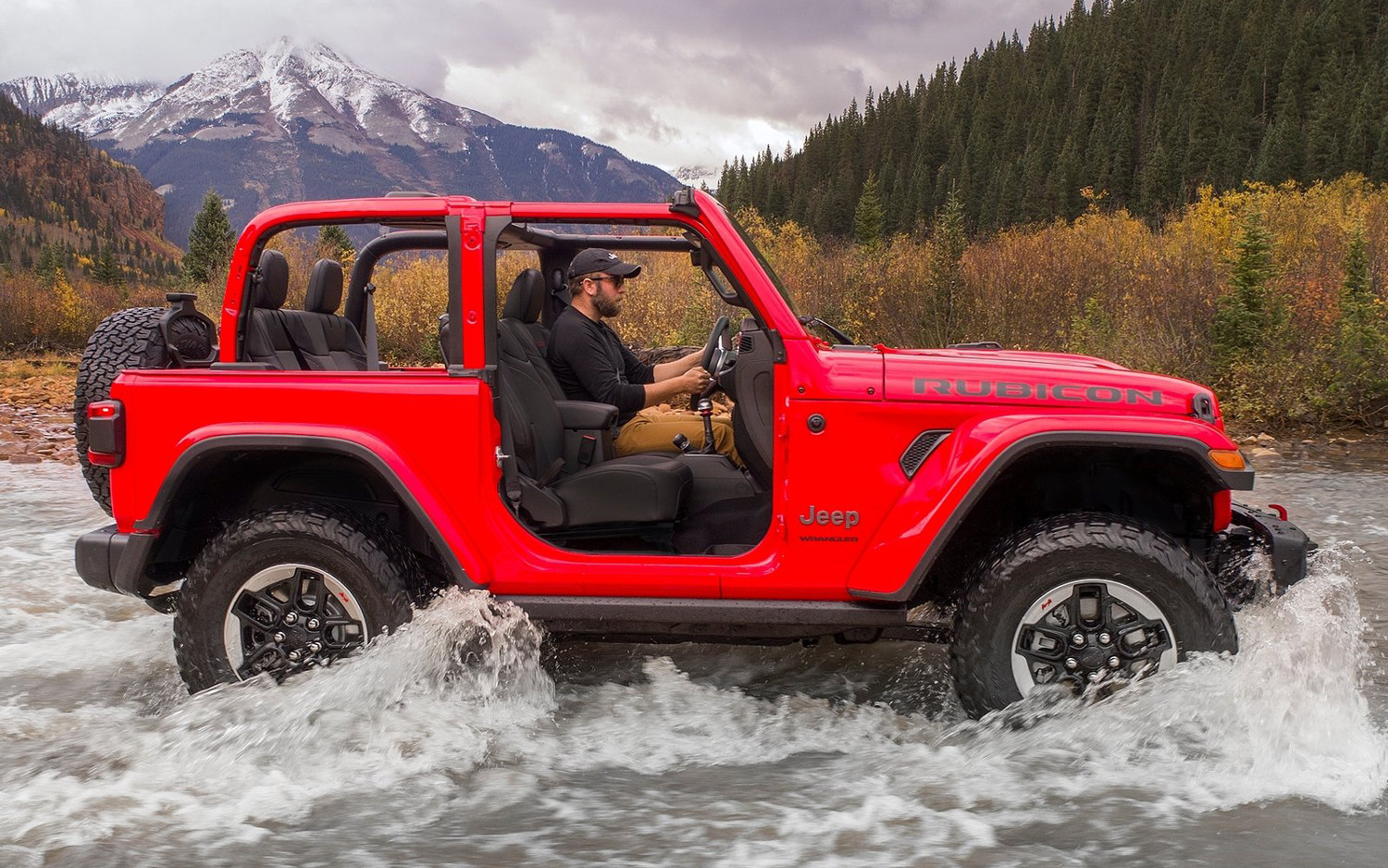
The 2018 Jeep Wrangler skips over the on-road part of the driving test, and heads straight for the hills.
Pros The undisputed off-road champion Singular style Smooth and strong V-6 A few concessions to modernity inside
Cons Rough-and-tumble ride Poor on-road handling Expensive high-end editions Remarkably poor safety scores Soft tops are fussy to use
The Jeep Wrangler is completely redesigned for 2018. Note that this review covers the new Wrangler. The previous-generation model, the Wrangler JK, is covered separately.
PROS Unrelentingly capable off-road Maintains the rugged Jeep character Increased capability and comfort compared to old models Extensive customization options from the factory and aftermarket
CONS Mild towing capability for an otherwise highly capable rig Less cargo space than some conventional crossovers Standard V6 engine is a little underwhelming
Pros There are few vehicles more capable off-road than the Wrangler JK. Equipped with removable doors, a removable roof, and a fold-down windshield, the four-wheel-drive Wrangler JK is one of the most fun and proficient ways to explore off the beaten path or to feel the wind in your hair. It’s also hard not to fall for the Wrangler JK’s charming and simple design, which can trace its roots back to the Willys MB Jeep of World War II fame.
Cons The Wrangler JK’s off-road capability comes at the cost of its on-road manners. Live front and rear axles do the Wrangler JK’s ride quality no favors. The body also rolls precariously in turns, and the stability-control system regularly cuts in to prevent the droptop SUV from actually rolling over. Wind noise is exceptionally loud at highway speeds, and this Jeep drinks gas like it’s at an open bar. The available touchscreen infotainment system also is slow to respond to inputs and suffers from poor ergonomics.
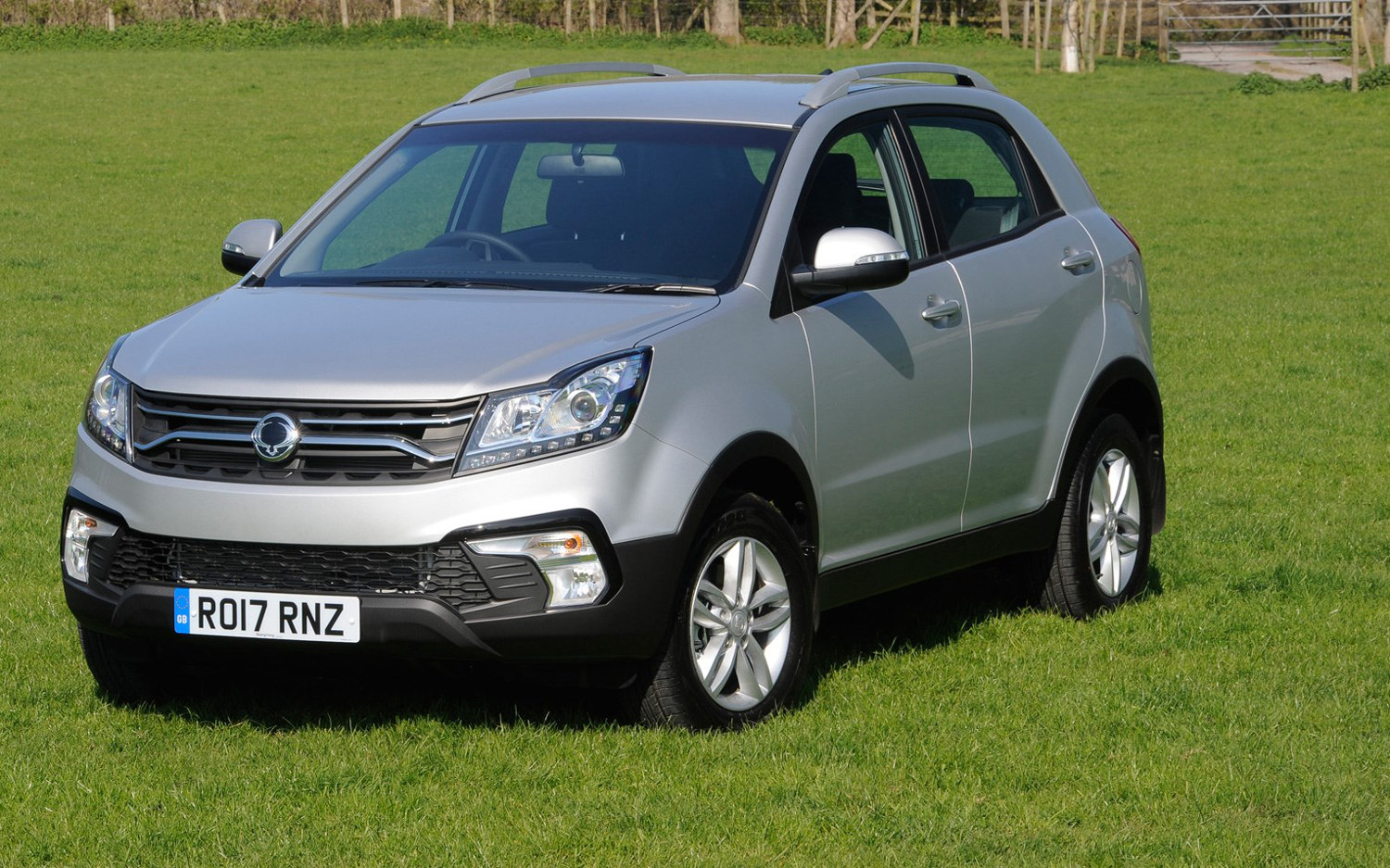
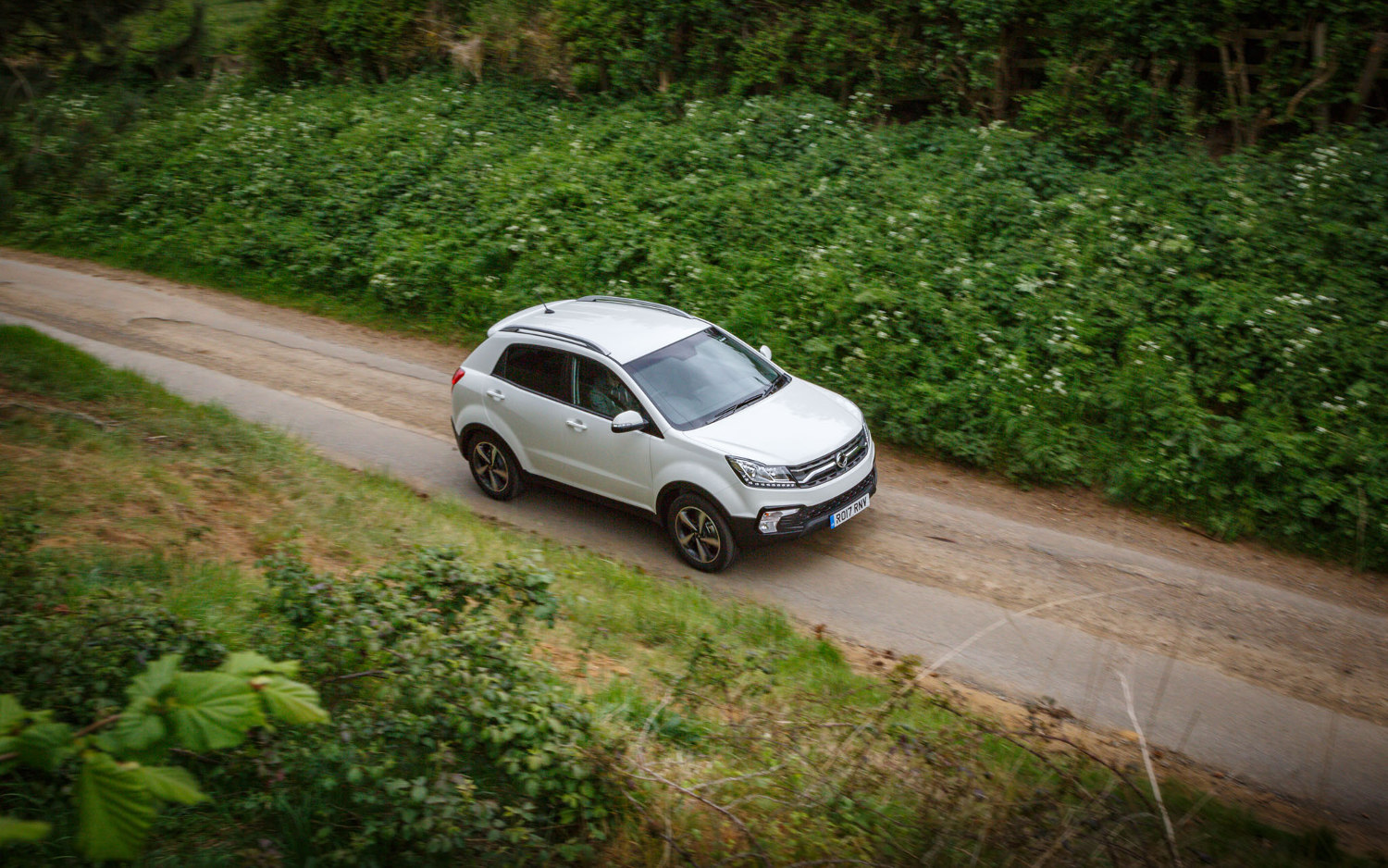
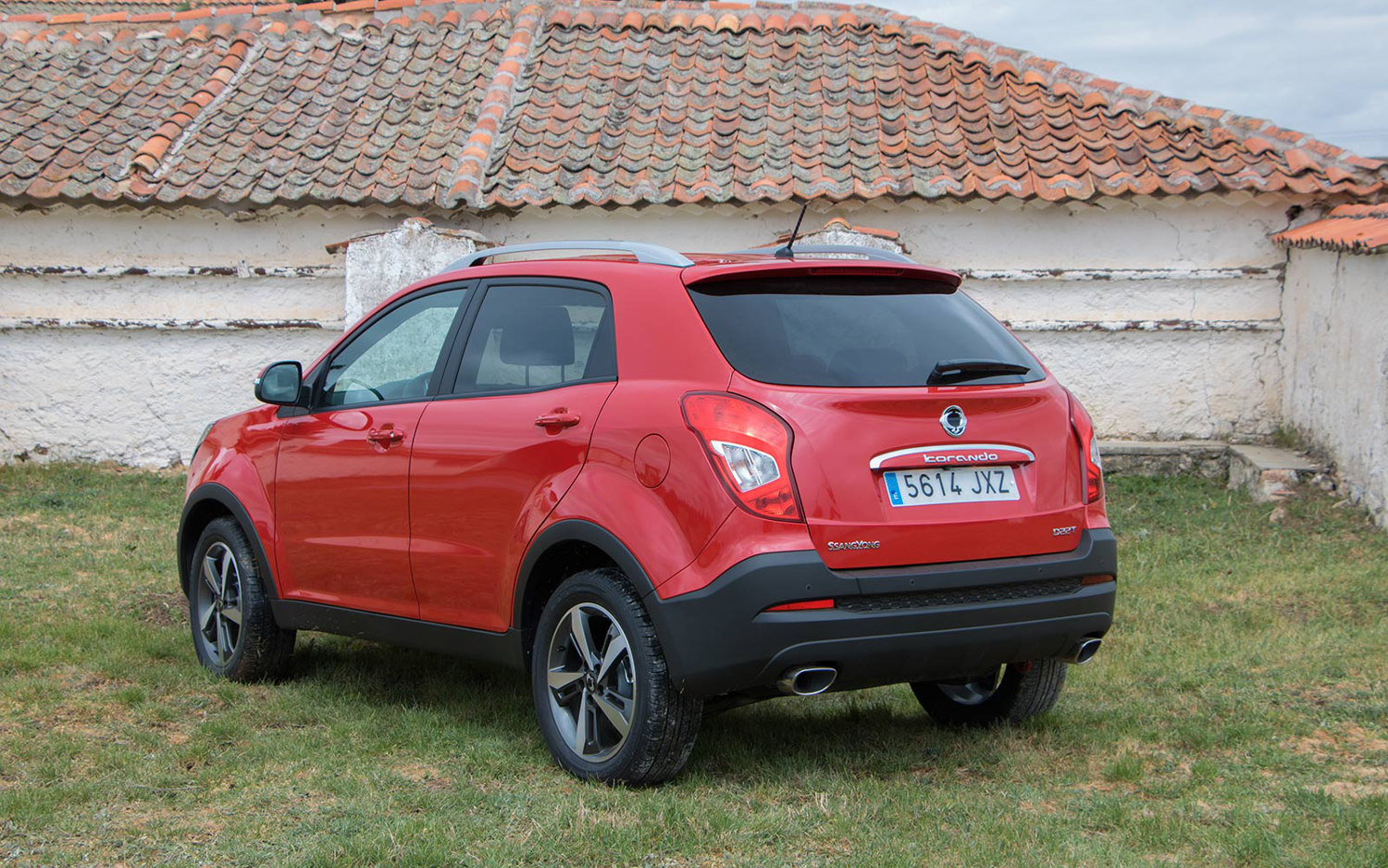
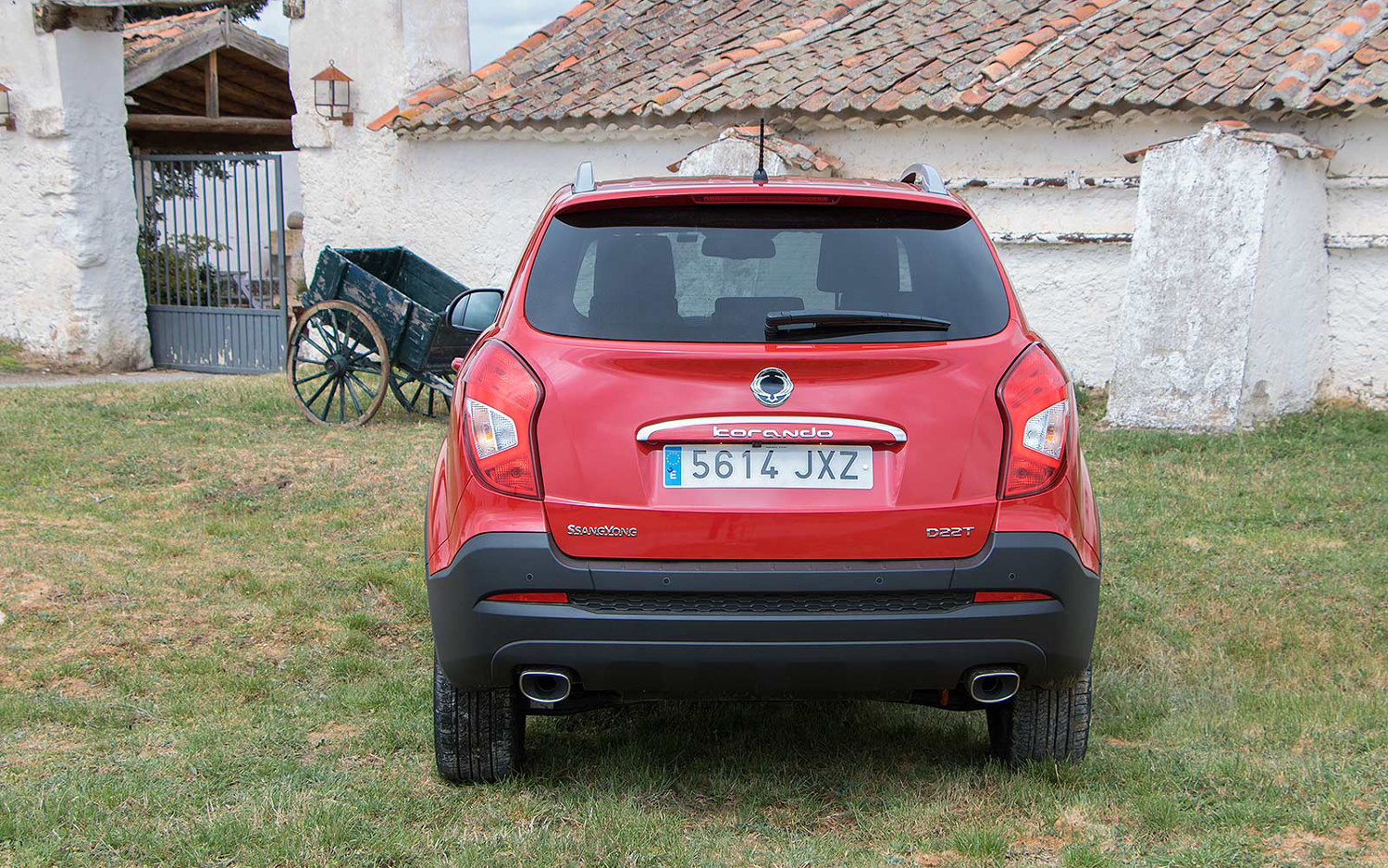
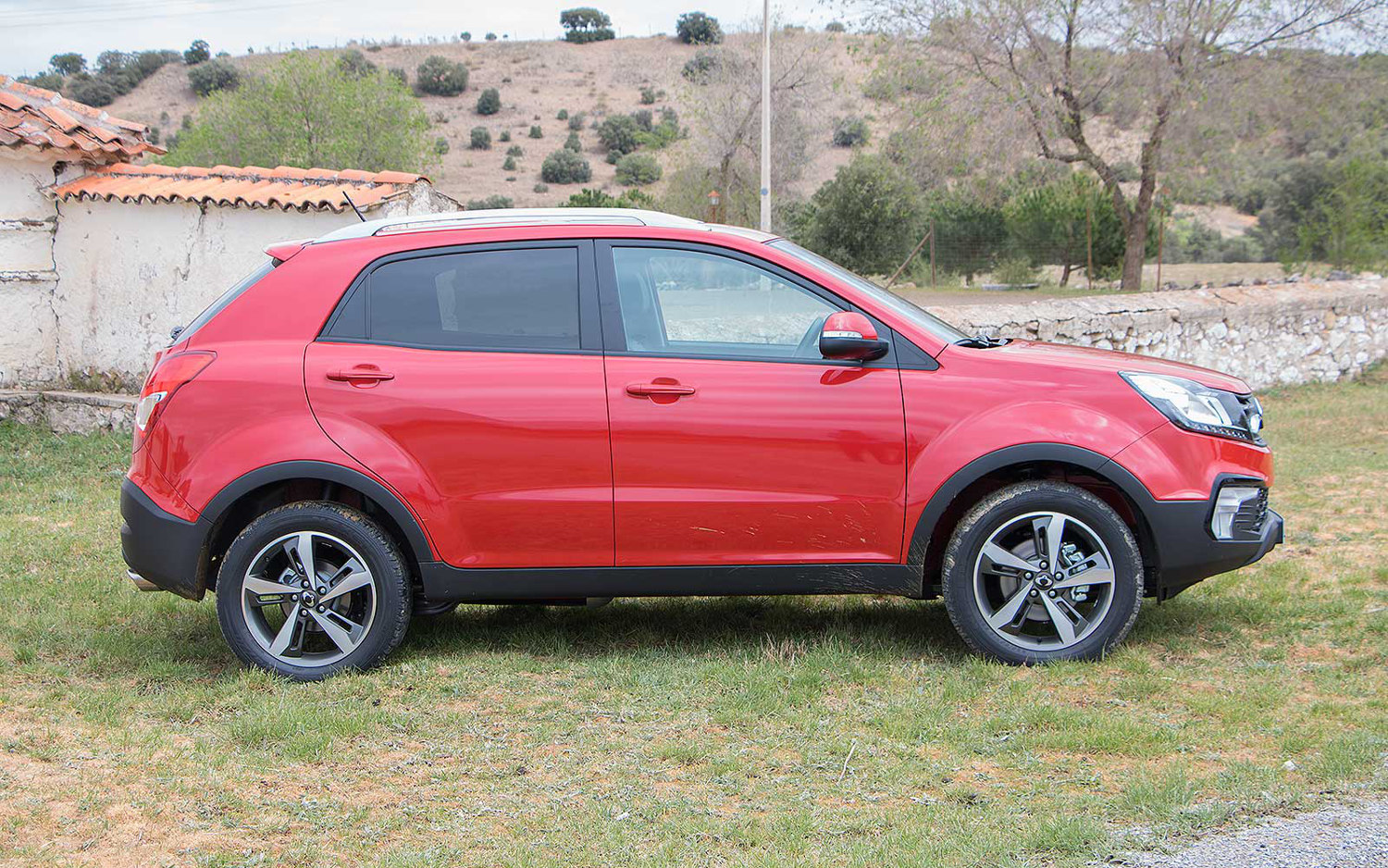
SsangYongs have been on sale in the UK since the ’90s – the company usually offers big SUVs for less than the majority of their competitors. Sadly, most of their models have proved to be lacklustre alternatives to the likes of the Kia Sportage, Suzuki Vitara and Nissan Qashqai. To drive, the Korando isn’t much fun, but most people buy one because they need an SUV either for tackling rough terrain or towing – two roles the SsangYong is perfectly suited to.
Pros Lots of space Relatively economical Generous standard kit
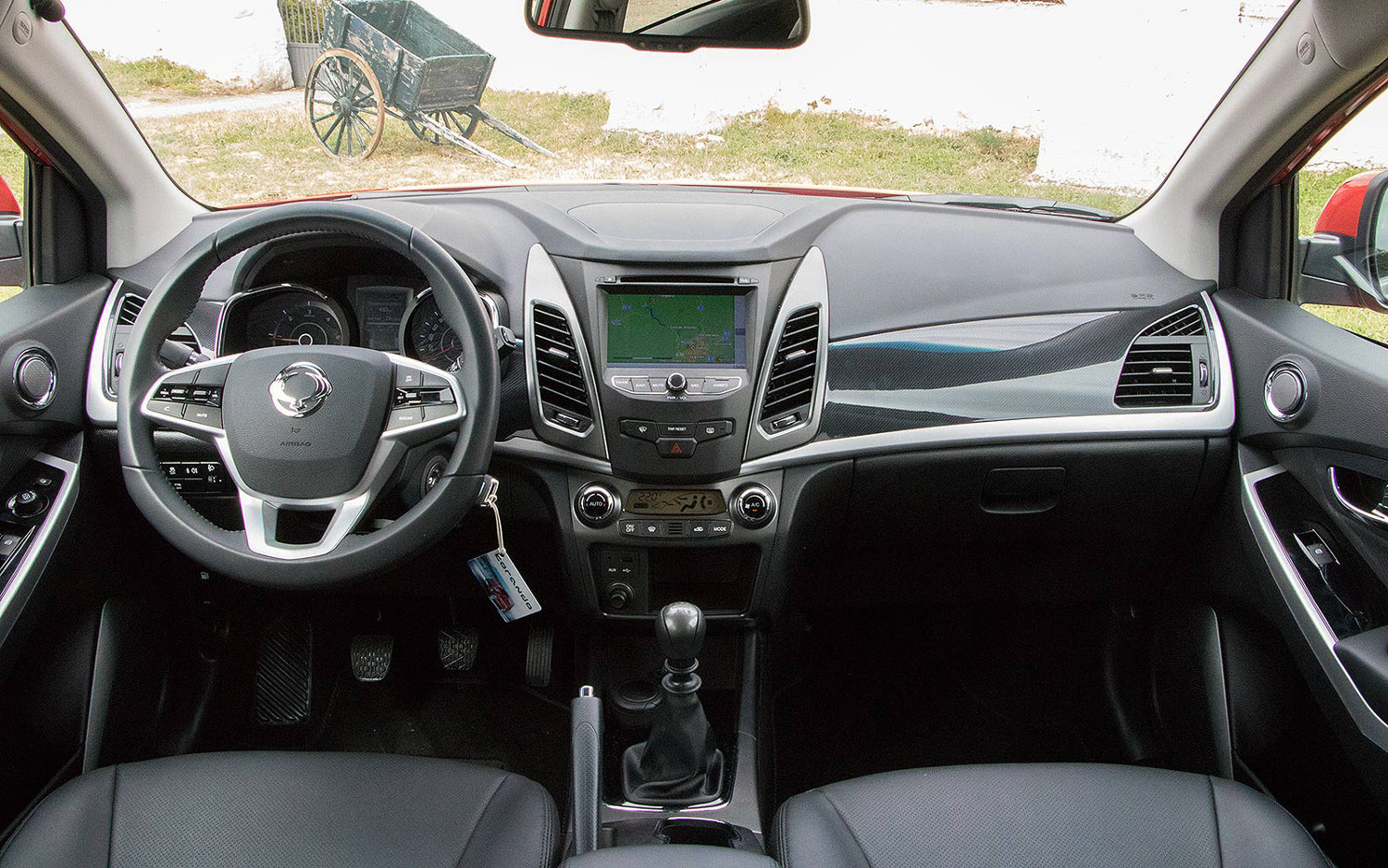
Cons Fast depreciation Dull styling Cheap feeling interior
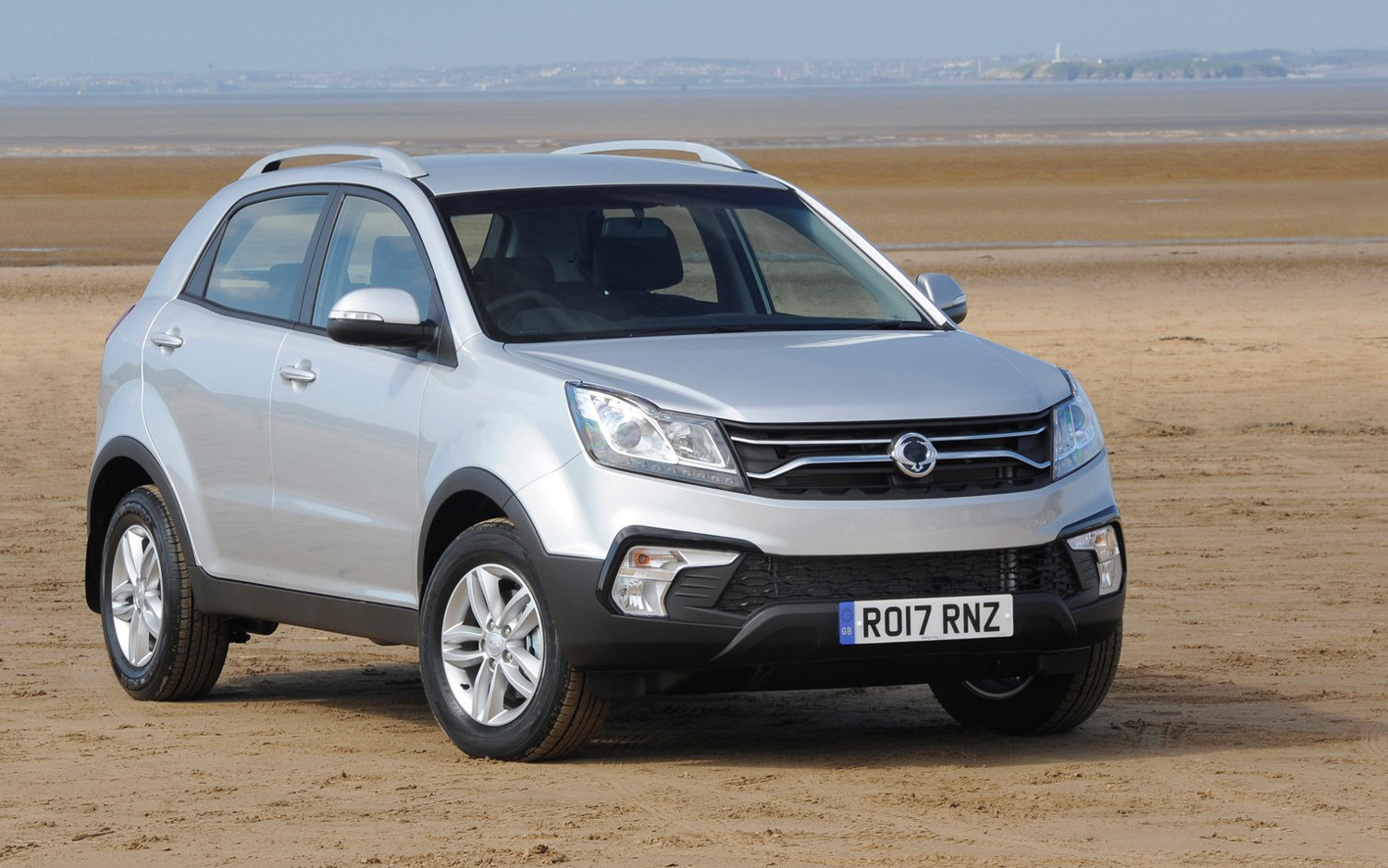
The SsangYong Korando gives you a lot of car for your money – but nowhere near as much as a Dacia Duster.The SsangYong Korando is the brand’s mid-size SUV, pitched as a low-cost rival to the Nissan Qashqai, Hyundai Tucson and Kia Sportage. On the move, the Korando isn’t as stable as a lot of its rivals, either – it tends to wallow about when going around corners and has an uncomfortable ride.
Pros Good value for money Spacious interior Low emissions
Cons Noisy diesel engine Poor-quality plastics Uncomfortable suspension
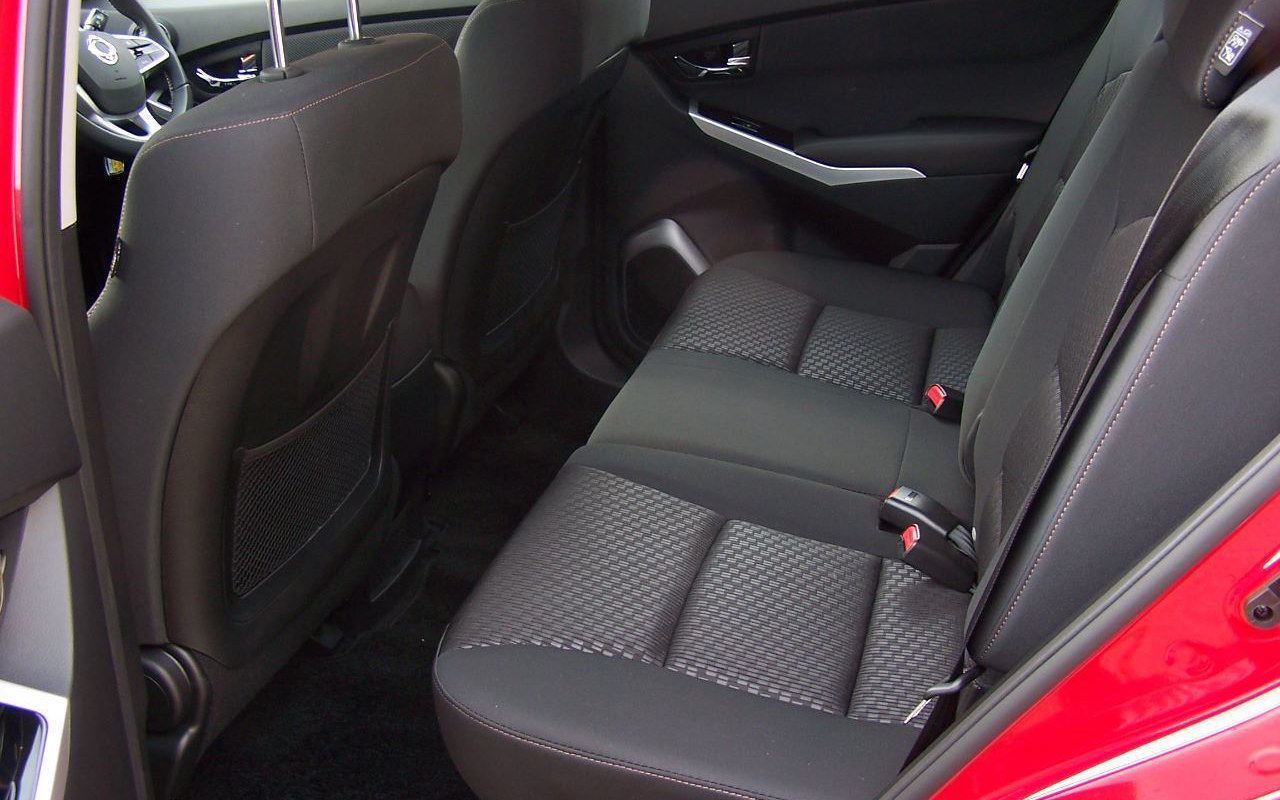
Not only was it a handsome addition to the compact crossover market, it was also the firm’s very first monocoque model – meaning it delivered a far better approximation of a car’s handling characteristics than any of the body-on-frame SUVs that continue to fill out the firm’s modest lineup. On the plus side, the Korando gets large storage bins, reach and rake adjustment for the steering wheel and generous equipment levels on higher-spec models. It is also competitive on interior space; offering decent leg and headroom for rear passengers, and acceptable luggage space. The interior is slightly less forgettable, but only because it comes partly clad in the kind of cheap plastic which cannot otherwise find a home in this class. The redesigned dashboard makes ergonomic sense, although it hasn’t lost any of its brittleness.