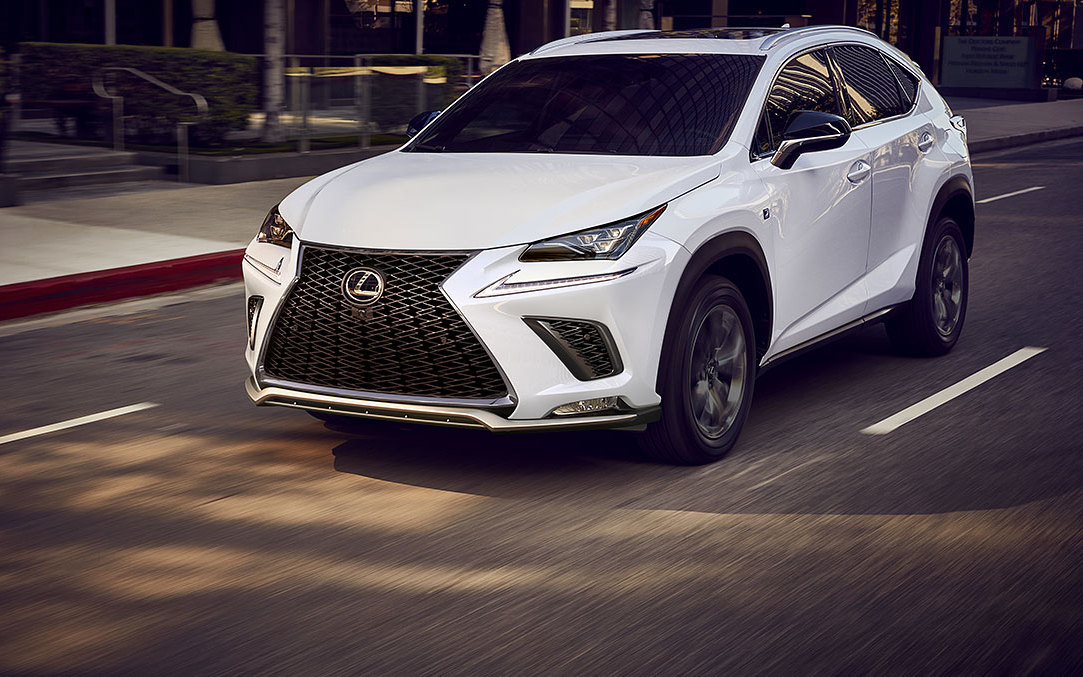
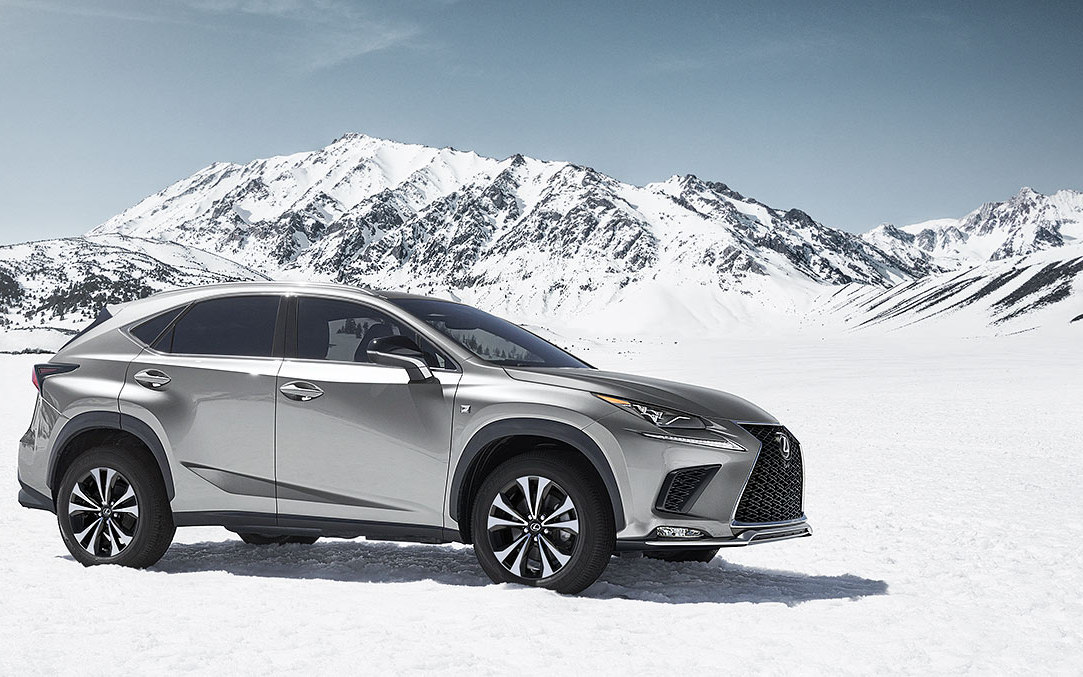
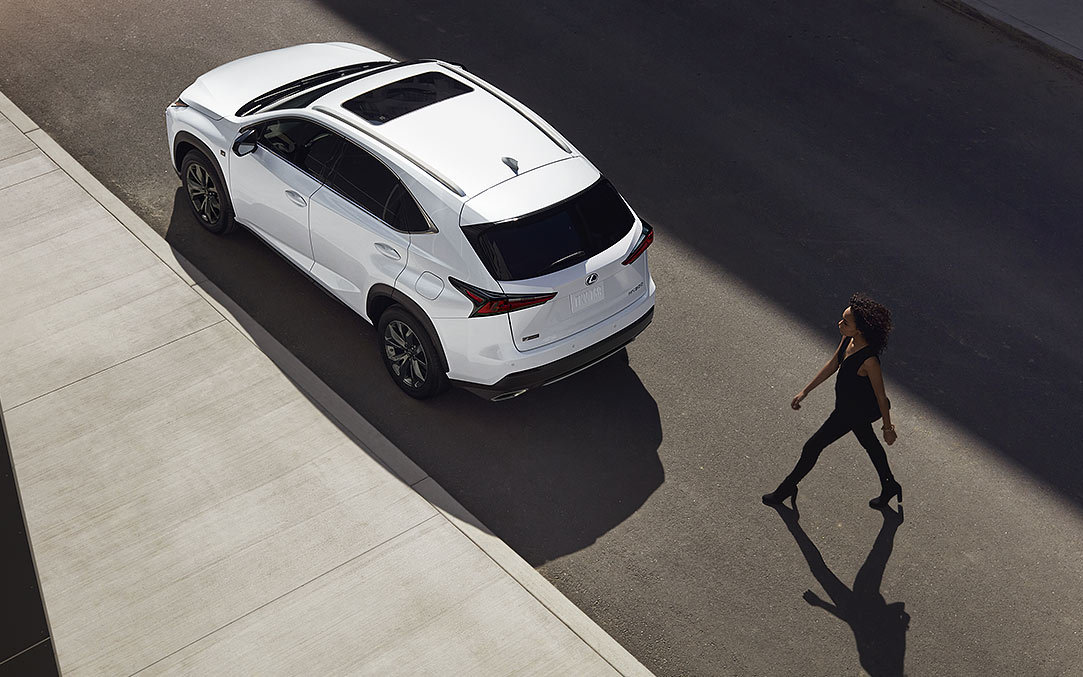
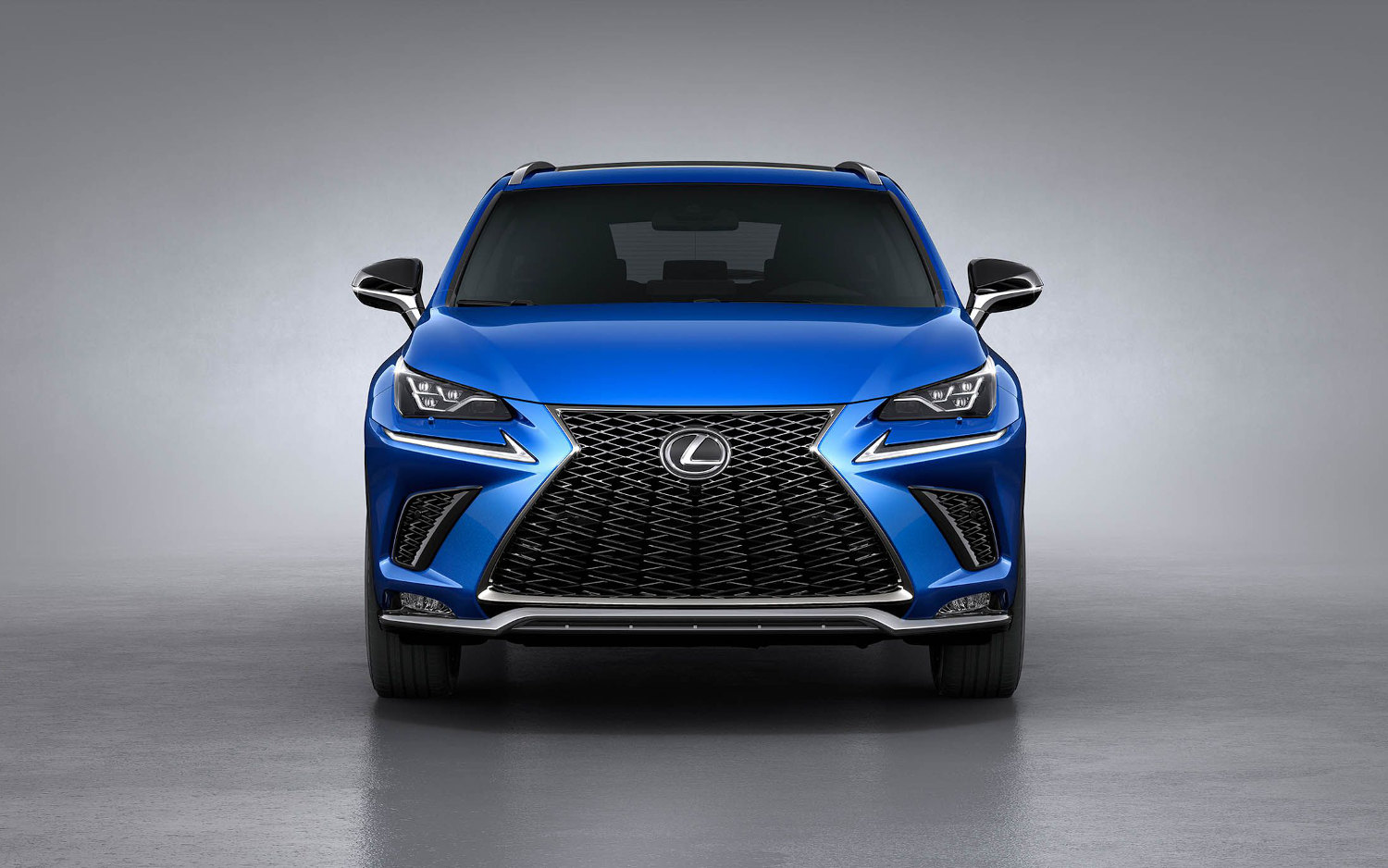
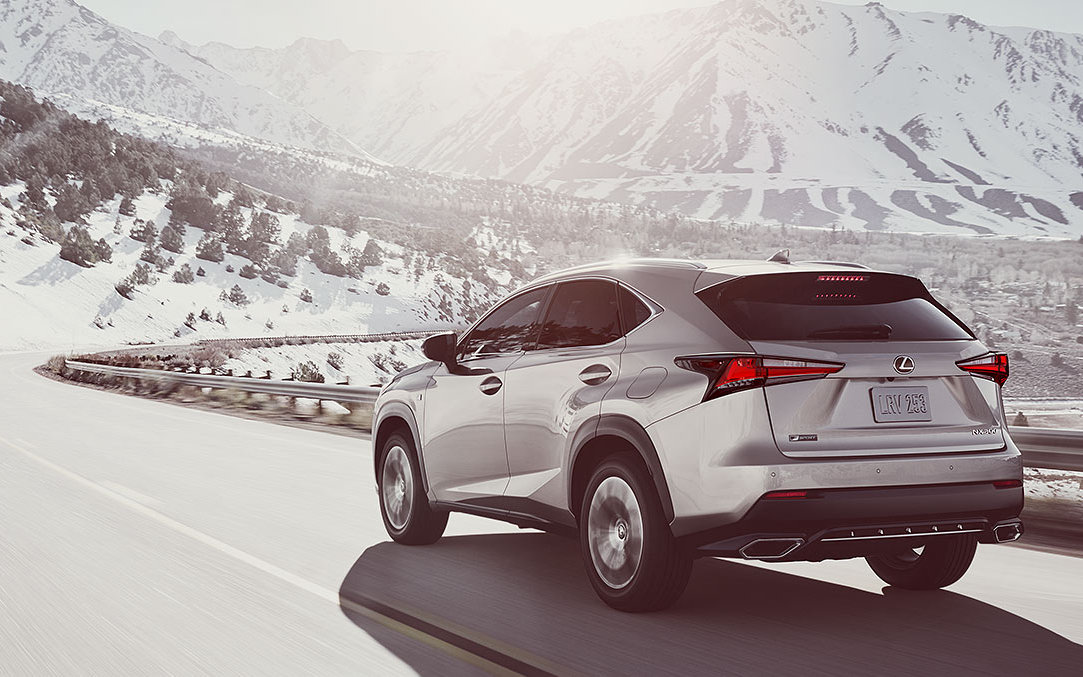
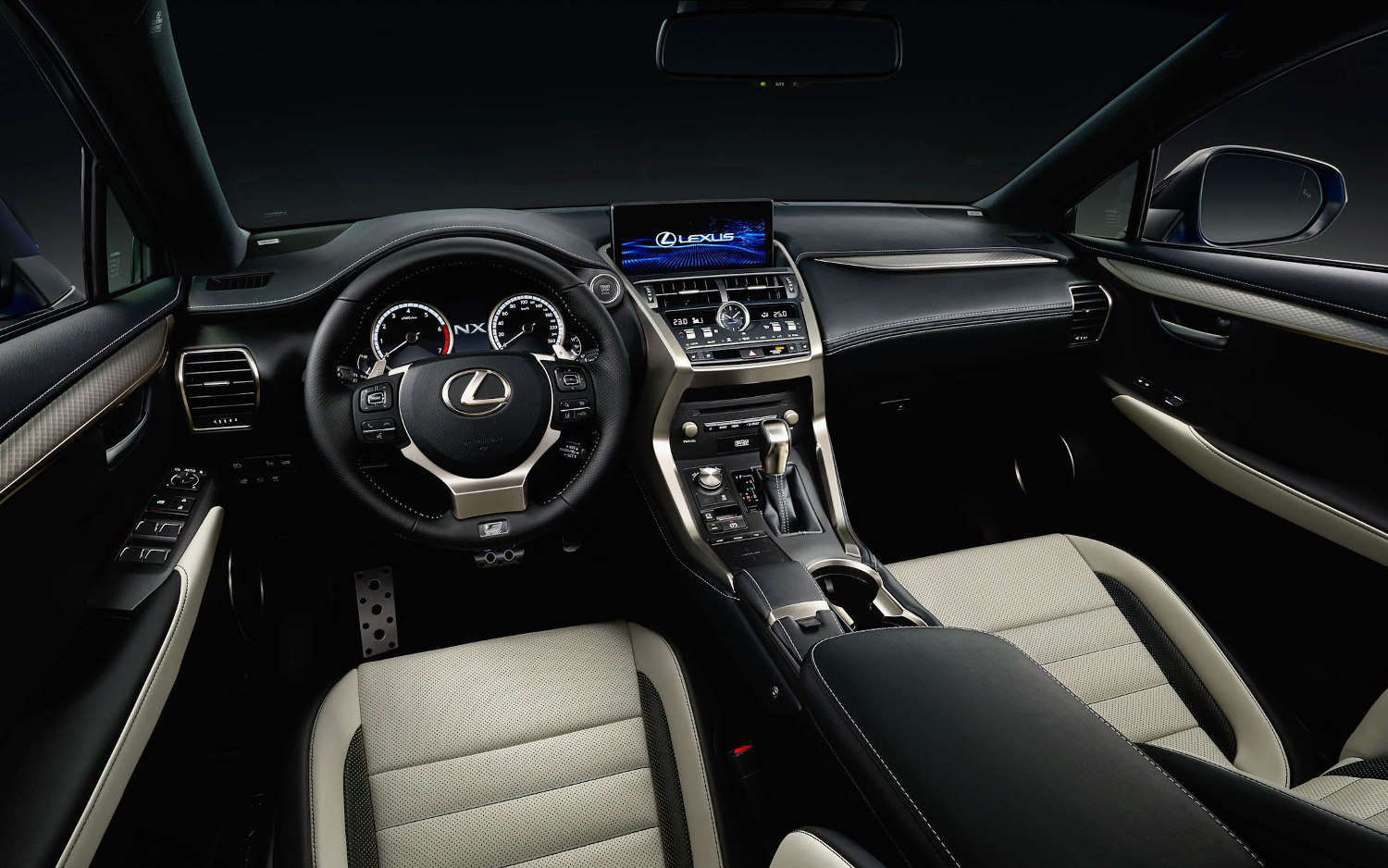
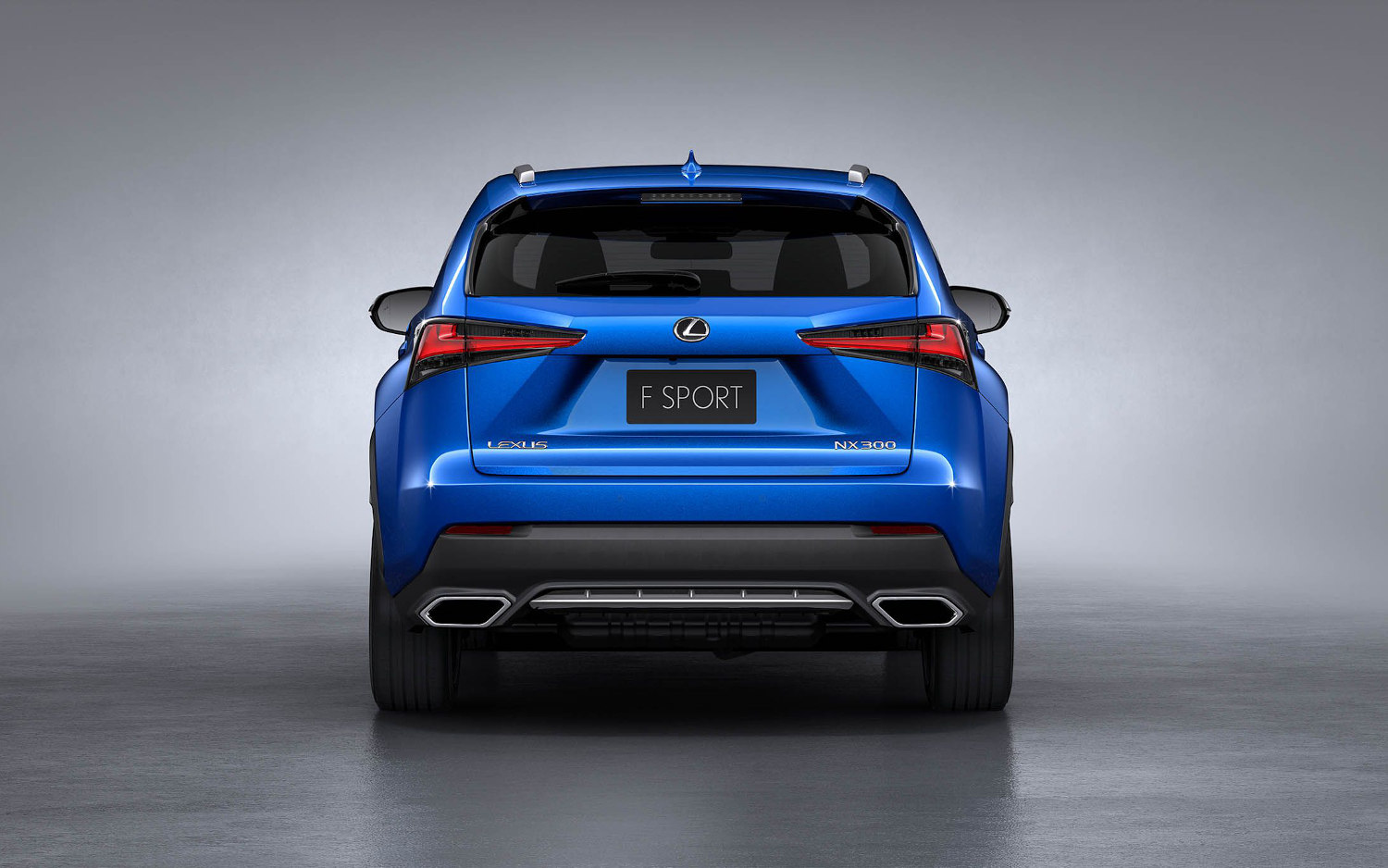
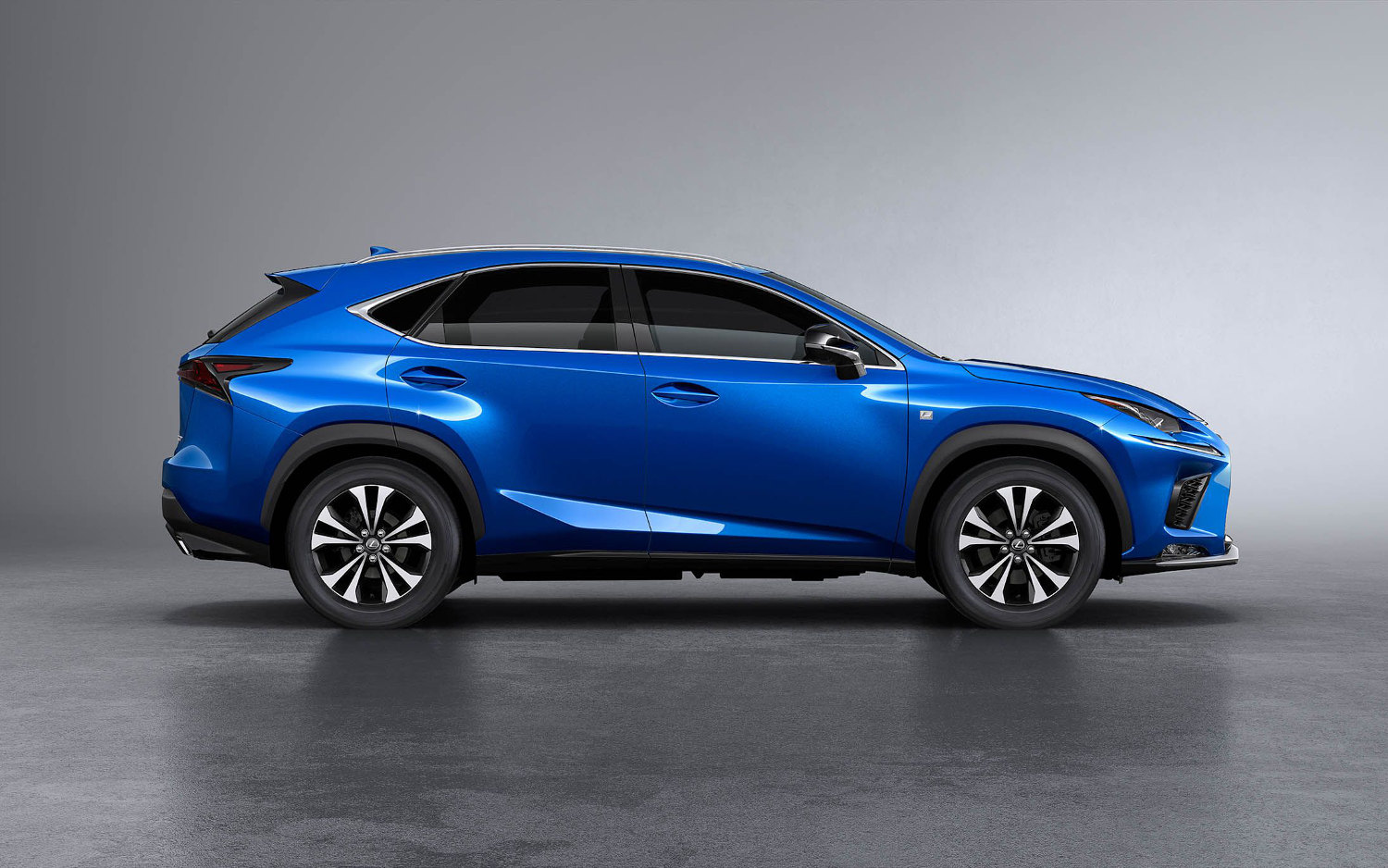
The 2020 Lexus NX 300 comes with front wheel drive, and all wheel drive. Available transmissions include: 6-speed shiftable automaticNew driver safety features, including low-light pedestrian detection, bicyclist detection and lane centering assist.Mark Levinson premium sound system is now available.
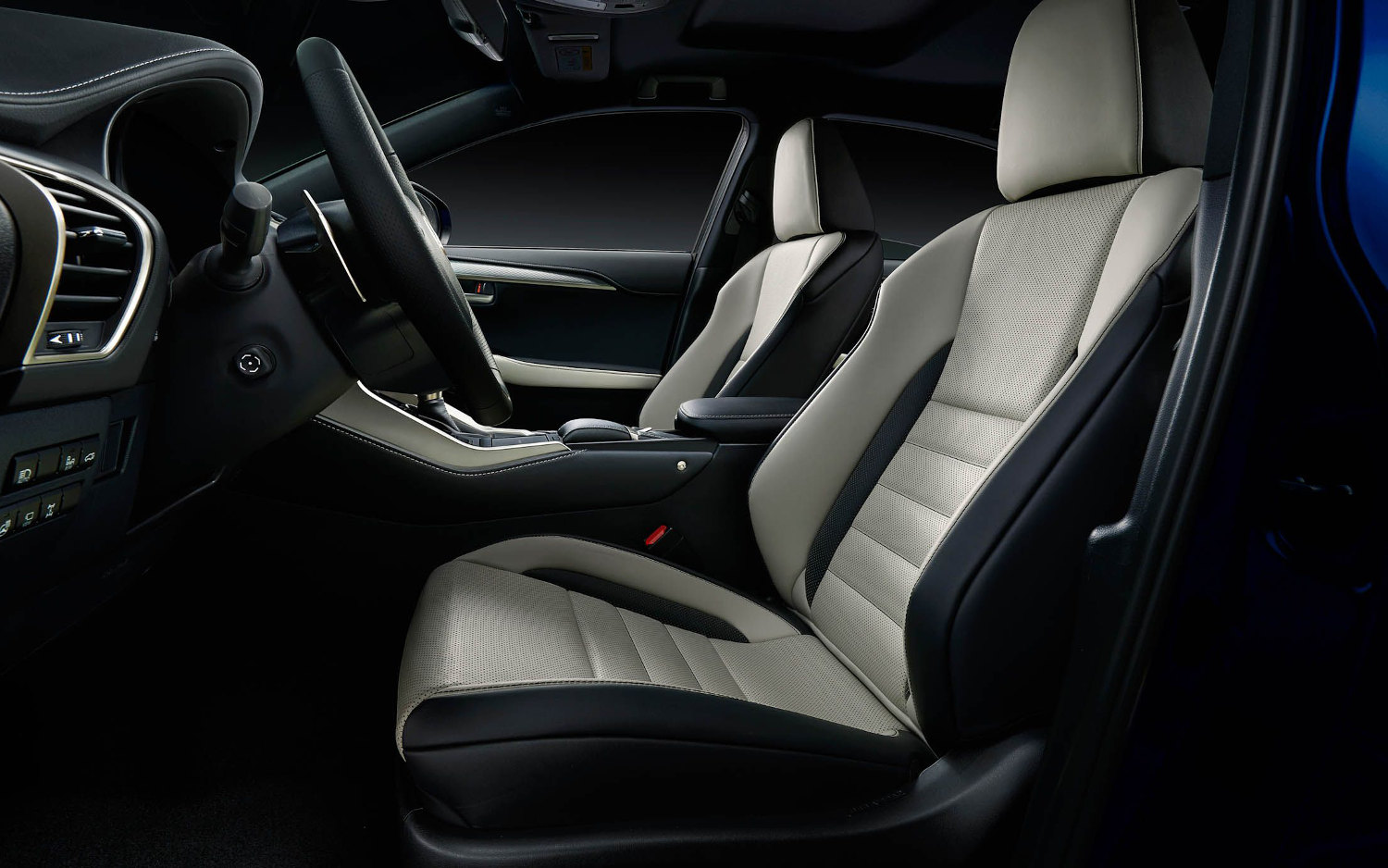
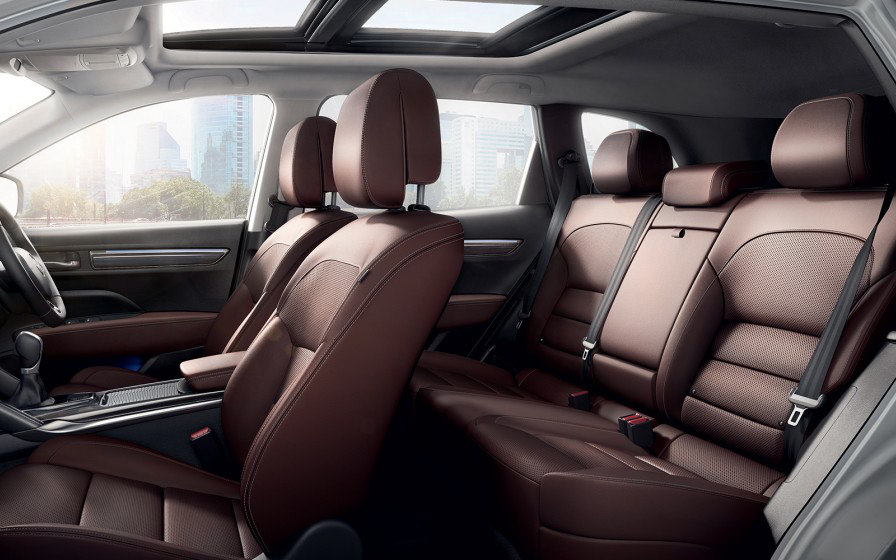
PROS Generous backseat room Cabin is very quiet at highway speeds Lots of standard high-tech safety features
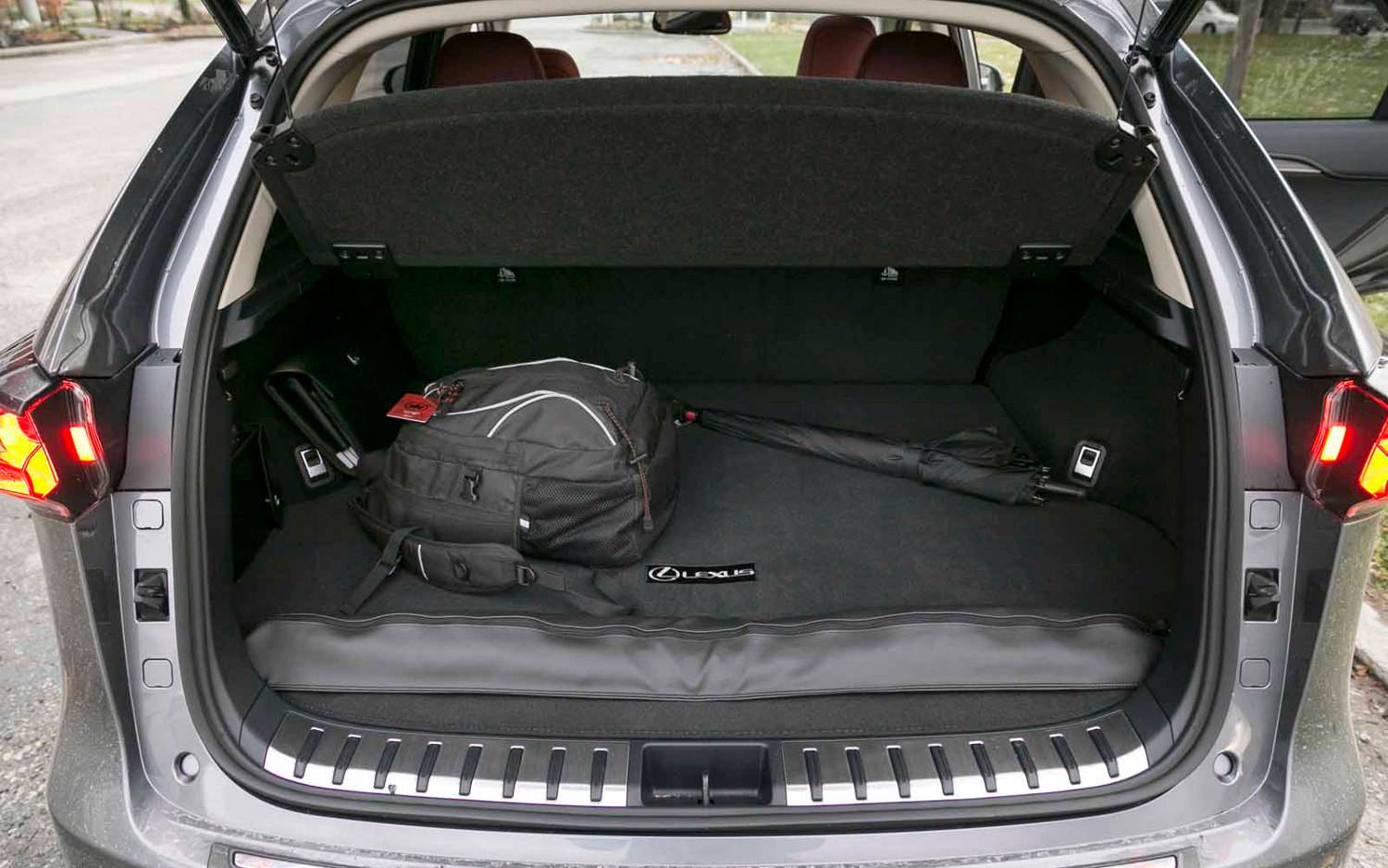
CONS Limited cargo volume Remote Touchpad interface can be distracting to use Apple CarPlay is available, but Android Auto isn't
The 2020 Lexus NX ranked #8 in Luxury Compact SUVs. Currently the Lexus NX has a score of 7.7 out of 10 which is based on our evaluation of 32 pieces of research and data elements using various sources.
Pros Well-built, spacious cabin Smooth, quiet ride Good fuel economy ratings Excellent predicted reliability rating
Cons Tricky infotainment system Subpar cargo capacity Not as fun to drive as rivals
Only a few changes mark the 2019 model year for the NX. Apple CarPlay and Amazon Alexa integration are now standard across the lineup. Lexus's Enform Remote app is now standard and can be used on smart watches; it includes Alexa and Google Assistant.
Pros Edgy styling, SUV-like driving position, stylish and comfortable interior.
Cons Irksome infotainment controls, performance doesn't match looks, hybrid performance is pokier still.
Pros • Cabin, load space • Fuel economy • Dash presentation
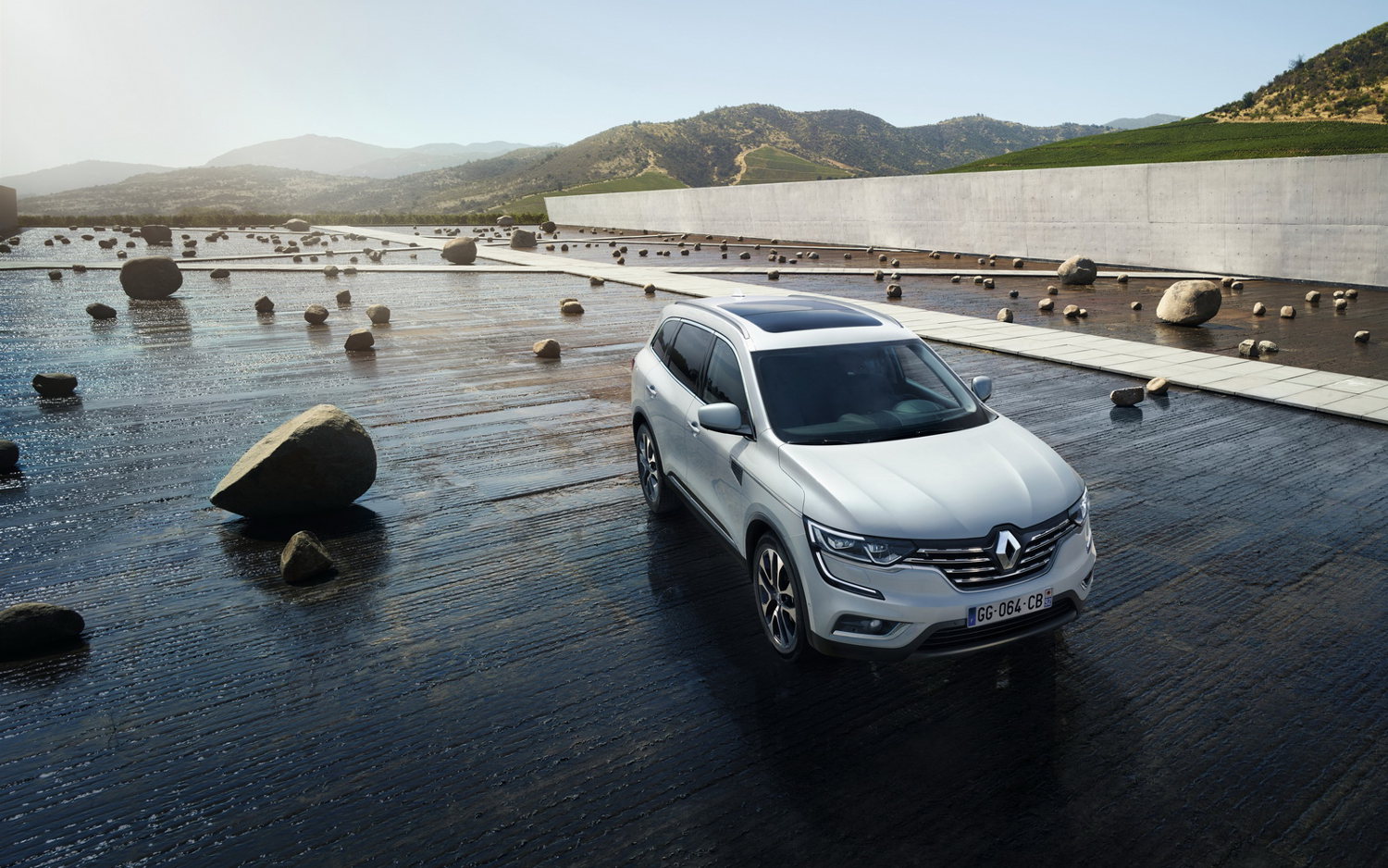
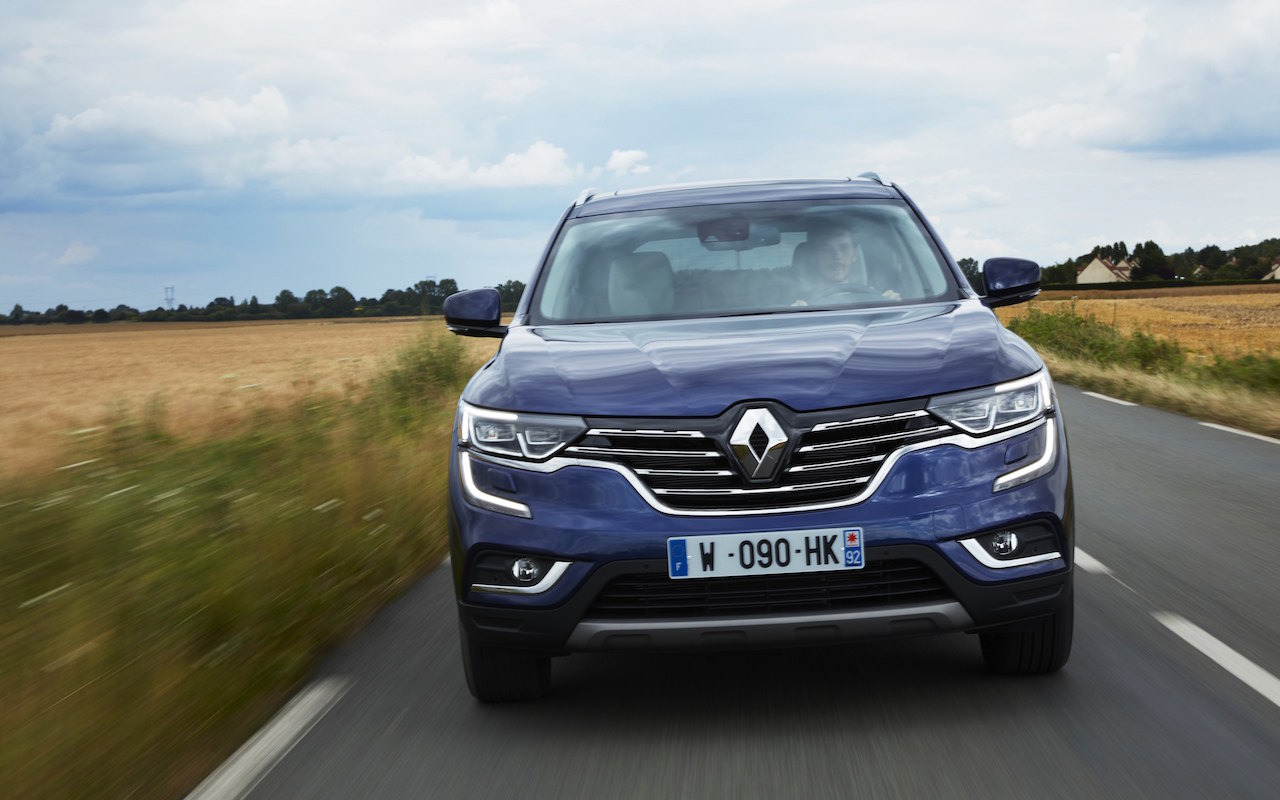
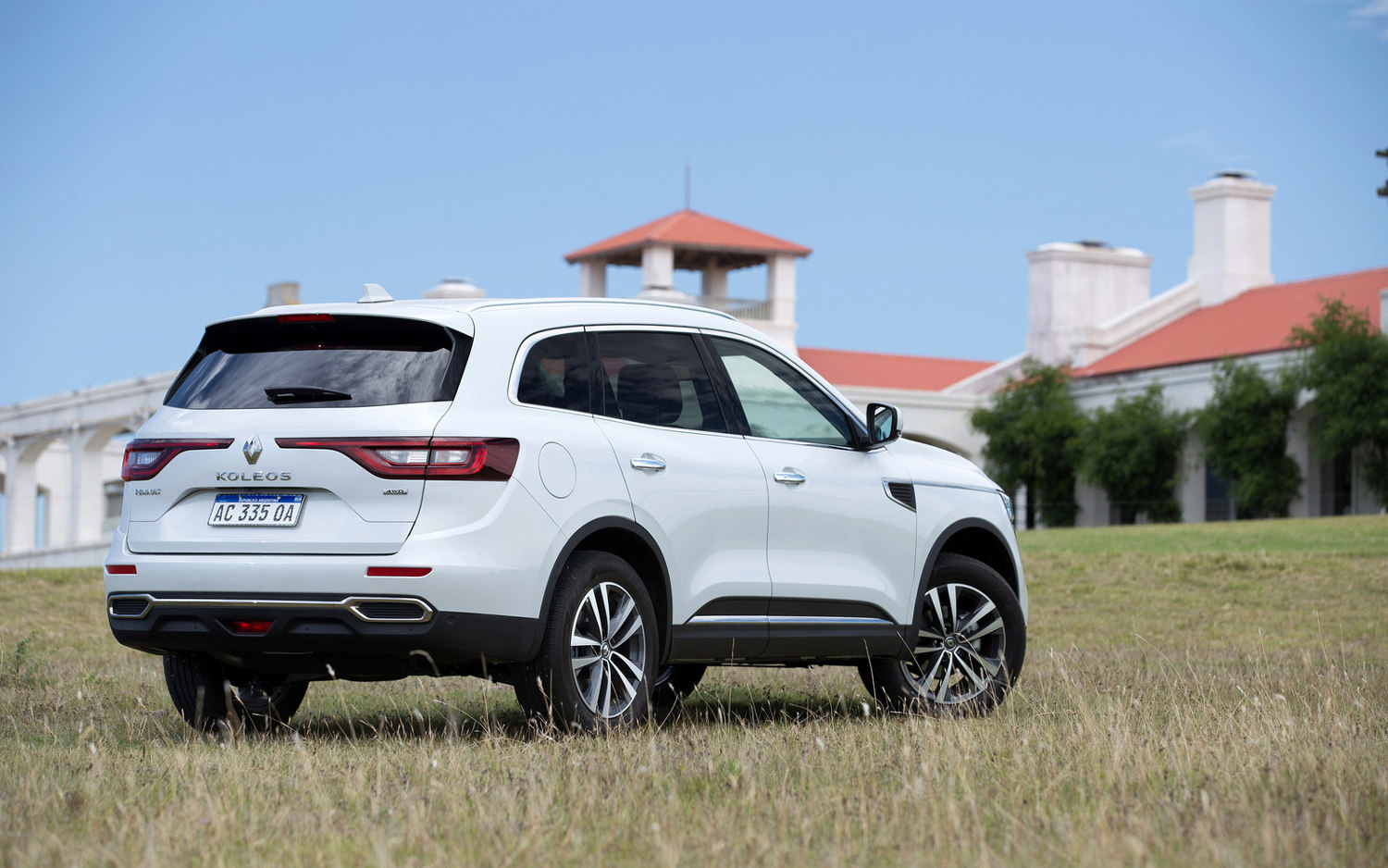
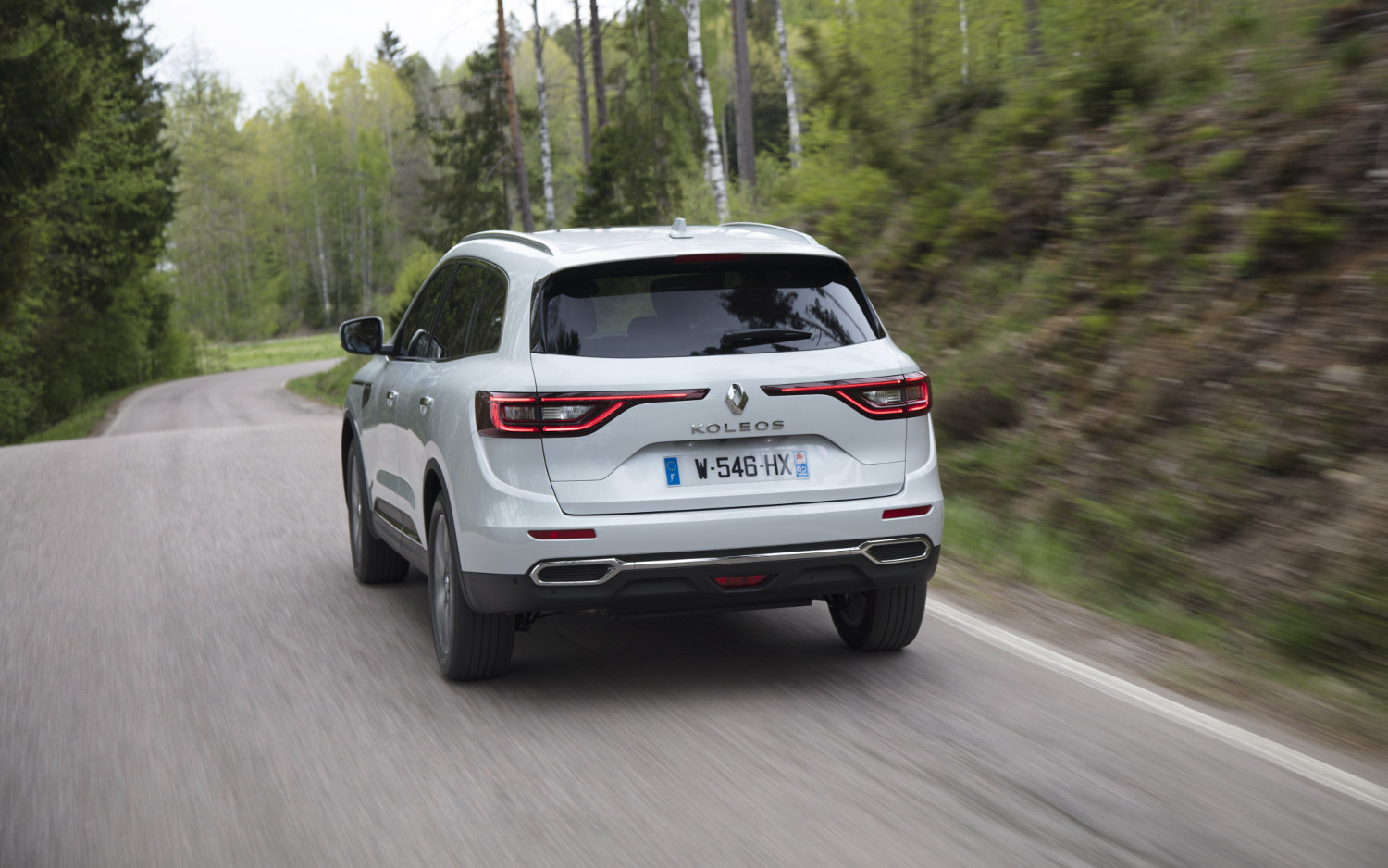
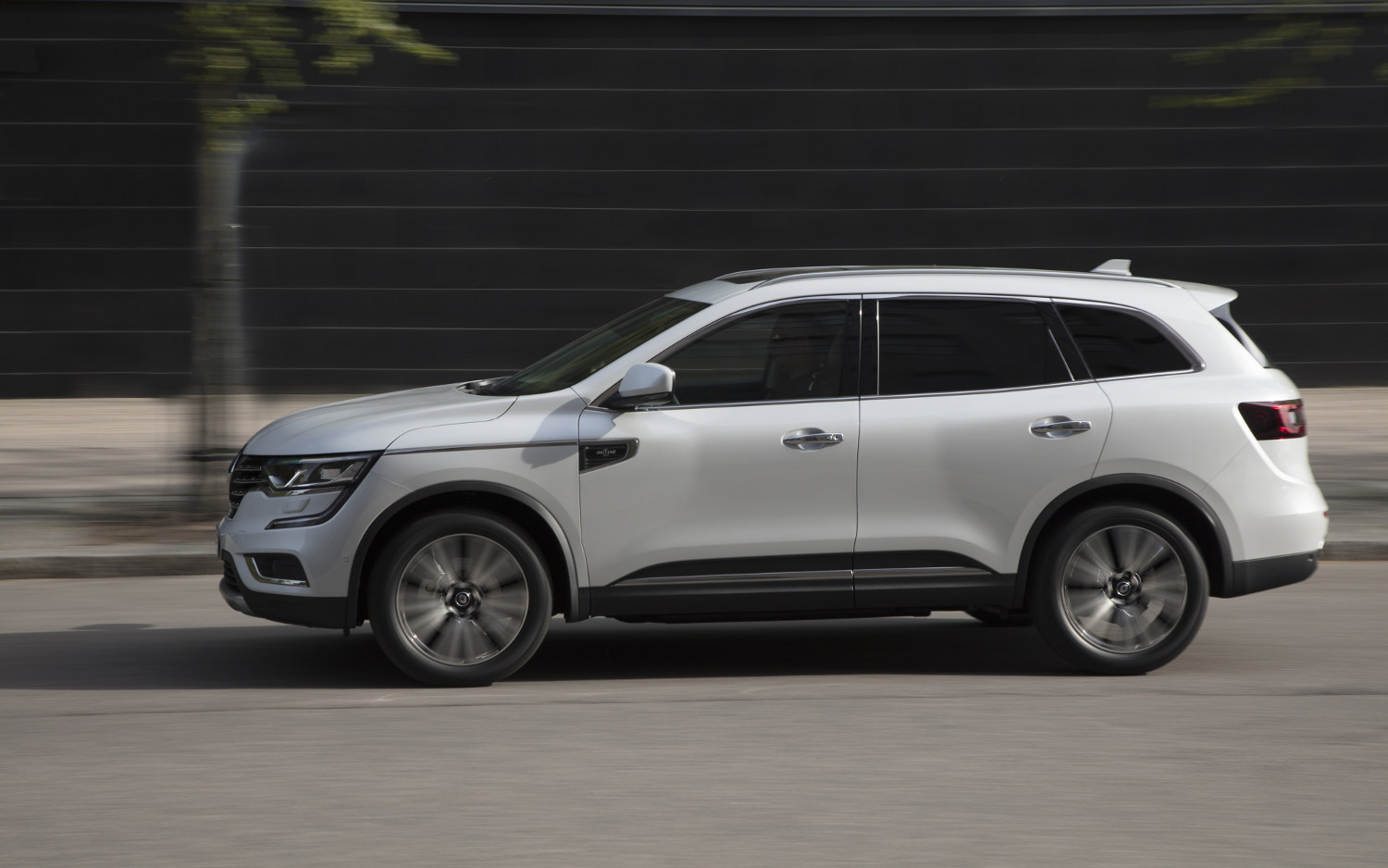
Cons • Noisy suspension • Flat seats • CVT characteristics The Koleos did what it was intended to do. It gave Renault a foothold in a hitherto unrepresented segment and, more importantly in Australia, it quickly became Renault’s biggest-selling model.If there was a major shortcoming with the second generation Koleos it was the lack of a diesel engine. The newcomer was exclusively powered by a hard-working 2.5-litre naturally-aspirated four-cylinder petrol engine producing a reasonable 126kW/226Nm and returning, in AWD form, a combined fuel consumption average of 8.3L/100km.But that’s all changed now. The long-awaited turbo-diesel option arrived in August 2017 to immediately bring more power and (a lot more) torque. At 130kW/380Nm it’s a true grunter which, at 6.1L/100km, also offers better fuel consumption, plus lower exhaust emissions (150g/km against the petrol version’s 192g/km).
Pros Noticeably more torque and better fuel economy from the diesel engine Big size equals excellent second-row space inside Competitively priced Good ownership credentials
Cons Powertrain not as seamless and effortless as the numbers suggest No quicker than cheaper front-drive petrol Koleos variants Wieldy SUV to manoeuvre and park Ho-hum infotainment system Lower braked towing rating than petrol versions The diesel clatter is also quite noticeable, though nothing like a deal-breaker, but it does harness the on-demand all-wheel-drive system's tractive talents better and more noticeably than the petrol engine does. And by maintaining fuel economy within a ballpark of its maker’s 6.1 combined cycle claim, it’s markedly more efficient by a couple of litres per hundred, particularly around town.
Pros Great exterior looks Nice enough to drive Good level of equipment
Cons Doesn't come with a seven-seat option Prices are a bit high Manual gearbox isn't the smoothest