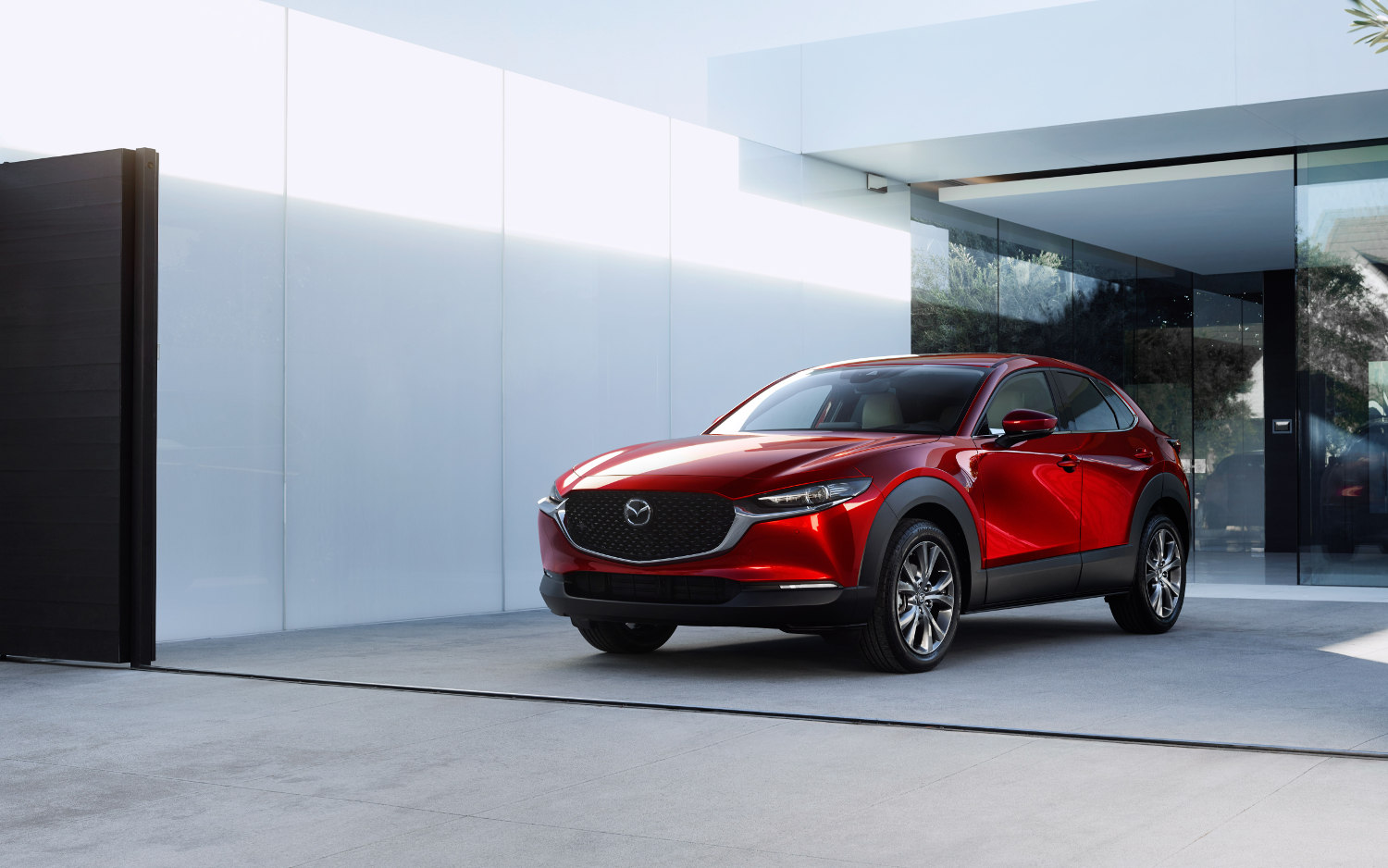
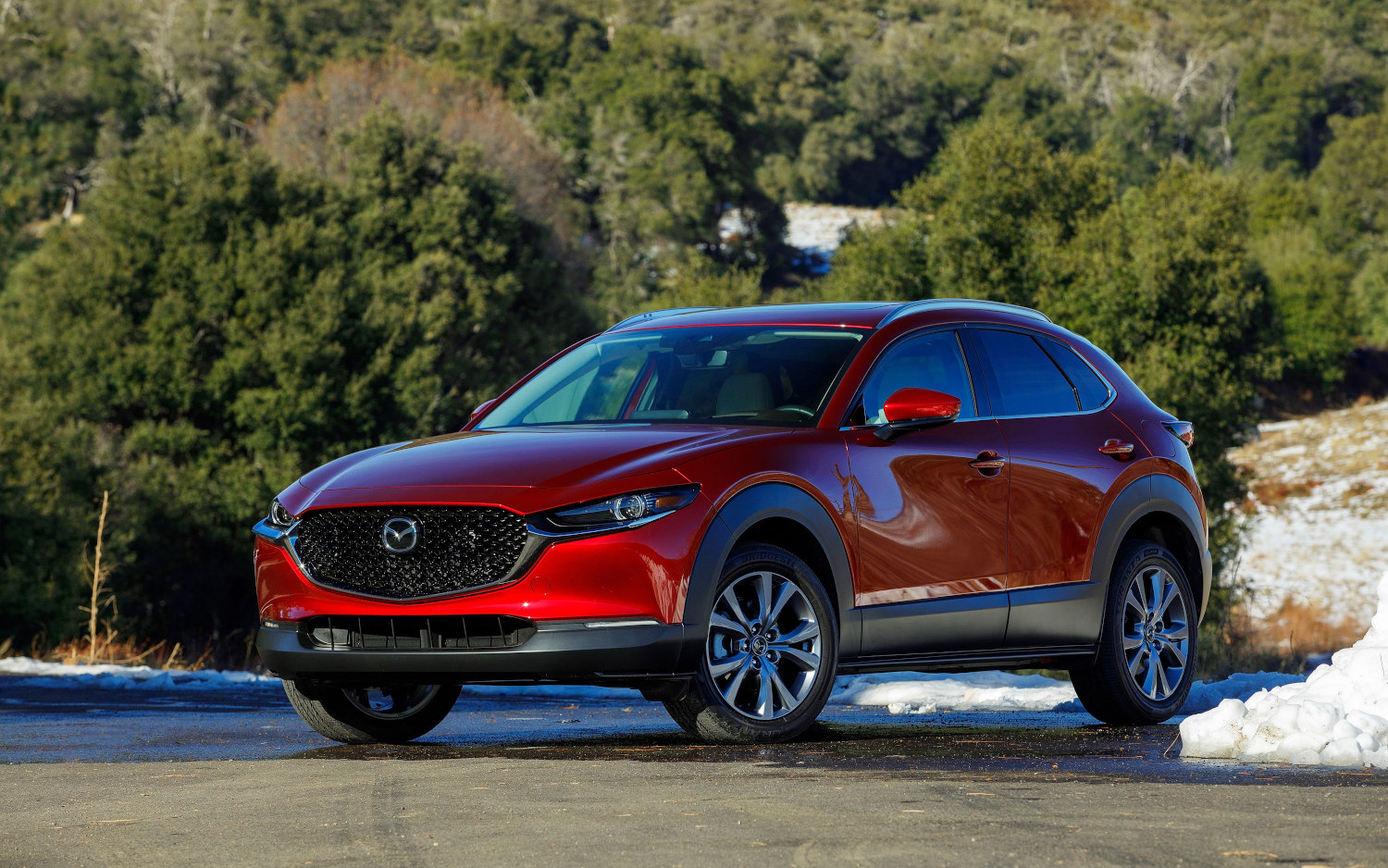
Perhaps we need to stop calling these cars SUVs, because the new Mazda CX-30 is really just a Mazda 3 on stilts, and all the better for it.
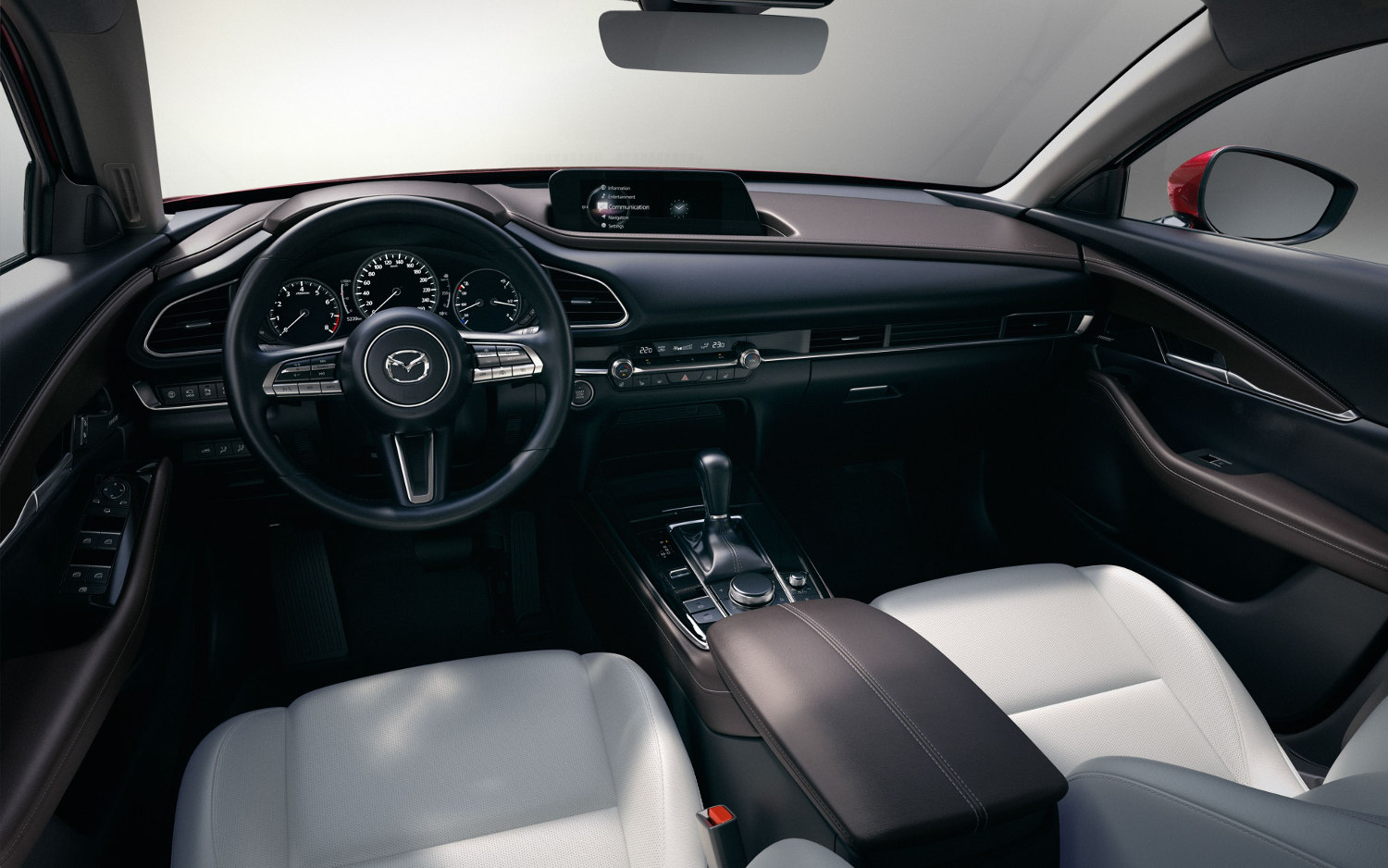
Pros Excellent dynamics Interior fit and finish Audio and infotainment system Active safety features Exterior and interior design, practical, makes more sense than a Mazda 3
Cons Ride felt a tad firm (European spec) Expected price premium over the Mazda 3 Infotainment housing a little old school Fits four adults at best
Slotting into the Mazda SUV lineup in the narrow space between the subcompact CX-3 and the compact CX-5 is the new—and curiously named—CX-30. Why isn't it called CX-4? We asked Mazda: It's kind of a long story. Regardless, we like the way it looks. Mazda's designers gave it a more severely forward-canted rear window and chunkier black-plastic body cladding to help differentiate the 2020 Mazda CX-30 from its other crossover siblings.The 2020 CX-30 shares much of its mechanicals and platform with the all-new Mazda 3 sedan and hatchback, so we expect it to have a 186-hp 2.5-liter four-cylinder engine, a six-speed automatic transmission and either front- or all-wheel drive. It's possible that Mazda's new gasoline-powered compression-ignition engine—which the company calls Skyactiv-X—is likely to be available in the CX-30 at some point down the road.
Good car, the Mazda CX-30. Handles well, looks smart and has a lovely interior. But as is always the case with crossovers – the conventional car on which it’s based (in this case the Mazda3 hatchback) is the sensible buy.
Pros Good-looking, decent to drive, lovely interior.
Cons Cramped rear, old-fashioned auto.
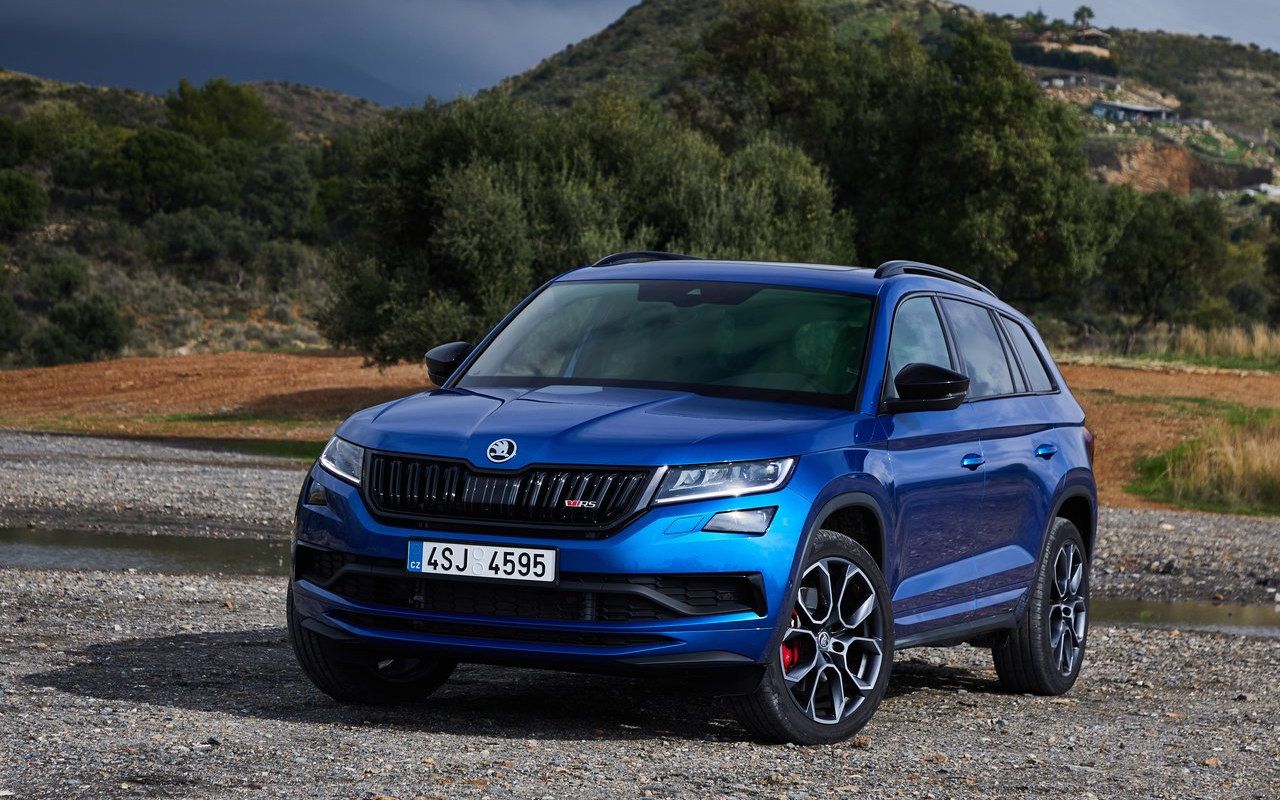
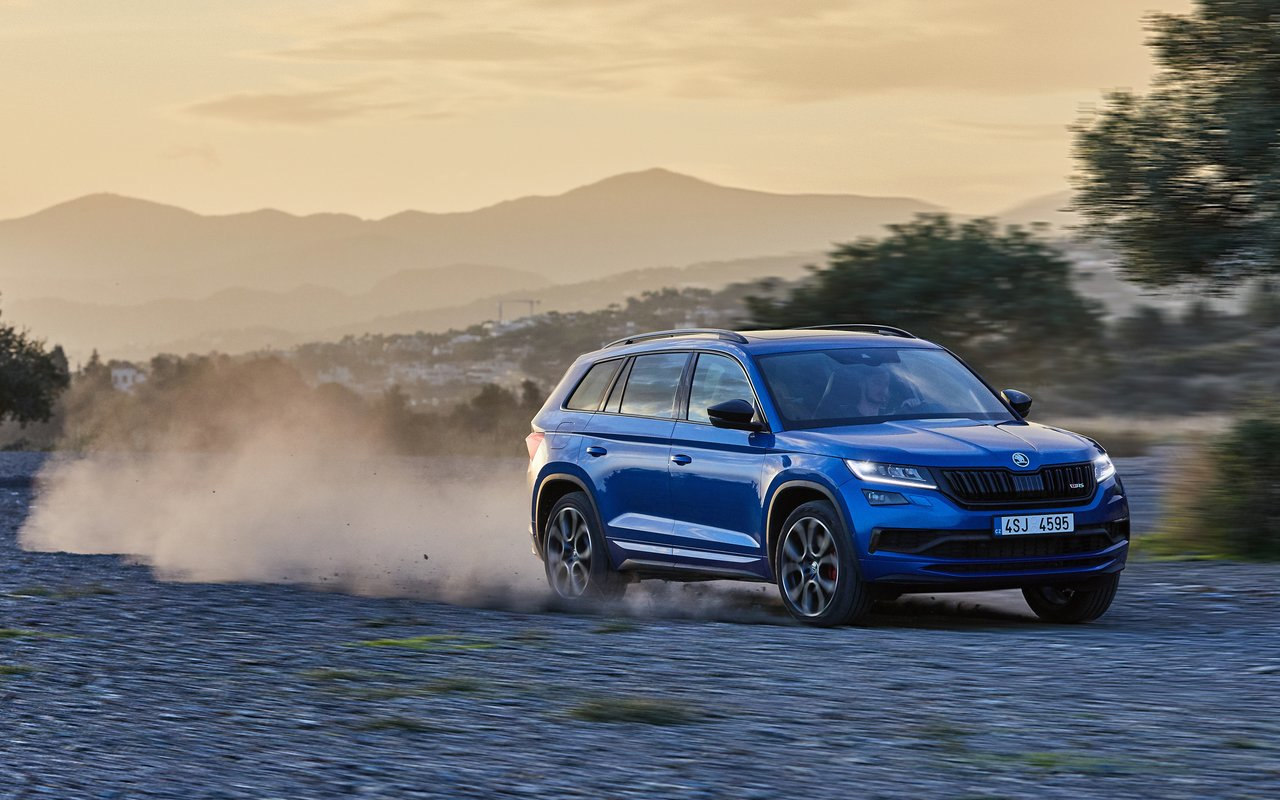
There are plenty of seven-seat SUVs to choose from if you've got a large budget, but what if you're looking for something that's got all the space but is more reasonably priced? Well, then the Skoda Kodiaq should be on your shortlist, because its attractive entry-level price certainly makes it appealing to big families looking for value for money. It's actually Skoda's first ever seven-seater car, and its first large SUV. It shares some of its underpinnings with other VW Group SUVs including the Audi Q2, Seat Ateca and Volkswagen Tiguan, but the larger Kodiaq is more of a rival for the Nissan X-Trail, while the higher-end and pricier versions compete with the Kia Sorento, Hyundai Santa Fe and even Land Rover's Discovery Sport. The entry-level versions of the Kodiaq come with five seats as standard, but it’s the seven-seat versions that have by far the most appeal. Engine options range from a 121bhp 1.4 petrol all the way up to a punchy 188bhp 2.0-litre diesel, and there’s also a choice between front and four-wheel drive and manual and automatic (DSG) gearboxes.
The Kodiaq is the first seven-seater for the Czech manufacturer, and the start of a rollout of SUV models due to hit showrooms over the next four years. Kodiaq is named after the Kodiak bear which inhabit the Kodiak islands in Alaska. For some handy dinner table trivia, the car is spelt with a ‘q’ not a ‘k’ as a tribute to Alaska’s native Alutiiq people who identify an animal by ending its name with a ‘q’. That and there’s already a Chevrolet Kodiak and, you know, lawyers.
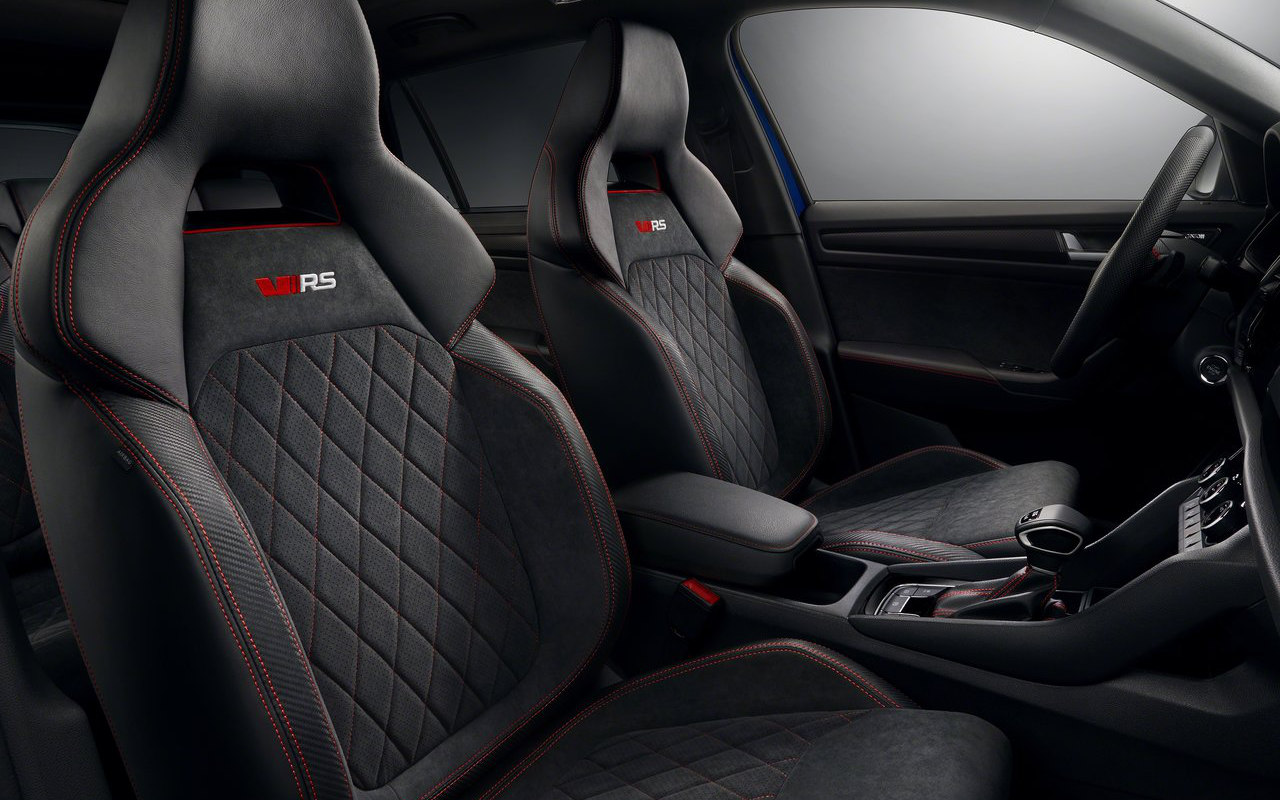
Pros Practical, spacious and clever - like a Skoda should be Comfortable seats, and comfortable ride Upmarket interior, especially the touchscreen
Cons Front design perhaps a little awkward Lacklustre midrange response from both engines Third row quite tight
The Skoda Kodiaq is the Czech company’s first seven-seater SUV and a real reason to worry for rival models such as the Nissan X-Trail, Hyundai Santa Fe and Kia Sorento. The Kodiaq strikes a good balance when it comes to offering comfort and agility. Well, ‘aglie’ might be too strong a word, but for a car of this size, the big Skoda suffers from little body roll even if you power through corners quickly. More important is the cosseting ride, which you get in all but 19-inch wheeled models. It shields passengers from big bumps and broken road surfaces, with only smaller high-frequency jolts catching the chassis out. We drove a model with 19-inch wheels and although the ride wasn’t uncomfortable, you did feel most bumps in the cabin.
Pros Superb build quality Hugely practical interior Seven-seat option
Cons Stiff ride with big wheels Some wind noise at motorway speed Top-spec diesel noisy