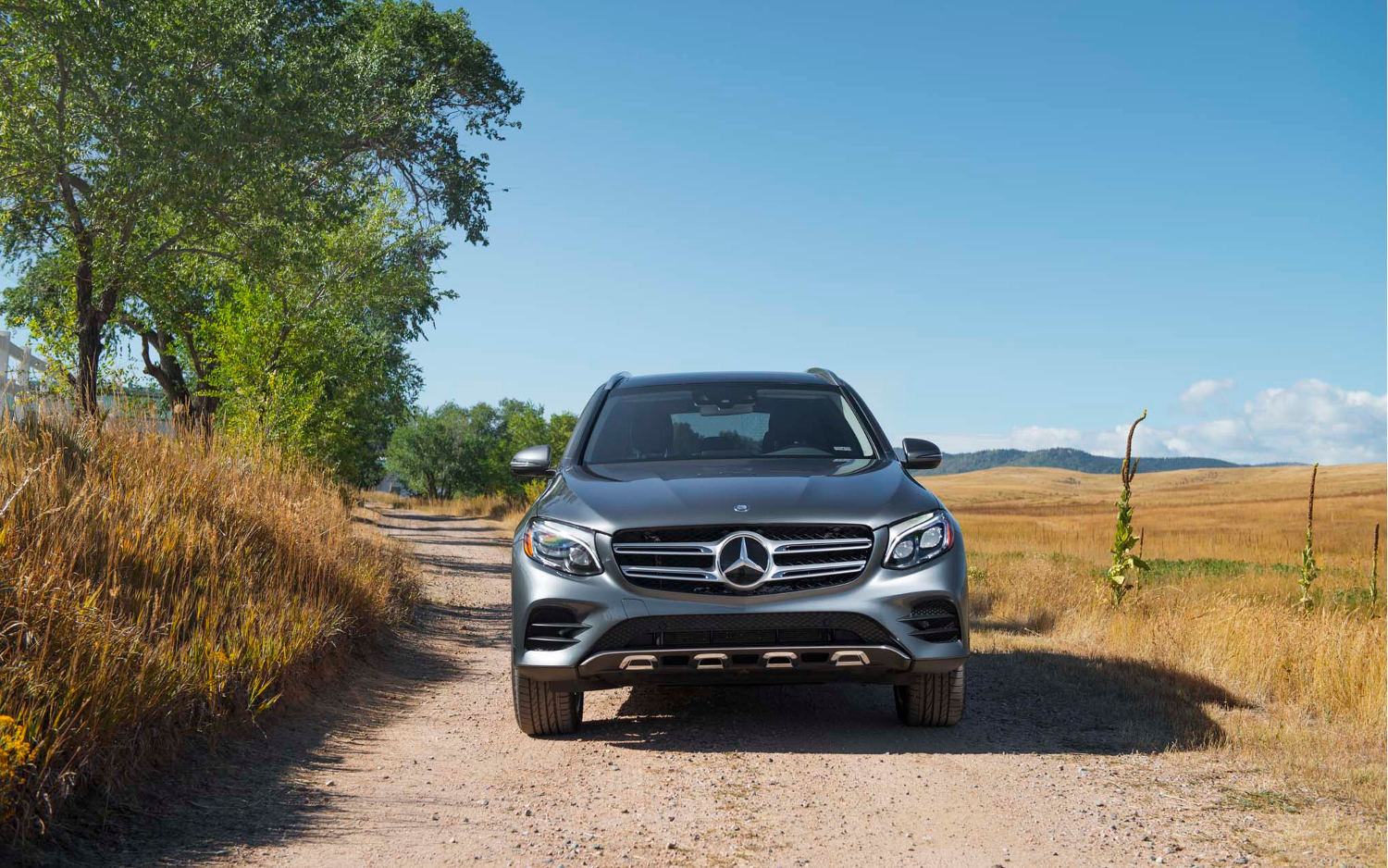
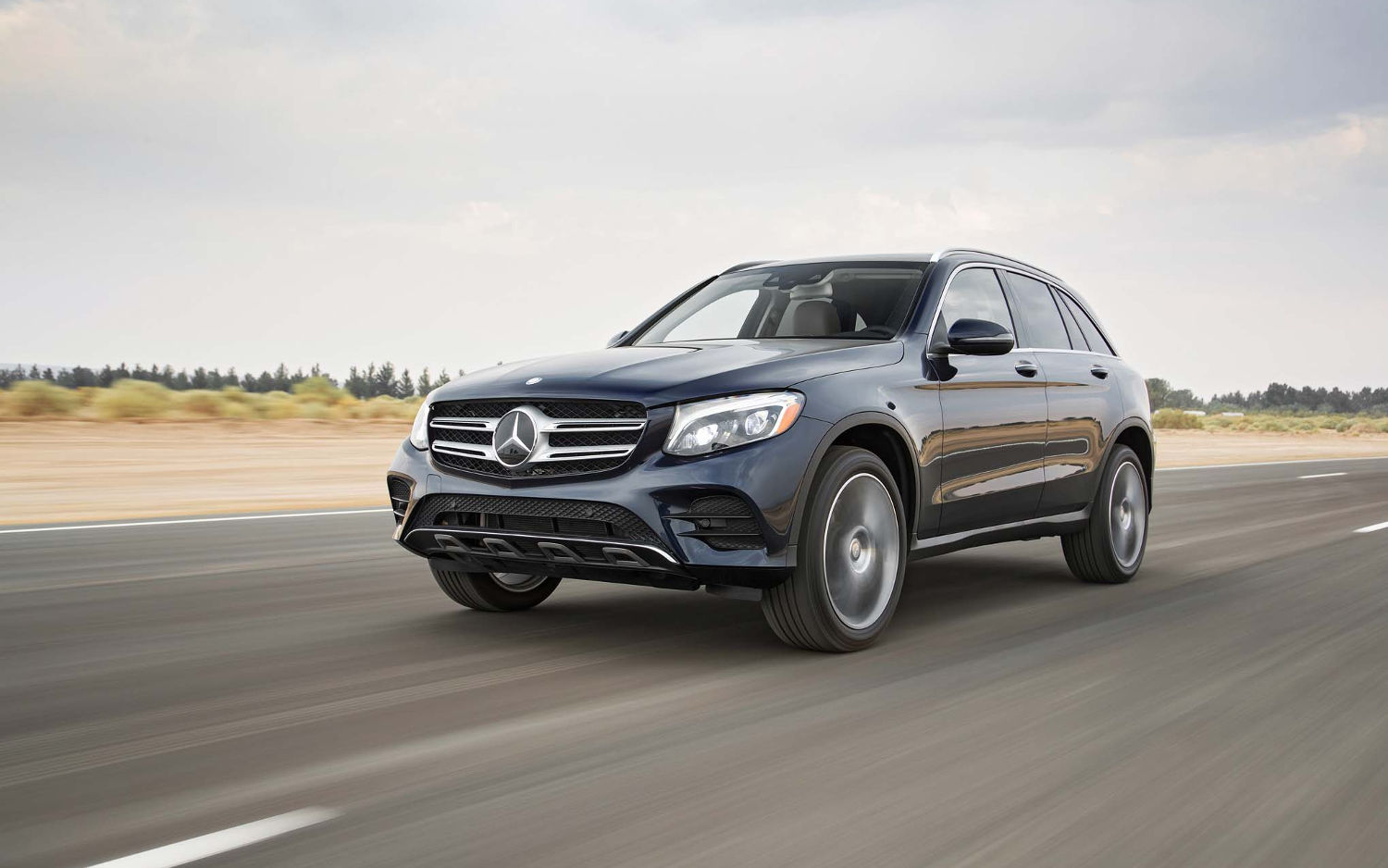
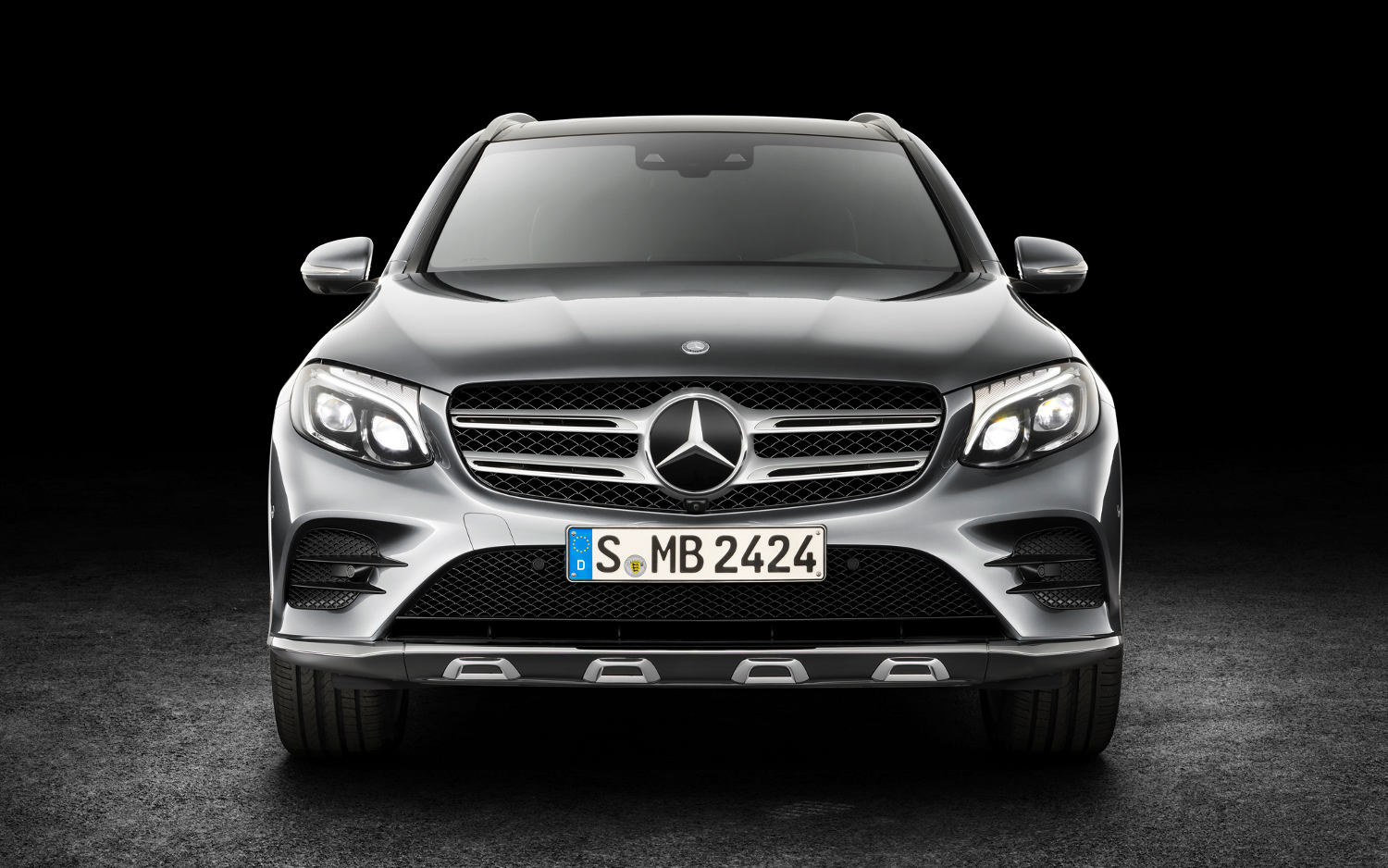
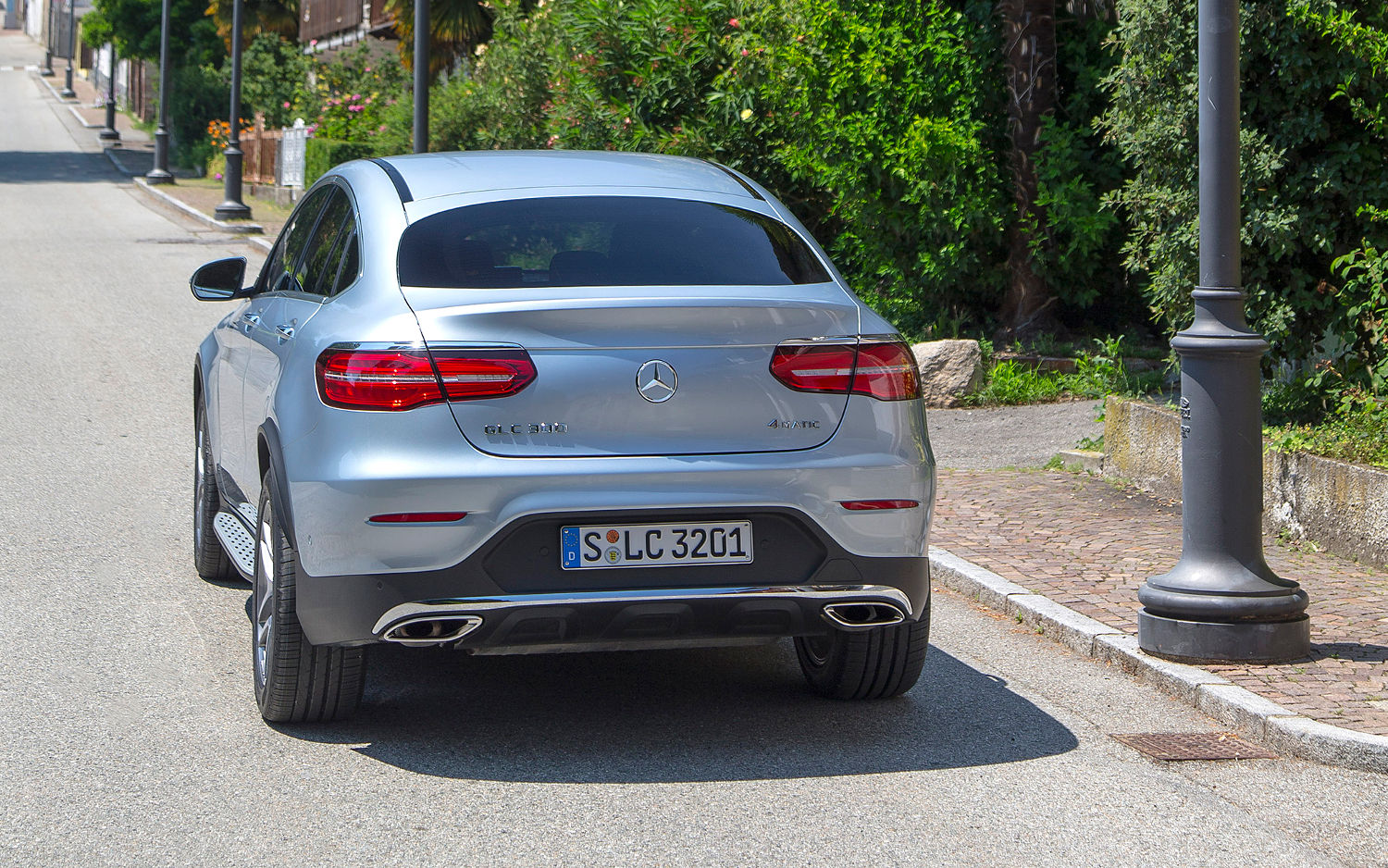
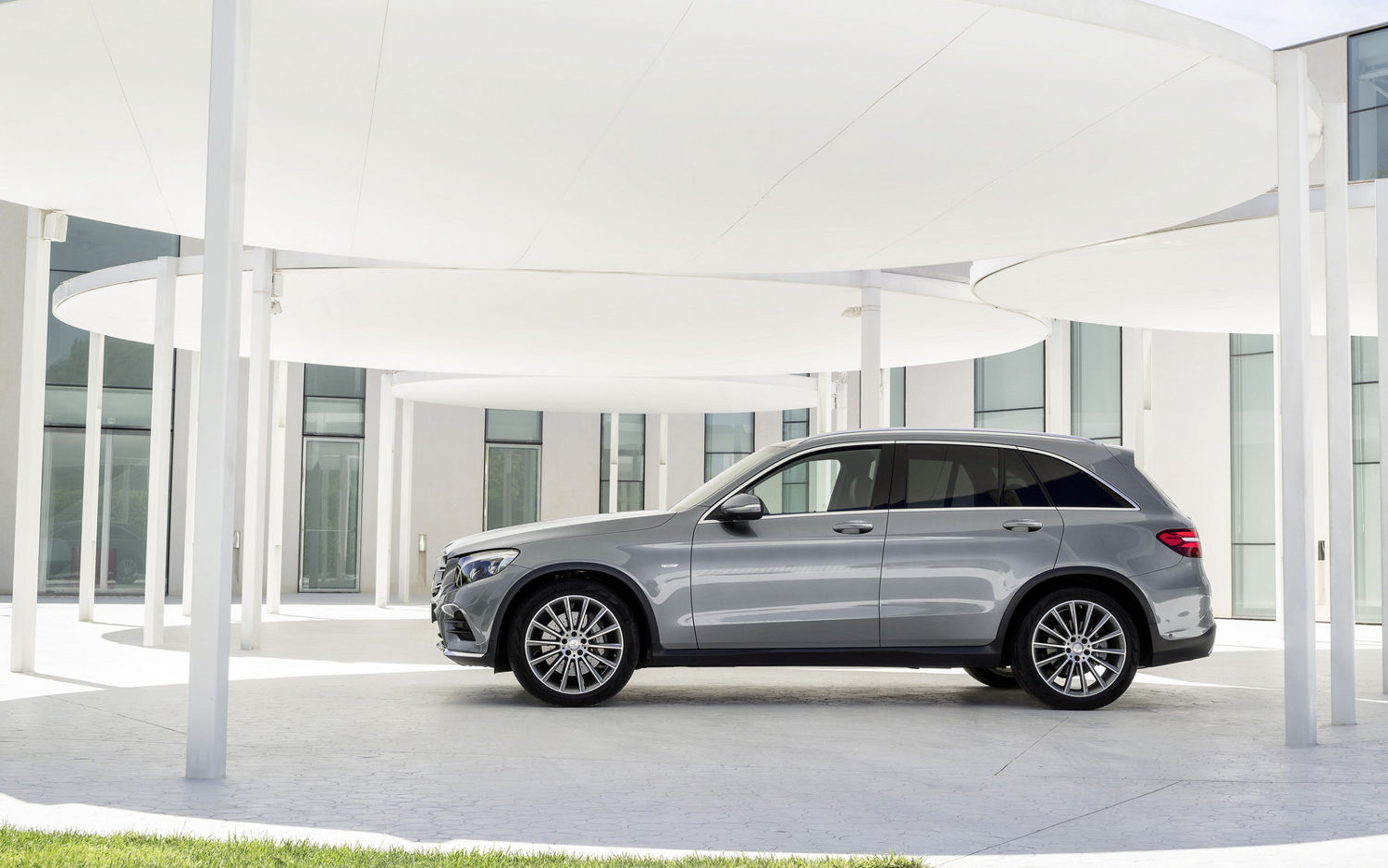
In the highly competitive compact luxury SUV segment, the 2017 Mercedes-Benz GLC-Class is definitely worth your consideration. It combines a practical size, strong performance and a luxurious cabin with a long list of optional amenities.The existing Mercedes-Benz GLC300 comes off its debut year with a minor shuffling of features. The big news is the addition of the high-performance AMG GLC 43, with a potent V6 engine.
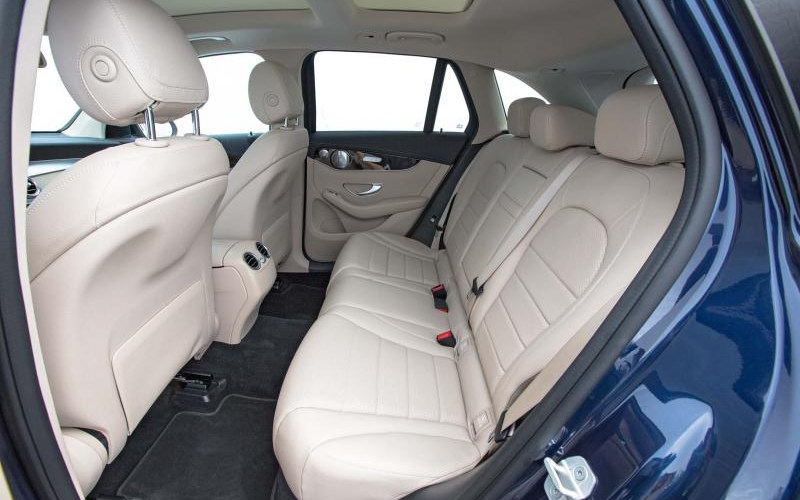
Pros Balance of comfort and performance makes it an appealing daily driver Solid fuel efficiency from the standard four-cylinder engine Plenty of room for adult-sized passengers in back Elegant design inside and out gives it a true luxury appearance.
Cons Technology interface isn't always easy to use Only one four-cylinder engine offered unless you step up to the ultra-high-performance AMG model.
The Mercedes-Benz GLC-Class makes a terrific combination of the features and practical needs most buyers want in an attractive package. Complementing the automaker's C-Class sedan, the 2017 Mercedes-Benz GLC-Class is a well thought-out compact crossover that offers its own swoopy styling and attractive range of engines.
Pros Spacious, attractive interior Wide range of engine and body choices "Coupe" bodystyle is unique Comprehensive available safety features
Cons Safety features come at a price "Coupe" loses some practicality Base GLC300 can feel numb Diesel model delayed (again)
The 2017 Mercedes-Benz GLC-Class ranks 3 out of 14 Luxury Compact SUVs. If you're looking for refinement – both inside and out – you'll want to look at the 2017 Mercedes-Benz GLC. This polished luxury compact SUV comes with more standard features than many of its competitors and has a handsome interior that emphasizes simple elegance.
Pros Comfortable, elegant interior Abundance of standard and optional safety features Quiet, refined ride
Cons Below-average cargo capacity behind rear seats
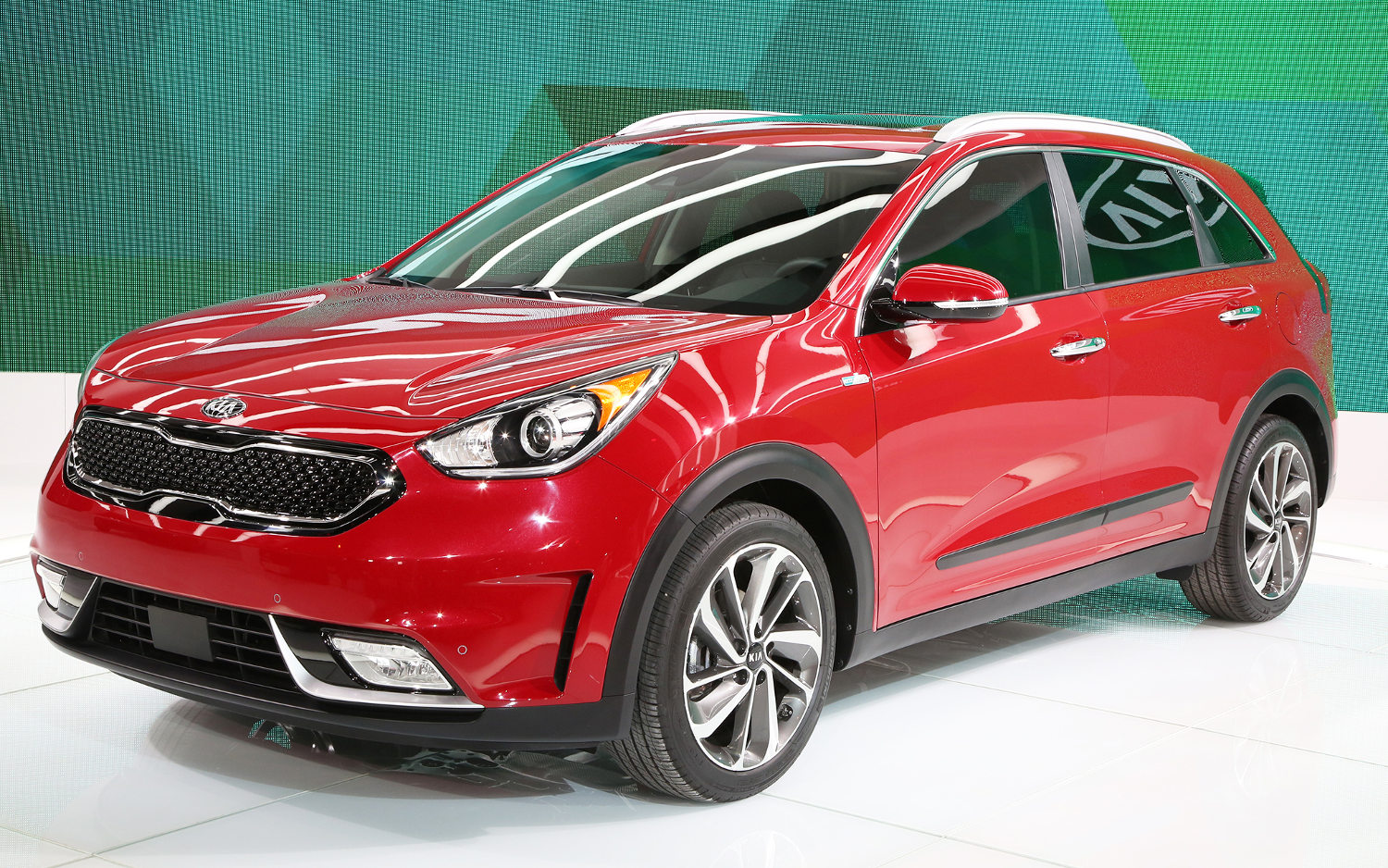
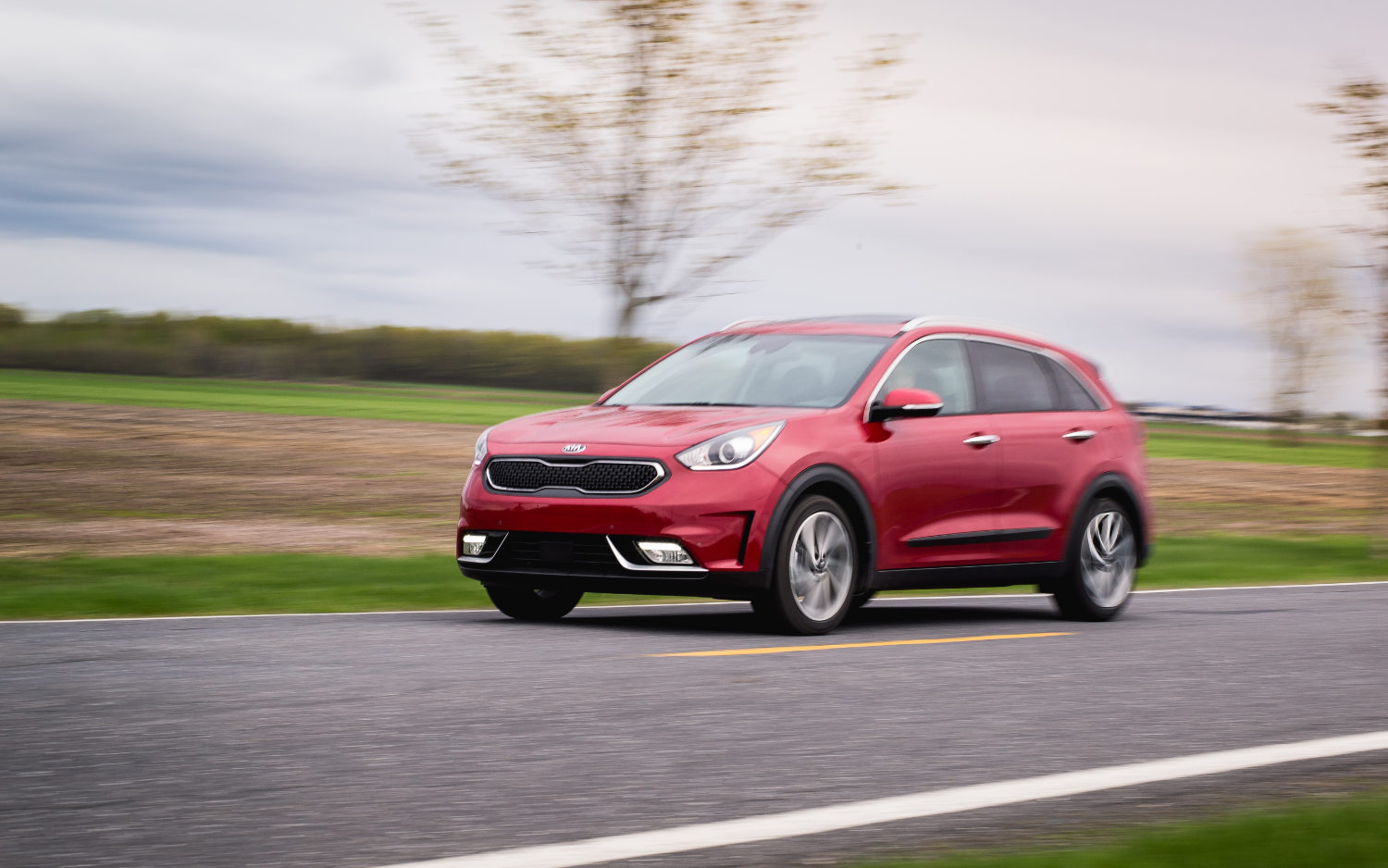
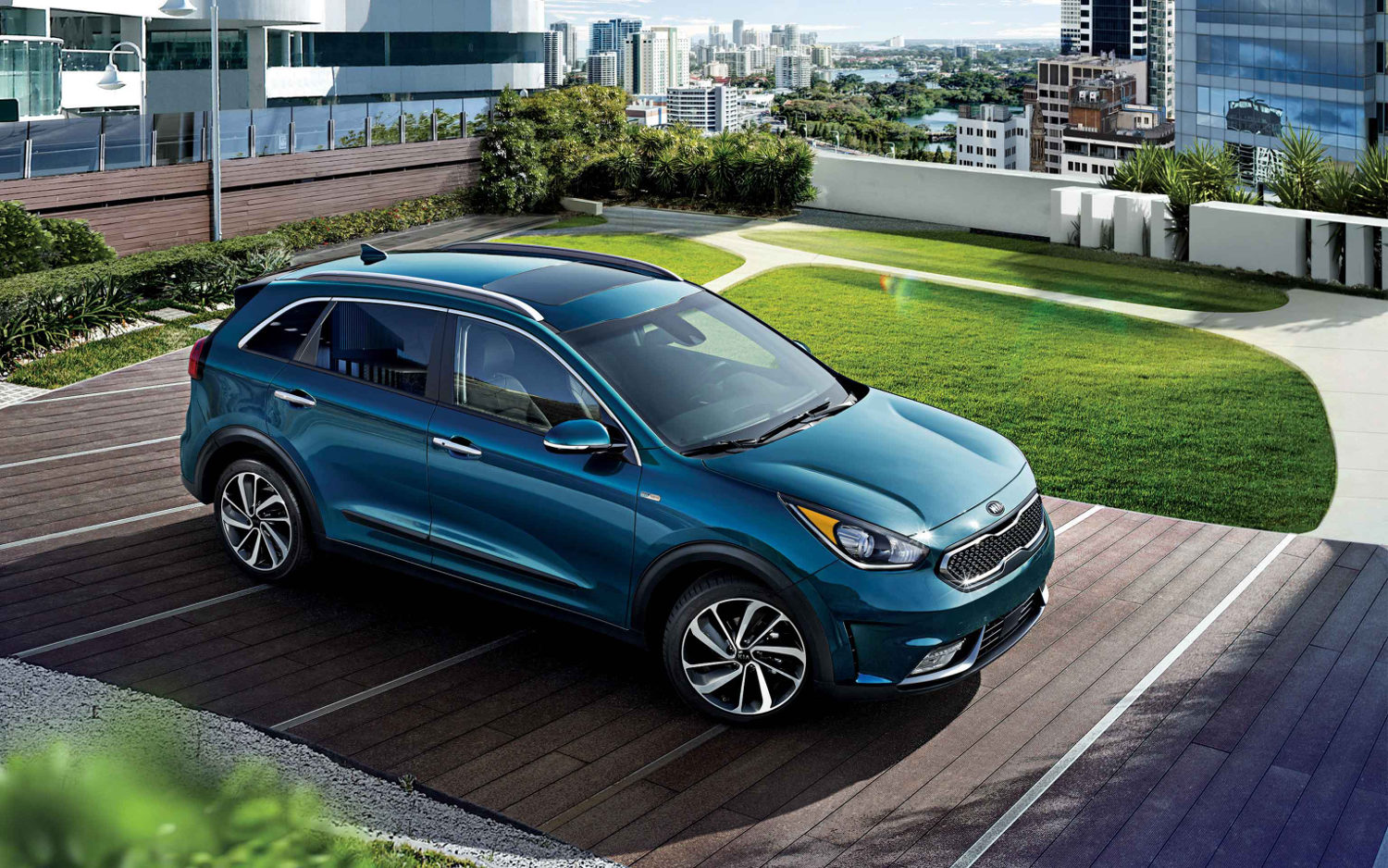
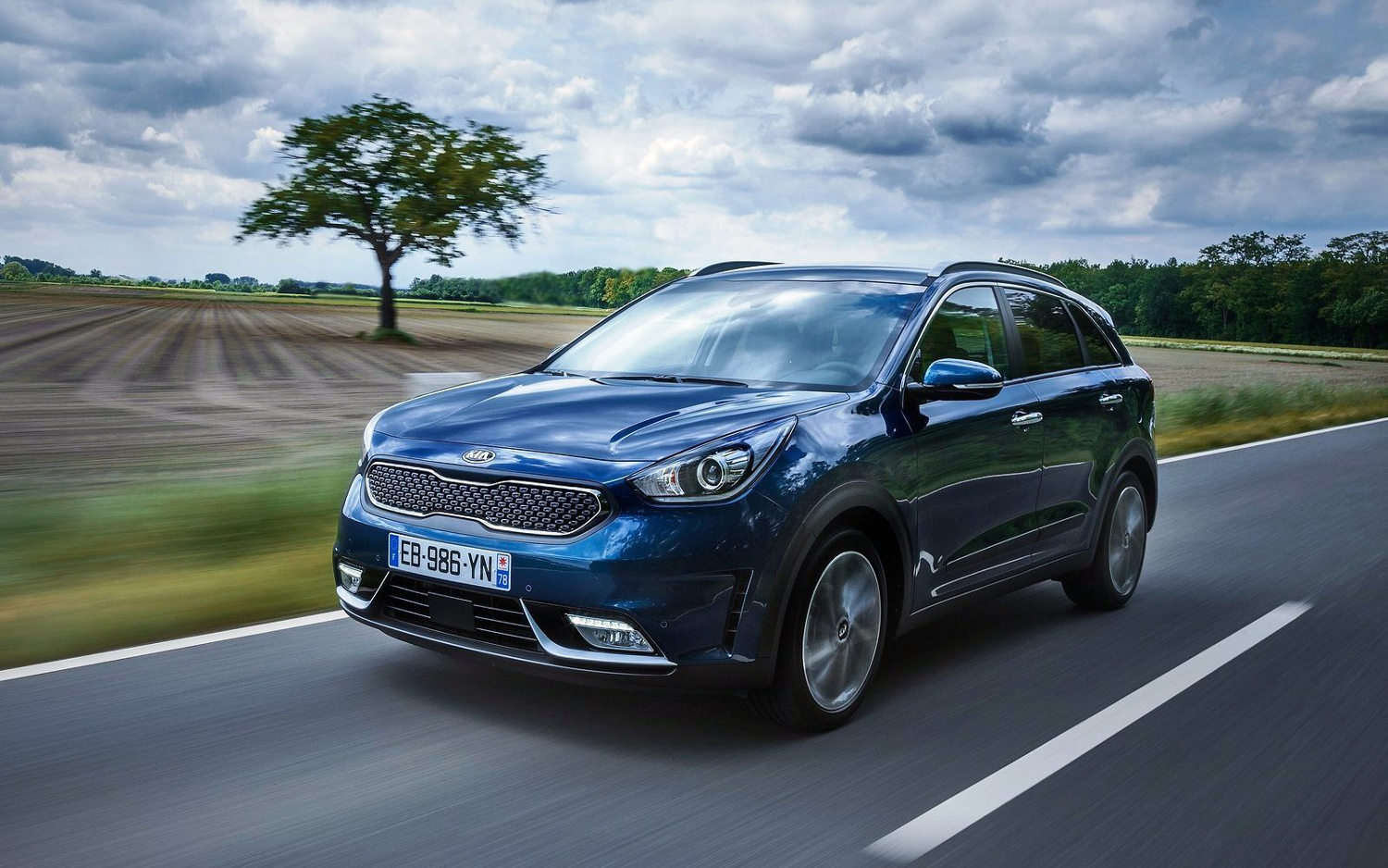
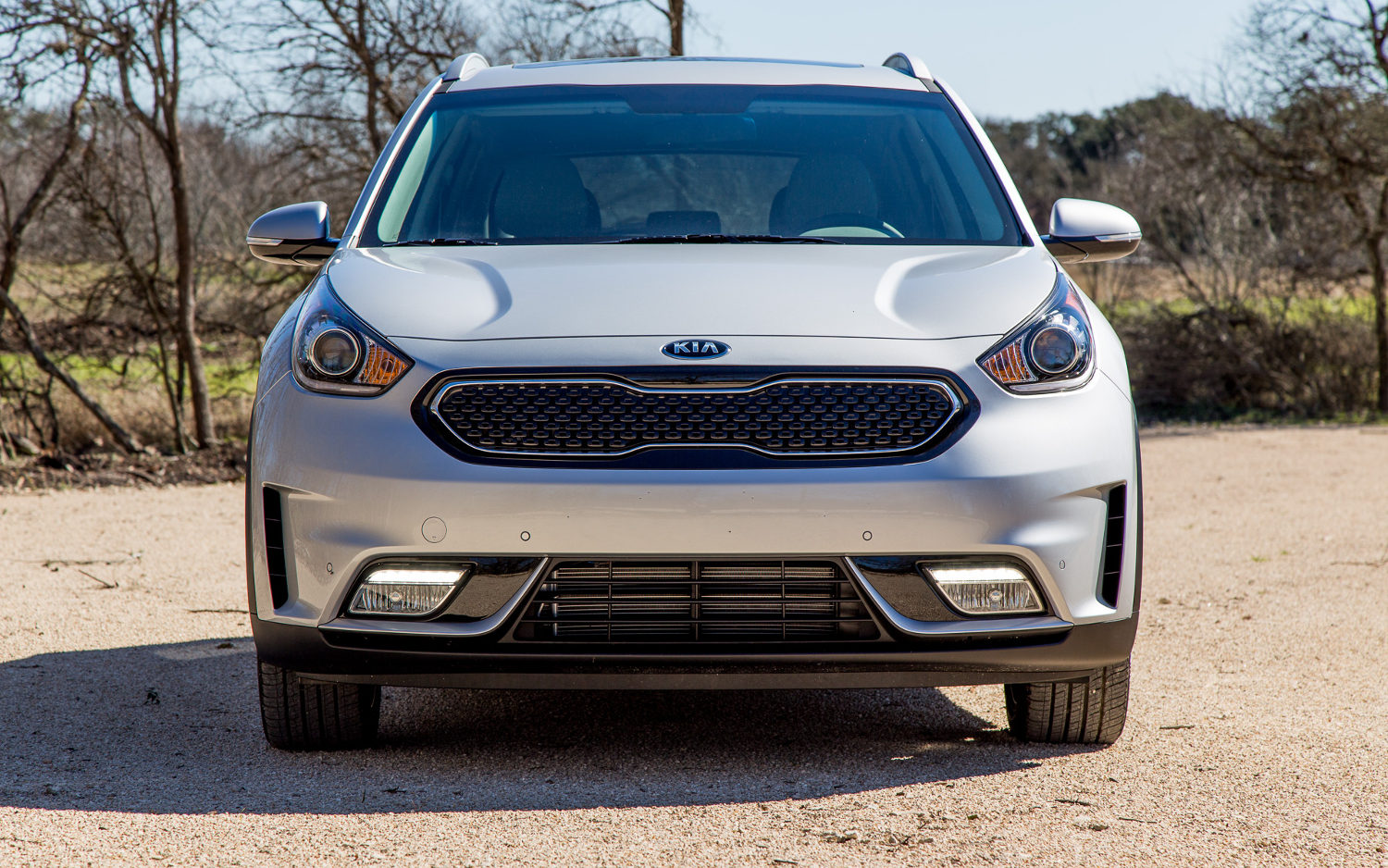
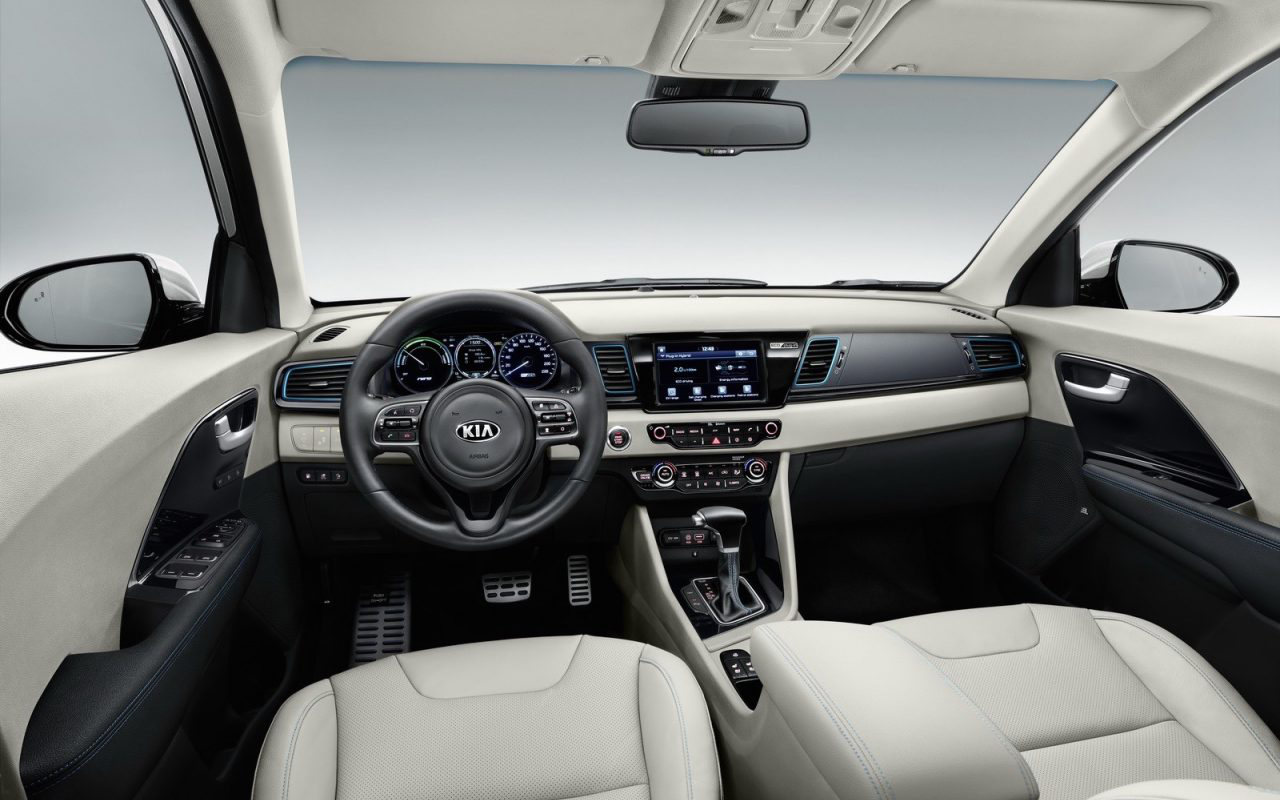
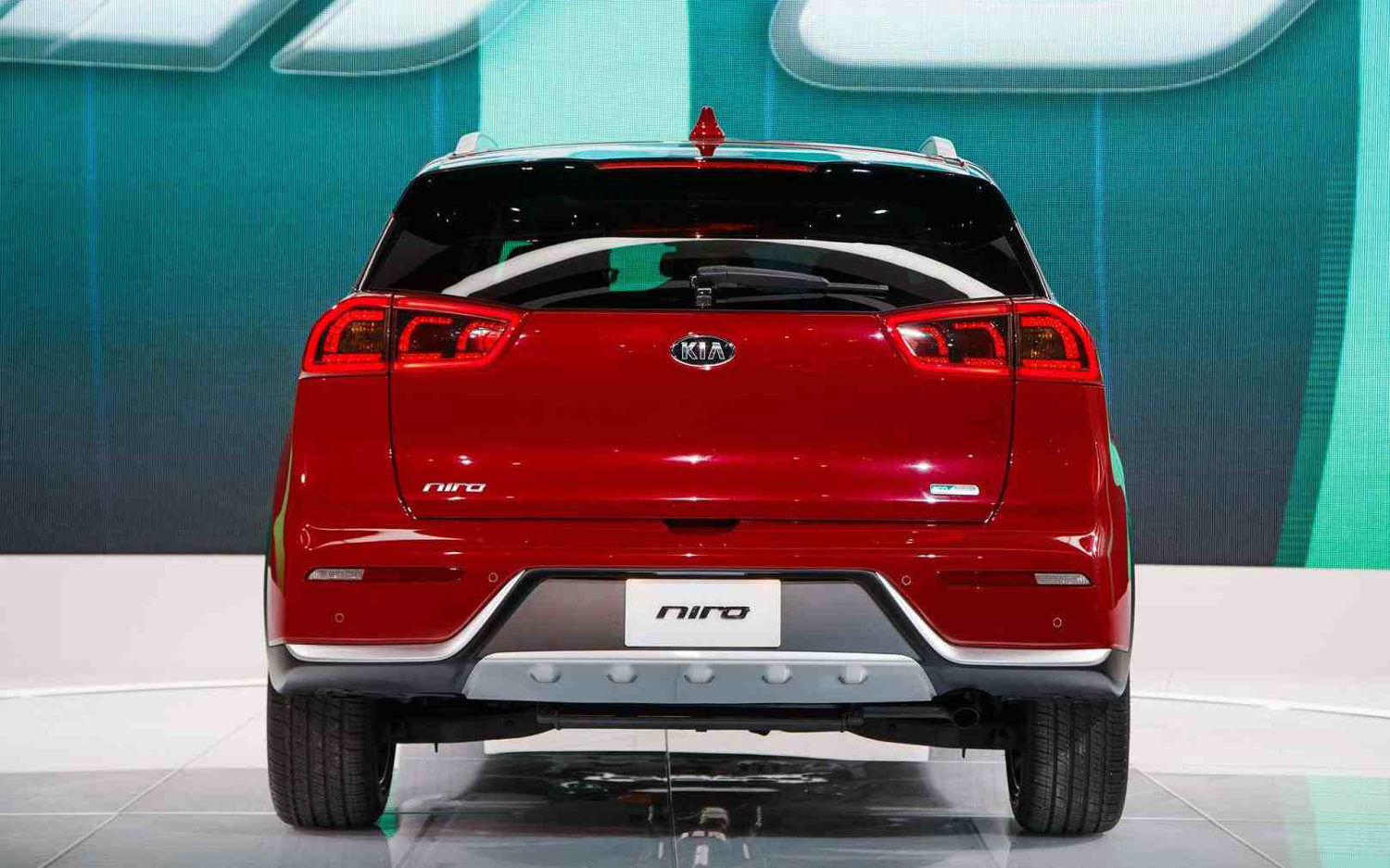
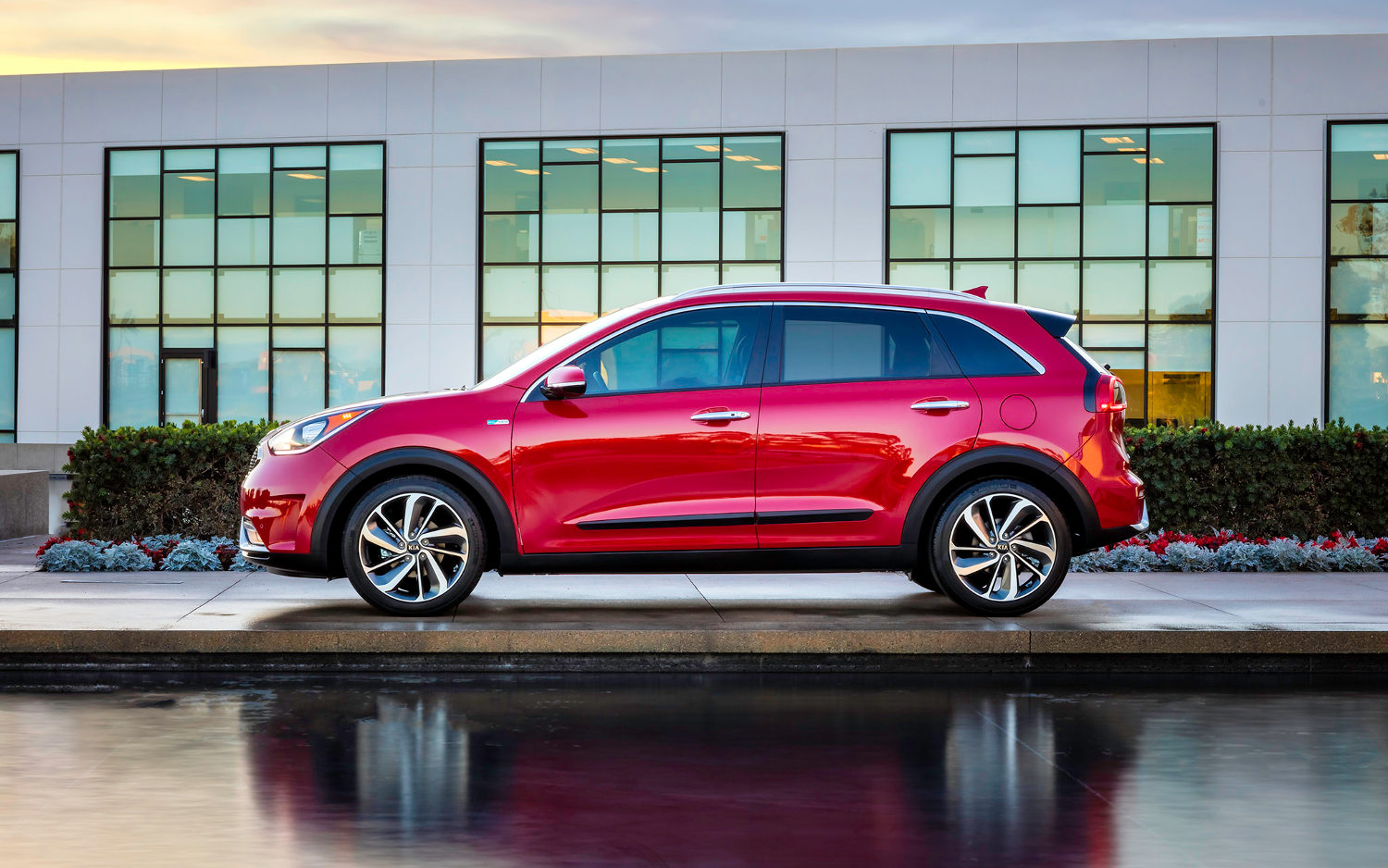
The all-new 2017 Kia Niro is classified as a compact hybrid crossover SUV, though it really functions more like a hatchback. Your view of the road is marginally higher because of the Niro's elevated stance, but Kia doesn't offer the Niro with all-wheel drive, so don't expect to be a snow-busting trailblazer in bad weather. The Niro's core appeal comes from its traditional exterior design (no "hybrid!" shouting here) as well as a new powertrain that is capable of returning up to an EPA-estimated 50 mpg in combined city/highway driving.
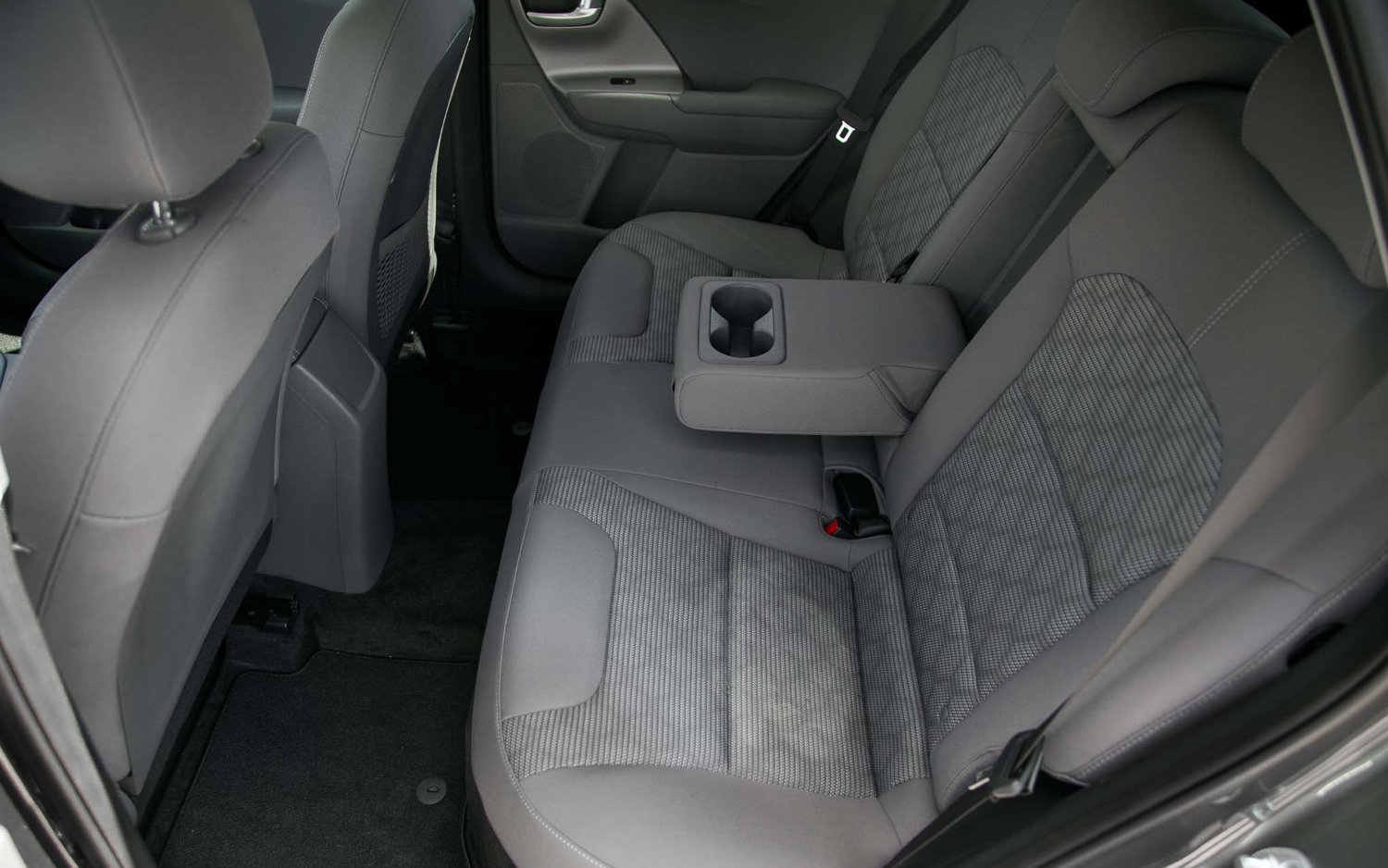
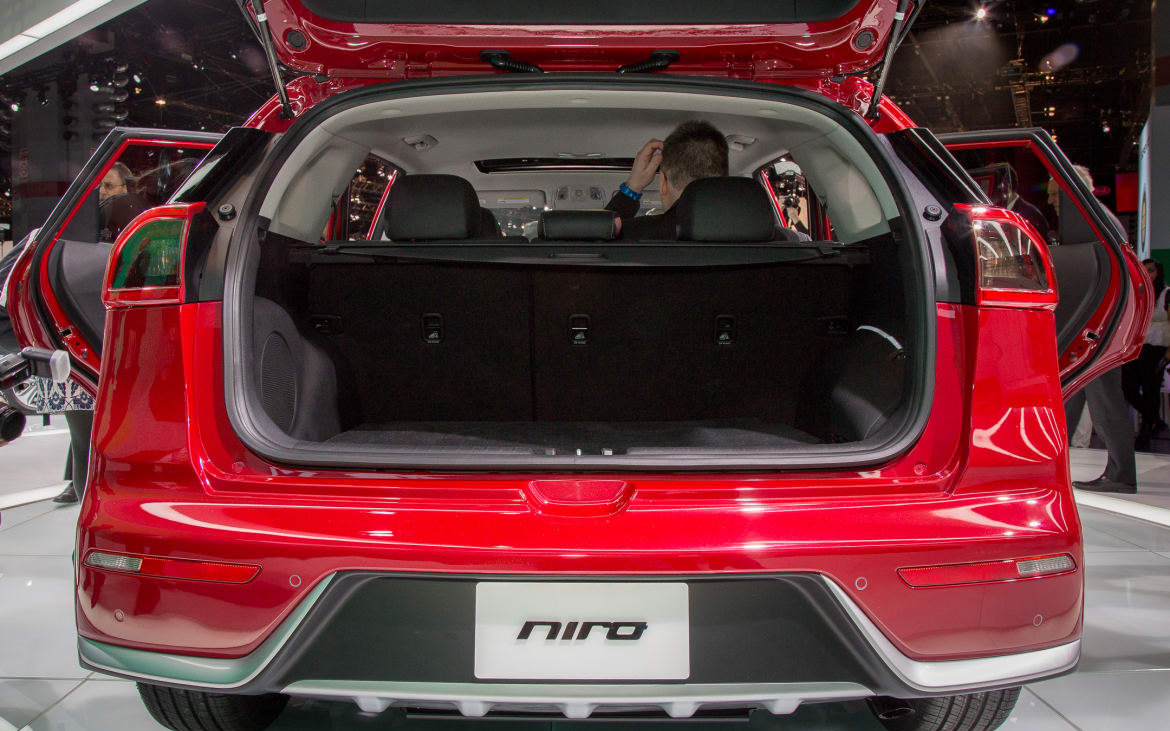
Pros: Impressive fuel economy from the base trim model Six-speed transmission shifts like a conventional car's One of the more affordable hybrids in the segment Batteries are hidden under the rear seat and don't affect cargo space
Cons: All-wheel drive isn't offered despite the crossover styling Smaller cargo space compared to some rival models The Niro's Touring trim sacrifices some fuel efficiency
By calling it a crossover, the Korean brand also wants to get in the minds of the consumer wanting more utility. We all know crossover sales are booming, and part of their likeability is their higher ride height and boxy, useable interior space. But after spending a full day driving the Niro in Texas Hill Country, the question stuck in my head was whether it is really a crossover. The Niro is just 3.3 inches taller and has the same ground clearance as the Hyundai Ioniq, which it shares its platform with. And in terms of passenger volume, the Niro has only a small advantage, encasing 97.1 cubic feet versus the Ioniq’s 96.2 cubic feet. Although its two-box design might help its case for being a crossover, I suspect most will just see it as a lifted hatchback.
You shouldn’t have any nasty surprises, either. Kia was rated as above average in our most recent reliability survey and the Niro also gets a seven-year/100,000-mile warranty – a class-leading feature.
Pros: Low CO2 emissions Spacious interior Long warranty
Cons: More conventional rivals are cheaper Not much fun to drive Firm low speed ride