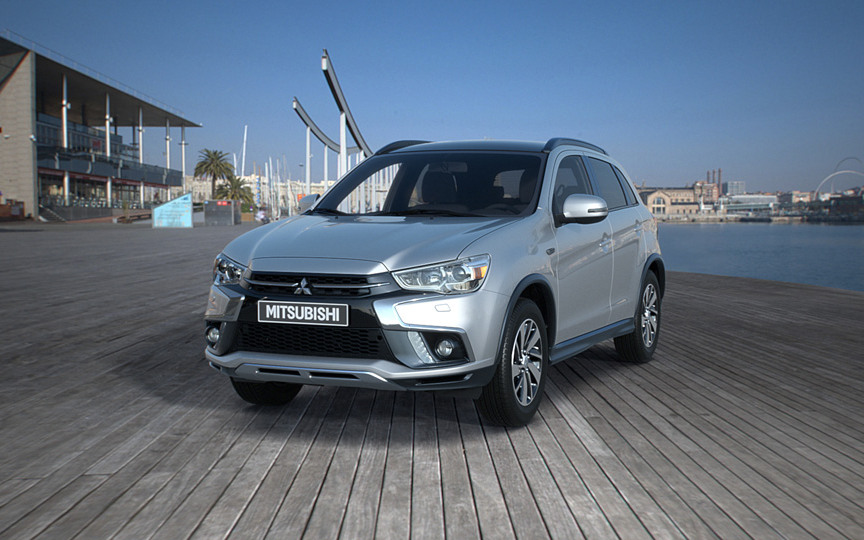
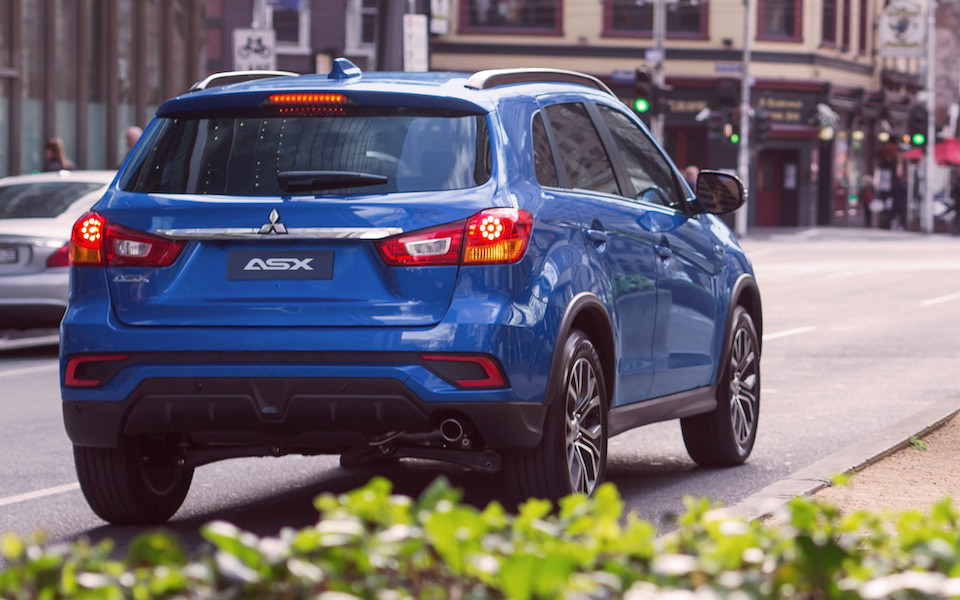
The Mitsubishi ASX doesn’t get the pulse racing, and its size makes it better for inner-urban use than open road touring. Because fuel economy can suffer if the engine is required to work too hard, it’s also better suited to terrain where engine performance is less of an issue.
Pros Flexible, pragmatic interior Well-specified equipment list Goldilocks size for inner-urban use
Cons Outdated material and build quality Drivetrain really lacks verve NVH and wind noise
Pros Phone integration; spacious interior; five-year warranty.
Cons Tyre noise.
The Mitsubishi ASX is a compact SUV that is, well, a little bit boring – something that matters in a class full of funky rivals such as the Renault Captur, Peugeot 2008 and Honda HR-V.
Pros Low running costs Roomy interior Decent levels of kit
Cons Not game changing Not very stylish Plasticky interior
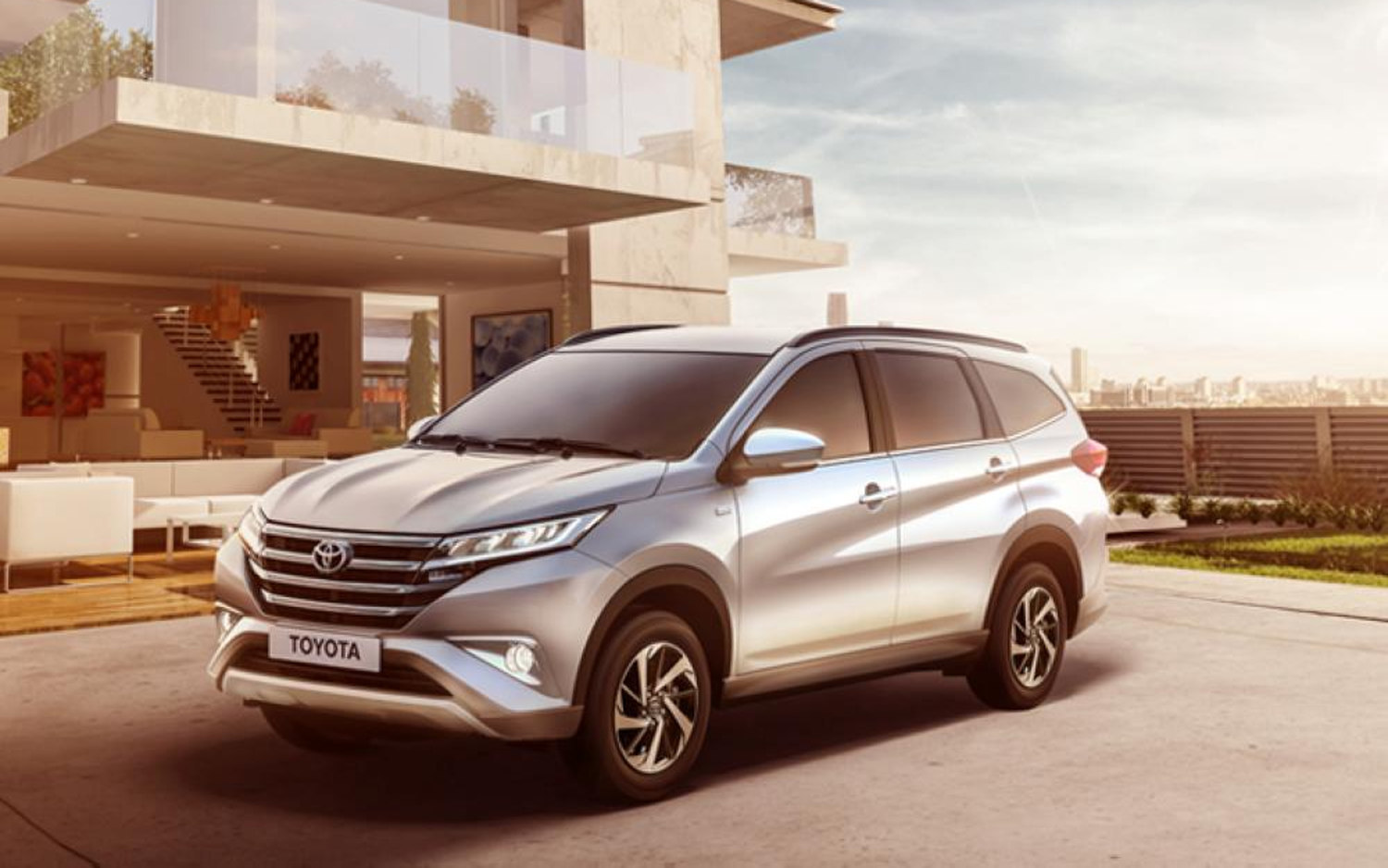
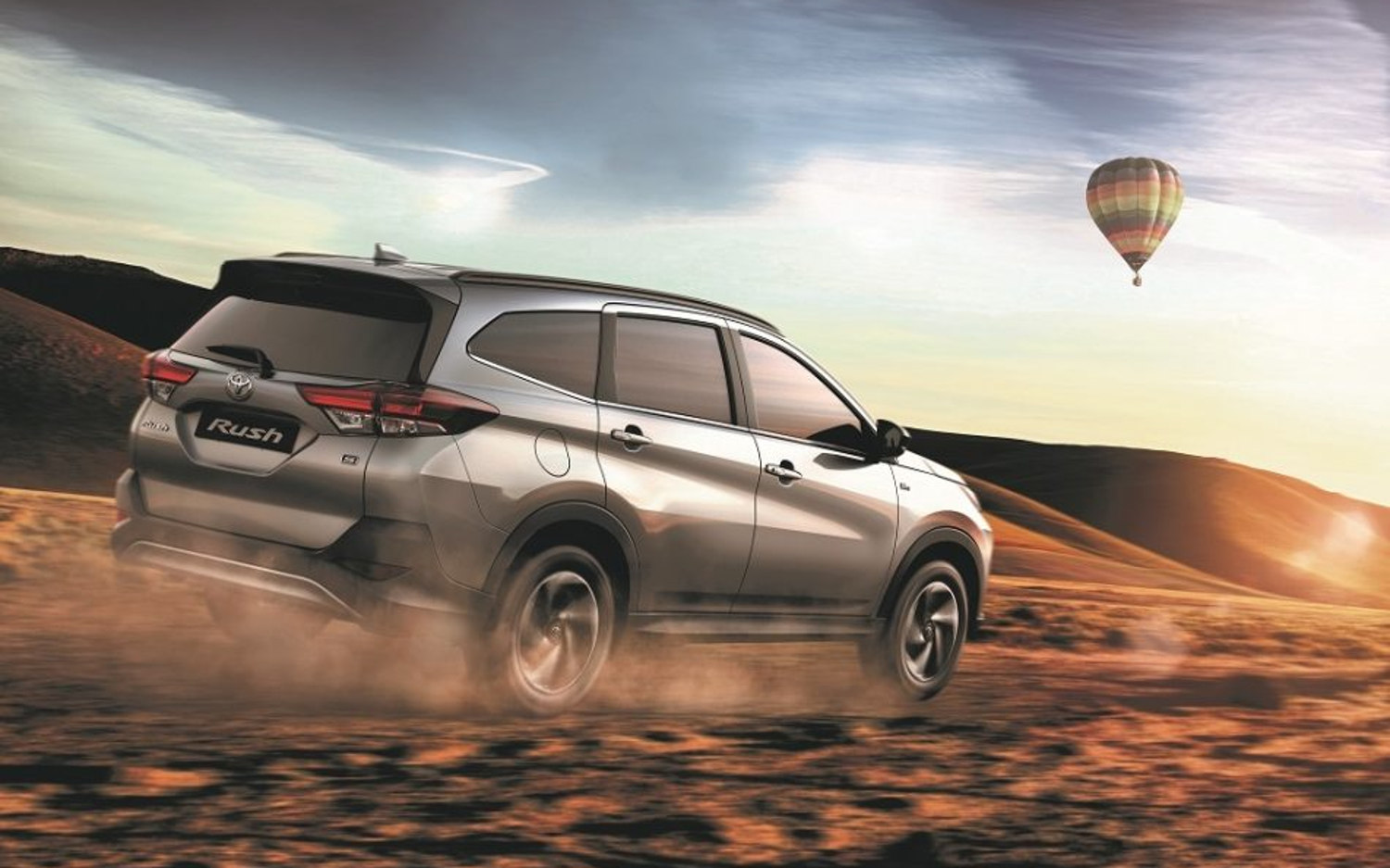
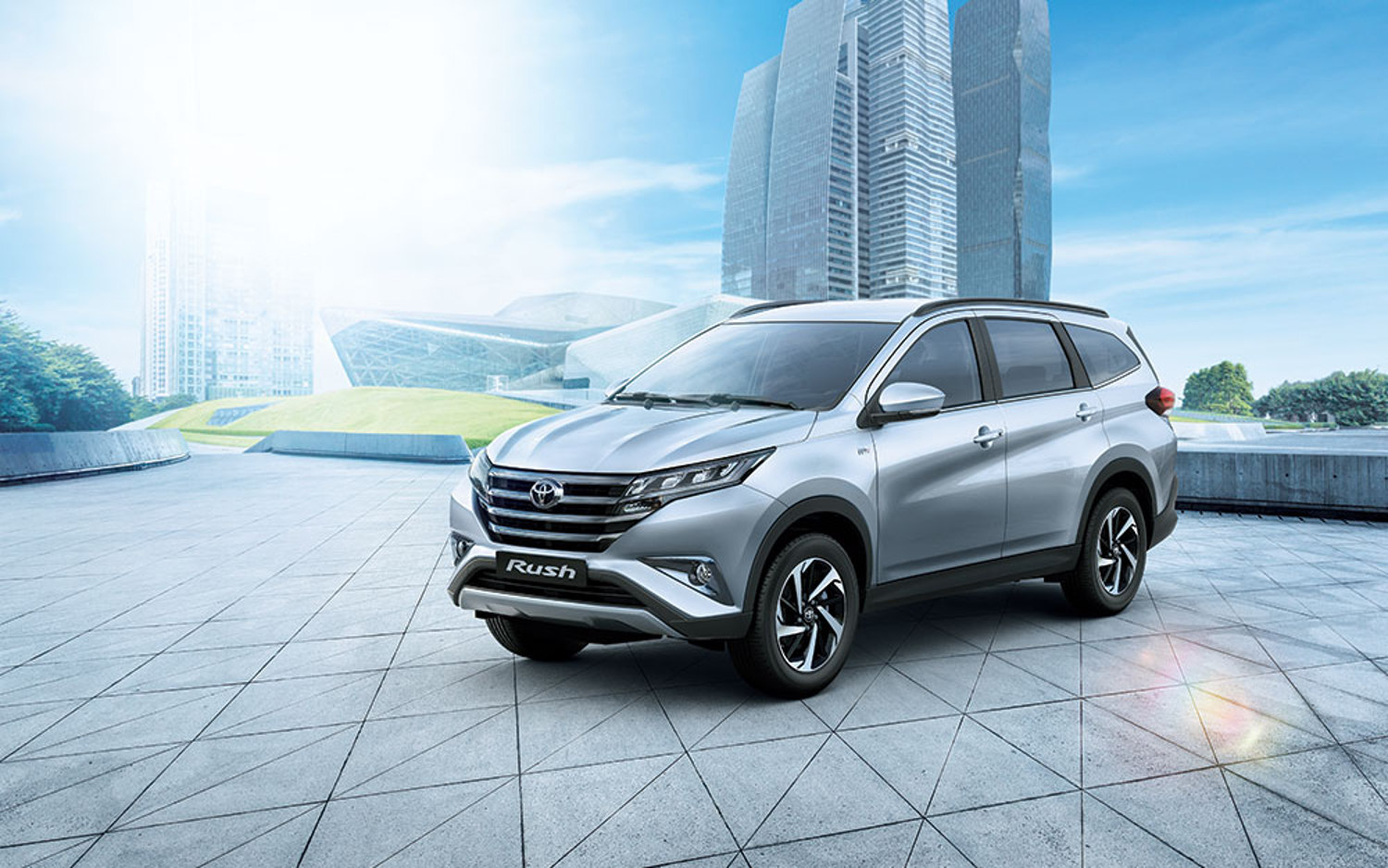
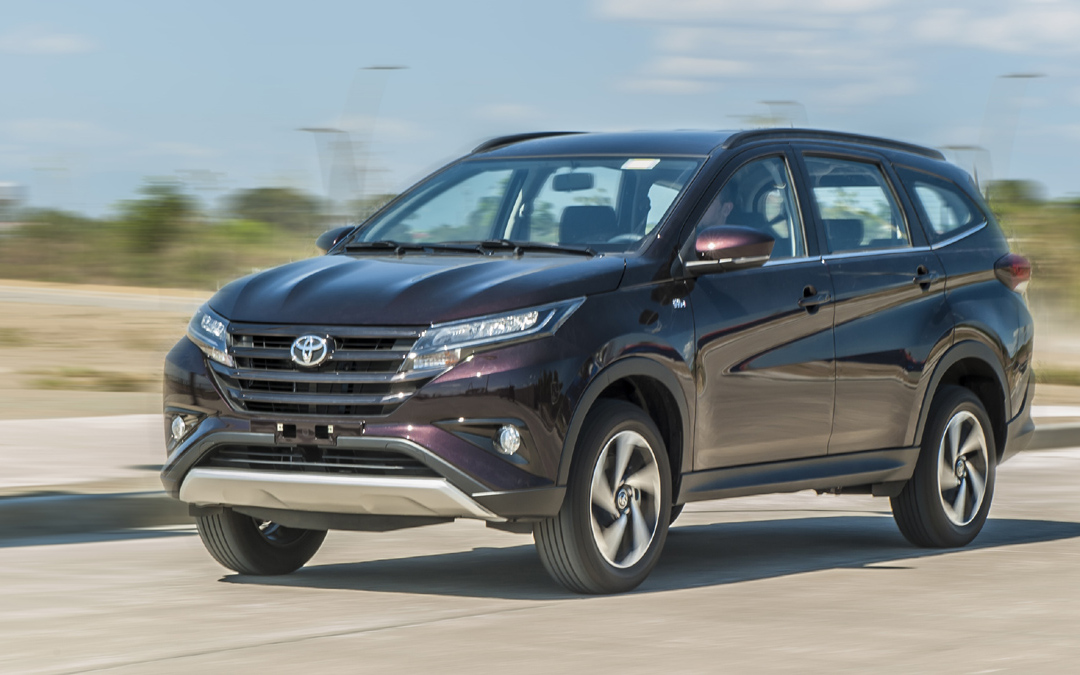
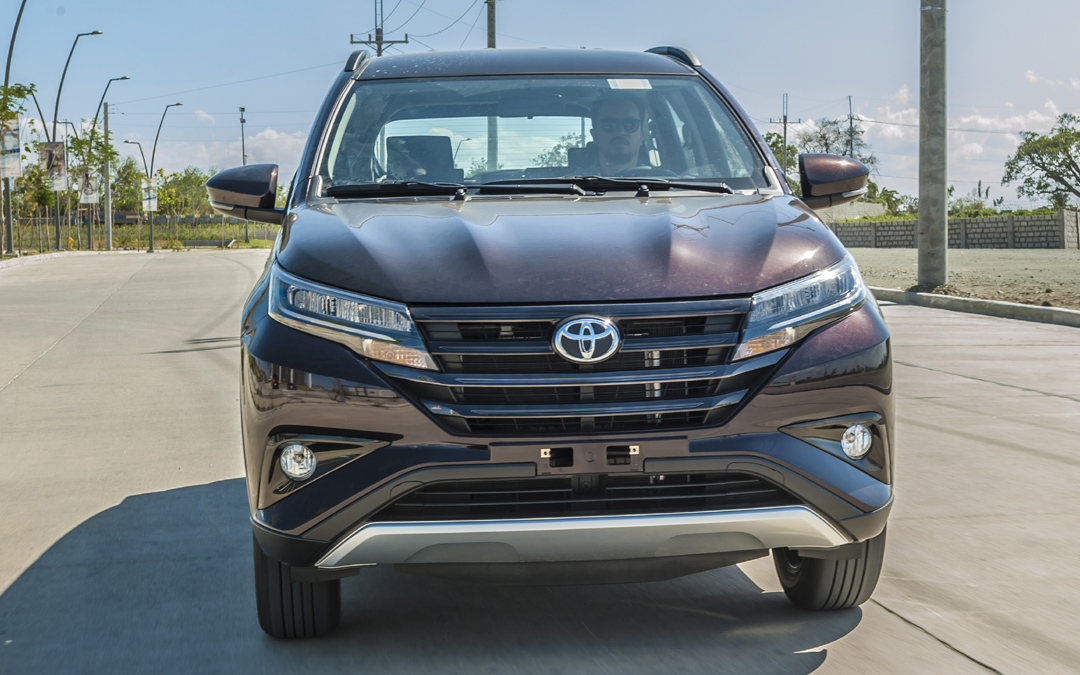
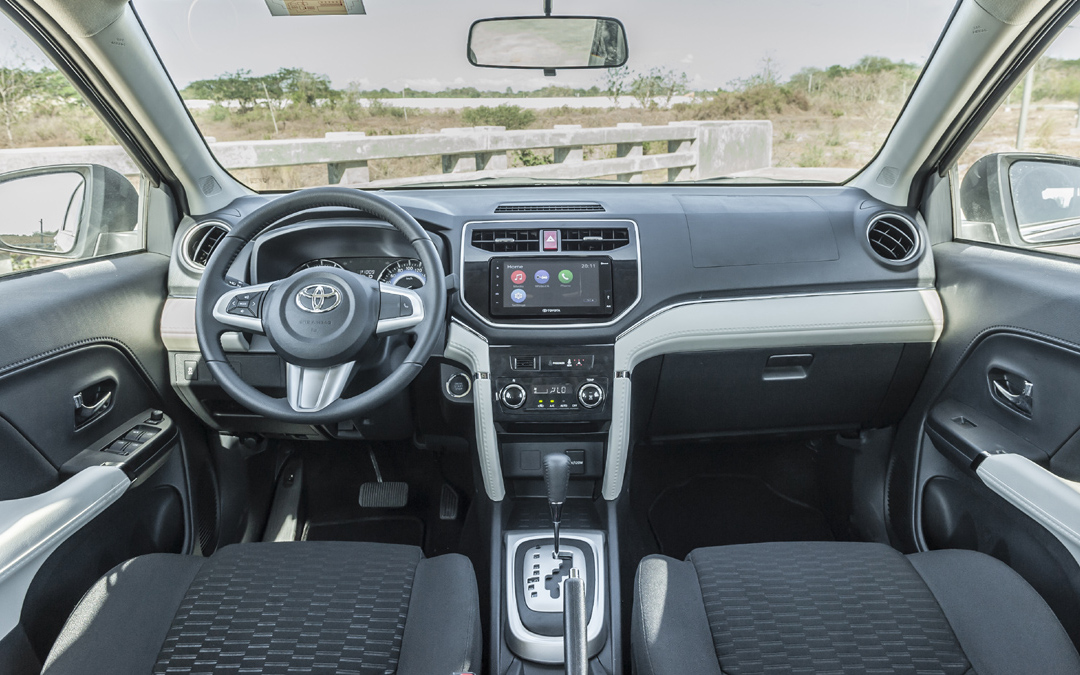
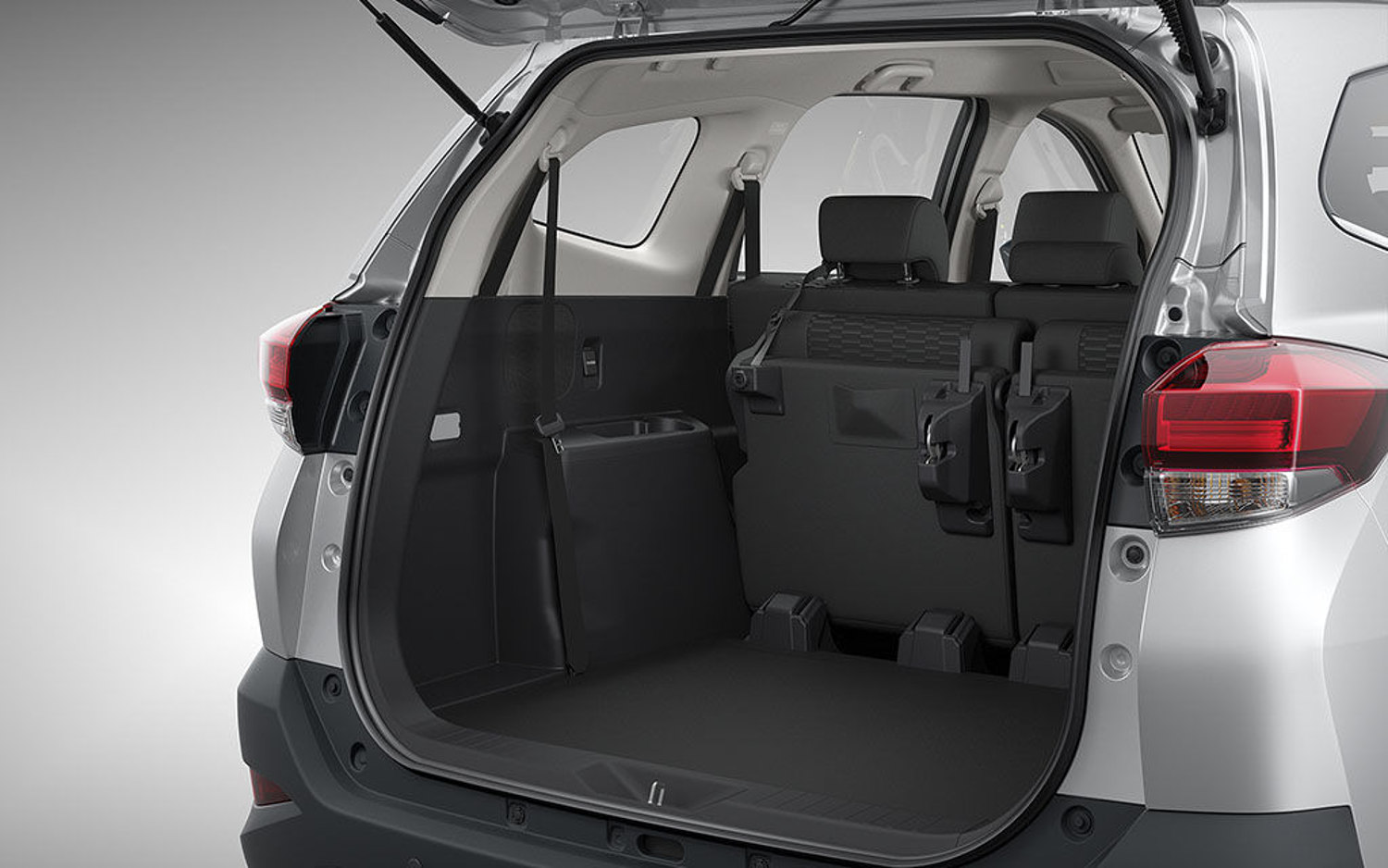
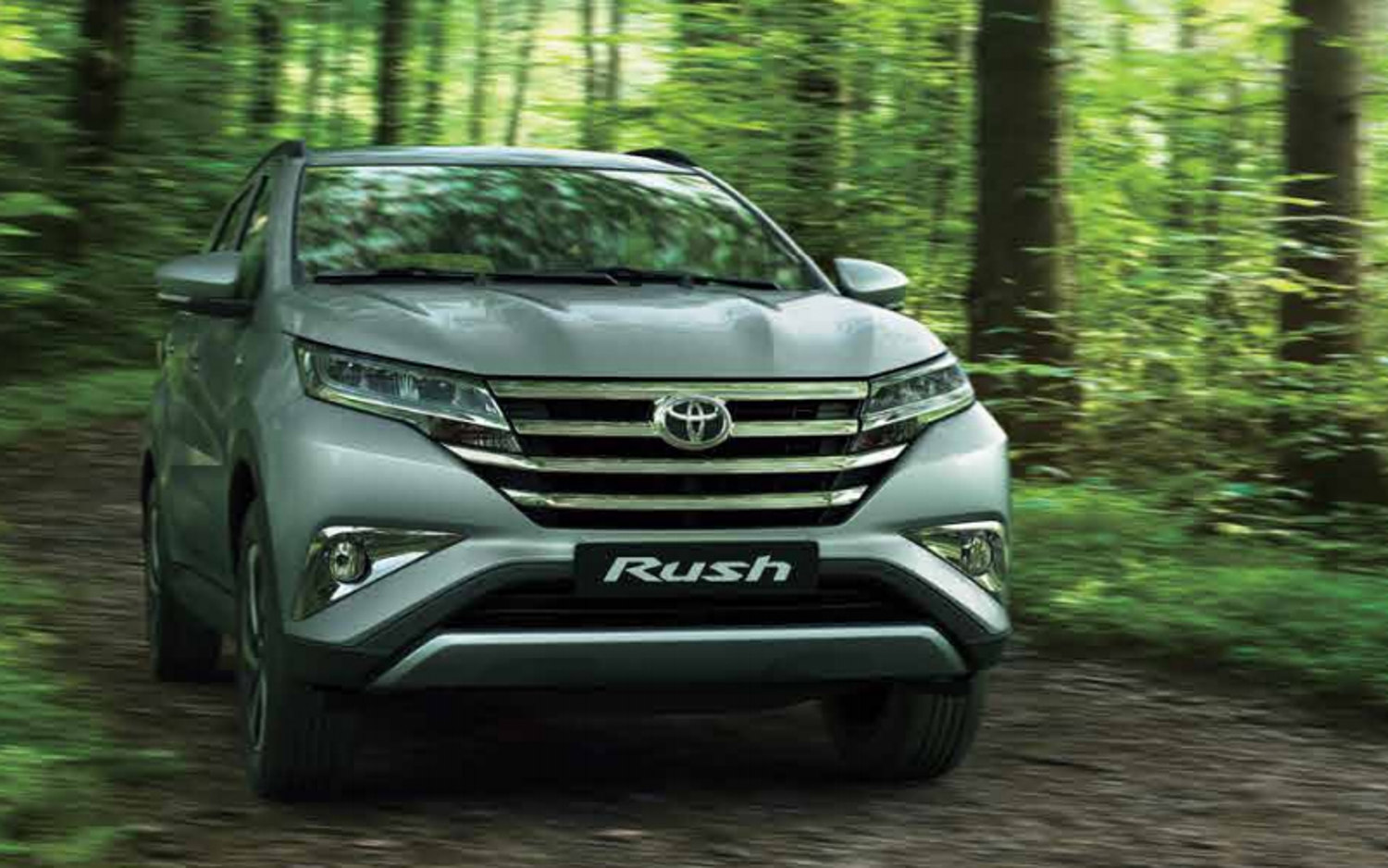
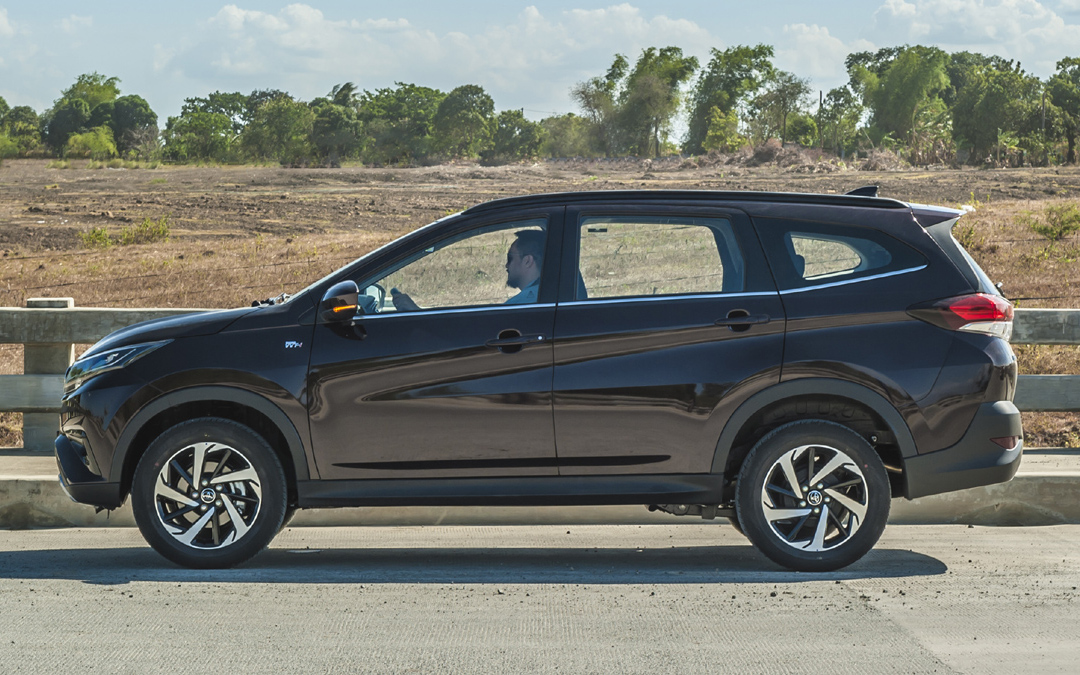
The top-of-the line variant is equipped with smart entry; dual A/C; eight speakers, 17-inch alloys; the highest ground clearance in its class; and count them, 13 cup holders! Apparently, hydration is a big deal in Indonesia—the country where the Rush is built. There’s also an AC power port on each row, so that every passenger can charge their devices. The high-tech stuff comes in the form of traction control and hill-start assist. And the brake lights are LEDs with an emergency stop function. The head unit is of the touchscreen variety, with a setting that can mirror your smartphone. The Rush is easy to maneuver, thanks to its tiny turning radius. When it comes to safety, it has traction control; hill-start assist; six airbags; and an exceptional crash rating. It really feels like a high-riding Vios, though. It is pretty cool to see the subcompact sedan’s engine sitting longitudinally—there’s so much space for working under the hood, by the way—and the likeness goes all the way into the interior. The dashboard has the same kind of faux stitching on the dashboard. Other niggles are the tilt-only steering column, and the basic four-speed automatic.