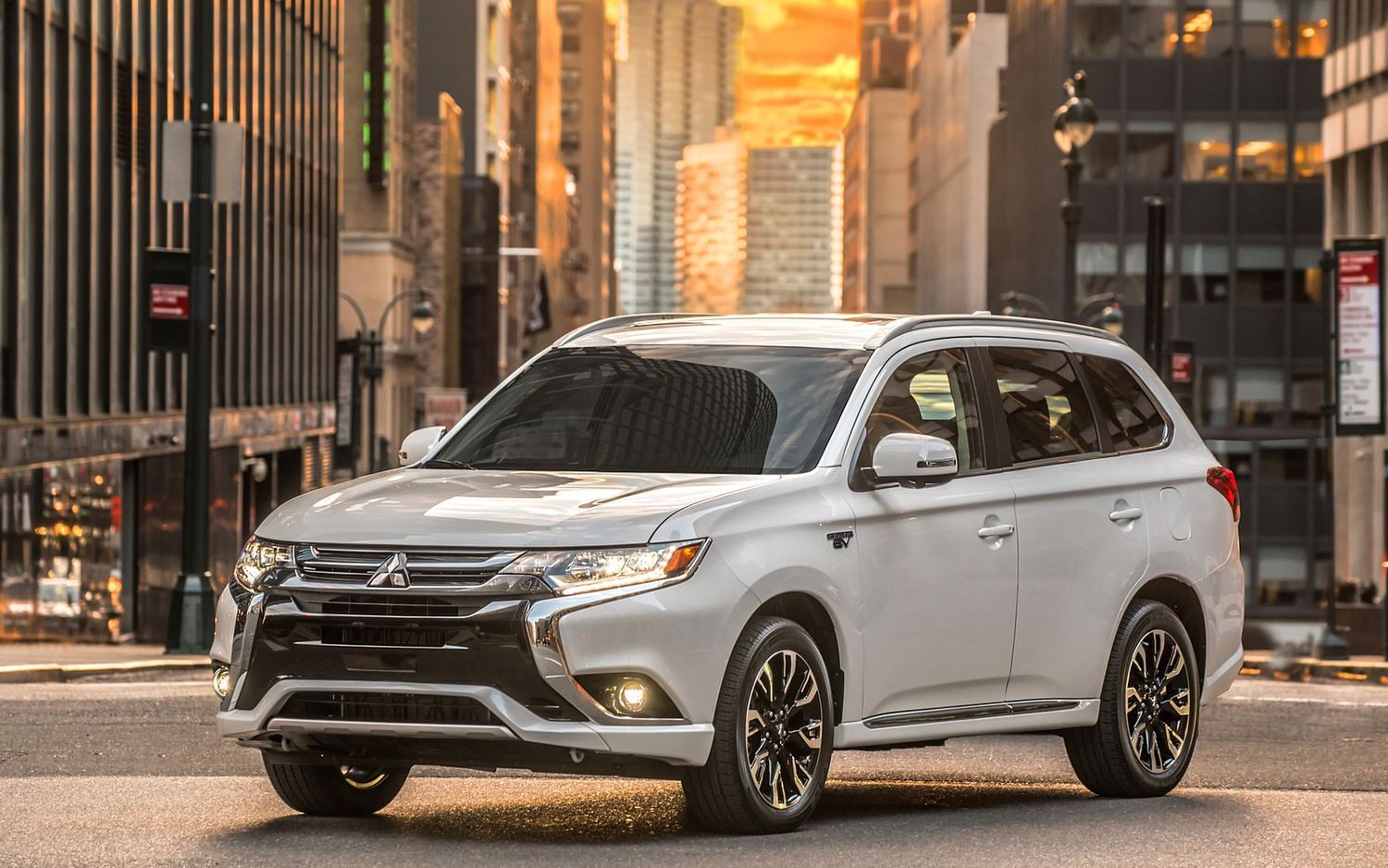
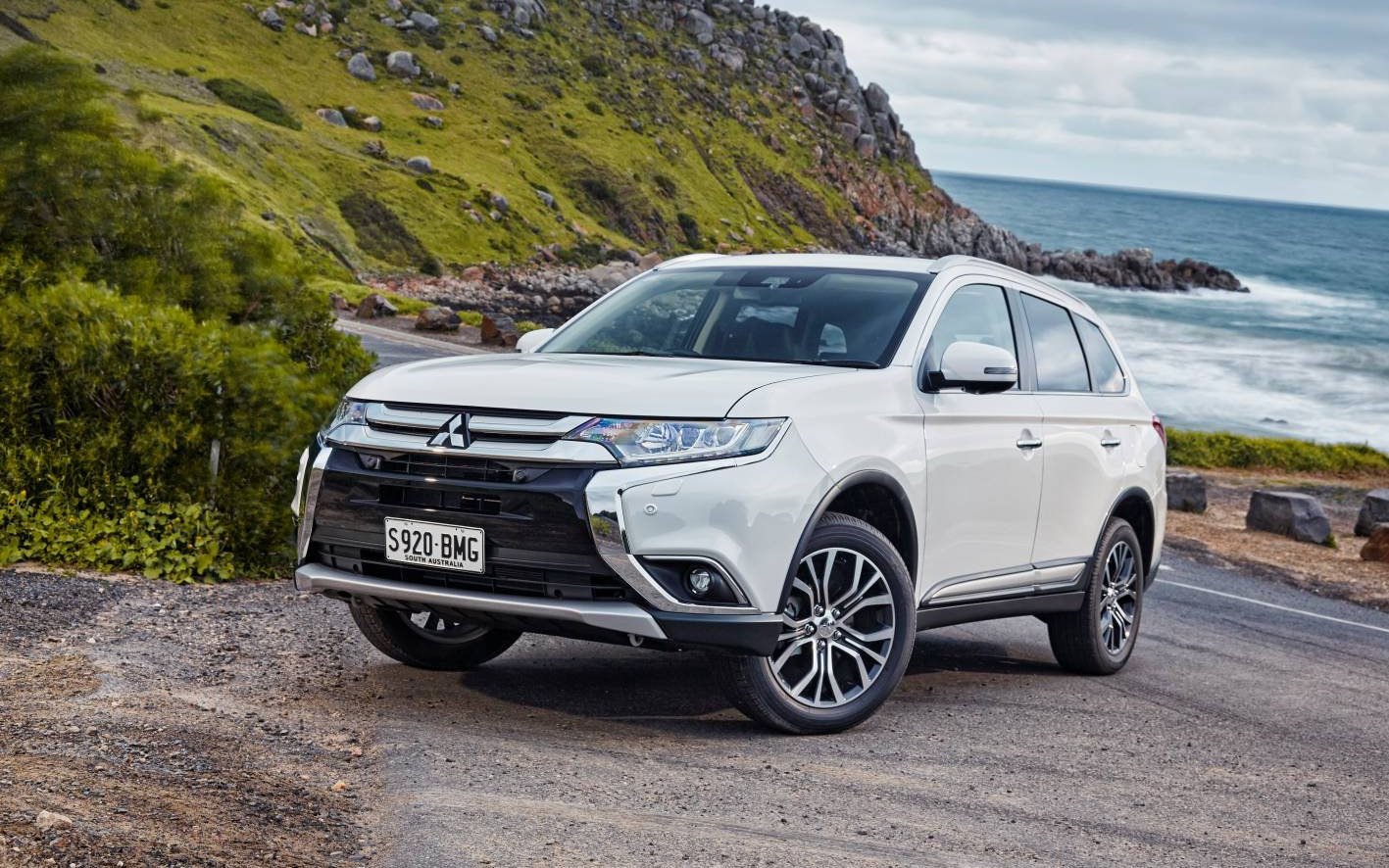
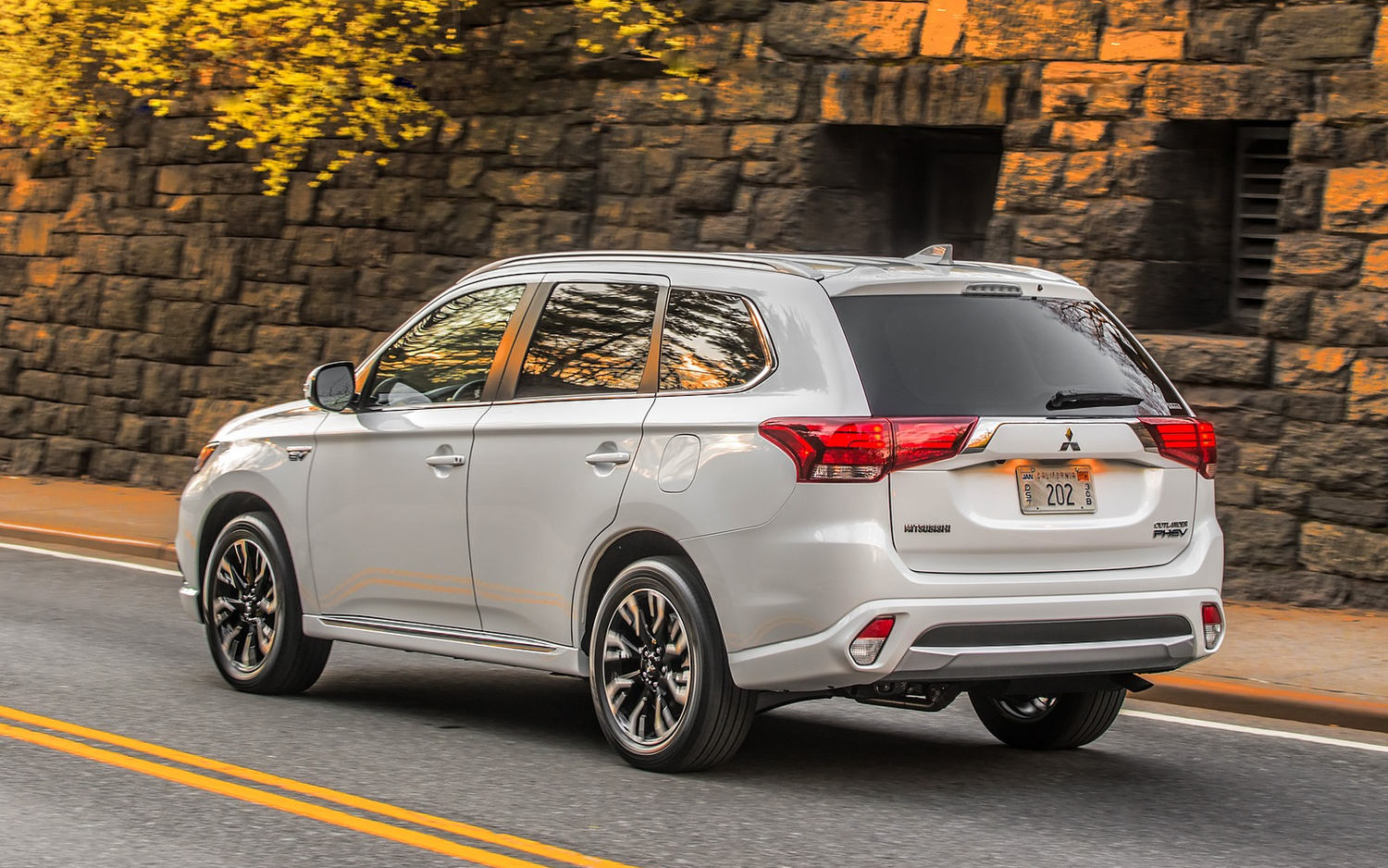
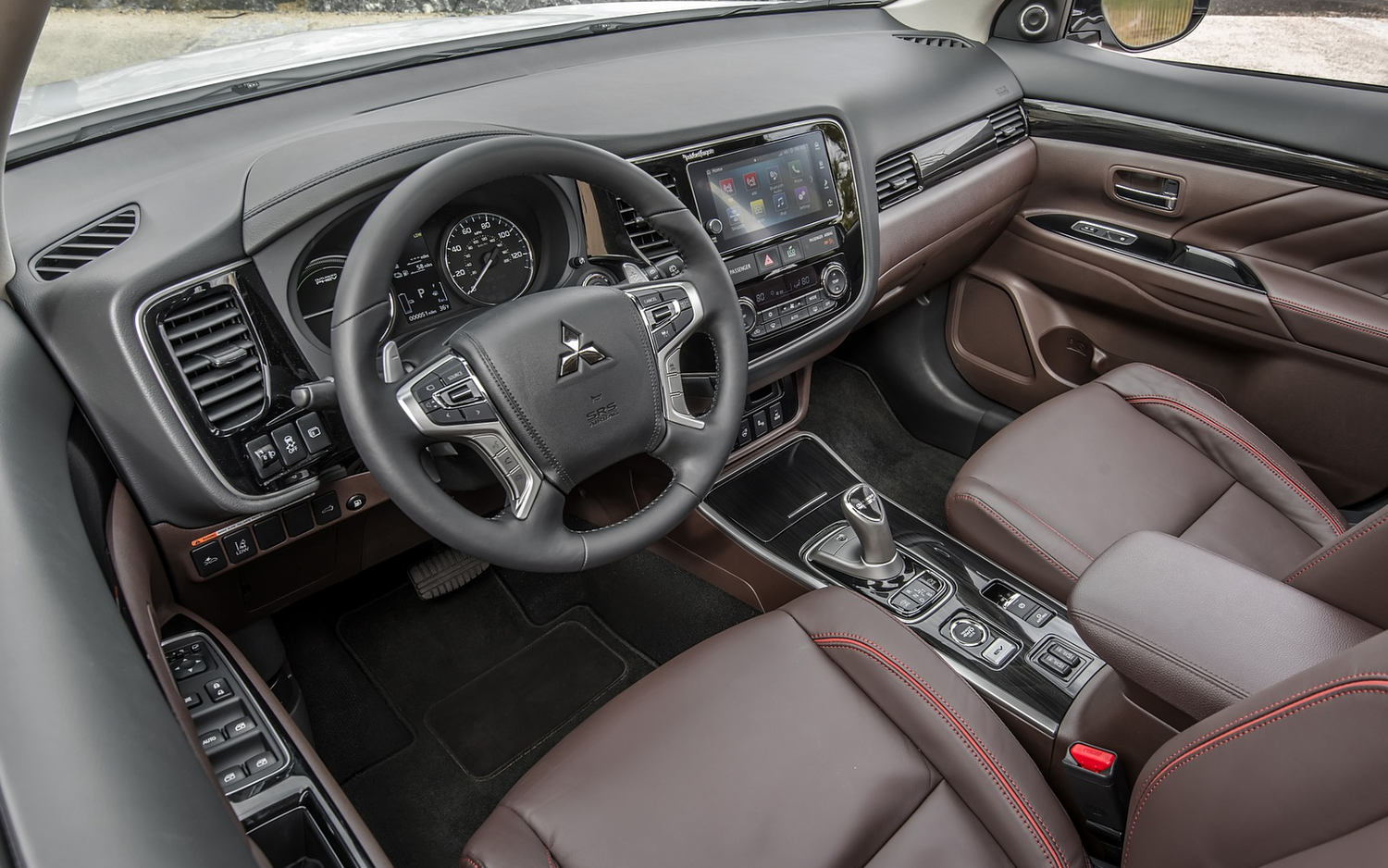
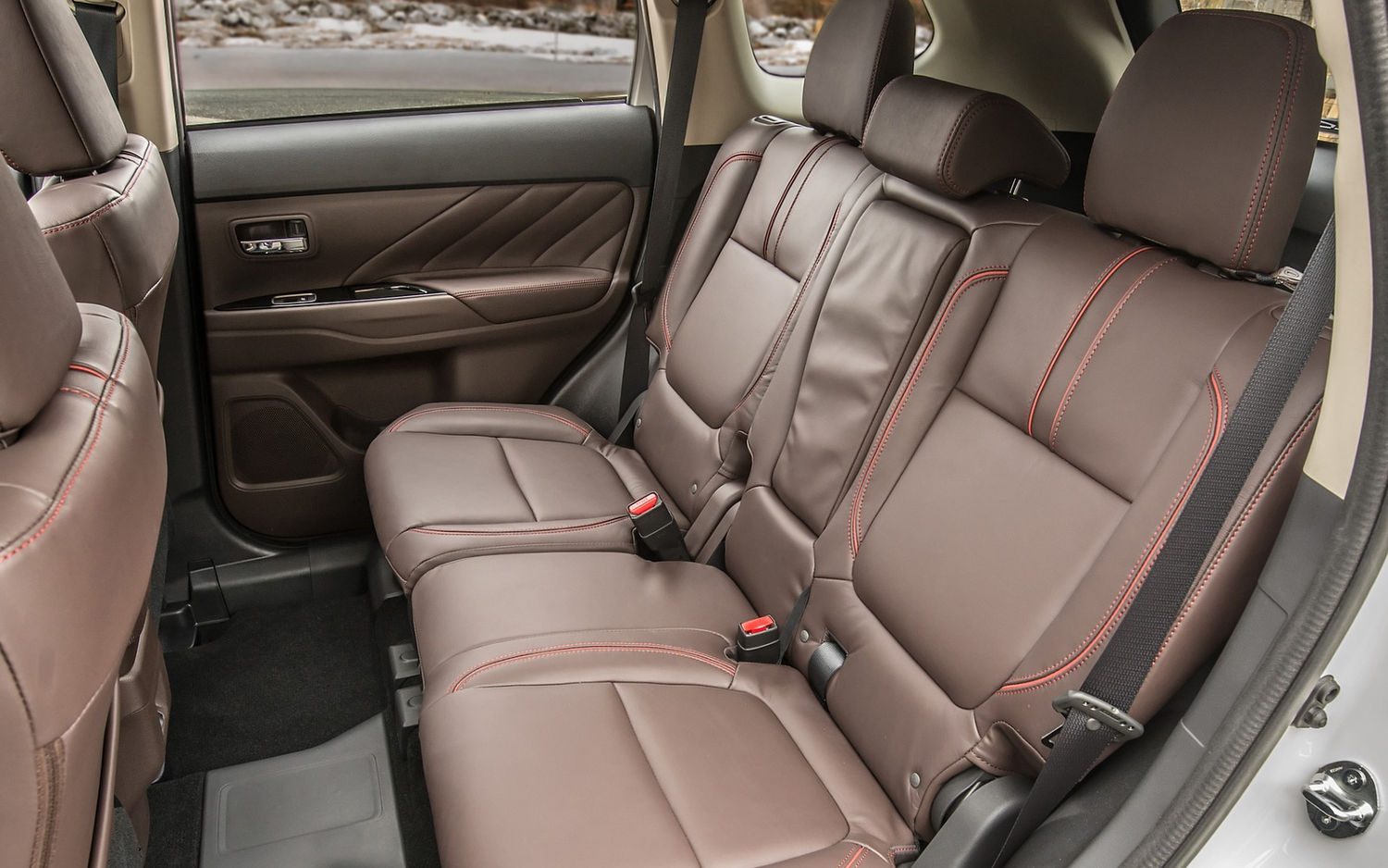
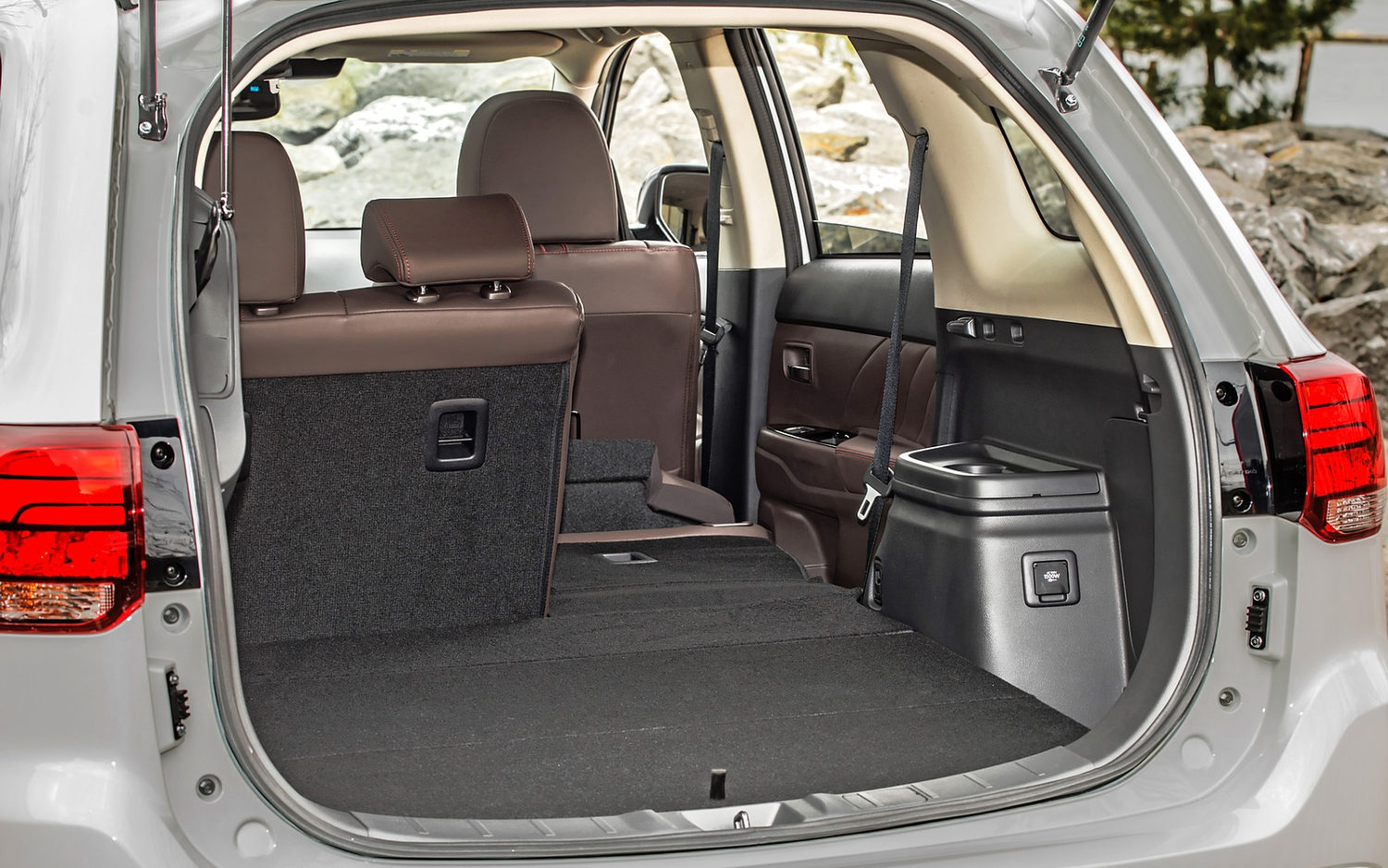
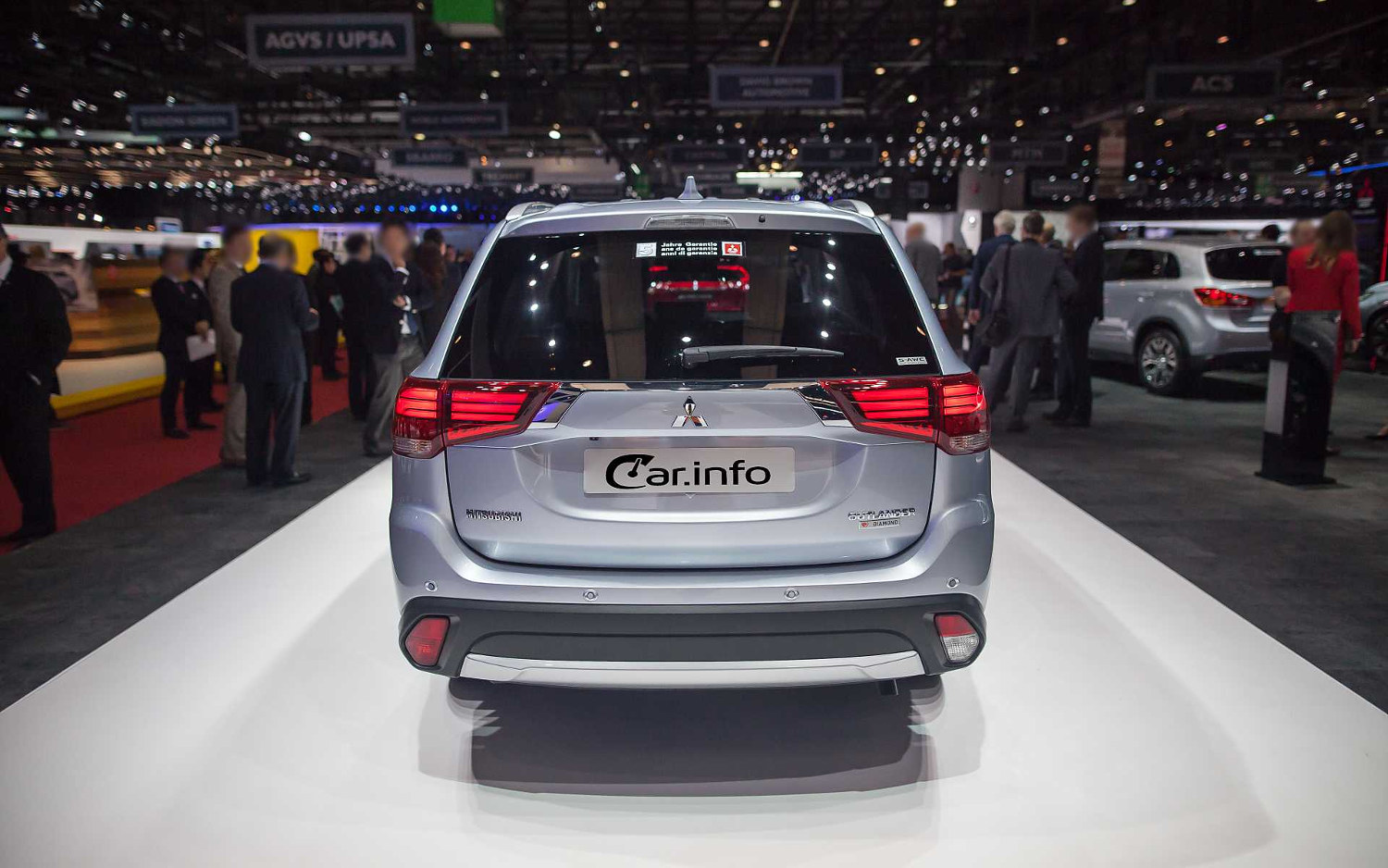
After a redesign just last year, the Mitsubishi Outlander gets a few more updates for 2017. The previously optional 6.1-inch touchscreen and rearview camera are now standard. New optional features include Apple CarPlay and Android Auto, automatic high beams, a 360-degree camera system and a heated steering wheel. Mitsubishi has also eliminated its optional navigation system from the options list. Finally, all-wheel drive is now available on the base ES trim.
Pros Generous list of standard features Standard three-row seating.
Cons Slow acceleration with the base four-cylinder Some desirable features are available only on pricey and thirsty GT Limited Mitsubishi dealer network.
The 2017 Mitsubishi Outlander provides functional family appeal for a reasonable price, but the powertrains are weak, the third-row seat space is tiny, and the infotainment features are behind the times.
Pros Pleasant ride Available active safety features Third-row seat can be used in a pinch Advanced all-wheel-drive system available Quiet cabin
Cons V-6 model too expensive Bland, unassuming looks Infotainment behind the curve Tiny third row
The 2017 Mitsubishi Outlander ranks 17 out of 18 Compact SUVs. The 2017 Mitsubishi Outlander has a high-quality interior and confidence-inspiring safety scores. It's also one of few compact SUVs that comes with a third row of seats, but they're too small for adults. It all goes downhill from there: dull performance, a rough ride, a hard-to-use infotainment system, and subpar predicted reliability.
Pros Quiet cabin High-quality interior materials Standard third-row seating
Cons Poor reliability rating Underpowered engine Rough ride Few standard features
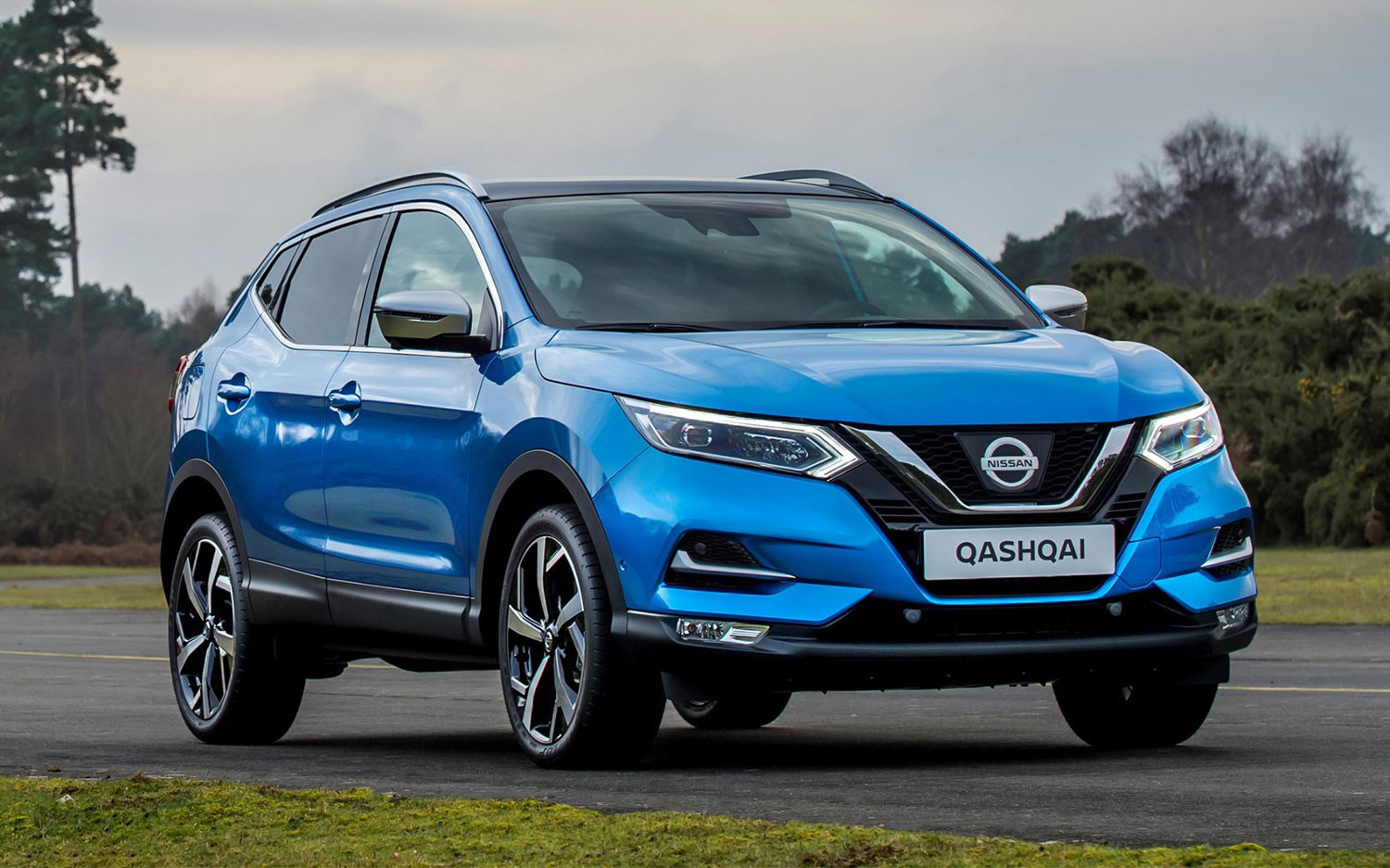
The Qashqai is certainly one of the bigger cars in the small SUV class.There might be four models, but there are three specification levels. The ST has cloth trim, cruise control, air-conditioning, some fake leather bits and pieces, reversing camera, halogen headlights, four speaker stereo and 17-inch alloy wheels.
Pros Big interior Excellent build quality Comfortable ride
Cons Interior missing some tech toys Diesel servicing costs Fuel consumption high (no stop-start to reduce it)
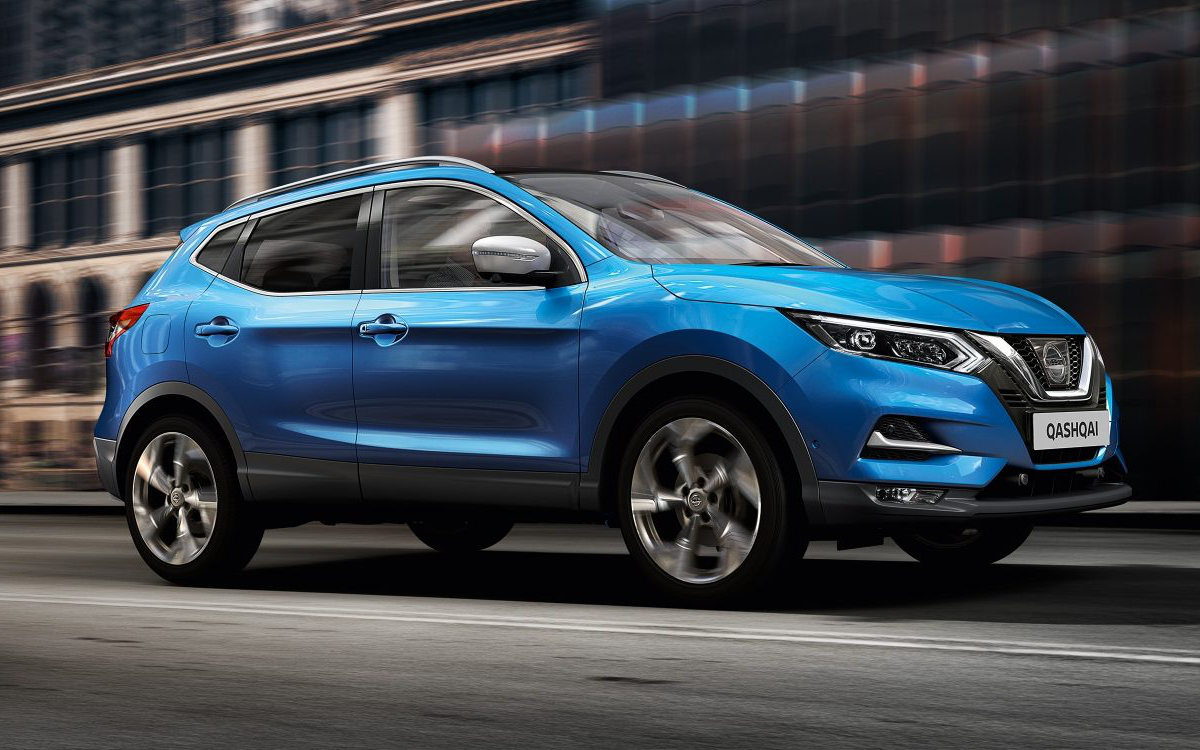
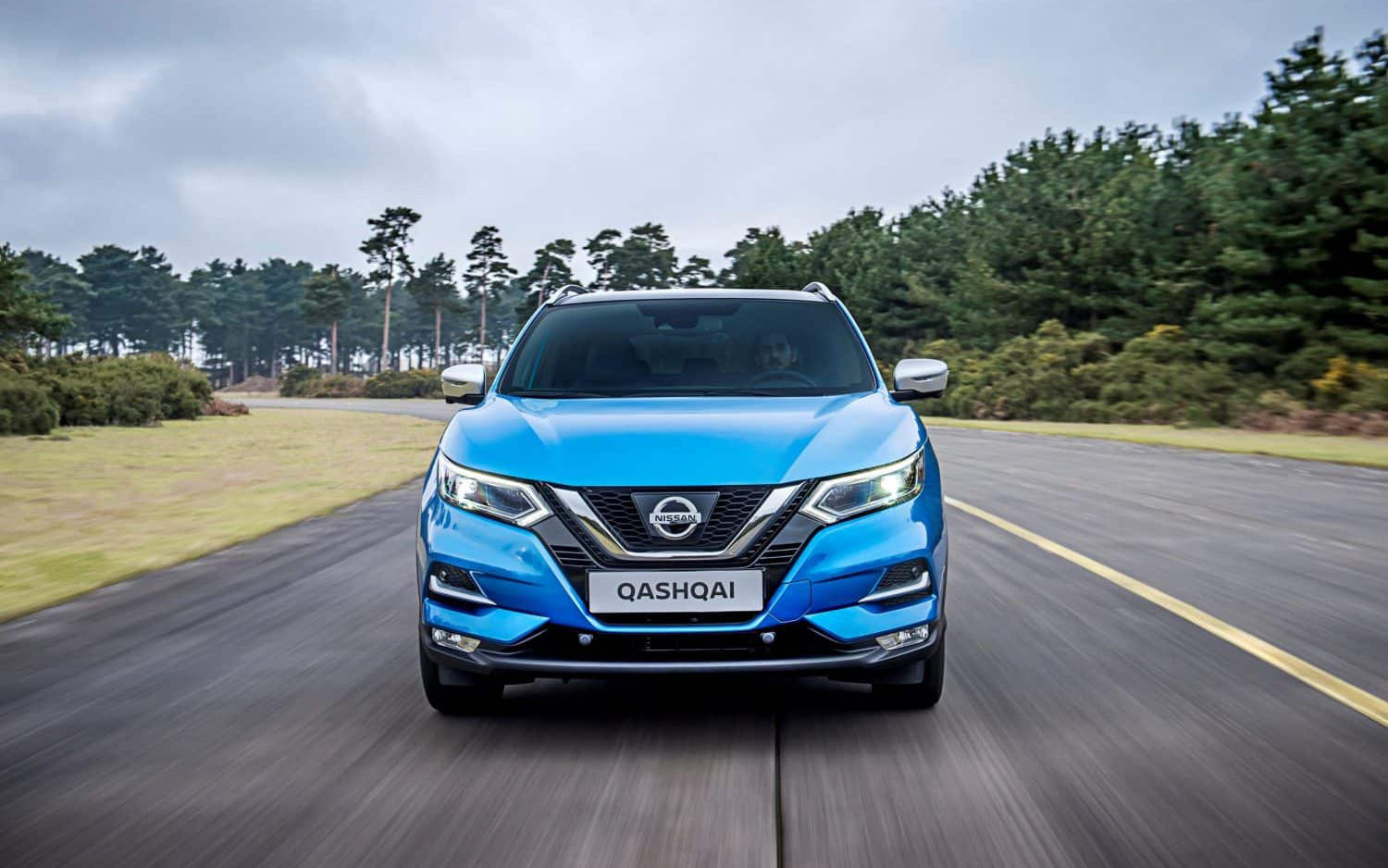
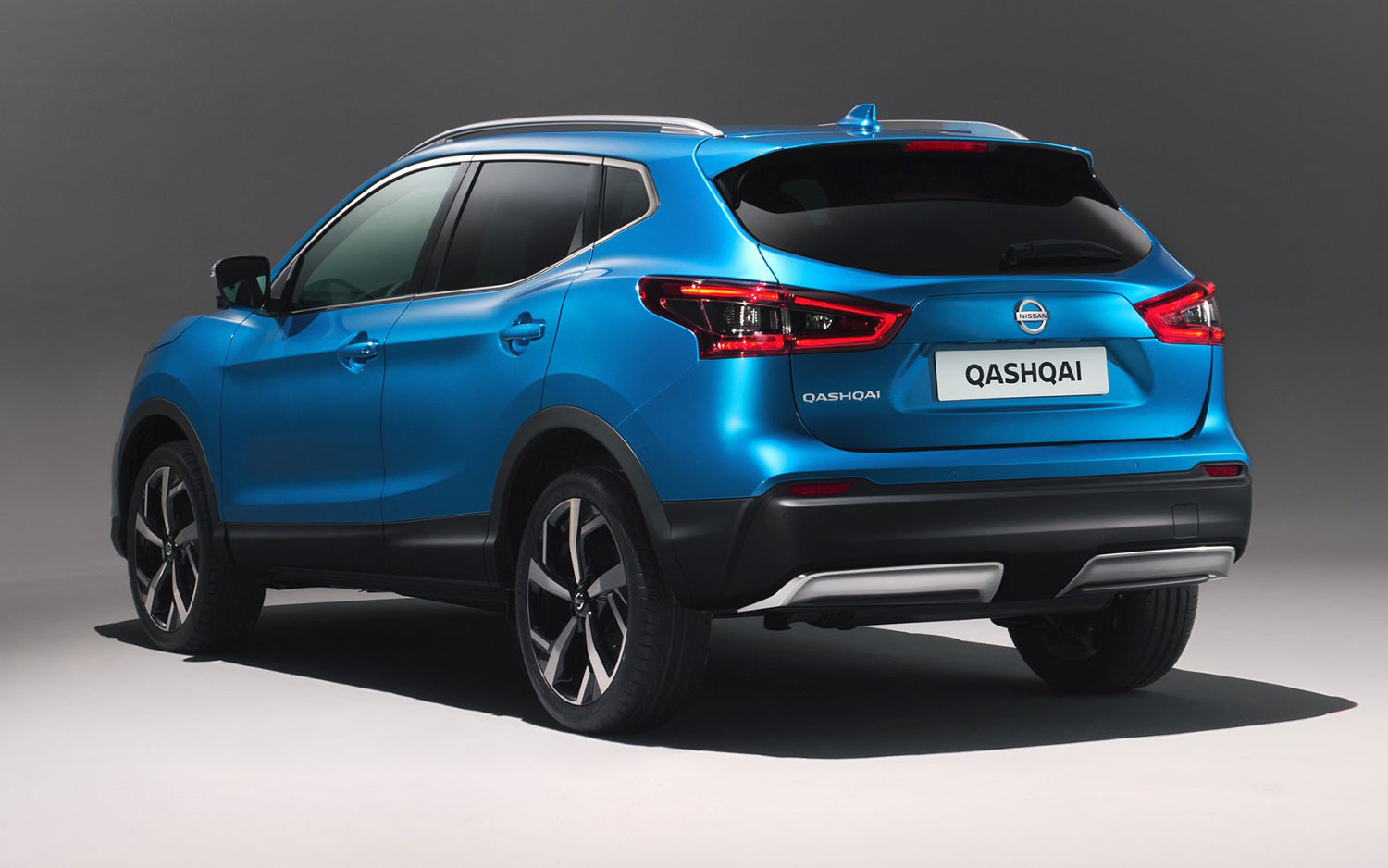
This is the facelifted Nissan Qashqai, which has been unveiled at the Geneva Motor Show. More than 230,000 examples of the Qashqai were sold in Europe in 2016, but that hasn’t stopped Nissan from giving the its family SUV a thorough overhaul. The headline change is the addition of autonomous driving tech called ProPILOT; by the end of the year, the Qashqai will have the ability to steer, accelerate and brake itself in a single lane on motorways. Nissan can’t yet say whether or not this will be standard on top trim levels, however. Nissan claims higher-quality materials give the SUV’s cabin a more premium feel. Visible changes include a new flat-bottomed multifunction steering wheel and a fresh user interface for the infotainment system. And a new range-topping Tekna+ grade has been added, bringing luxuries such as 3D-effect quilted leather upholstery.
The new Qashqai features modifications to the suspension and steering to improve comfort, while new insulating materials are claimed to make it more refined. No changes have been made to the range of turbocharged petrol and diesel engines, however, so buyers can choose from an entry-level 113bhp 1.2-litre petrol, a 161bhp 1.6-litre petrol, and 1.5 or 1.6-litre diesels. The 1.5 dCi 110 should be the cheapest to run, with CO2 emissions of 99g/km.