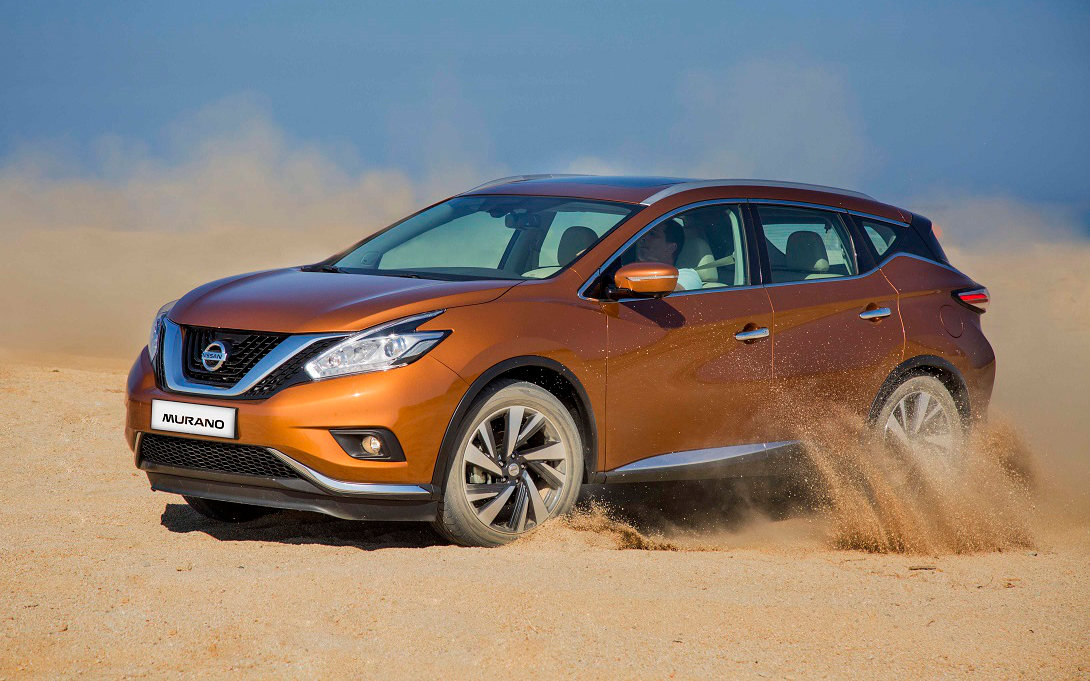
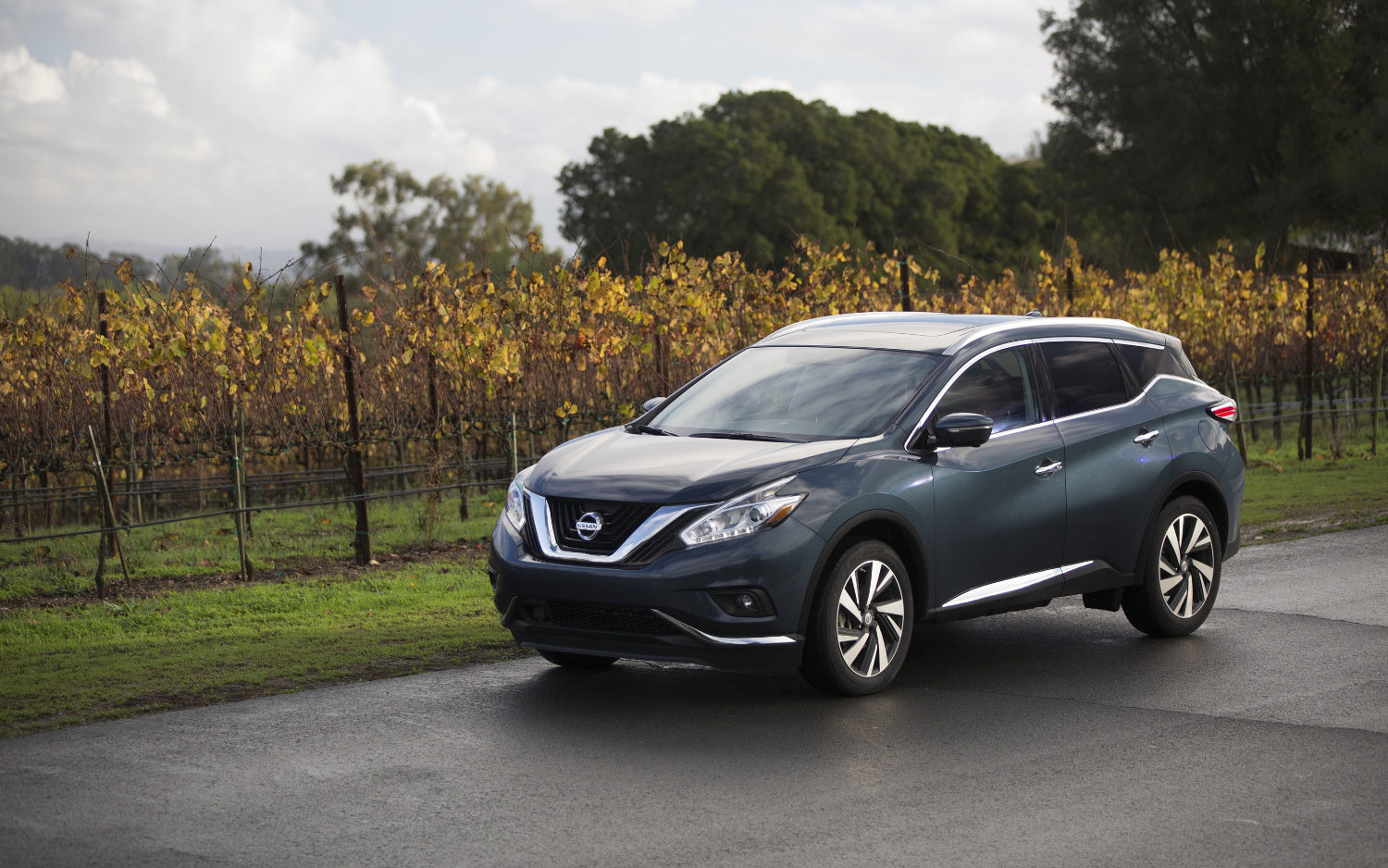
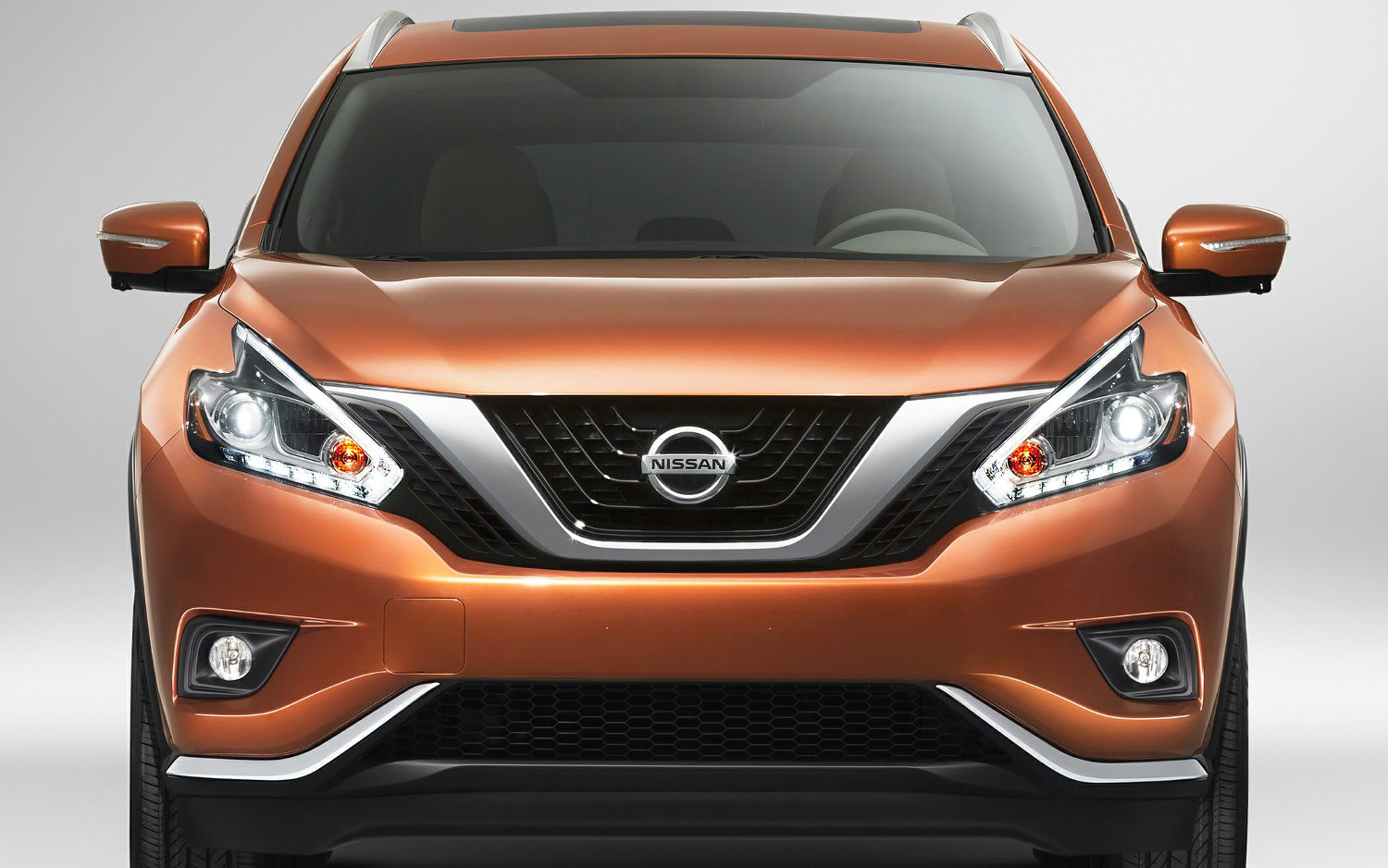
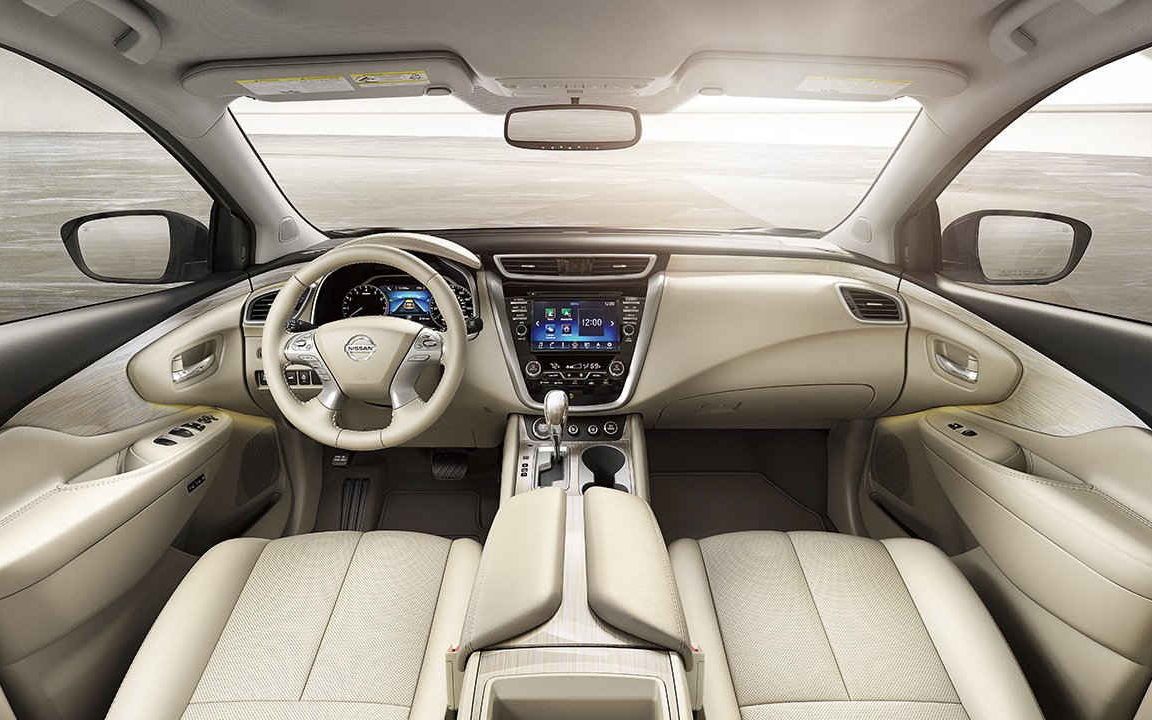
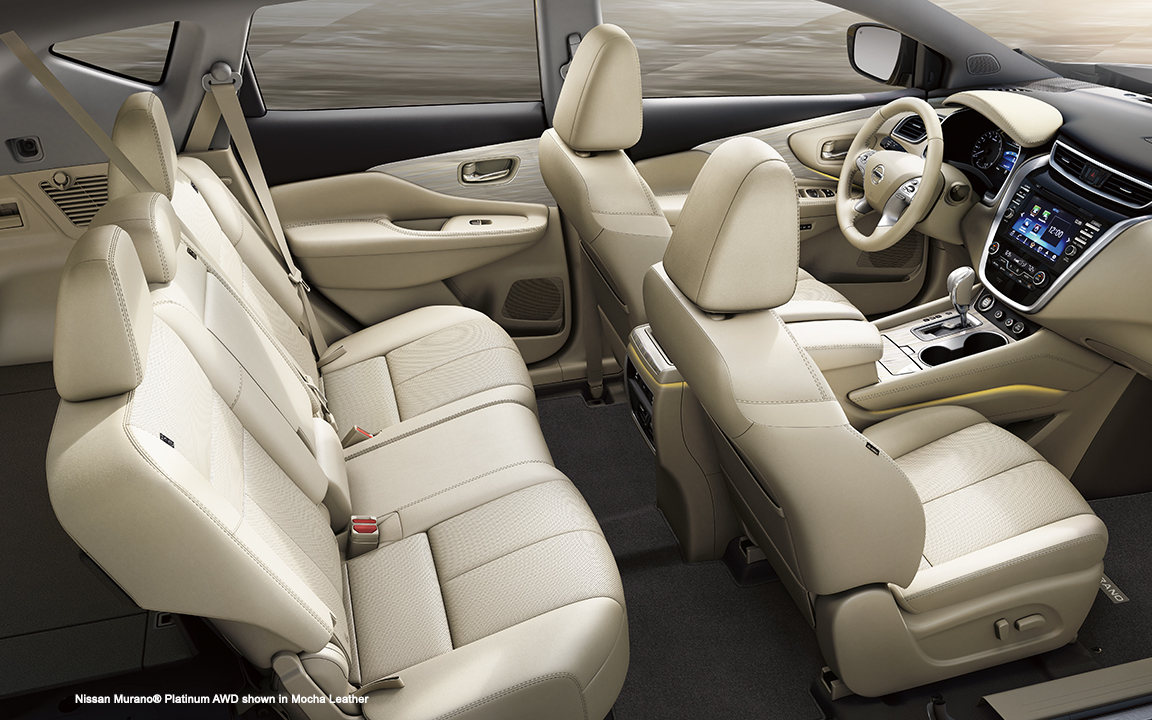
The 2017 Nissan Murano is smooth and polished—and that may be just the ticket for buyers who want a high seating position and the availability of all-wheel drive. The 2017 Nissan Murano is a five-seat crossover that sort of defies convention. Instead of following its rivals by trying to appeal to growing families or those intent on at least looking the off-road part, the Murano is plush and comfortable, something of a more palatable luxury crossover.
Pros Dramatic exterior styling Superb ride quality Silent cabin Classy interior design
Cons Safety tech should be available on S, SV Passenger seat lacks height adjustment Ride harshness with 20-inch wheels Value proposition not as impressive on SL, Platinum
The 2017 Nissan Murano ranks 6 out of 18 Midsize SUVs. The 2017 Nissan Murano offers the comfort, performance and refinement typical of luxury SUVs, but without the hefty price tag. Its interior outclasses those of most competing vehicles, and it delivers a cushioned, smooth ride over most surfaces. However, you may wish it were a bit more engaging to drive.
Pros Posh cabin Very comfortable seats Intuitive tech features Fuel-efficient for a V6 SUV
Cons Poor rear visibility Slow steering response
The 2017 Nissan Murano is a versatile five-passenger midsize crossover with ample room for all passengers. It's a smart choice if you want an upscale, V6-powered vehicle without the luxury brand premium. For 2017, the Nissan Murano adds Apple CarPlay functionality and a drowsy driver warning system. New driver assistance features are now available for the SV trim, while the Platinum trim gets a new Midnight Edition styling package.
Pros High-quality interior materials and unique design features Exceptionally comfortable front seats Right balance of power and fuel efficiency Spacious rear seats that accommodate passengers and car seats with equal ease
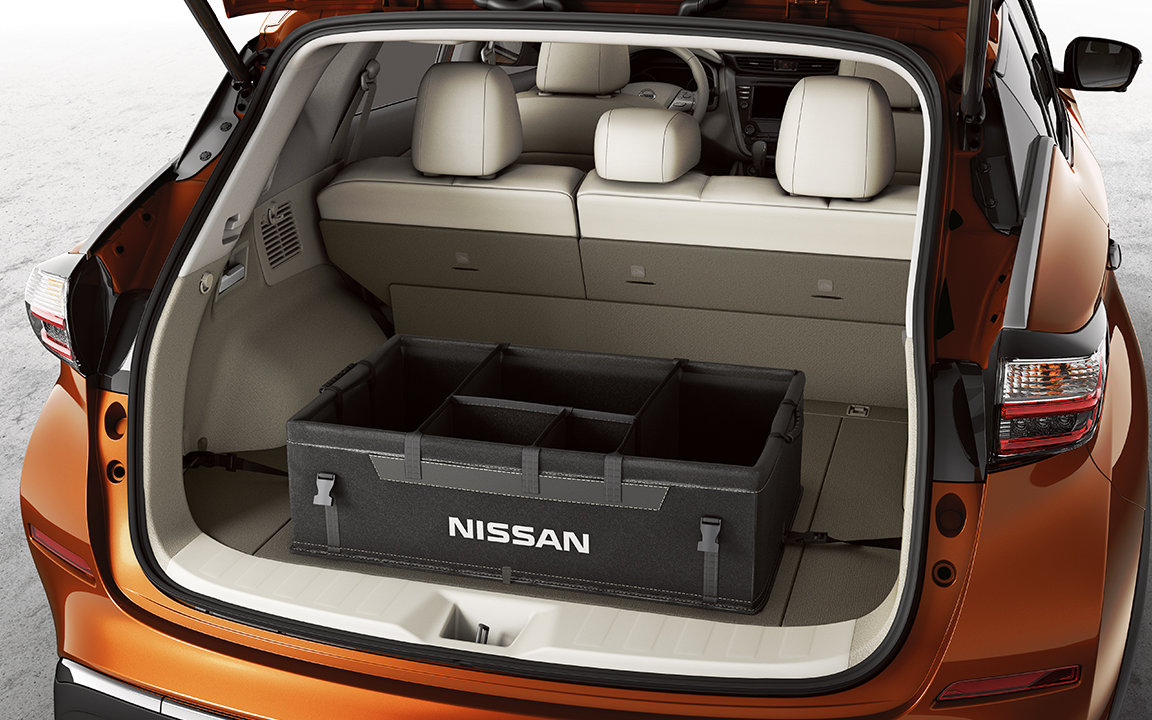
Cons Modest cargo capacity limits practicality Can't tow heavy weekend toys like some competitors Funky exterior design creates compromised outward visibility Advanced safety features are only available on upper trim levels
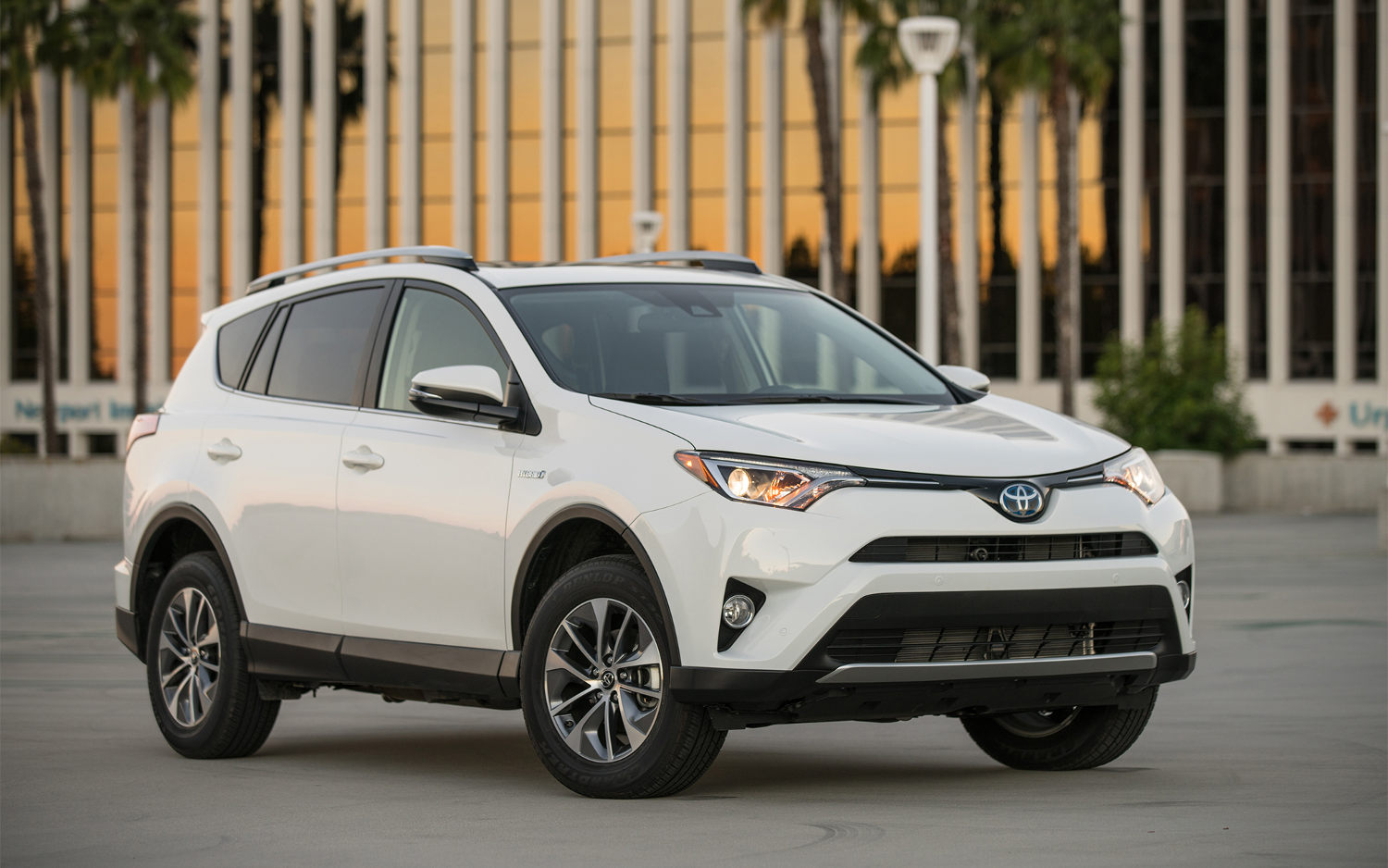
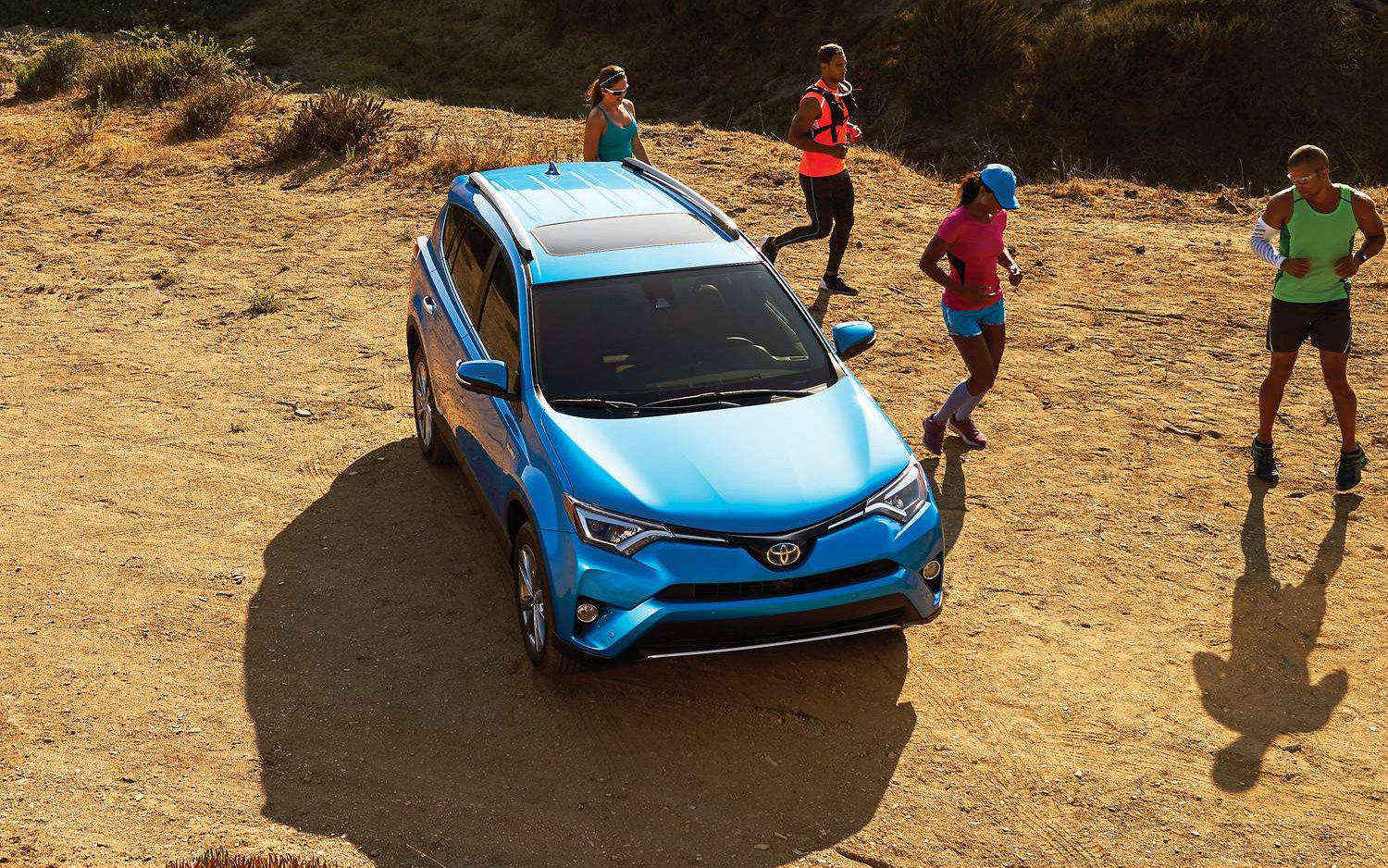
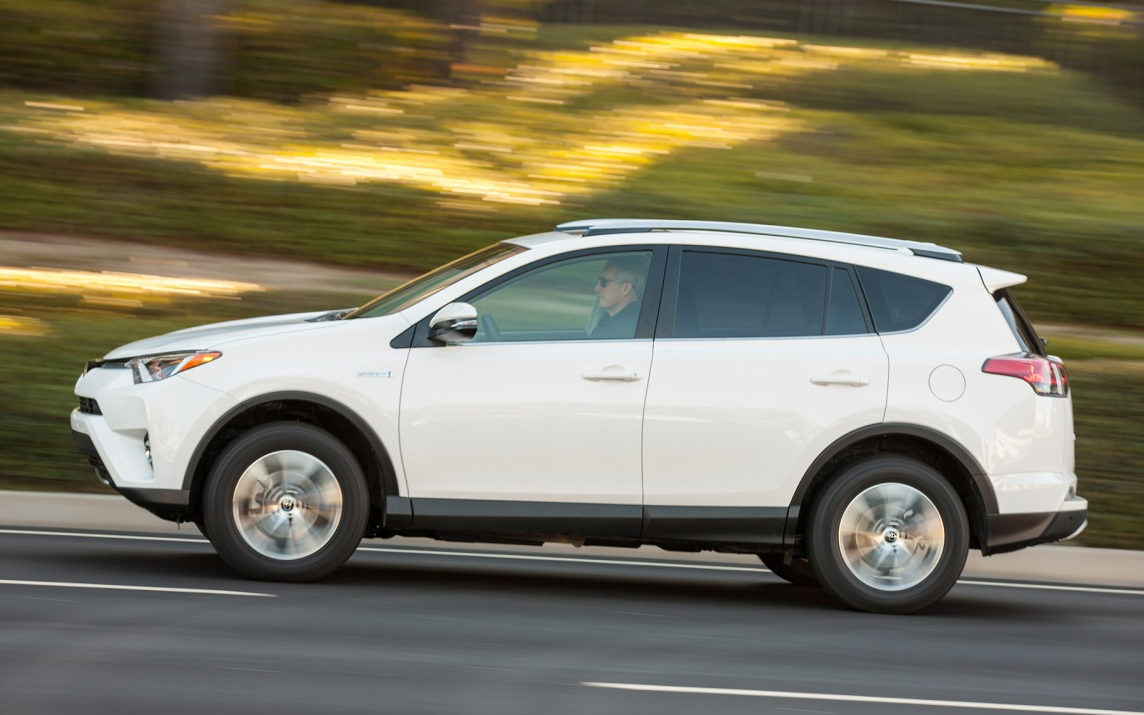
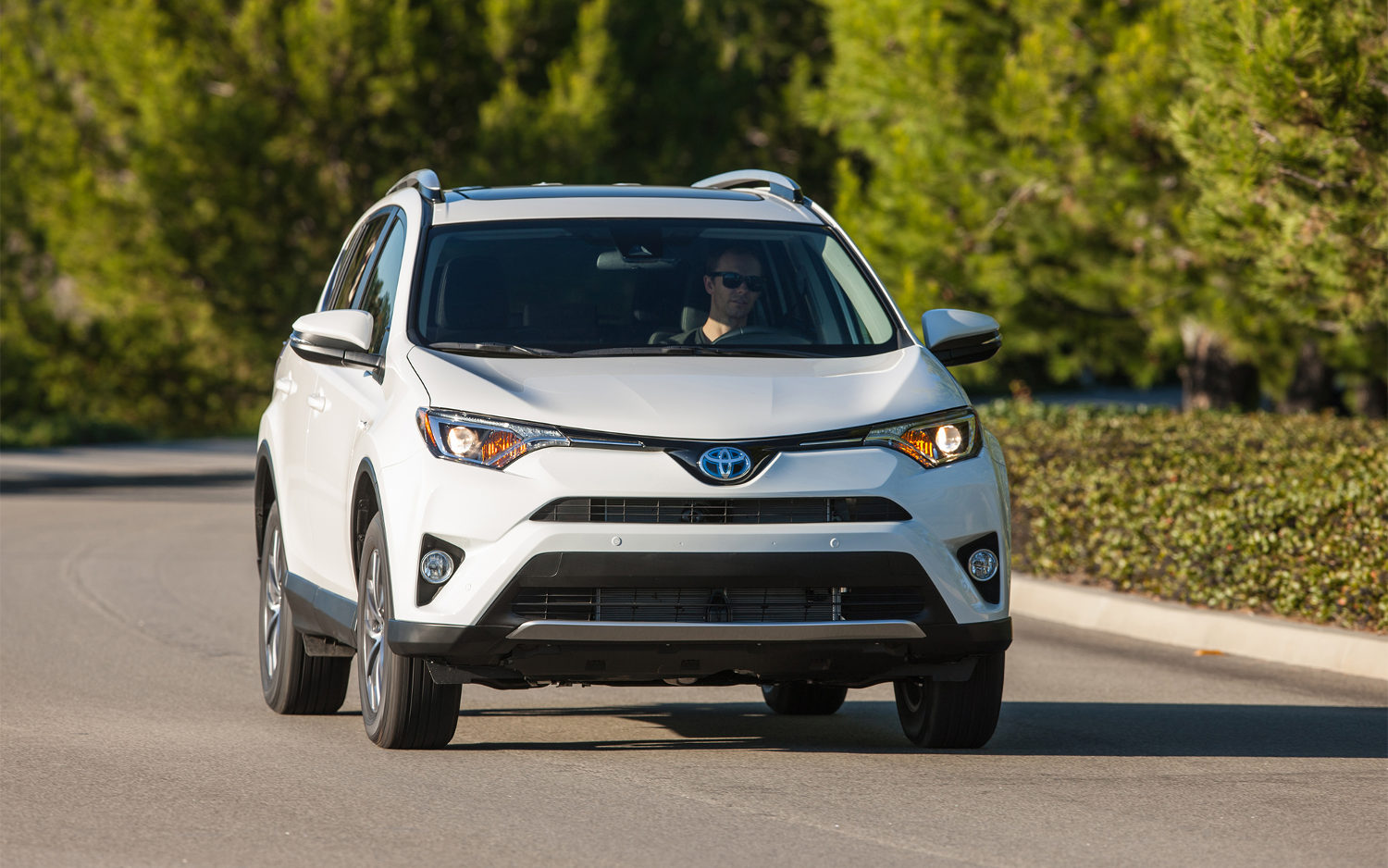
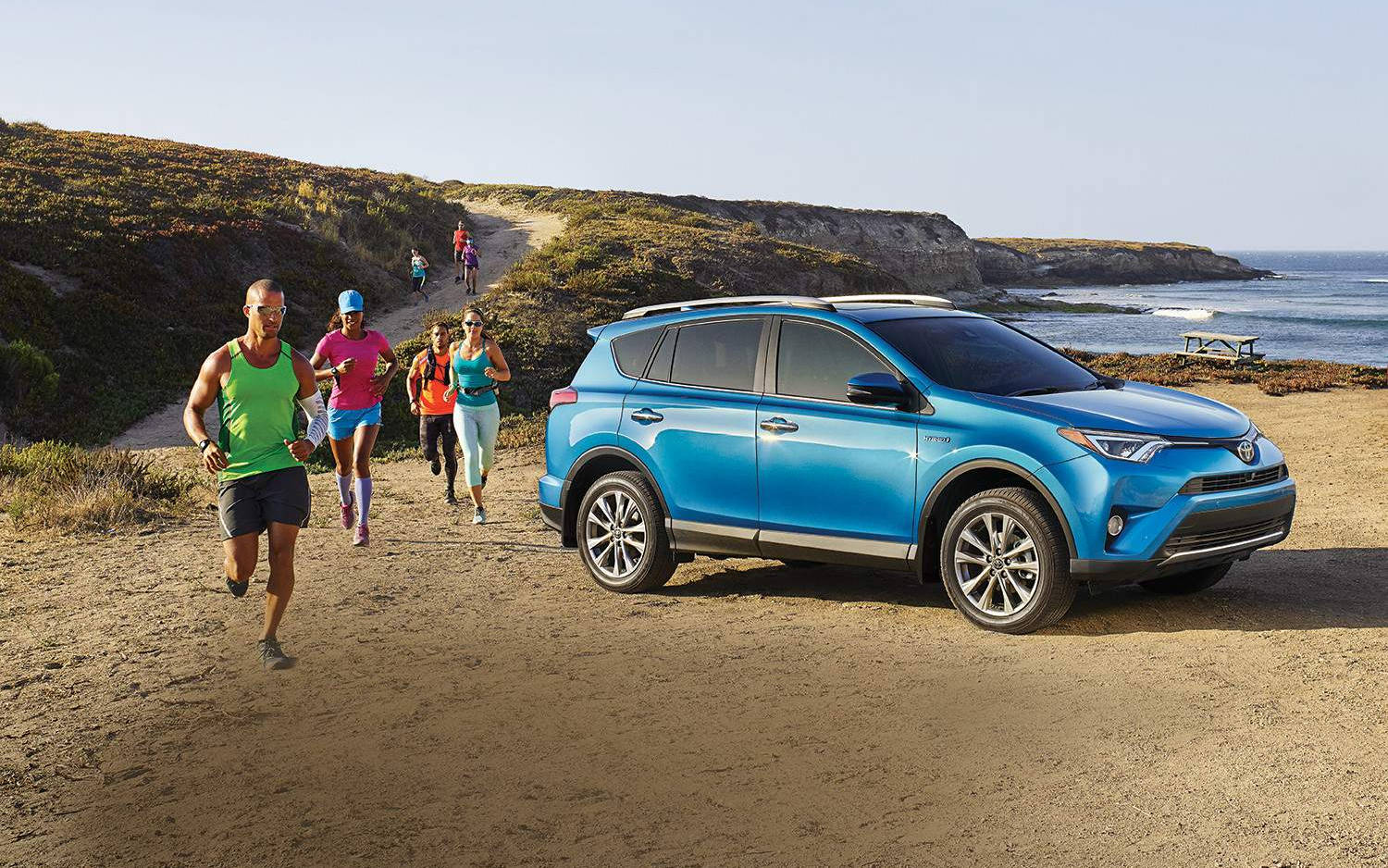
The 2017 Toyota RAV4 Hybrid ranks 9 out of 18 Compact SUVs. Starting at $29,030, the RAV4 Hybrid is one of the priciest SUVs in the class, but its abundance of standard features and excellent fuel economy help justify its cost. It comes standard with all-wheel drive plus a host of safety features that cost extra in most rivals, including pre-collision braking and adaptive cruise control. Competing SUVs equipped with similar features plus all-wheel drive quickly meet – or exceed – the cost of the RAV4 Hybrid.
Pros Good cargo space More standard features than rivals Exceptional fuel economy
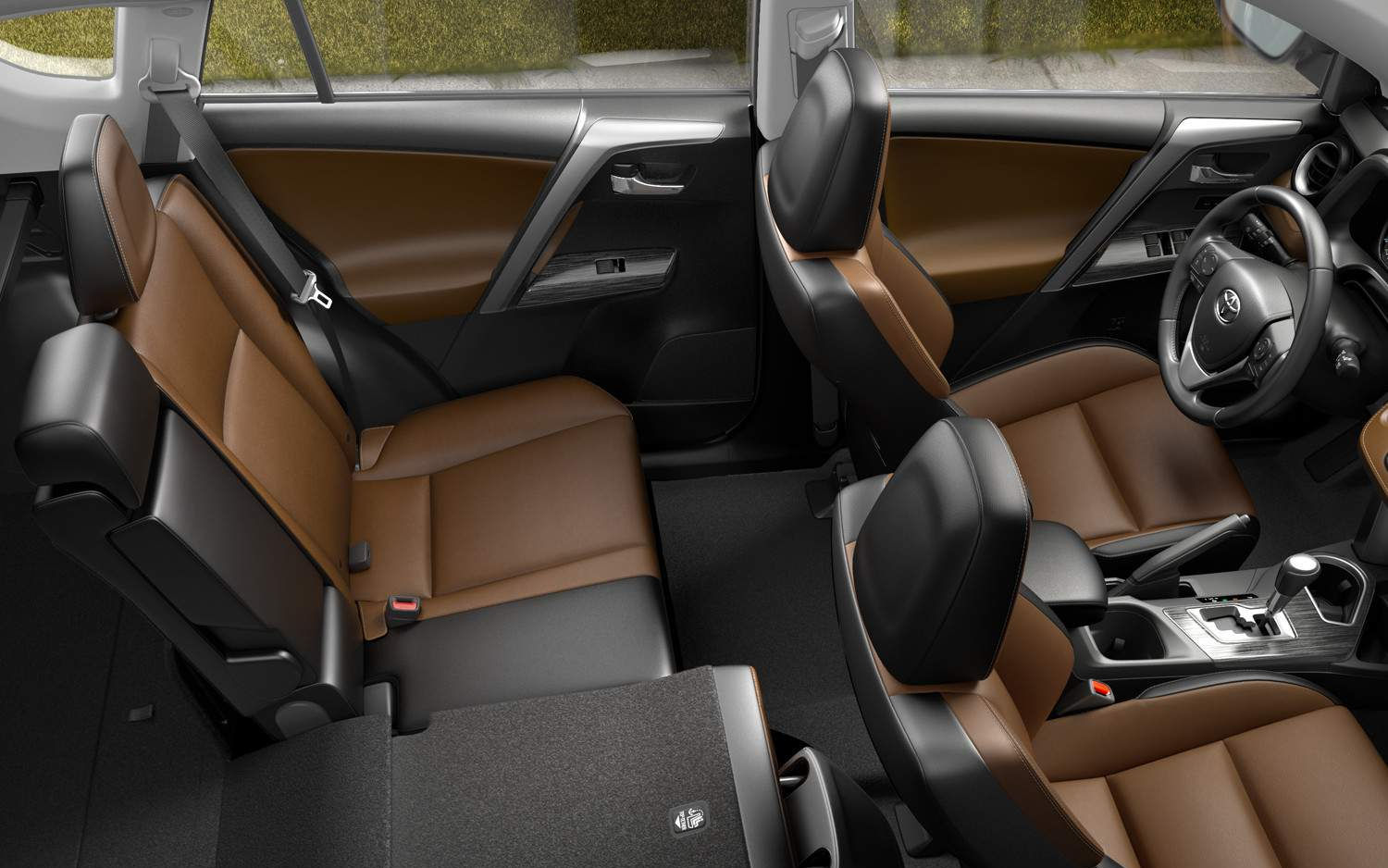
Cons Lackluster cabin styling and materials
New for 2017 is a standard suite of safety systems that Toyota calls Safety Sense. Included are a forward collision warning system, lane departure warning and intervention, automatic high-beam control and adaptive cruise control.
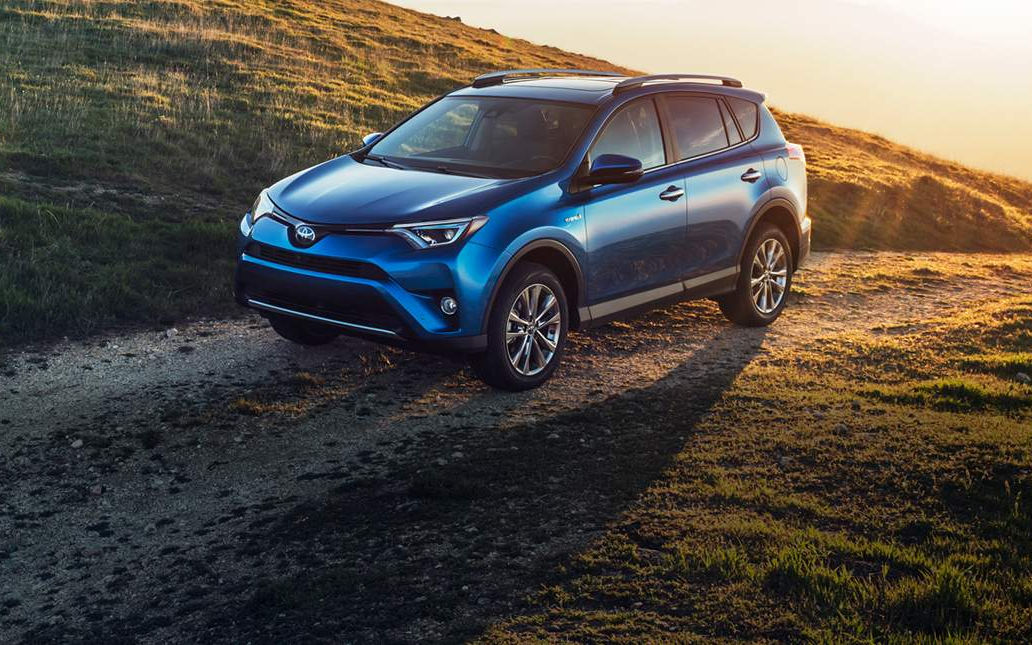
Pros Fuel economy far surpasses that of traditional compact crossovers Small price premium over non-hybrid RAV4 Ample room in both rows and generous cargo capacity Delivers a composed, comfortable ride
Cons Synthetic brake feel isn't very reassuring Some interior controls feel a little flimsy You can't get real leather upholstery
As with many other Toyota models, the 2017 RAV4 now has a long list of active-safety equipment as standard on every model. What the company calls Toyota Safety Sense-P consists of forward-collision warning, lane-departure alert, lane-keeping assist, adaptive cruise control, and automatic high-beam headlights.
Pros Practicality reigns supreme in the RAV4, as this crossover has a spacious and versatile interior that’s well packaged for carrying people and stuff. The rear seat boasts plentiful legroom and headroom, and it also reclines. The RAV4’s cargo area also has a low lift-over height, making it easy to hoist heavy or bulky items into the capacious 38-cubic-foot hold that grows to 73 cubic feet with the back seats folded flat into the floor. Those interested in the more efficient RAV4 hybrid won’t have to give up much room, since its battery pack takes up only two cubic feet of cargo space.
Cons With lifeless, vague steering and a soft suspension, the RAV4 isn’t much fun to drive, even for a small crossover. Neither the standard 2.5-liter four-cylinder nor the hybrid powertrain provides responsive acceleration, with the hybrid crawling from zero to 60 mph in 8.3 seconds and the RAV4 SE AWD taking 8.4 seconds. While the hybrid at least makes up for its relative sluggishness with an EPA-rated 32 mpg combined, the standard four-cylinder’s highest combined rating of 26 mpg falls short of quicker, better-to-drive competitors such as the 2016 Mazda CX-5 and its 29-mpg number.