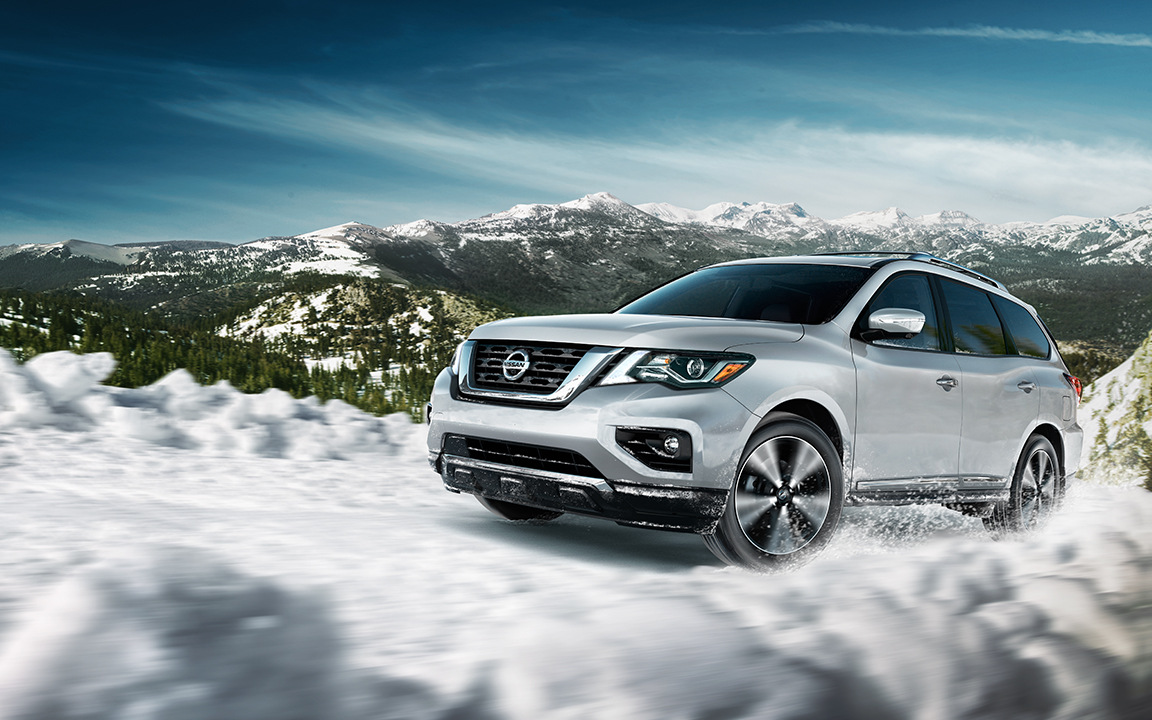
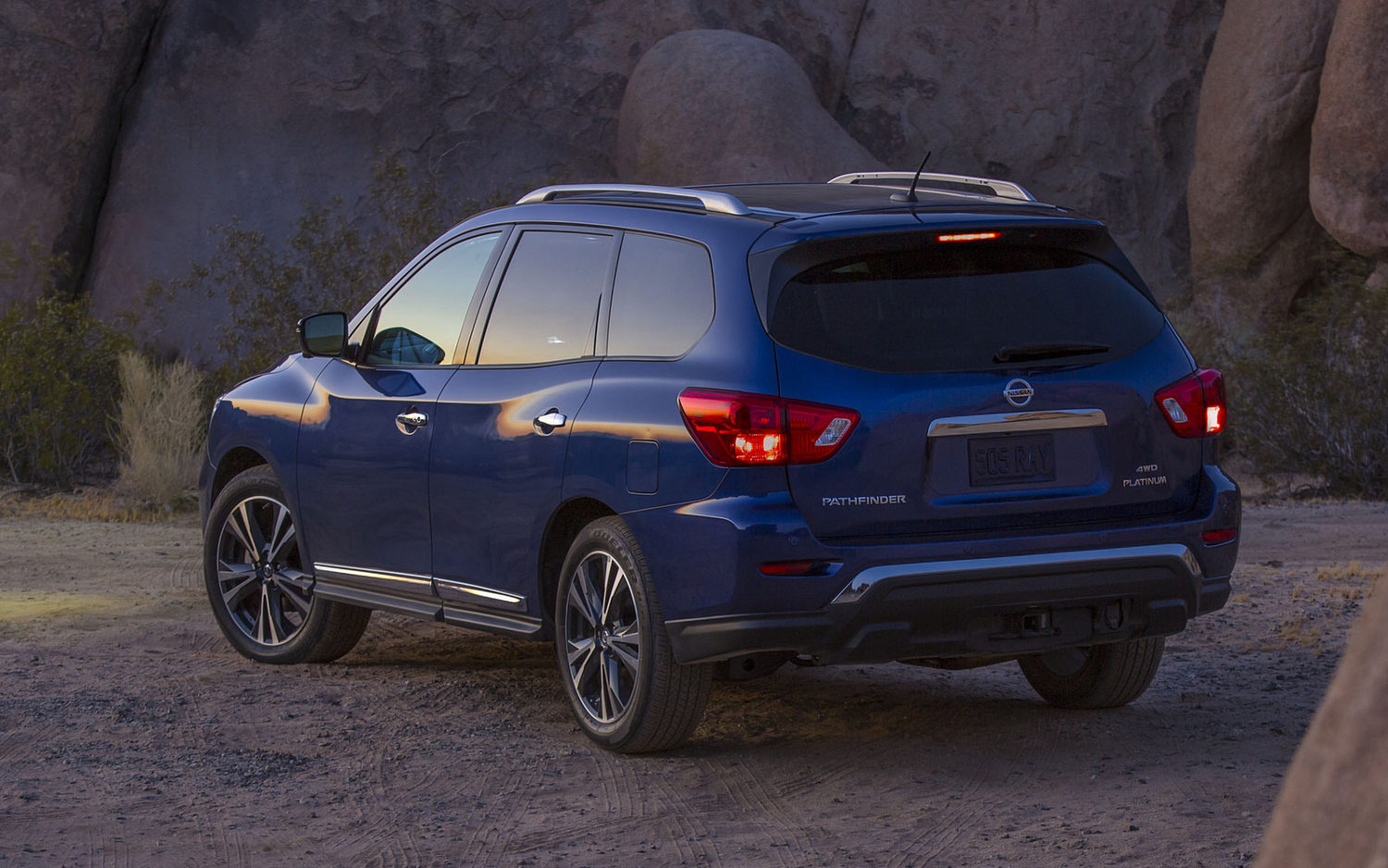
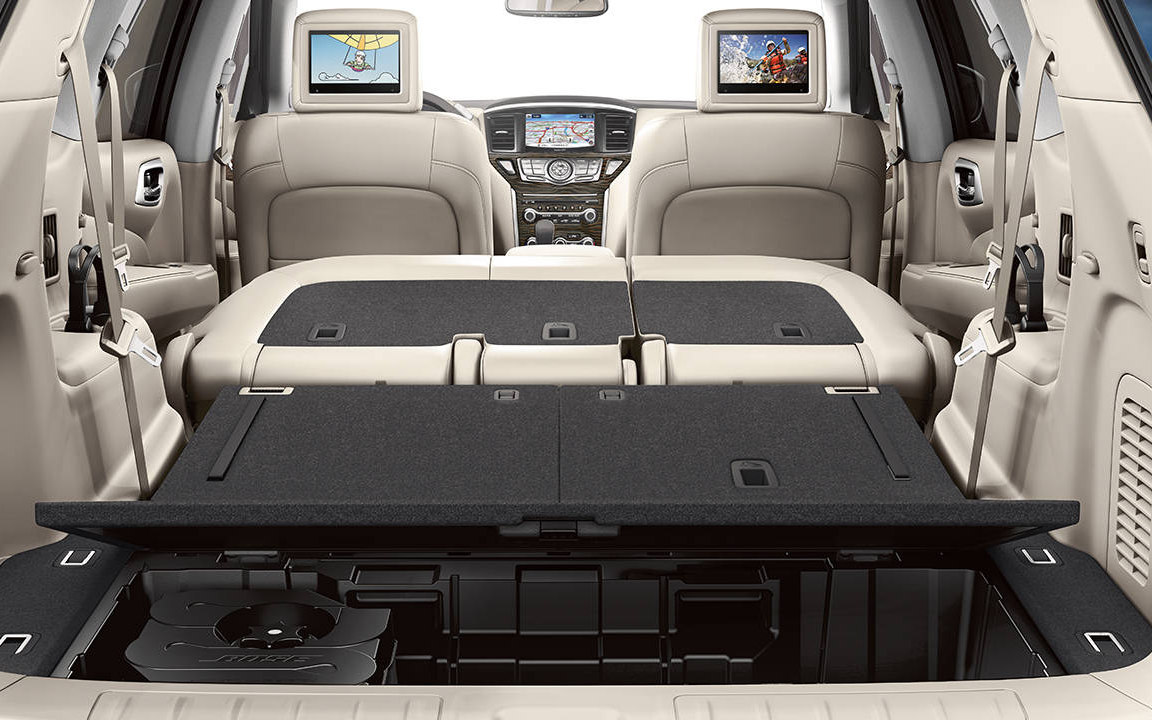
The 2017 Nissan Pathfinder offers good space for seven in a composed, quiet environment and it manages a some decent capability for off-road duty and towing. The Nissan Pathfinder mid-size people mover gets a modest refresh for 2017 after its 2014 redesign. Changes to this seven-passenger crossover SUV include new front and rear fascias that create a more truck-like look, engine improvements, a new infotainment system, and new active safety features.
Pros Clever folding second row Spacious interior Composed, quiet ride Calm cabin Controlled handling
Cons Far from a sports car Drab interior materials Occasional lag in power delivery
The Nissan Pathfinder receives substantial updates for 2017. These include a more powerful engine, greater towing capacity, a slight front and rear redesign, a larger standard touchscreen, additional feature content, and revised steering and suspension for a sharper driving experience.
Pros V6 engine provides strong acceleration and respectable fuel economy User-friendly touchscreen interface comes standard on every trim Easily accessed third-row seat Robust towing capacity.
Cons Below-average cargo capacity and small item storage Less third-row space than some rivals Platinum trim level's ride quality might be too firm for some drivers Automatic emergency braking safety feature available on top trim only.
The 2017 Nissan Pathfinder ranks 16 out of 18 Midsize SUVs. Despite a significant refresh for the 2017 model year, the Nissan Pathfinder ranks near the bottom of the midsize SUV class. While it can adequately do everything it was designed to do, it fails to impress in most areas.
Pros Strong V6 engine Intuitive infotainment system Good overall cargo space
Cons Rough ride quality Lackluster interior design Dull driving dynamics Unimpressive passenger space
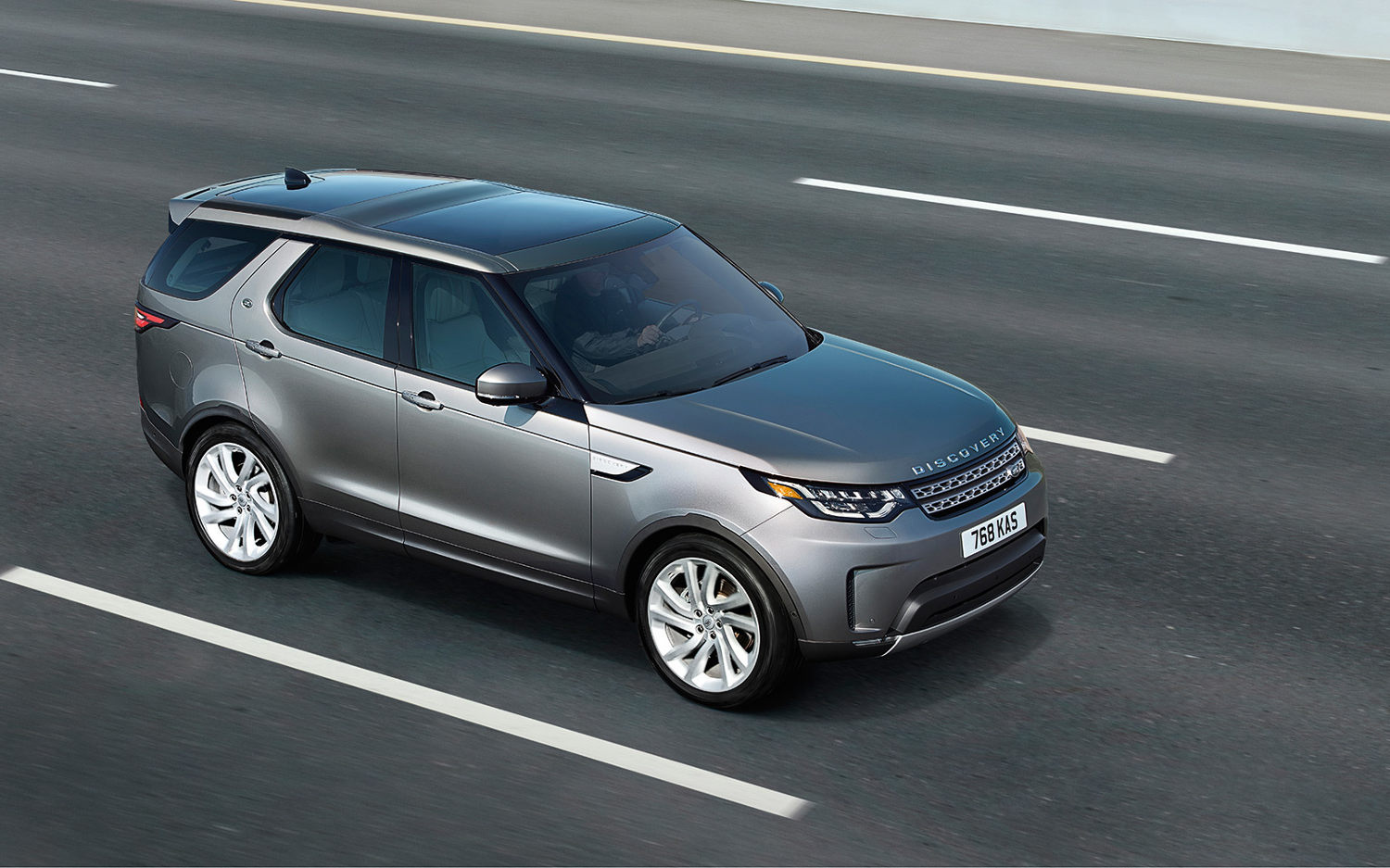
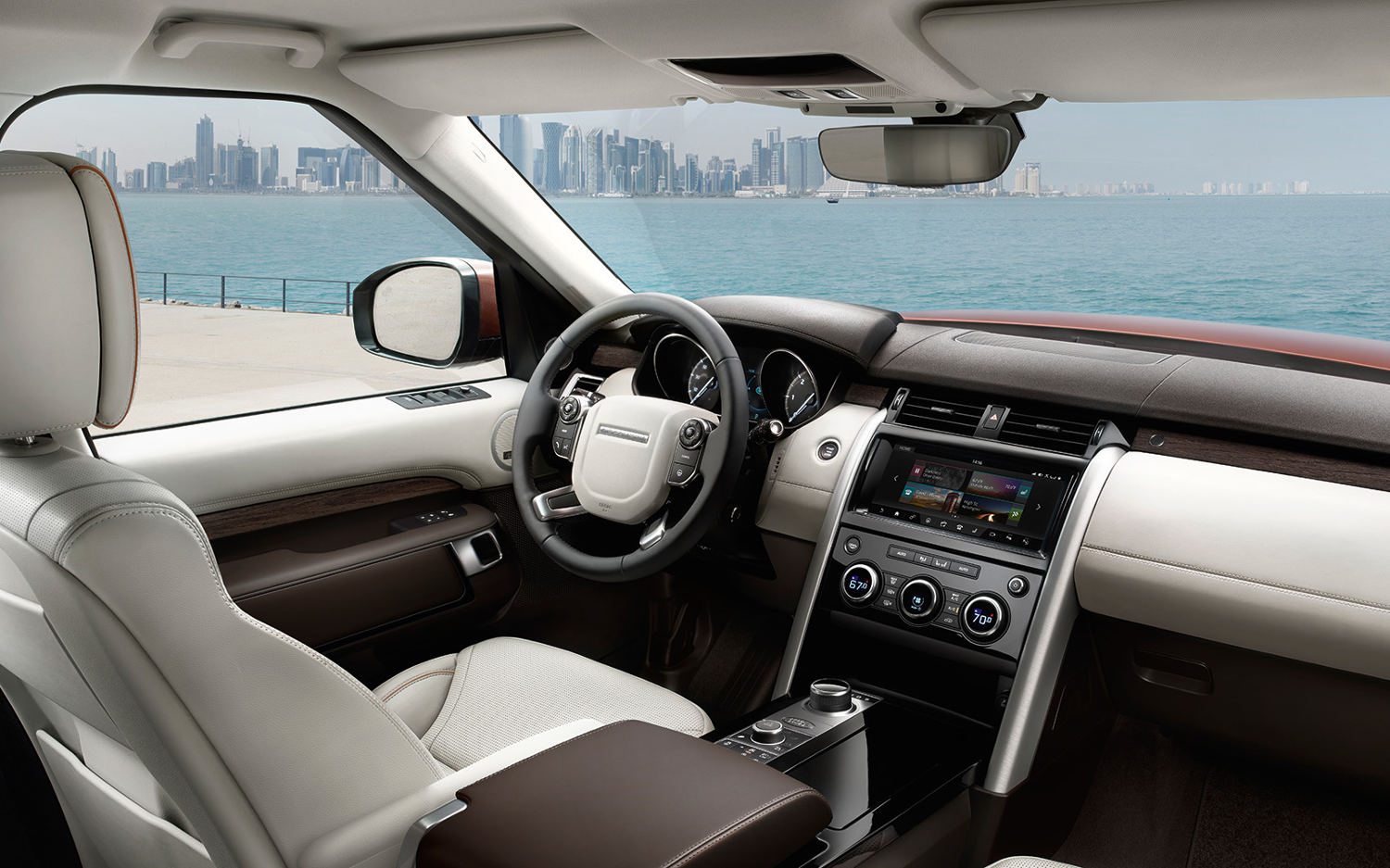
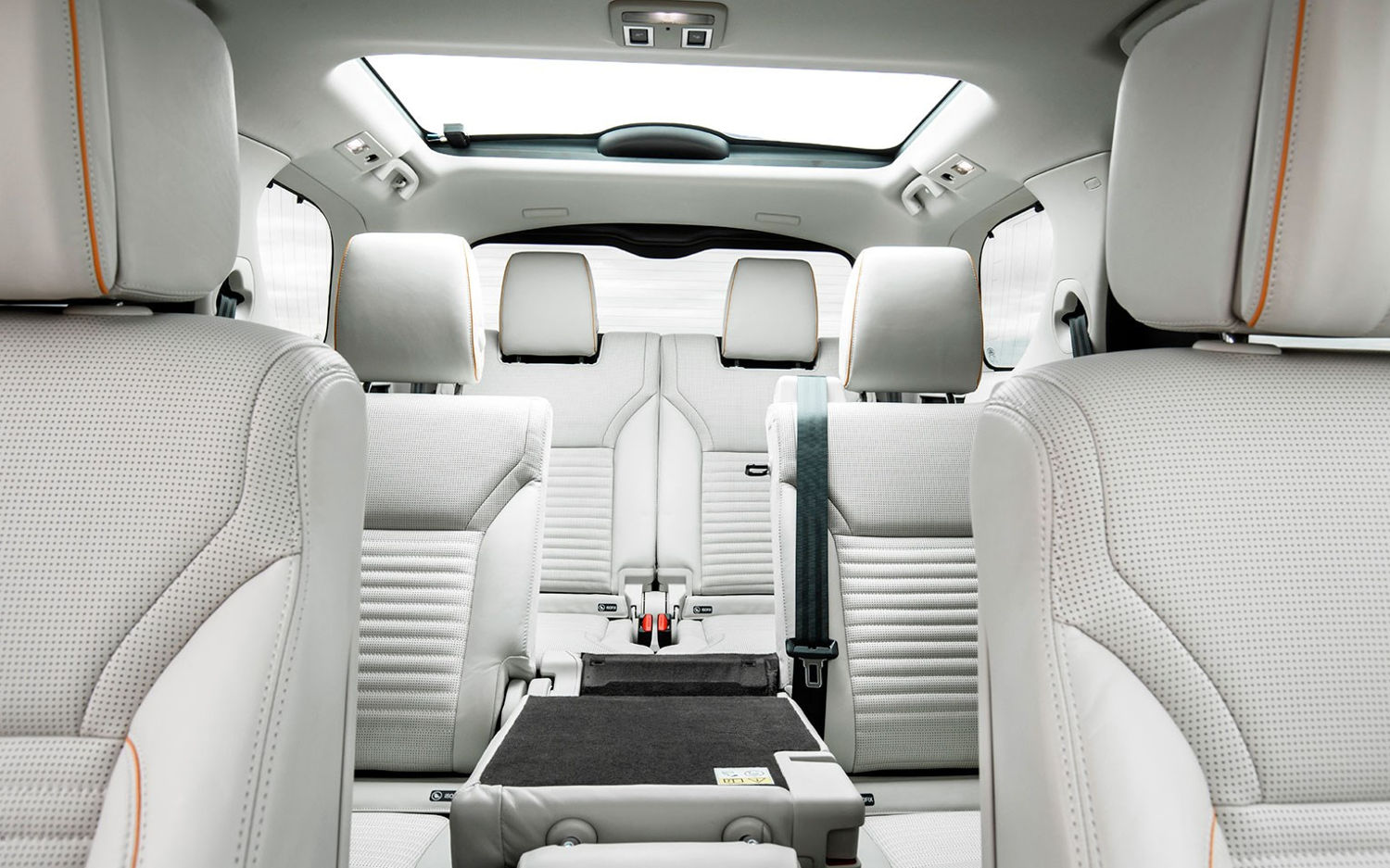
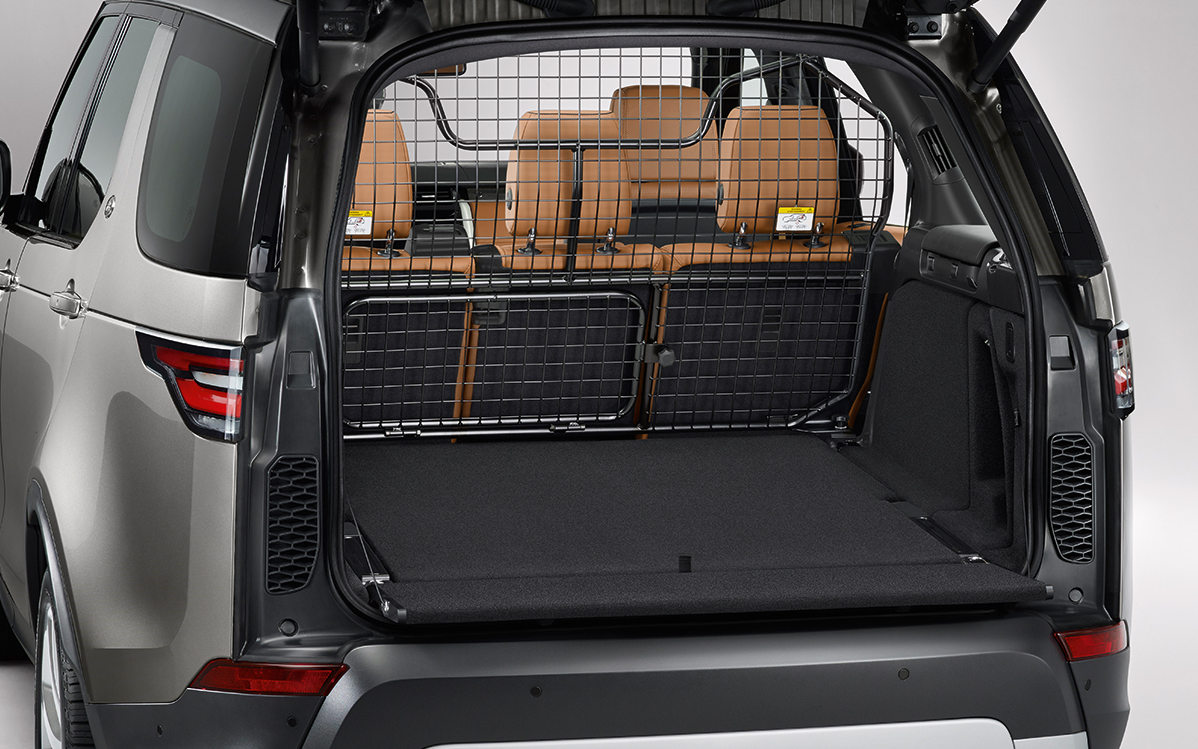
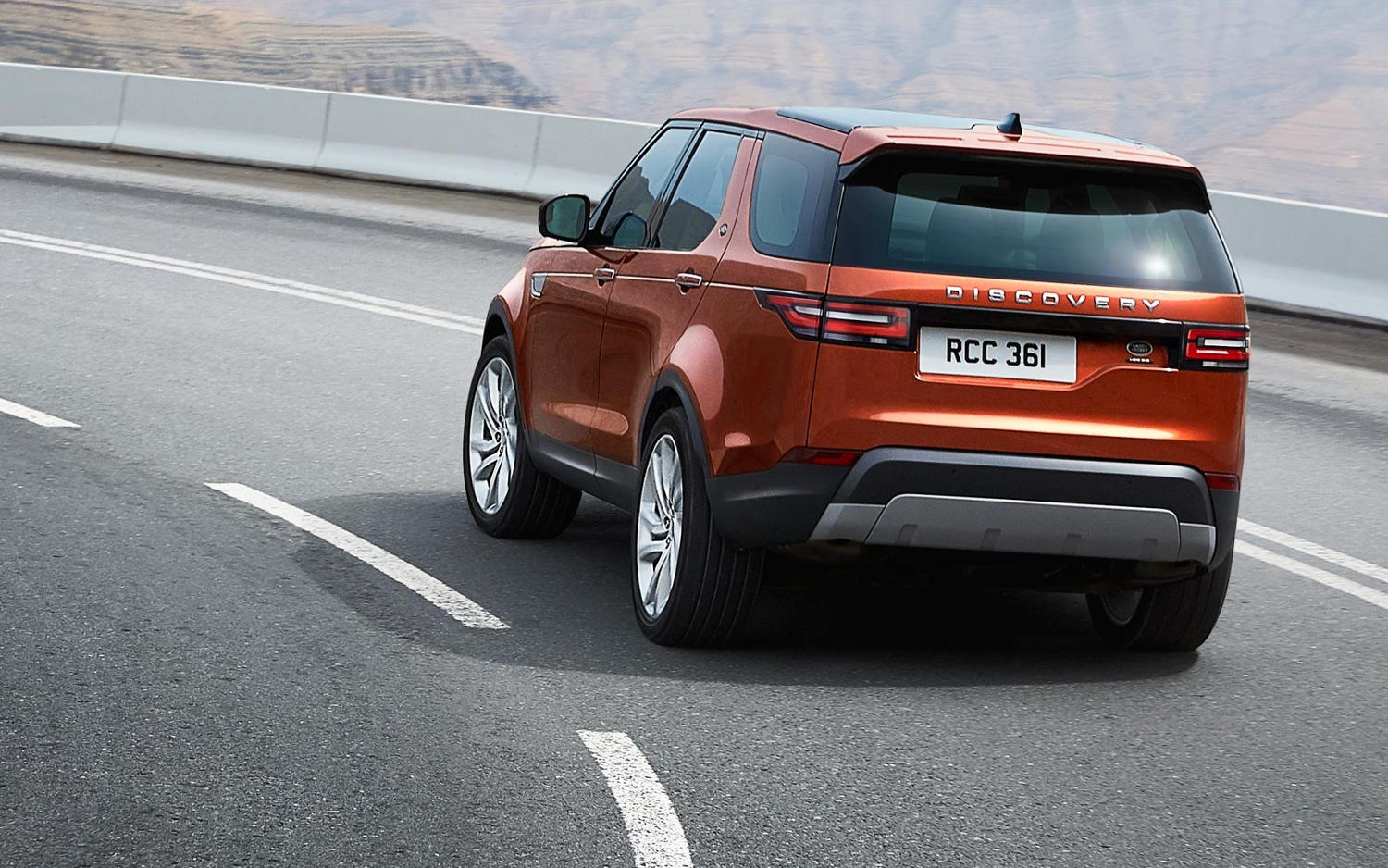
Like its recently reborn Range Rover siblings, the Discovery switches to aluminium construction – 85% of the body-in-white is made of the stuff – which means big weight savings; the lightest Disco 5 is 480kg lighter than the lightest 4 and stiffer too, although it still pushes the scales to 2.1 tonnes. It's no flyweight.There’s magnesium in the nose, higher-strength aluminium in key safety zones and steel subframes; Land Rover says the latter mean more load space and a better centre of gravity. Rear end aside, arguably, it looks good on the road, the interior is comfortable and smart as well as life-swallowingly practical and the driving experience is fit to deal with almost anything you can throw at it. It’s far from being a cheap car, but it’s also ready to be your only car.