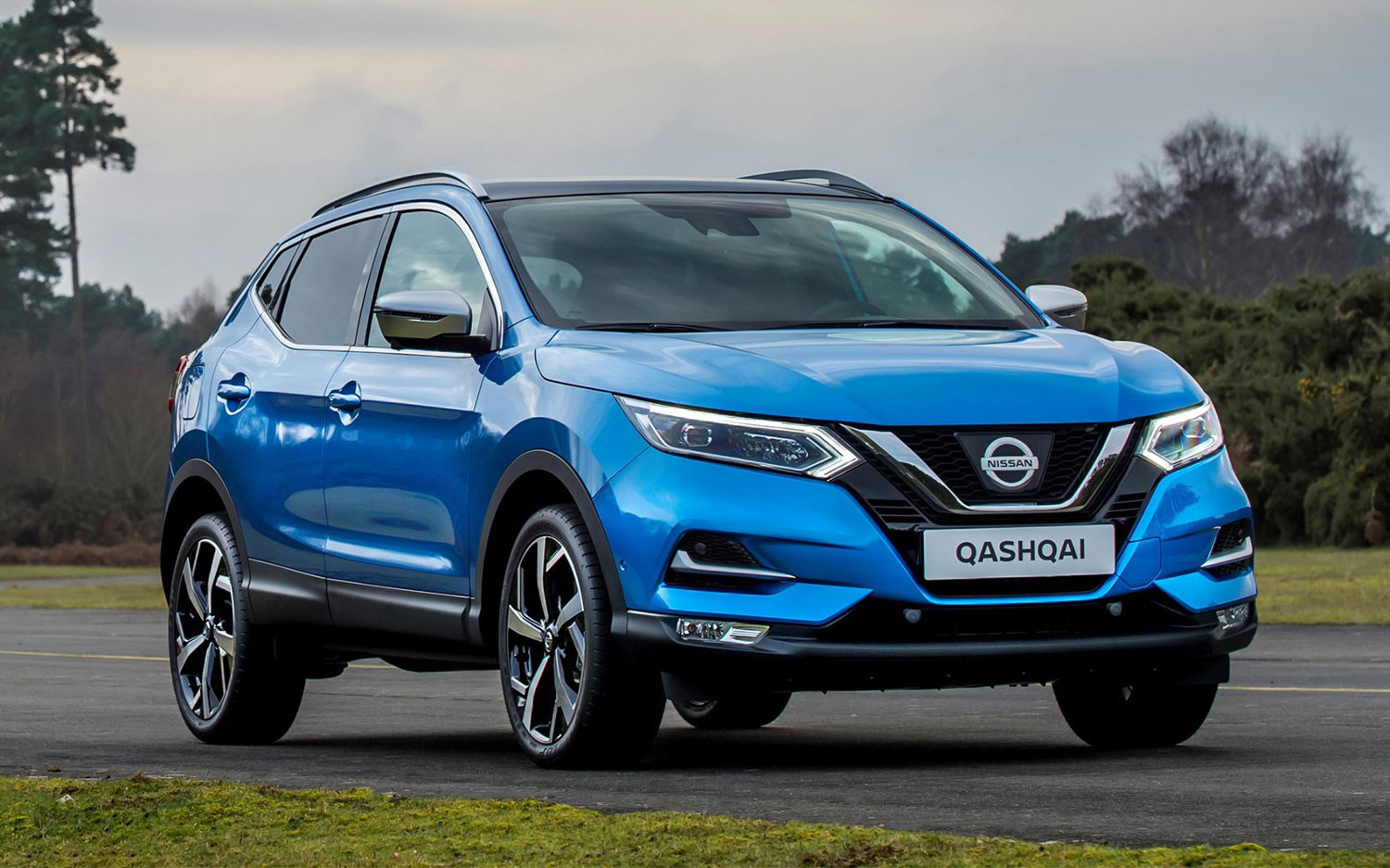
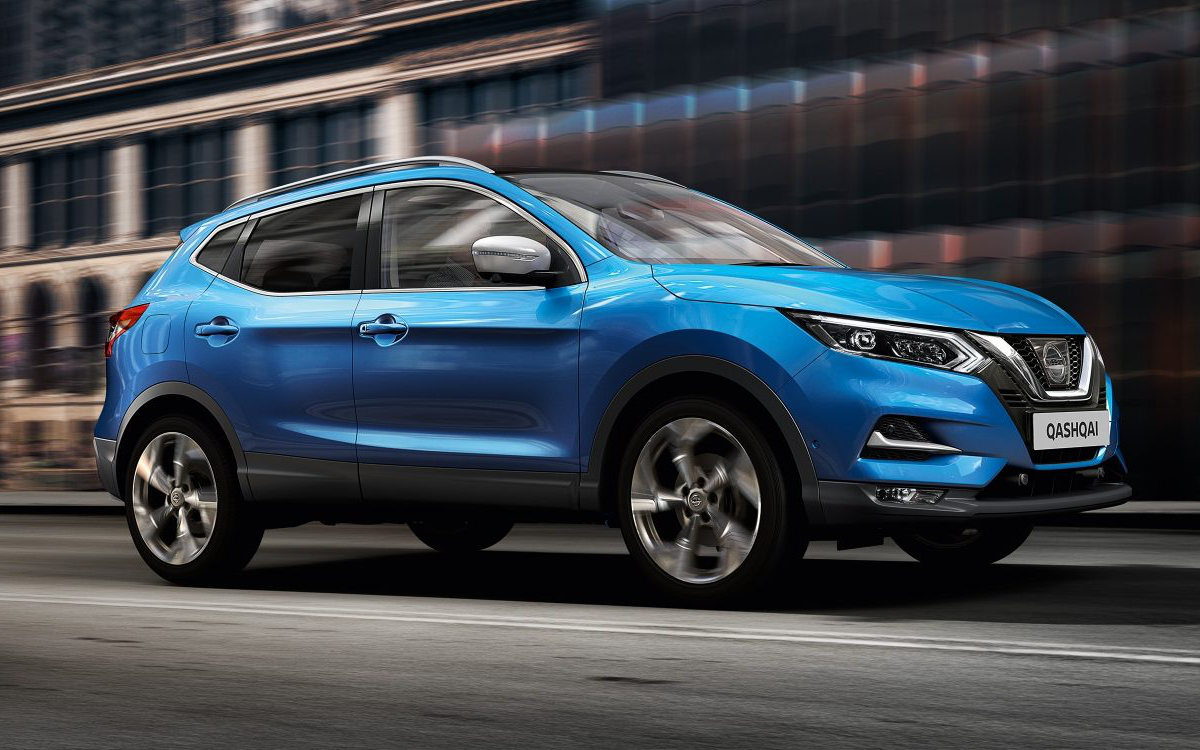
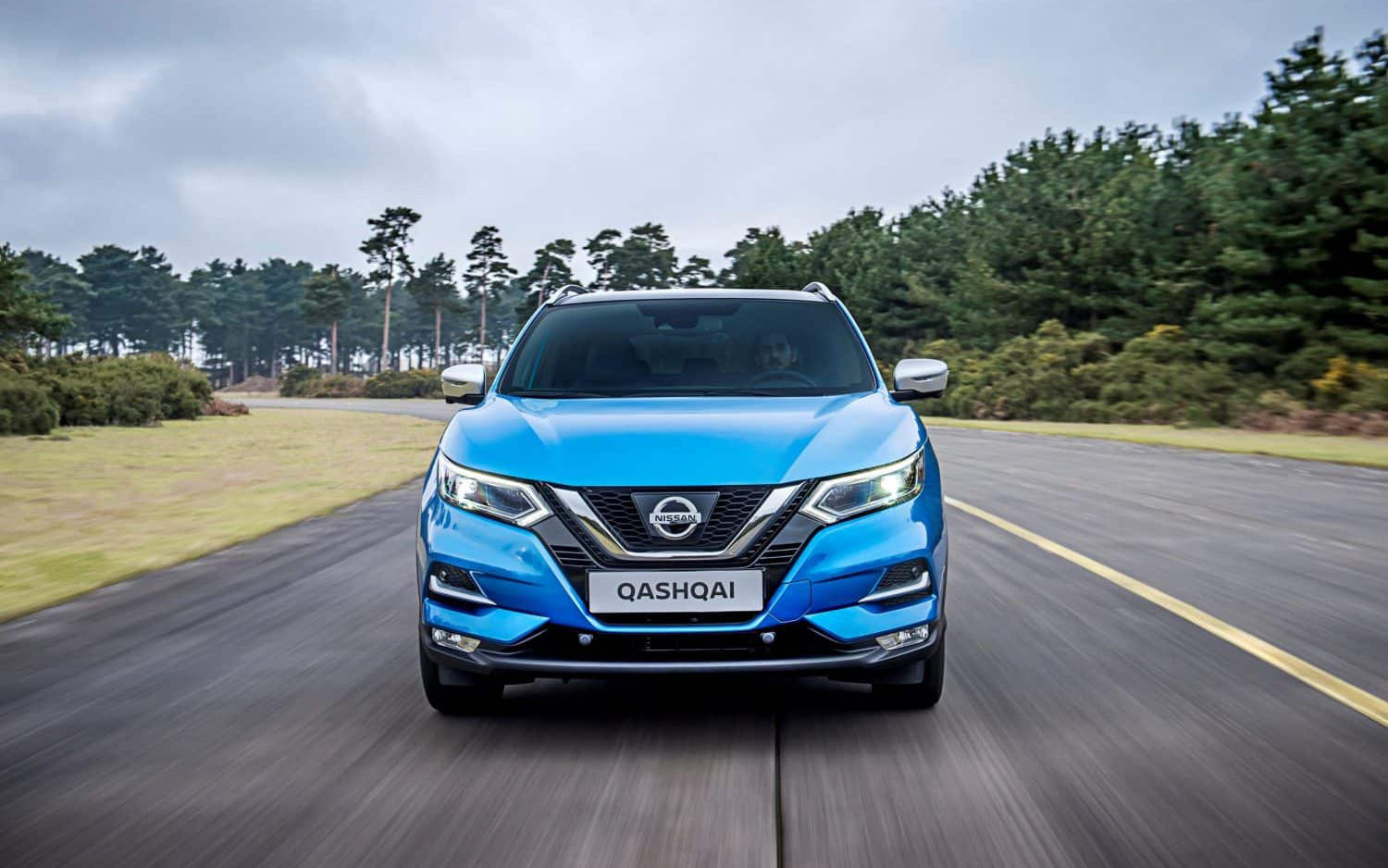
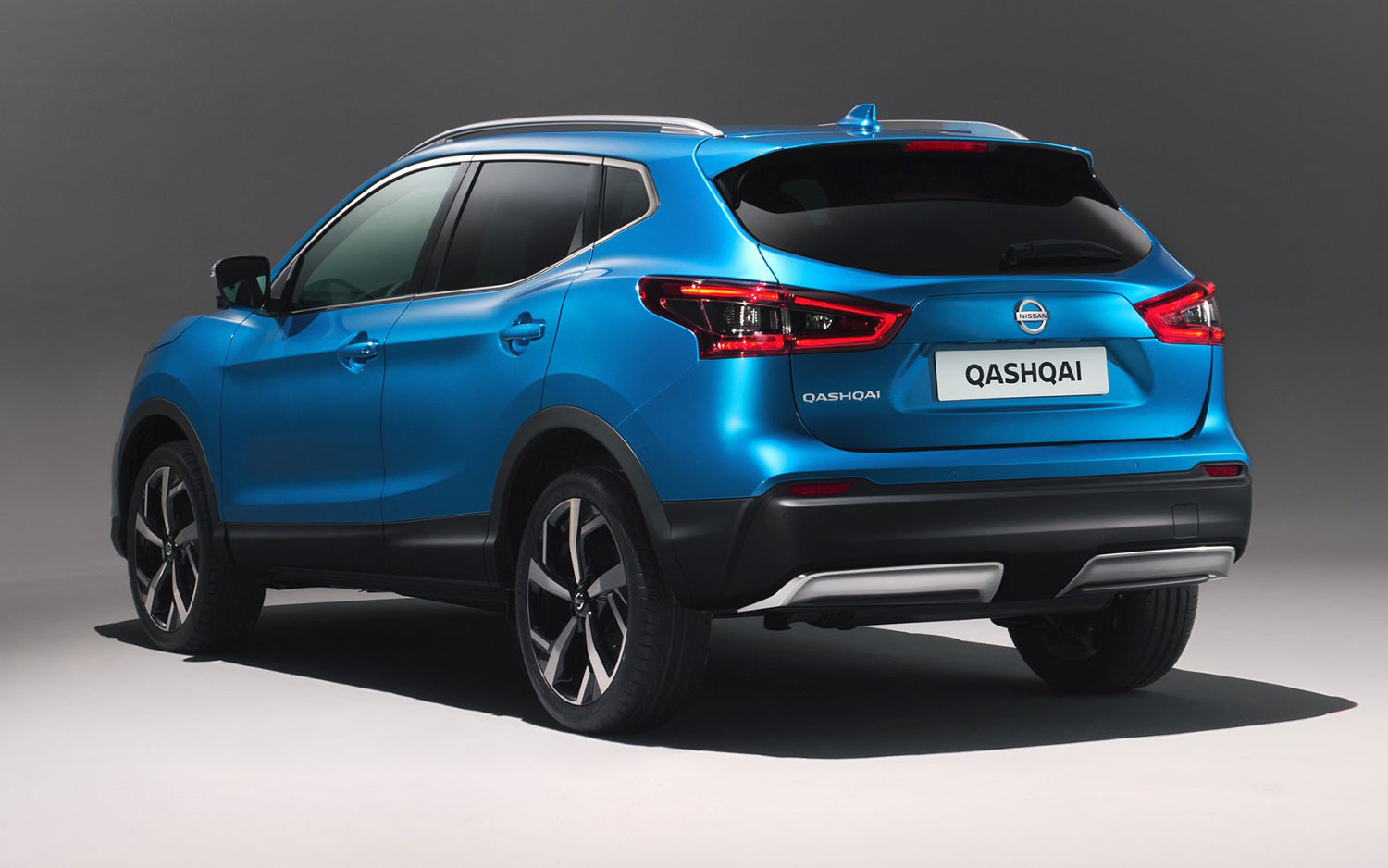
The Qashqai is certainly one of the bigger cars in the small SUV class.There might be four models, but there are three specification levels. The ST has cloth trim, cruise control, air-conditioning, some fake leather bits and pieces, reversing camera, halogen headlights, four speaker stereo and 17-inch alloy wheels.
Pros Big interior Excellent build quality Comfortable ride
Cons Interior missing some tech toys Diesel servicing costs Fuel consumption high (no stop-start to reduce it)
This is the facelifted Nissan Qashqai, which has been unveiled at the Geneva Motor Show. More than 230,000 examples of the Qashqai were sold in Europe in 2016, but that hasn’t stopped Nissan from giving the its family SUV a thorough overhaul. The headline change is the addition of autonomous driving tech called ProPILOT; by the end of the year, the Qashqai will have the ability to steer, accelerate and brake itself in a single lane on motorways. Nissan can’t yet say whether or not this will be standard on top trim levels, however. Nissan claims higher-quality materials give the SUV’s cabin a more premium feel. Visible changes include a new flat-bottomed multifunction steering wheel and a fresh user interface for the infotainment system. And a new range-topping Tekna+ grade has been added, bringing luxuries such as 3D-effect quilted leather upholstery.
The new Qashqai features modifications to the suspension and steering to improve comfort, while new insulating materials are claimed to make it more refined. No changes have been made to the range of turbocharged petrol and diesel engines, however, so buyers can choose from an entry-level 113bhp 1.2-litre petrol, a 161bhp 1.6-litre petrol, and 1.5 or 1.6-litre diesels. The 1.5 dCi 110 should be the cheapest to run, with CO2 emissions of 99g/km.
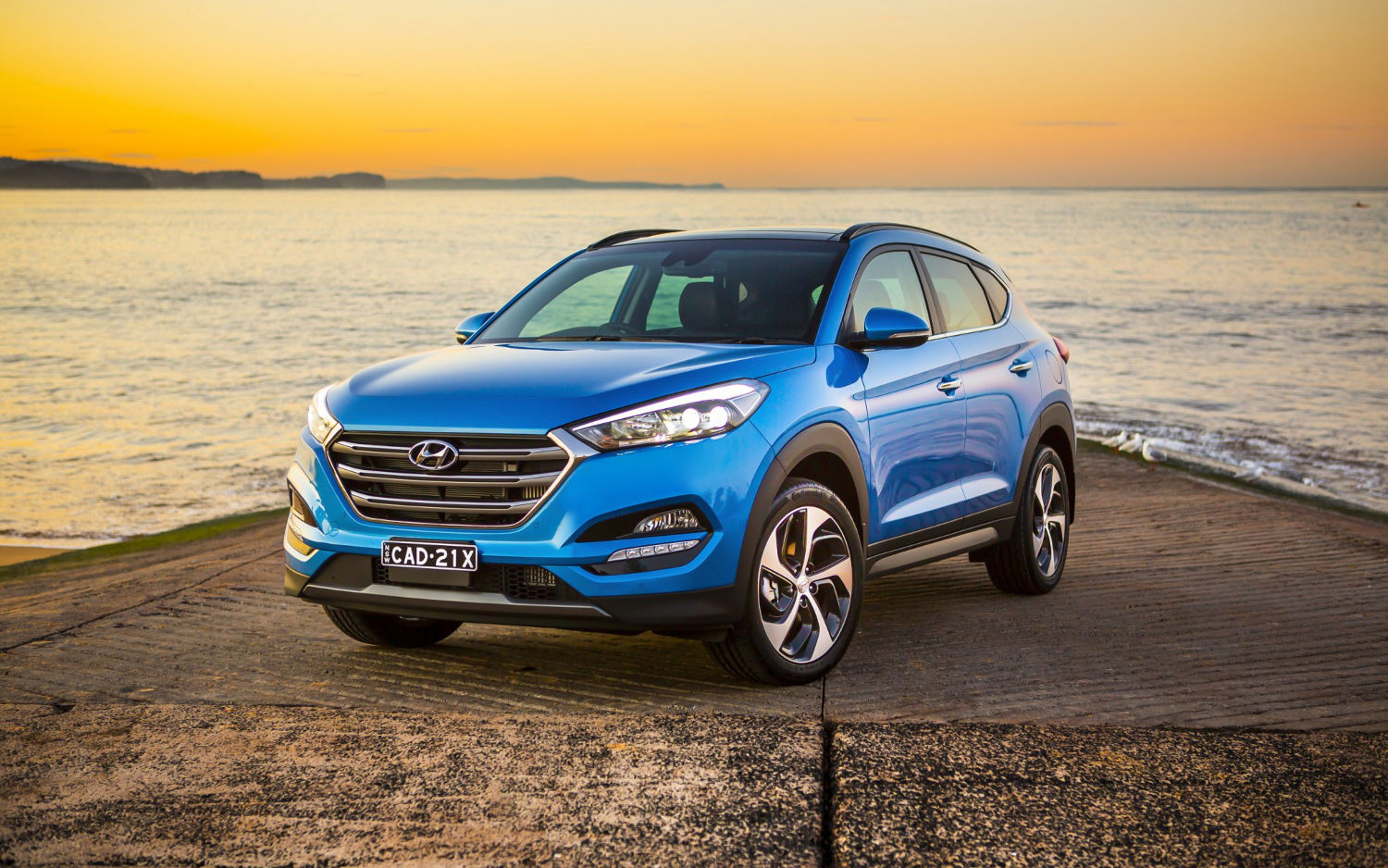
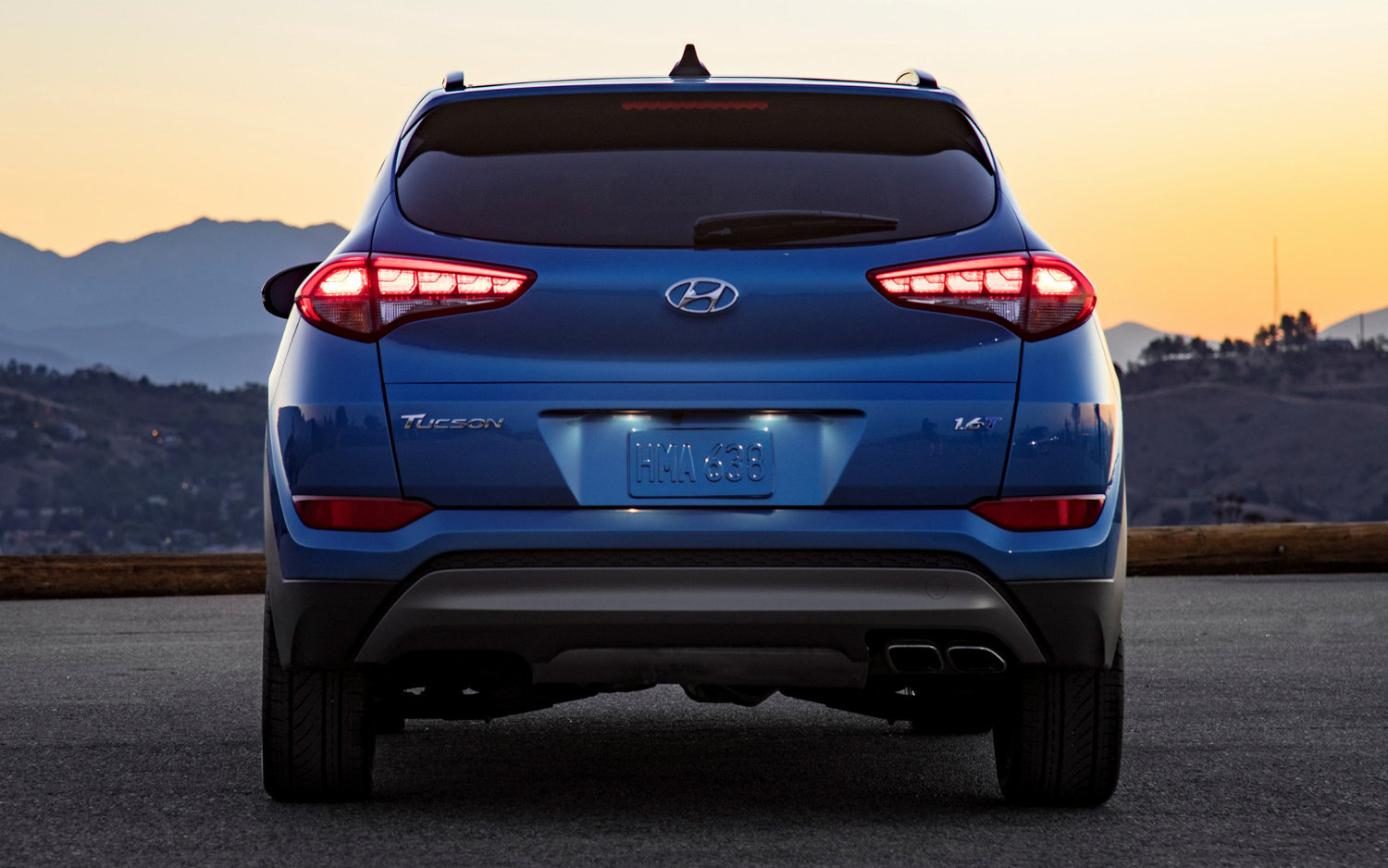
Why pay a premium for head-turning style? The Hyundai Tucson will look great in your driveway, yet it still delivers the value and versatility you expect from a small crossover SUV. The Tucson's turbocharged engine is a keeper, too. Ready to learn what else we like? The sleek new styling of the redesigned 2016 Hyundai Tucson incorporates what Hyundai calls "Fluidic Sculpture 2.0" design language, which suggests it's more of an evolutionary product than a revolutionary one. After all, version 2.0 of anything is just an outgrowth of the original; it's derivative by definition. But under the new Tucson's stylish skin, there's something closer to a revolution going on. With its sprightly and fuel-efficient turbocharged engine, roomier interior and cutting-edge safety and technology features, the latest Tucson is a real threat to disrupt the compact-crossover status quo.
Pros Turbocharged engine delivers peppy acceleration and good fuel economy Plenty of advanced safety and infotainment features are available Comfortable ride on rough roads.
Cons Slow acceleration from the SE trim's non-turbocharged engine Clumsy low-speed shifting from the turbo engine's transmission Certain desirable items are only offered on the Limited Some interior materials look and feel cheap.
The 2016 Hyundai Tucson caters to drivers that put styling and features at the top of their crossover-SUV wish list. The Hyundai Tucson is the smallest crossover SUV from the South Korean automaker—at least for the time being, in the U.S.—but this tidy vehicle is a great pick for families for a lot of reasons. It's new for 2016, and Hyundai hopes a thorough redesign that boosts economy, interior space, and handling will put the Tucson in the same league as vehicles like the Toyota RAV4, Honda CR-V, and Ford Escape.
Pros Upscale exterior and interior design Quiet cabin and refined ride Innovative automatic liftgate at upper trim levels
Cons Lots of hard plastic trim at lower trim levels Uninspired acceleration Less cargo space than competitors
The Hyundai Tucson enters its third generation for 2016 as an all-new compact crossover SUV. Long a competent but rather uninspiring competitor to best-sellers like the Honda CR-V, Toyota RAV4 and Ford Escape, the 2016 Tucson has reinvented itself to pose a credible challenge to such stalwarts. Along with an eye-catching exterior design, this 5-passenger SUV now boasts some of the latest technology and safety aids available, such as automatic emergency braking and pedestrian detection. The Tucson's new 1.6-liter turbocharged 4-cylinder still isn't the strongest in its class, but it does earn up to 33 mpg. With a starting price of under $24,000 and improvements upon its former self in almost every category, the new Tucson is ready to take on the segment's best.
Pros If you want a small SUV with style, sophisticated technology and great fuel economy, put the 2016 Hyundai Tucson on your consideration list. Another big draw is Hyundai's excellent powertrain warranty that's good for 10 years/100,000 miles.
Cons Though its interior space has grown, the revamped Tucson's cargo capacity still trails that of the Honda CR-V and Toyota RAV4. Also, it isn't as quick as a turbocharged Kia Sportage or as nimble as a Mazda CX-5.
Our analysis of automotive reviews proves that the 2016 Hyundai Tucson's exceptionally quiet, spacious interior, and ample standard and available features help it achieve one of the top spots among compact SUVs. The Tucson also has a comfortable ride, poised handling, and a smooth powertrain. Additionally, the Tucson has fantastic safety scores and earns fairly good fuel economy.
Pros Silky powertrain Balanced handling Exceptional safety scores
Cons Unimpressive cabin materials