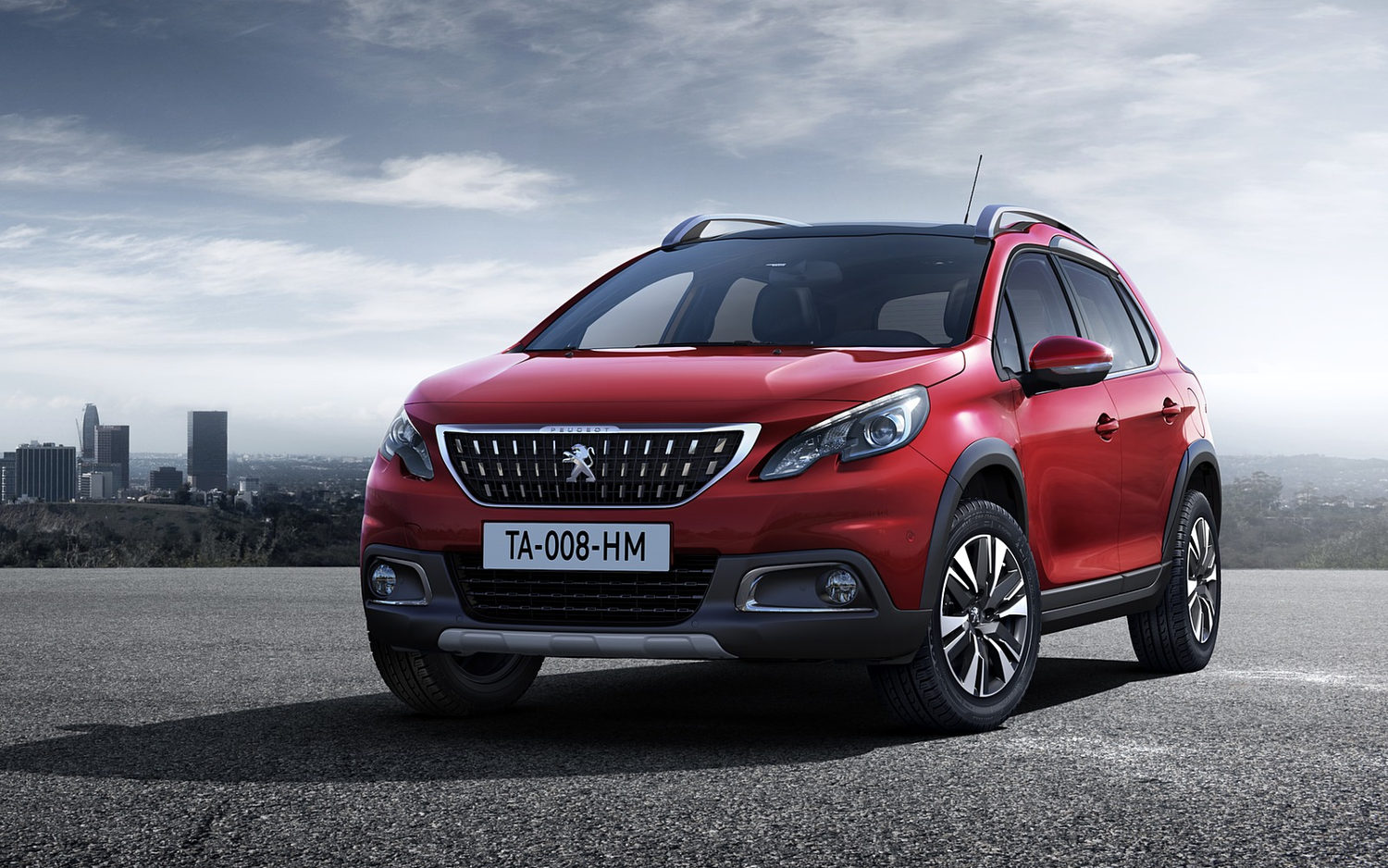
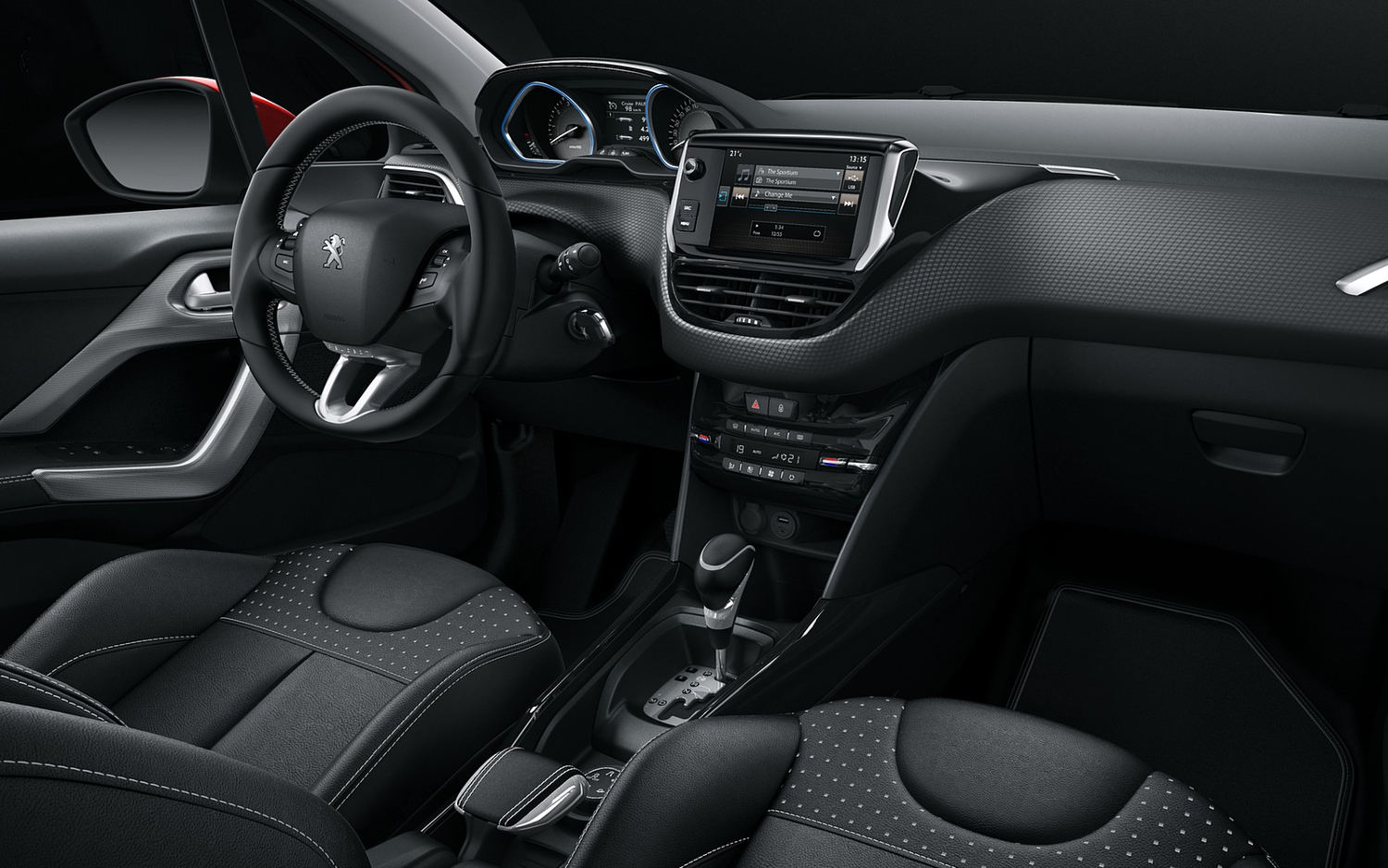
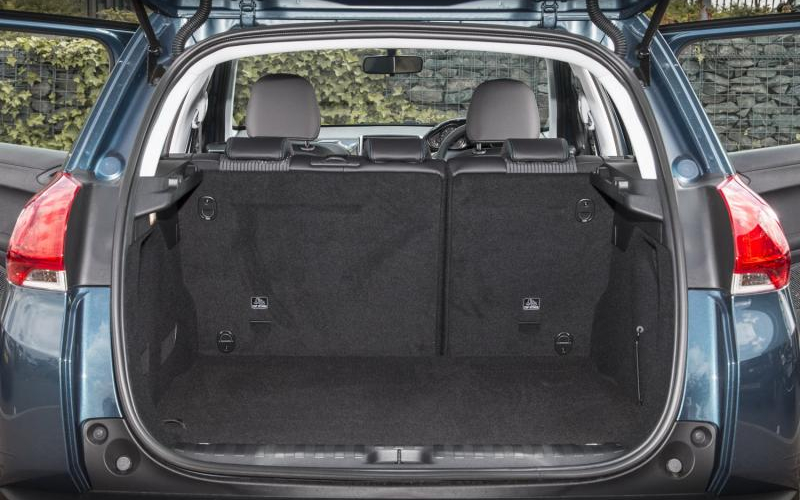
The 2008's identity crisis is partly solved, but as this is a mild update rather than ground-up rebuild, it was never going to be the CX-3 killer product planners dream about. With the new engine and transmission, though, the range is more appealing and easier to make sense of. It retains what made the car so original at launch, with the polarising i-Cockpit, clever-on-a-budget interior detailing and, as it turns out, it's a tough customer loved by rural folk. All of this won't rocket the Frenchie to market leadership, but it puts it in the mix where it was previously too confusing an idea for many buyers.
Pros New engine and trans combo Interior still cool CarPlay across the range
Cons Tight rear seats Grumbly engine at low revs Some cheap plastics
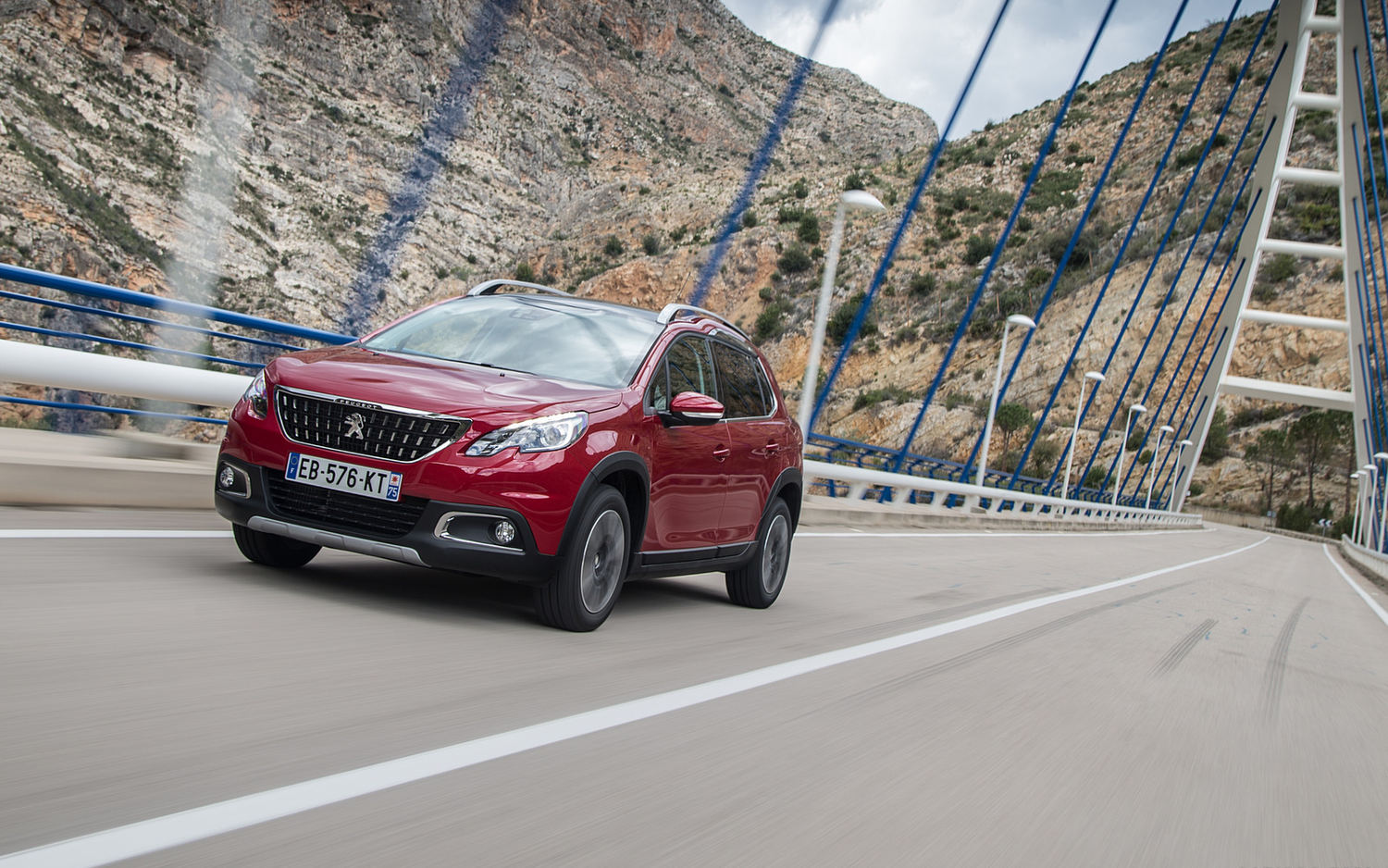
Previously overlooked small SUV gets a dose of credible performance from its new drivetrain.One of the legacy products from PSA (Peugeot and Citroen), the 2008 has been hamstrung since its local launch in 2013 by a poor selection of drivetrains. That is now resolved with the introduction of a facelifted model powered by the sparkling 1.2-litre turbo three-cylinder, driving through a six-speed automatic transmission. A reversing camera and new connectivity technology further enhance the 2008 package, all for no more than $1000 extra at entry level. In the 2008 the new engine is quieter still than it was in the light hatch. The engine rarely made its presence felt in the SUV unless it was under load, accelerating up hill, for instance – when its distinctive three-cylinder warble could be clearly heard.
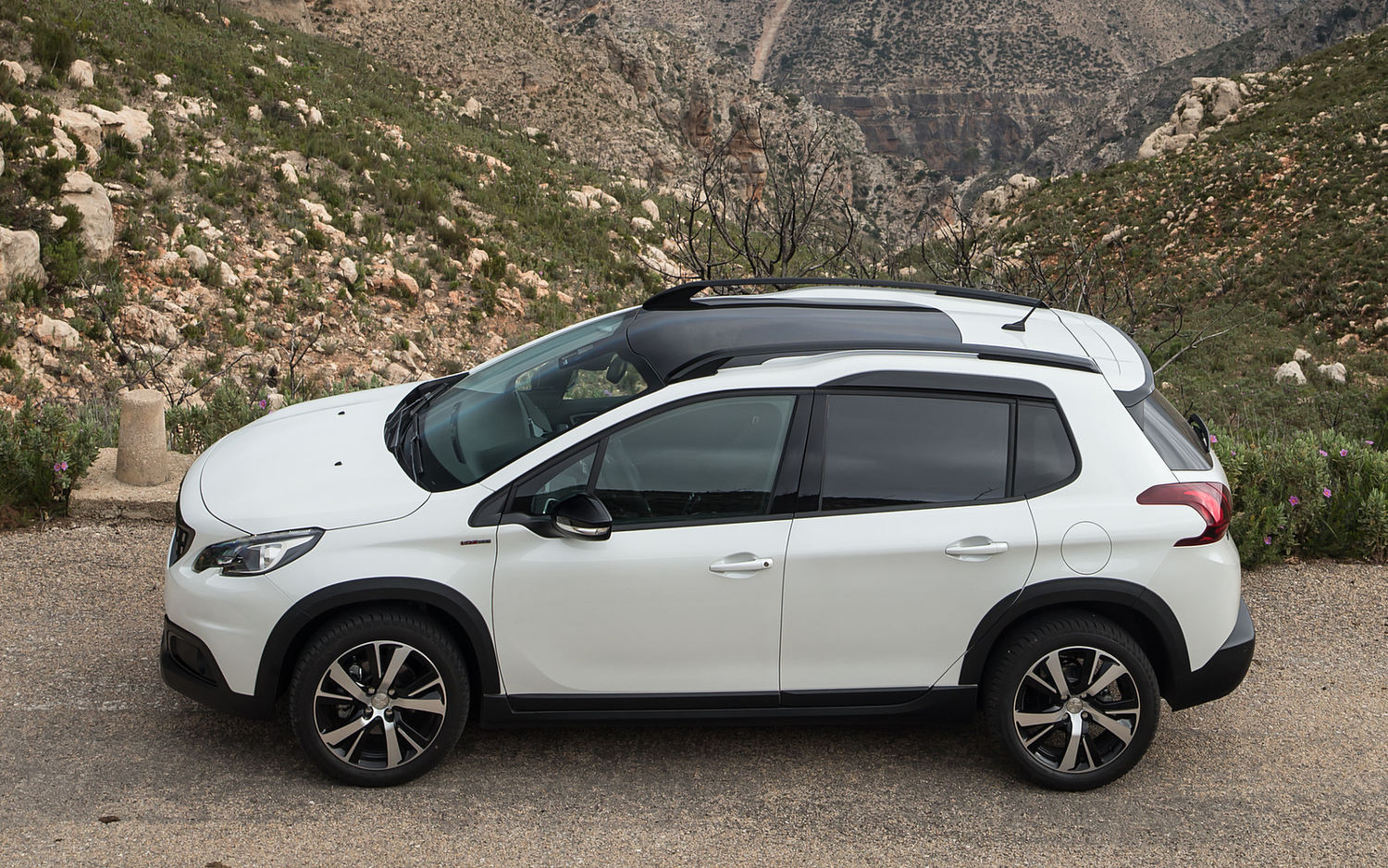
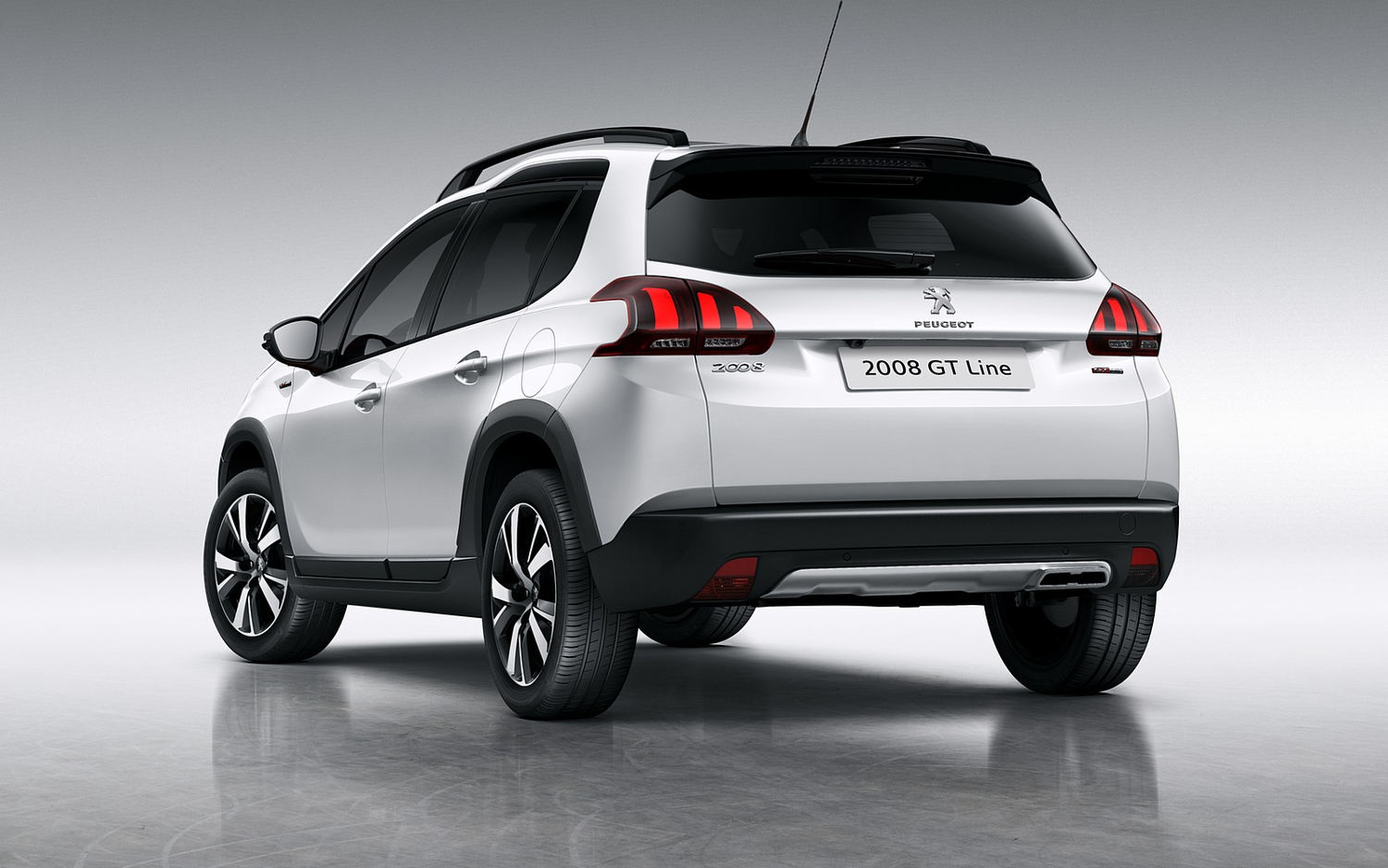
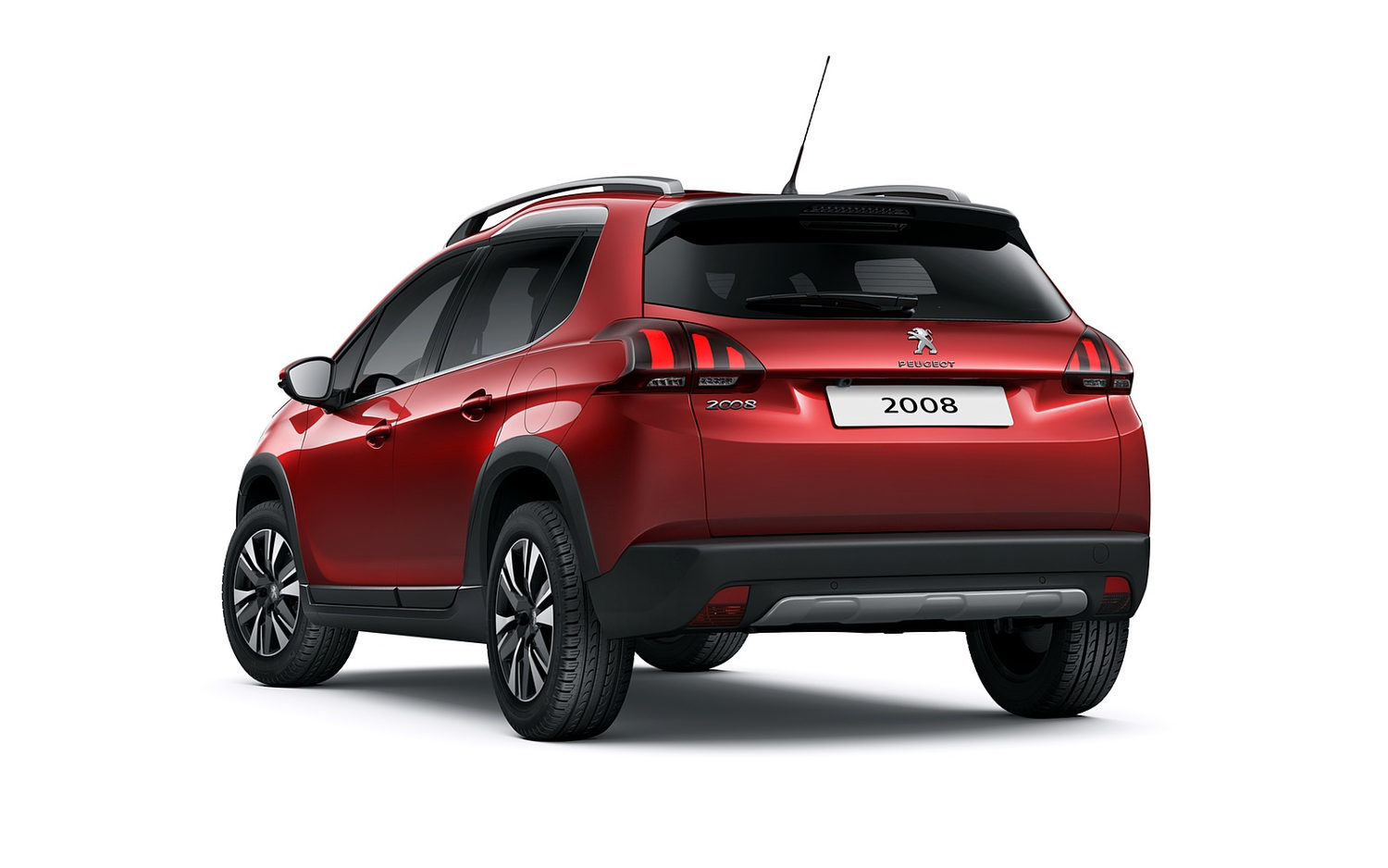
The new-look 2017 Peugeot 2008 has arrived,with the more muscled looking mini SUV axing its diesel engine offering and adding new safety and technology equipment. The new model range is a petrol only affair, with the brand’s 1.2-litre three-cylinder turbo engine and six-speed automatic transmission aimed at appealing squarely at the majority of front-wheel-drive SUV buyers. Styling wise, the revised 2008 sees the adoption of the brand’s family look, with a more pronounced grille, more angular bumper and revised headlights and tail-lights. The GT-Line model stands out from the other models with extra body cladding, black exterior highlights and more.
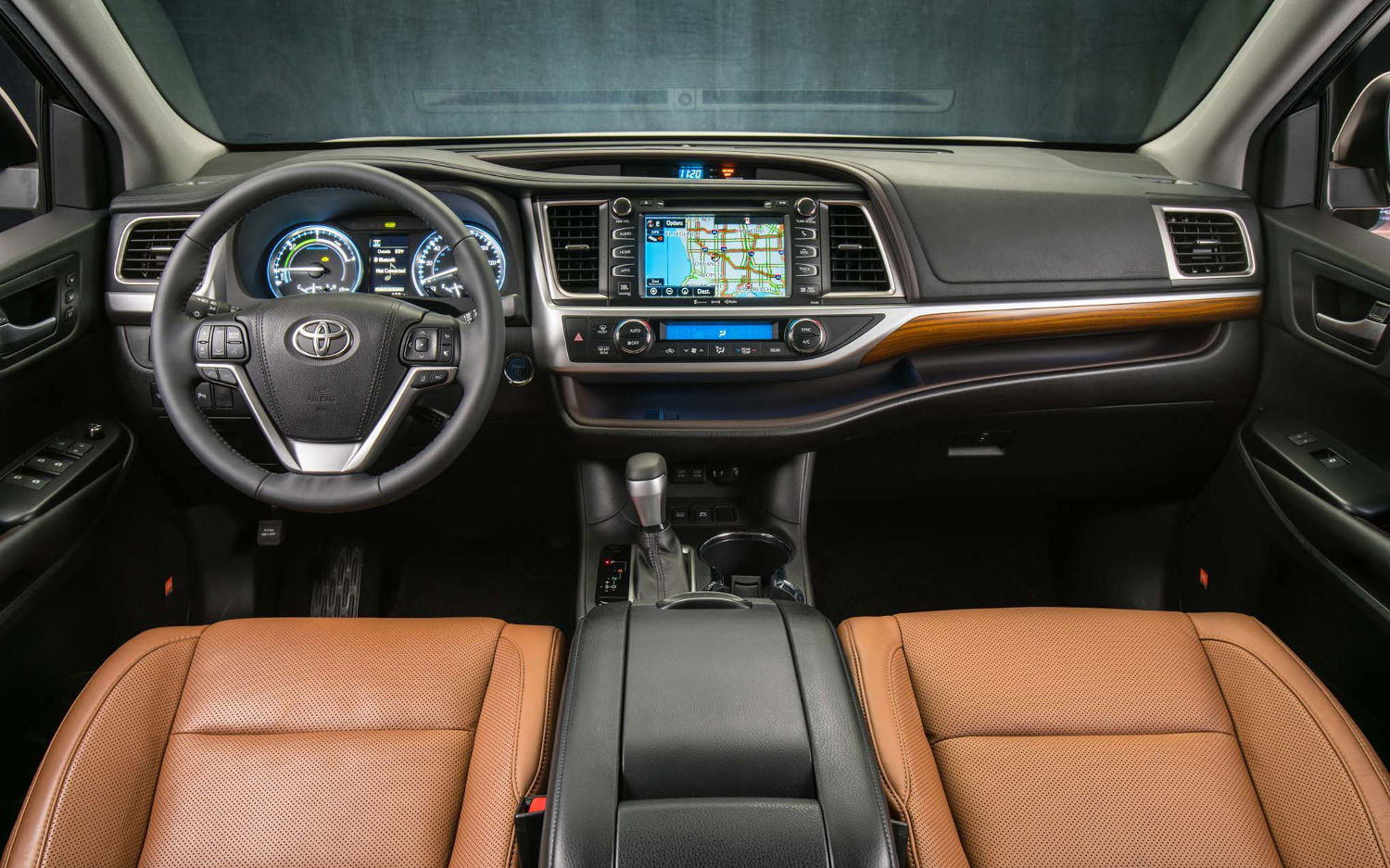
For 2017, the current-generation Toyota Highlander Hybrid receives its first significant update. Its gasoline engine is more powerful and efficient, and the exterior styling has a fresh look to it. There are also a couple of new, more affordable trim levels this year. Finally, the Toyota Safety Sense suite of accident avoidance features is now standard equipment.
Pros Impressive fuel economy for a three-row crossover Just-right size for many families Added peace of mind from standard accident-avoidance tech Quiet and compliant ride
Cons Price premium unlikely to be made up with gas savings Third-row seat isn't as roomy as those of many competitors Touchscreen and other controls may require an extra-long reach
The 2017 Toyota Highlander Hybrid ranks 1 out of 18 Midsize SUVs. The Toyota Highlander Hybrid becomes even more versatile and affordable for 2017, with the addition of two new trims and an eighth seat. It has an impressive list of family-friendly features available, along with a spacious, well-built cabin. Unsurprisingly, it delivers class-leading fuel efficiency. In a nutshell, this is a safe, reliable SUV that just happens to be a hybrid.
Pros Energetic, fuel-efficient powertrain Impressive list of standard safety features User-friendly, upscale interior
Cons More expensive than most midsize SUVs
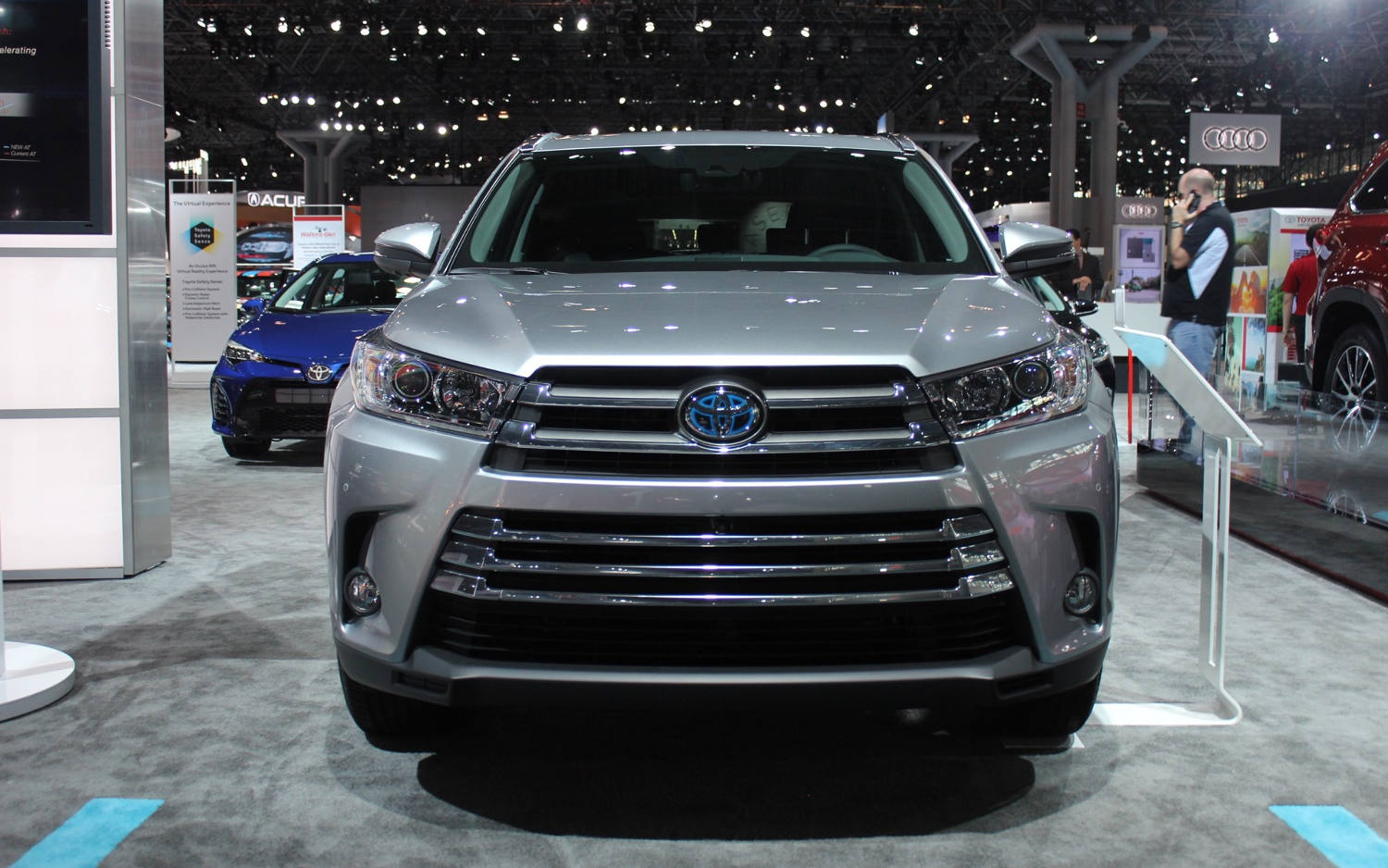
A thorough refresh keeps the 2017 Toyota Highlander ahead in a very tough game. Under the hood, a new V6 engine puts out more power and connects to a new 8-speed automatic transmission. A new suite of standard safety systems includes active cruise control and automatic collision avoidance, combining with Top Safety Pick + crash-test rating from the IIHS for peace of mind. There's also seating for eight passengers, with decent cargo space behind the third row. The interior design includes tons of clever features to make living with the Highlander easier, and the exterior gets a new grille that's, well, really big. Put it together, and Toyota's midsize SUV will continue to be a best-seller for all the right reasons.
Pros The 2017 Toyota Highlander's emphasis on safety complements its existing strengths of comfort, economy, reliability and resale value. The new engine gets more power and better fuel economy, and the exterior styling is sure to turn heads.
Cons The Highlander can haul eight passengers, and it can carry a decent amount of stuff, but it lags competitors like the Honda Pilot in both. Additionally, if you need real off-road capability, or towing capacity greater than 5,000 pounds, check out full-size SUVs like the Chevrolet Tahoe or Toyota Sequoia.