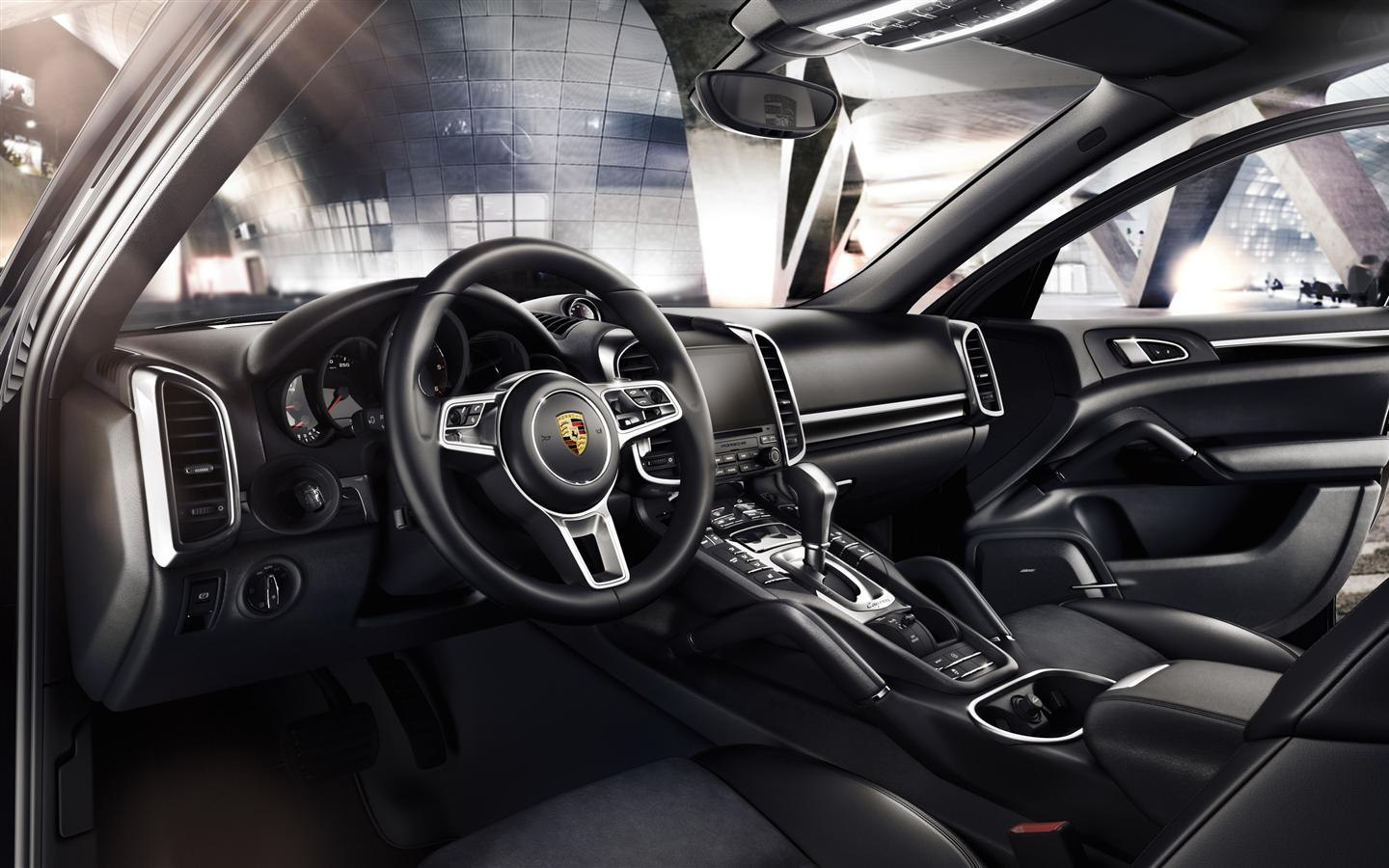
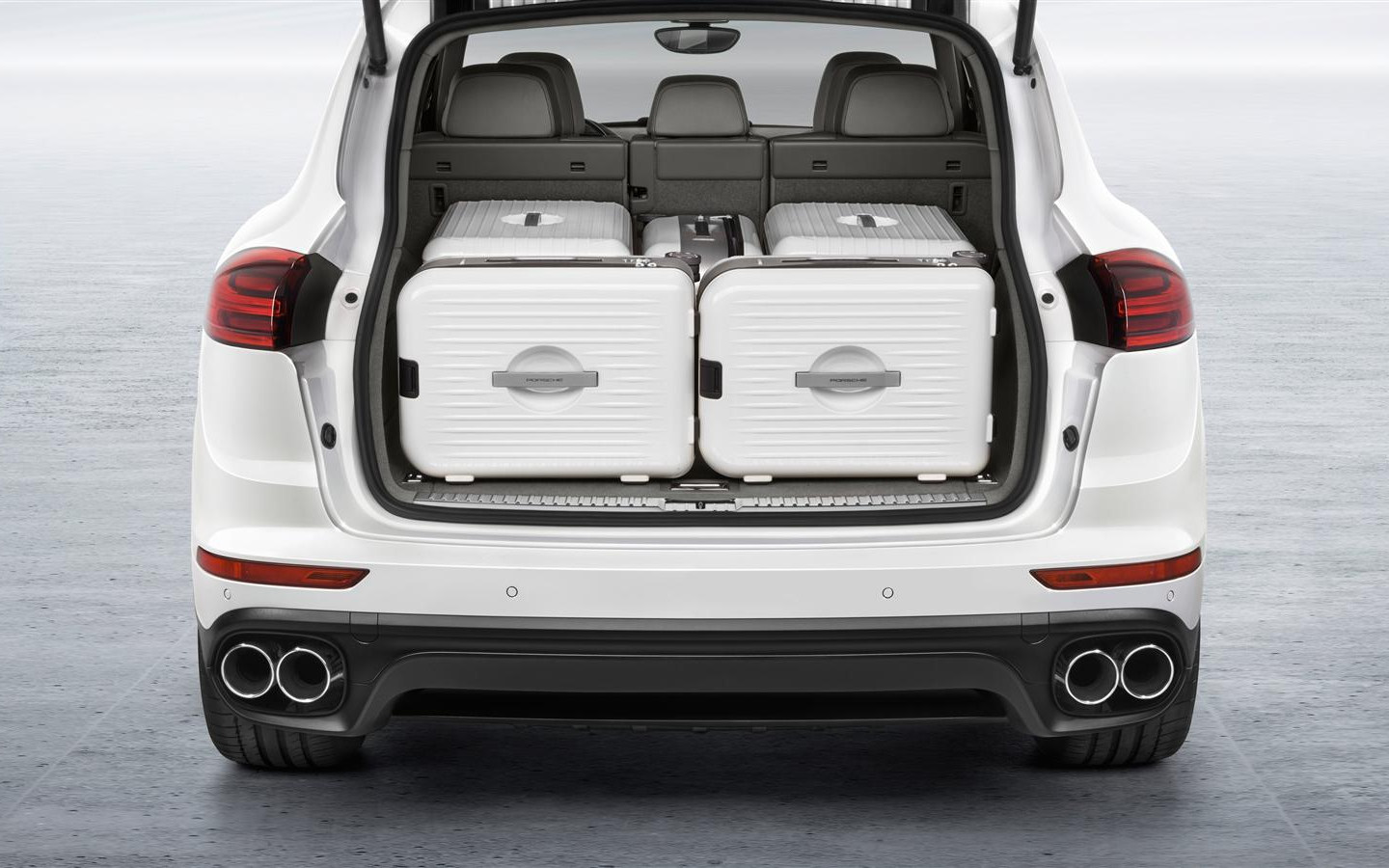
The 2017 Porsche Cayenne Hybrid ranks 1 out of 22 Luxury Midsize SUVs. The 2017 Porsche Cayenne E-Hybrid emulates everything you expect from Porsche: affluence, elegance, and performance. It's both sporty and posh, but there's isn't much room for your belongings in the back, and its fuel economy is lower than what you might expect from a plug-in hybrid.
Pros Stylish and comfortable interior Agile handling Quick acceleration Feature-rich infotainment system
Cons Small cargo space Poor fuel economy for a hybrid
The 2017 Cayenne gets Porsche's latest (PCM 4.0) touchscreen infotainment system on every trim level, improving functionality. Limited Edition Cayenne and Cayenne S E-Hybrid Platinum models also join the range, bringing the trim level count up to eight. The Cayenne Diesel has been discontinued due to the Volkswagen diesel emissions scandal.
Pros Truly impressive handling for a crossover SUV Wide selection of strong engines available Exquisite interior and build quality Plenty of customization options
Cons Relatively small cargo capacity for the segment Quite a few optional features should be standard given the price tag
The Cayenne is a spicy-hot mix of luxury, off-road ability, and sports-car performance—just what you’d expect in a Porsche SUV. The base model has a 300-hp V-6; the S makes 420 hp and the GTS makes 440 hp, both from a twin-turbo 3.6-liter V-6. There's also the S E-Hybrid. All have an eight-speed automatic and all-wheel drive. A leather-lined cabin and infotainment with navigation make it a comfortable road tripper. The Cayenne is easy to hustle around curves and equally ready for family duty. The EPA rates the Cayenne S E-Hybrid at 46 MPGe in combined driving while depleting the battery charge and using the electric motor. As a more conventional hybrid, the Porsche is rated at 22 mpg combined. That won’t rattle the worldview of many Tesla owners, but it’s substantially better than other Cayenne models.
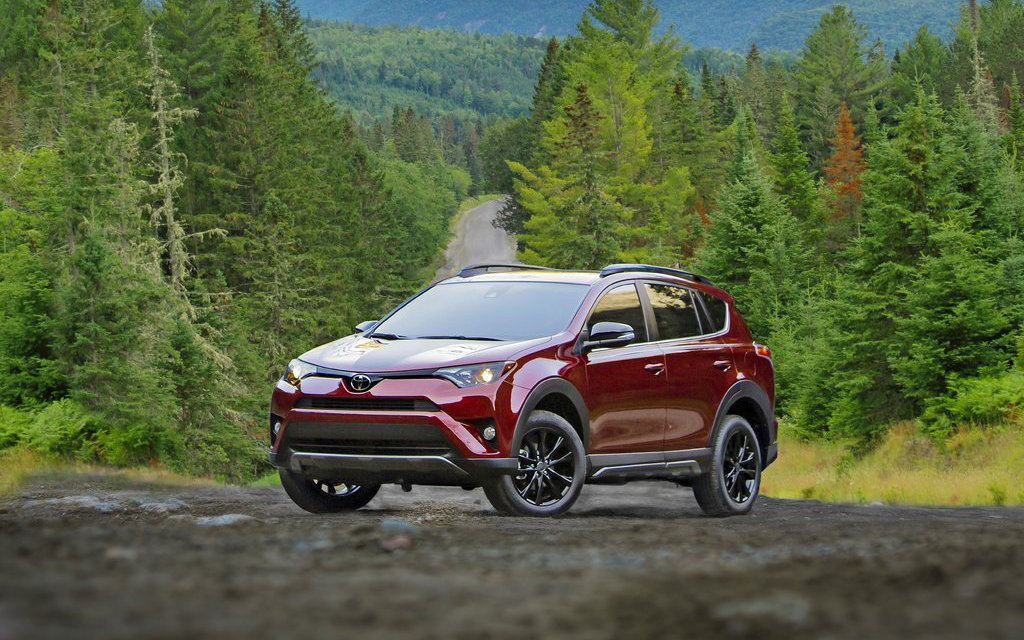
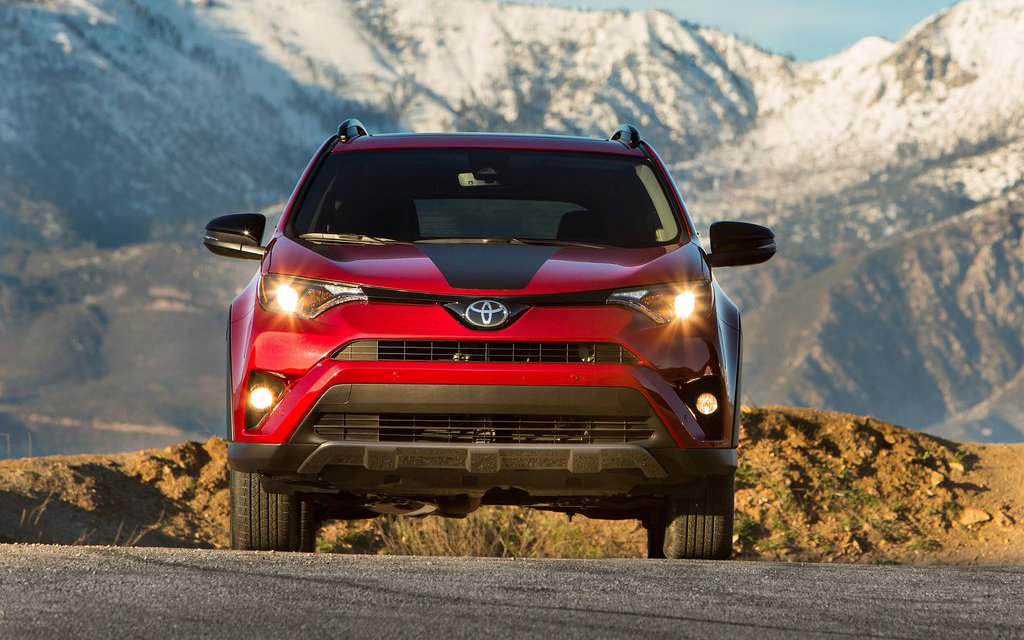
The 2018 Toyota RAV4 Hybrid ranked #8 in Compact SUVs. Currently the Toyota RAV4 Hybrid has a score of 8.3 out of 10 which is based on our evaluation of 25 pieces of research and data elements using various sources.
Pros Terrific mpg ratings Lots of cargo space Comfortable, spacious seats Lots of standard driver assistance features
Cons Uninspiring cabin materials Lower safety ratings than some rivals
The Hybrid can now be had in a new LE base trim level, further lowering its point of entry. The SE also gains 0.4 inch of ground clearance.
PROS Great fuel economy for a compact crossover Small price premium over standard RAV4 One of the biggest, more useful cargo areas of any compact crossover Advanced safety and driver aids come standard
CONS Real leather seating is not available Noticeable shudder when gas engine kicks in Less useful interior storage as well Interior more utilitarian in look and feel than those of competitors
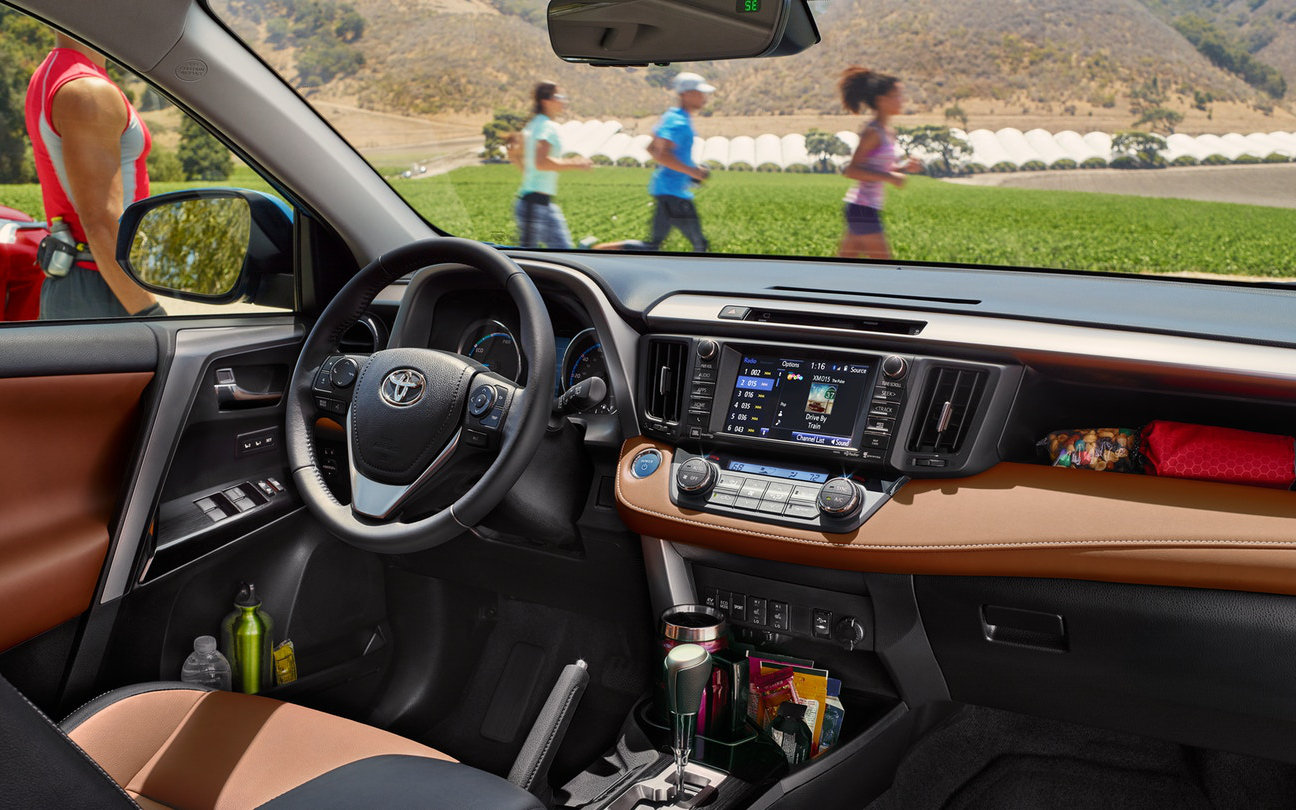
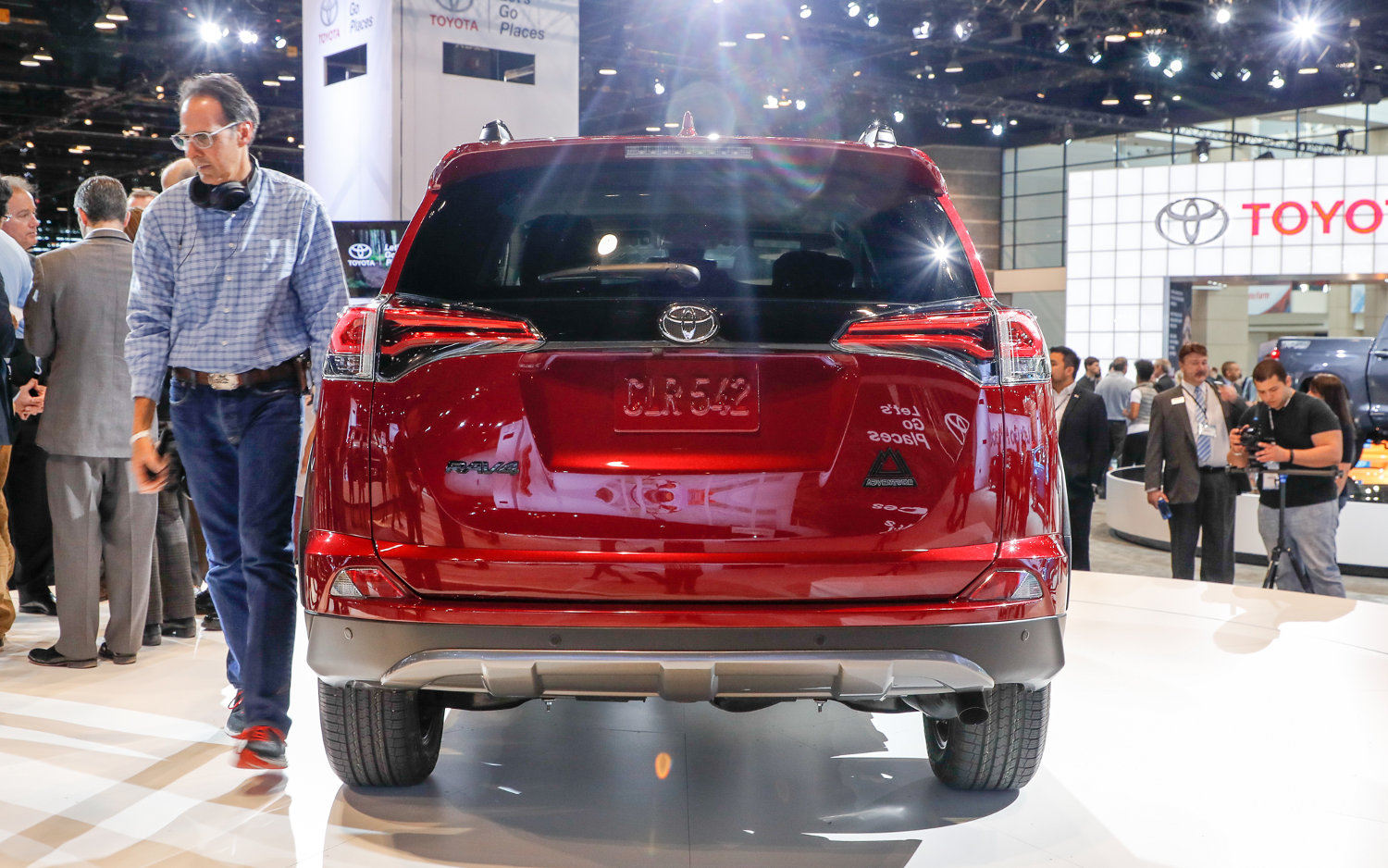
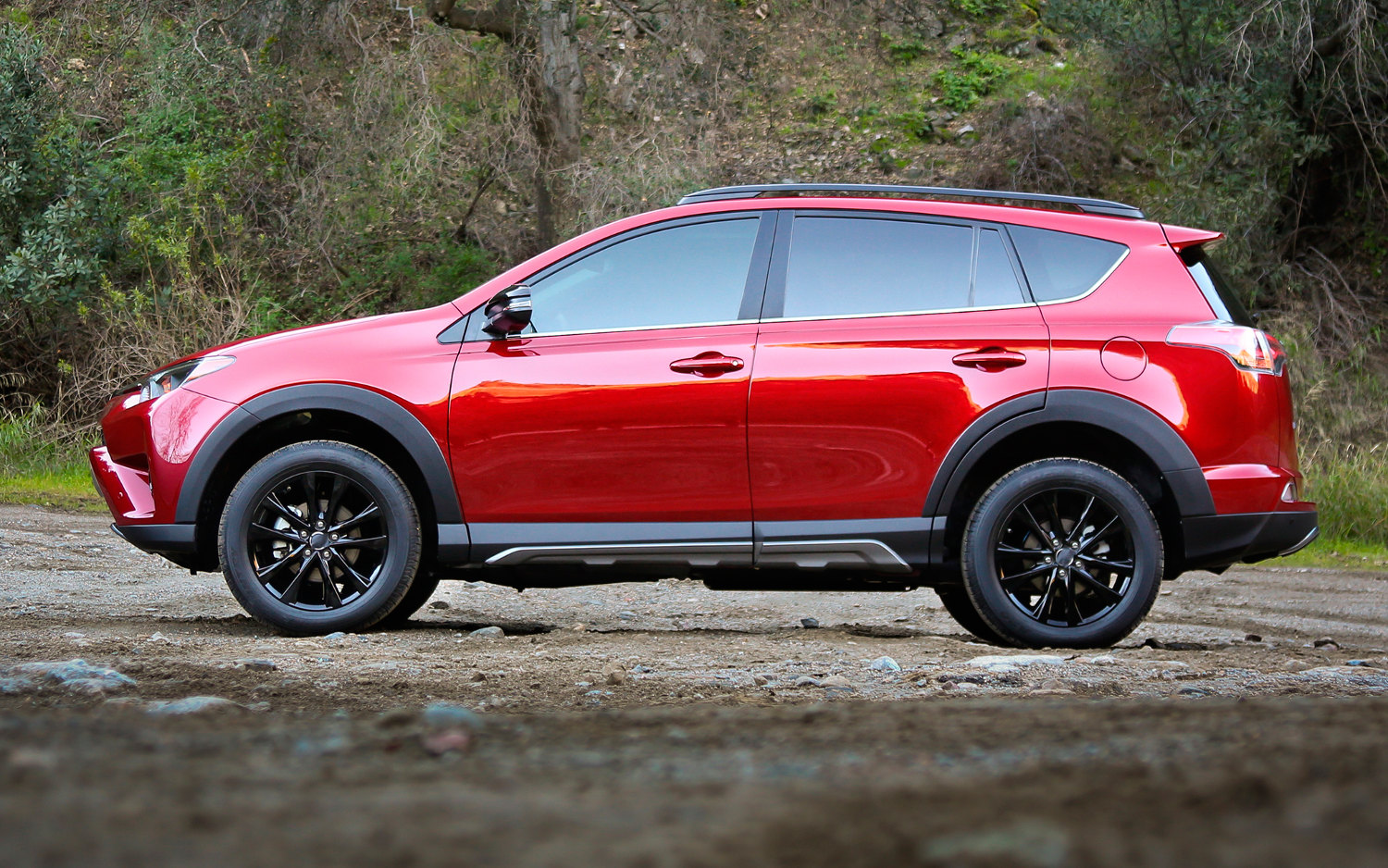
Its angled headlamps and sharply creased bodywork give the RAV4 an assertive presence, but don’t be fooled—under the skin, it’s a practical, comfortable, and easygoing ute. A 176-hp 2.5-liter four and a six-speed automatic are standard with either front- or all-wheel drive. The all-wheel-drive hybrid returned 31 mpg in our testing. A 6.1-inch infotainment system is standard on LE, SE, and XLE trims; Limited models get a 7.0-inch unit. An all-new RAV4 hits showrooms before the end of 2018.
Pros Standard active-safety features, supremely practical, impressive towing ability.
Cons Subpar fuel economy, inferior infotainment, all-new model is imminent.