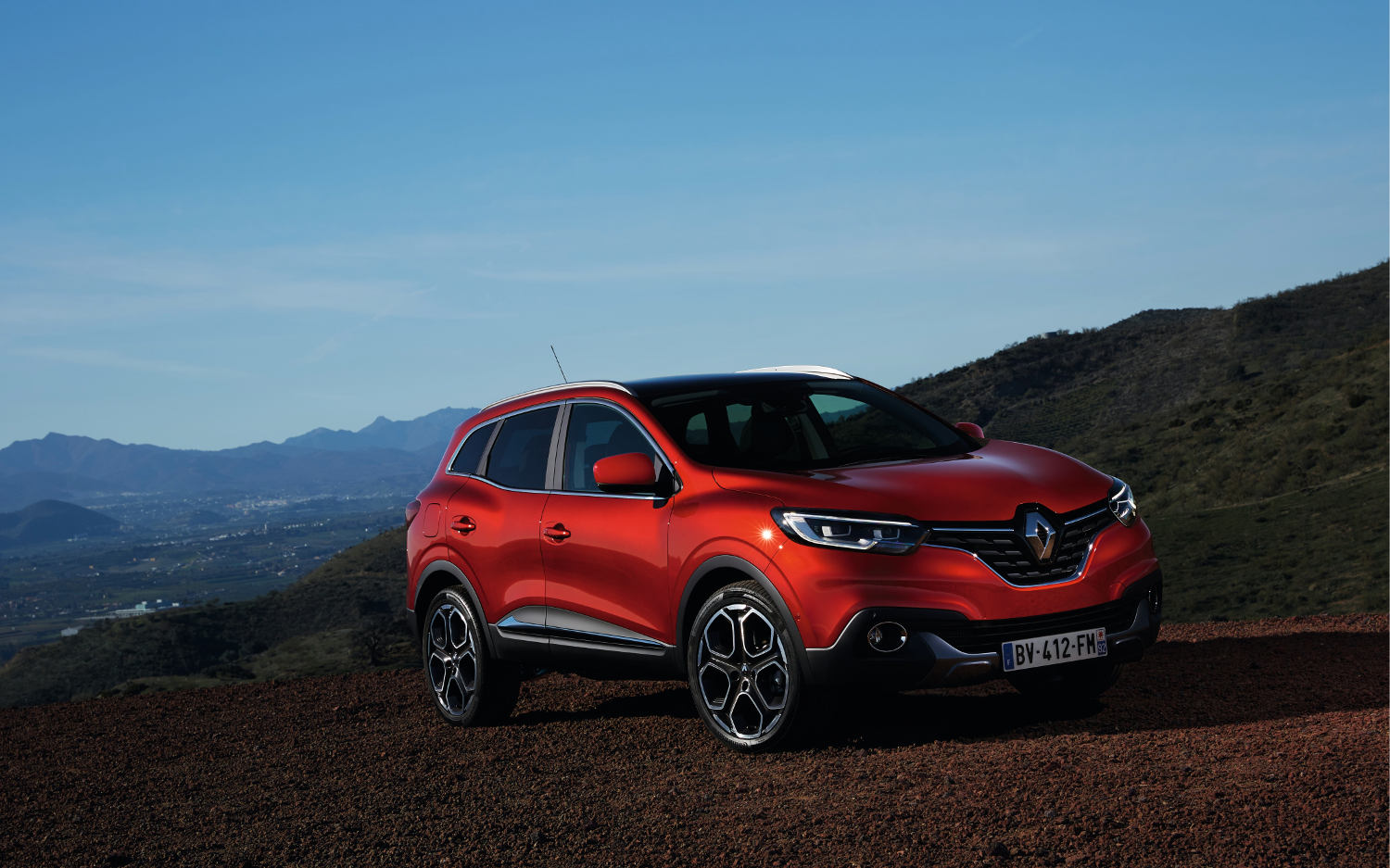
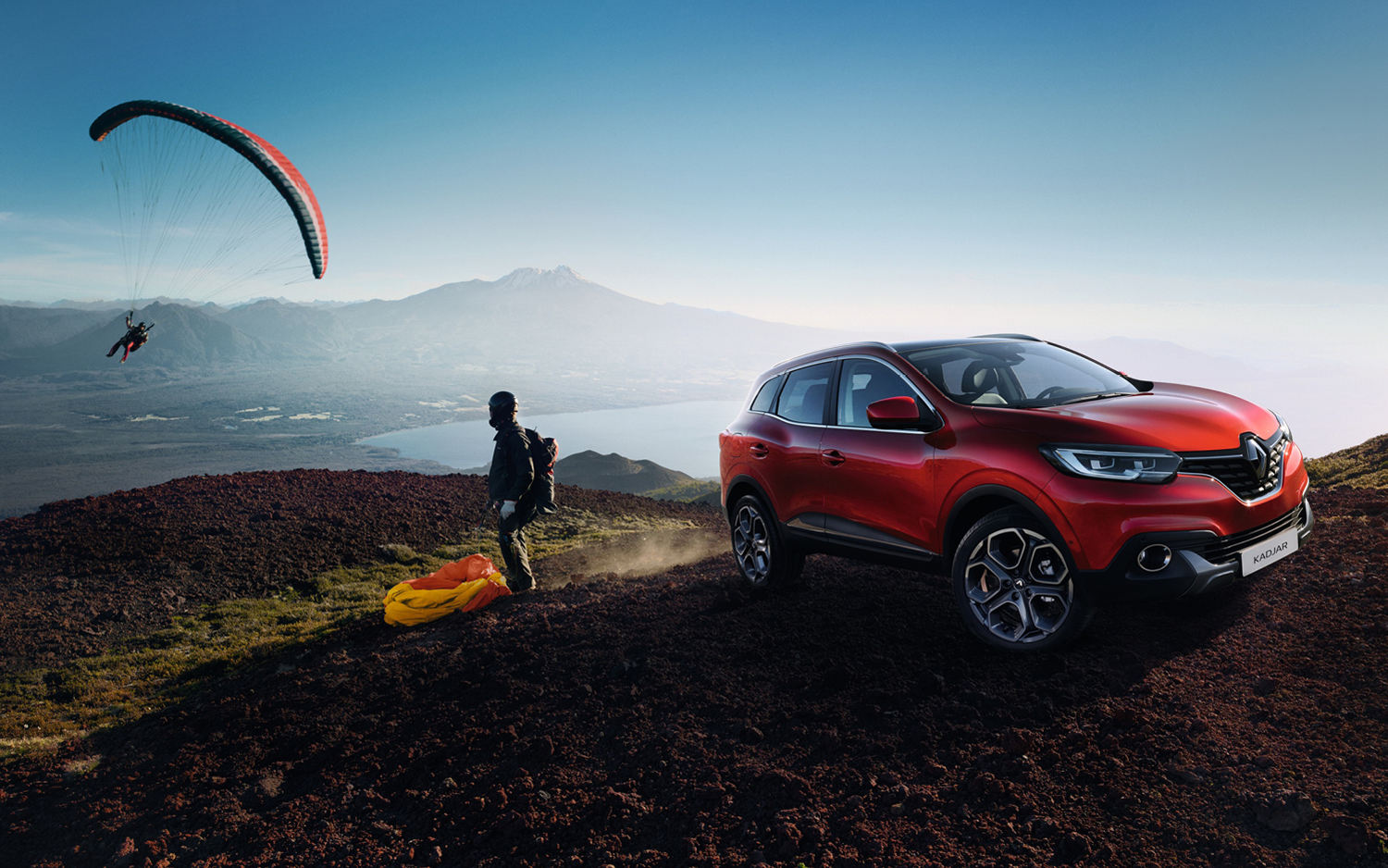
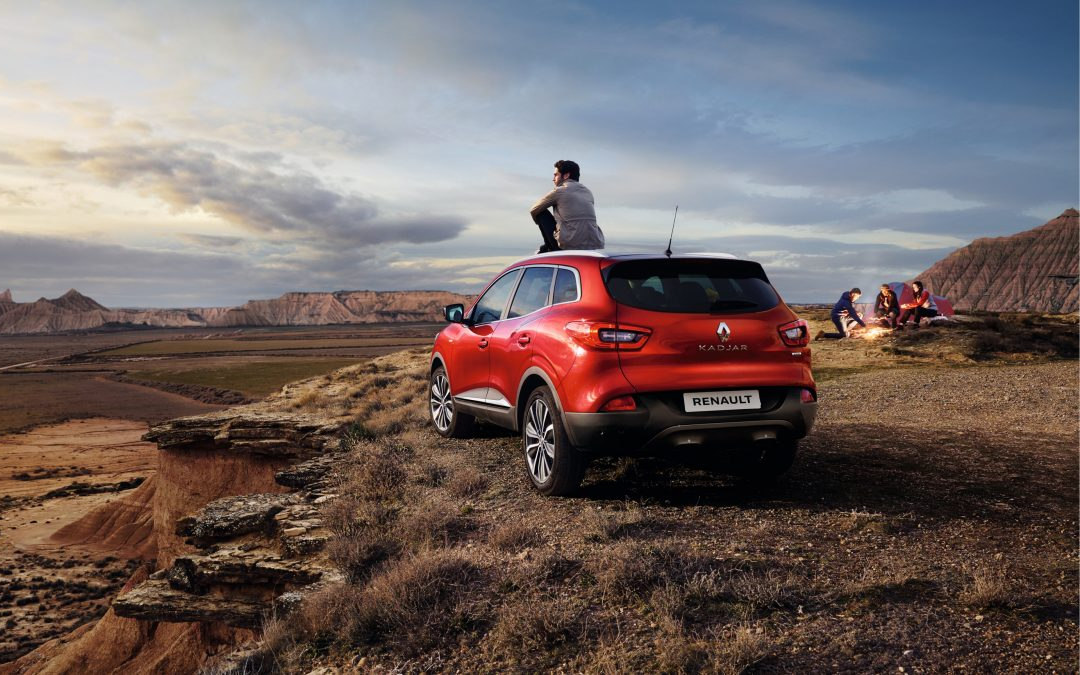
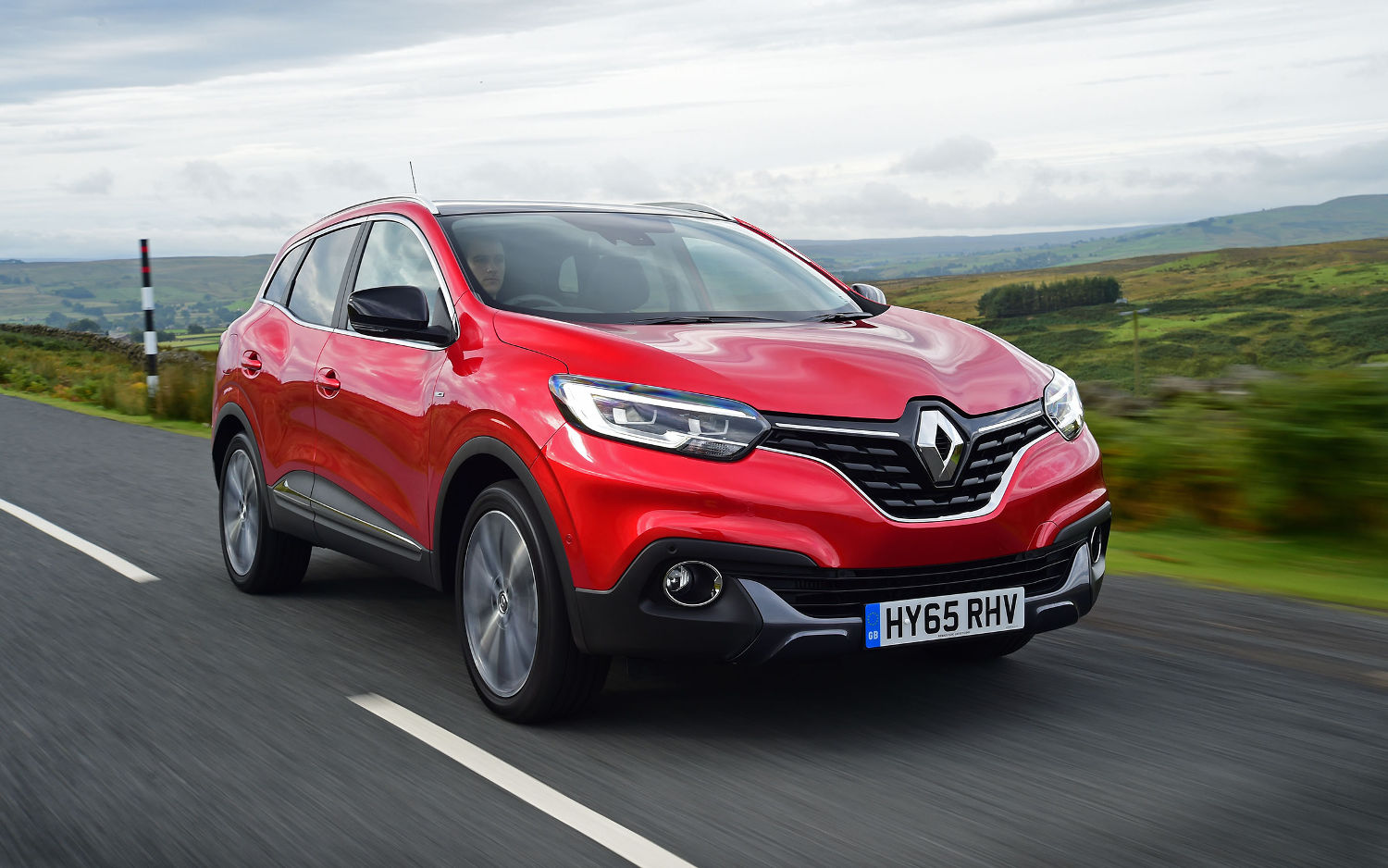
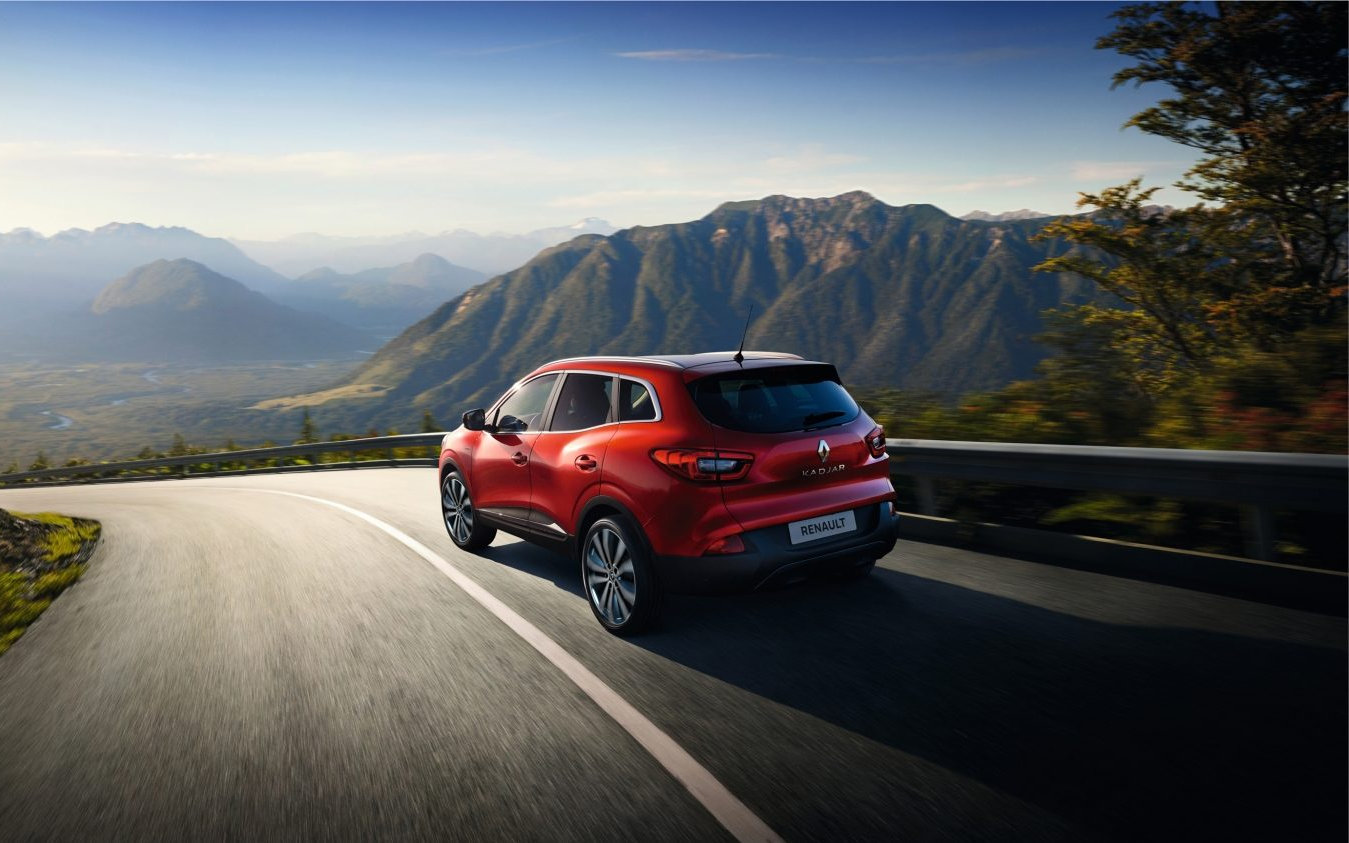
The Renault Kadjar is a stylish crossover that's based on the same platform as the Nissan Qashqai. But, while the Qashqai took undisputed class honours when it arrived in early 2014, the game has moved on, and the Renault equivalent betters it in almost every area. However, the Renault just falls short of the all round appeal of the SEAT Ateca. There's a single body style for the Kadjar, and it slots into the Renault range above the Captur. Both of these models will be joined by the larger Koleos SUV later in 2017. There are four trim levels to choose from: the entry-level, air con-equipped Expression+, the mid-spec Dynamique and Dynamique S, while at the top of the range is Signature trim. Cars in top-spec trim are expensive, but they do boast a generous amount of kit, including a Bose stereo, 19-inch alloy wheels, and touchscreen nav is included on Dynamique models and above. The Kadjar earned a five-star rating when it was tested by Euro NCAP, just like the Nissan Qashqai. All but the entry-level model has lane departure warning and traffic sign recognition as standard. Autonomous emergency braking, which will automatically apply the brakes if a collision is imminent, is an option on all trim levels.
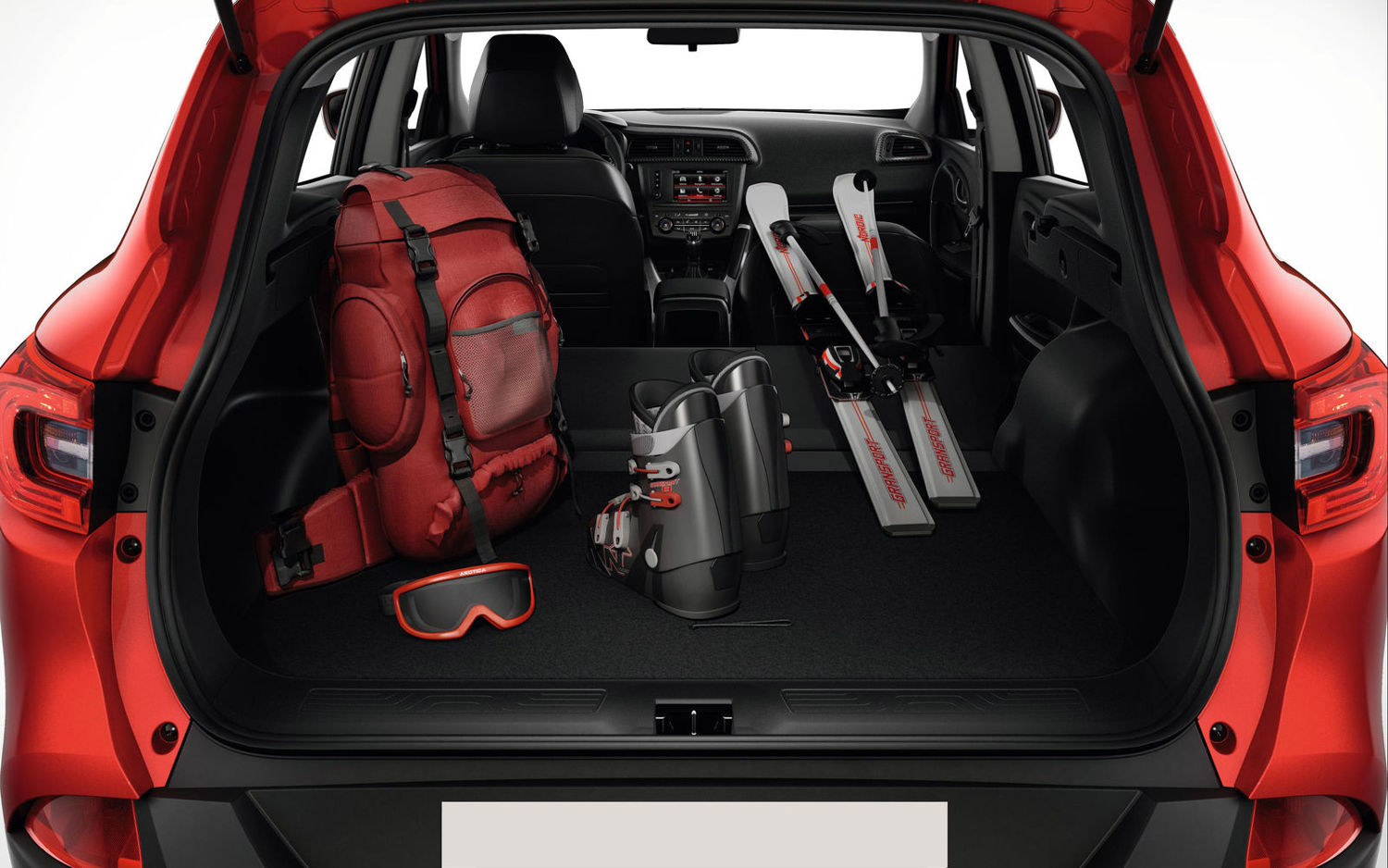
The Renault Kadjar is a family crossover that not only rivals the Honda CR-V, Mazda CX-5 and Volkswagen Tiguan, but is also a worthy alternative to best-selling hatchbacks such as the Ford Focus and Volkswagen Golf. The Kadjar shares many parts with the Nissan Qashqai, but its body is a bit bigger. This means you get slightly more passenger space and a larger boot. The Renault’s interior also packs a high-tech infotainment system and an eye-pleasing dashboard.
Pros Competitive price Practical cabin Excellent fuel economy
Cons Just one petrol engine High-end models are expensive Sunroof reduces rear headroom
As a small SUV, the Kadjar is also a rival to the Kia Sportage, Seat Ateca and Skoda Yeti, but it's the aforementioned Nissan that it has most in common with, because it uses the same platform and engines. This means Kadjar buyers can choose from turbocharged 1.2-litre petrol and 1.5- and 1.6-litre diesels, although the 1.6 is the only option if you want four-wheel drive. In terms of interior space, the Kadjar and Qashqai are closely matched, and both offer a high-riding driving postion that gives you a good view down the road. However, the Kadjar's styling is closer to that of its smaller SUV sibling, the Renault Captur.
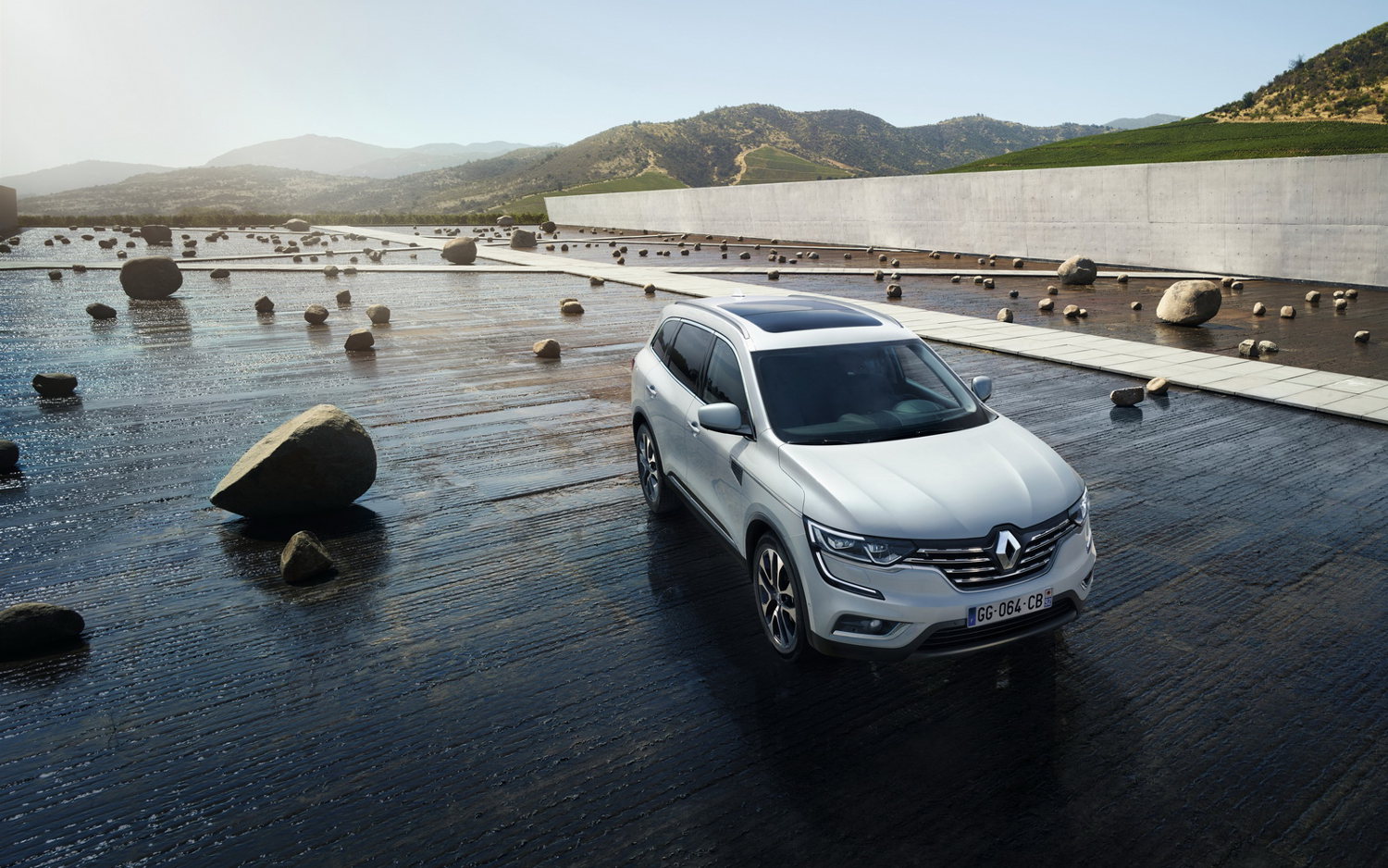
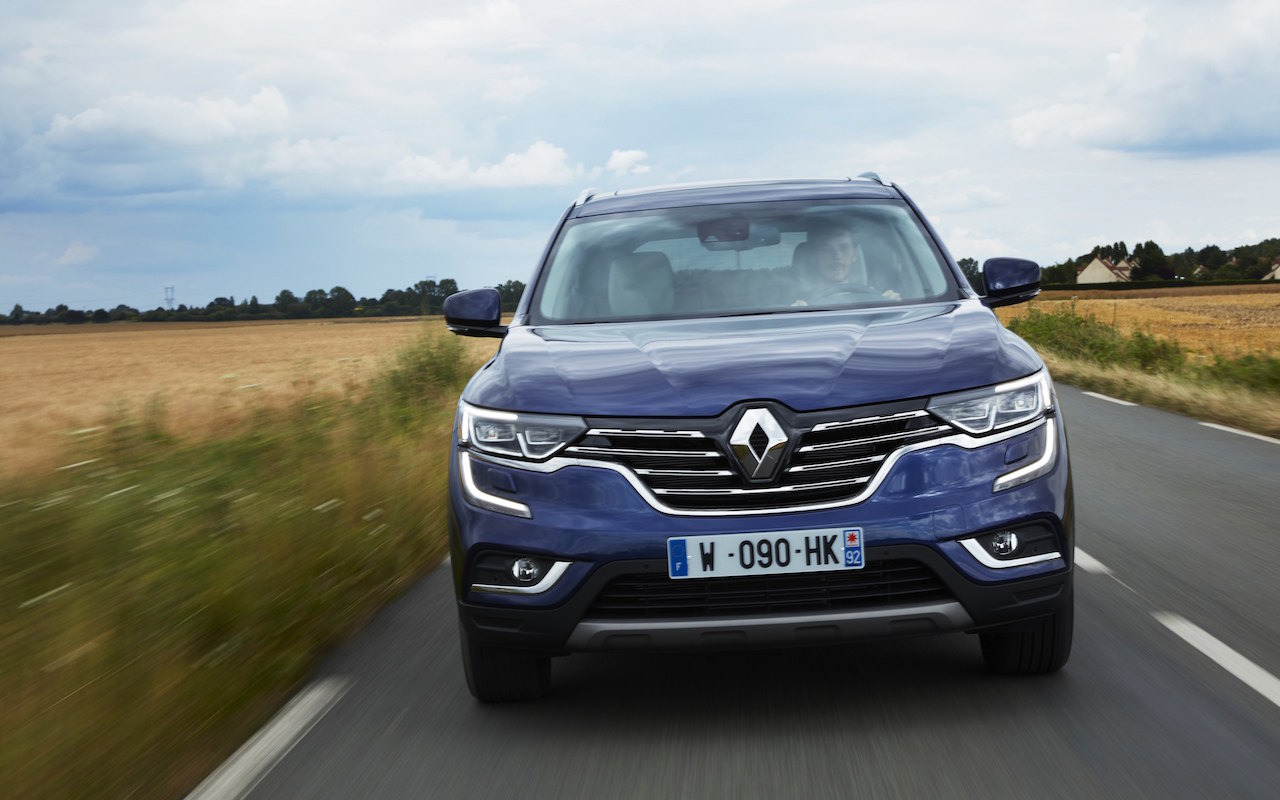
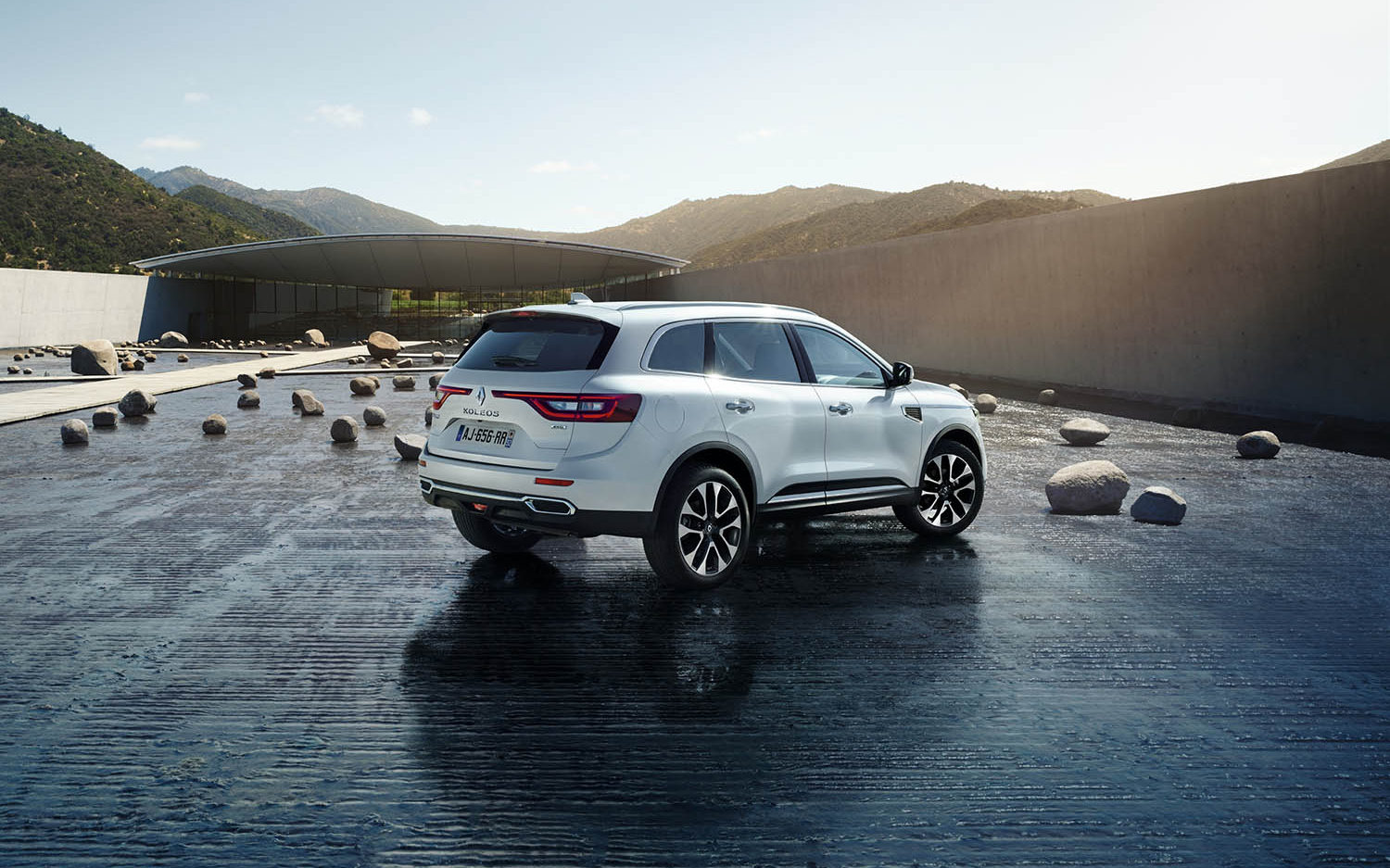
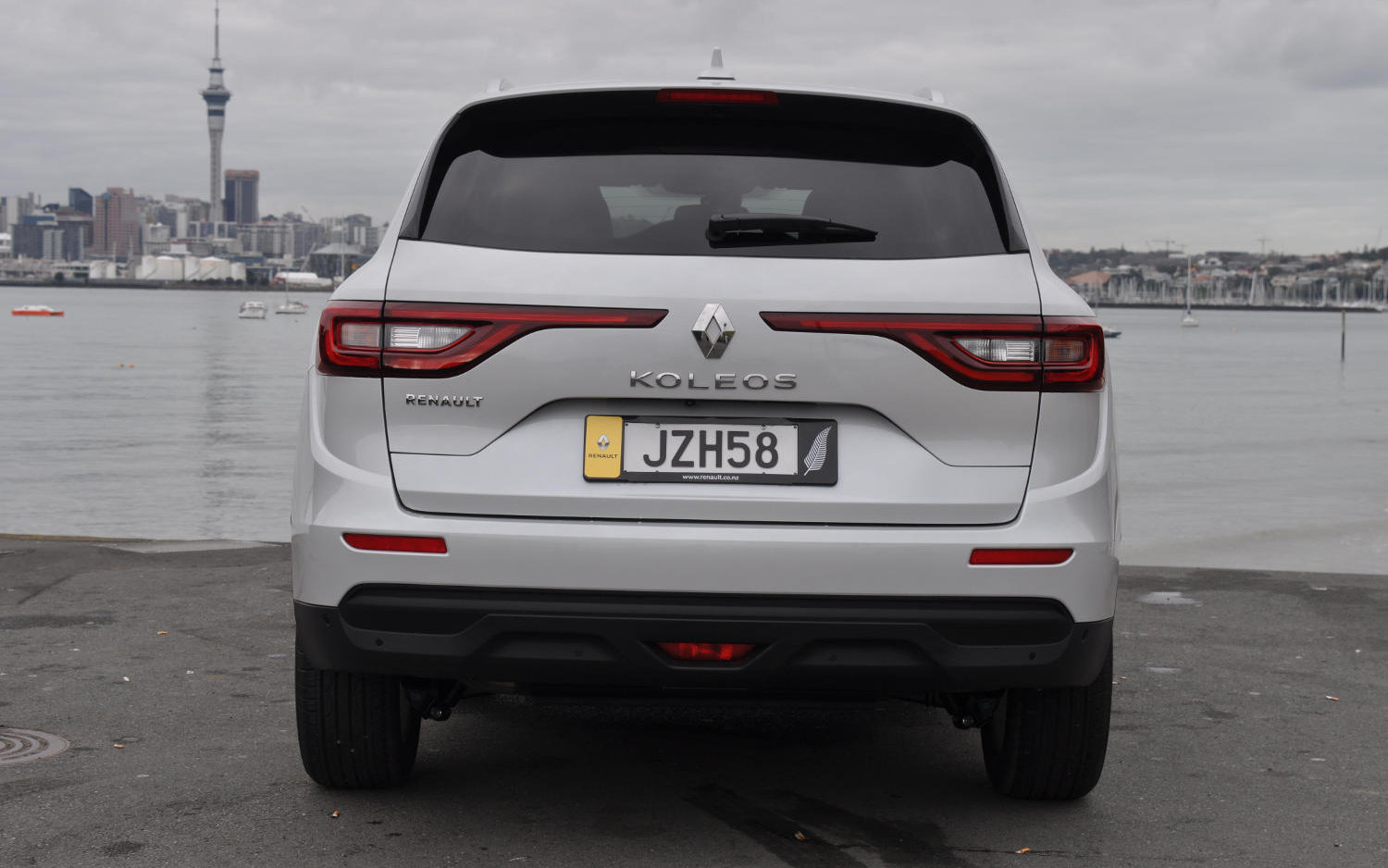
The 2017 Renault Koleos is a huge step up for the French brand.The launch of the second-generation Renault Koleos medium SUV in Australia is one of the company’s most significant to date. So significant that we are in fact the first market to get the car — not something we’re used to here in our remote corner of the world. This French rival to the Mazda CX-5, Hyundai Tucson and imminent new Volkswagen Tiguan is poised to become the company’s top-seller here, which is fitting when you consider the continued rapid growth in this corner of the market. The new Koleos sits on the same proven architecture as the Nissan X-Trail (fruits of the global Renault-Nissan Alliance) and is once again built in Korea as part of Renault’s alliance with Samsung Motors. It’s larger than before, more upmarket and certainly better value.
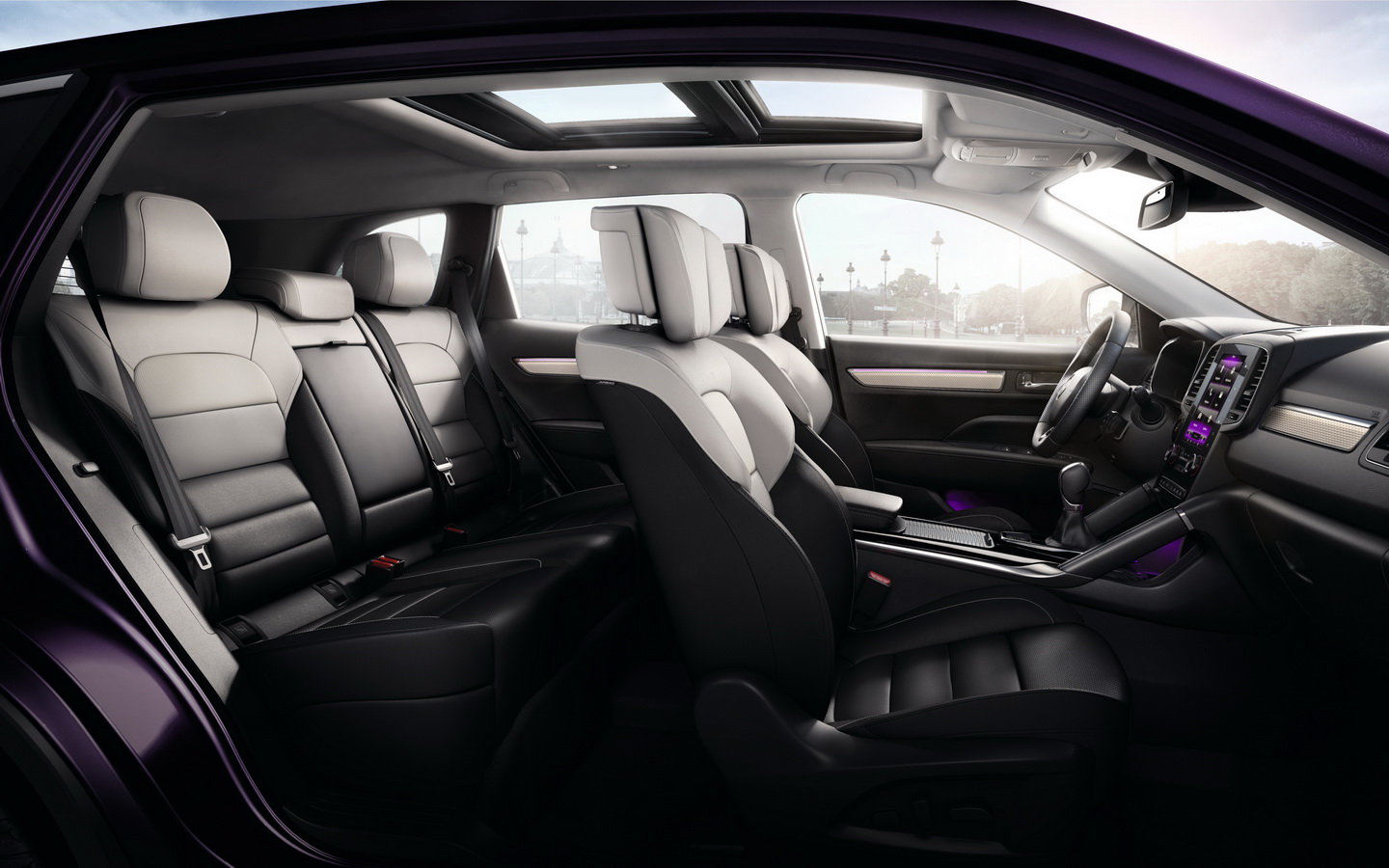
Pros Interesting cabin design Plenty of interior space Good value The promise of reasonable ownership costs may surprise you
Cons Petrol engine and CVT uninspiring, a diesel would be good Not the rounded dynamic package that class-leaders are
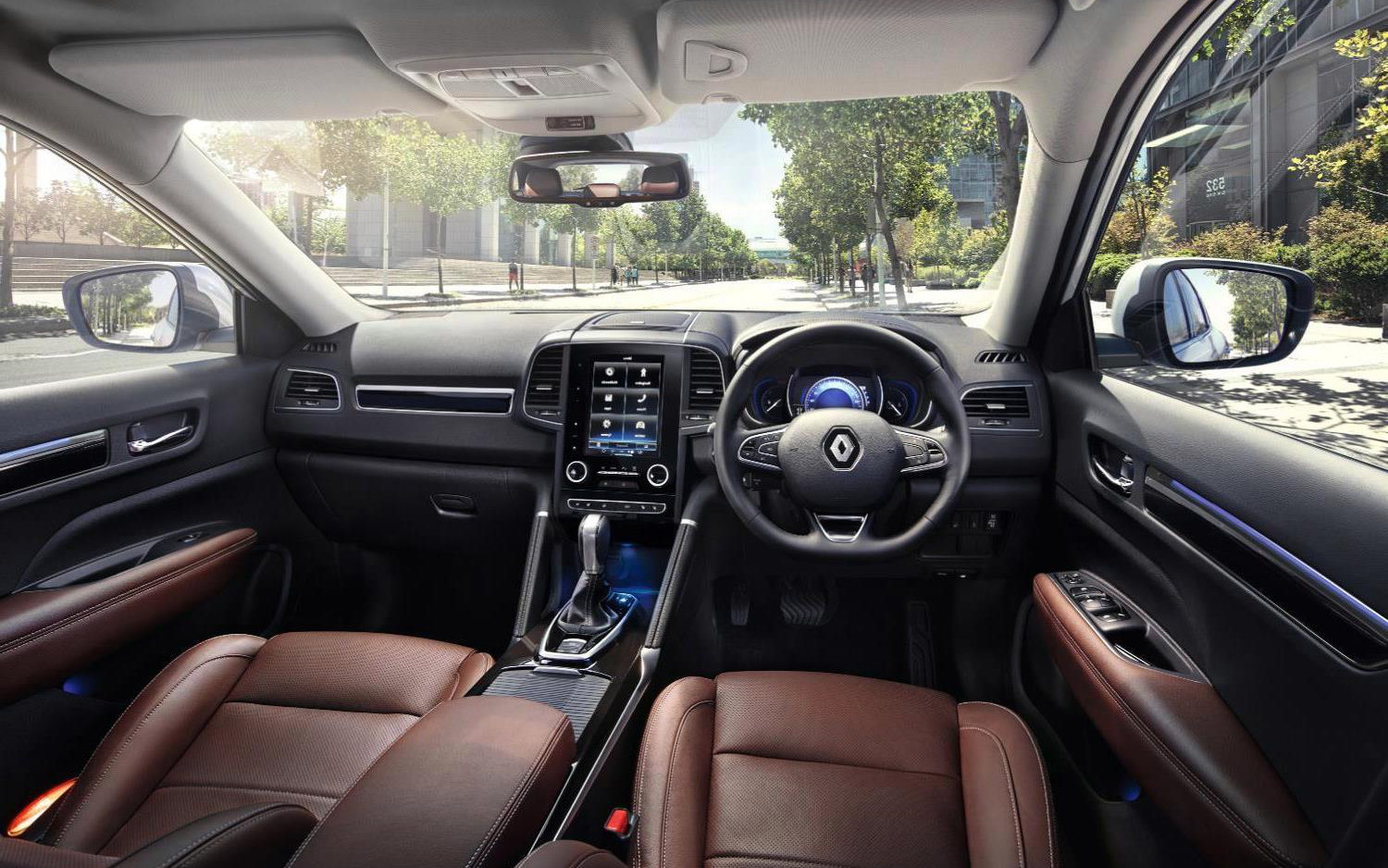
The original Koleos was Renault’ s first crossover ever, and the newest iteration is set to be the brand’s flagship SUV that will compete against the likes of the Mitsubishi Outlander and the Nissan X-Trail, among others. As Renault’s flagship SUV, the Koleos is now larger and offers seating for up to seven. It comes loaded with an automatic four-wheel drive system, new technology, and a decent list of driver assistance systems. When spy shots of the new Koleos started surfacing, I was a little skeptical that Renault would do right by the model. The original did well in some markets, but poor in others others . Now that we’ve seen the finished product, it’s pretty clear that Renault went all out on its new flagship SUV. It’s filled with technology that will be used and doesn’t have any of the extra crap that nobody ever uses. The interior is upscale and luxurious, and it is sure to be a hit in most markets.
Pros Updated styling Space for seven Up-scale features
Cons Could be too close to the X-Trail Engine packages might fall short