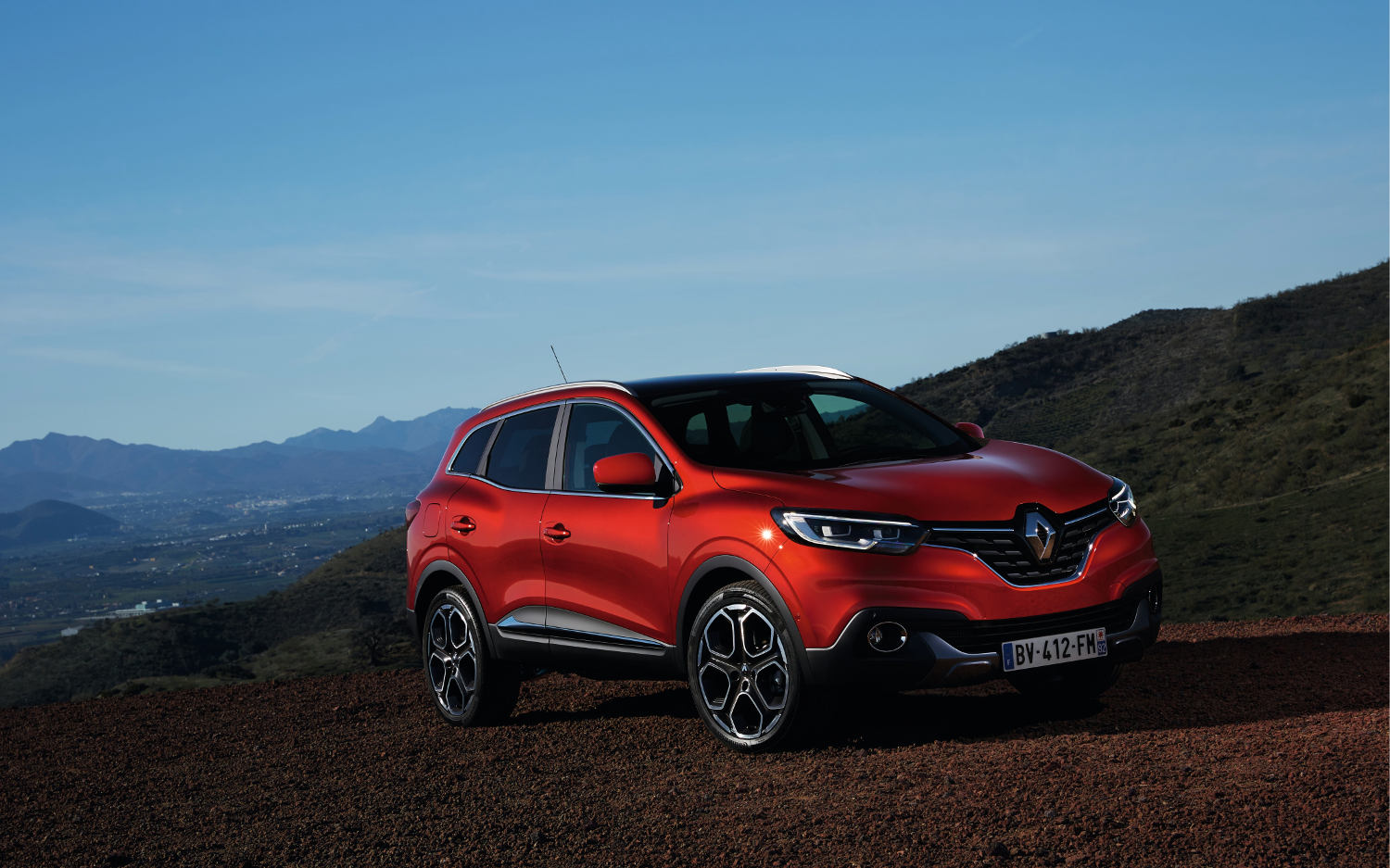
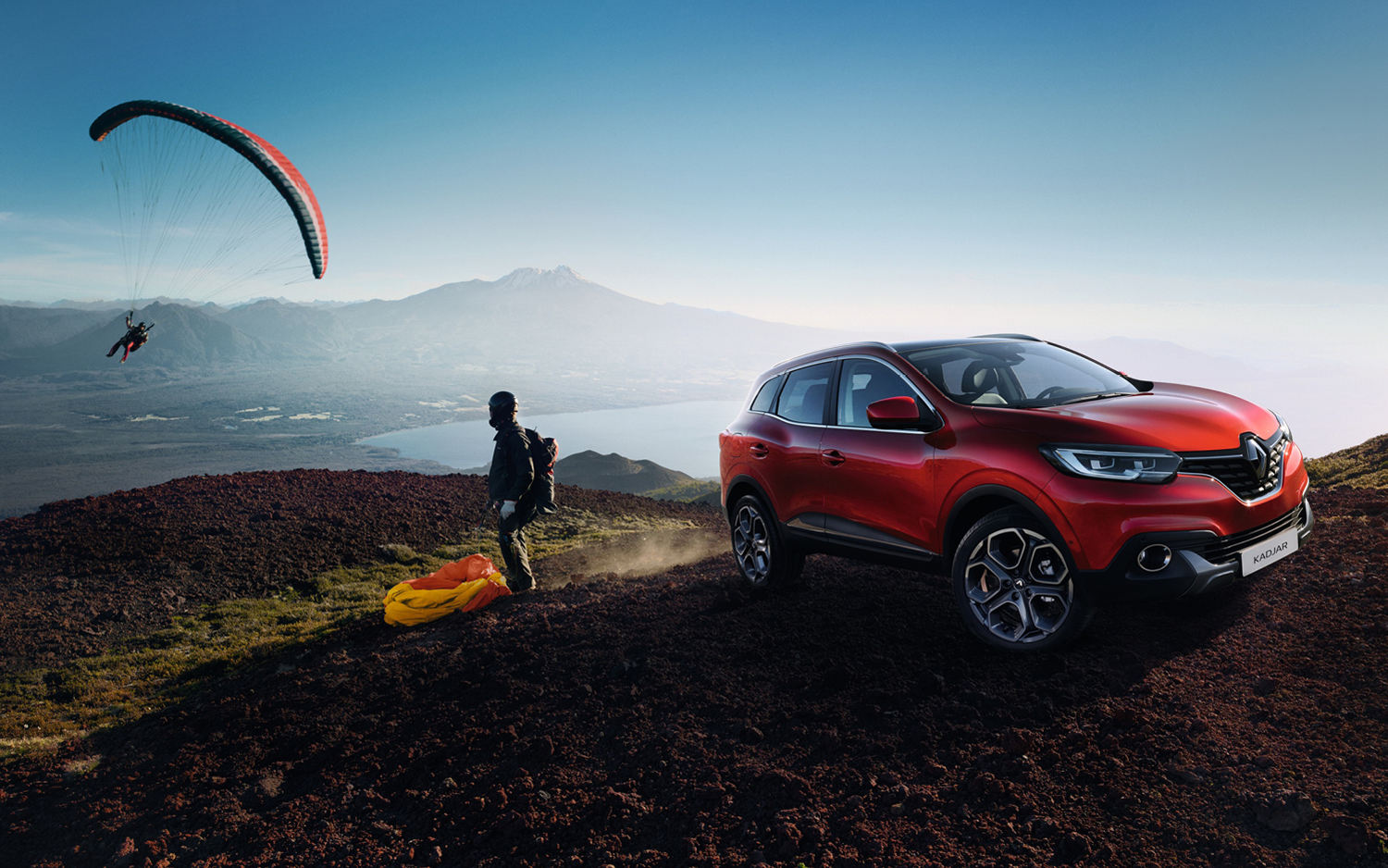
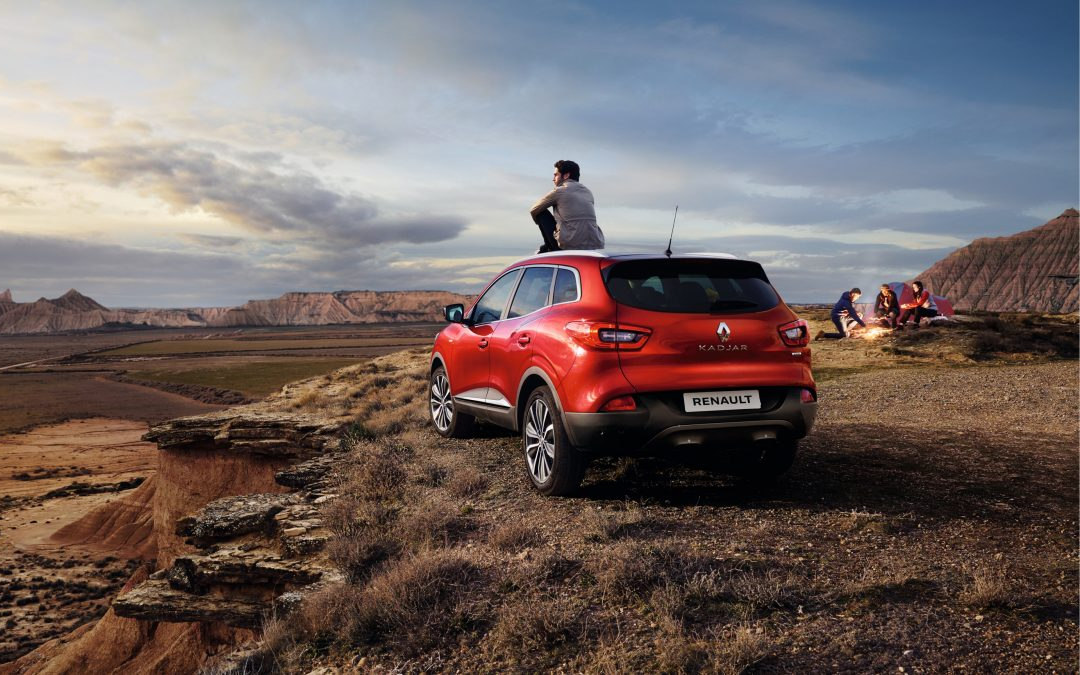
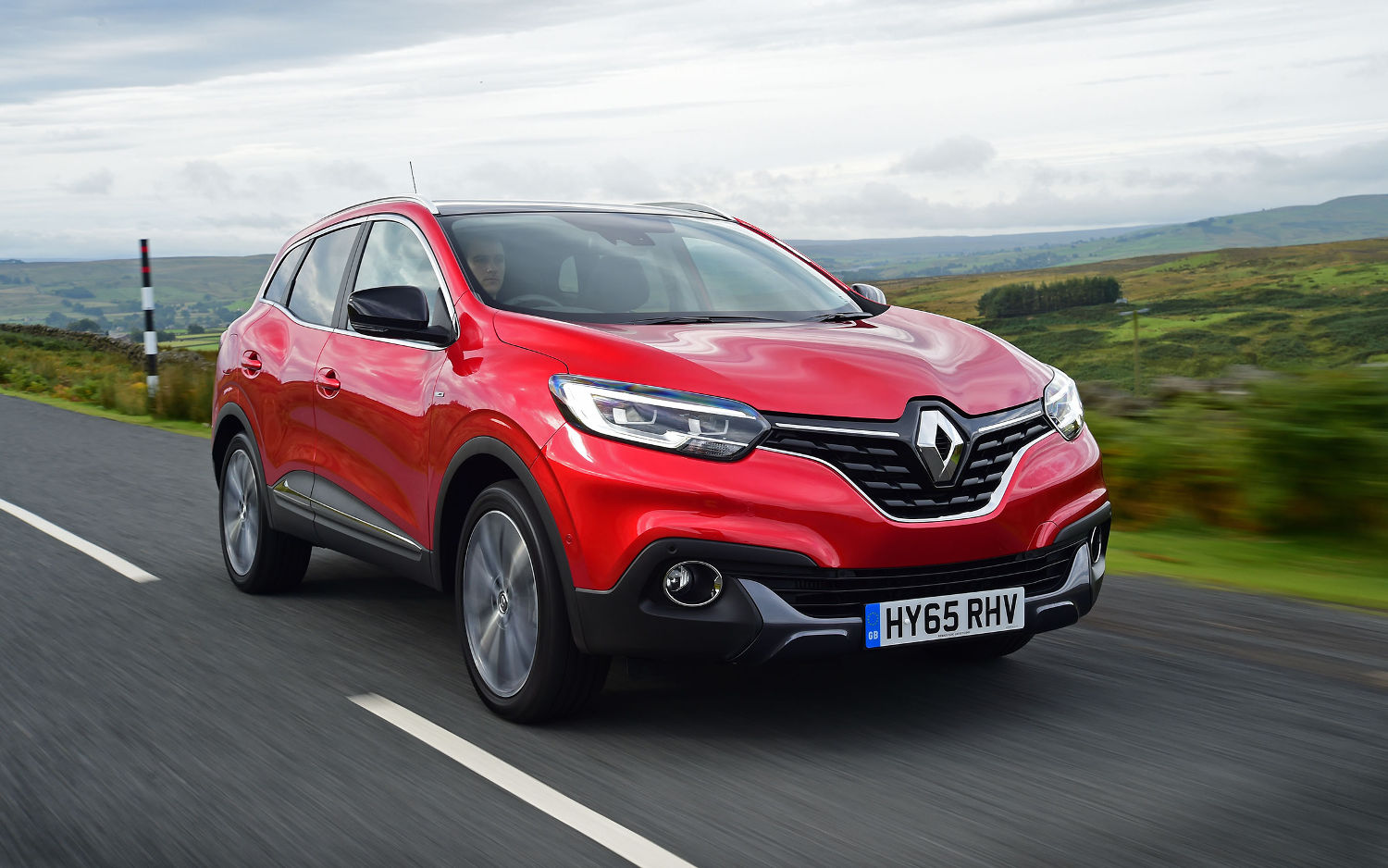
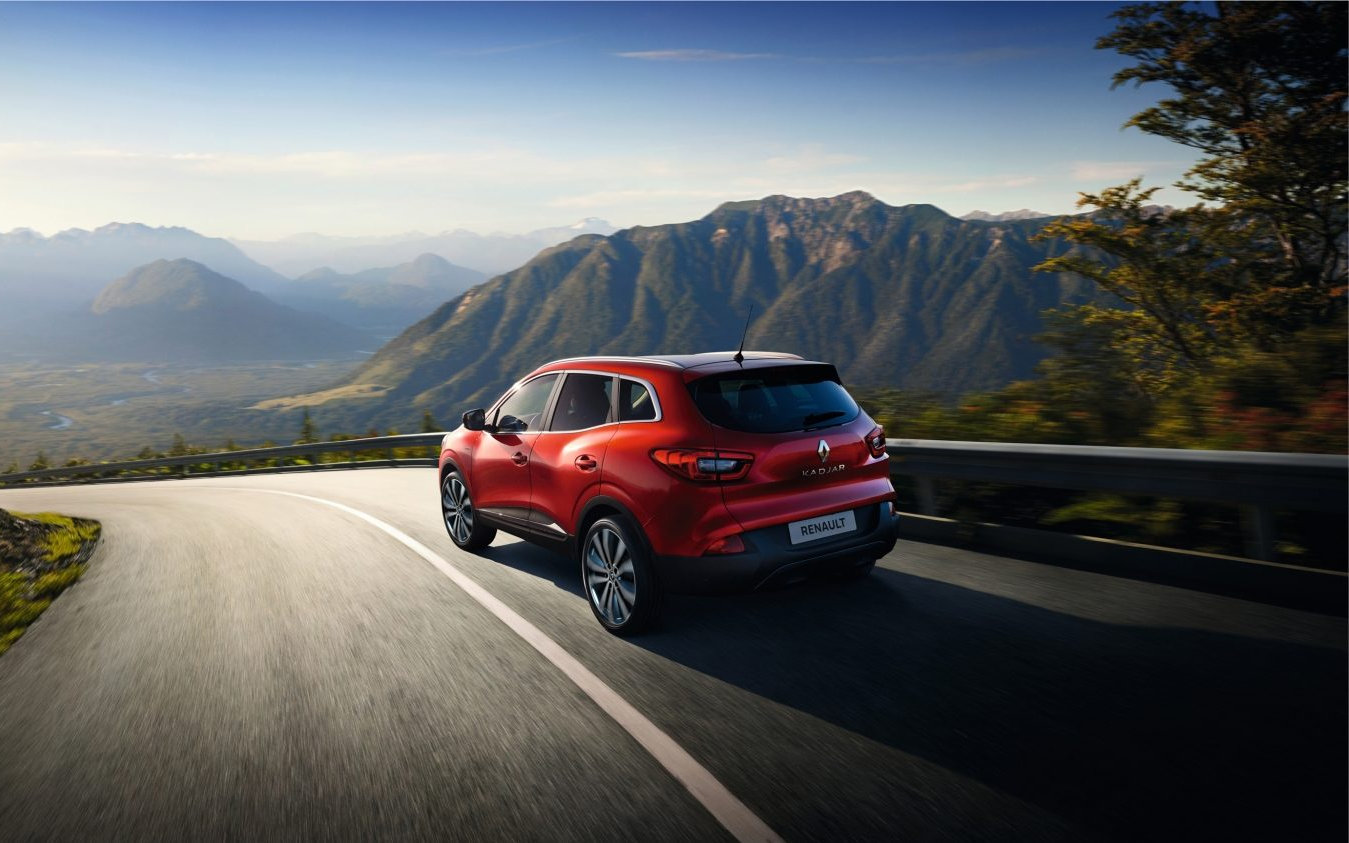
The Renault Kadjar is a stylish crossover that's based on the same platform as the Nissan Qashqai. But, while the Qashqai took undisputed class honours when it arrived in early 2014, the game has moved on, and the Renault equivalent betters it in almost every area. However, the Renault just falls short of the all round appeal of the SEAT Ateca. There's a single body style for the Kadjar, and it slots into the Renault range above the Captur. Both of these models will be joined by the larger Koleos SUV later in 2017. There are four trim levels to choose from: the entry-level, air con-equipped Expression+, the mid-spec Dynamique and Dynamique S, while at the top of the range is Signature trim. Cars in top-spec trim are expensive, but they do boast a generous amount of kit, including a Bose stereo, 19-inch alloy wheels, and touchscreen nav is included on Dynamique models and above. The Kadjar earned a five-star rating when it was tested by Euro NCAP, just like the Nissan Qashqai. All but the entry-level model has lane departure warning and traffic sign recognition as standard. Autonomous emergency braking, which will automatically apply the brakes if a collision is imminent, is an option on all trim levels.
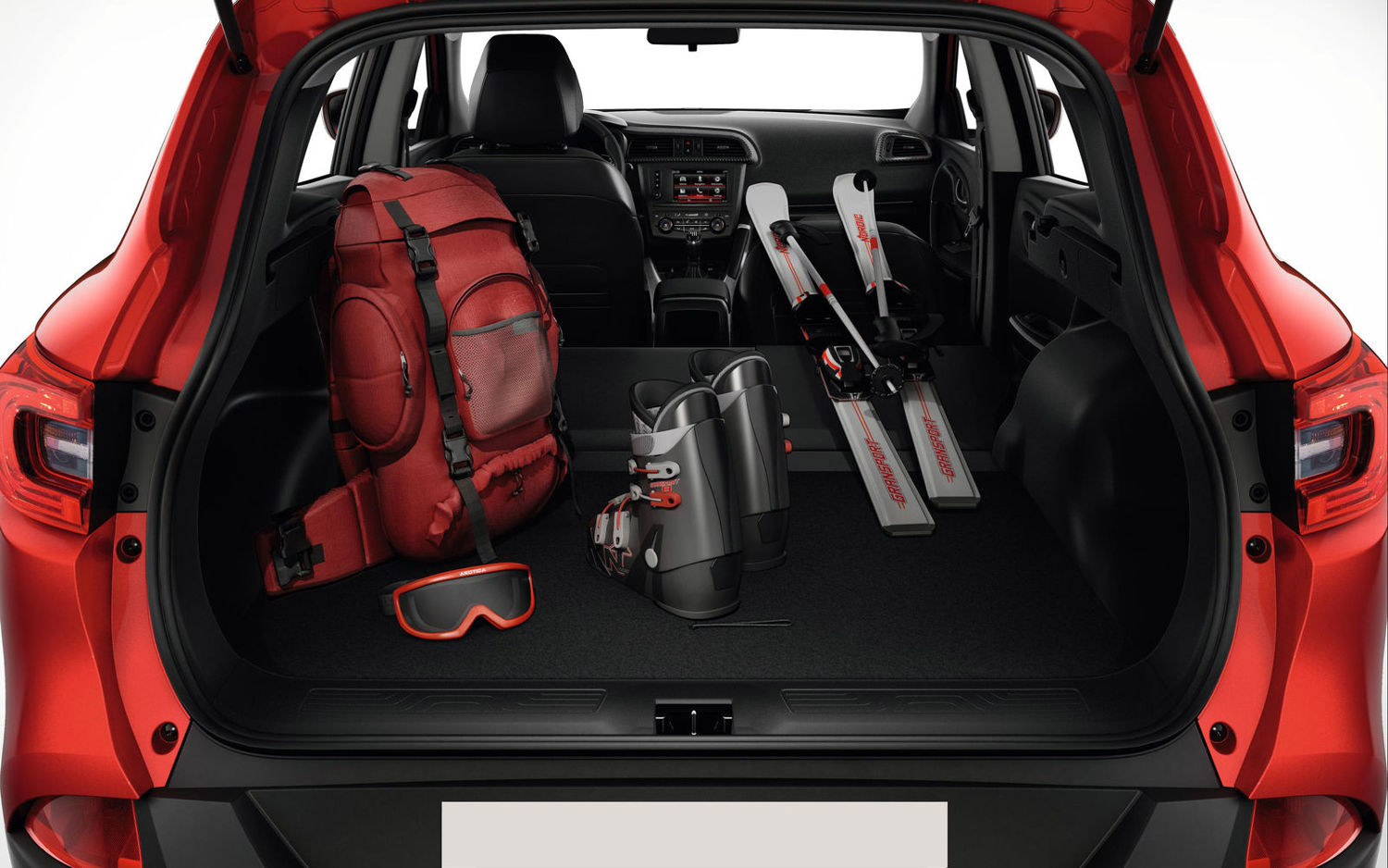
The Renault Kadjar is a family crossover that not only rivals the Honda CR-V, Mazda CX-5 and Volkswagen Tiguan, but is also a worthy alternative to best-selling hatchbacks such as the Ford Focus and Volkswagen Golf. The Kadjar shares many parts with the Nissan Qashqai, but its body is a bit bigger. This means you get slightly more passenger space and a larger boot. The Renault’s interior also packs a high-tech infotainment system and an eye-pleasing dashboard.
Pros Competitive price Practical cabin Excellent fuel economy
Cons Just one petrol engine High-end models are expensive Sunroof reduces rear headroom
As a small SUV, the Kadjar is also a rival to the Kia Sportage, Seat Ateca and Skoda Yeti, but it's the aforementioned Nissan that it has most in common with, because it uses the same platform and engines. This means Kadjar buyers can choose from turbocharged 1.2-litre petrol and 1.5- and 1.6-litre diesels, although the 1.6 is the only option if you want four-wheel drive. In terms of interior space, the Kadjar and Qashqai are closely matched, and both offer a high-riding driving postion that gives you a good view down the road. However, the Kadjar's styling is closer to that of its smaller SUV sibling, the Renault Captur.
For 2017, the current-generation Toyota Highlander Hybrid receives its first significant update. Its gasoline engine is more powerful and efficient, and the exterior styling has a fresh look to it. There are also a couple of new, more affordable trim levels this year. Finally, the Toyota Safety Sense suite of accident avoidance features is now standard equipment.
Pros Impressive fuel economy for a three-row crossover Just-right size for many families Added peace of mind from standard accident-avoidance tech Quiet and compliant ride
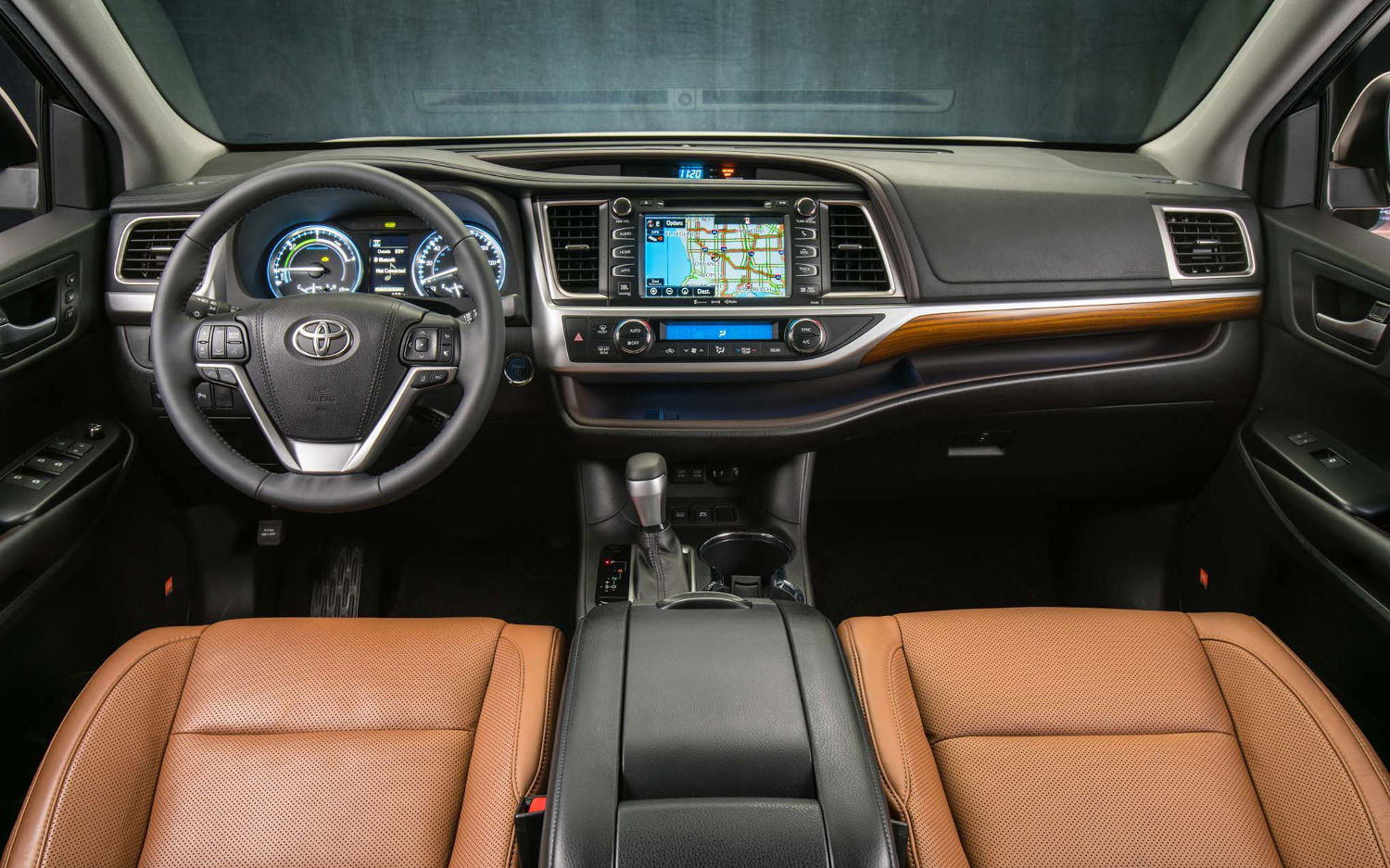
Cons Price premium unlikely to be made up with gas savings Third-row seat isn't as roomy as those of many competitors Touchscreen and other controls may require an extra-long reach
The 2017 Toyota Highlander Hybrid ranks 1 out of 18 Midsize SUVs. The Toyota Highlander Hybrid becomes even more versatile and affordable for 2017, with the addition of two new trims and an eighth seat. It has an impressive list of family-friendly features available, along with a spacious, well-built cabin. Unsurprisingly, it delivers class-leading fuel efficiency. In a nutshell, this is a safe, reliable SUV that just happens to be a hybrid.
Pros Energetic, fuel-efficient powertrain Impressive list of standard safety features User-friendly, upscale interior
Cons More expensive than most midsize SUVs
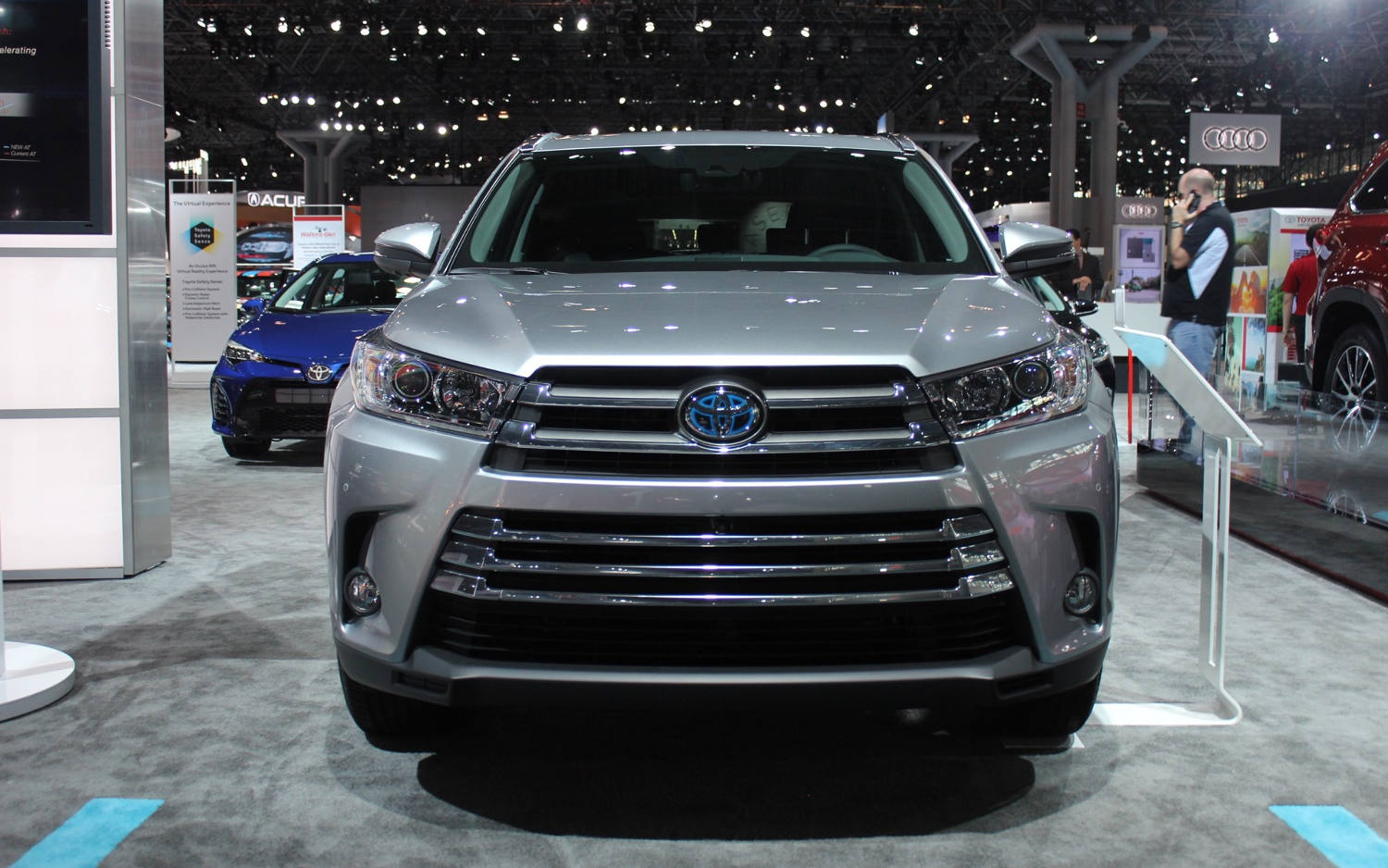
A thorough refresh keeps the 2017 Toyota Highlander ahead in a very tough game. Under the hood, a new V6 engine puts out more power and connects to a new 8-speed automatic transmission. A new suite of standard safety systems includes active cruise control and automatic collision avoidance, combining with Top Safety Pick + crash-test rating from the IIHS for peace of mind. There's also seating for eight passengers, with decent cargo space behind the third row. The interior design includes tons of clever features to make living with the Highlander easier, and the exterior gets a new grille that's, well, really big. Put it together, and Toyota's midsize SUV will continue to be a best-seller for all the right reasons.
Pros The 2017 Toyota Highlander's emphasis on safety complements its existing strengths of comfort, economy, reliability and resale value. The new engine gets more power and better fuel economy, and the exterior styling is sure to turn heads.
Cons The Highlander can haul eight passengers, and it can carry a decent amount of stuff, but it lags competitors like the Honda Pilot in both. Additionally, if you need real off-road capability, or towing capacity greater than 5,000 pounds, check out full-size SUVs like the Chevrolet Tahoe or Toyota Sequoia.