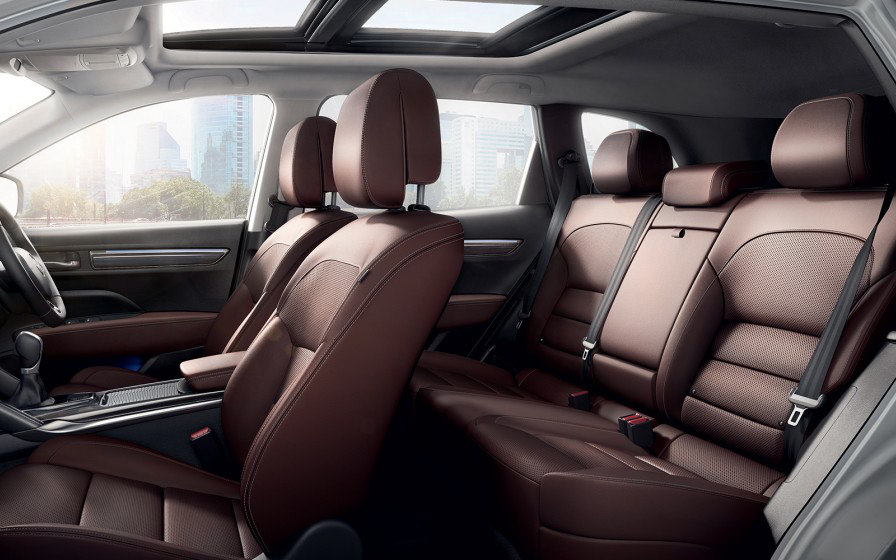
Pros • Cabin, load space • Fuel economy • Dash presentation
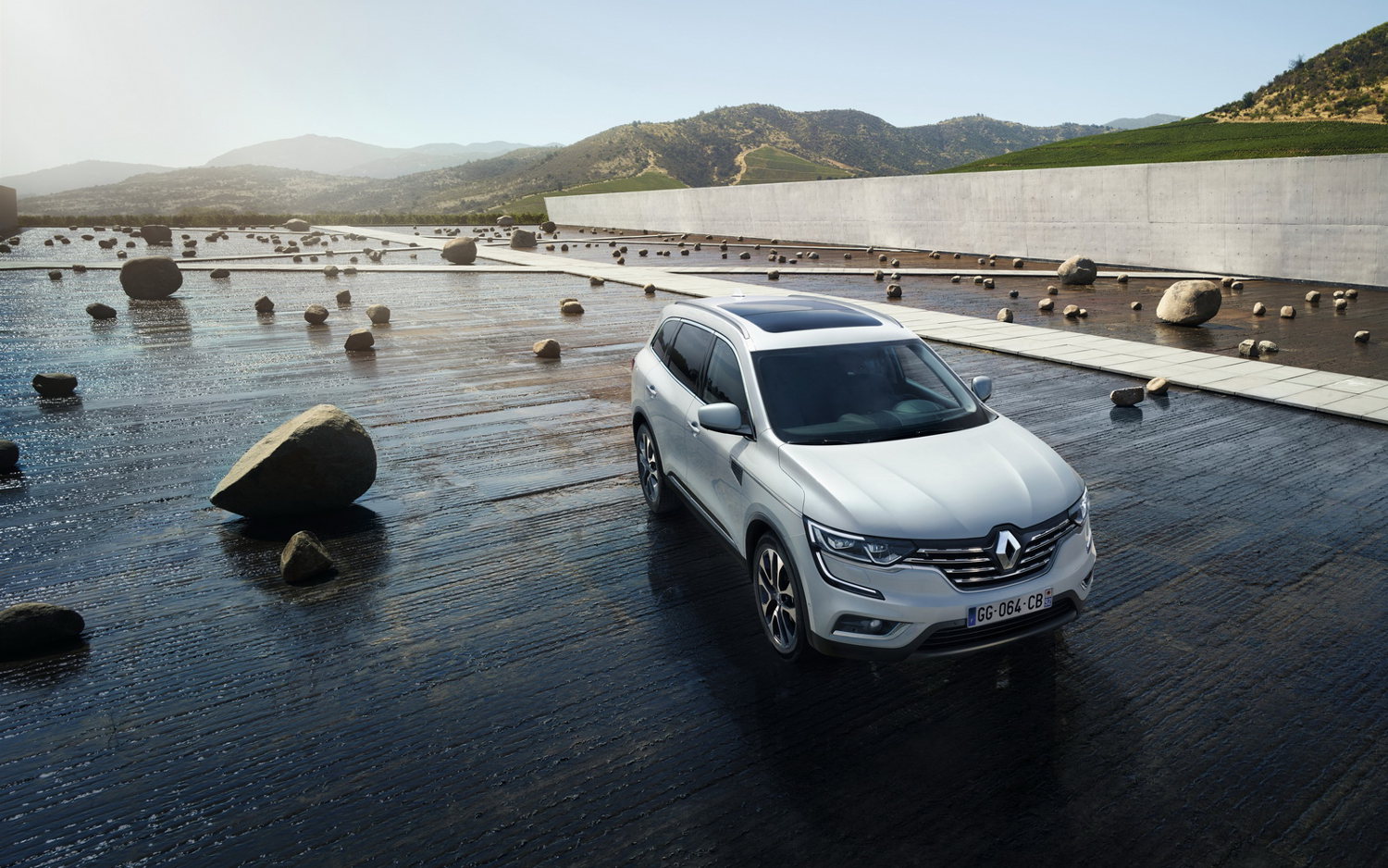
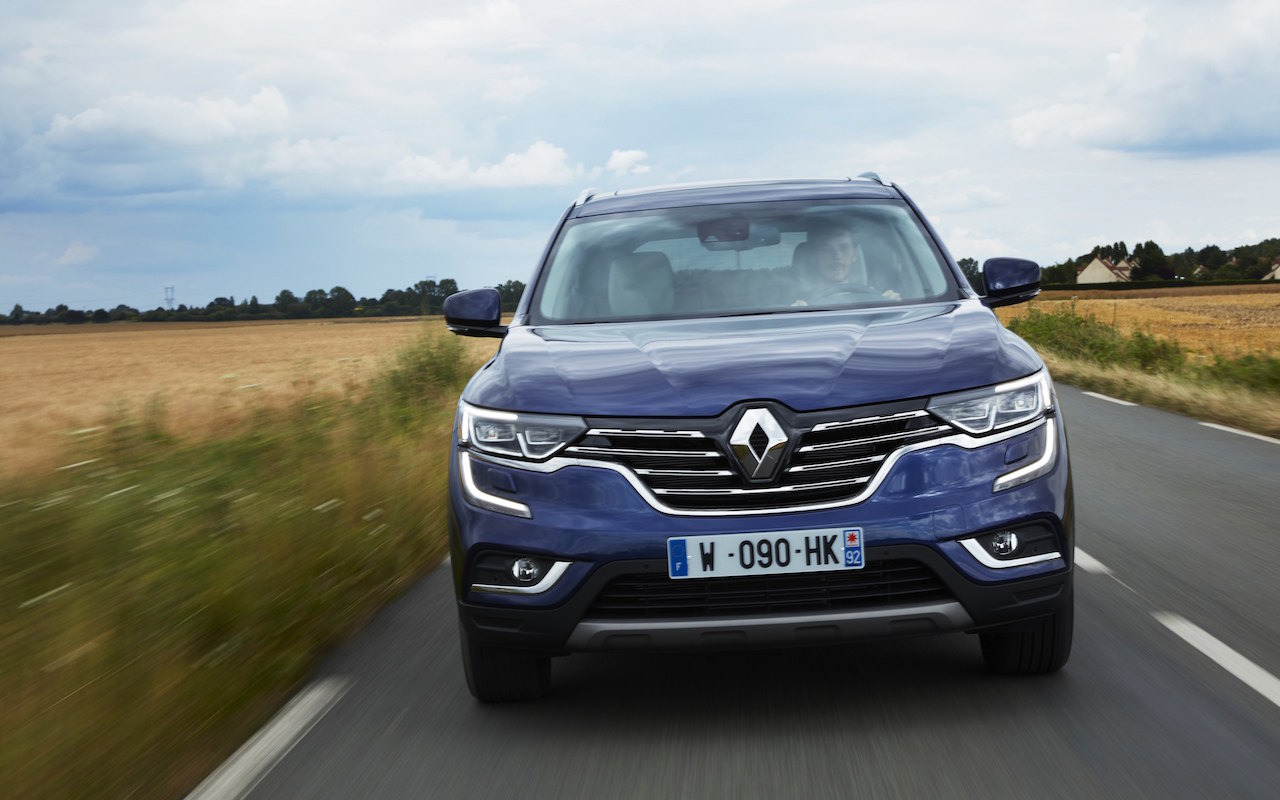
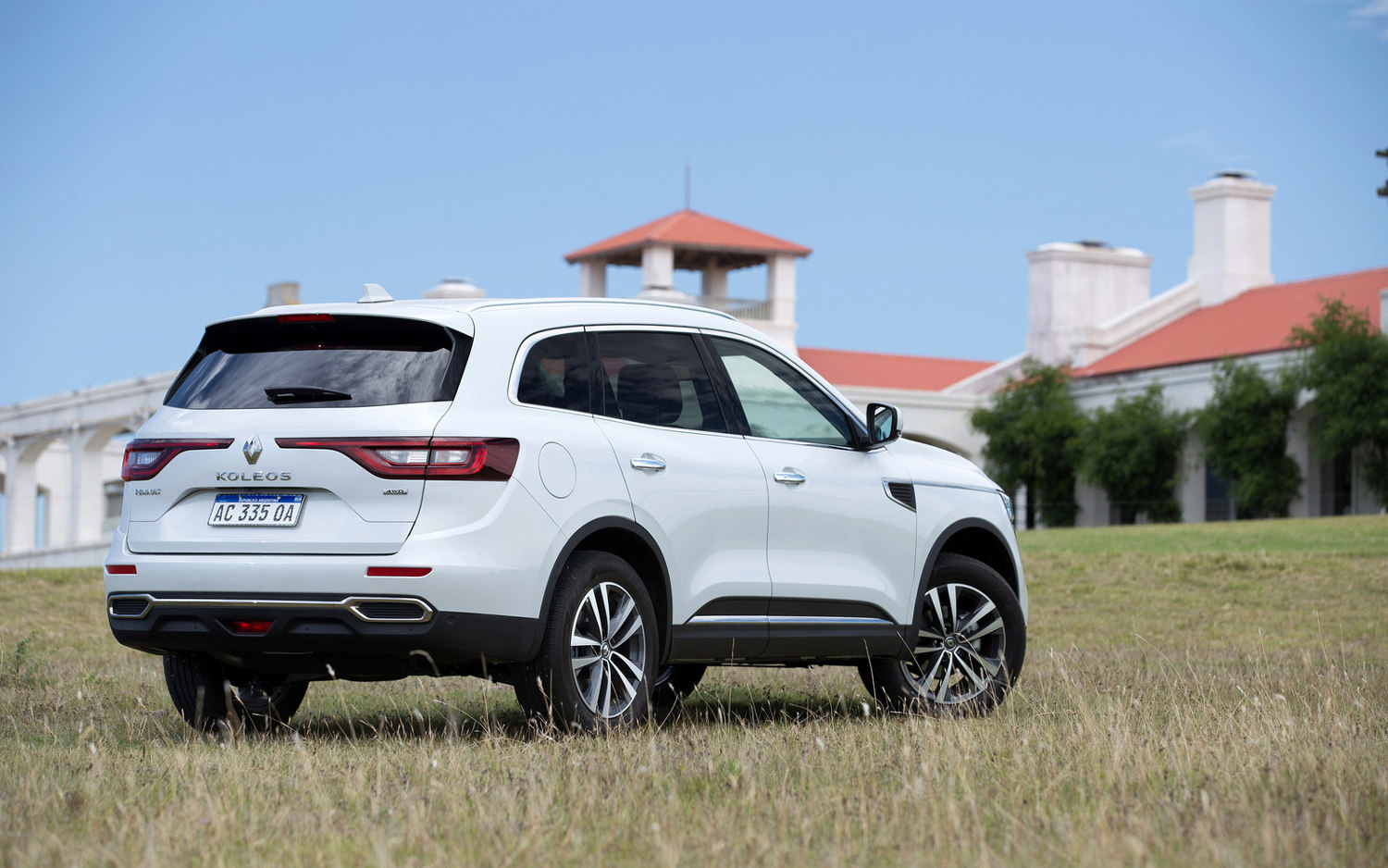
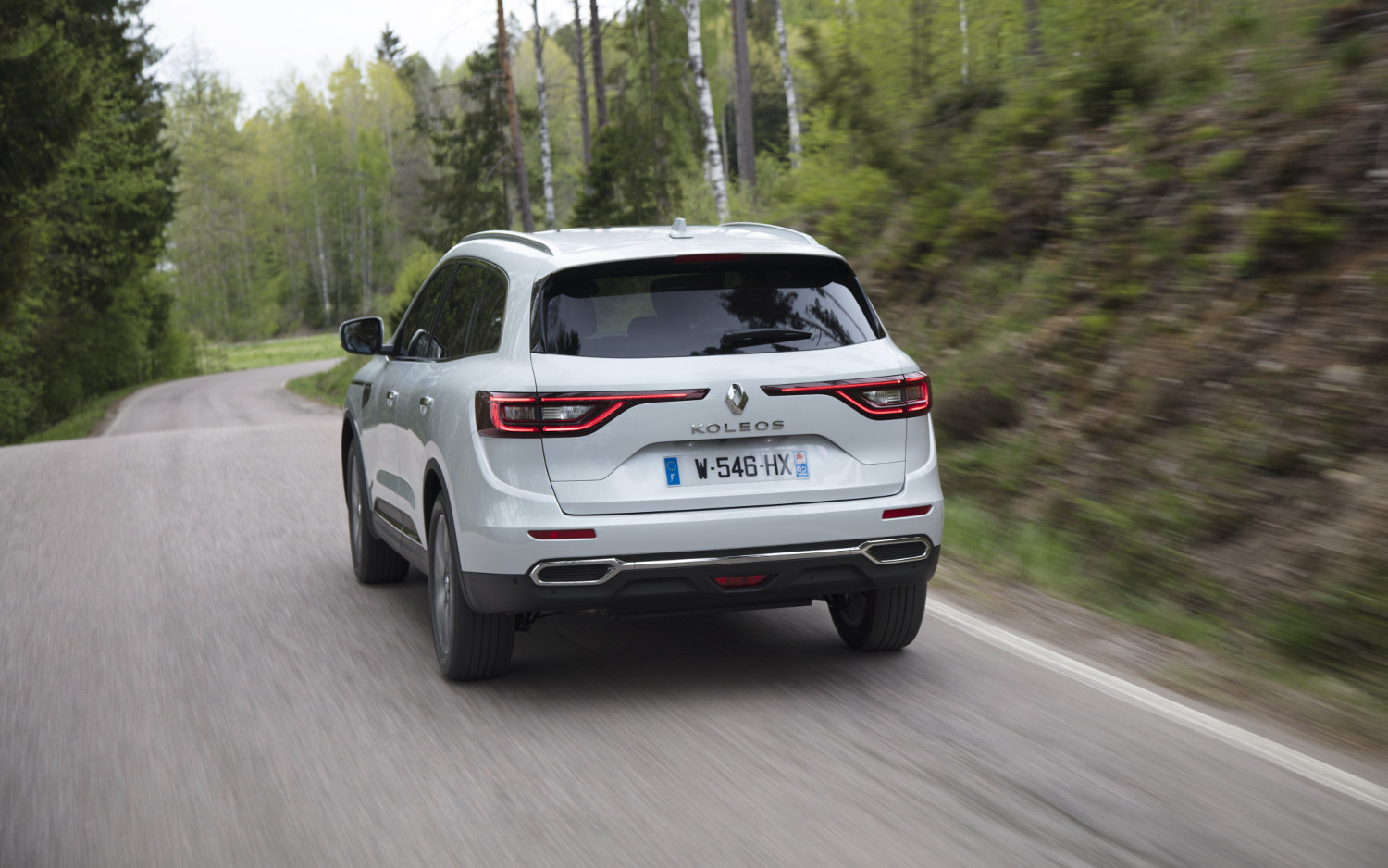
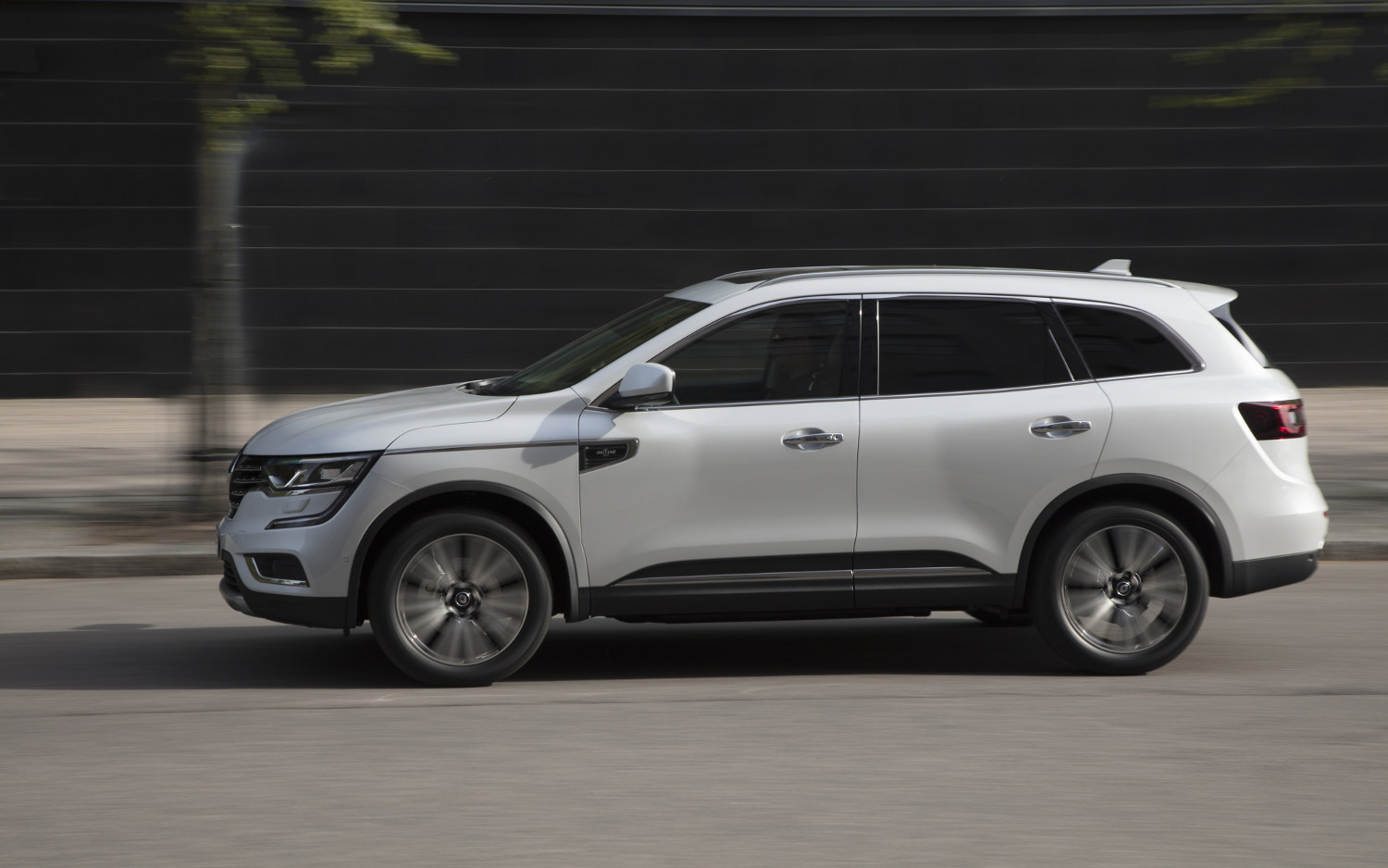
Cons • Noisy suspension • Flat seats • CVT characteristics The Koleos did what it was intended to do. It gave Renault a foothold in a hitherto unrepresented segment and, more importantly in Australia, it quickly became Renault’s biggest-selling model.If there was a major shortcoming with the second generation Koleos it was the lack of a diesel engine. The newcomer was exclusively powered by a hard-working 2.5-litre naturally-aspirated four-cylinder petrol engine producing a reasonable 126kW/226Nm and returning, in AWD form, a combined fuel consumption average of 8.3L/100km.But that’s all changed now. The long-awaited turbo-diesel option arrived in August 2017 to immediately bring more power and (a lot more) torque. At 130kW/380Nm it’s a true grunter which, at 6.1L/100km, also offers better fuel consumption, plus lower exhaust emissions (150g/km against the petrol version’s 192g/km).
Pros Noticeably more torque and better fuel economy from the diesel engine Big size equals excellent second-row space inside Competitively priced Good ownership credentials
Cons Powertrain not as seamless and effortless as the numbers suggest No quicker than cheaper front-drive petrol Koleos variants Wieldy SUV to manoeuvre and park Ho-hum infotainment system Lower braked towing rating than petrol versions The diesel clatter is also quite noticeable, though nothing like a deal-breaker, but it does harness the on-demand all-wheel-drive system's tractive talents better and more noticeably than the petrol engine does. And by maintaining fuel economy within a ballpark of its maker’s 6.1 combined cycle claim, it’s markedly more efficient by a couple of litres per hundred, particularly around town.
Pros Great exterior looks Nice enough to drive Good level of equipment
Cons Doesn't come with a seven-seat option Prices are a bit high Manual gearbox isn't the smoothest
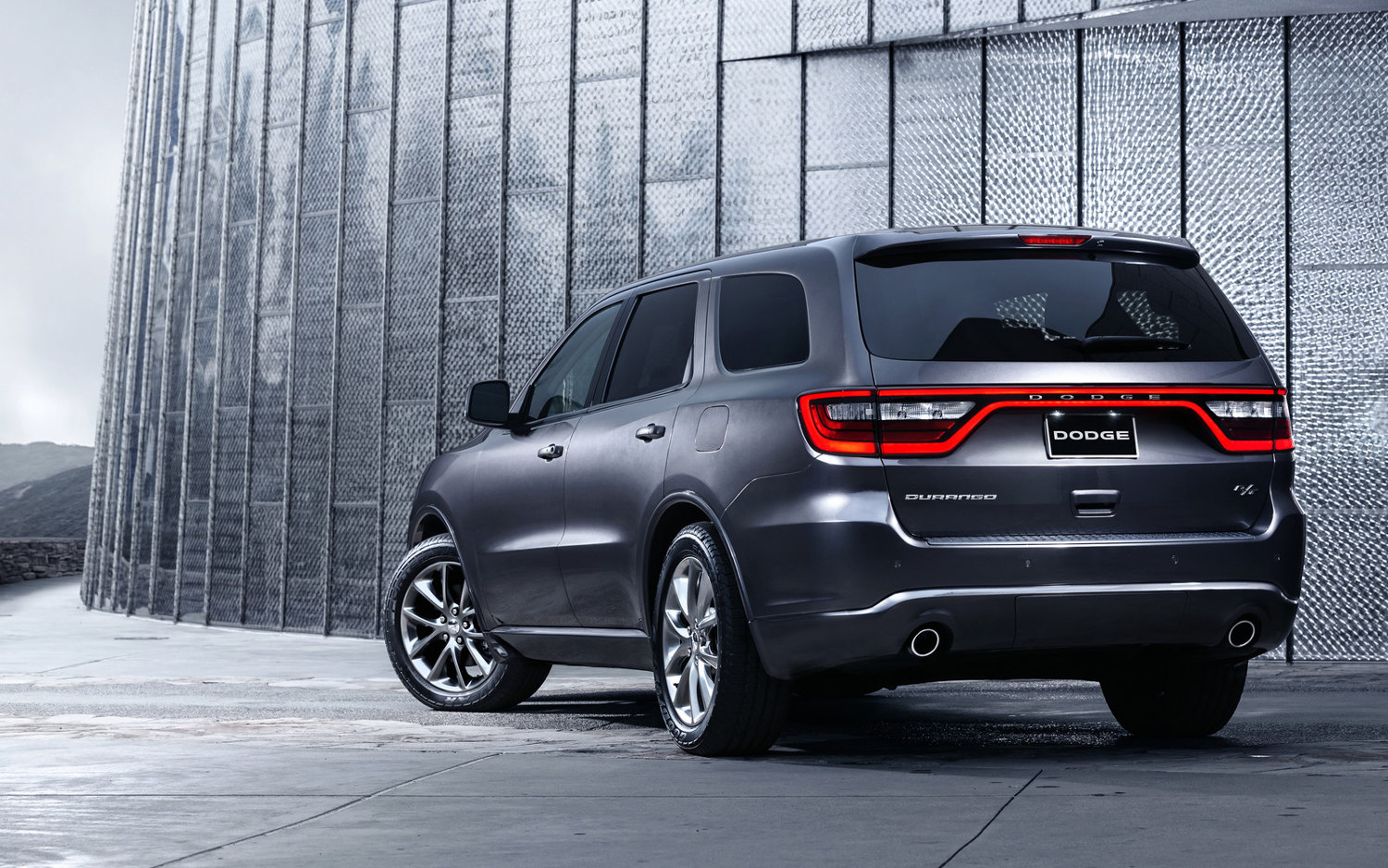
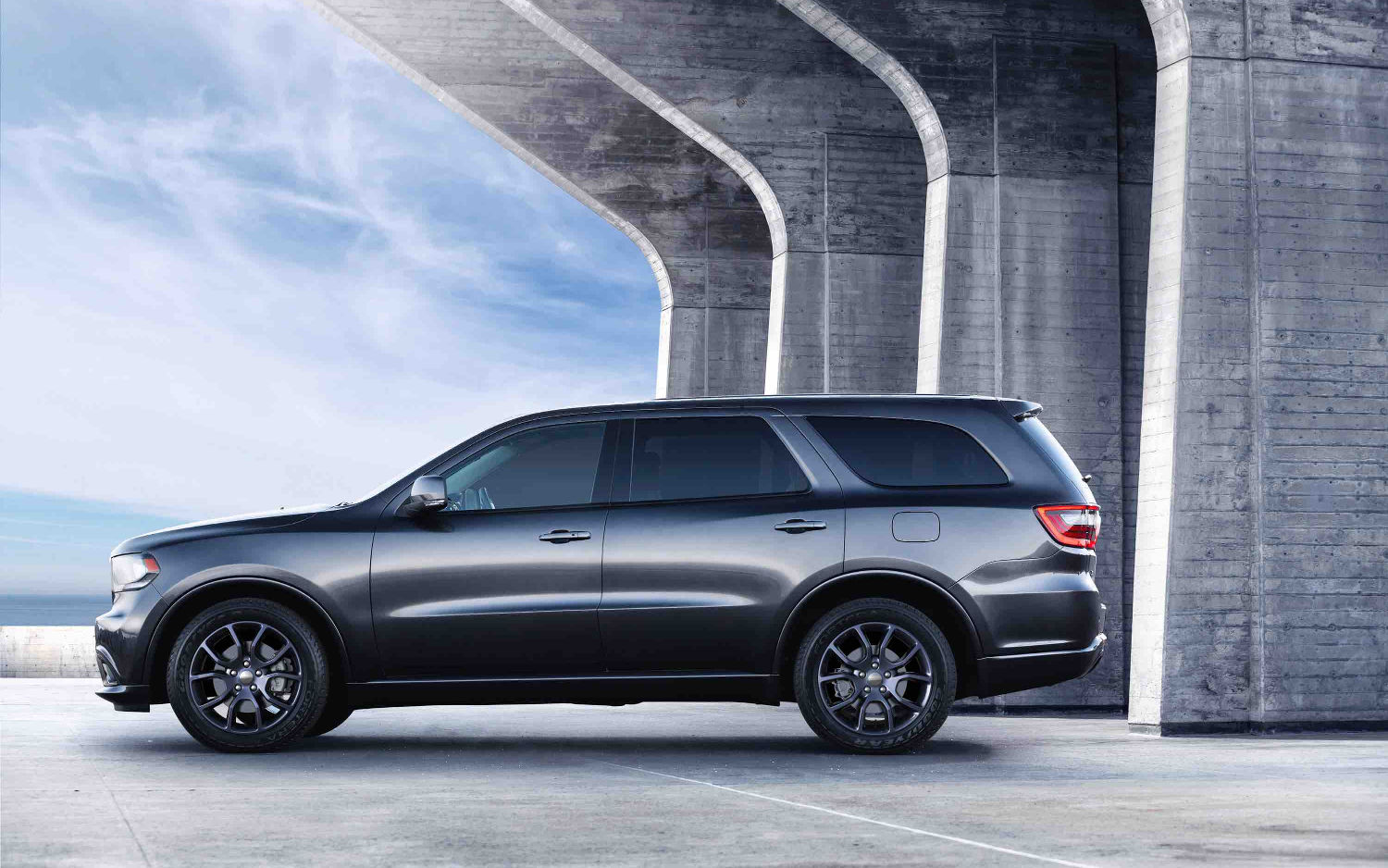
For 2017, a new GT trim replaces the Limited, adding a monochromatic exterior with sporty flourishes, and the base SXT can be ordered with just two rows of seats. Otherwise, there are only minor feature changes, including the new Anodized Platinum package with two-tone leather upholstery for the Citadel trim.
Pros Unusually spacious third-row seats 8.4-inch touchscreen is one of the best in the class Assertive acceleration with the V8 engine Exceptional towing capacity for a crossover Real off-road capabilities with 4WD and low-range gearing.
Cons Lackluster fuel economy (especially with the V8) Bluetooth streaming audio isn't standard on SXT.
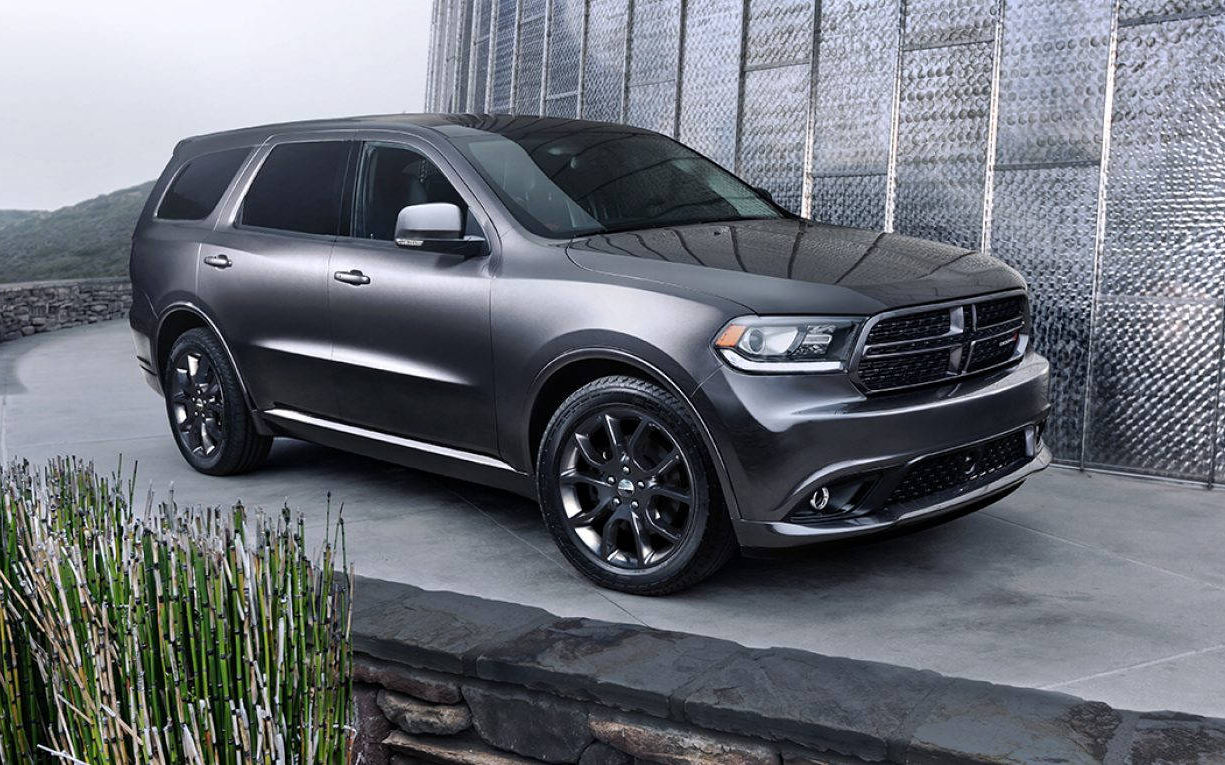
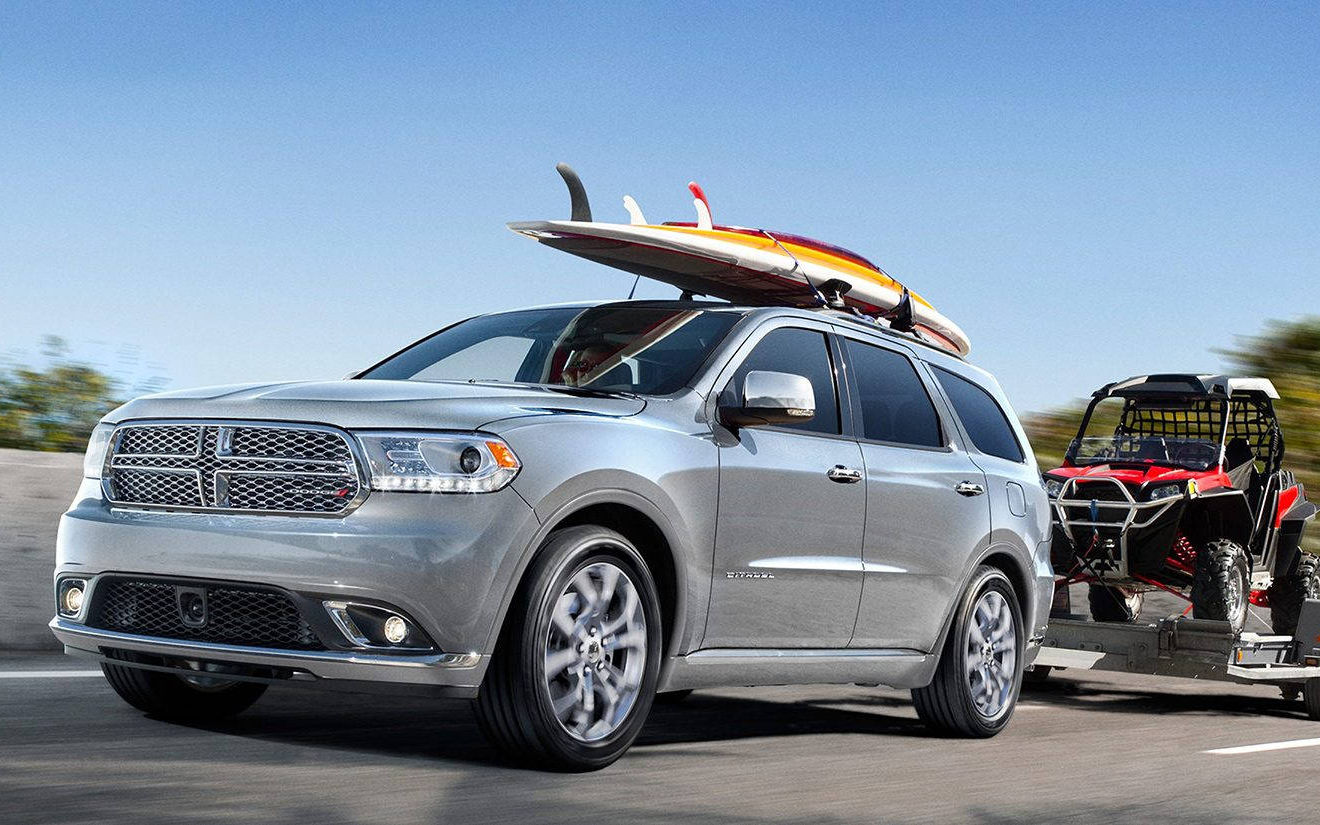
The 2017 Dodge Durango tows like an SUV, drives like a crossover--but crash test scores are a dull spot. Somewhere in the grey zone between body-on-frame SUV and car-like crossover, sits the Dodge Durango. The 5- or 7-seater isn't exactly either: it's a unibody SUV with real towing ability, on the same blurry part of the spectrum as its stablemate, the Jeep Grand Cherokee (and the old Mercedes M- and GL-Class, too).
Pros Hemi V-8 performance and character Feels substantial and refined Confident steering feel V-6 gets engine stop-start
Cons Third-row access is difficult Ride can be busy Gas mileage is so very low
The 2017 Dodge Durango ranks 8 out of 18 Midsize SUVs. The 2017 Dodge Durango has an abundance of cargo room, and its third row is one of the few in the class with sufficient space for adults. It has a comfortable, agile ride, and one of the highest towing capacities in the class. However, its upper trims can be pricier than those of its rivals.
Pros Powerful optional V8 engine Good cargo capacity Intuitive infotainment system Comfortable ride
Cons Expensive upper trims Poor fuel economy with V8