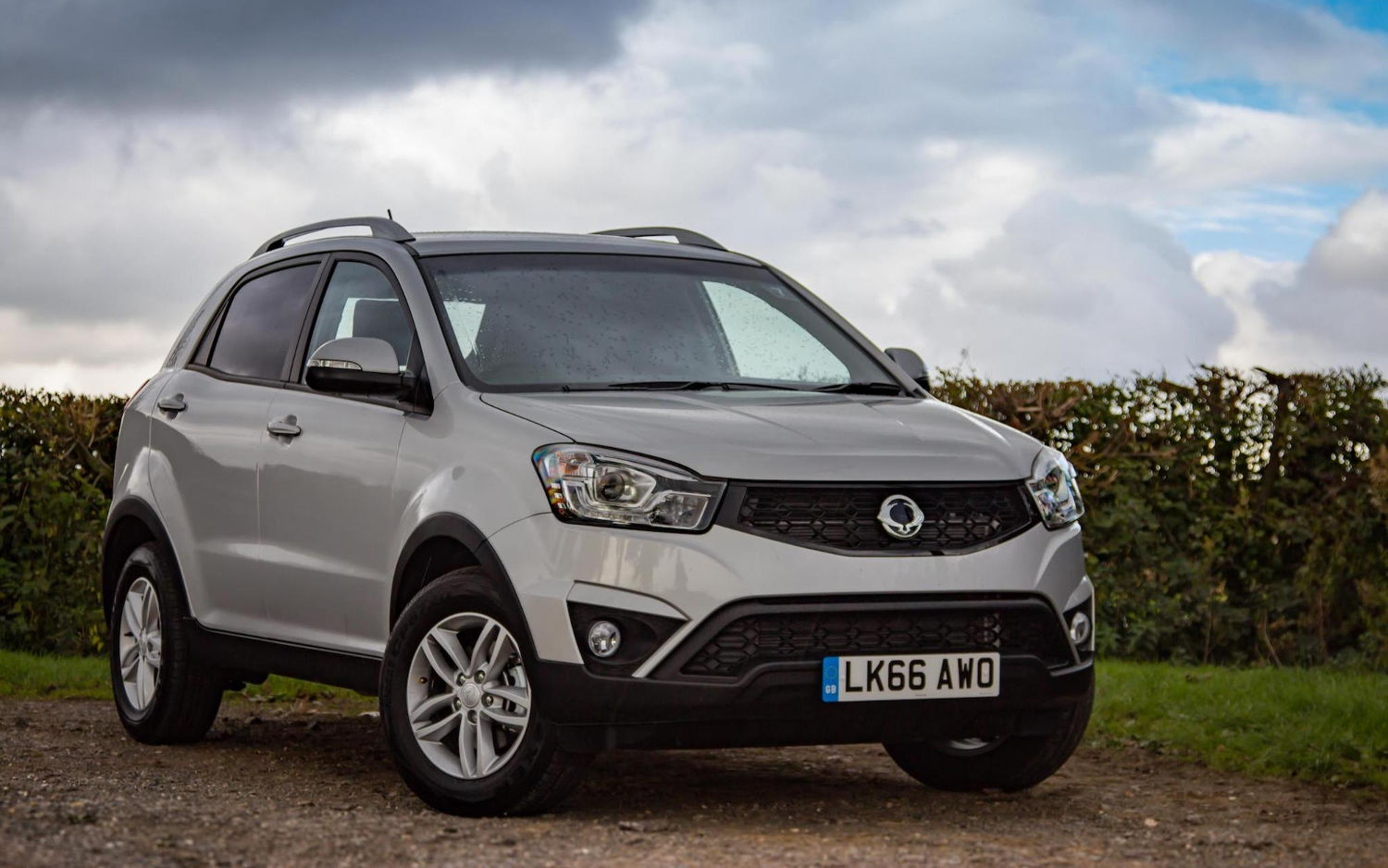
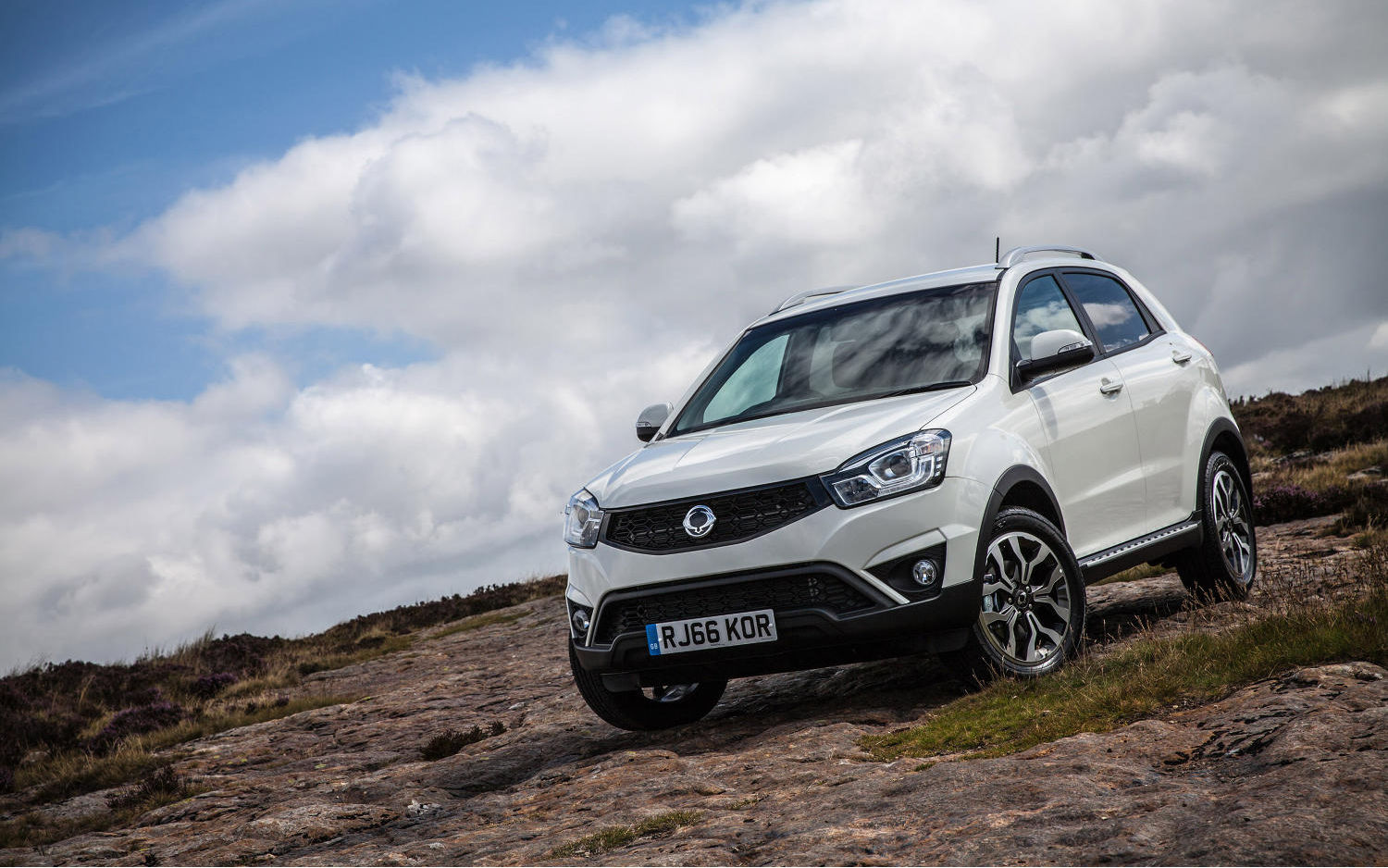
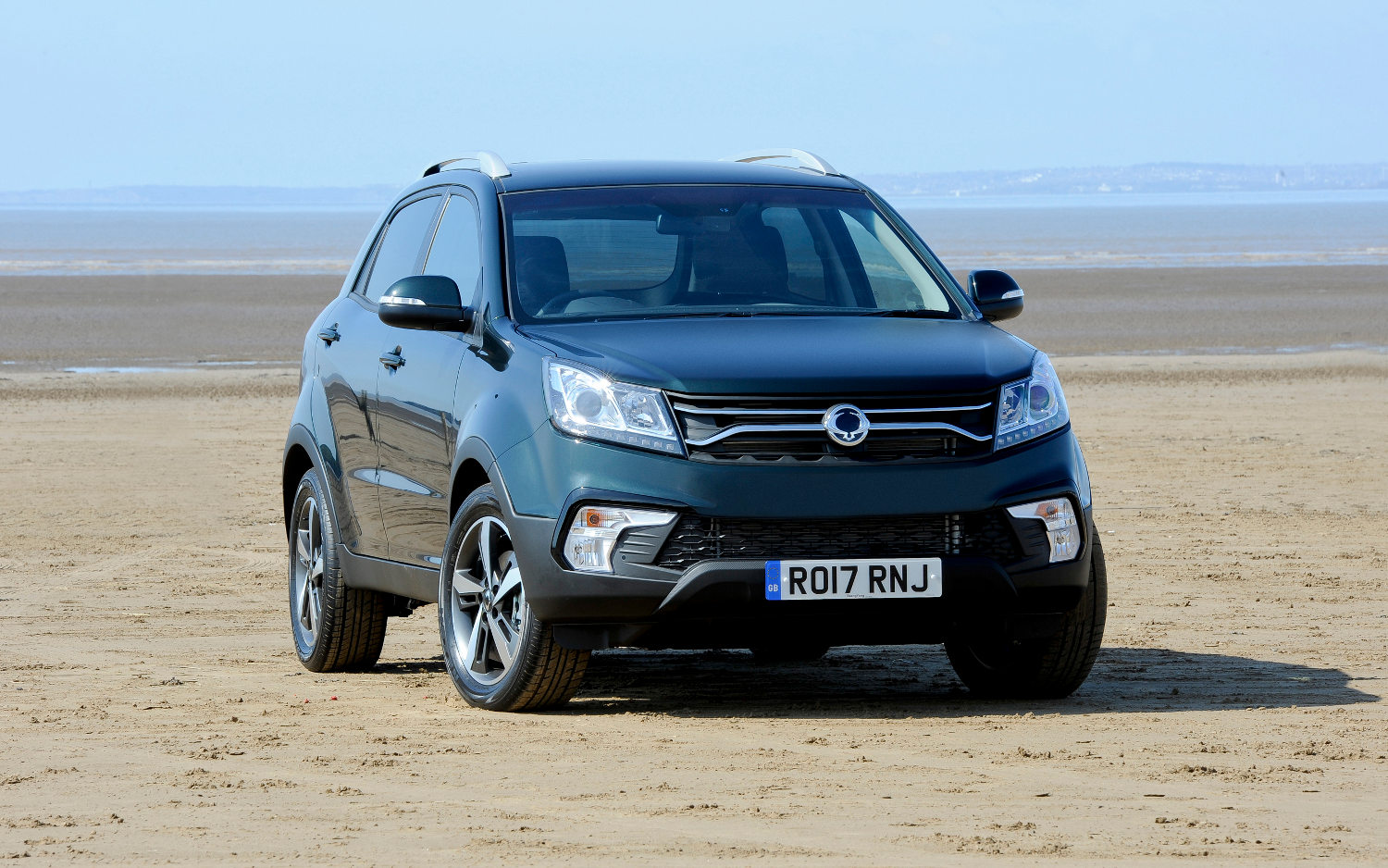
SsangYongs have been on sale in the UK since the ’90s – the company usually offers big SUVs for less than the majority of their competitors. Sadly, most of their models have proved to be lacklustre alternatives to the likes of the Kia Sportage, Suzuki Vitara and Nissan Qashqai. To drive, the Korando isn’t much fun, but most people buy one because they need an SUV either for tackling rough terrain or towing – two roles the SsangYong is perfectly suited to.
Pros Lots of space Relatively economical Generous standard kit
Cons Fast depreciation Dull styling Cheap feeling interior
The SsangYong Korando gives you a lot of car for your money – but nowhere near as much as a Dacia Duster.The SsangYong Korando is the brand’s mid-size SUV, pitched as a low-cost rival to the Nissan Qashqai, Hyundai Tucson and Kia Sportage. On the move, the Korando isn’t as stable as a lot of its rivals, either – it tends to wallow about when going around corners and has an uncomfortable ride.
Pros Good value for money Spacious interior Low emissions
Cons Noisy diesel engine Poor-quality plastics Uncomfortable suspension
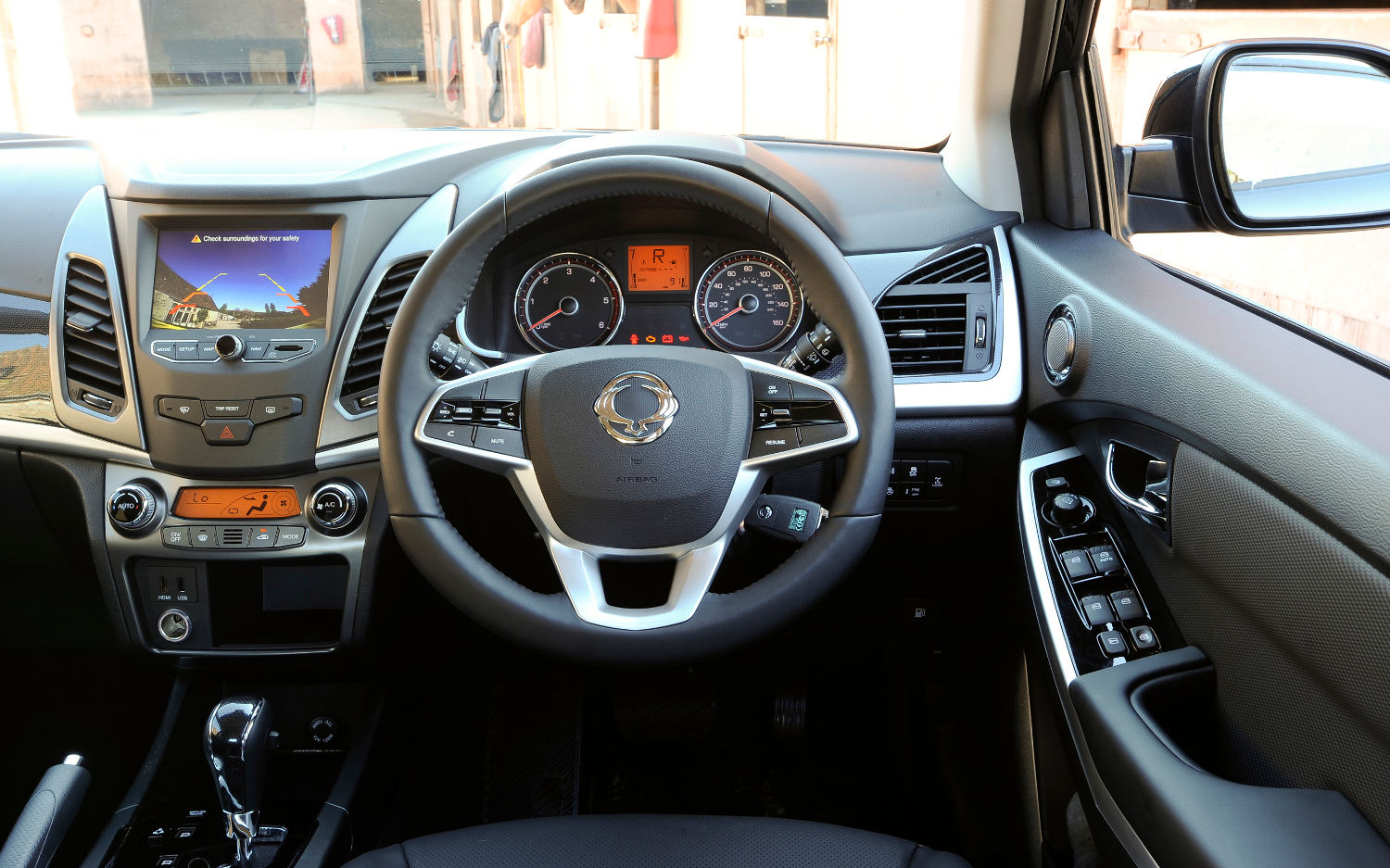
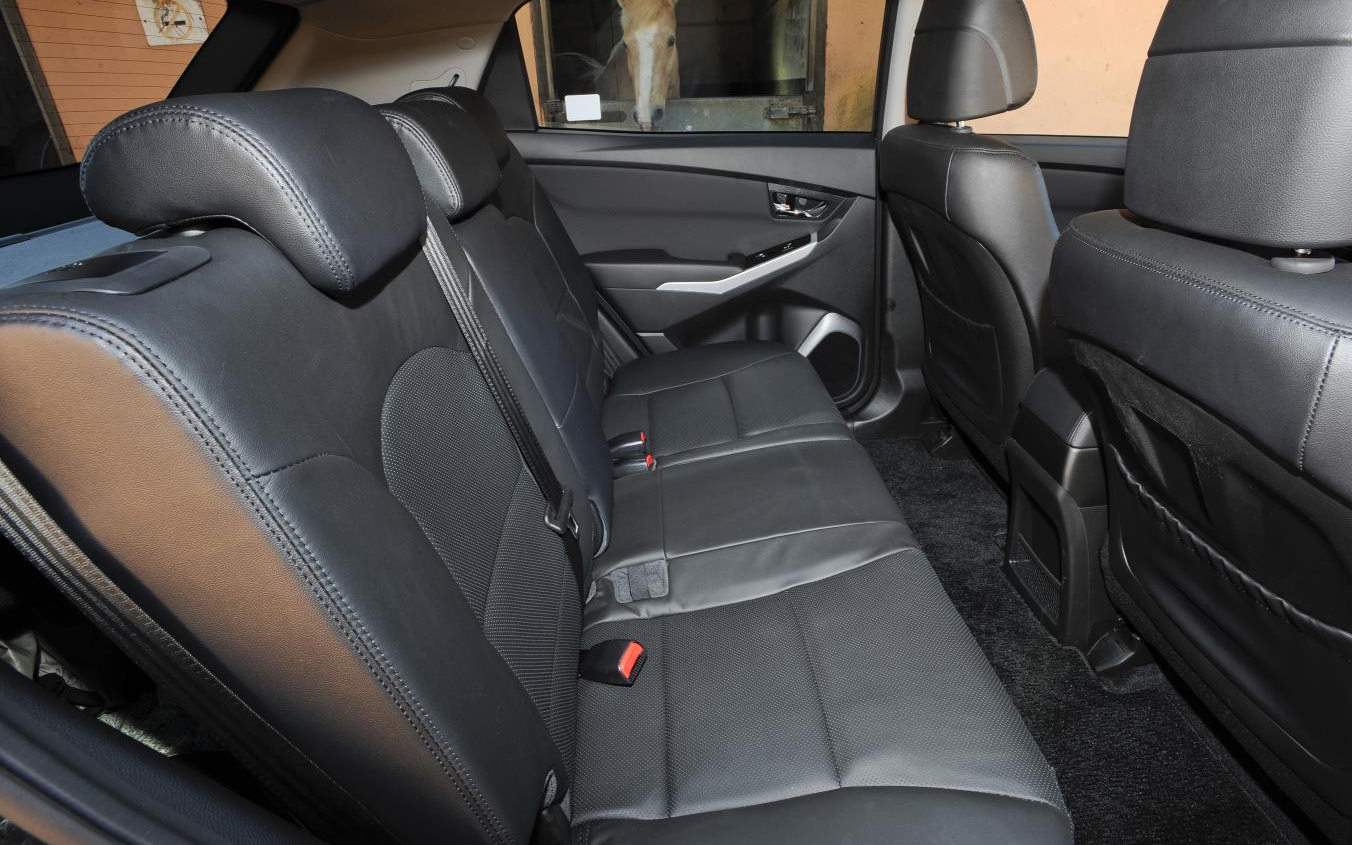
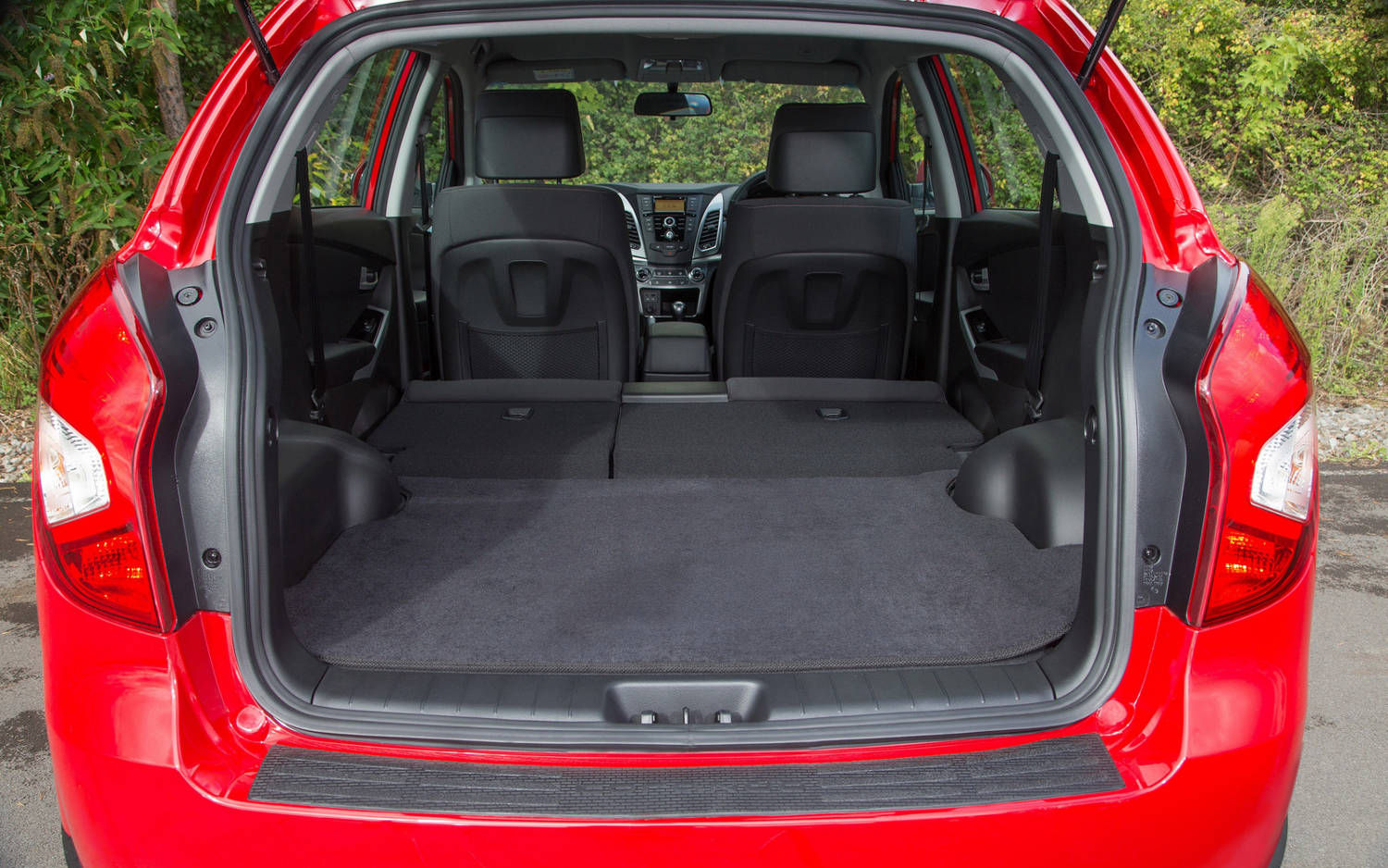
Not only was it a handsome addition to the compact crossover market, it was also the firm’s very first monocoque model – meaning it delivered a far better approximation of a car’s handling characteristics than any of the body-on-frame SUVs that continue to fill out the firm’s modest lineup. On the plus side, the Korando gets large storage bins, reach and rake adjustment for the steering wheel and generous equipment levels on higher-spec models. It is also competitive on interior space; offering decent leg and headroom for rear passengers, and acceptable luggage space. The interior is slightly less forgettable, but only because it comes partly clad in the kind of cheap plastic which cannot otherwise find a home in this class. The redesigned dashboard makes ergonomic sense, although it hasn’t lost any of its brittleness.
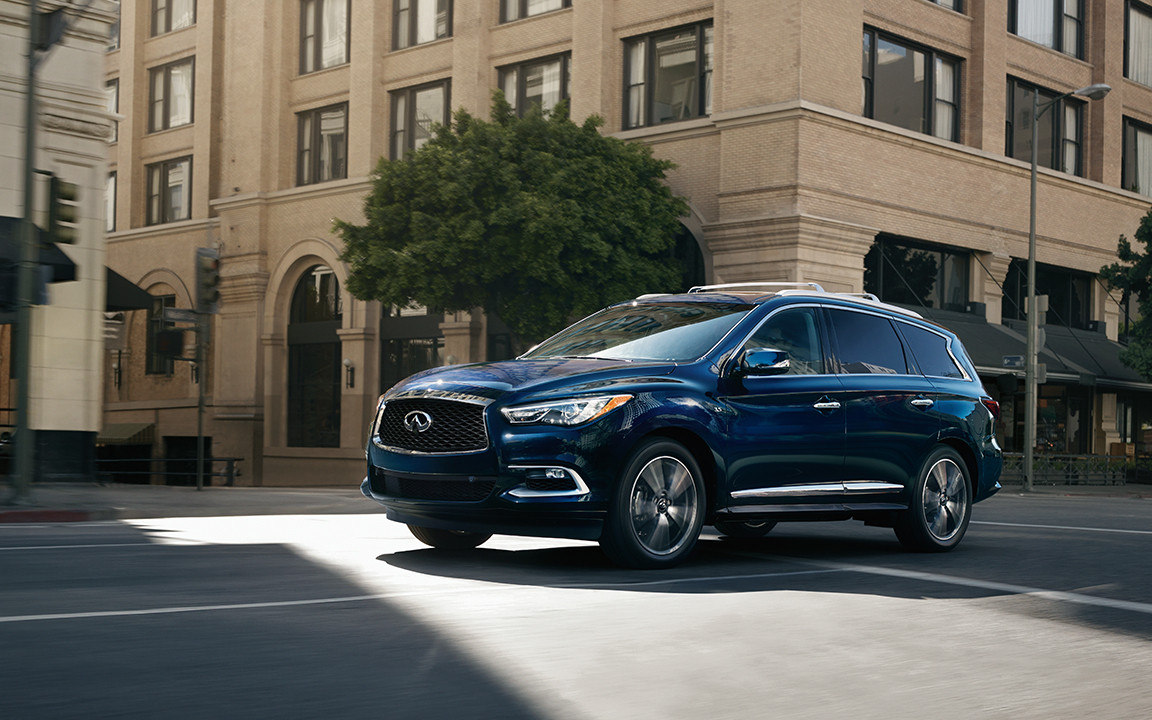
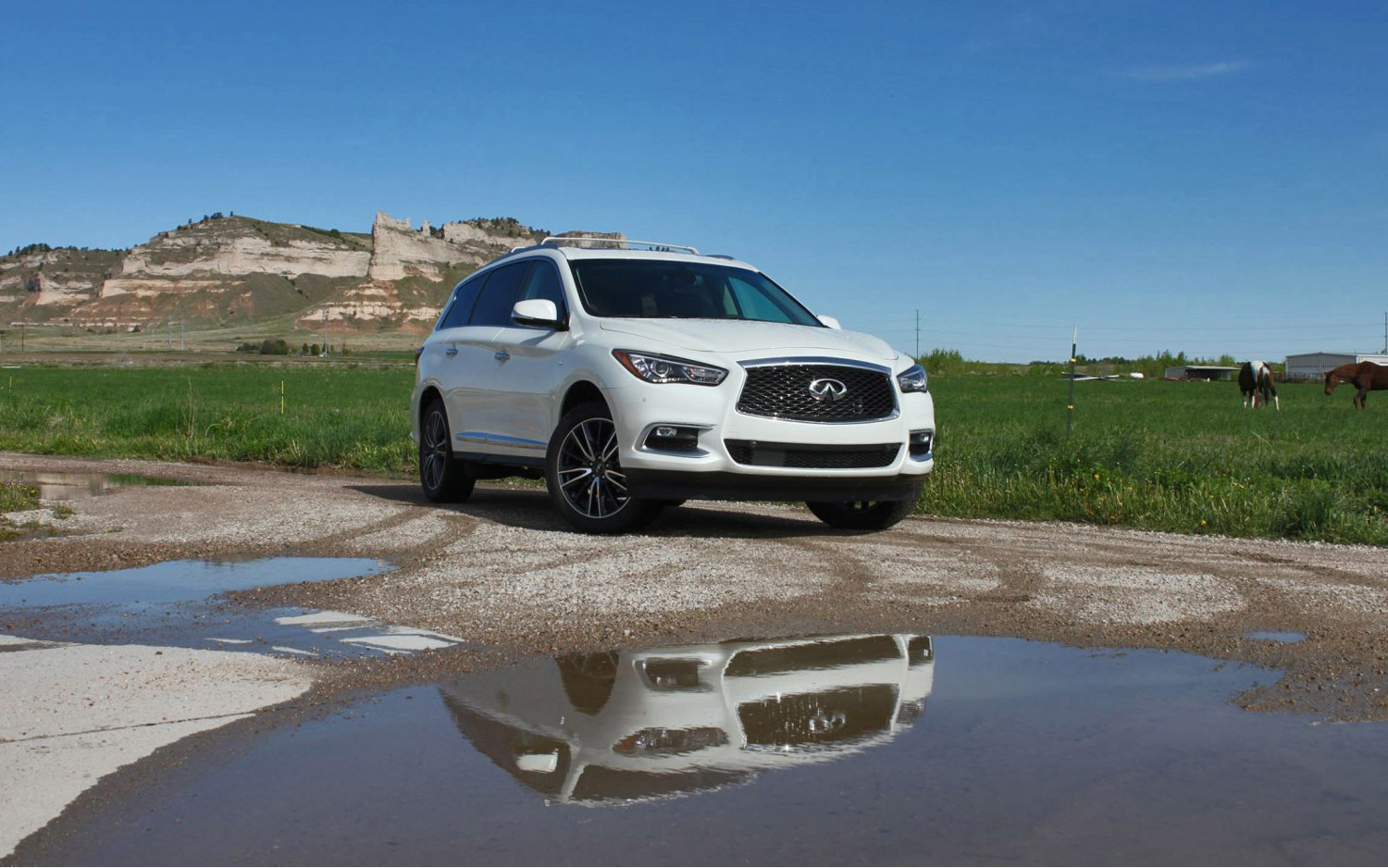
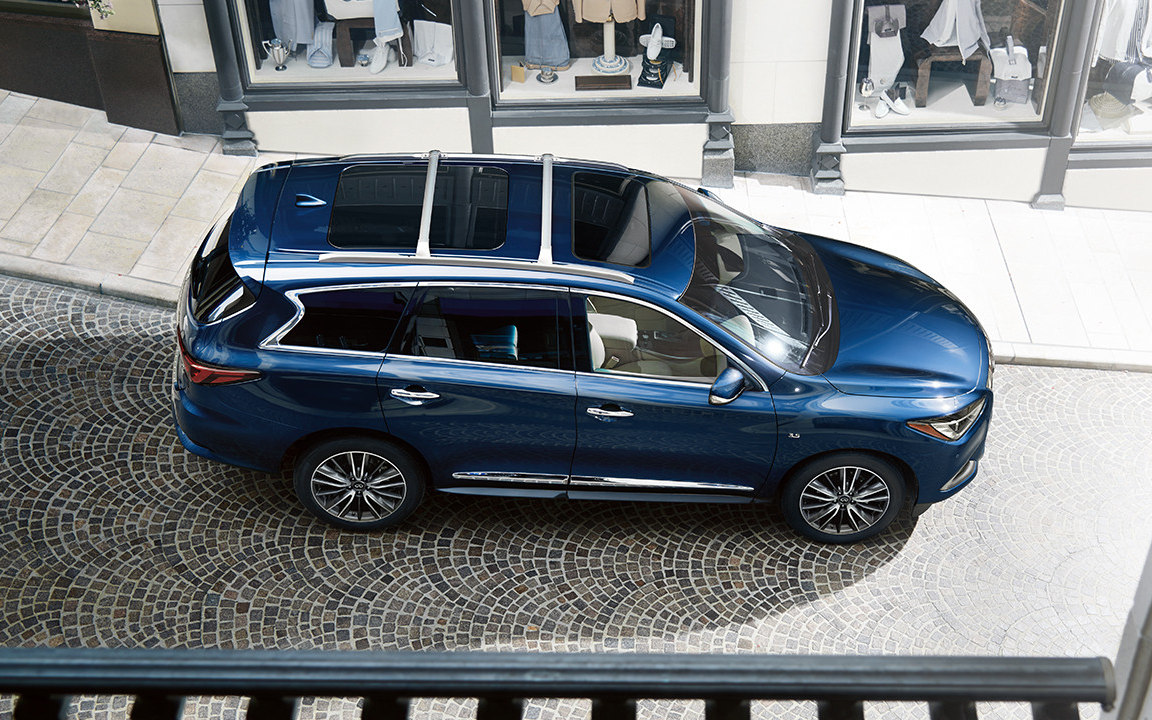
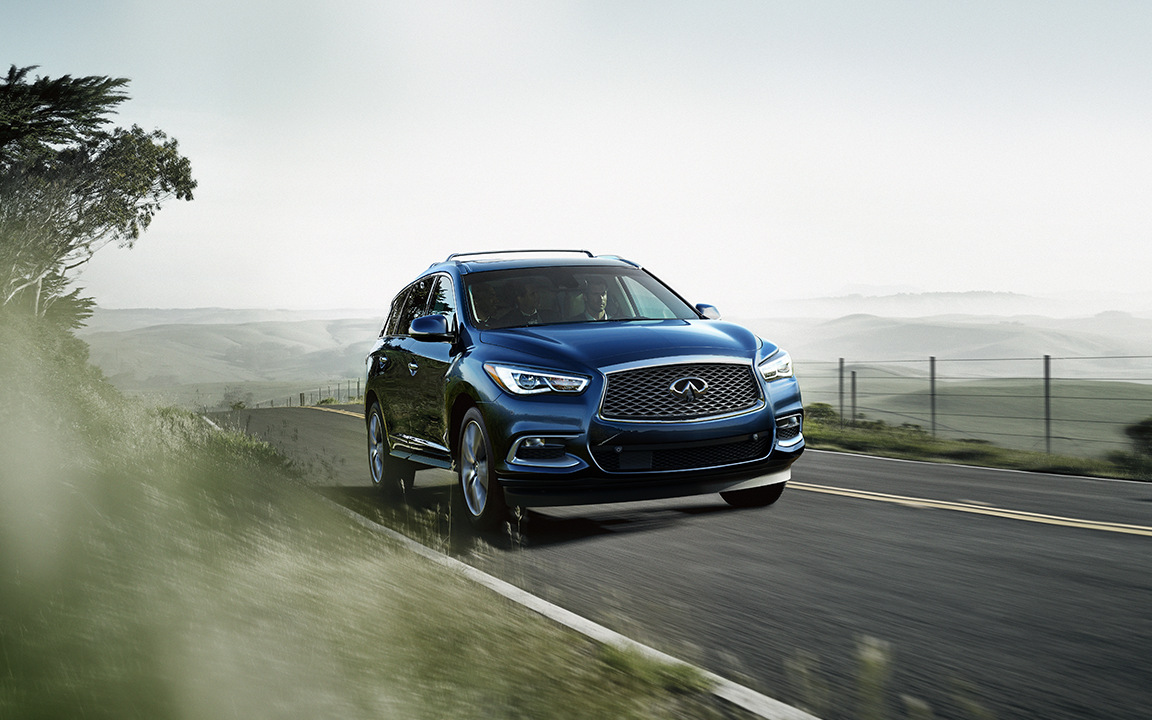
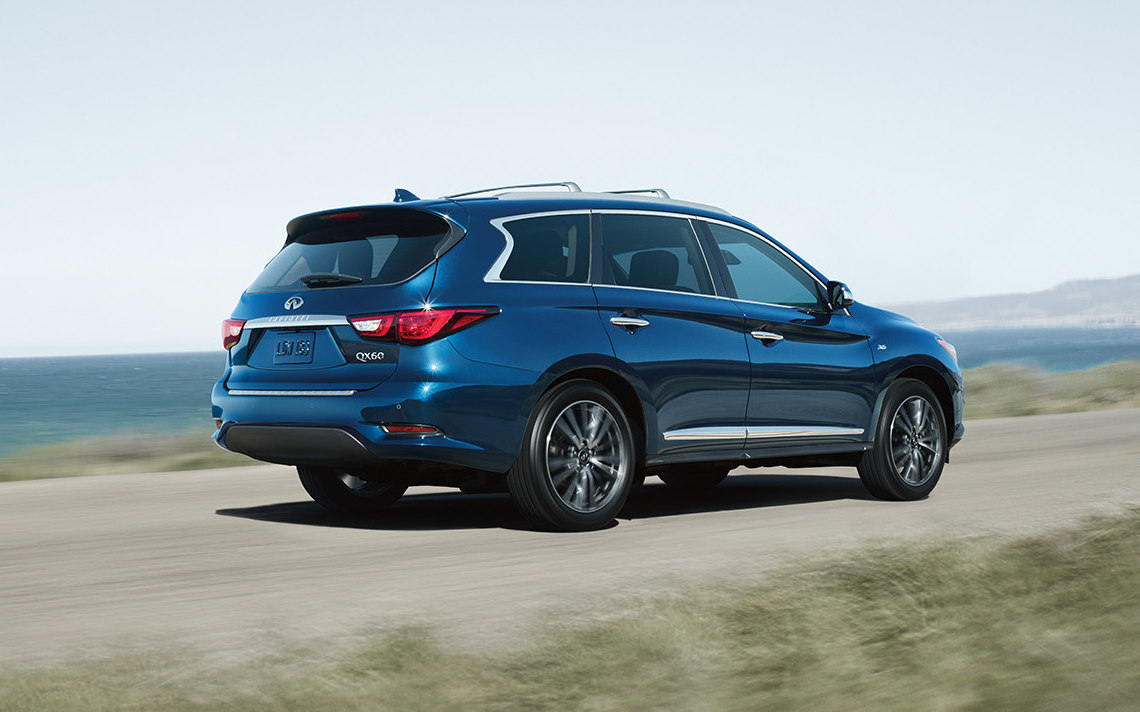
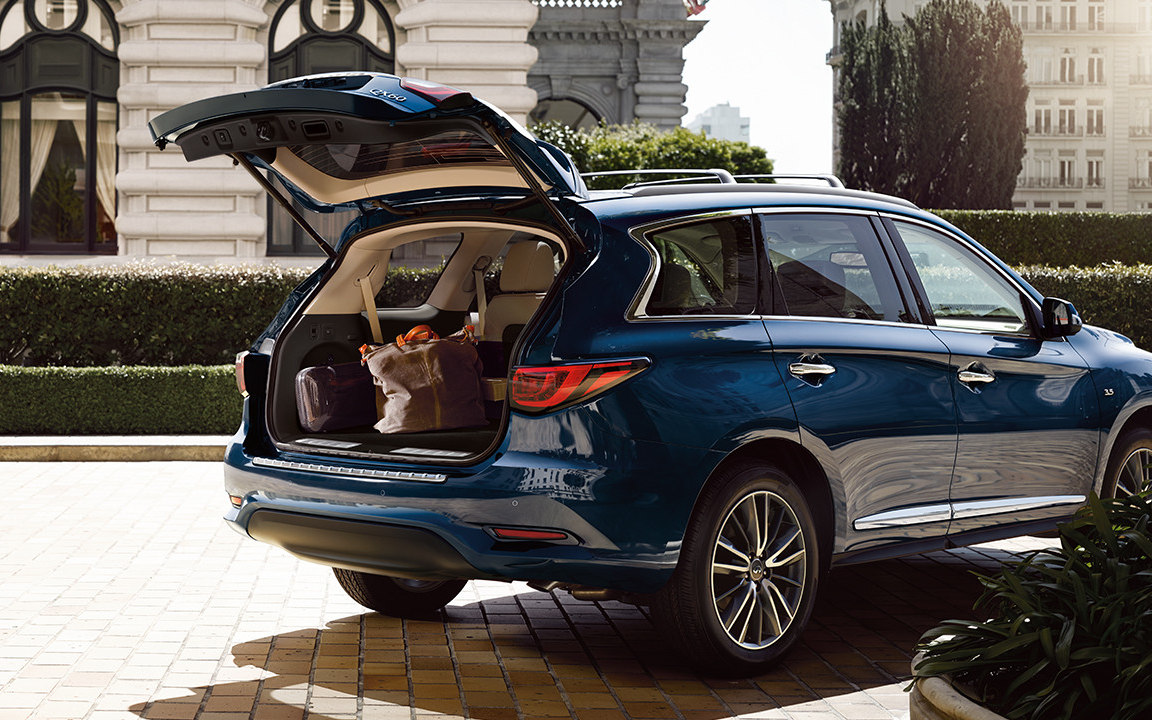
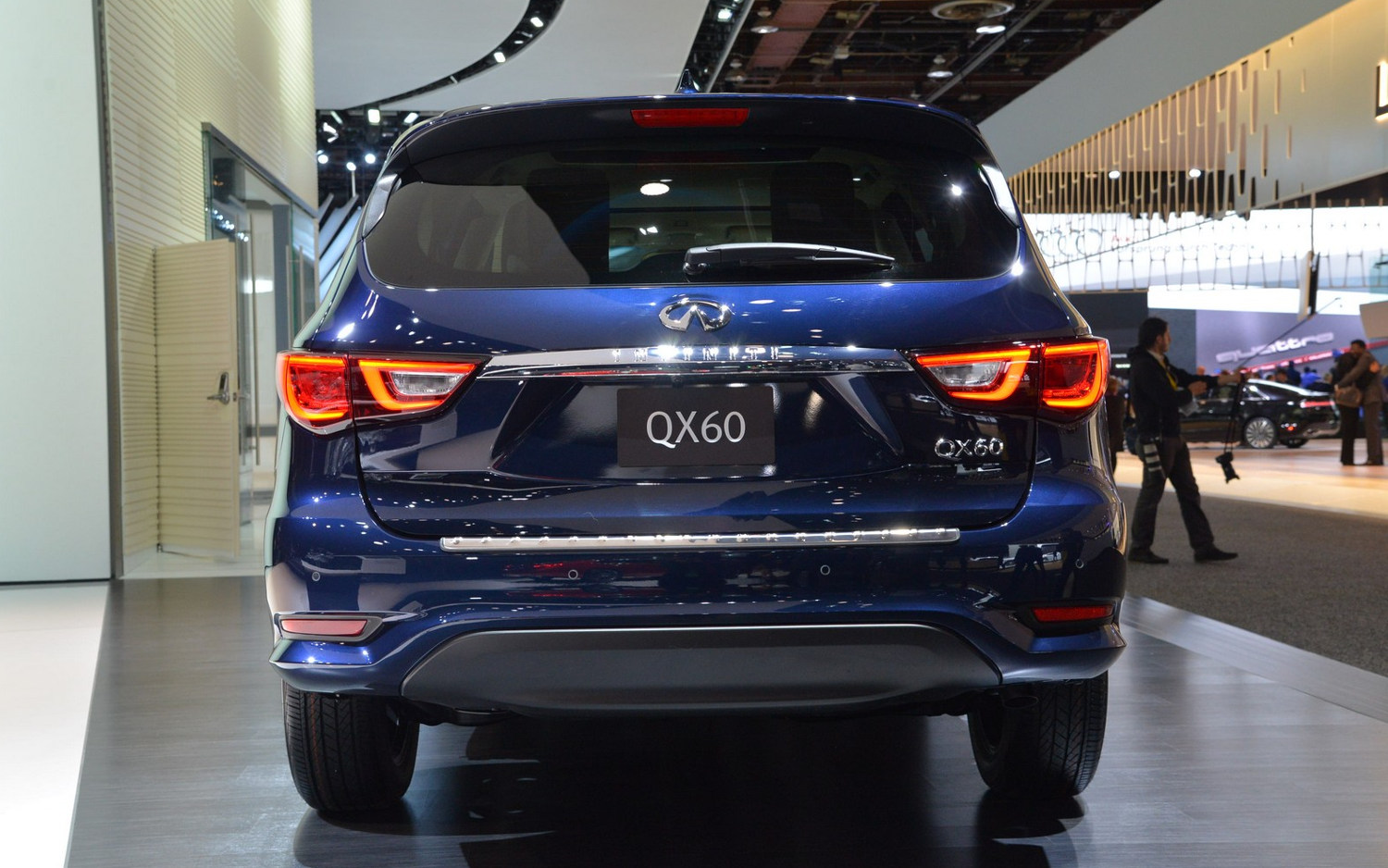
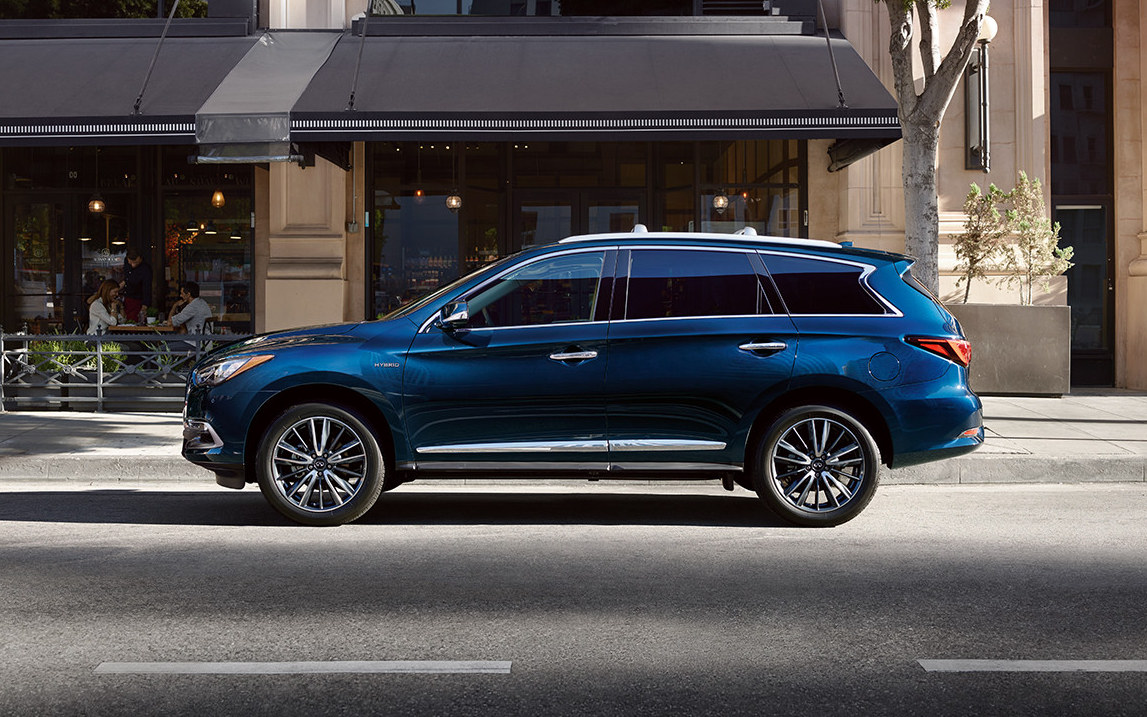
The 2017 Infiniti QX60 has a rich look and excellent interior space, but it doesn't deliver the driving polish that it should. Infiniti was fairly early to the three-row luxury crossover game with its JX, which has been continuously updated—and renamed—to become the 2017 QX60. Sharing its underpinnings with the Nissan Pathfinder, the QX60, like its less-luxurious counterpart, offers front- or all-wheel drive and a hybrid variant.
Pros Elegant styling Excellent third-row access Comfortable for a family Rear Collision Intervention safety system
Cons Less polished on road than it should be Infotainment lags rivals Costly, ineffective hybrid
The 2017 Infiniti QX60 ranks 20 out of 22 Luxury Midsize SUVs. The 2017 Infiniti QX60 is the blue light special for luxury midsize 3-row SUVs, delivering a pretty good package for less money than most. It has great safety scores, an inviting list of included and optional amenities, and one of the most agreeable third-row seats you can find. But uninspiring performance and a few other hiccups cut into the QX60’s overall appeal.
Pros Easy-to-use infotainment system Adult-friendly third-row seats Outstanding fuel economy
Cons Steering feels vague
For 2017, the QX60 receives a revised engine with more power with no reduction in fuel efficiency. A larger multimedia screen, a hands-free liftgate and automatic high beams are now available.
Pros Quiet, comfortable cabin makes for a soothing ride Easy access to third-row seats Smooth transmission operation adds to luxurious feel Plush ride quality that makes long trips enjoyable
Cons Not as sporty as some other large luxury SUVs Desirable features are all extra and bundled into packages Off-road capability not part of its formula Tight third-row legroom for adults