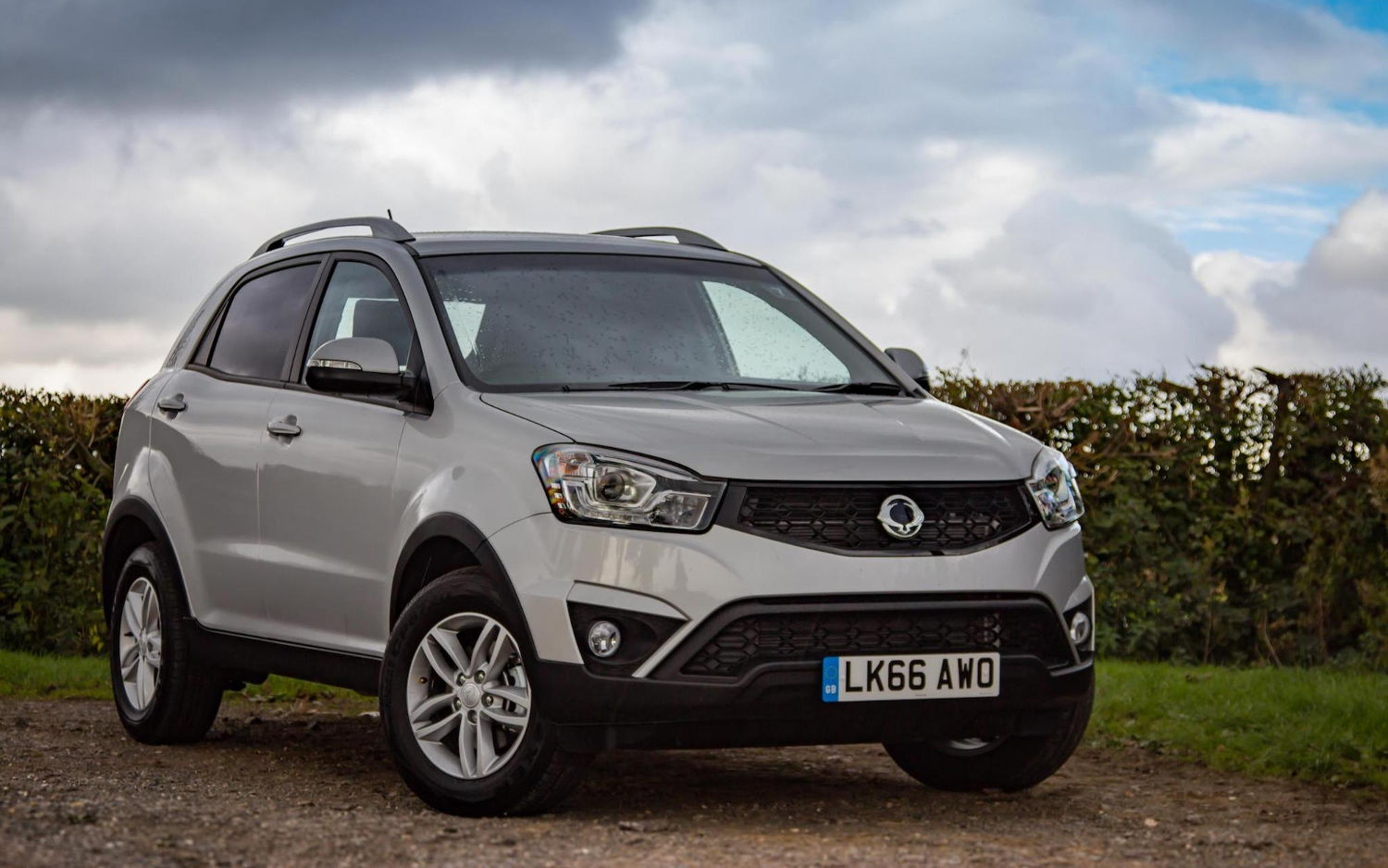
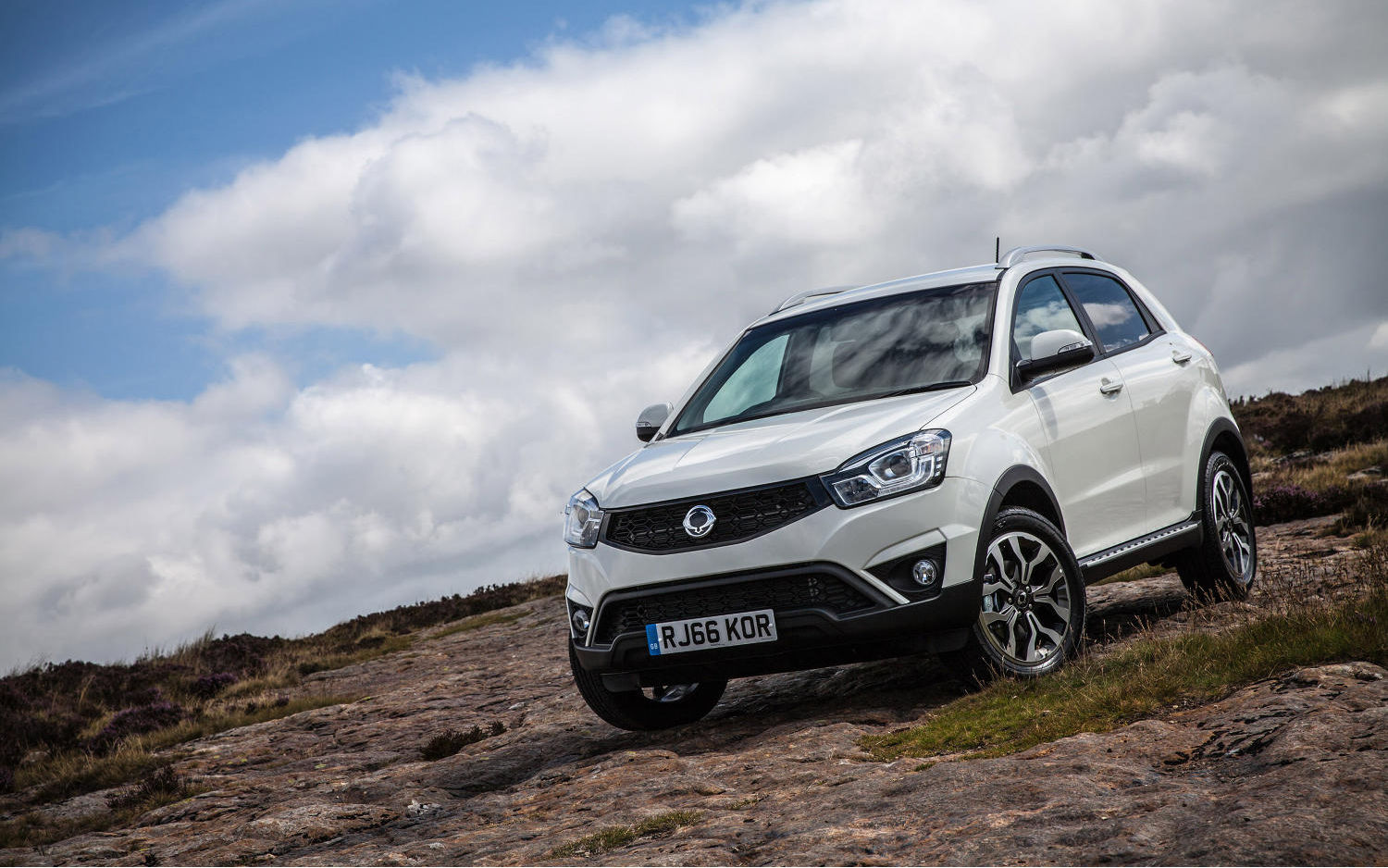
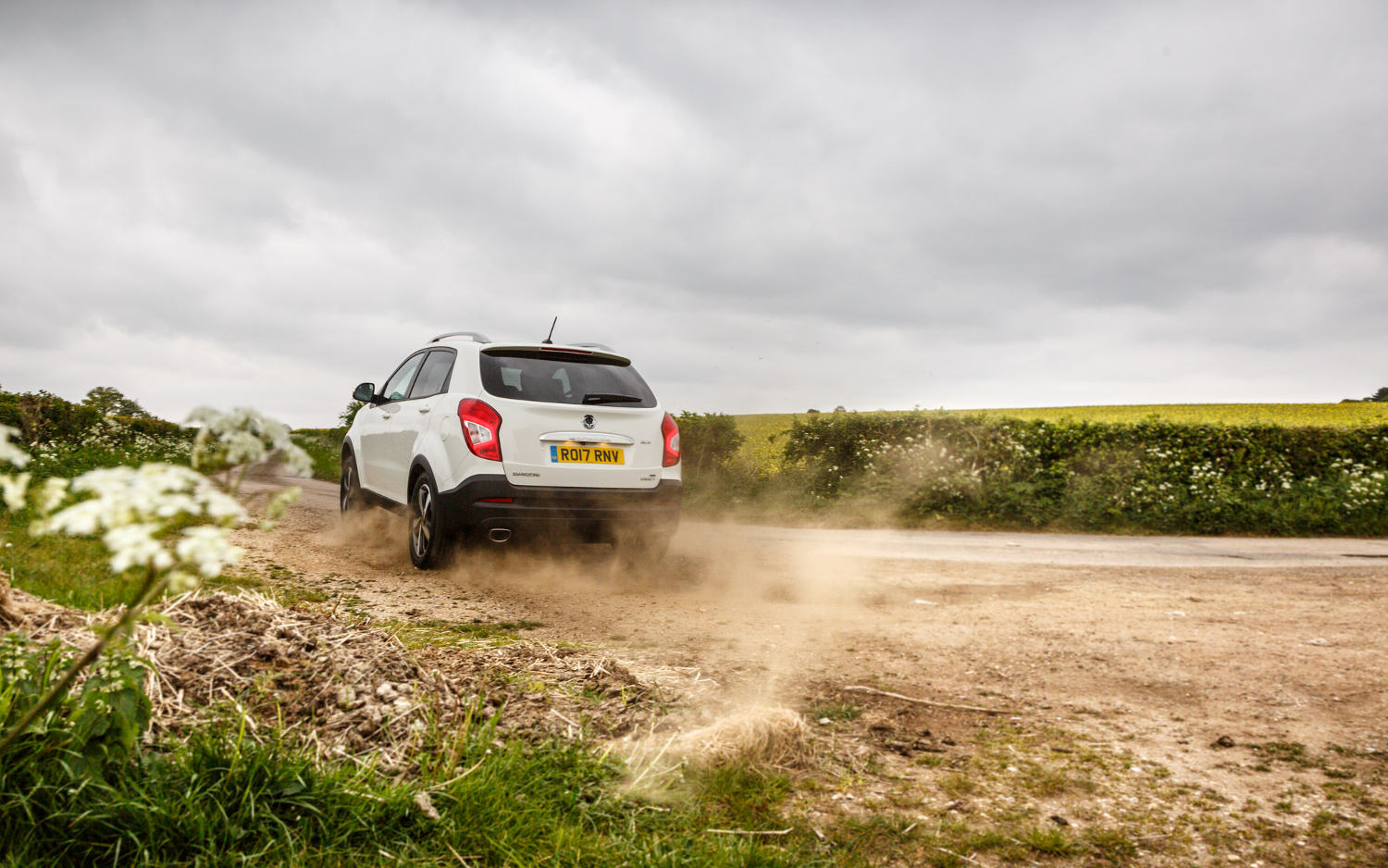
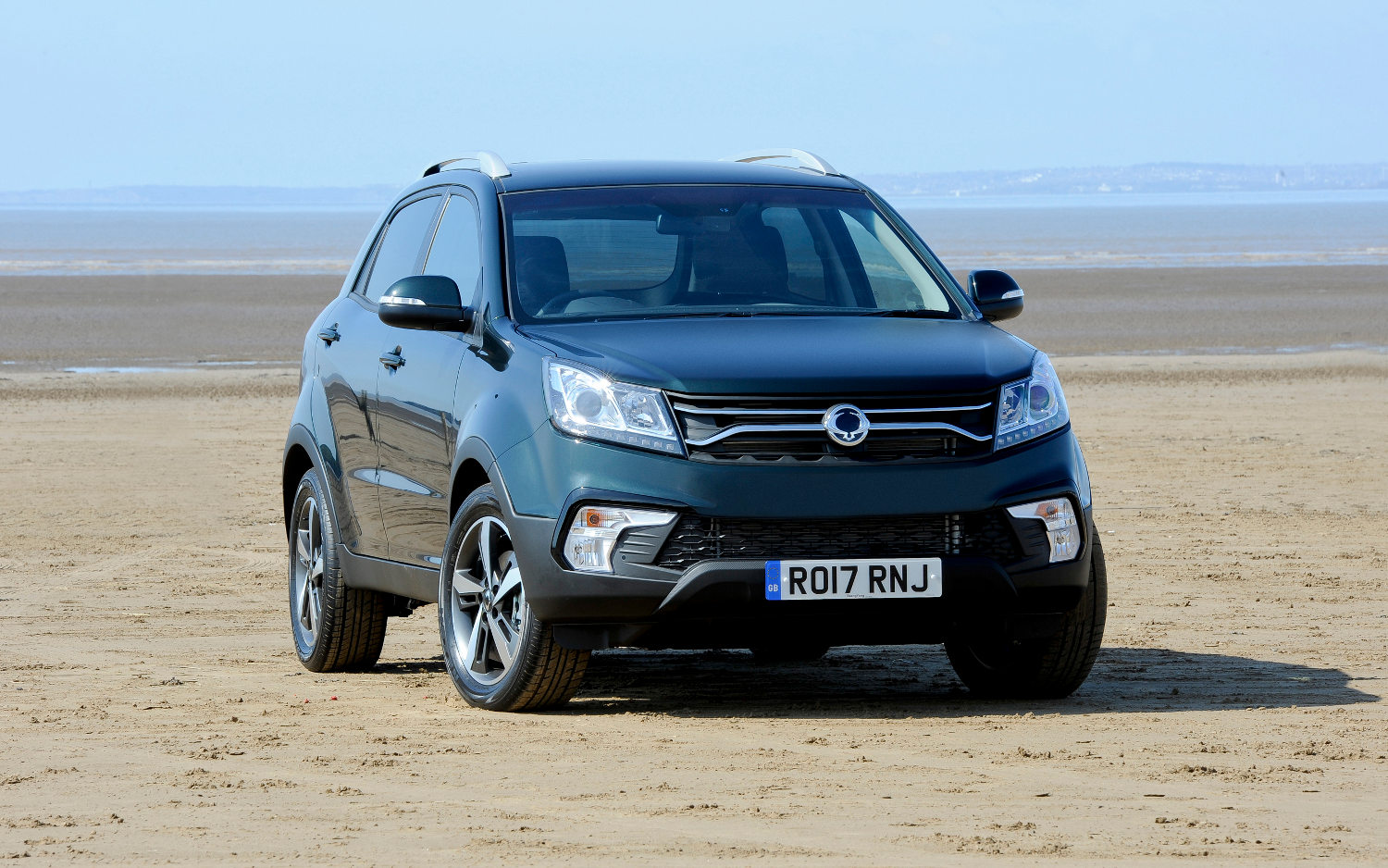
SsangYongs have been on sale in the UK since the ’90s – the company usually offers big SUVs for less than the majority of their competitors. Sadly, most of their models have proved to be lacklustre alternatives to the likes of the Kia Sportage, Suzuki Vitara and Nissan Qashqai. To drive, the Korando isn’t much fun, but most people buy one because they need an SUV either for tackling rough terrain or towing – two roles the SsangYong is perfectly suited to.
Pros Lots of space Relatively economical Generous standard kit
Cons Fast depreciation Dull styling Cheap feeling interior
The SsangYong Korando gives you a lot of car for your money – but nowhere near as much as a Dacia Duster.The SsangYong Korando is the brand’s mid-size SUV, pitched as a low-cost rival to the Nissan Qashqai, Hyundai Tucson and Kia Sportage. On the move, the Korando isn’t as stable as a lot of its rivals, either – it tends to wallow about when going around corners and has an uncomfortable ride.
Pros Good value for money Spacious interior Low emissions
Cons Noisy diesel engine Poor-quality plastics Uncomfortable suspension
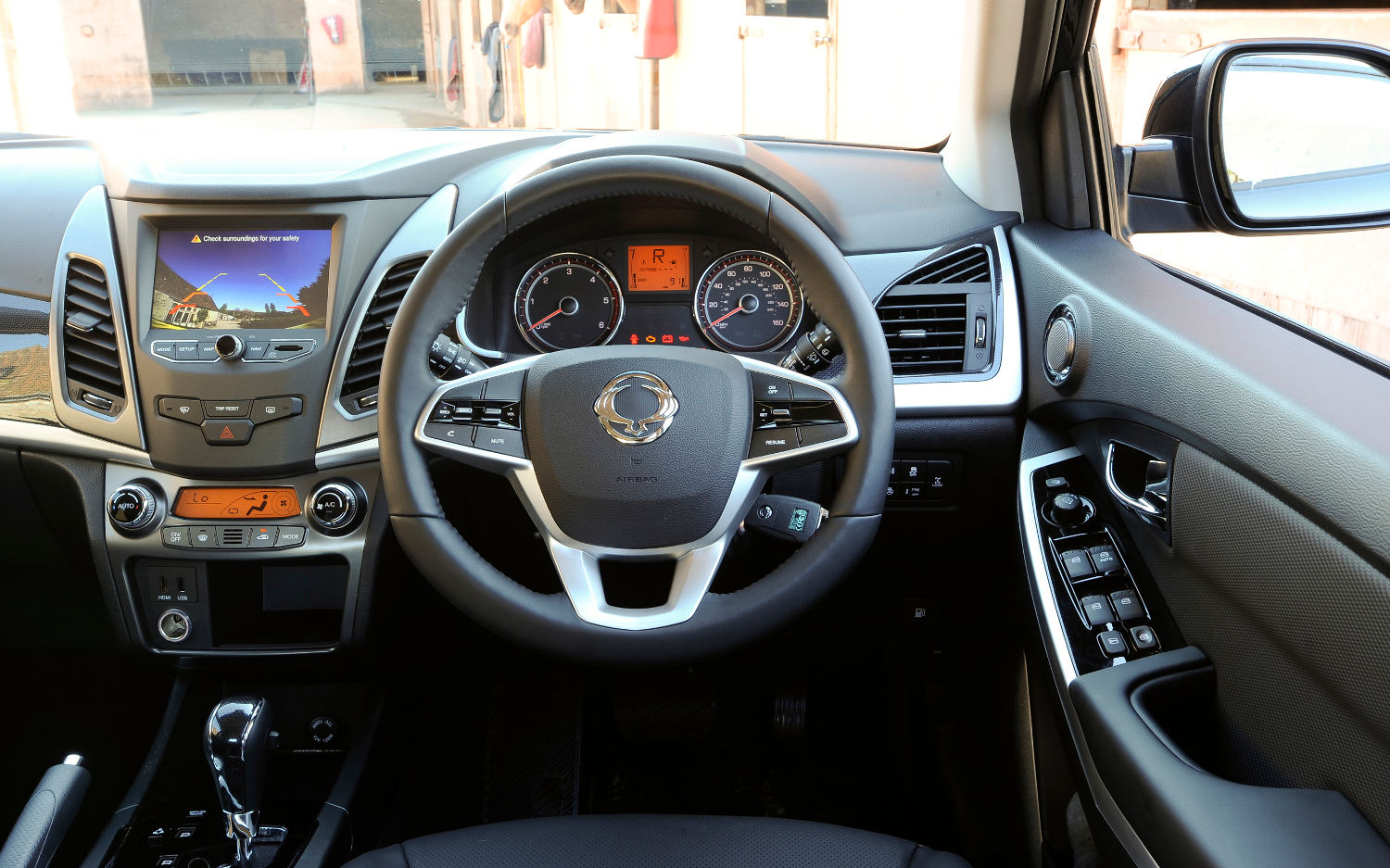
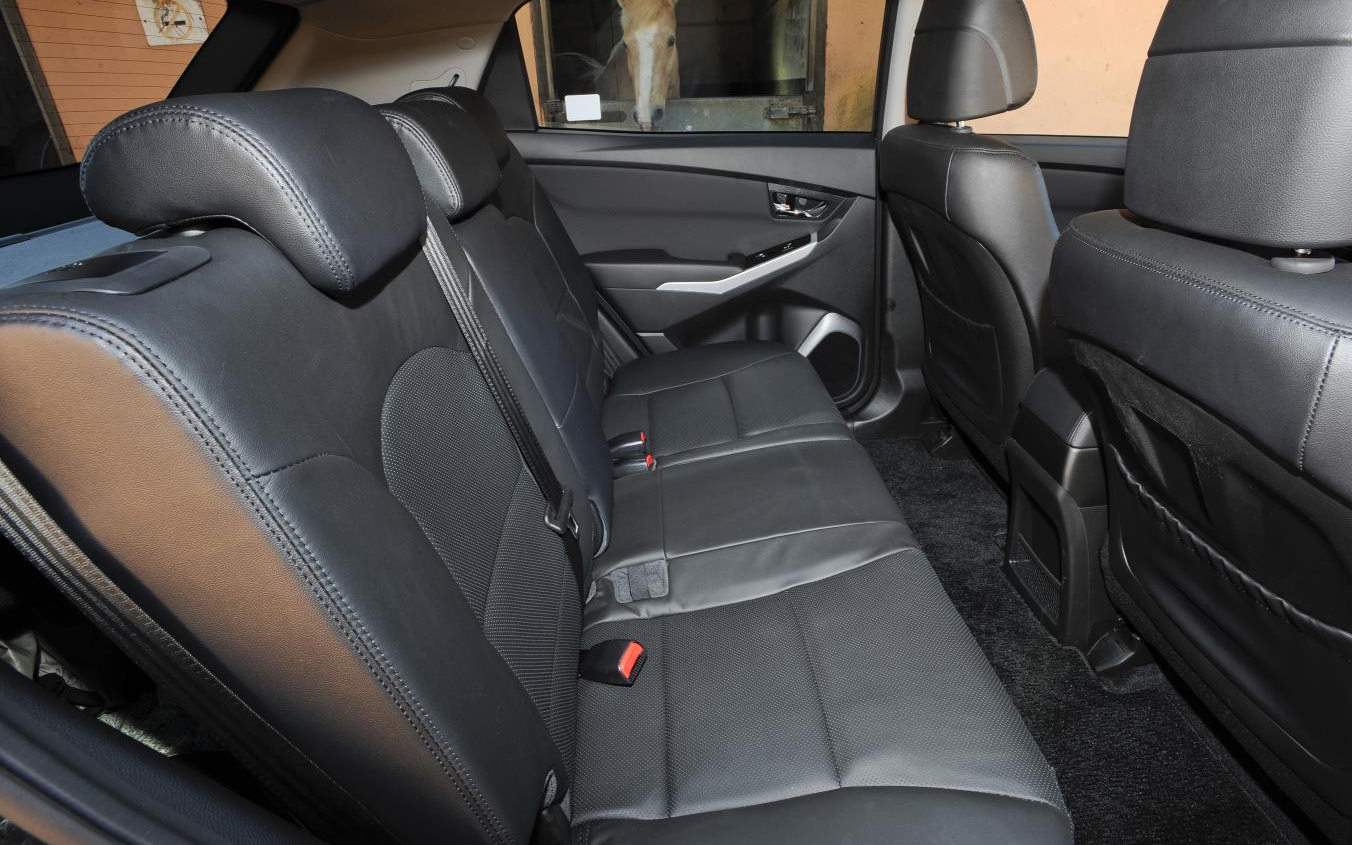
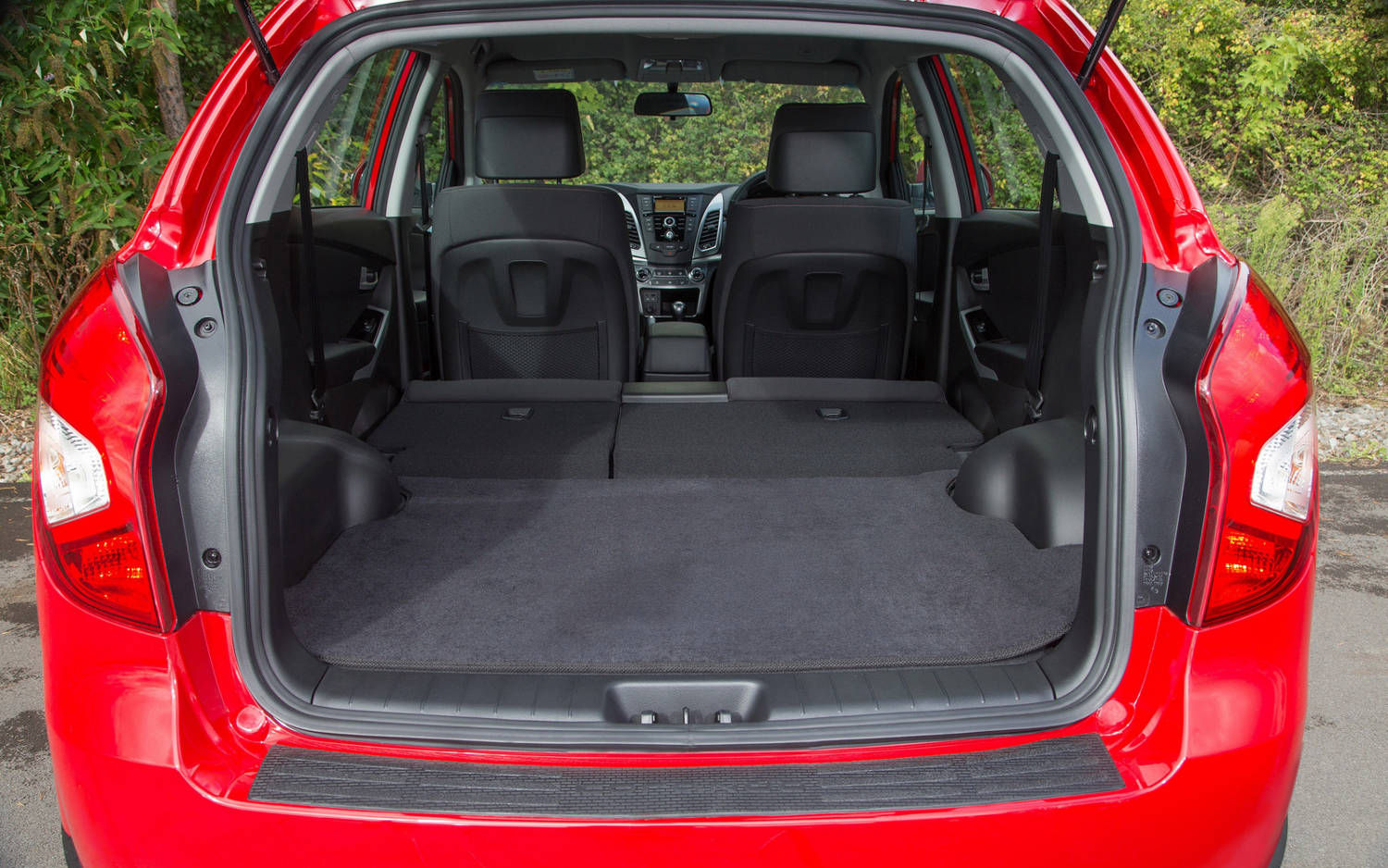
Not only was it a handsome addition to the compact crossover market, it was also the firm’s very first monocoque model – meaning it delivered a far better approximation of a car’s handling characteristics than any of the body-on-frame SUVs that continue to fill out the firm’s modest lineup. On the plus side, the Korando gets large storage bins, reach and rake adjustment for the steering wheel and generous equipment levels on higher-spec models. It is also competitive on interior space; offering decent leg and headroom for rear passengers, and acceptable luggage space. The interior is slightly less forgettable, but only because it comes partly clad in the kind of cheap plastic which cannot otherwise find a home in this class. The redesigned dashboard makes ergonomic sense, although it hasn’t lost any of its brittleness.
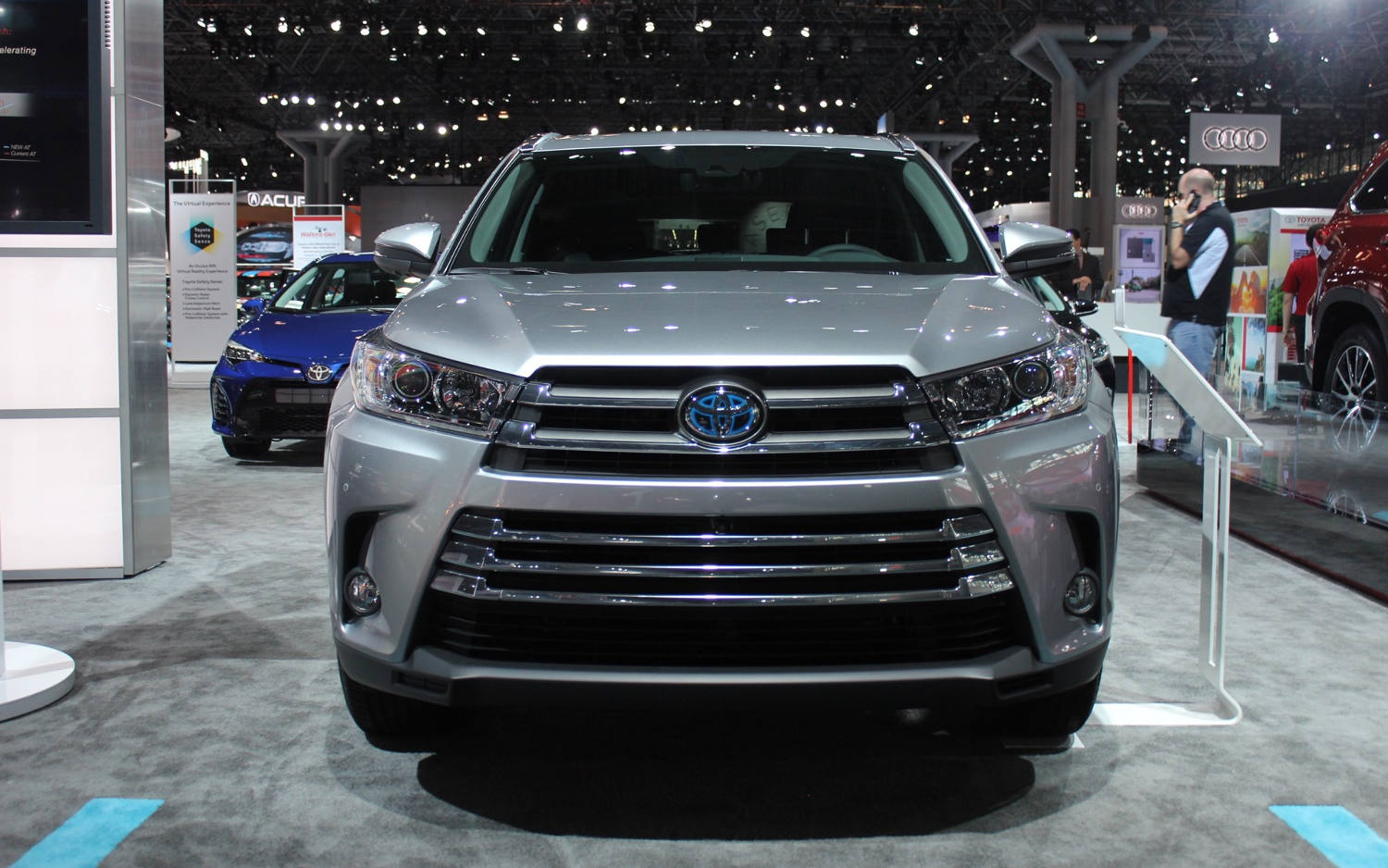
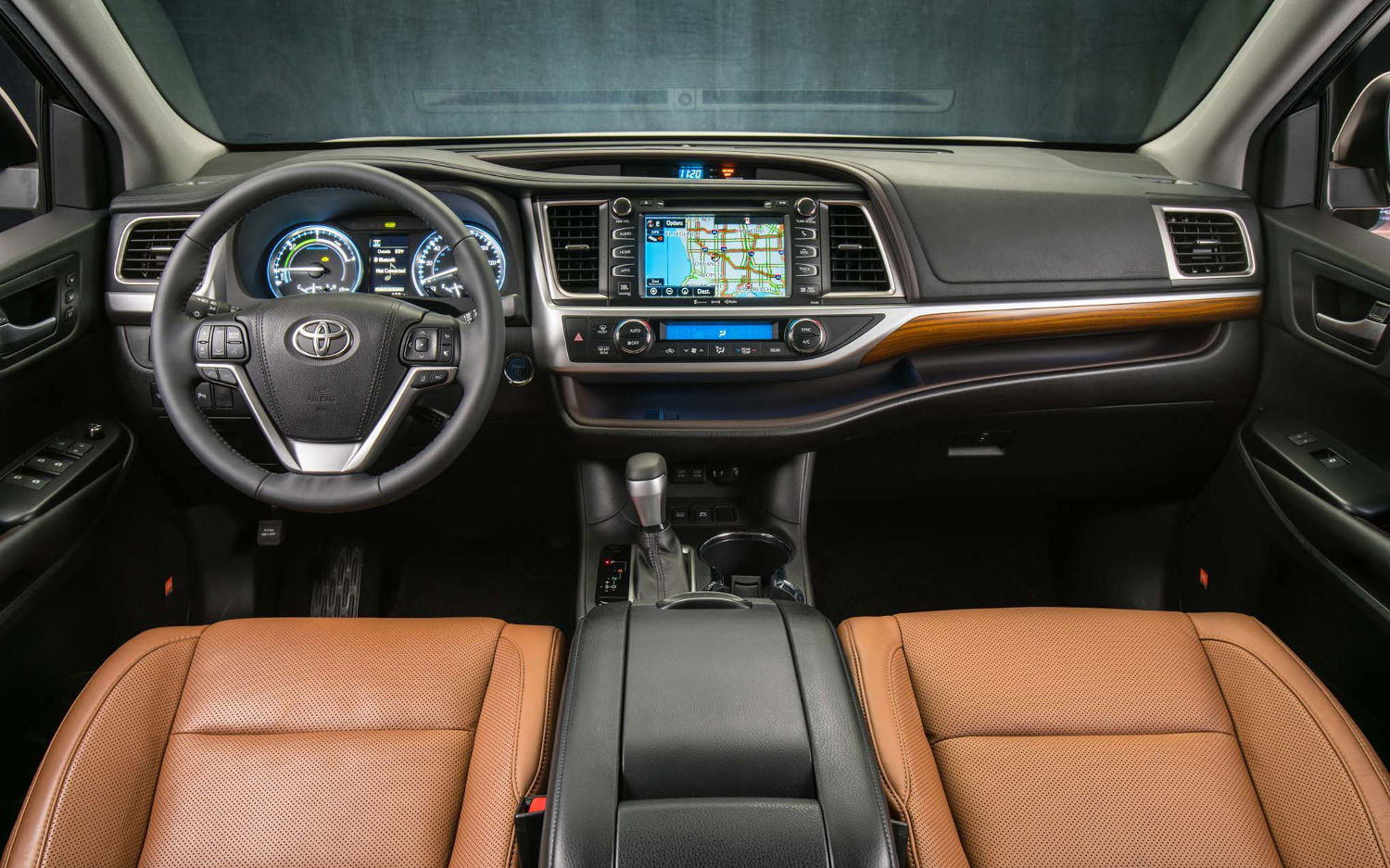
For 2017, the current-generation Toyota Highlander Hybrid receives its first significant update. Its gasoline engine is more powerful and efficient, and the exterior styling has a fresh look to it. There are also a couple of new, more affordable trim levels this year. Finally, the Toyota Safety Sense suite of accident avoidance features is now standard equipment.
Pros Impressive fuel economy for a three-row crossover Just-right size for many families Added peace of mind from standard accident-avoidance tech Quiet and compliant ride
Cons Price premium unlikely to be made up with gas savings Third-row seat isn't as roomy as those of many competitors Touchscreen and other controls may require an extra-long reach
The 2017 Toyota Highlander Hybrid ranks 1 out of 18 Midsize SUVs. The Toyota Highlander Hybrid becomes even more versatile and affordable for 2017, with the addition of two new trims and an eighth seat. It has an impressive list of family-friendly features available, along with a spacious, well-built cabin. Unsurprisingly, it delivers class-leading fuel efficiency. In a nutshell, this is a safe, reliable SUV that just happens to be a hybrid.
Pros Energetic, fuel-efficient powertrain Impressive list of standard safety features User-friendly, upscale interior
Cons More expensive than most midsize SUVs
A thorough refresh keeps the 2017 Toyota Highlander ahead in a very tough game. Under the hood, a new V6 engine puts out more power and connects to a new 8-speed automatic transmission. A new suite of standard safety systems includes active cruise control and automatic collision avoidance, combining with Top Safety Pick + crash-test rating from the IIHS for peace of mind. There's also seating for eight passengers, with decent cargo space behind the third row. The interior design includes tons of clever features to make living with the Highlander easier, and the exterior gets a new grille that's, well, really big. Put it together, and Toyota's midsize SUV will continue to be a best-seller for all the right reasons.
Pros The 2017 Toyota Highlander's emphasis on safety complements its existing strengths of comfort, economy, reliability and resale value. The new engine gets more power and better fuel economy, and the exterior styling is sure to turn heads.
Cons The Highlander can haul eight passengers, and it can carry a decent amount of stuff, but it lags competitors like the Honda Pilot in both. Additionally, if you need real off-road capability, or towing capacity greater than 5,000 pounds, check out full-size SUVs like the Chevrolet Tahoe or Toyota Sequoia.