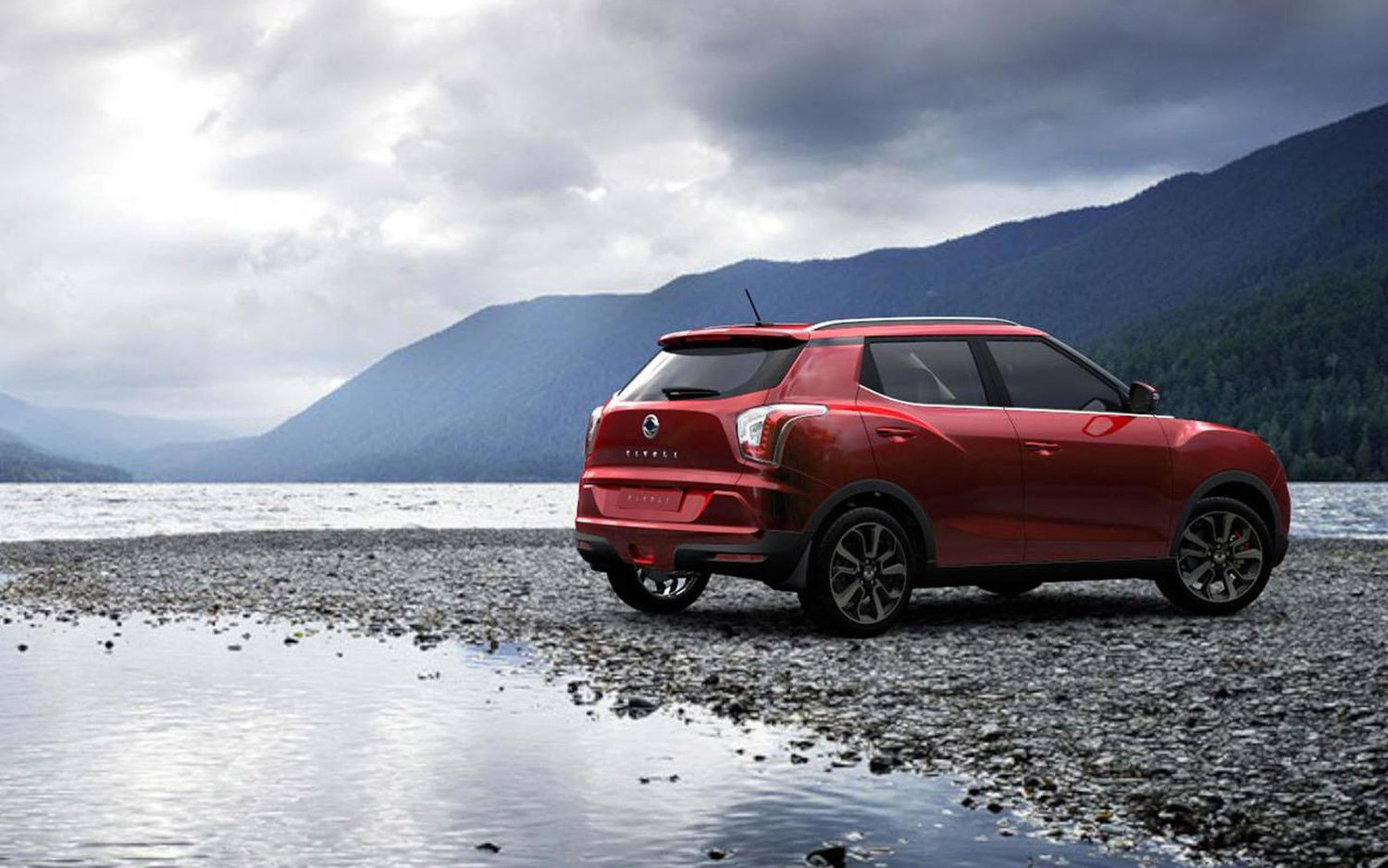
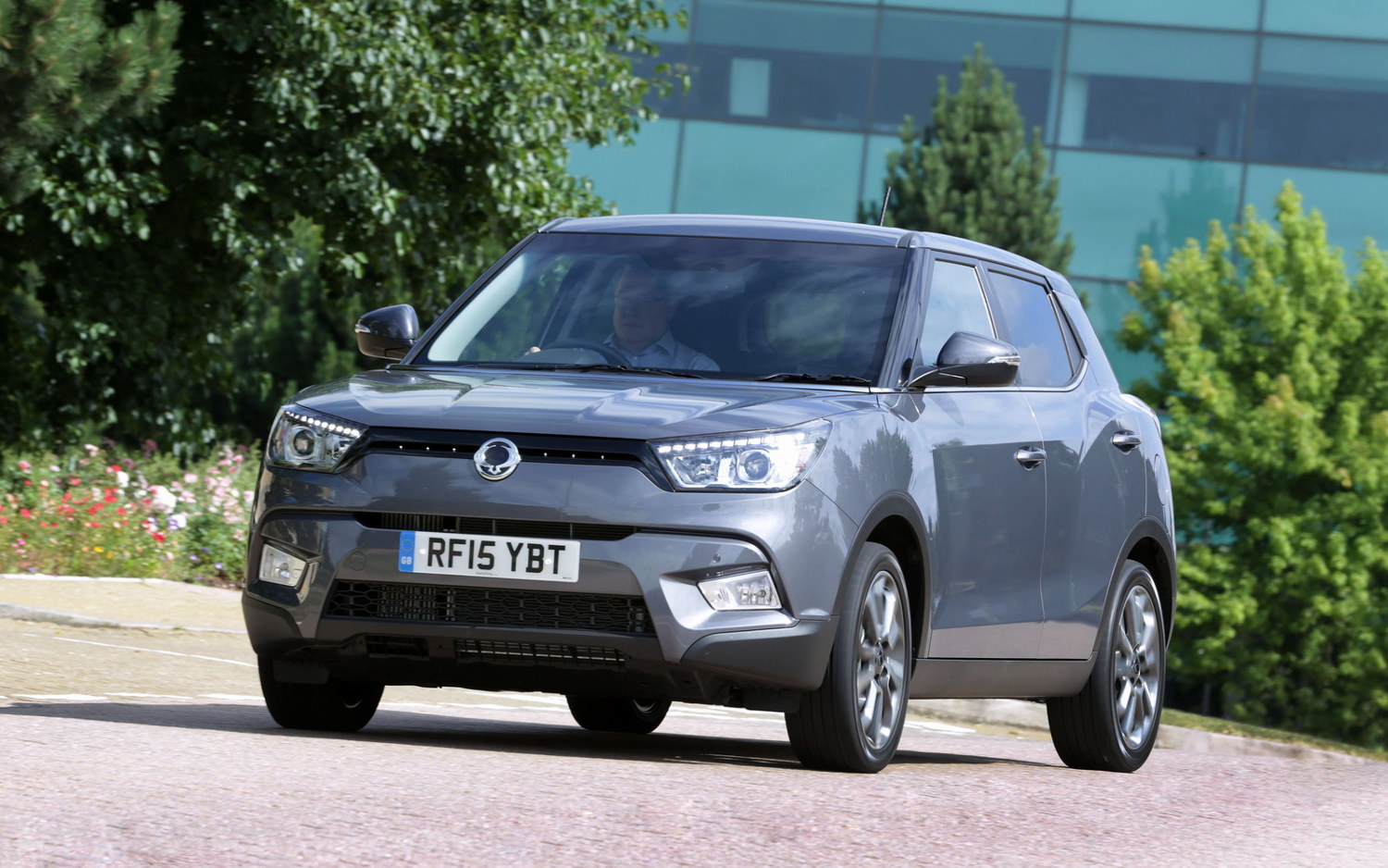
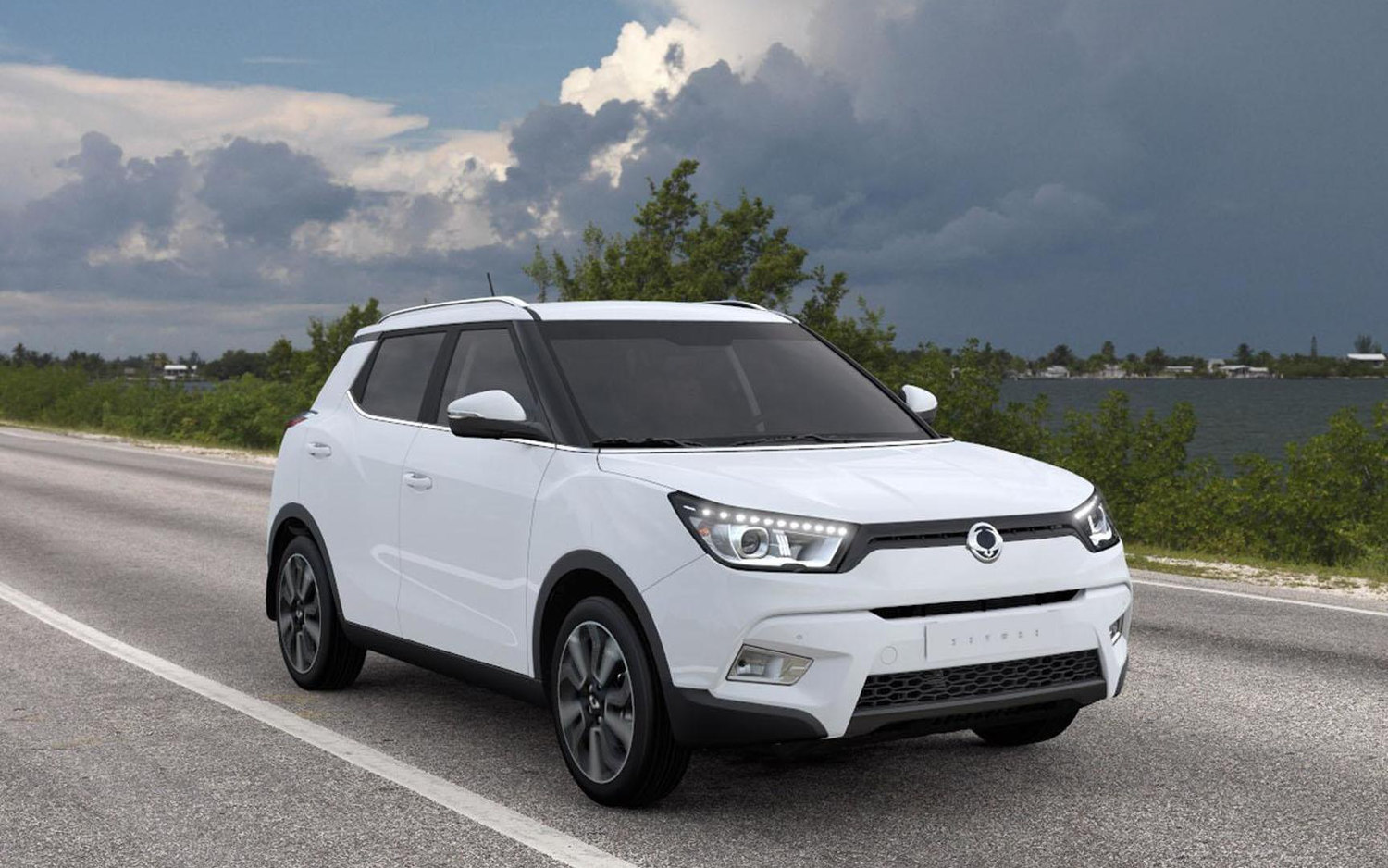
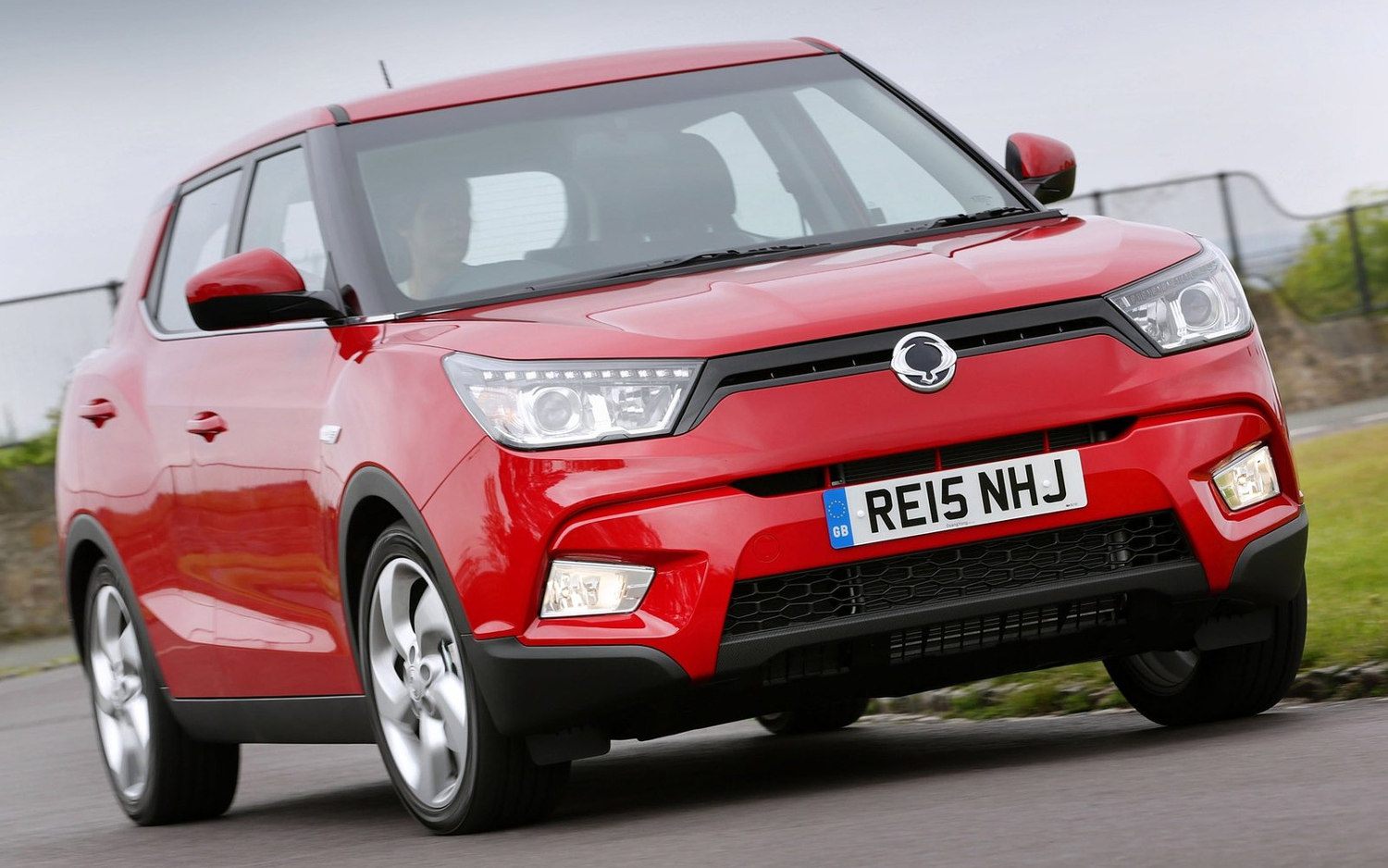
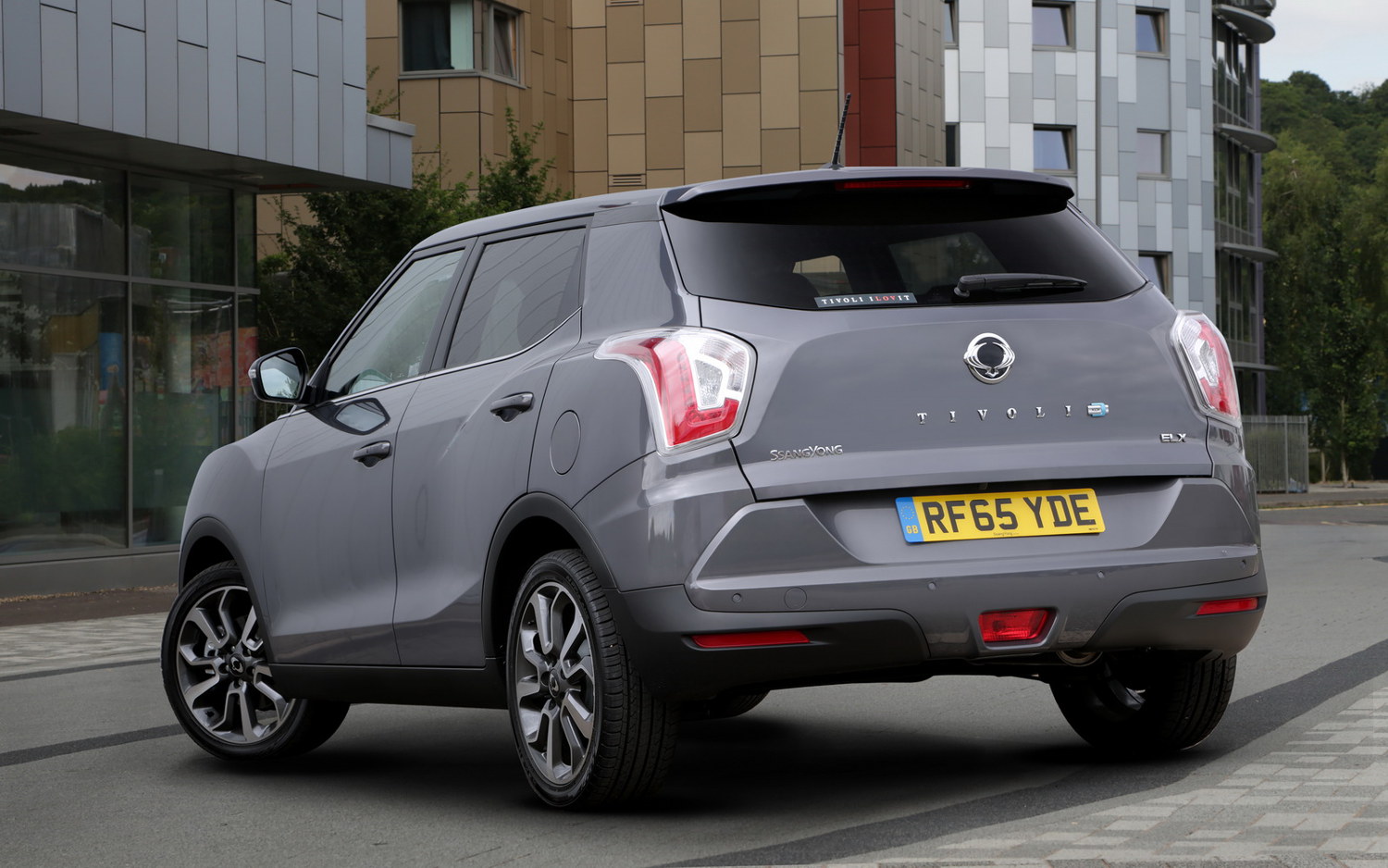
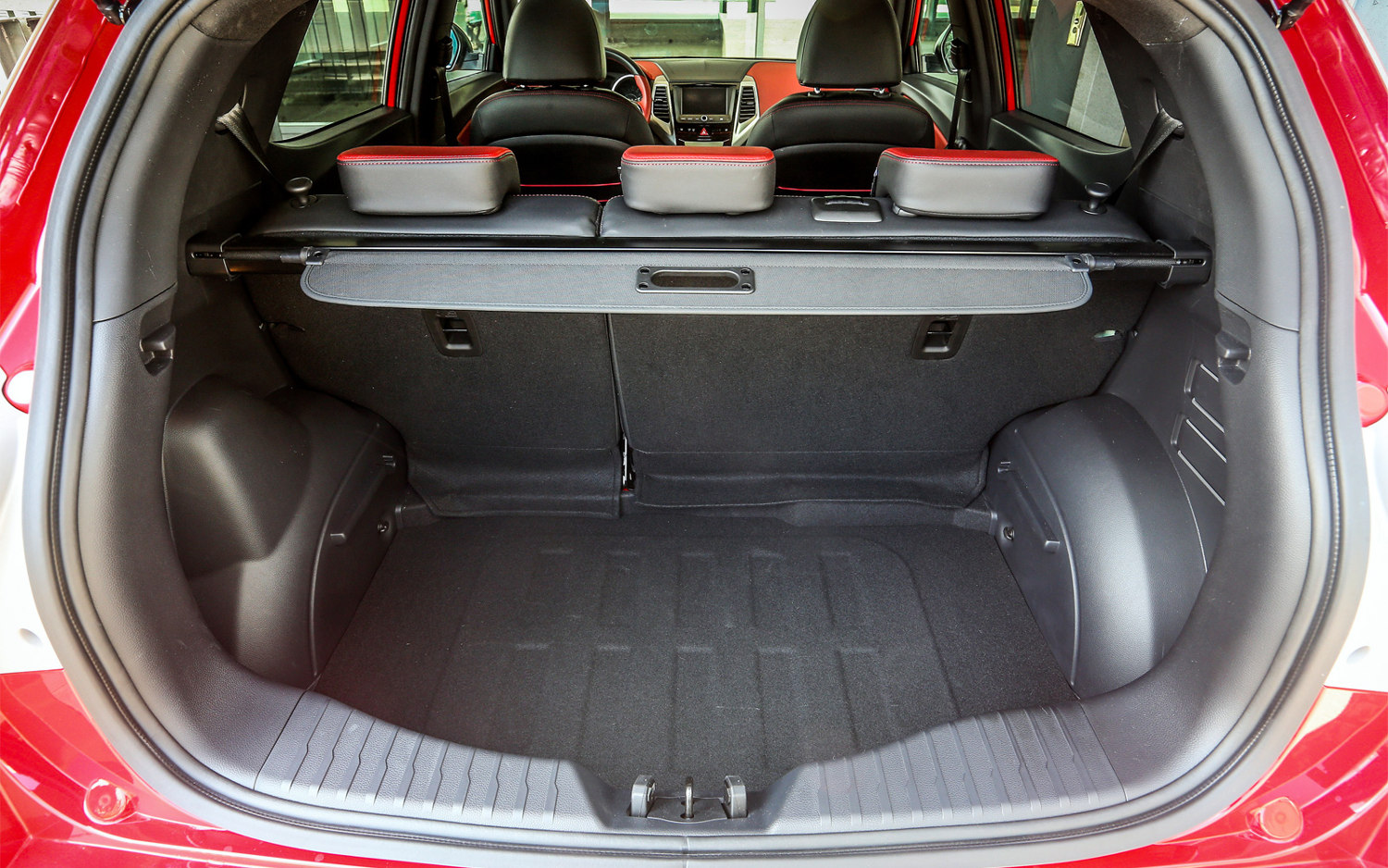
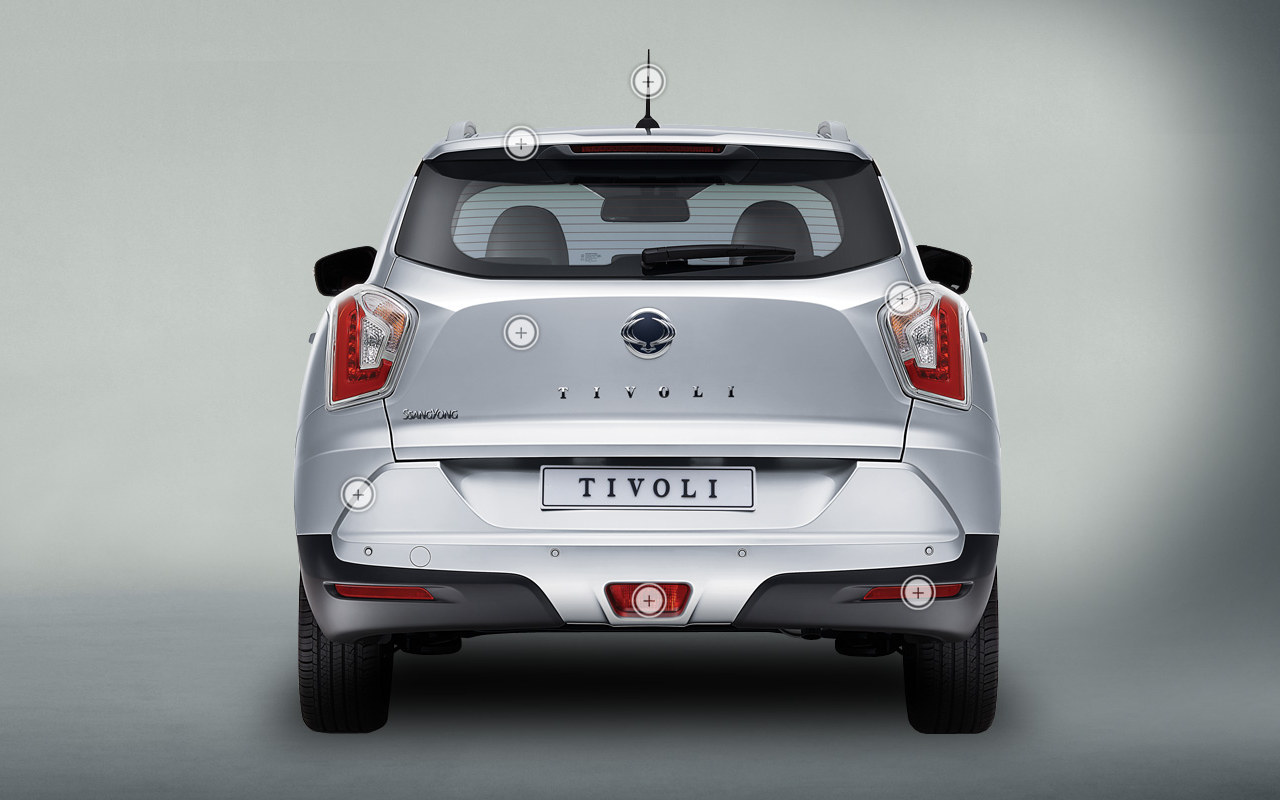
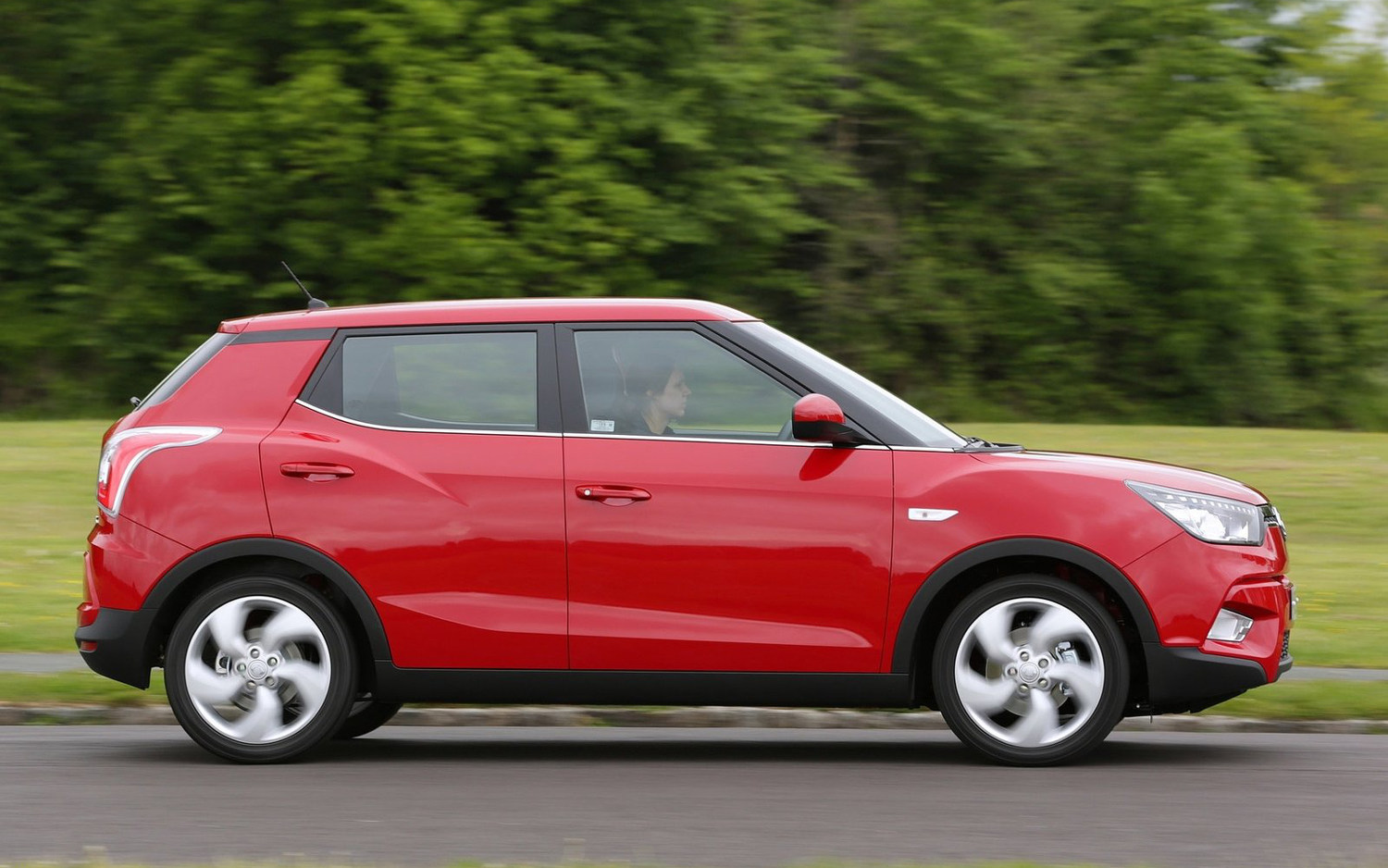
The SsangYong Tivoli is central to this aim, its built on an all-new platform to compete with cars such as the Nissan Juke, Ford EcoSport and the Vauxhall Mokka in the ever-popular (and still growing) small crossover market. While the Tivoli can’t match the striking styling of the Juke, this is arguably the best-looking SsangYong yet, and the company is claiming to have taken massive strides on the inside, too. The car will also come loaded with kit, including an optional seven-inch central screen on the dashboard.
Pros Spacious for its size Generous standard equipment Cheap
Cons Not as striking as the Juke Quality falls behind the best in class Bland to drive
The Ssangyong Tivoli competes in the small SUV market, alongside rivals such as the Nissan Juke and Kia Soul. These cars offer the look and feel of an off-roader, but with performance and running costs more akin to a family hatchback. Do bear in mind, however, they’re better suited to on-road driving than traversing muddy lanes. That’s certainly the case with the Tivoli, although unlike its aforementioned rivals, you can order it with four-wheel drive on higher trims. A 1.6-litre petrol or 1.6-litre diesel is available throughout the range, combined with a six-speed manual gearbox. A six-speed automatic is available for both engines on all but the entry-level SE.
You can put aside your reservations about the SsangYong badge, because the Tivoli is a thoroughly capable small crossover for the money. It’s not the most stylish inside or out, and it won’t win awards for ride comfort or refinement, but you get a lot of space and kit for little financial outlay. The latter two points are especially true of the Tivoli XLV, but it’s more expensive, and we'd go for the two-wheel-drive version to save some money. The standard Tivoli is decent to drive, while with the diesel engine and is by far the best on-road car SsangYong has built yet.
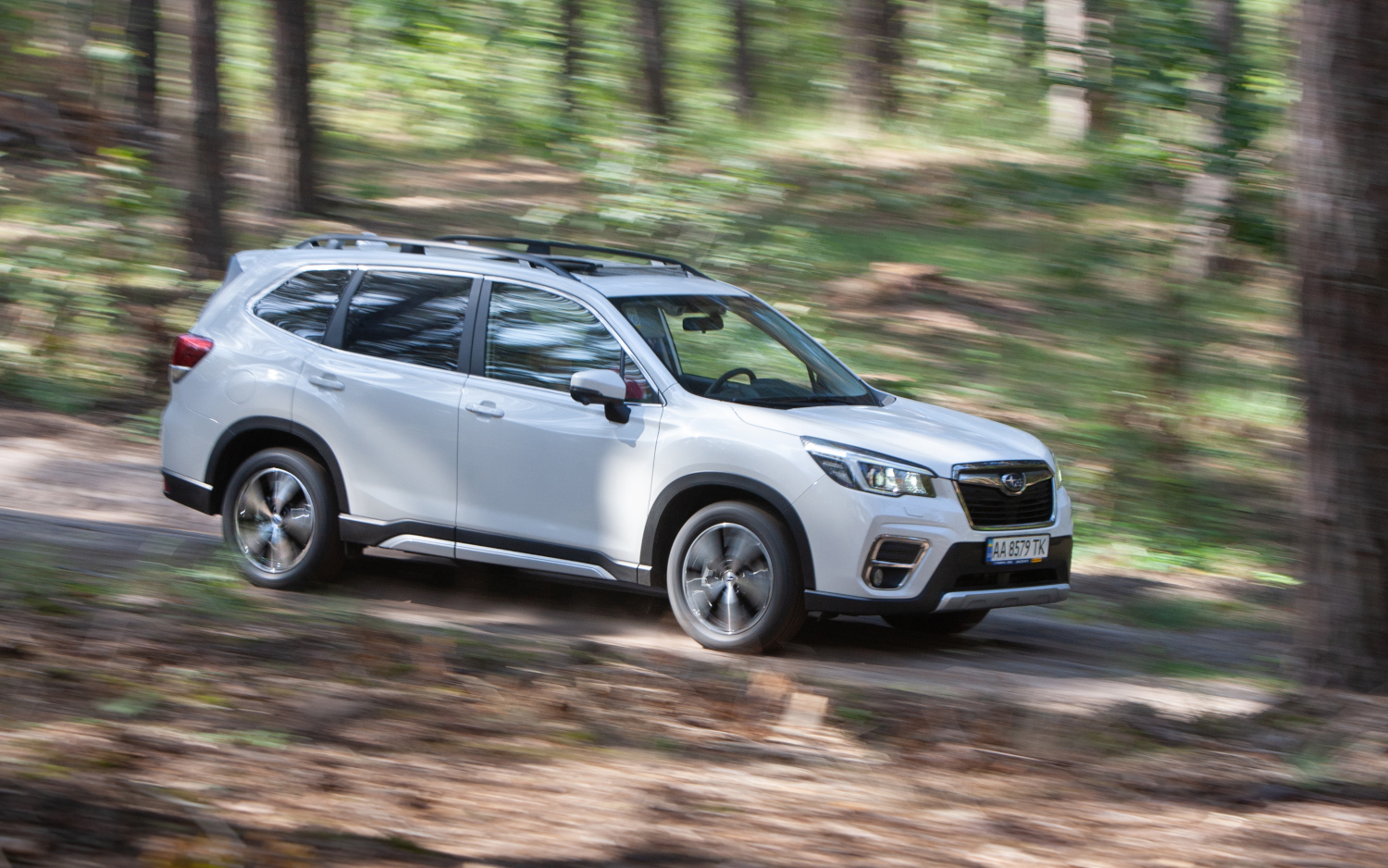
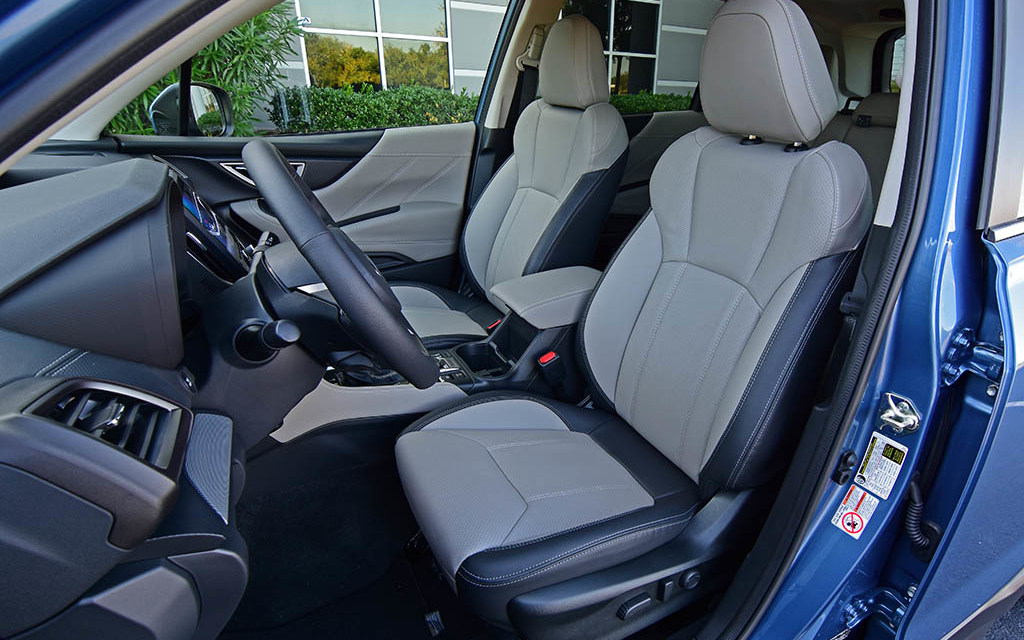
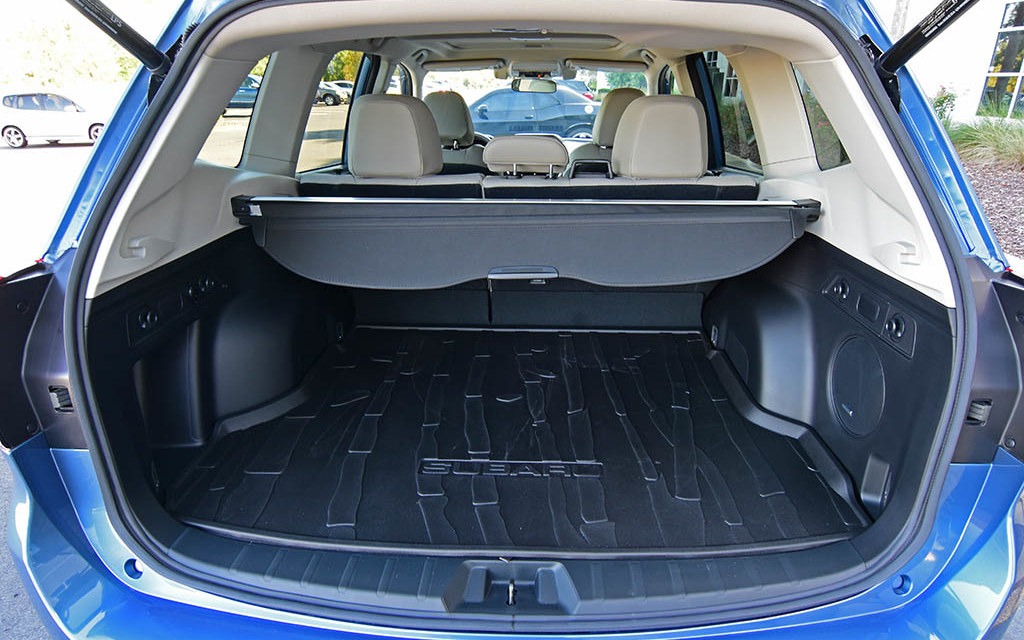
The Forester was all new for 2019, so Subaru hasn't made many changes for 2020; however, there are a few new features that buyers might find interesting. The standard adaptive cruise control system gains a lane-centering feature, the tire-pressure monitor now displays the pressure in each tire, an LED lamp illuminates the license plate on all models, and a rear-seat reminder alerts the driver to check the back seat upon exiting the vehicle if the rear doors were opened prior to the start of the trip. Premium models now come standard with the contents of last year's All-Weather package—heated exterior mirrors, heated front seats, and a windshield wiper de-icer—and touring models get LED cargo-area dome lights.
Pros Good at most everything that matters to crossover buyers, spacious cabin, relaxed ride and handling.
Cons Lethargic acceleration, uninspired design, few luxuries come standard.
The 2020 Subaru Forester comes with all wheel drive. Available transmissions include: continuously variable-speed automatic.New lane centering function added to list of standard driving aids.All-Weather package now standard on Premium models.
Pros Standard all-wheel drive A full complement of driver assist features is standard Enhanced off-road capability thanks to better-than-average ground clearance Generous cargo capacity
Cons Engine is underpowered Modest tow rating limits maximum utility
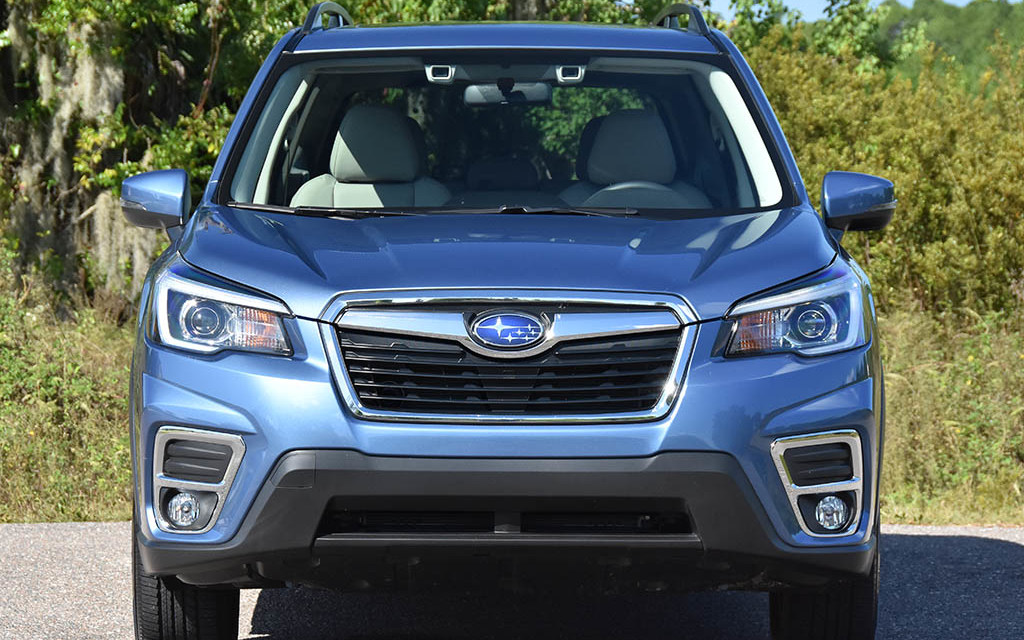
It looks visually similar to the last model, so has enough changed to entice buyers into the all-new Subaru Forester?
Pros Loaded with safety and convenience features Ultra-wide passenger door opening aperture Full-time all-wheel drive system Fuel efficient four-cylinder petrol engine
Cons Archaic three-year warranty 12,500km service intervals Higher starting price