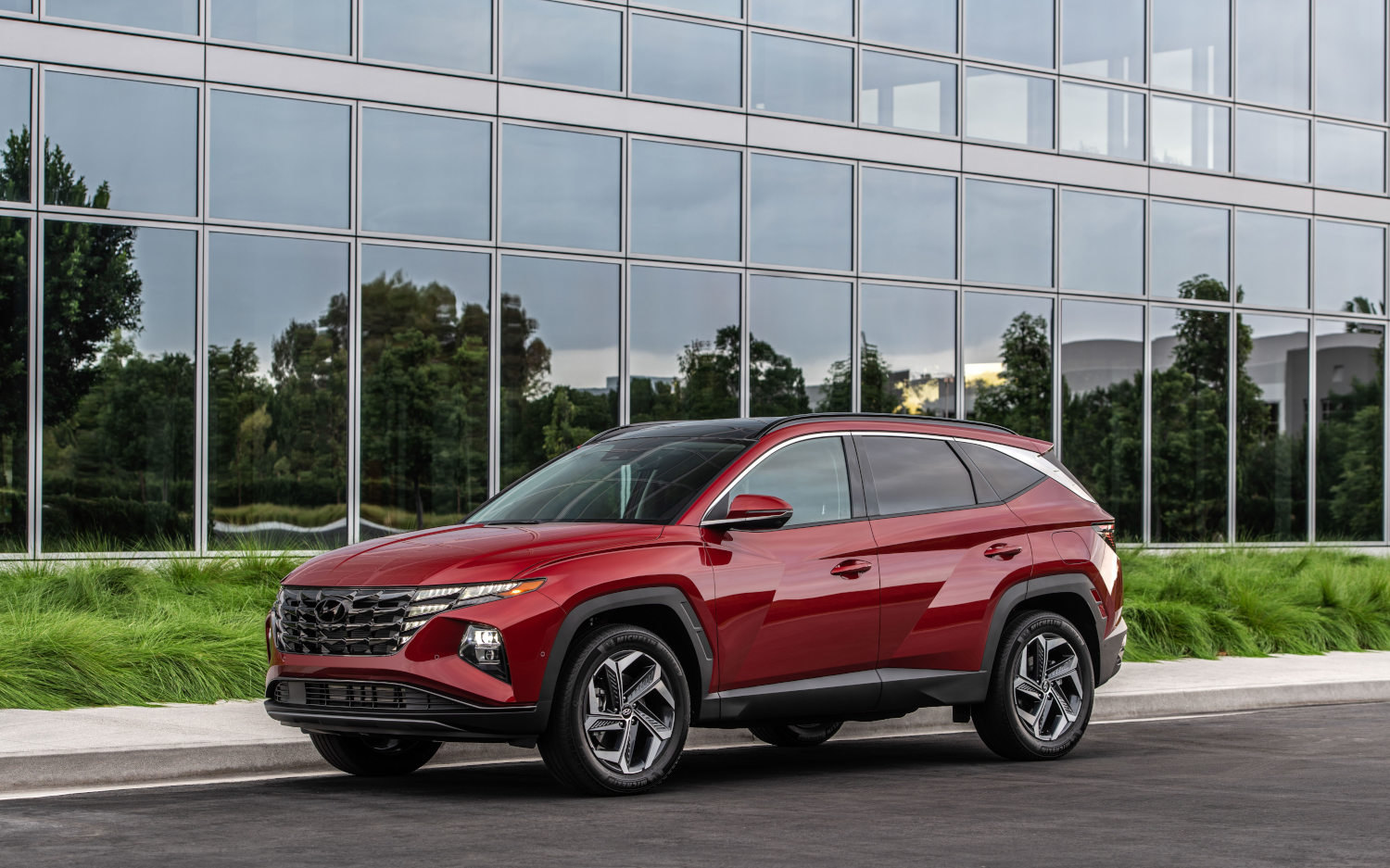
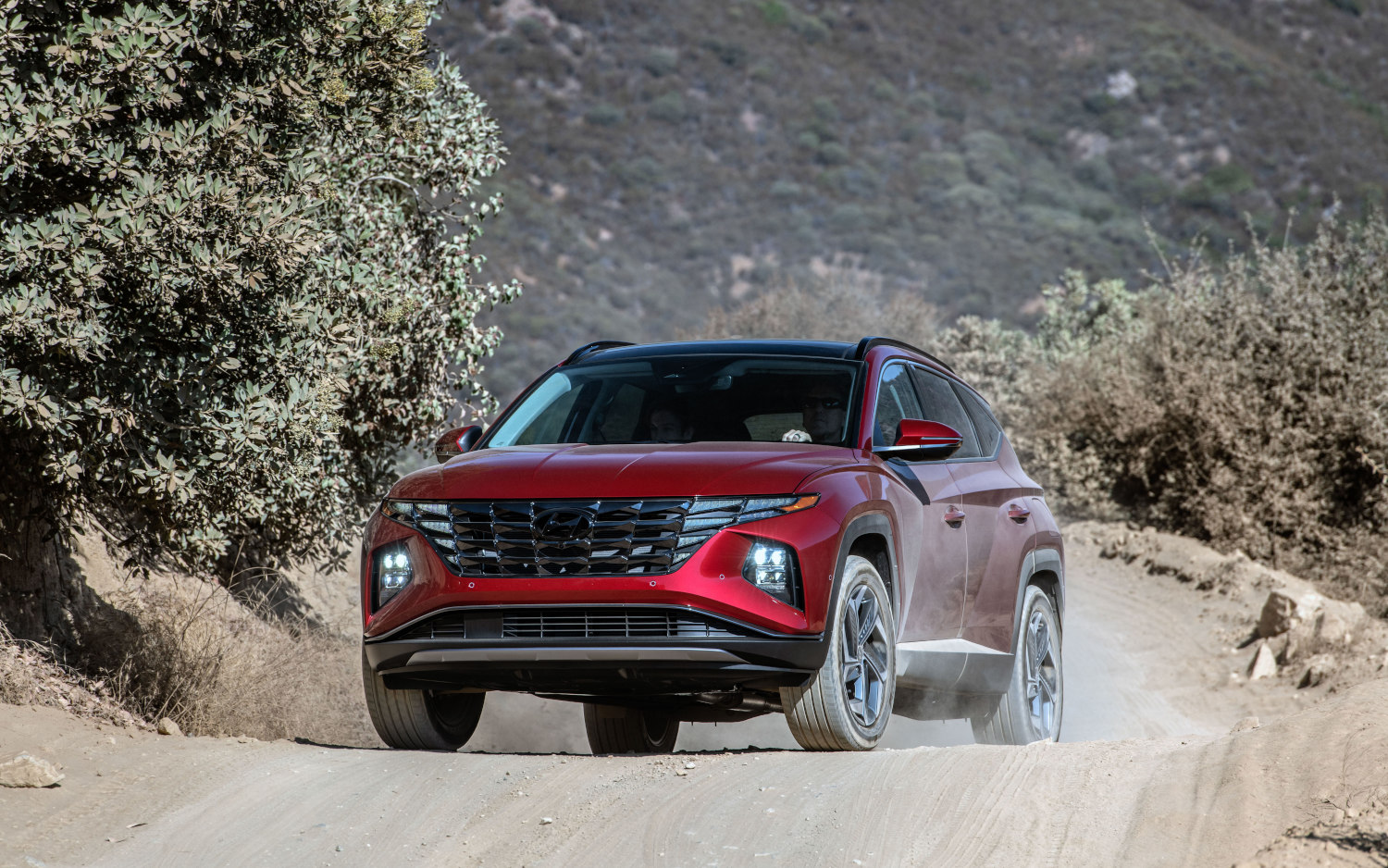
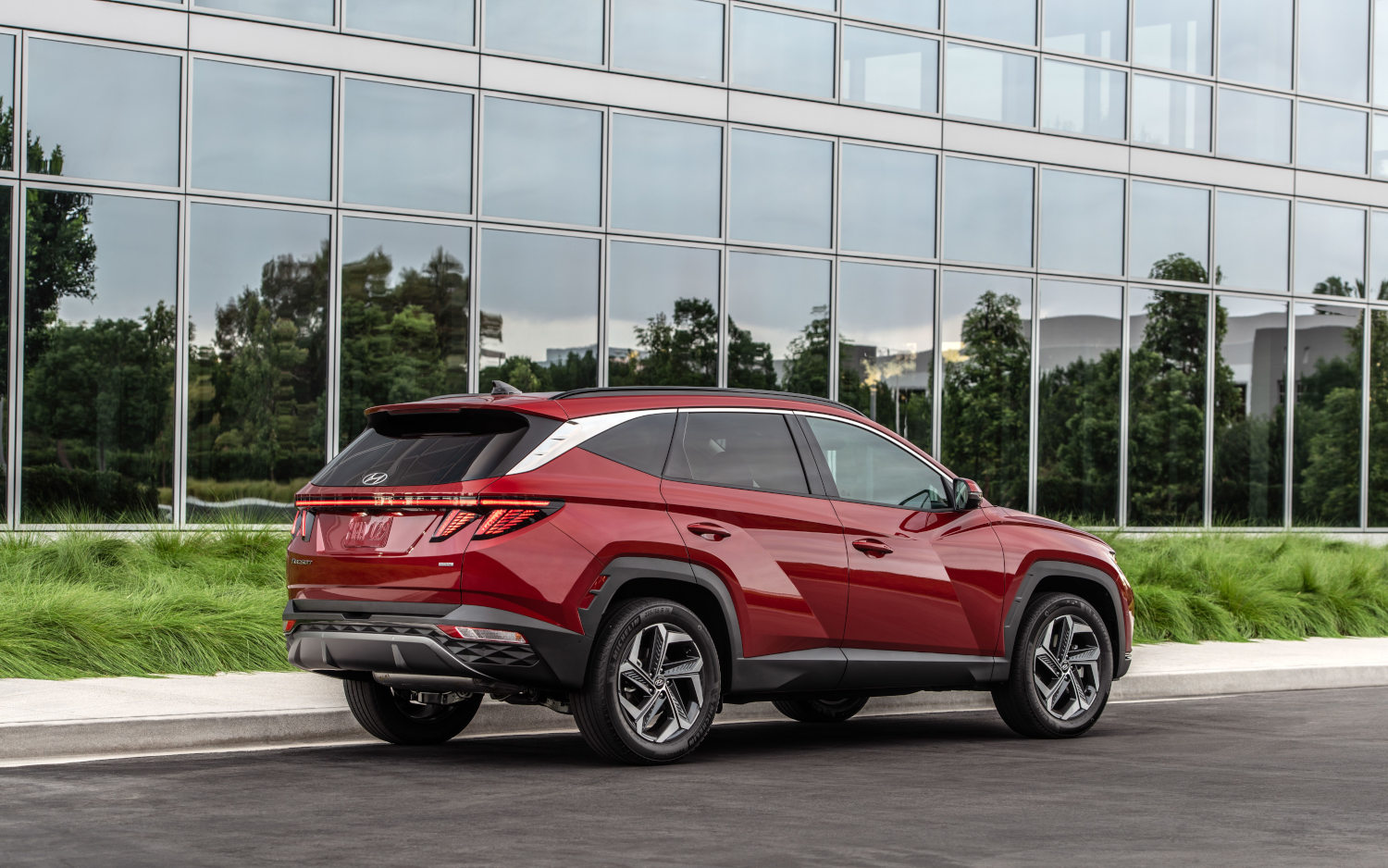
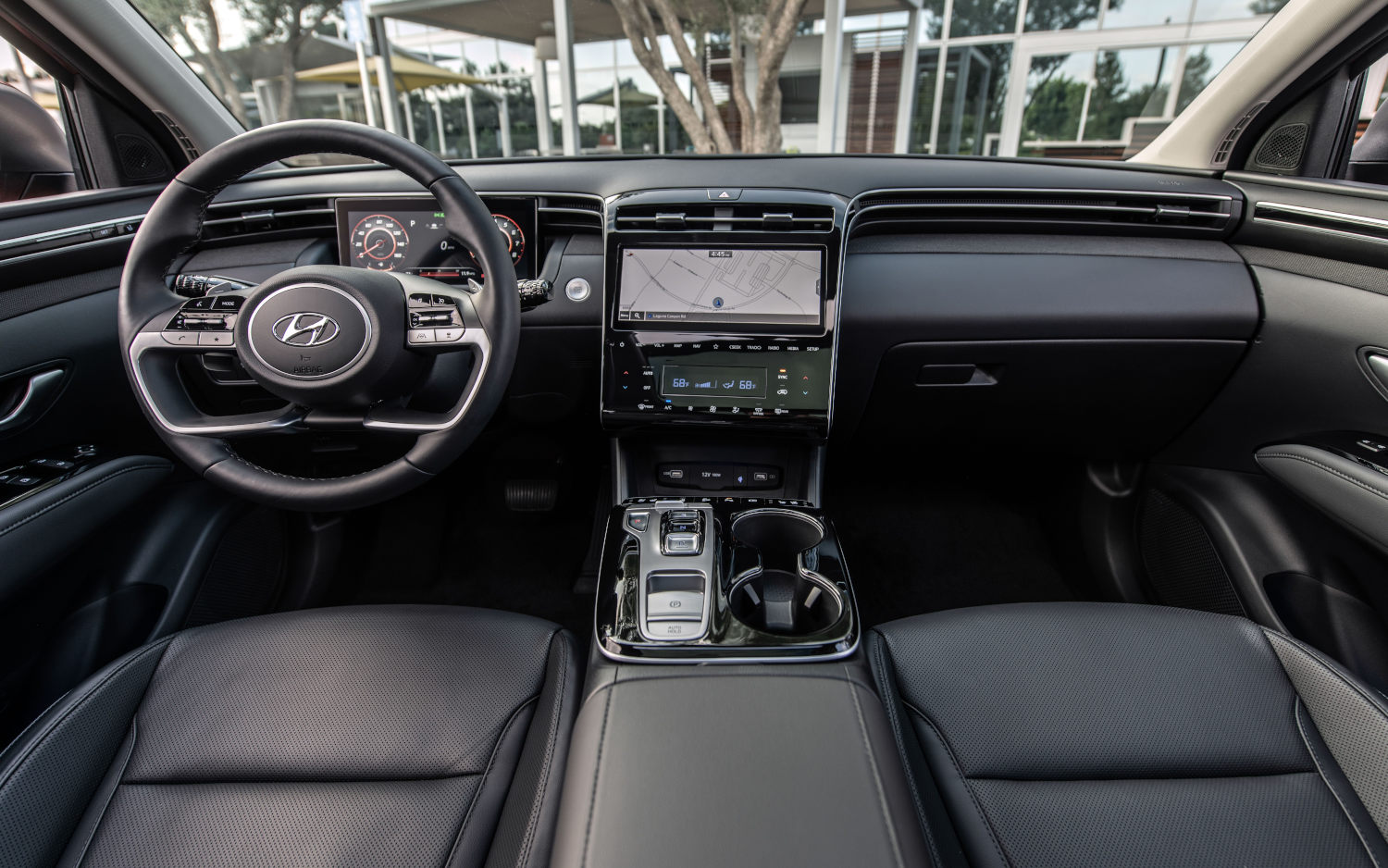
The hybrid version of Toyota’s distinctive compact SUV is a blend of practical perks and frustrating quirks that could make it untenable for some, but perfect for others.
Pros Low fuel consumption A smooth, quiet ride Comprehensive safety features Quick and responsive at lower speeds
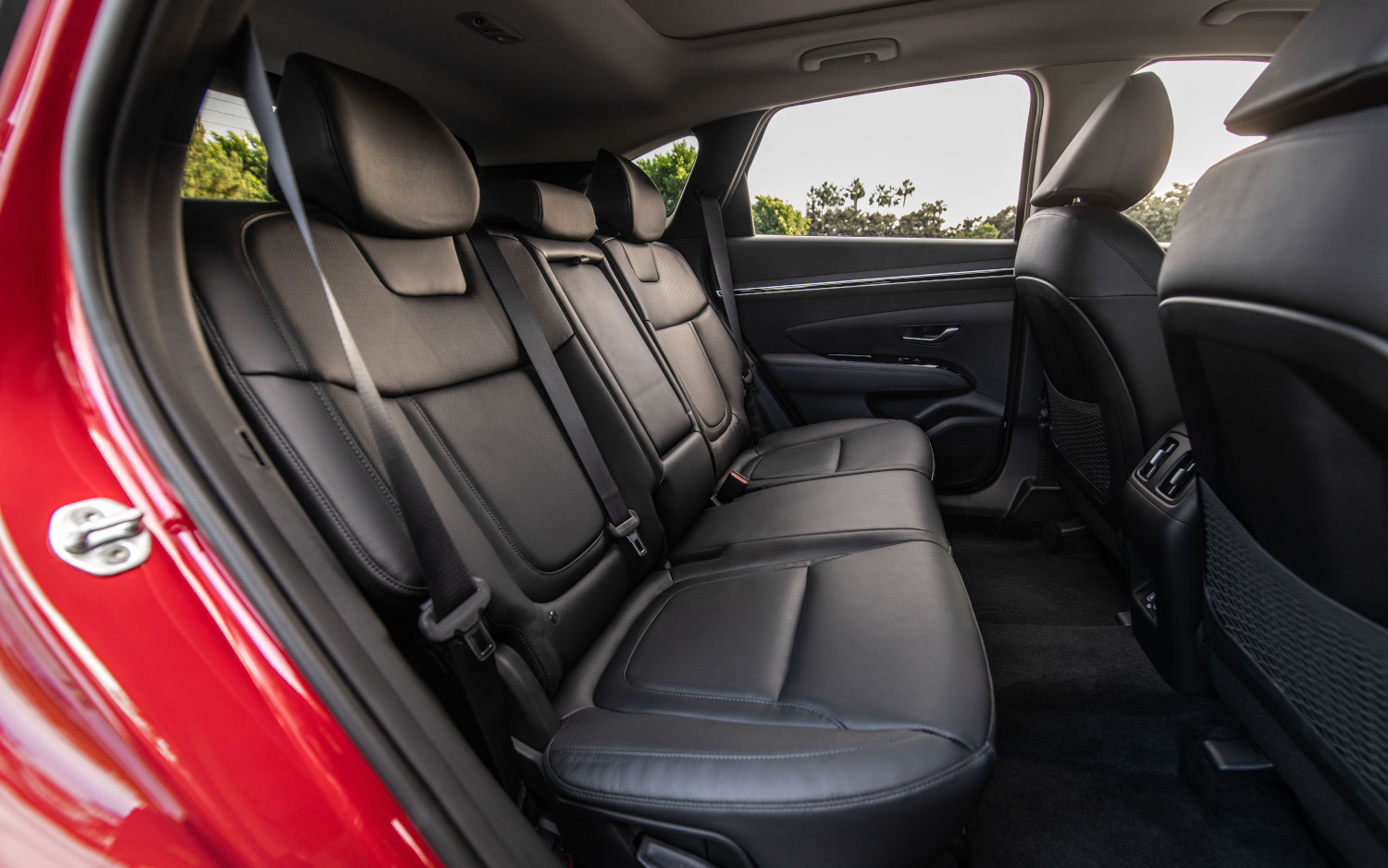
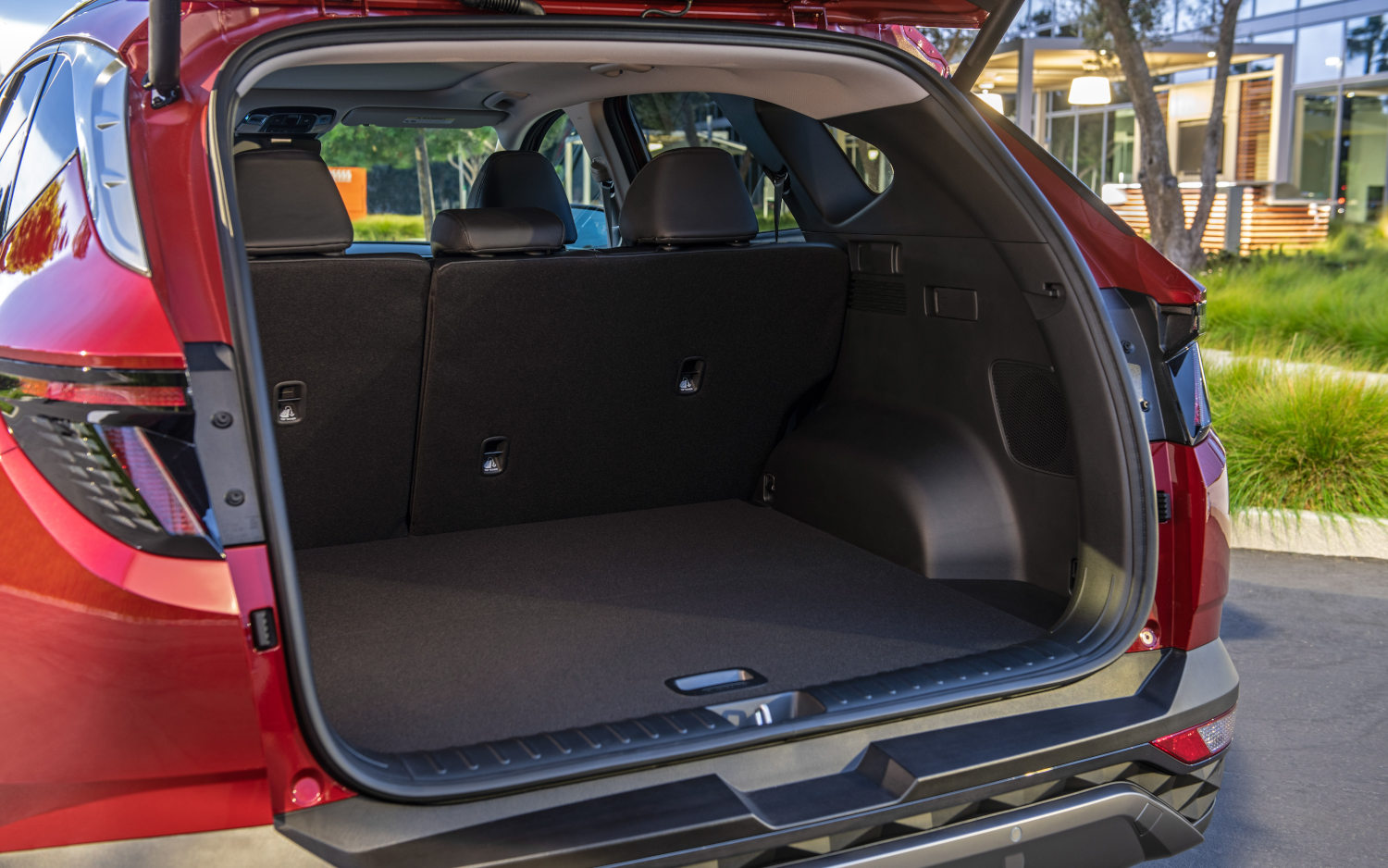
Cons A few tech oversights (no HUD, DAB, electric seats or wireless charger) A claustrophobic back seat Smaller, sloped boot Limited rear visibility Feels underpowered at higher speeds
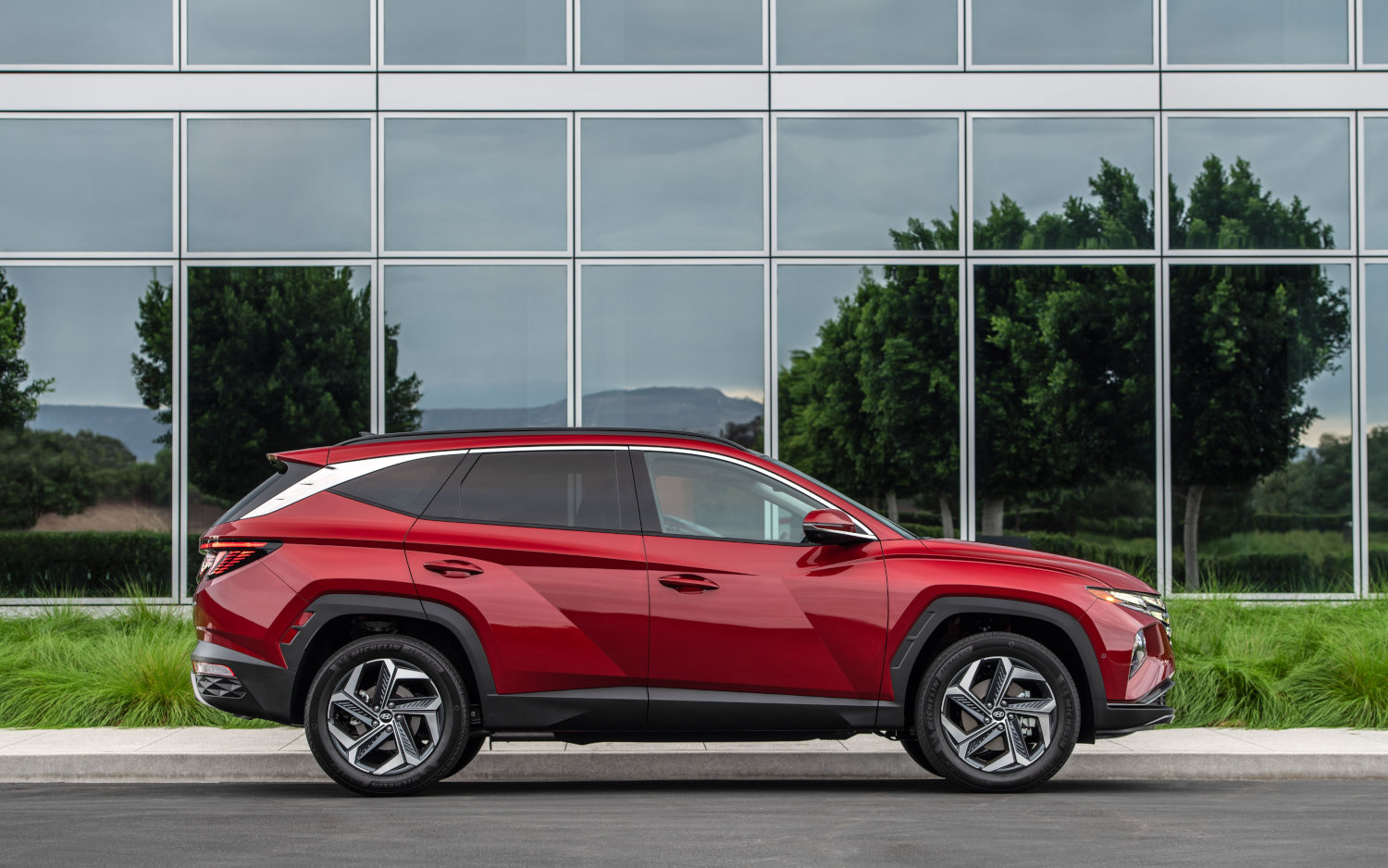
Toyota's smallest SUV receives a light styling refresh for 2020 in the form of an updated front bumper, grille, and headlamps, as well as new wheel designs. The base LE trim now comes standard with Android Auto capability, LED headlamps, and SiriusXM satellite radio; mid-range XLE models now come with front seatback pockets and sun-visor extensions. An eight-way power-adjustable driver's seat and adaptive headlamp system are now part of the Limited model's standard equipment list. The C-HR can be had in two new exterior colors: Supersonic Red and Hot Lava; a contrasting silver-colored roof is also now an option.
Pros Look-at-me styling, cheeky interior design, plenty of standard features.
Cons Infuriatingly slow, cramped back seat, rivals offer more cargo space.
Pros Smooth ride quality Plenty of standard tech and safety features for the money Roomy interior and comfortable front seats Long warranty
Cons Sluggish acceleration from the regular 2.5-liter engine Touch-style center stack controls can be distracting to use Hybrid can't match rivals on fuel economy
Pros Stellar interior quality Plenty of room for people and cargo Composed ride and handling Punchy powertrain
Cons So-so mpg ratings for a hybrid SUV Buttons instead of knobs for radio volume and tuning
Pros Standout styling 37 mpg without even trying Luxurious interior Excellent infotainment tech
Cons Touchy touch controls No wireless CarPlay with larger multimedia screen