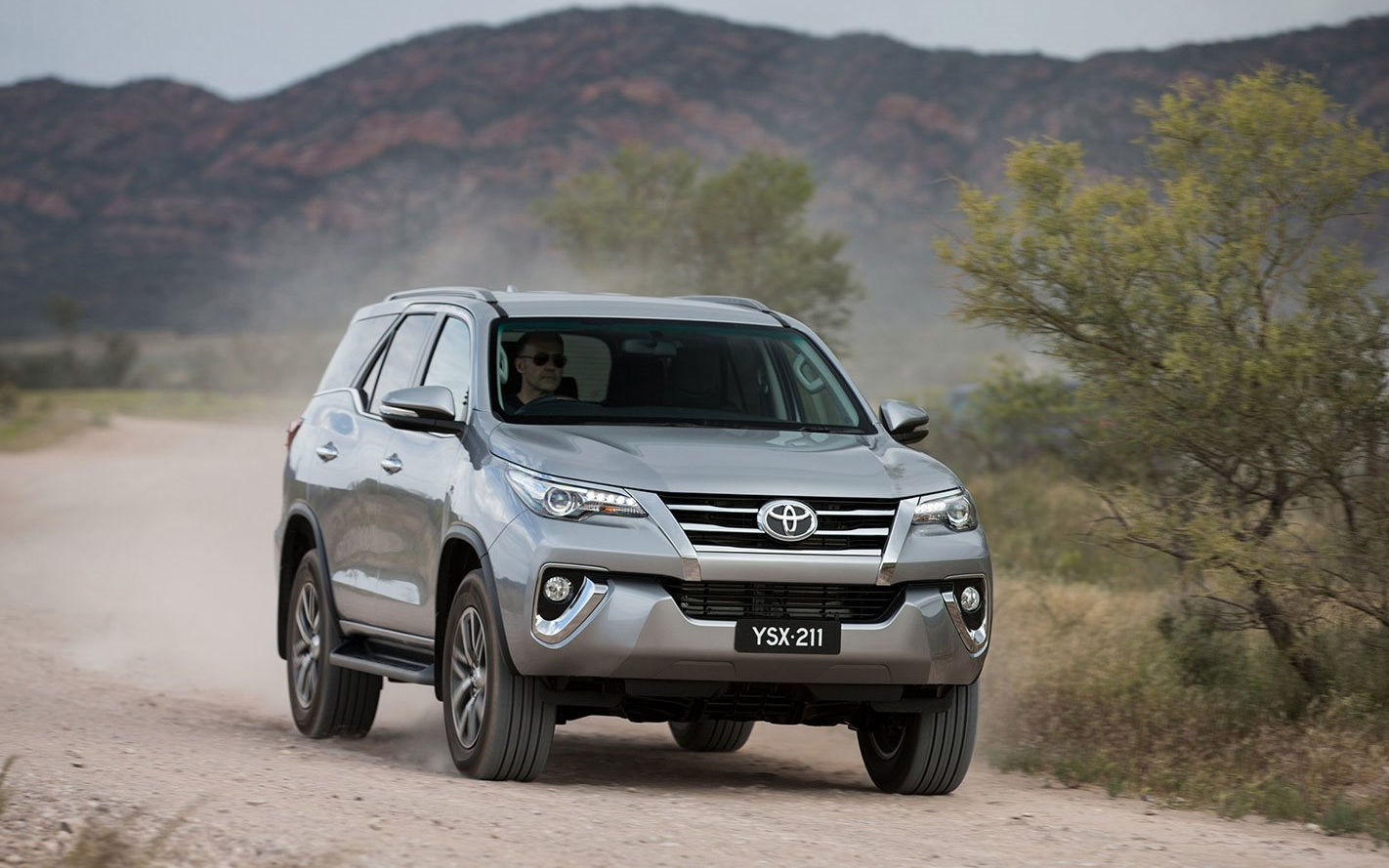
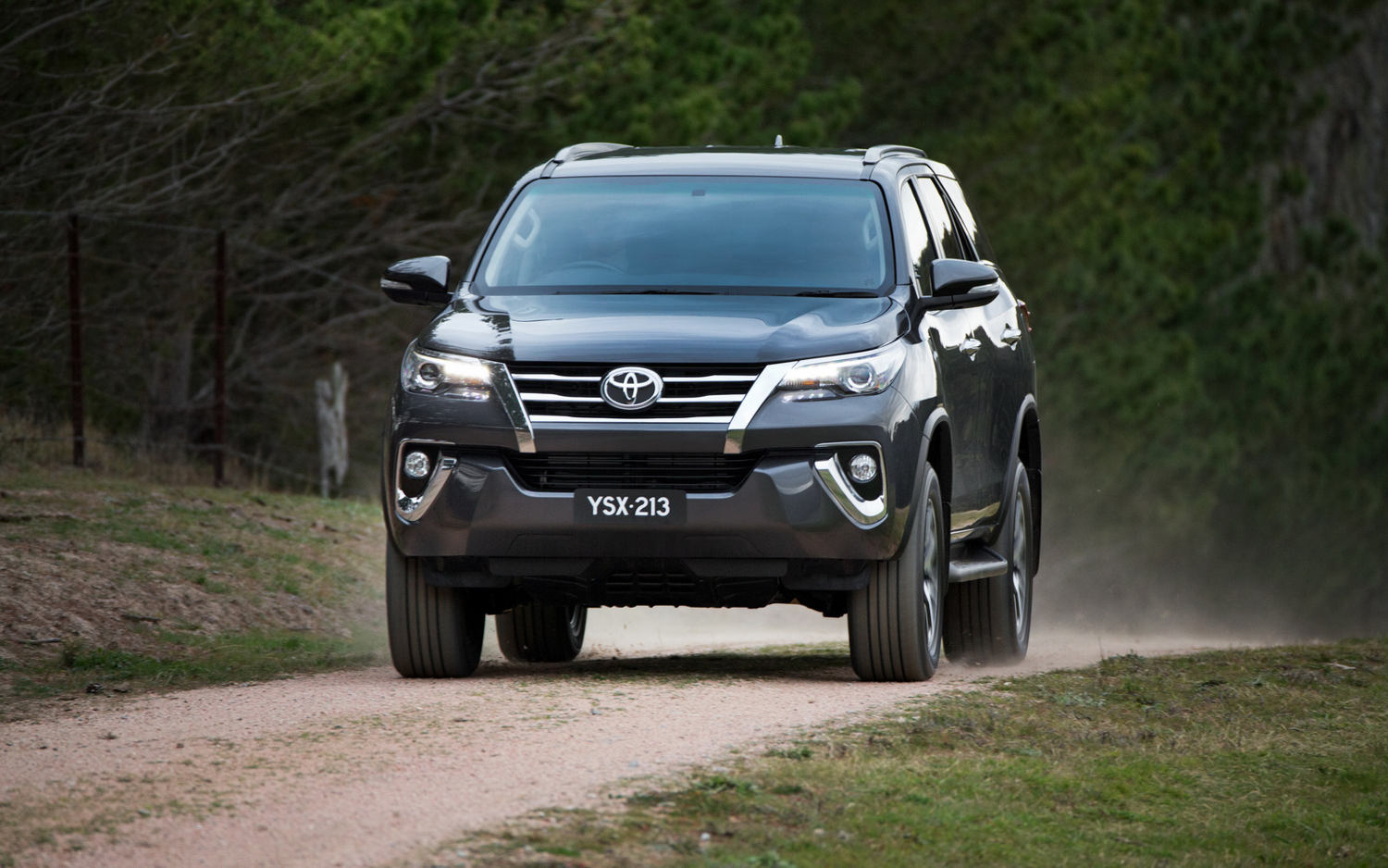
The Fortuner may only be the latest of many additions to the confusion of choice that is a booming SUV market segment, but Toyota has a steely-eyed confidence about it. “Fortuner definitely lives up to the promise of its road-less-travelled 4WD heritage “Fortuner is positioned perfectly between Kluger and Prado; diesel alternatives to Kluger are selling around 1400 vehicles a month, or almost 17,000 a year. Fortuner will give us a significant slice of that action.
“It’s a great choice for people who aspire to a luxury SUV … they want a stylish vehicle, they want seven seats and the safety of a high-seating position and great visibility; they also want genuine 4X4 ability.
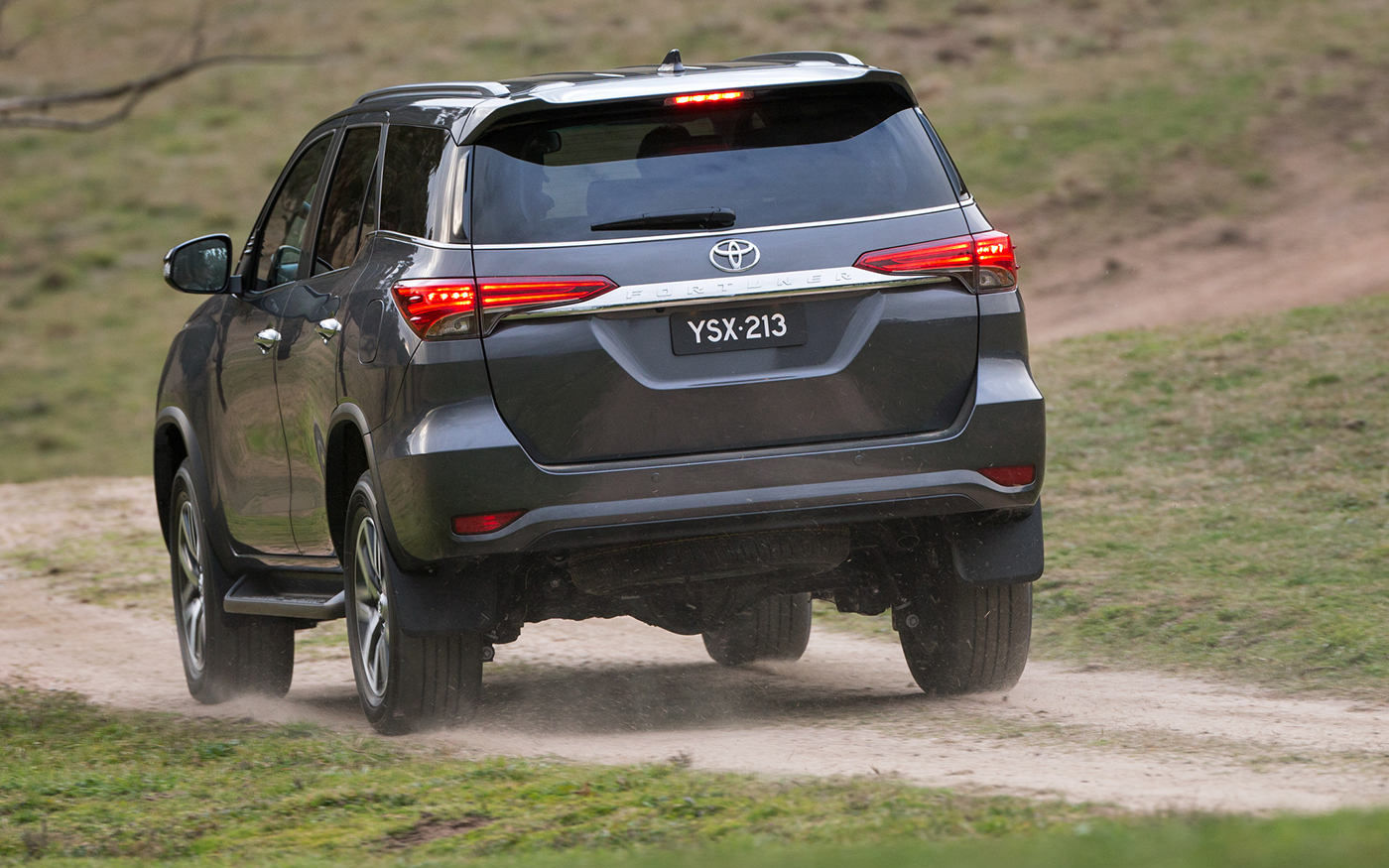
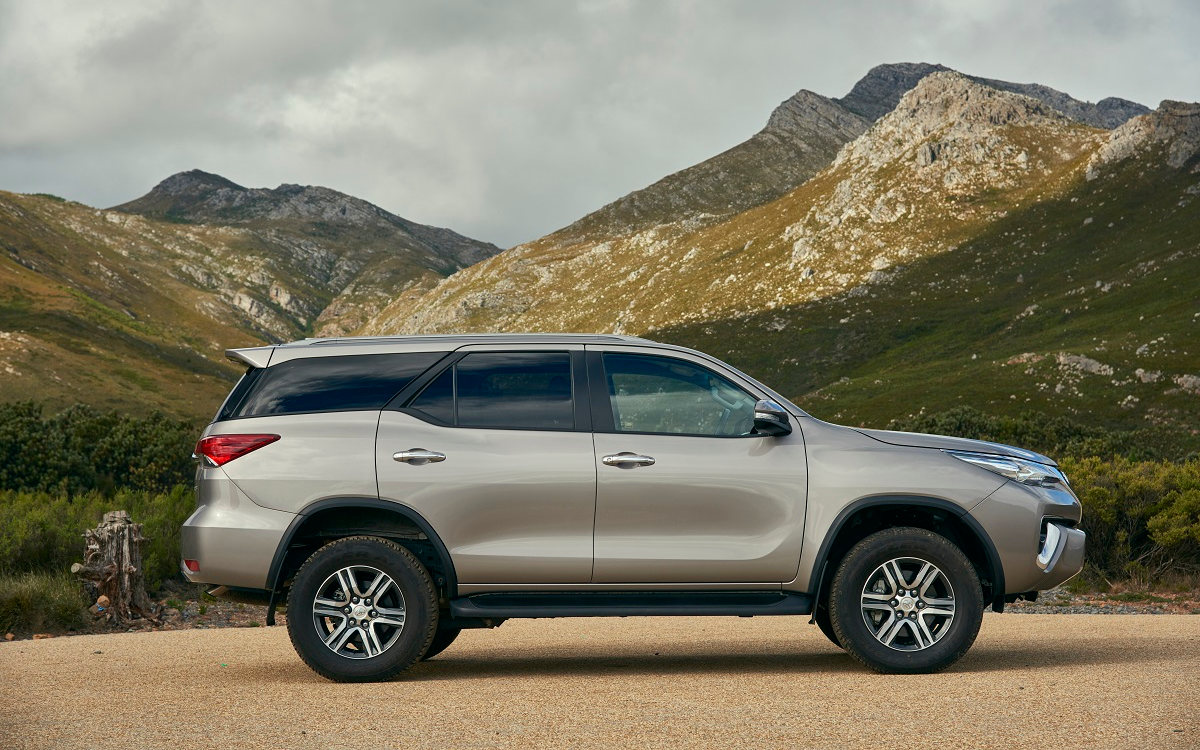
The Fortuner, shorter and narrower than Kluger and Prado, is chunky and solid; it looks like a mad scientist fused a Land Cruiser, Prado and Kluger together, threw in a bit of RAV4 for a laugh and then pumped the resulting mix full of steroids. It looks good; not too city-smooth, as do plenty of modern-day 4WDs, but country tough with class.
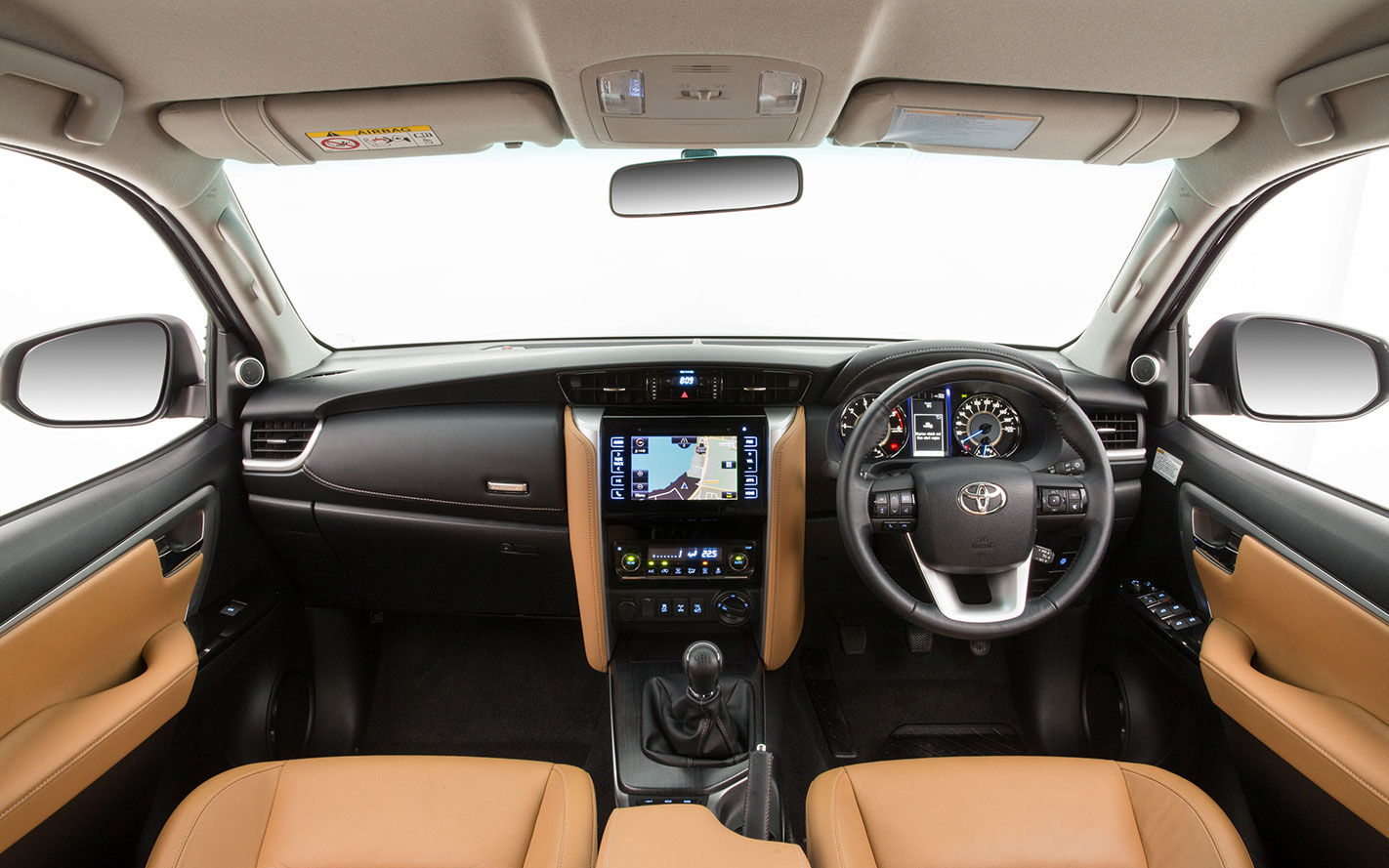
Driving position is nice, high and secure; the seats are comfortable and offer plenty of support. Steering is rake- and reach-adjustable. The paddle shifts will seem like a nice touch for some, but we reckon they’re wasted here. Visibility from the driver’s seat is more than generous with open spaces all-round.
The Toyota Fortuner boasts impressive off-road credentials, along with the benefit of thousands of kilometers of local engineering and testing, with Toyota’s local engineering team involved in a great deal of design and testing for the Fortuner
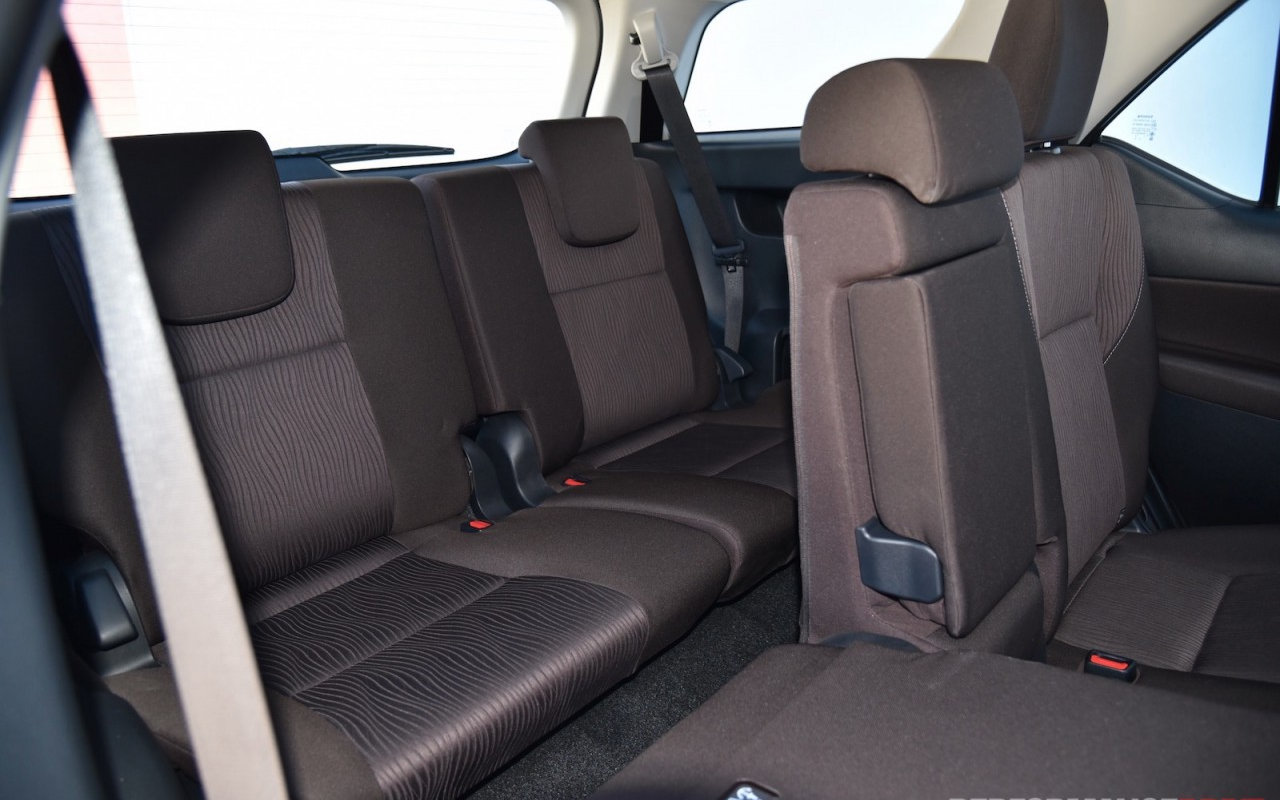
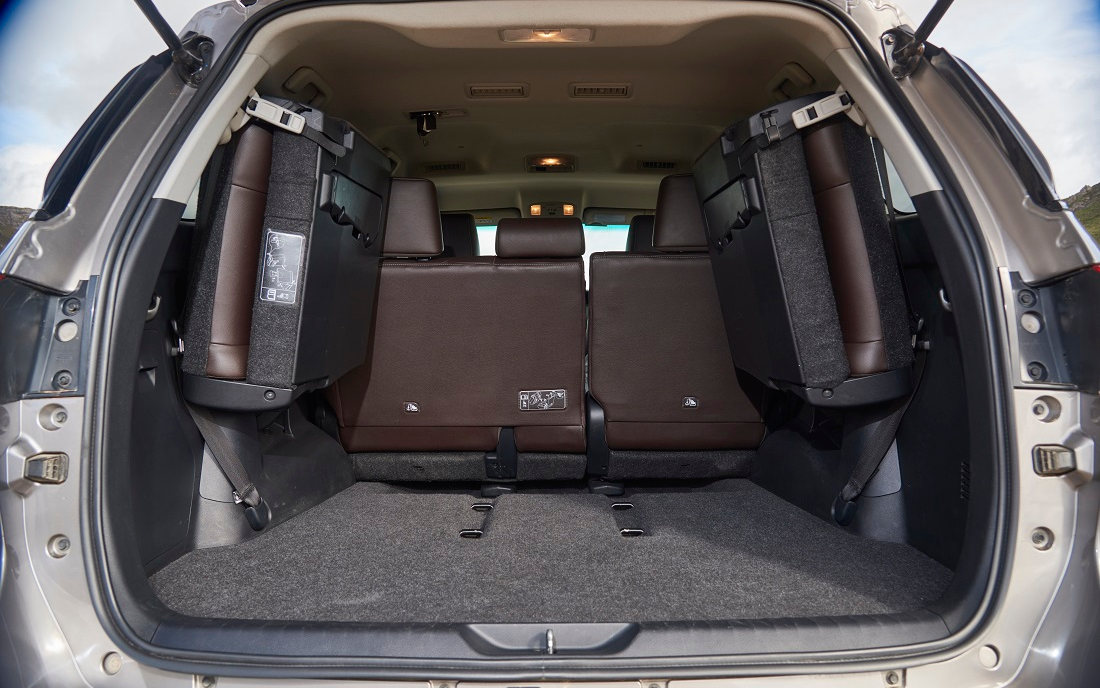
While it may look big from the outside, the Fortuner is actually shorter and narrower than both the Prado and Kluger. Despite the exterior size deficit, the cargo capacity wins out on volume and versatility. With the third row in place, there is 200 liters of cargo volume on offer (to the roof). The rear door is manually operated on GX and GXL variants, while the top-spec Crusade gets a motorised rear door.
High quality materials and premium fit and finish sets the Fortuner apart from the HILux (except the bit of trim that popped out unexpectedly on the passenger side door). Leather-look highlights on the top-spec Crusade model make it feel more like a Prado than an SUV derived from a commercial vehicle.
Under the Fortuner’s shell is a dual-range transmission with switchable four-wheel drive. The driver can switch between a two- and four-wheel drive high-range mode and a four-wheel drive low-range mode
Normally, when a car maker launches an all-new product, it opens not just a chapter in that vehicle’s history, but an entirely new volume. That said, Toyota didn’t get the memo with the all-new Fortuner. Granted it looks sleeker and much more sophisticated than ever before, it adheres too closely to the concept of kaizen or continuous improvement. It ends up telling pretty much the same story, remixed and retold
Toyota has done with the Fortuner’s design. While the first-generation model looked sturdy, the new one is sleek. It’s all fluid and swoopy with a strong crossover-vibe.
Moving to the second and third row though, the experience feels largely unchanged. Yes, it’s still quite roomy, but there’s surprisingly not a lot of head room available (especially the middle occupant in the second row and the entire third row). Apart from that, it doesn’t learn any new tricks. The second row still folds, slides, and tumbles in a 60/40 split, but a one-touch tumble mechanism allows easier access to the third row. The third row meanwhile still flips to the side, but a spring loaded mechanism and rear-mounted latch point, attached to the rearmost seat belts, make it easier to store
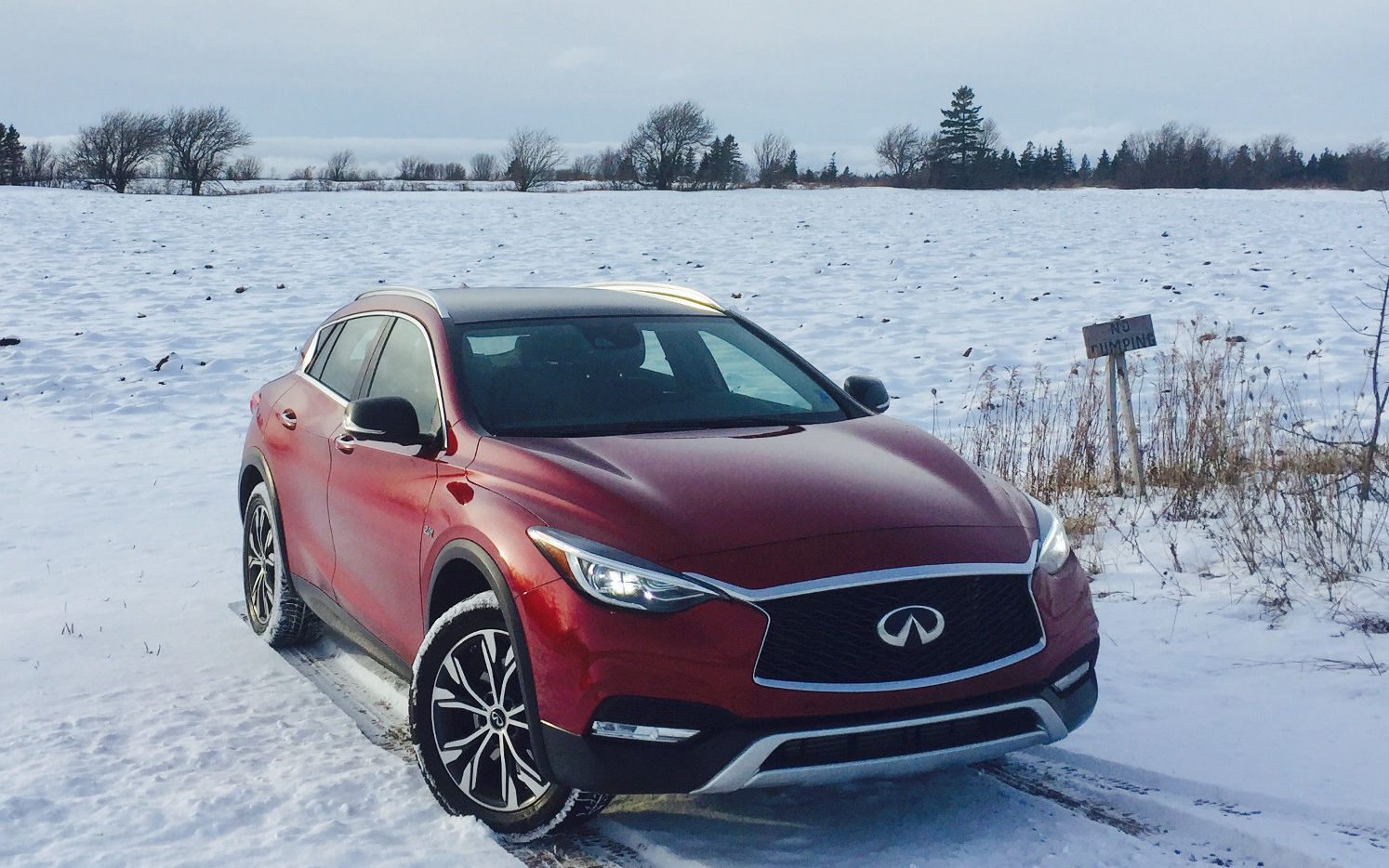
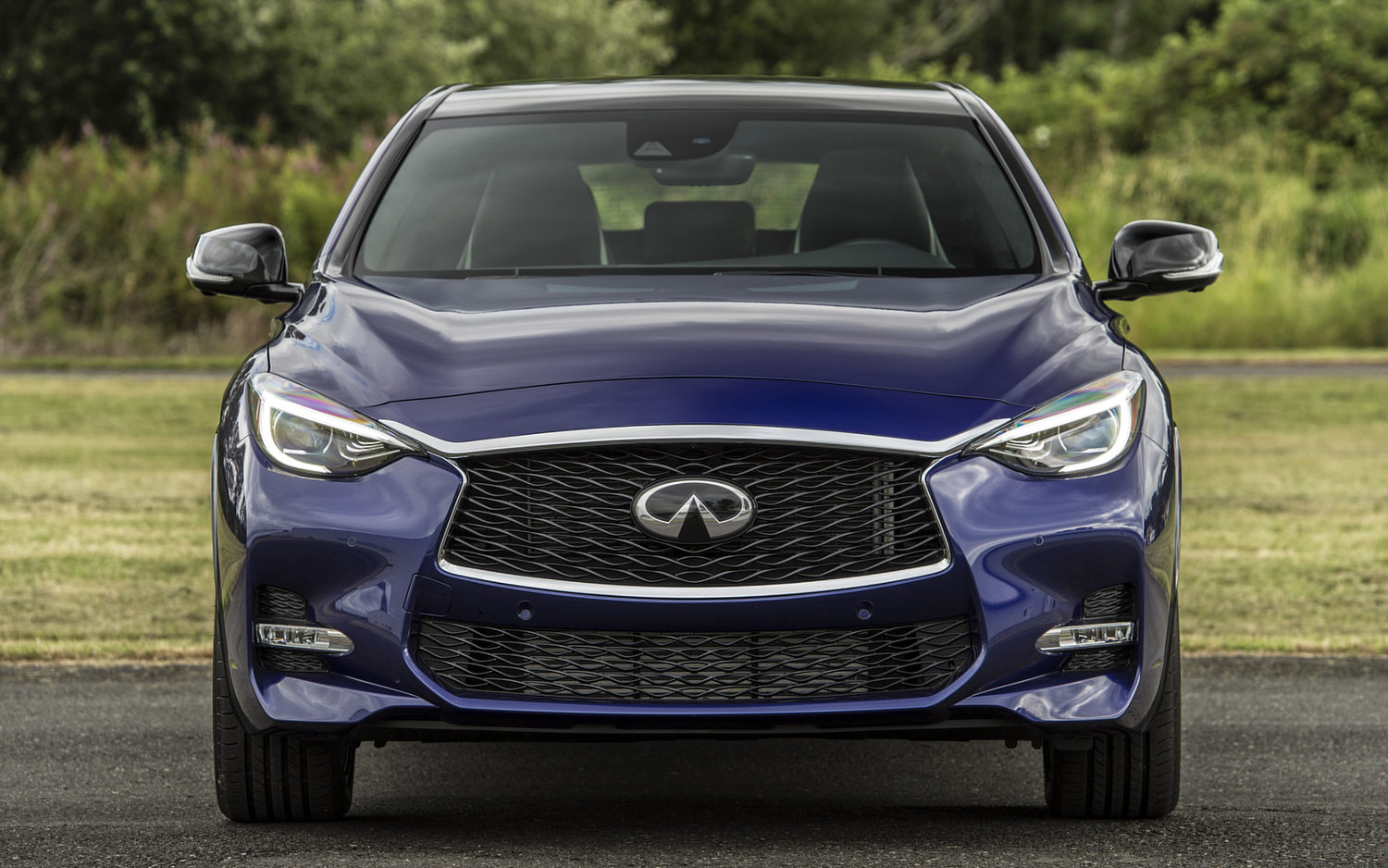
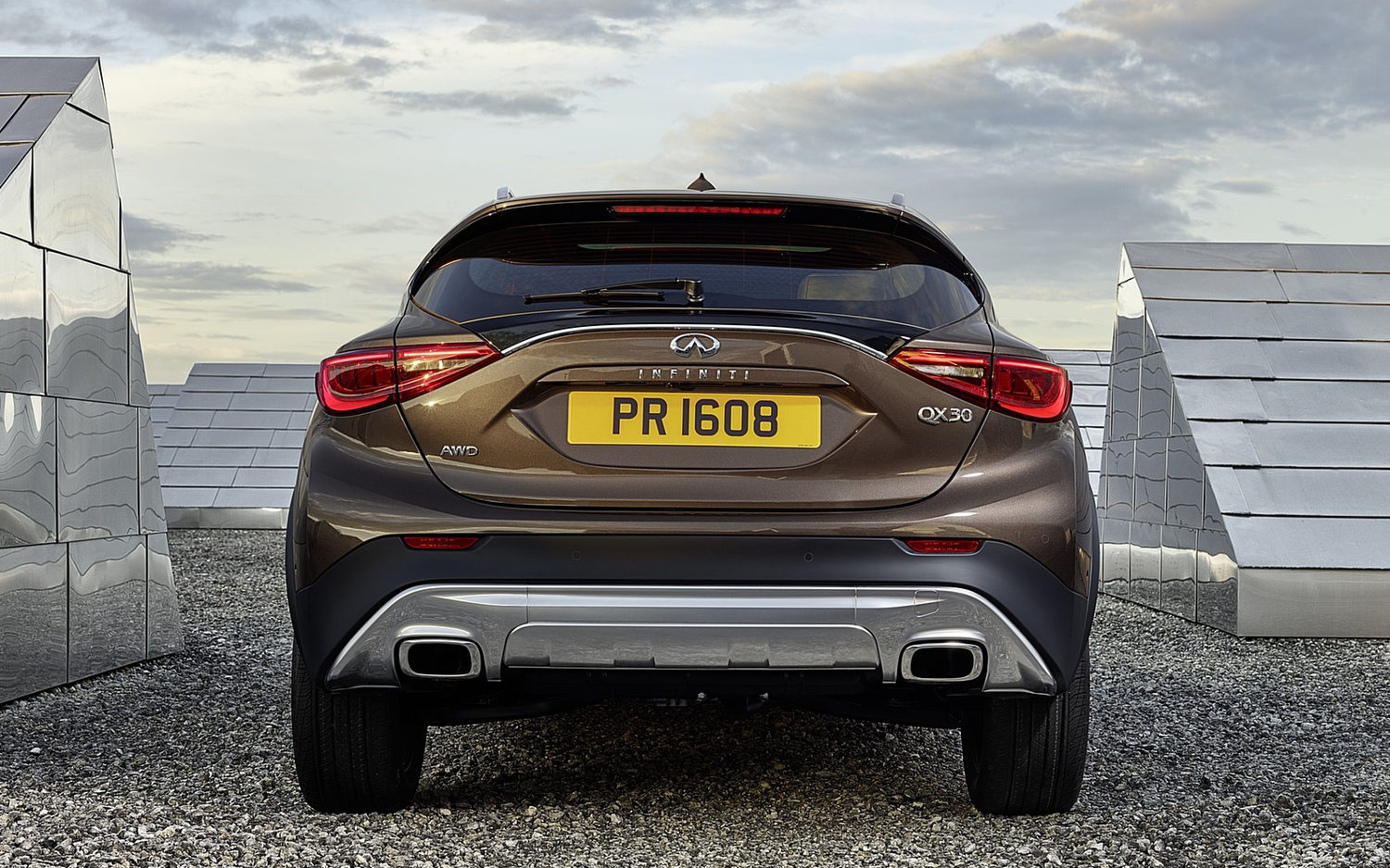
Another cushy compact crossover may or may not be what the world needs now, but it’s exactly what Infiniti needs. Enter the swoopy, stub-tailed QX30—which Infiniti is pitching as a “premium active crossover”—to give the brand an entrant in a segment poised for explosive growth. We tested an all-wheel-drive QX30 and found it does a reasonable job of being a cushy compact crossover, with its 8.0 inches of ground clearance, skid plates, and roof rails joining the creature comforts and chrome that come with being an Infiniti.
But those are crossovers. And as we’ve stated before, the QX30 Sport is not really a crossover, but rather a Euro hatch, one that Infiniti happily did not leave in Europe.
Pros Expressive design, composed chassis, upscale interior.
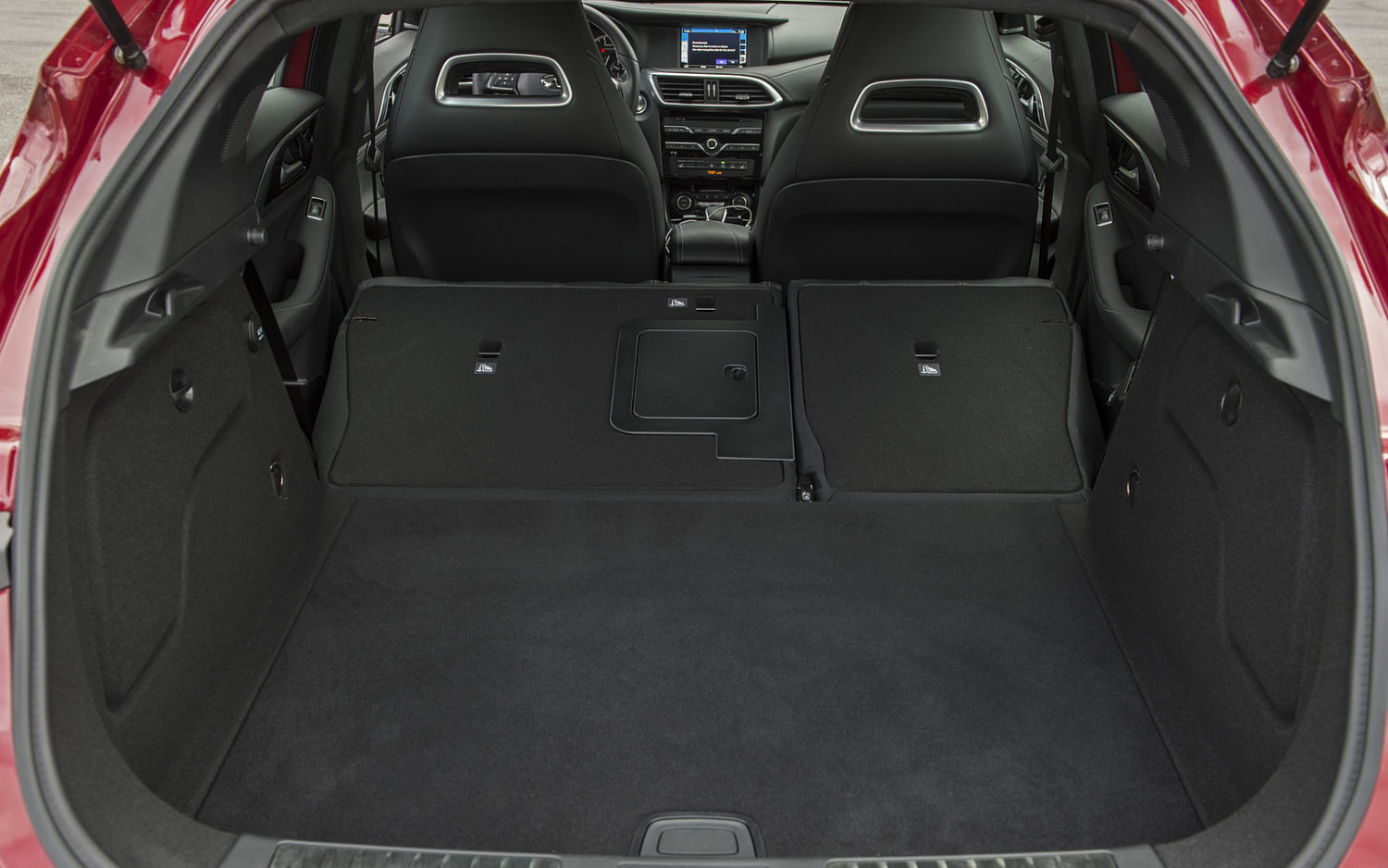
Cons Cramped in some dimensions, modest cargo area, transmission needs a Normal mode.
The 2017 Infiniti QX30 is a new addition to the automaker’s lineup and is its first entry to the growing luxury subcompact crossover segment.
Slotting below the aging QX50, the 2017 Infiniti QX30 is a small luxury crossover that’s available in front- or all-wheel-drive configurations. Compared to the Mercedes-Benz GLA-Class (the car on which it’s based), the QX30 features a more curvaceous exterior design.
The Infiniti QX30 is shares its platform, engine and transmission with the Mercedes-Benz CLA-Class, GLA-Class, and the not-for-U.S.-consumption A-Class hatchback
Noise inside the cabin is kept to a minimum thanks to a good amount of sound insulation and interior trim materials are high in quality. The dash layout is unique because of its asymmetrical design, but the Infiniti InTouch multimedia interface could be more intuitive. Nissan and Infiniti’s “Zero Gravity” seats come standard and have plenty of support without sacrificing comfort. Although the QX30’s rear seats can accommodate adults but head- and legroom are limited. The low roof and small rear window, however, means rear visibility is compromised due to the car’s dramatic exterior styling.
Pros Sporty handling and smooth ride Torque-rich turbocharged engine Well-insulated cabin
Cons Cargo space is on the small side Limited rear passenger room Steering is a little heavy
You don't have to pay a fortune to get a luxury-branded vehicle these days. The new 2017 Infiniti QX30 is reasonably priced and yet offers you more style and performance than the typical small crossover SUV. Read more to learn if the QX30 has everything you're looking for.
Infiniti considers its all-new 2017 QX30 a combination of coupe, hatchback and crossover. The way it straddles these body types can be advantageous. From a driver enjoyment perspective, you will find the QX30 more athletic and better handling than a typical SUV. Compared to a traditional sedan, the QX30's hatchback design gives you greater versatility, both in terms of its taller ride height and increased cargo capacity. Then there's the QX30's coupe-like styling, which helps it look sportier than the typical sedan or crossover. The question you might wonder, though, is whether this extensive blending results in a vehicle that delivers the best of both worlds or is diluted to the point of not excelling at anything.
Pros Easy to maneuver around town High-quality interior looks sharp and comes pretty well equipped Multiple driver assistance features are available to help keep you safe.
Cons Sport models ride firm compared to other available versions Noticeable amount of wind and road noise at highway speeds Cargo capacity is smaller than rival crossovers Reflective interior trim pieces are distracting in bright-light situations.