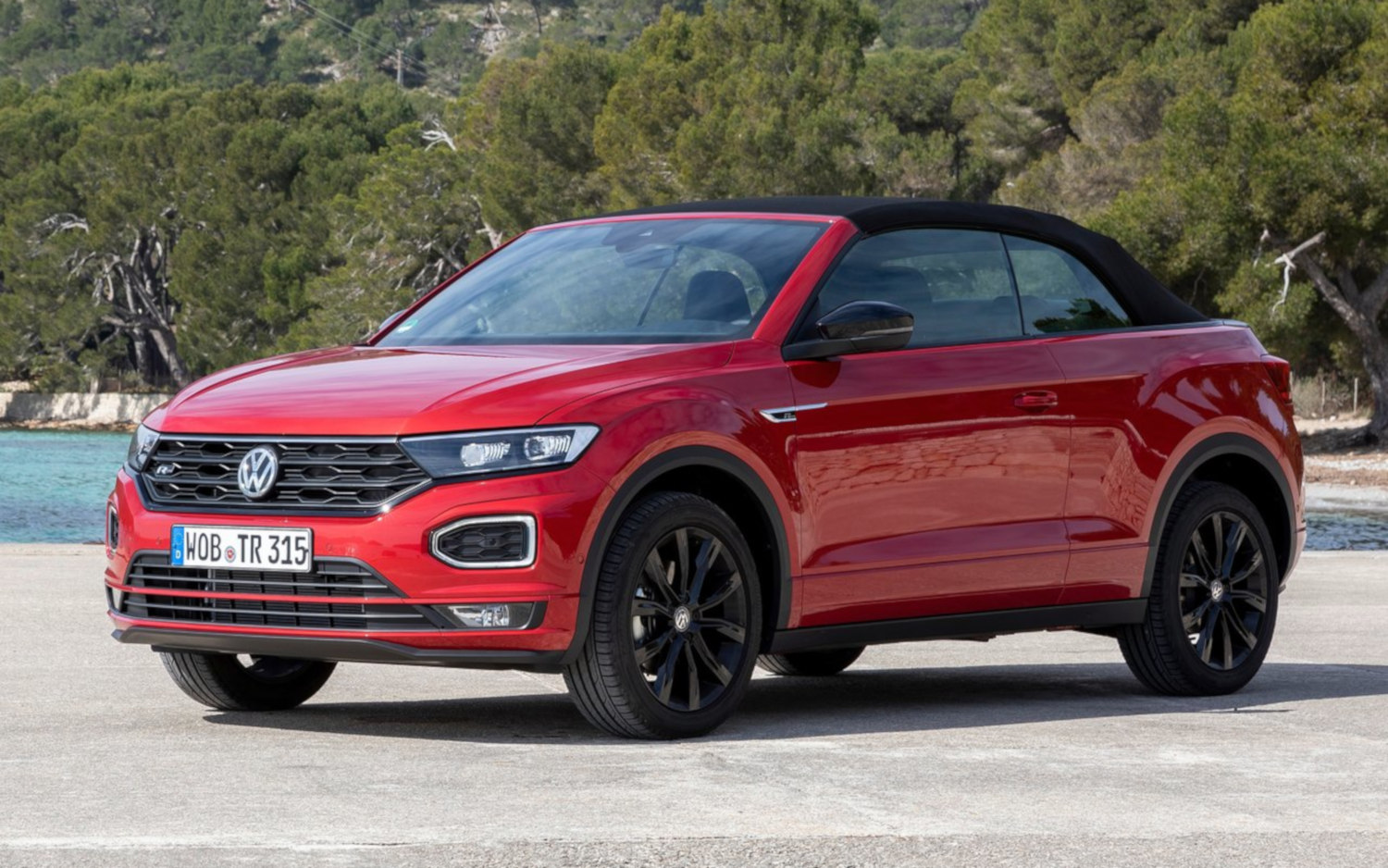
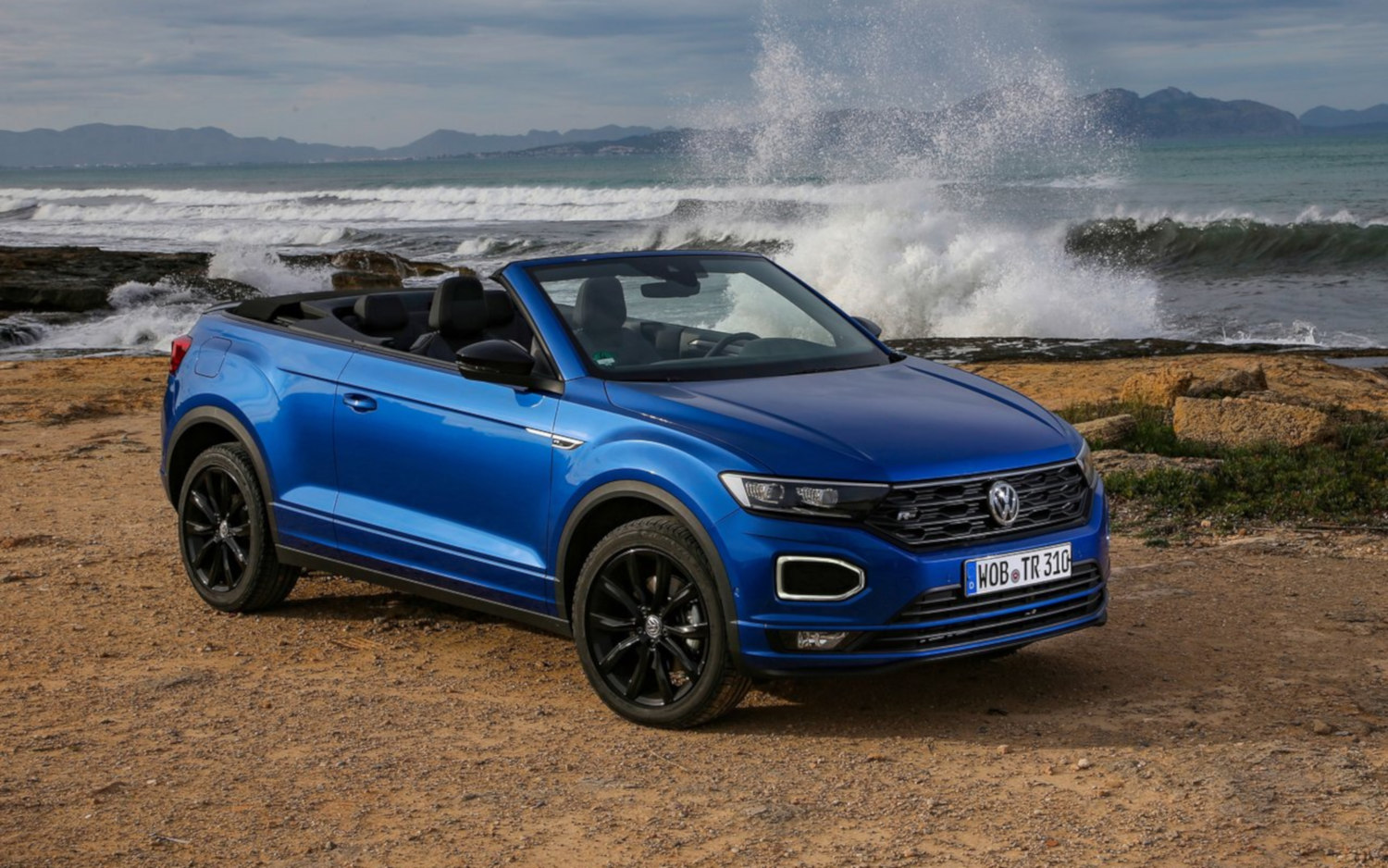
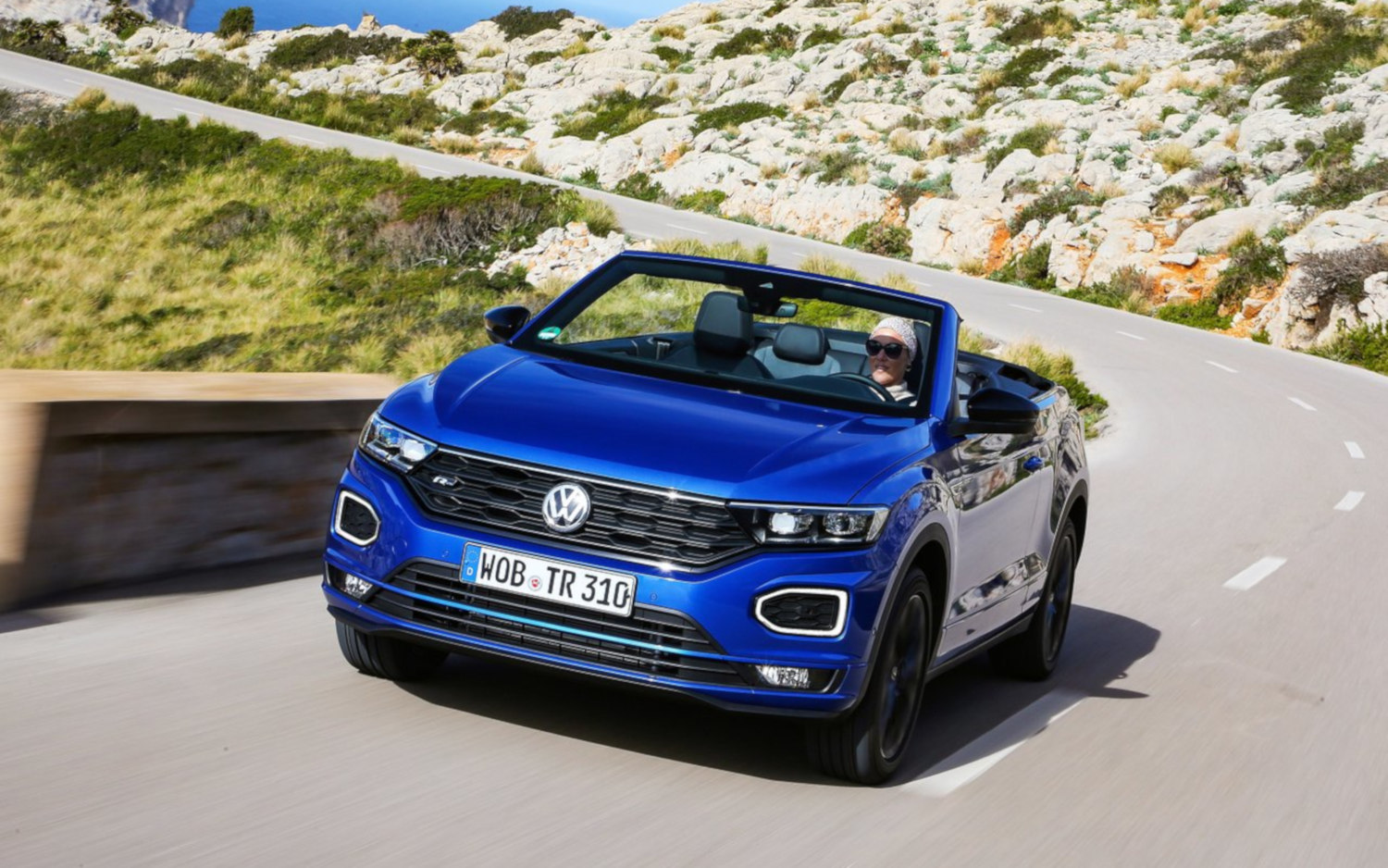
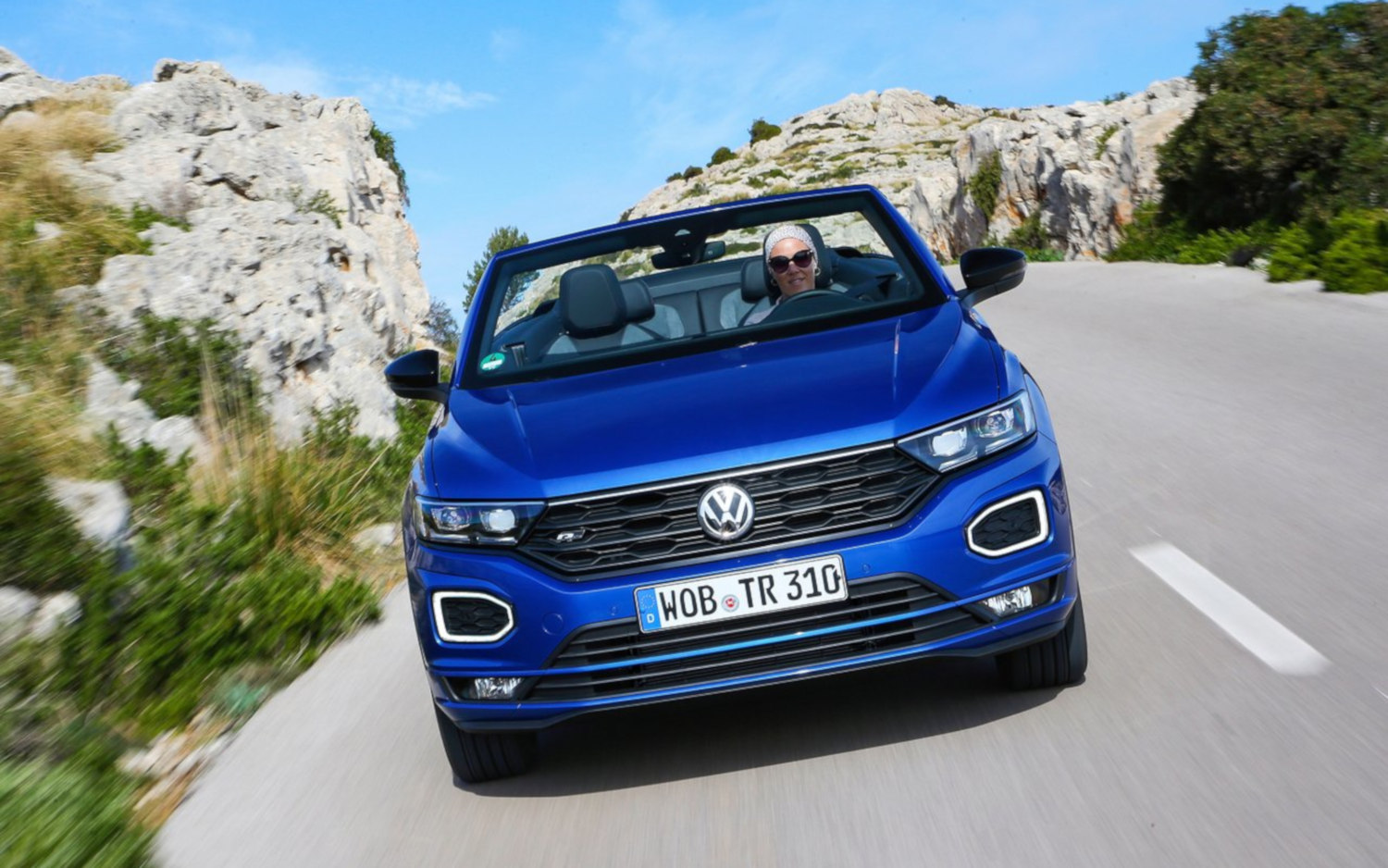
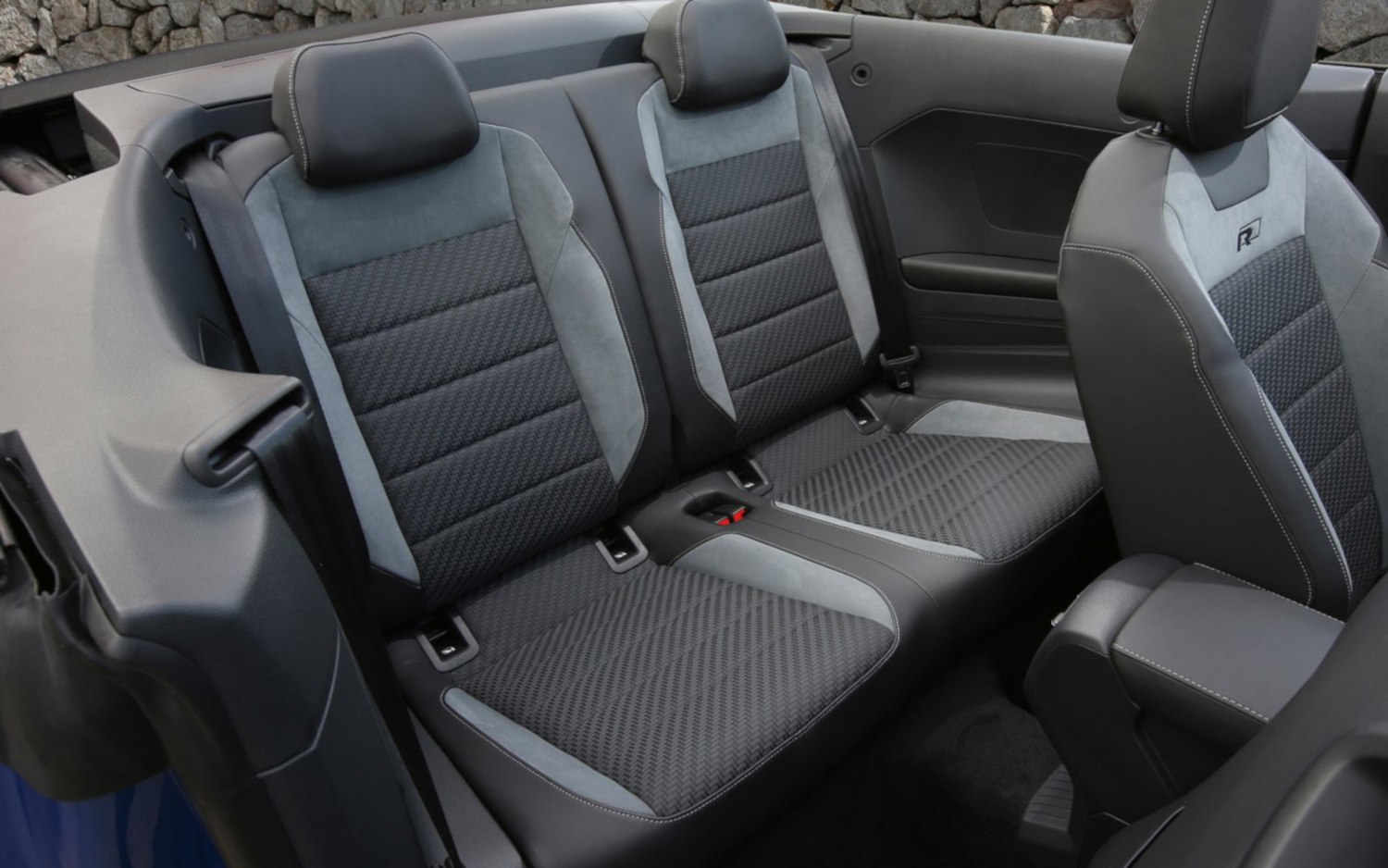
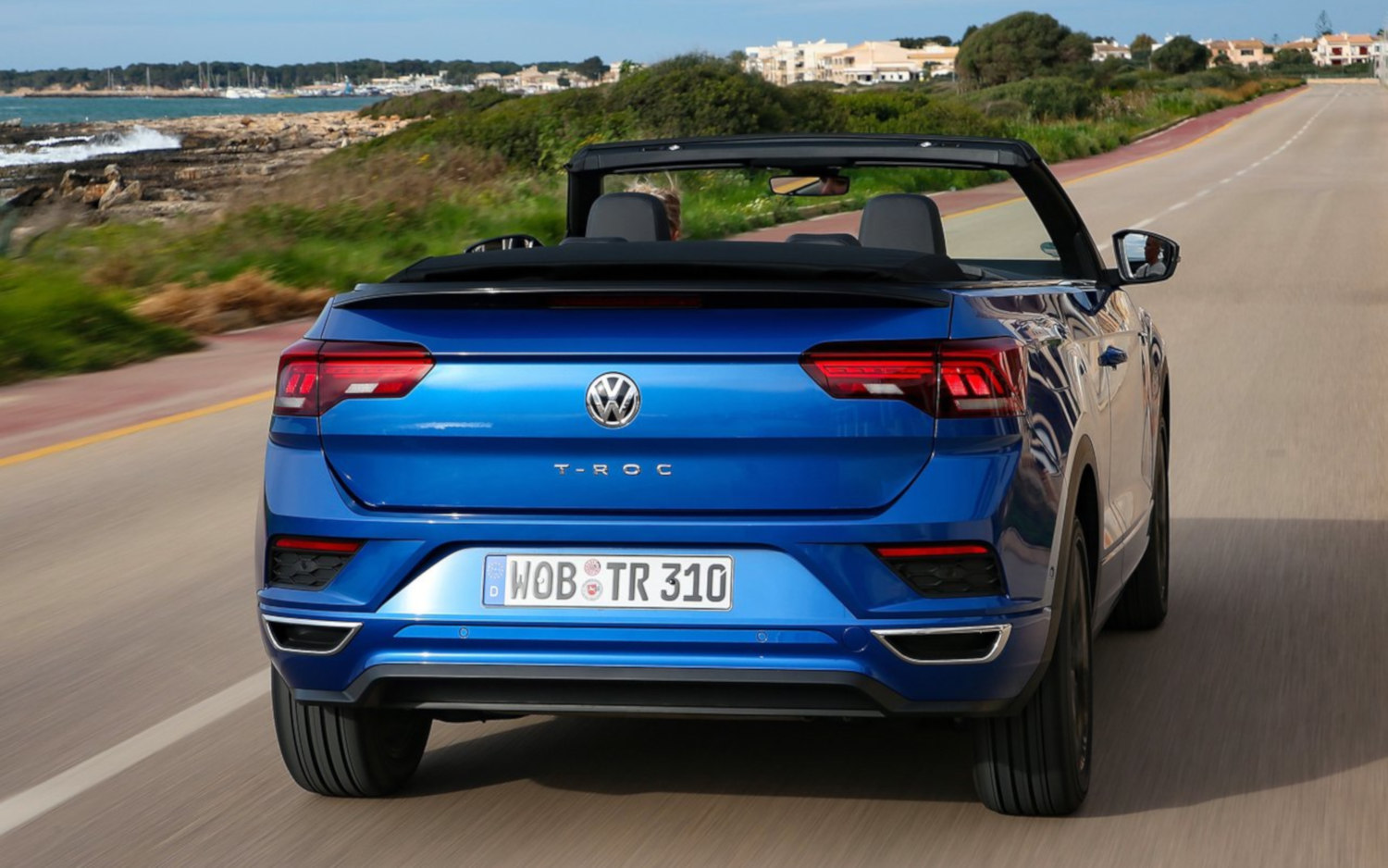
The 2020 Volkswagen T-Roc Cabriolet is a drop-top version of the company’s subcompact crossover. Launches two years after the coupe regular version, the 2020 T-Roc Cabriolet isn’t just a T-Roc with a soft-top, it also features only two doors instead of four. What’s more, the soft-top has a sleeker design, so the Cabriolet looks sportier than its standard sibling. Inspired by the Nissan Murano CrossCabriolet and the Range Rover Evoque Convertible, the 2020 T-Roc Cabriolet is Volkswagen’s only small convertible to date after the discontinuation of the Beetle.
Volkswagen has unveiled its drop-top T-Roc Cabriolet, which it's billing as the only mainstream crossover with a proper convertible roof. Based on the T-Roc SUV, the company's drop-top crossover follows in the footsteps of the soft-top Range Rover Evoque and Nissan Murano CrossCabriolet by blending wind-in-your-hair thrills with the taller ride popular with buyers at the moment. Although it bears the T-Roc name, the Cabriolet isn't just a normal T-Roc SUV with the roof prised off. It's actually 34mm longer than the hardtop with a 37mm longer wheelbase, while front seat occupants sit 599mm above the road – which Volkswagen says ensures they "enjoy a great view".
PROS Traditional SUV attributes with wind-in-the-hair fun Marks a return of convertibles to VW’s line-up Trims start with well-equipped Design It certainly makes a statement...
CONS Less practical than the five-door T-Roc SUV Cabriolet quite a bit pricier, too Reduced engine range with no diesel Handling becomes a bit wobbly
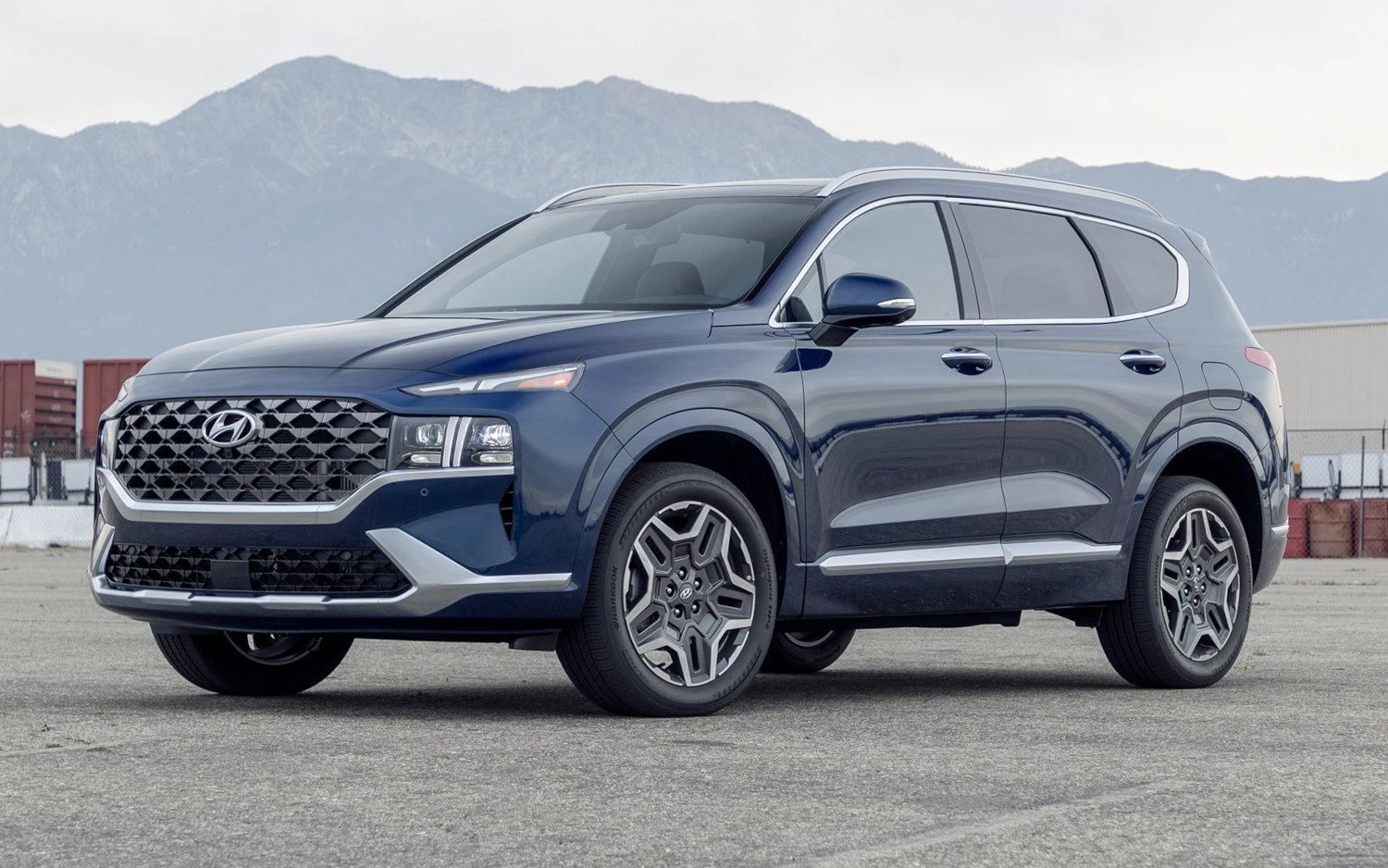
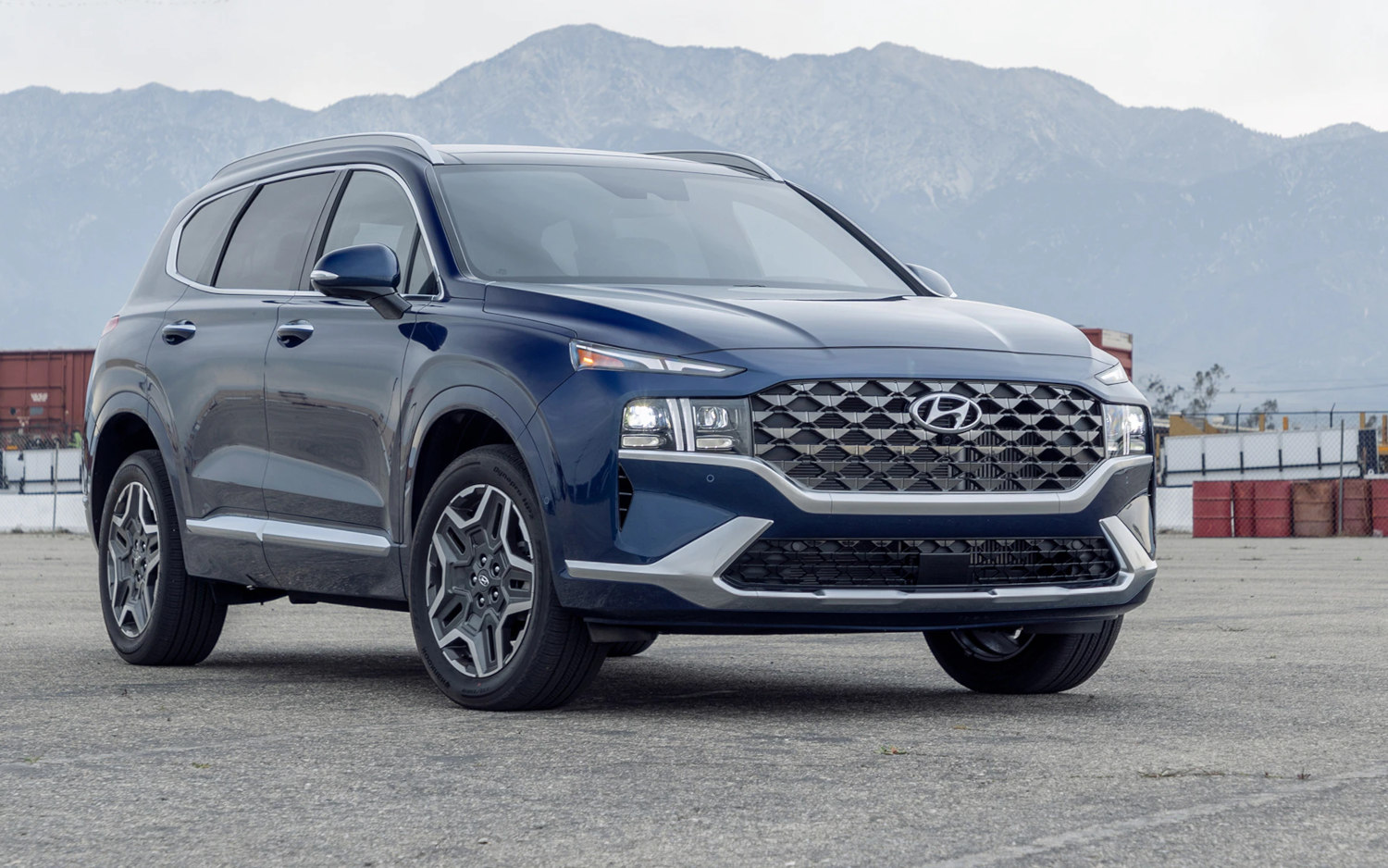
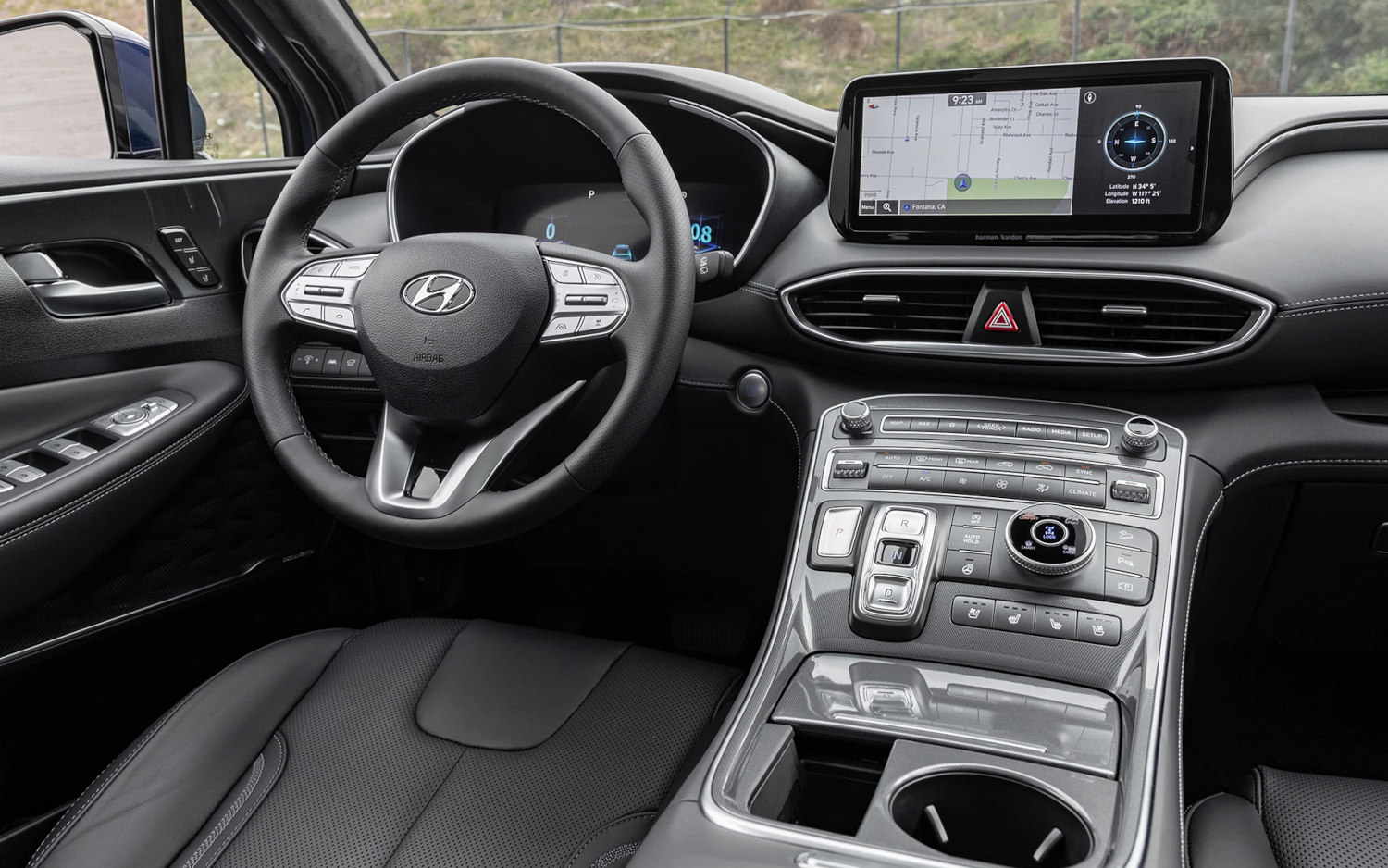
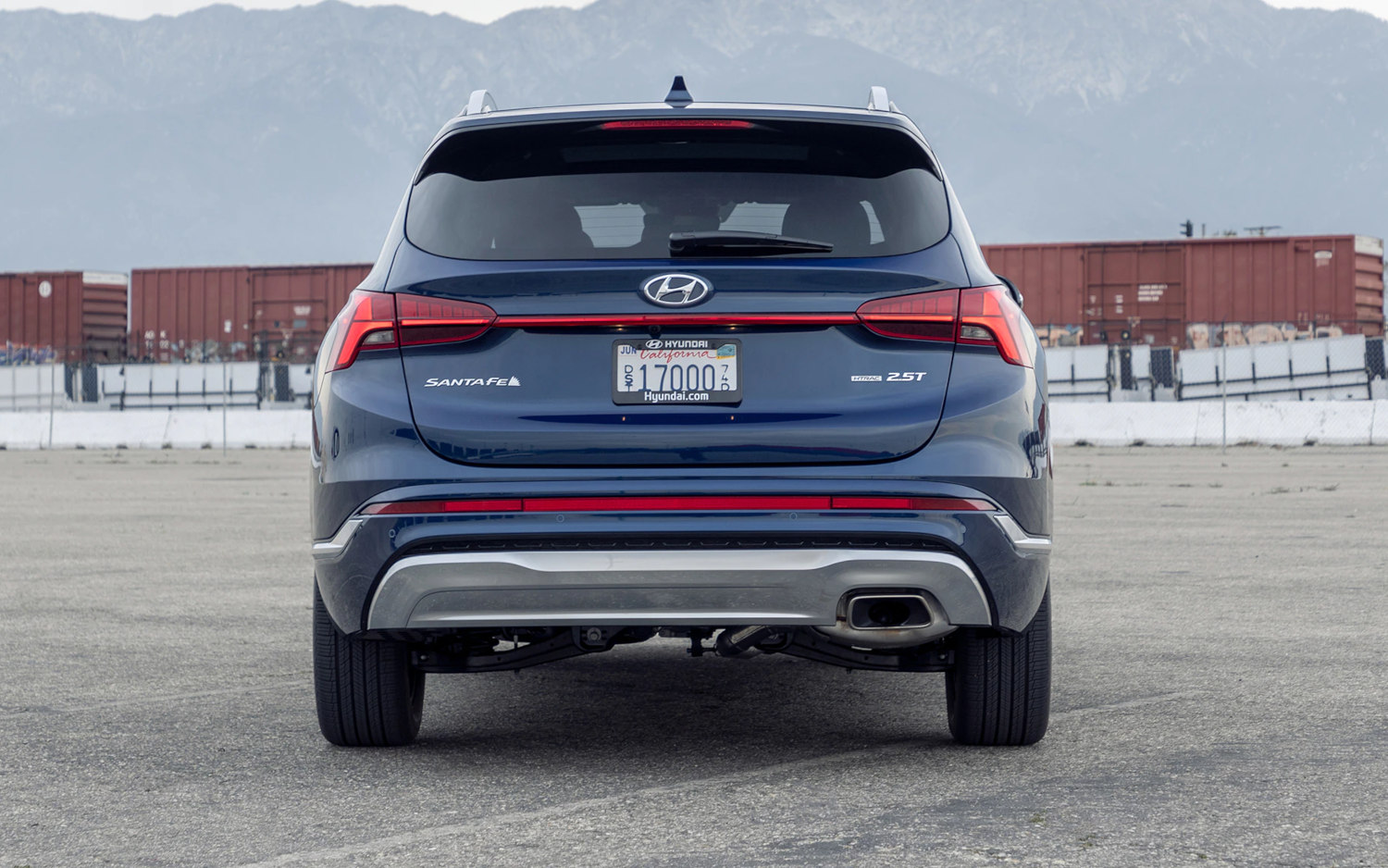
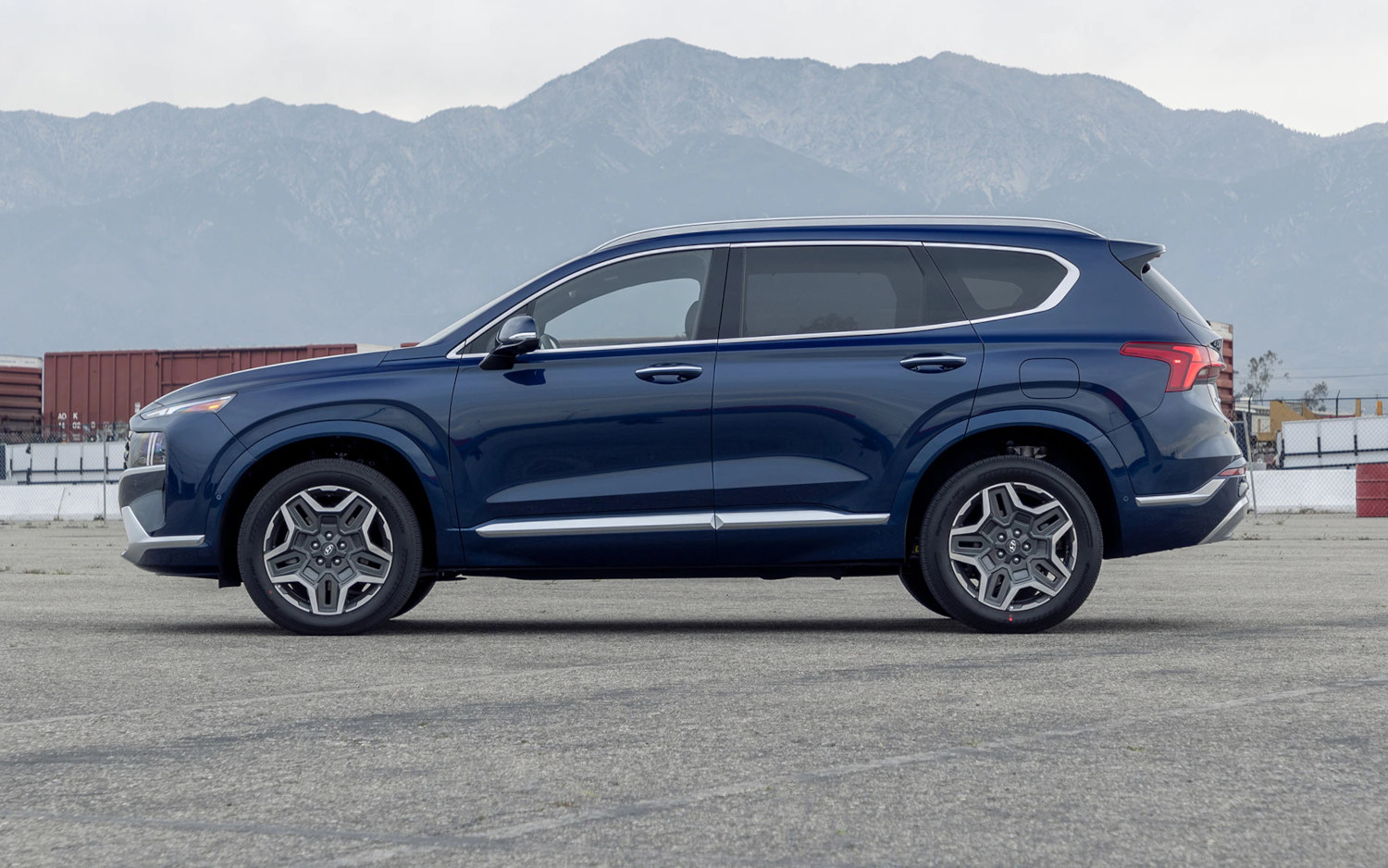
For 2021 Significant exterior and interior update.Completely revised powertrain lineup, including a newly available hybrid.New range-topping Calligraphy trim.
Pros Abundant standard features for the money Generous warranty coverage Smooth operation of advanced driver aids Quick acceleration from available turbocharged 2.5-liter engine
Cons Overly soft suspension tuning dilutes driver enjoyment 10.25-inch touchscreen can be a bit slow to respond
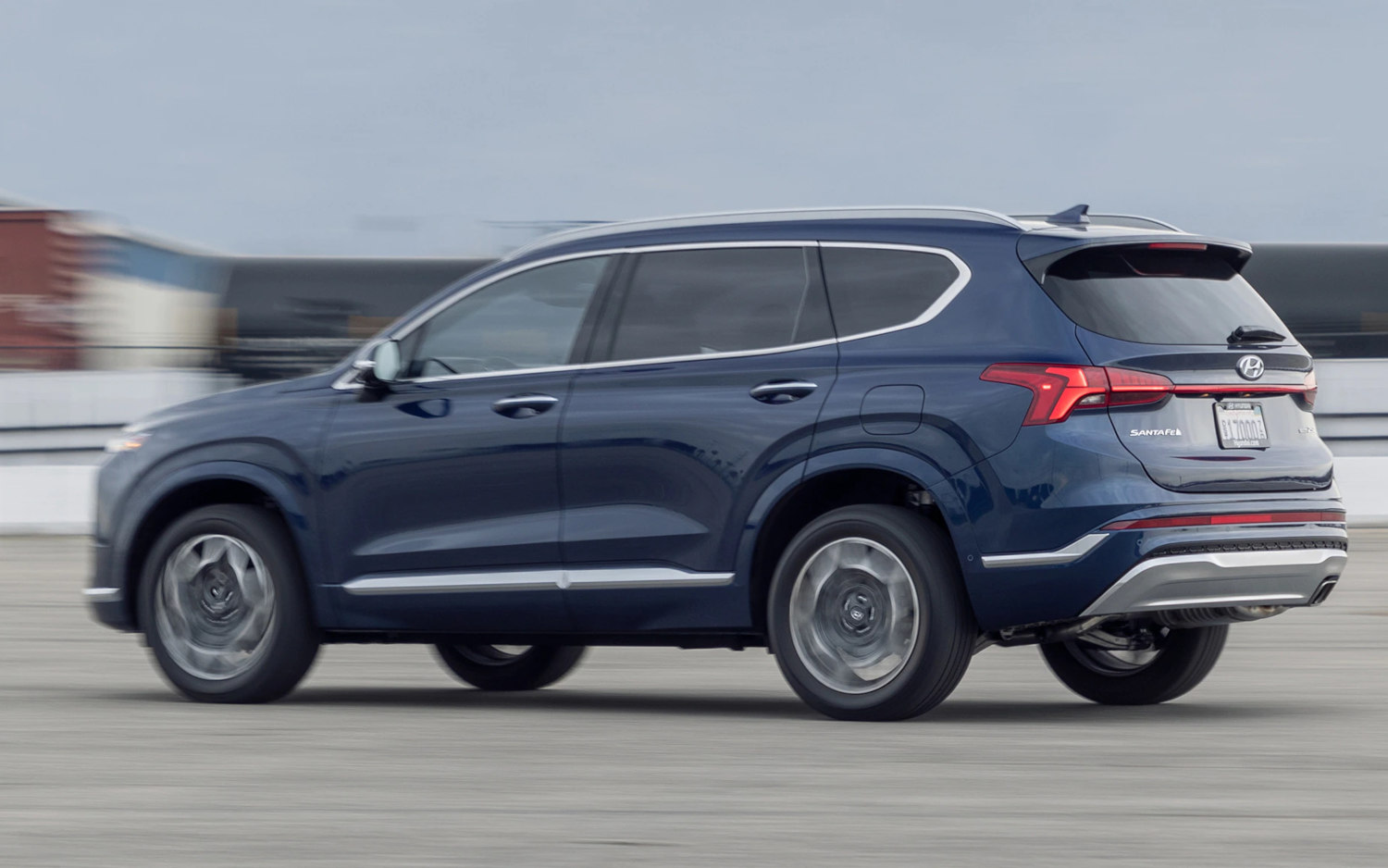
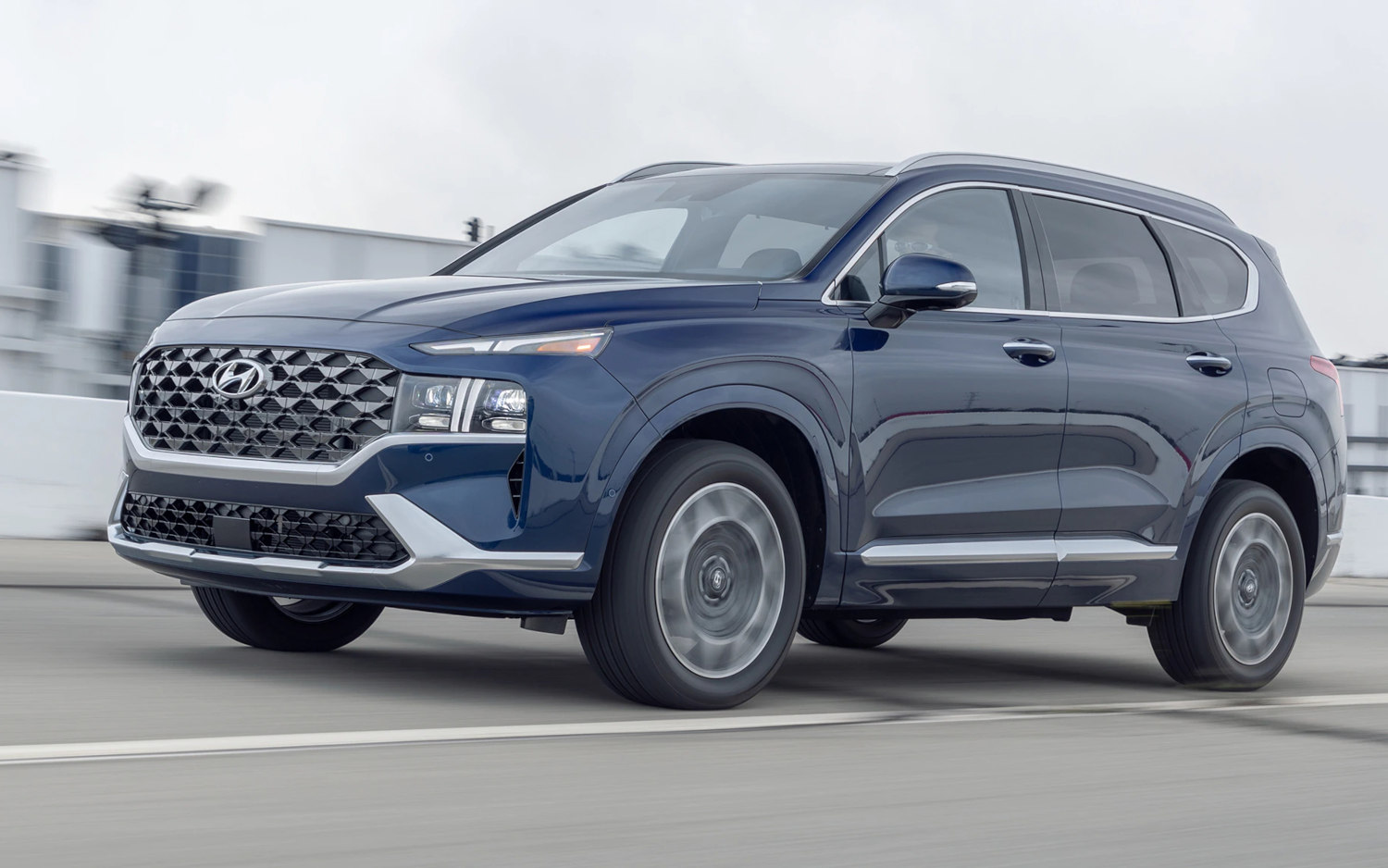
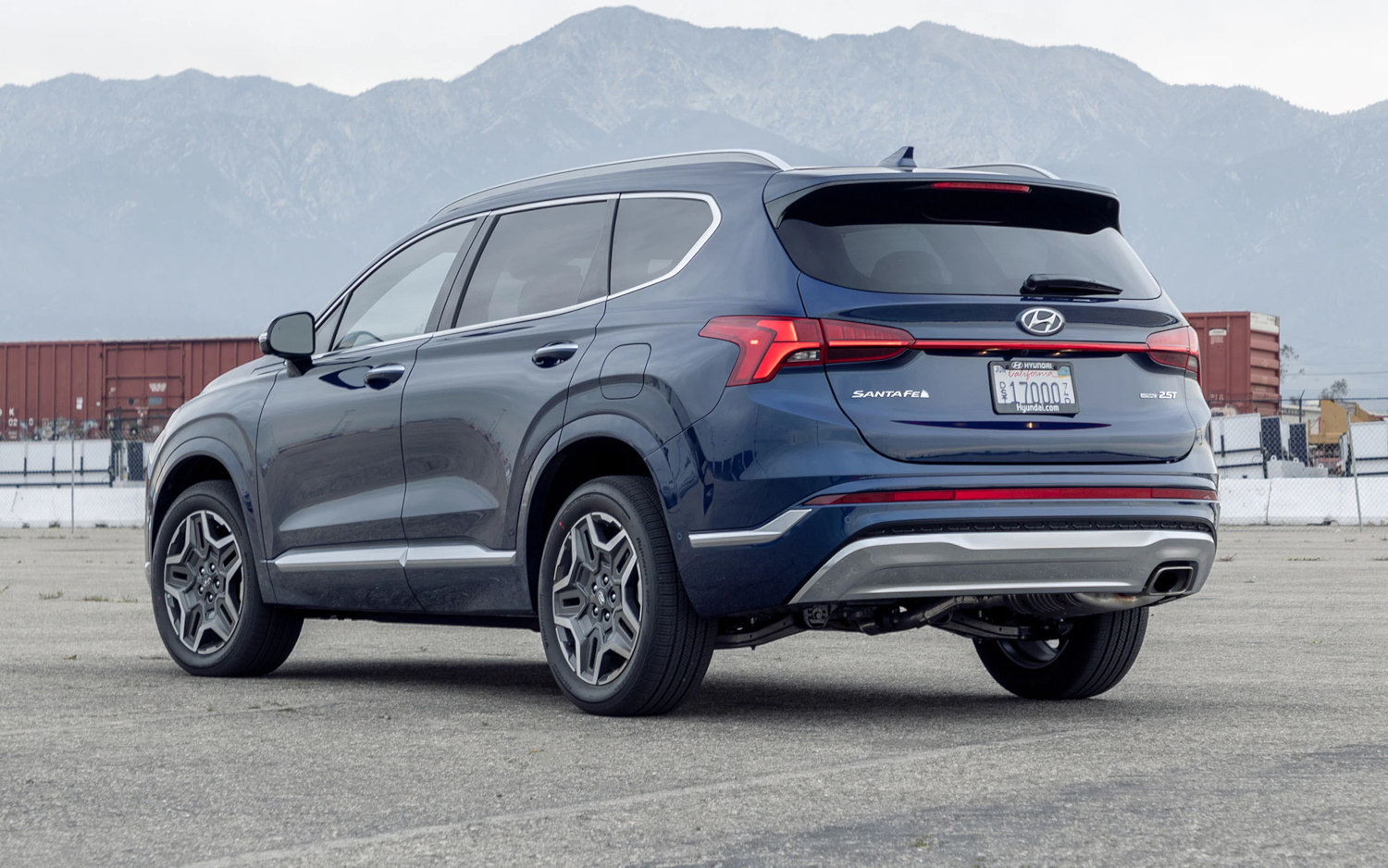
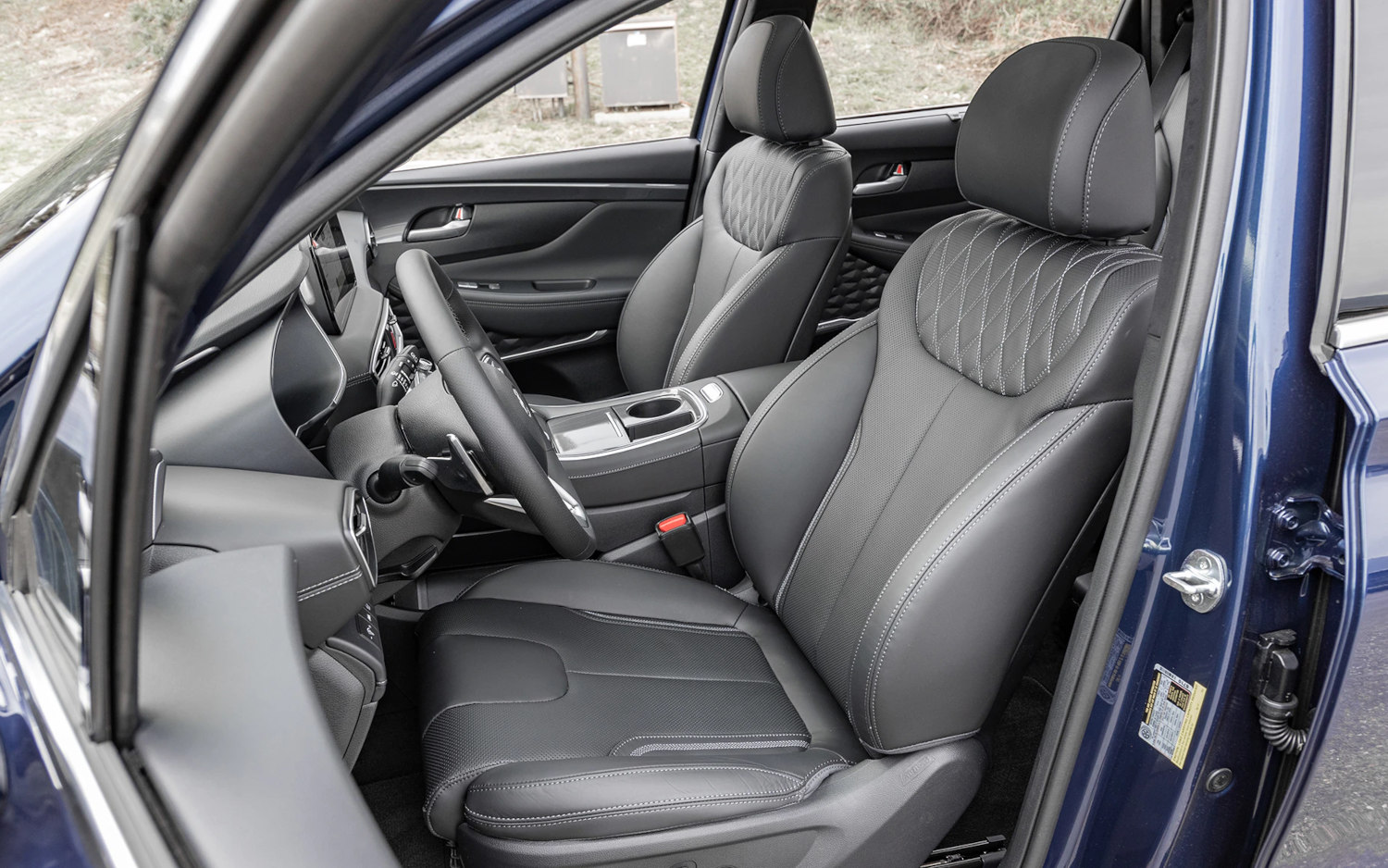
The 2021 Hyundai Santa Fe makes premium gains with hybrid and turbo-4 power and a Palisade-like interior.
Pros Larger standard and available touchscreens Hybrid models Potent powertrains Revised transmission Luxe Calligraphy edition
Cons Moderate base-engine power Middling fuel economy (except Hybrid) Busy body
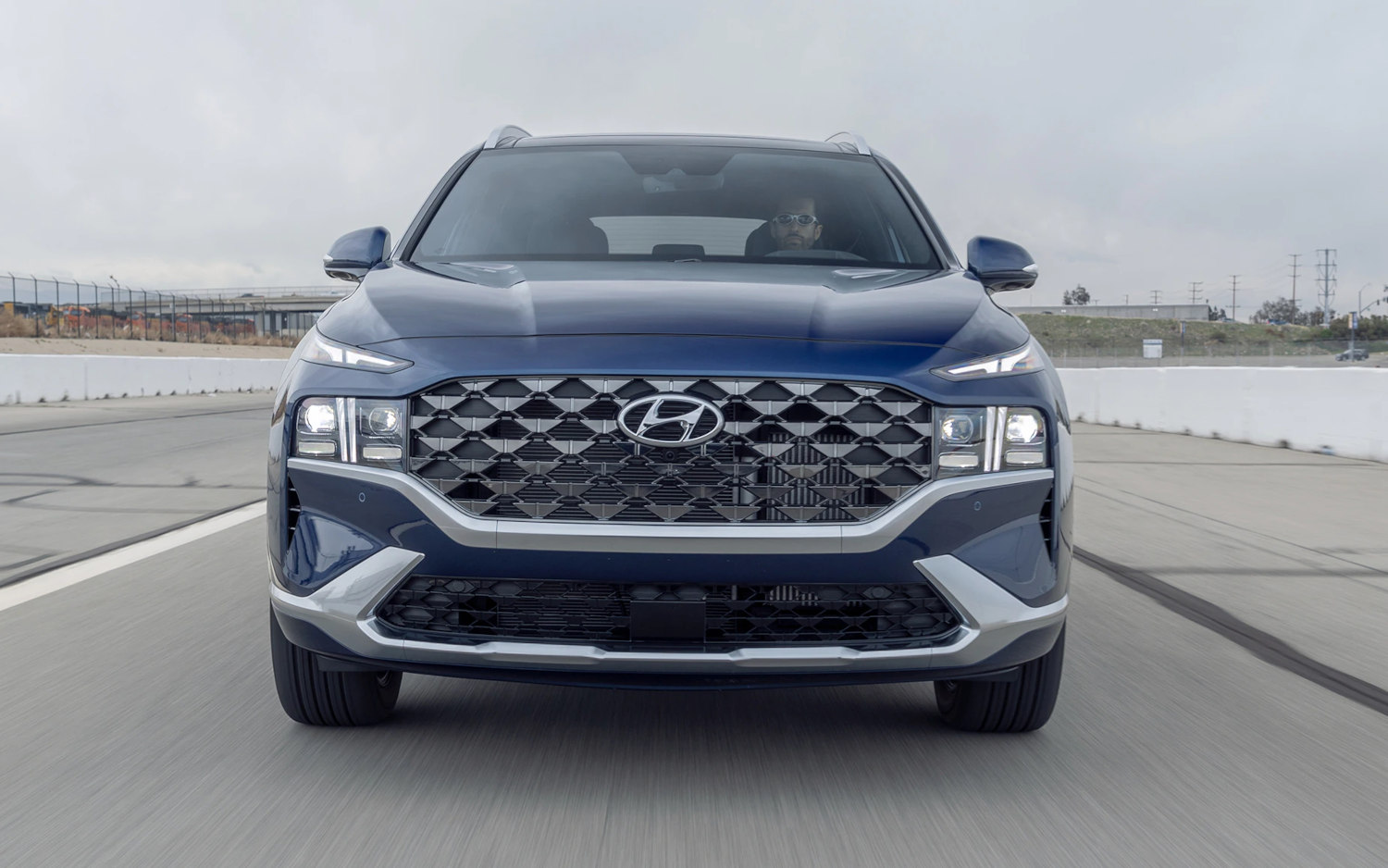
The Santa Fe receives a visual freshening for 2021 that includes bolder front-end styling and improvements to its interior. Three new powertrains are offered: A 2.5-liter four-cylinder replaces the standard 2.4-liter unit, a turbocharged 2.5-liter four-cylinder replaces the optional turbocharged 2.0-liter, and a hybrid variant powered by a turbocharged 1.6-liter four-cylinder and an electric motor joins the lineup.
Pros Relative bargain compared to rivals, relaxed demeanor, nicely-equipped cabin.
Cons Nonhybrid models could be more fuel efficient, tight rear seat headroom, no third-row option.