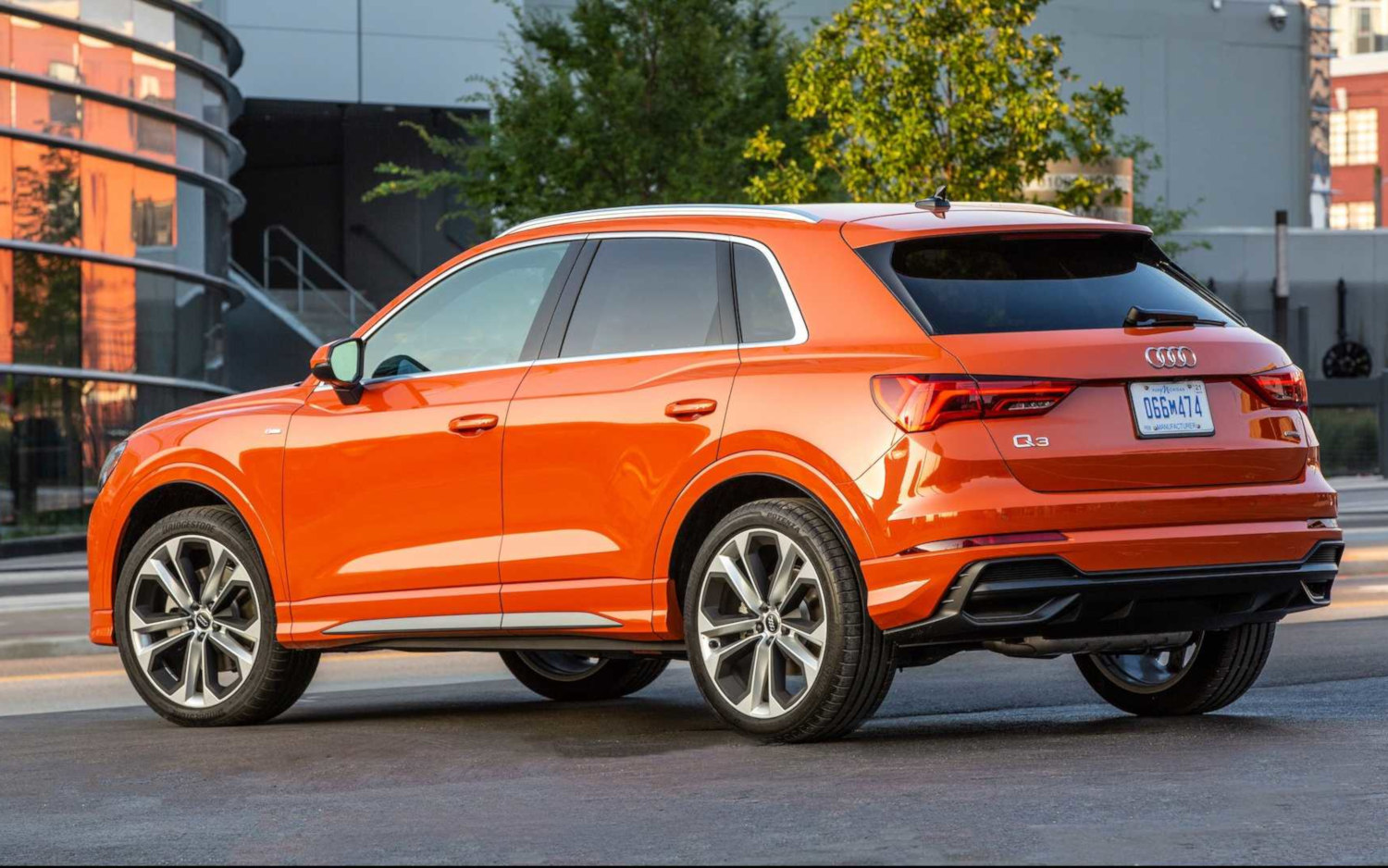
Audi has simplified the Q3 lineup for 2021 by dropping the top-flight Prestige trim level and splitting its features into available Technology or Convenience packages on the remaining Premium and Premium Plus trims. The entry-level Premium model now comes standard with power-adjustable front seats, lane-departure warning, and steering-wheel-mounted shift paddles. The Convenience package now includes an auto-dimming rearview mirror with an integrated compass, heated power-folding exterior mirrors, and LED interior lighting.
Pros Sharp styling, plentiful tech features, spunky driving demeanor.
Cons Tight rear quarters, noticeable turbo lag, a few cheap interior materials.
The 2021 Audi Q3 comes with all wheel drive. Available transmissions include: 8-speed shiftable automatic.Top Prestige trim has been replaced by option packages for supporting trim levels.Some previously optional features are now standard.
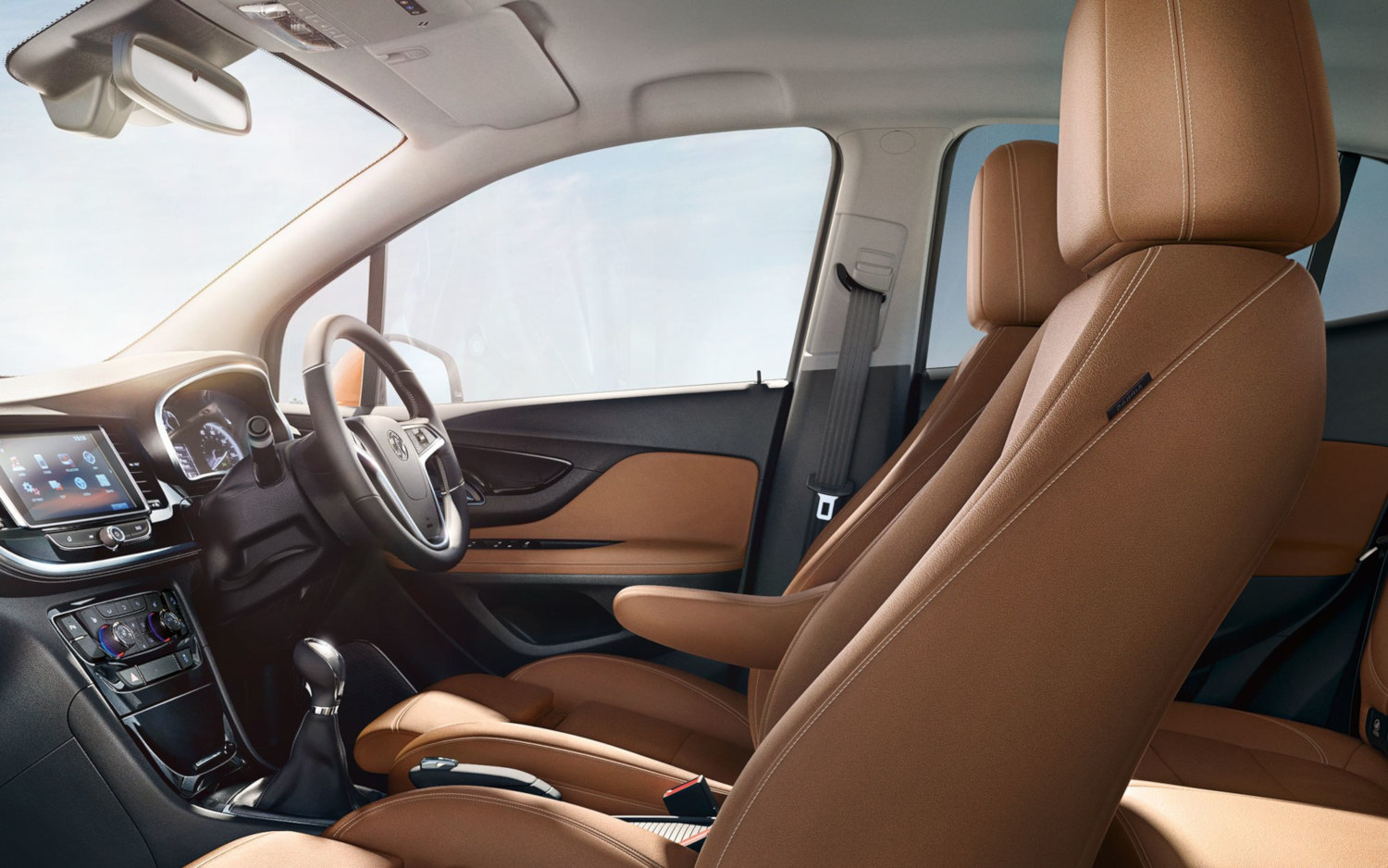
Pros Packed with modern technology features Interior is lined with high-quality materials Quiet cabin and comfortable ride quality More passenger room than most subcompact SUVs
Cons Lackluster fuel economy Limited in-cabin storage Not much fun to drive
The 2021 Audi Q3's #2 ranking is based on its score within the Luxury Subcompact SUVs category. Currently the Audi Q3 has a score of 8.3 out of 10, which is based on our evaluation of 14 pieces of research and data elements using various sources.
Pros Good predicted reliability rating Nice balance of comfort and agility High-class cabin materials Straightforward tech features
Cons Below-average fuel economy Unrefined transmission Small cargo hold
Compact crossovers are seriously hot property right now, and the Mokka should find plenty of happy punters, who’ll appreciate the commanding driving position and rough-and-tumble looks, plus the distinctly un-SUV-like running costs.
But the Mokka isn’t a keen driver’s cup of tea, and its diesel engine, though frugal, is disappointingly coarse when you give it the beans. Still, if you’re after a well-equipped kid-friendly runabout that cuts a dash above simple supermini-dom, the Mokka should suit your daily grind. And look, we only made three coffee-themed jibes about the name in the end.
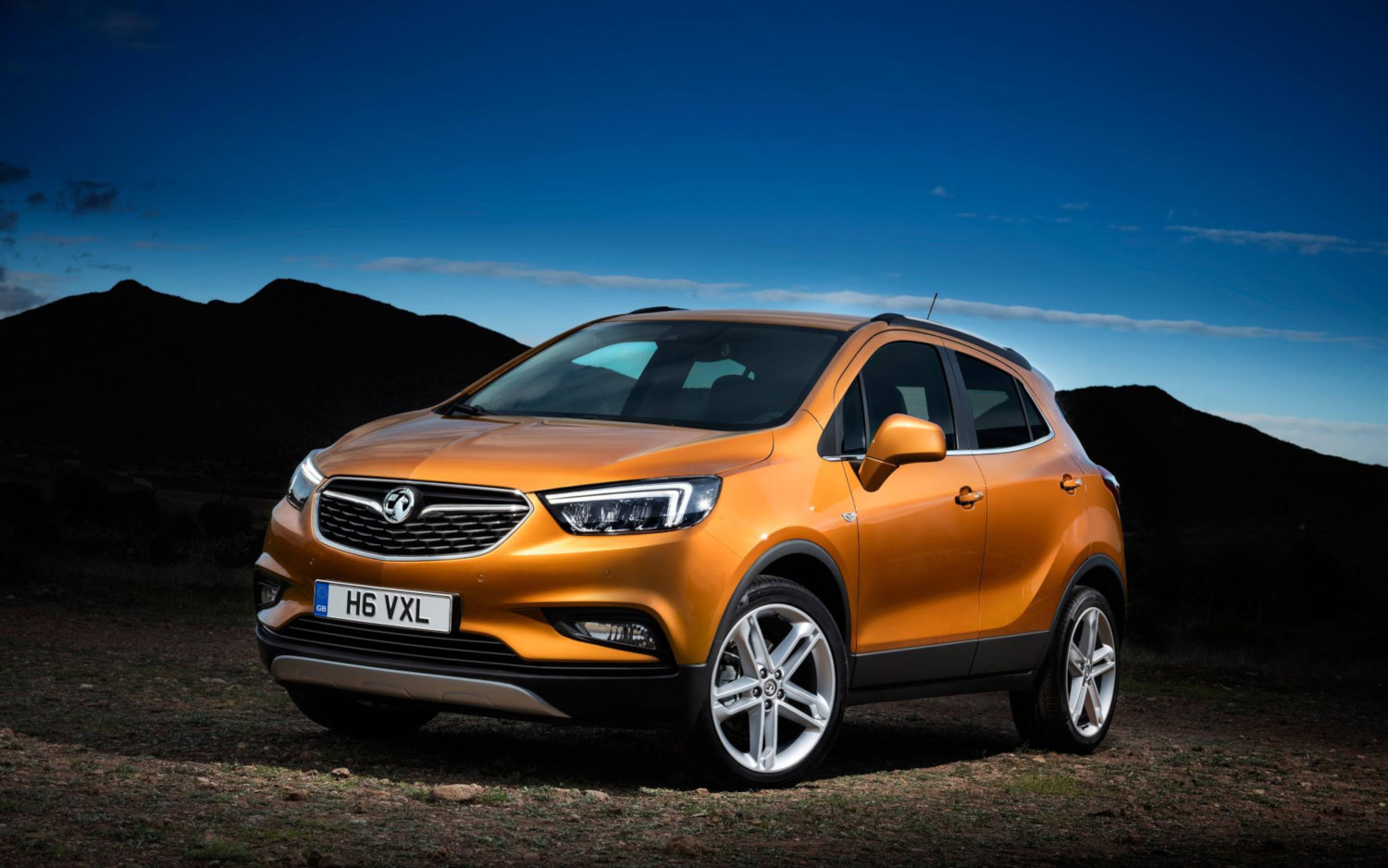
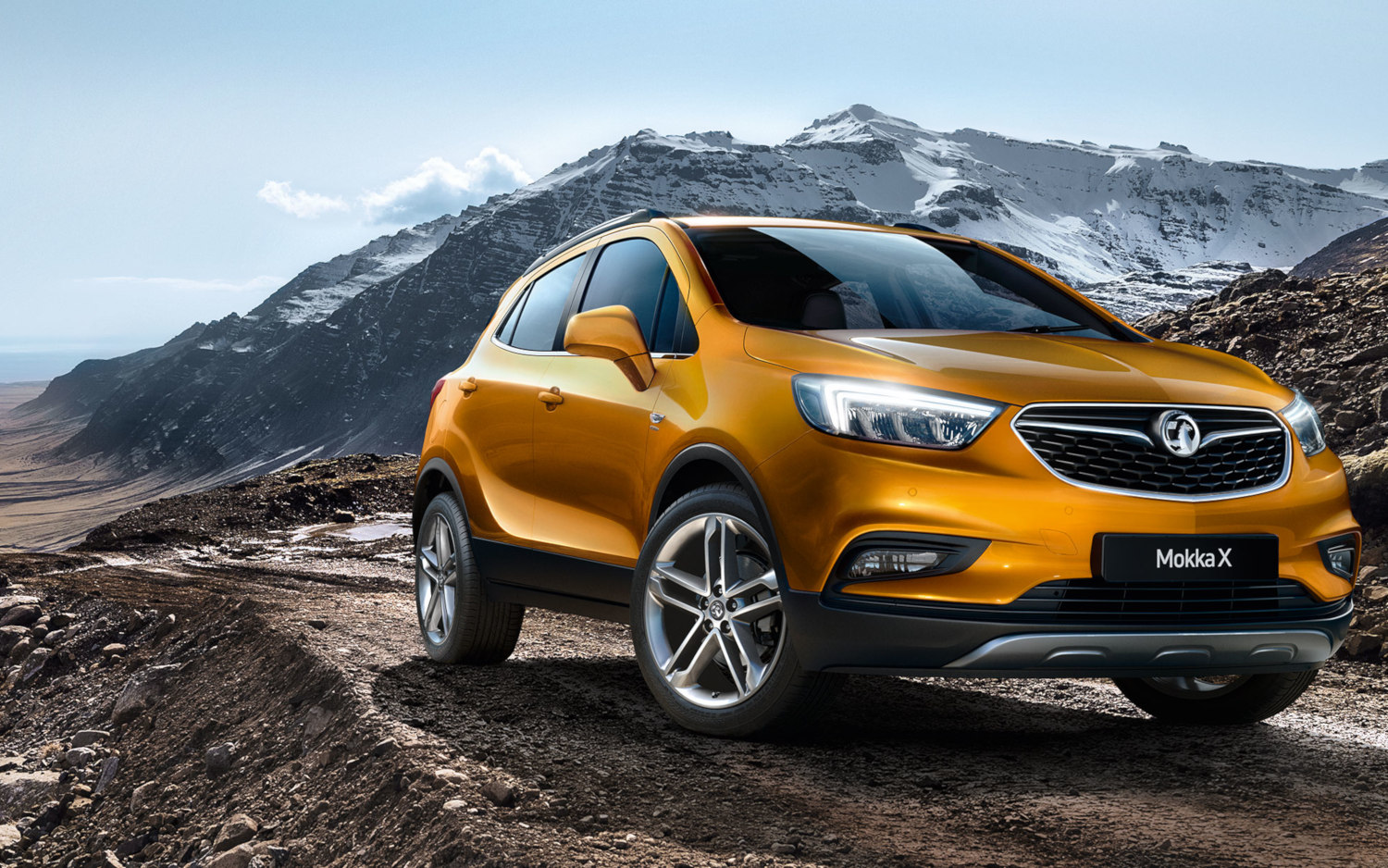
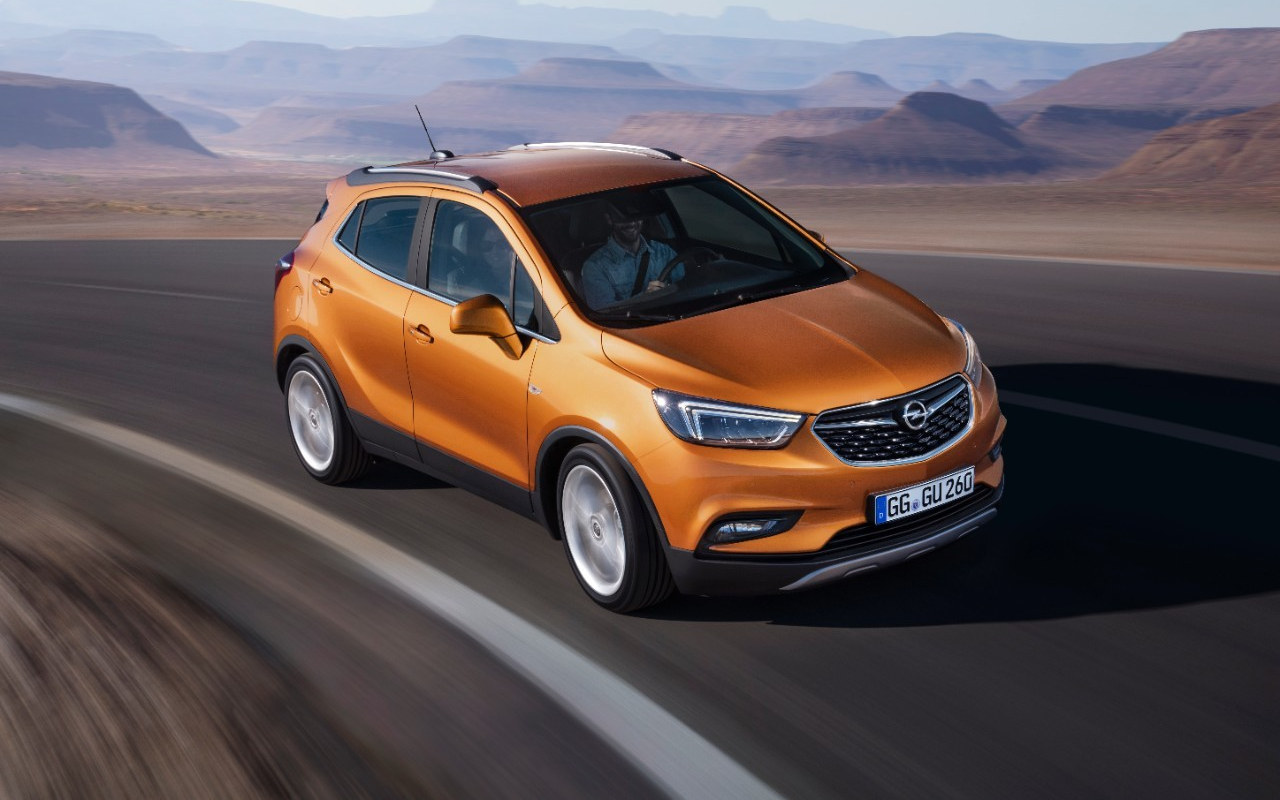
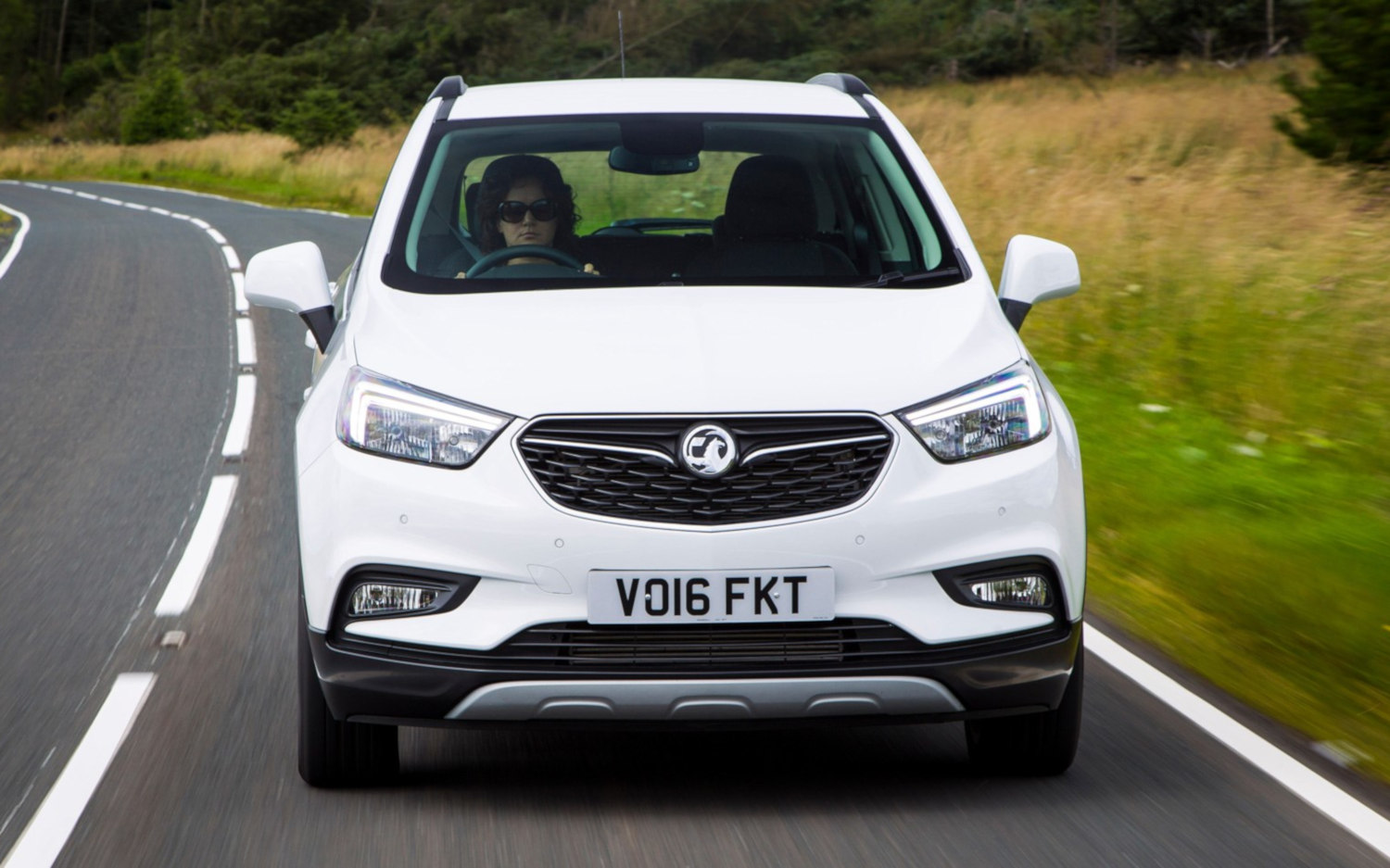
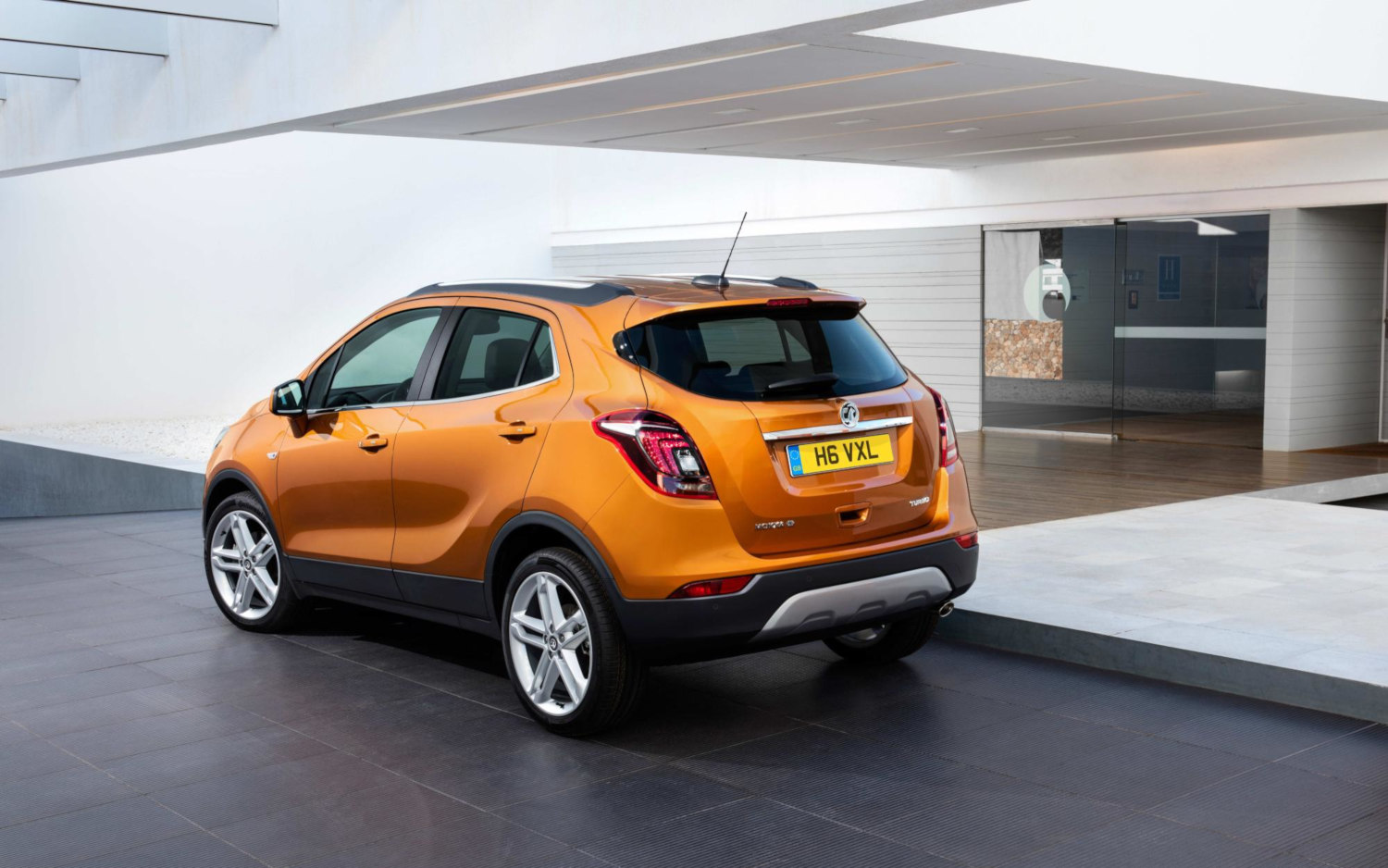
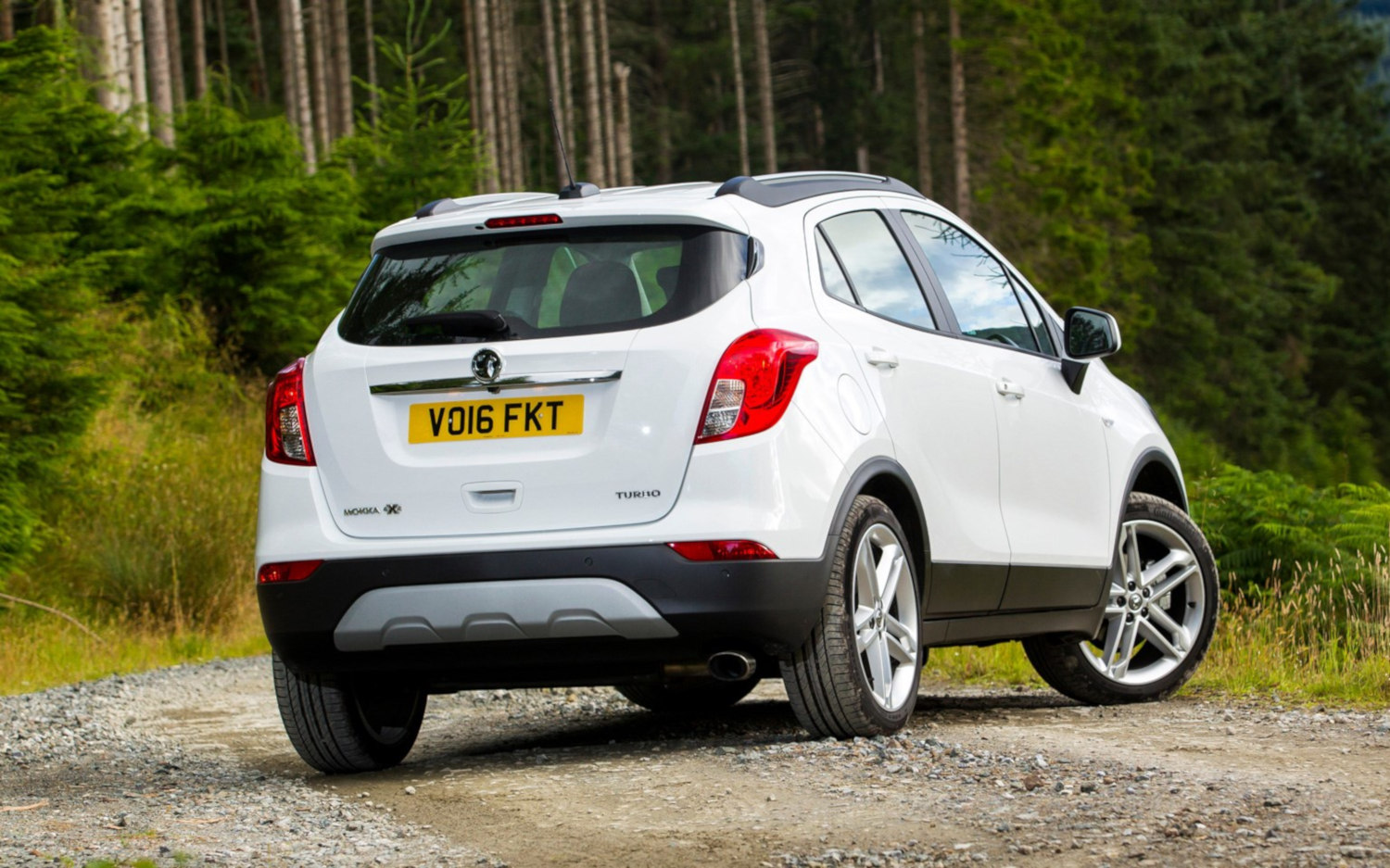
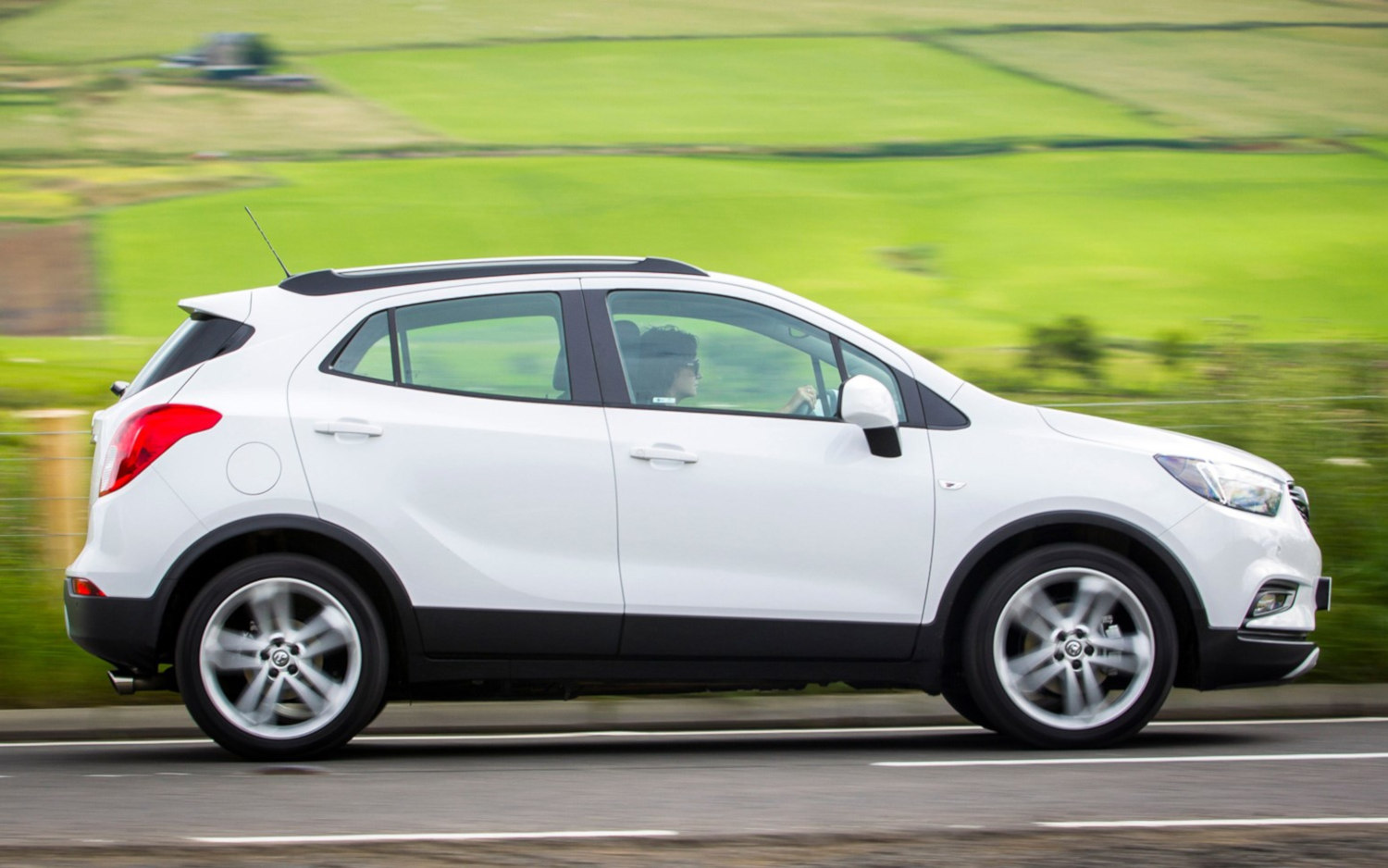
We’ll let the Mokka moniker lie – no coffee puns here, thank you. Styling-wise, the bluff little Mokka is appealing in the metal, marrying supermini cuteness with an air of chunky pugnaciousness, like a more grown-up Fiat Panda 4x4. Following the shamelessly trendy Adam city car, rakish Astra GTC and new soft-top Cascada, it’s good to see Vauxhall’s designers stringing together a run of handsome cars.
There are many good mini-SUVs on the market. The Mokka isn’t one of them. We advise a trip to a Skoda dealership.
Vauxhall’s first foray into the mini-SUV market, one currently dominated by the Skoda Yeti and Nissan’s Juke and Qashqai. The Mokka falls somewhere between the latter two in terms of size, and serves up a high-riding driving position and styling optimistically described as ‘chunky’.
Like the Qashqai, it’s available in two- and four-wheel drive, the latter offering enough off-road performance to conquer a muddy field or two, which we suspect will be about the extent of the Mokka’s non-tarmac follies. There’s an entry-level 1.6-litre petrol, a fizzier 1.4-litre turbo petrol and a single diesel offering: Vauxhall’s familiar 1.7-litre CDTi developing 130bhp.
A new engine can transform an ageing car, and while the Vauxhall Mokka diesel has improved, it hasn’t received the new lease of life it needed. The 1.6-litre is refined, punchy and efficient, but allied with a rather dull driving experience. It’s a safe and affordable family car, but one you’d choose with your head rather than your heart.
Look as hard as you like at the pictures, but you won’t identify any cosmetic changes to this Vauxhall Mokka from its predecessor. Peek beneath the bonnet, however, and you’ll find a new 135bhp 1.6-litre ‘whisper diesel’ engine borrowed from the Astra.
It replaces the current 1.7 CDTi and joins the two petrol units in the Mokka range, immediately making a strong case for itself as the engine of choice.
Not only is it quicker and more refined than the outgoing 1.7, it’s more flexible and considerably more economical than both petrol versions. Our Limited Edition model came with 19-inch alloy wheels as standard, which emphasise the mini-SUV proportions yet do nothing for ride comfort. They deliver unwelcome thuds through the cabin that could upset passengers. Around town, the light steering is welcome (most owners won’t worry that it relays no information back to the driver), while body roll is evident in slightly faster corners.