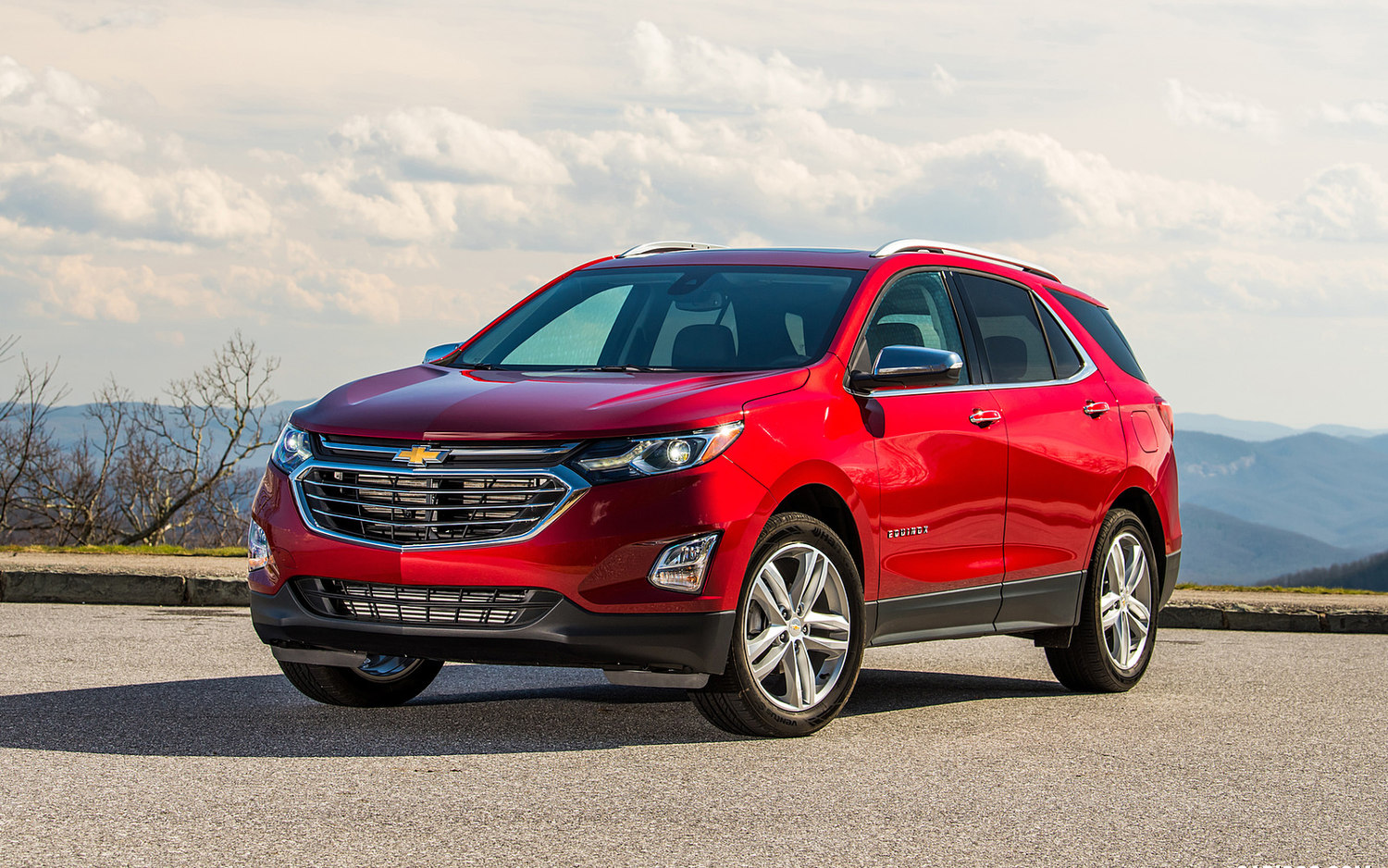
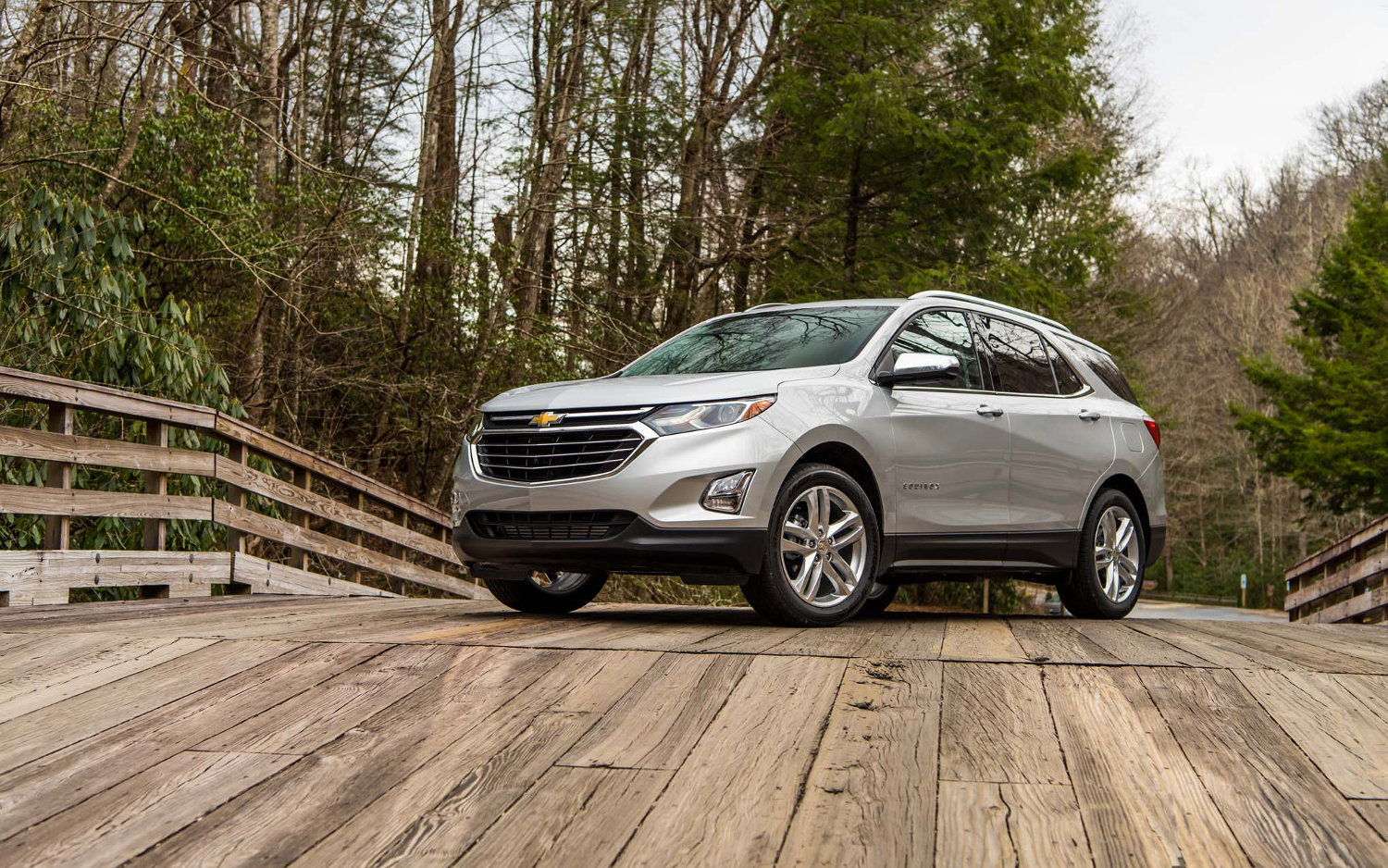
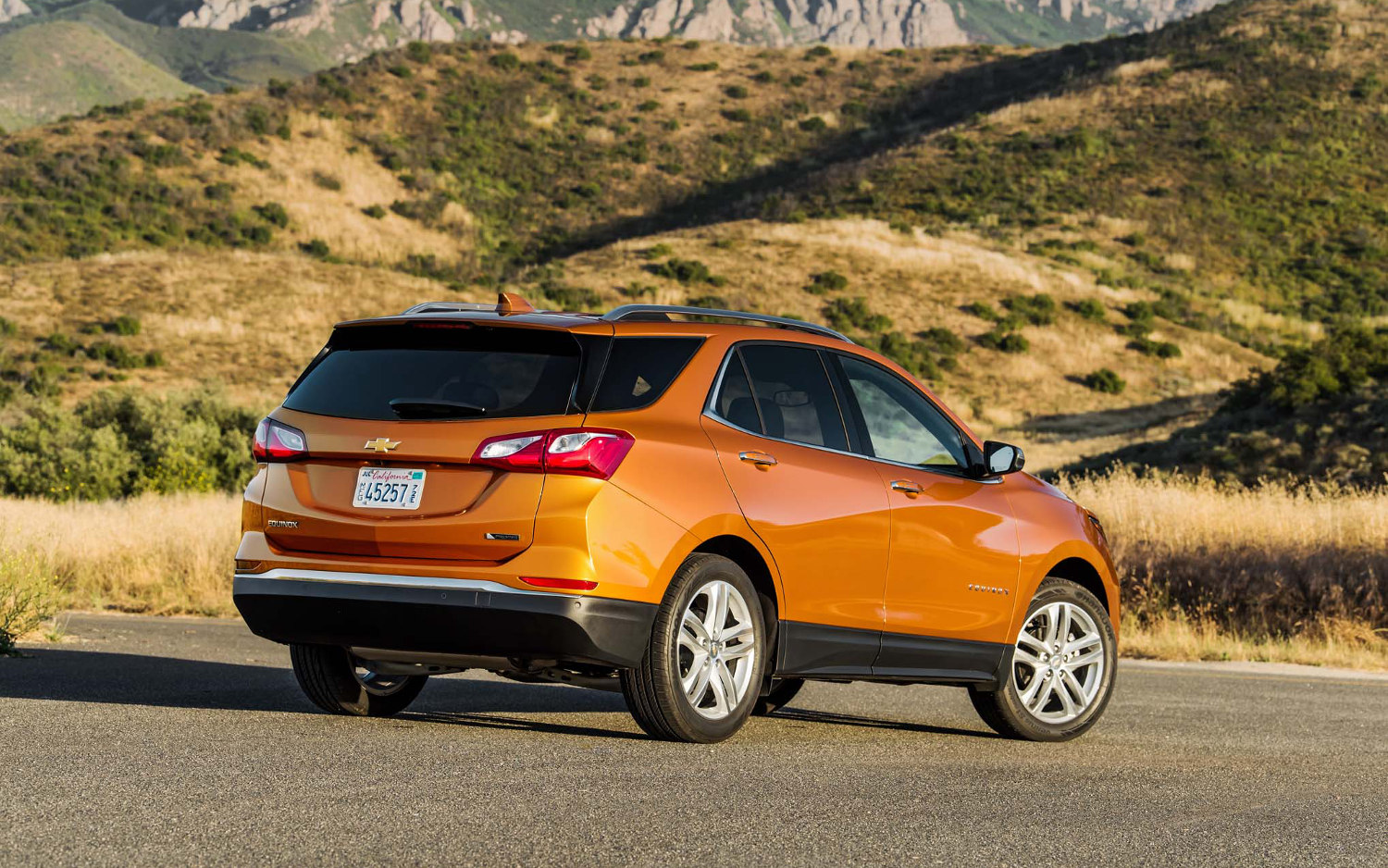
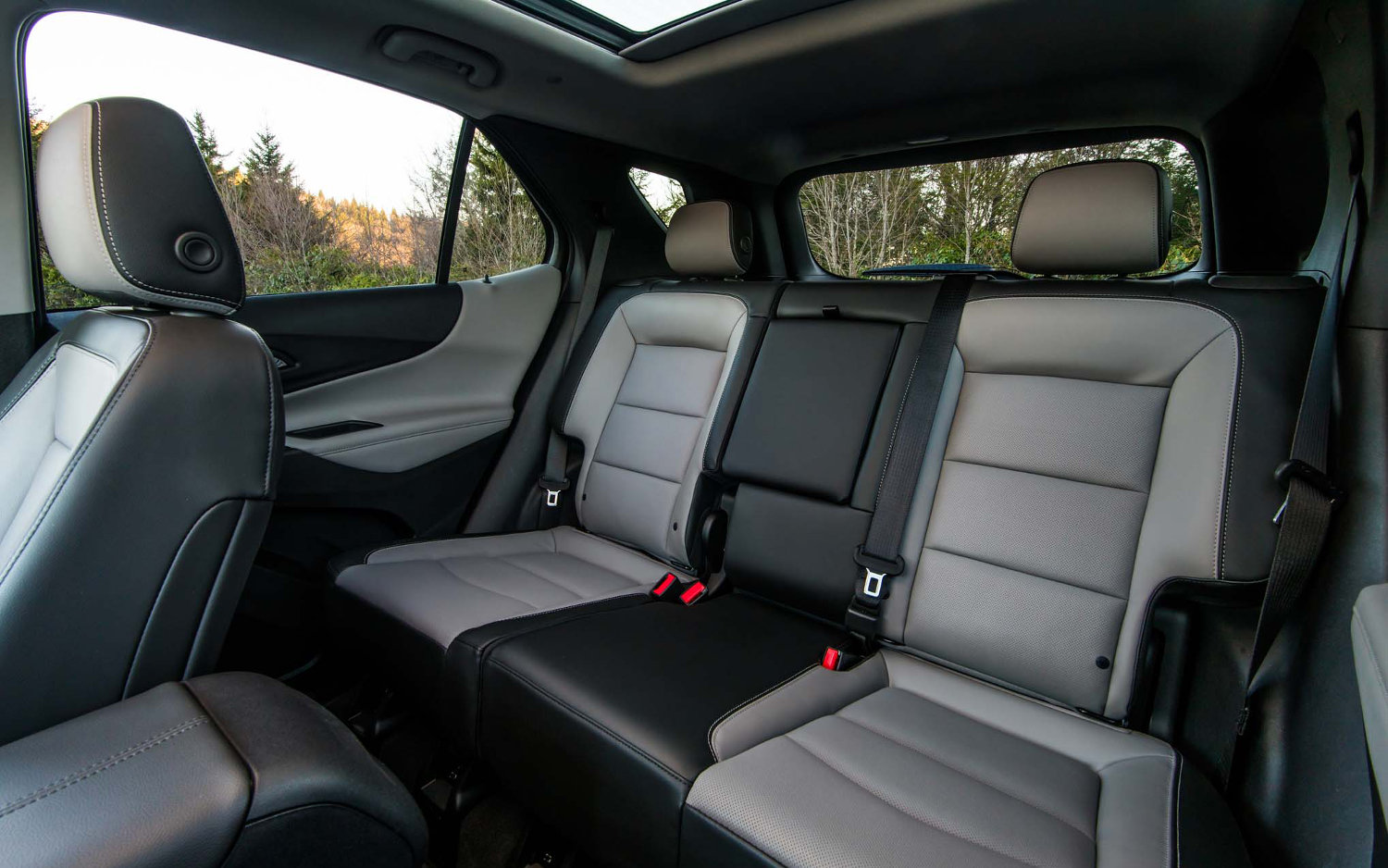
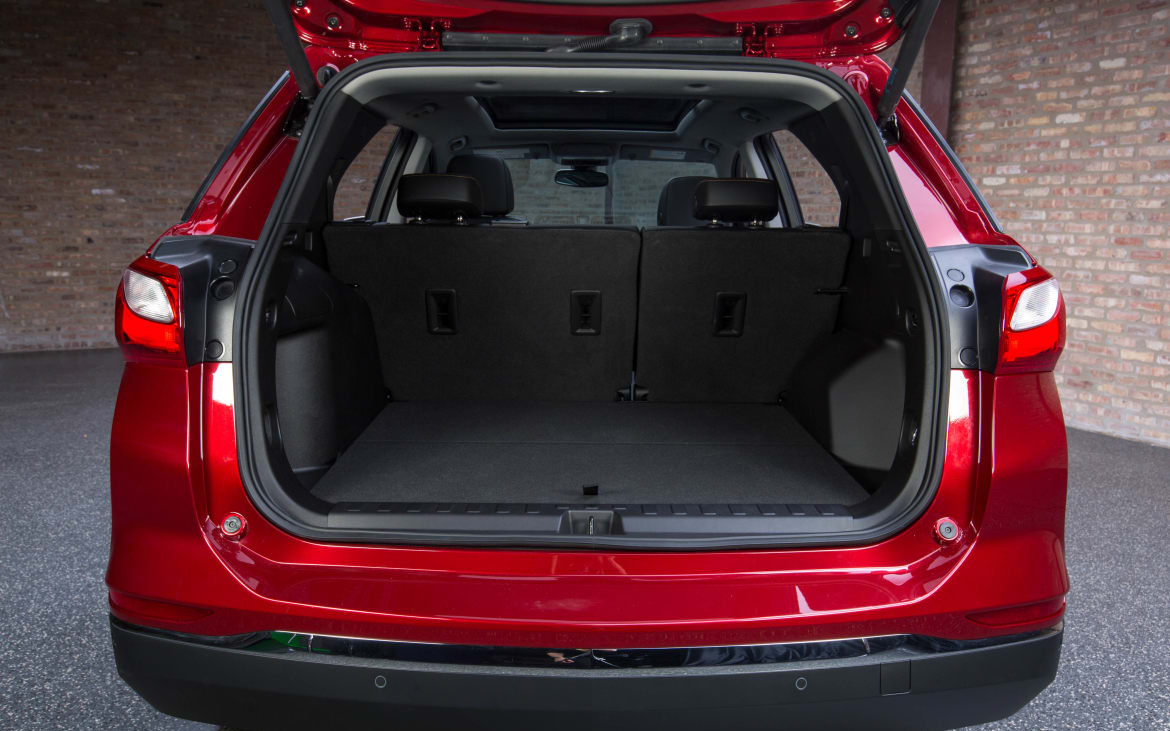
The new Equinox is based on an all-new architecture that weighs about 400 pounds less than its predecessor. Chevrolet credits the weight saving to high-strength steel and other grams-add-up type measures, but the reality is that there's quite a bit less Equinox this time around. The 2018 Equinox shrinks, losing its "tweener" status, and is now much closer to the Honda CR-V in all four main dimensions. To Chevy's credit the interior dimensions are pretty much the same, with the small hit in cargo space mitigated by the large hidden storage area under the cargo floor. The pricing disparity against its competition is a shame, because the Equinox is a compelling compact crossover SUV in virtually every other way. It looks great inside and out, offers good high-tech features, drives exceptionally well, will offer a diesel engine, and the promise of a high-horsepower version sounds fun. We just wish Chevy would take the cue from its competitors and broaden the availability of its advanced safety tech and add in active cruise as well.
The 2018 Chevrolet Equinox is a needed step forward for the brand and a solid compact crossover.
Pros Solid base engine Denim-like fabric is surprisingly comfortable Lighter, brighter, and smarter A fuel-efficient turbodiesel coming
Cons Still hard plastics abound Not as fuel-efficient as some Safety features reserved for top trims Smaller rear cargo area
The 2018 Chevrolet Equinox is fully redesigned for 2018. It's slightly smaller overall compared to its predecessor, but the reduced weight combined with more efficient engines pay off at the pump.
Pros Three engines to choose from, including a fuel-efficient diesel Smooth ride over most road surfaces Expansive list of optional safety features MyLink user interface is intuitive and easy to use
Cons Smaller cargo area compared to most of its competitors Base L trim is special order only The 1.5-liter engine and its slow-shifting transmission don't feel very lively
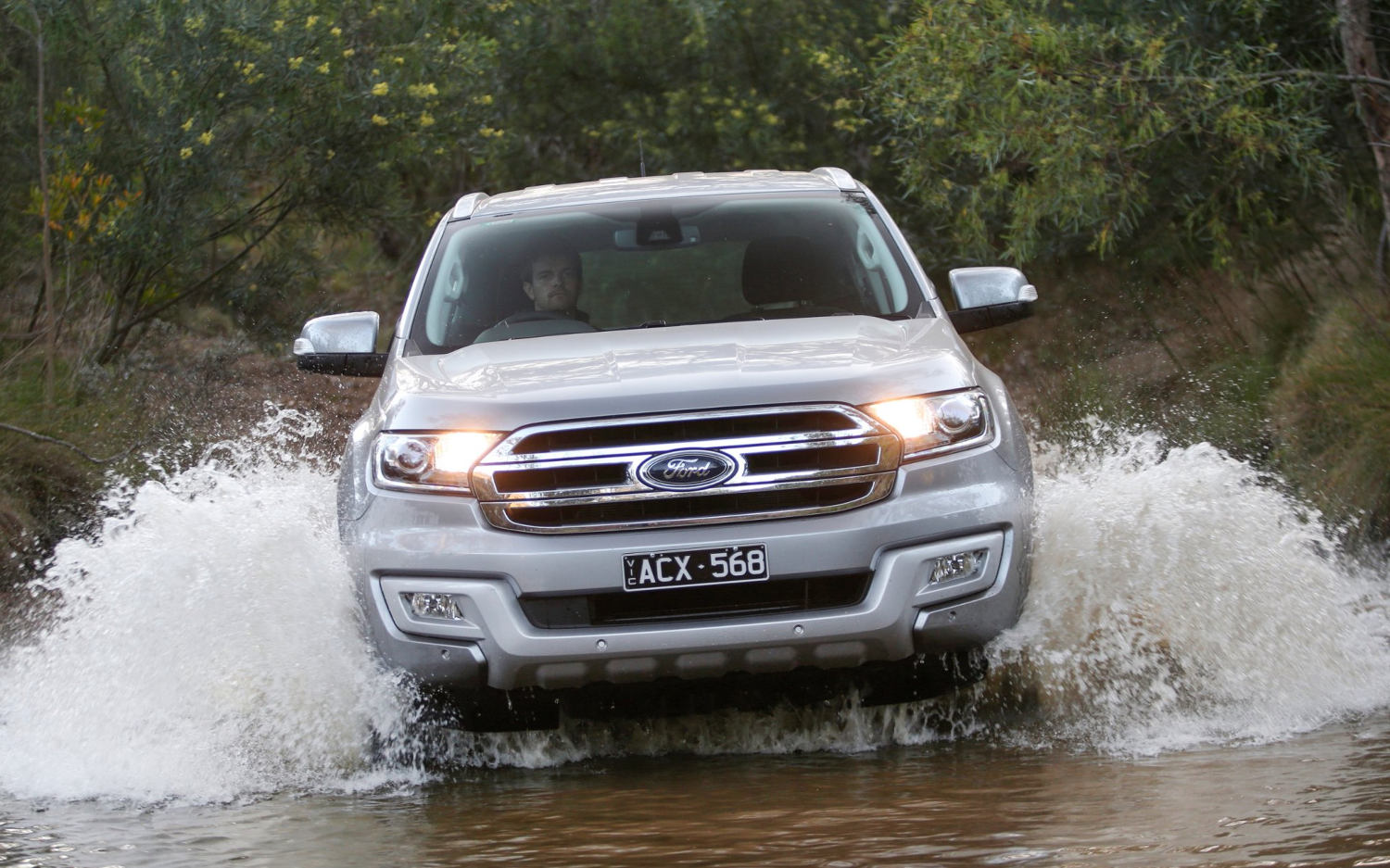
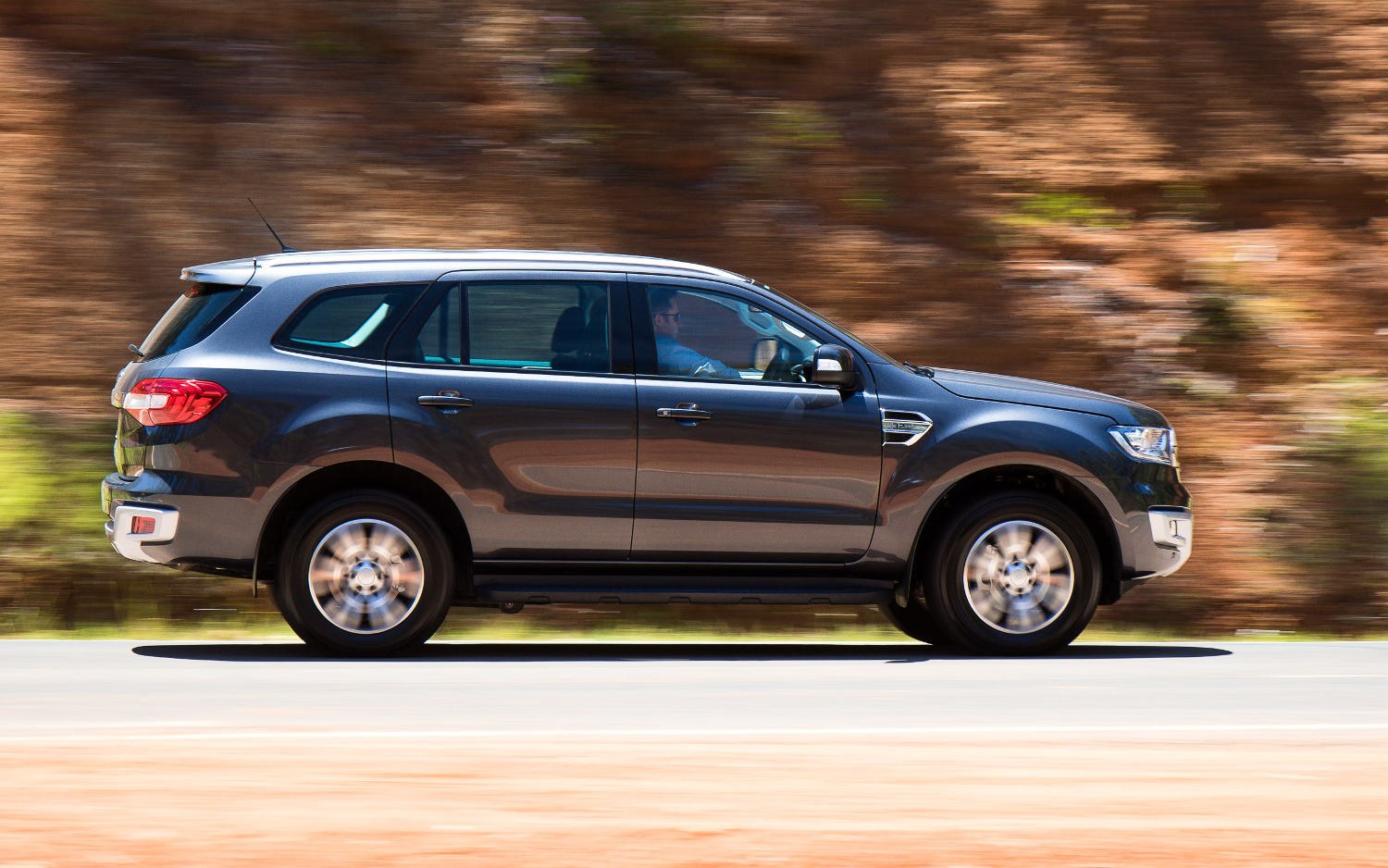
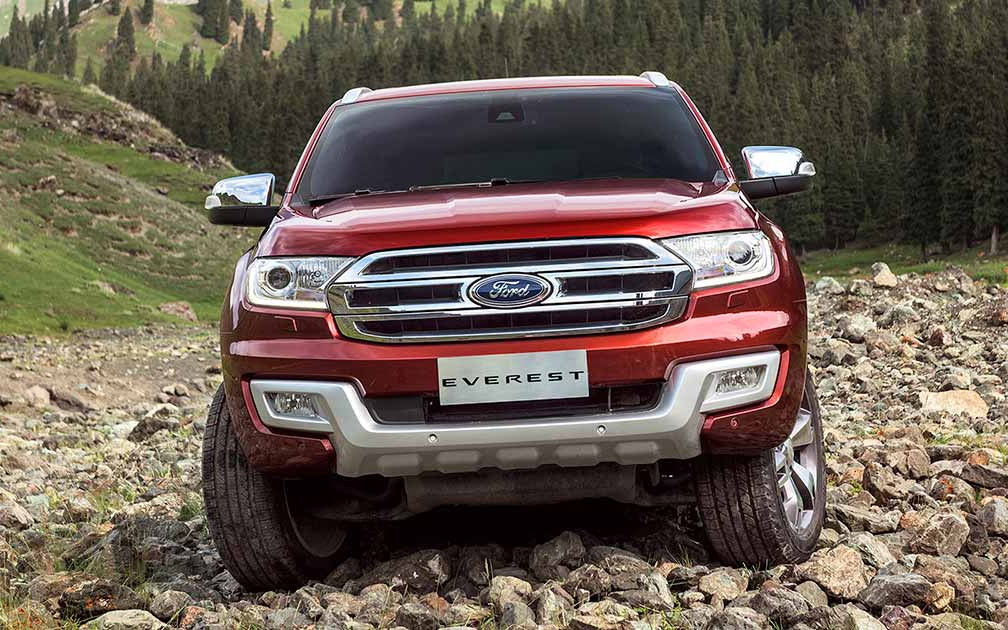
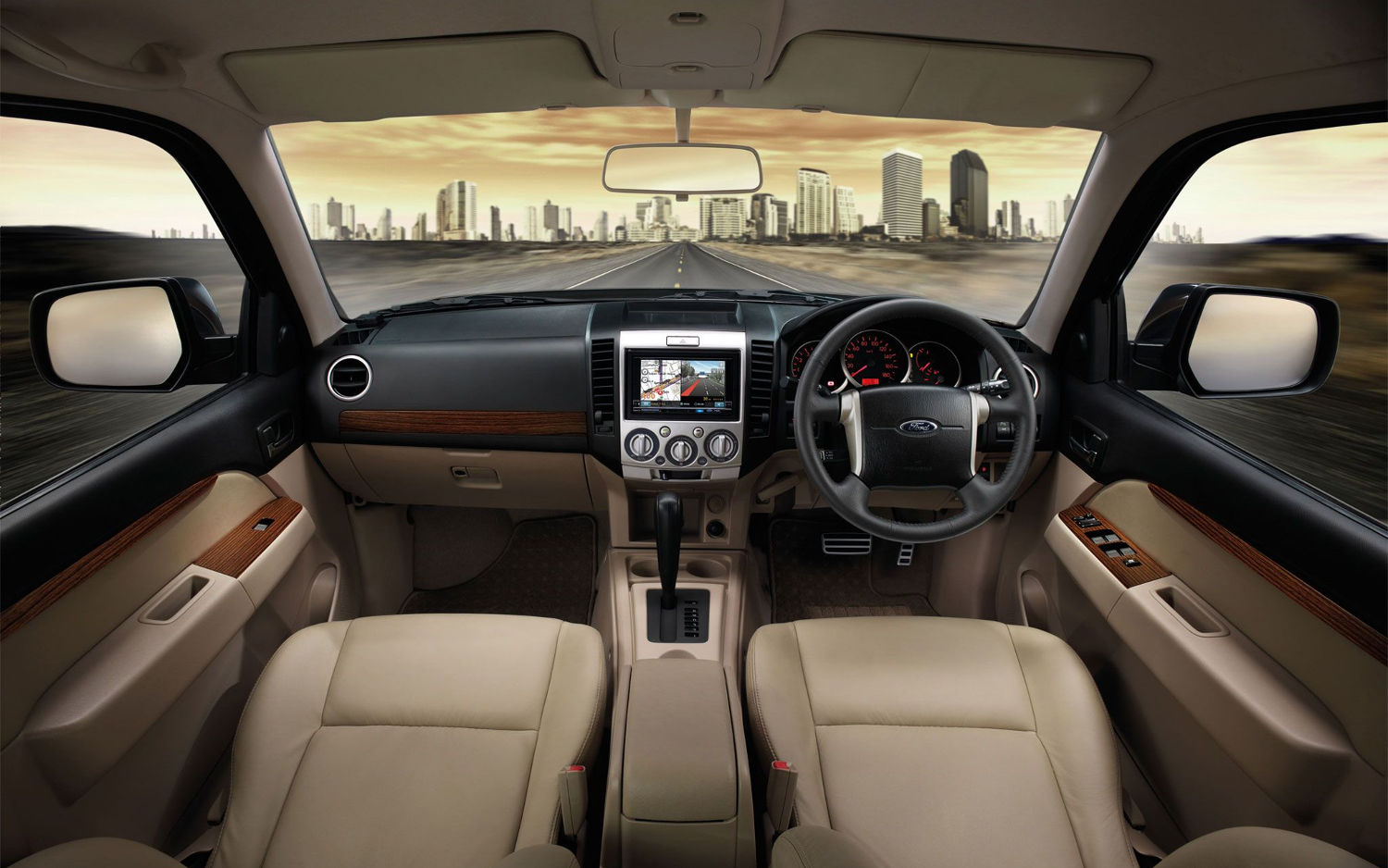
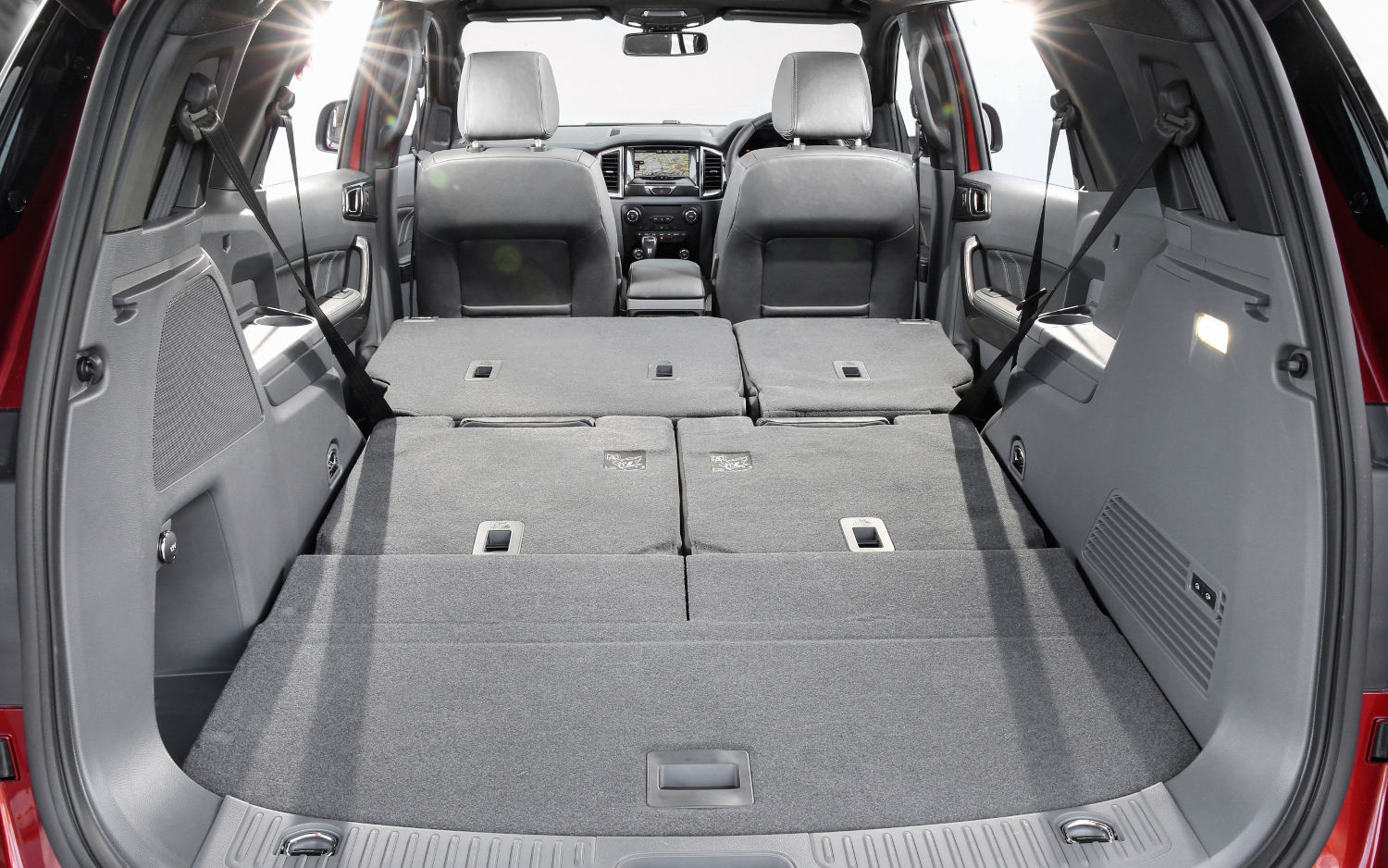
The award-winning 2017 Ford Everest SUV range is now available with a rear-wheel-drive variant, designed to suit buyers who like the size, space and power of the Everest, but don’t need the cost and complexity associated with the multi-mode four-wheel drive system.
Pros For the most part, its the same car for $5000 less Light steering and easy to drive Still comfy and practical for family and towing duties
Cons Rides like an off roader, so there are better options if urban comfort is your game No reach adjustment on steering wheel Just the single Trend grade available
Visually, the rear-wheel drive (RWD) Ford Everest Trend is almost impossible to pick from 4WD versions. Same with the drive experience contributed to by the 3.2-litre five-cylinder turbo-diesel, the packaging and the towing abilities. So, other than a $5000 price saving over the $60,990 (plus ORCs) 4WD Trend. Apart from a small, essentially useless, receptacle in the centre console, there’s precious little that visually separates Ford’s rear-wheel drive Everest Trend from its four-wheel drive equivalent.
Pros Well-planned, versatile interior Safety technology Some customers simply don’t need 4WD
Cons Some customers simply want 4WD One-way only steering wheel adjustment Engine noisy at times