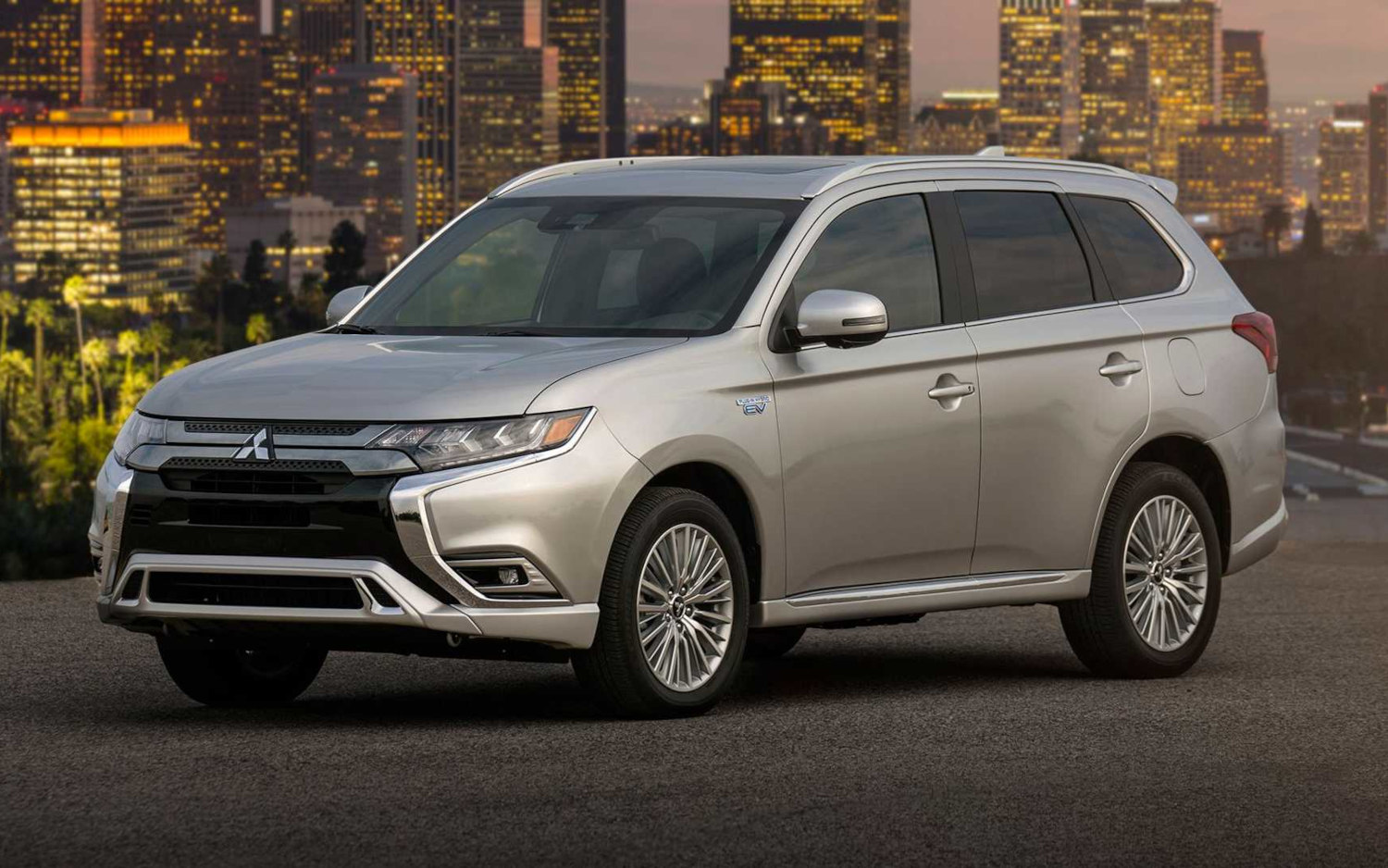
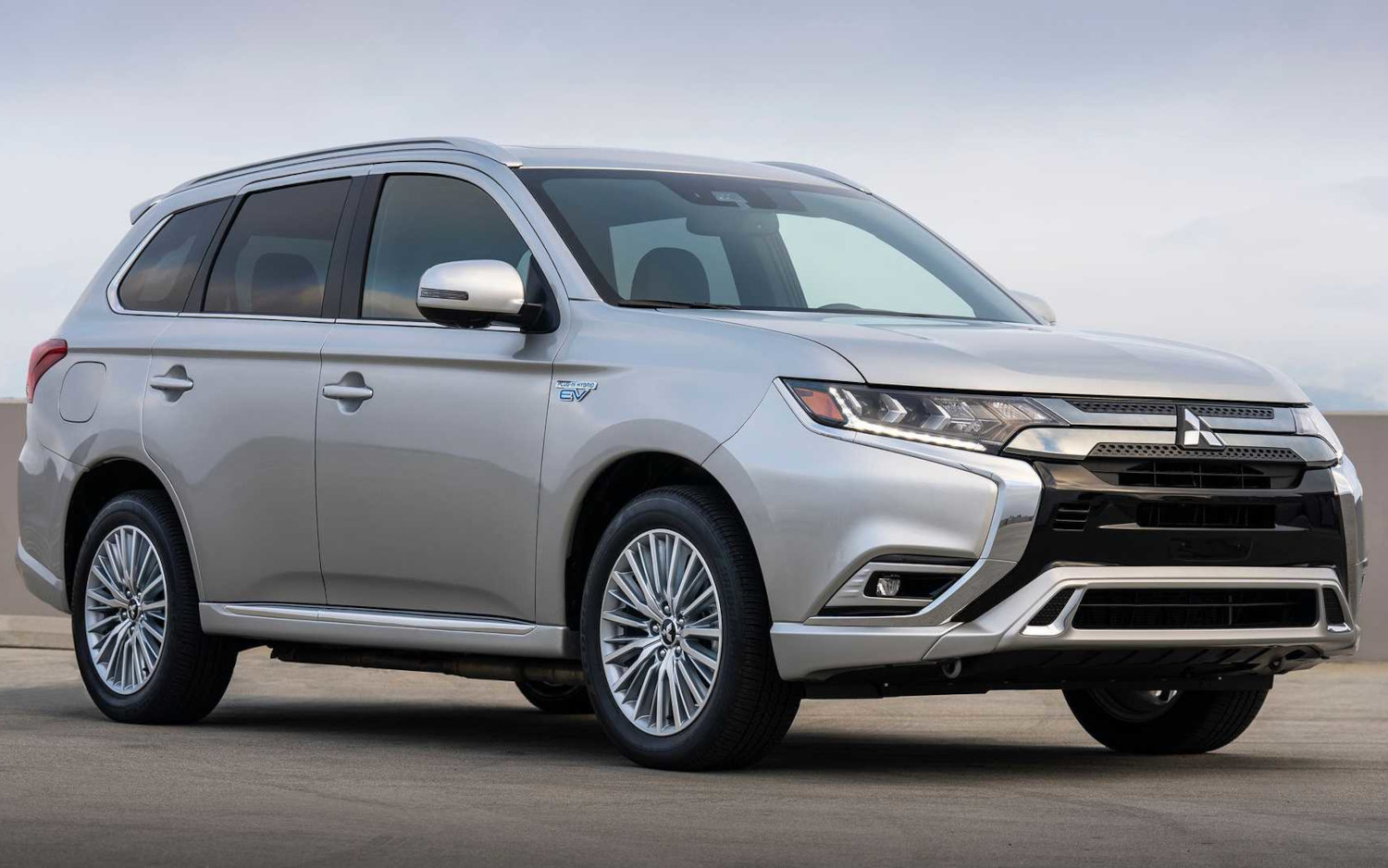
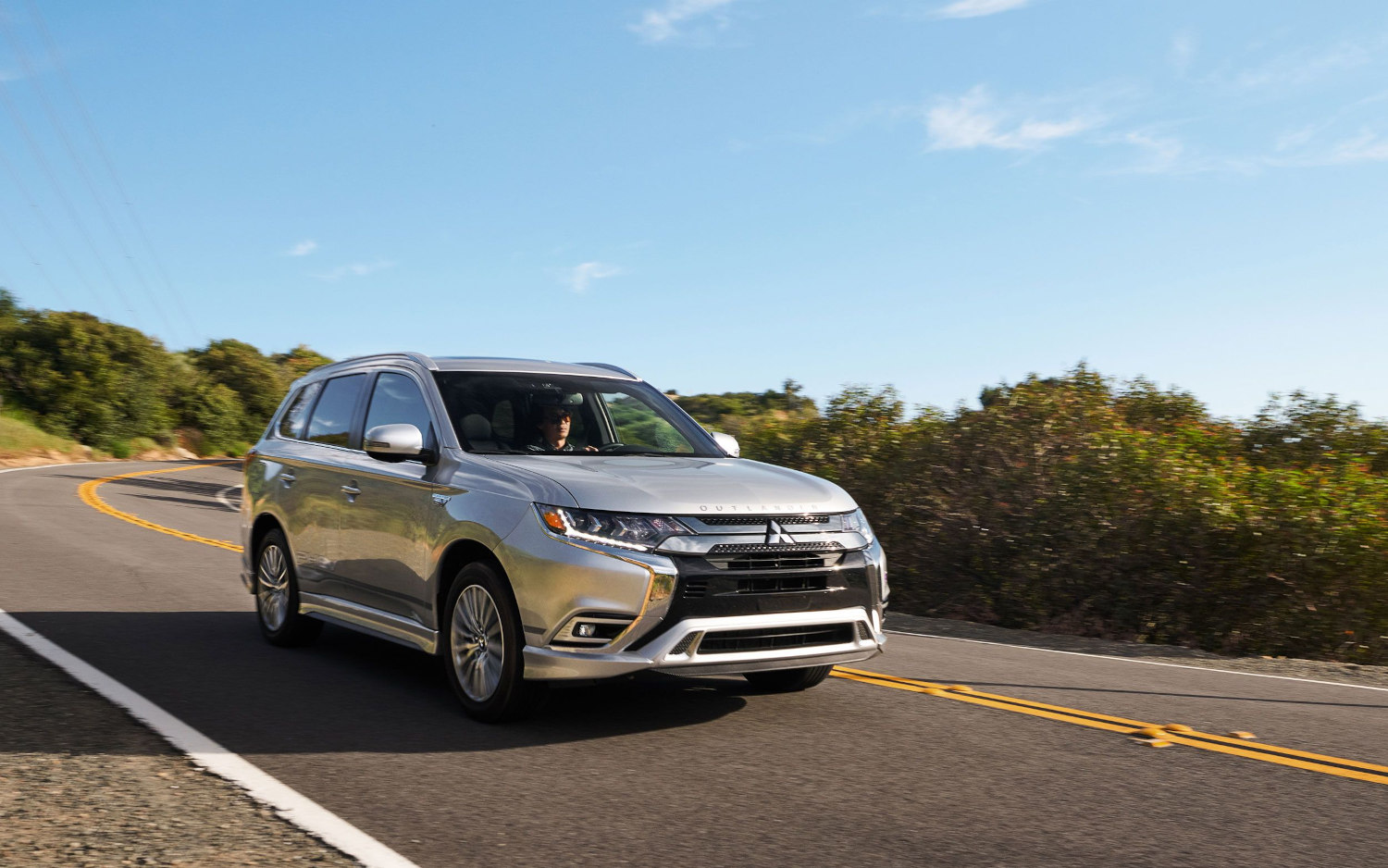
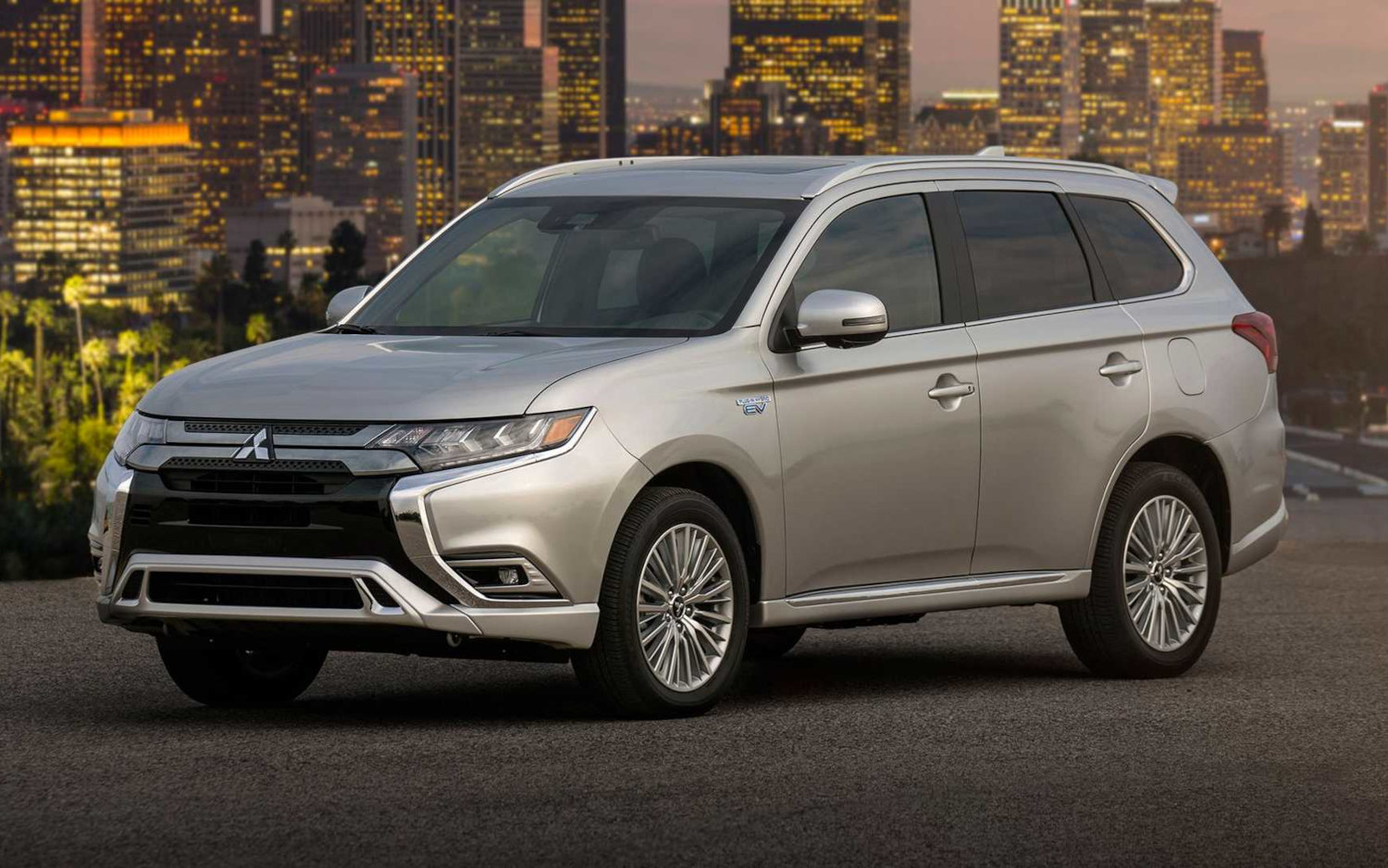
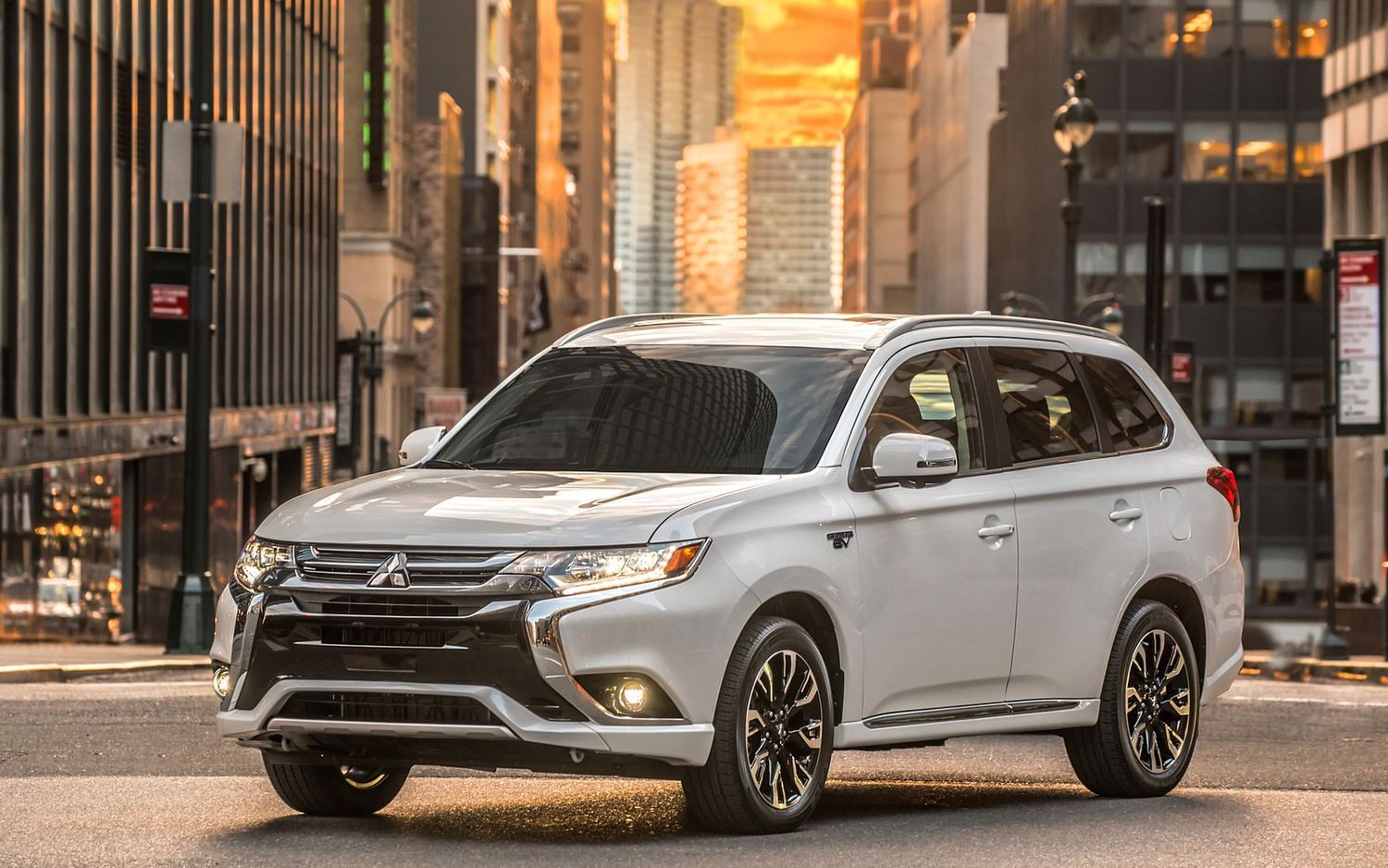
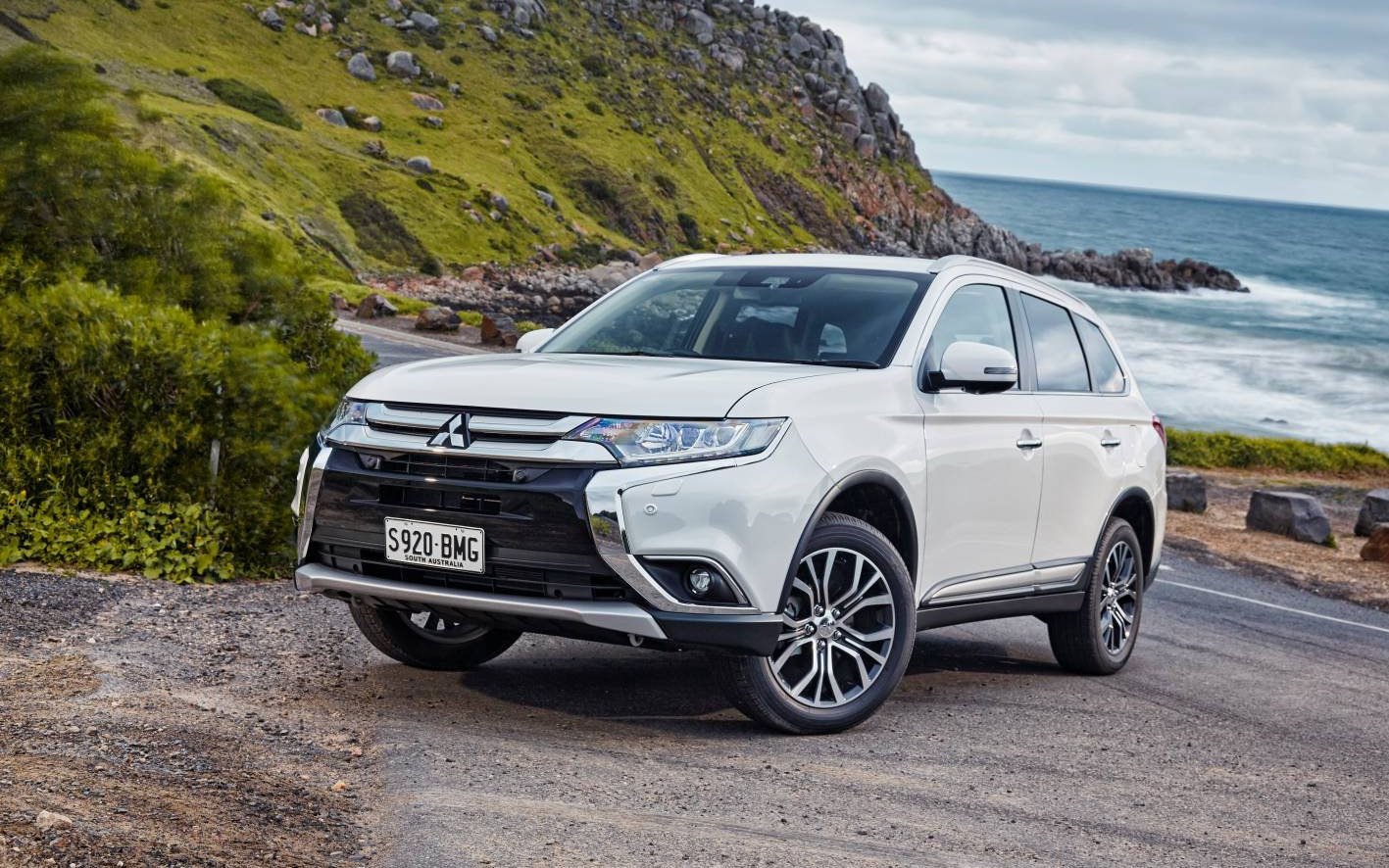
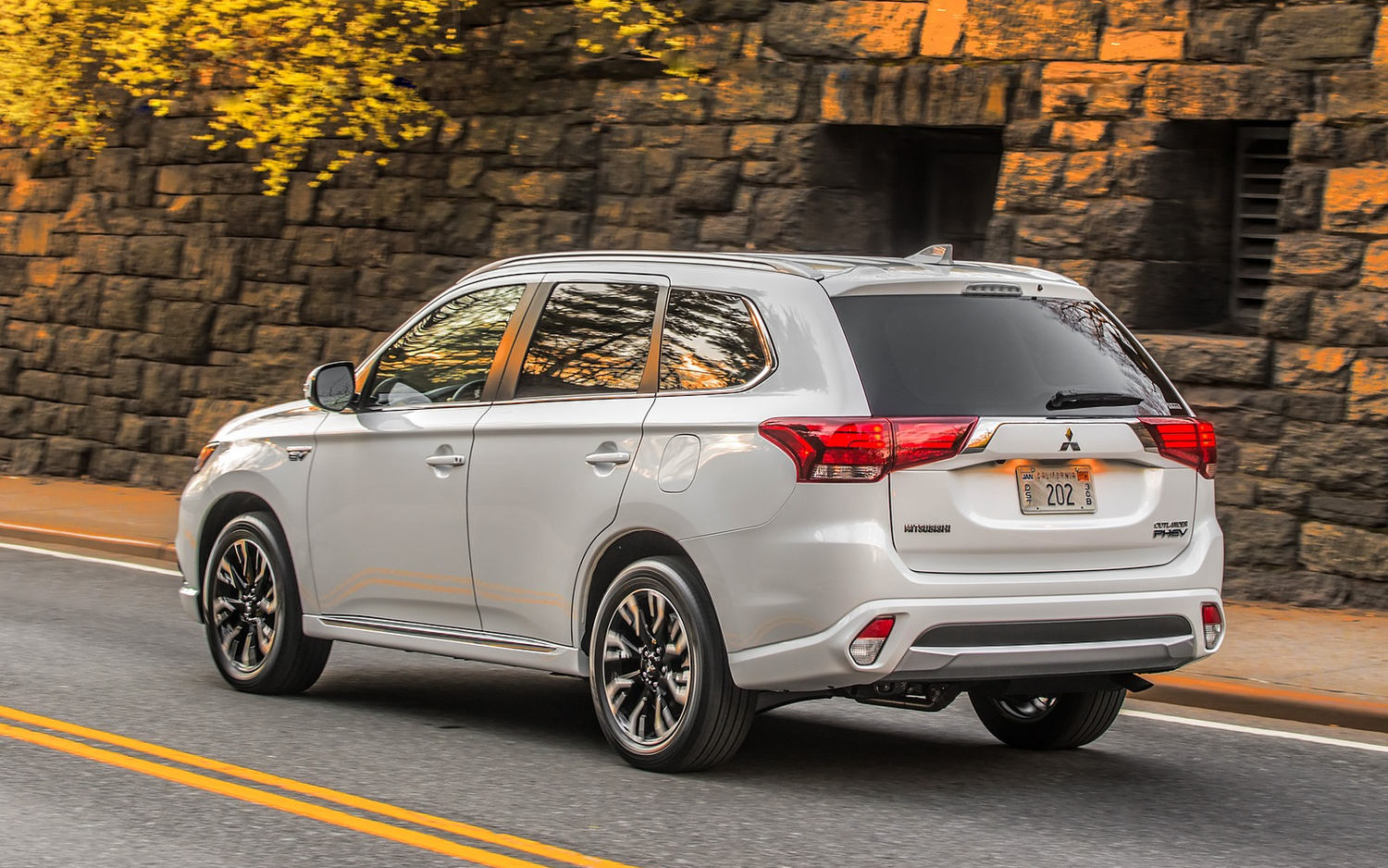
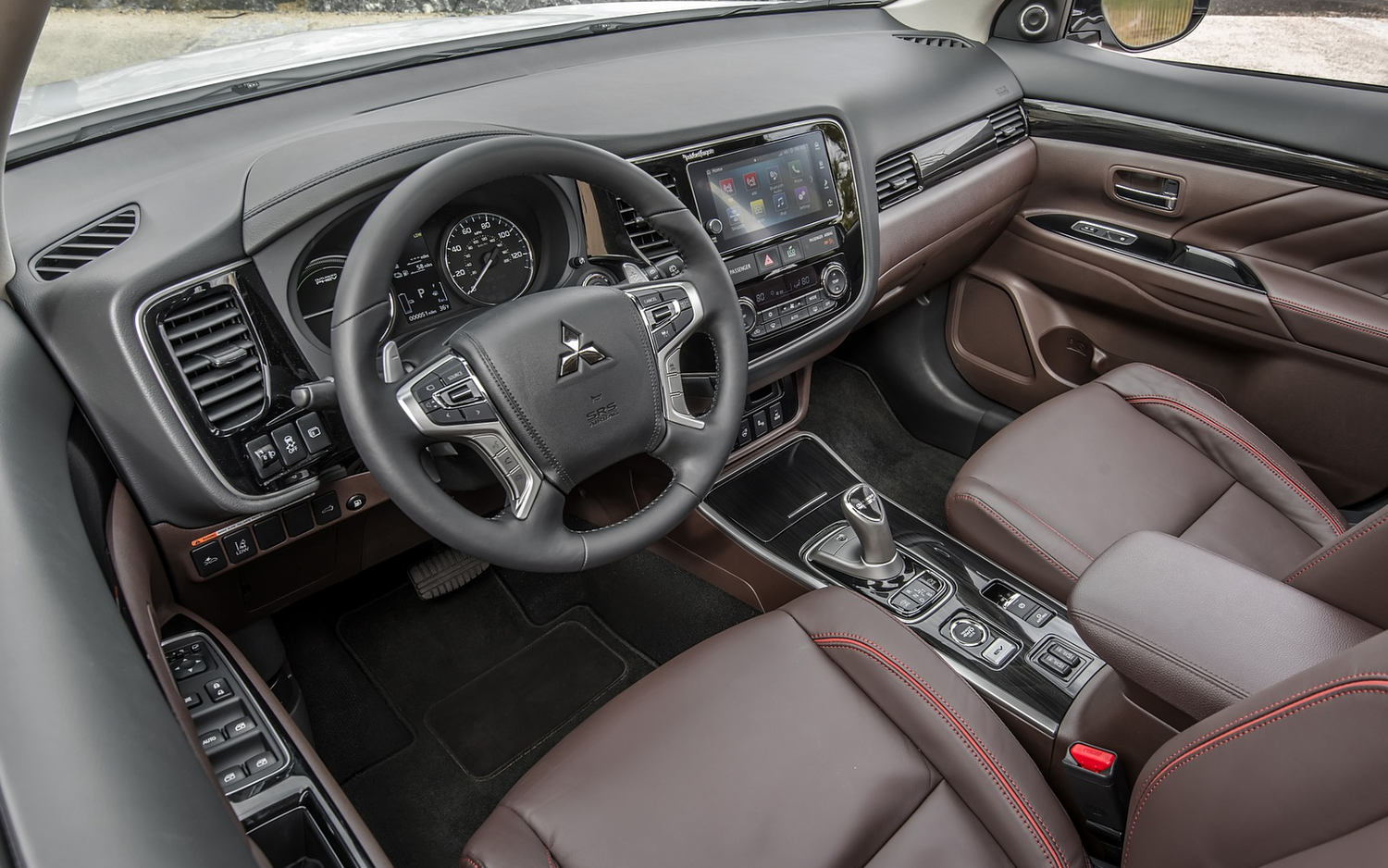
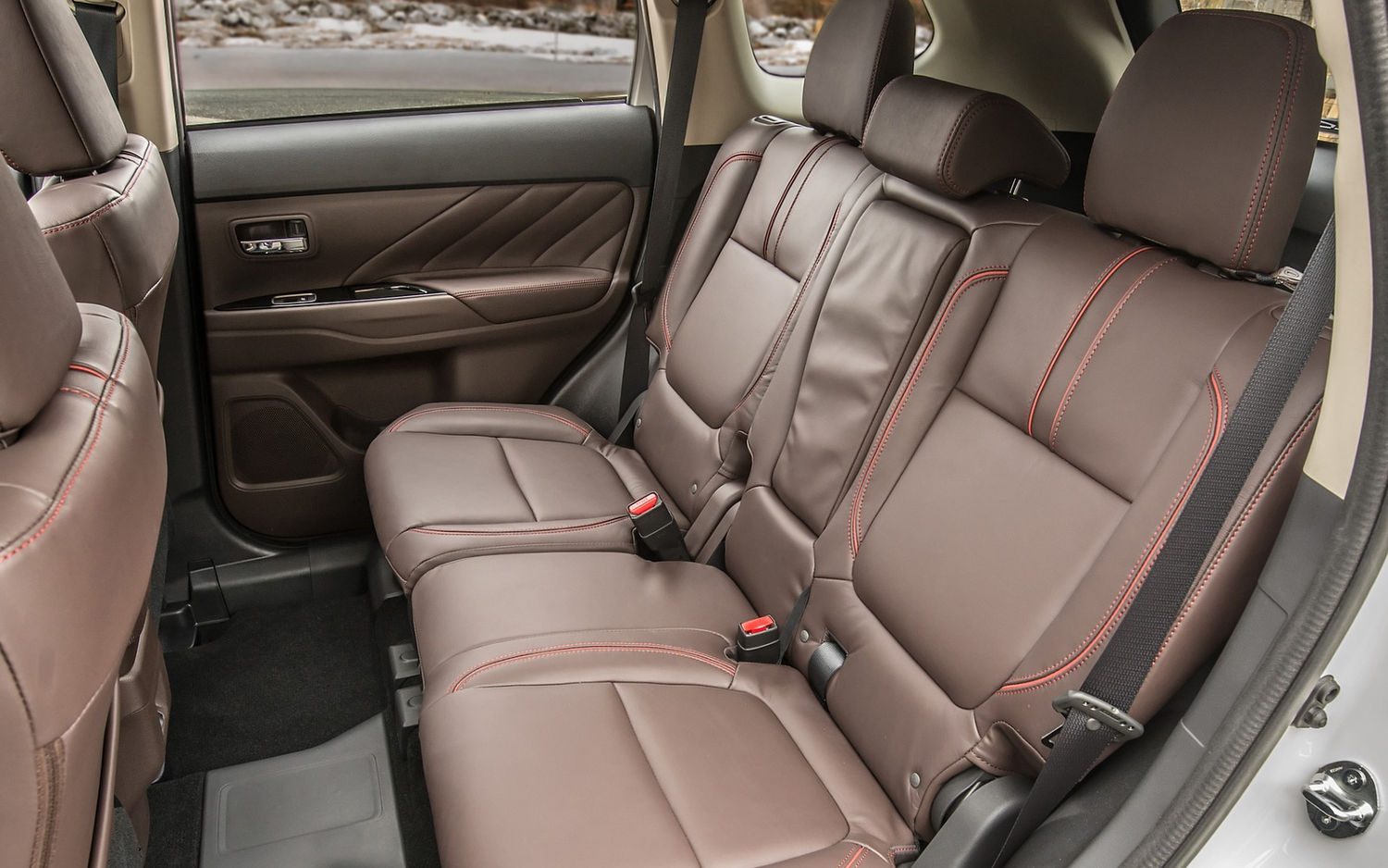
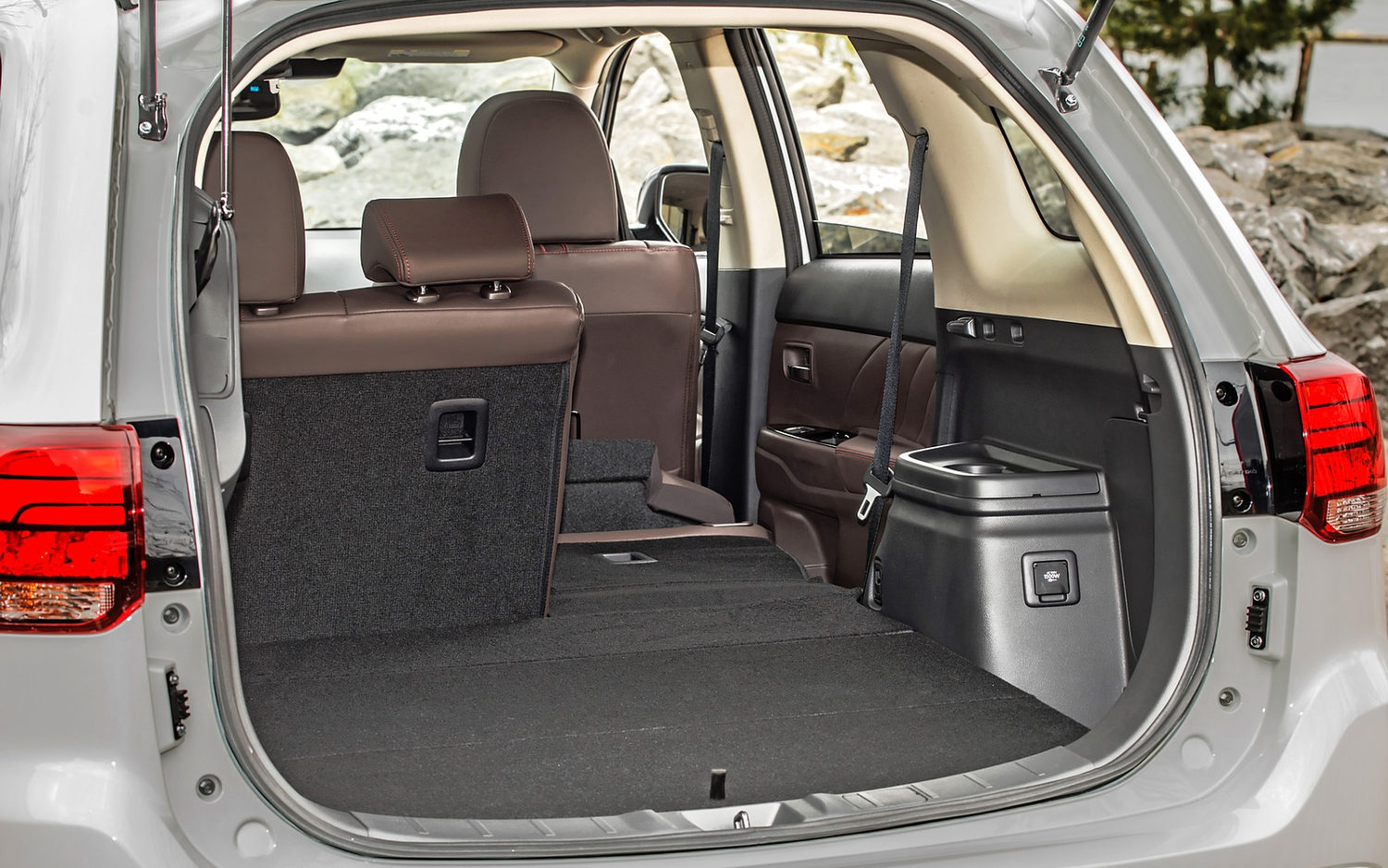
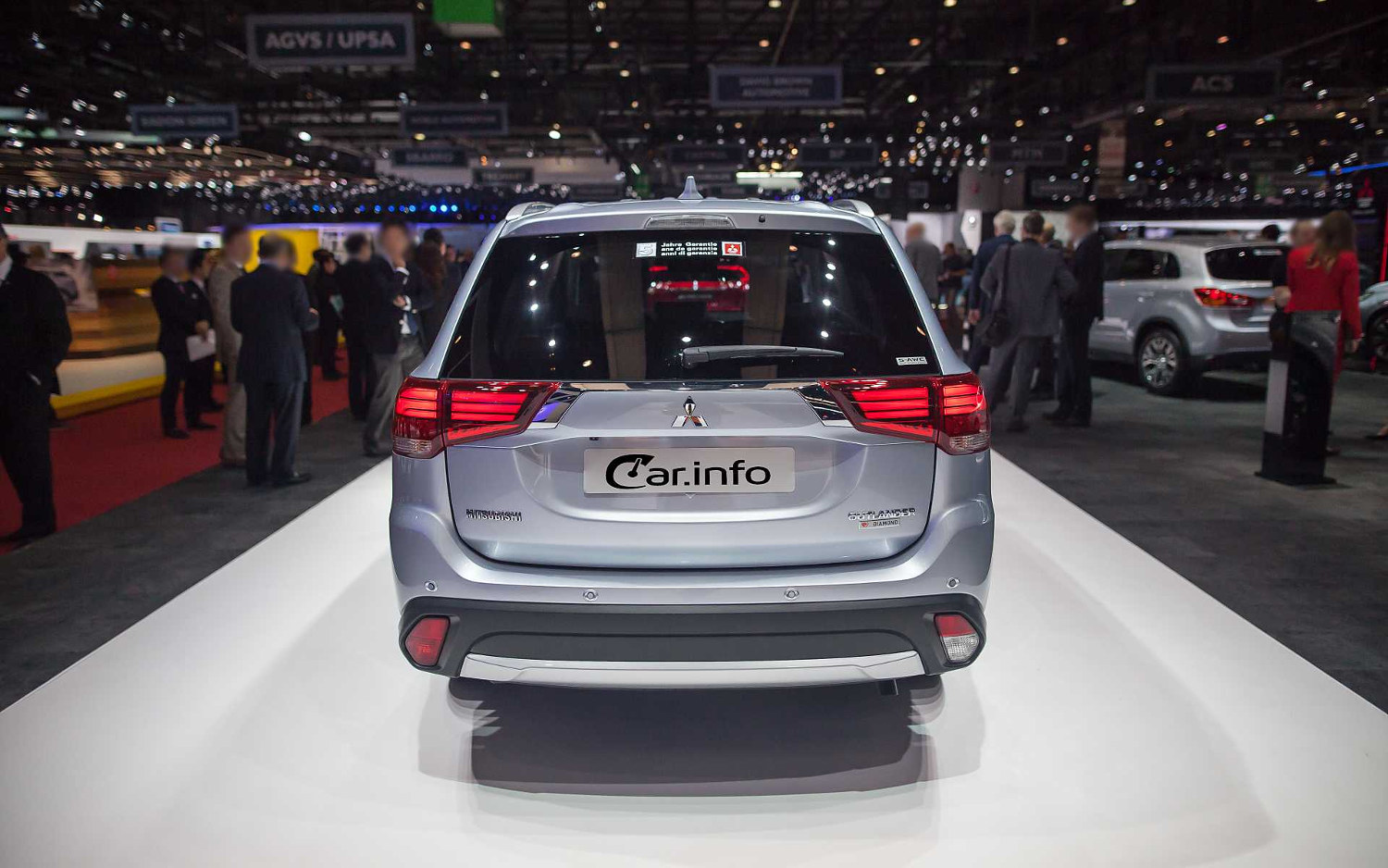
The 2021 Mitsubishi Outlander PHEV finishes near the bottom of our hybrid and electric SUV rankings. It’s outdated and less comfortable than rivals, and in a real “you had one job” scenario, its fuel economy ratings aren’t even that impressive.
Pros Decent cargo capacity Excellent warranty
Cons Looks and feels antiquated in almost every aspect Low-rent interior Below-average fuel economy ratings compared to other PHEVs Disappointing powertrain, handling, and ride quality
Mitsubishi has already revealed the next-generation Outlander, but it has still introduced several significant changes to the outgoing one for the 2021 model year. Most notably, the Outlander lineup is now only available with a plug-in-hybrid powertrain. Gone are the base four-cylinder engine and available V-6. A third row of seats is also gone because it's not compatible with the location of the PHEV's battery pack. The latter now has a larger capacity than before and offers more all-electric driving range (24 miles versus 22), and the PHEV's top speed increases from 79 to 83 mph during all-electric operation. The plug-in's old 2.0-liter four-cylinder engine is replaced with a more powerful 2.4-liter version. And now with a bigger rear-mounted electric motor, the PHEV's combined horsepower increases by 31 to 221 horses total.
Pros Plug-in-hybrid powertrain feels responsive, adjustable regenerative-braking settings, substantial cargo space.
Cons No longer offers a third row, considerably more expensive than before, other plug-in hybrids are much more efficient.
For 2021 New battery pack offers more electric range than last year's model.Updated software reduces vibrations and noise from the engine.Limited Edition trim introduced with more standard features.
Pros Generous list of standard features Plug-in hybrid powertrain provides about 24 miles of all-electric range Standard all-wheel drive for enhanced traction on slippery surfaces
Cons Poor cabin quality with lots of creaks and rattles Weak acceleration and vague steering make for a bad driving experience It doesn't offer a third row like the regular Mitsubishi Outlander Small gas tank limits overall range
After a redesign just last year, the Mitsubishi Outlander gets a few more updates for 2017. The previously optional 6.1-inch touchscreen and rearview camera are now standard. New optional features include Apple CarPlay and Android Auto, automatic high beams, a 360-degree camera system and a heated steering wheel. Mitsubishi has also eliminated its optional navigation system from the options list. Finally, all-wheel drive is now available on the base ES trim.
Pros Generous list of standard features Standard three-row seating.
Cons Slow acceleration with the base four-cylinder Some desirable features are available only on pricey and thirsty GT Limited Mitsubishi dealer network.
The 2017 Mitsubishi Outlander provides functional family appeal for a reasonable price, but the powertrains are weak, the third-row seat space is tiny, and the infotainment features are behind the times.
Pros Pleasant ride Available active safety features Third-row seat can be used in a pinch Advanced all-wheel-drive system available Quiet cabin
Cons V-6 model too expensive Bland, unassuming looks Infotainment behind the curve Tiny third row
The 2017 Mitsubishi Outlander ranks 17 out of 18 Compact SUVs. The 2017 Mitsubishi Outlander has a high-quality interior and confidence-inspiring safety scores. It's also one of few compact SUVs that comes with a third row of seats, but they're too small for adults. It all goes downhill from there: dull performance, a rough ride, a hard-to-use infotainment system, and subpar predicted reliability.
Pros Quiet cabin High-quality interior materials Standard third-row seating
Cons Poor reliability rating Underpowered engine Rough ride Few standard features