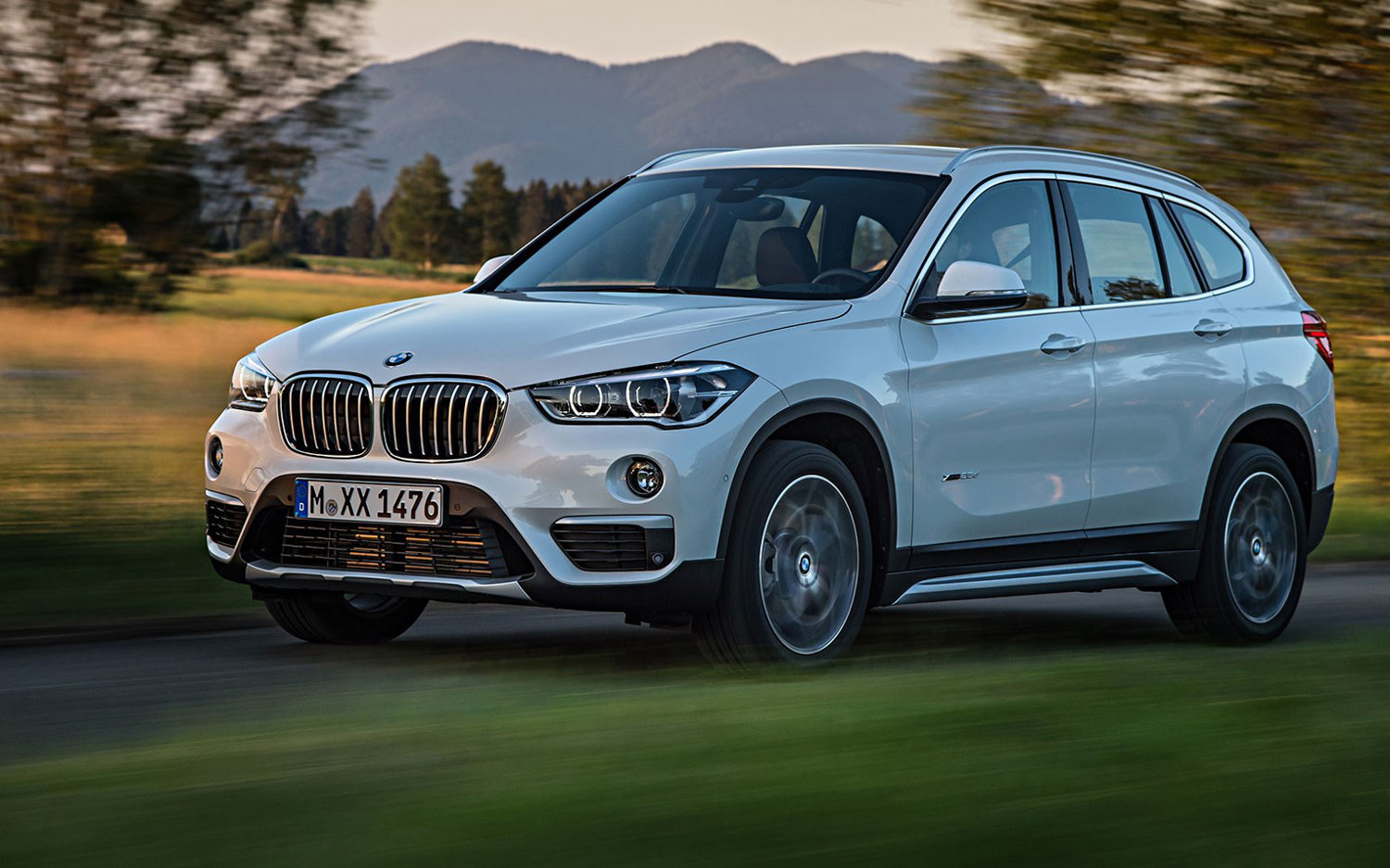
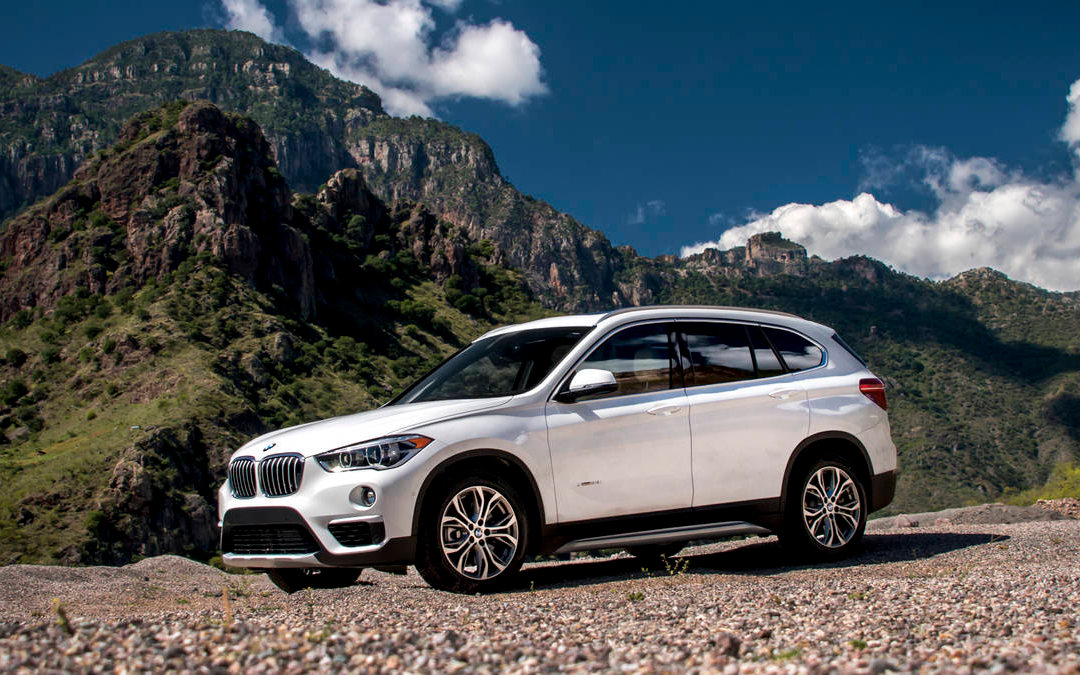
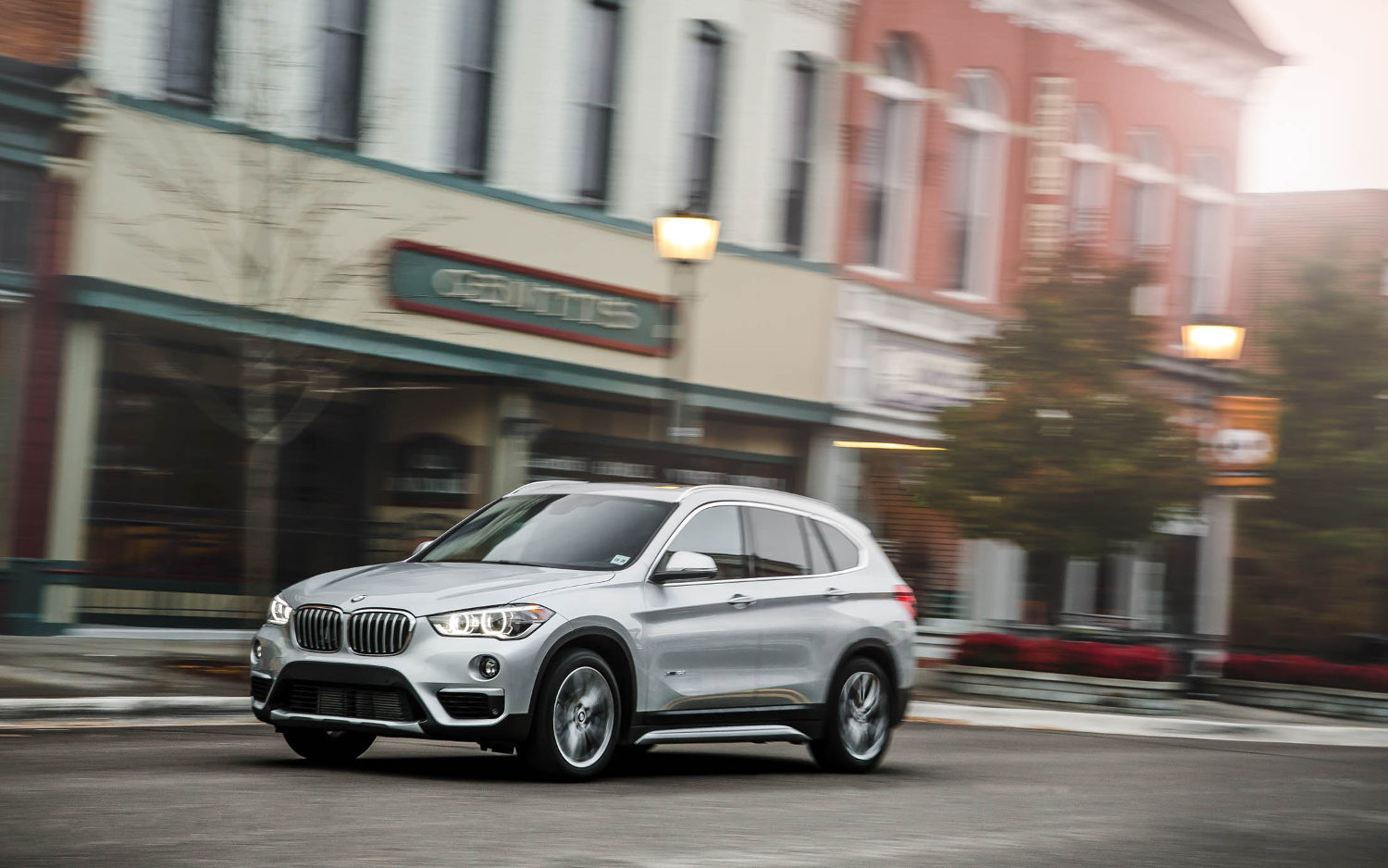
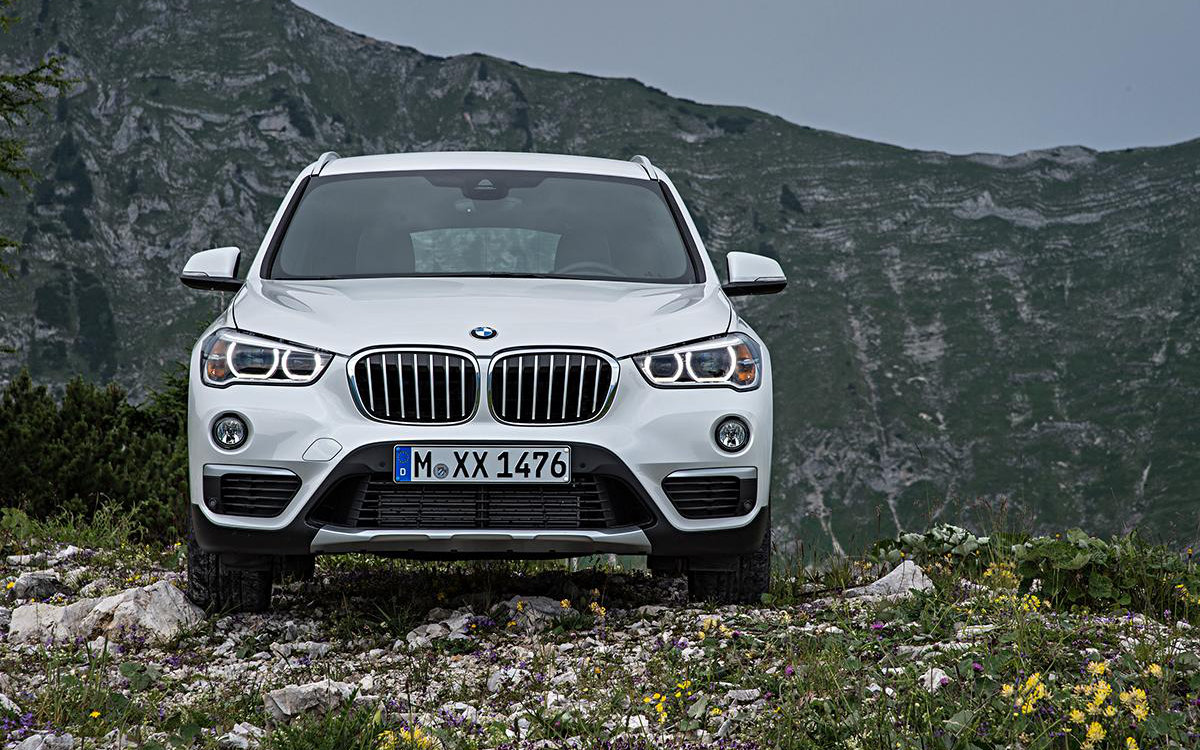
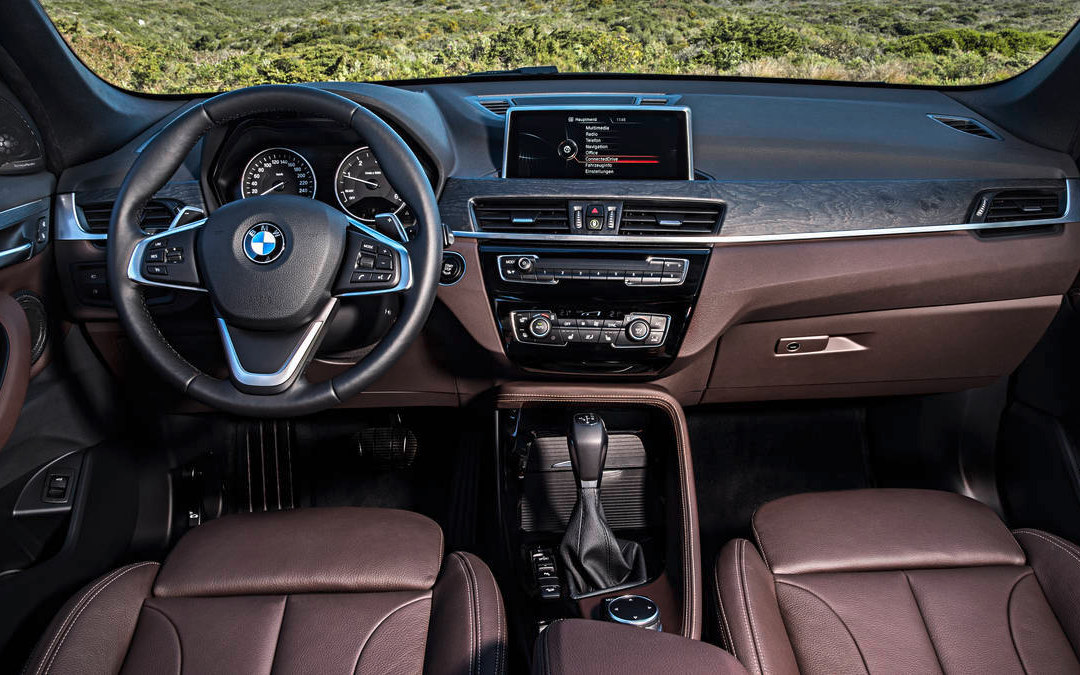
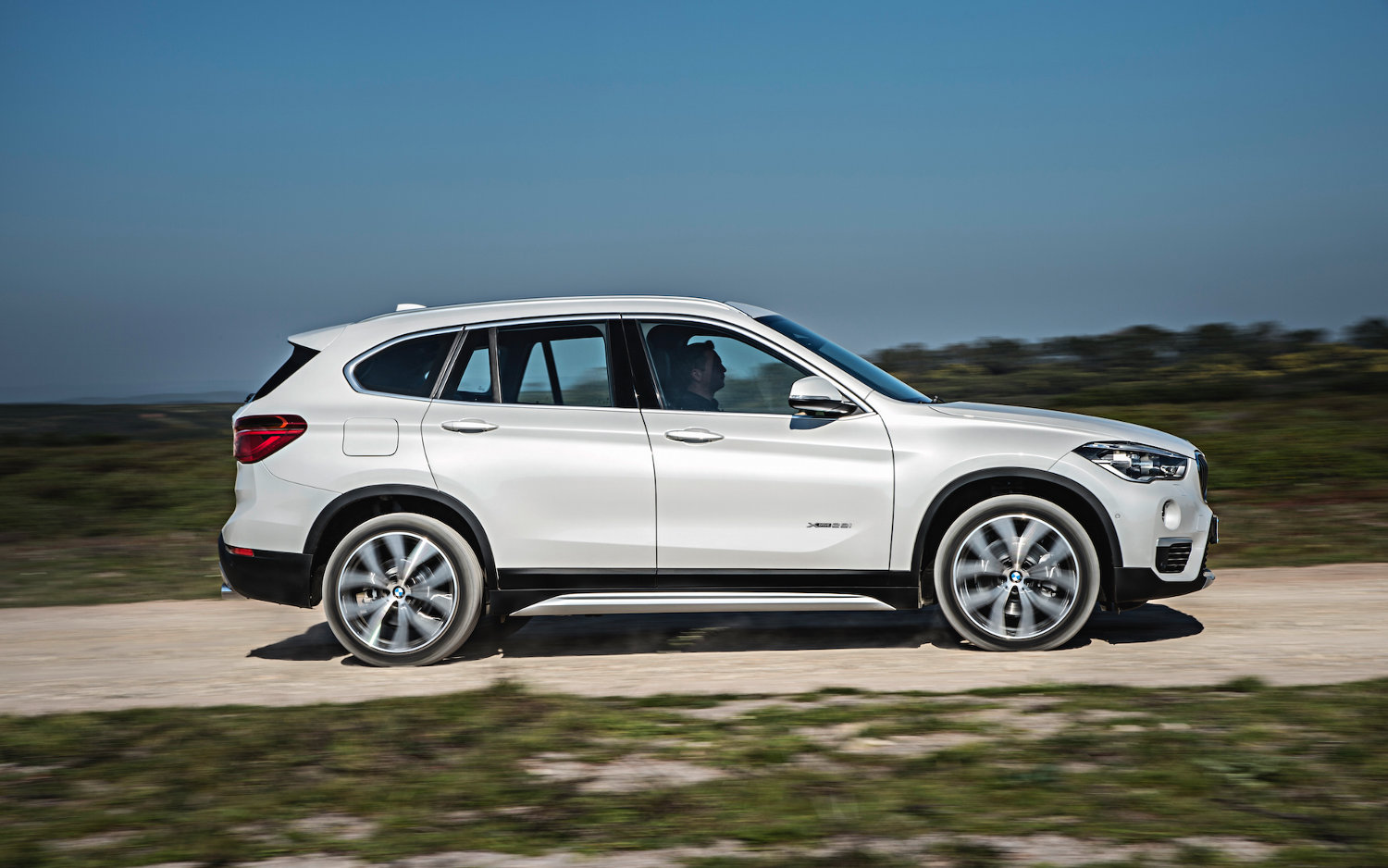
Pleasant to drive and built to a price, the 2017 BMW X1 is a mainstream subcompact crossover that is pleasant to drive but lacks the brand's "ultimate driving machine" performance. The 2017 BMW X1 sits apart from other BMWs. With its front-wheel-drive, Mini-sourced platform, is the brand's entry-level subcompact crossover and a more mainstream, less passionate vehicle than you would expect from BMW. It is offered as the front-drive sDrive28i and the all-wheel-drive xDrive28i, the former added for 2017.
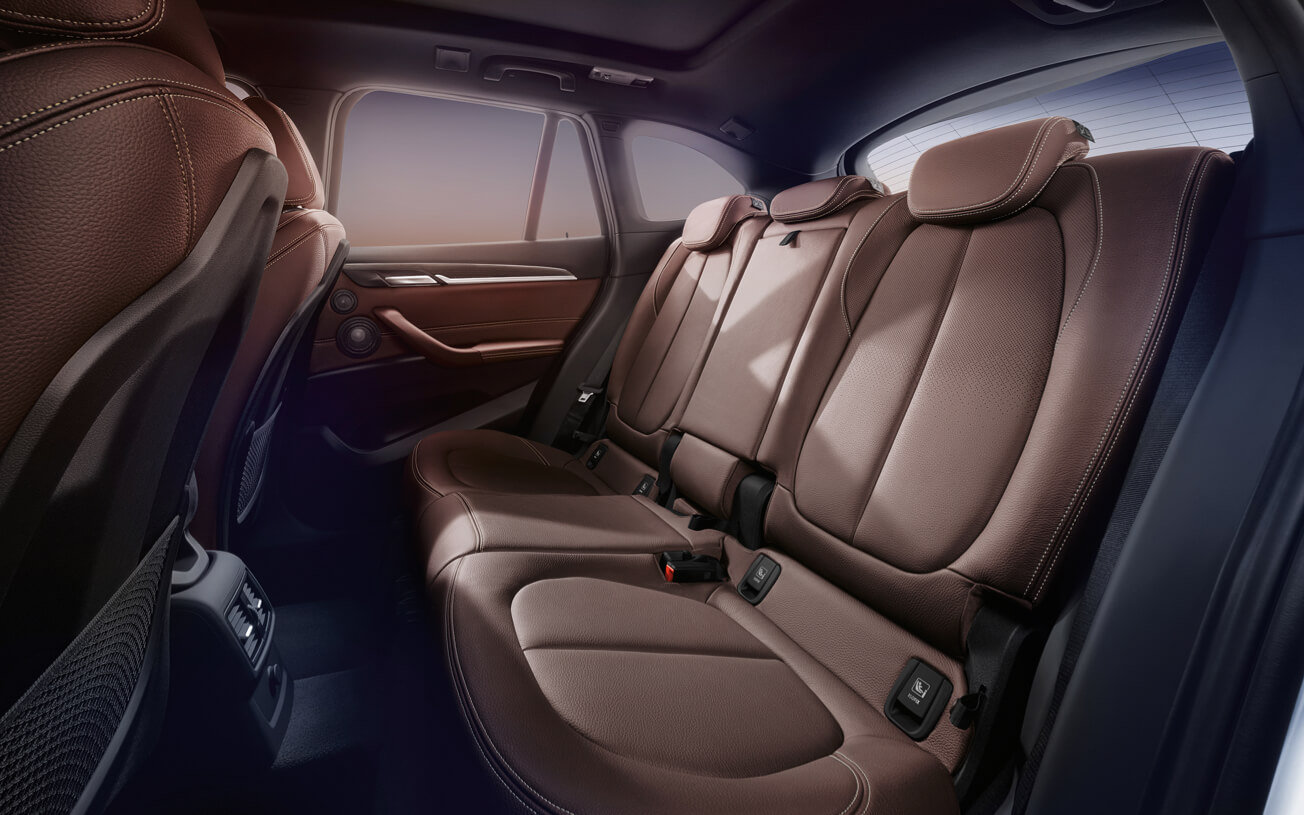
Pros Crossover utility Gutsy turbo 4-cylinder Good rear-seat space Fairly thrifty fuel economy Competitive price of entry
Cons Prices climb quickly with options Some cost-cutting in interior trim Driver assists cost extra Poor front seats
The BMW X1 offers shoppers in the compact luxury crossover category an intriguing blend of performance, comfort and utility. If you're looking for something that cleverly blurs the line between a low-slung sedan and a high-riding SUV, the X1 is worth a test drive. The 2017 X1 is BMW's smallest and most affordable utility vehicle, yet it offers a surprising amount of passenger and cargo space. It delivers trademark BMW quality inside and out, and despite having less power than earlier versions, the X1 still accelerates and handles better than most in its class.
Pros Strong performance from its turbocharged engine One of the best-handling compact luxury crossovers you're going to find More rear passenger and cargo room than most other competitors High-level interior fit, finish and materials
Cons Standard sport suspension can be jarring on rough roads Steering feels less precise than some of BMW's sport sedans.
The 2017 BMW X1 ranks 1 out of 5 Luxury Subcompact SUVs. The 2017 BMW X1 finishes near the top of our luxury subcompact rankings because of its good performance, upscale and spacious interior, and outstanding cargo space for the class.
Pros Quick acceleration Athletic handling Roomy back seat Outstanding cargo capacity
Cons No standard driver assistance features
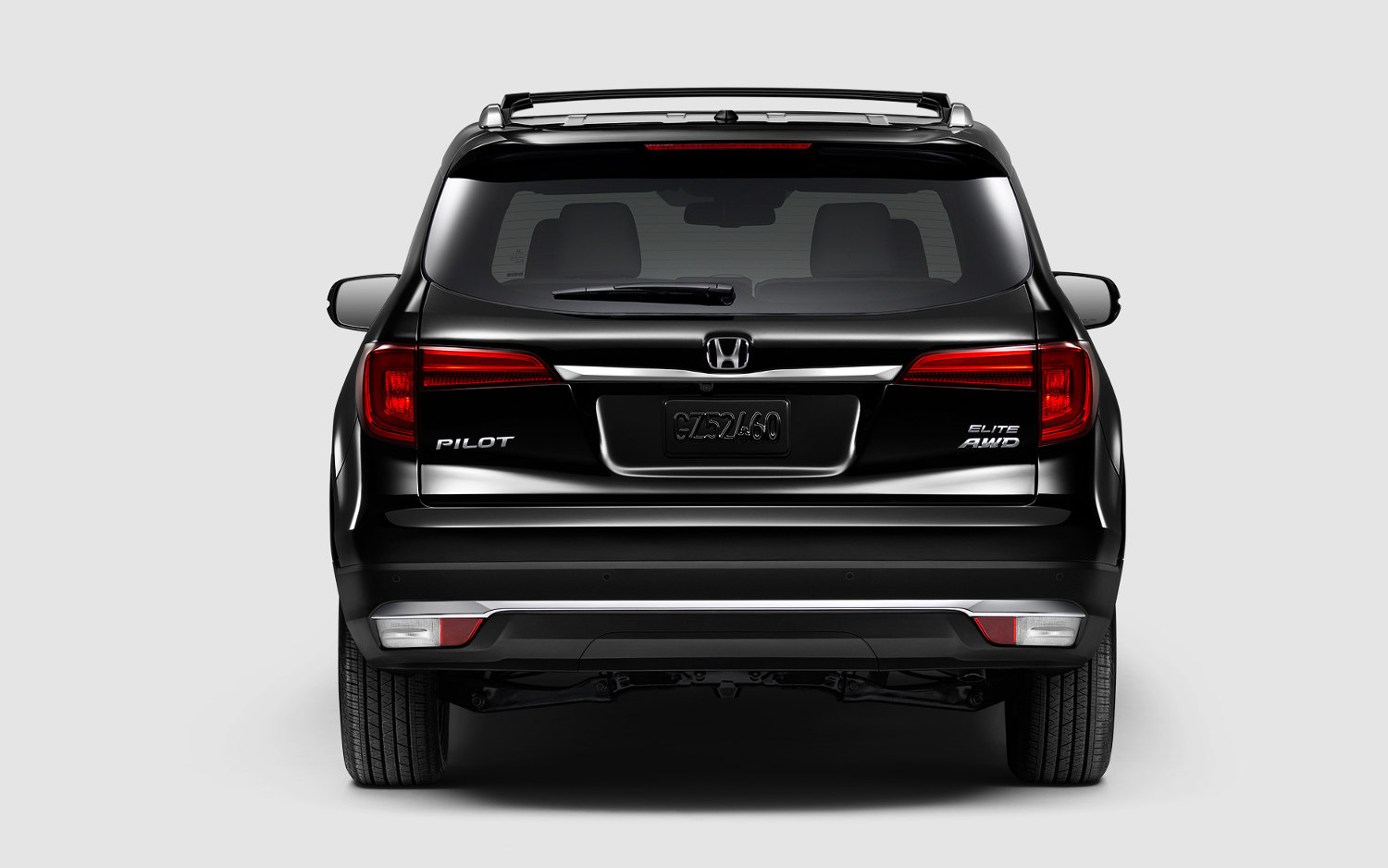
Apple CarPlay and Android Auto compatibility has been added to Pilots with the 8-inch touchscreen (EX and above). Otherwise, the Pilot carries over unchanged.
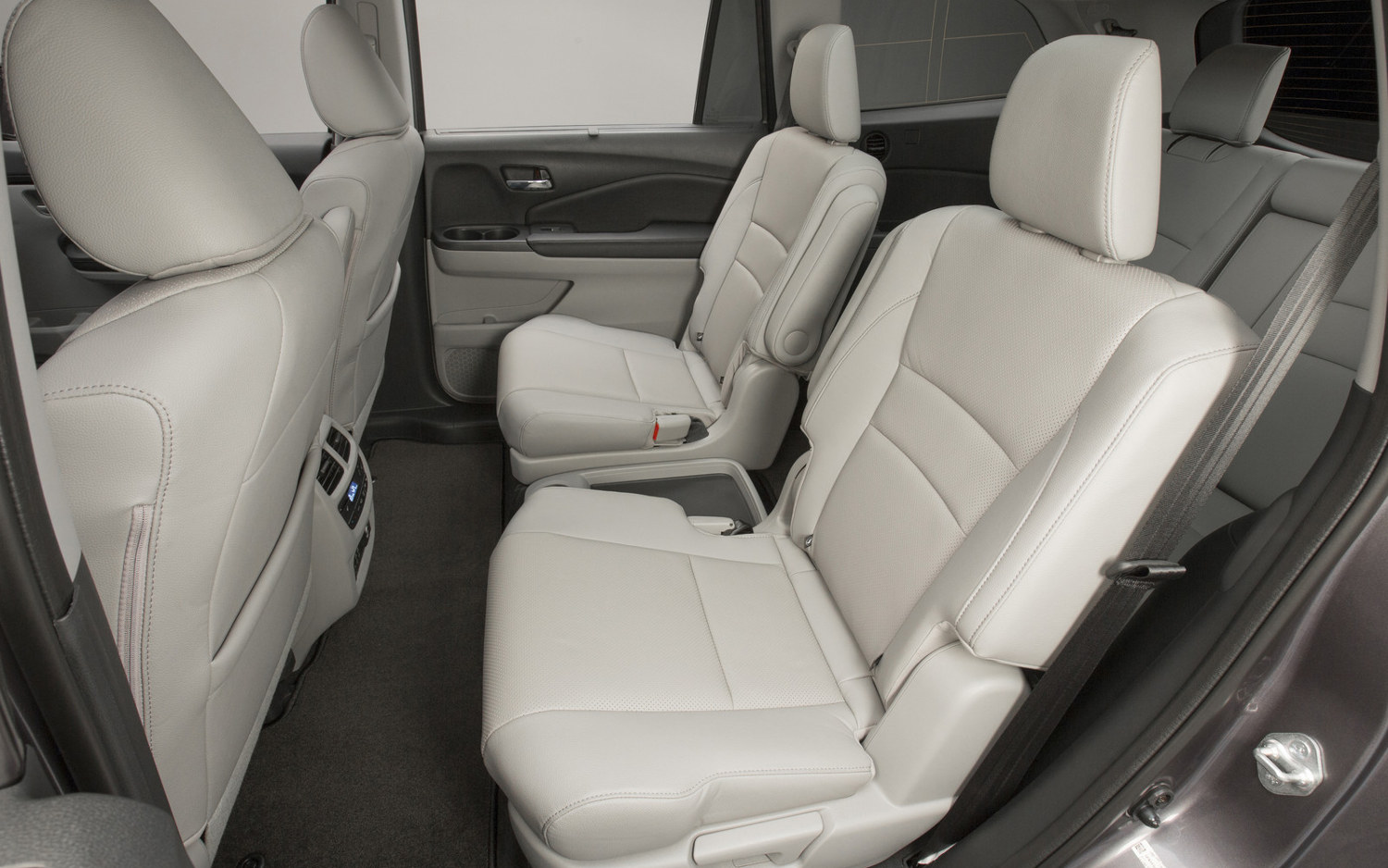
Pros A versatile, roomy interior with spacious rear seats Ride is smooth and compliant in most conditions Better fuel economy than rivals Multiple clever storage compartments
Cons Nine-speed automatic transmission lacks refinement Collision warning and adaptive cruise control are overly sensitive Third-row access is narrow Touchscreen interface isn't very intuitive
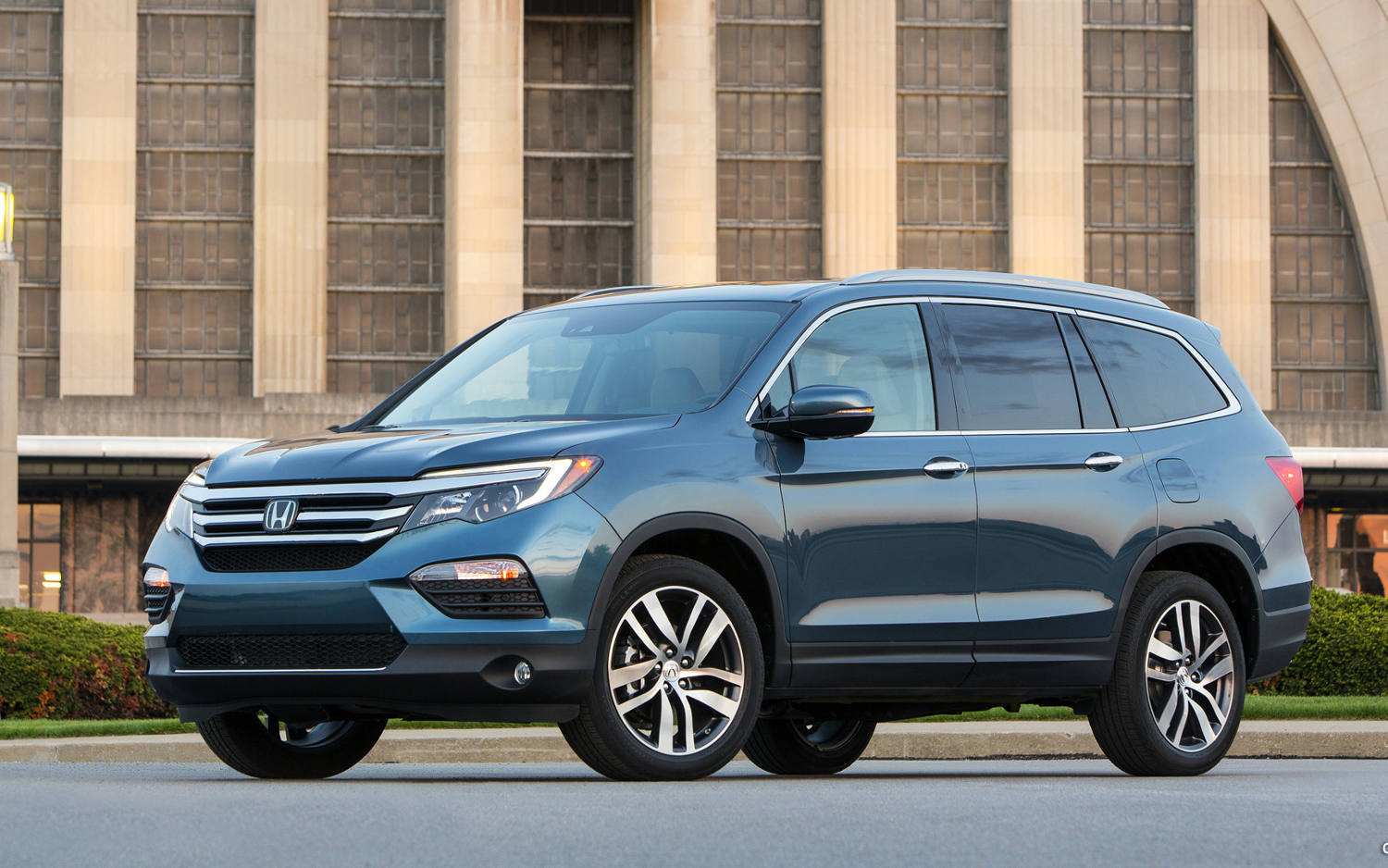
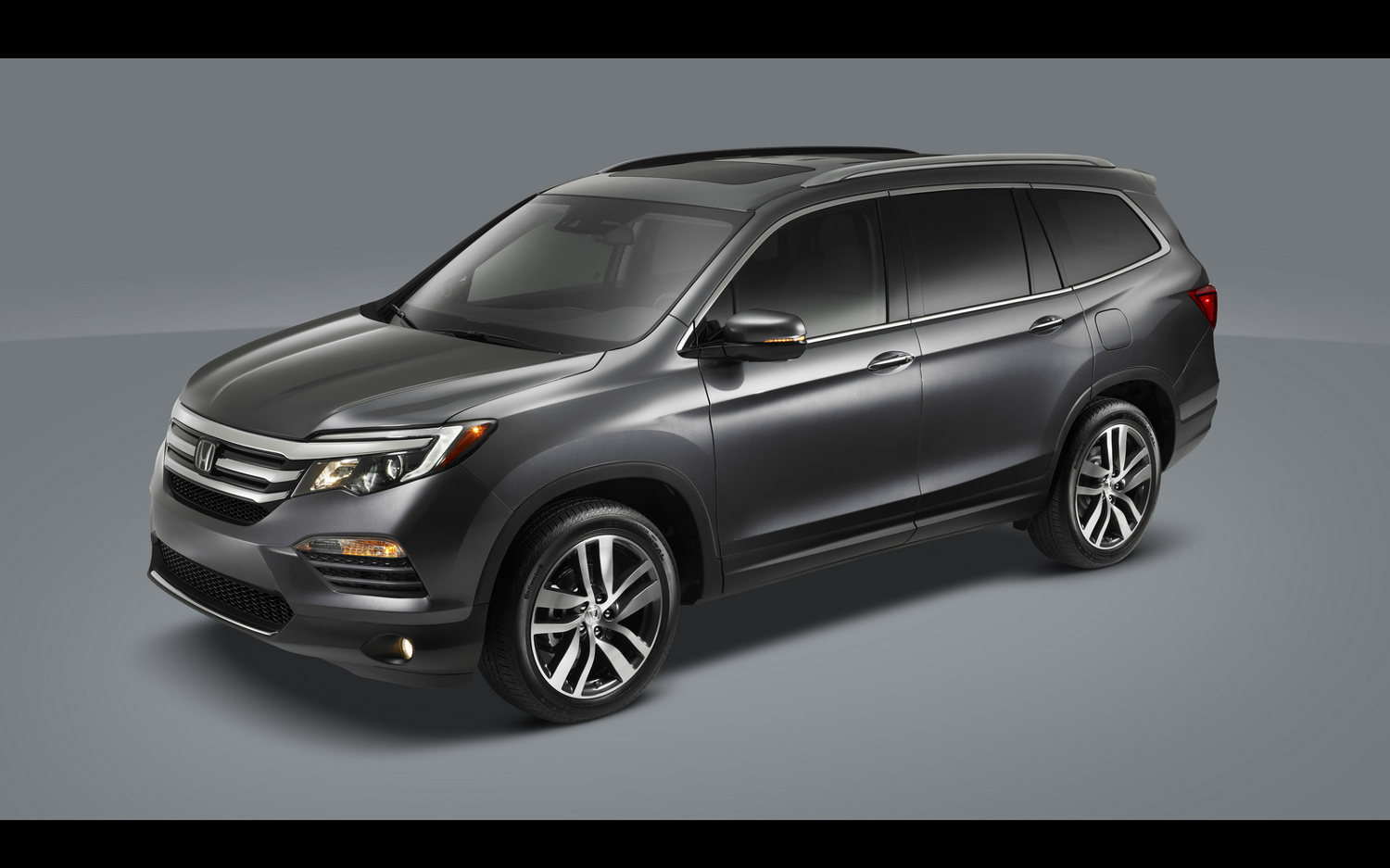
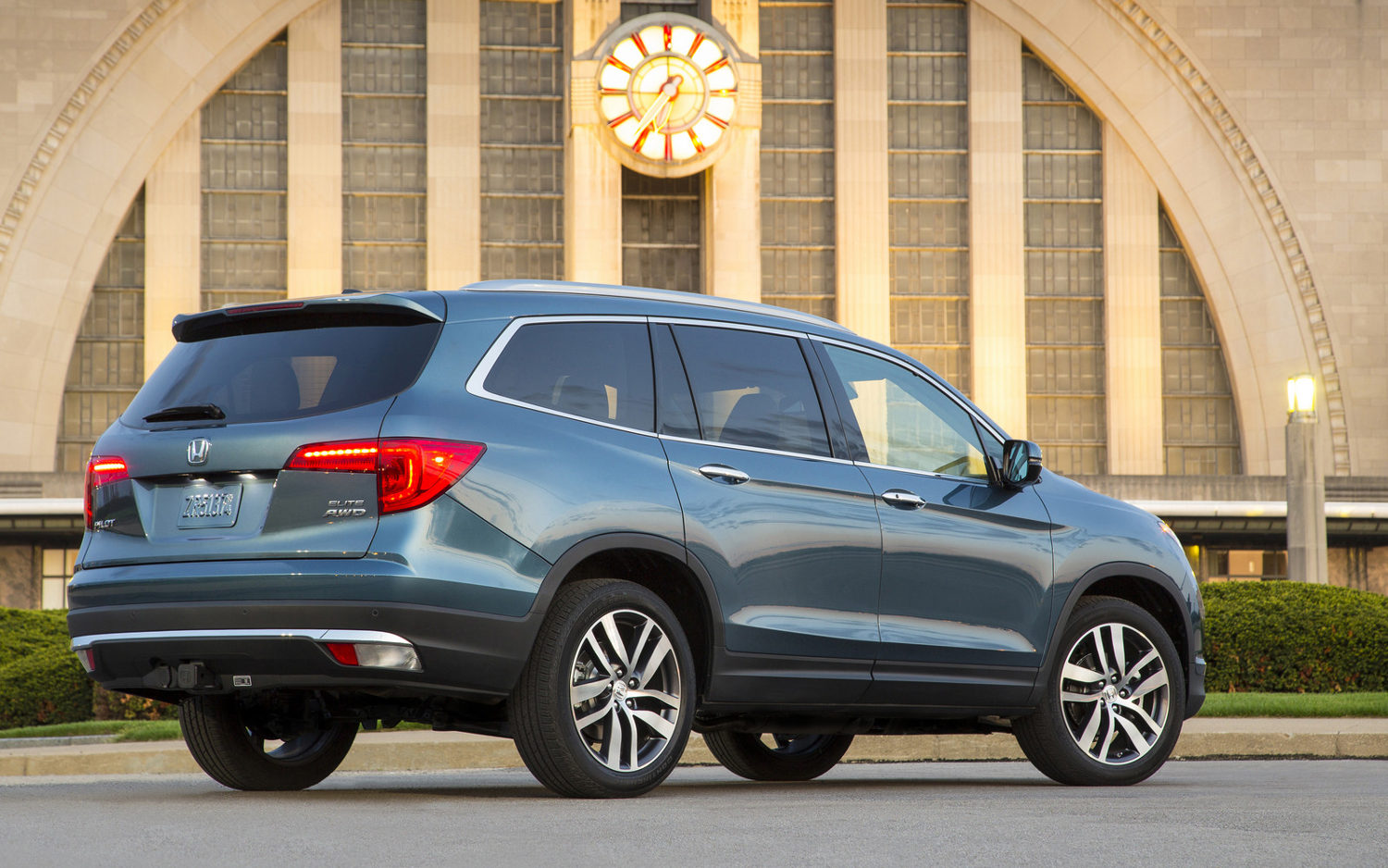
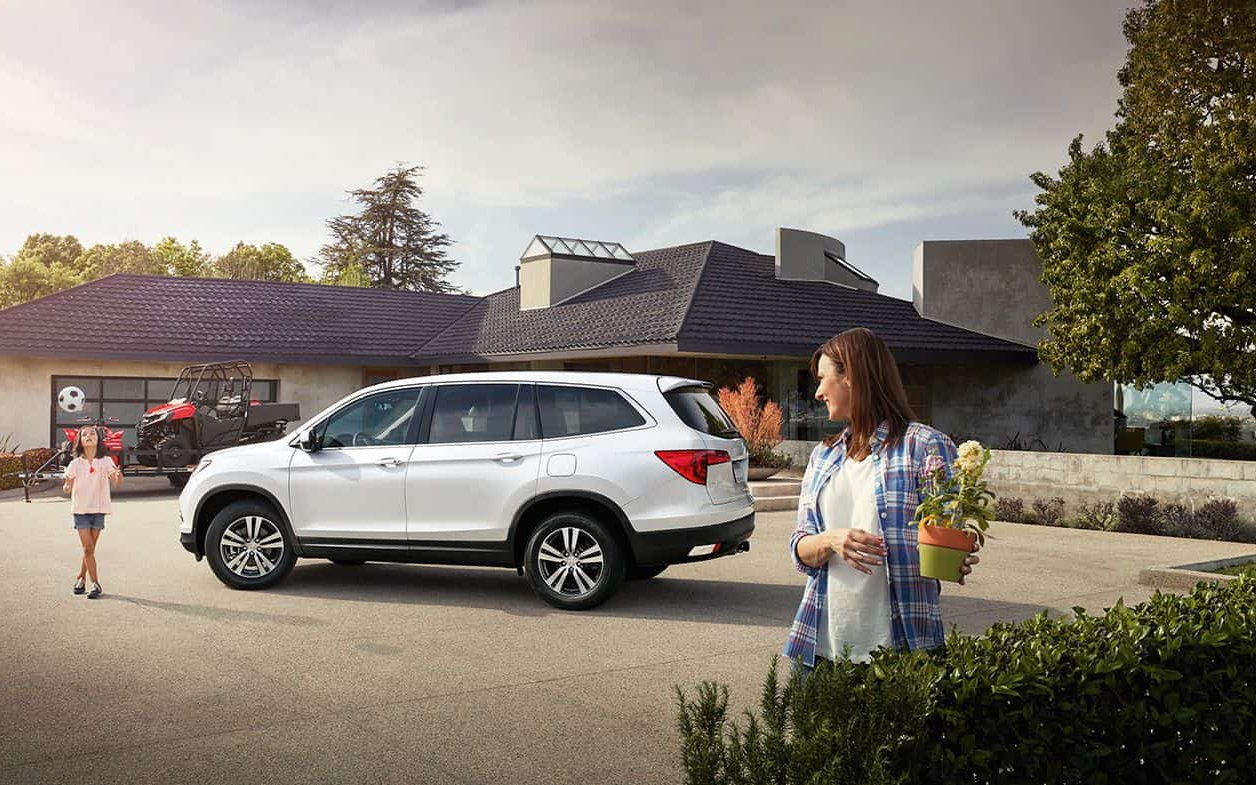
The 2017 Honda Pilot ranks 3 out of 18 Midsize SUVs. Though it’s a little more expensive than other midsize SUVs, its standard V6, roomy cabin, and available active safety features make the 2017 Honda Pilot a smart choice.
Pros Plush, roomy seats Adult-friendly third row Cavernous cargo bay Great safety scores
Cons Complicated audio and climate controls
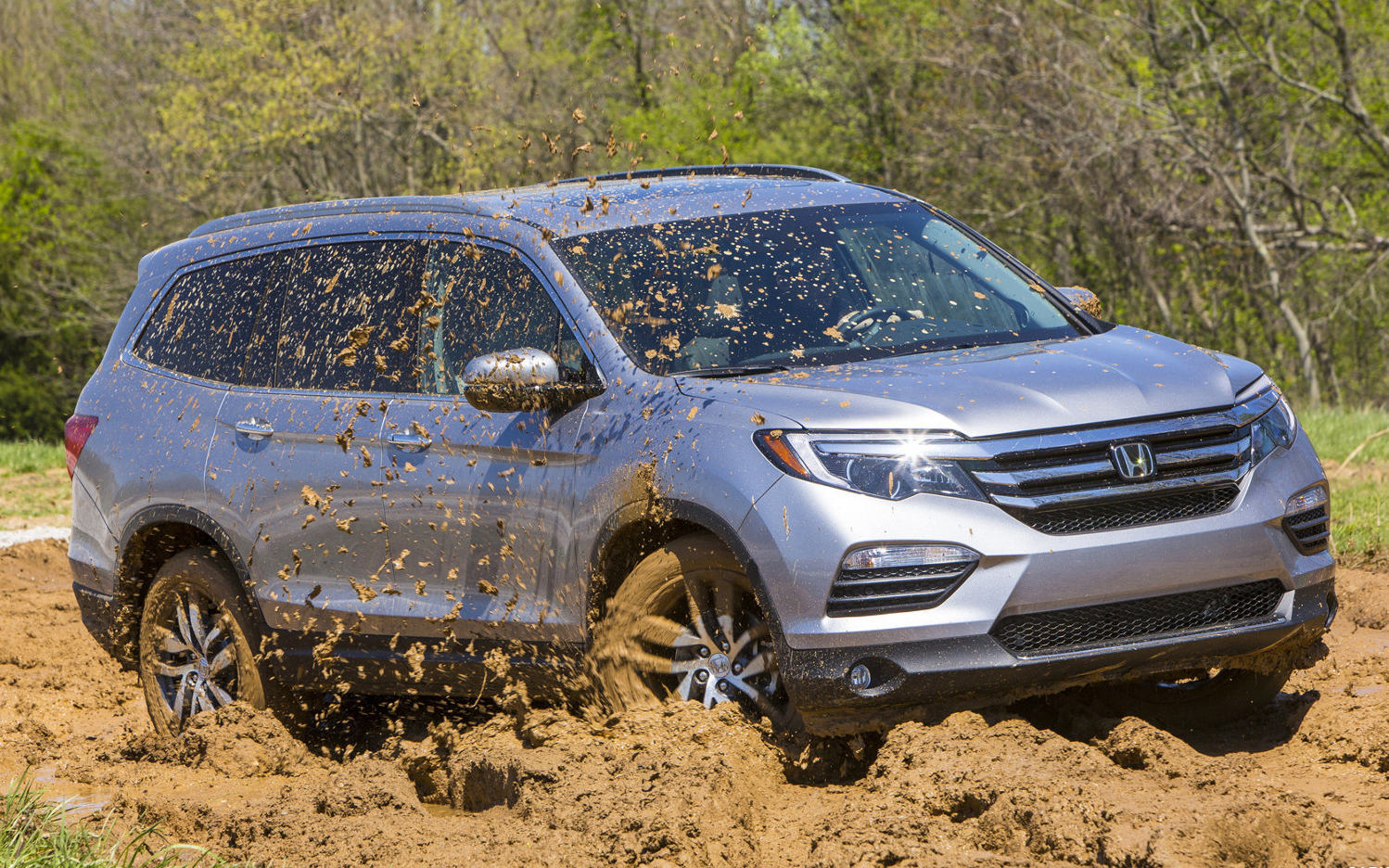
The 2017 Honda Pilot is a capable, refined crossover SUV with all the goodness of a minivan, save for the sliding doors. The Honda Pilot was one of the first big crossovers to completely shun the old SUV idiom. No blocky, bluff styling, no truck-like frame, no rugged low-ratio transfer case or knobby off-road tires. The first Pilot had slim roof pillars, a cushy Civic-like cabin, and lots of seats.
Pros The boxy look's been banished Lavish new interior light-years ahead of the old Better seats, better cargo space Android interface, lots of ports for plugs Gas-mileage gains
Cons Maybe not as distinctive in styling 9-speed automatic can get confused Blind-spot monitors only on most expensive model One-touch seats only on EX-L and pricier models