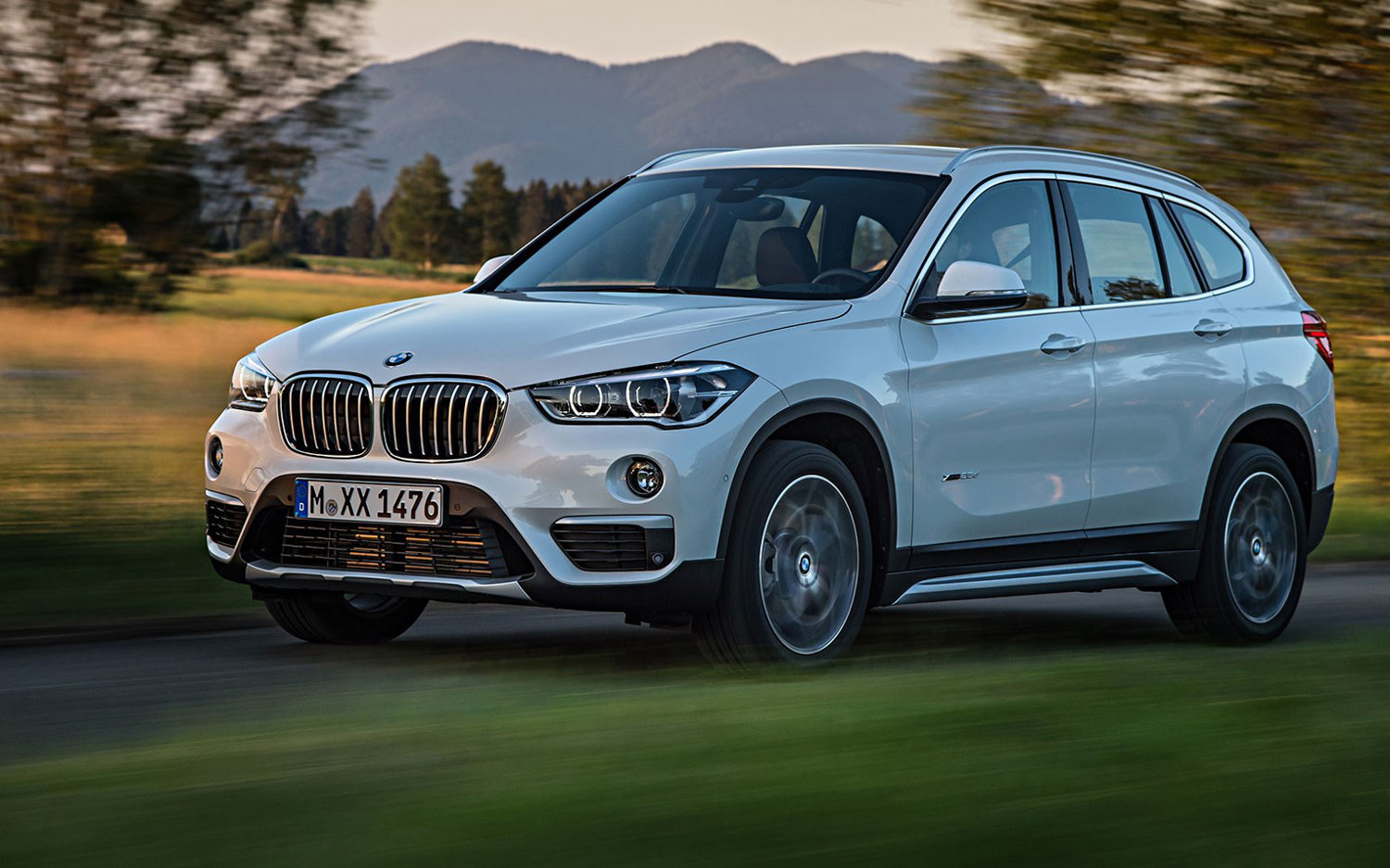
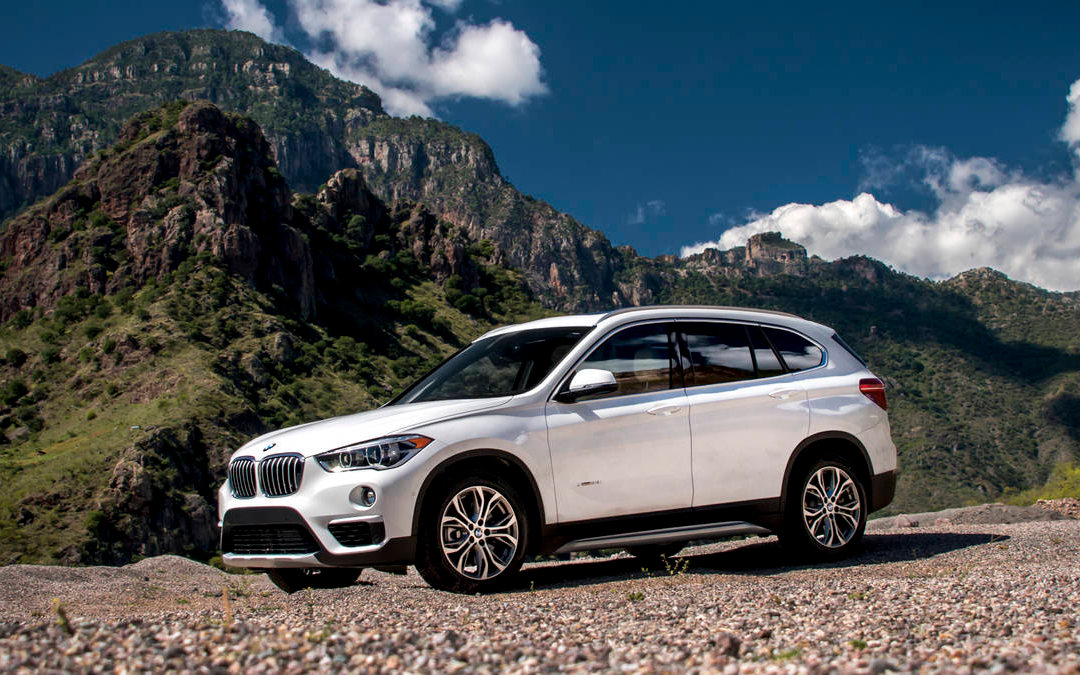
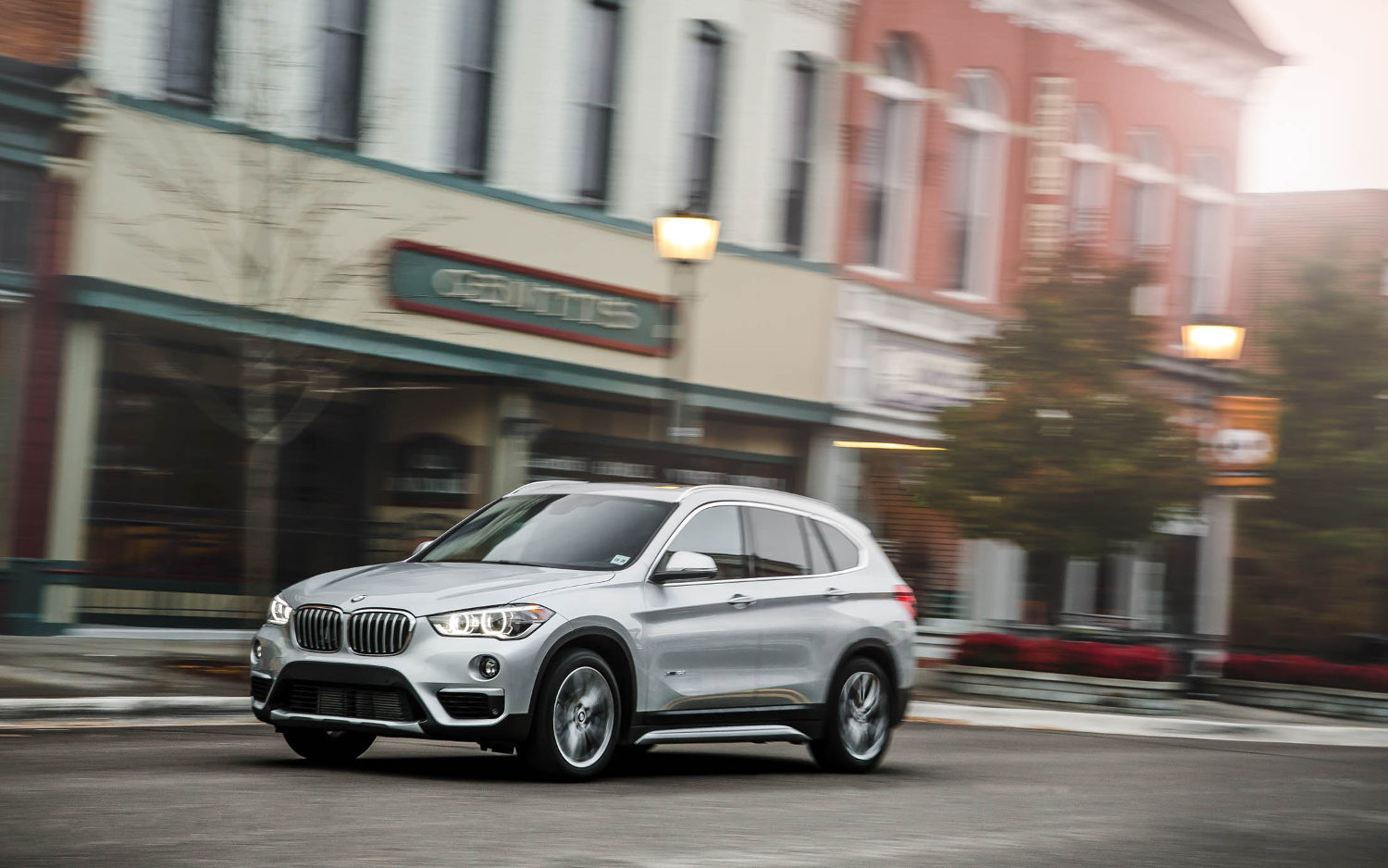
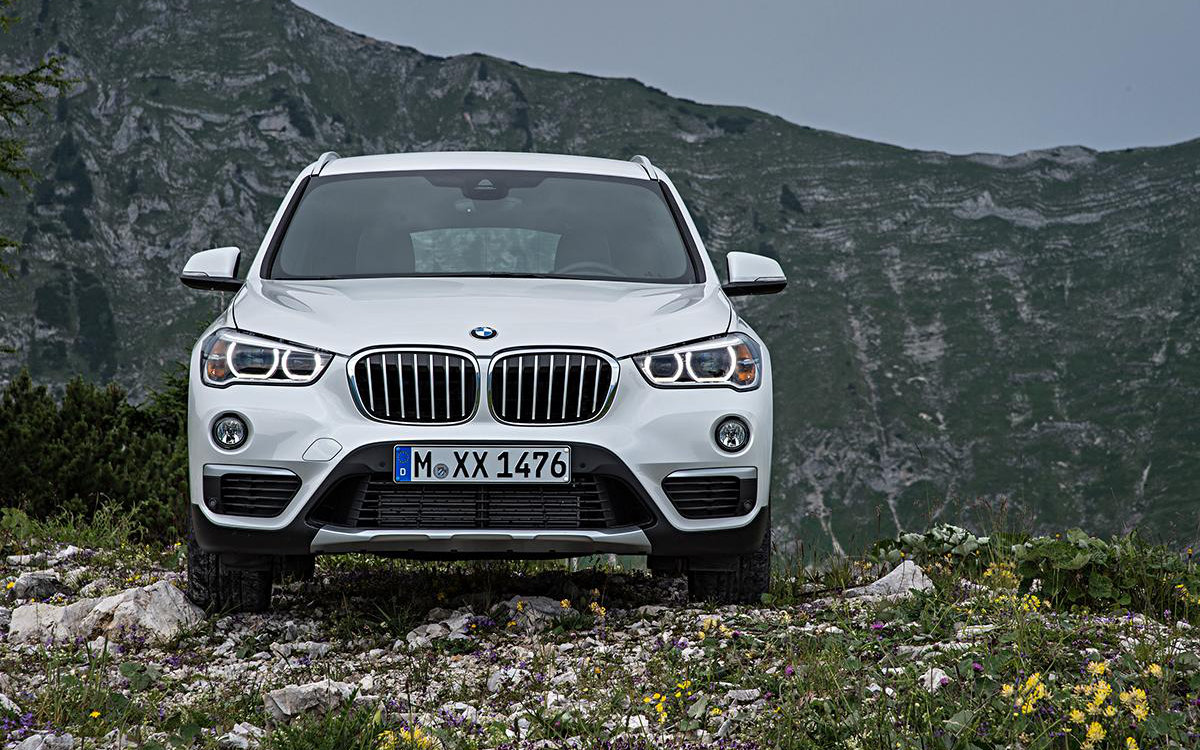
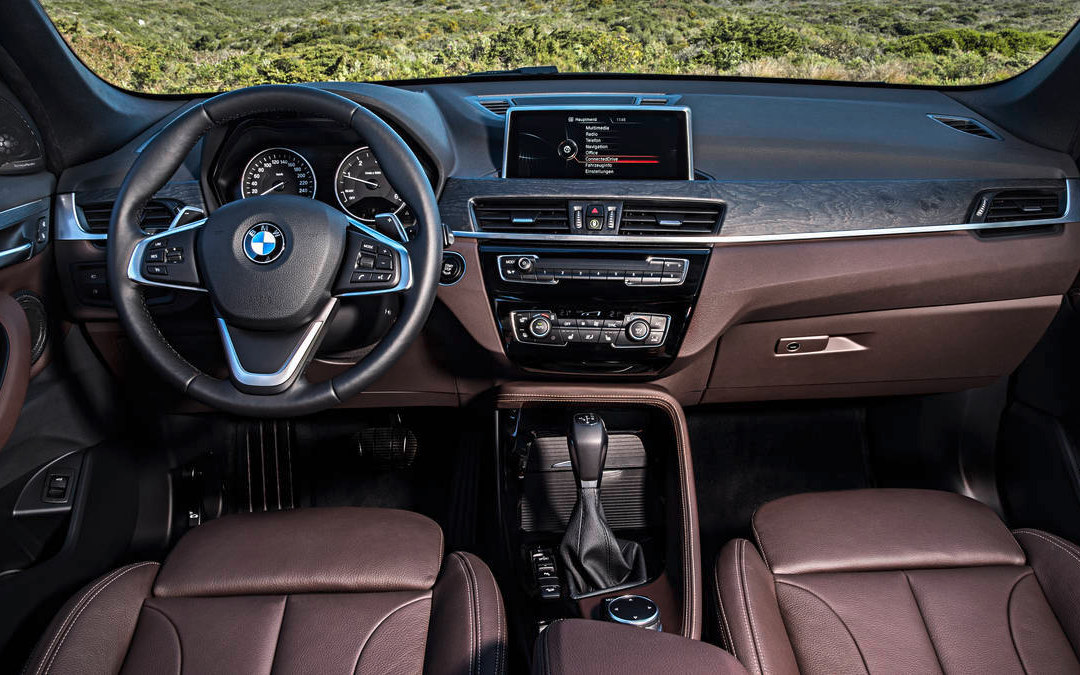
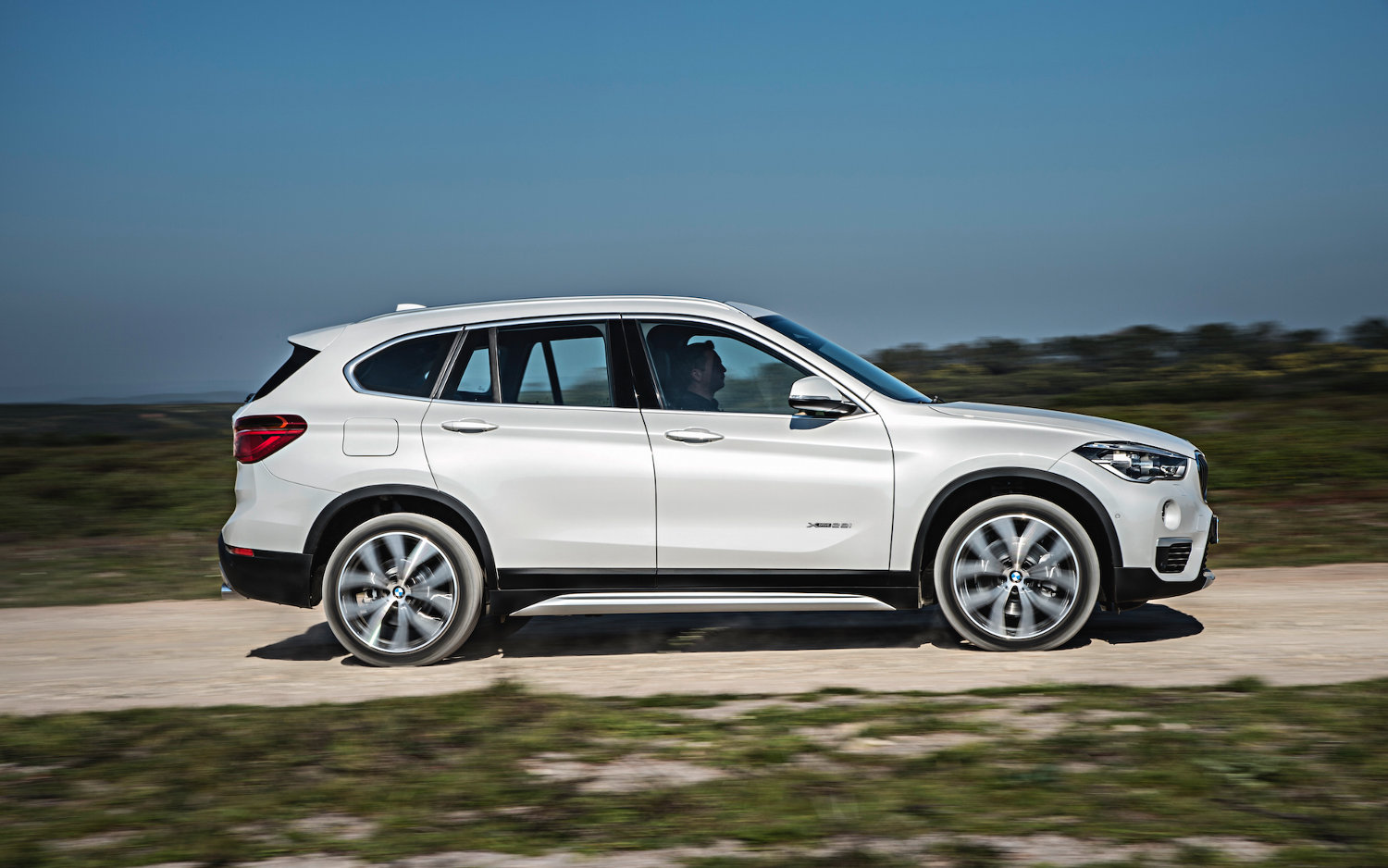
Pleasant to drive and built to a price, the 2017 BMW X1 is a mainstream subcompact crossover that is pleasant to drive but lacks the brand's "ultimate driving machine" performance. The 2017 BMW X1 sits apart from other BMWs. With its front-wheel-drive, Mini-sourced platform, is the brand's entry-level subcompact crossover and a more mainstream, less passionate vehicle than you would expect from BMW. It is offered as the front-drive sDrive28i and the all-wheel-drive xDrive28i, the former added for 2017.
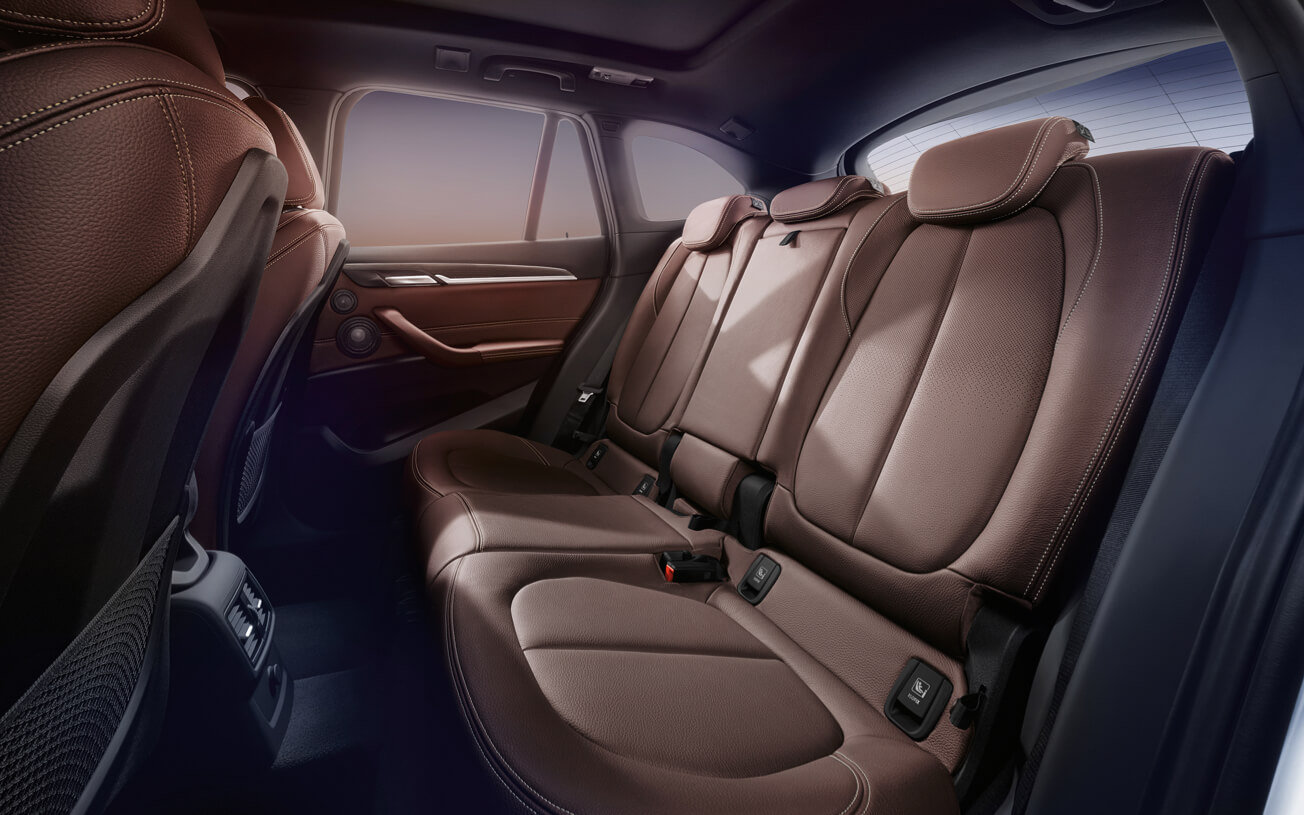
Pros Crossover utility Gutsy turbo 4-cylinder Good rear-seat space Fairly thrifty fuel economy Competitive price of entry
Cons Prices climb quickly with options Some cost-cutting in interior trim Driver assists cost extra Poor front seats
The BMW X1 offers shoppers in the compact luxury crossover category an intriguing blend of performance, comfort and utility. If you're looking for something that cleverly blurs the line between a low-slung sedan and a high-riding SUV, the X1 is worth a test drive. The 2017 X1 is BMW's smallest and most affordable utility vehicle, yet it offers a surprising amount of passenger and cargo space. It delivers trademark BMW quality inside and out, and despite having less power than earlier versions, the X1 still accelerates and handles better than most in its class.
Pros Strong performance from its turbocharged engine One of the best-handling compact luxury crossovers you're going to find More rear passenger and cargo room than most other competitors High-level interior fit, finish and materials
Cons Standard sport suspension can be jarring on rough roads Steering feels less precise than some of BMW's sport sedans.
The 2017 BMW X1 ranks 1 out of 5 Luxury Subcompact SUVs. The 2017 BMW X1 finishes near the top of our luxury subcompact rankings because of its good performance, upscale and spacious interior, and outstanding cargo space for the class.
Pros Quick acceleration Athletic handling Roomy back seat Outstanding cargo capacity
Cons No standard driver assistance features
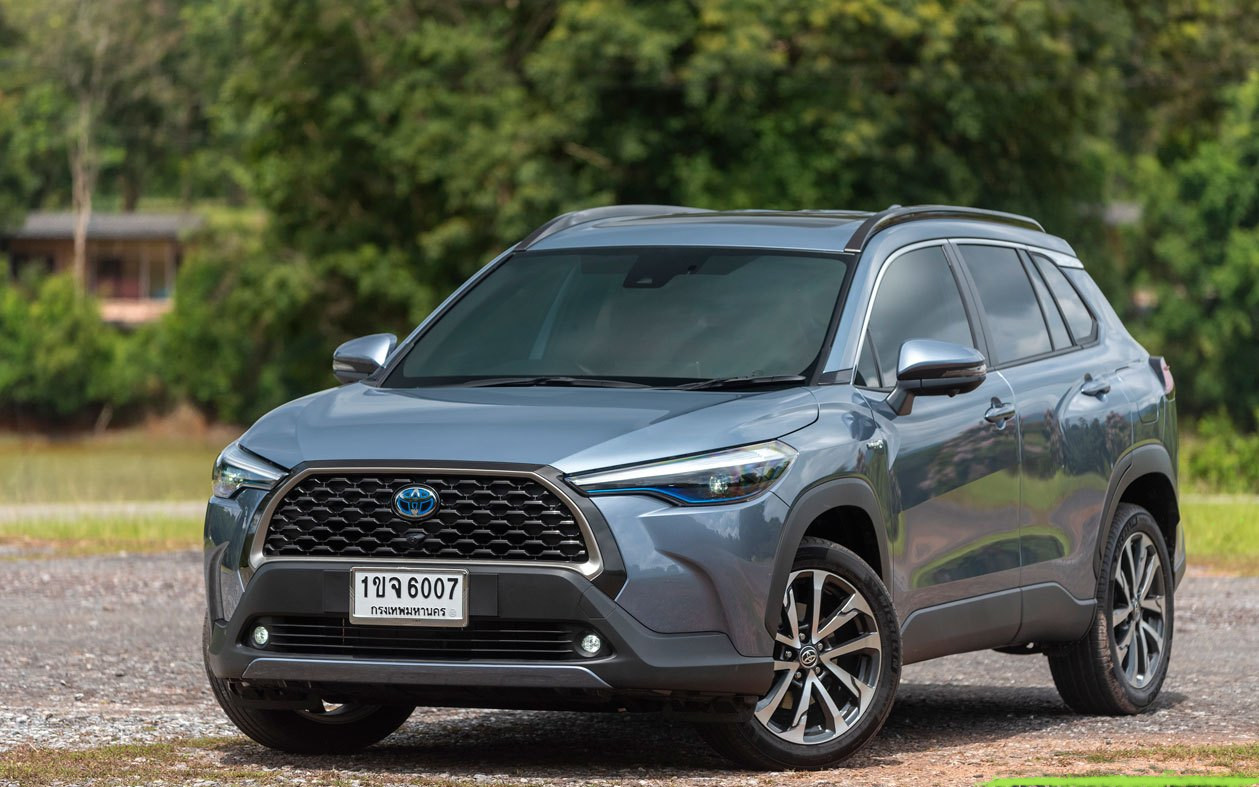
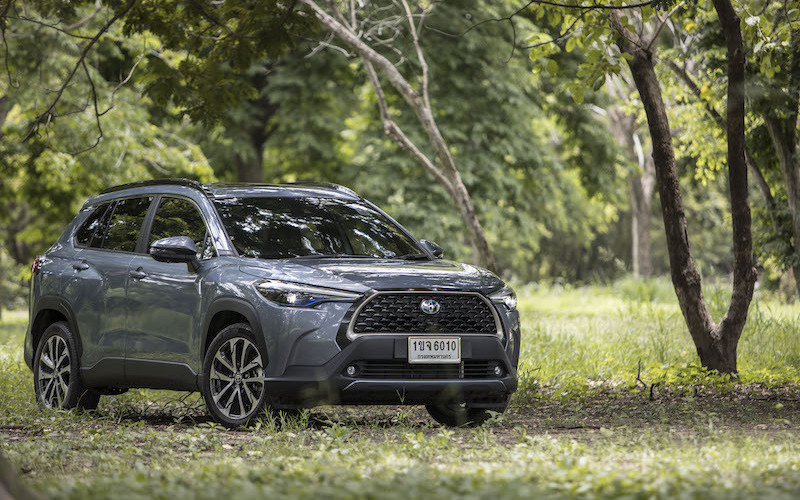
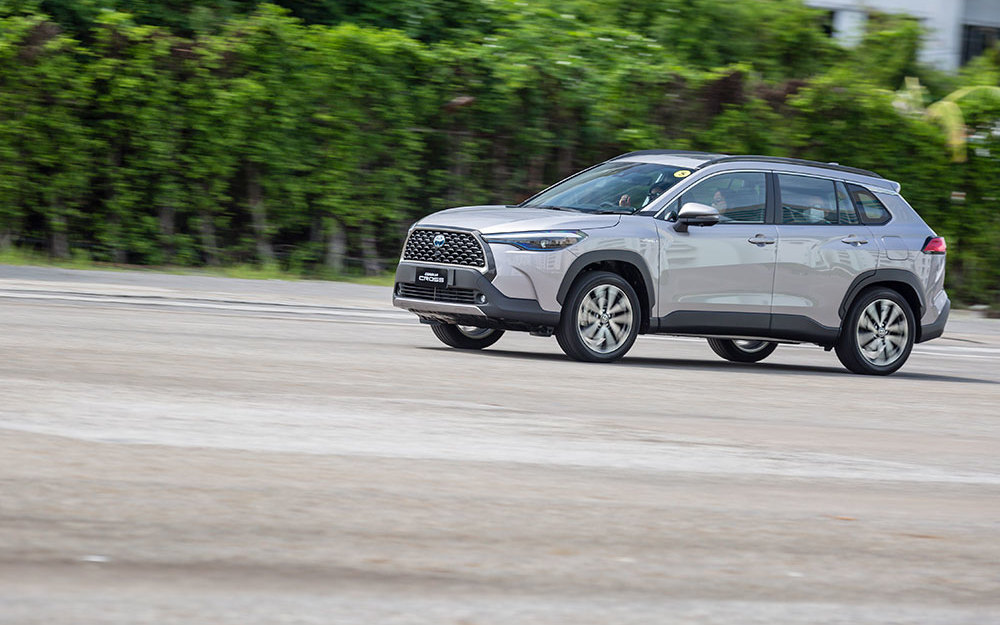
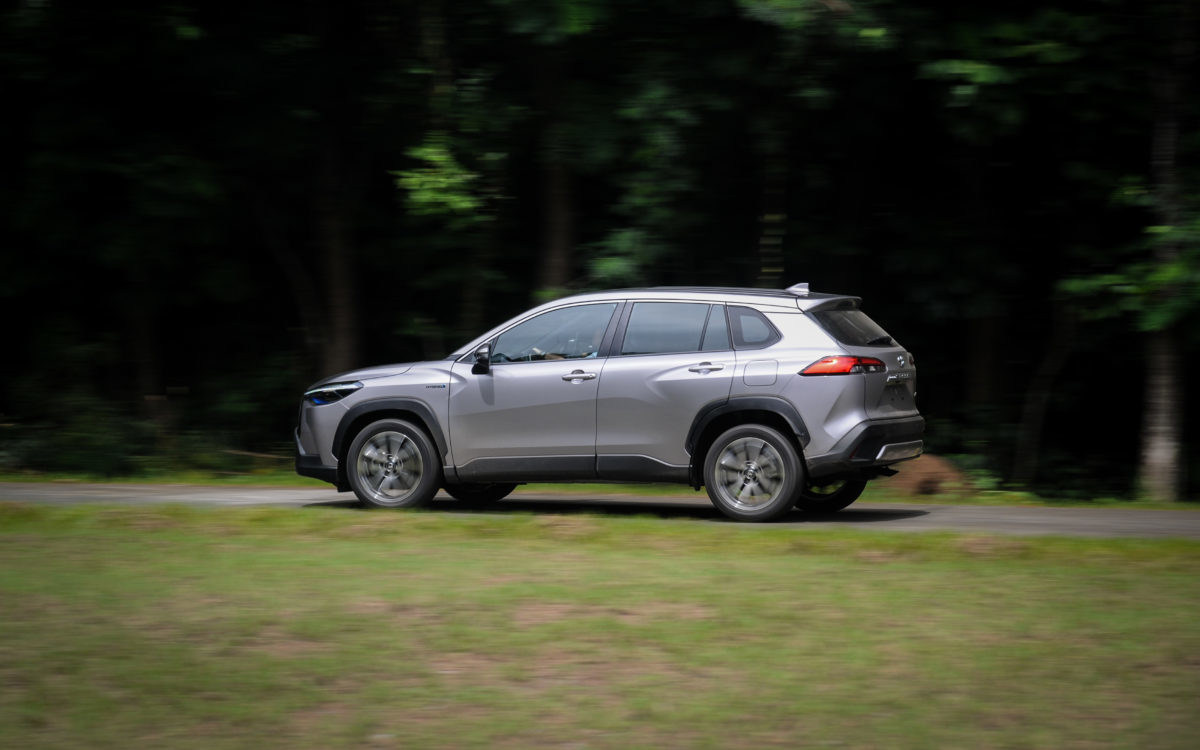
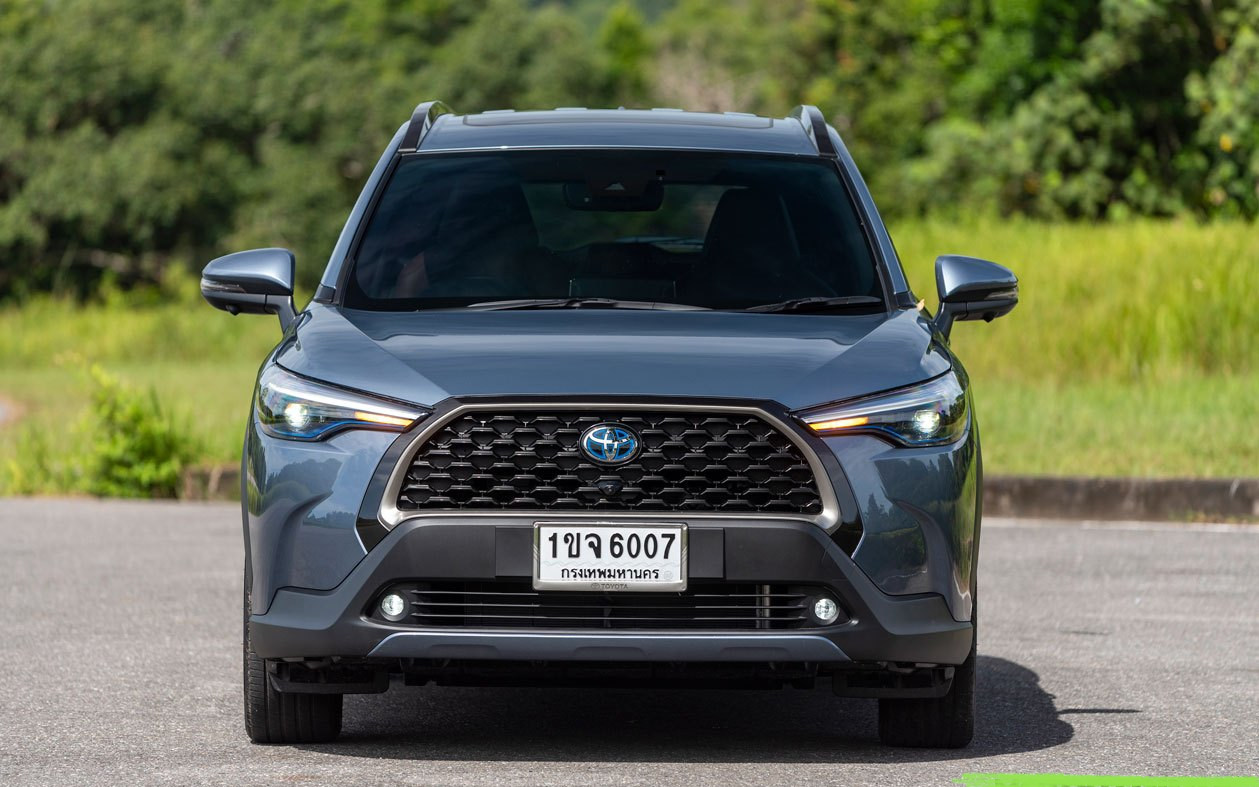
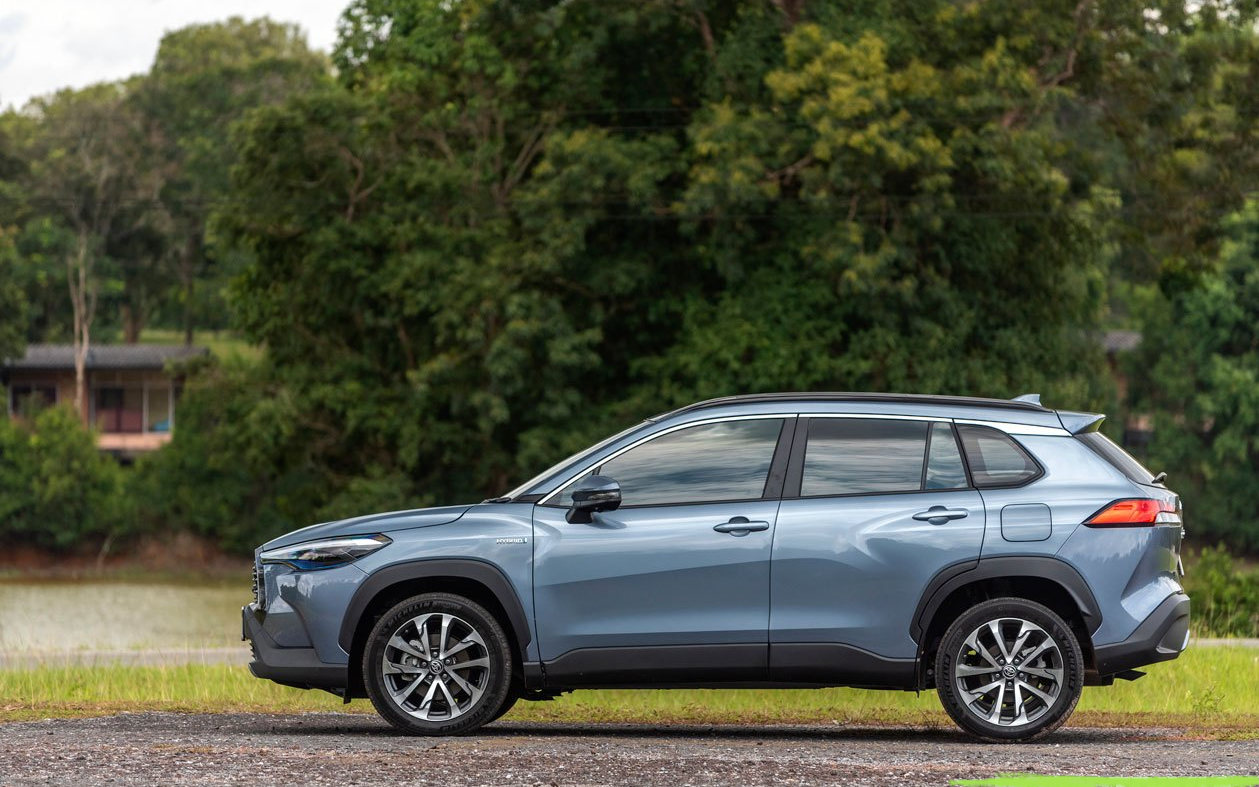
Toyota will likely position the Corolla Cross between the C-HR small SUV and RAV4 medium SUV, and of course given the name, it’ll sit in a triangular pocket between those two SUVS and as a wagon-alternative to the Corolla sedan and hatch. Key competitors will include small SUVs like the Hyundai Kona, Nissan Qashqai, Honda HR-V and Mazda CX-30 amongst others in the segment. Don’t expect to see the Corolla's head-up display. There’s no mention of it overseas, or premium audio for that matter with no mention of JBL-supplied audio as seen in other Toyota models.
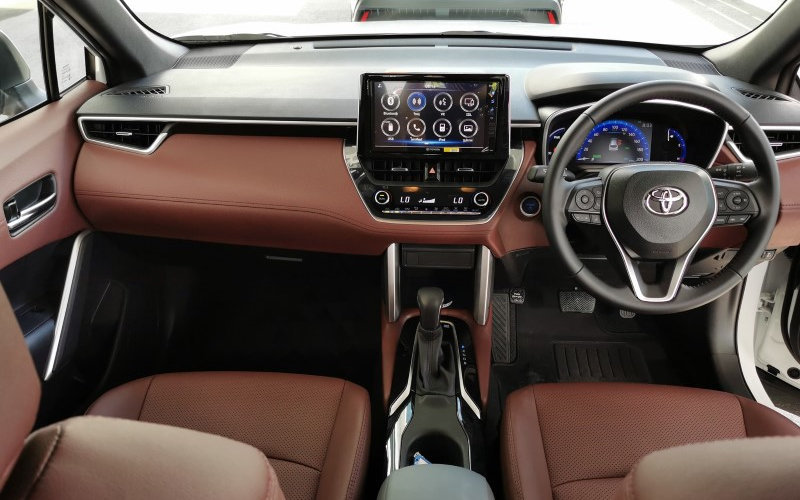
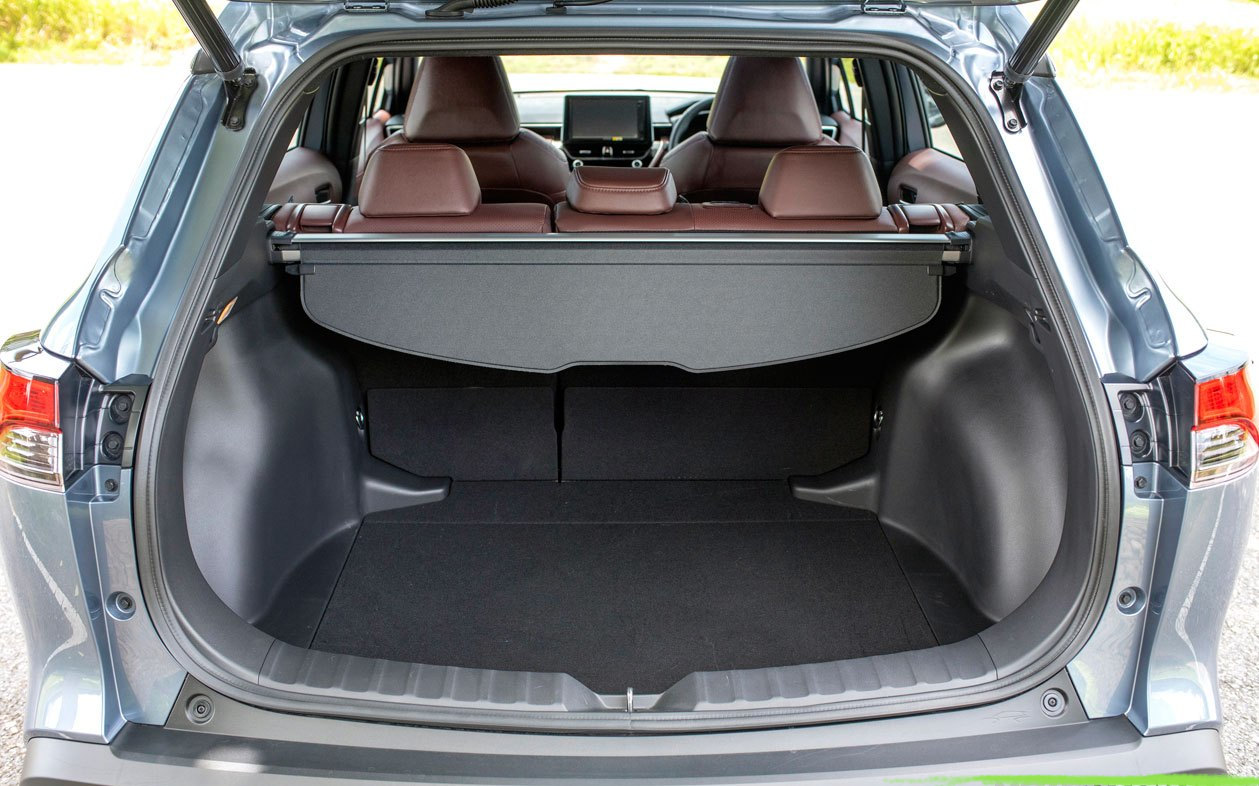
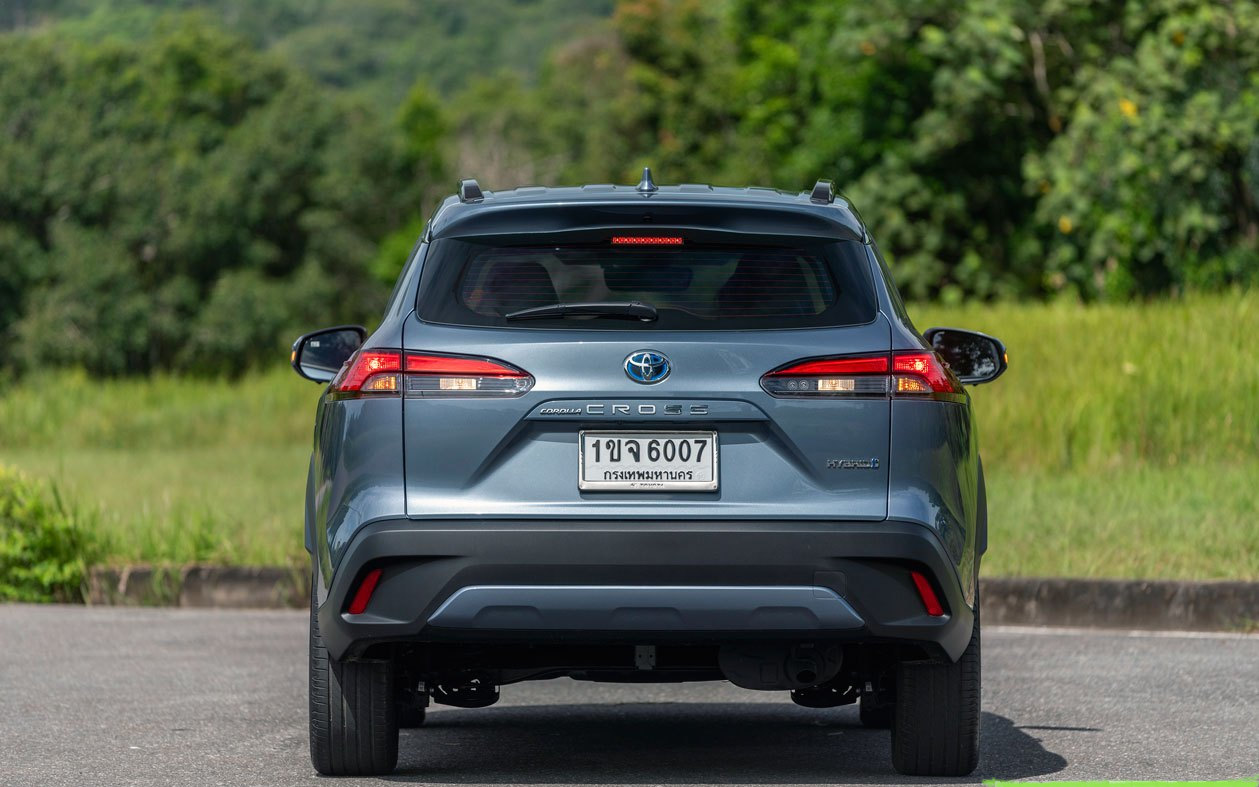
In terms of size, the small crossover slots between the subcompact C-HR and the compact RAV4. Oddly enough, it bears little resemblance to the rest of the Corolla family. With sharp headlights and more rounded proportions than the RAV4, the design is pleasing, albeit conventional. Like the RAV4, the Corolla Cross is designed with practicality in mind. The automaker promises large door openings for easy entry and exit, an elevated driving position, and a spacious interior. Toyota is aiming for class-leading luggage space in the Thai market. Comfort and convenience features include a 9.0-inch touchscreen, a power moonroof, rear USB outlets, LED headlights and taillights, a foot-activated liftgate, and more.