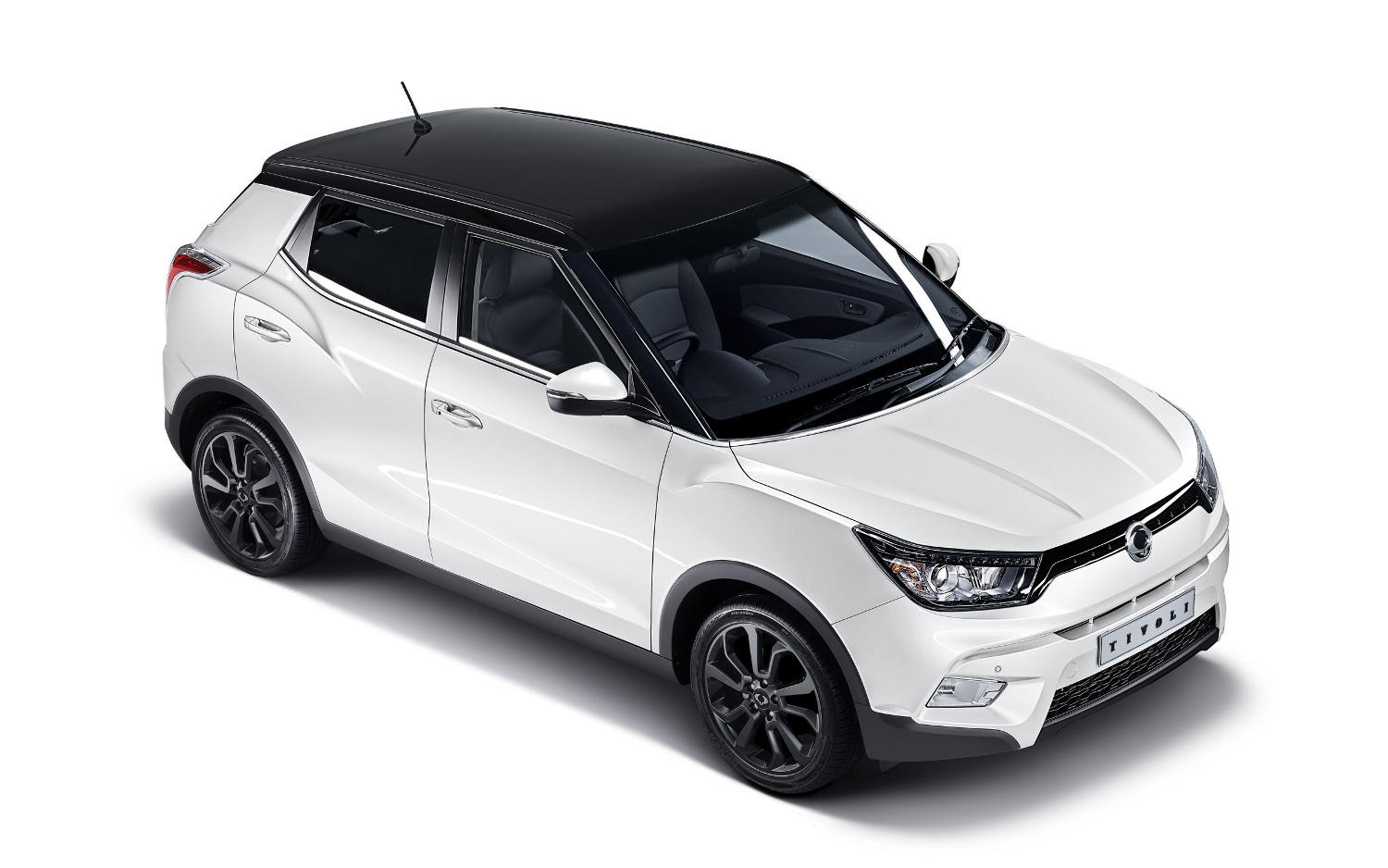
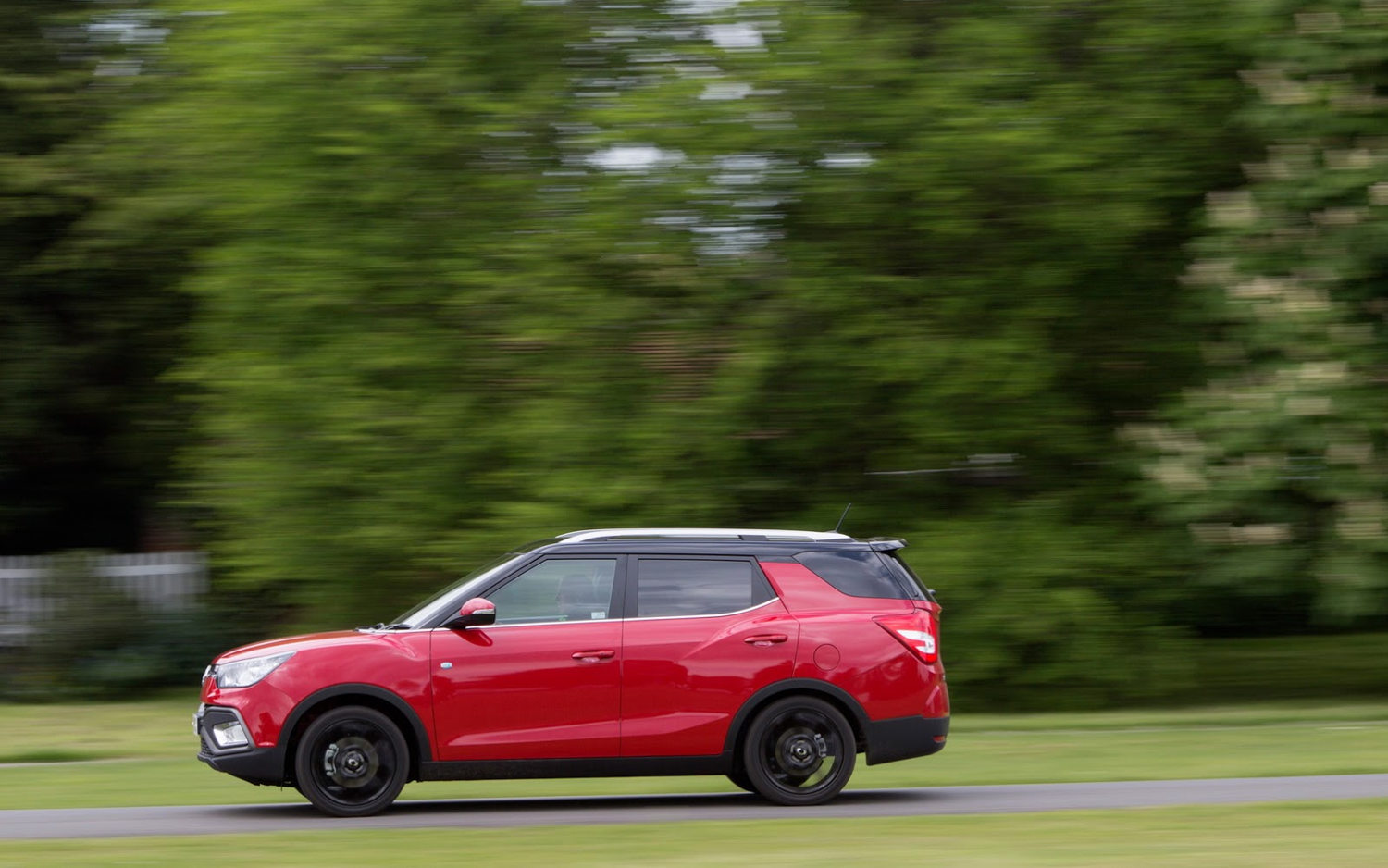
The SsangYong Tivoli is central to this aim, its built on an all-new platform to compete with cars such as the Nissan Juke, Ford EcoSport and the Vauxhall Mokka in the ever-popular (and still growing) small crossover market. While the Tivoli can’t match the striking styling of the Juke, this is arguably the best-looking SsangYong yet, and the company is claiming to have taken massive strides on the inside, too. The car will also come loaded with kit, including an optional seven-inch central screen on the dashboard.
Pros Spacious for its size Generous standard equipment Cheap
Cons Not as striking as the Juke Quality falls behind the best in class Bland to drive
The Ssangyong Tivoli competes in the small SUV market, alongside rivals such as the Nissan Juke and Kia Soul. These cars offer the look and feel of an off-roader, but with performance and running costs more akin to a family hatchback. Do bear in mind, however, they’re better suited to on-road driving than traversing muddy lanes. That’s certainly the case with the Tivoli, although unlike its aforementioned rivals, you can order it with four-wheel drive on higher trims. A 1.6-litre petrol or 1.6-litre diesel is available throughout the range, combined with a six-speed manual gearbox. A six-speed automatic is available for both engines on all but the entry-level SE.
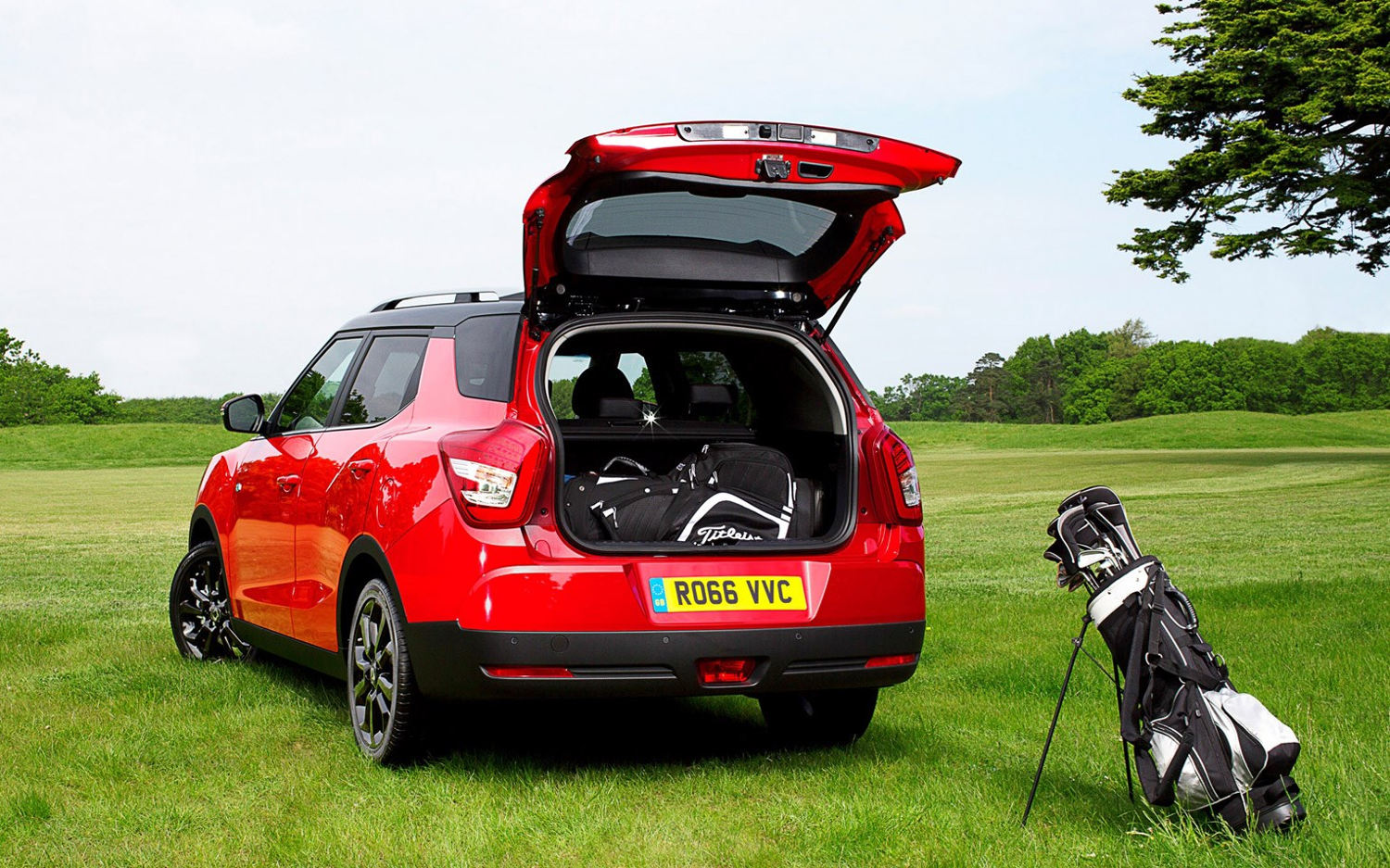
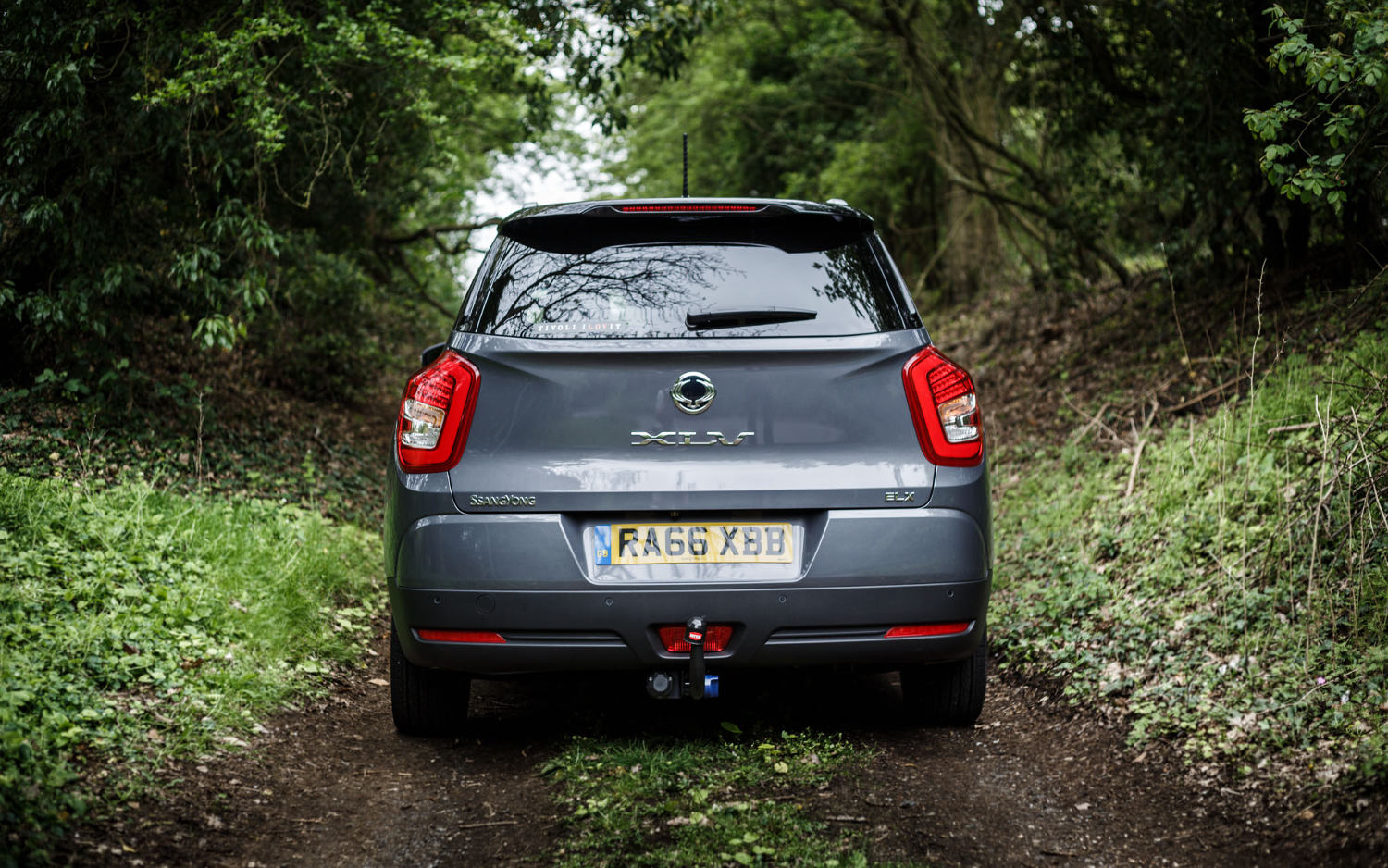
You can put aside your reservations about the SsangYong badge, because the Tivoli is a thoroughly capable small crossover for the money. It’s not the most stylish inside or out, and it won’t win awards for ride comfort or refinement, but you get a lot of space and kit for little financial outlay. The latter two points are especially true of the Tivoli XLV, but it’s more expensive, and we'd go for the two-wheel-drive version to save some money. The standard Tivoli is decent to drive, while with the diesel engine and is by far the best on-road car SsangYong has built yet.
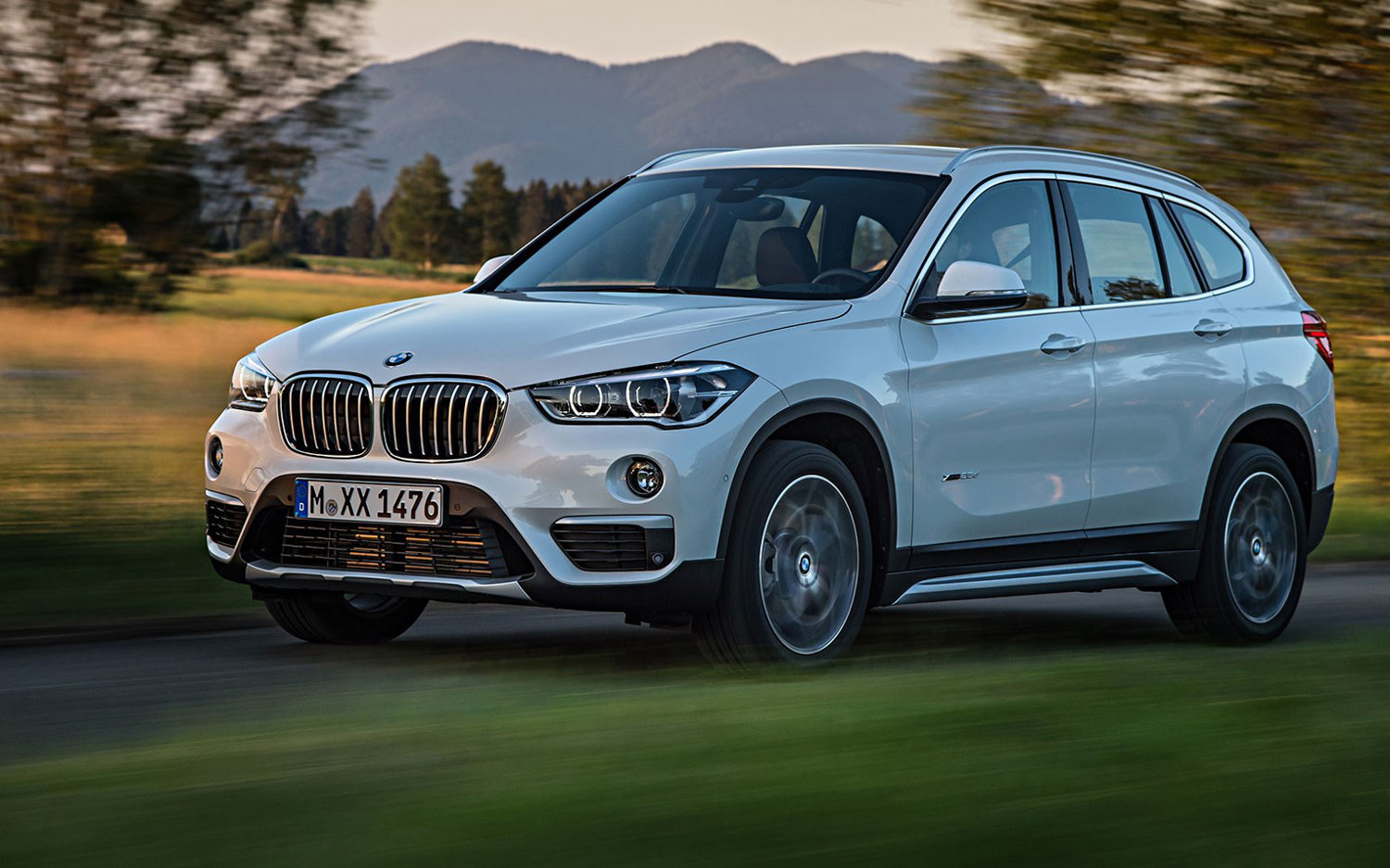
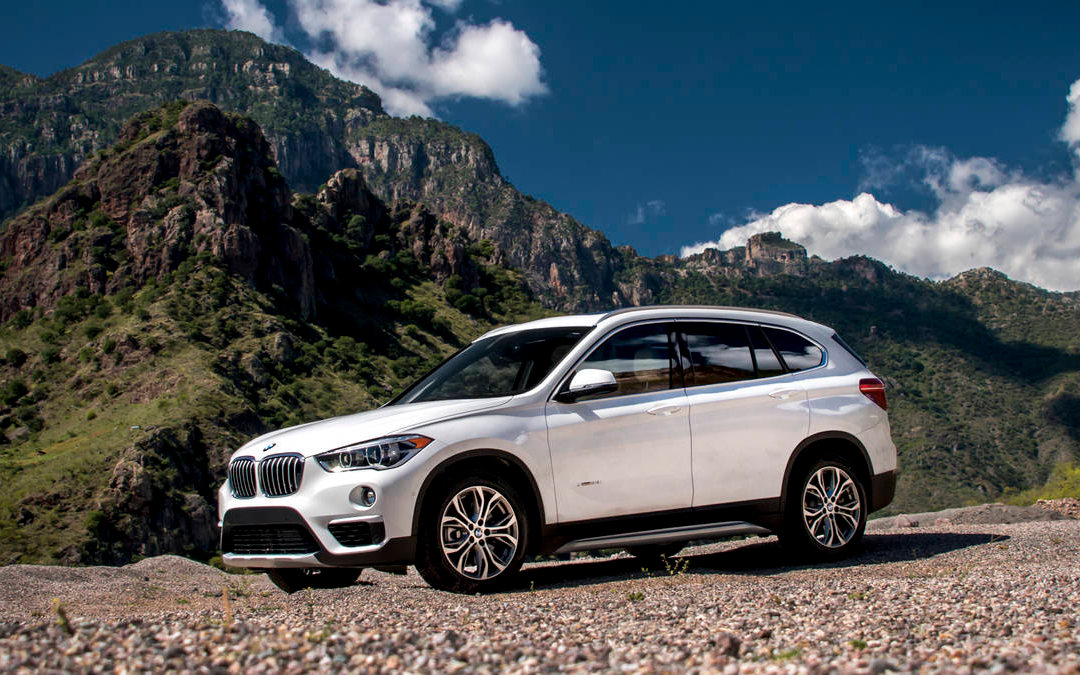
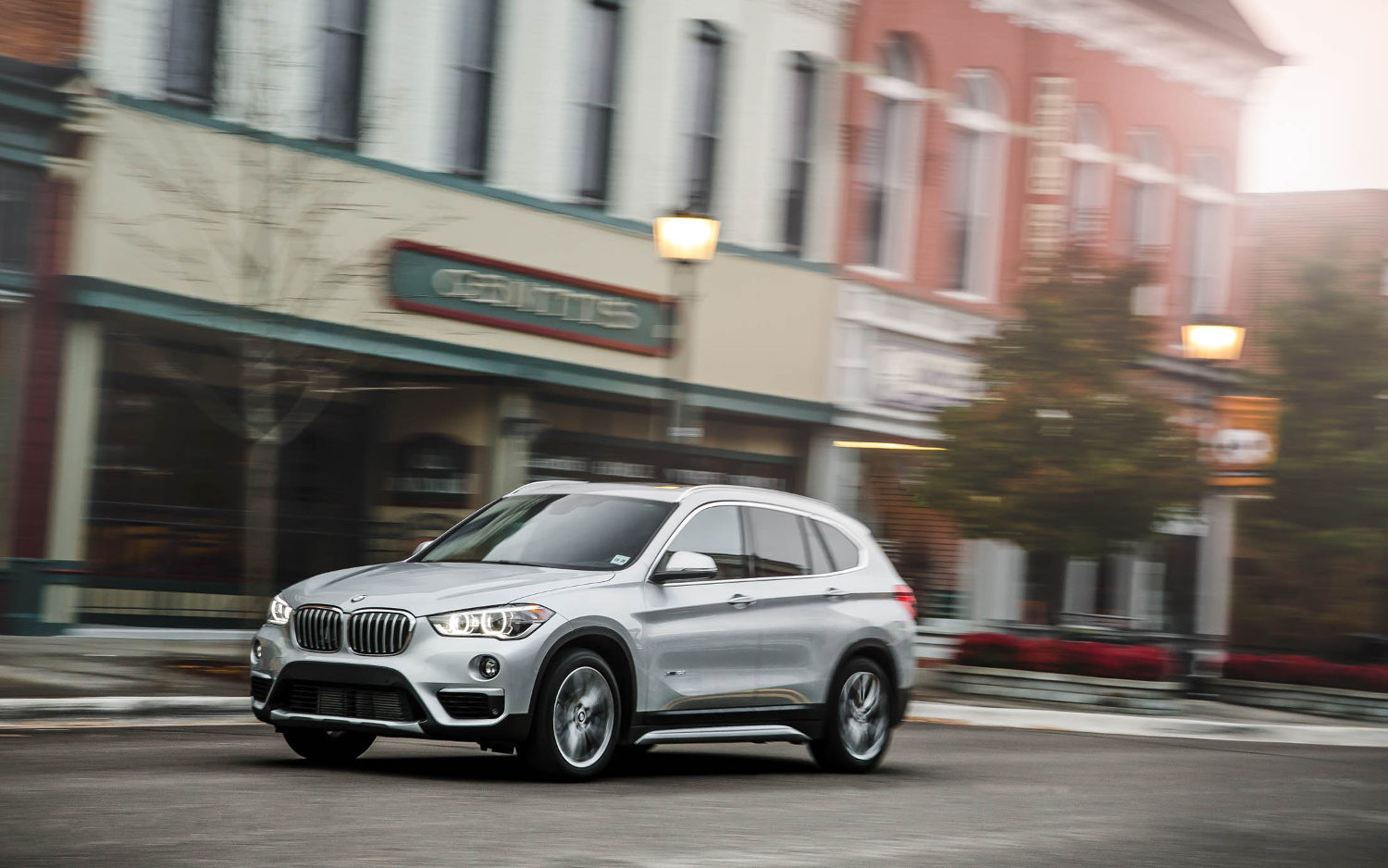
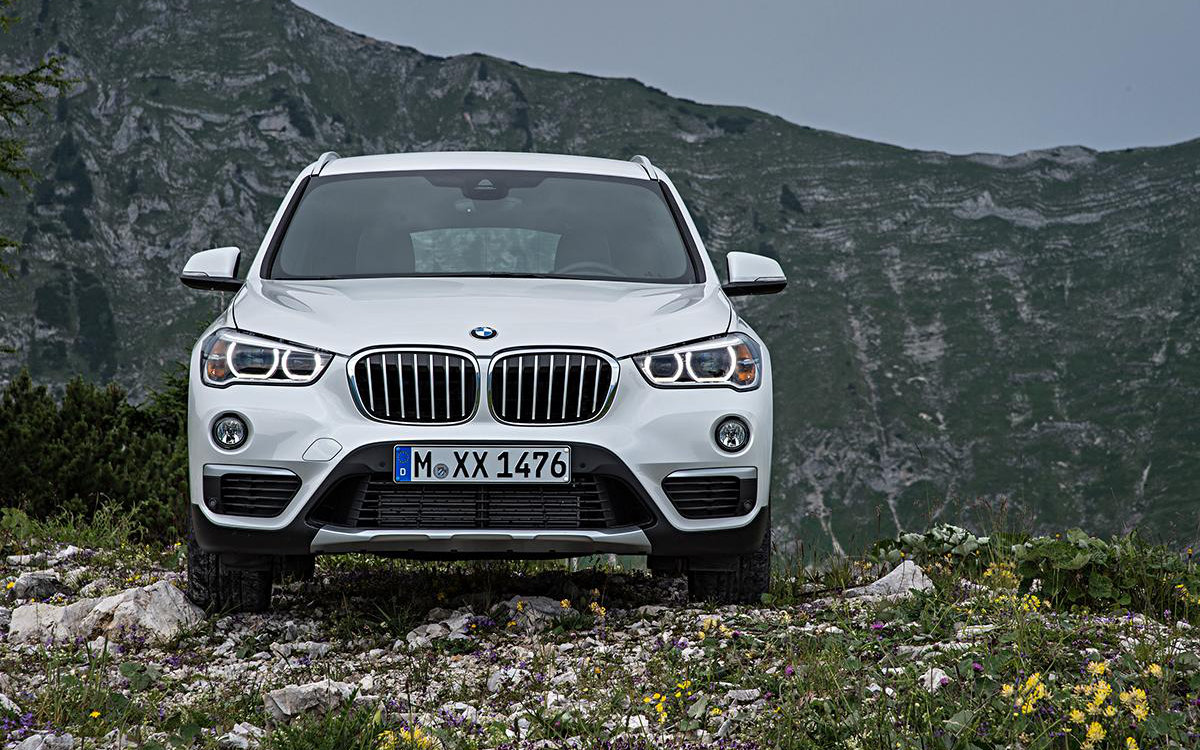
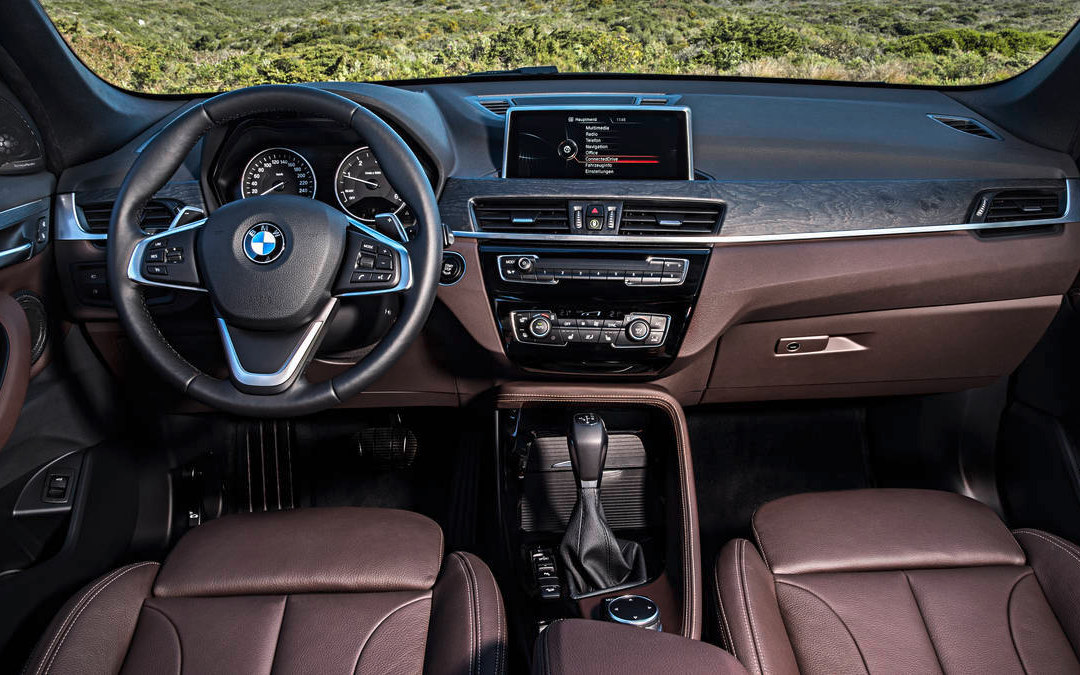
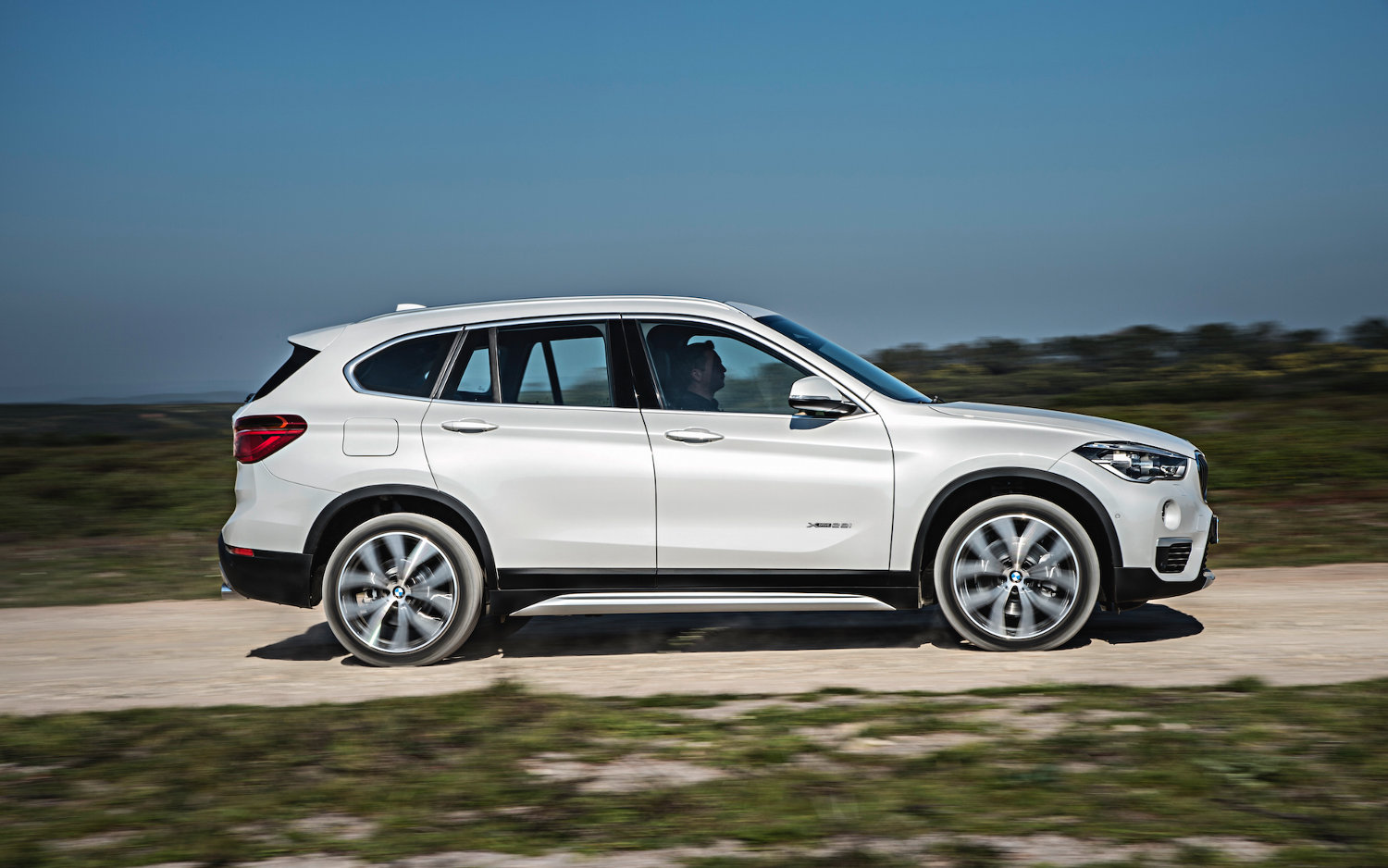
Pleasant to drive and built to a price, the 2017 BMW X1 is a mainstream subcompact crossover that is pleasant to drive but lacks the brand's "ultimate driving machine" performance. The 2017 BMW X1 sits apart from other BMWs. With its front-wheel-drive, Mini-sourced platform, is the brand's entry-level subcompact crossover and a more mainstream, less passionate vehicle than you would expect from BMW. It is offered as the front-drive sDrive28i and the all-wheel-drive xDrive28i, the former added for 2017.
Pros Crossover utility Gutsy turbo 4-cylinder Good rear-seat space Fairly thrifty fuel economy Competitive price of entry
Cons Prices climb quickly with options Some cost-cutting in interior trim Driver assists cost extra Poor front seats
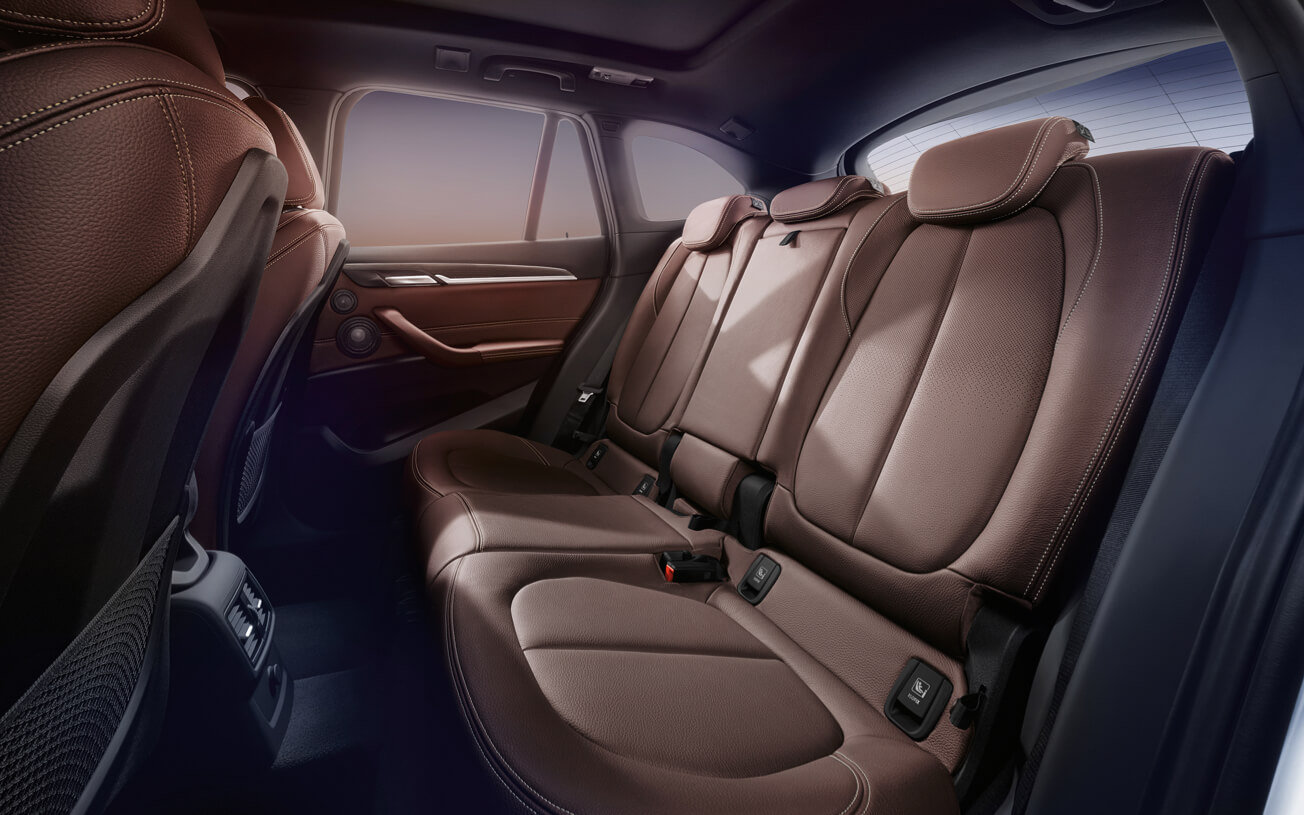
The BMW X1 offers shoppers in the compact luxury crossover category an intriguing blend of performance, comfort and utility. If you're looking for something that cleverly blurs the line between a low-slung sedan and a high-riding SUV, the X1 is worth a test drive. The 2017 X1 is BMW's smallest and most affordable utility vehicle, yet it offers a surprising amount of passenger and cargo space. It delivers trademark BMW quality inside and out, and despite having less power than earlier versions, the X1 still accelerates and handles better than most in its class.
Pros Strong performance from its turbocharged engine One of the best-handling compact luxury crossovers you're going to find More rear passenger and cargo room than most other competitors High-level interior fit, finish and materials
Cons Standard sport suspension can be jarring on rough roads Steering feels less precise than some of BMW's sport sedans.
The 2017 BMW X1 ranks 1 out of 5 Luxury Subcompact SUVs. The 2017 BMW X1 finishes near the top of our luxury subcompact rankings because of its good performance, upscale and spacious interior, and outstanding cargo space for the class.
Pros Quick acceleration Athletic handling Roomy back seat Outstanding cargo capacity
Cons No standard driver assistance features