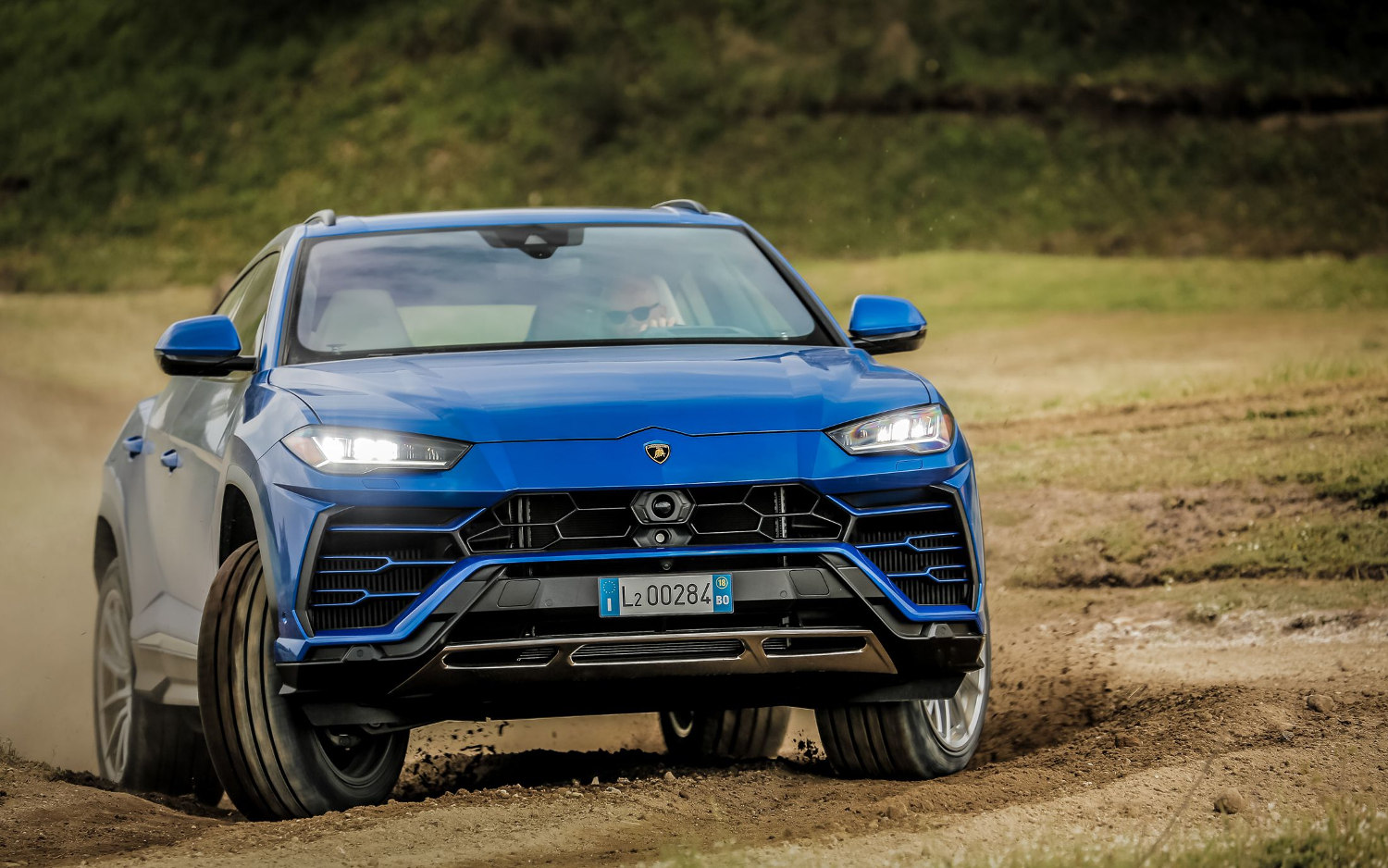
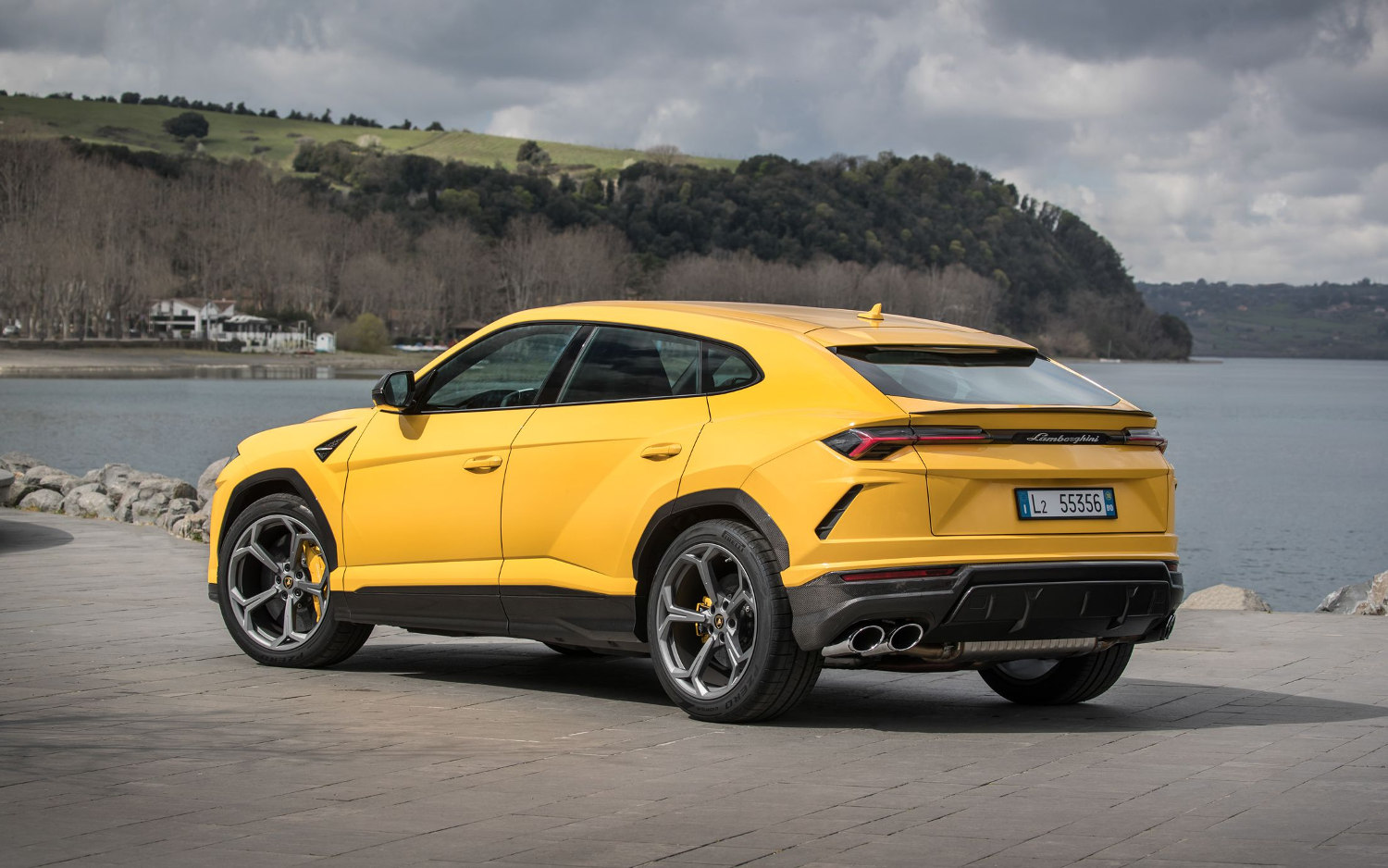
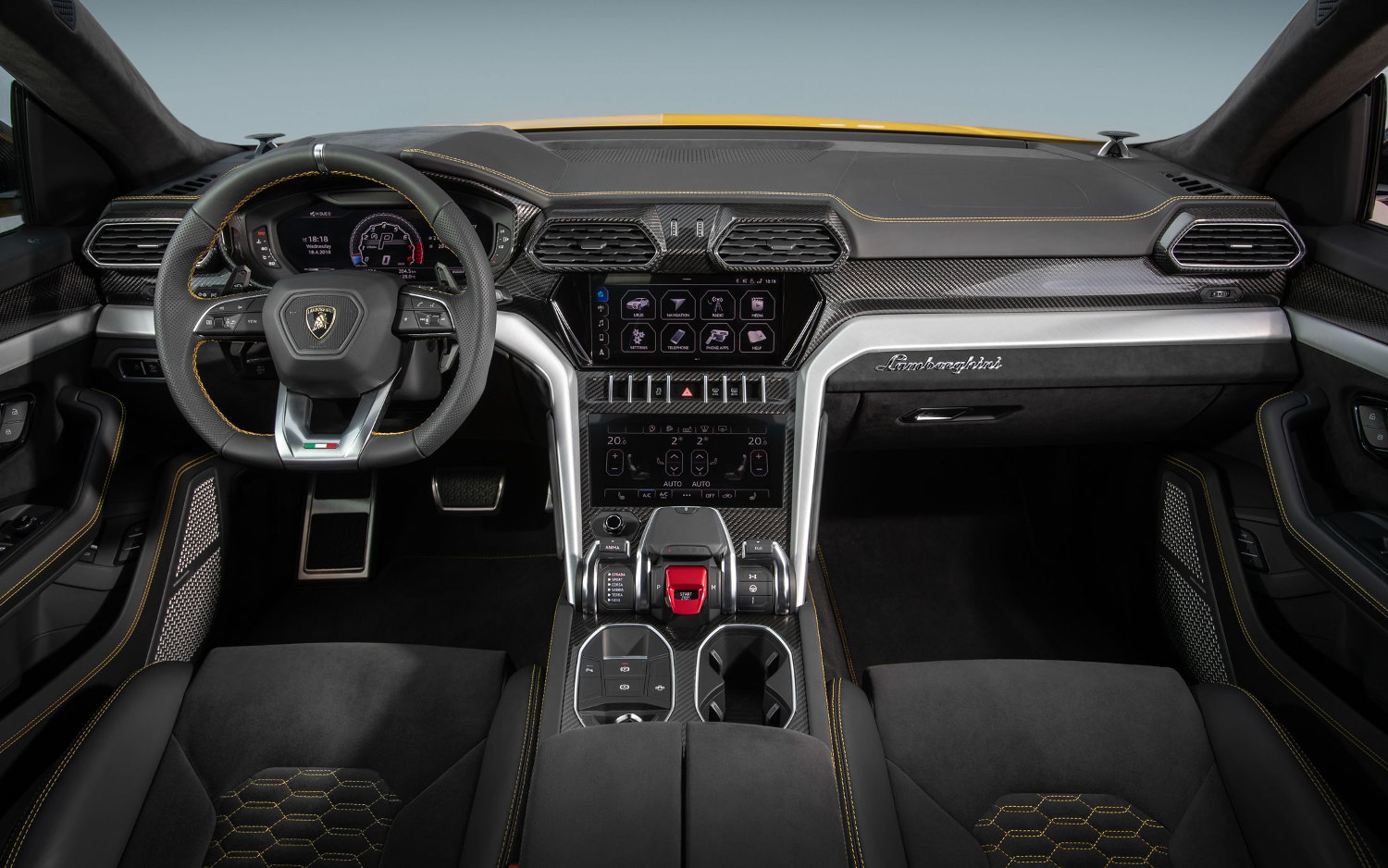
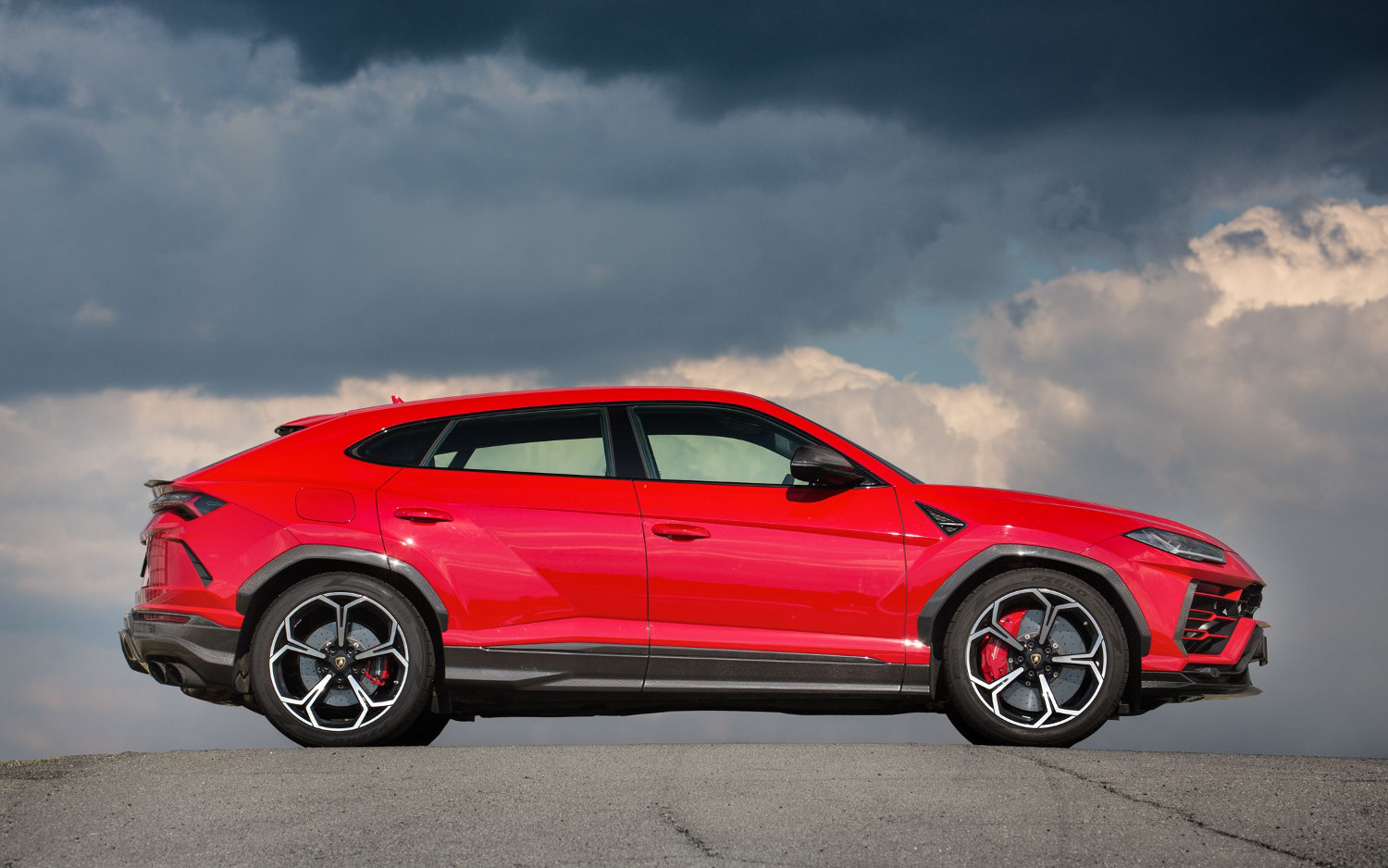
New model for 2019.Part of the first Urus generation introduced for 2019.The 2019 Lamborghini Urus comes with all wheel drive. Available transmissions include: 8-speed shiftable automatic.
Pros Ability to share the Lamborghini ethos with up to four passengers Powerful turbocharged V8 engine and responsive powertrain Impressive on- and off-road performance
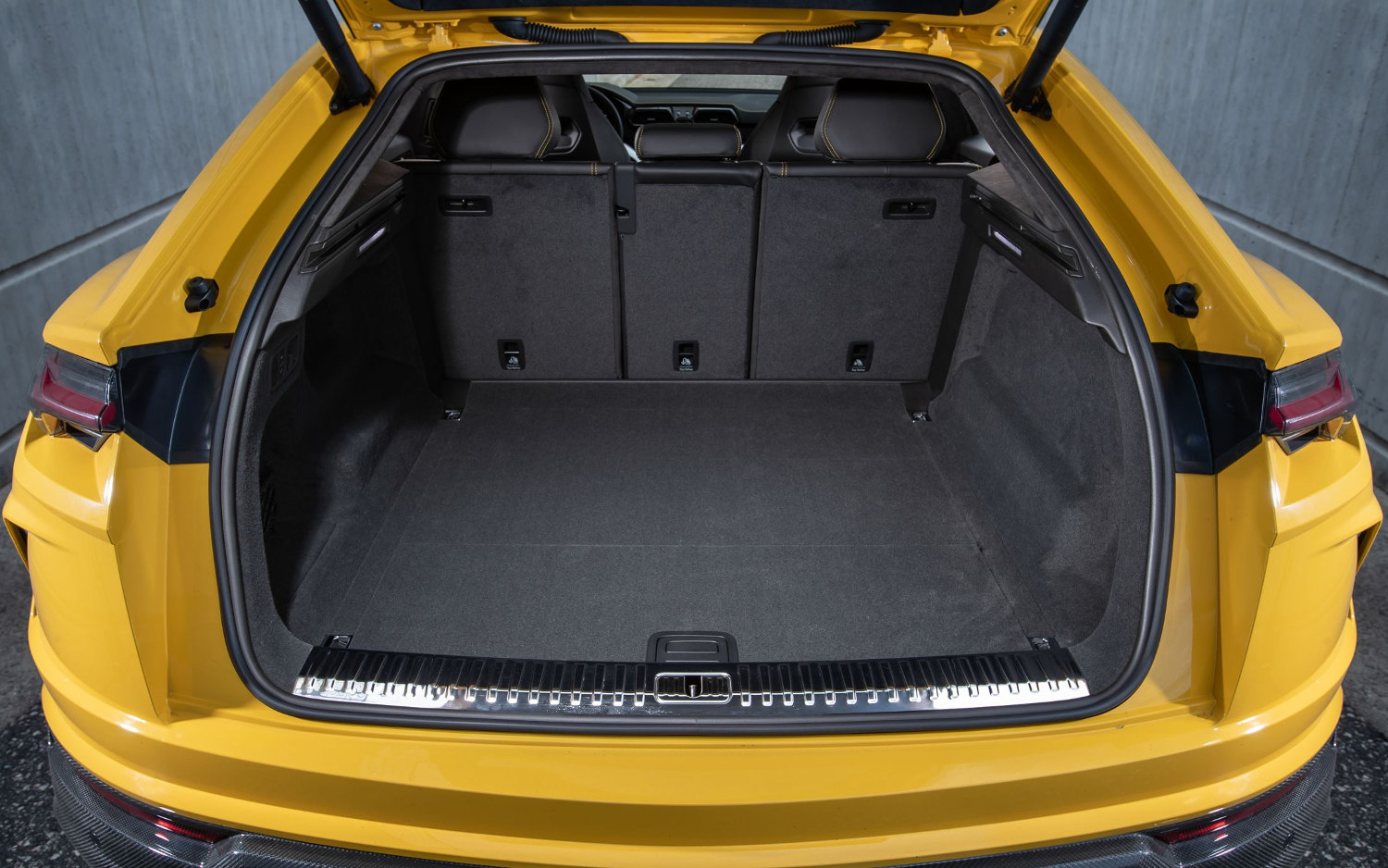
Cons Large exterior footprint for limited cargo space Absolute disregard for rear visibility Not for the introverted
It was quite possibly the first successful river crossing in a Lamborghini in decades. Not that others haven't tried. Plenty of curious things, we imagine, have happened in Lambo's road cars. And certainly someone forded a river in an LM002, back when the Rambo Lambo was fresh. But this was different. This Lamborghini, the Urus, isn't a devoted exotic. And it isn't a sworn off-roader. It's neither, and yet it's both. We went to Iceland to get familiar with the brand's second-ever SUV and to see if Lamborghini's carbuilding talents extend beyond its glittering wedges of decadent speed.
Pros Enormous spectrum of capability, exclusive blend of German temperament and Italian flair, Lambo quick.
Cons Complex, heavy, Lambo price tag.
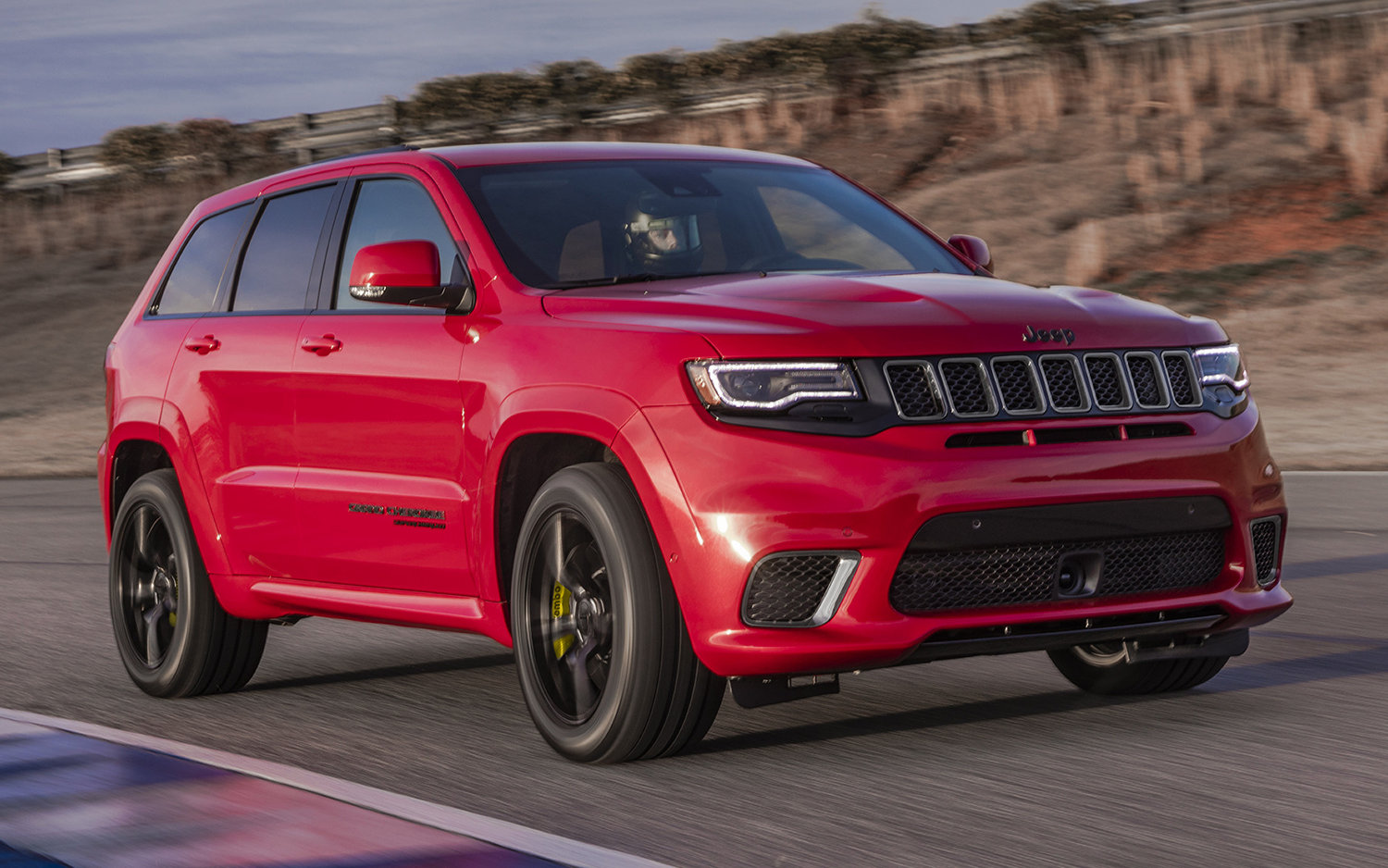
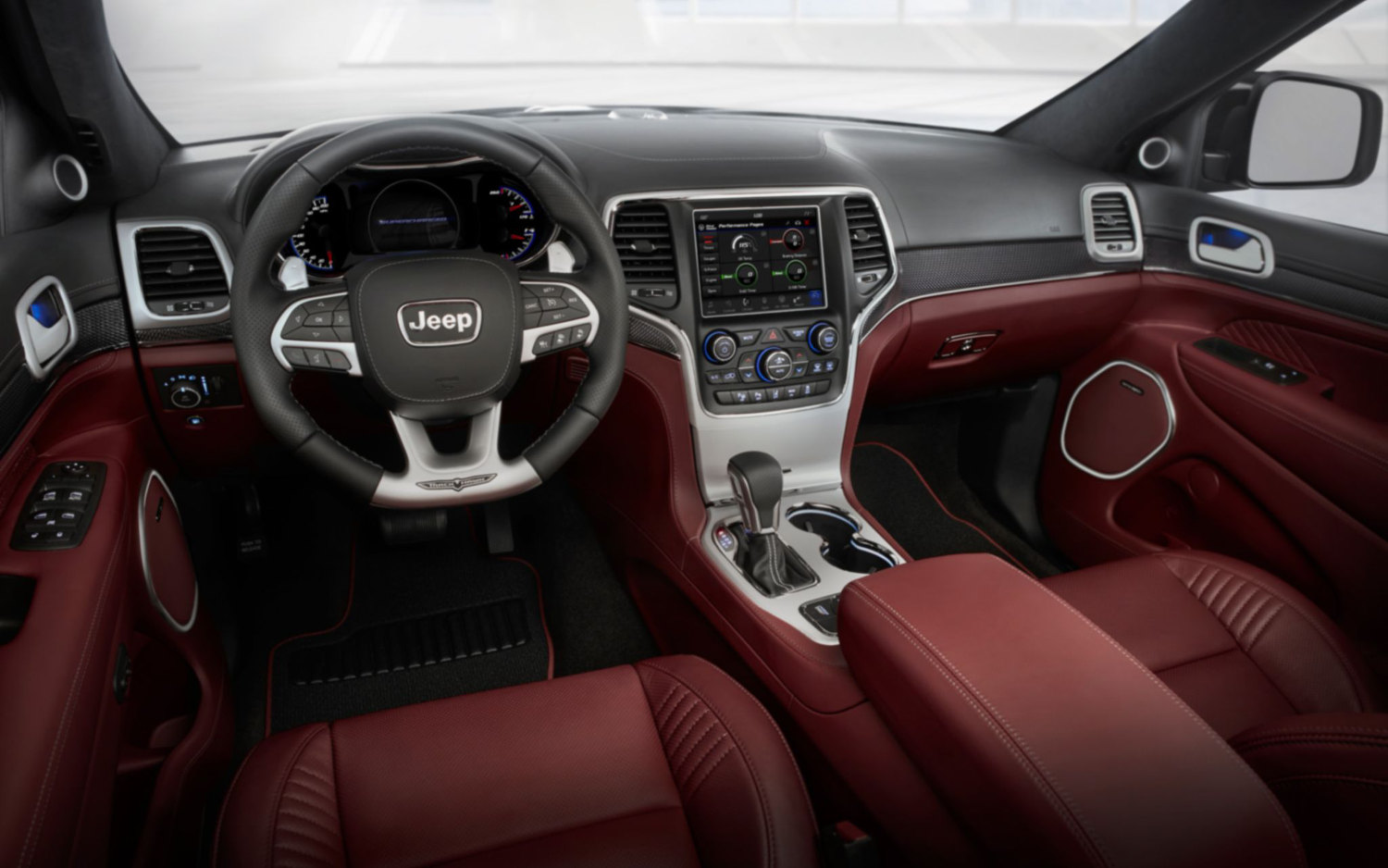
The Jeep Grand Cherokee Trackhawk is the third Fiat Chrysler vehicle to have the unhinged supercharged V-8 stuffed under its hood, and it’s the quiet Hellcat next door. Not literally, of course—have you heard a blown Hemi V-8 at full whack?—but with standard all-wheel drive mitigating the engine’s tire-spinning proclivities, plus its under-the-radar looks, the Trackhawk can at least pass for an upstanding citizen. With more traction than any Hellcat yet, the Trackhawk has quite a lot of poke despite its pork—the engine adds 259 pounds over the already heavy 475-hp Grand Cherokee SRT. Nonetheless, Jeep claims it can reach 60 mph in 3.5 seconds. That time is on par with the nearly 1000-pounds-lighter, automatic-equipped Dodge Hellcats we’ve tested. (The quickest was the Charger, which reached 60 mph in 3.4 seconds.) Per Jeep, the quarter-mile is expected to fly by in 11.6 seconds (at 116 mph!), and, with no electronic governor, the Trackhawk is said to surrender to atmospheric resistance at 180 mph.