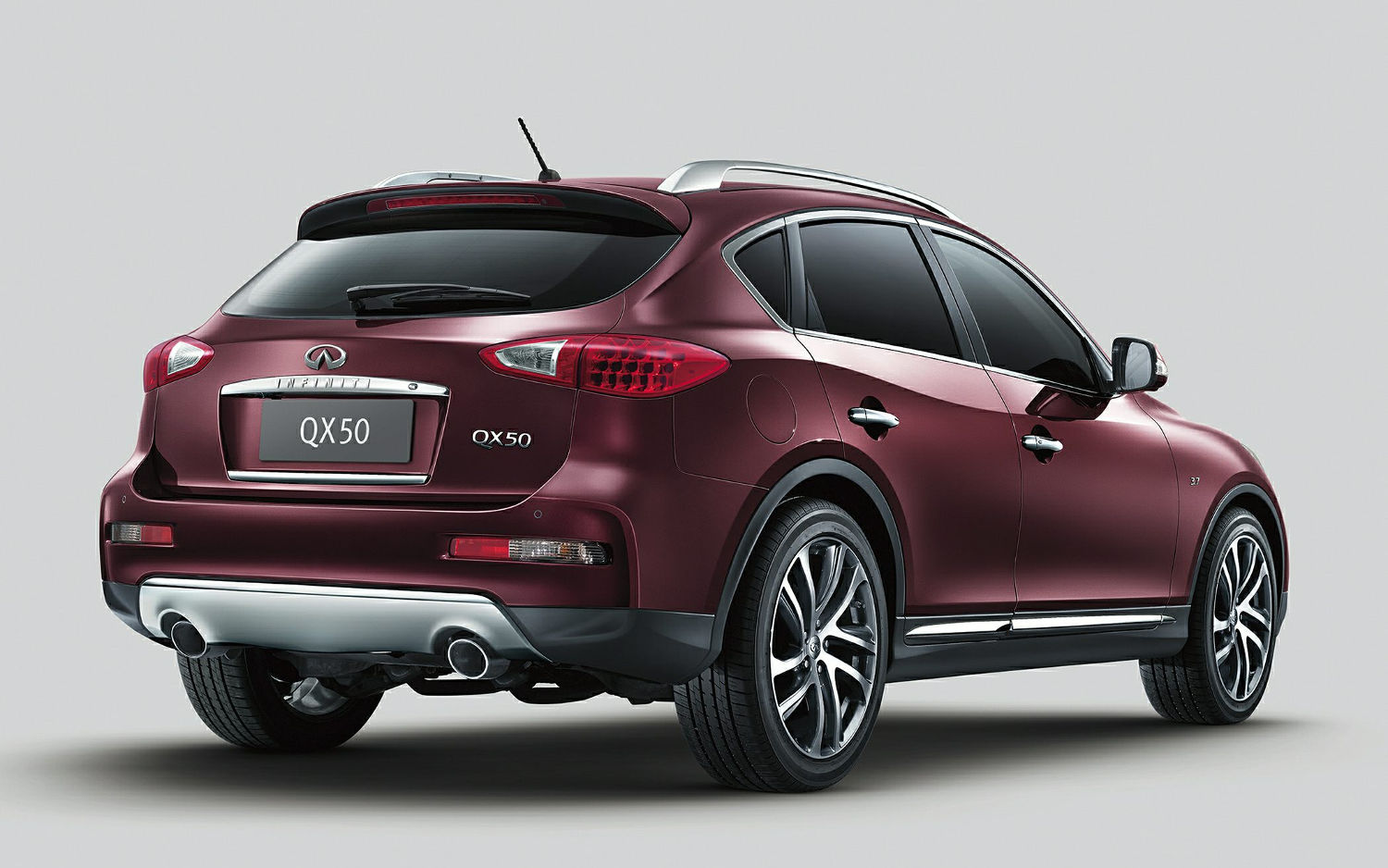
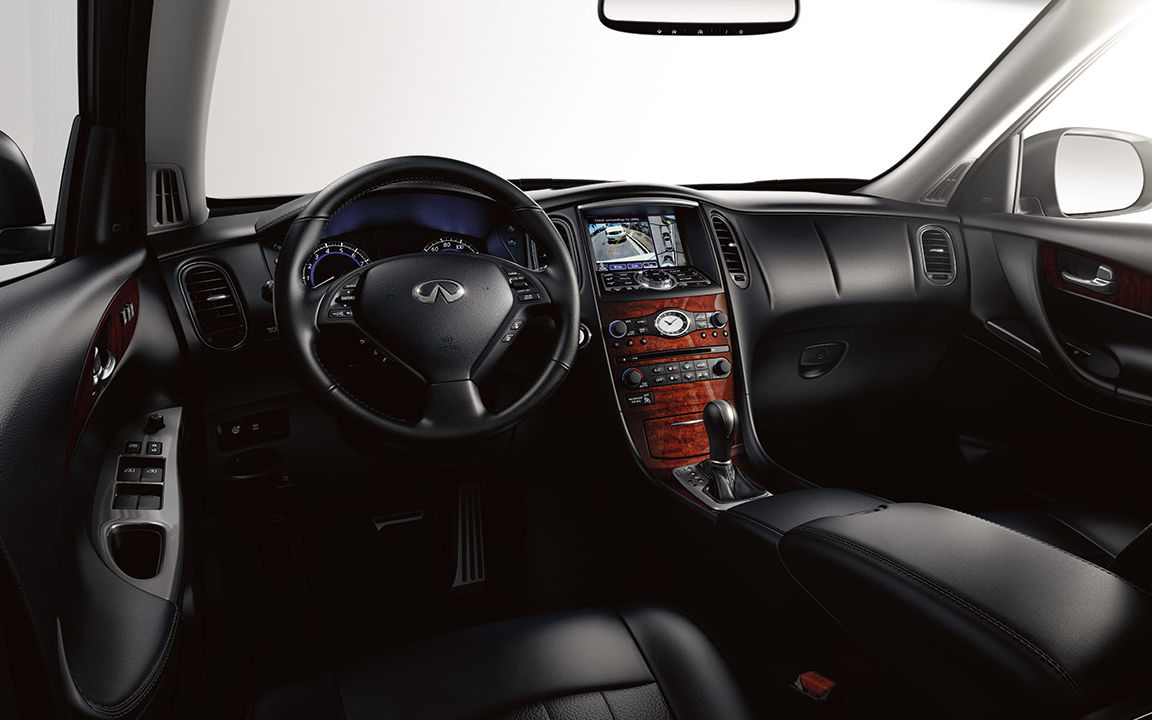
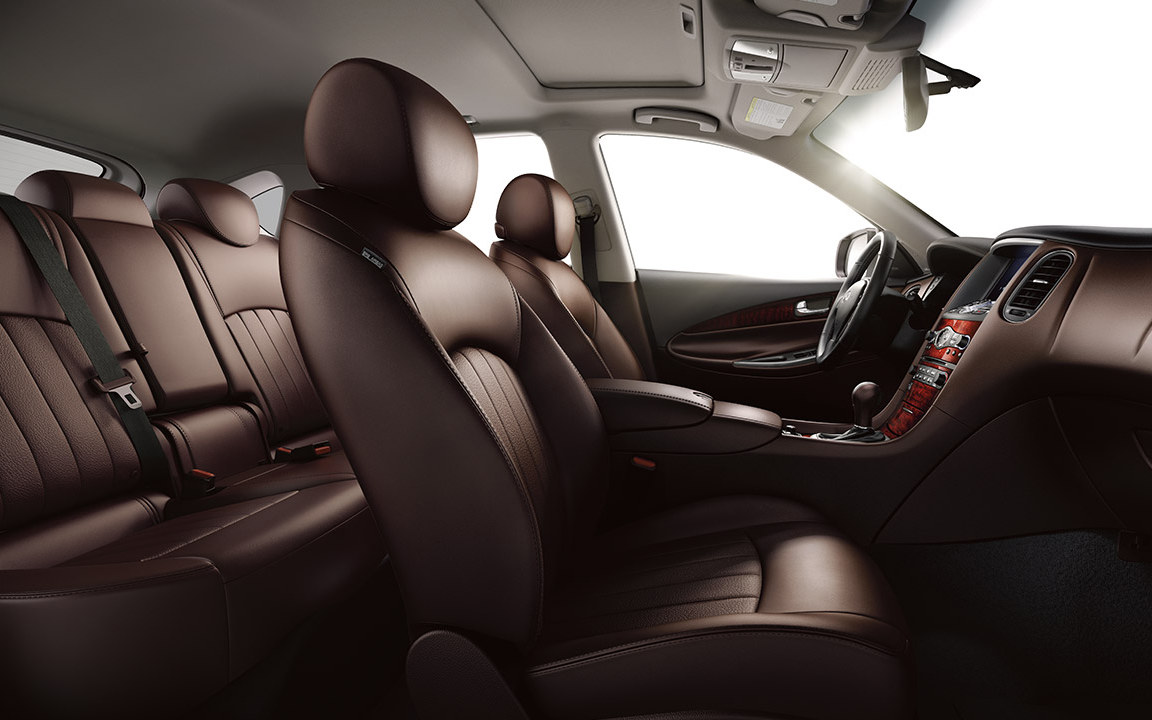
The 2017 Infiniti QX50 puts handling atop the SUV priority list, but that's not as wrong as it sounds.The Infiniti QX50 has been around, in one form or the other, for a decade. It's still here thanks to strong fundamentals: there are bits and pieces of Q50s and 370Zs under its skin, and that gives it an engaging feel that's still head and shoulders above some its its key rivals. It returns for its 10th model year in just two forms, as the rear-drive QX50 or as the all-wheel-drive QX50 AWD.
Pros Sport-sedan handling Shape's still sleek A richly appointed cabin Supportive front seats Finally, a more usable back seat
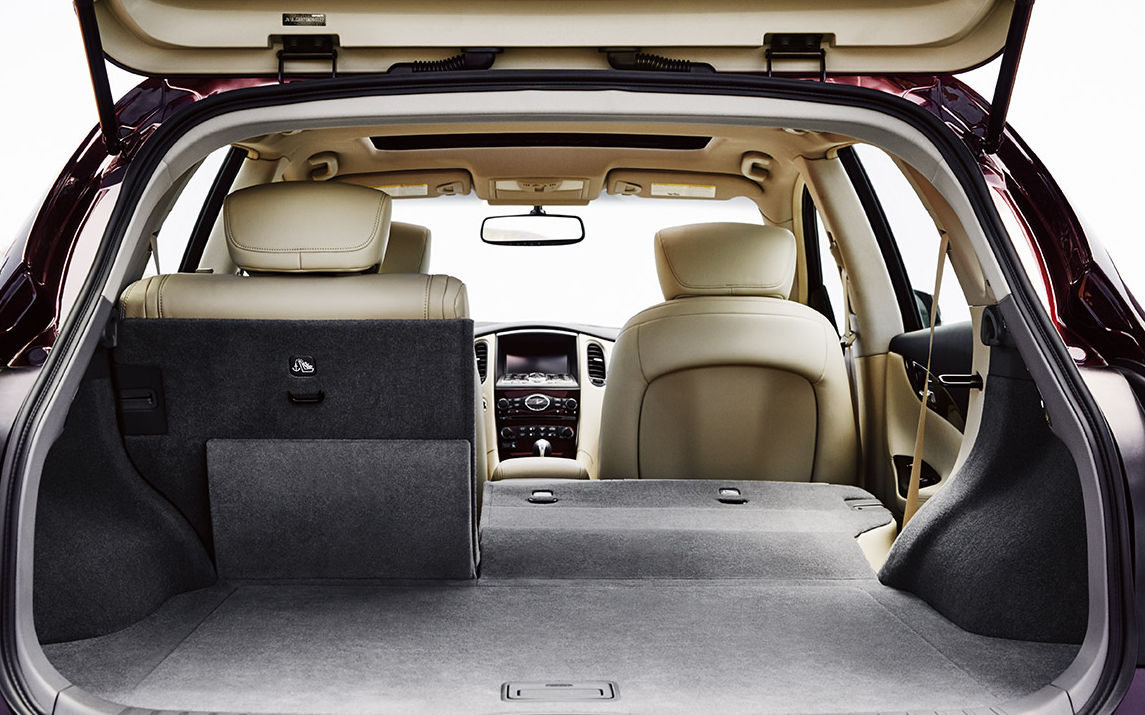
Cons Cargo space behind the second row is small Engine noise No paddle shift controls Even with surround-view cameras, visibility isn't great
The 2017 Infiniti QX50 ranks 10 out of 14 Luxury Compact SUVs. The 2017 Infiniti QX50 has a powerful V6 engine, handles more like an agile car than an SUV, and has one of the lowest base prices in the class. Many class rivals have better mpg ratings and more cargo space, however, and the QX50's design is getting a little stale, both inside and out.
Pros Powerful engine Low starting price Agile handling
Cons Poor fuel economy Subpar cargo space Aging design
With the 2017 Infiniti QX50, you get a driving experience that's more sport sedan than sport-utility. But the QX50 falls behind in other areas that are likely more important for a luxury crossover SUV. The QX50's optional 19-inch wheels are now available separately for 2017.
Pros Powerful standard V6 engine Responsive handling more akin to a sport sedan than a sport-utility.
Cons Limited cargo space That standard V6 engine is pretty thirsty All-or-nothing option packages mean you'll probably pay for things you don't want Dated interior controls.
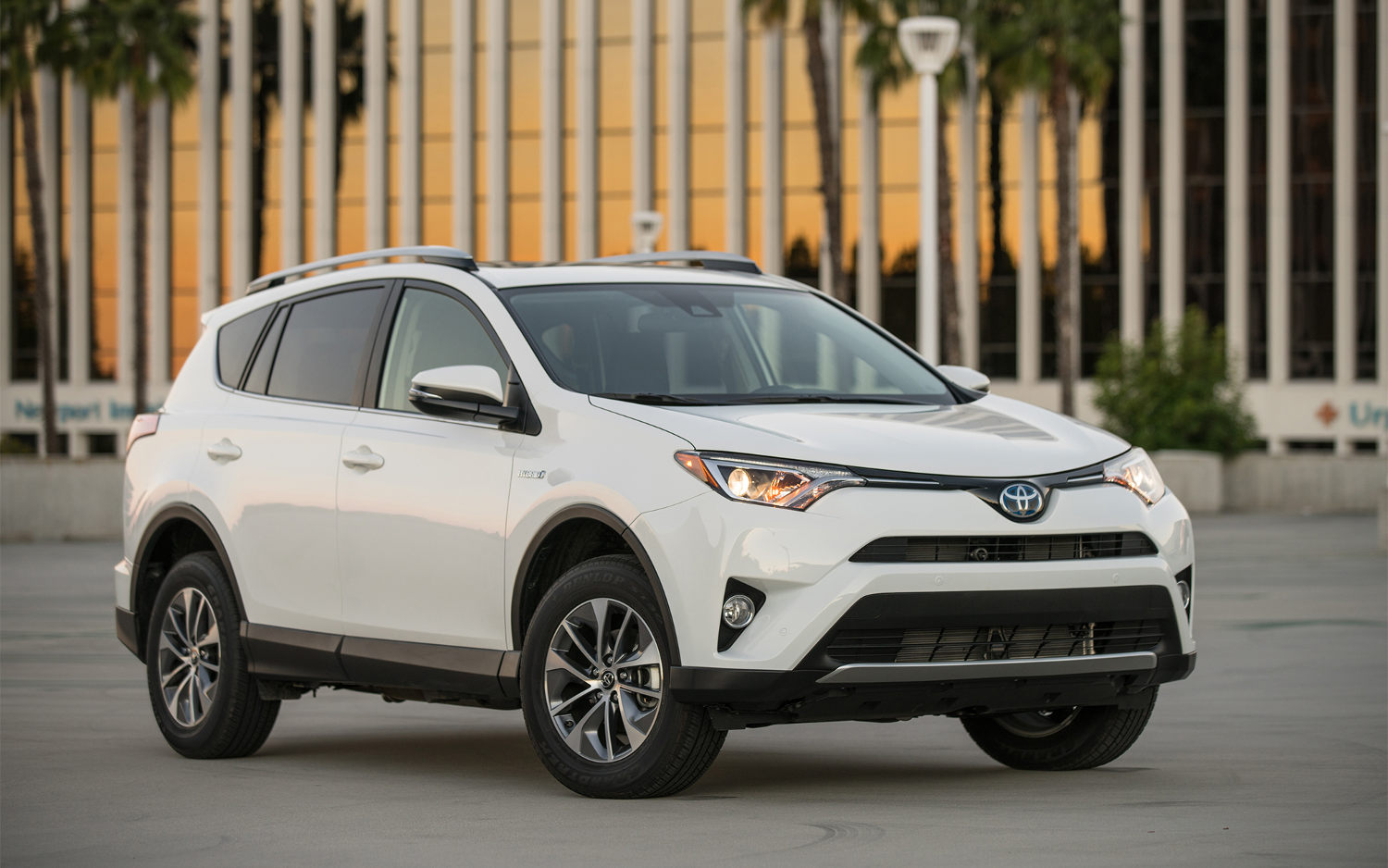
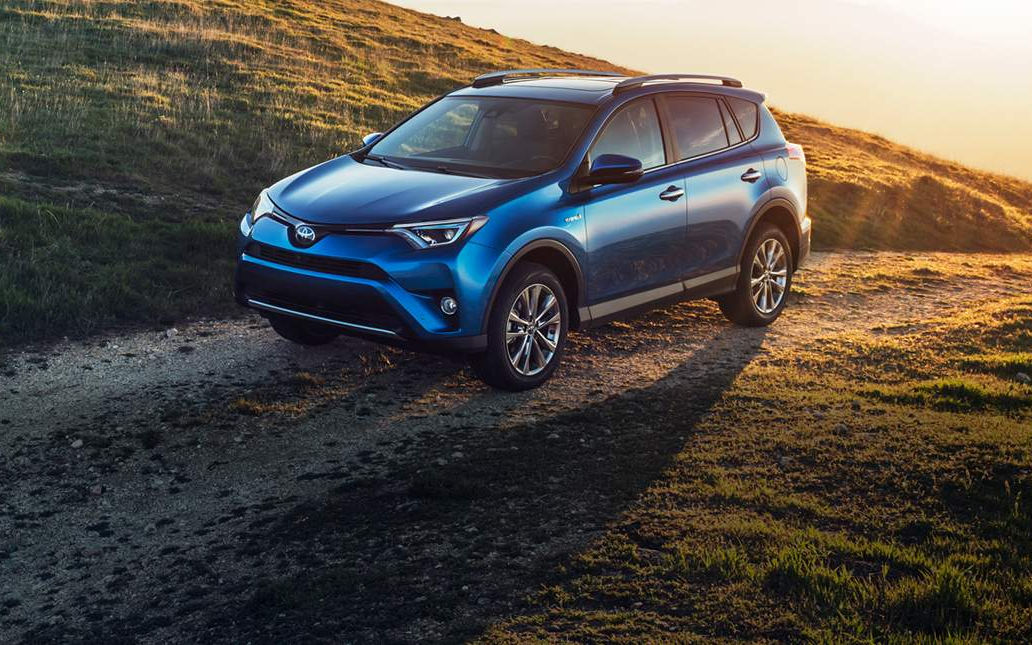
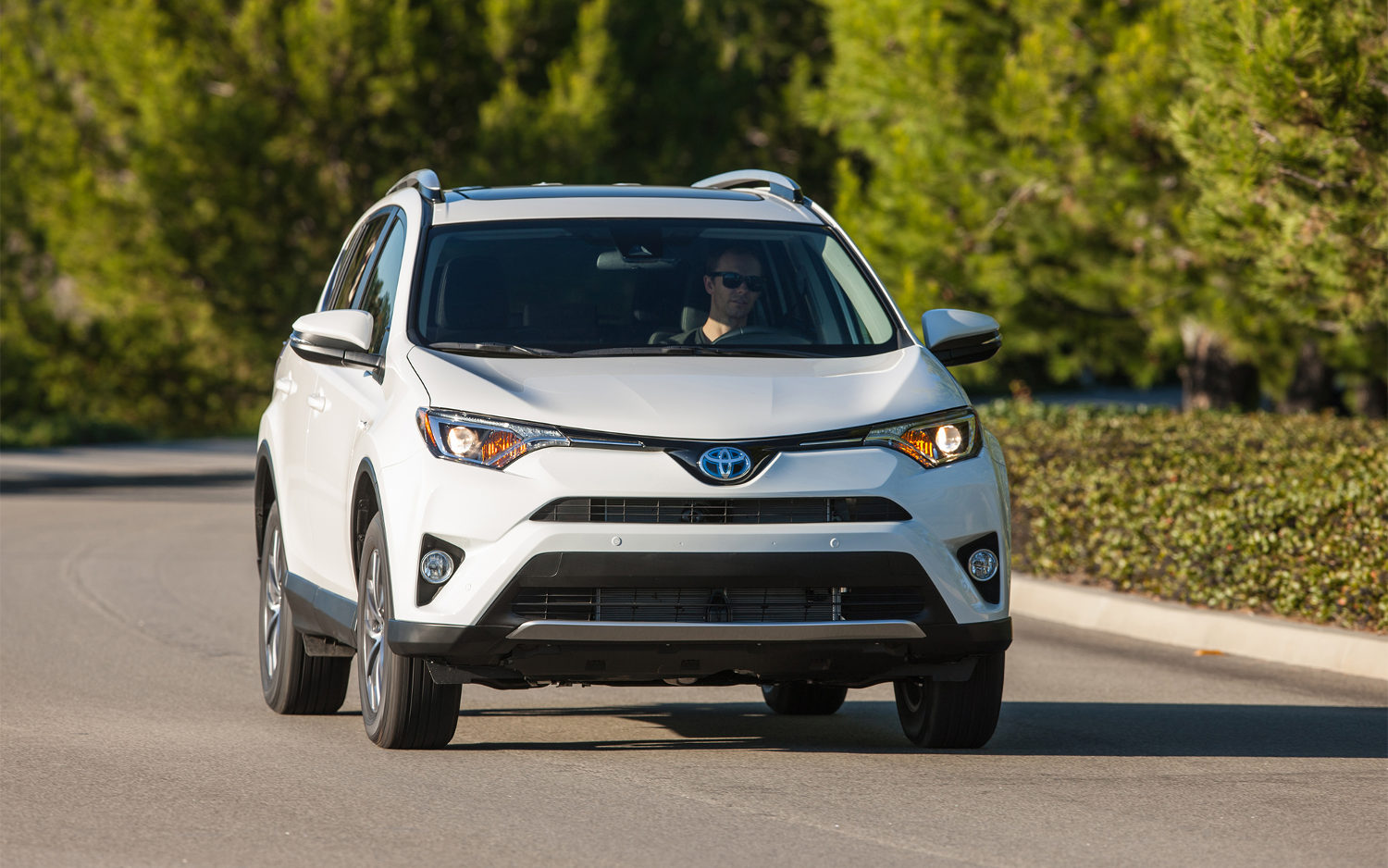
The 2017 Toyota RAV4 Hybrid ranks 9 out of 18 Compact SUVs. Starting at $29,030, the RAV4 Hybrid is one of the priciest SUVs in the class, but its abundance of standard features and excellent fuel economy help justify its cost. It comes standard with all-wheel drive plus a host of safety features that cost extra in most rivals, including pre-collision braking and adaptive cruise control. Competing SUVs equipped with similar features plus all-wheel drive quickly meet – or exceed – the cost of the RAV4 Hybrid.
Pros Good cargo space More standard features than rivals Exceptional fuel economy
Cons Lackluster cabin styling and materials
New for 2017 is a standard suite of safety systems that Toyota calls Safety Sense. Included are a forward collision warning system, lane departure warning and intervention, automatic high-beam control and adaptive cruise control.
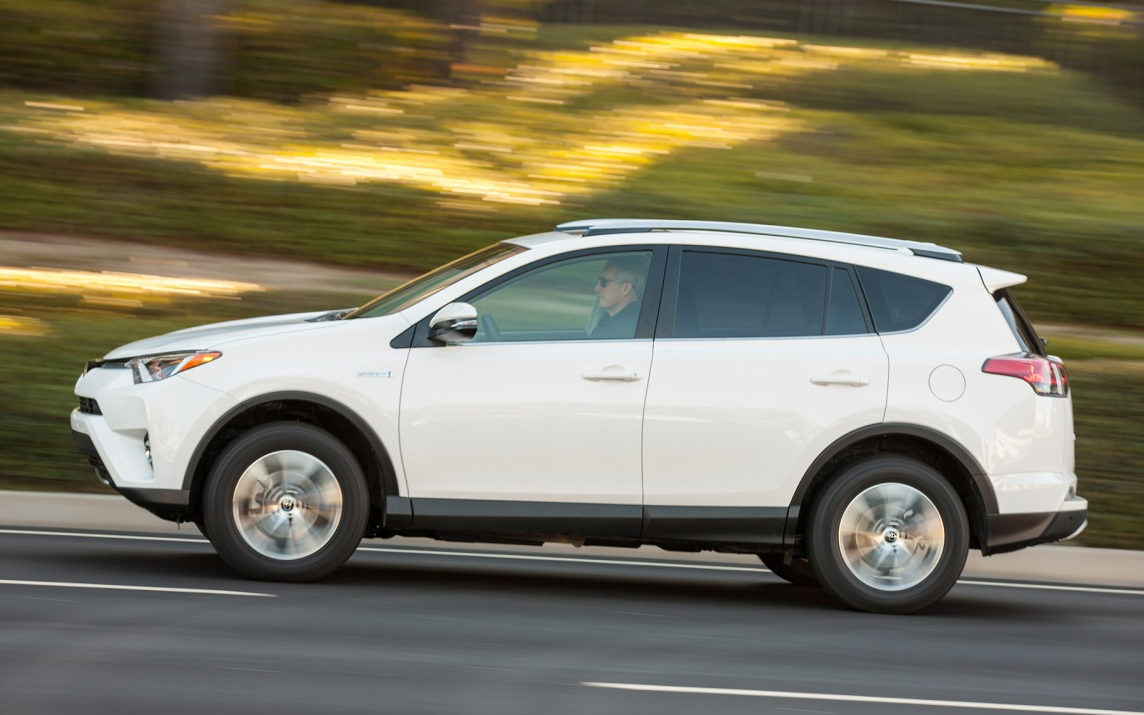
Pros Fuel economy far surpasses that of traditional compact crossovers Small price premium over non-hybrid RAV4 Ample room in both rows and generous cargo capacity Delivers a composed, comfortable ride
Cons Synthetic brake feel isn't very reassuring Some interior controls feel a little flimsy You can't get real leather upholstery
As with many other Toyota models, the 2017 RAV4 now has a long list of active-safety equipment as standard on every model. What the company calls Toyota Safety Sense-P consists of forward-collision warning, lane-departure alert, lane-keeping assist, adaptive cruise control, and automatic high-beam headlights.
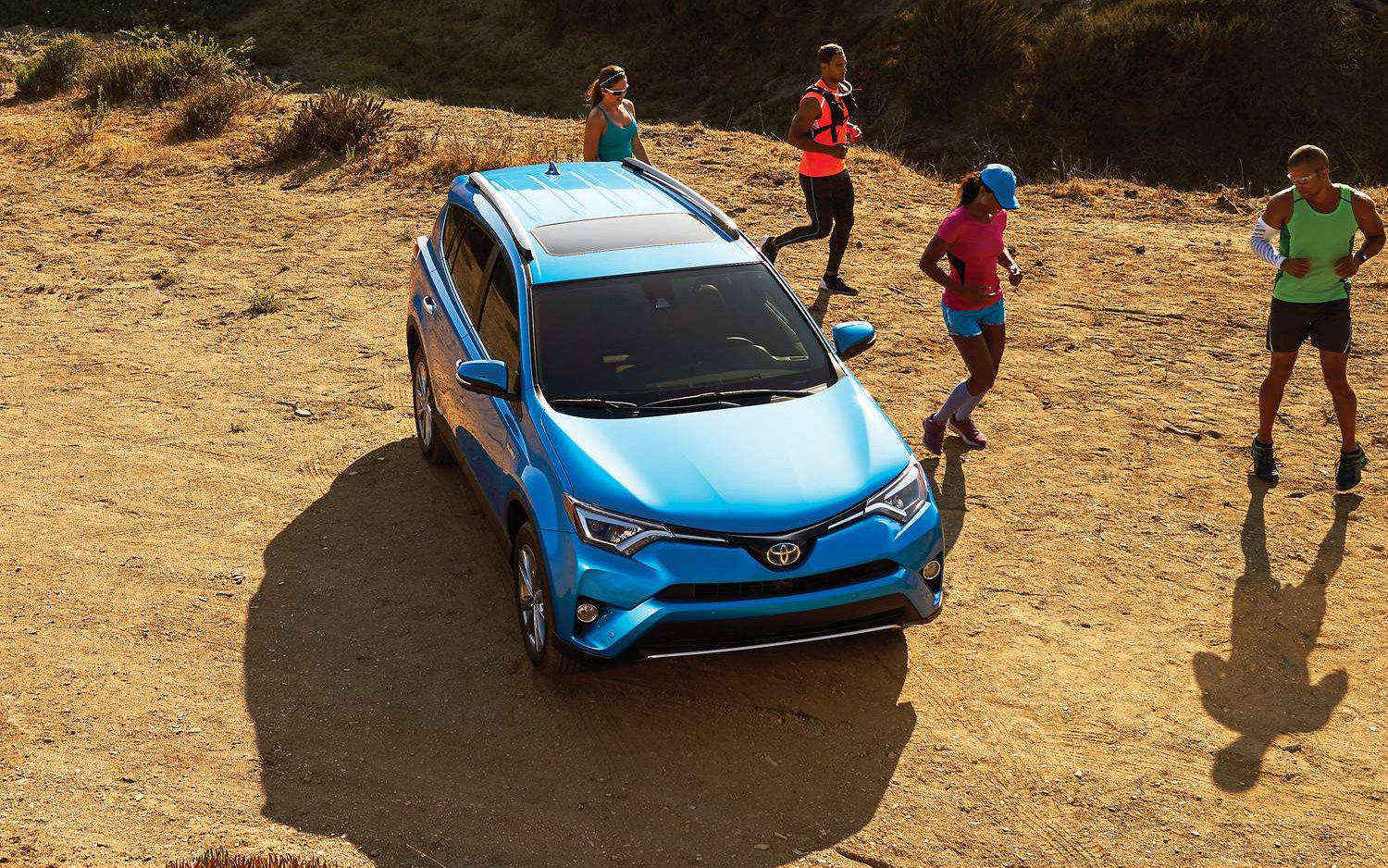
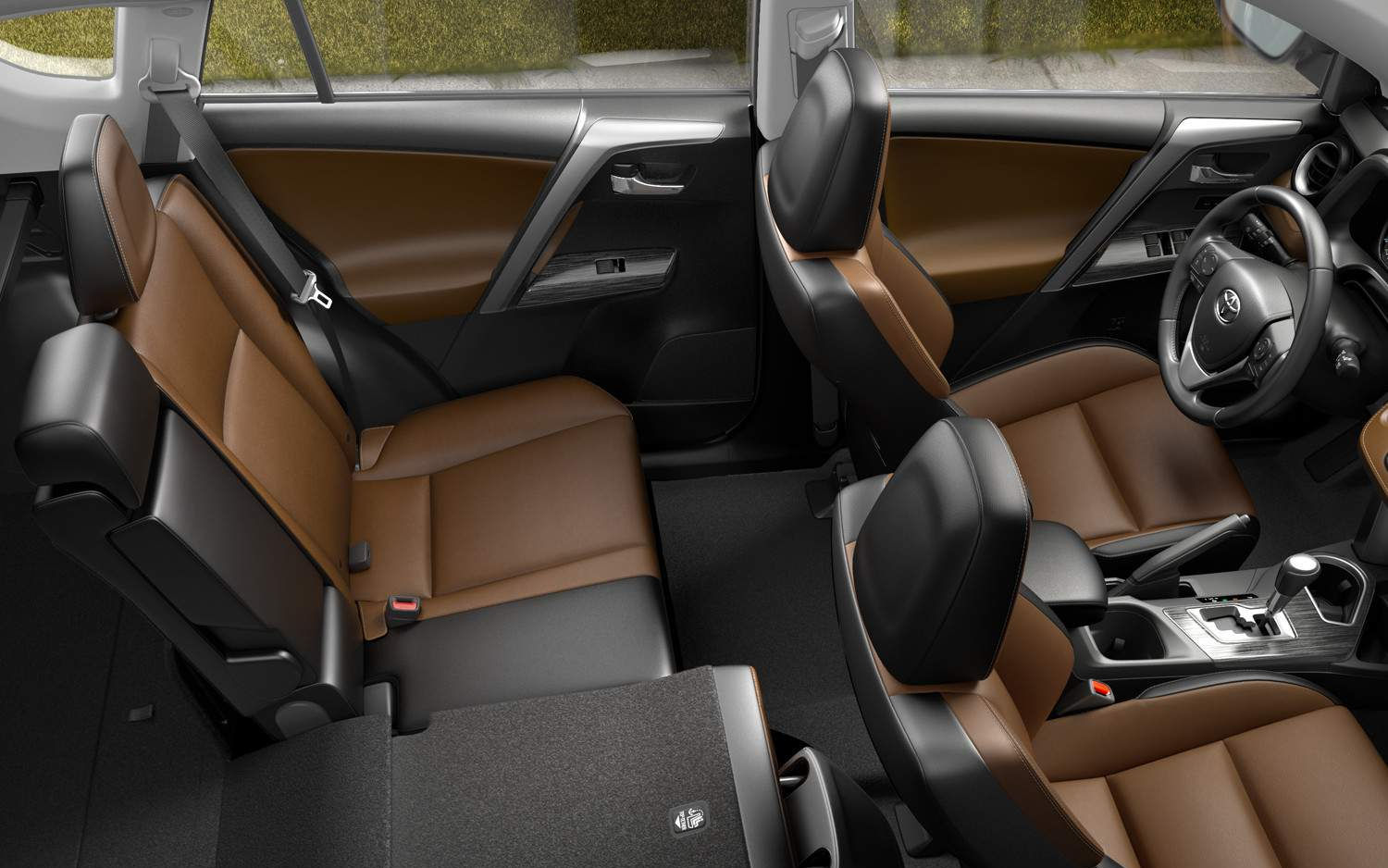
Pros Practicality reigns supreme in the RAV4, as this crossover has a spacious and versatile interior that’s well packaged for carrying people and stuff. The rear seat boasts plentiful legroom and headroom, and it also reclines. The RAV4’s cargo area also has a low lift-over height, making it easy to hoist heavy or bulky items into the capacious 38-cubic-foot hold that grows to 73 cubic feet with the back seats folded flat into the floor. Those interested in the more efficient RAV4 hybrid won’t have to give up much room, since its battery pack takes up only two cubic feet of cargo space.
Cons With lifeless, vague steering and a soft suspension, the RAV4 isn’t much fun to drive, even for a small crossover. Neither the standard 2.5-liter four-cylinder nor the hybrid powertrain provides responsive acceleration, with the hybrid crawling from zero to 60 mph in 8.3 seconds and the RAV4 SE AWD taking 8.4 seconds. While the hybrid at least makes up for its relative sluggishness with an EPA-rated 32 mpg combined, the standard four-cylinder’s highest combined rating of 26 mpg falls short of quicker, better-to-drive competitors such as the 2016 Mazda CX-5 and its 29-mpg number.