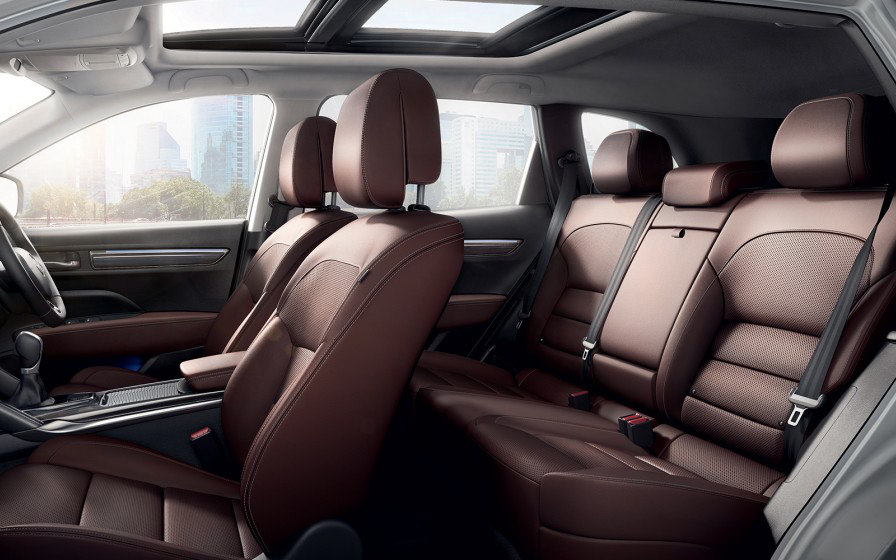
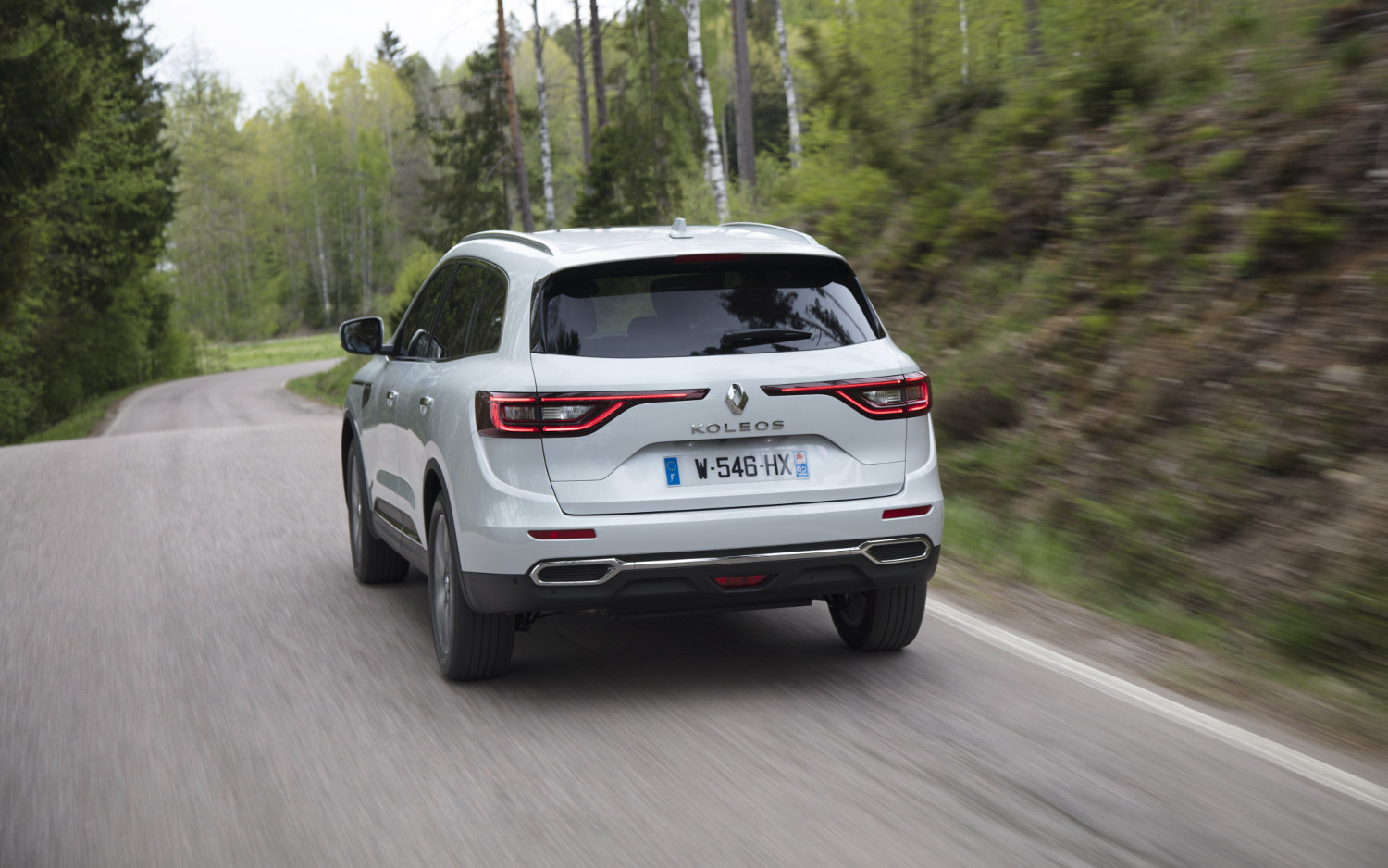
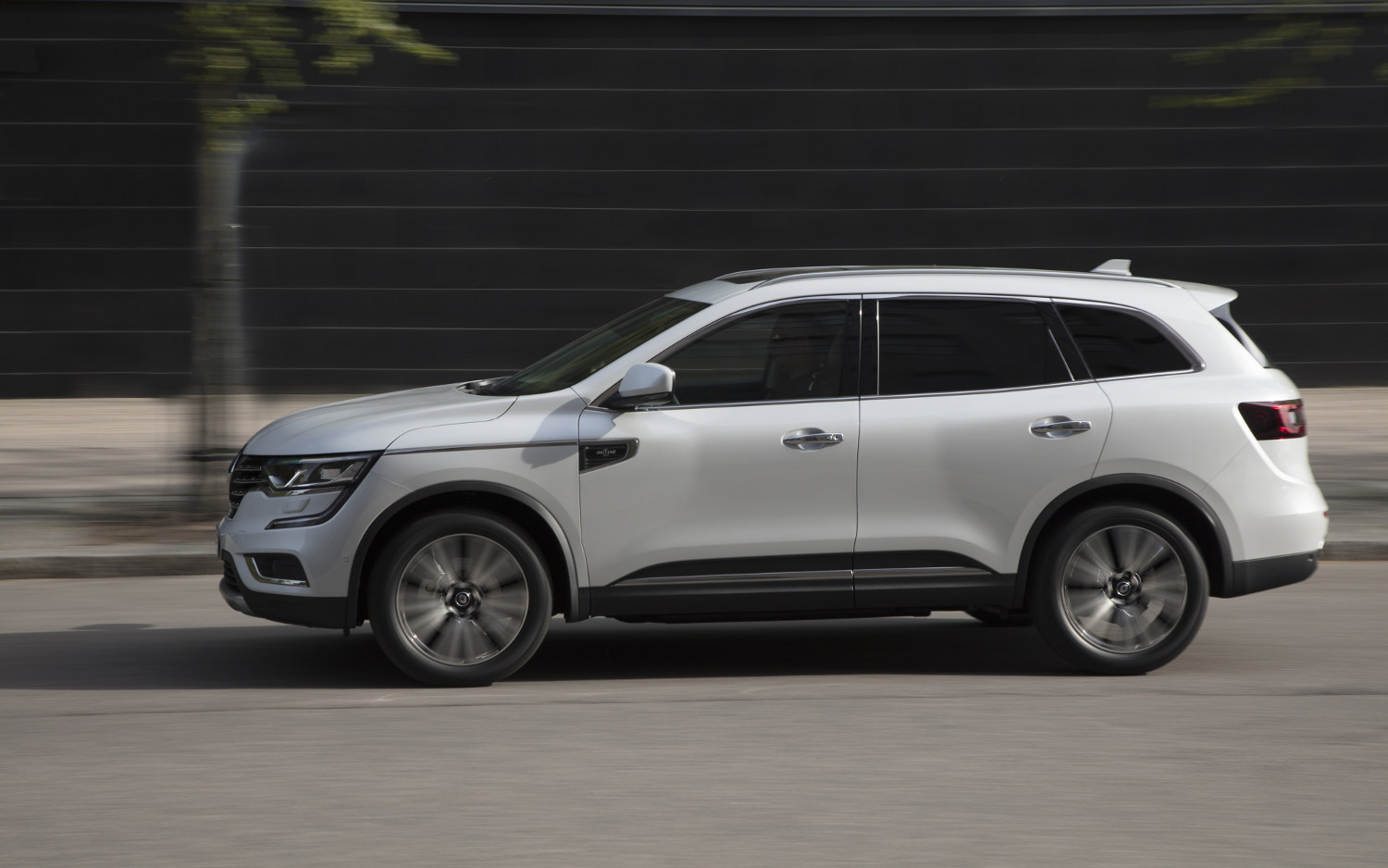
Pros • Cabin, load space • Fuel economy • Dash presentation
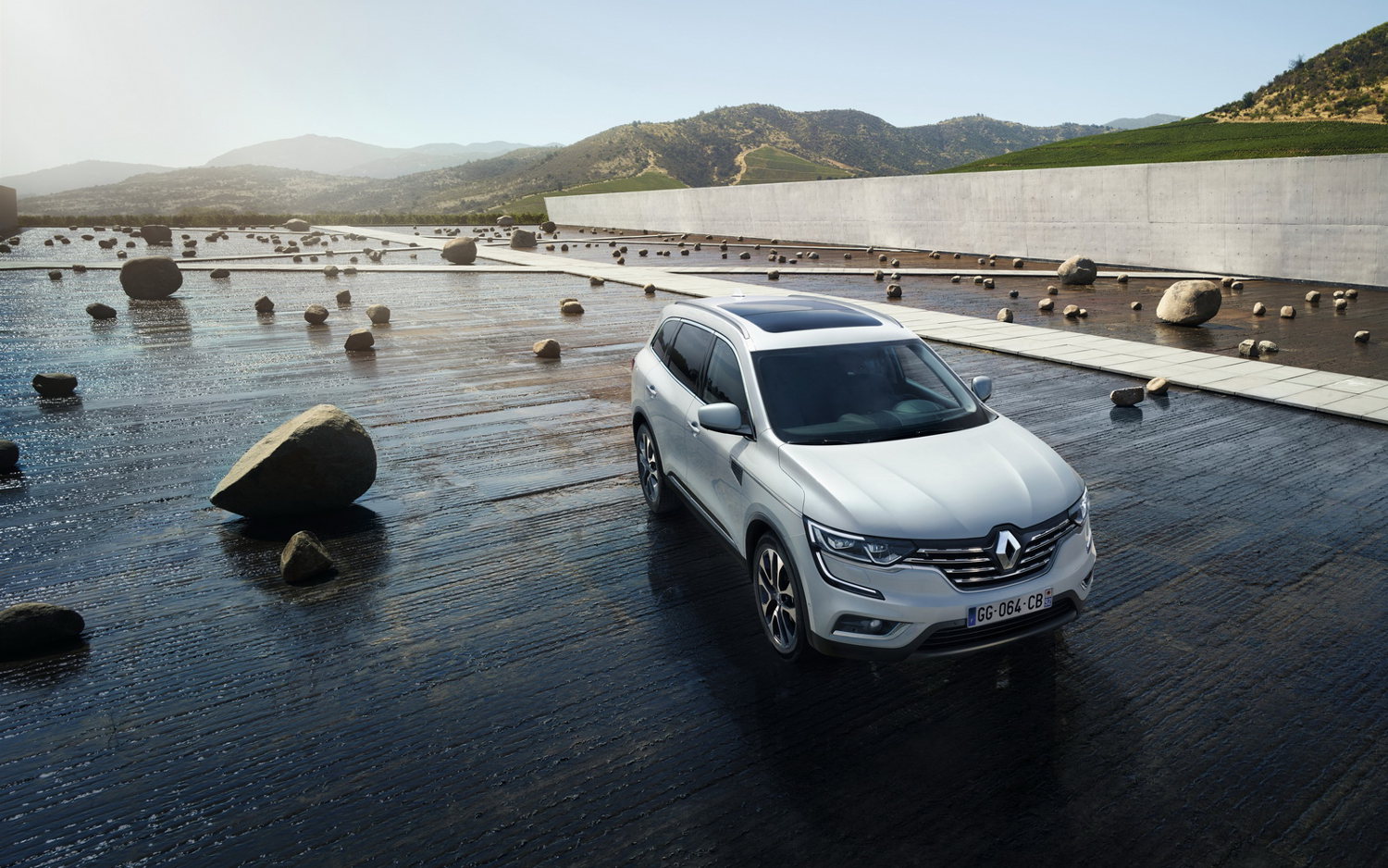
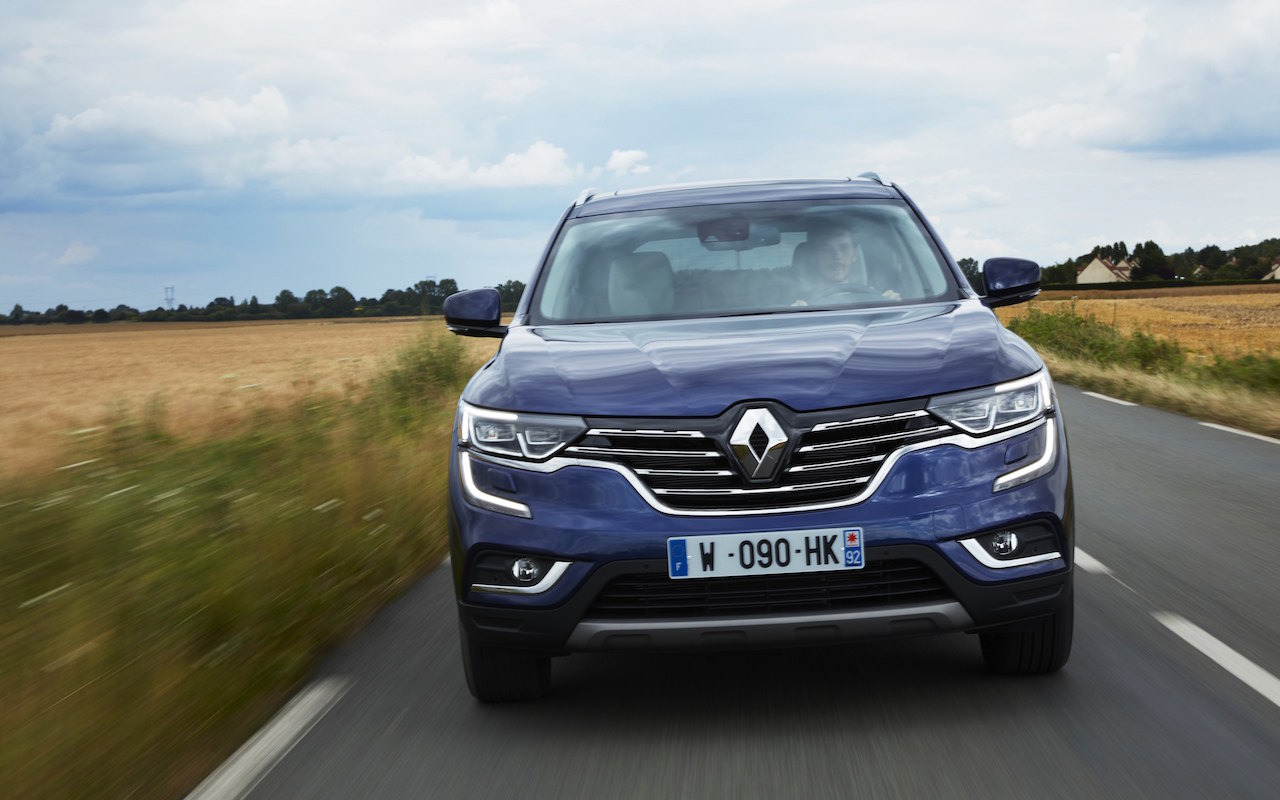
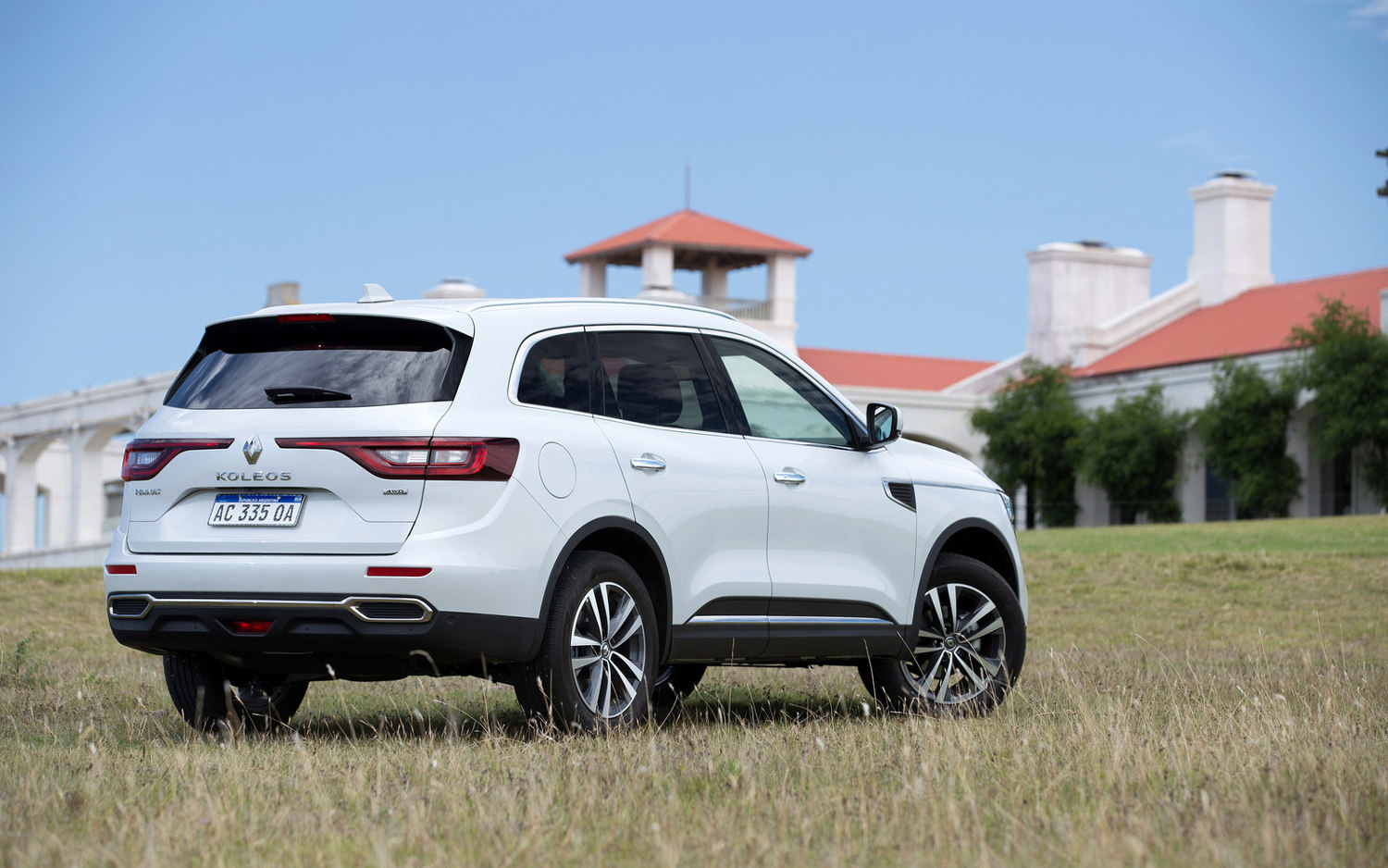
Cons • Noisy suspension • Flat seats • CVT characteristics The Koleos did what it was intended to do. It gave Renault a foothold in a hitherto unrepresented segment and, more importantly in Australia, it quickly became Renault’s biggest-selling model.If there was a major shortcoming with the second generation Koleos it was the lack of a diesel engine. The newcomer was exclusively powered by a hard-working 2.5-litre naturally-aspirated four-cylinder petrol engine producing a reasonable 126kW/226Nm and returning, in AWD form, a combined fuel consumption average of 8.3L/100km.But that’s all changed now. The long-awaited turbo-diesel option arrived in August 2017 to immediately bring more power and (a lot more) torque. At 130kW/380Nm it’s a true grunter which, at 6.1L/100km, also offers better fuel consumption, plus lower exhaust emissions (150g/km against the petrol version’s 192g/km).
Pros Noticeably more torque and better fuel economy from the diesel engine Big size equals excellent second-row space inside Competitively priced Good ownership credentials
Cons Powertrain not as seamless and effortless as the numbers suggest No quicker than cheaper front-drive petrol Koleos variants Wieldy SUV to manoeuvre and park Ho-hum infotainment system Lower braked towing rating than petrol versions The diesel clatter is also quite noticeable, though nothing like a deal-breaker, but it does harness the on-demand all-wheel-drive system's tractive talents better and more noticeably than the petrol engine does. And by maintaining fuel economy within a ballpark of its maker’s 6.1 combined cycle claim, it’s markedly more efficient by a couple of litres per hundred, particularly around town.
Pros Great exterior looks Nice enough to drive Good level of equipment
Cons Doesn't come with a seven-seat option Prices are a bit high Manual gearbox isn't the smoothest
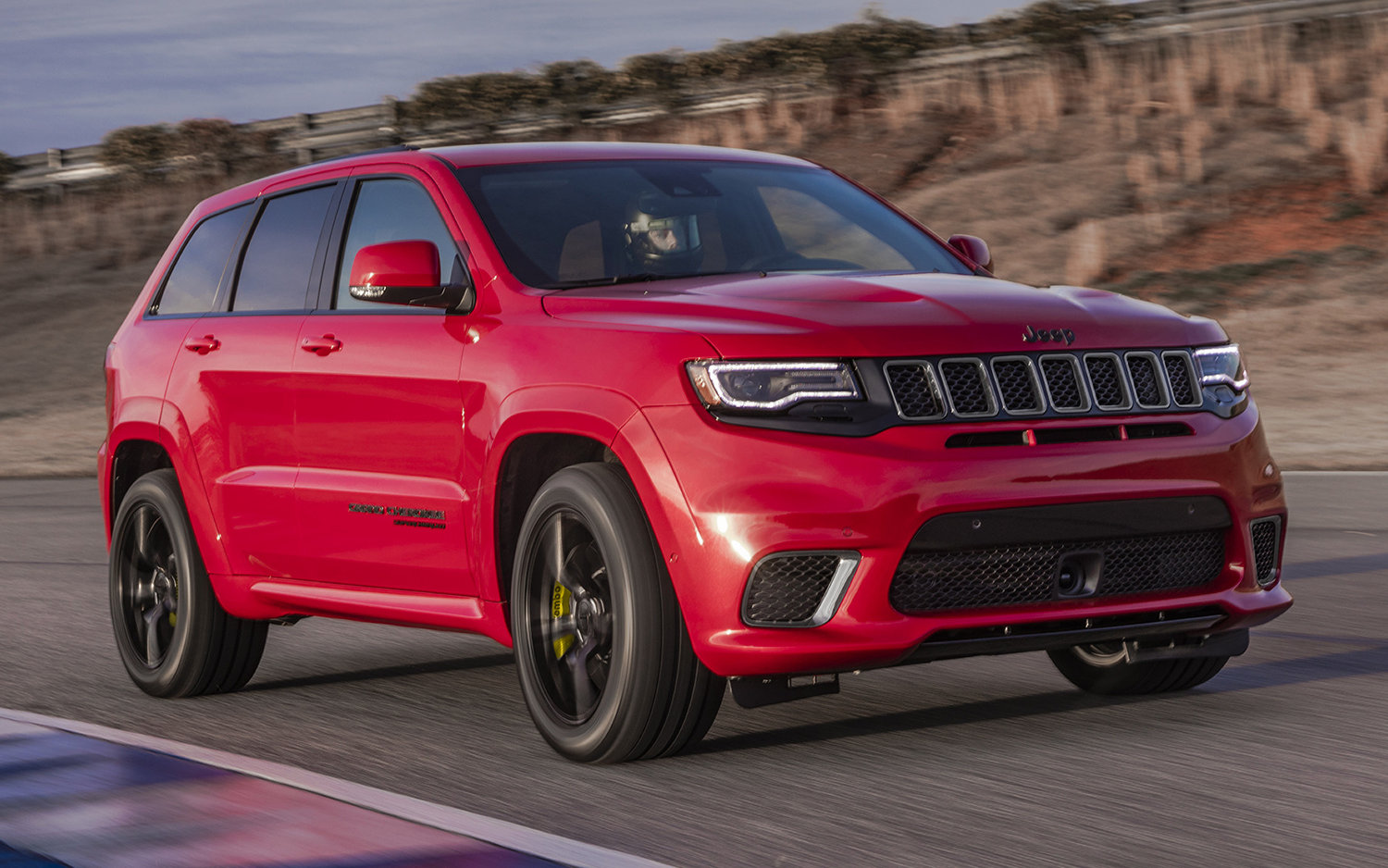
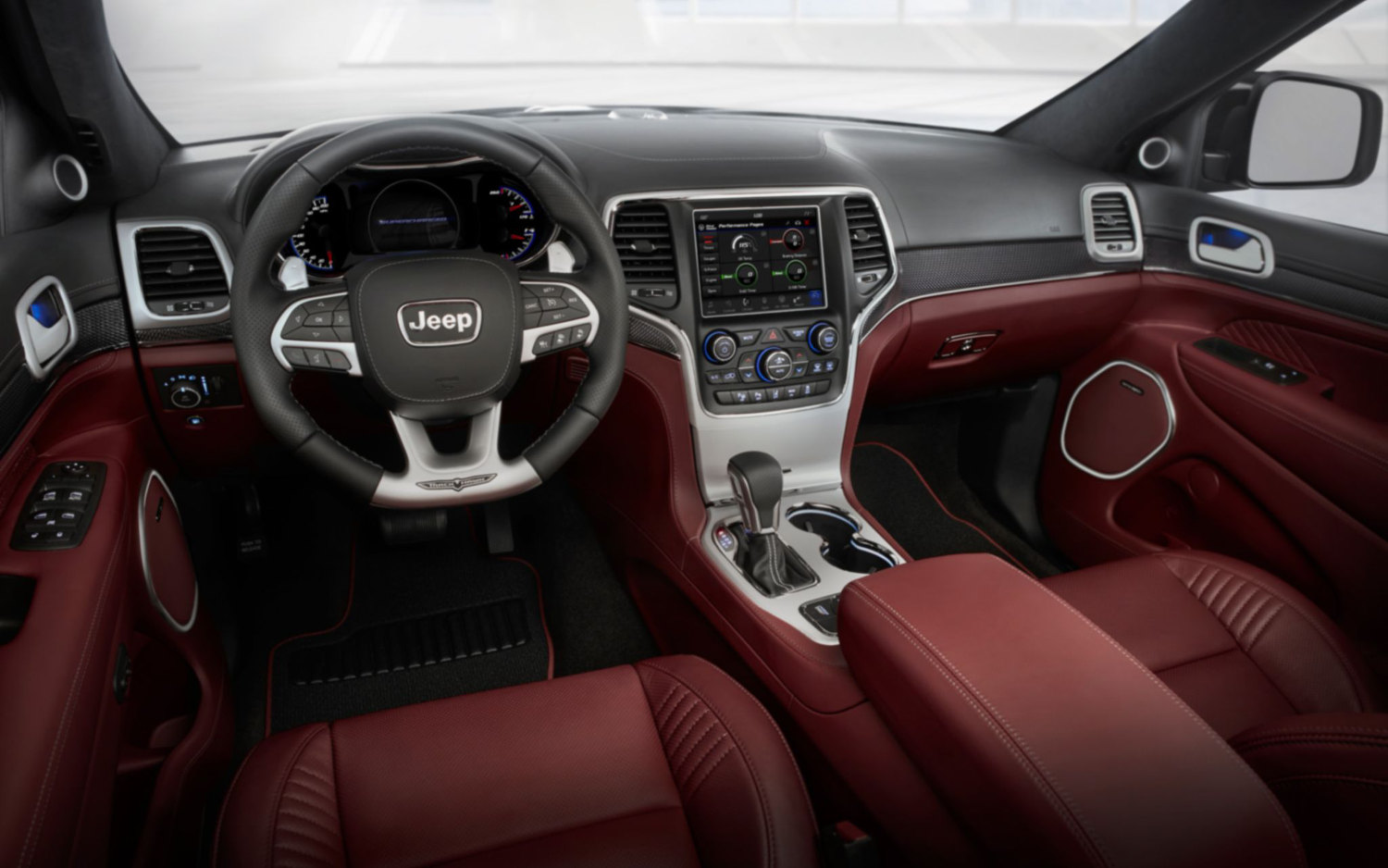
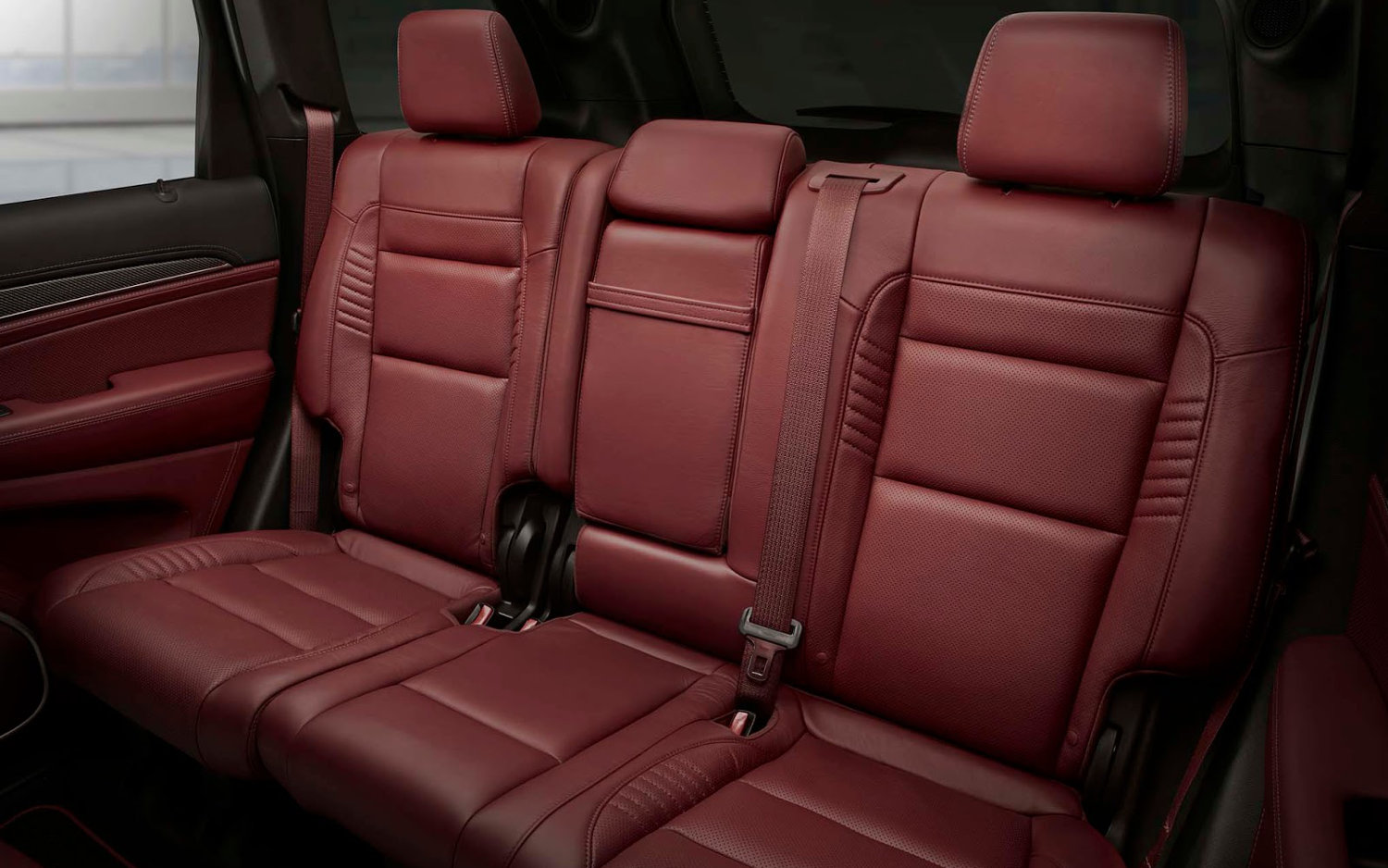
The Jeep Grand Cherokee Trackhawk is the third Fiat Chrysler vehicle to have the unhinged supercharged V-8 stuffed under its hood, and it’s the quiet Hellcat next door. Not literally, of course—have you heard a blown Hemi V-8 at full whack?—but with standard all-wheel drive mitigating the engine’s tire-spinning proclivities, plus its under-the-radar looks, the Trackhawk can at least pass for an upstanding citizen. With more traction than any Hellcat yet, the Trackhawk has quite a lot of poke despite its pork—the engine adds 259 pounds over the already heavy 475-hp Grand Cherokee SRT. Nonetheless, Jeep claims it can reach 60 mph in 3.5 seconds. That time is on par with the nearly 1000-pounds-lighter, automatic-equipped Dodge Hellcats we’ve tested. (The quickest was the Charger, which reached 60 mph in 3.4 seconds.) Per Jeep, the quarter-mile is expected to fly by in 11.6 seconds (at 116 mph!), and, with no electronic governor, the Trackhawk is said to surrender to atmospheric resistance at 180 mph.