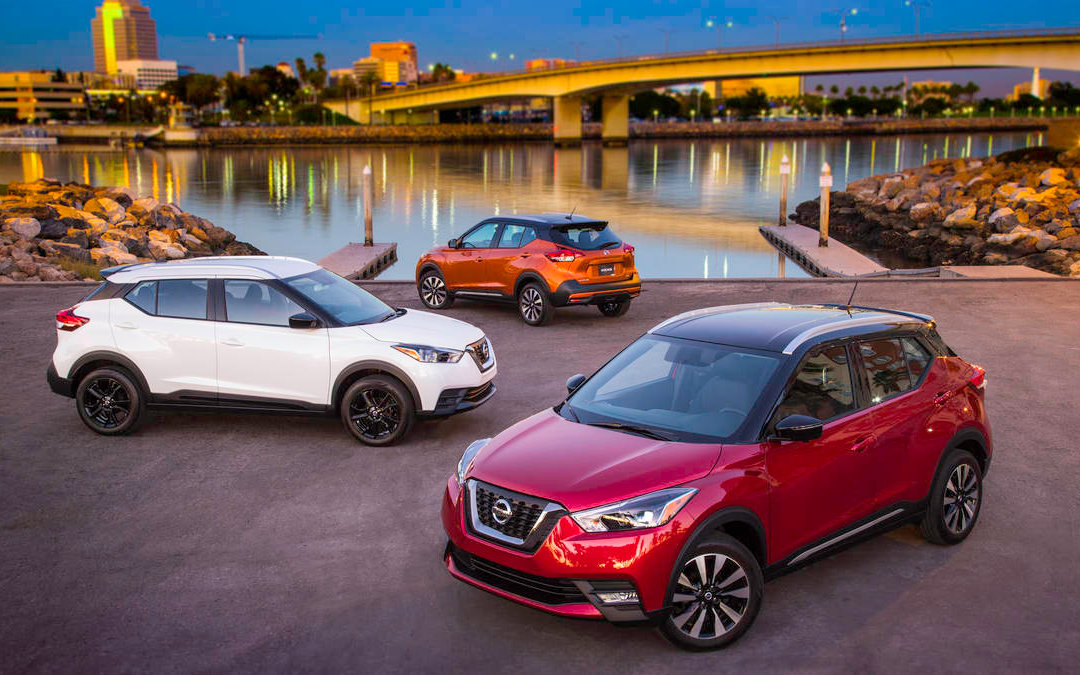
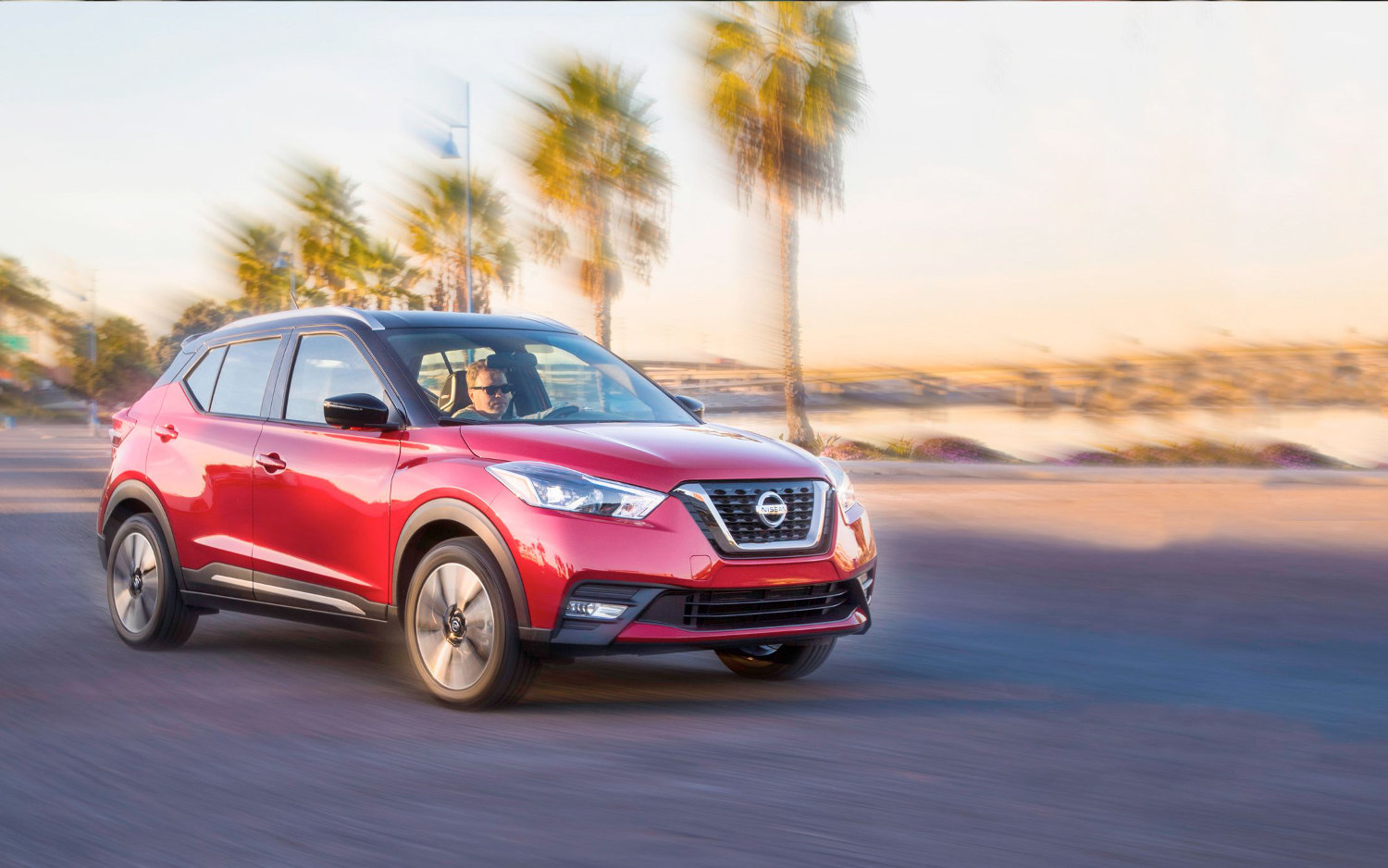
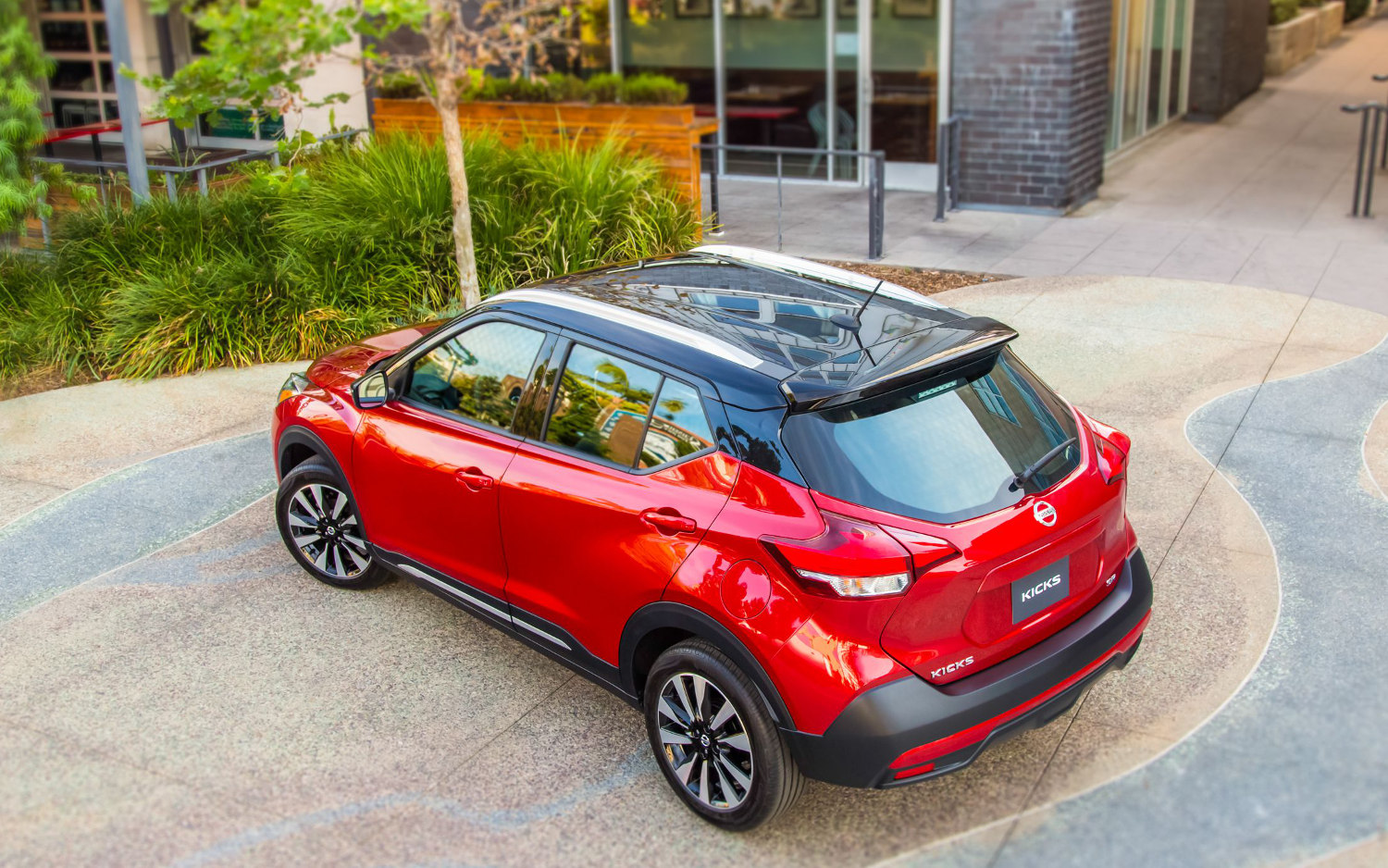
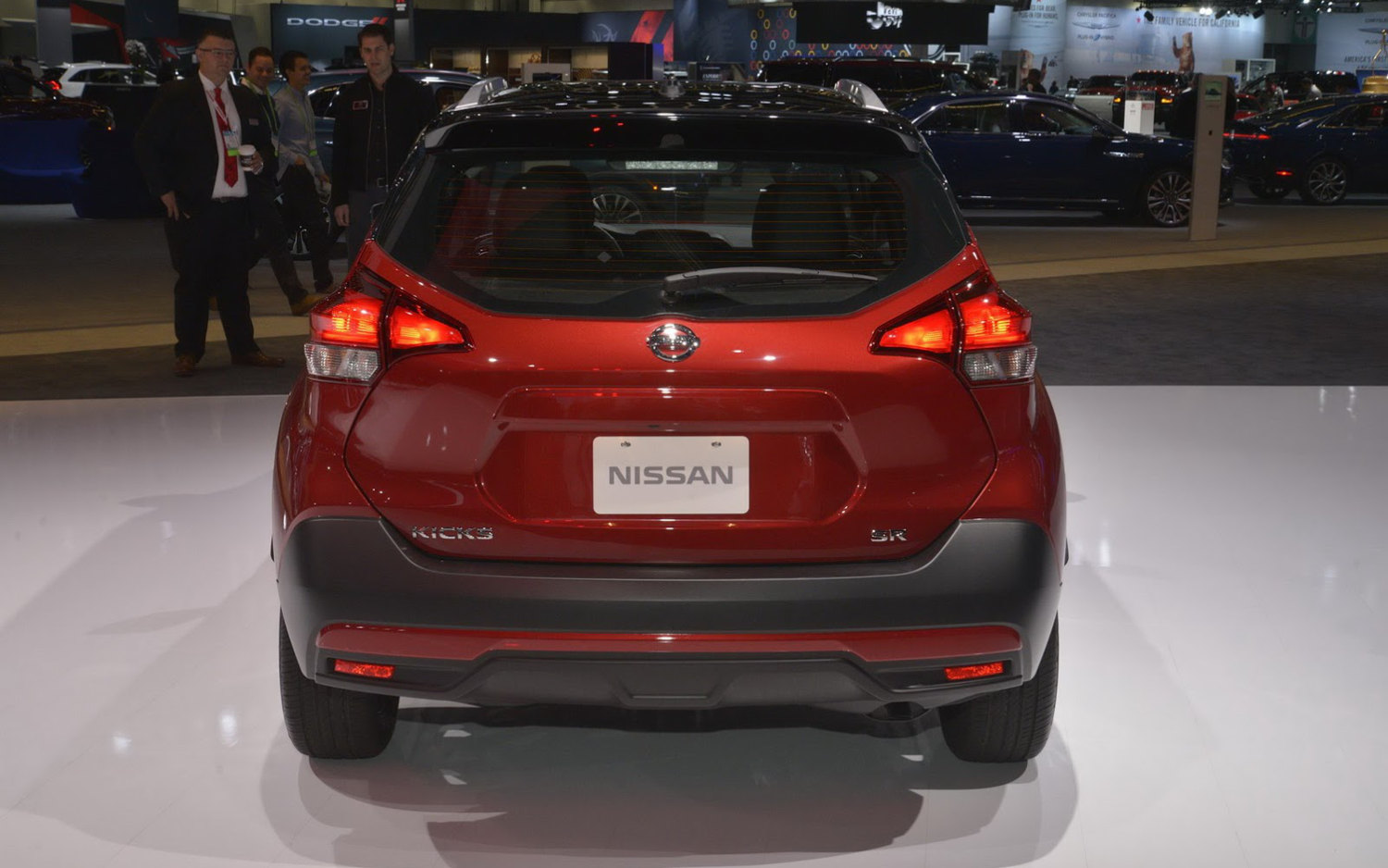
The 2018 Nissan Kicks is a high-riding compact hatchback, but its spec sheet doesn't look very thrilling.The 2018 Nissan Kicks is a far more conventional crossover than its Juke predecessor. That doesn't mean it's a dullard in the looks department, though.
Pros Distinctive styling Standard automatic emergency braking City-size dimensions
Cons Decidedly short on power No AWD? Could be a great value
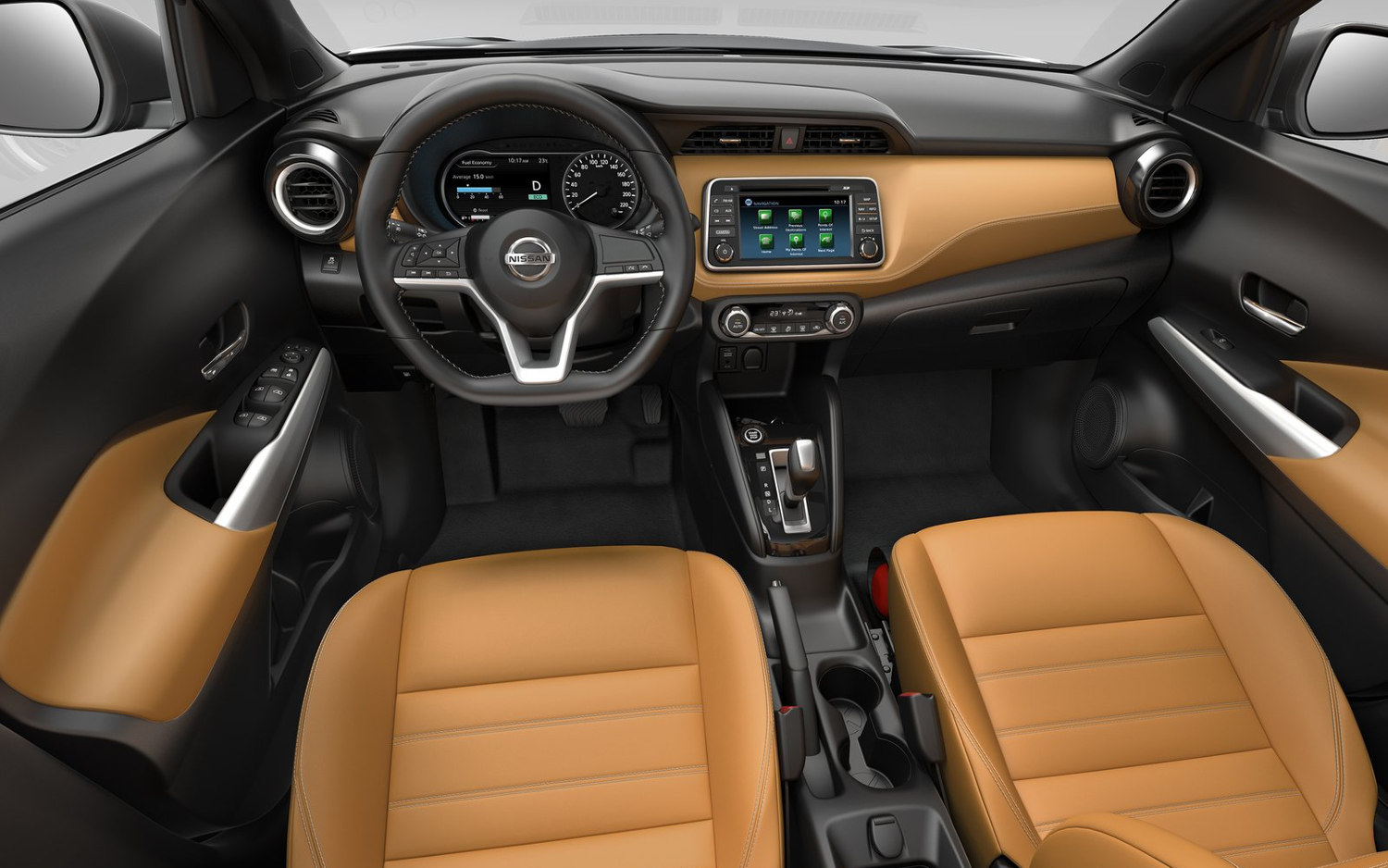
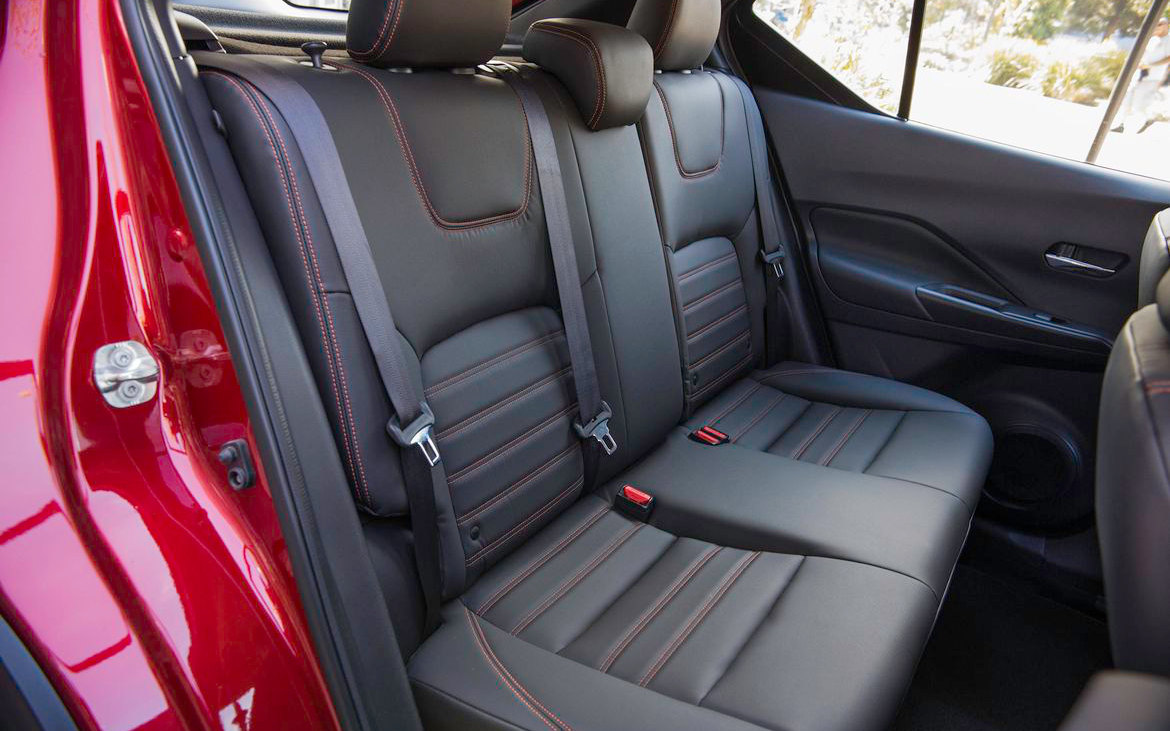
Replacing the Juke at the small end of Nissan’s SUV lineup, the Kicks is a cheeky entry into the subcompact-crossover class. The sole engine is a 125-hp four-cylinder mated with a CVT and front-wheel drive, so it loses the turbocharged Juke’s fun factor, but it attempts to make up for that with more interior space and plenty of features. Forward-collision warning and autonomous emergency braking are standard, and Apple CarPlay and Android Auto are optional. It goes on sale in June 2018. Despite the jump in size, Nissan hasn’t seen fit to augment anything under the hood. In fact, it has done exactly the opposite by installing a naturally aspirated 1.6-liter inline-four in the Kicks as the sole powerplant. It produces a paltry 125 horsepower and 115 lb-ft of torque, down 63 ponies and 62 lb-ft compared with the Juke’s turbocharged 1.6-liter unit. Further sapping the fun, the Kicks comes only with a continuously variable automatic transmission and front-wheel drive.
Nissan has introduced the newest member of its lineup, the 2018 Kicks, which slots into Nissan's SUV lineup below the Rogue Sport. It hits dealerships in summer 2018.
We're not sure what the introduction of another small utility vehicle means for Nissan's existing subcompact SUV, the Juke. There's no official word from Nissan yet on the Juke's fate, but if I had to guess, it's just a matter of time before the Kicks ... well, kicks the Juke to the curb.
The Kicks will be offered in three trim levels: Kicks S, Kicks SV and Kicks SR.
The 2018 Nissan Kicks ranked #7 in Subcompact SUVs. Currently the Nissan Kicks has a score of 7.9 out of 10 which is based on our evaluation of 10 pieces of research and data elements using various sources.
Pros Excellent fuel economy Low base price Plenty of standard and optional features Ample cargo space
Cons Somewhat weak engine Rear seats don't fold flat
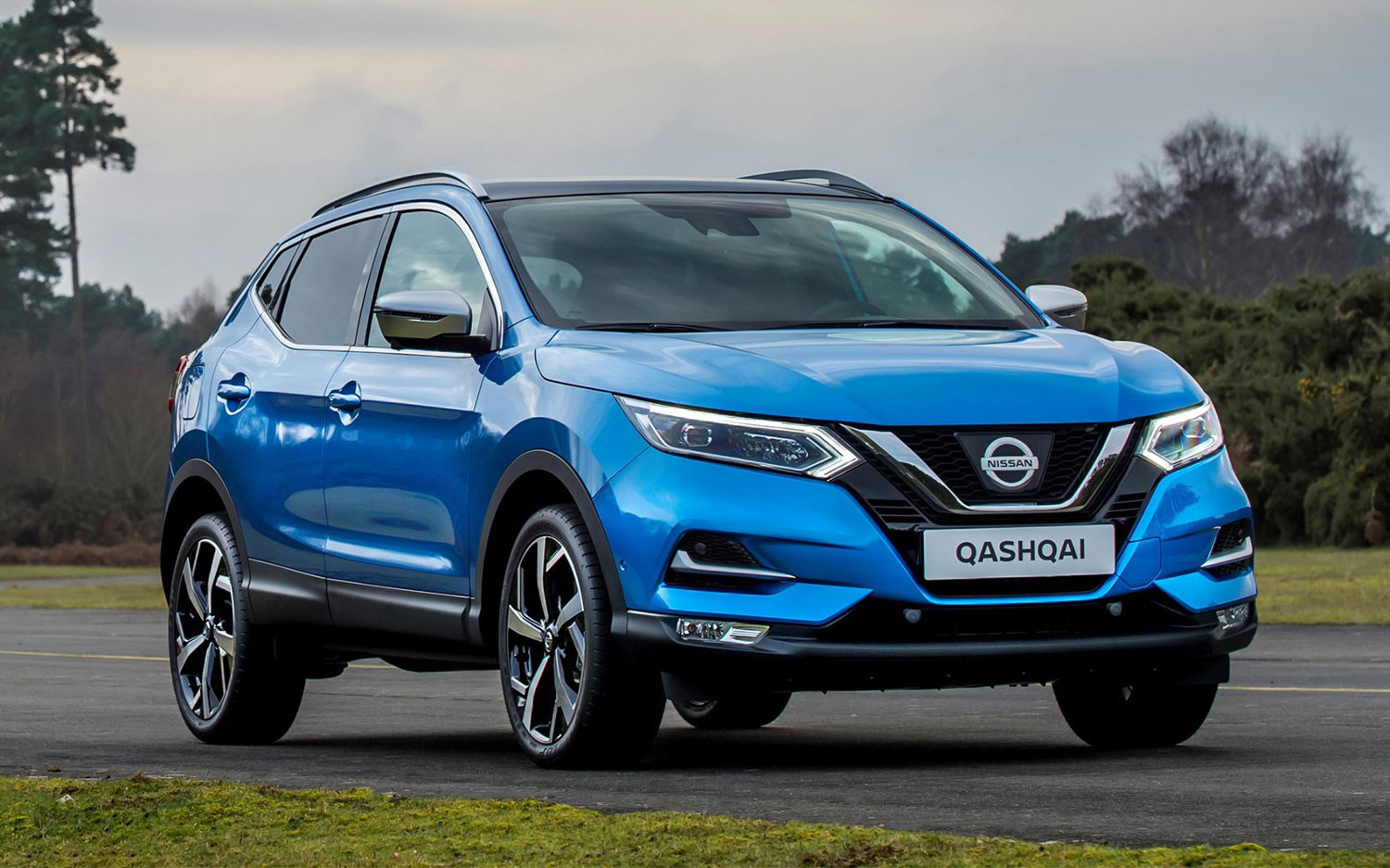
The Qashqai is certainly one of the bigger cars in the small SUV class.There might be four models, but there are three specification levels. The ST has cloth trim, cruise control, air-conditioning, some fake leather bits and pieces, reversing camera, halogen headlights, four speaker stereo and 17-inch alloy wheels.
Pros Big interior Excellent build quality Comfortable ride
Cons Interior missing some tech toys Diesel servicing costs Fuel consumption high (no stop-start to reduce it)
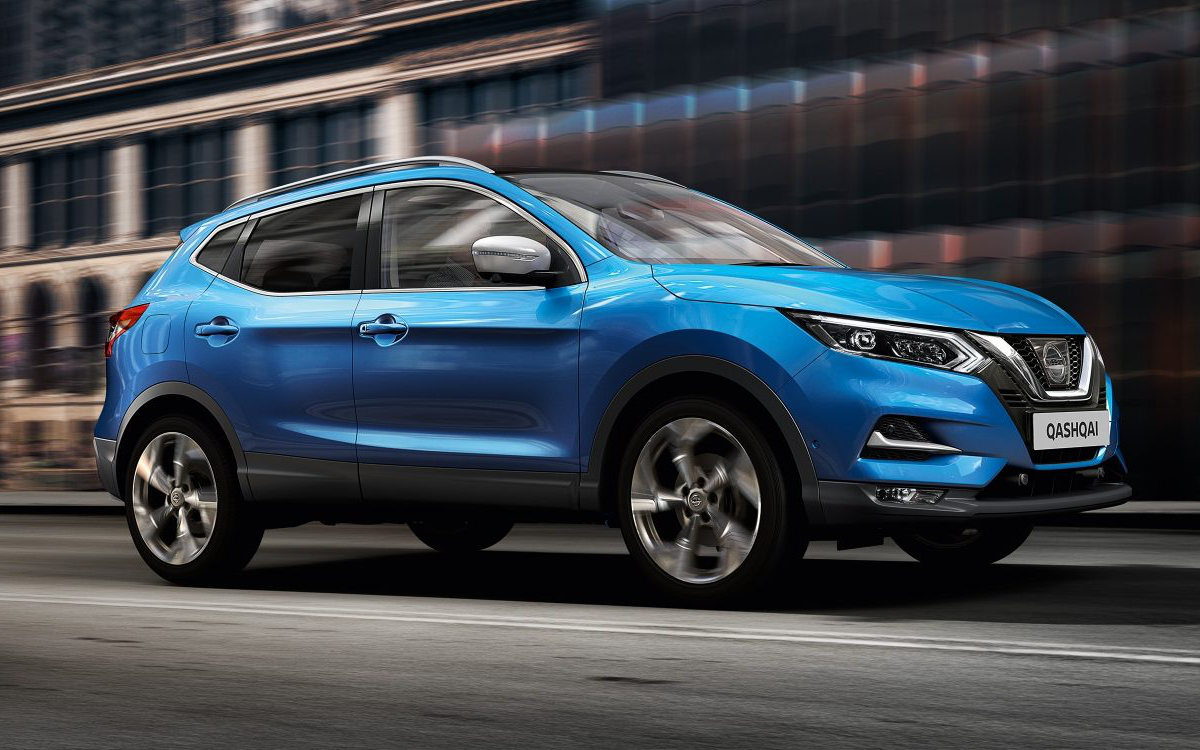
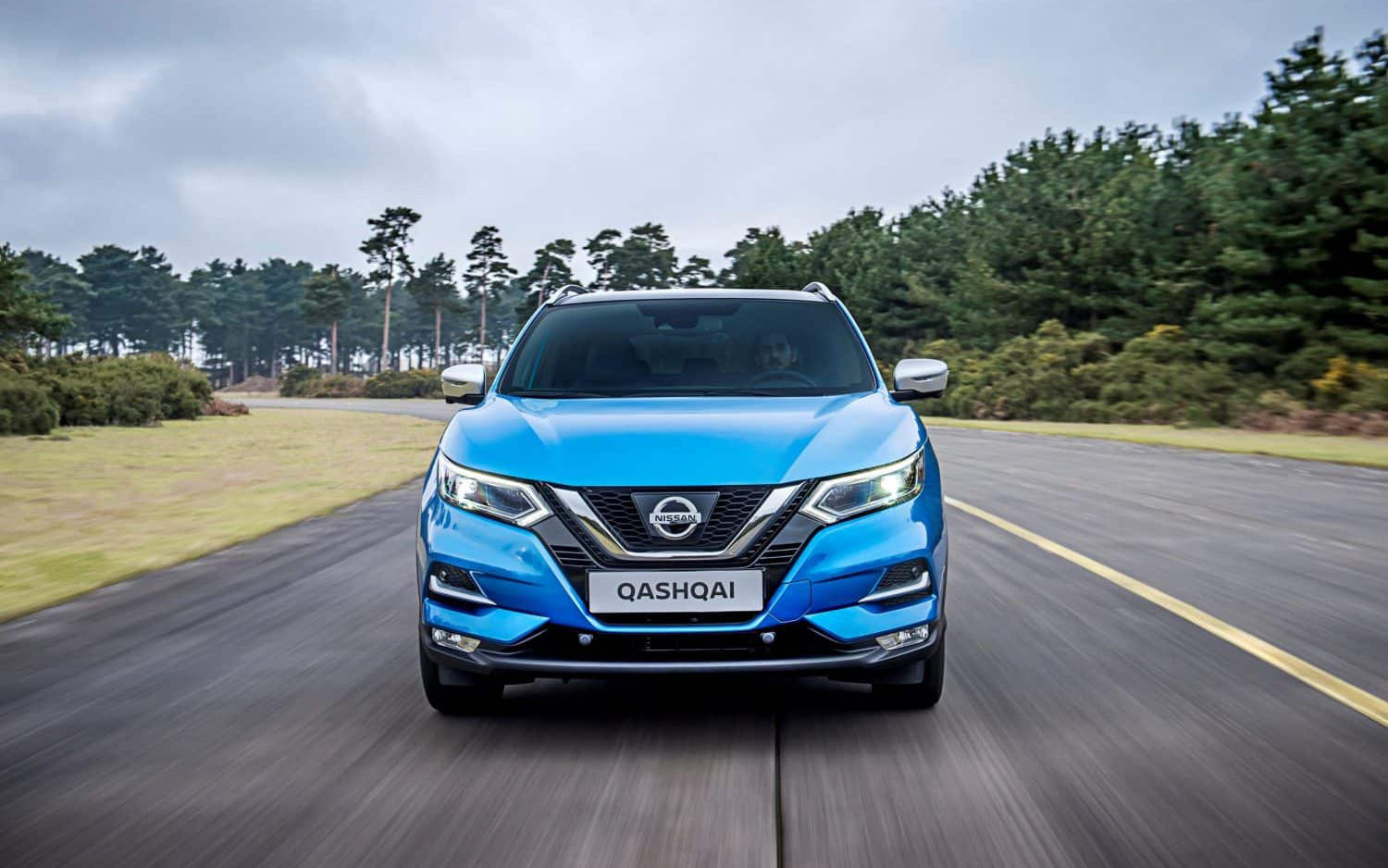
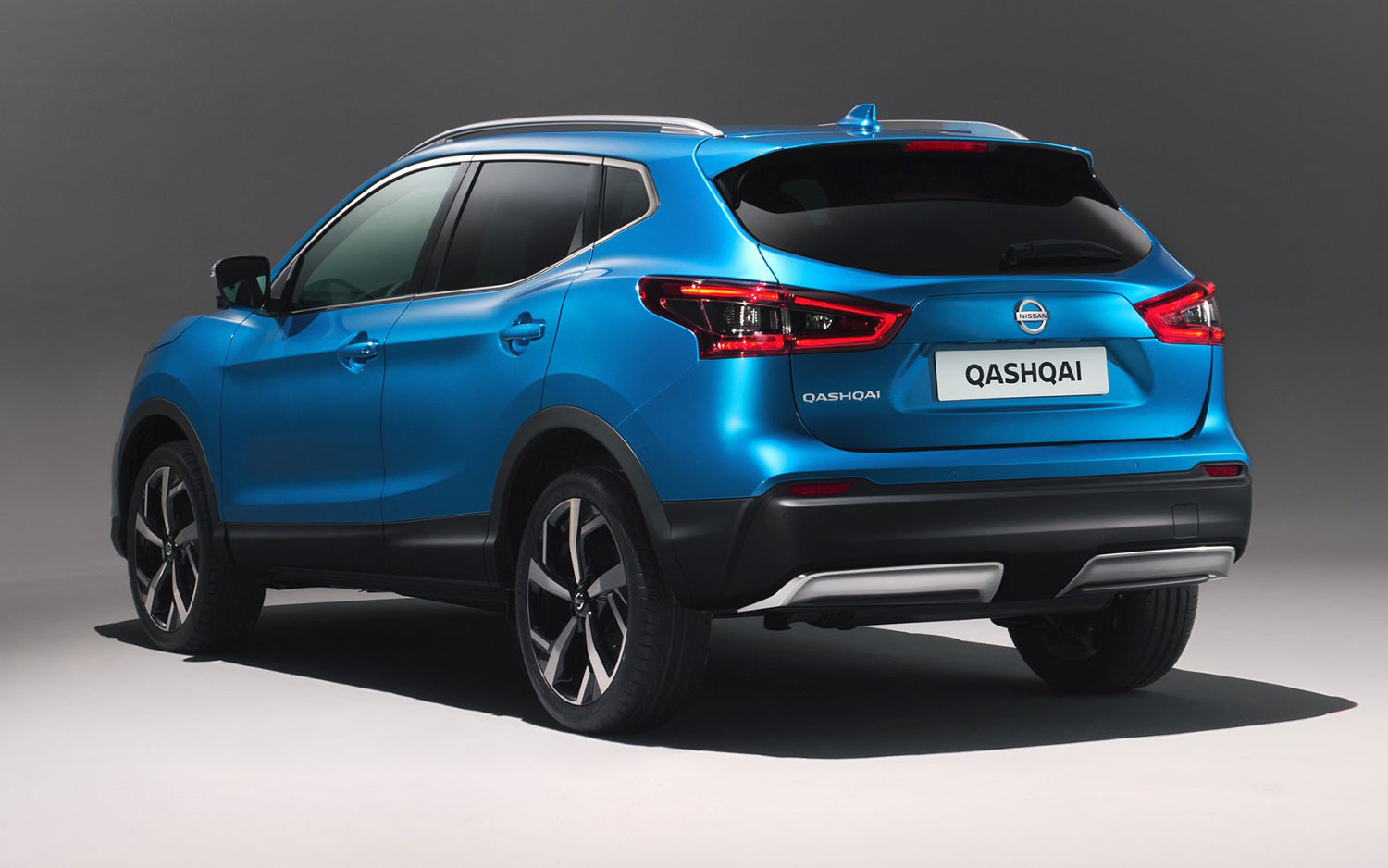
This is the facelifted Nissan Qashqai, which has been unveiled at the Geneva Motor Show. More than 230,000 examples of the Qashqai were sold in Europe in 2016, but that hasn’t stopped Nissan from giving the its family SUV a thorough overhaul. The headline change is the addition of autonomous driving tech called ProPILOT; by the end of the year, the Qashqai will have the ability to steer, accelerate and brake itself in a single lane on motorways. Nissan can’t yet say whether or not this will be standard on top trim levels, however. Nissan claims higher-quality materials give the SUV’s cabin a more premium feel. Visible changes include a new flat-bottomed multifunction steering wheel and a fresh user interface for the infotainment system. And a new range-topping Tekna+ grade has been added, bringing luxuries such as 3D-effect quilted leather upholstery.
The new Qashqai features modifications to the suspension and steering to improve comfort, while new insulating materials are claimed to make it more refined. No changes have been made to the range of turbocharged petrol and diesel engines, however, so buyers can choose from an entry-level 113bhp 1.2-litre petrol, a 161bhp 1.6-litre petrol, and 1.5 or 1.6-litre diesels. The 1.5 dCi 110 should be the cheapest to run, with CO2 emissions of 99g/km.