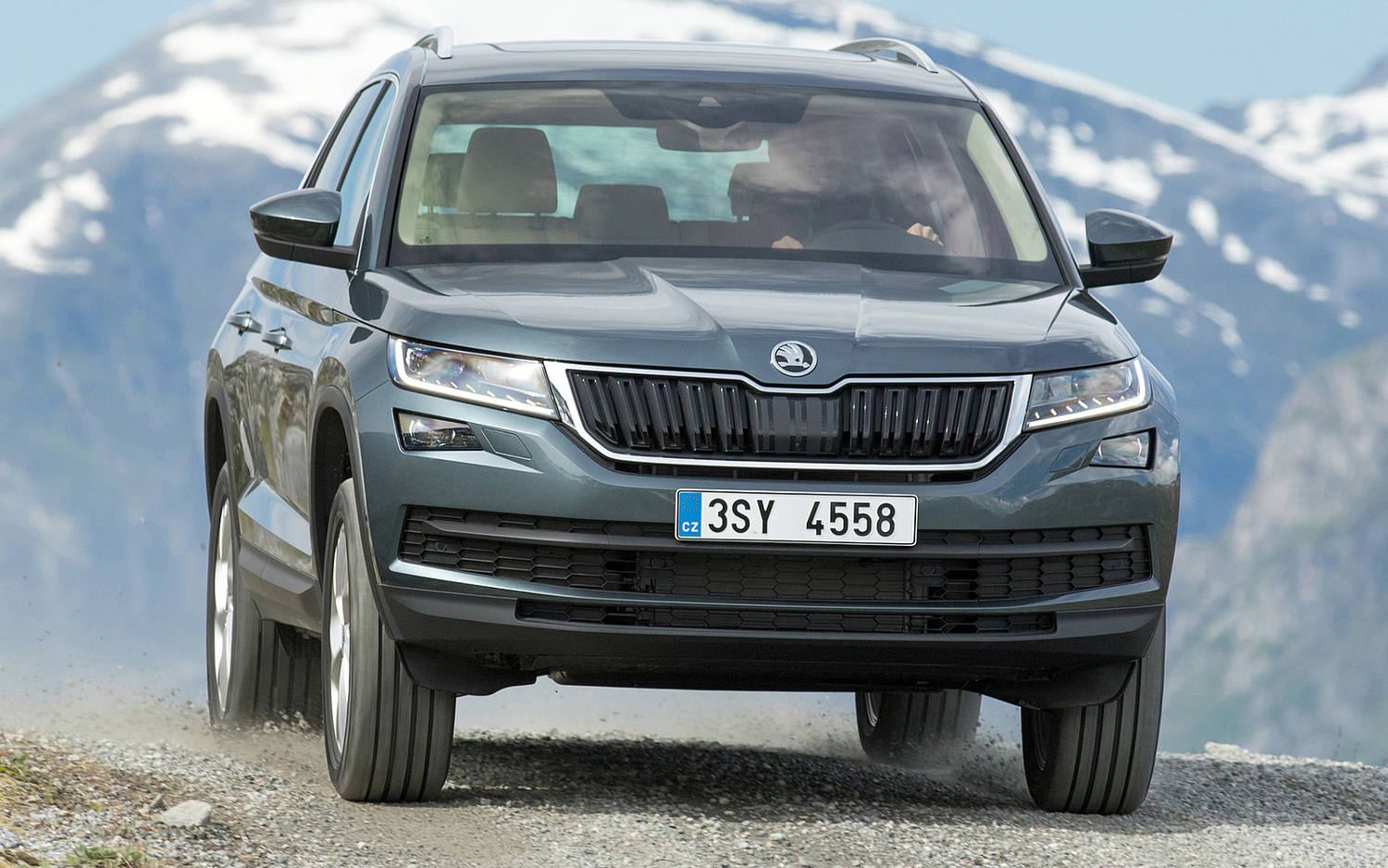
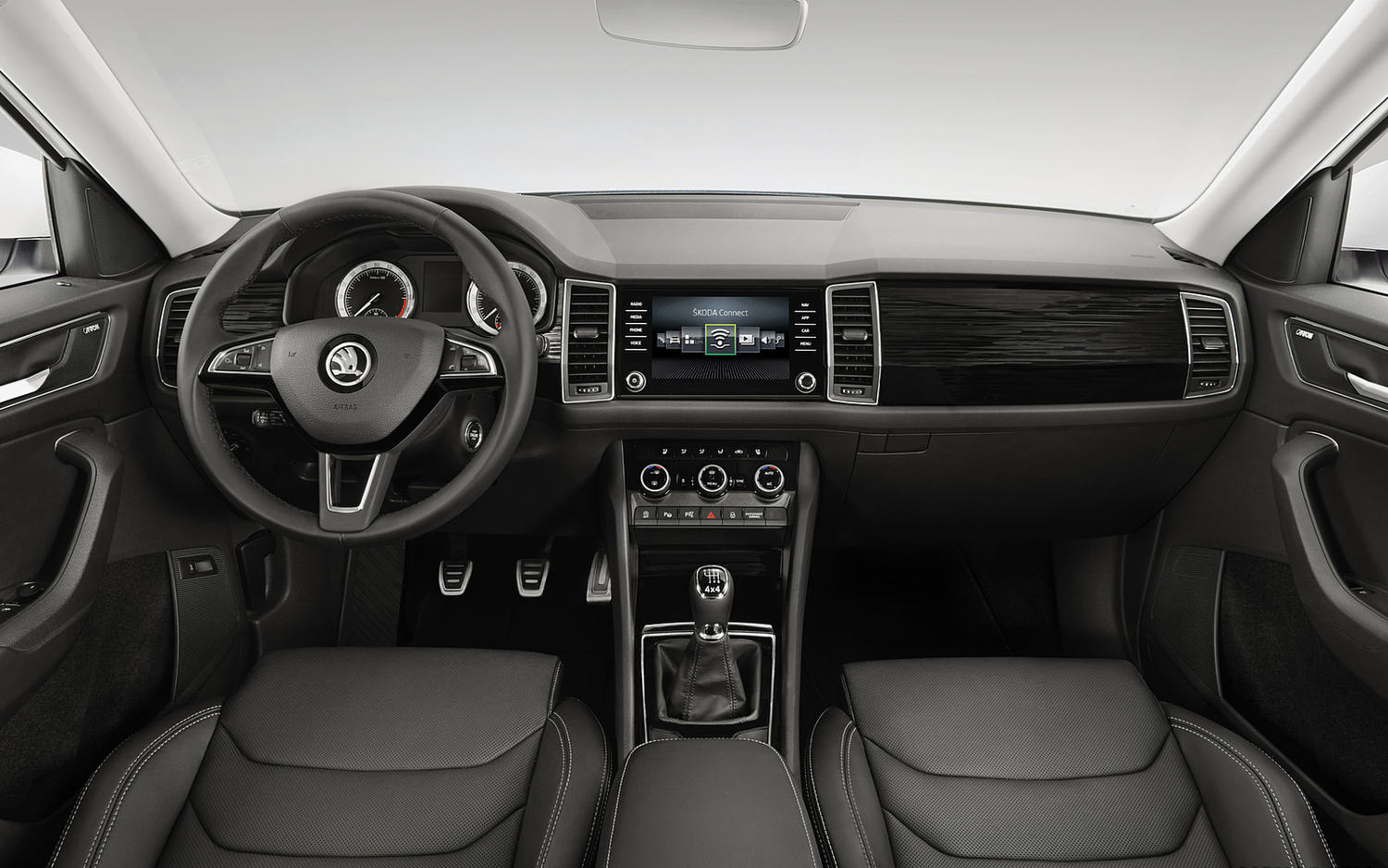
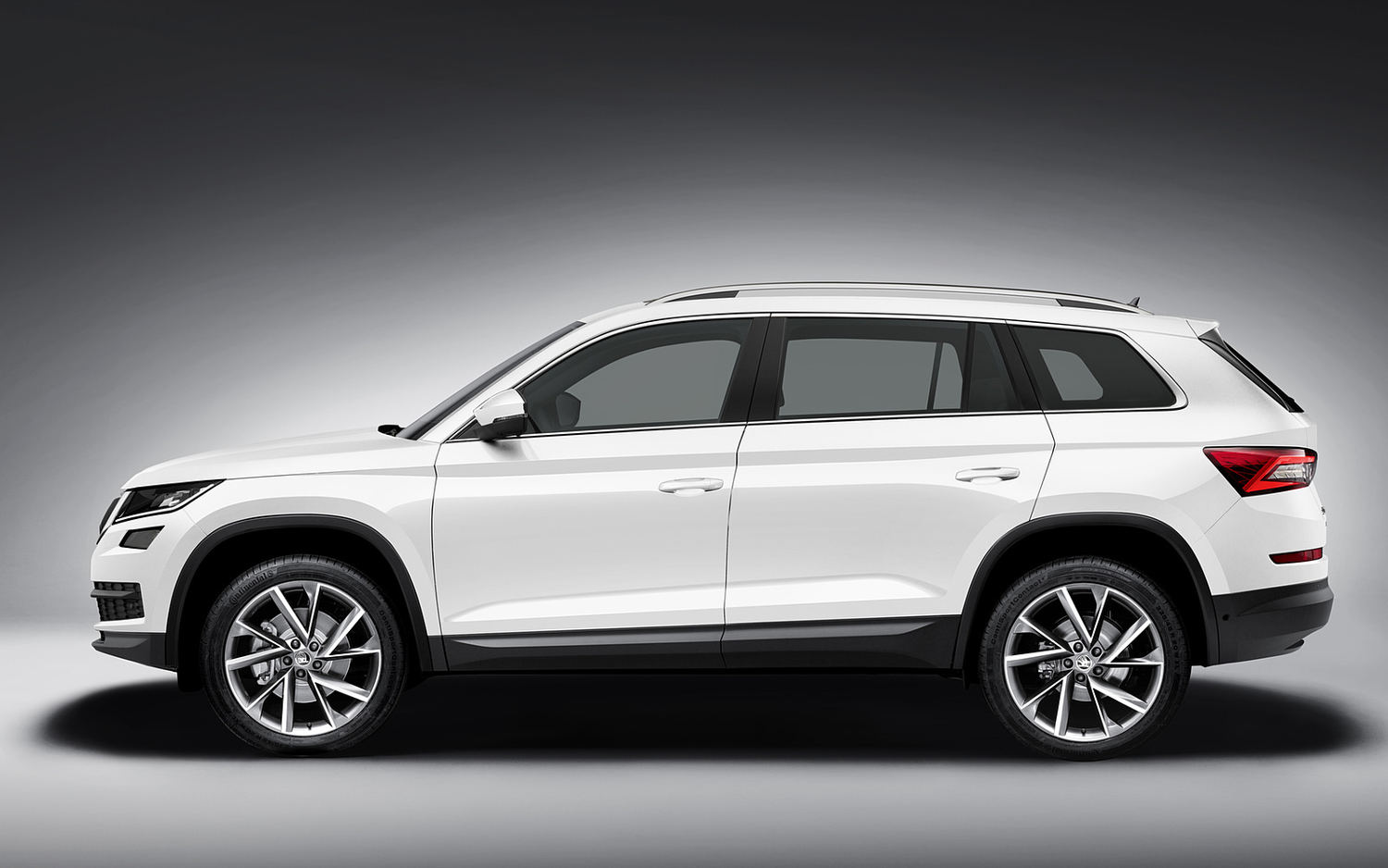
There are plenty of seven-seat SUVs to choose from if you've got a large budget, but what if you're looking for something that's got all the space but is more reasonably priced? Well, then the Skoda Kodiaq should be on your shortlist, because its attractive entry-level price certainly makes it appealing to big families looking for value for money. It's actually Skoda's first ever seven-seater car, and its first large SUV. It shares some of its underpinnings with other VW Group SUVs including the Audi Q2, Seat Ateca and Volkswagen Tiguan, but the larger Kodiaq is more of a rival for the Nissan X-Trail, while the higher-end and pricier versions compete with the Kia Sorento, Hyundai Santa Fe and even Land Rover's Discovery Sport. The entry-level versions of the Kodiaq come with five seats as standard, but it’s the seven-seat versions that have by far the most appeal. Engine options range from a 121bhp 1.4 petrol all the way up to a punchy 188bhp 2.0-litre diesel, and there’s also a choice between front and four-wheel drive and manual and automatic (DSG) gearboxes.
The Kodiaq is the first seven-seater for the Czech manufacturer, and the start of a rollout of SUV models due to hit showrooms over the next four years. Kodiaq is named after the Kodiak bear which inhabit the Kodiak islands in Alaska. For some handy dinner table trivia, the car is spelt with a ‘q’ not a ‘k’ as a tribute to Alaska’s native Alutiiq people who identify an animal by ending its name with a ‘q’. That and there’s already a Chevrolet Kodiak and, you know, lawyers.
Pros Practical, spacious and clever - like a Skoda should be Comfortable seats, and comfortable ride Upmarket interior, especially the touchscreen
Cons Front design perhaps a little awkward Lacklustre midrange response from both engines Third row quite tight
The Skoda Kodiaq is the Czech company’s first seven-seater SUV and a real reason to worry for rival models such as the Nissan X-Trail, Hyundai Santa Fe and Kia Sorento. The Kodiaq strikes a good balance when it comes to offering comfort and agility. Well, ‘aglie’ might be too strong a word, but for a car of this size, the big Skoda suffers from little body roll even if you power through corners quickly. More important is the cosseting ride, which you get in all but 19-inch wheeled models. It shields passengers from big bumps and broken road surfaces, with only smaller high-frequency jolts catching the chassis out. We drove a model with 19-inch wheels and although the ride wasn’t uncomfortable, you did feel most bumps in the cabin.
Pros Superb build quality Hugely practical interior Seven-seat option
Cons Stiff ride with big wheels Some wind noise at motorway speed Top-spec diesel noisy
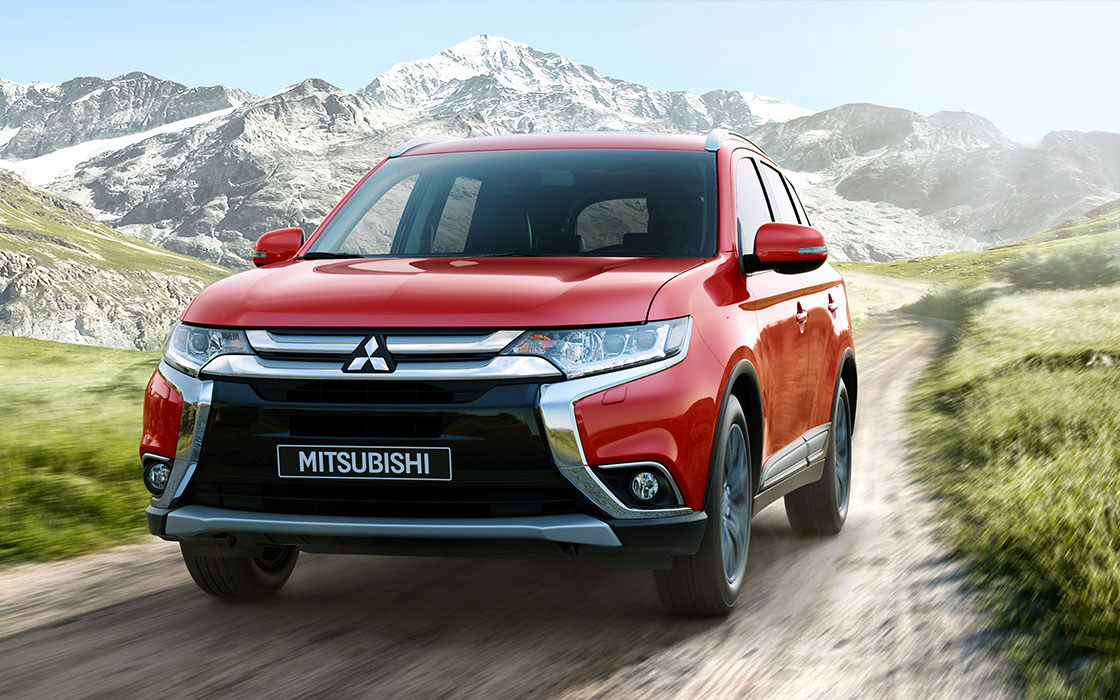
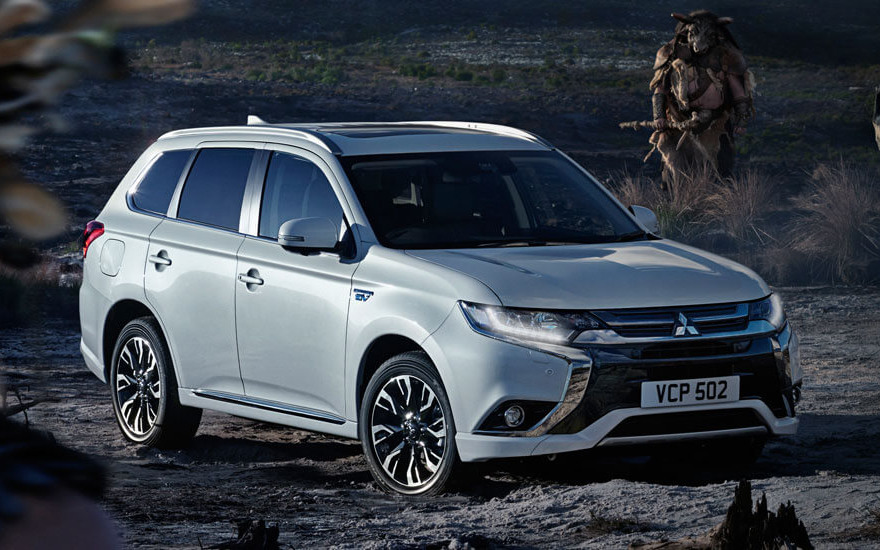
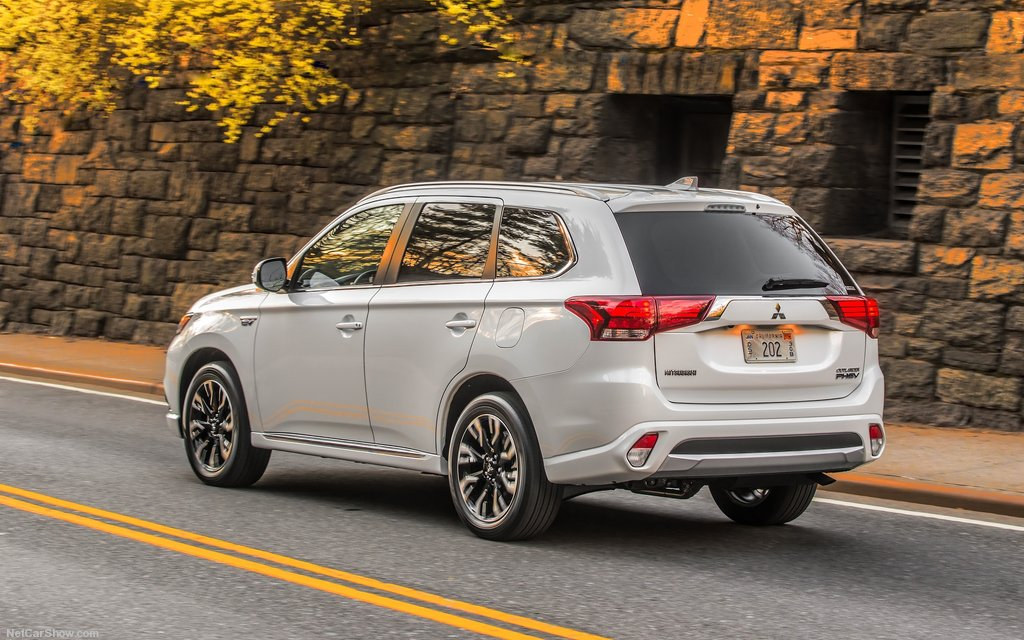
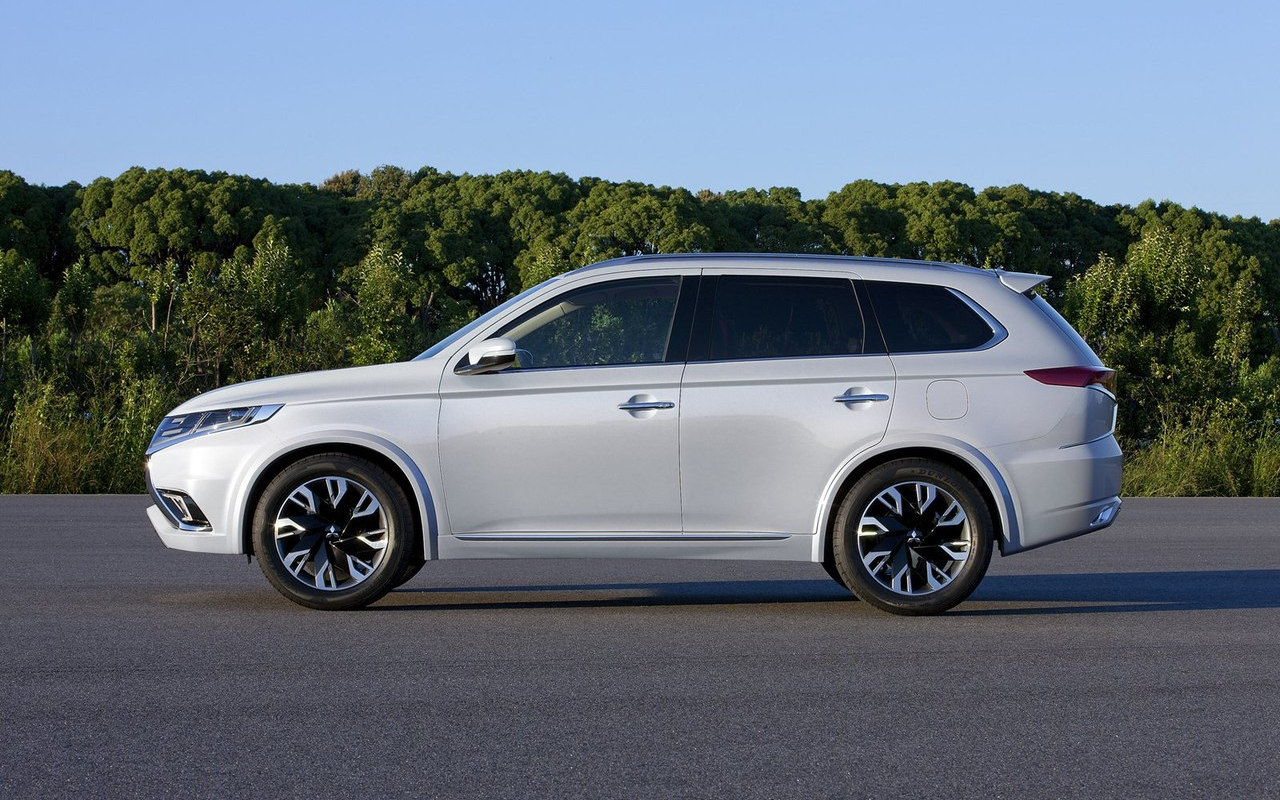
The Mitsubishi Outlander PHEV is a company car tax marvel. Although it’s based on the regular diesel-engined version of the Outlander, this PHEV model is a petrol-electric hybrid, which means ultra-low CO2 emissions and low benefit-in-kind car tax. Essentially it can be driven by either its naturally aspirated 2.0-litre petrol engine, or its electric motors powered by its batteries alone, or a combination of the two. Those batteries can be charged on the move, or the PHEV can be plugged into the mains. As a result, against conventionally powered rivals such as the Skoda Kodiaq and Nissan X-Trail, the Outlander will potentially save company car taxpayers thousands of pounds in tax payments over their ownership. Because it can run on pure electric too, many people will be able to charge at home and travel to work and back using no fuel at all.
The 2017 Mitsubishi Outlander PHEV has been revised to provide better driveability, better handling, increased fuel efficiency and, with the high-grade Exceed, all the safety kit you need.
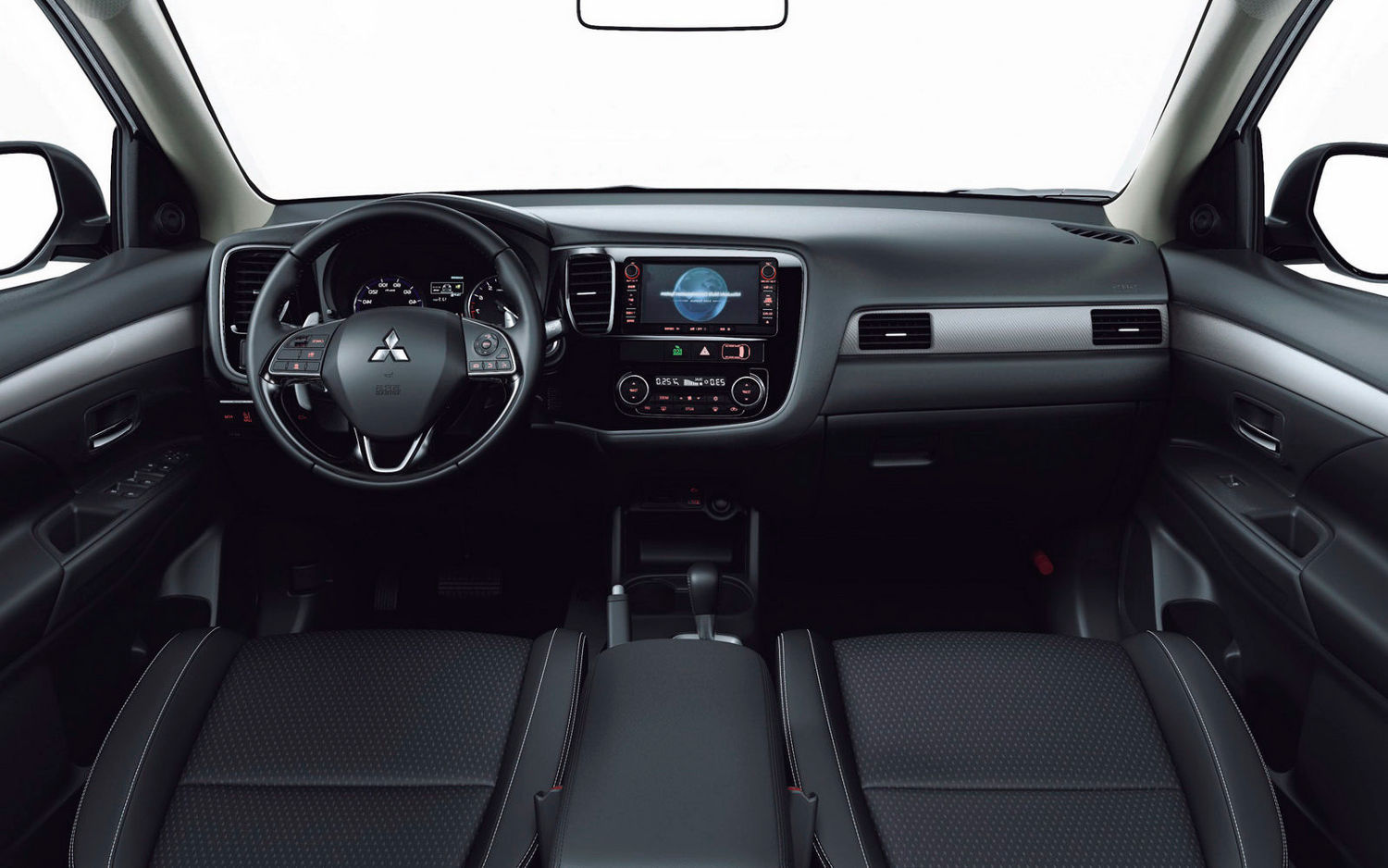
Pros Country ride and bump absorption is now excellent Cabin retains a premium, yet value-for-money feel Seamless transition between power modes under all driving conditions
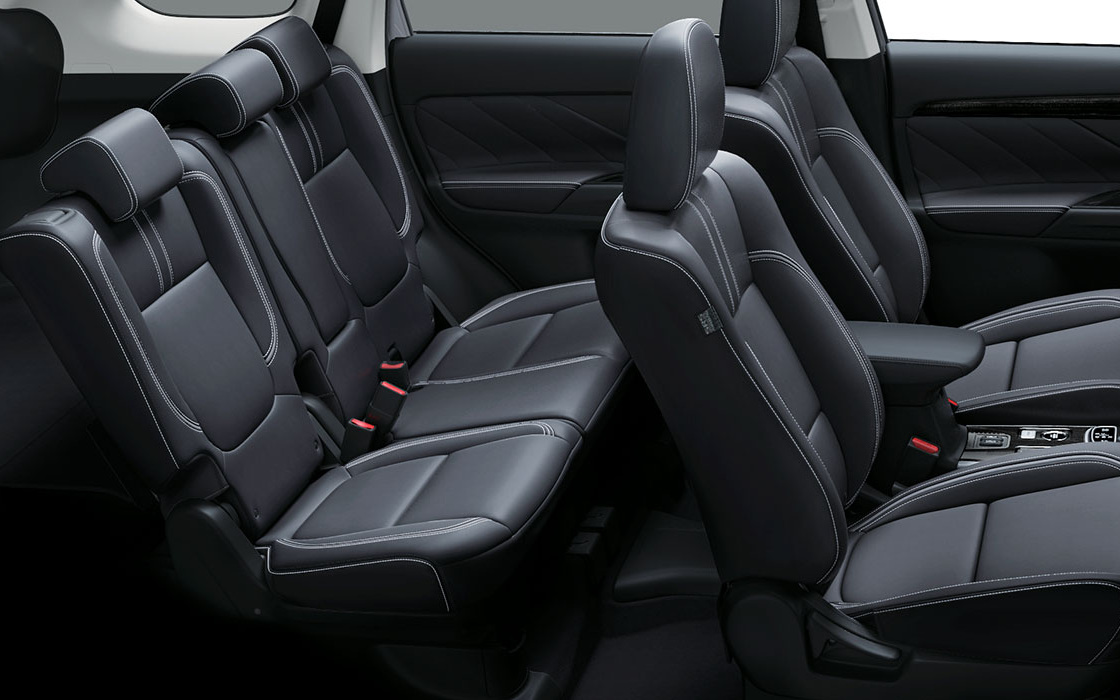
Cons Urban ride can be a little sharp at times Price has crept up, putting it even further away from regular Outlander No seven-seat option is an opportunity missed
The Mitusbishi Outlander PHEV is more than just a flag waver for plug-in hybrid vehicles. It is a marker in the sand for the Japanese car maker. Though the on-road experience may not be thrilling, the Outlander PHEV is very much the equal of other medium SUVs: comfortable to ride in, quieter than most traditional internal combustion competitors, and missing none of the space and flexibility that make SUVs so popular. Day-to-day running powered by electricity and the freedom to venture well beyond city limits on petrol power make the Outlander PHEV a flexible family choice, and the lack of oddball aero styling means there's no chance of being branded a fanatical eco-warrior - all of which makes the Outlander PHEV an enticing, if slightly pricey, prospect.