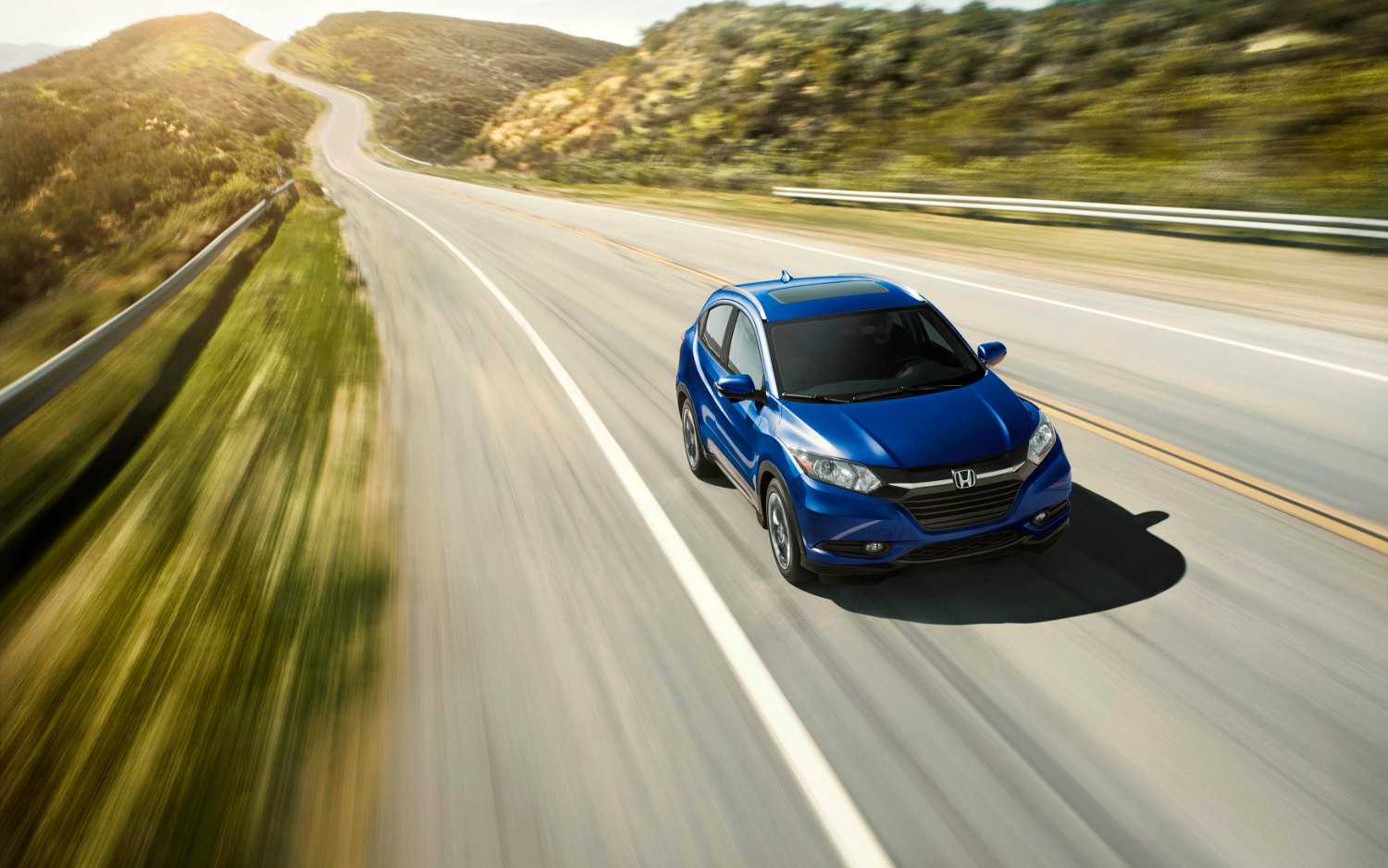
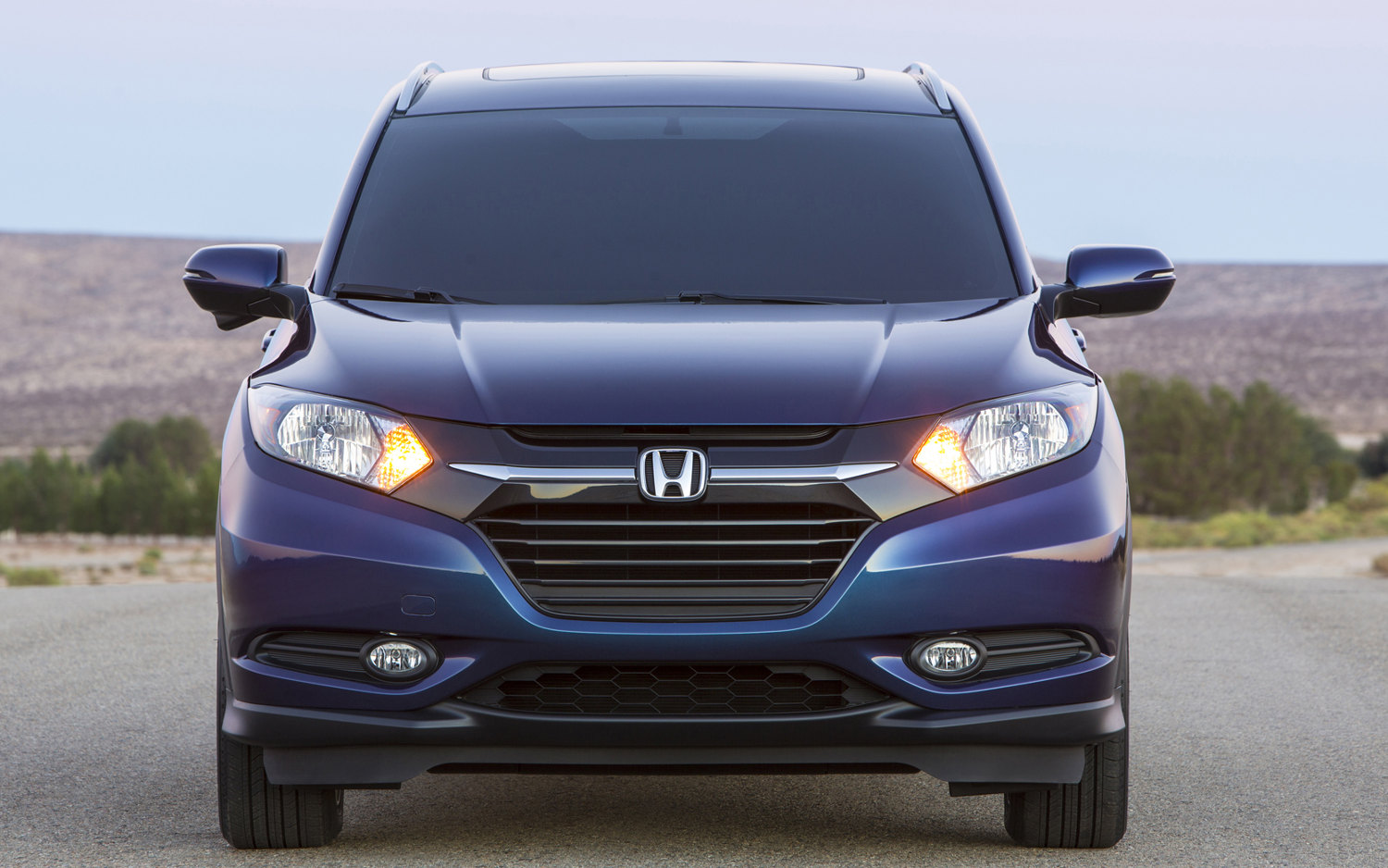
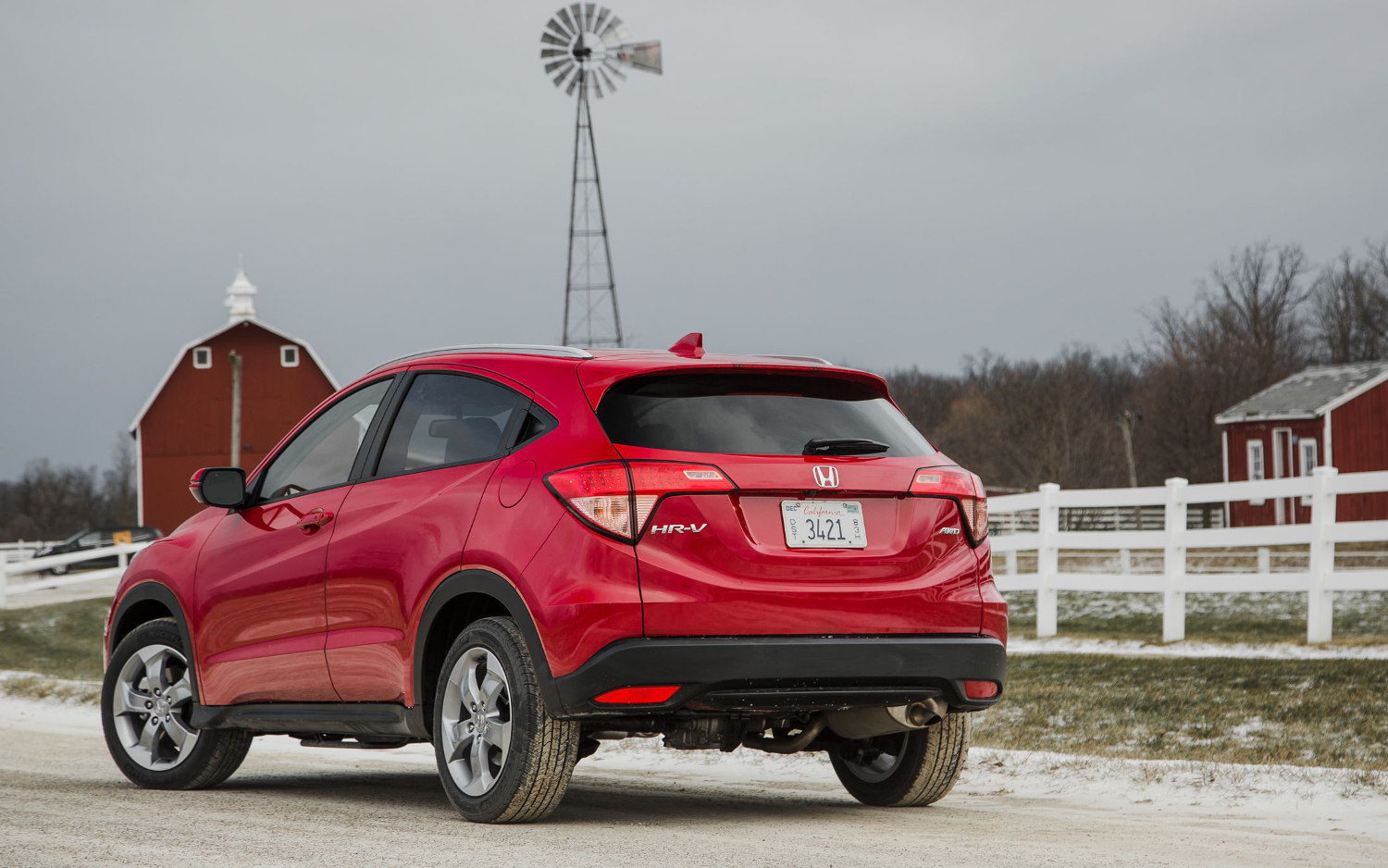
The 2018 Honda HR-V blends great rear-seat flexibility and gas mileage, but it’s slow.
Pros Makes the most of its size Lots of standard equipment Great gas mileage Shift it yourself, if you like Composed, absorbent ride
Cons Thin acceleration Crash-test scores are mixed Doesn’t offer latest safety tech Road manners: meh
The 2018 Honda HR-V ranked #3 in Subcompact SUVs. Currently the Honda HR-V has a score of 8.2 out of 10 which is based on our evaluation of 31 pieces of research and data elements using various sources.
Pros Adult-friendly back seat Versatile cargo area
Cons Awkward available touch screen Firm front seat cushions Slow to reach highway speeds
Honda’s mini ute switches to 2018 with a new paint color—Aegean Blue Metallic—and a new dark-colored wheel design on EX and EX-L trims. Other than that, the HR-V sees no other changes, mechanical or otherwise.
Pros Fuel-efficient powertrain, cargo-hauling leader, handsome styling.
Cons Lackluster acceleration, frustrating infotainment system, short on small-item storage.
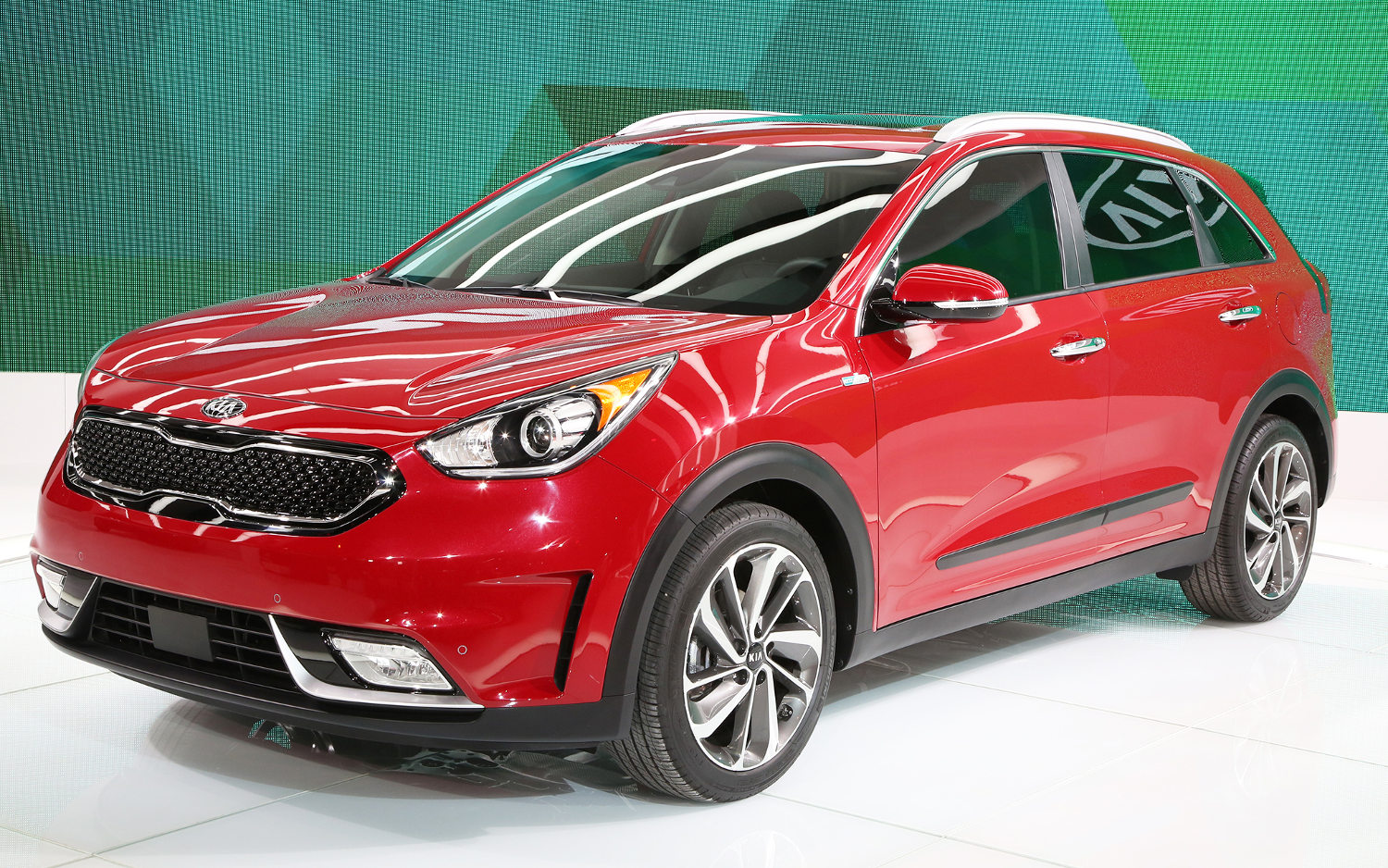
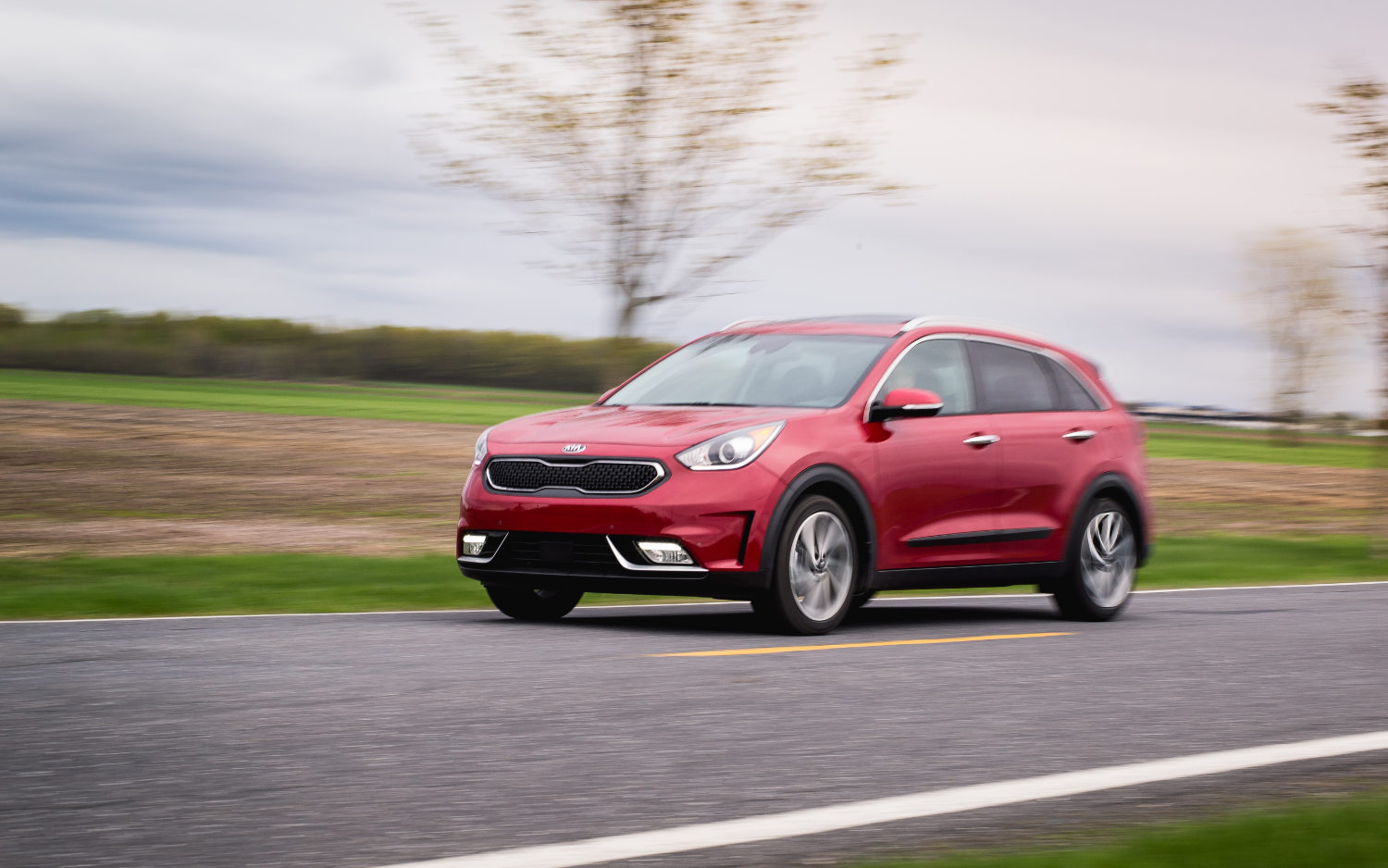
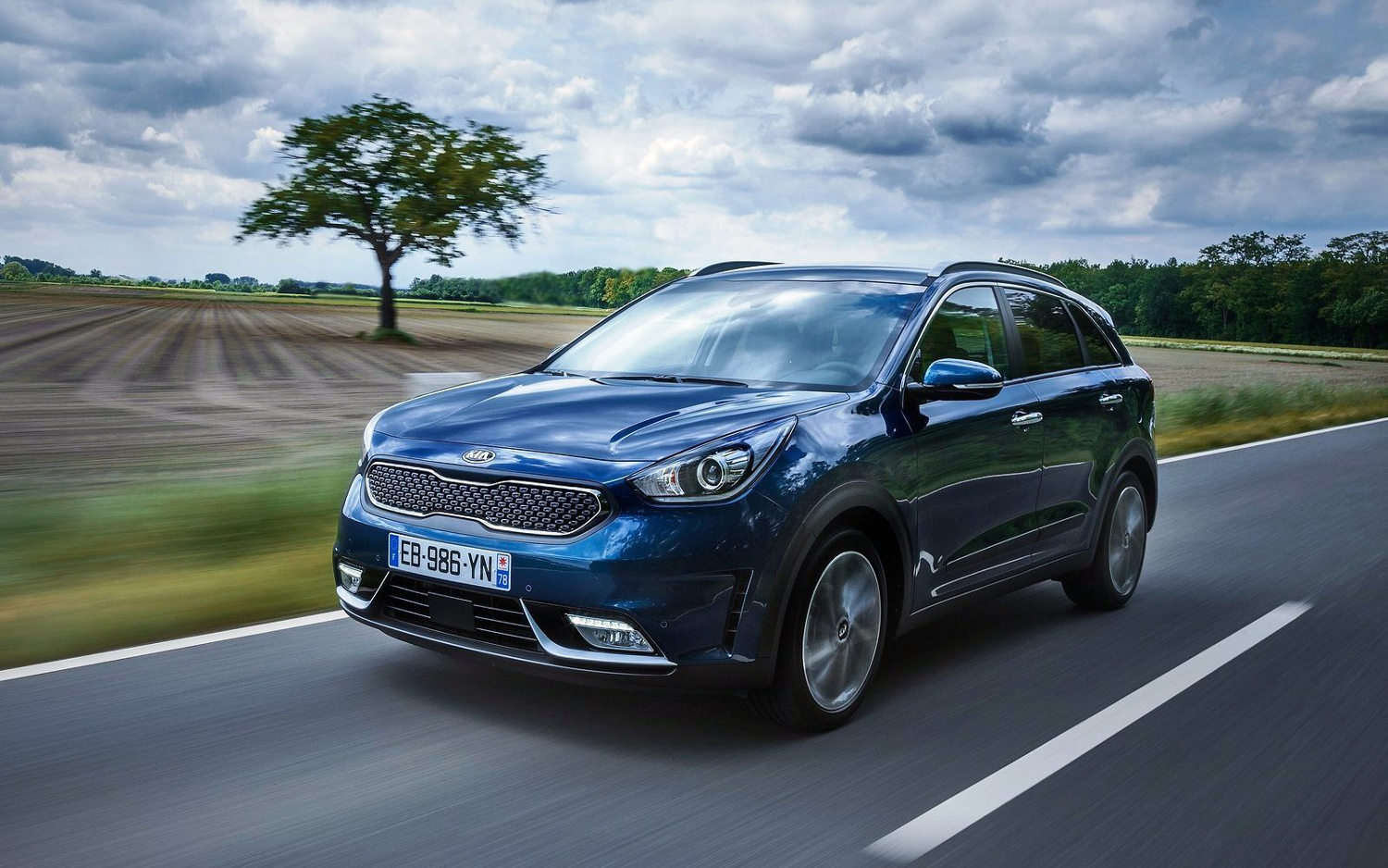
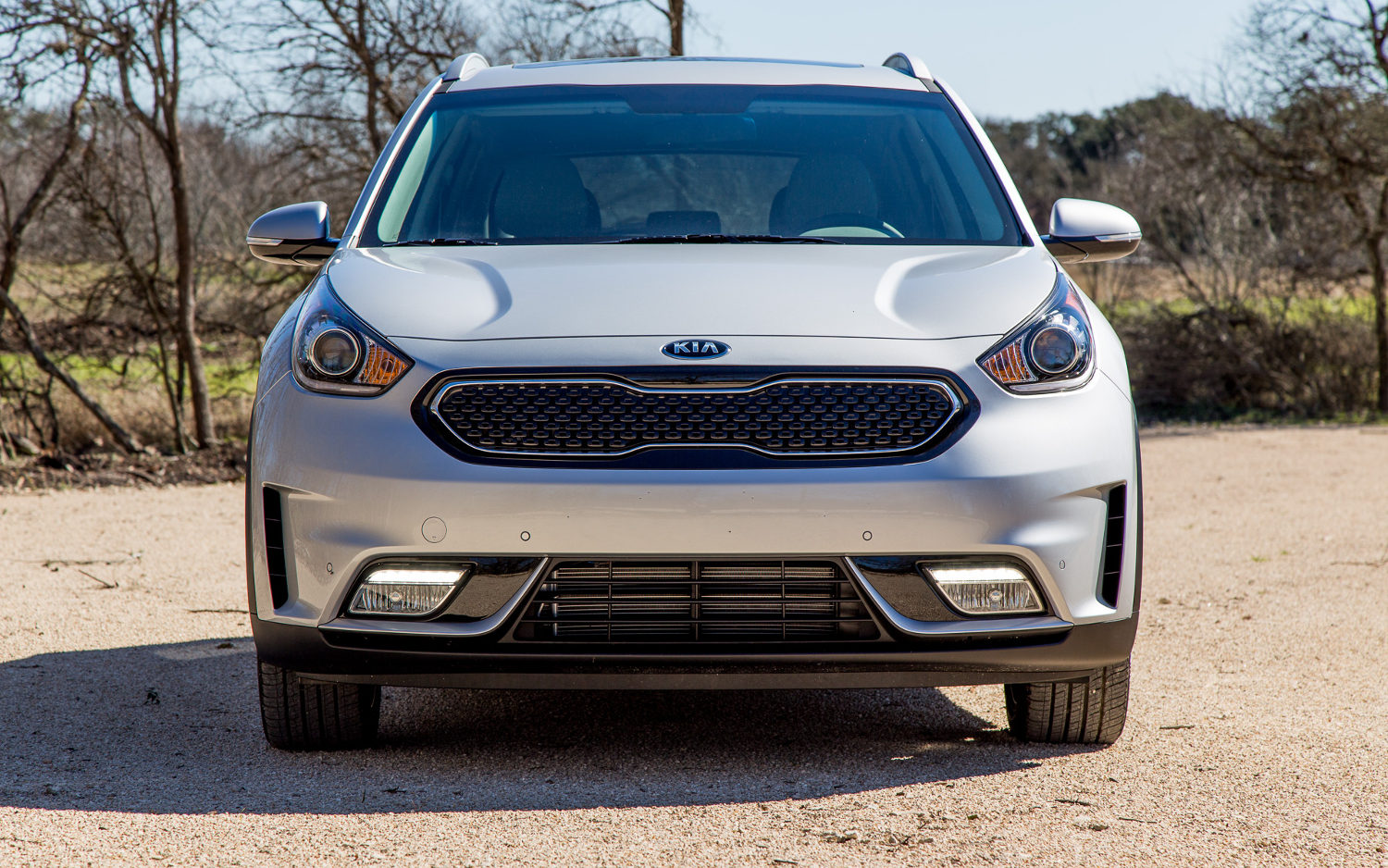
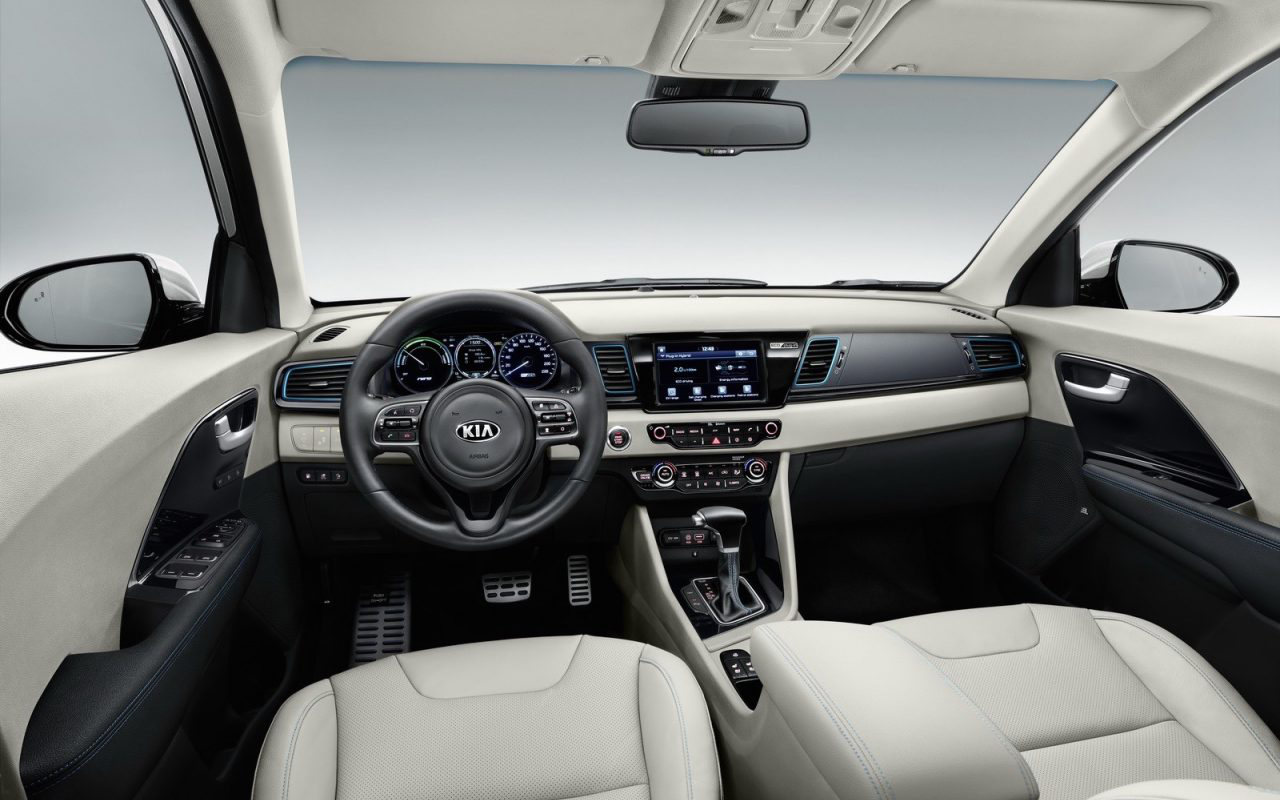
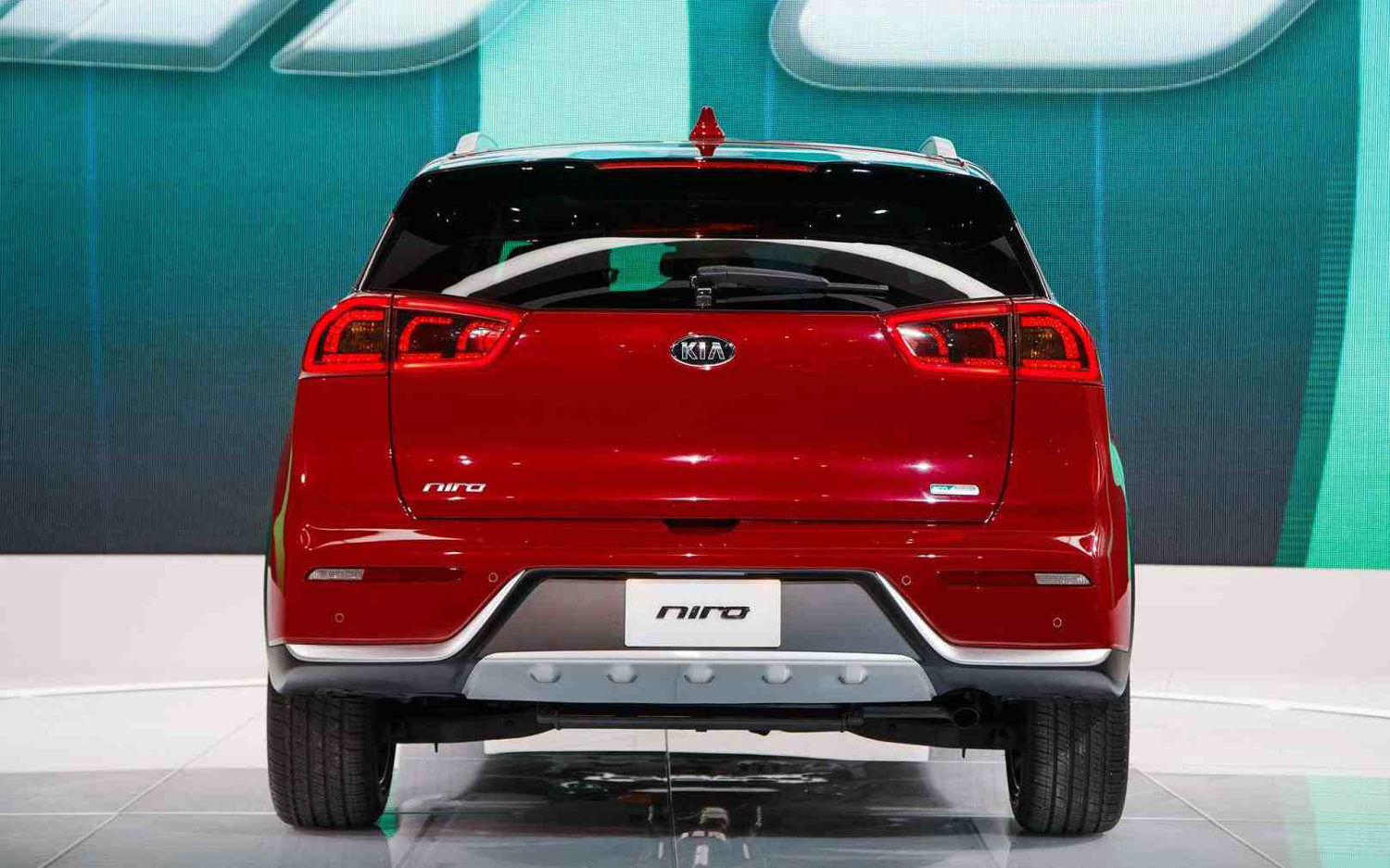
The all-new 2017 Kia Niro is classified as a compact hybrid crossover SUV, though it really functions more like a hatchback. Your view of the road is marginally higher because of the Niro's elevated stance, but Kia doesn't offer the Niro with all-wheel drive, so don't expect to be a snow-busting trailblazer in bad weather. The Niro's core appeal comes from its traditional exterior design (no "hybrid!" shouting here) as well as a new powertrain that is capable of returning up to an EPA-estimated 50 mpg in combined city/highway driving.
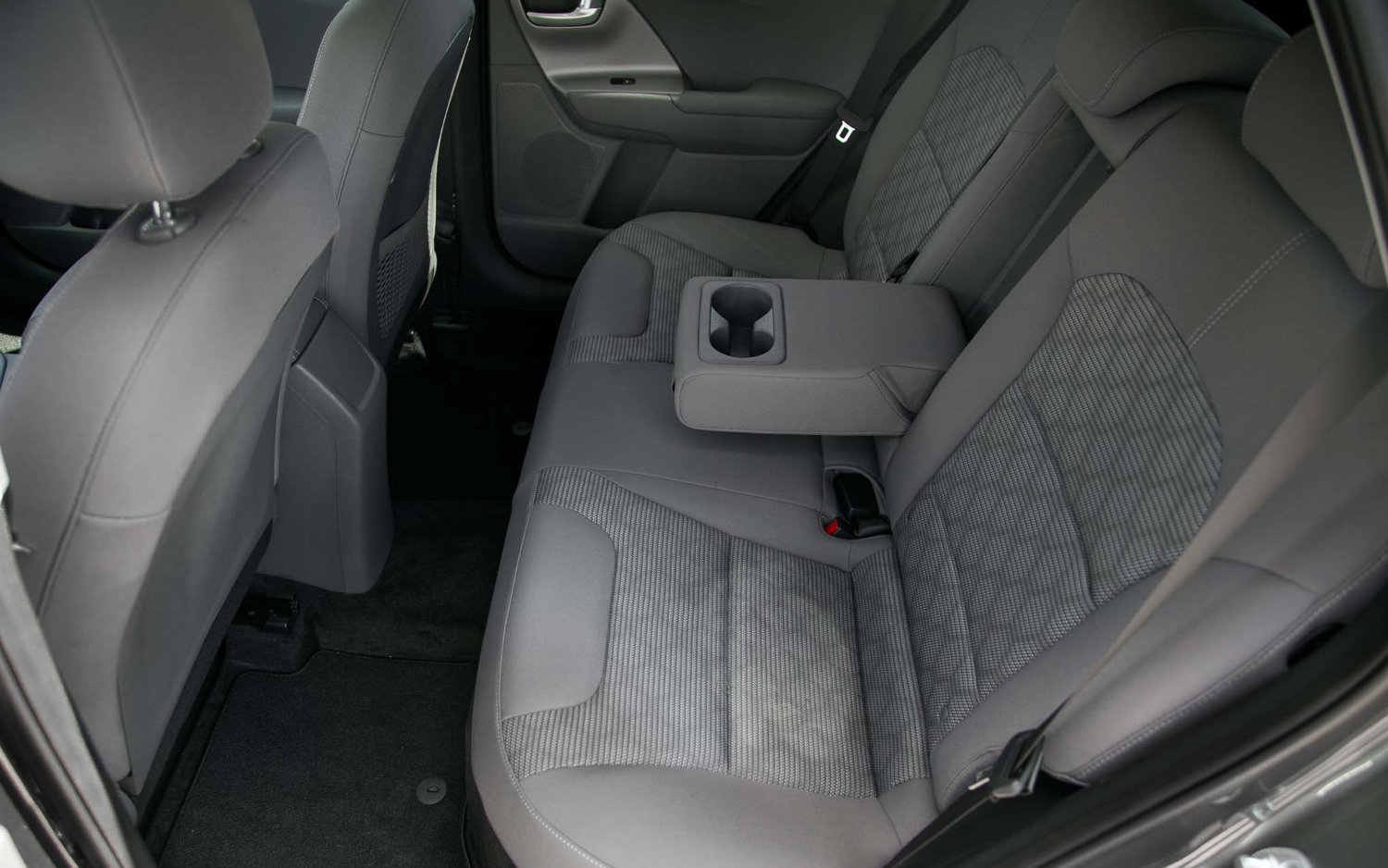
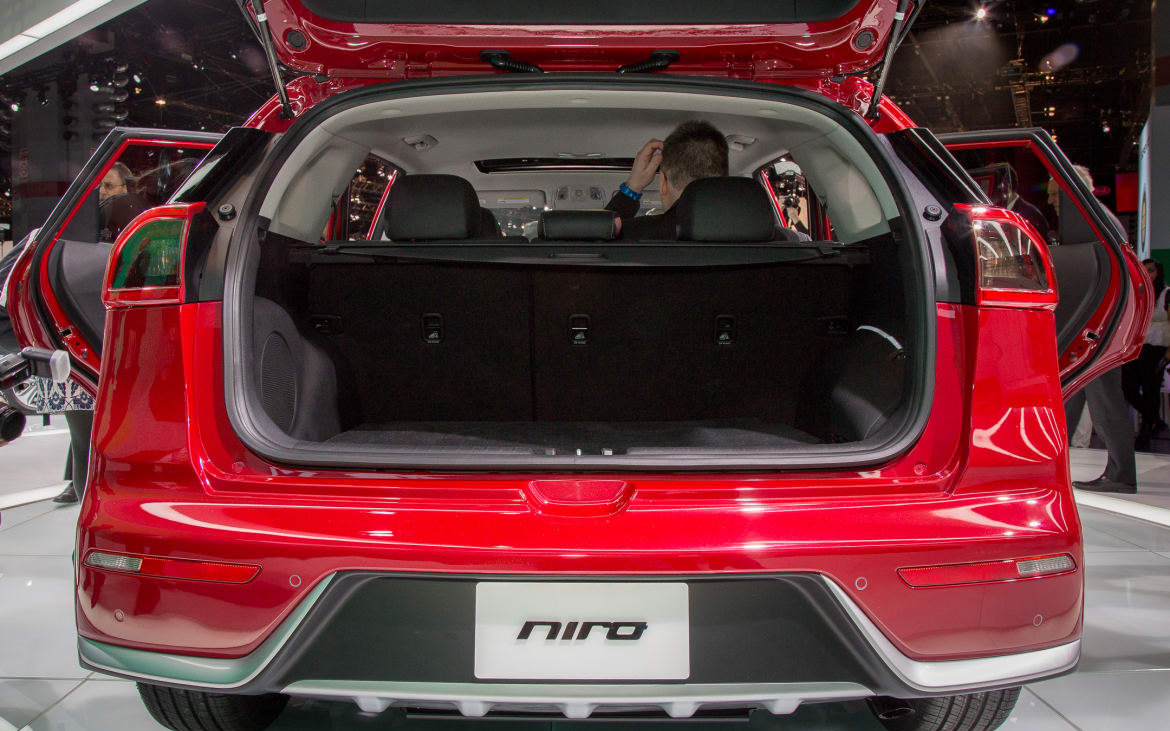
Pros: Impressive fuel economy from the base trim model Six-speed transmission shifts like a conventional car's One of the more affordable hybrids in the segment Batteries are hidden under the rear seat and don't affect cargo space
Cons: All-wheel drive isn't offered despite the crossover styling Smaller cargo space compared to some rival models The Niro's Touring trim sacrifices some fuel efficiency
By calling it a crossover, the Korean brand also wants to get in the minds of the consumer wanting more utility. We all know crossover sales are booming, and part of their likeability is their higher ride height and boxy, useable interior space. But after spending a full day driving the Niro in Texas Hill Country, the question stuck in my head was whether it is really a crossover. The Niro is just 3.3 inches taller and has the same ground clearance as the Hyundai Ioniq, which it shares its platform with. And in terms of passenger volume, the Niro has only a small advantage, encasing 97.1 cubic feet versus the Ioniq’s 96.2 cubic feet. Although its two-box design might help its case for being a crossover, I suspect most will just see it as a lifted hatchback.
You shouldn’t have any nasty surprises, either. Kia was rated as above average in our most recent reliability survey and the Niro also gets a seven-year/100,000-mile warranty – a class-leading feature.
Pros: Low CO2 emissions Spacious interior Long warranty
Cons: More conventional rivals are cheaper Not much fun to drive Firm low speed ride