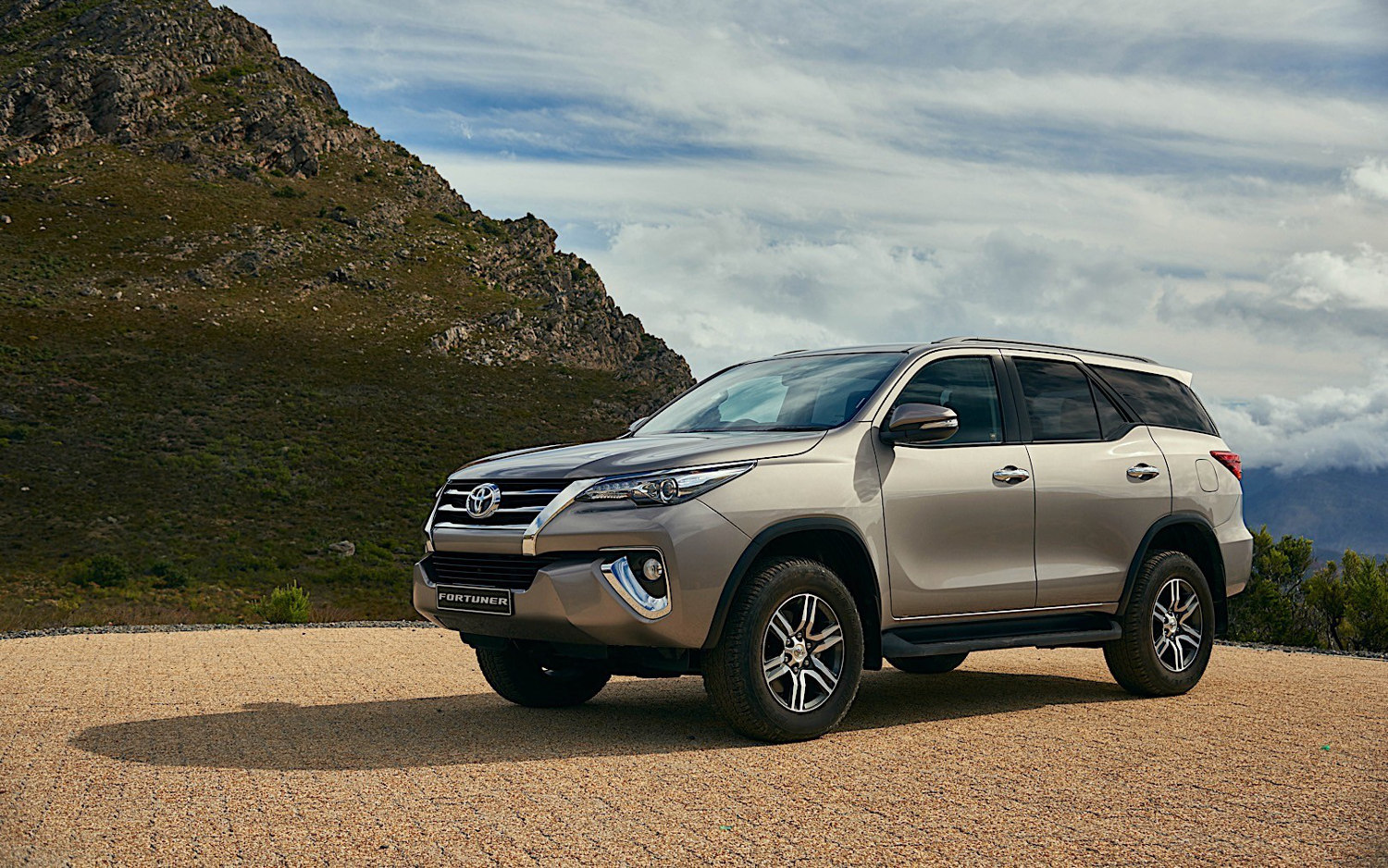
The Fortuner may only be the latest of many additions to the confusion of choice that is a booming SUV market segment, but Toyota has a steely-eyed confidence about it. “Fortuner definitely lives up to the promise of its road-less-travelled 4WD heritage “Fortuner is positioned perfectly between Kluger and Prado; diesel alternatives to Kluger are selling around 1400 vehicles a month, or almost 17,000 a year. Fortuner will give us a significant slice of that action.
“It’s a great choice for people who aspire to a luxury SUV … they want a stylish vehicle, they want seven seats and the safety of a high-seating position and great visibility; they also want genuine 4X4 ability.
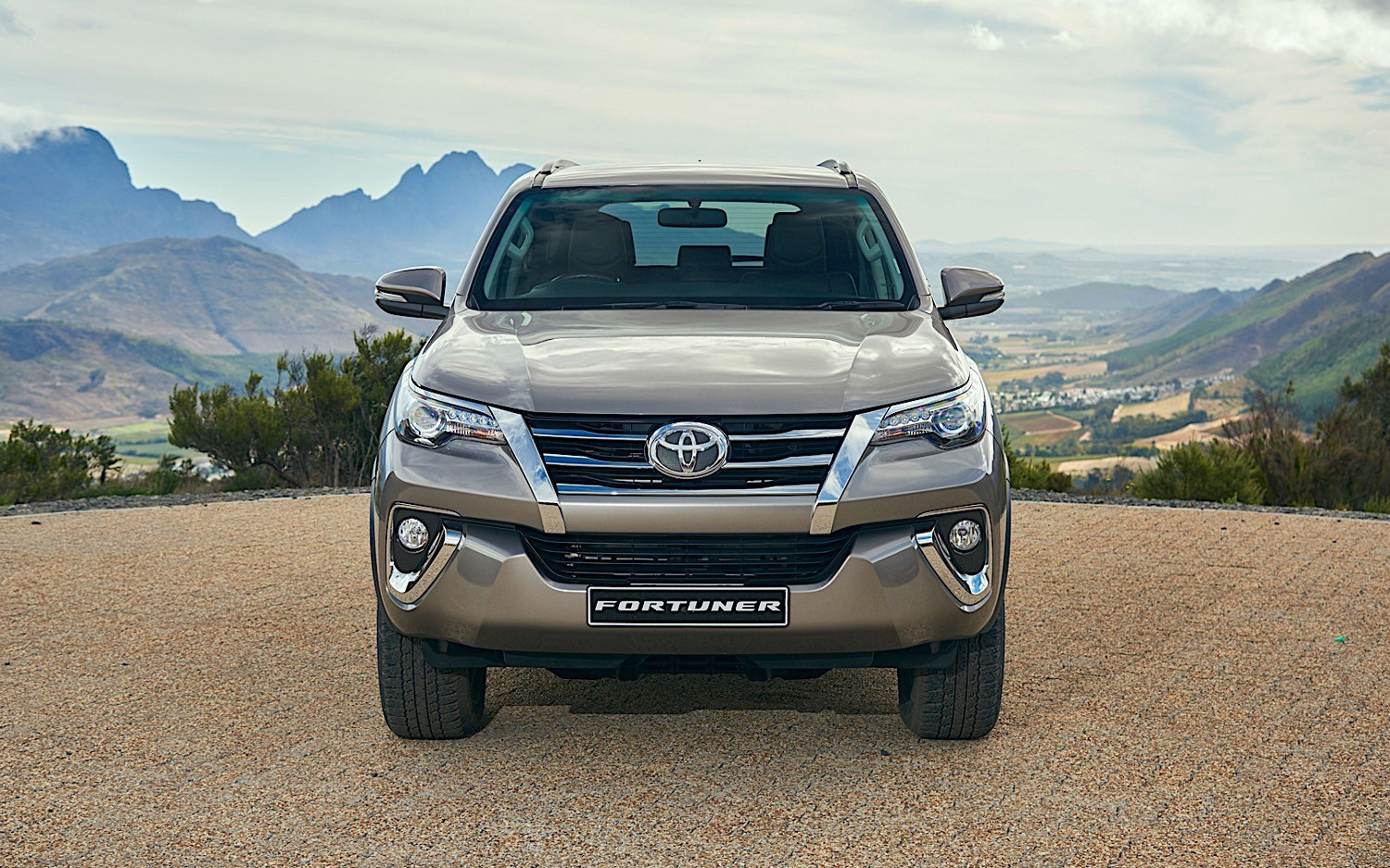
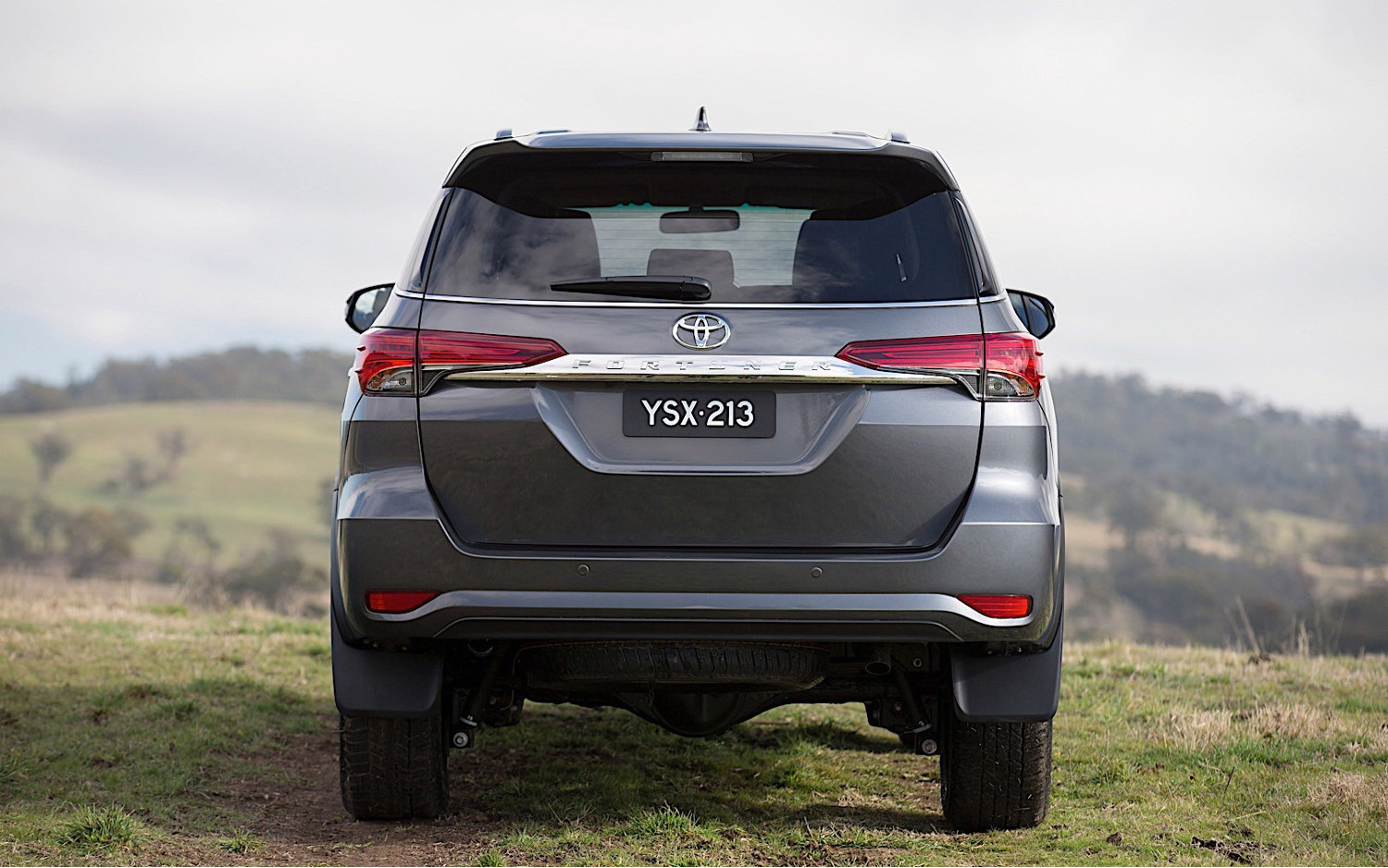
The Fortuner, shorter and narrower than Kluger and Prado, is chunky and solid; it looks like a mad scientist fused a Land Cruiser, Prado and Kluger together, threw in a bit of RAV4 for a laugh and then pumped the resulting mix full of steroids. It looks good; not too city-smooth, as do plenty of modern-day 4WDs, but country tough with class.
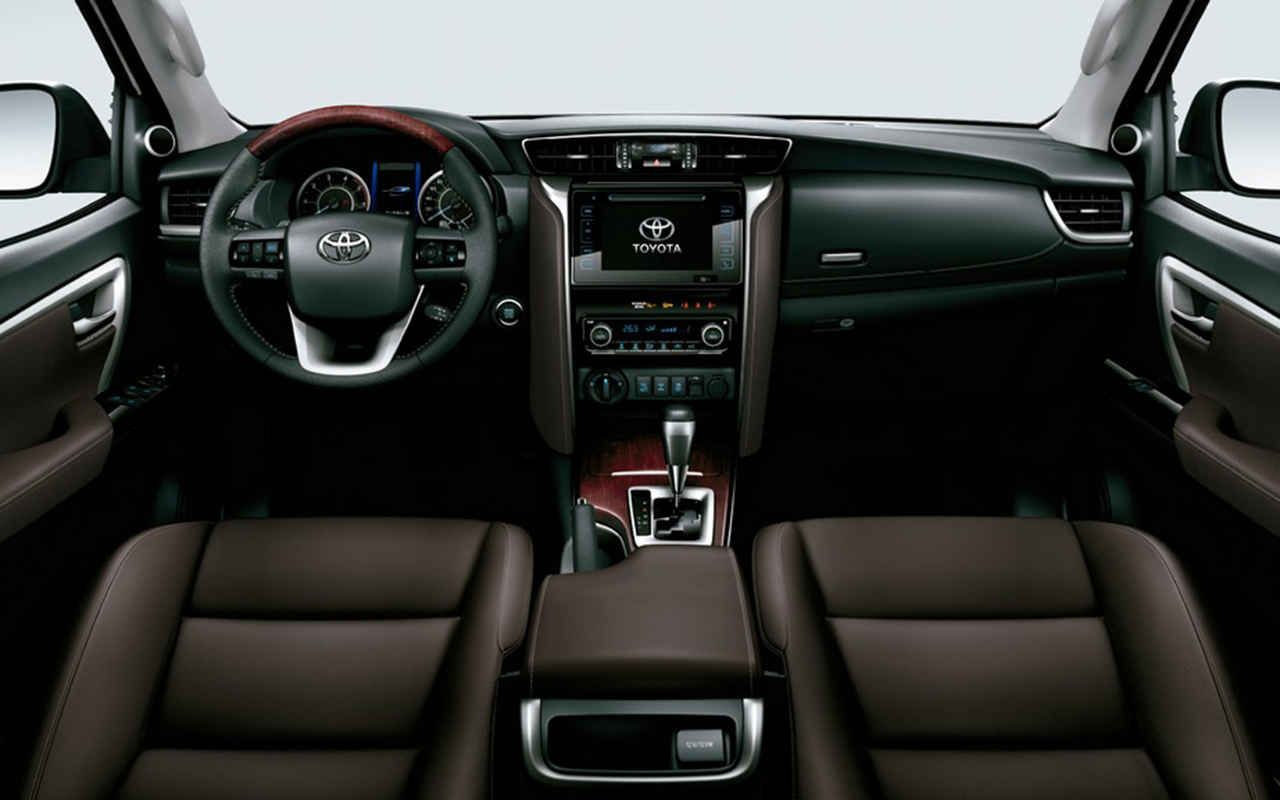
Driving position is nice, high and secure; the seats are comfortable and offer plenty of support. Steering is rake- and reach-adjustable. The paddle shifts will seem like a nice touch for some, but we reckon they’re wasted here. Visibility from the driver’s seat is more than generous with open spaces all-round.
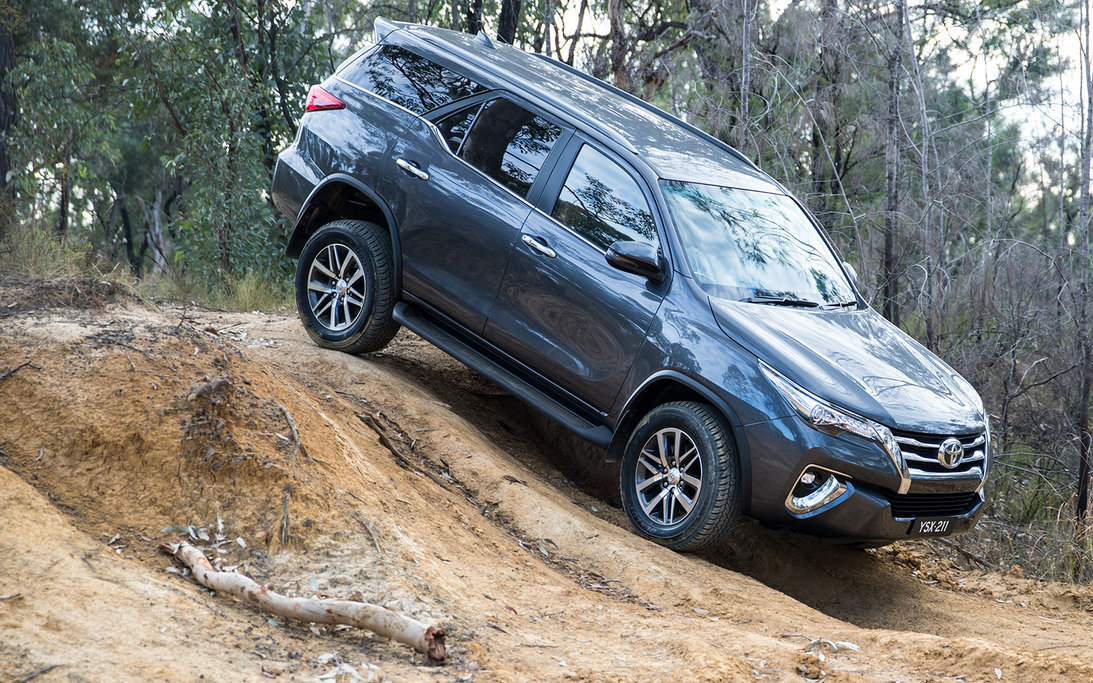
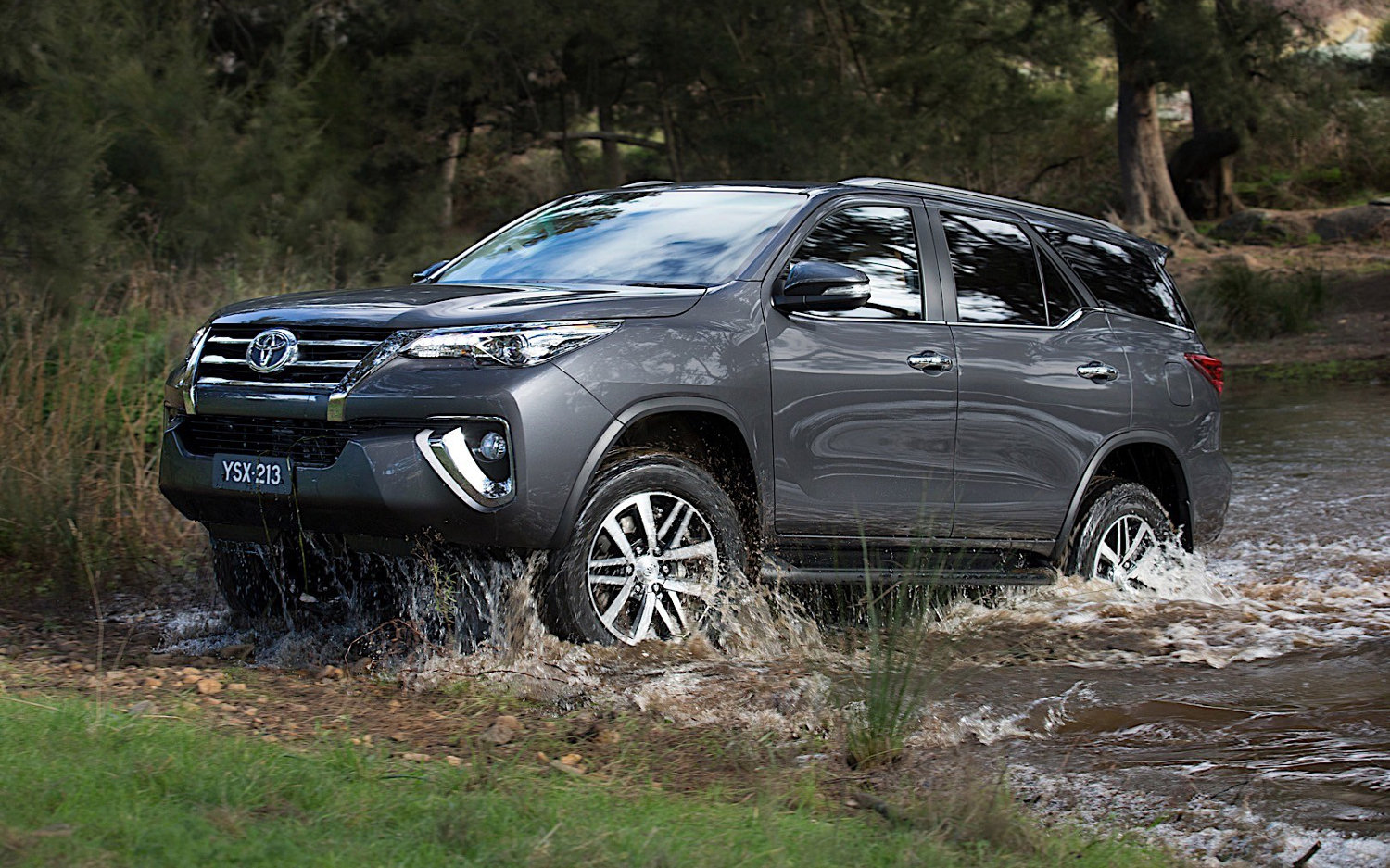
The Toyota Fortuner boasts impressive off-road credentials, along with the benefit of thousands of kilometers of local engineering and testing, with Toyota’s local engineering team involved in a great deal of design and testing for the Fortuner
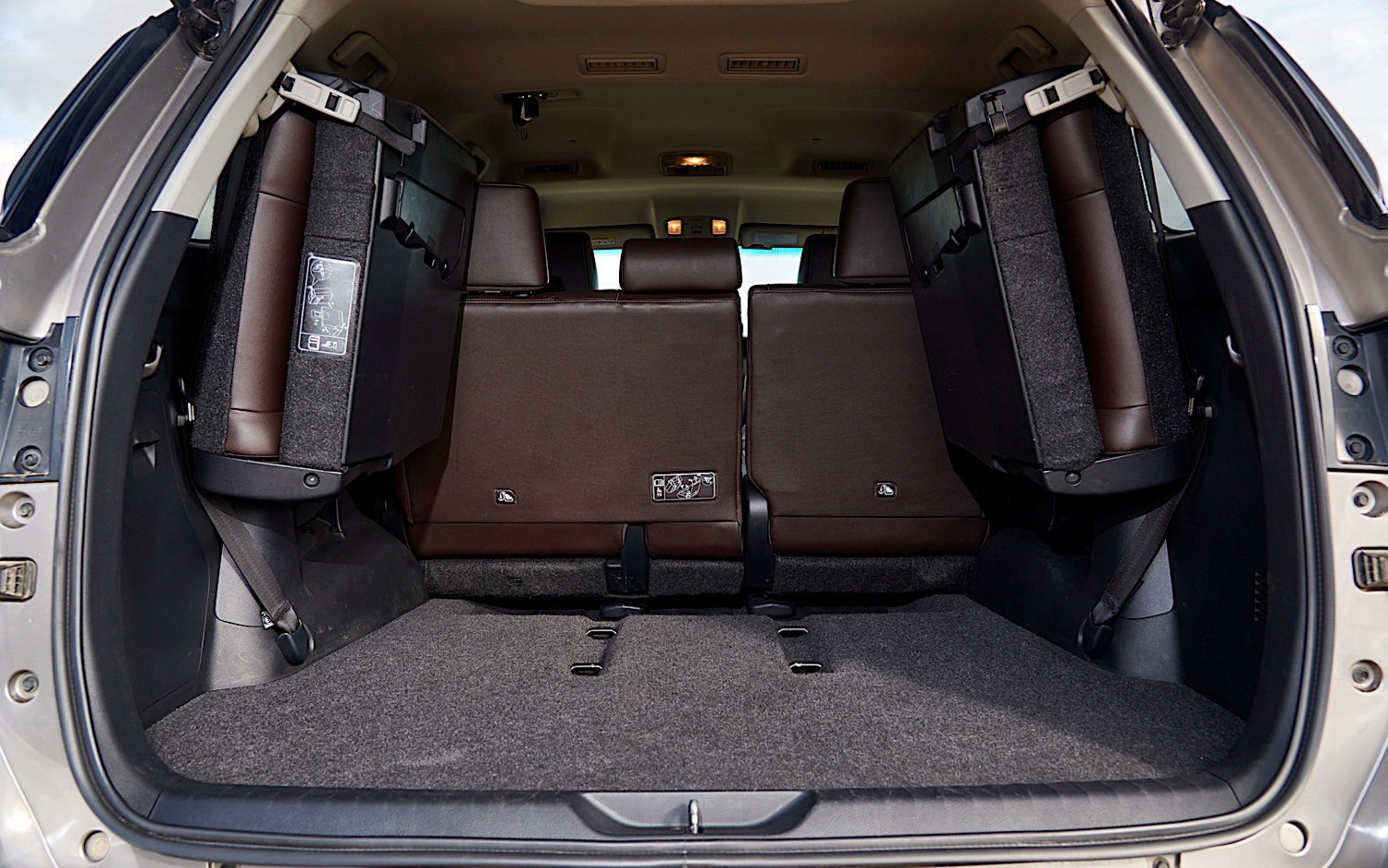
While it may look big from the outside, the Fortuner is actually shorter and narrower than both the Prado and Kluger. Despite the exterior size deficit, the cargo capacity wins out on volume and versatility. With the third row in place, there is 200 liters of cargo volume on offer (to the roof). The rear door is manually operated on GX and GXL variants, while the top-spec Crusade gets a motorised rear door.
High quality materials and premium fit and finish sets the Fortuner apart from the HILux (except the bit of trim that popped out unexpectedly on the passenger side door). Leather-look highlights on the top-spec Crusade model make it feel more like a Prado than an SUV derived from a commercial vehicle.
Under the Fortuner’s shell is a dual-range transmission with switchable four-wheel drive. The driver can switch between a two- and four-wheel drive high-range mode and a four-wheel drive low-range mode
Normally, when a car maker launches an all-new product, it opens not just a chapter in that vehicle’s history, but an entirely new volume. That said, Toyota didn’t get the memo with the all-new Fortuner. Granted it looks sleeker and much more sophisticated than ever before, it adheres too closely to the concept of kaizen or continuous improvement. It ends up telling pretty much the same story, remixed and retold
Toyota has done with the Fortuner’s design. While the first-generation model looked sturdy, the new one is sleek. It’s all fluid and swoopy with a strong crossover-vibe.
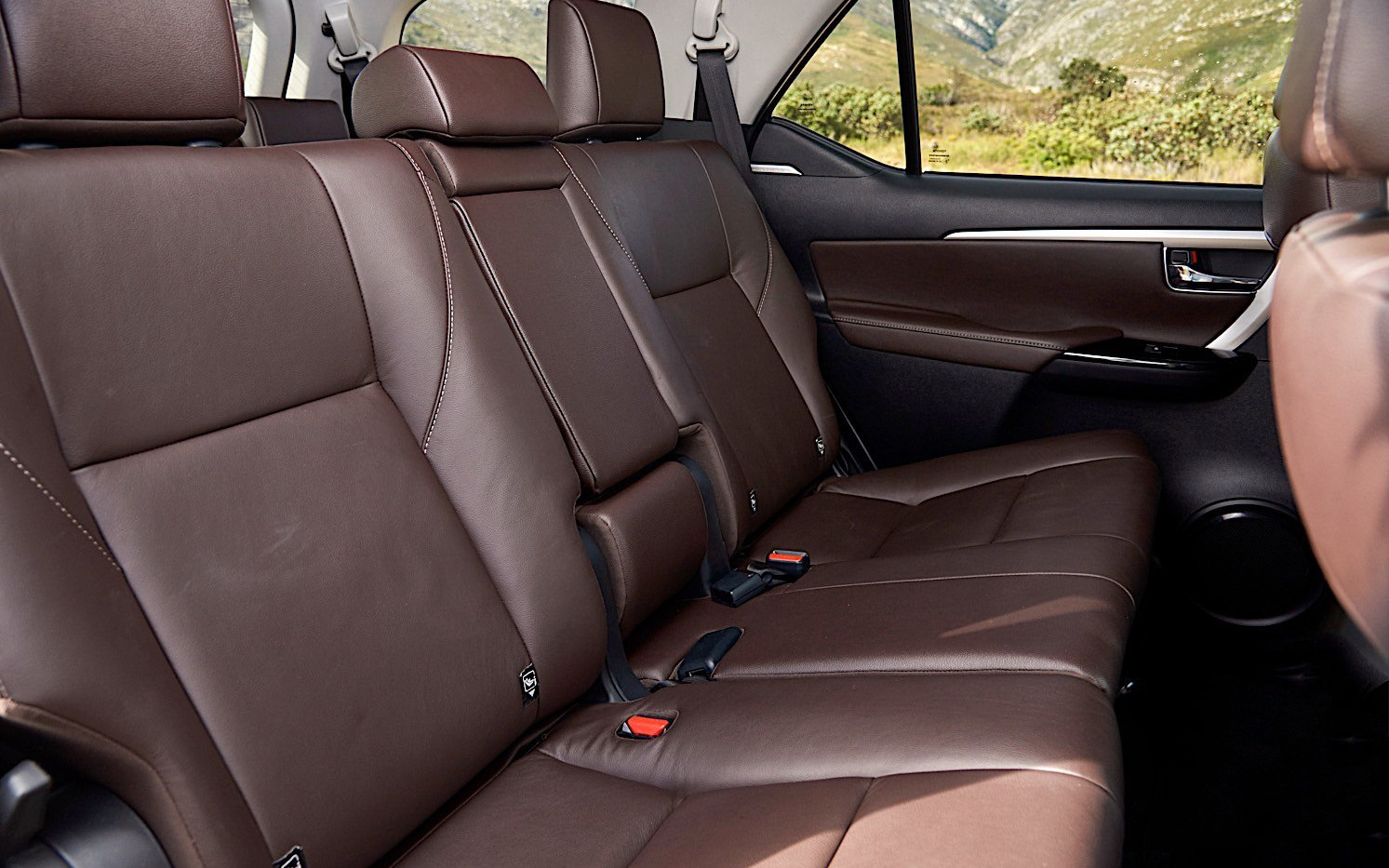
Moving to the second and third row though, the experience feels largely unchanged. Yes, it’s still quite roomy, but there’s surprisingly not a lot of head room available (especially the middle occupant in the second row and the entire third row). Apart from that, it doesn’t learn any new tricks. The second row still folds, slides, and tumbles in a 60/40 split, but a one-touch tumble mechanism allows easier access to the third row. The third row meanwhile still flips to the side, but a spring loaded mechanism and rear-mounted latch point, attached to the rearmost seat belts, make it easier to store
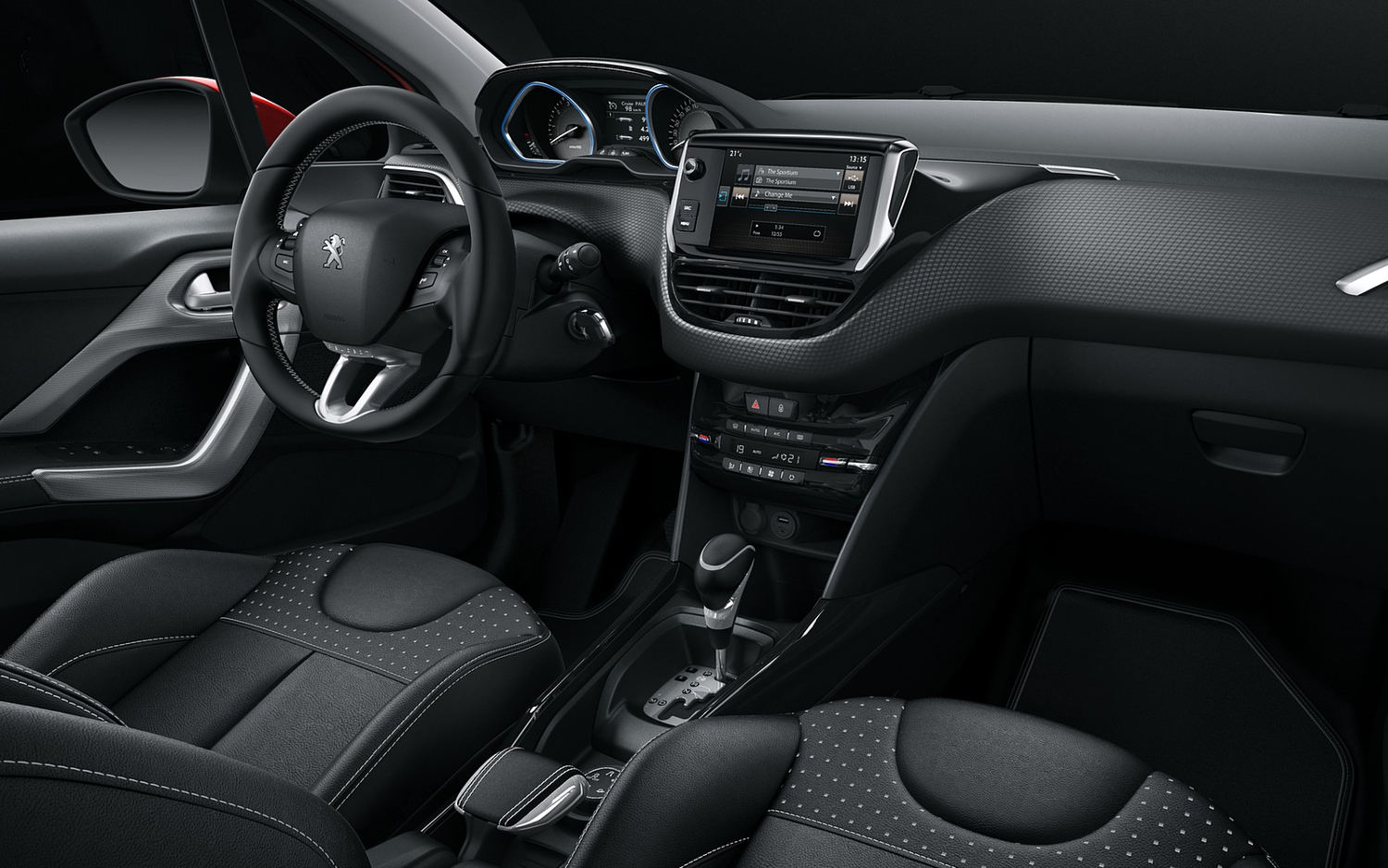
The 2008's identity crisis is partly solved, but as this is a mild update rather than ground-up rebuild, it was never going to be the CX-3 killer product planners dream about. With the new engine and transmission, though, the range is more appealing and easier to make sense of. It retains what made the car so original at launch, with the polarising i-Cockpit, clever-on-a-budget interior detailing and, as it turns out, it's a tough customer loved by rural folk. All of this won't rocket the Frenchie to market leadership, but it puts it in the mix where it was previously too confusing an idea for many buyers.
Pros New engine and trans combo Interior still cool CarPlay across the range
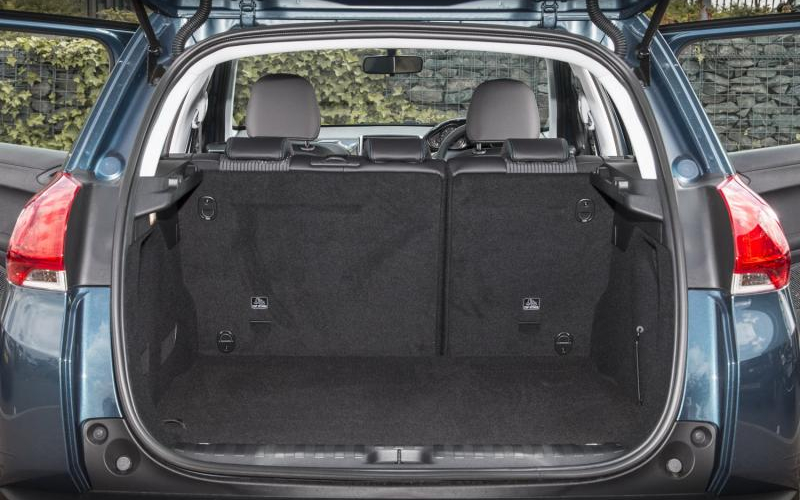
Cons Tight rear seats Grumbly engine at low revs Some cheap plastics
Previously overlooked small SUV gets a dose of credible performance from its new drivetrain.One of the legacy products from PSA (Peugeot and Citroen), the 2008 has been hamstrung since its local launch in 2013 by a poor selection of drivetrains. That is now resolved with the introduction of a facelifted model powered by the sparkling 1.2-litre turbo three-cylinder, driving through a six-speed automatic transmission. A reversing camera and new connectivity technology further enhance the 2008 package, all for no more than $1000 extra at entry level. In the 2008 the new engine is quieter still than it was in the light hatch. The engine rarely made its presence felt in the SUV unless it was under load, accelerating up hill, for instance – when its distinctive three-cylinder warble could be clearly heard.
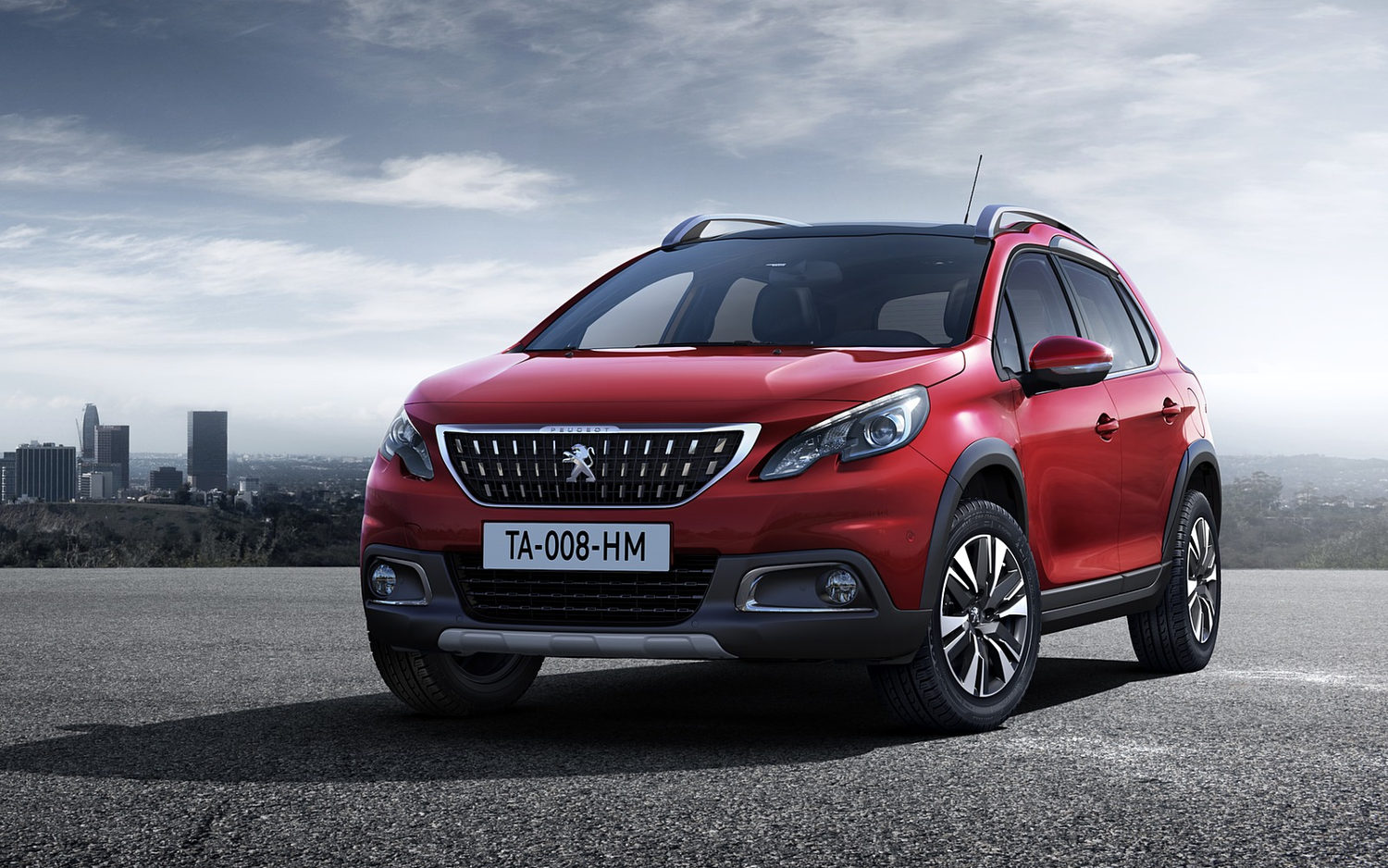
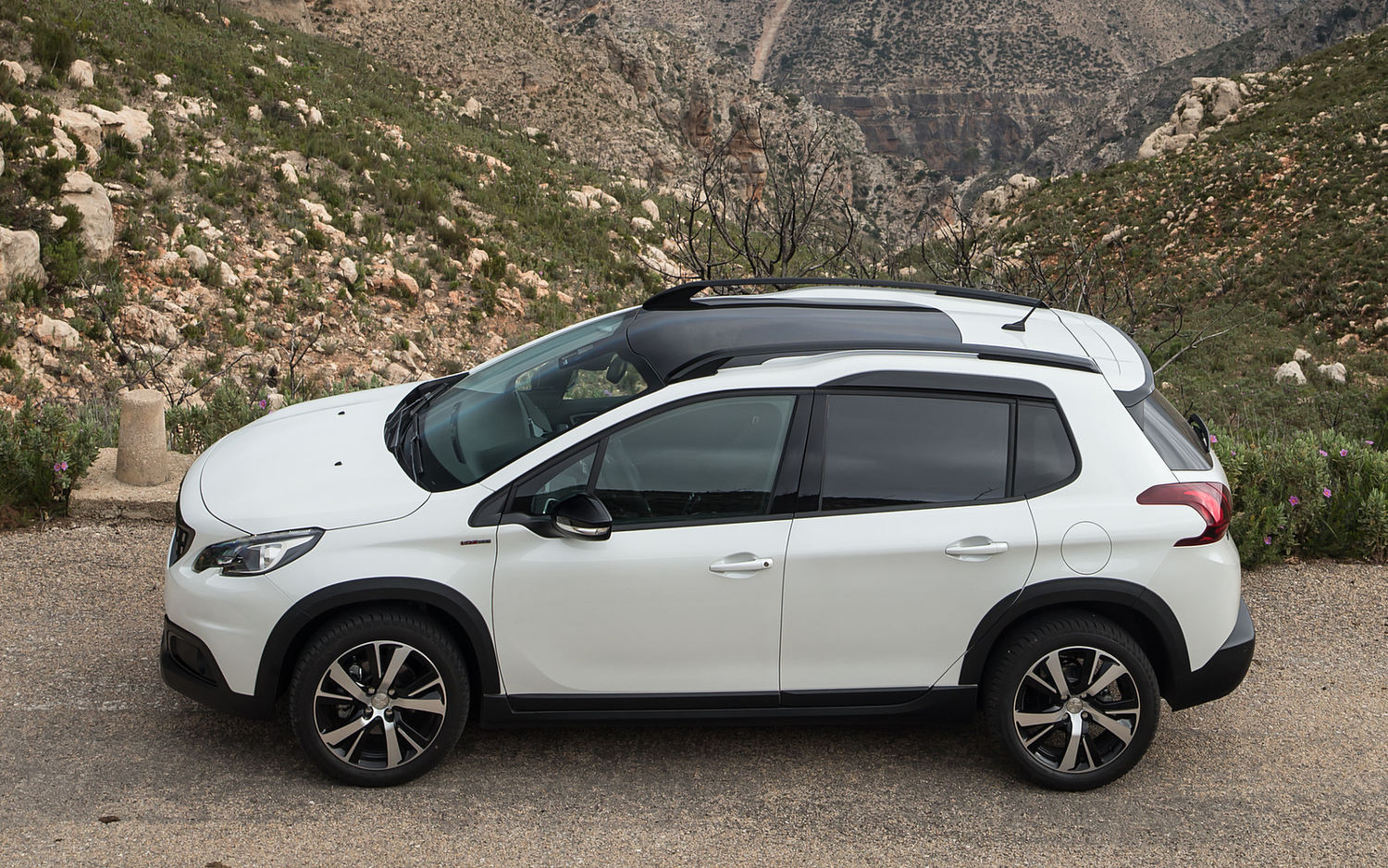
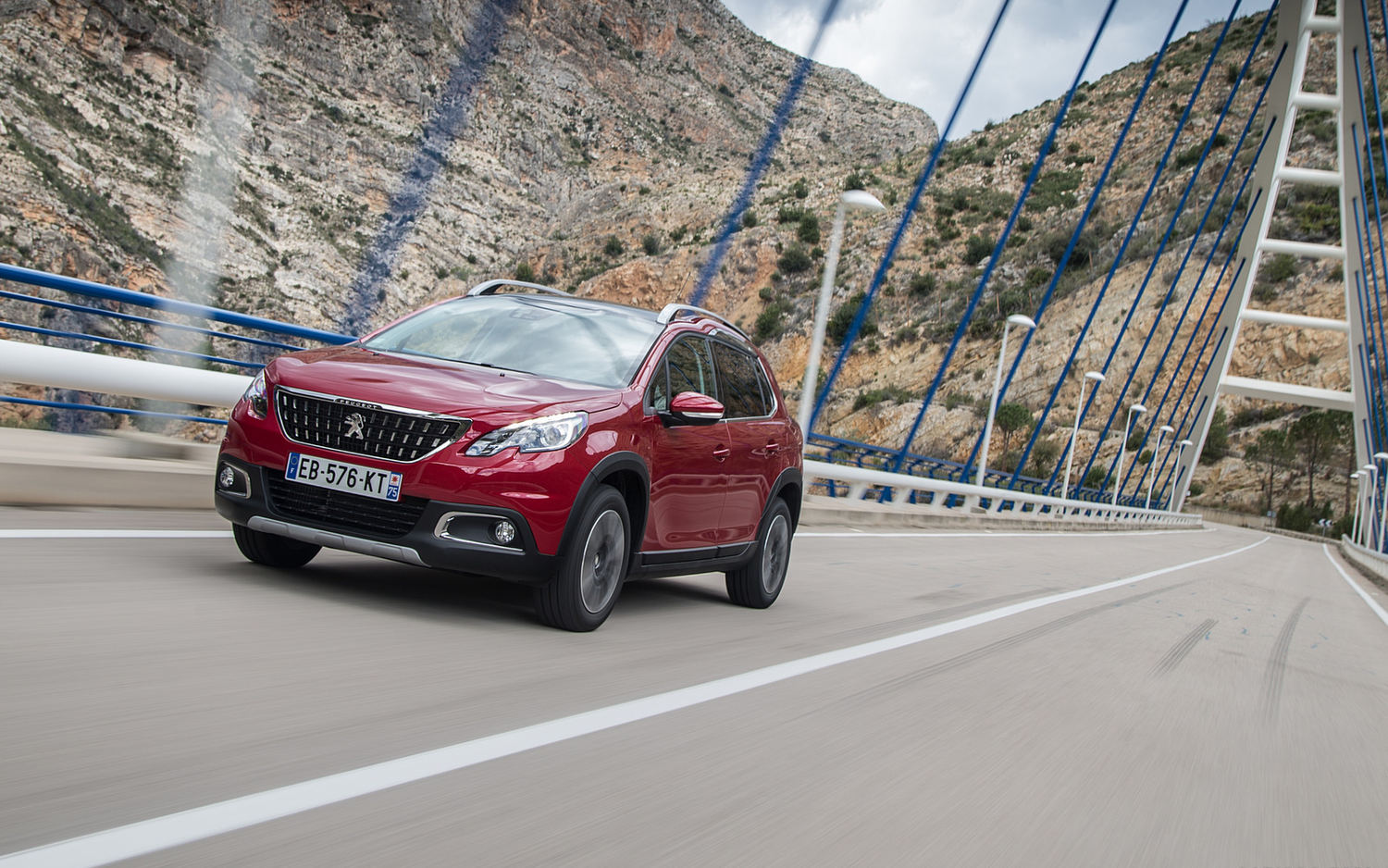
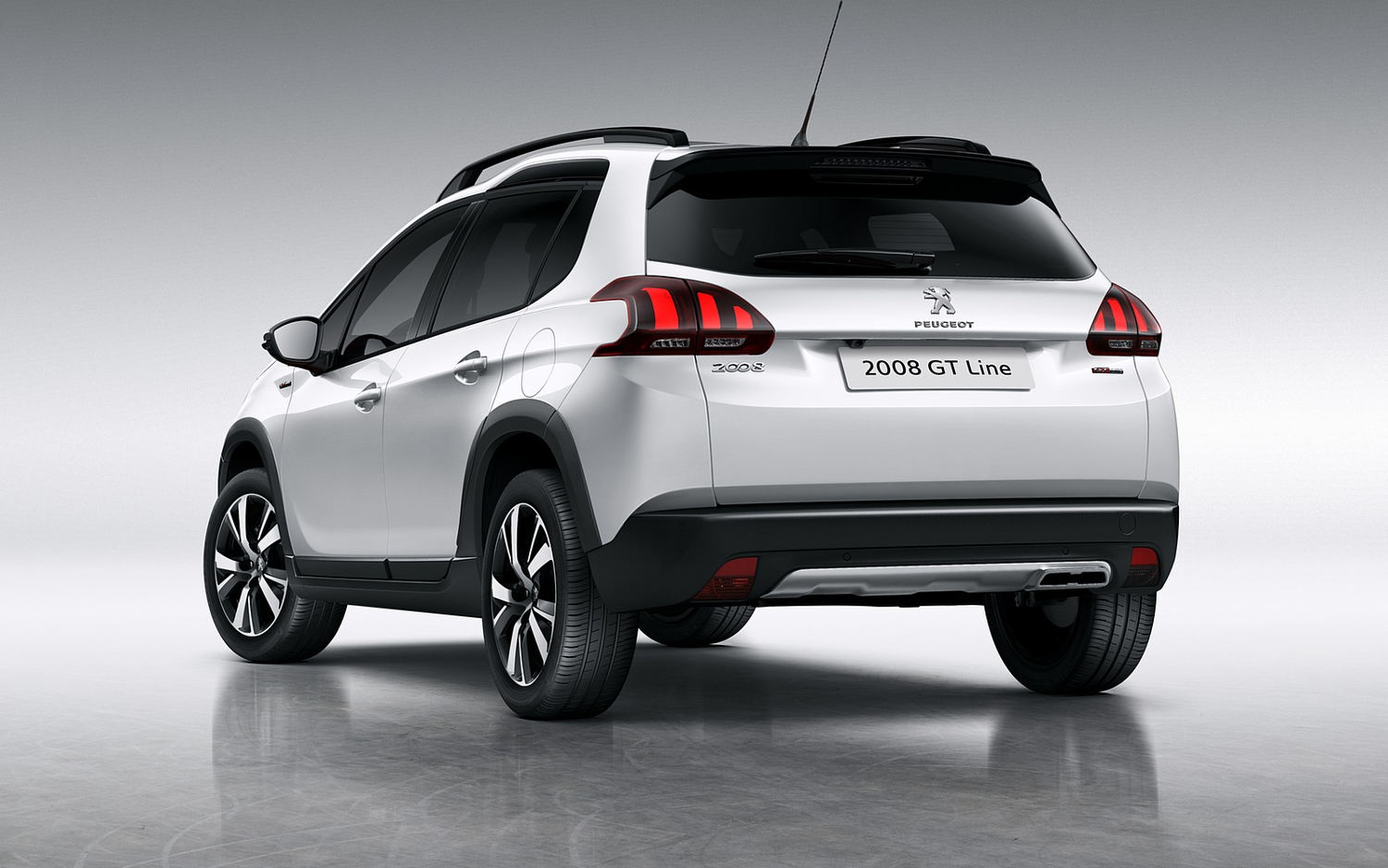
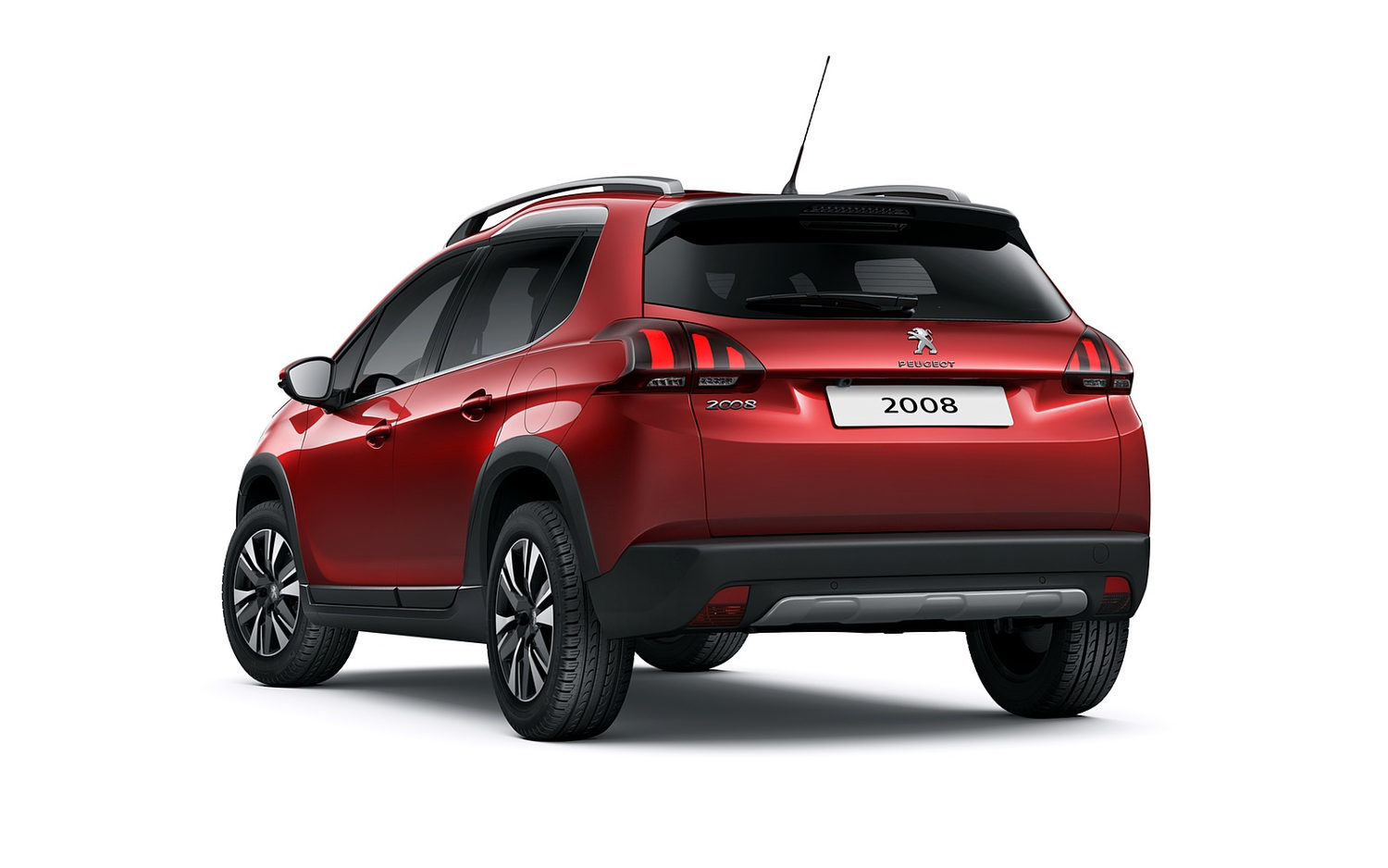
The new-look 2017 Peugeot 2008 has arrived,with the more muscled looking mini SUV axing its diesel engine offering and adding new safety and technology equipment. The new model range is a petrol only affair, with the brand’s 1.2-litre three-cylinder turbo engine and six-speed automatic transmission aimed at appealing squarely at the majority of front-wheel-drive SUV buyers. Styling wise, the revised 2008 sees the adoption of the brand’s family look, with a more pronounced grille, more angular bumper and revised headlights and tail-lights. The GT-Line model stands out from the other models with extra body cladding, black exterior highlights and more.