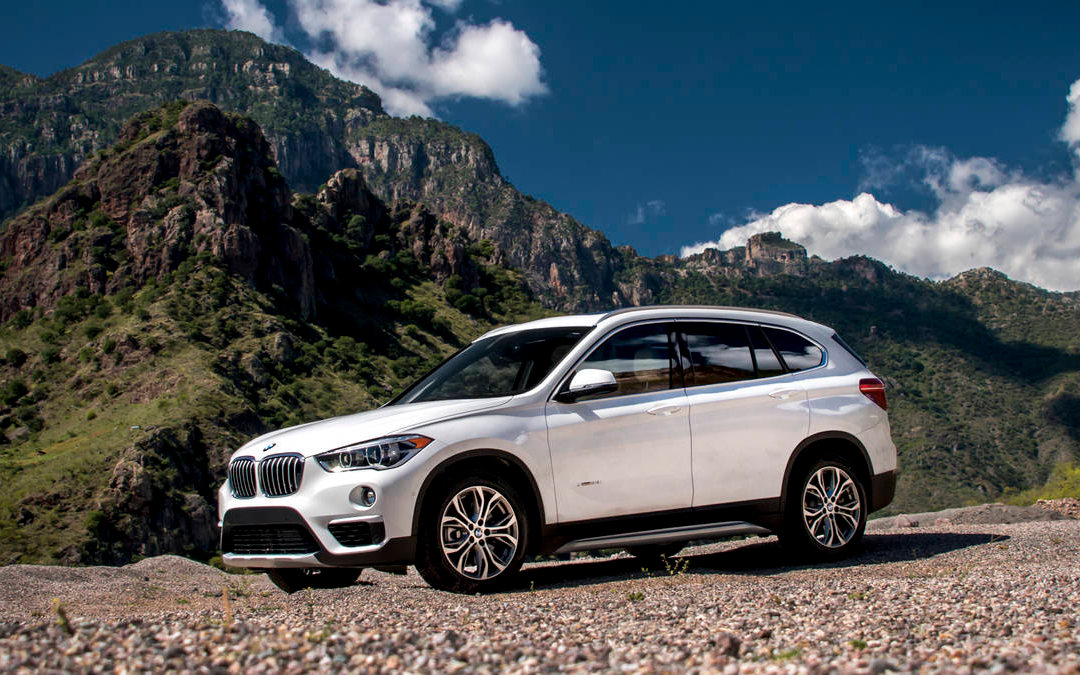
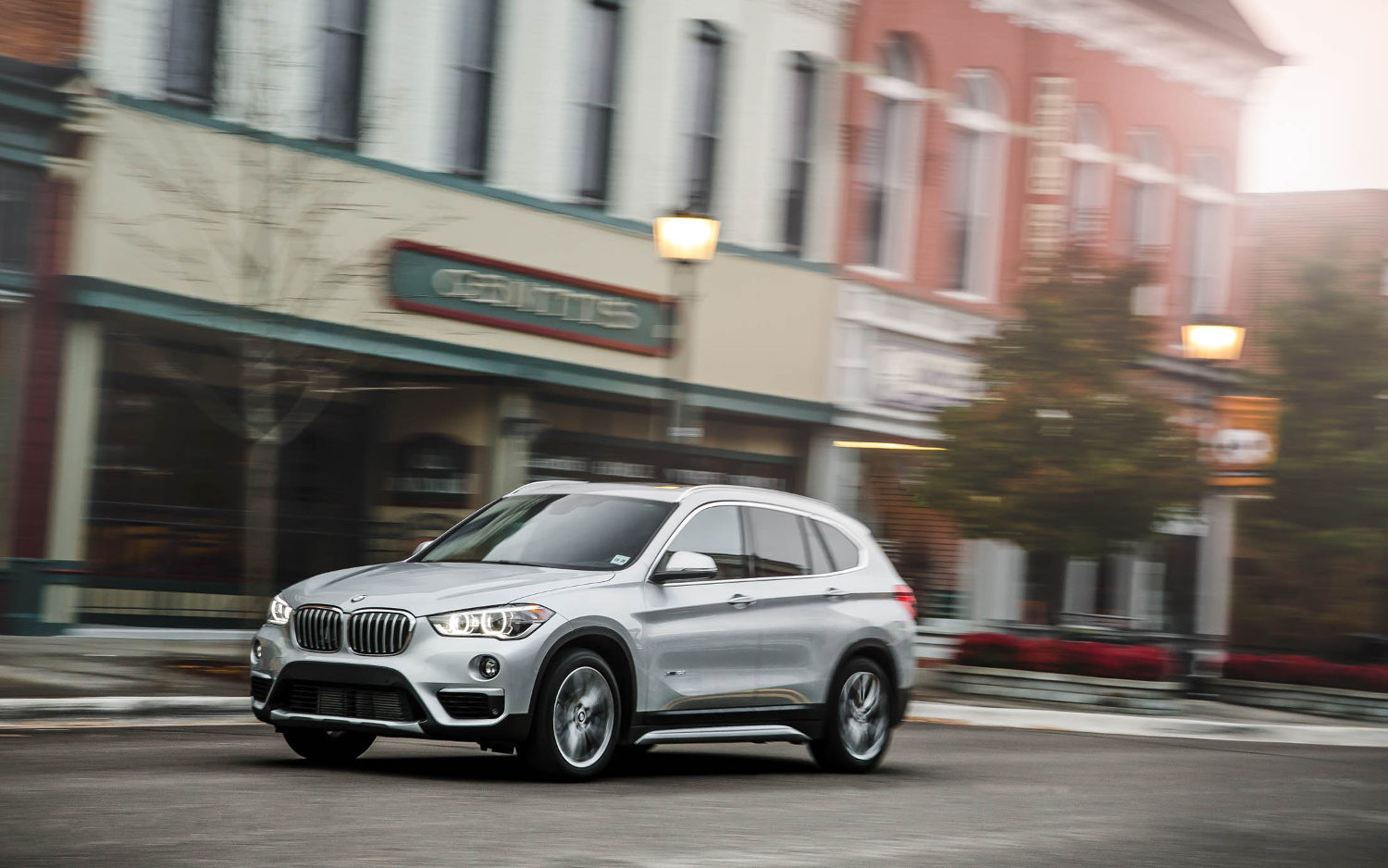
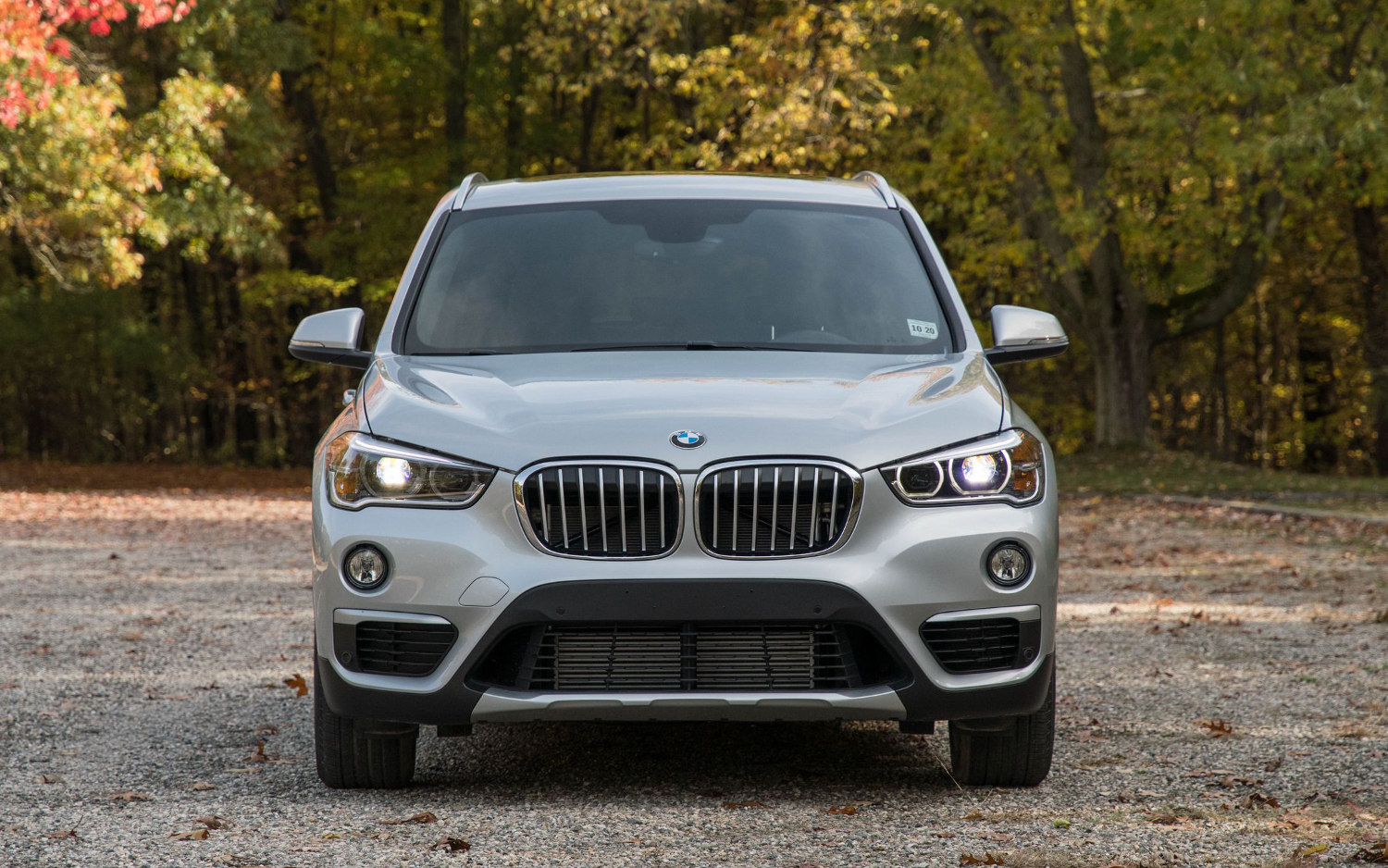
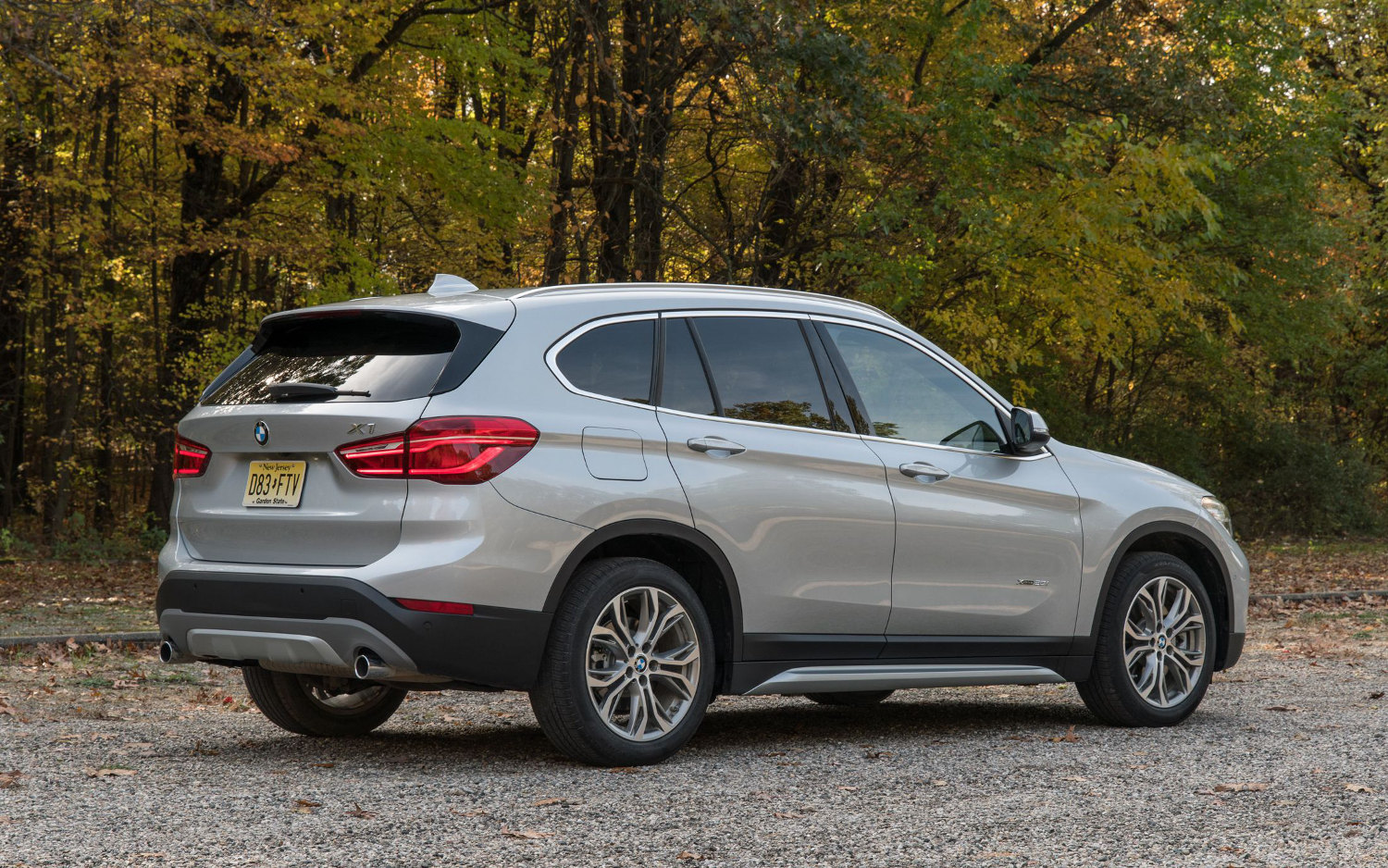
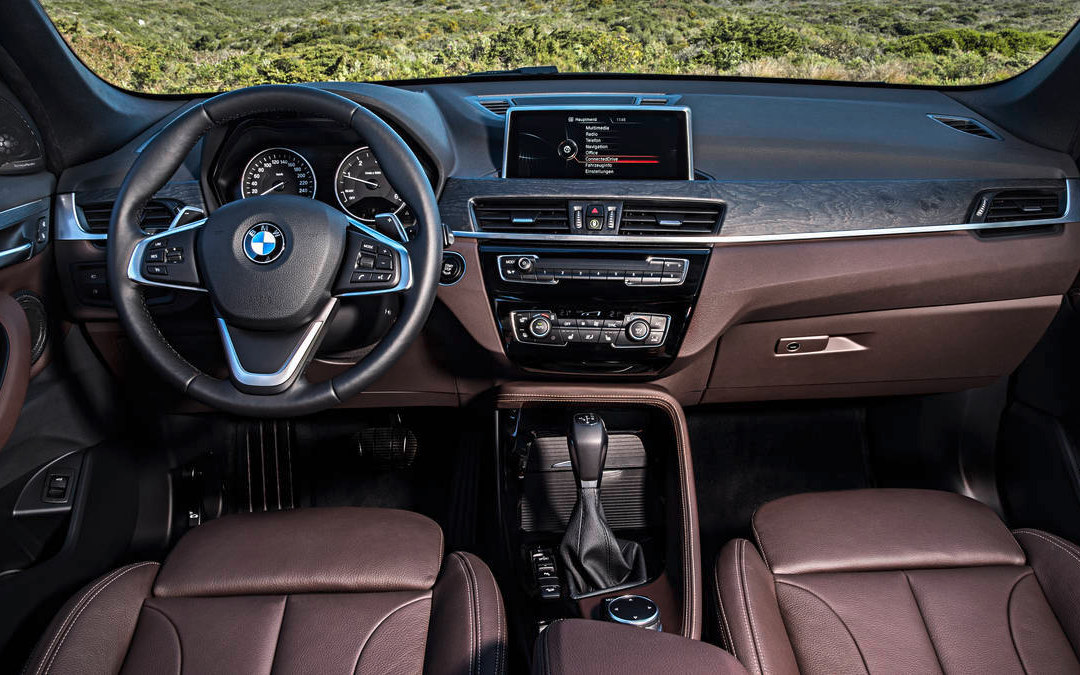
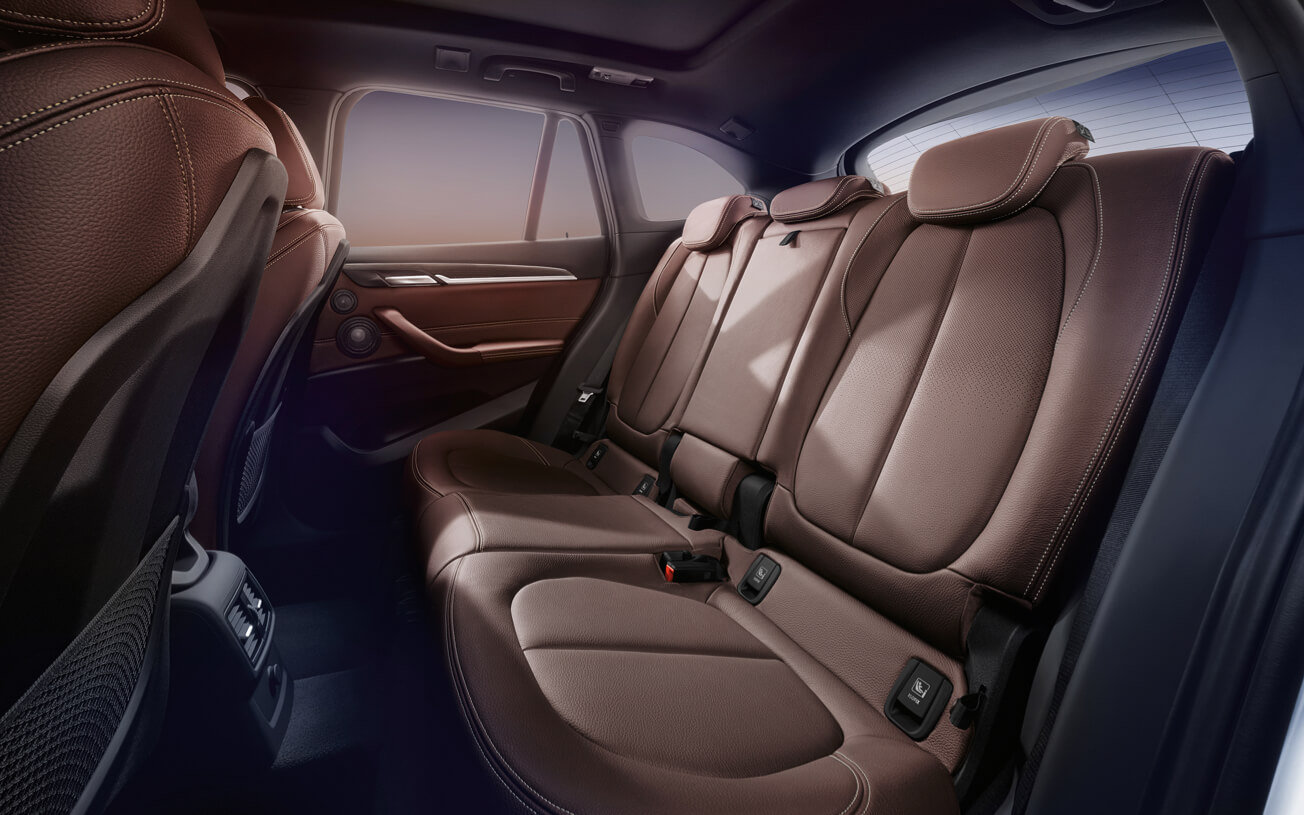
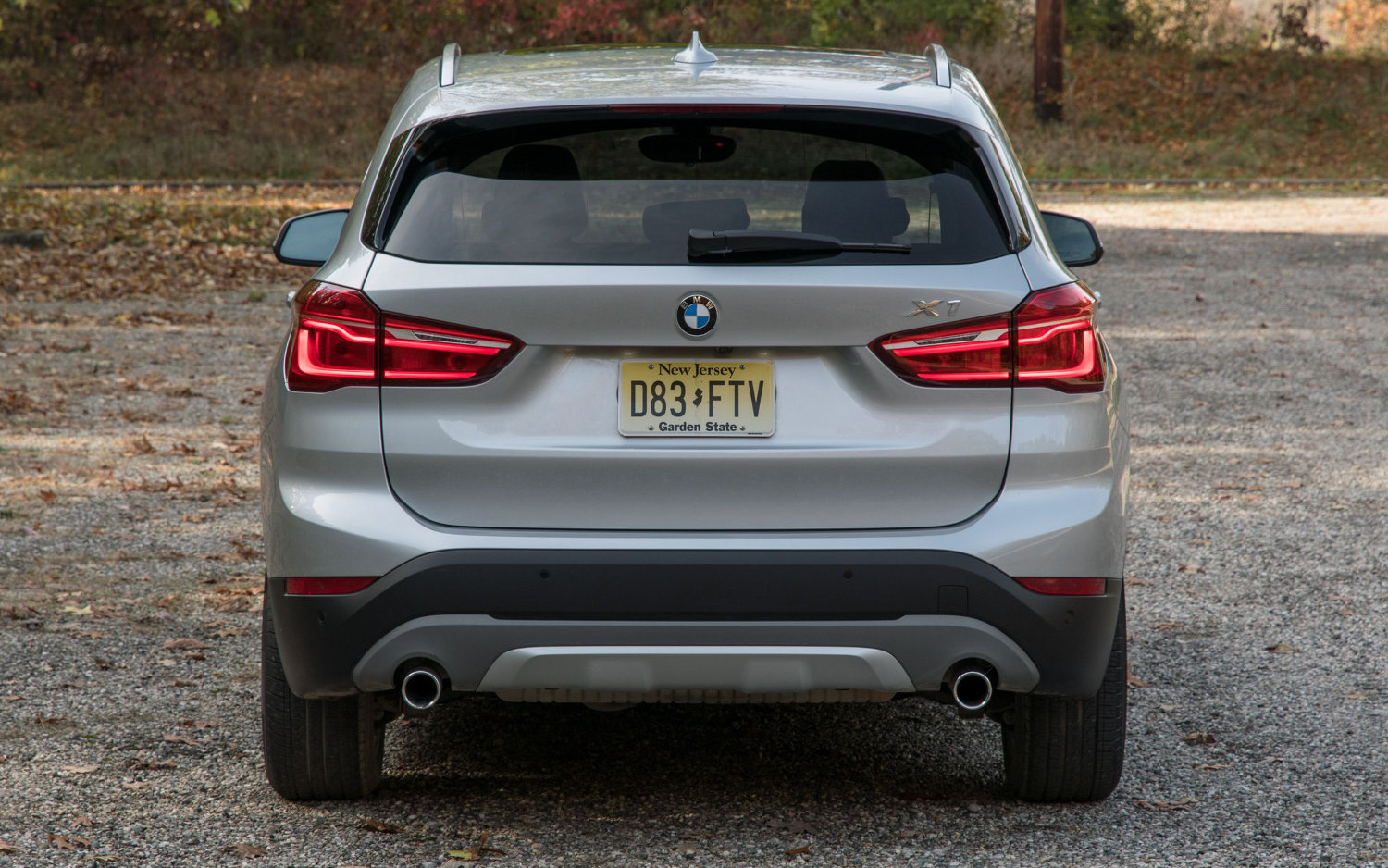
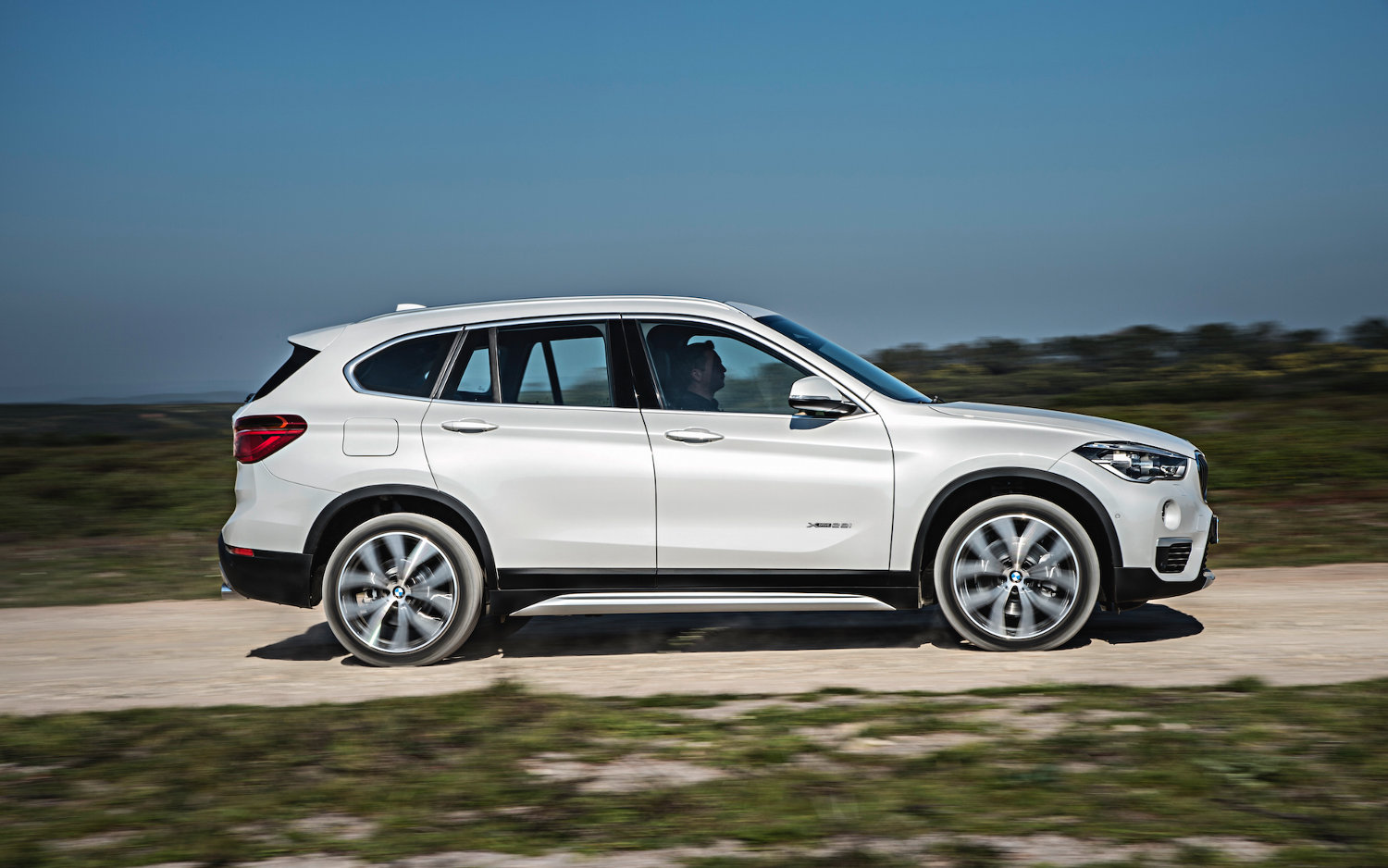
BMW has rearranged the X1’s lineup for 2018 and now offers five distinct trims—base, Convenience, M Sport, Premium, and M Sport Premium—each with more features than the last. Only a few features are still offered as standalone options on non-Premium trims, including front and rear parking sensors ($800), LED headlamps ($950), Navigation ($950), and heated seats and steering wheel ($550). Some new features join the party for 2018; a backup camera is now standard, as is BMW’s ConnectedDrive in-car concierge service. Apple CarPlay is now optional ($300) as is onboard Wi-Fi with wireless device charging ($500). A new color—Sunset Orange Metallic—replaces Chestnut Bronze.
Pros Sweetheart engine and transmission, athletic chassis, capacious cargo hold.
Cons Unsupportive standard seats, slow infotainment system, subtle exterior styling.
The 2018 BMW X1 is a compelling crossover pick for a budget BMW buyer who can’t do without a roundel.
pros Subtle but good looks Responsive turbo-4 Good 8-speed automatic Relatively good value in base guise Spacious cargo area
Cons Options add up quickly Front seats aren’t the best seats Pricey advanced safety package No manual transmission?
The 2018 BMW X1 is a five-seat compact SUV in the luxury segment. It comes in two versions: the front-wheel-drive X1 sDrive28i and the all-wheel-drive X1 xDrive28i. From there, you have two directions to go: xLine Design or the sportier M Sport Design. After that, you can add various option groups that BMW calls tiers. The M Sport Design already comes with the Convenience group, which is optional on the xLine Design. Afterward, packages and stand-alone options are available based on which initial design and group you select.
PROS Strong and responsive turbo engine Sharp handling makes it fun to drive Plenty of rear passenger and cargo room High-quality materials and fit-and-finish
CONS Not particularly quiet on the highway Standard sport suspension may be jarring on rough roads
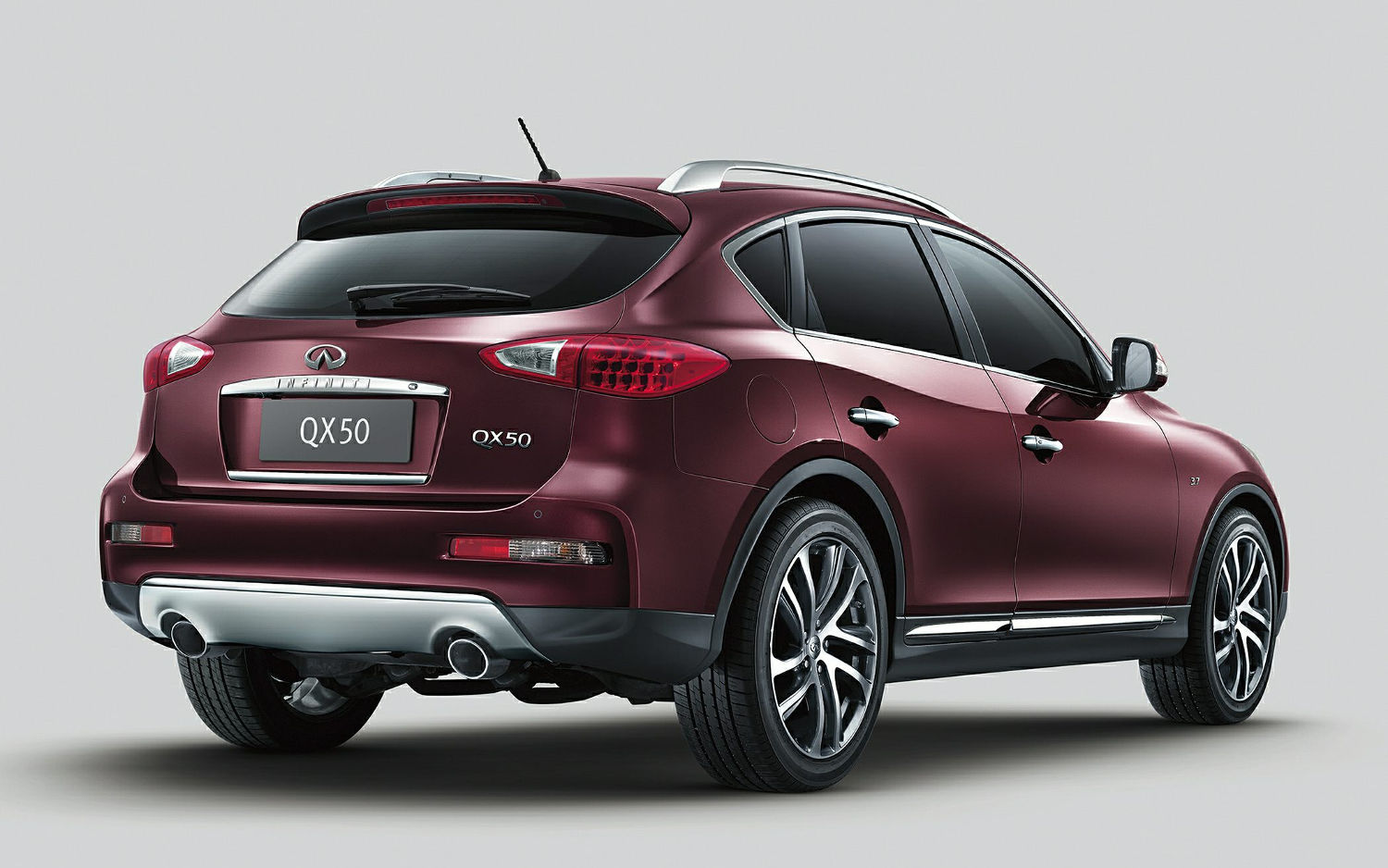
The 2017 Infiniti QX50 puts handling atop the SUV priority list, but that's not as wrong as it sounds.The Infiniti QX50 has been around, in one form or the other, for a decade. It's still here thanks to strong fundamentals: there are bits and pieces of Q50s and 370Zs under its skin, and that gives it an engaging feel that's still head and shoulders above some its its key rivals. It returns for its 10th model year in just two forms, as the rear-drive QX50 or as the all-wheel-drive QX50 AWD.
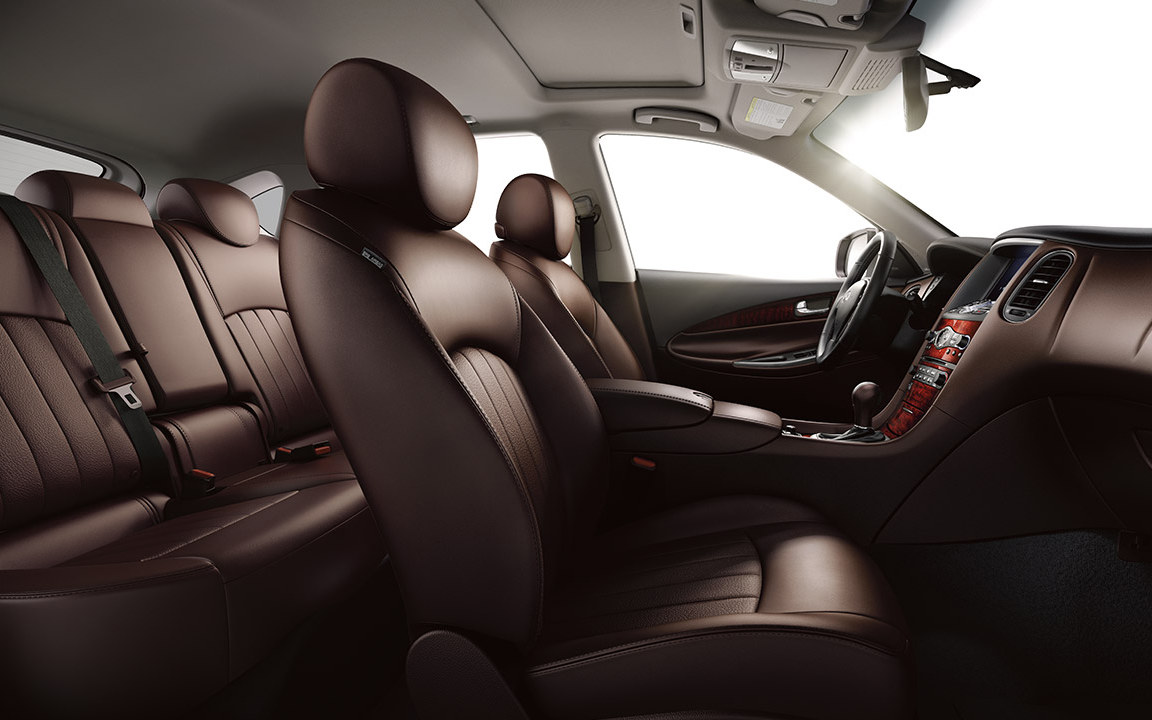
Pros Sport-sedan handling Shape's still sleek A richly appointed cabin Supportive front seats Finally, a more usable back seat
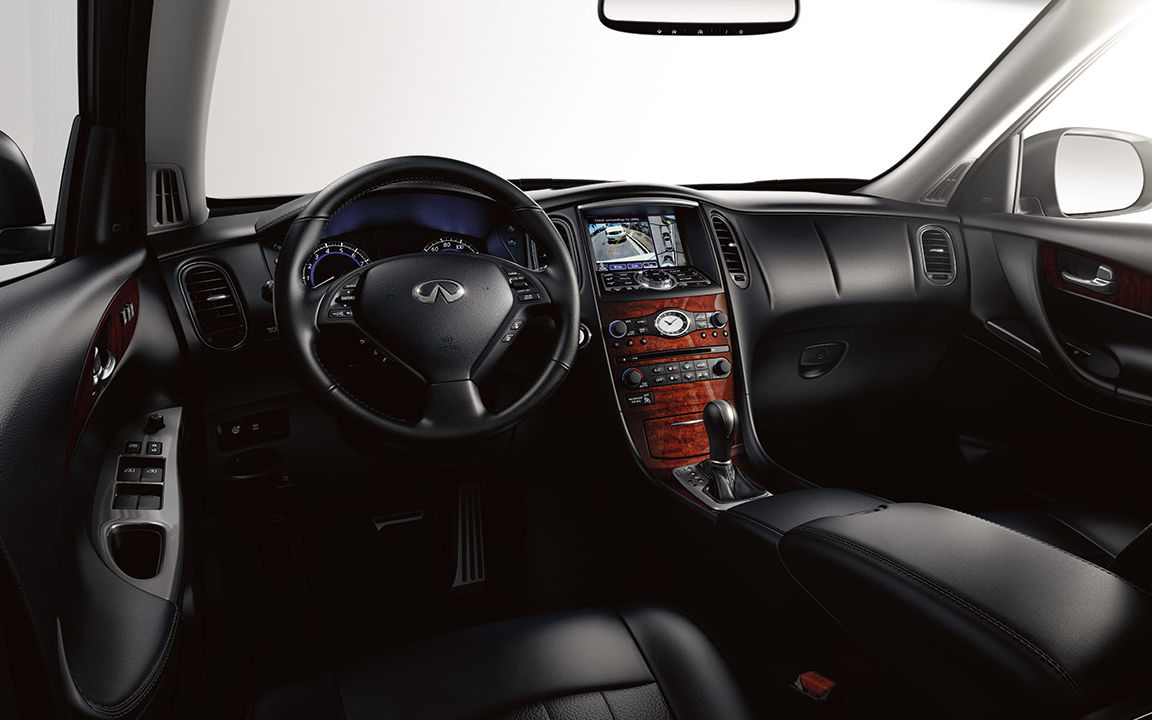
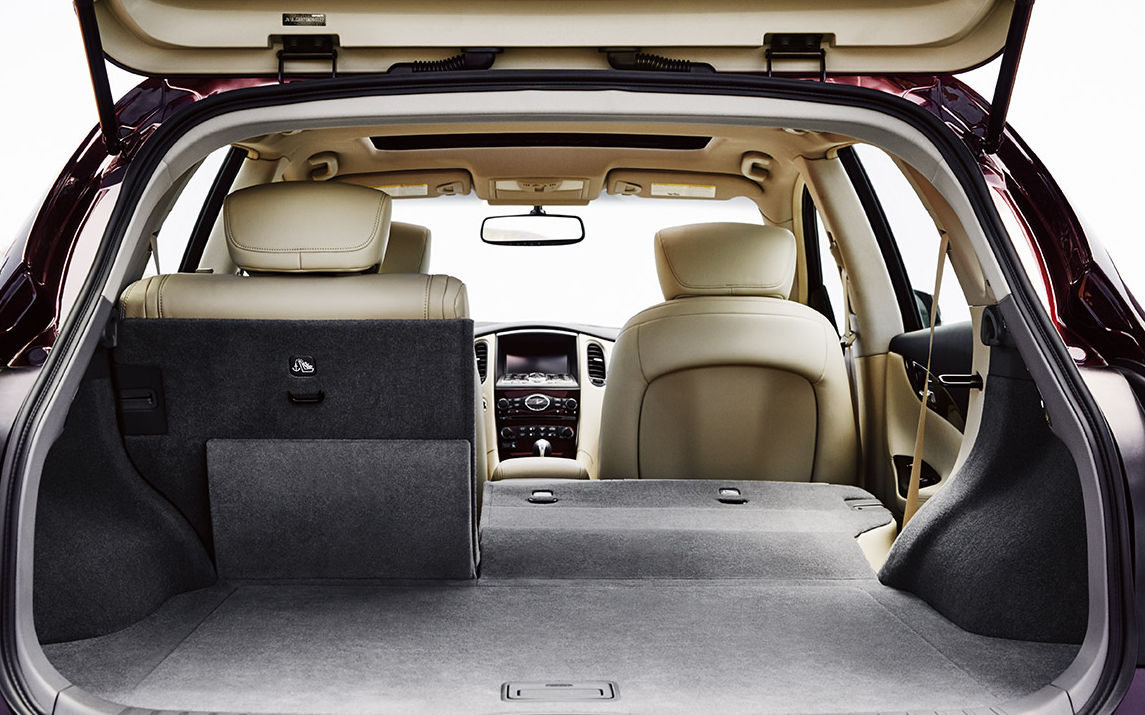
Cons Cargo space behind the second row is small Engine noise No paddle shift controls Even with surround-view cameras, visibility isn't great
The 2017 Infiniti QX50 ranks 10 out of 14 Luxury Compact SUVs. The 2017 Infiniti QX50 has a powerful V6 engine, handles more like an agile car than an SUV, and has one of the lowest base prices in the class. Many class rivals have better mpg ratings and more cargo space, however, and the QX50's design is getting a little stale, both inside and out.
Pros Powerful engine Low starting price Agile handling
Cons Poor fuel economy Subpar cargo space Aging design
With the 2017 Infiniti QX50, you get a driving experience that's more sport sedan than sport-utility. But the QX50 falls behind in other areas that are likely more important for a luxury crossover SUV. The QX50's optional 19-inch wheels are now available separately for 2017.
Pros Powerful standard V6 engine Responsive handling more akin to a sport sedan than a sport-utility.
Cons Limited cargo space That standard V6 engine is pretty thirsty All-or-nothing option packages mean you'll probably pay for things you don't want Dated interior controls.