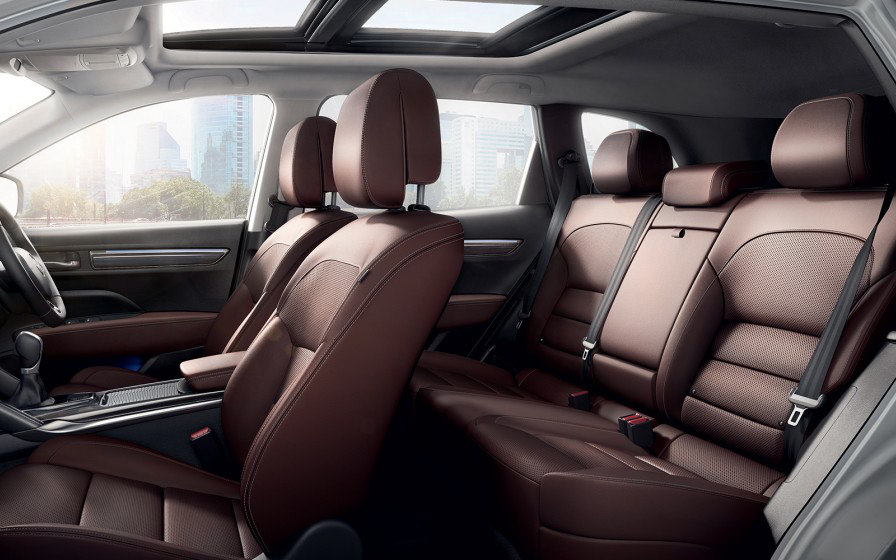
Pros • Cabin, load space • Fuel economy • Dash presentation
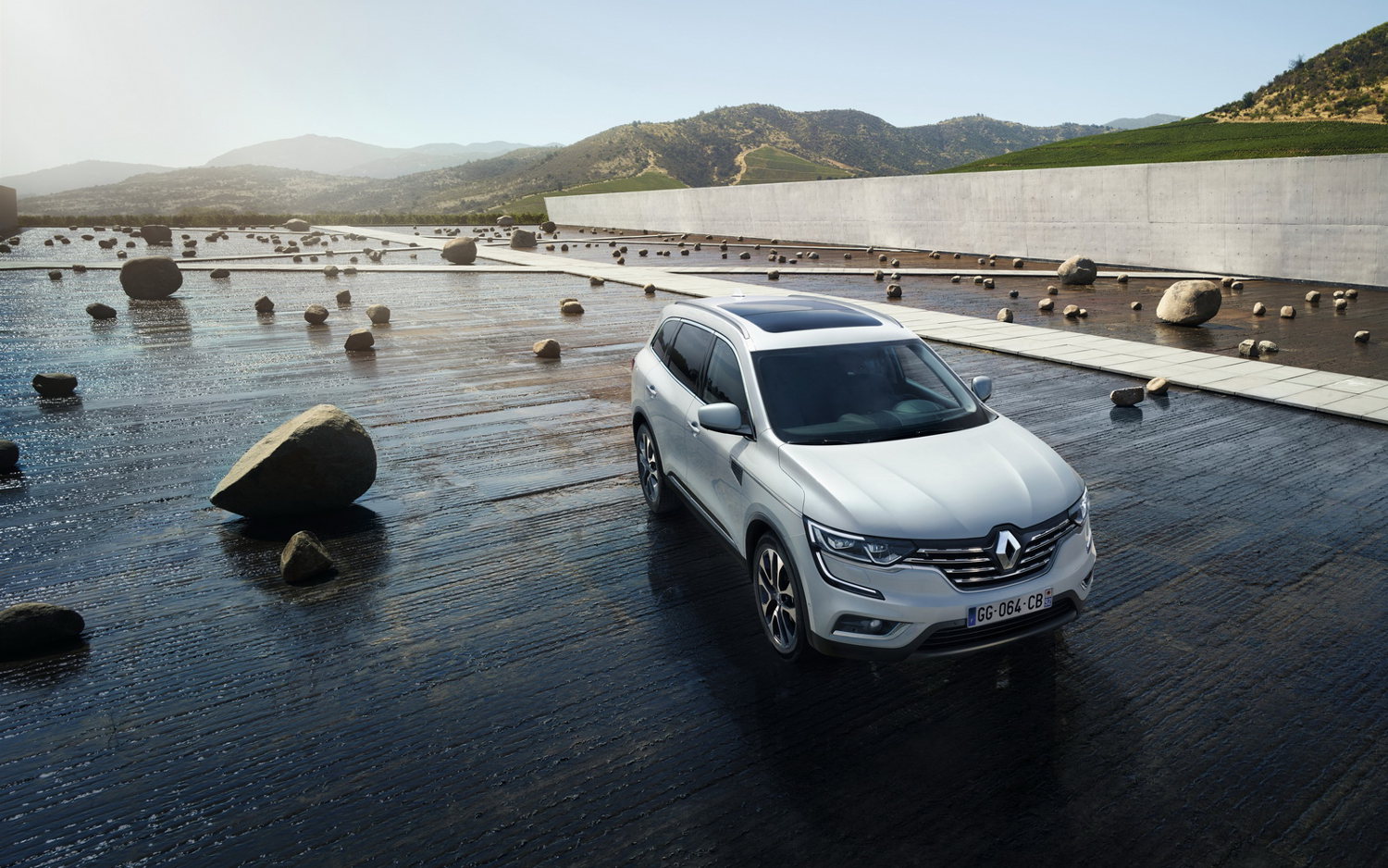
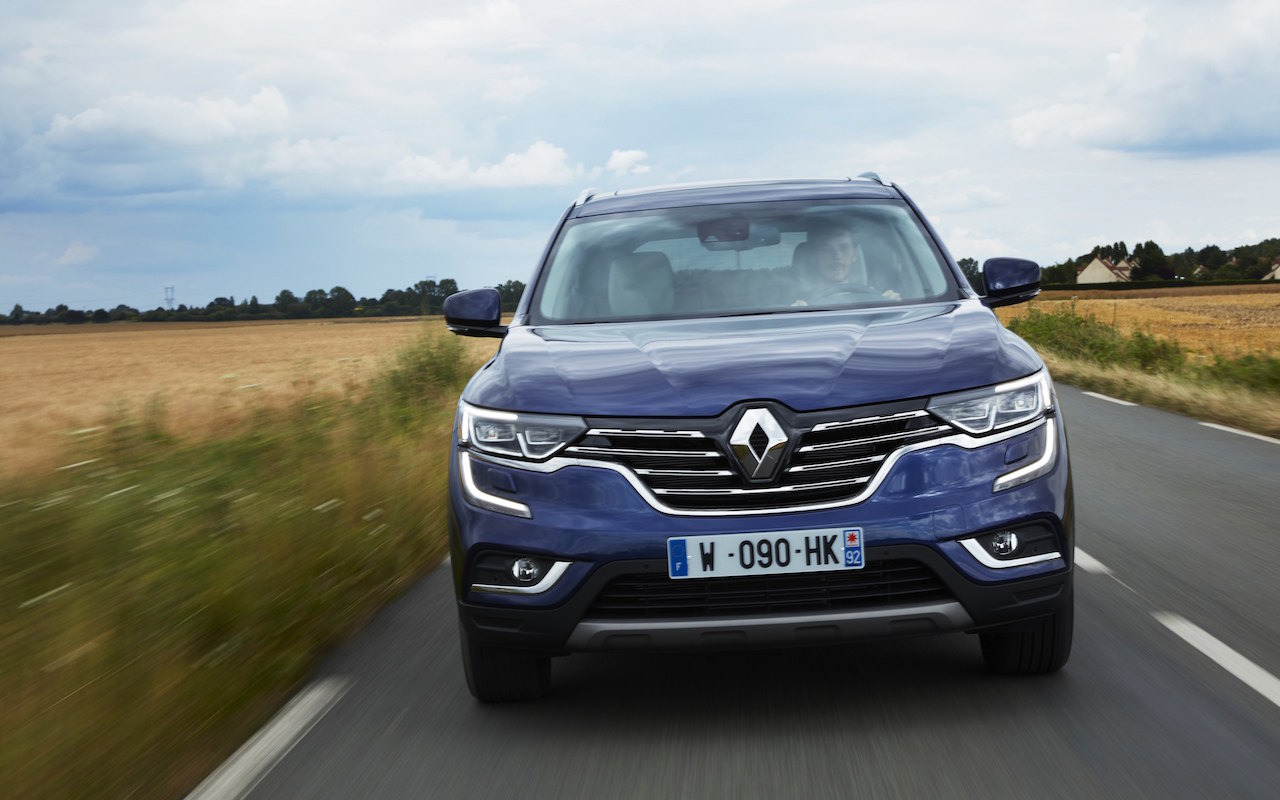
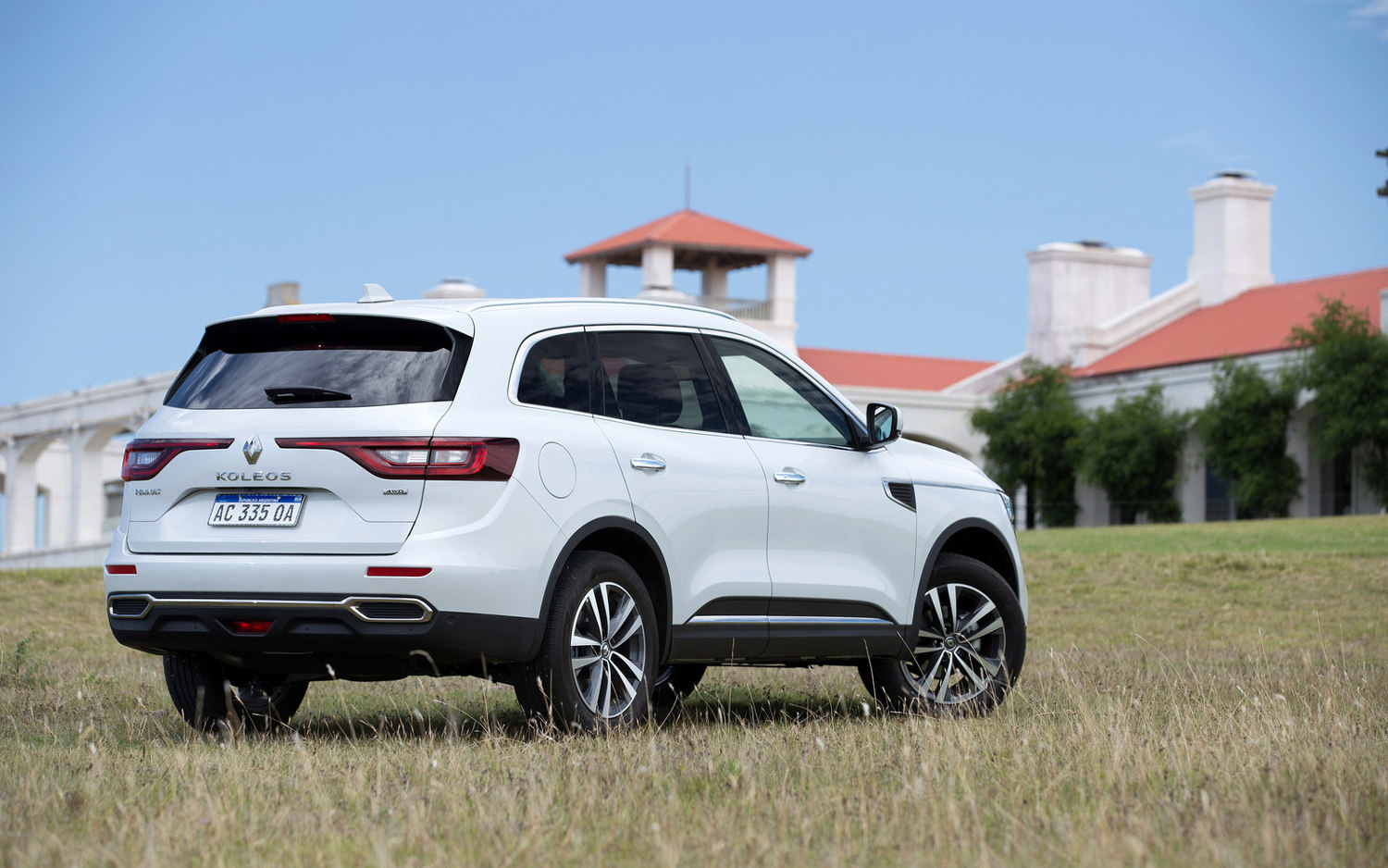
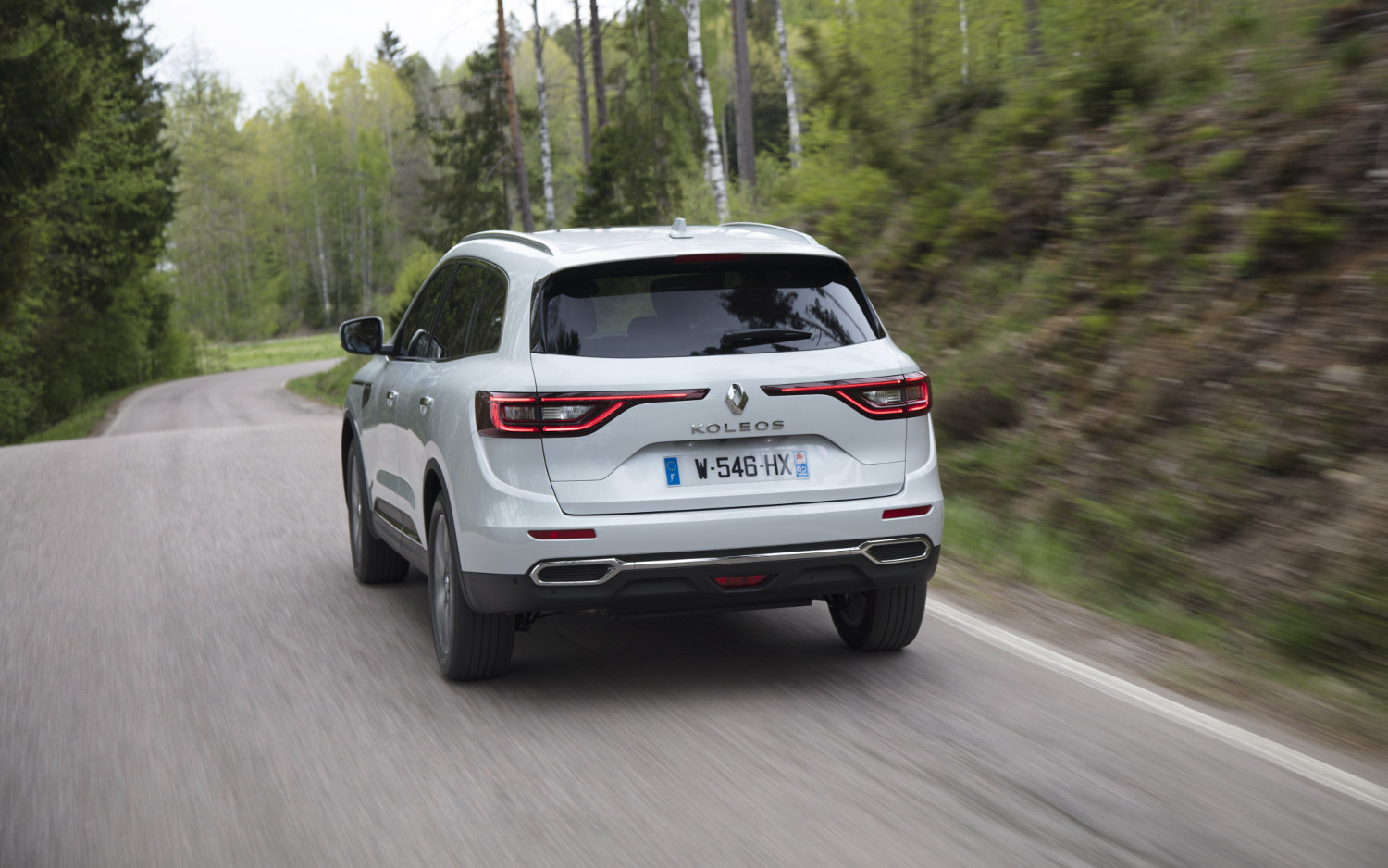
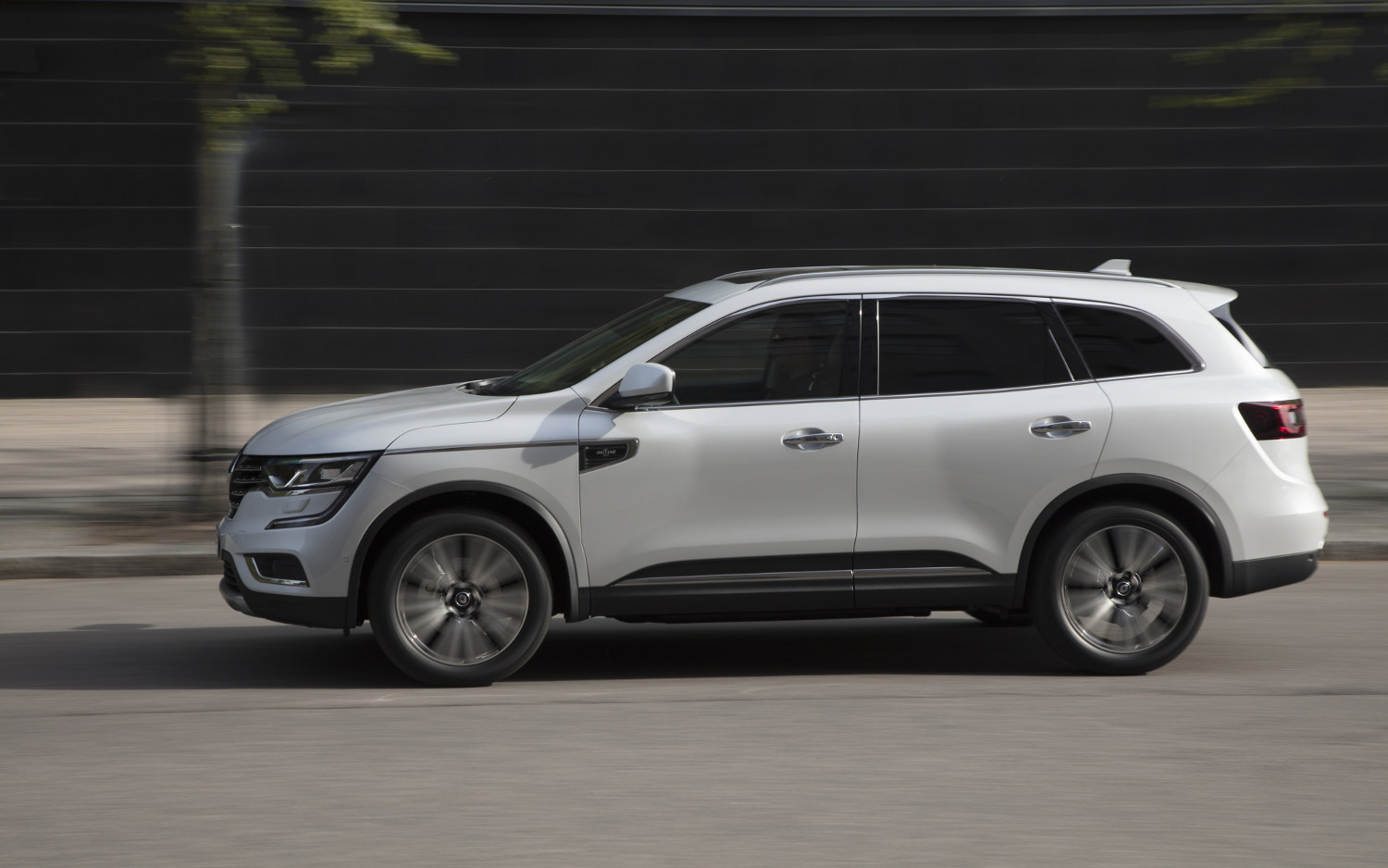
Cons • Noisy suspension • Flat seats • CVT characteristics The Koleos did what it was intended to do. It gave Renault a foothold in a hitherto unrepresented segment and, more importantly in Australia, it quickly became Renault’s biggest-selling model.If there was a major shortcoming with the second generation Koleos it was the lack of a diesel engine. The newcomer was exclusively powered by a hard-working 2.5-litre naturally-aspirated four-cylinder petrol engine producing a reasonable 126kW/226Nm and returning, in AWD form, a combined fuel consumption average of 8.3L/100km.But that’s all changed now. The long-awaited turbo-diesel option arrived in August 2017 to immediately bring more power and (a lot more) torque. At 130kW/380Nm it’s a true grunter which, at 6.1L/100km, also offers better fuel consumption, plus lower exhaust emissions (150g/km against the petrol version’s 192g/km).
Pros Noticeably more torque and better fuel economy from the diesel engine Big size equals excellent second-row space inside Competitively priced Good ownership credentials
Cons Powertrain not as seamless and effortless as the numbers suggest No quicker than cheaper front-drive petrol Koleos variants Wieldy SUV to manoeuvre and park Ho-hum infotainment system Lower braked towing rating than petrol versions The diesel clatter is also quite noticeable, though nothing like a deal-breaker, but it does harness the on-demand all-wheel-drive system's tractive talents better and more noticeably than the petrol engine does. And by maintaining fuel economy within a ballpark of its maker’s 6.1 combined cycle claim, it’s markedly more efficient by a couple of litres per hundred, particularly around town.
Pros Great exterior looks Nice enough to drive Good level of equipment
Cons Doesn't come with a seven-seat option Prices are a bit high Manual gearbox isn't the smoothest
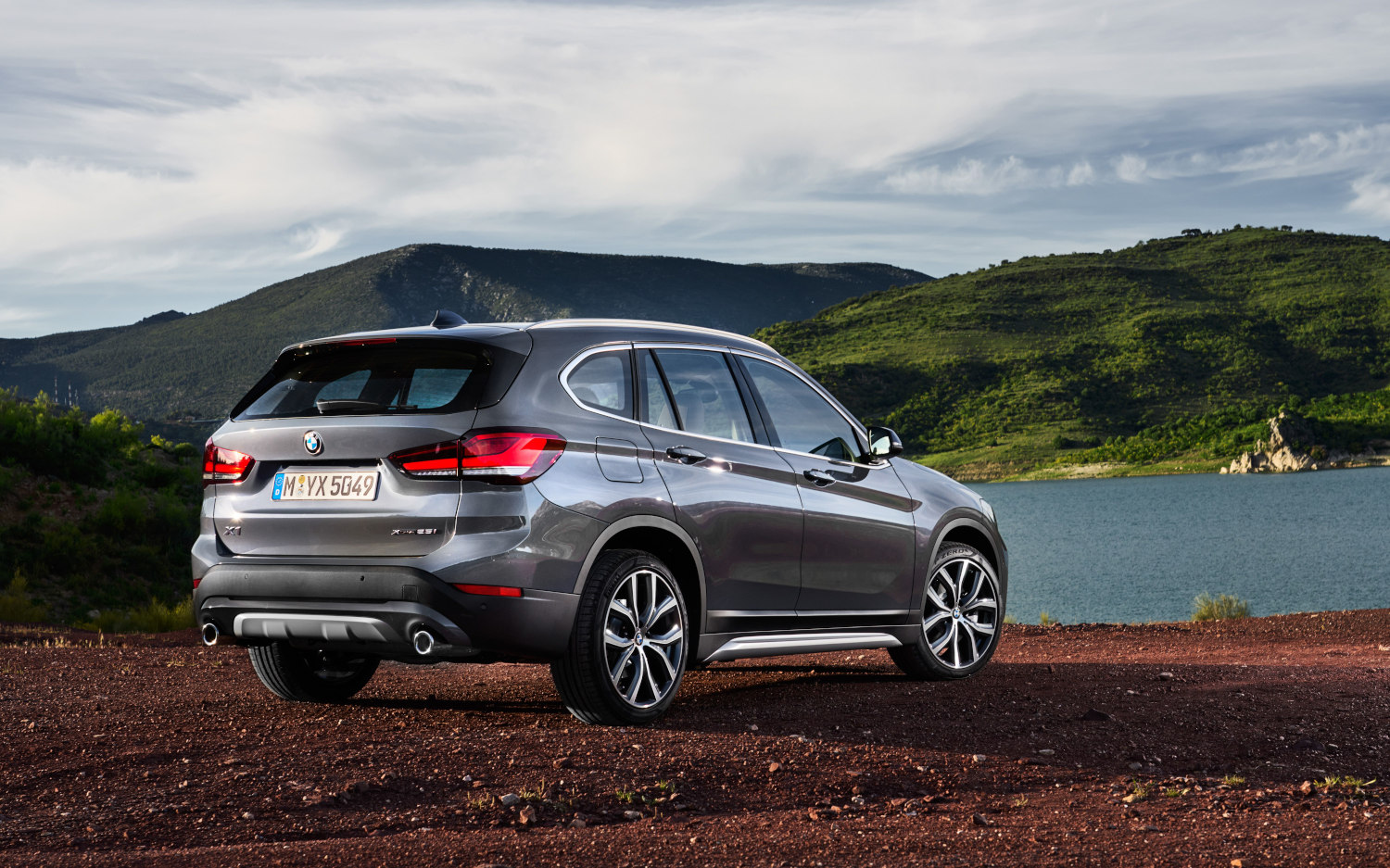
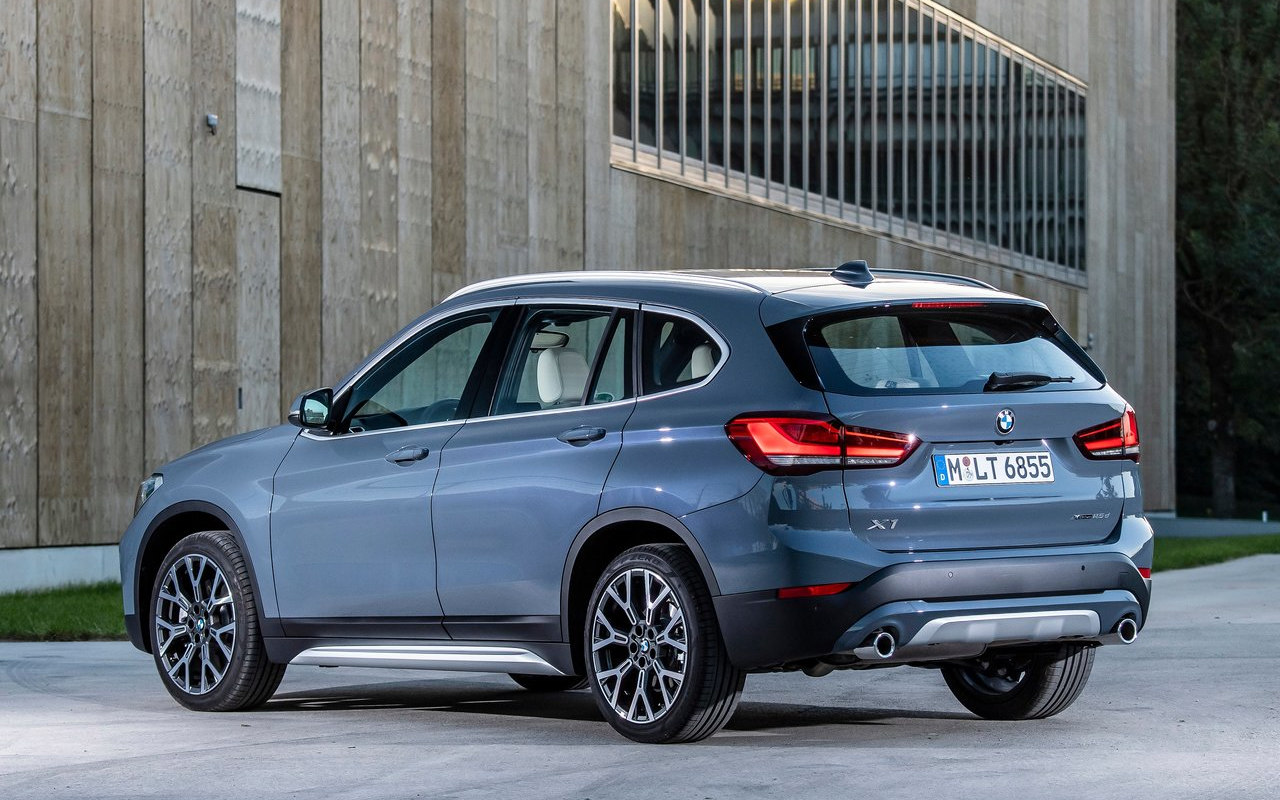
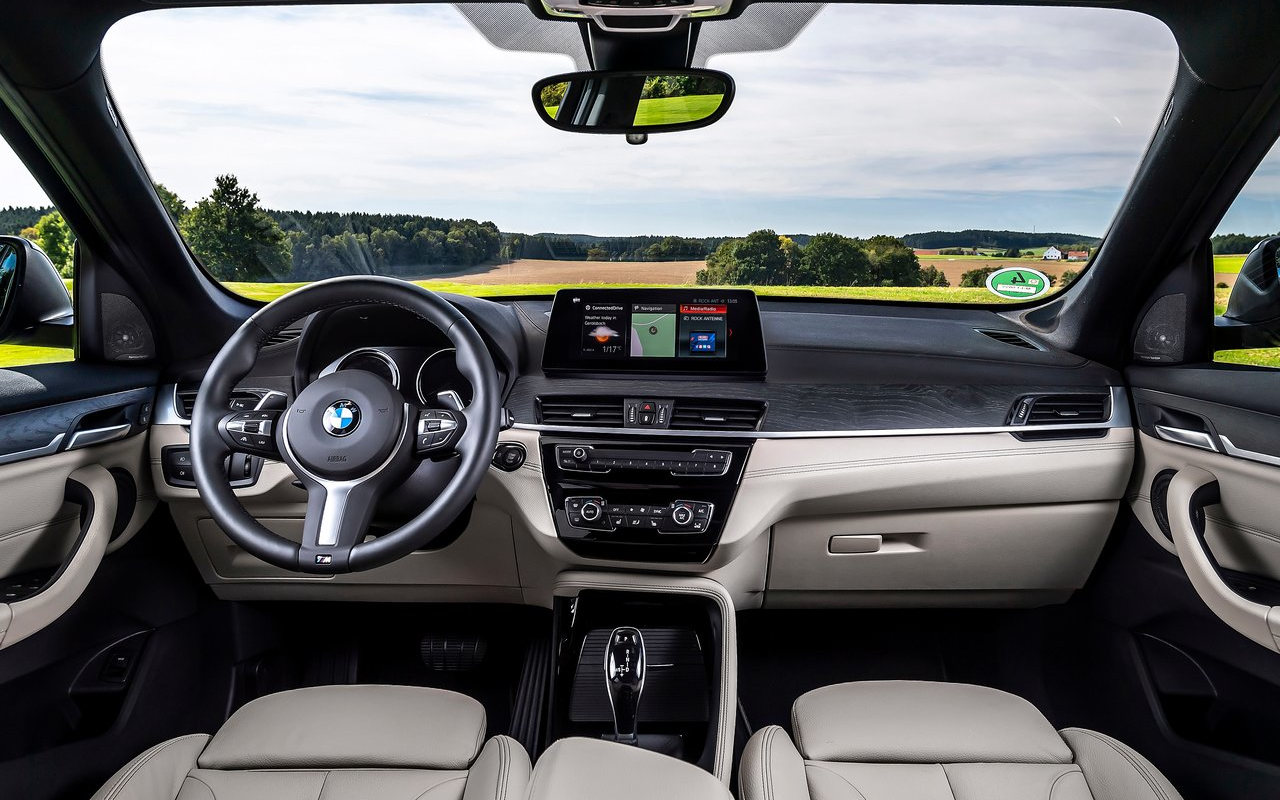
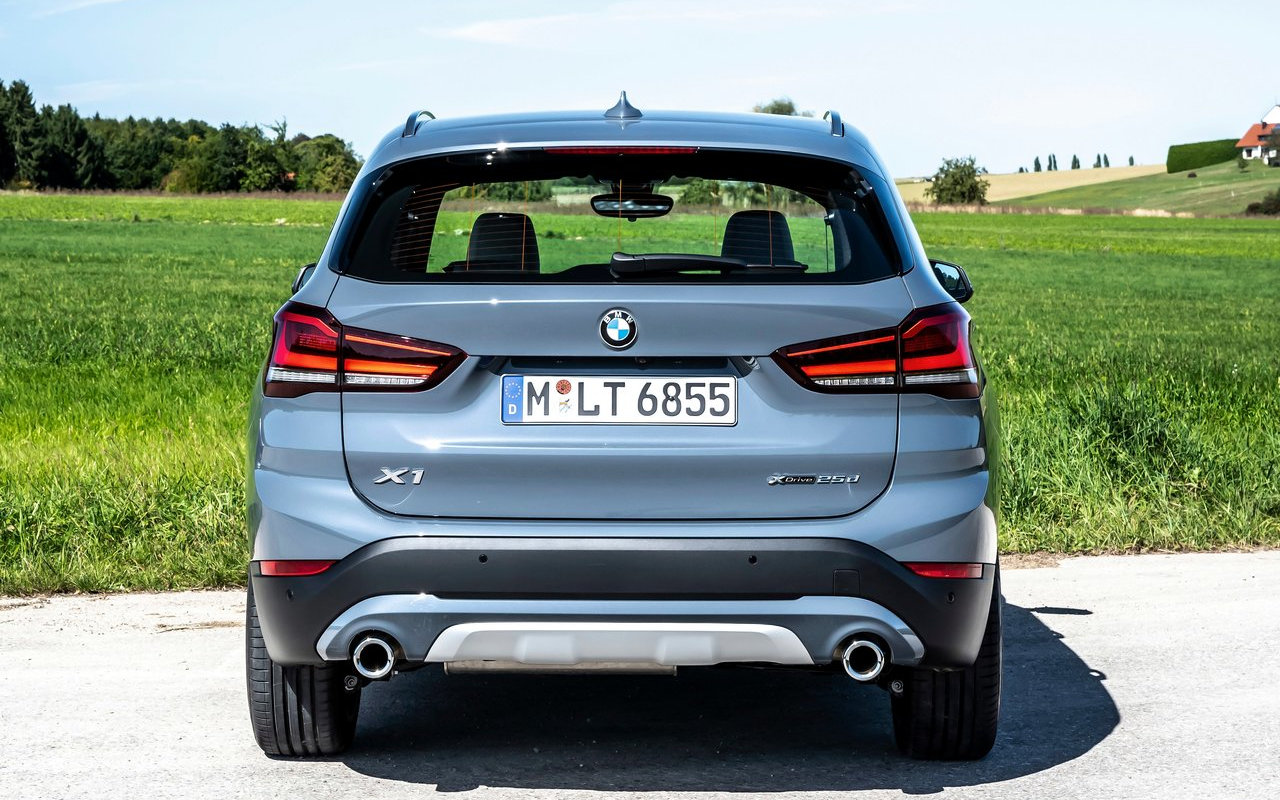
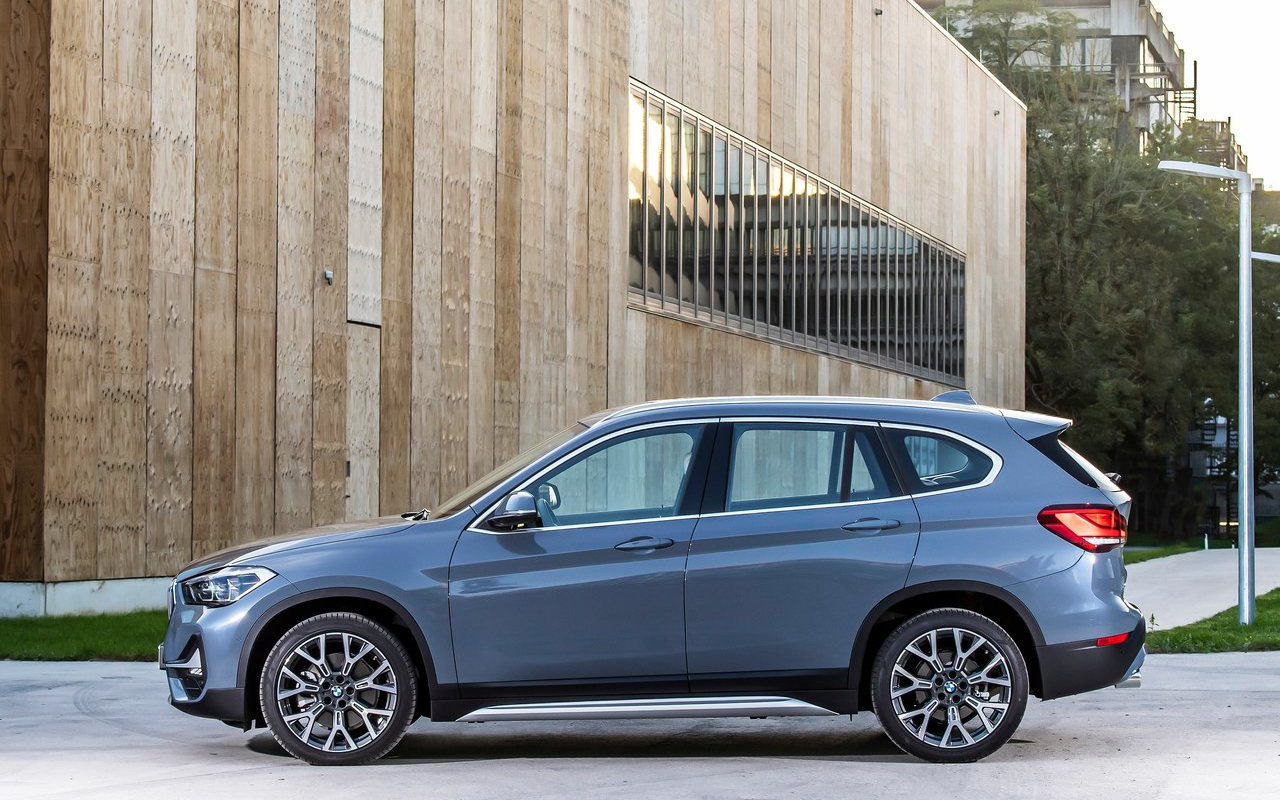
BMW has given its smallest crossover a visual freshening for 2020, with larger front grilles, new front and rear bumpers, updated LED lighting elements, and fresh wheel designs. Last year's standard 6.5-inch infotainment display has been scrapped in favor of the previously optional 8.8-inch unit with navigation. BMW revised the eight-speed automatic transmission for 2020, but we haven't driven it yet so we can't confirm BMW's claim that it shifts faster and more smoothly than before.
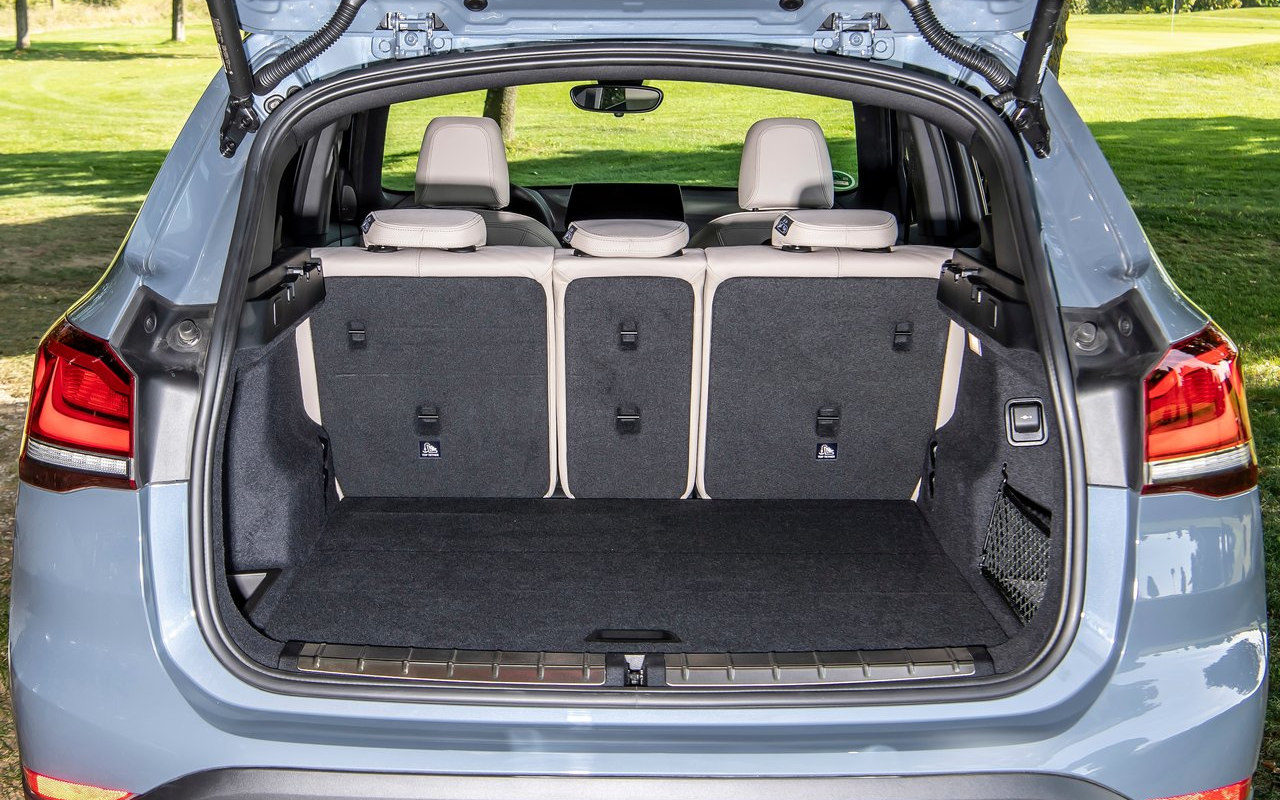
Pros Eager powertrain, fun-to-drive nature, big cargo capacity.
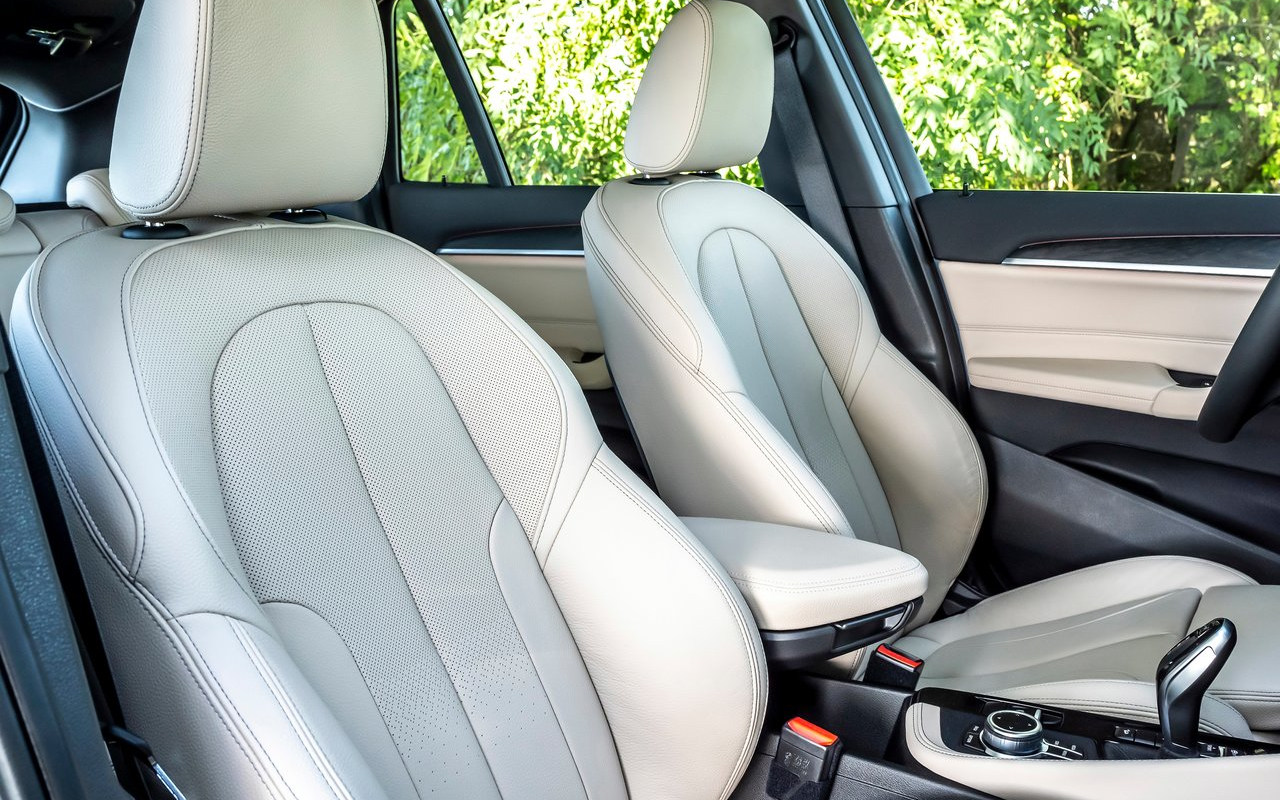
Cons Bar-stool shaped standard seats, slow-reacting infotainment interface, anonymous exterior design.
The 2020 BMW X1 comes with front wheel drive, and all wheel drive. Available transmissions include: 8-speed shiftable automatic.Refreshed exterior with a larger grille that mimics those on other BMWs.8.8-inch touchscreen now standard.Some package content has been shuffled.
Pros Strong and responsive turbo engine Sharp handling makes it fun to drive Plenty of rear passenger and cargo room High-quality materials and fit and finish
Cons Ride quality gets a little jarring on rough roads Not particularly quiet on the highway