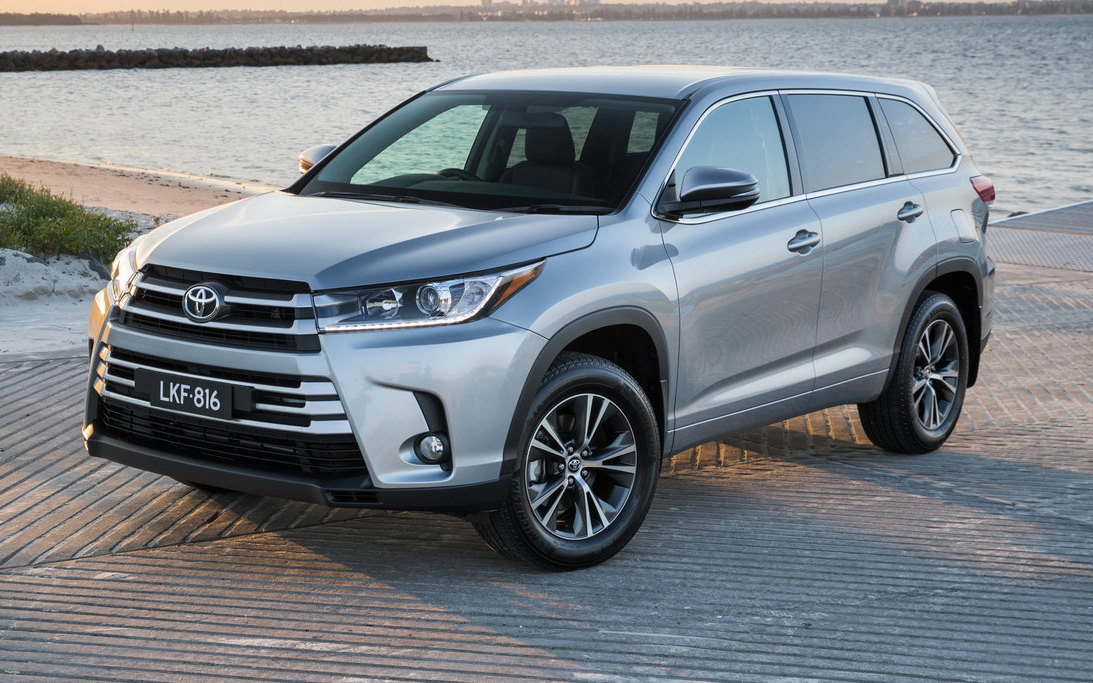
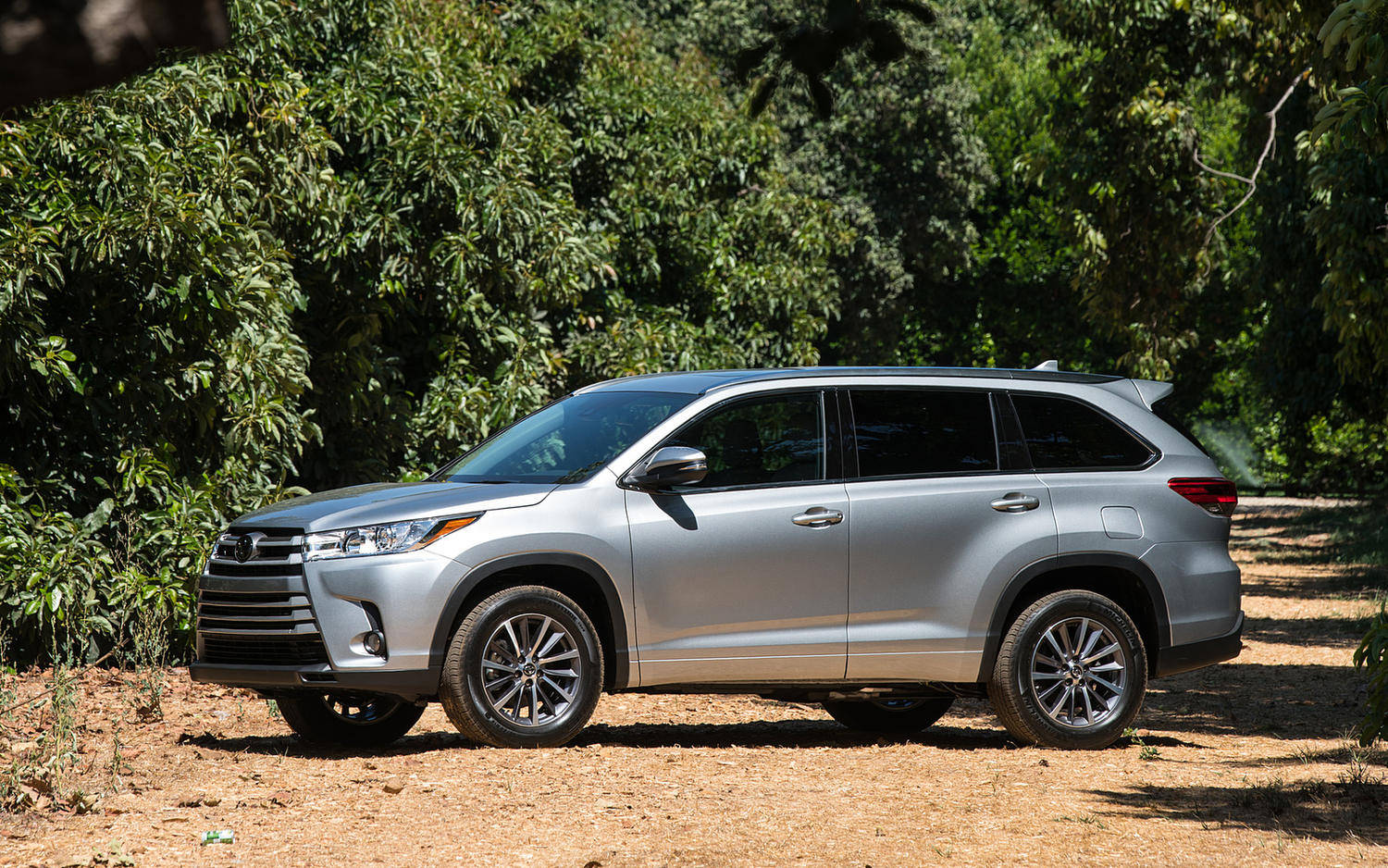
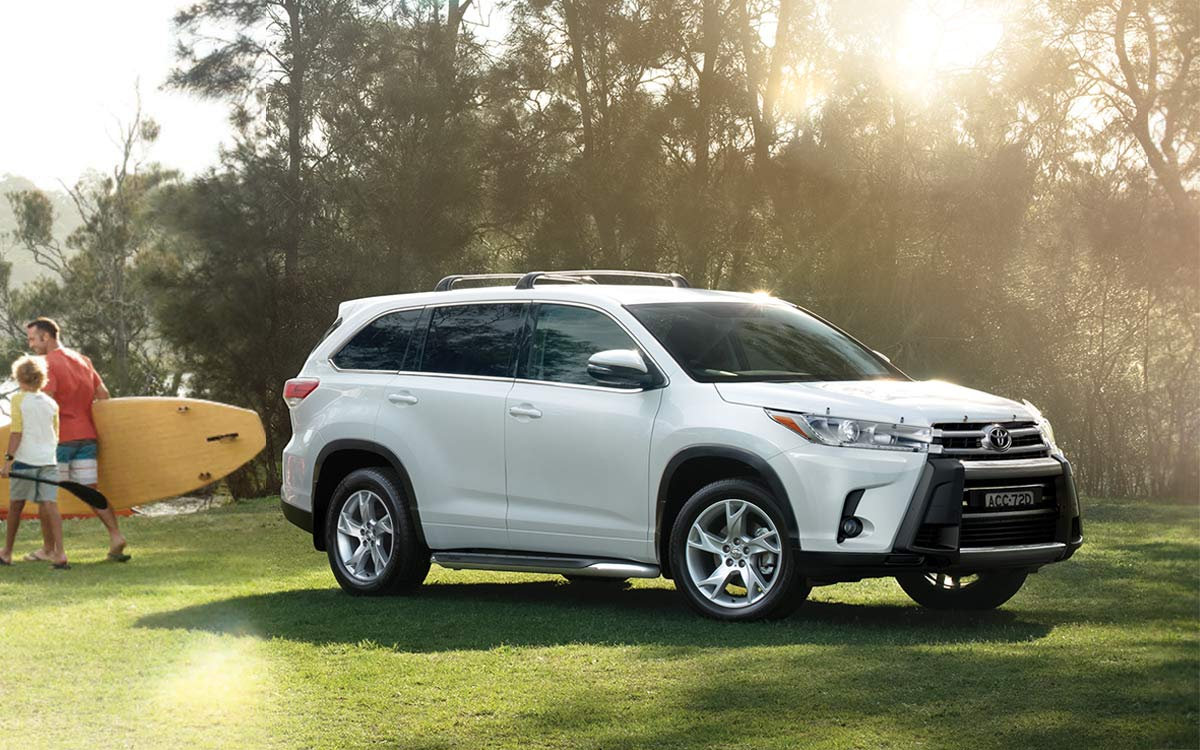
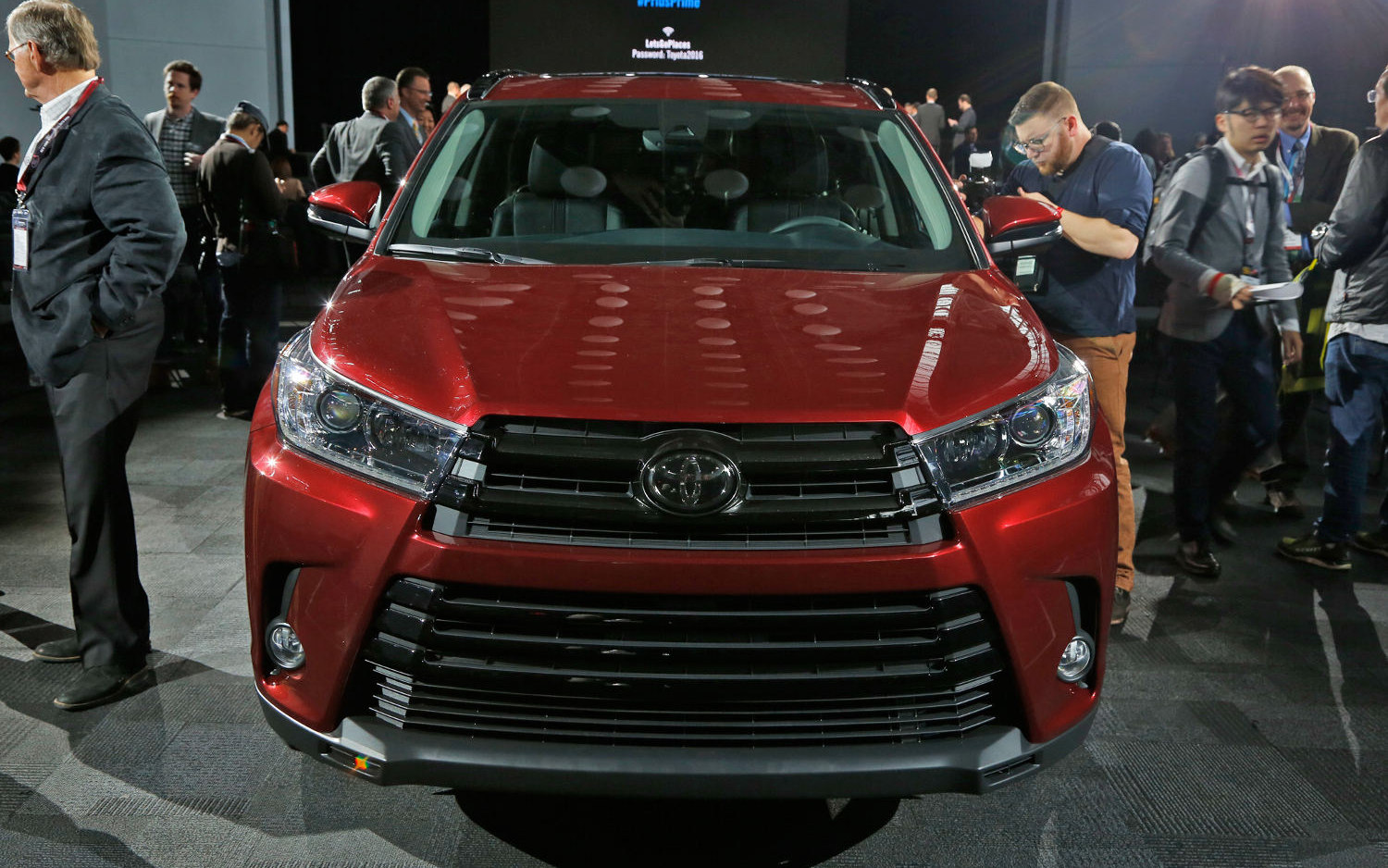
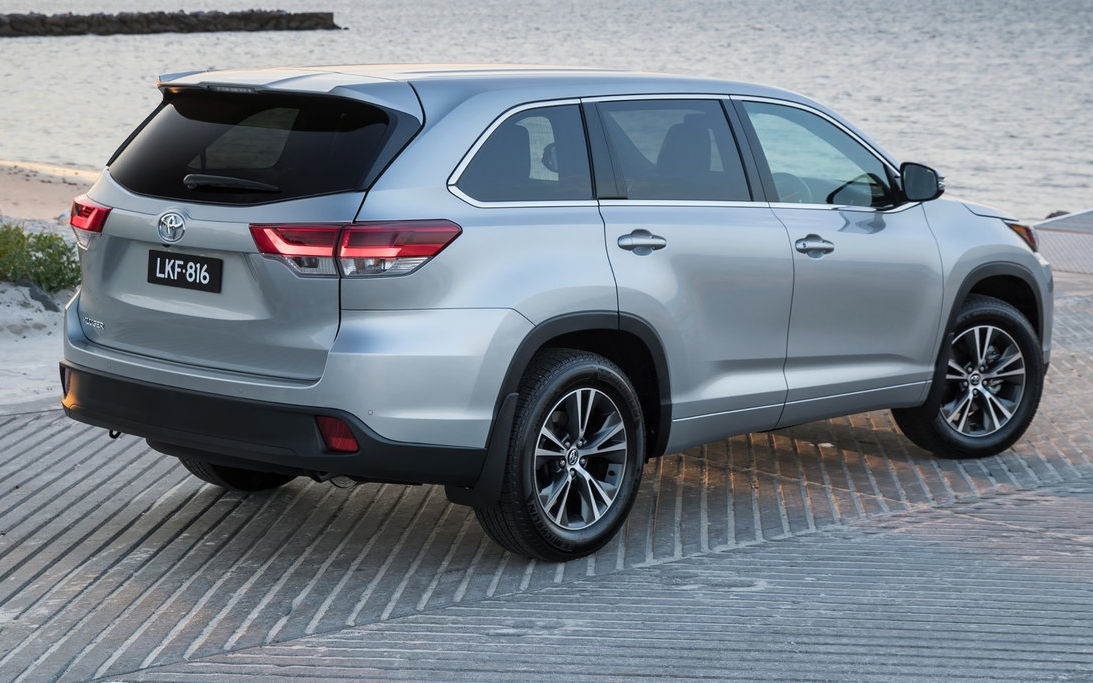
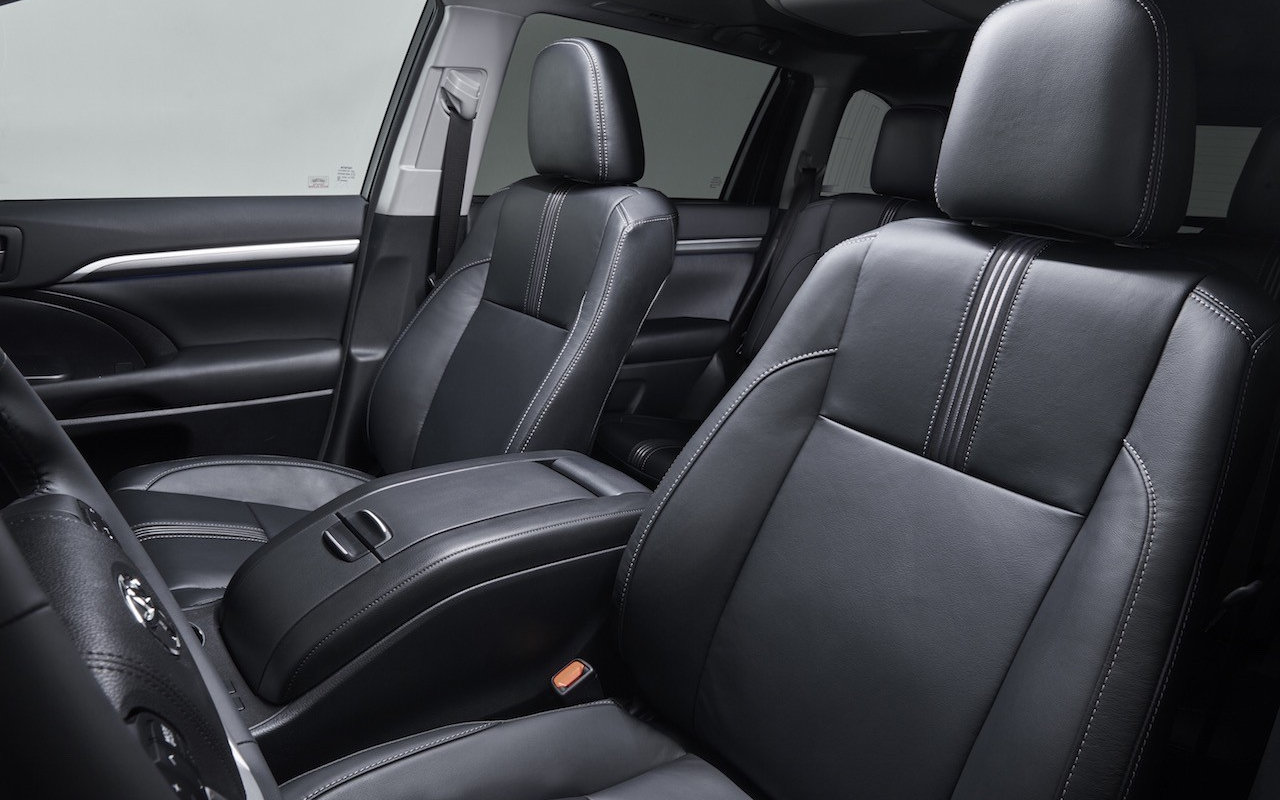
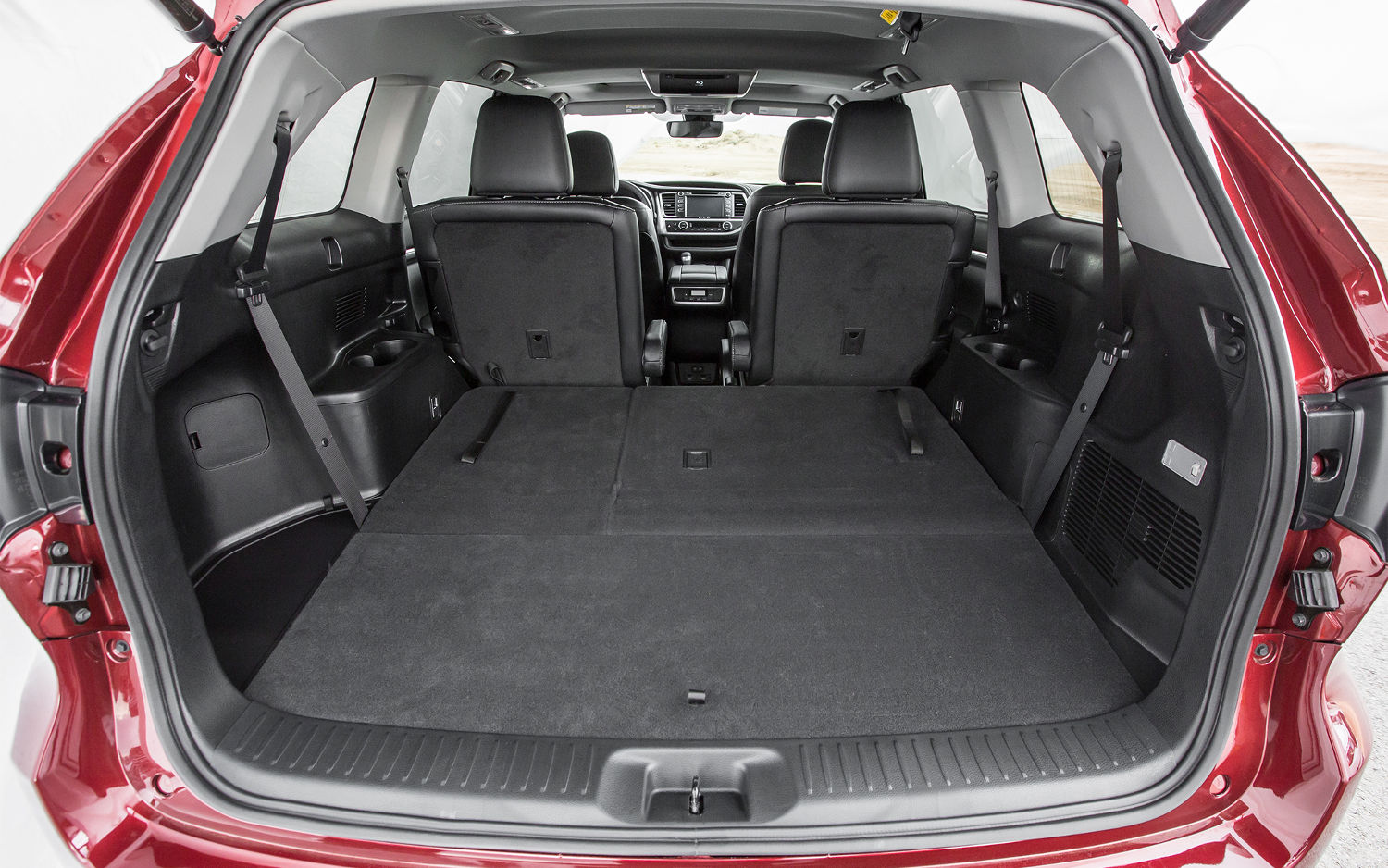
The 2017 Toyota Highlander ranks 3 out of 18 Midsize SUVs. With an unmatched list of standard advanced driver assistance features, the 2017 Toyota Highlander is one of the best values in the midsize SUV class. Its interior is high-end and comfortable, and there’s plenty of cargo space.
Pros Lots of standard active safety features Above-average fuel economy Comfortable and quiet on the highway
Cons Dull performance and handling Cramped third-row seat
The Toyota Highlander gets a stronger, more responsive powertrain for 2017, but the main strengths are the ride quality, the cabin refinement, and the space for eight. A somewhat more aggressive look, more power, an improved set of safety features, and a new sportier SE model highlight the changes Toyota is ushering in for its spacious crossover utility vehicle, the 2017 Highlander. The SE joins LE, LE Plus, XLE, Limited, and Limited Platinum models. The Highlander Hybrid is now also available in LE and XLE trims, in addition to the carry-over Limited and Limited Platinum.
Pros Wide range of powertrains Flexible second row Easy third-row access Good connectivity Cabin quality
Cons Design is soemwhat bland Base engine is under powered Somewhat busy dash design Hybrid only delivers if you drive gingerly
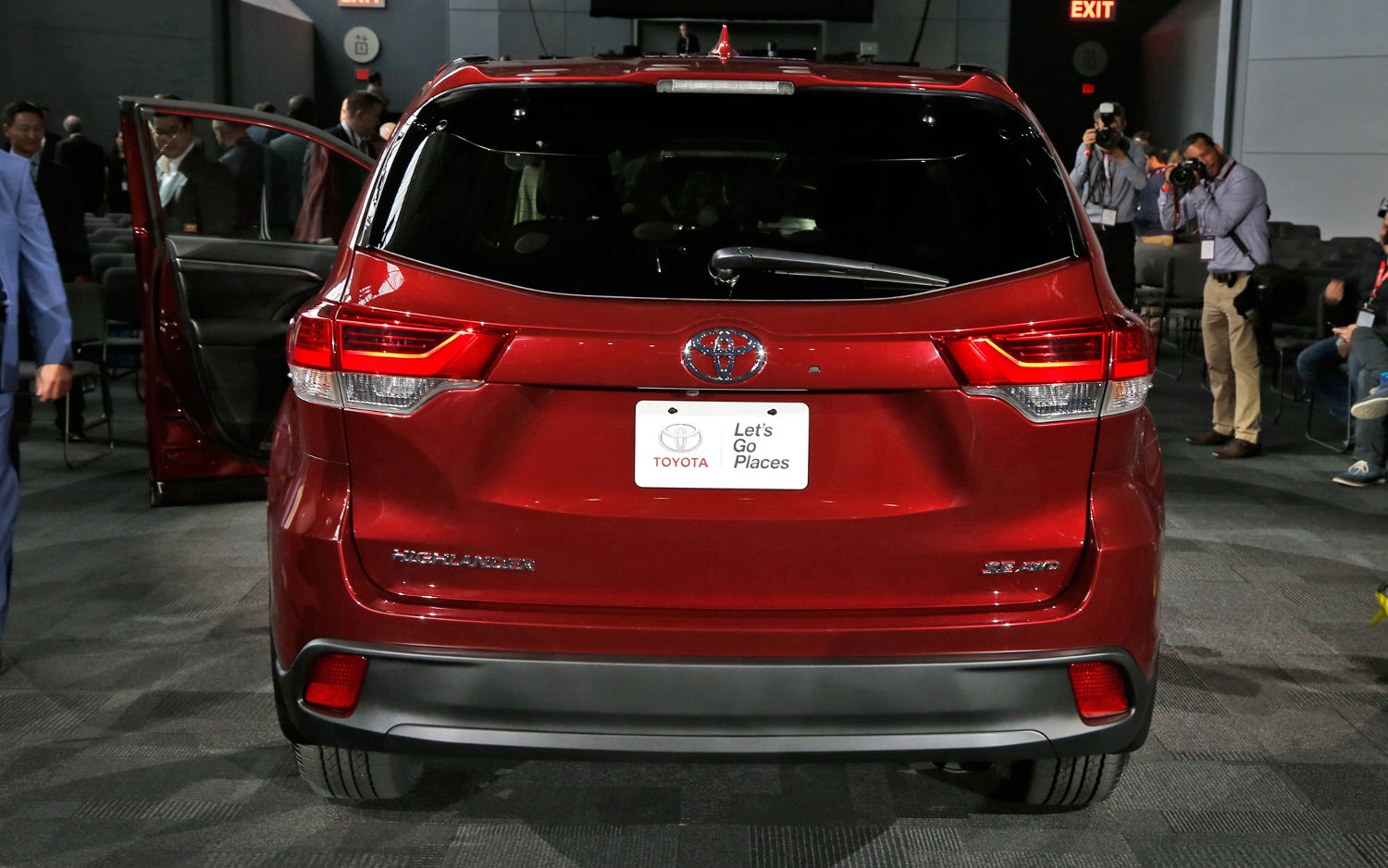
For 2017, the Highlander receives a number of significant midcycle changes. The styling has been updated, highlighted by a larger, more pronounced grille and redesigned LED taillights. The V6 engine is new, boasting more power and better fuel economy along with an eight-speed transmission and an automatic stop-start system. New feature content includes the Toyota Safety Sense technology suite, which comes standard on every trim level. There's also a new SE trim level that features uniquely sporty styling elements and a retuned suspension for sharper handling.
Pros Just-right exterior and interior size for many families Standard high-tech safety features Strong V6 engine with improved fuel economy Quiet and compliant ride
Cons Third-row seat isn't as roomy as those of many competitors Touchscreen and other controls may require an extra-long reach Undesirable base four-cylinder engine
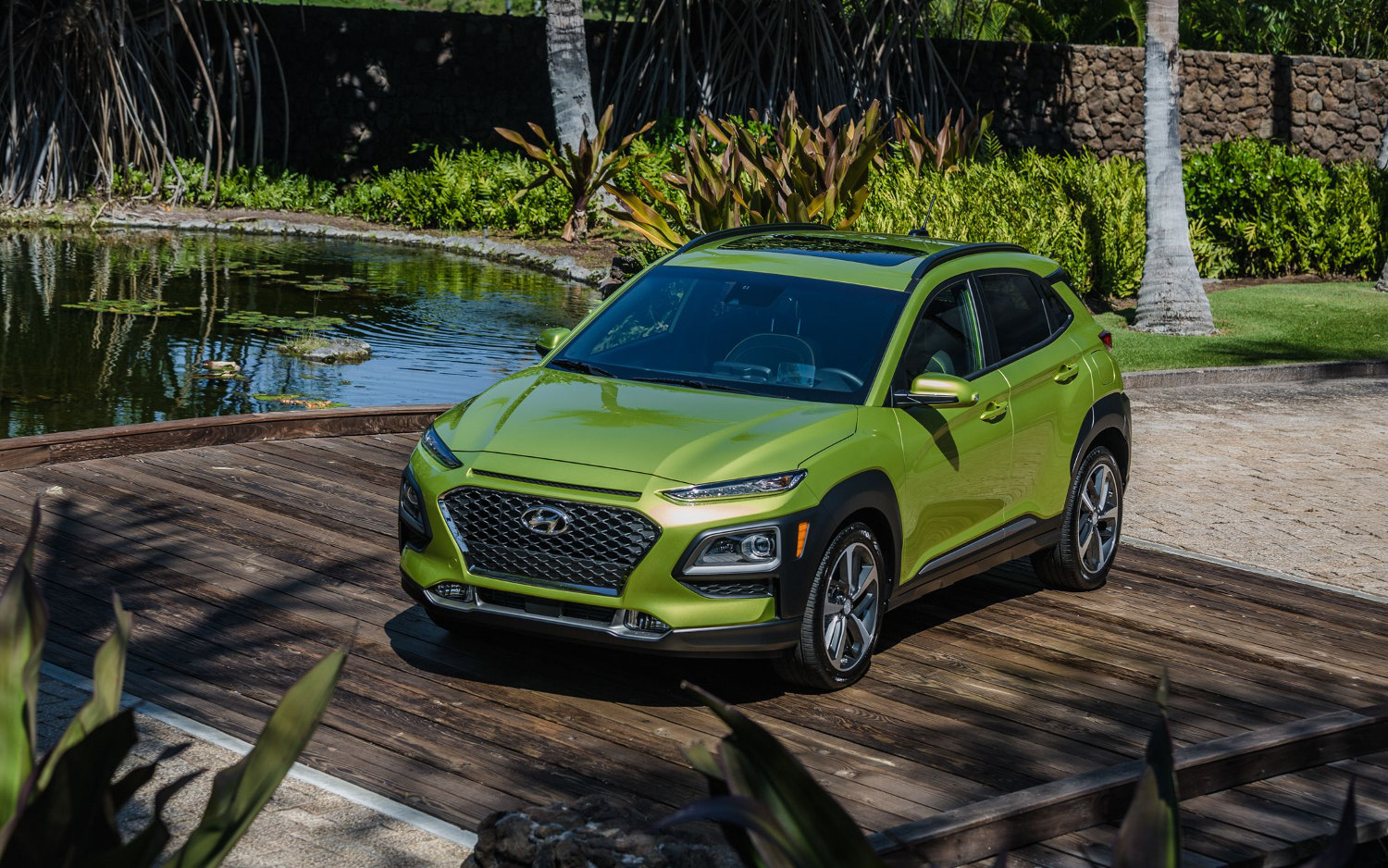
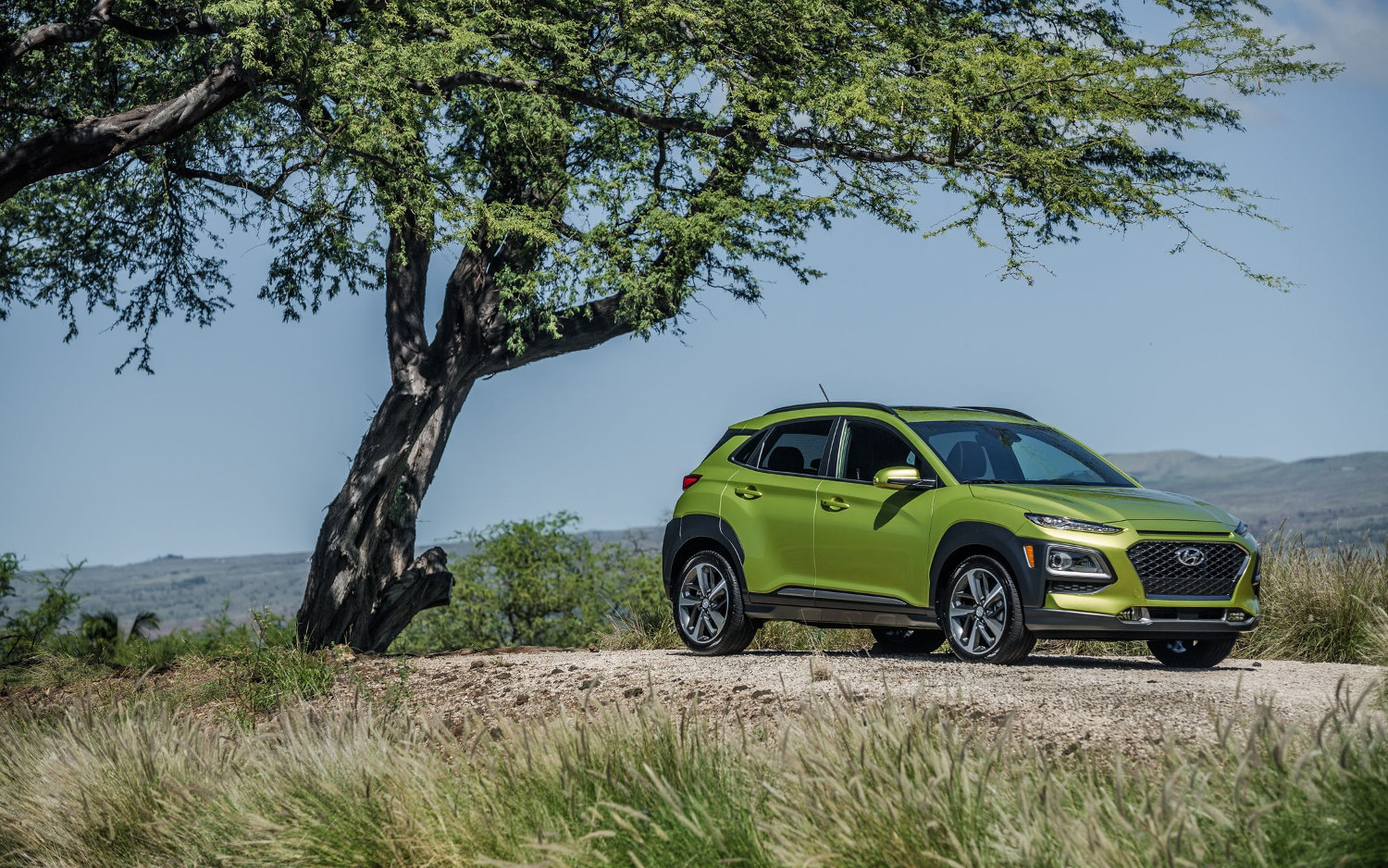
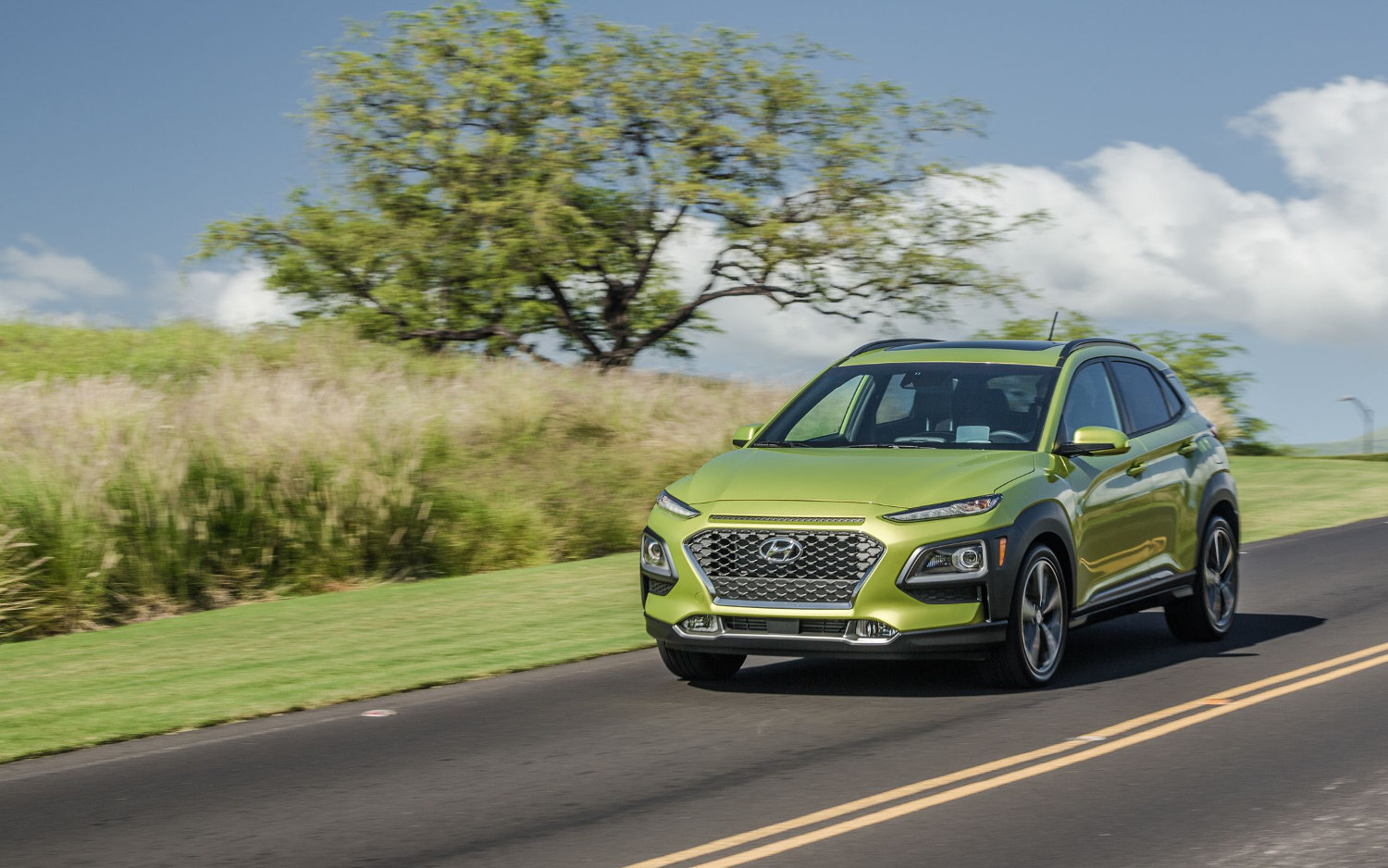
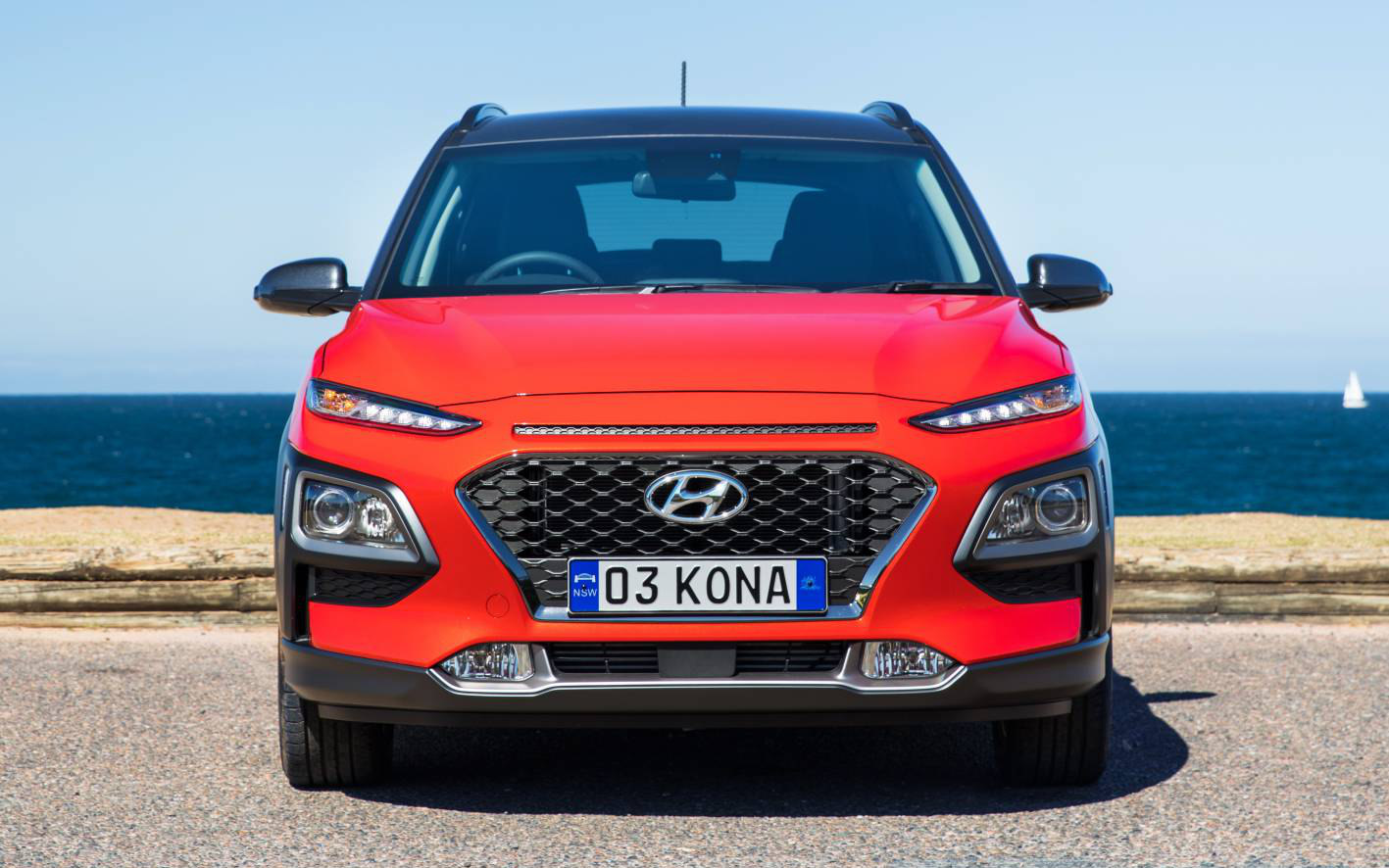
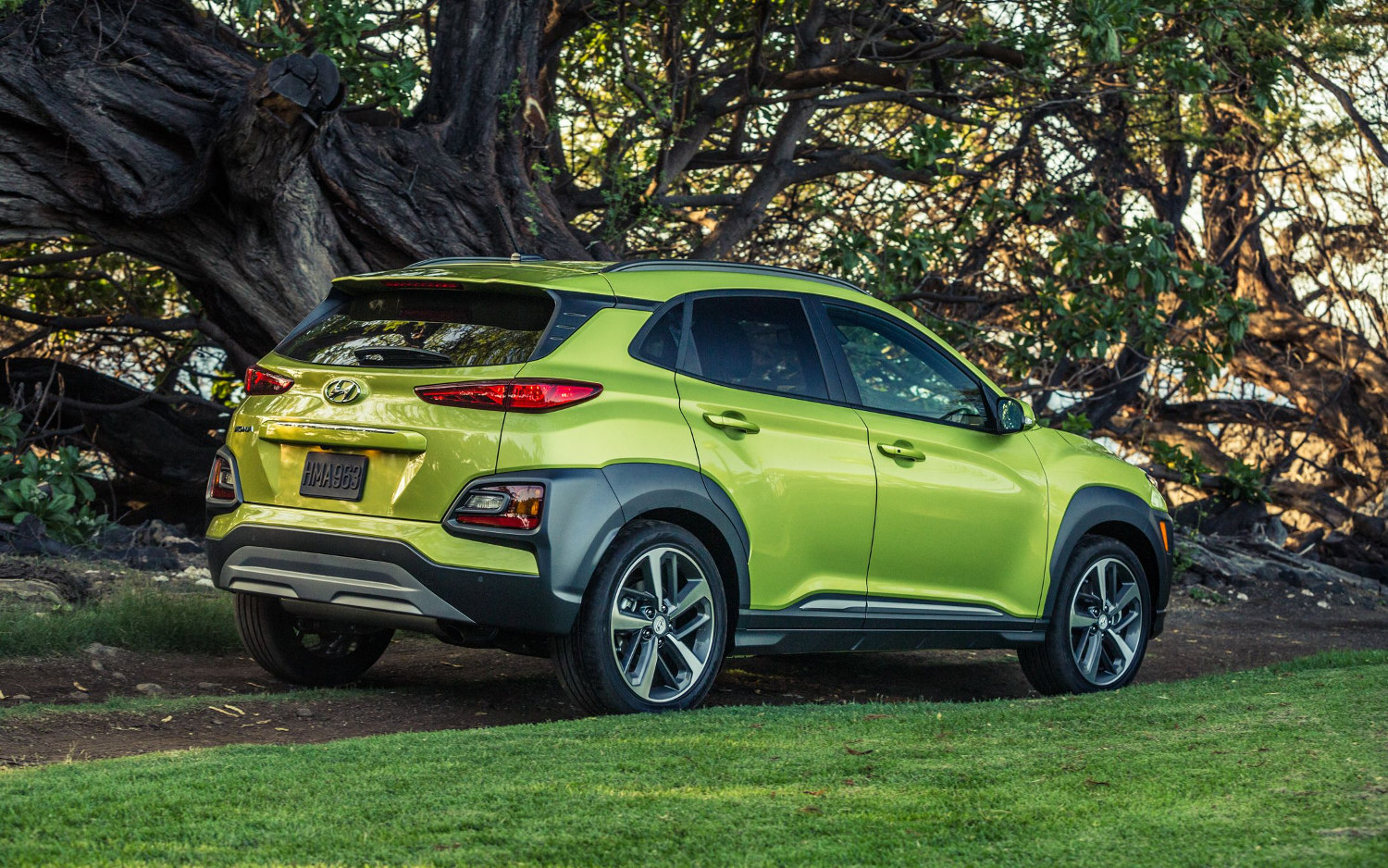
The 2020 Hyundai Kona comes with all wheel drive, and front wheel drive. Available transmissions include: 6-speed shiftable automatic.Adaptive cruise control added to top-trim Kona Ultimate.Small changes to standard and optional equipment.
PROS Optional turbocharged engine provides quick acceleration Nimble handling makes it enjoyable to drive Lots of features for your money
CONS Weak base engine Gear shifts from the turbocharged engine's transmission are often unrefined Interior is trimmed with a lot of hard plastic panels
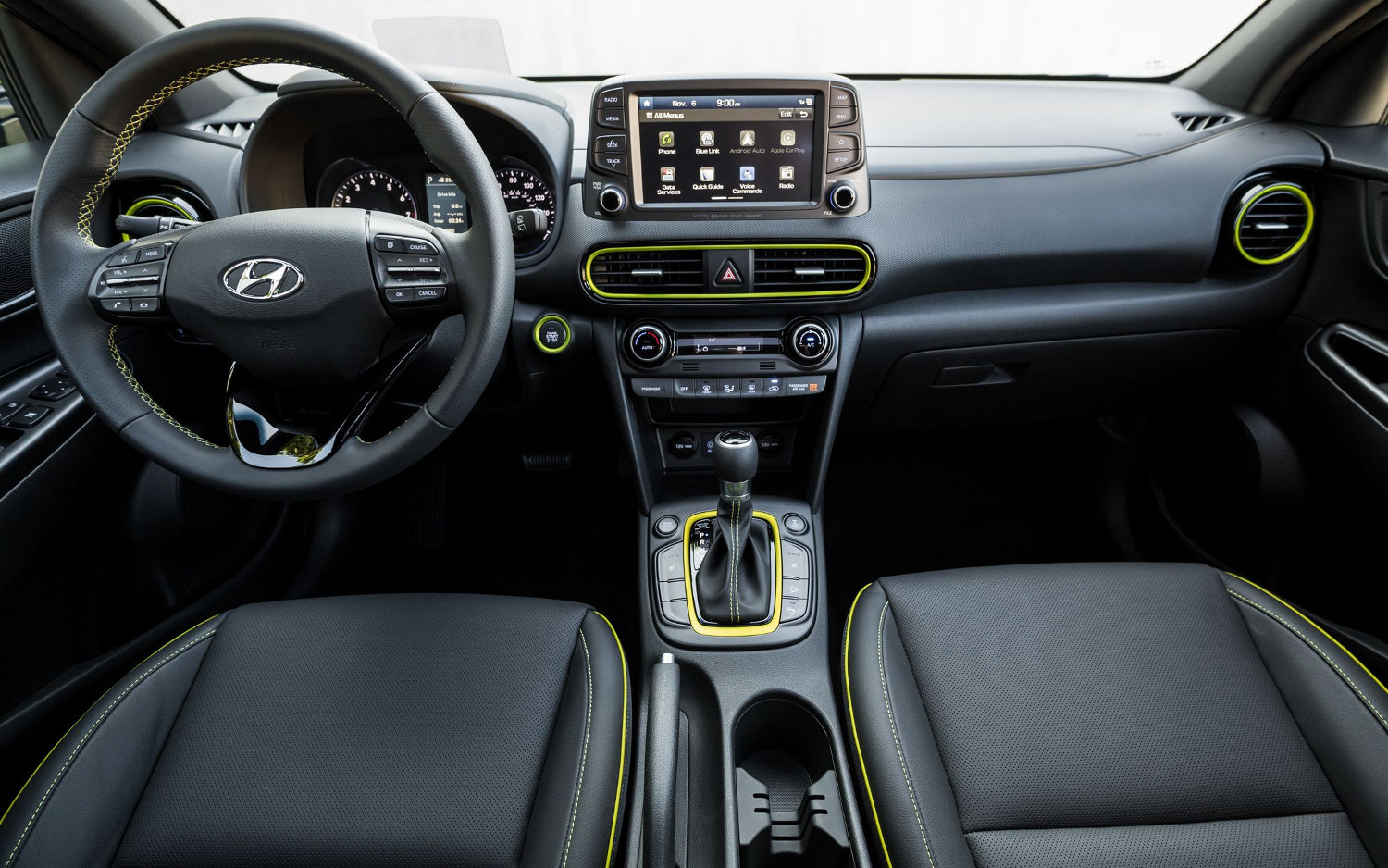
A few high-end features trickle down to the new mid-range SEL Plus model for 2020. Previously only available on the top-spec Ultimate, the SEL Plus comes with a 4.2-inch color display located between the two analog gauges and a wireless charging pad for smartphones. The auto-dimming rearview mirror with HomeLink is now standard on both the Limited and Ultimate models as well as a new orange interior accent kit that automatically is added to either trim if the Sunset Orange or Ultra Black exterior colors are chosen.
Pros Standout styling, punchy turbo four, packed with features.
Cons Tight cargo space, numb steering.
The 2020 Hyundai Kona is an eyeful, but has nearly everything crossover buyers want in a city-friendly package.
Pros Smart and stylish cabin Standard active safety tech Great infotainment system Decent fuel economy EV version available
Cons Overwhelming styling Lackluster acceleration Unrefined dual-clutch transmission Small-ish back seat and cargo hold Price on top-end models