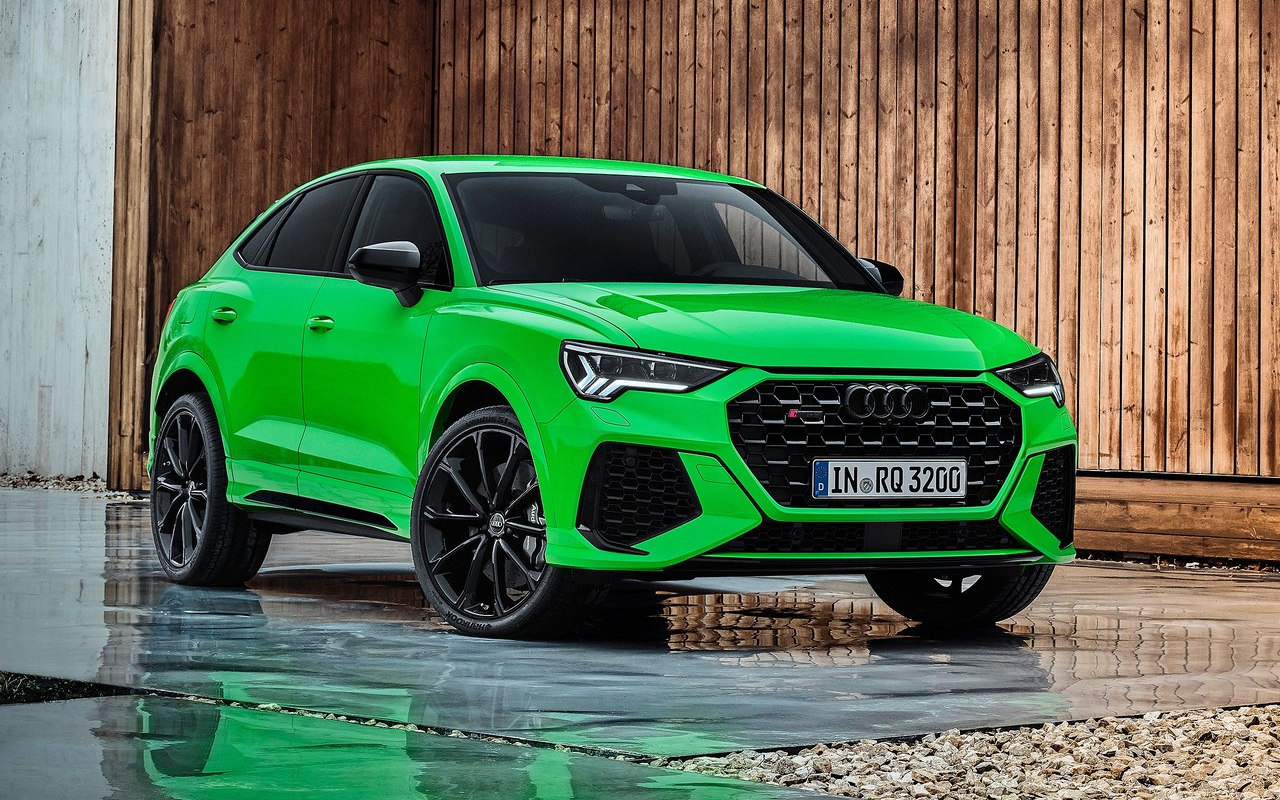
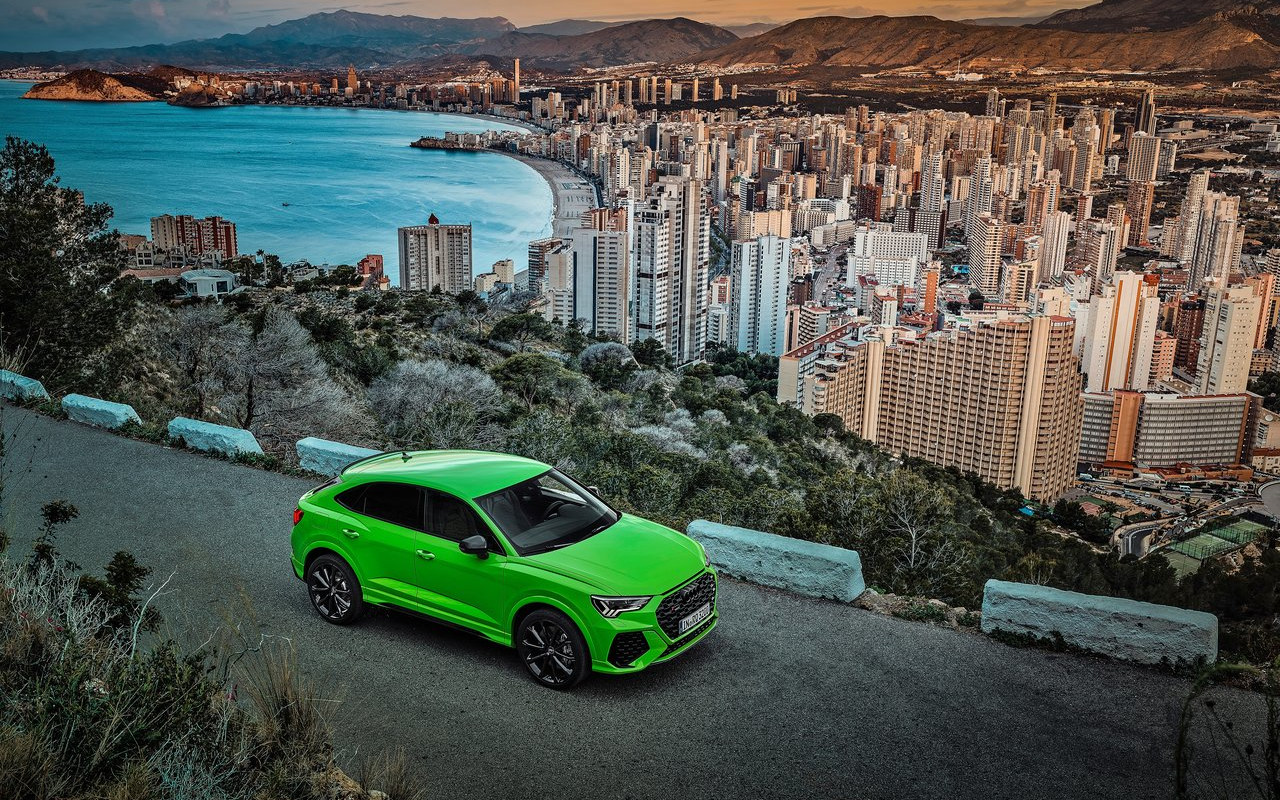
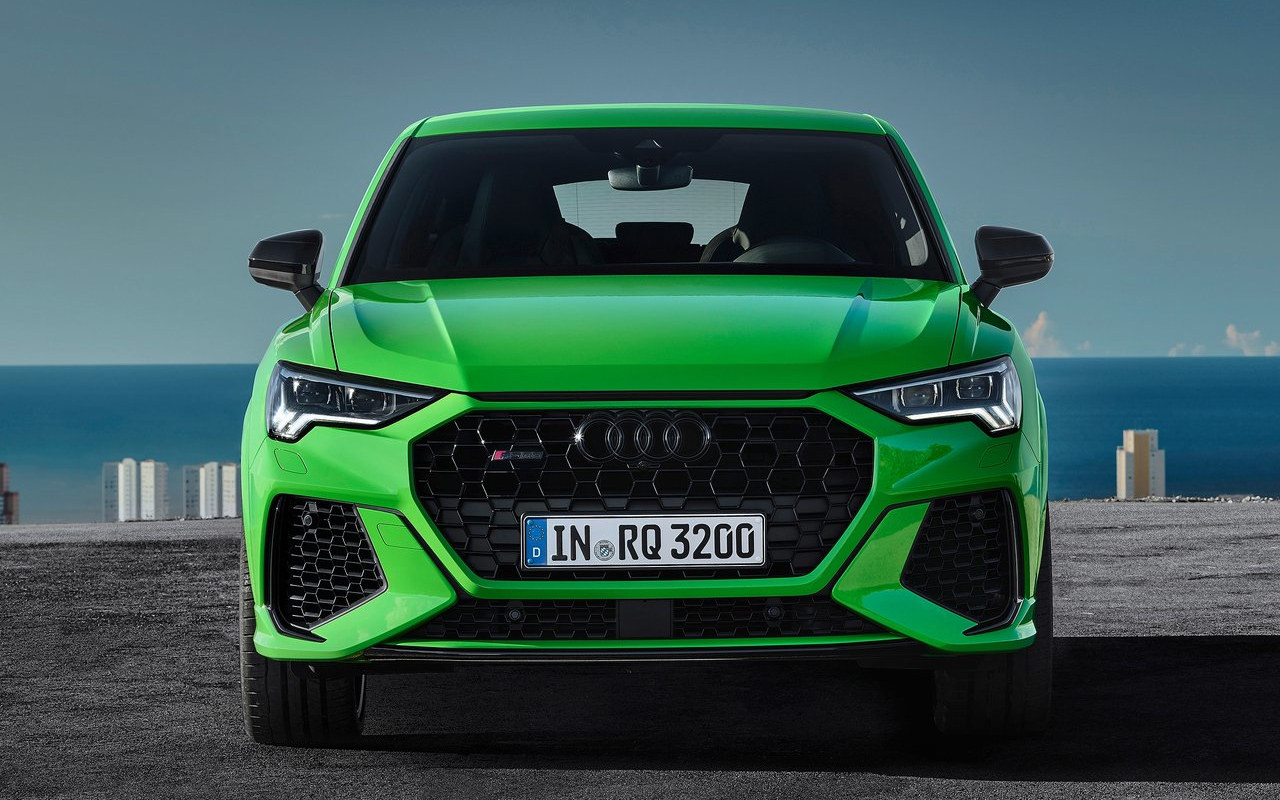
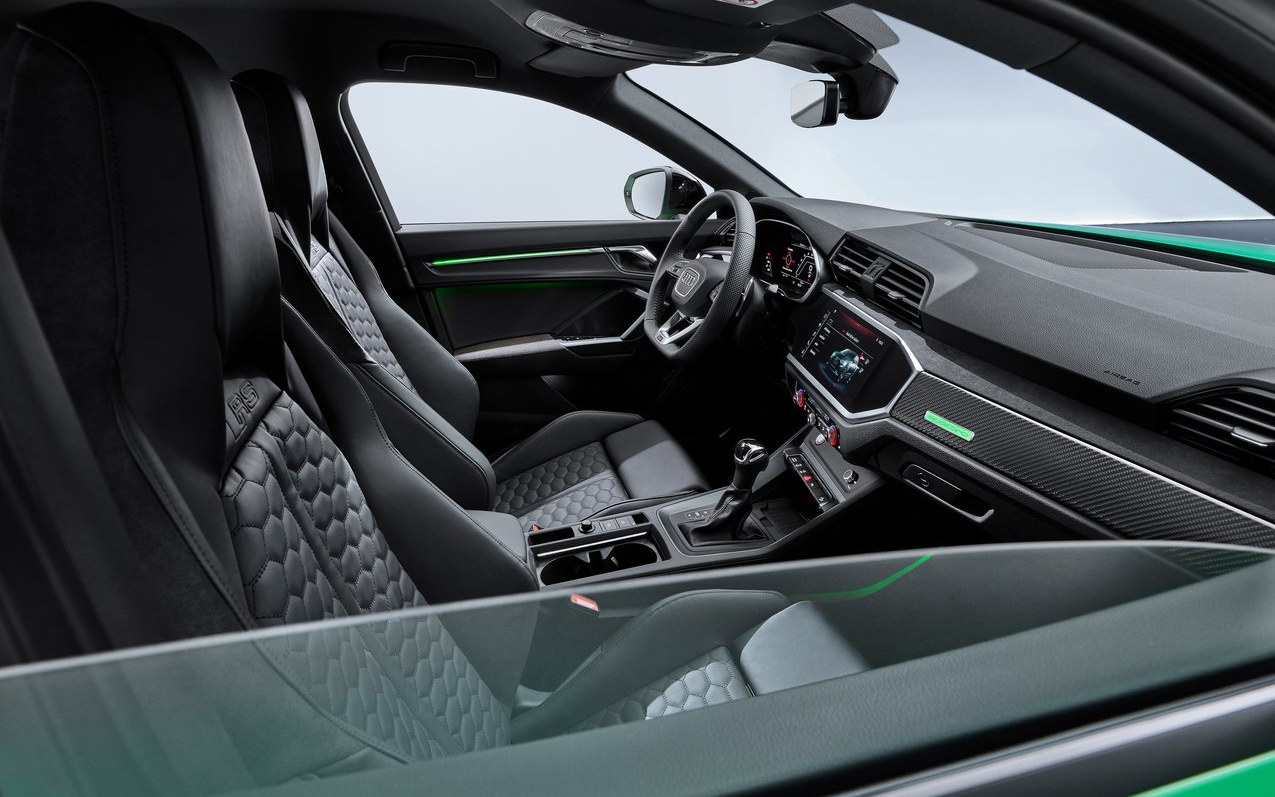
The Audi RS Q3 Sportback is a fast SUV with a distinctive five-cylinder petrol engine and a lovely interior. The lower, lighter hatchback RS 3 will be even more fun to drive, mind you.A couple of things help the Audi RS Q3 Sportback stand out amongst performance SUVs – its sharp looks and that characterful five-cylinder engine. It just sounds better than the rest.
This latest addition to Audi Sport’s growing stable of RS models is also one part of a dual-pronged attack on the small performance SUV market. While the RS Q3 should appease those wanting a little extra headroom for rear passengers, the Sportback earns extra style points with its sloping rear end. The Sportback delivers the kind of assured handling we associate with the RS range, letting you make rapid point-to-point progress while remaining predictable at all times, if lacking in true driver engagement. The progressive steering rack doesn’t give much sense of what the front tyres are doing through corners, and there’s little playfulness to be found from the rear end when pushed. On the smoothest roads and the optional adaptive dampers set to their most comfortable, the Sportback is just about relaxed enough, but still jostles on rougher surfaces. Dynamic mode is a lot more brittle, picking up even the smallest of abrasions. Ride refinement is merely average for the class, though our test drive didn’t provide an opportunity to see what effect smaller 20in alloy wheels would have on comfort.
Audi's cheeky little SUV offers exactly what we expected from the tech-loving German automaker in a handsome and mostly practical package.
Pros Sharp styling, plentiful tech features, spunky driving demeanor.
Cons Tight rear quarters, noticeable turbo lag, a few cheap interior materials.
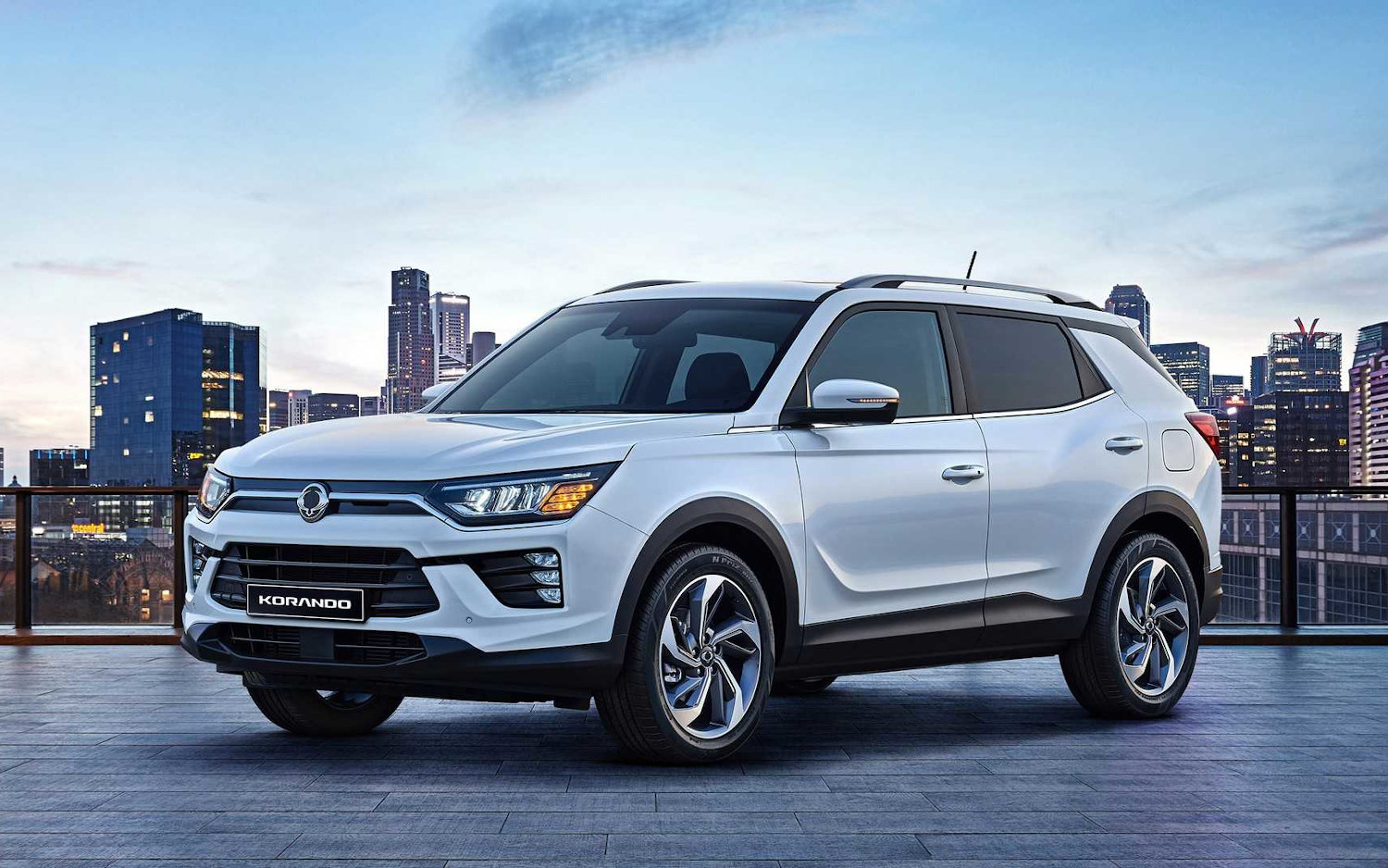
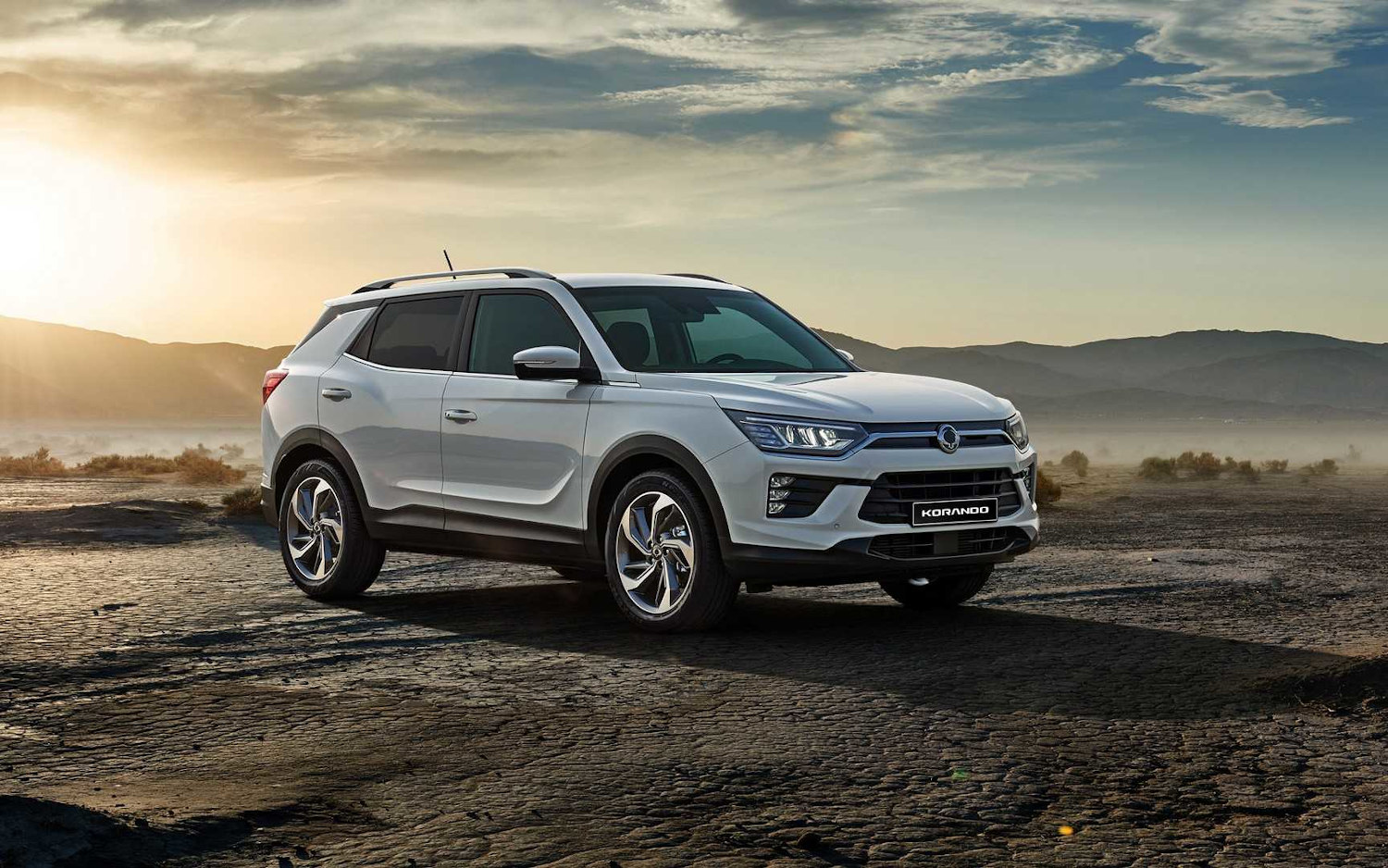
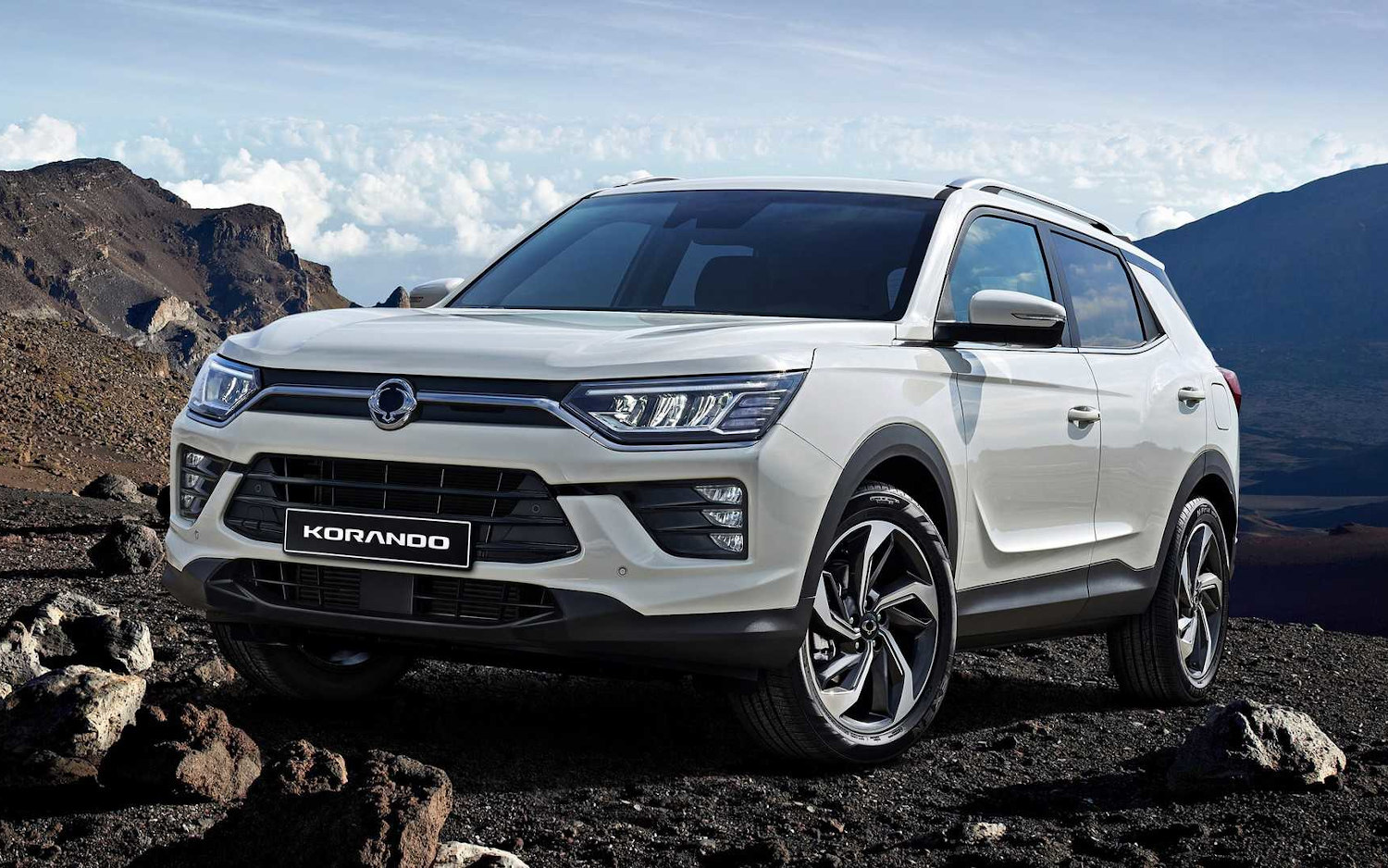
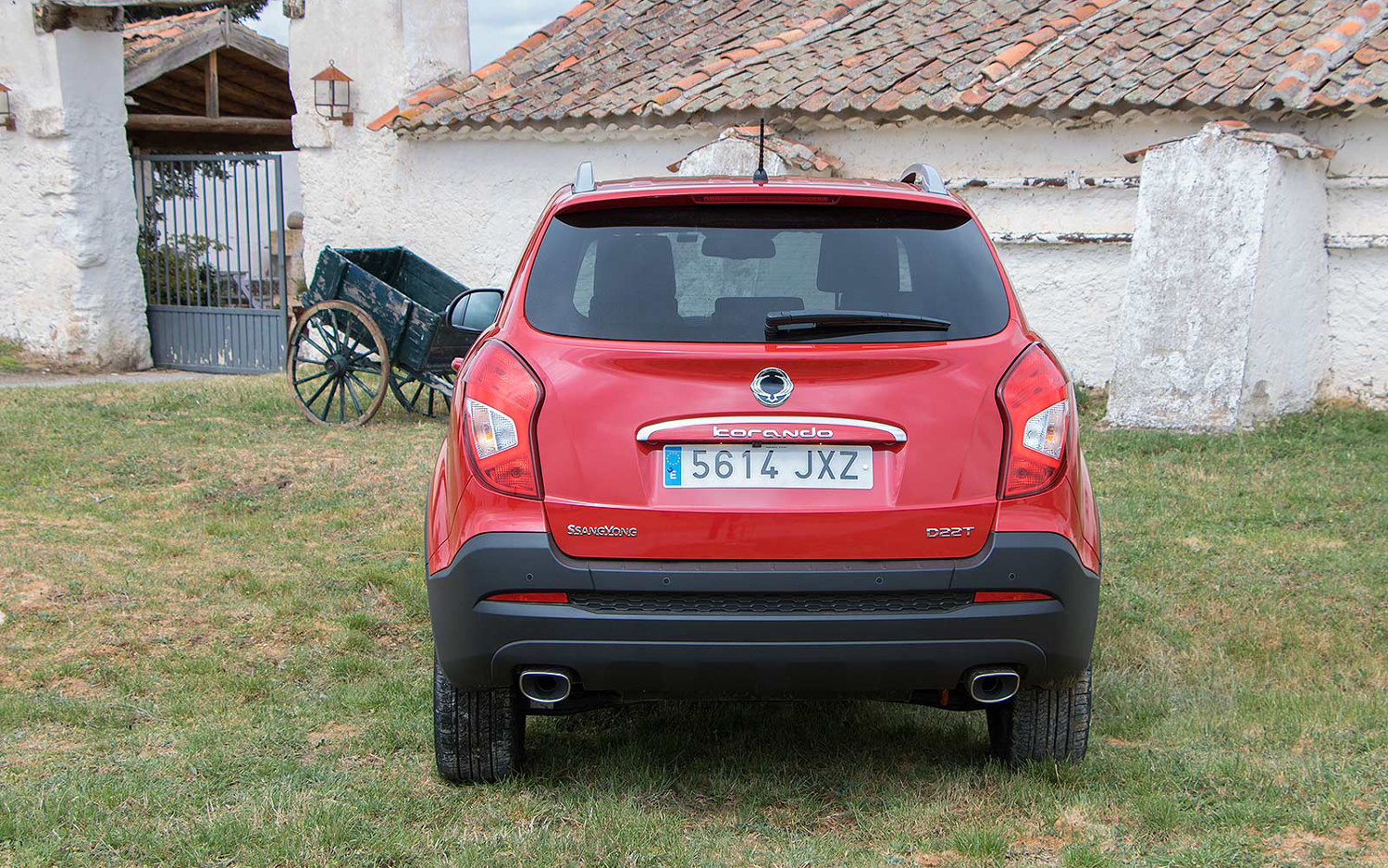
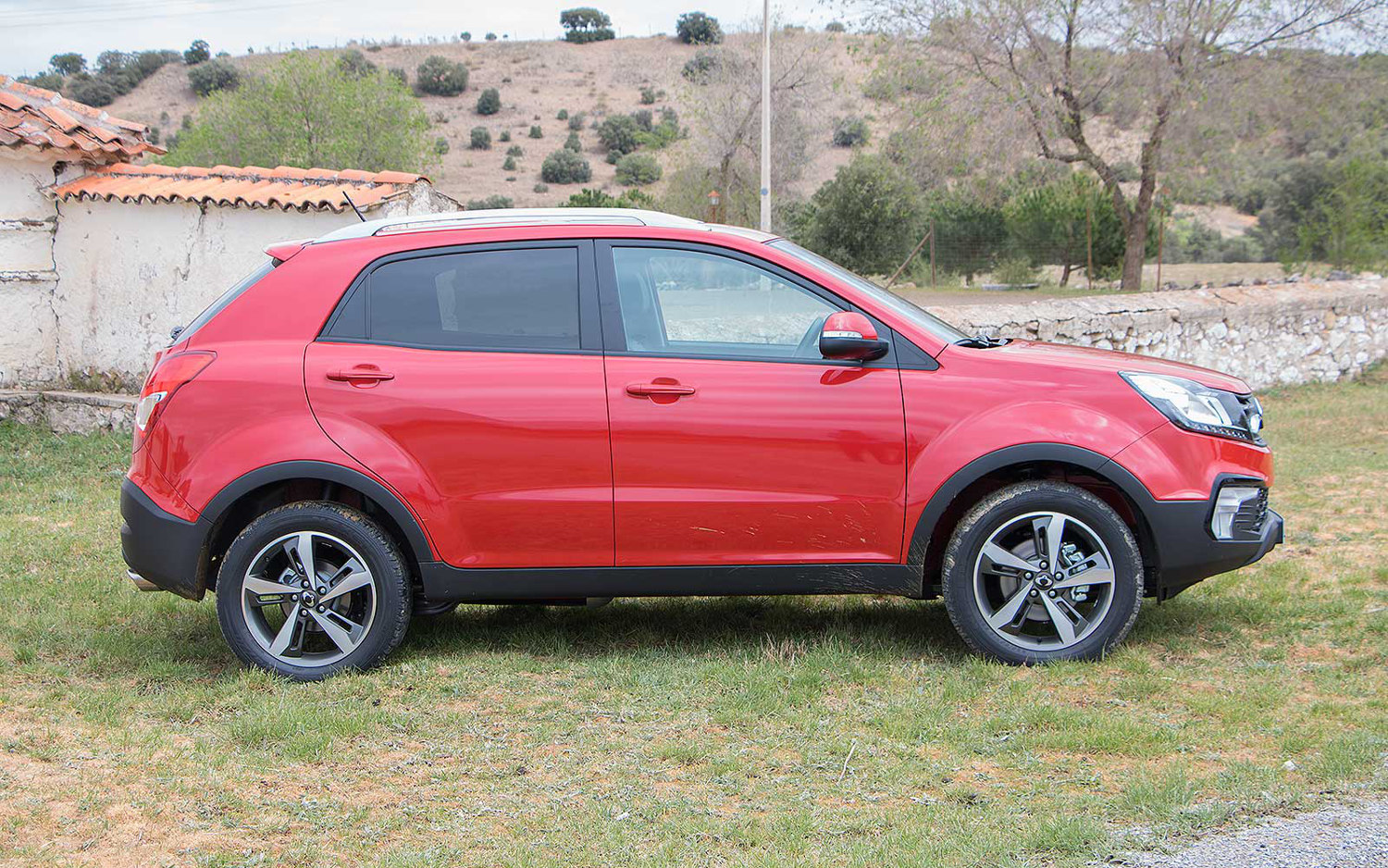
SsangYongs have been on sale in the UK since the ’90s – the company usually offers big SUVs for less than the majority of their competitors. Sadly, most of their models have proved to be lacklustre alternatives to the likes of the Kia Sportage, Suzuki Vitara and Nissan Qashqai. To drive, the Korando isn’t much fun, but most people buy one because they need an SUV either for tackling rough terrain or towing – two roles the SsangYong is perfectly suited to.
Pros Lots of space Relatively economical Generous standard kit
Cons Fast depreciation Dull styling Cheap feeling interior
The SsangYong Korando gives you a lot of car for your money – but nowhere near as much as a Dacia Duster.The SsangYong Korando is the brand’s mid-size SUV, pitched as a low-cost rival to the Nissan Qashqai, Hyundai Tucson and Kia Sportage. On the move, the Korando isn’t as stable as a lot of its rivals, either – it tends to wallow about when going around corners and has an uncomfortable ride.
Pros Good value for money Spacious interior Low emissions
Cons Noisy diesel engine Poor-quality plastics Uncomfortable suspension
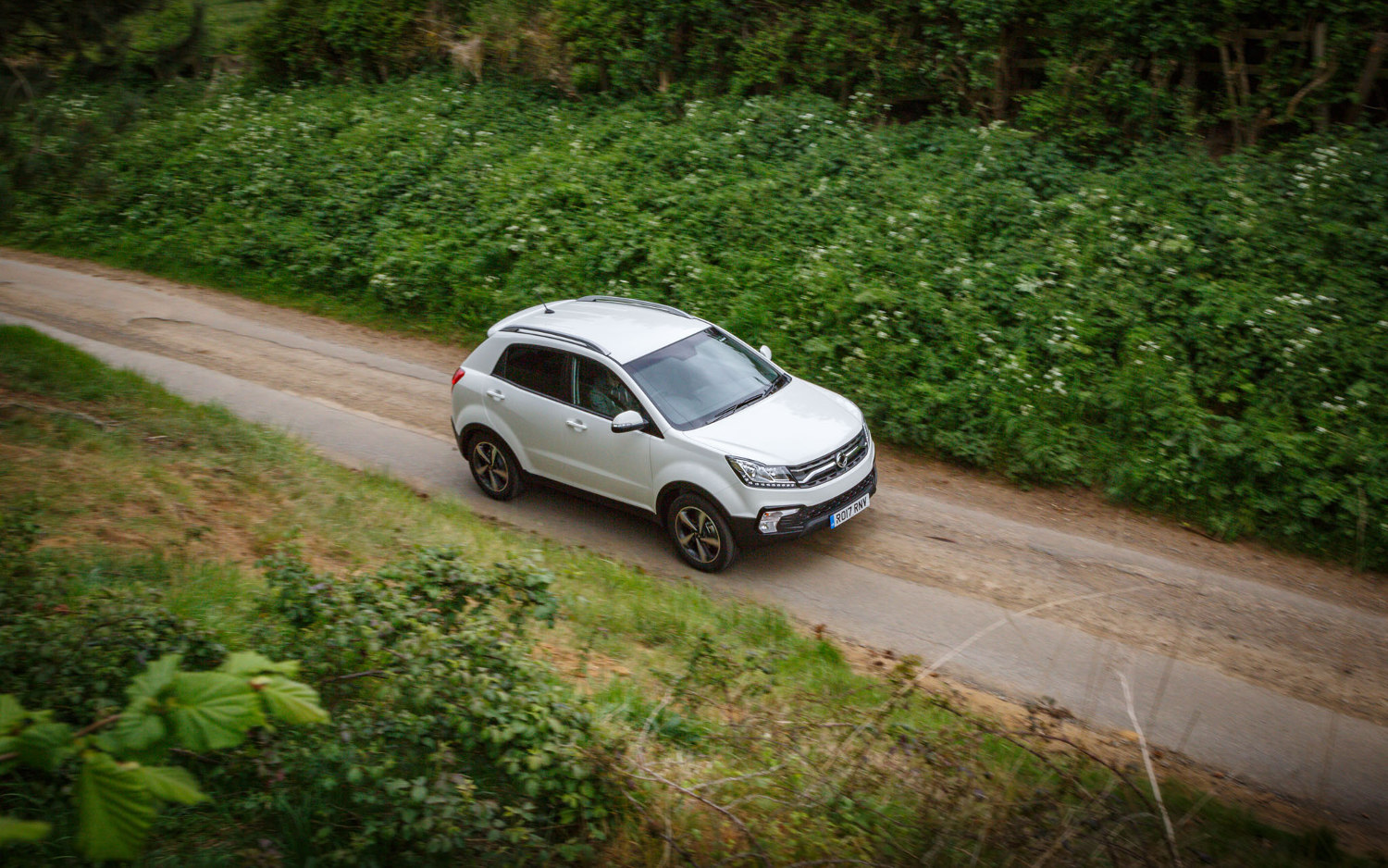
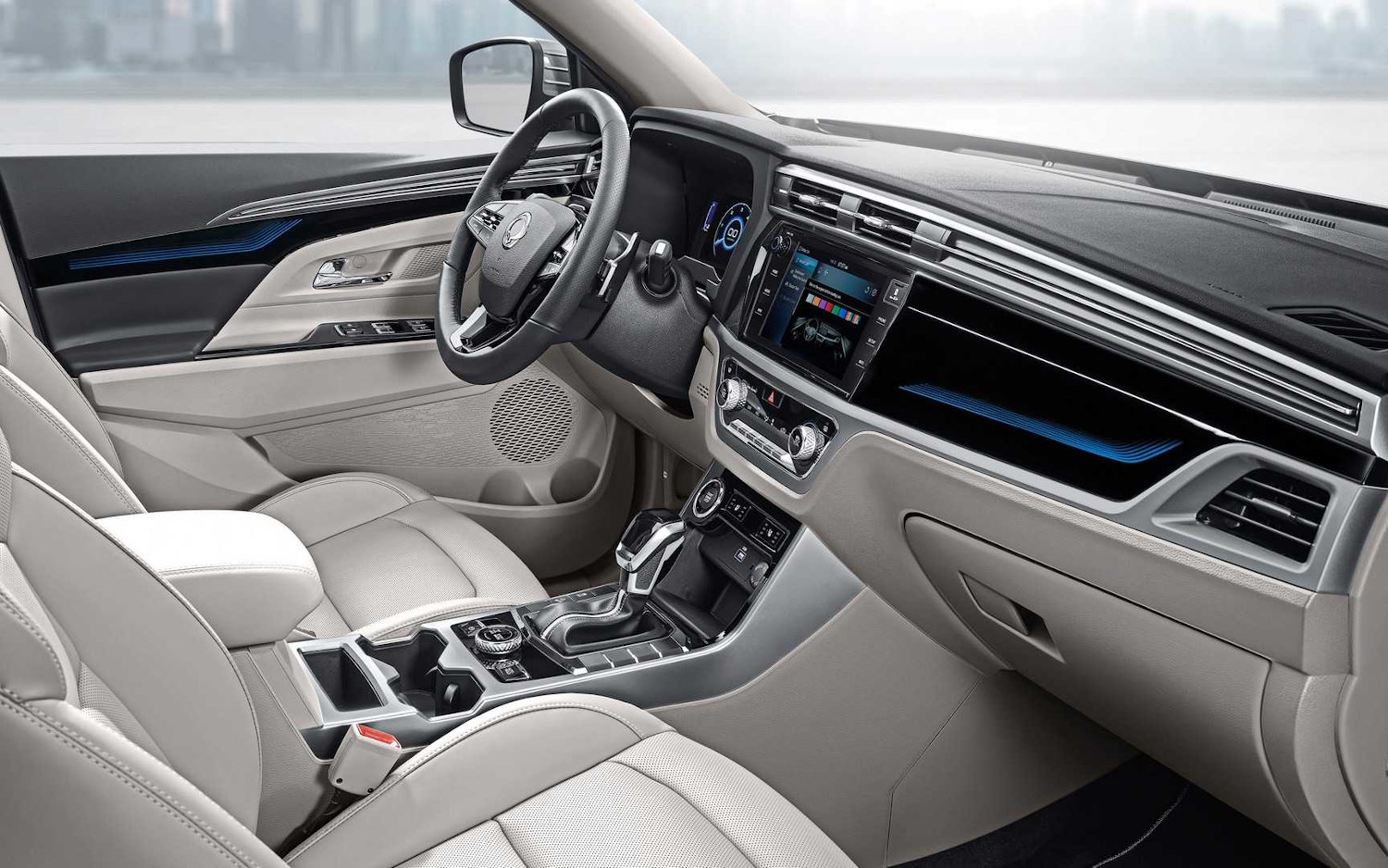
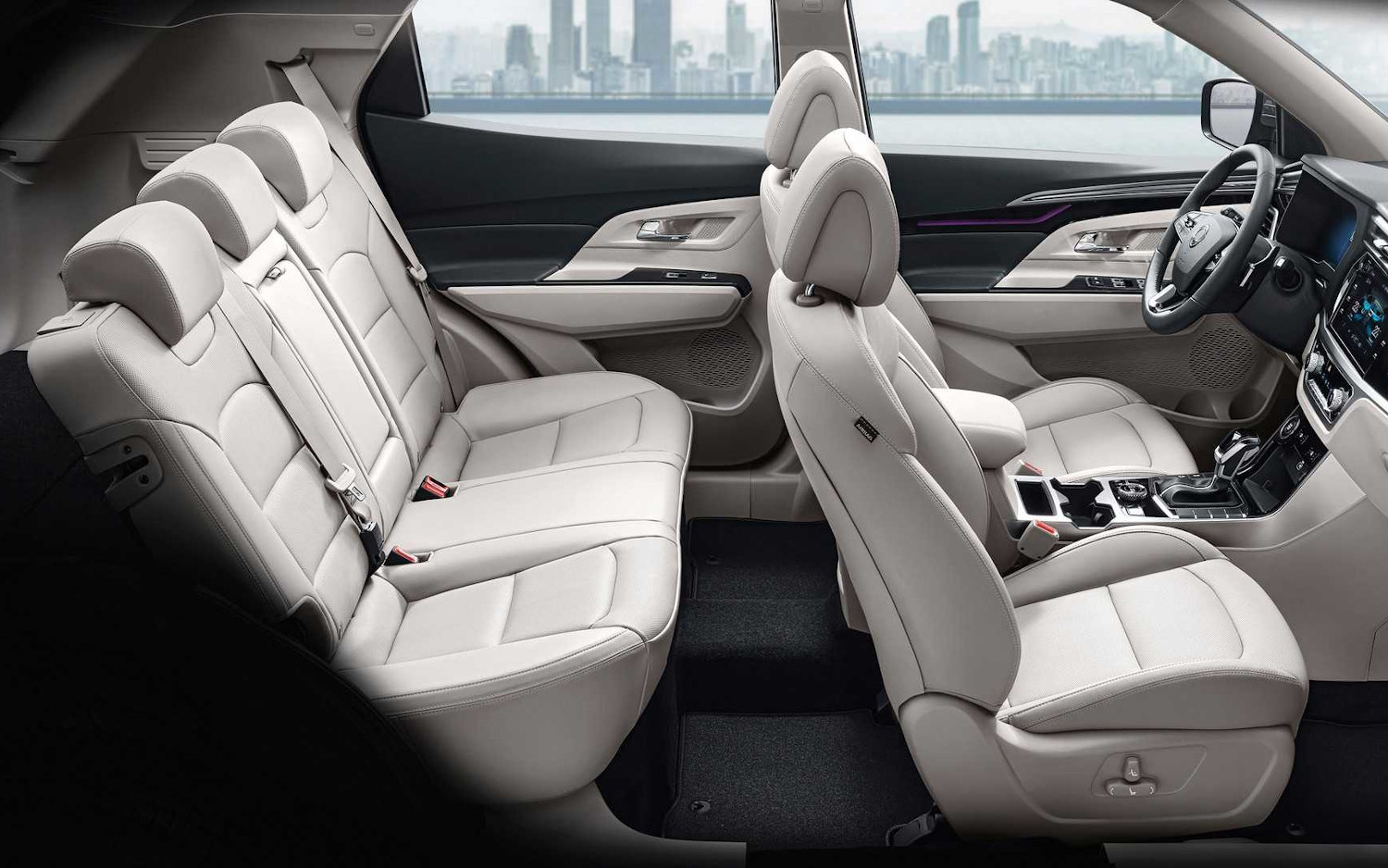
Not only was it a handsome addition to the compact crossover market, it was also the firm’s very first monocoque model – meaning it delivered a far better approximation of a car’s handling characteristics than any of the body-on-frame SUVs that continue to fill out the firm’s modest lineup. On the plus side, the Korando gets large storage bins, reach and rake adjustment for the steering wheel and generous equipment levels on higher-spec models. It is also competitive on interior space; offering decent leg and headroom for rear passengers, and acceptable luggage space. The interior is slightly less forgettable, but only because it comes partly clad in the kind of cheap plastic which cannot otherwise find a home in this class. The redesigned dashboard makes ergonomic sense, although it hasn’t lost any of its brittleness.