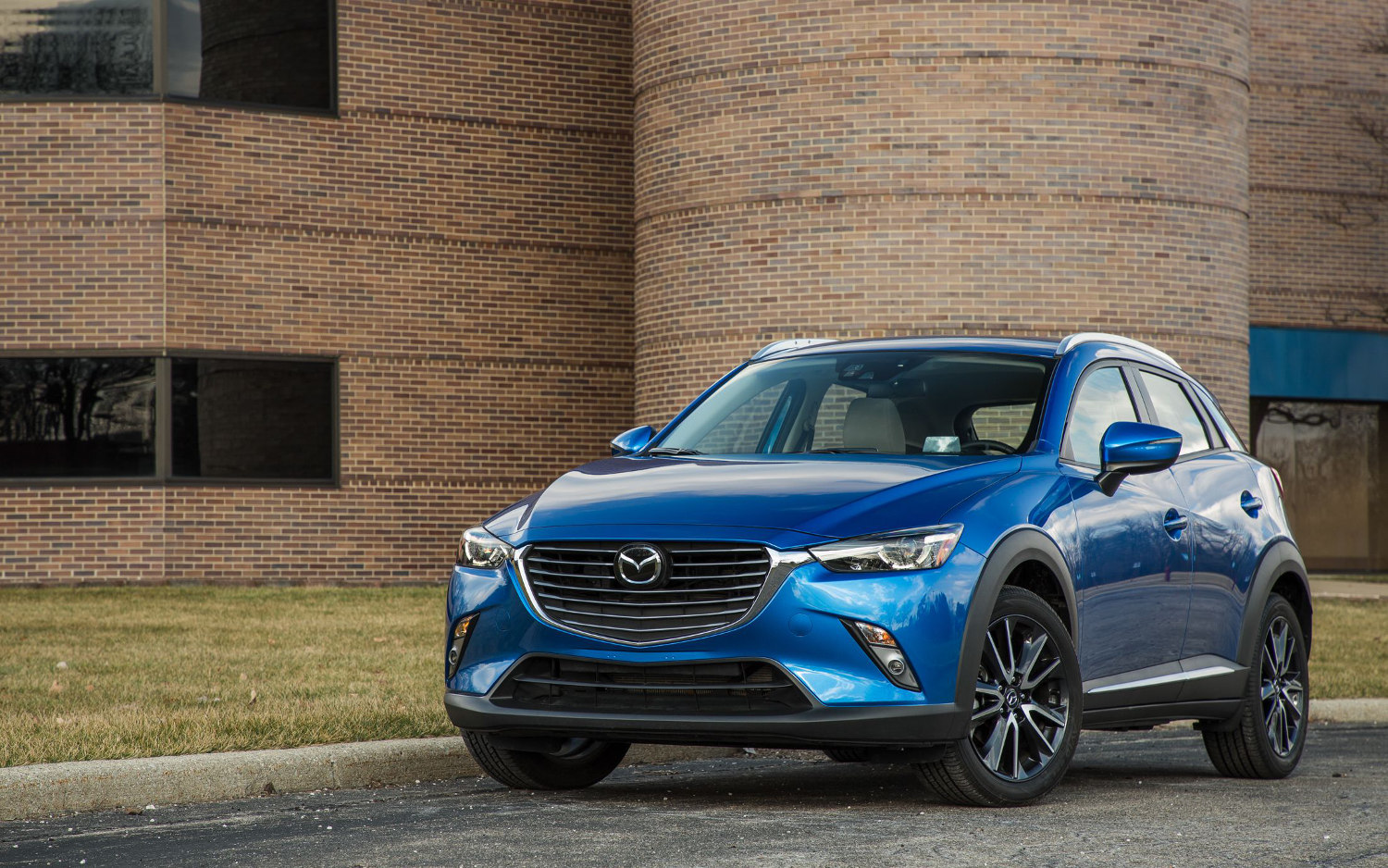
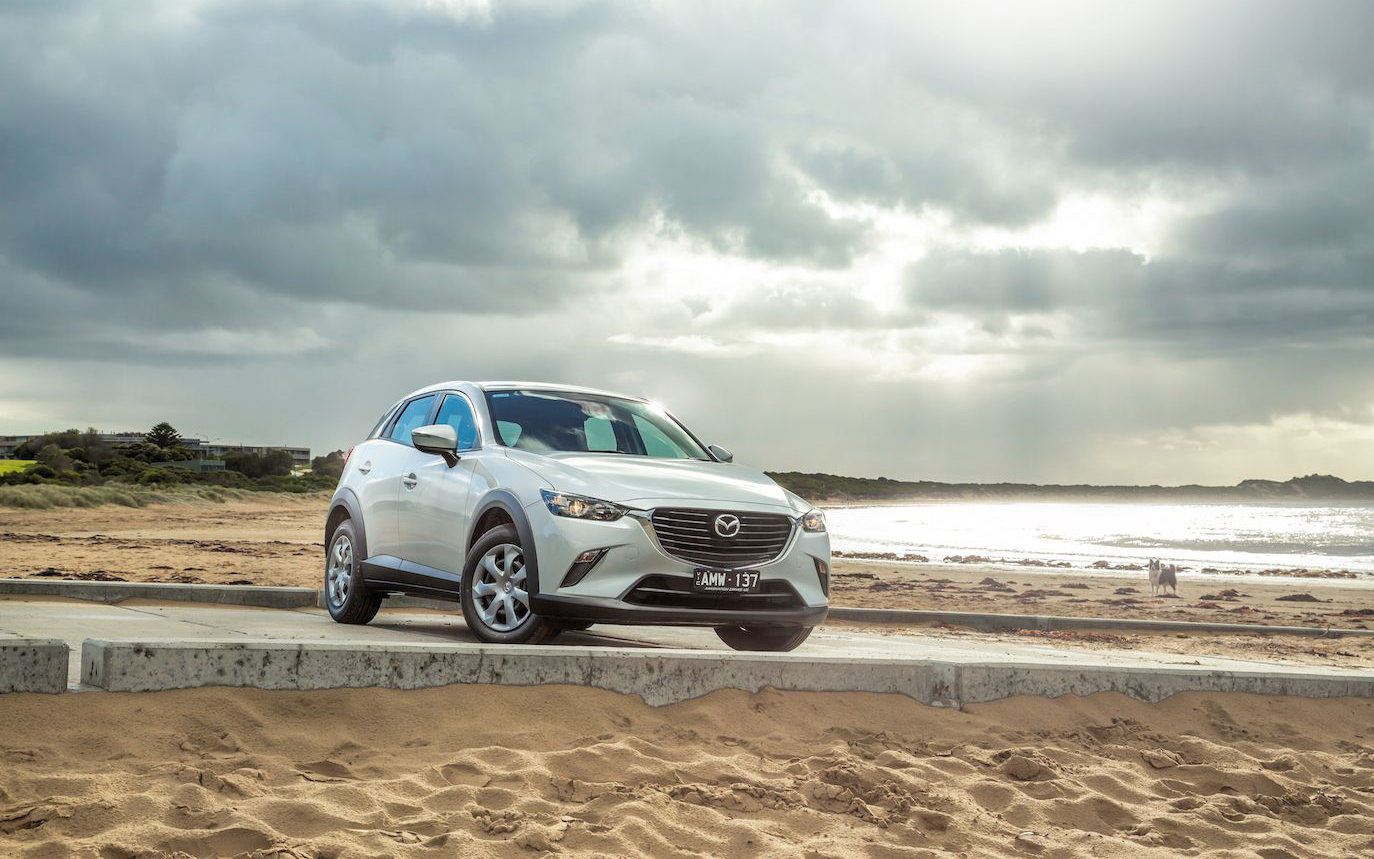
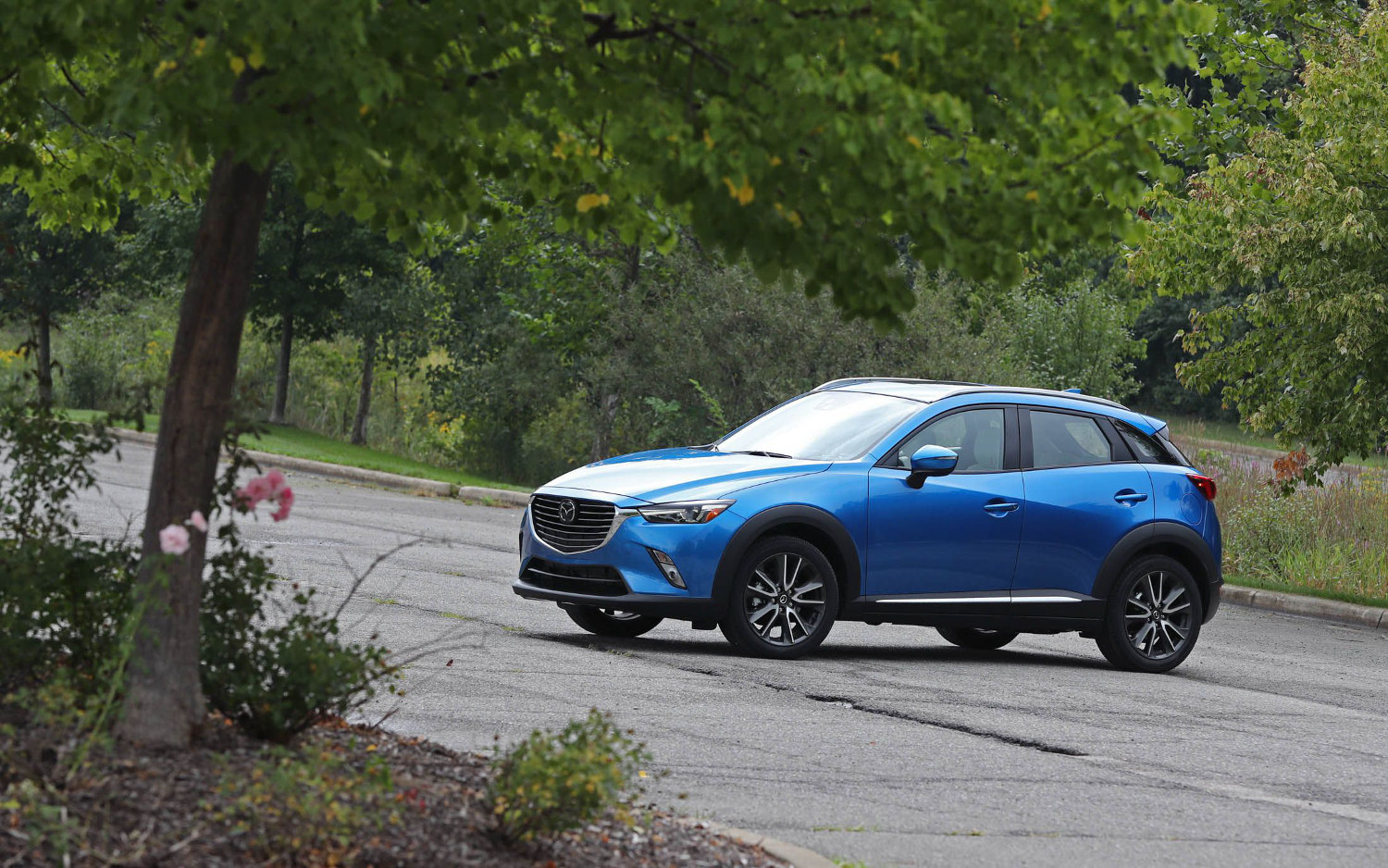
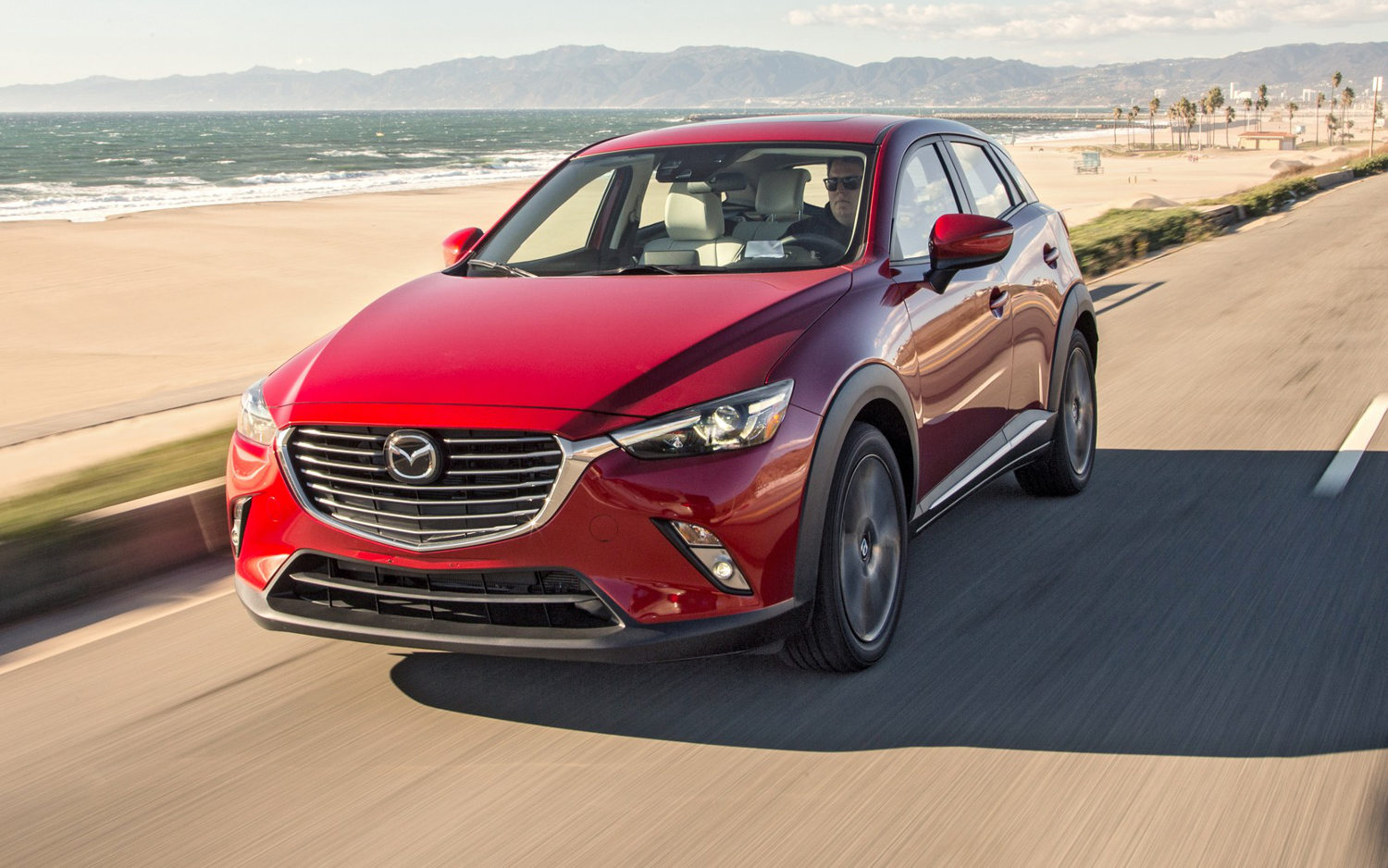
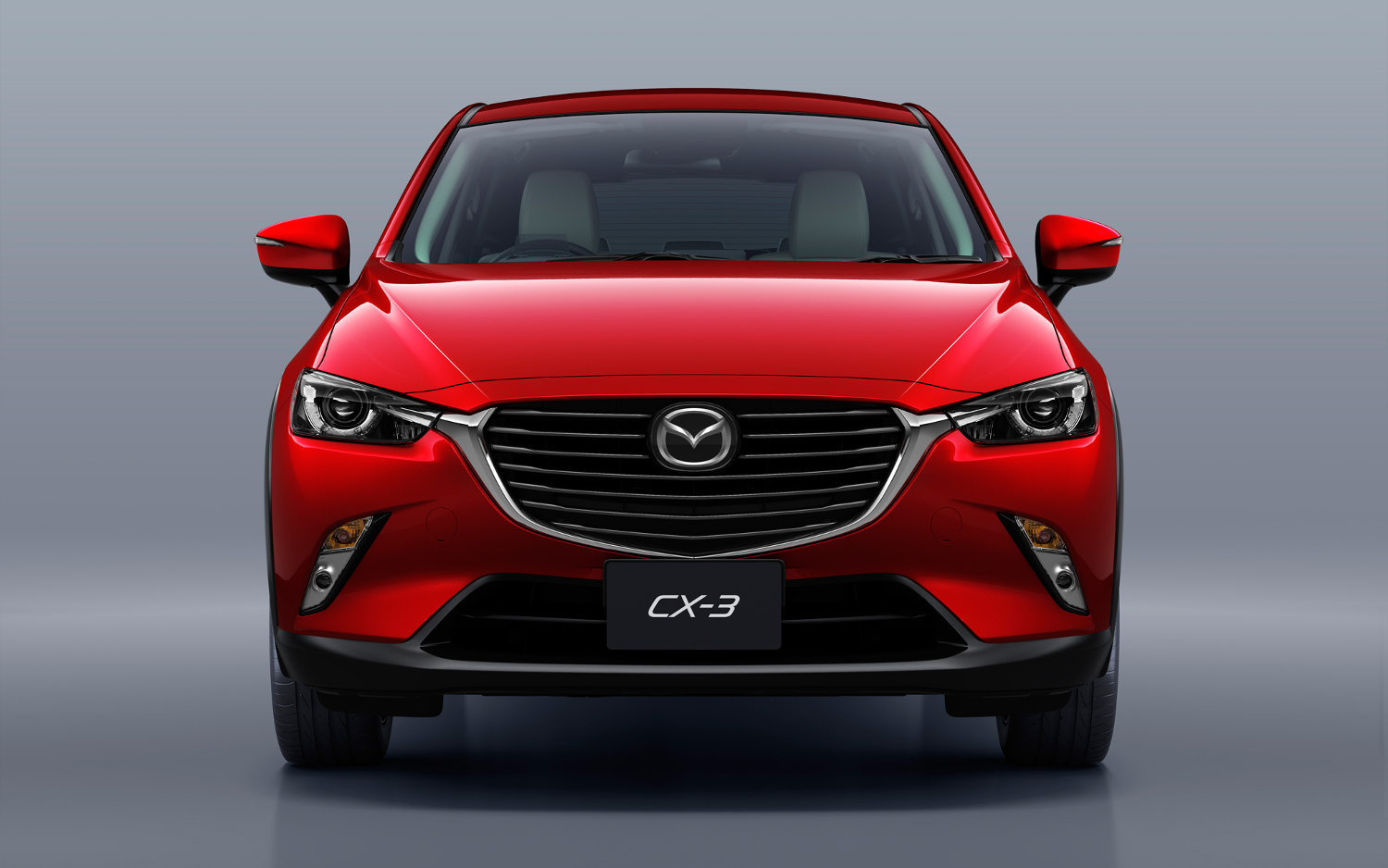
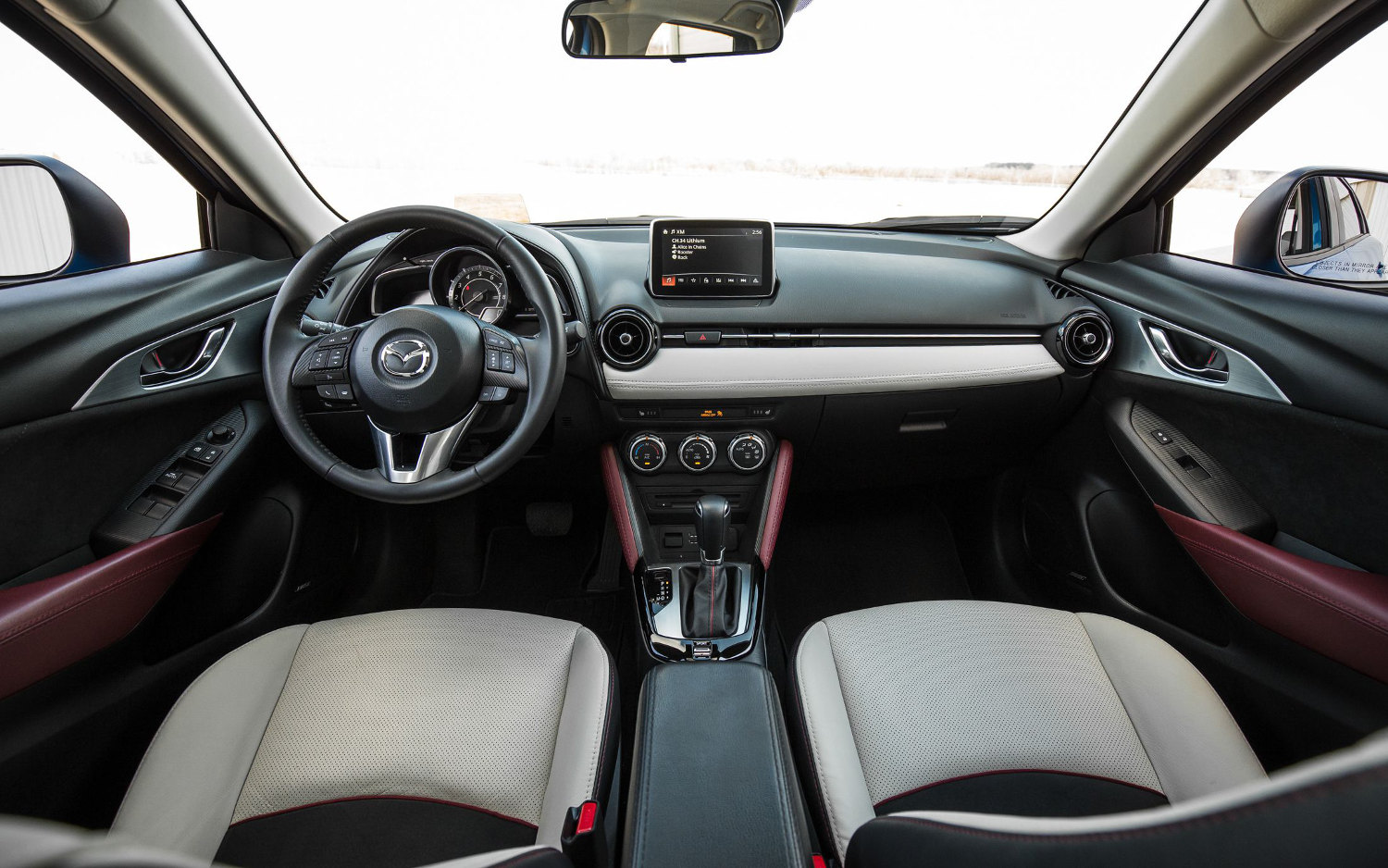
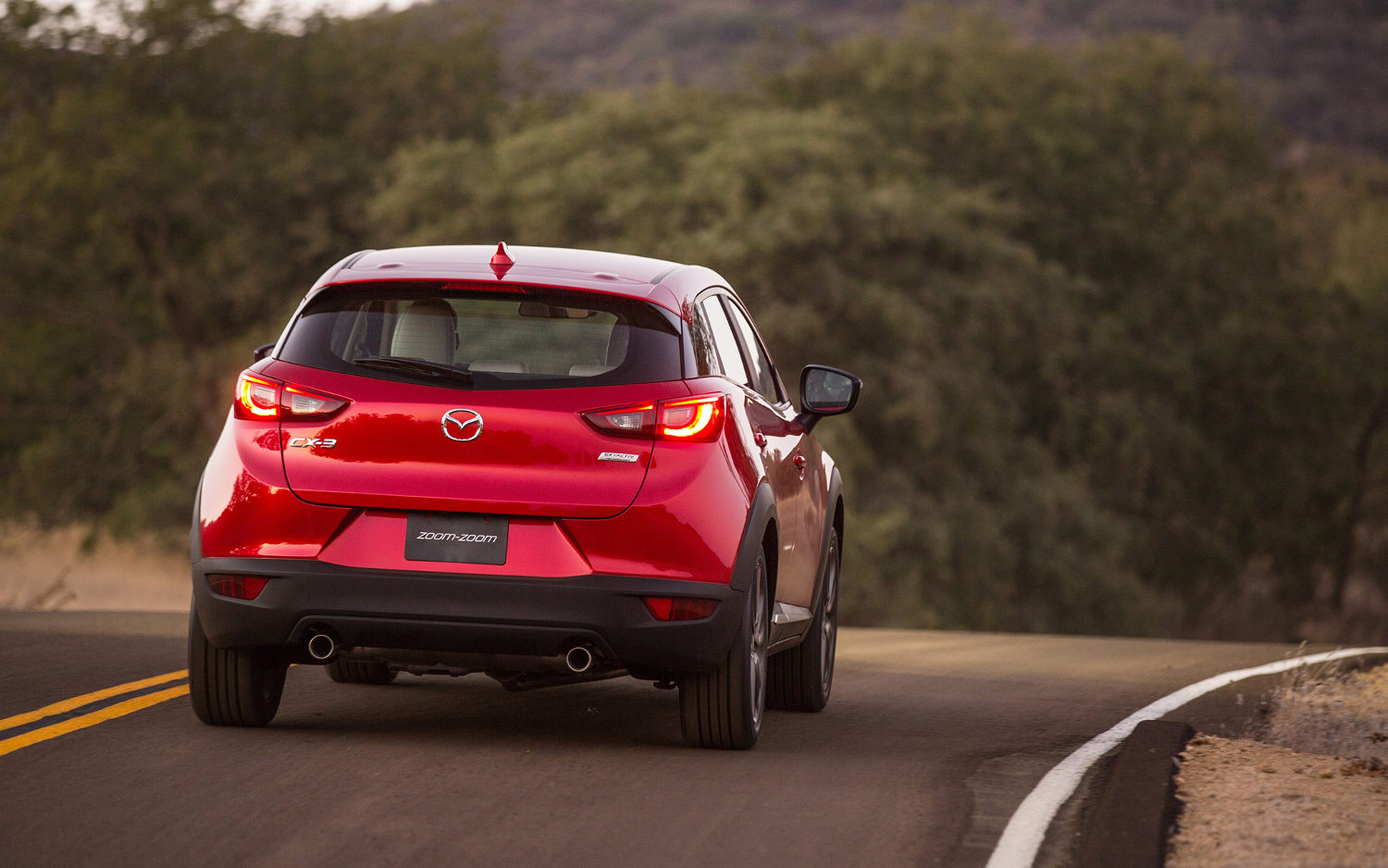
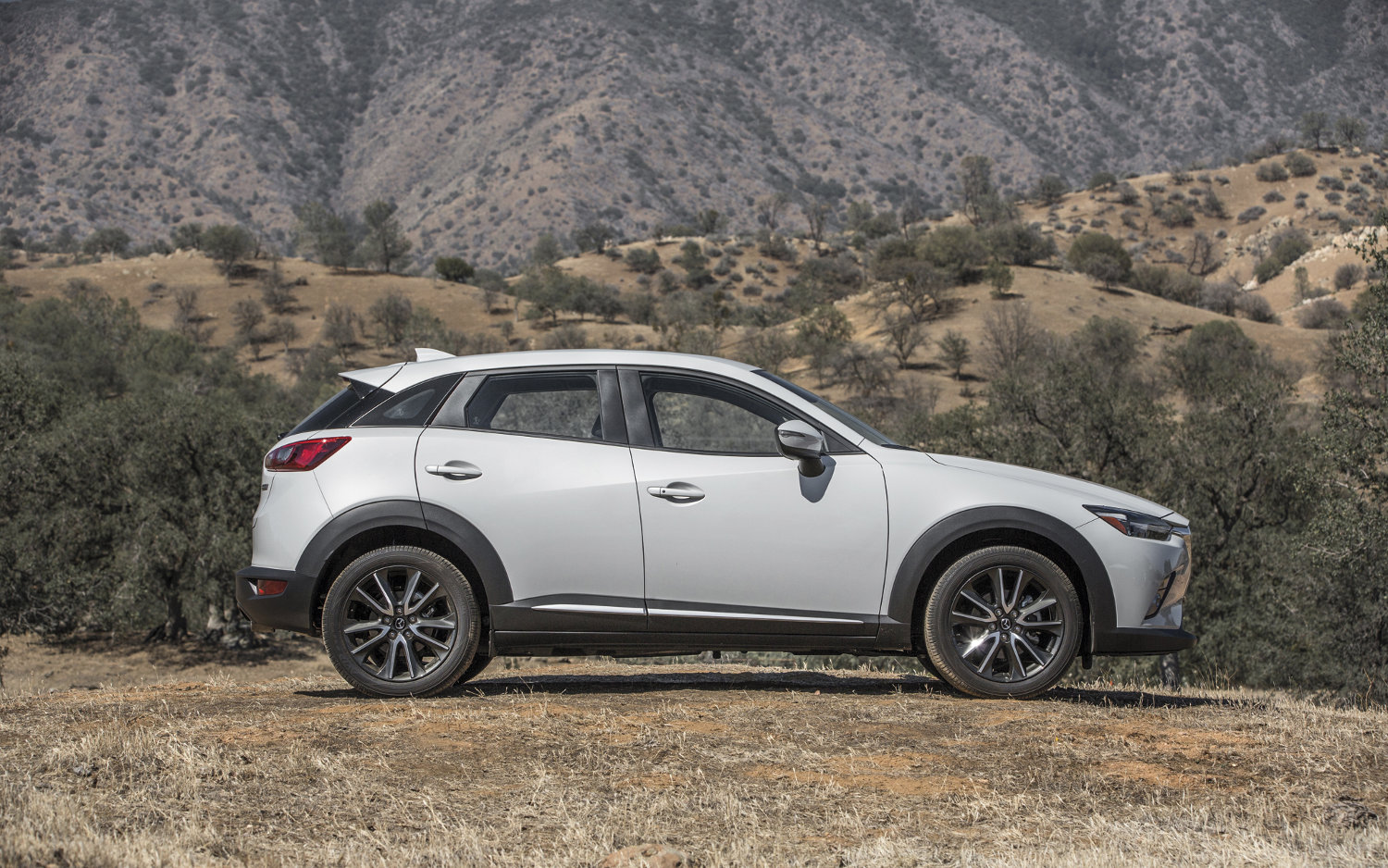
For 2018, low-speed automatic emergency braking is standard across the CX-3 lineup. Mazda says it has revised the CX-3's suspension to improve handling and ride quality and added more sound-reducing materials to make the CX-3 quieter. Small changes have been made to feature availability.
PROS Attractive and comfortable interior Engaging driving experience Impressive fuel economy for a crossover Good selection of available driver aids and active safety features
CONS Suspension tuning may be too firm for some Tight rear seat Below-average cargo space
The 2018 Mazda CX-3 ranked #2 in Subcompact SUVs. Currently the Mazda CX-3 has a score of 8.3 out of 10 which is based on our evaluation of 32 pieces of research and data elements using various sources.
Pros Sporty handling Great gas mileage Upmarket interior
Cons Limited cargo room Small back seat Below-average predicted reliability rating
One spirited drive behind the wheel of the CX-3 will have even the keenest driving enthusiasts singing its praises. We’ve come to expect playful driving dynamics, eager powertrains, and driver-focused interiors from Mazda—it’s the zoom-zoom brand, after all—and this subcompact crossover doesn’t disappoint. Once its practicality is under the microscope, however, the CX-3’s shine starts to fade. It’s small. Shoppers who prioritize cargo space and room for passengers would be better served by many of the CX-3’s rivals, or even a Mazda 3 hatchback. Even so, the CX-3 is on our short list of great crossovers, even if it’s solely for its corner-carving expertise and its fun-loving character.
Pros Sweetest-driving mini crossover around, class-leading fuel economy, eye-catching style.
Cons Cramped rear seat, limited cargo capacity, dawdling infotainment responses.
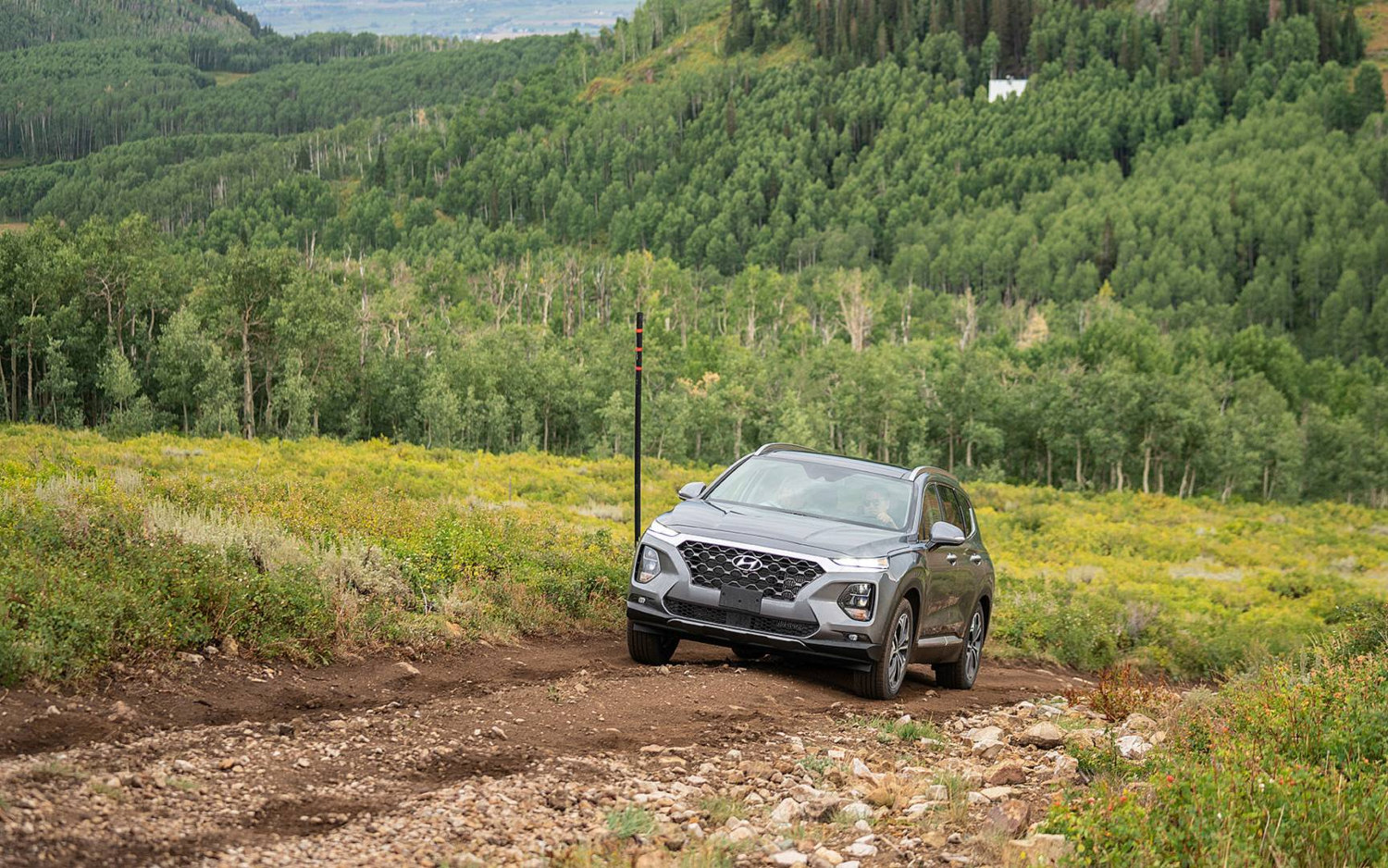
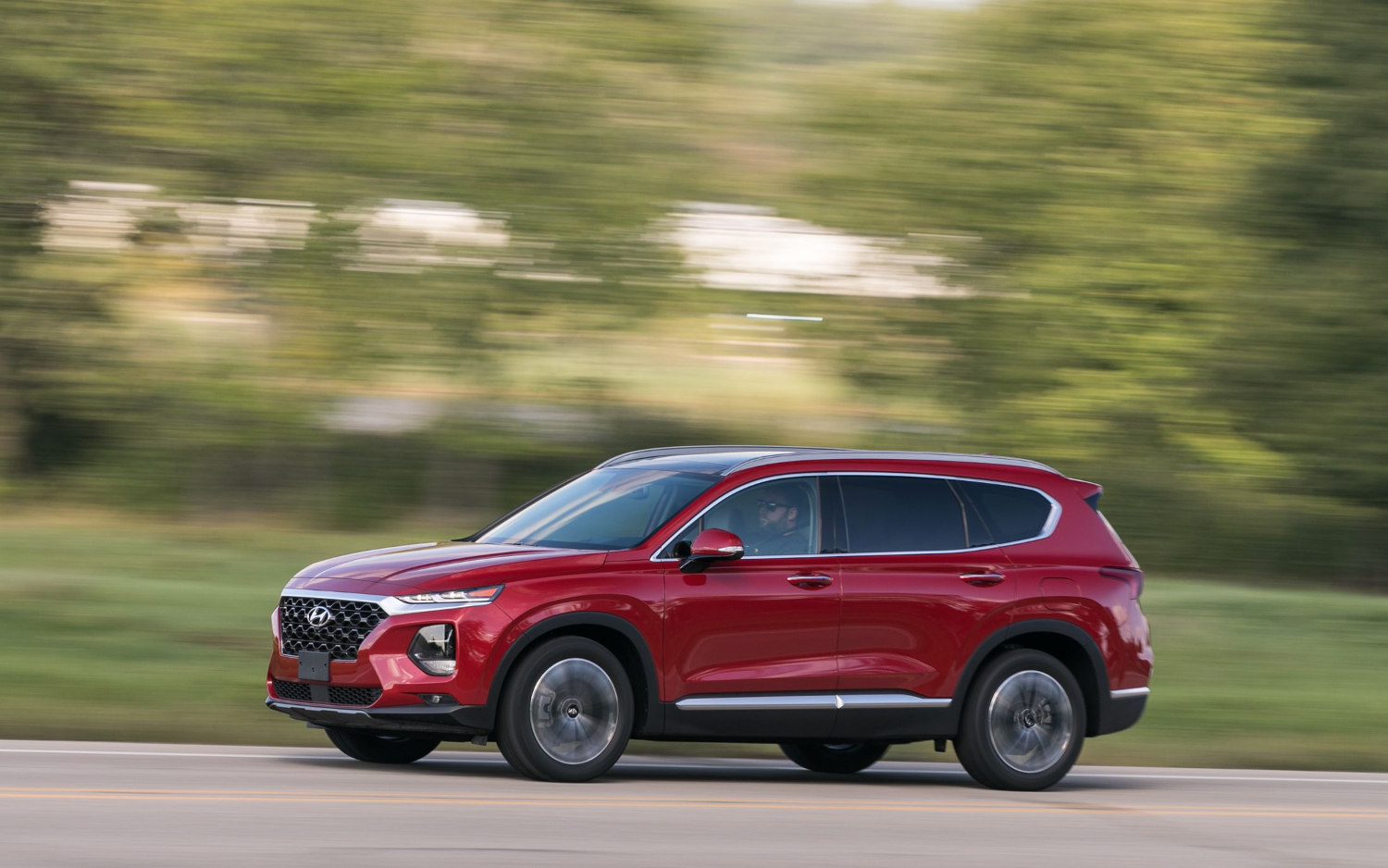
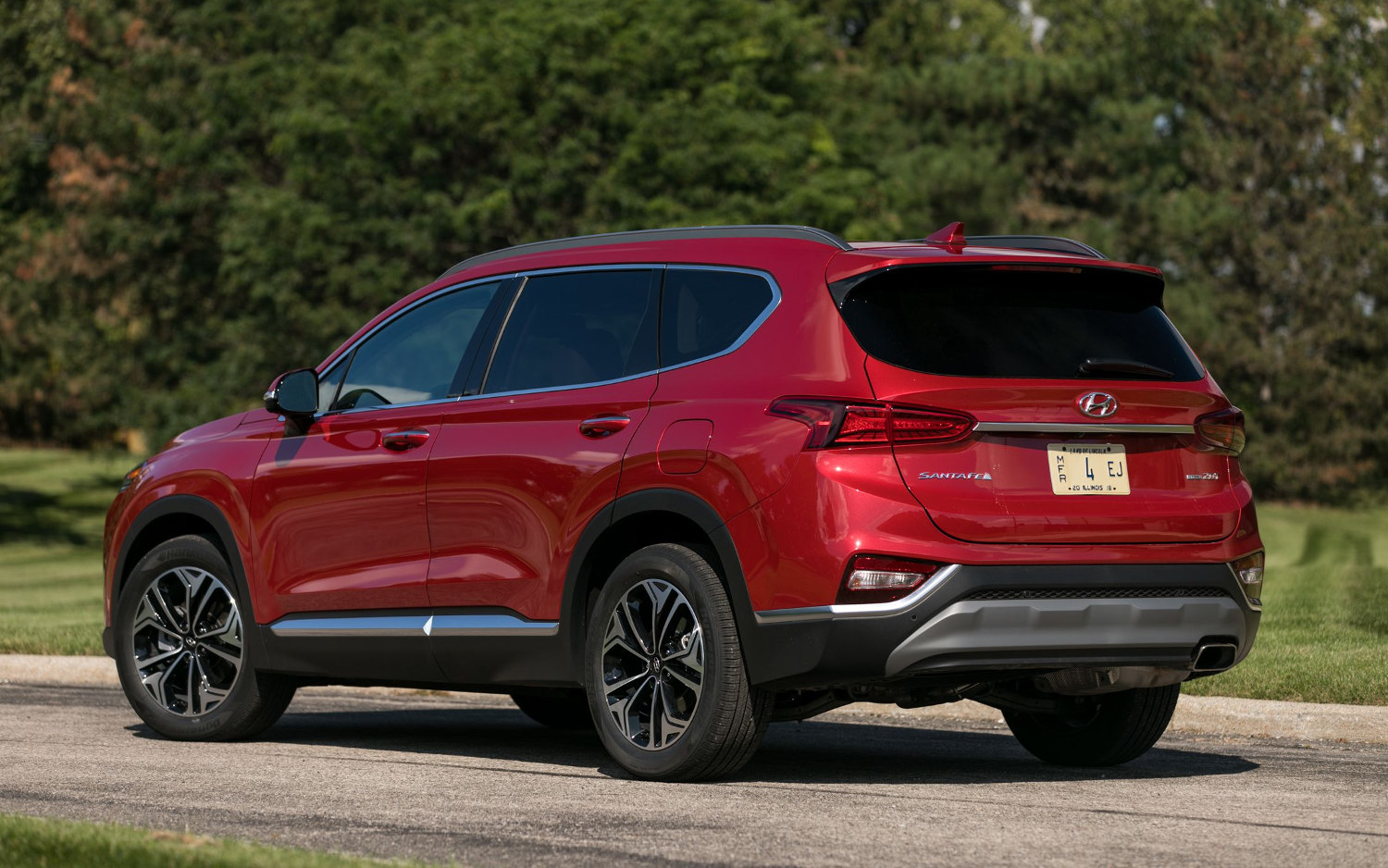
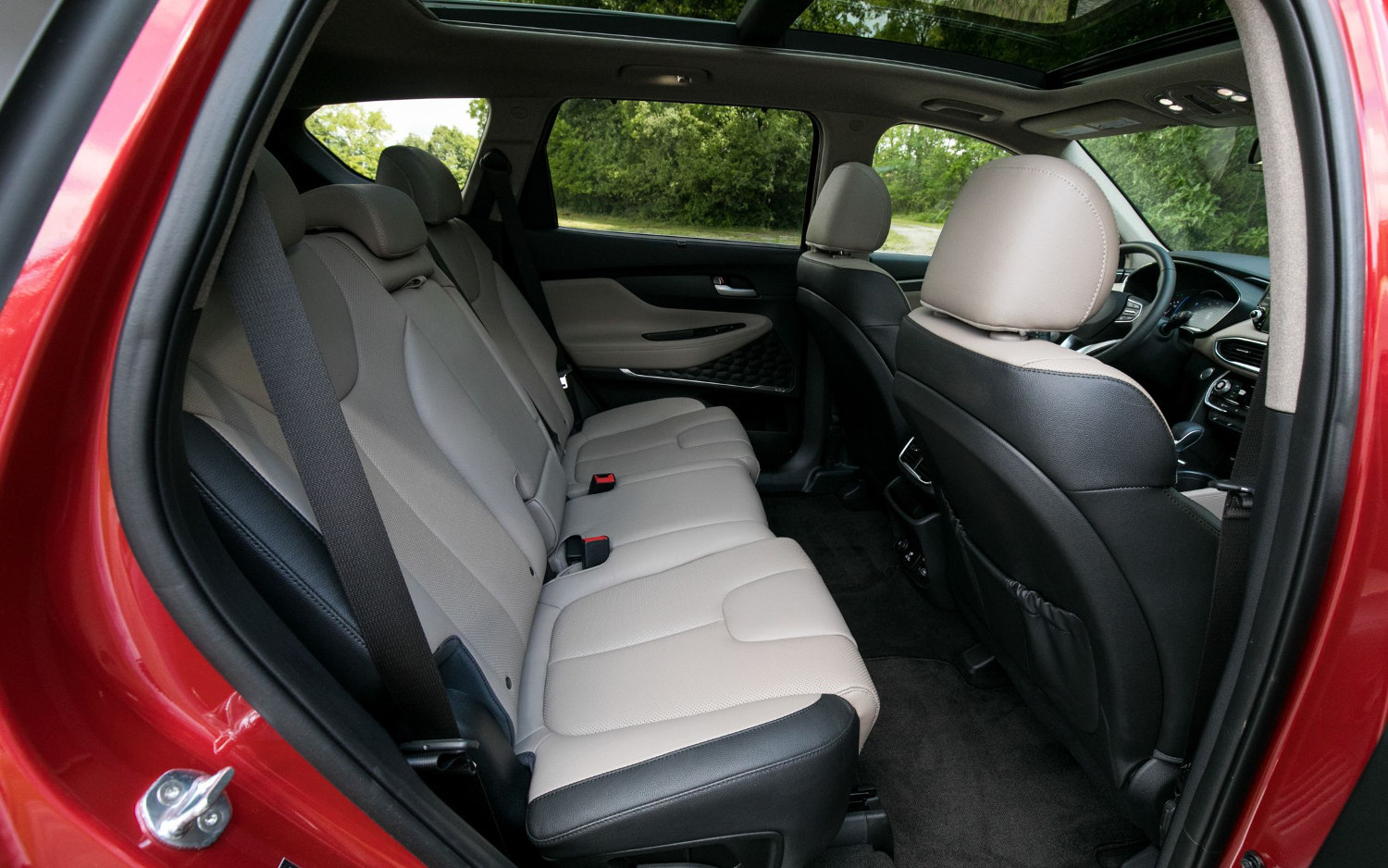
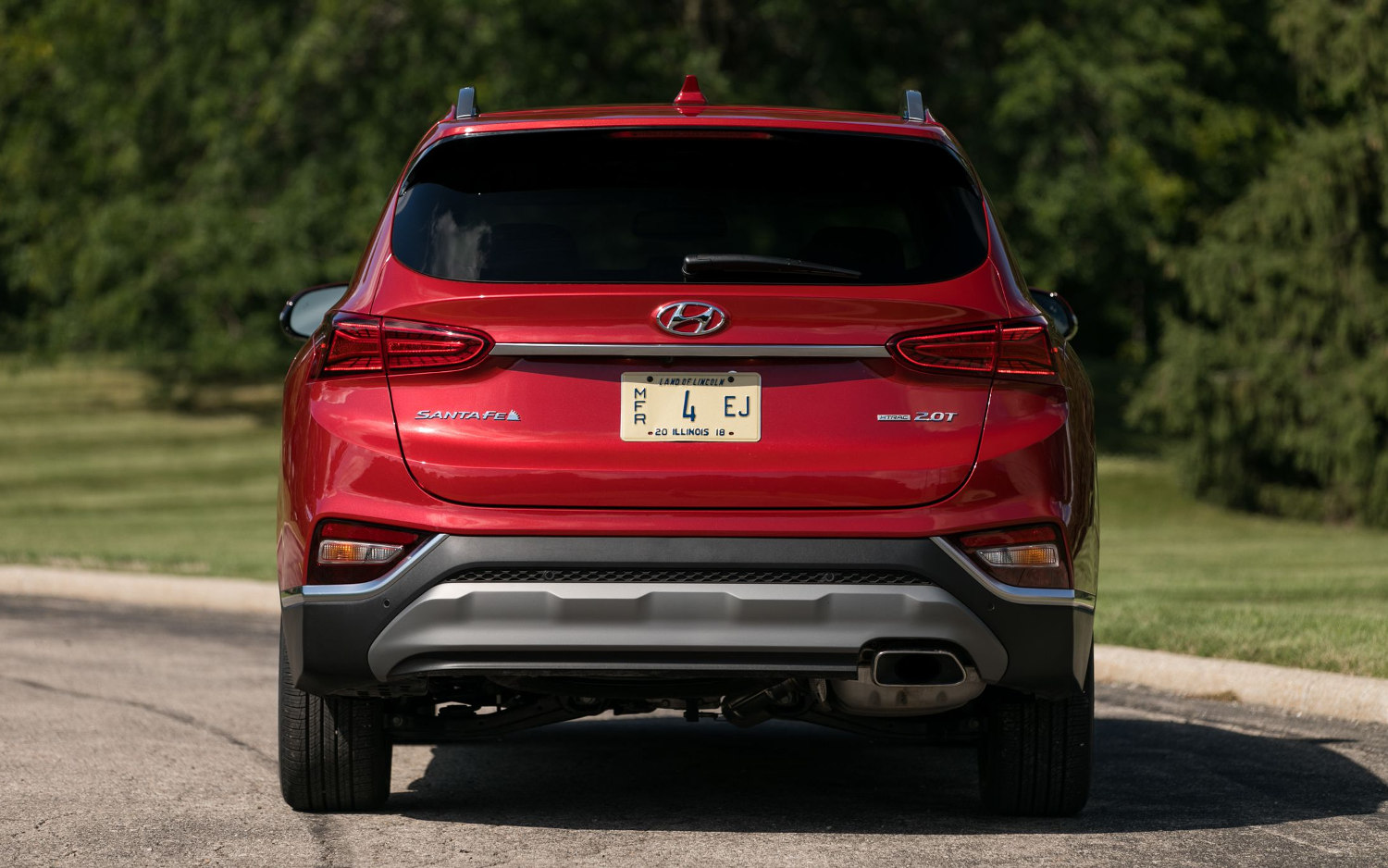
Hyundai is on a good track. For starters, the new ute looks more grown-up and handsome. The rear glass is more vertical, a boon to headroom for the sort-of-optional third-row seats (more on that later) and cargo space. With shorter overhangs, a longer wheelbase, greater length, and slightly more girth than the ’18 Santa Fe Sport, interior space is up, too. Hyundai increased visibility by employing what it claims is 41 percent more glass area than in the outgoing Santa Fe Sport to nurture the target markets of empty nesters and families moving up from a sedan.
Pros Sharp looks, bigger inside and out than the Sport it replaces, packed with features.
Cons Some low-rent plastics inside; small fuel-economy bump; so which one is this, again?
The 2019 Hyundai Santa Fe is a convincing crossover SUV with room for families and cargo.
Pros Smooth ride Compelling value trims with plenty of features Standard active safety features Spacious interior Sharp style
Cons No available options from the factory 8-speed automatic could use a finishing touch Average fuel economy Thin-feeling cloth and leather
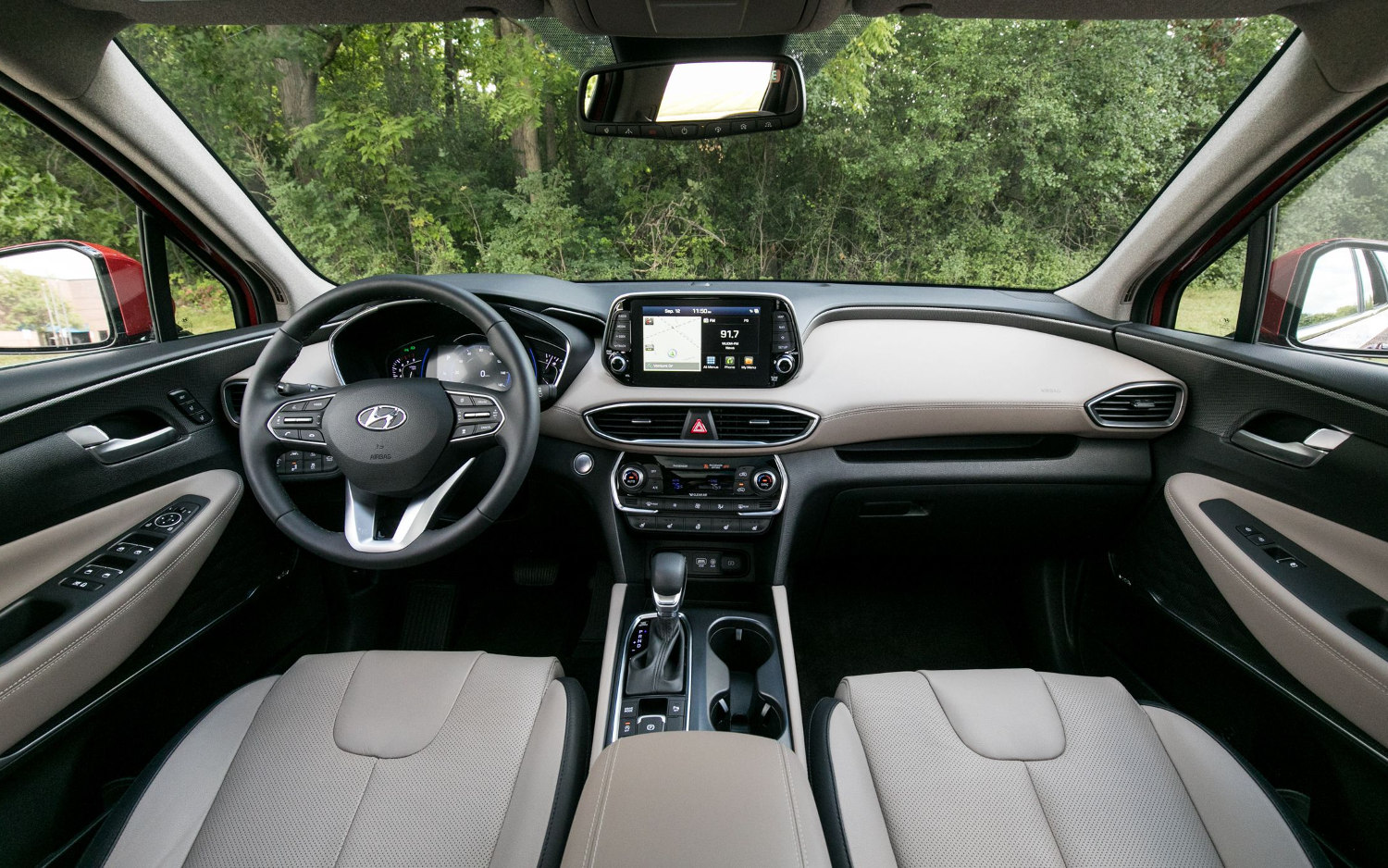
The 2019 Hyundai Santa Fe is redesigned New interior and exterior look New two-row design Part of the fourth Hyundai Santa Fe generation introduced for 2019
Pros Abundant standard features for the money High-quality interior materials Generous warranty coverage Several standard and optional active safety features
Cons High-quality interior materials Base 2.4-liter engine's power and mpg are subpar