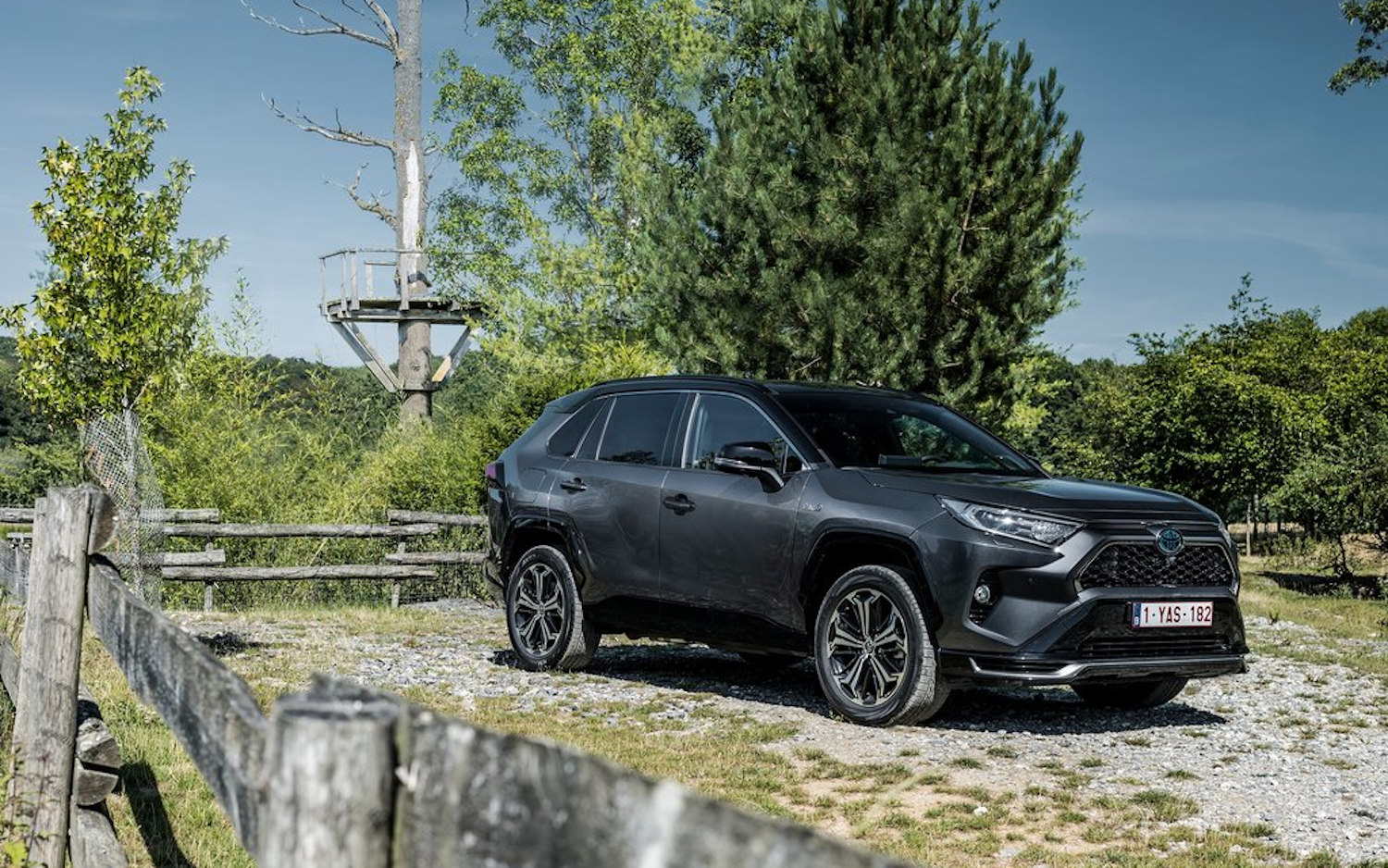
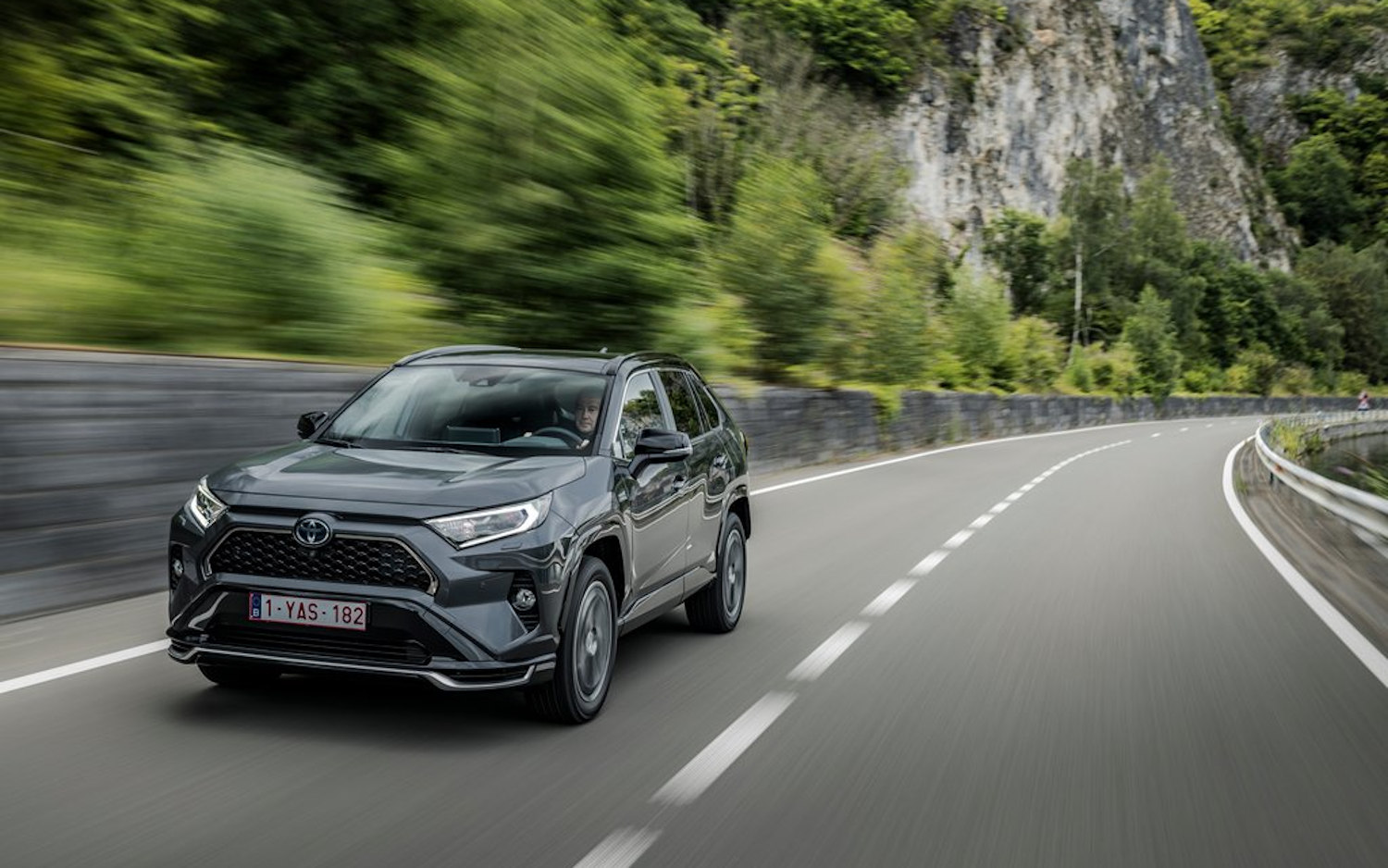
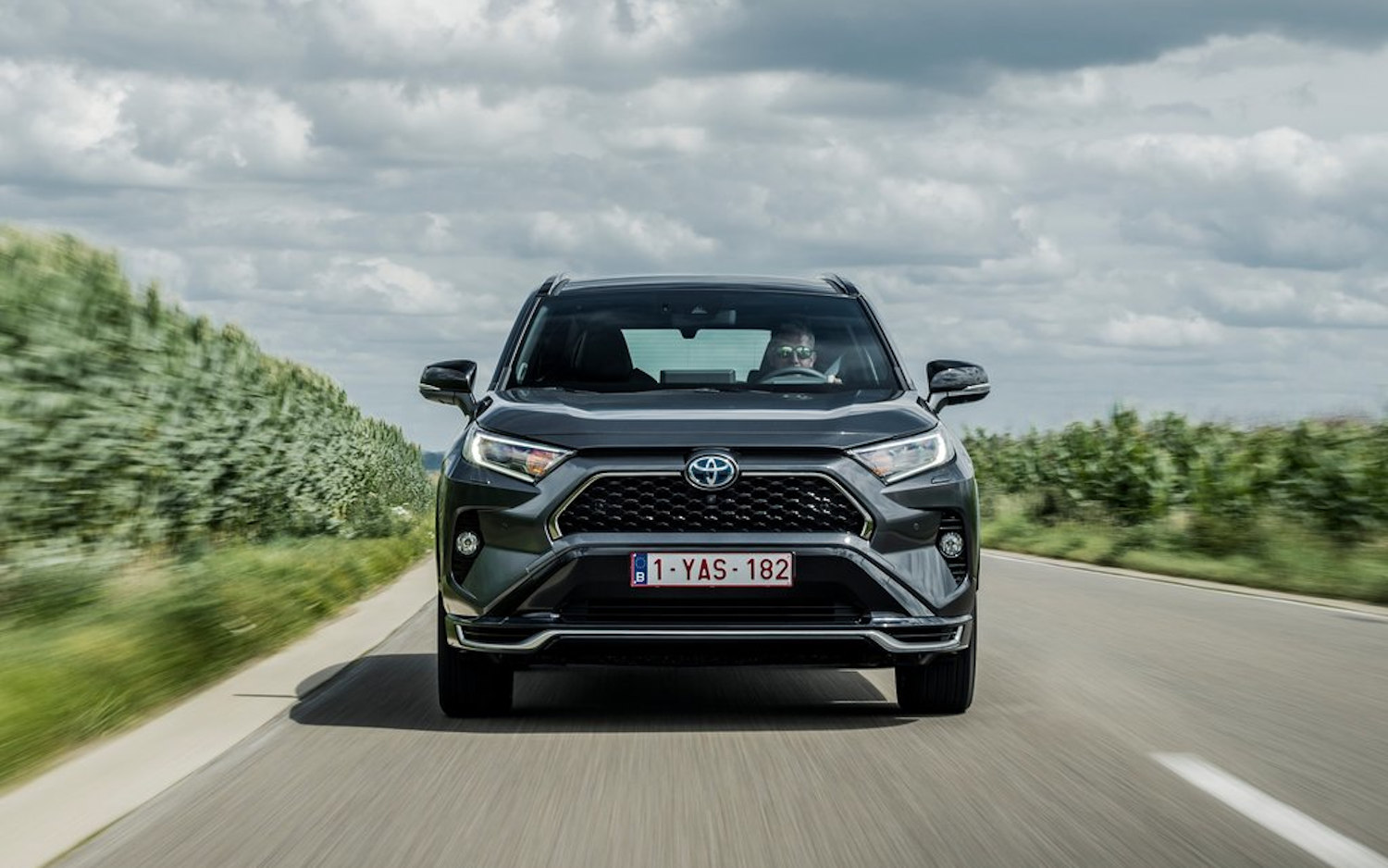
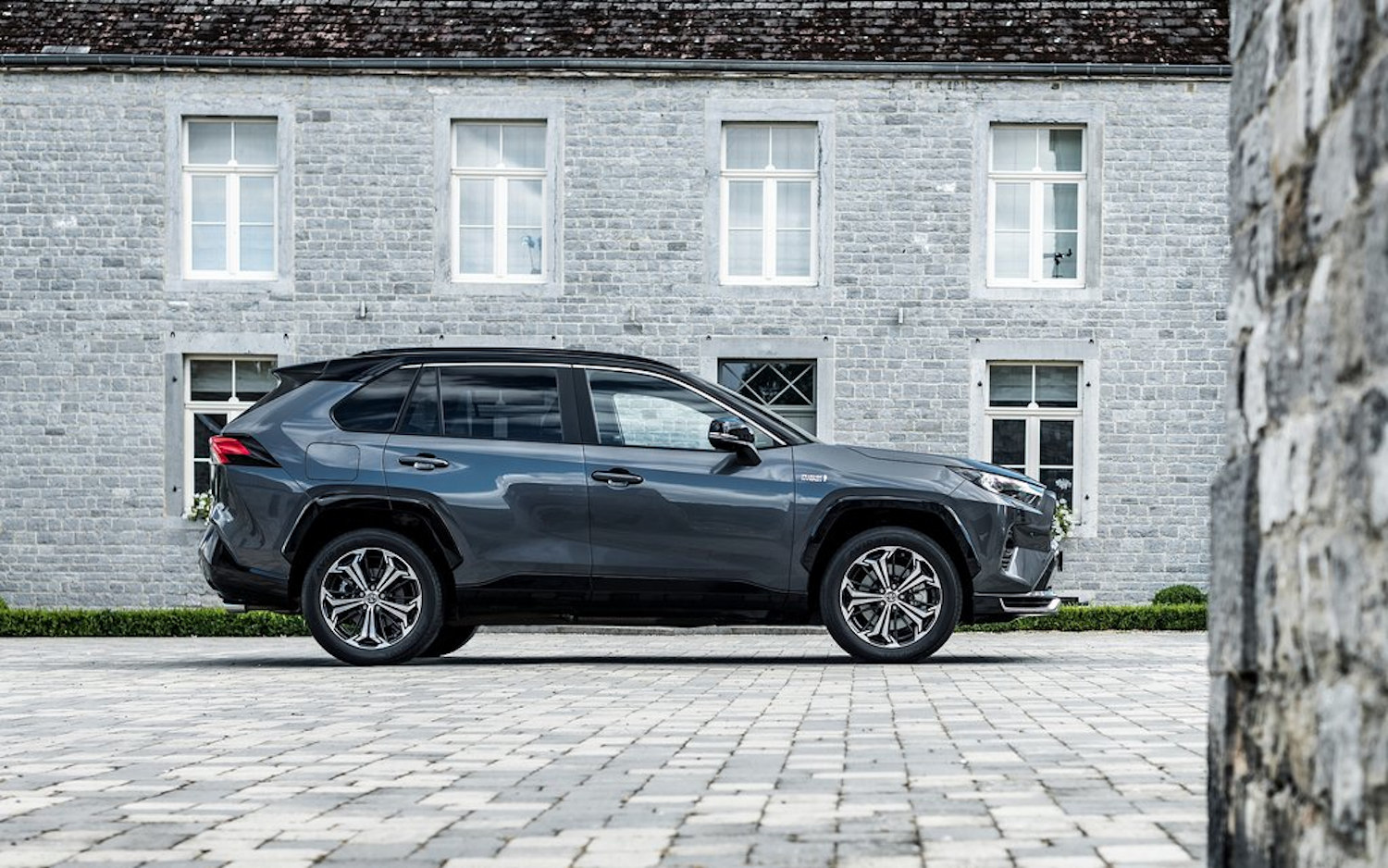
The 2021 Toyota RAV4 Hybrid's #2 ranking is based on its score within the Hybrid and Electric SUVs category. It is the winner of our 2021 Best Hybrid and Electric SUV for the Money award and a finalist for our 2021 Best Hybrid and Electric SUV for Families award. Currently the Toyota RAV4 Hybrid has a score of 8.0 out of 10, which is based on our evaluation of 23 pieces of research and data elements using various sources.
Pros Energetic powertrain Great gas mileage Spacious, handsome cabin Plenty of standard features Ample cargo space
Cons Road noise permeates the cabin
The Toyota RAV4 plug-in hybrid (PHEV) has an impressive all-electric range and low emissions, but the extremely high list price limits its appeal for private buyers and company car buyers alike. The regular front-wheel drive RAV4 hybrid is the sweet spot in the range. It’s fairly ordinary to drive, but strong resale values, astounding economy and a fantastic reliability record make it a tempting option in the large SUV category.
Pros Exceedingly frugal Regular hybrid has slow predicted depreciation Strong reliability record
Cons Terrible infotainment system Rivals are better to drive No seven-seat option
The standard RAV4 Hybrid receives a new mid-range XLE Premium trim for 2021, but the big news this year is the introduction of the plug-in hybrid RAV4 Prime models. The RAV4 Prime is the most powerful RAV4 offered with a total of 302 horsepower between its gas engine and electric motors; it also offers a claimed 42 miles of electric-only driving per charge.
Pros Strong acceleration, driver-assistance tech is standard, roomy cabin.
Cons Prices start above $30,000, uninvolving handling, most desirable features quickly increase the price.
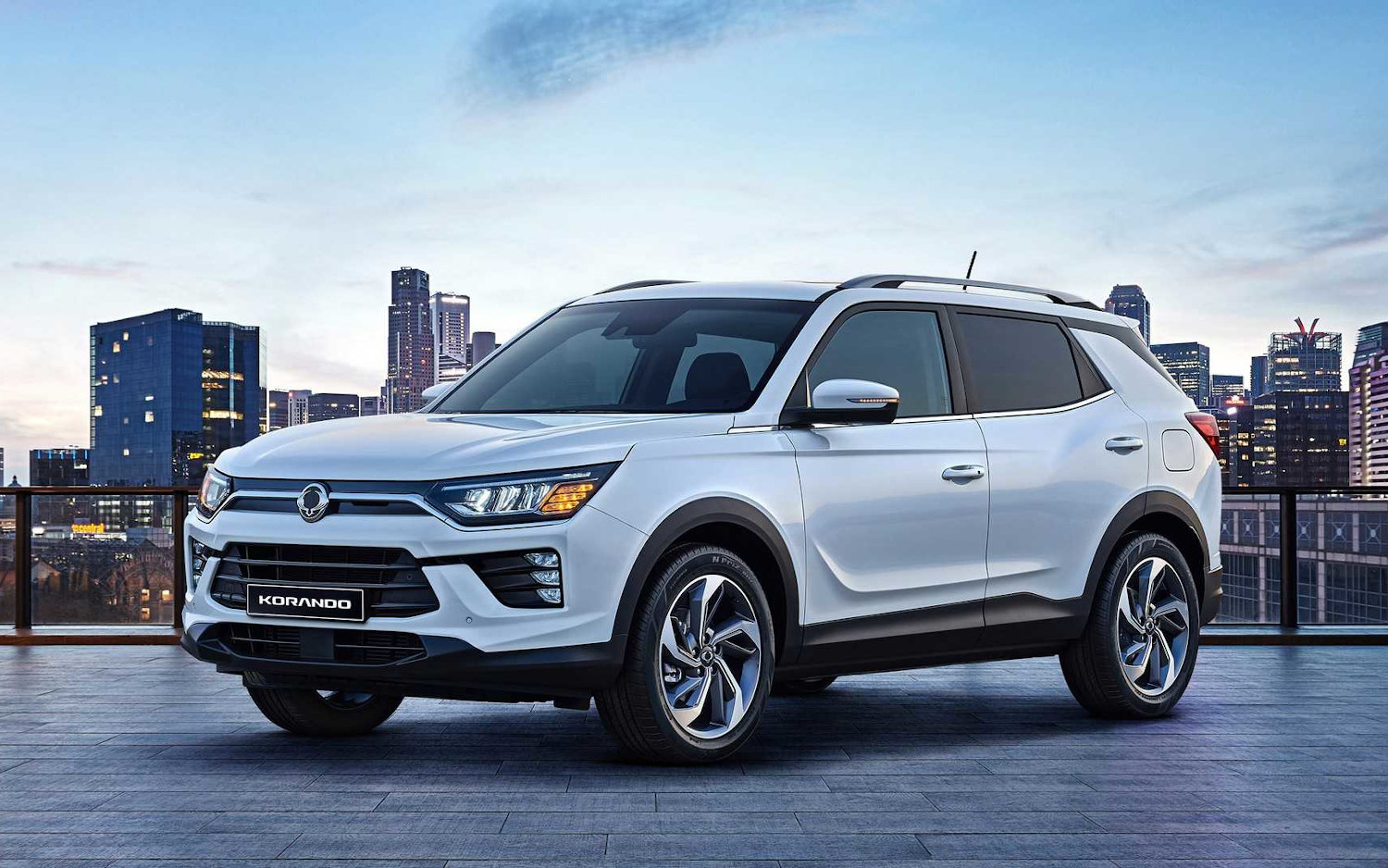
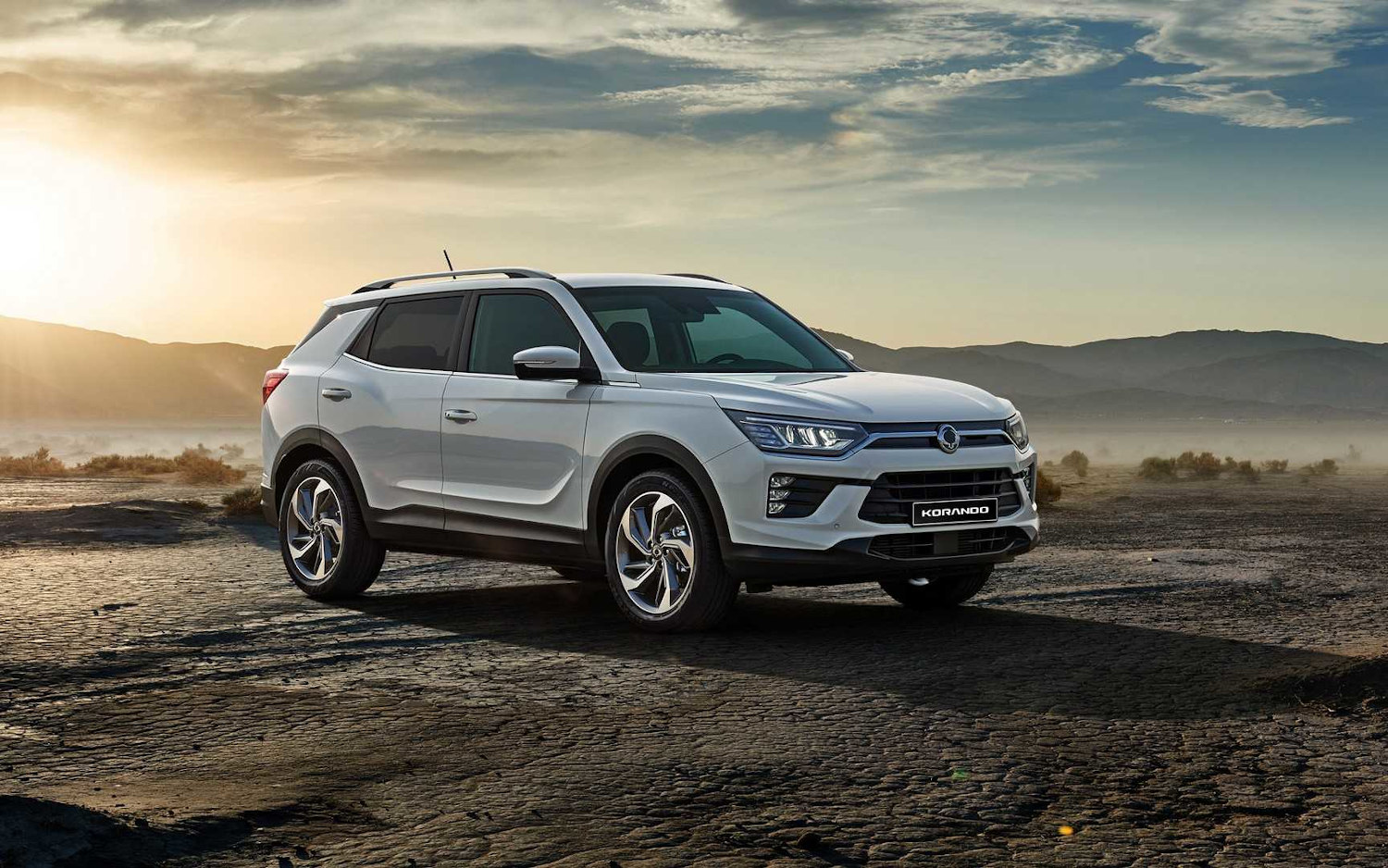
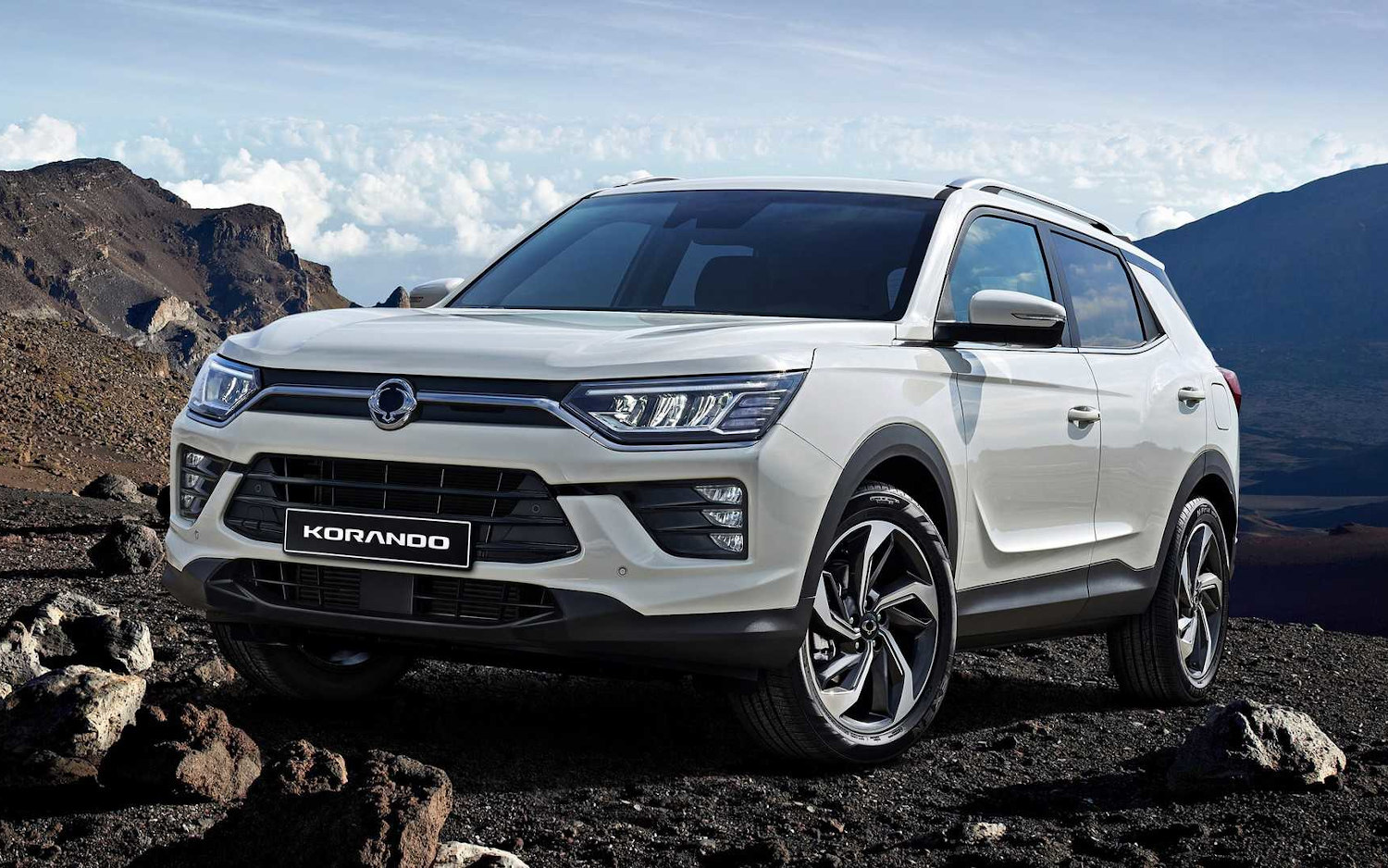
SsangYongs have been on sale in the UK since the ’90s – the company usually offers big SUVs for less than the majority of their competitors. Sadly, most of their models have proved to be lacklustre alternatives to the likes of the Kia Sportage, Suzuki Vitara and Nissan Qashqai. To drive, the Korando isn’t much fun, but most people buy one because they need an SUV either for tackling rough terrain or towing – two roles the SsangYong is perfectly suited to.
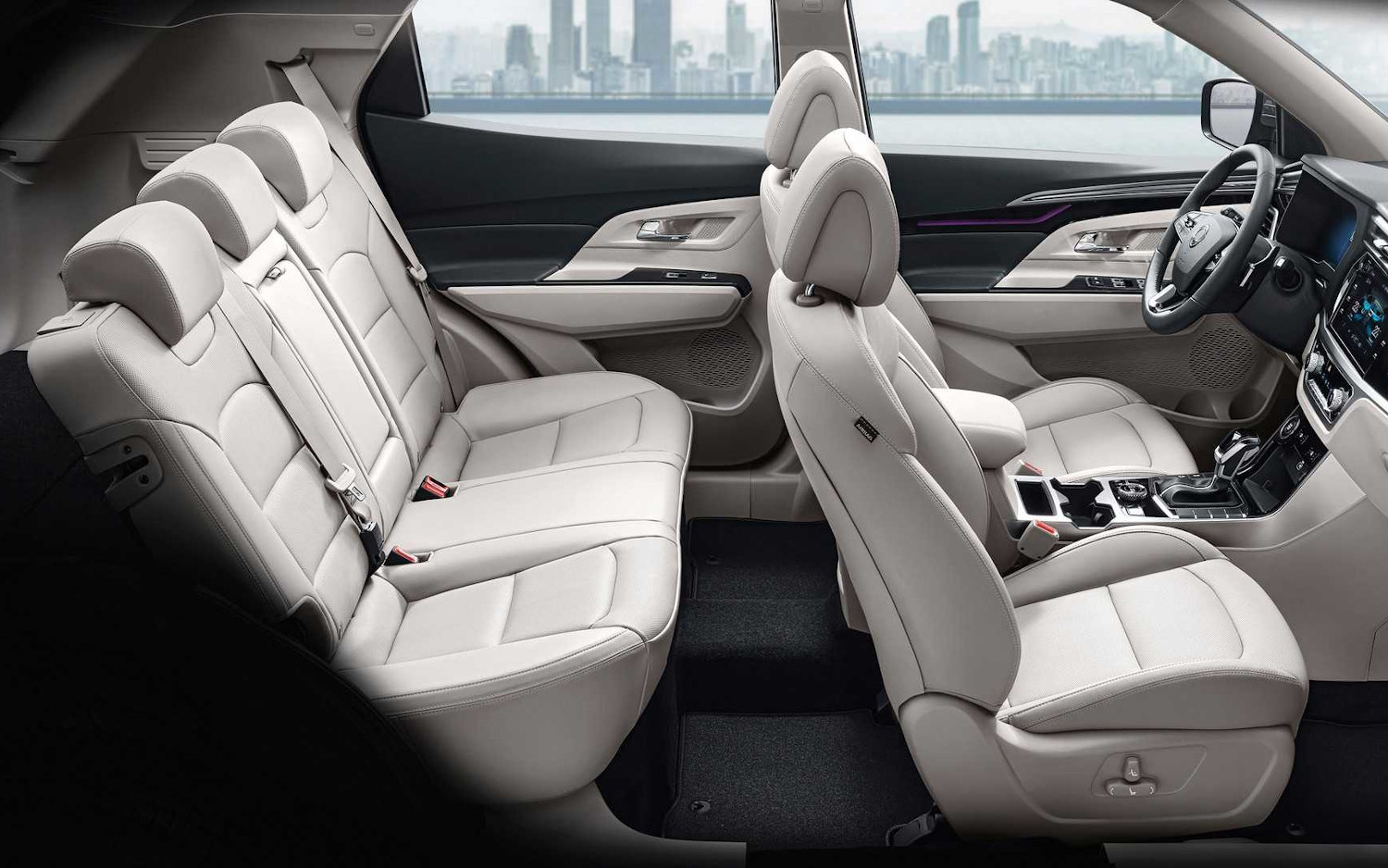
Pros Lots of space Relatively economical Generous standard kit
Cons Fast depreciation Dull styling Cheap feeling interior
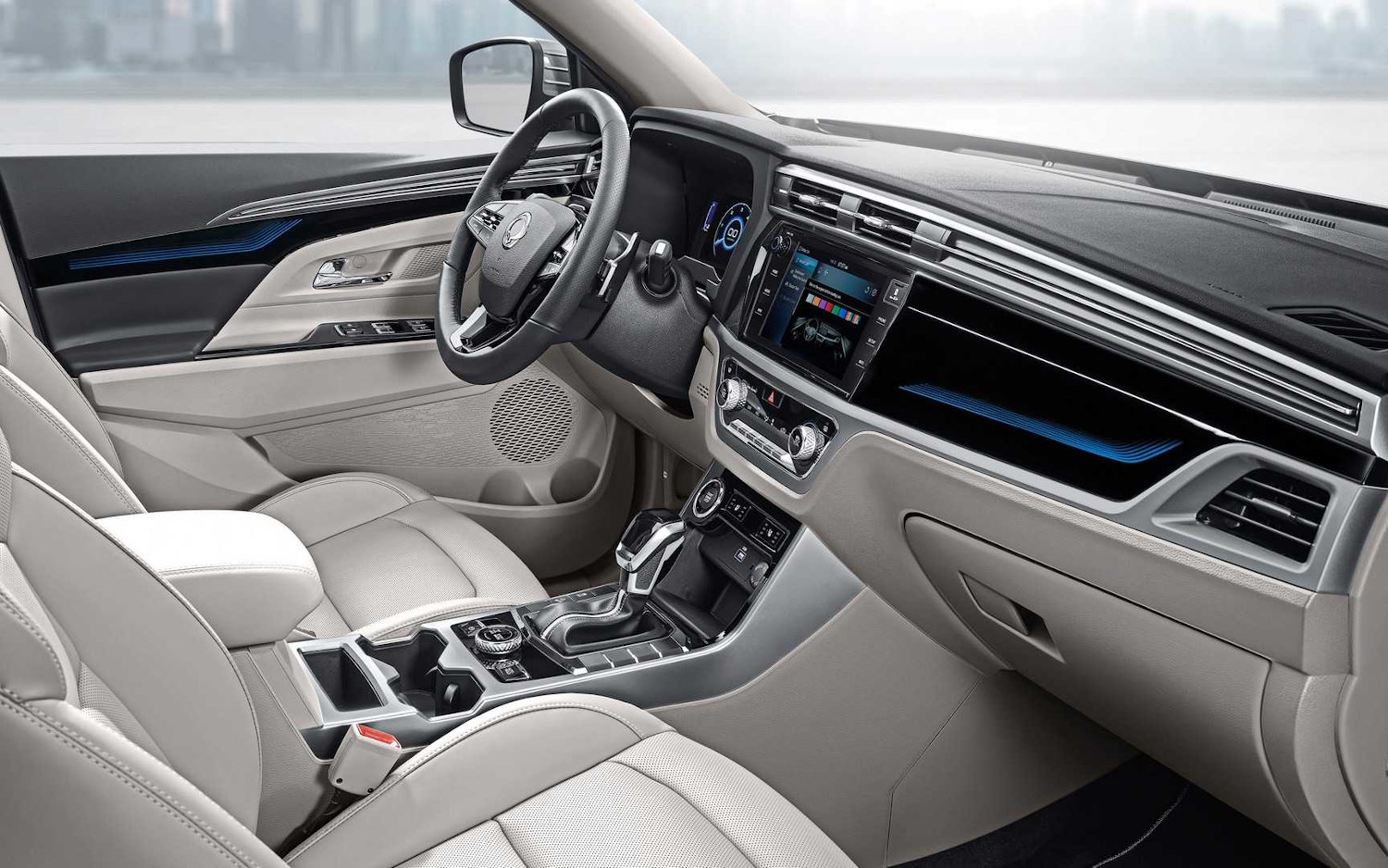
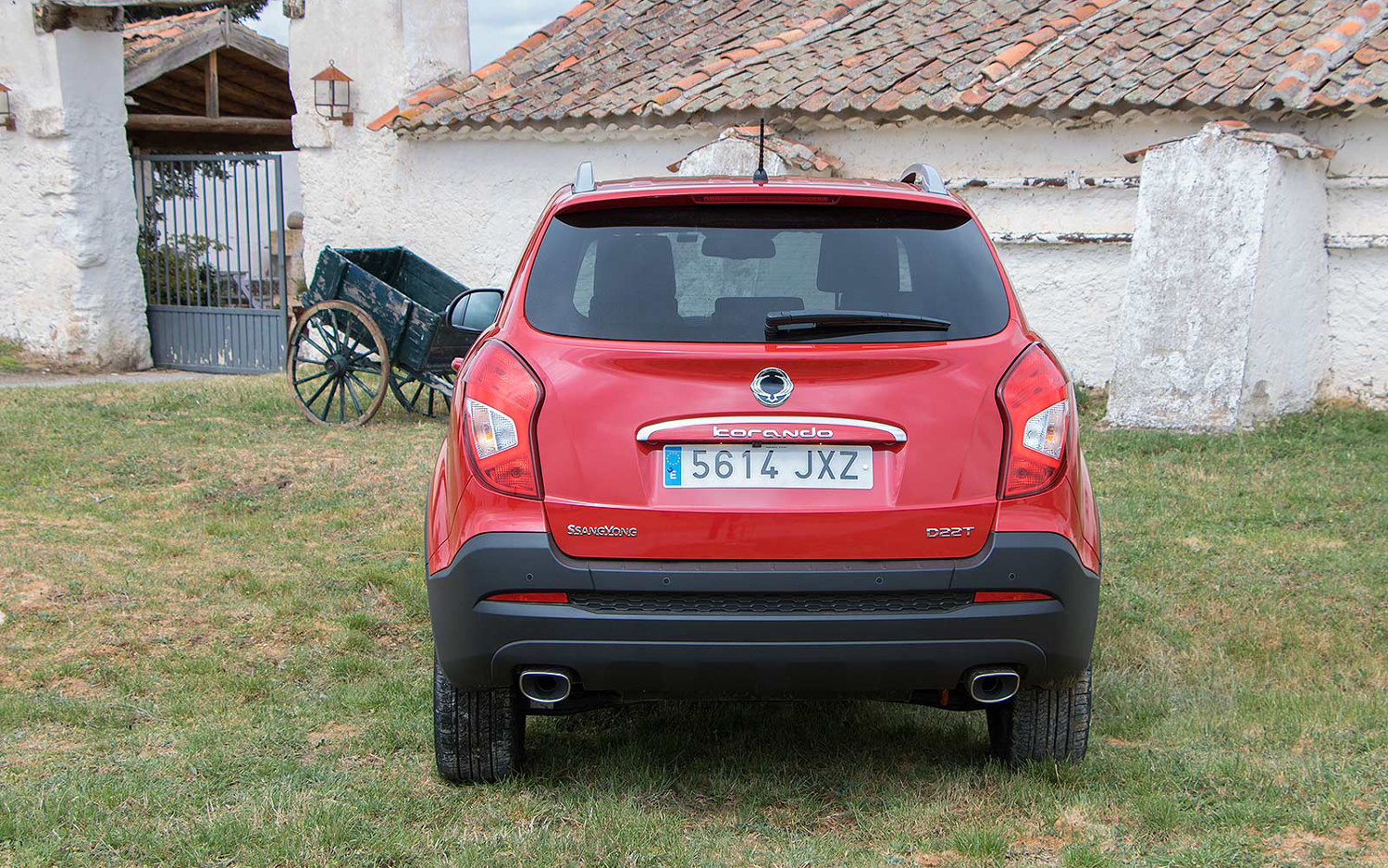
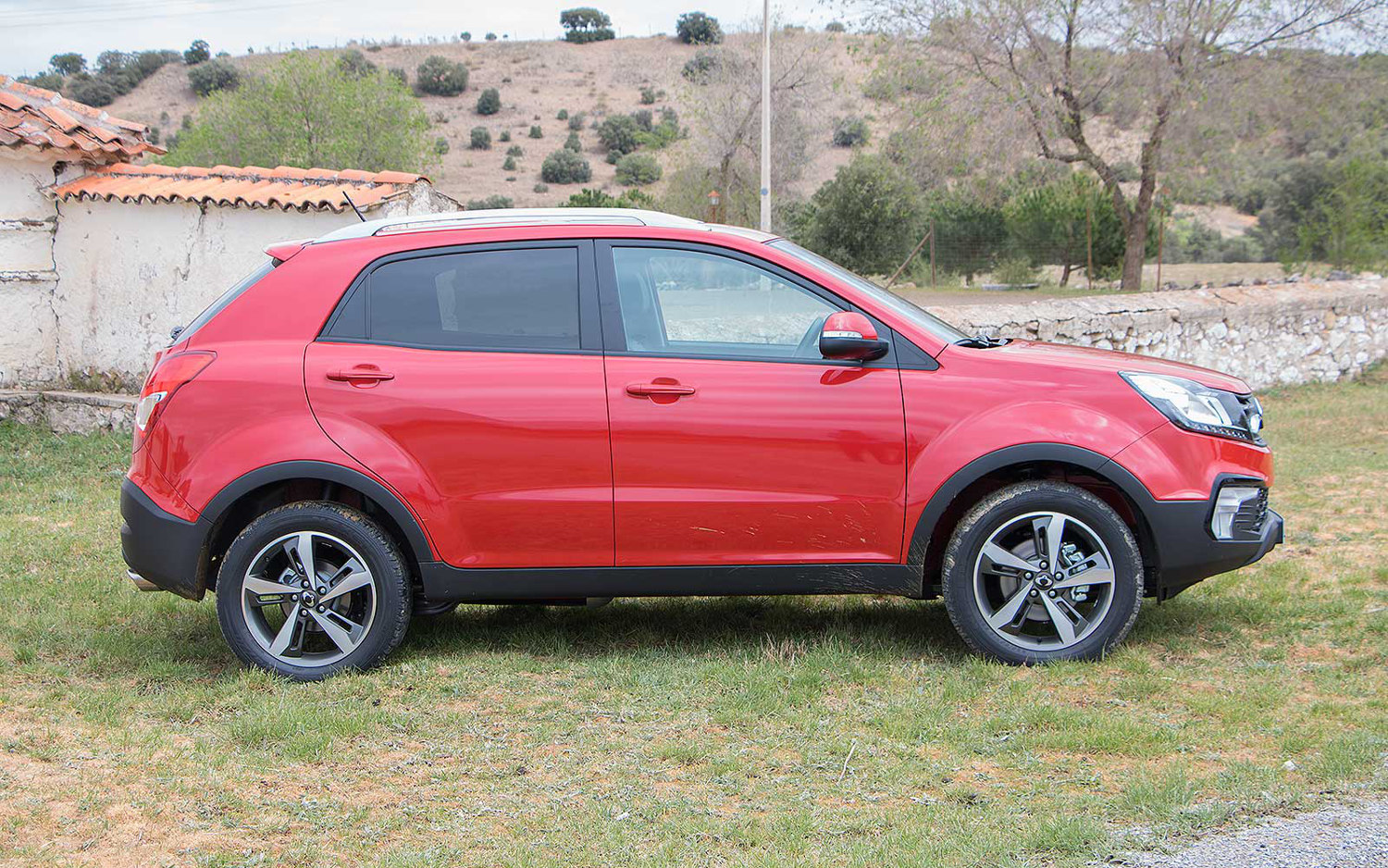
The SsangYong Korando gives you a lot of car for your money – but nowhere near as much as a Dacia Duster.The SsangYong Korando is the brand’s mid-size SUV, pitched as a low-cost rival to the Nissan Qashqai, Hyundai Tucson and Kia Sportage. On the move, the Korando isn’t as stable as a lot of its rivals, either – it tends to wallow about when going around corners and has an uncomfortable ride.
Pros Good value for money Spacious interior Low emissions
Cons Noisy diesel engine Poor-quality plastics Uncomfortable suspension
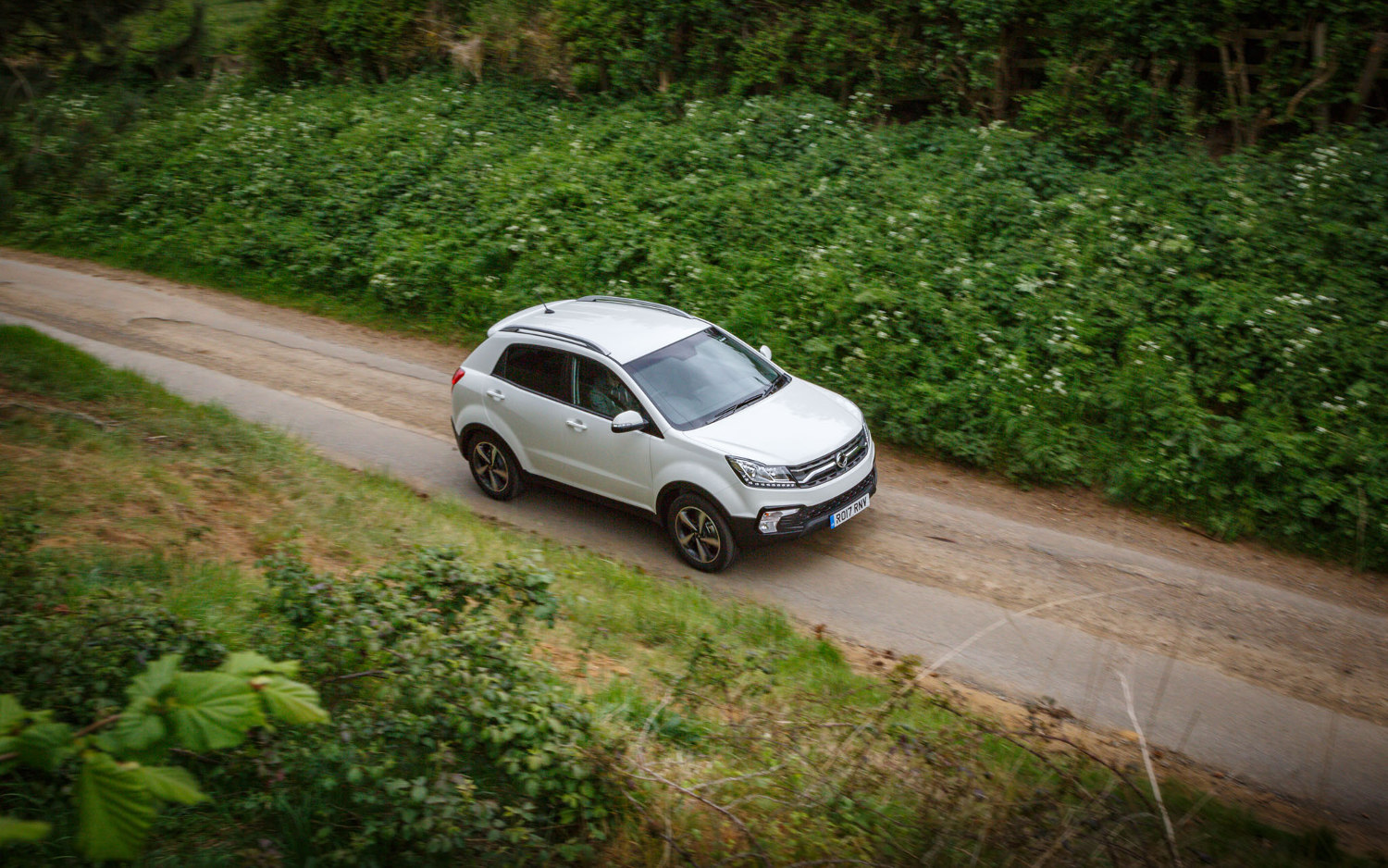
Not only was it a handsome addition to the compact crossover market, it was also the firm’s very first monocoque model – meaning it delivered a far better approximation of a car’s handling characteristics than any of the body-on-frame SUVs that continue to fill out the firm’s modest lineup. On the plus side, the Korando gets large storage bins, reach and rake adjustment for the steering wheel and generous equipment levels on higher-spec models. It is also competitive on interior space; offering decent leg and headroom for rear passengers, and acceptable luggage space. The interior is slightly less forgettable, but only because it comes partly clad in the kind of cheap plastic which cannot otherwise find a home in this class. The redesigned dashboard makes ergonomic sense, although it hasn’t lost any of its brittleness.