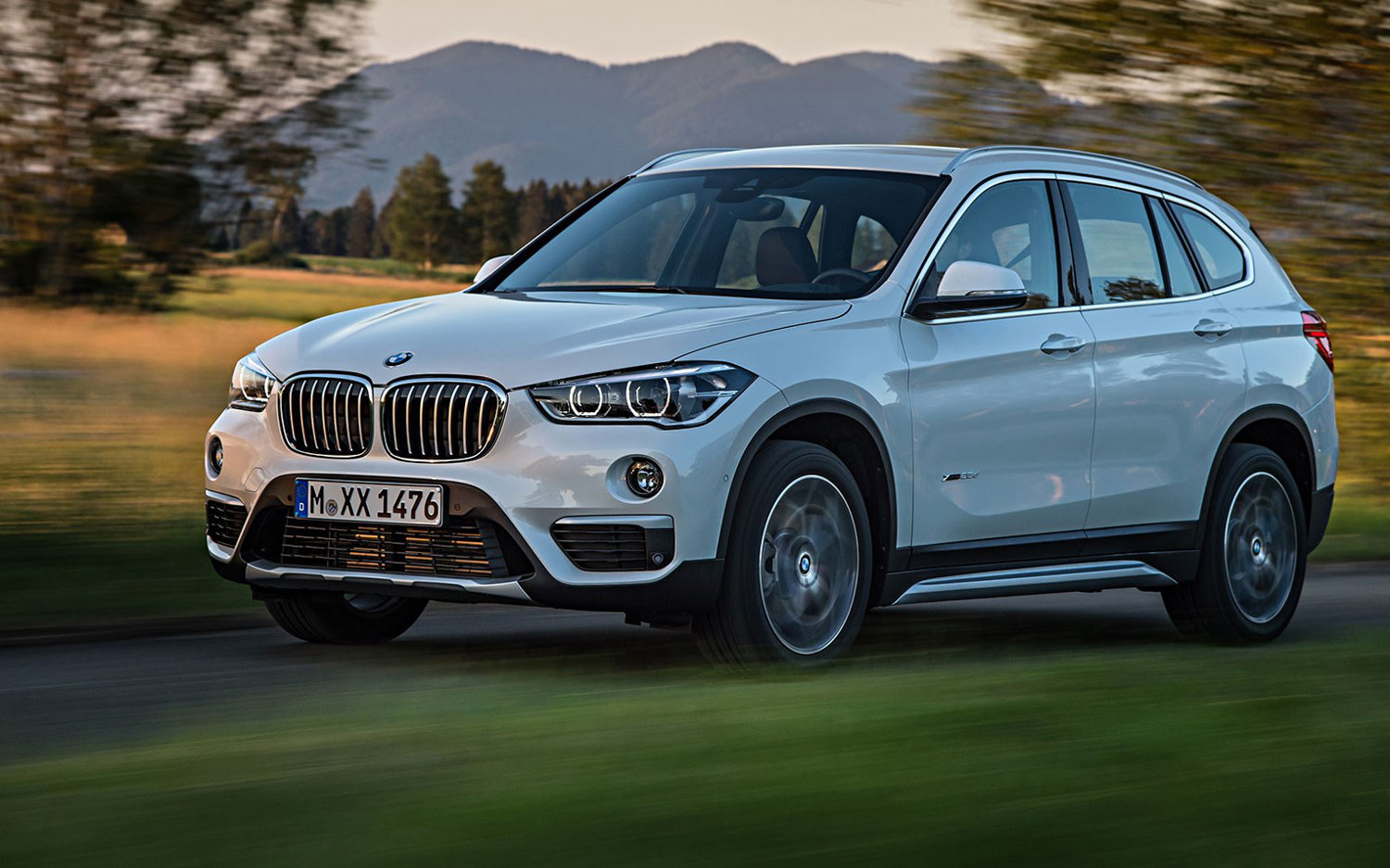
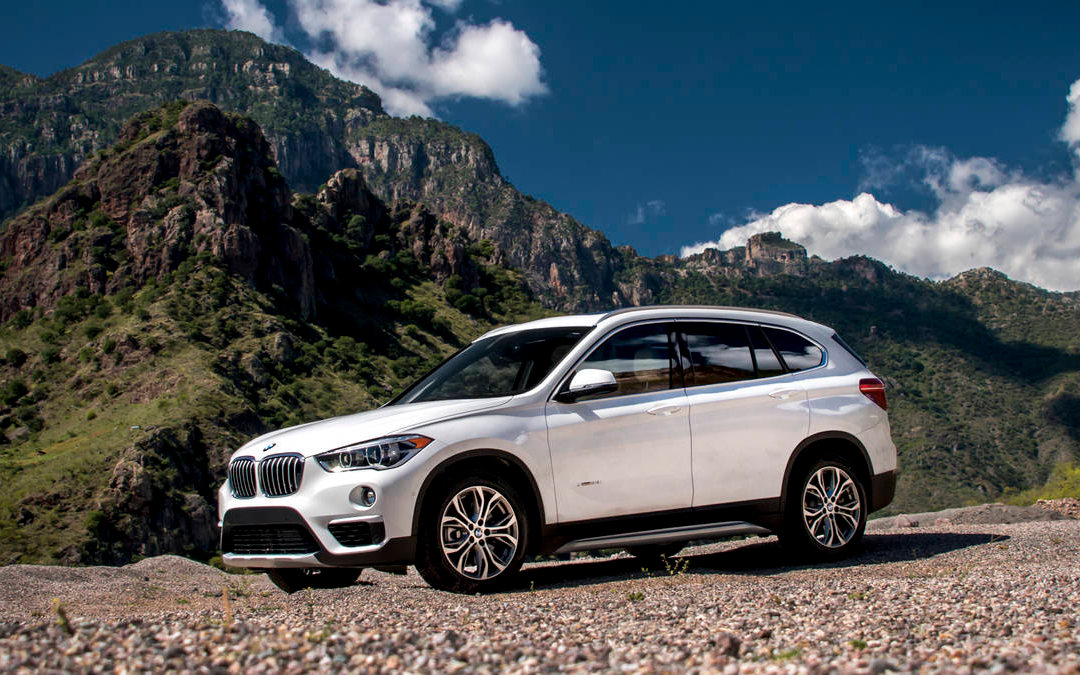
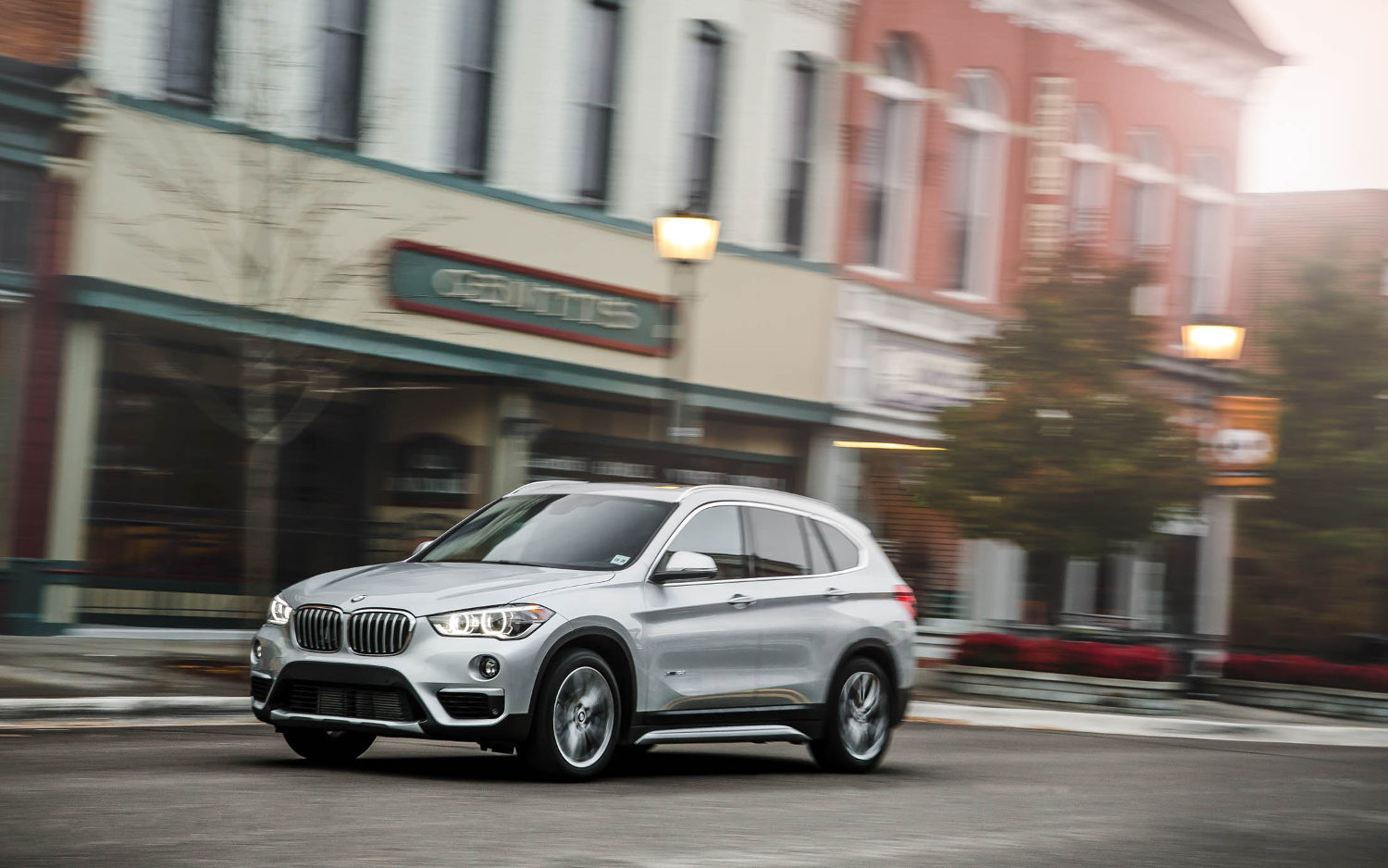
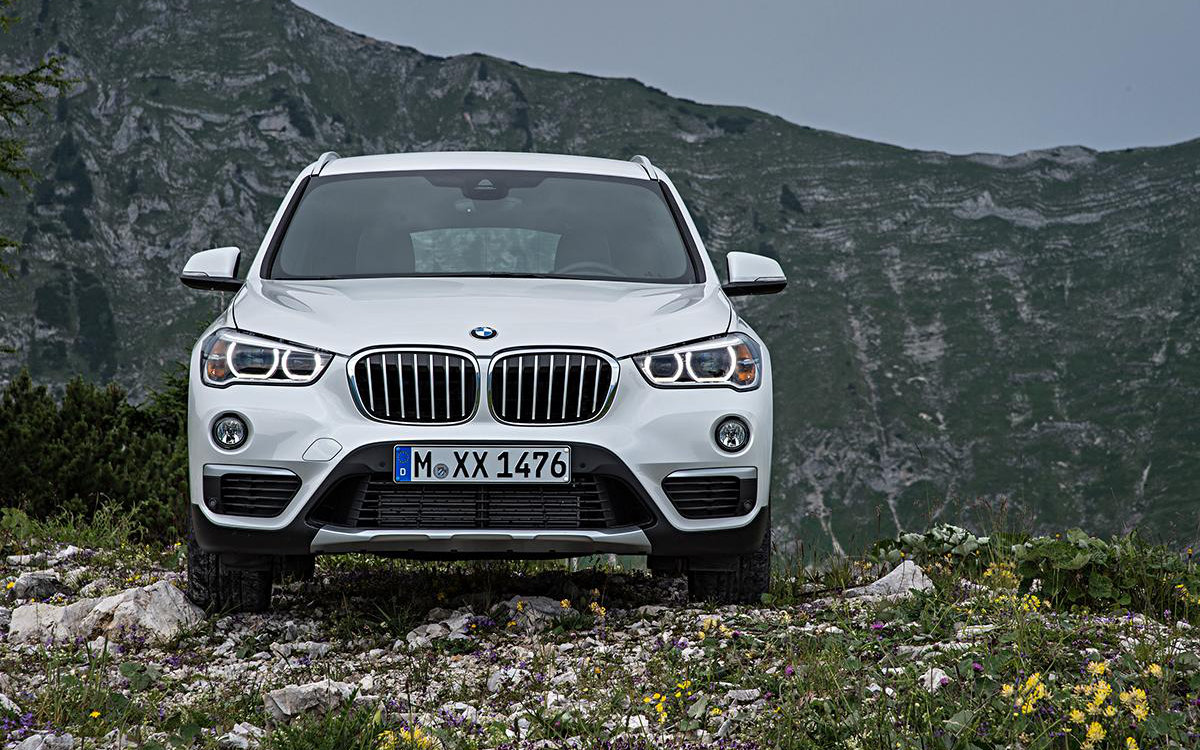
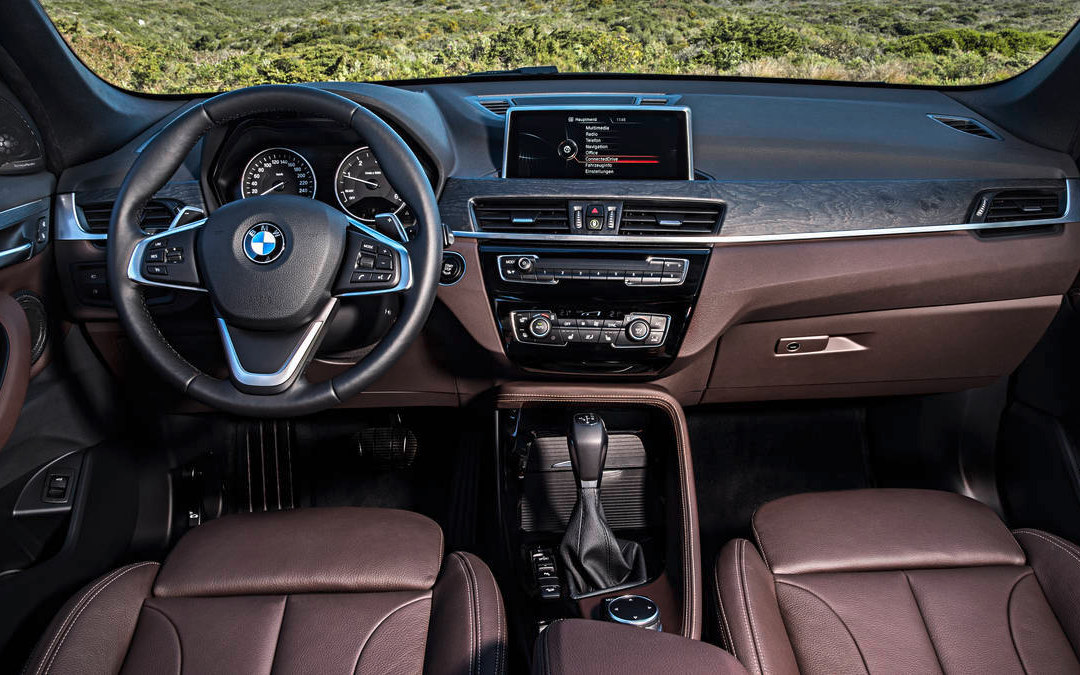
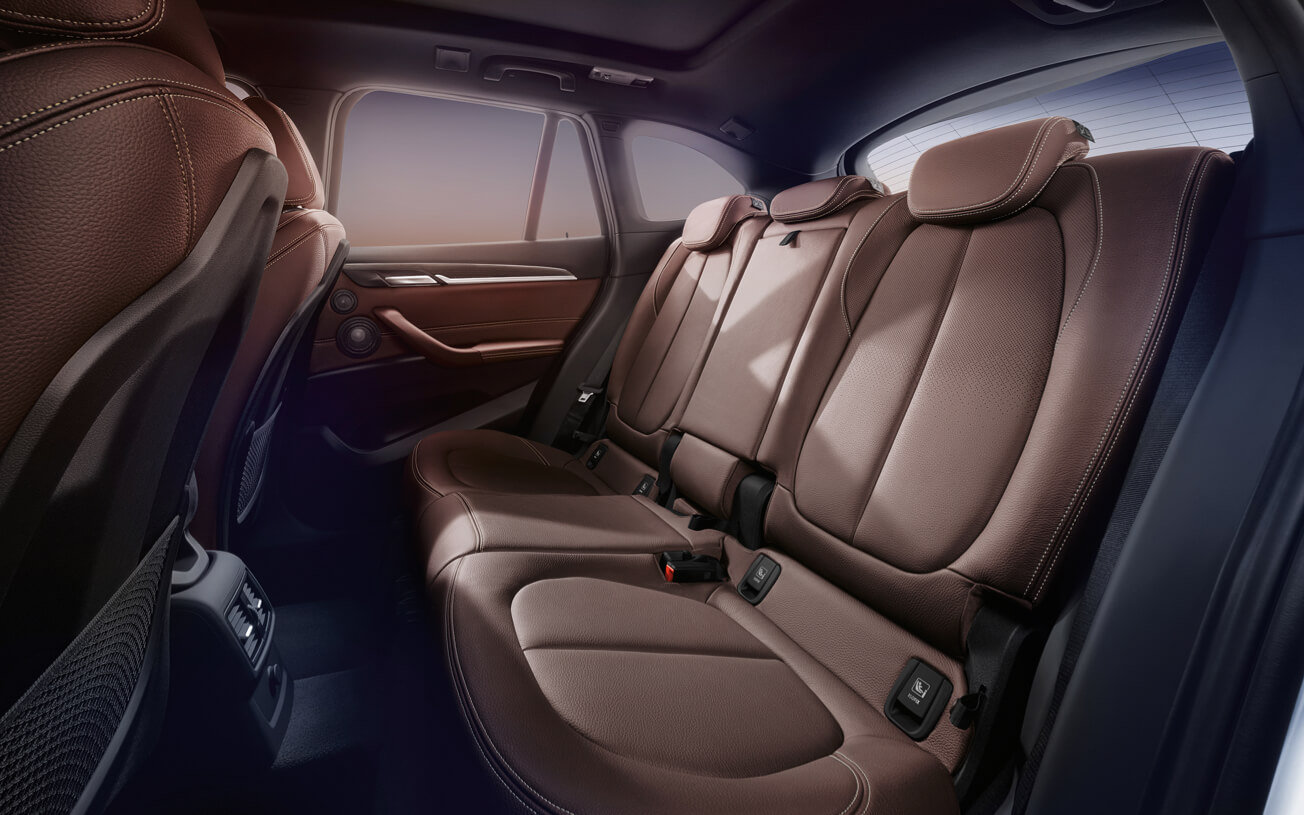
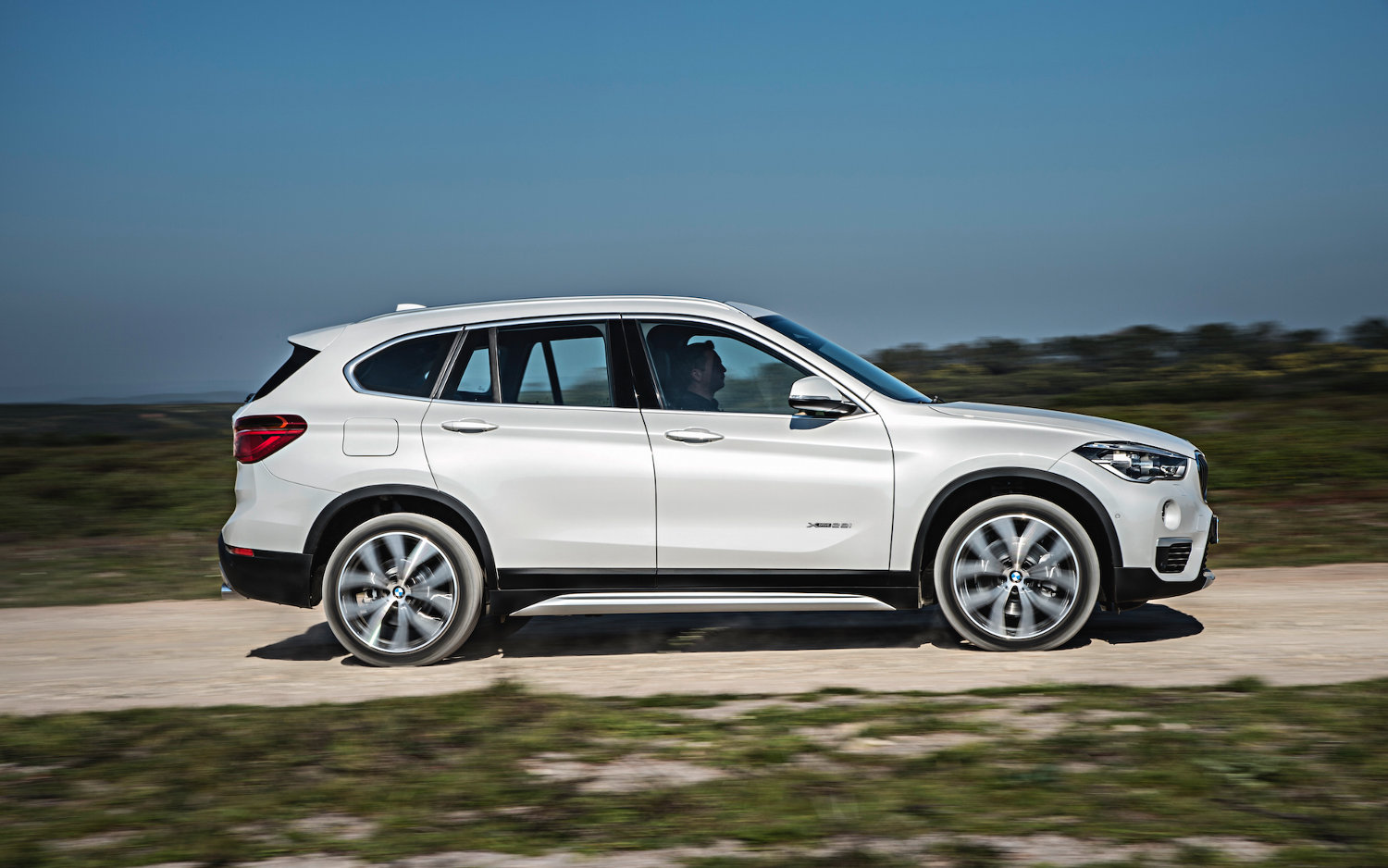
Pleasant to drive and built to a price, the 2017 BMW X1 is a mainstream subcompact crossover that is pleasant to drive but lacks the brand's "ultimate driving machine" performance. The 2017 BMW X1 sits apart from other BMWs. With its front-wheel-drive, Mini-sourced platform, is the brand's entry-level subcompact crossover and a more mainstream, less passionate vehicle than you would expect from BMW. It is offered as the front-drive sDrive28i and the all-wheel-drive xDrive28i, the former added for 2017.
Pros Crossover utility Gutsy turbo 4-cylinder Good rear-seat space Fairly thrifty fuel economy Competitive price of entry
Cons Prices climb quickly with options Some cost-cutting in interior trim Driver assists cost extra Poor front seats
The BMW X1 offers shoppers in the compact luxury crossover category an intriguing blend of performance, comfort and utility. If you're looking for something that cleverly blurs the line between a low-slung sedan and a high-riding SUV, the X1 is worth a test drive. The 2017 X1 is BMW's smallest and most affordable utility vehicle, yet it offers a surprising amount of passenger and cargo space. It delivers trademark BMW quality inside and out, and despite having less power than earlier versions, the X1 still accelerates and handles better than most in its class.
Pros Strong performance from its turbocharged engine One of the best-handling compact luxury crossovers you're going to find More rear passenger and cargo room than most other competitors High-level interior fit, finish and materials
Cons Standard sport suspension can be jarring on rough roads Steering feels less precise than some of BMW's sport sedans.
The 2017 BMW X1 ranks 1 out of 5 Luxury Subcompact SUVs. The 2017 BMW X1 finishes near the top of our luxury subcompact rankings because of its good performance, upscale and spacious interior, and outstanding cargo space for the class.
Pros Quick acceleration Athletic handling Roomy back seat Outstanding cargo capacity
Cons No standard driver assistance features
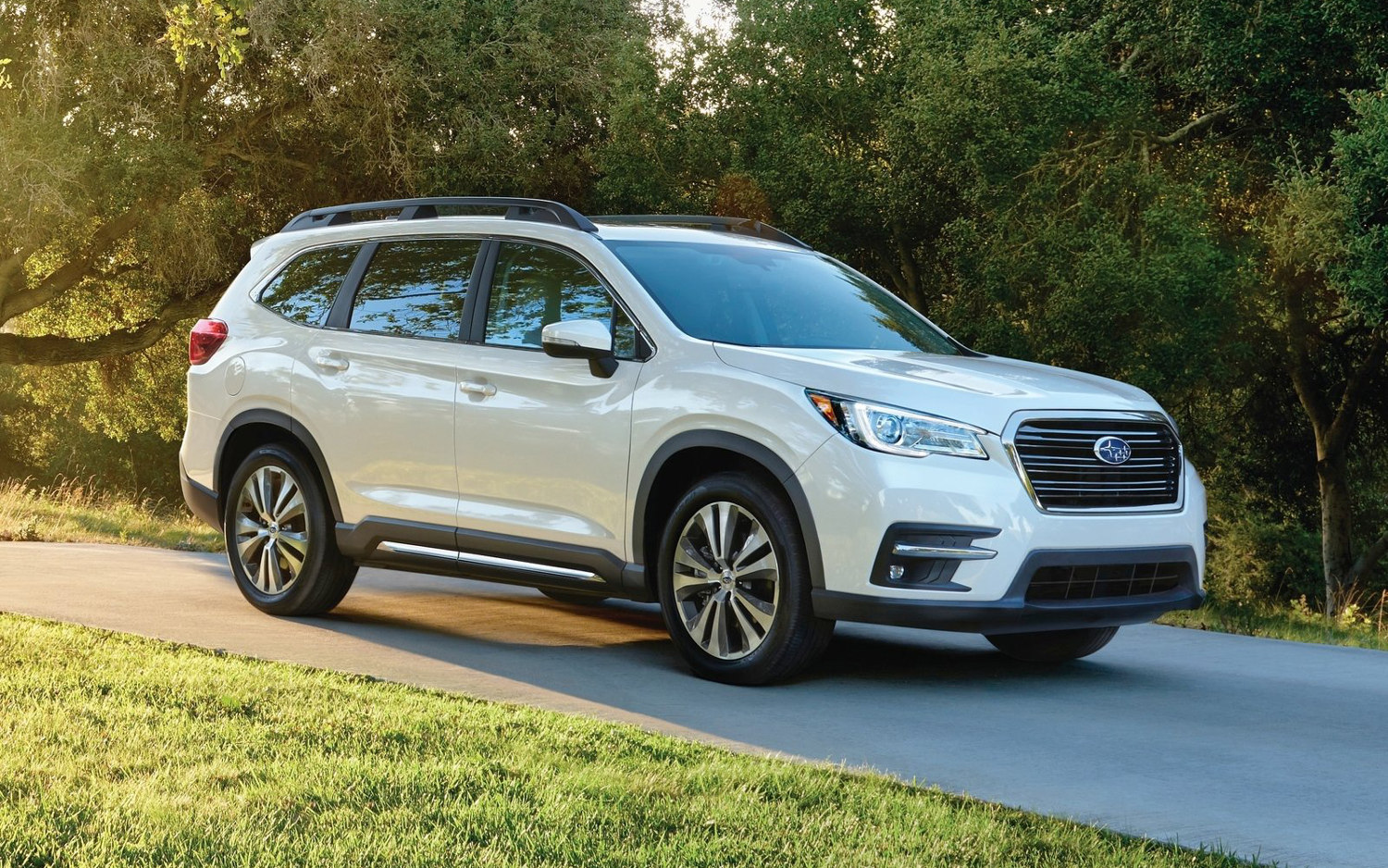
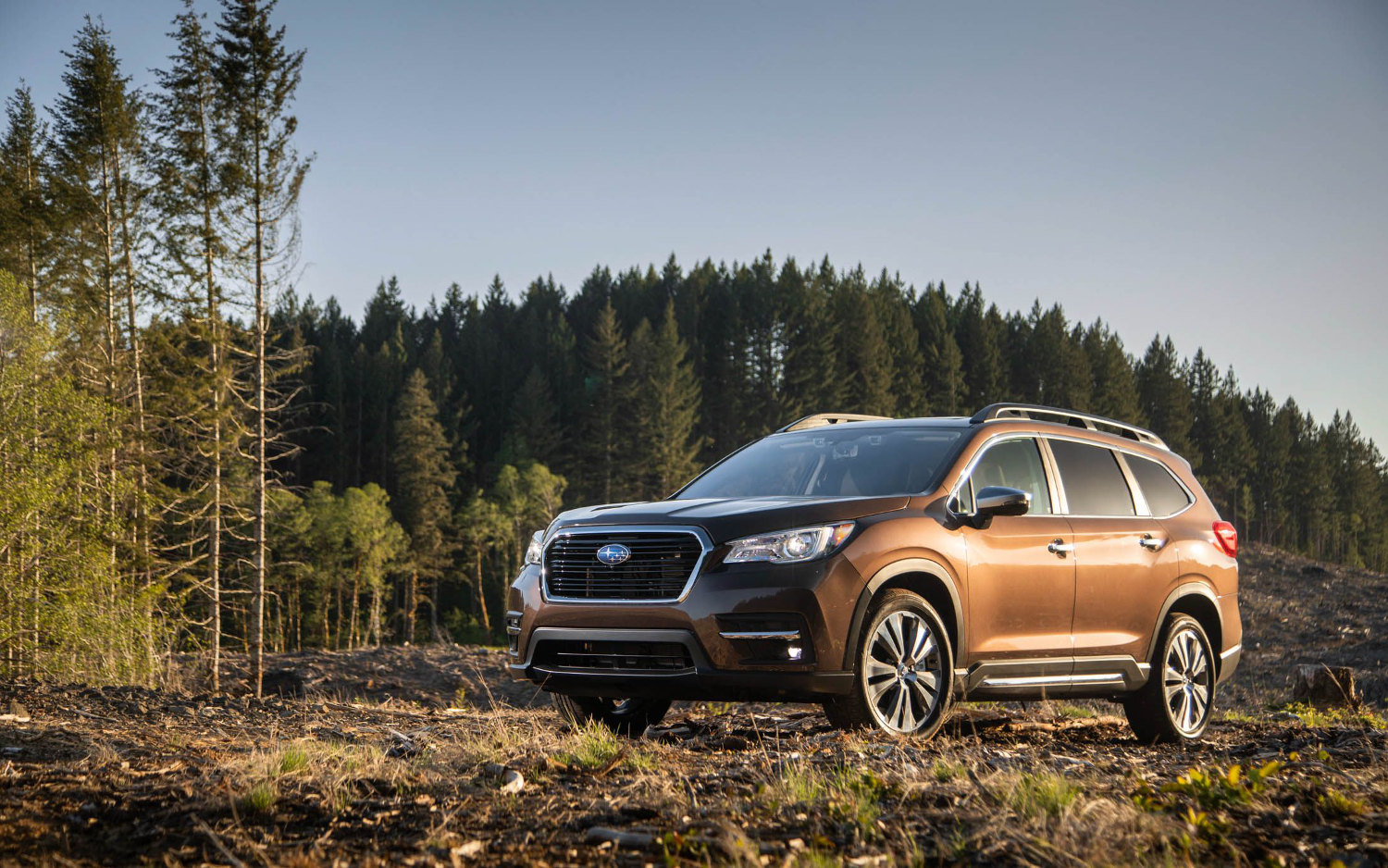
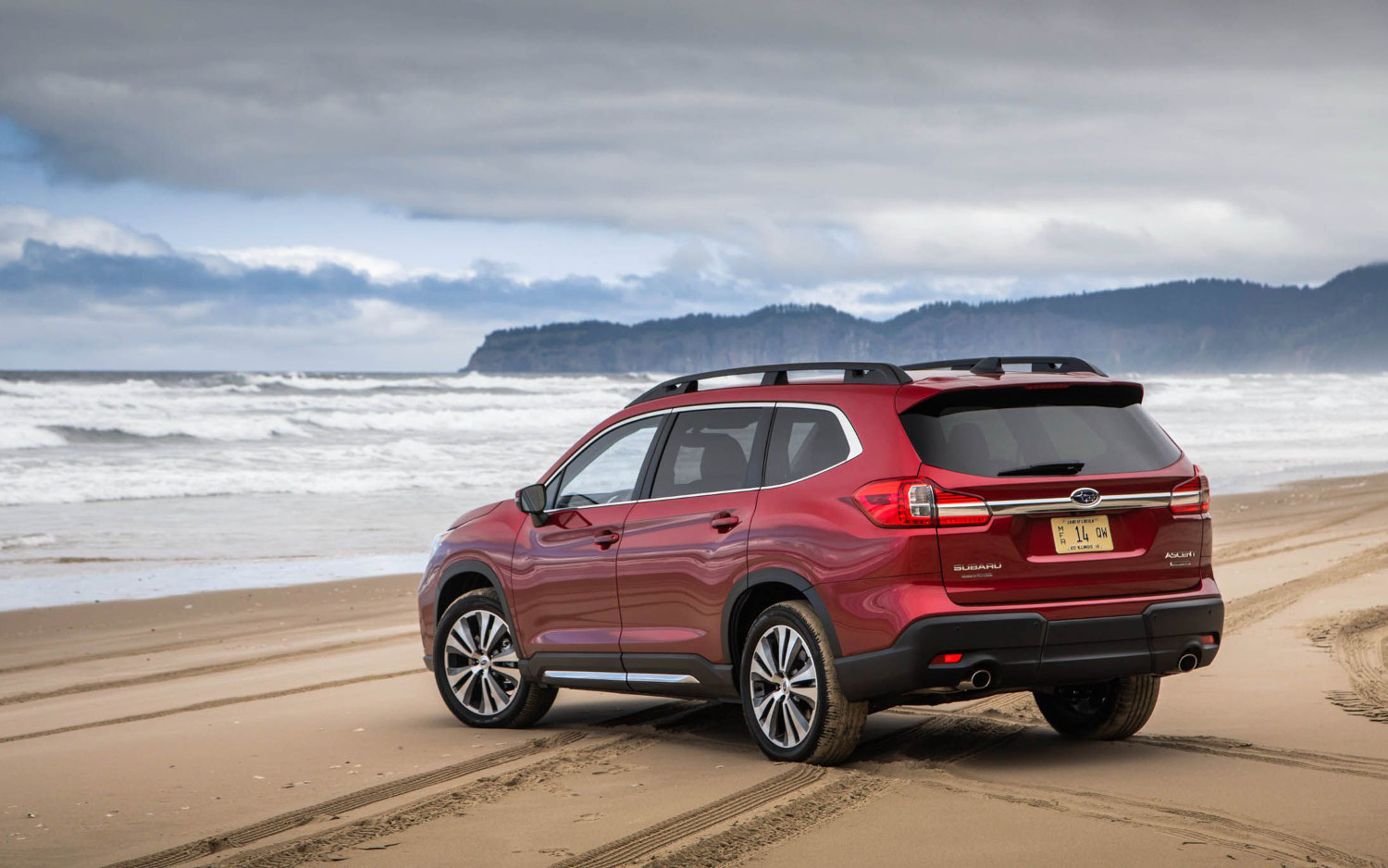
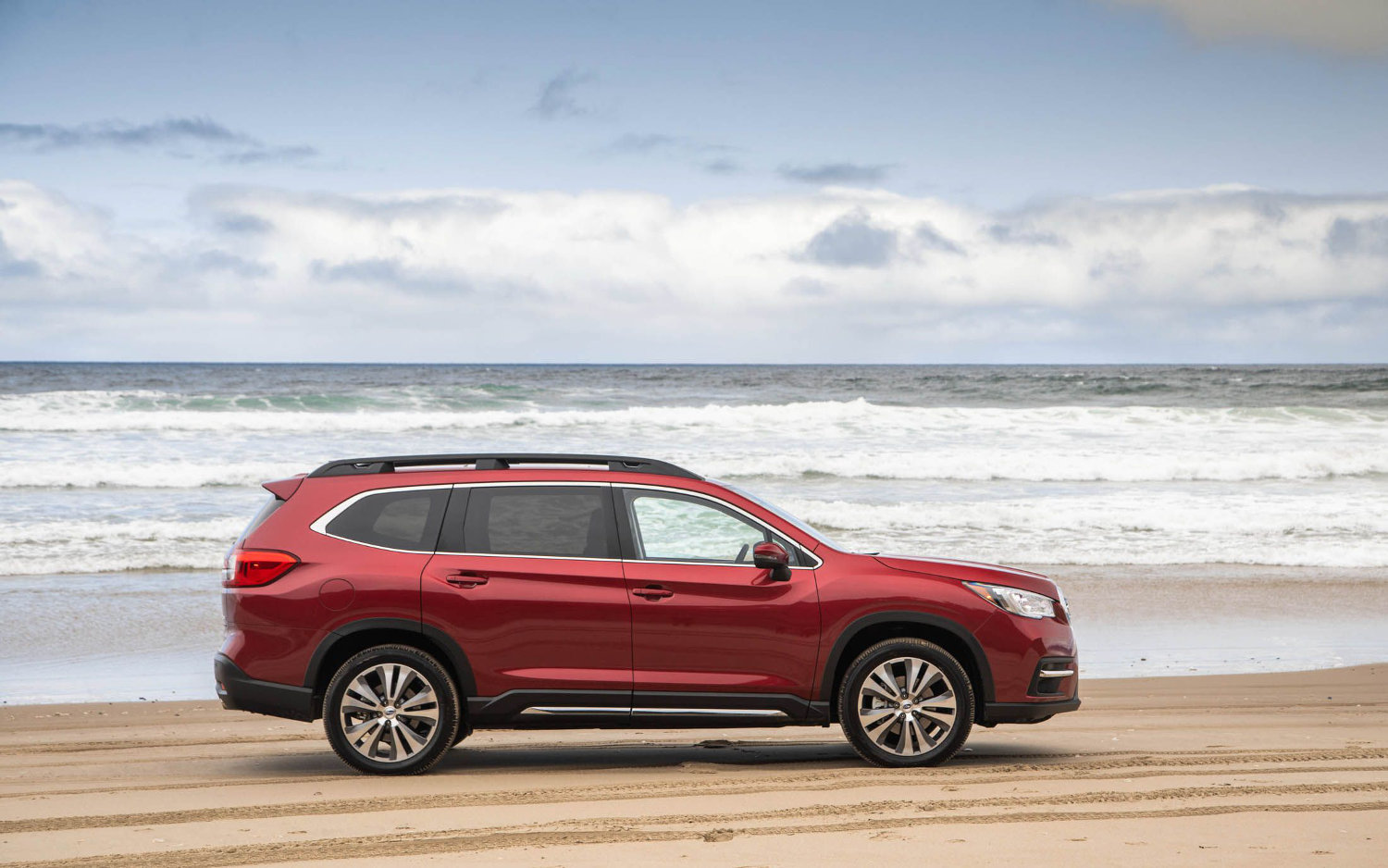
The 2020 Subaru Ascent is nearly as rational a family hauler as a minivan.
Pros Well-conceived interior Standard AWD Lots of safety tech Decent power Great value
Cons Short on powertrain refinement Seats a little narrow Fuel economy just so-so Hardly stylish
The 2020 Subaru Ascent comes with all wheel drive. Available transmissions include: continuously variable-speed automatic.Adds a standard rear-seat reminder alert system.Adds power-folding side mirrors.
PROS Substantial list of standard and optional driving aids High-quality interior materials Generous ground clearance and standard all-wheel drive Easy-to-use infotainment system
CONS Accelerator pedal is too touchy Invasive engine and tire noise Not much second-row shoulder room, and third row is tight Rolling over bumps at higher speeds sends vibrations through the cabin
Since the Ascent was all new for 2019, Subaru makes the mildest of changes to its largest model for 2020. A newly standard alert system—called Rear Seat Reminder—helps to prevent people from leaving items in the back seats by beeping a warning and displaying a message on the instrument panel. Starting with the Premium trim level, each Ascent now features one-touch controls to turn the interior lighting on or off. The 2020 Ascent now offers a vehicle lock button with its optional power-operated rear gate, and the top-tier Touring version receives power-folding exterior mirrors with built-in turn signals. Measuring 204.7 inches long and sitting on a 117.7-inch wheelbase, the Viziv-7 is some 15 inches longer than Subaru’s Outback, and its wheelbase is more than nine inches greater. The Viziv-7 also is larger than most mainstream three-row, mid-size crossover SUVs. While the Buick Enclave, the Chevrolet Traverse, the Dodge Durango, and the Ford Flex ride on longer wheelbases, the Subaru’s overall length is greater than all four. Additionally, the Viziv-7’s 79.9-inch width and 72.0-inch height (73.2 inches including the roof rails) are tops among today’s segment offerings. Needless to say, if the Viziv-7’s dimensions carry over to the production vehicle, Subaru’s new SUV promises to dwarf the other models in the lineup as it attempts to move far beyond the cramped Tribeca
We believe the production vehicle will go by the name Ascent, given that Subaru recently registered that moniker with the U.S. Patent and Trademark Office. Spy photographers recently caught Subaru testing its new three-row crossover, and along for comparison was both a Mazda CX-9 and a Ford Explorer; like them, we expect the Ascent to offer a turbocharged four-cylinder engine, although the 3.6-liter six-cylinder boxer engine that’s optional in the Outback is also a possibility. We’ll know more in the coming months, as Subaru says its production three-row crossover will enter our market in early 2018.
The 2020 Subaru Ascent ranked #5 in Midsize SUVs. Currently the Subaru Ascent has a score of 8.1 out of 10 which is based on our evaluation of 24 pieces of research and data elements using various sources.
Pros Large cargo area Lengthy list of standard safety and tech features Cabin is airy, quiet, and comfortable Balanced ride and handling
Cons Some rivals have roomier third-row seats