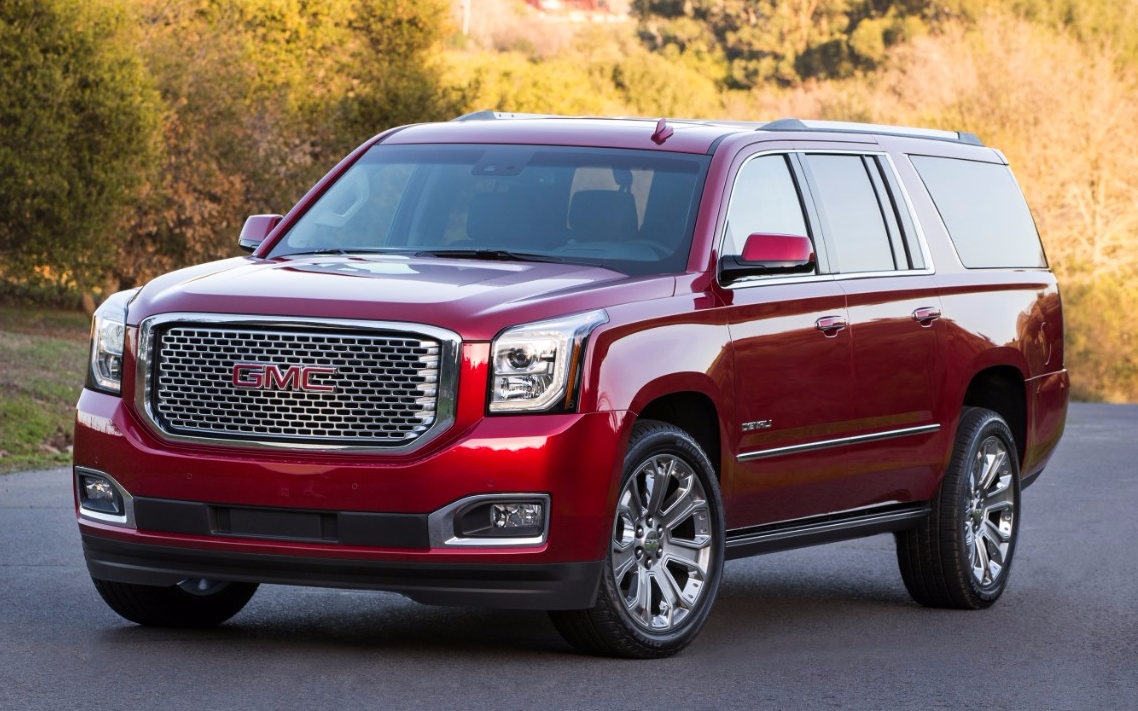
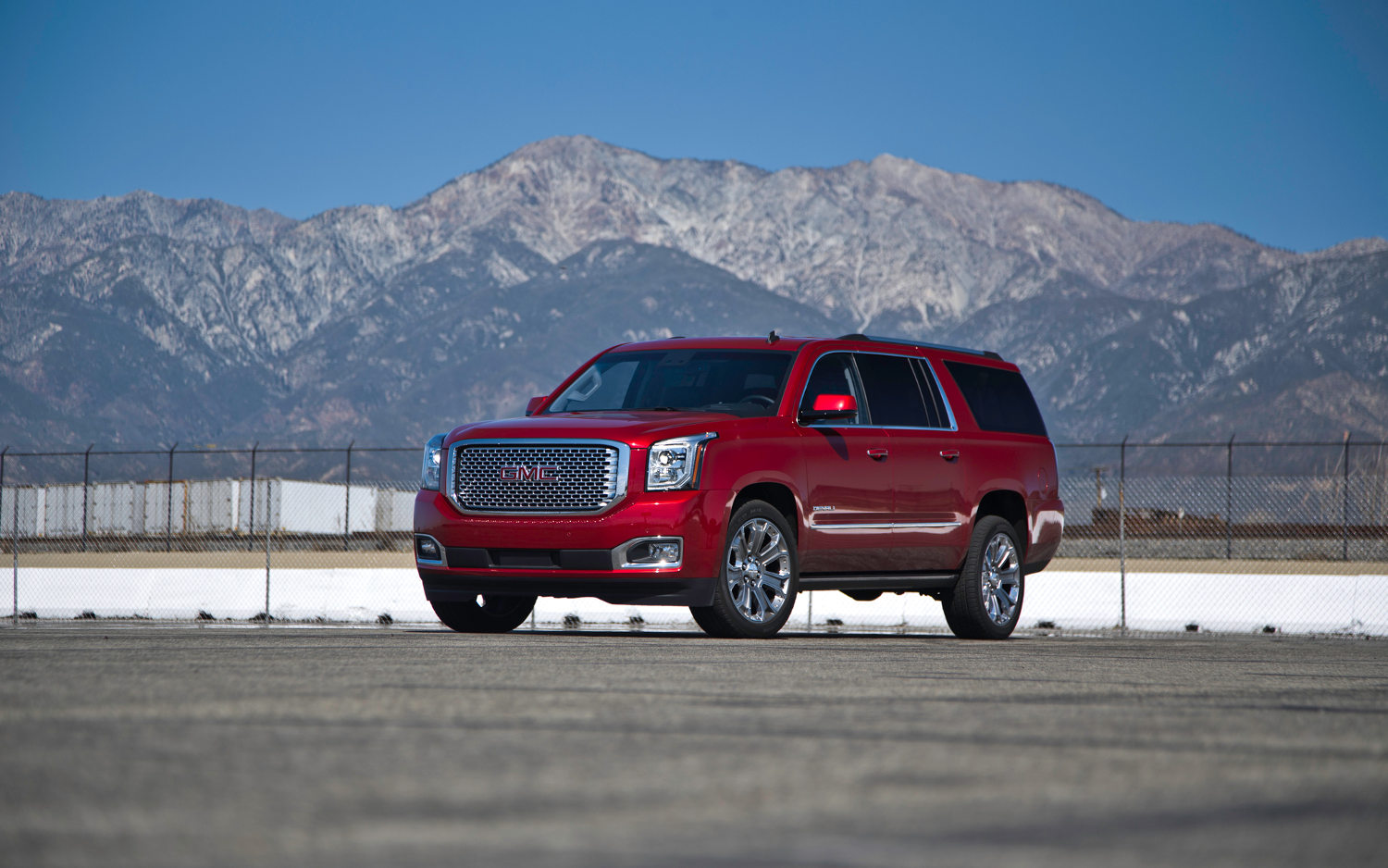
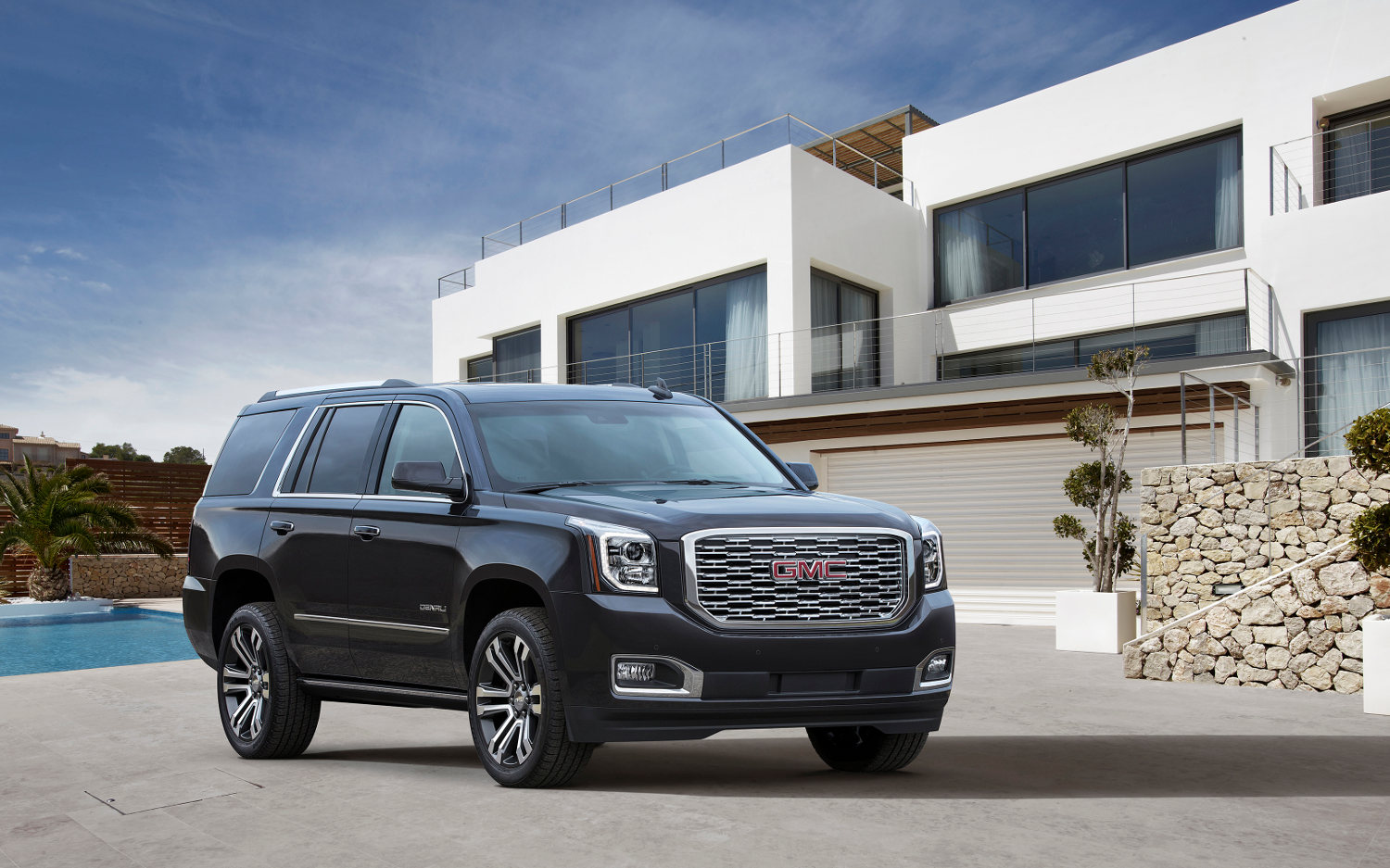
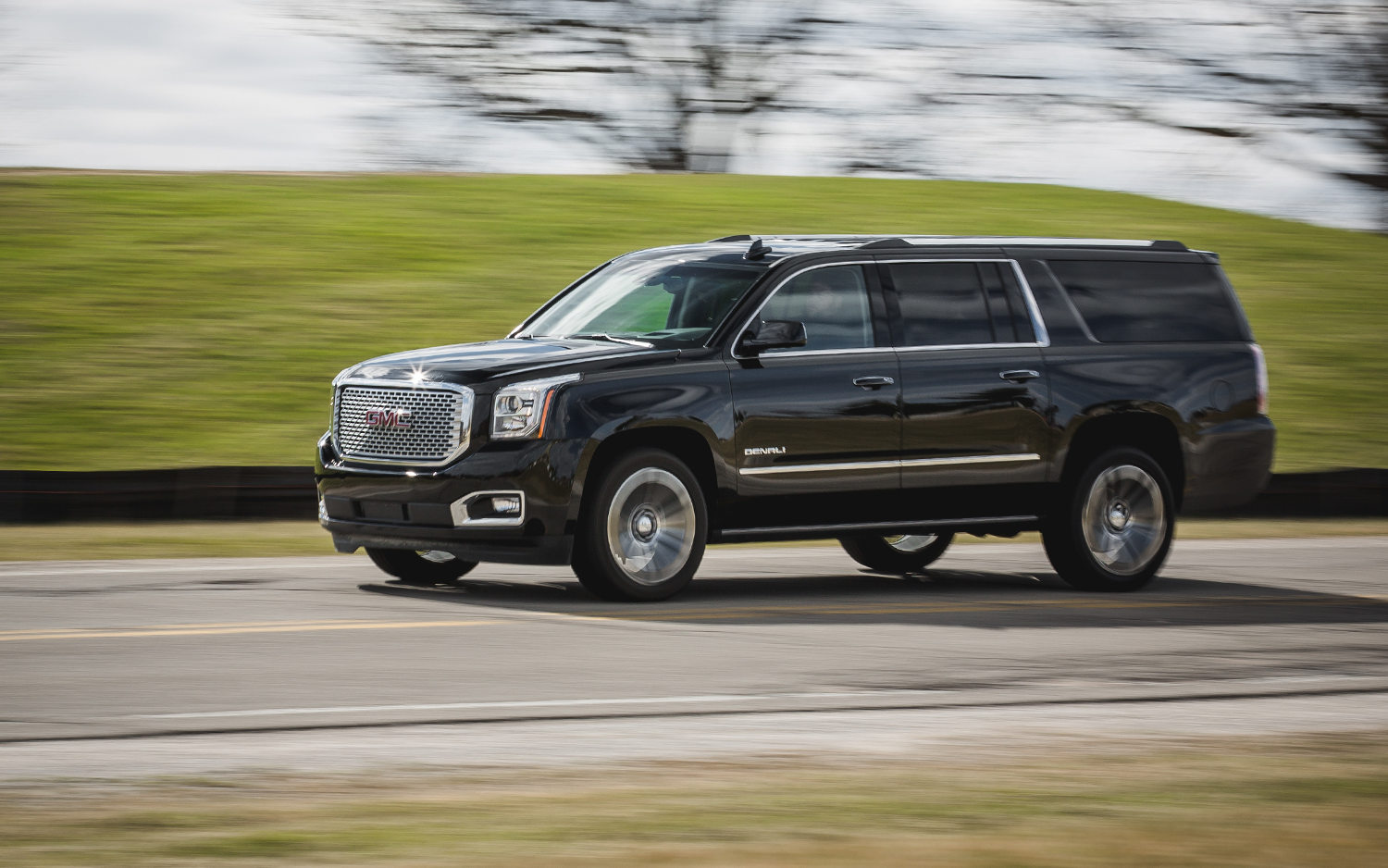
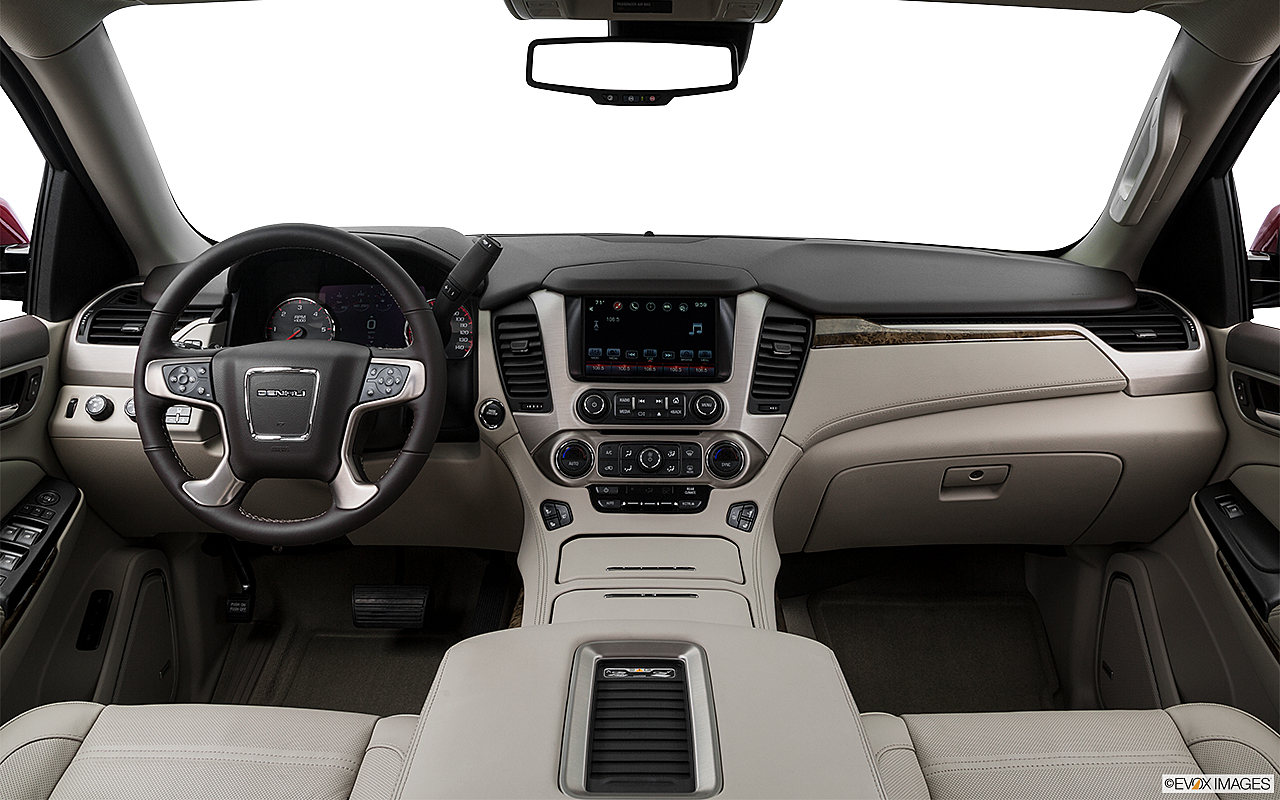
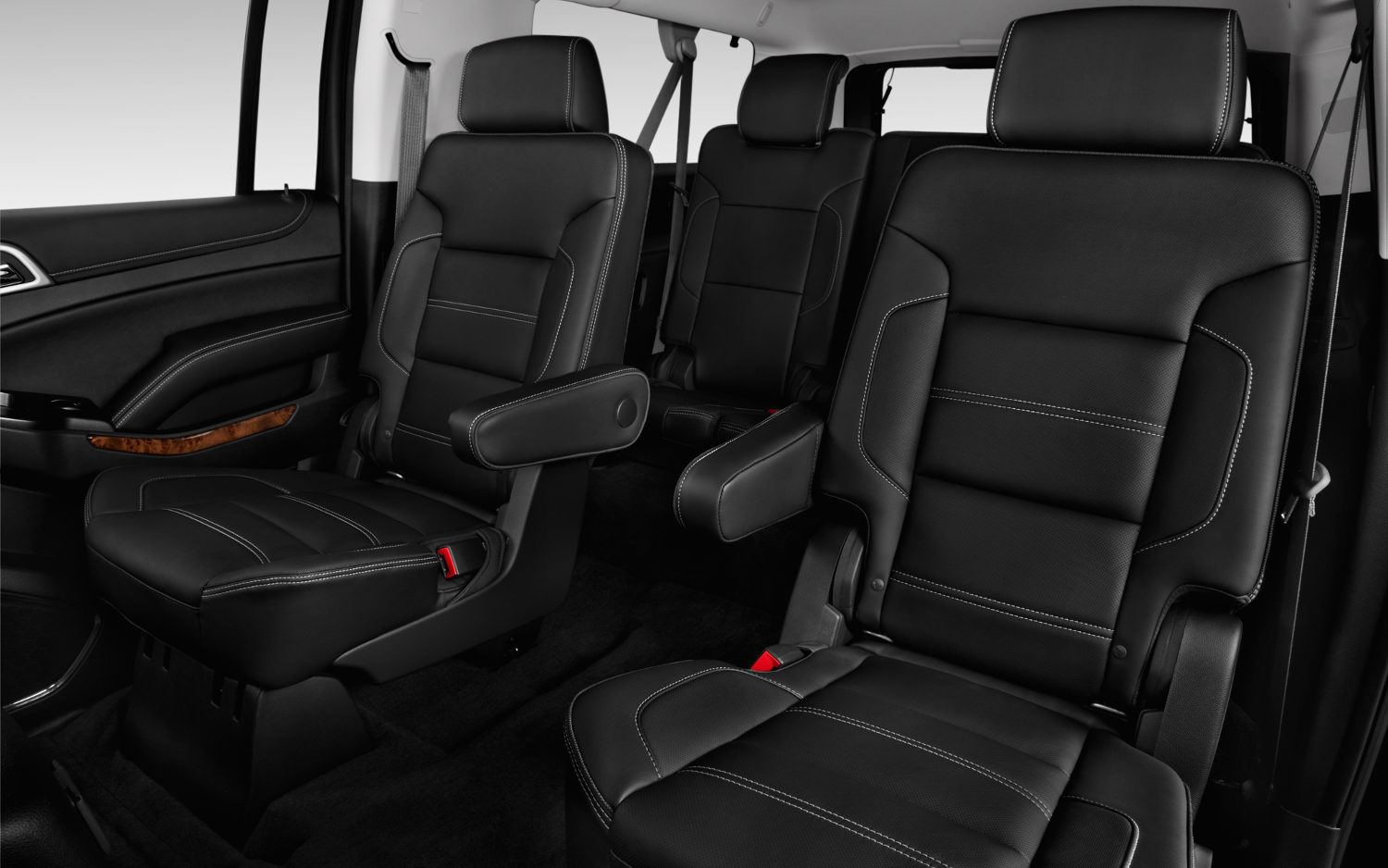
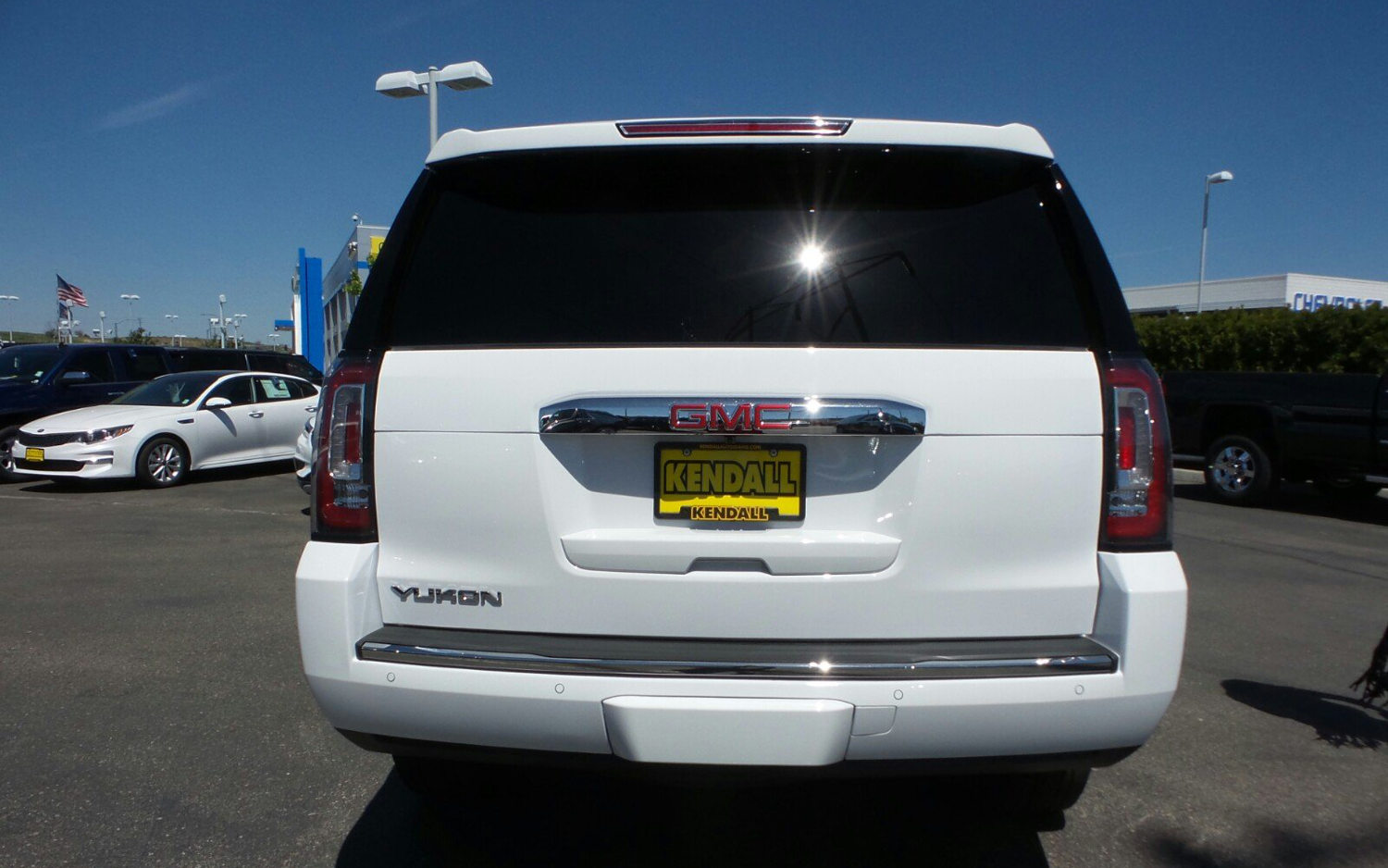
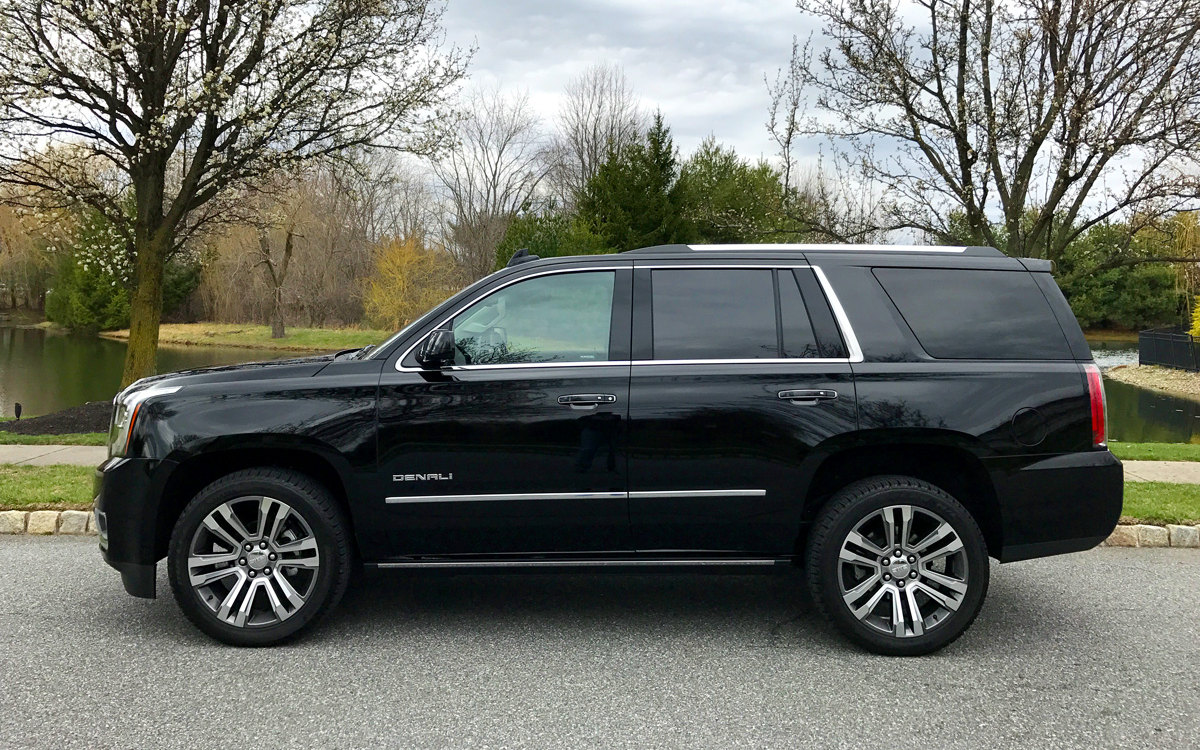
If you've got a lot to haul, the GMC Yukon range is one of the best ways to do it. But if not, consider a crossover that will use much less fuel and be better to drive. Its spec sheet may read like an SUV from a different era, but the 2017 GMC Yukon range is a highly-refined passenger, cargo, and trailer-hauler that makes a compelling choice to those who need to carry around more than just the family.
Pros Refined demeanor Sauve interior Denali's Magnetic Ride Control Automatic emergency braking
Cons Expensive, especially with options Third row folds flat but takes up a lot of room A crossover may make more sense for many
For 2017, the GMC Yukon receives low-speed automatic braking paired with the existing forward collision warning system and a teen-driver management system. Cooled seats have now been replaced with ventilated seats, the rear entertainment system input has been updated, and a head-up display is standard on the Denali trim.
Pros Seating for up to nine passengers Standard V8 engine delivers ample passing power and a stout tow rating Clean cabin design is one of the best in the class Available two-speed transfer case gives the Yukon the ability to tackle difficult off-road terrain.
Cons High cargo floor height makes loading bulky items difficult Hard to maneuver in tight spaces Less cargo room than car-based SUVs of similar size Maximum passenger capacity is available only in the base model Engine doesn't respond to gas pedal inputs quickly enough.
The 2017 GMC Yukon ranks 3 out of 6 Large SUVs. The GMC Yukon gets high scores and a high ranking in the small – but fierce – large SUV class. Its strong performance and attractive interior keep it ranked above most other options.
Pros Decent power Stellar fuel economy for the class Premium interior materials Large cargo hold in XL trim
Cons Slow-to-shift six-speed transmission Limited cargo space in non-XL models
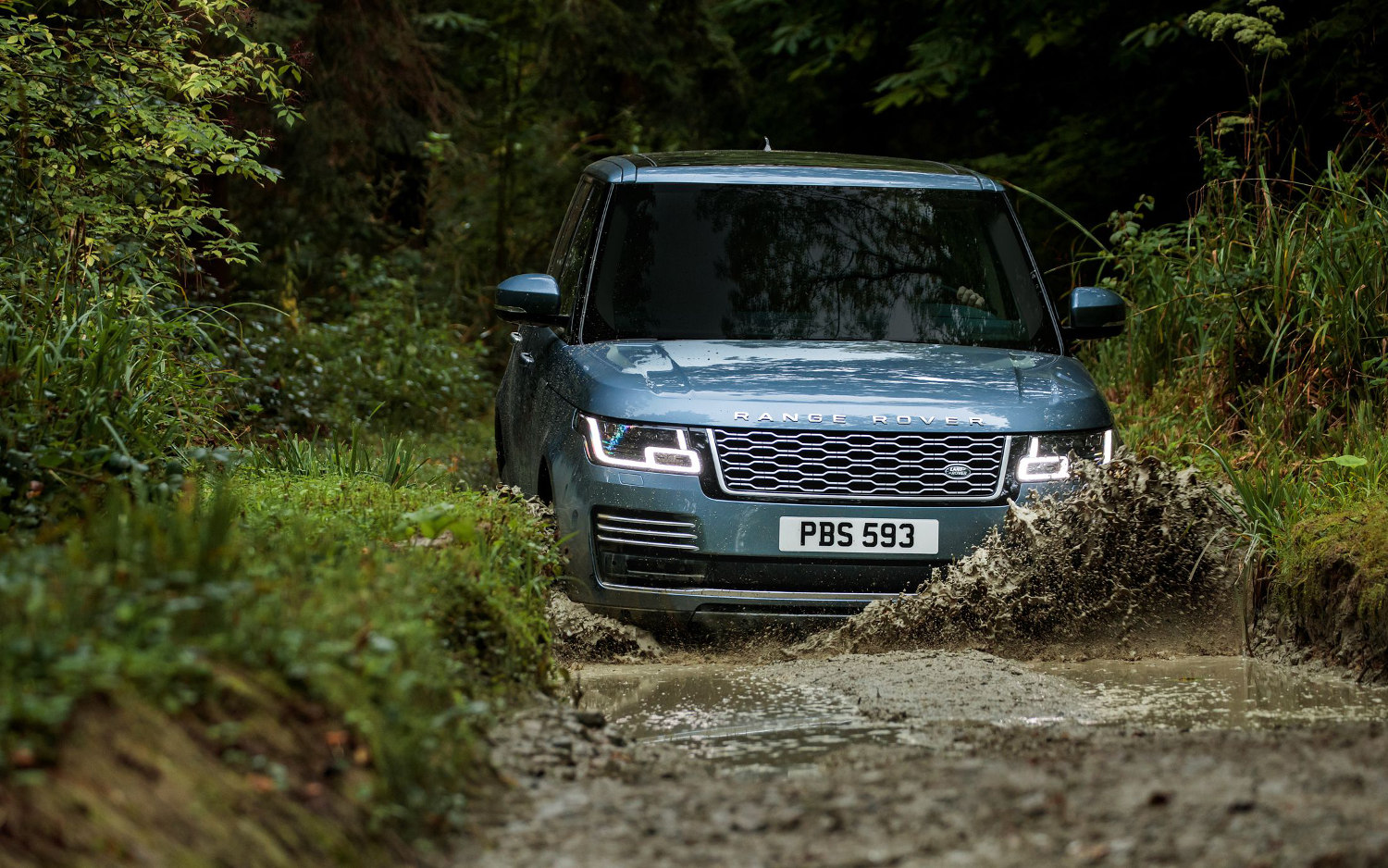
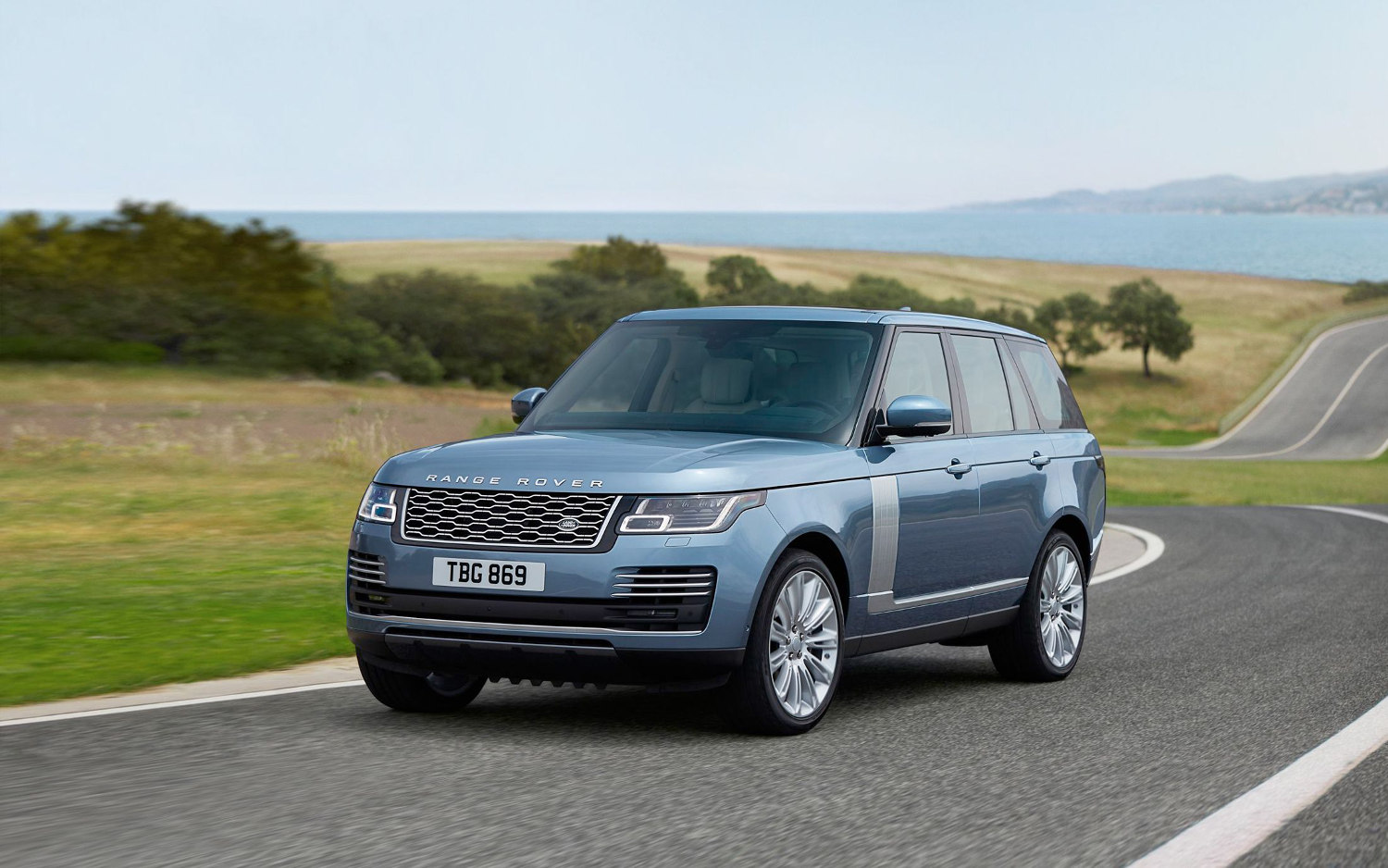
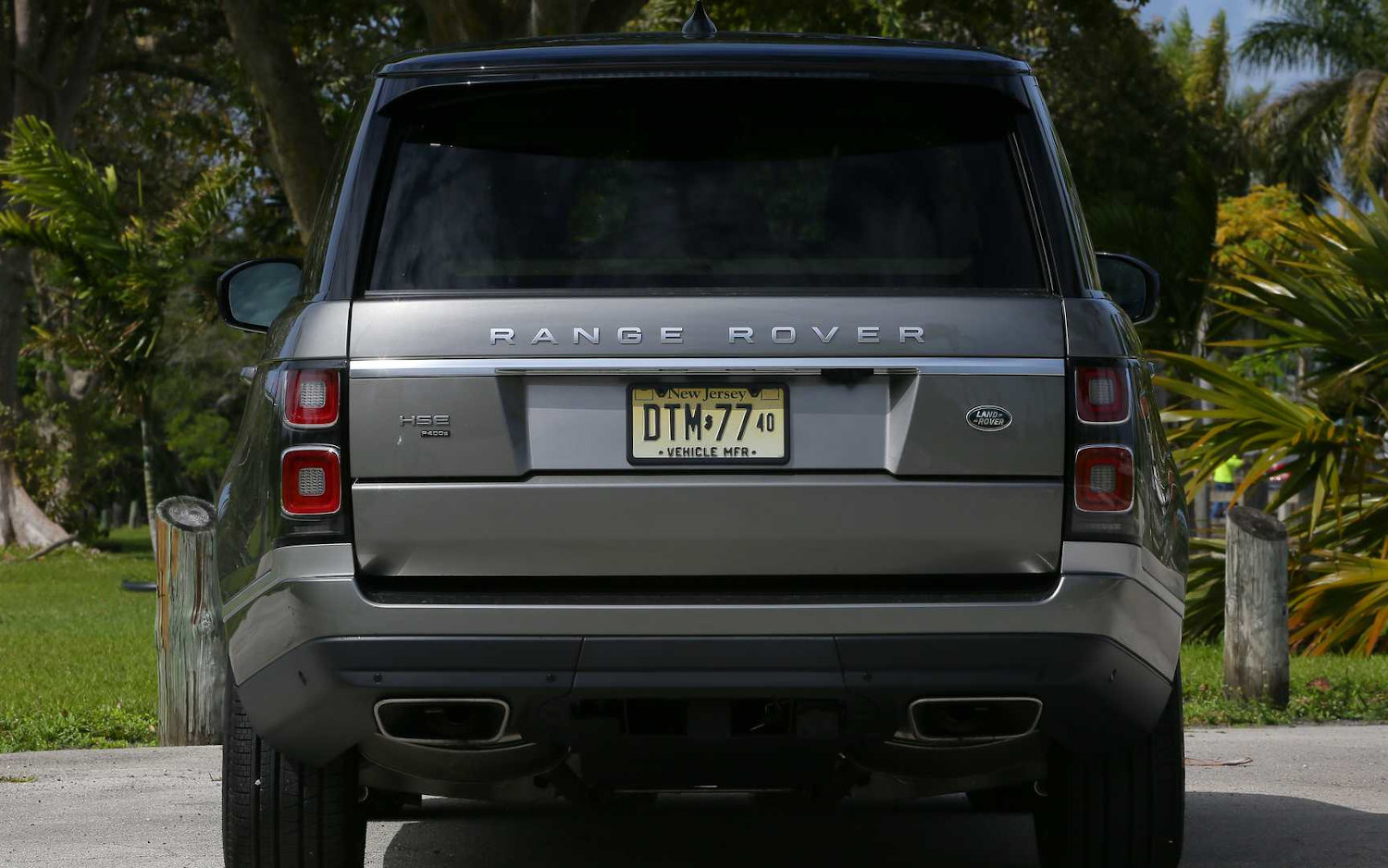
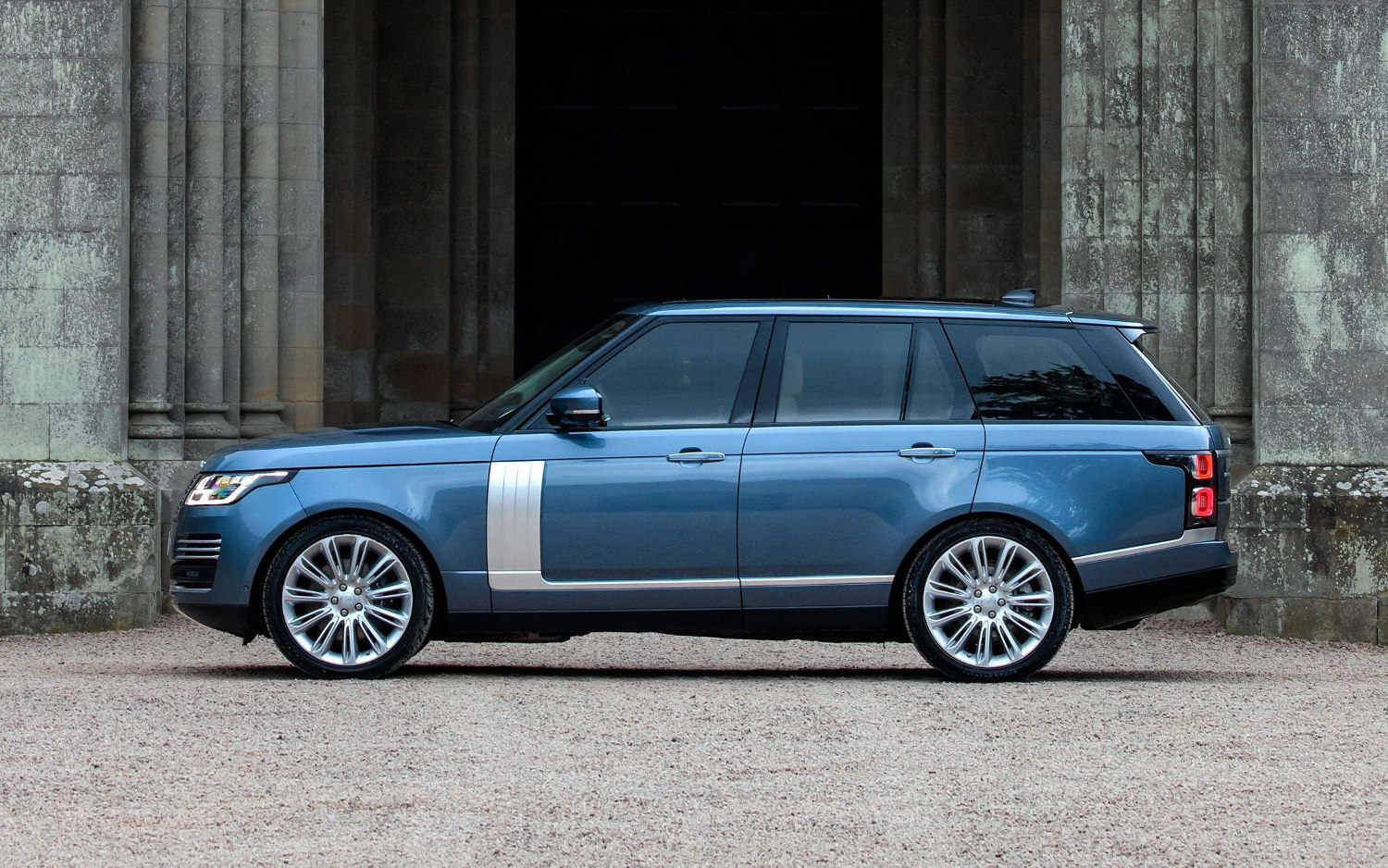
After being delayed a year, the plug-in hybrid powertrain finally launches on 2020 Range Rover models. Known as P400e, the electrified powertrain consists of a turbocharged 2.0-liter four-cylinder and an electric motor—together they make 398 combined horsepower—and can power the big Range Rover for up to 31 miles on electricity alone. But that's not the only powertrain change for 2020: The base V-6 engine from last year has been replaced with a turbocharged inline-six with electric assist. In the base P360, it makes 355 horsepower and in the HSE P400, it makes 395..
Pros Looks as expensive as it is, posh cabin, wide range of available engines.
Cons Clumsy handling, not enough interior storage opportunities, requires a hefty investment.
The 2020 Land Rover Range Rover comes with four wheel drive. Available transmissions include: 8-speed shiftable automatic.A new turbocharged inline-six replaces the previous supercharged V6.New plug-in hybrid powertrain.
Pros Excellent balance of off-road ability and luxury A wealth of interior and exterior options for customizing Long-wheelbase variant provides additional rear legroom Available with a diesel engine
Cons Large wheels can bring vibration and noise into the cabin at highway speeds Capability means compromise, and highway steering may be too heavy for some
The 2020 Land Rover Range Rover's #3 ranking is based on its score within the Luxury Large SUVs category. Currently the Land Rover Range Rover has a score of 8.0 out of 10, which is based on our evaluation of 40 pieces of research and data elements using various sources.
Pros Robust powertrain options Serene ride Incredible off-road proficiency Comfortable seats
Cons A history of subpar predicted reliability ratings Infotainment system can be hard to use Small cargo hold for the class