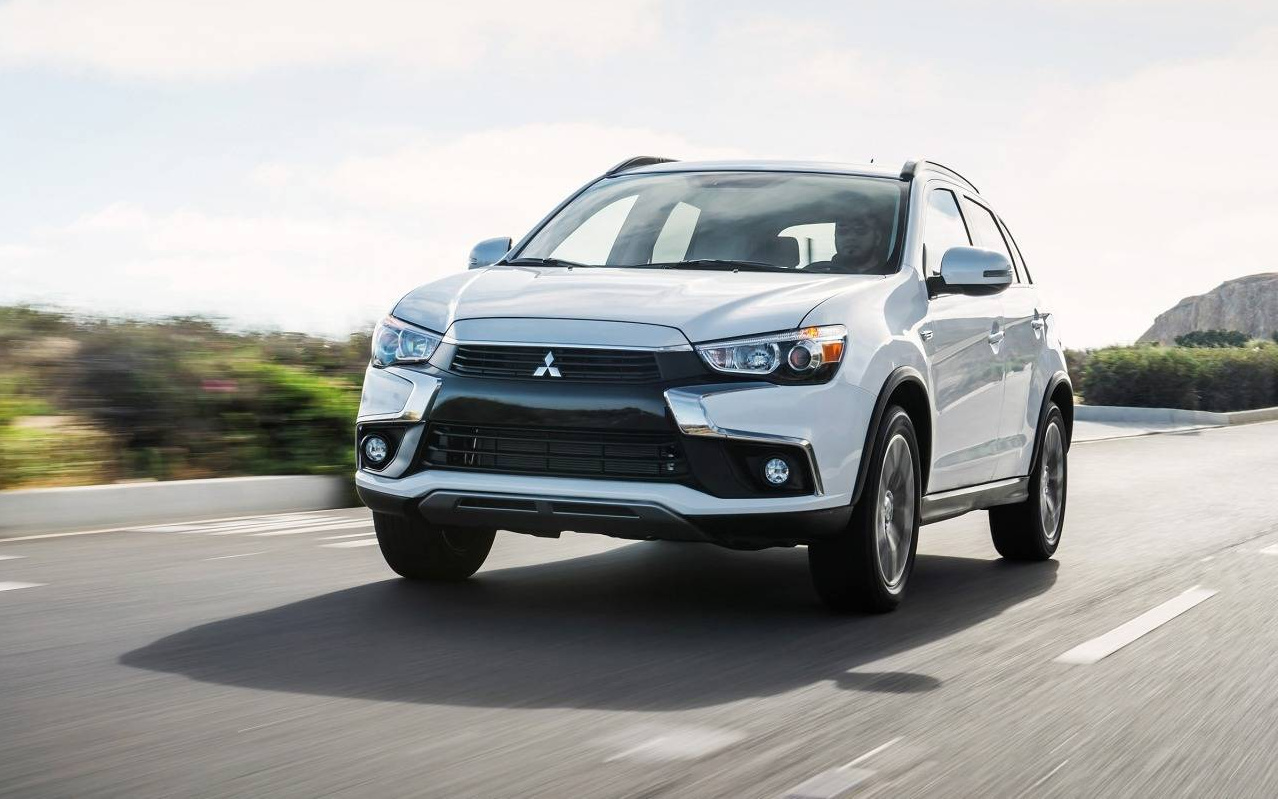
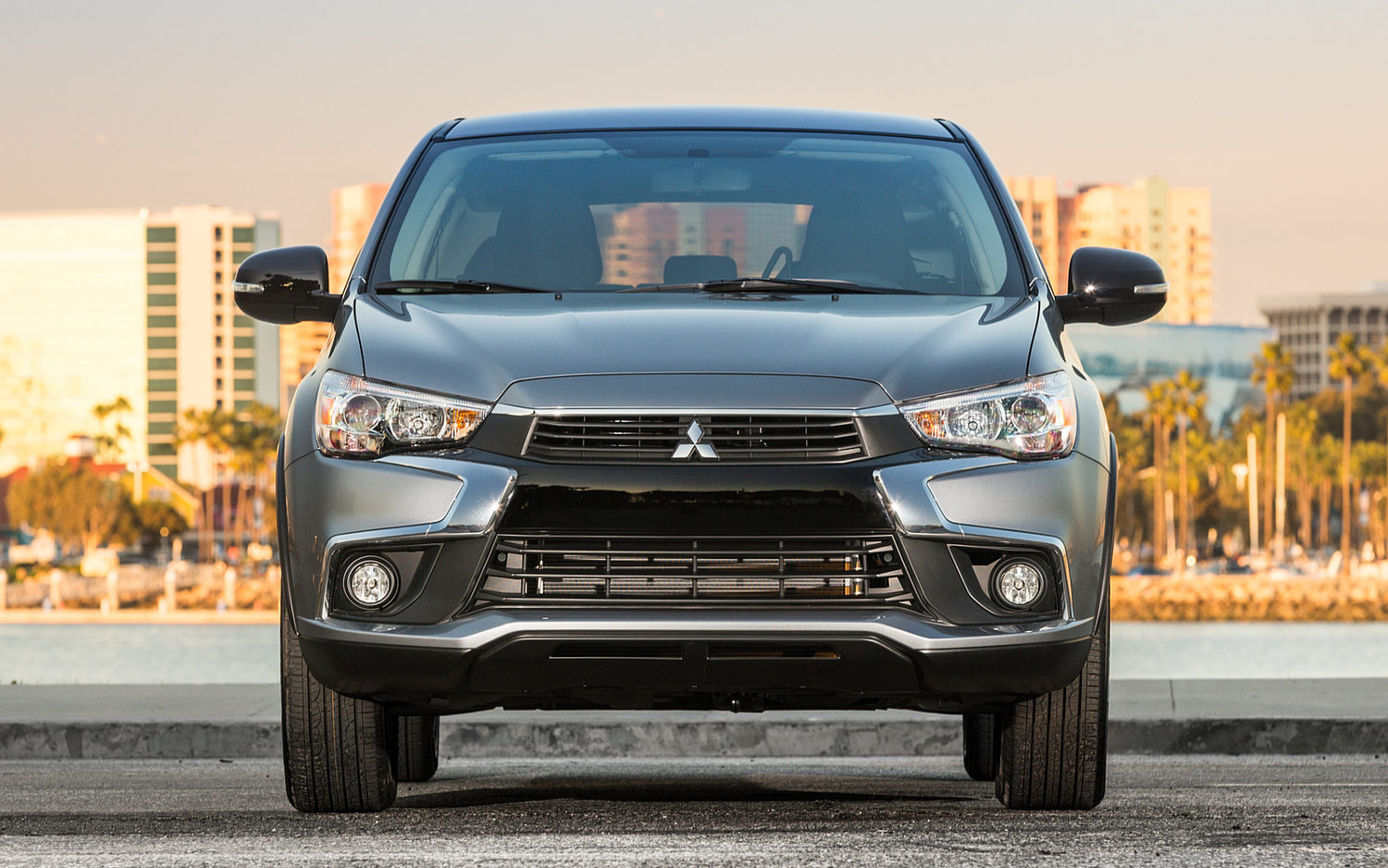
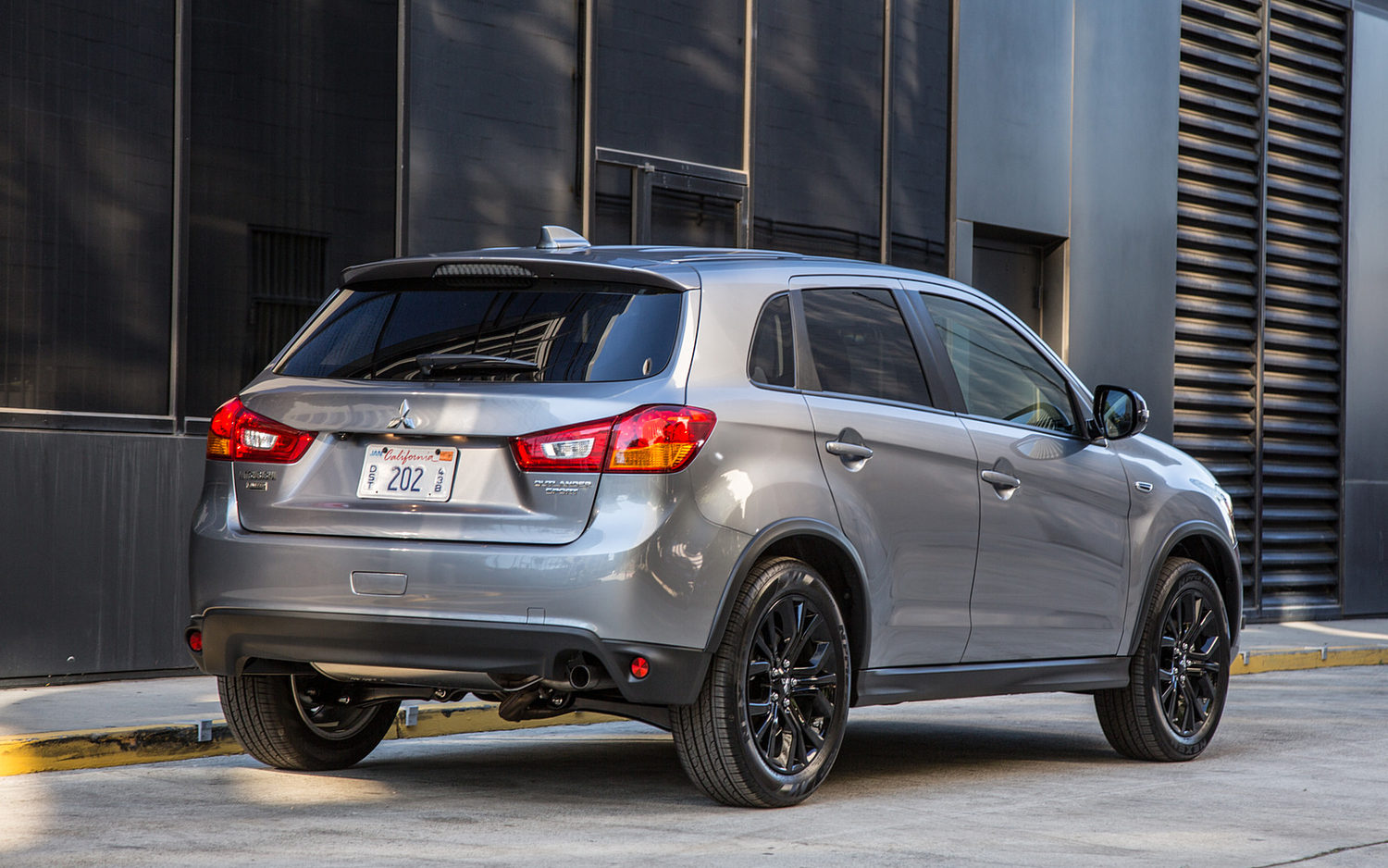
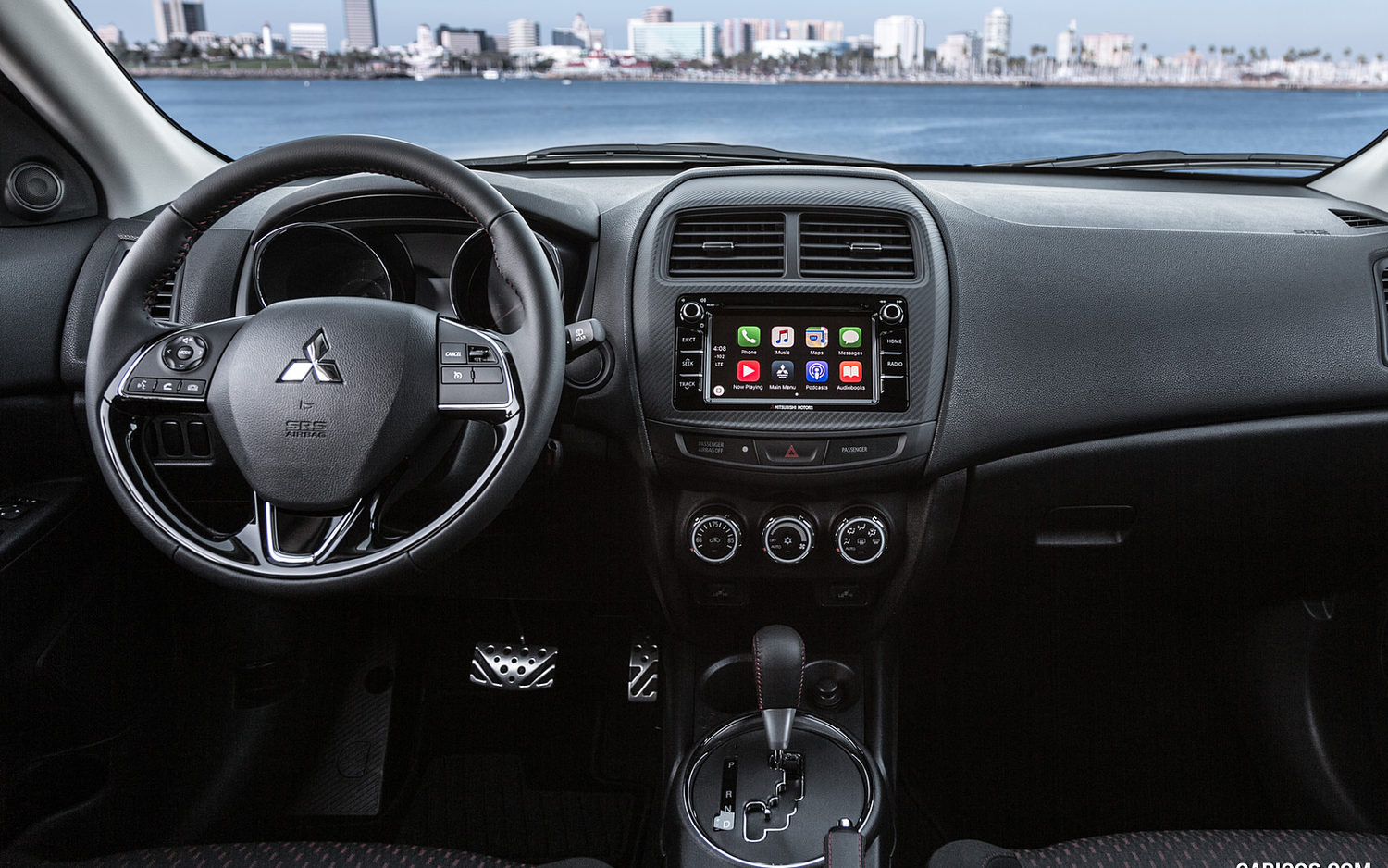
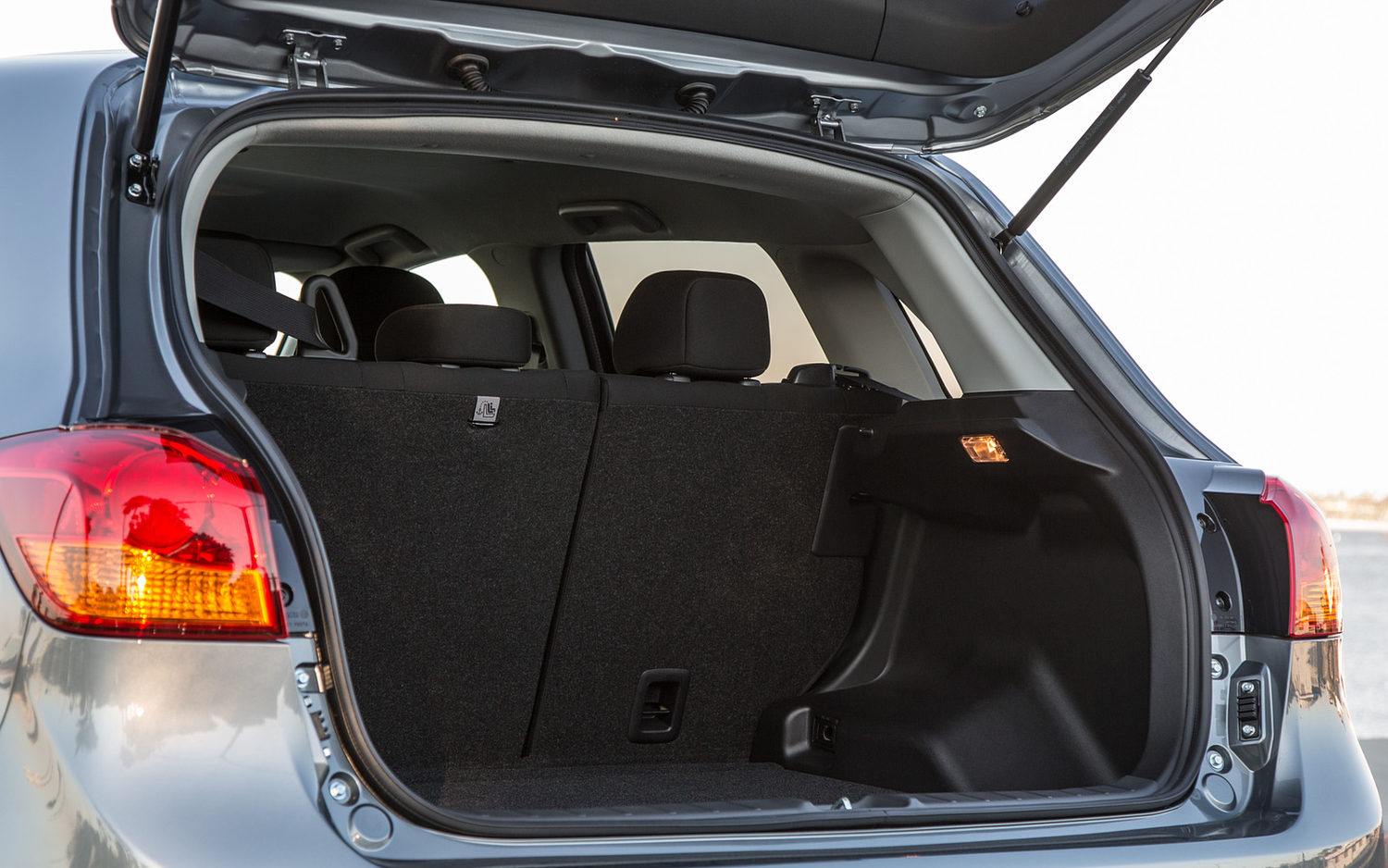
The 2017 Mitsubishi Outlander Sport is an attractive option for budget buyers looking for a capable crossover, but doesn't come without compromises. The Outlander Sport manages a 4.5 out of 10 on our overall scale. Its features and fuel economy help where styling and performance leave it short.
Pros Attractive price Decent exterior styling Easy loading—people or cargo Did we mention the price?
Cons Middling fuel economy Poor interior Underwhelming powertrains No advanced safety options
The 2017 Mitsubishi Outlander Sport ranks 11 out of 12 Subcompact SUVs. The Mitsubishi Outlander Sport finds itself at the back of the subcompact SUV pack, lagging the field in refinement, engine performance, and features.
Pros Roomy seats Long warranty coverage
Cons Below-average fuel economy Noisy, lackluster powertrains Outdated interior with low-quality materials
The small crossover SUV segment has surged in popularity over the last few years, with most automakers producing at least one that earns good fuel economy, is easy to drive and comes with all of today's tech gadgets. Over time, though, these models have bigger, more extensively equipped with features and, consequently, more expensive. If you desire a small SUV but don't want to spend a lot, the 2017 Mitsubishi Outlander Sport might seem like it's worthy of your consideration. After all, a well-equipped Outlander Sport costs as much as the base version of many competitors.
Pros Respectable fuel economy with 2.0-liter engine Well-equipped for the (very competitive) price Generous warranty coverage surpasses many rivals
Cons Ride quality is jarring on bumpy roads Many interior materials look and feel cheap CVT is aggravating due to slow responses Raucous drone while accelerating (especially with 2.0-liter engine)
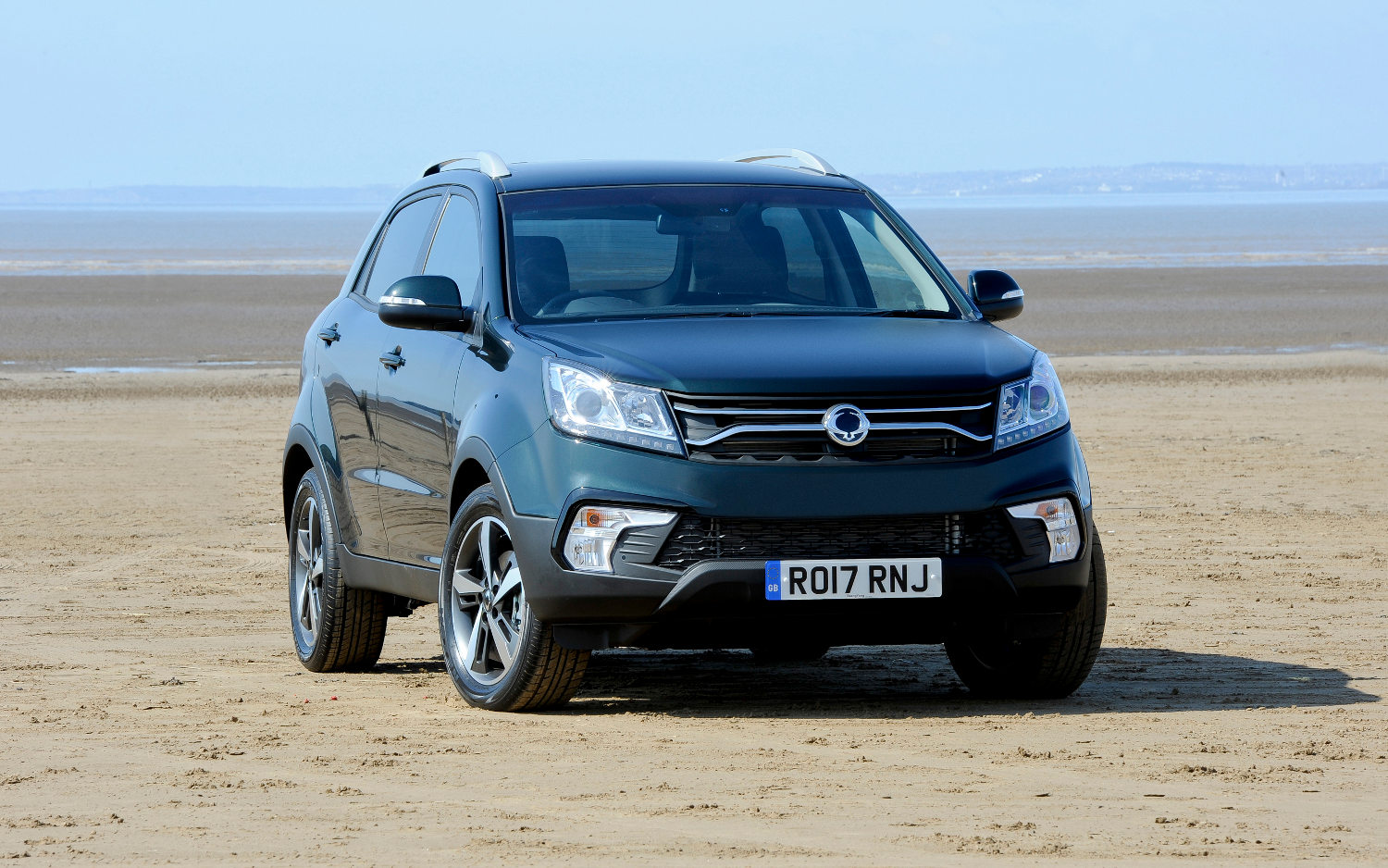
SsangYongs have been on sale in the UK since the ’90s – the company usually offers big SUVs for less than the majority of their competitors. Sadly, most of their models have proved to be lacklustre alternatives to the likes of the Kia Sportage, Suzuki Vitara and Nissan Qashqai. To drive, the Korando isn’t much fun, but most people buy one because they need an SUV either for tackling rough terrain or towing – two roles the SsangYong is perfectly suited to.
Pros Lots of space Relatively economical Generous standard kit
Cons Fast depreciation Dull styling Cheap feeling interior
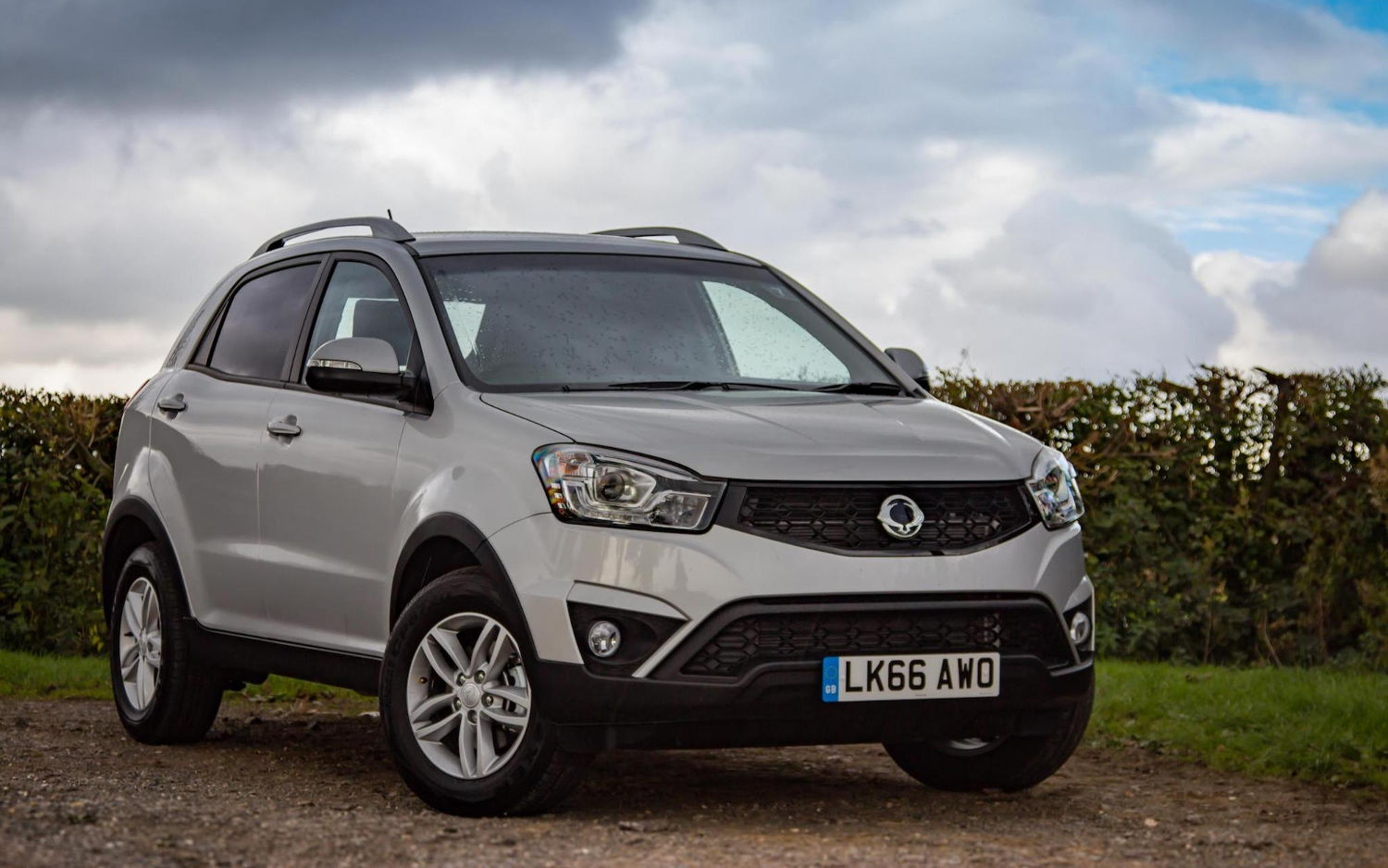
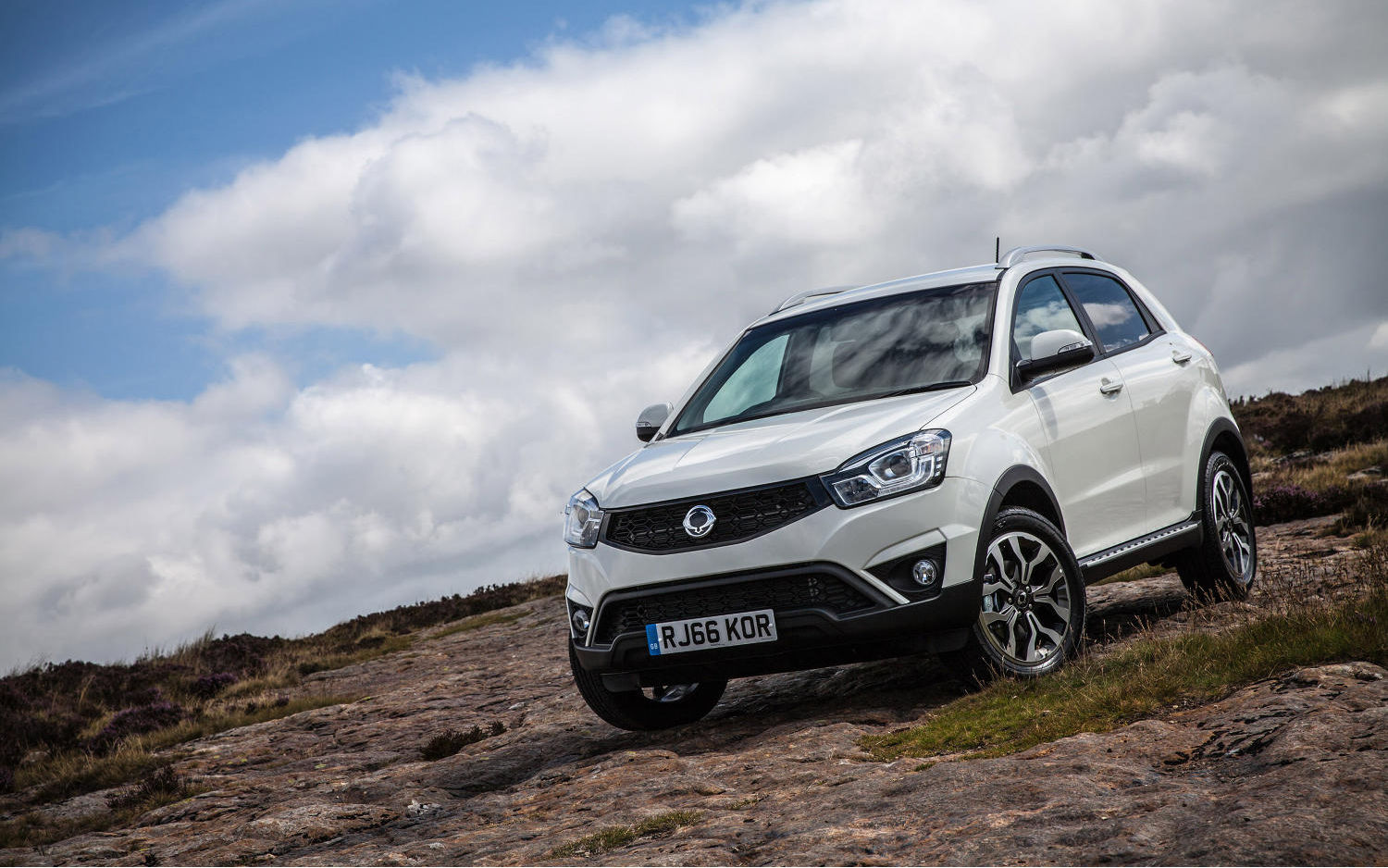
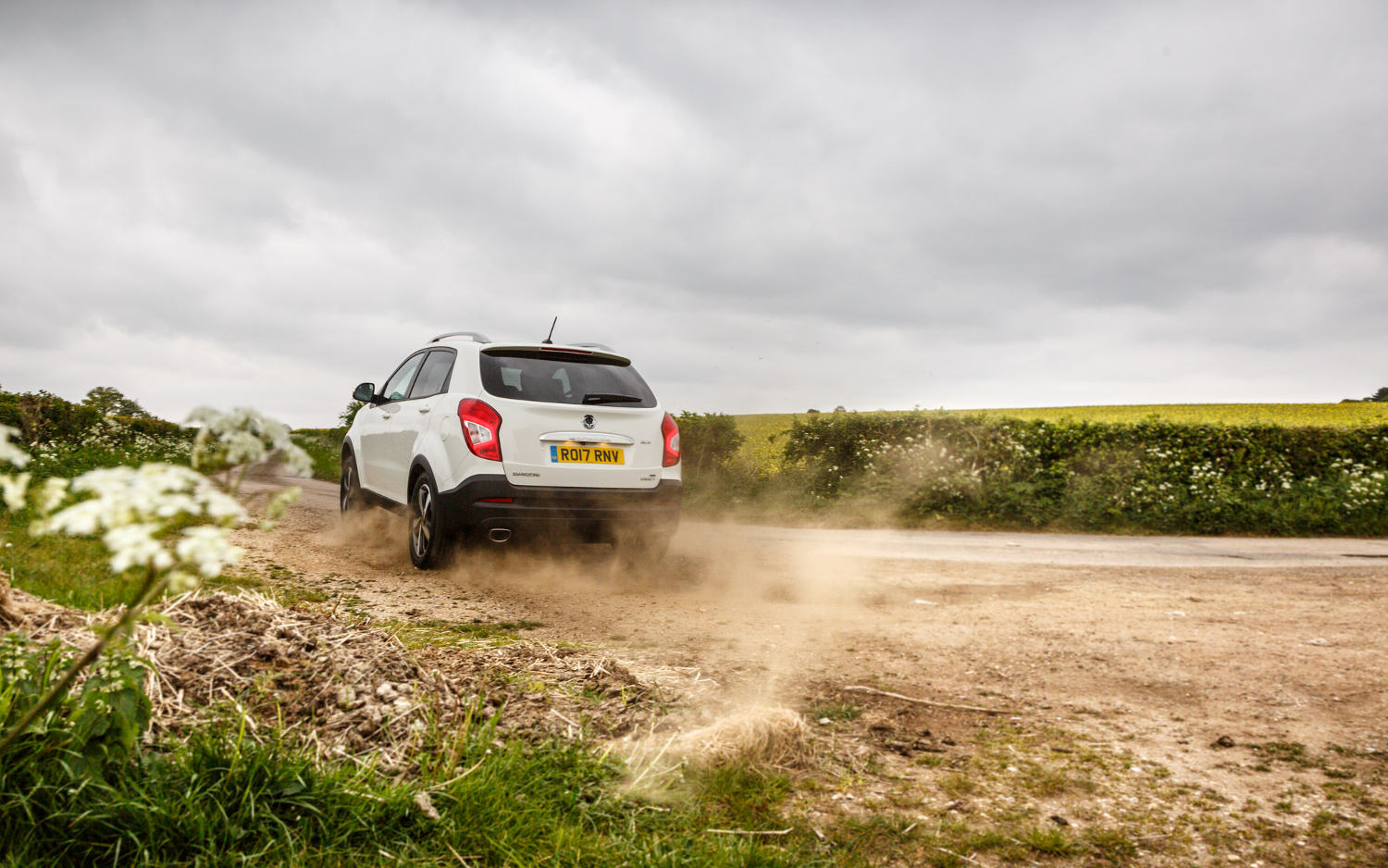
The SsangYong Korando gives you a lot of car for your money – but nowhere near as much as a Dacia Duster.The SsangYong Korando is the brand’s mid-size SUV, pitched as a low-cost rival to the Nissan Qashqai, Hyundai Tucson and Kia Sportage. On the move, the Korando isn’t as stable as a lot of its rivals, either – it tends to wallow about when going around corners and has an uncomfortable ride.
Pros Good value for money Spacious interior Low emissions
Cons Noisy diesel engine Poor-quality plastics Uncomfortable suspension
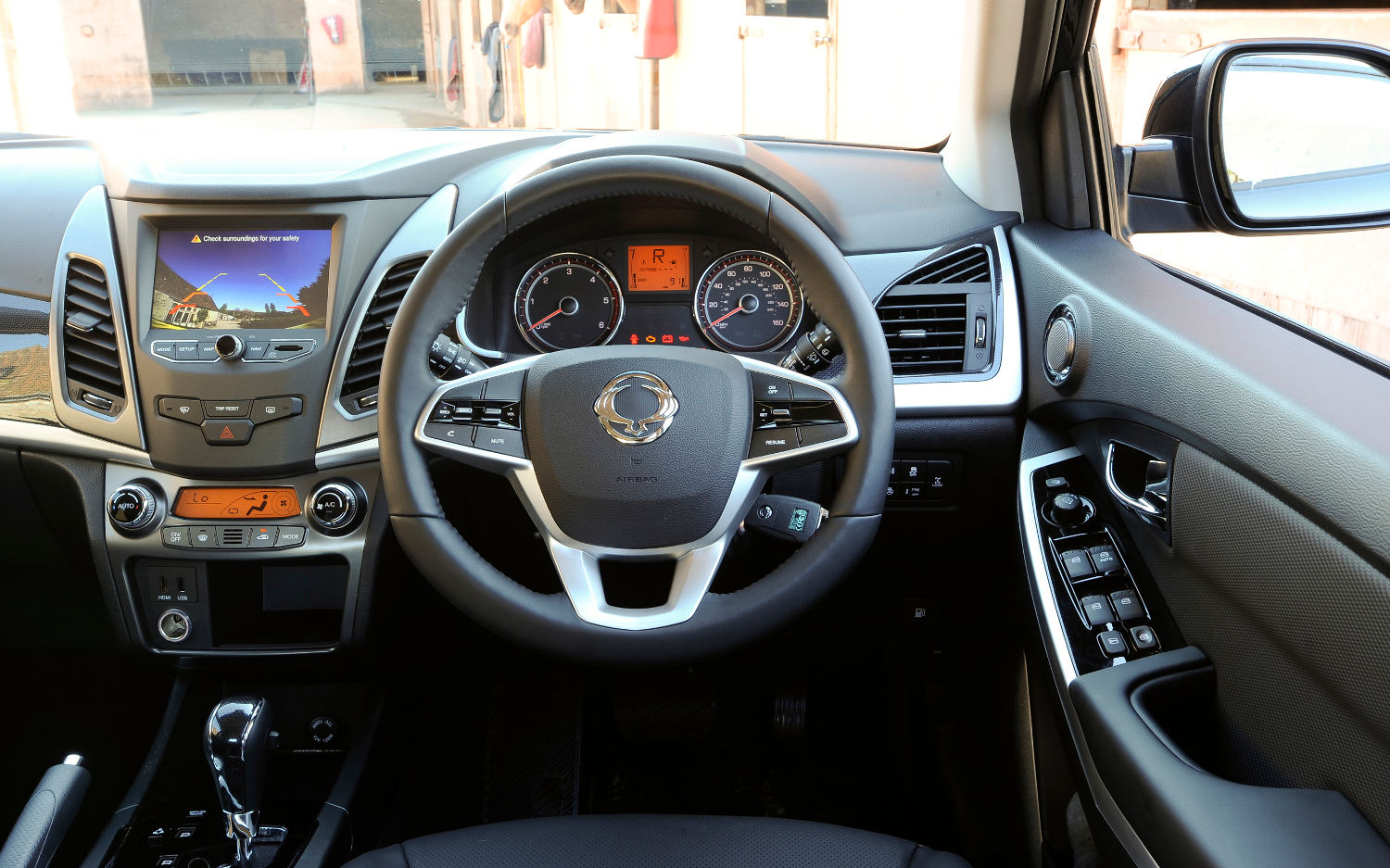
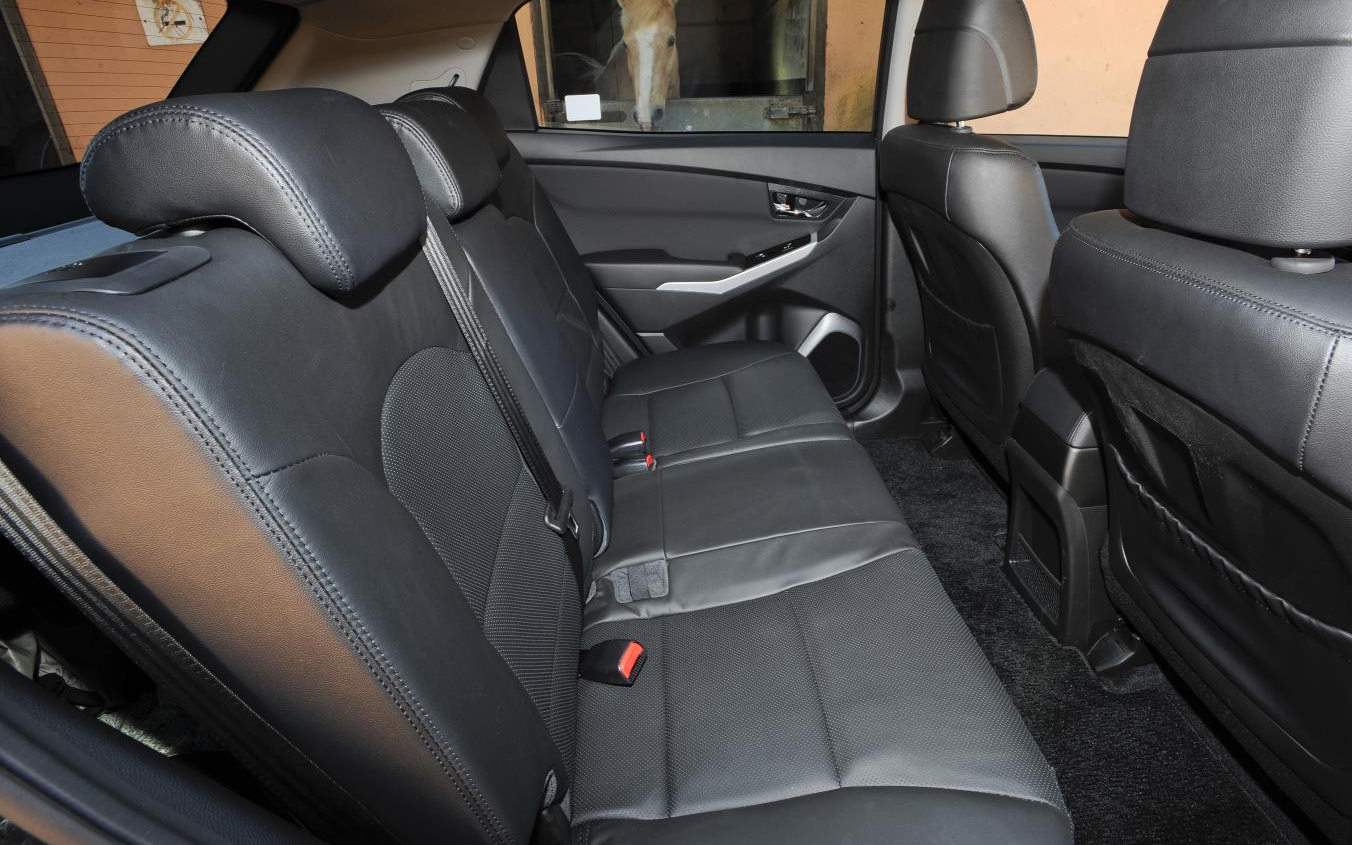
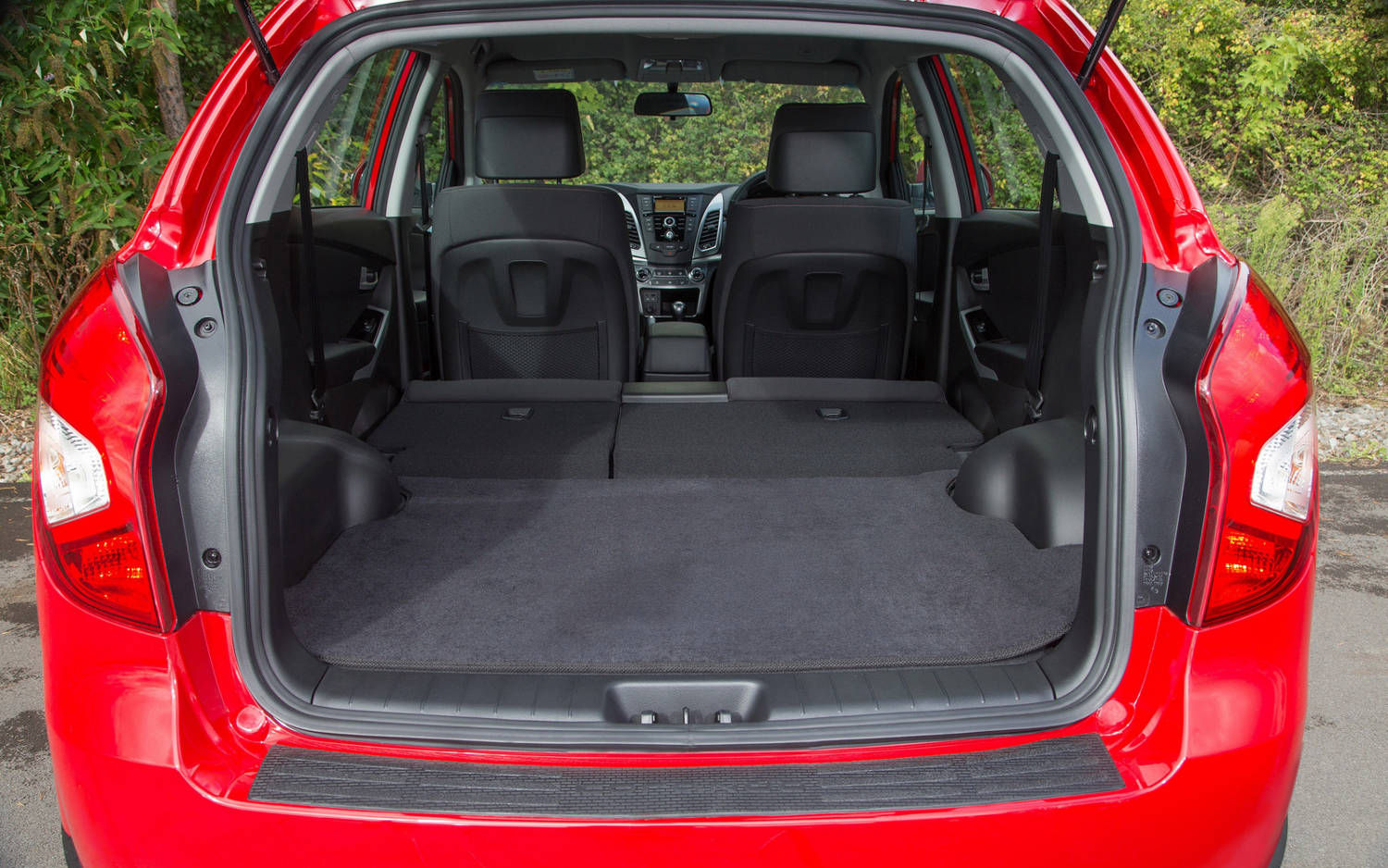
Not only was it a handsome addition to the compact crossover market, it was also the firm’s very first monocoque model – meaning it delivered a far better approximation of a car’s handling characteristics than any of the body-on-frame SUVs that continue to fill out the firm’s modest lineup. On the plus side, the Korando gets large storage bins, reach and rake adjustment for the steering wheel and generous equipment levels on higher-spec models. It is also competitive on interior space; offering decent leg and headroom for rear passengers, and acceptable luggage space. The interior is slightly less forgettable, but only because it comes partly clad in the kind of cheap plastic which cannot otherwise find a home in this class. The redesigned dashboard makes ergonomic sense, although it hasn’t lost any of its brittleness.